Traditional Decorative Jars

Elegant porcelain jars with intricate blue and polychrome decorations. Features floral motifs and traditional Japanese craftsmanship.
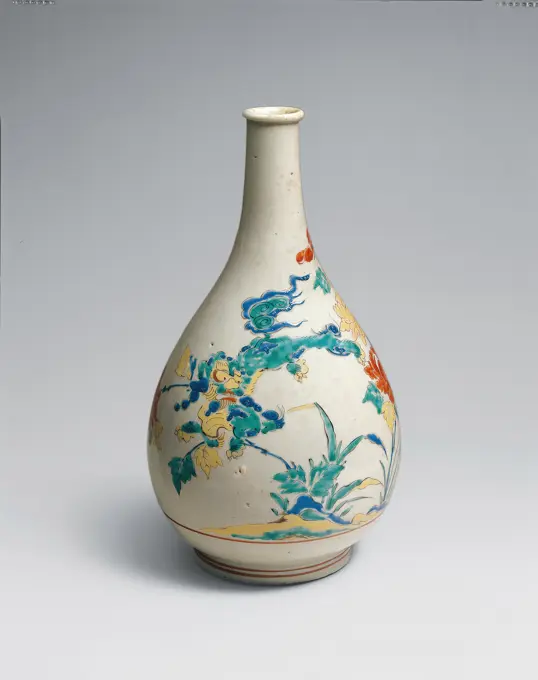
Bottle with peonies and Chinese lion, c. 1660s, Unknown Japanese, 11 3/16 × 6 3/16 × 6 3/16 in. (28.42 × 15.72 × 15.72 cm), Hizen ware, Ko-Imari style; porcelain with overglaze enamels, Japan, 17th century, This elegant, pear-shaped bottle features an auspicious combination of Chinese motifs lush peonies and mythological lion-dogsexecuted in red, blue, yellow, green, and black overglaze enamels. The technique of decorating porcelains by painting designs in multi-colored enamels over glazed, high-fired works was mastered in Japan only in the 1640s. Although also extremely popular within the country, many of these wares were intended for export to Southeast Asia and Europe.
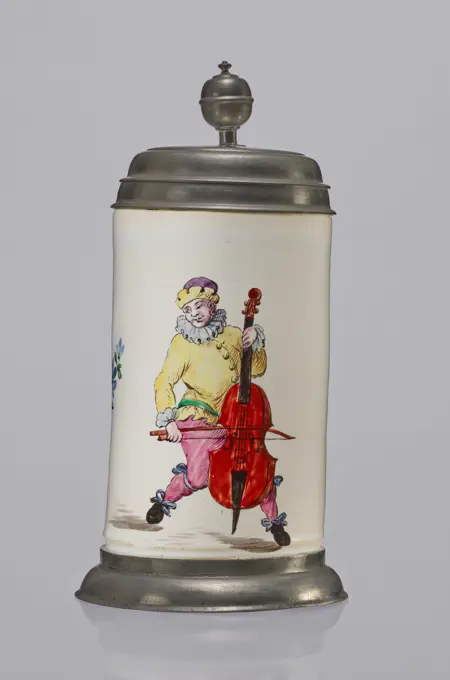
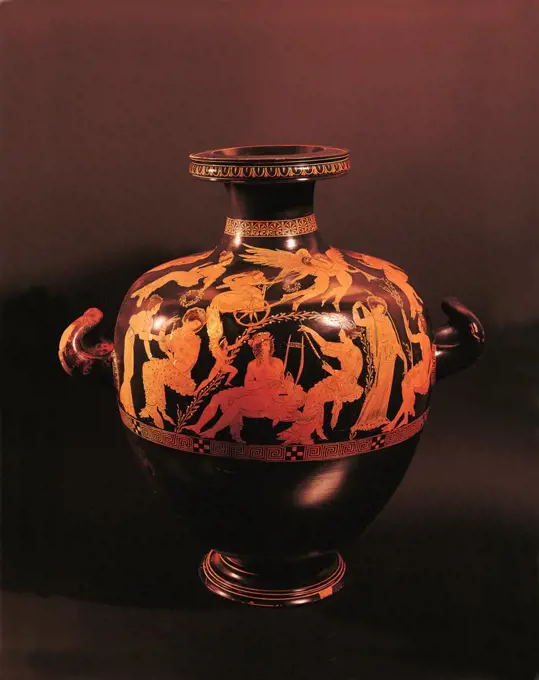
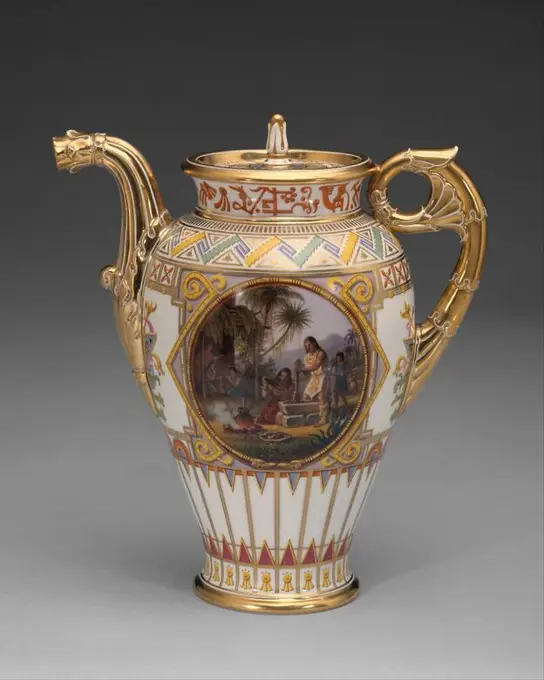
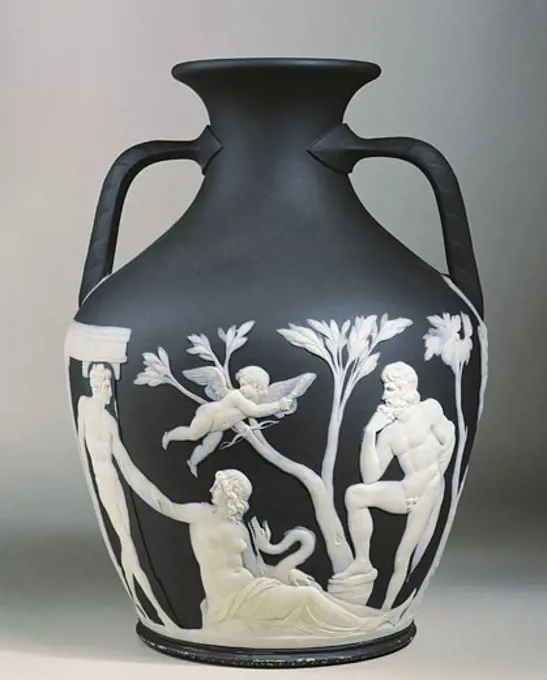
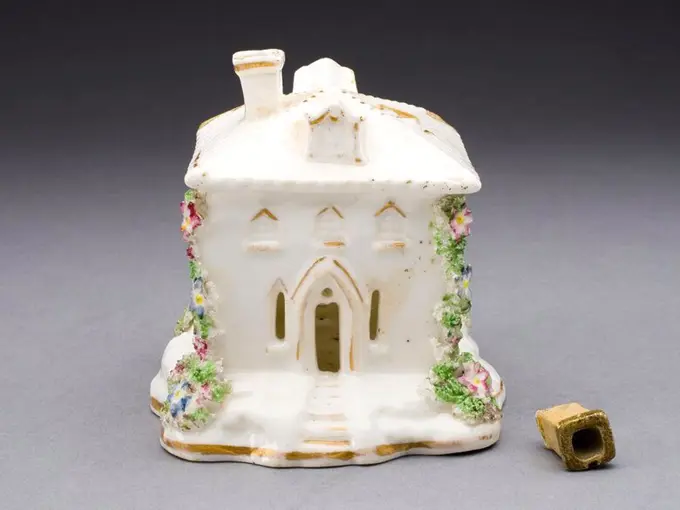
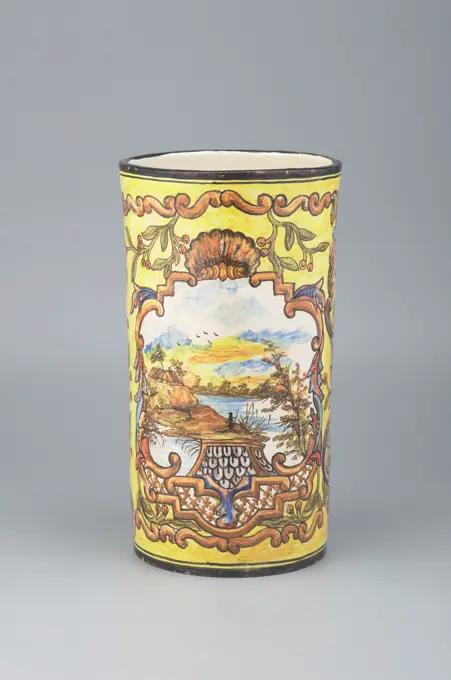
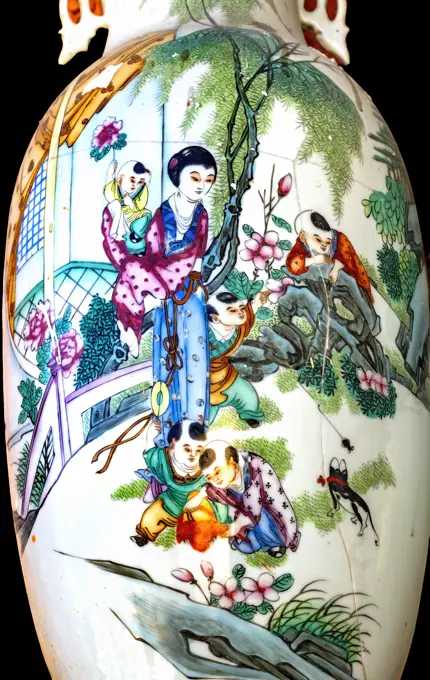
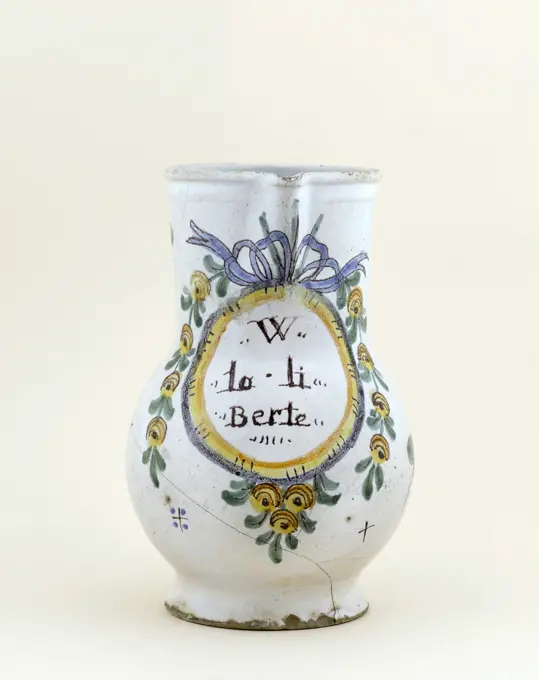
Elephant still bank, 20th century, 2 1/2 x 1 13/16 x 3 1/2 in. (6.35 x 4.6 x 8.89 cm), Ceramic, rubber, Netherlands, 20th centuryTin mug; Prószków L Ski (Factory of the Fajans; 1763-1853); End of the 18th century (1790-00-00-1800-00-00);Cup with ladies in a garden late 17th-early 18th century China. Cup with ladies in a garden. China. late 17th-early 18th century. Porcelain painted in overglaze polychrome enamels (Jingdezhen ware). Qing dynasty (1644-1911), Kangxi period (1662-1722). CeramicsHydria in Attic pottery, by Meidias, 4th Century, ceramic,Bust of Harlequin ca. 1770s Derby Porcelain Manufactory. Bust of Harlequin. British, Chelsea-Derby. ca. 1770s. Soft-paste porcelain. Derby Porcelain Manufactory (British, 1751-1785). Ceramics-PorcelainBottle painted in under-glaze cobalt blue within manganese black outlines with deer in flowers, Iran. From Meshhen dynasty, 17th centuryCoffeepot (cafetière "campanienne") (part of a service). Culture: French, Sèvres. Decorator: Pictorial decoration by Jean Charles Develly (active 1813-47); Gilded by Pierre Riton (active 1821-60). Dimensions: Overall (confirmed): 7 9/16 x 6 15/16 x 4 1/4 in. (19.2 x 17.6 x 10.8 cm). Factory: Sèvres Manufactory (French, 1740-present). Patron: Commissioned by Louis Philippe, King of France (French, Paris 1773-1850 Claremont, Surrey) for Queen Marie-Amélie. Date: 1836.The best of the Sèvres porcelain produced in the mid-nineteenth century displays an originality of conception unmatched by the other European ceramic manufactories of the period. This inventiveness is reflected in the unusual subject matter and bold ornamental patterns employed in the decoration of this service. Each of the scenes depicts an aspect of the cultivation of cacao or the preparation of hot chocolate, and the various stages of production and the utensils employed are rendered with a surprising degree of historicaTrumpet vases Porcelain detail with jagged edgeClose-up of a Wedgwood vase, EnglandCERAMICA PORTUGUESA - FOTO AÑOS 60. Location: MUSEO DE ARTE ANTIGUO. LISBOA. PORTUGAL.Caltagirone. Ceramic. Sicily. ItalyIncense Burner. England, Staffordshire. Date: 1825-1835. Dimensions: 8.9 x 8.9 x 8.9 cm (3 1/2 x 3 1/2 x 3 /12in.). Glazed earthenware with polychrome enamel decoration. Origin: Staffordshire. Museum: The Chicago Art Institute, Chicago, USA. Author: Staffordshire Potteries.Albarello, painted multi-colored with a weapon with the head of a griffin and a banderole with inscription on either side: Jera Pigra. Cylindrical pot with concave walls, multi-colored painted majolica. The pot has a banderole in the middle of the belly with inscription "Jera Pigra". Above the banderole, a weapon with the head of a griffin is painted on either side. Under the banderole, a cup of an angel is painted within a wreath. At the pot a second pot comes with Invnr. BK-15346-b.Brown vintage bag isolated on whiteCylindrical vase; Manufaktura Majoliki in Nieborów (Nieborów; Wytwórnia; 1881-1899), Hy Ycka, Jadwiga (1856-1922); 1881-1886 (1881-00-00-1886-00-00);Colorful Ancient Women Children vase Porcelain China House, Tianjin, China. House decorated with ancient Chinese vases. The colorful vase is from the Qing Dynasty 1644-1911.. Pharmacist spot from faience. Blue painted with inscription: S / Rosar Solutiv.Close-up of an Apothecary jar, Venice, Veneto, ItalyPichet "w Liberty". Earthenware. 1791-1793. Paris, Carnavalet museum. 76184-22 Former diet, Revolutionary Faience, Fleur, Liberte, Pichet, French Revolution