Traditional Garments and Accessories

Historical clothing items such as a sunbonnet, drawers, and gloves, highlighting vintage fashion and textiles from the 19th to early 20th century.

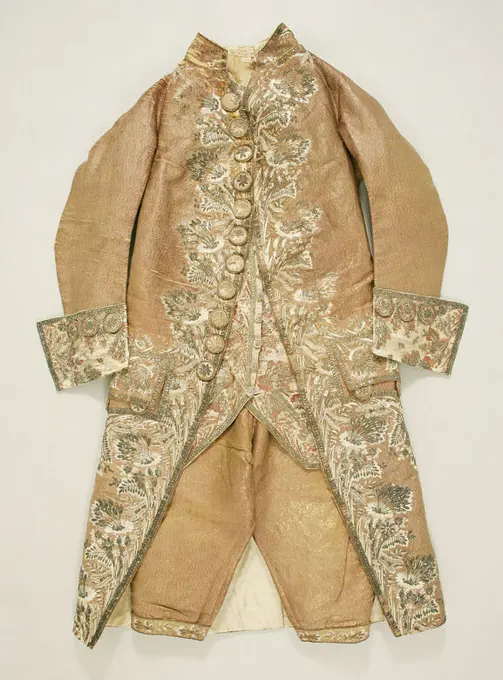
Long, sleeveless men's vest of Mauve-Gray Changeant Tafzijde, Anonymous, c. 1760 - c. 1780 Long, sleeveless men's vest of Mauve-Gray Changeant Tafzijde, with angular front fronts, upright sink, two side pockets, back building of white linen and along the front buildings with 14 fabric buttons with yellow buttonholes. Lined with Ditto Changeant Tafzijde. Low Countries Fronts: Silk. Back properties: Linen (Material). Lining: Silk Long, sleeveless men's vest of Mauve-Gray Changeant Tafzijde, with angular front fronts, upright sink, two side pockets, back building of white linen and along the front buildings with 14 fabric buttons with yellow buttonholes. Lined with Ditto Changeant Tafzijde. Low Countries Fronts: Silk. Back properties: Linen (Material). Lining: Silk
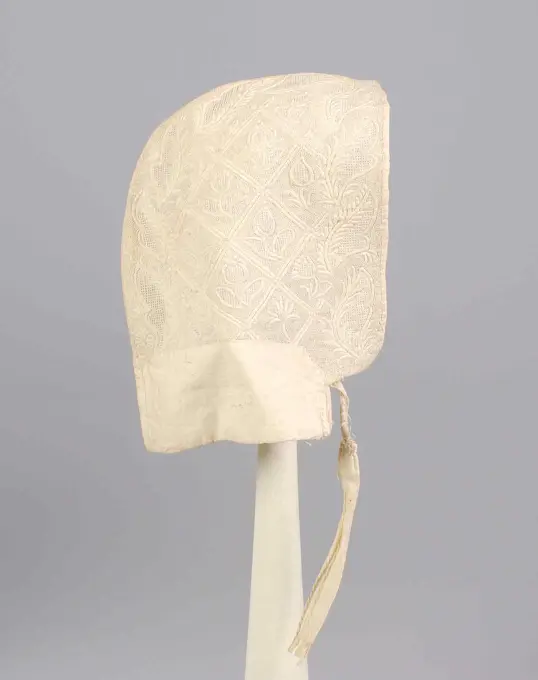
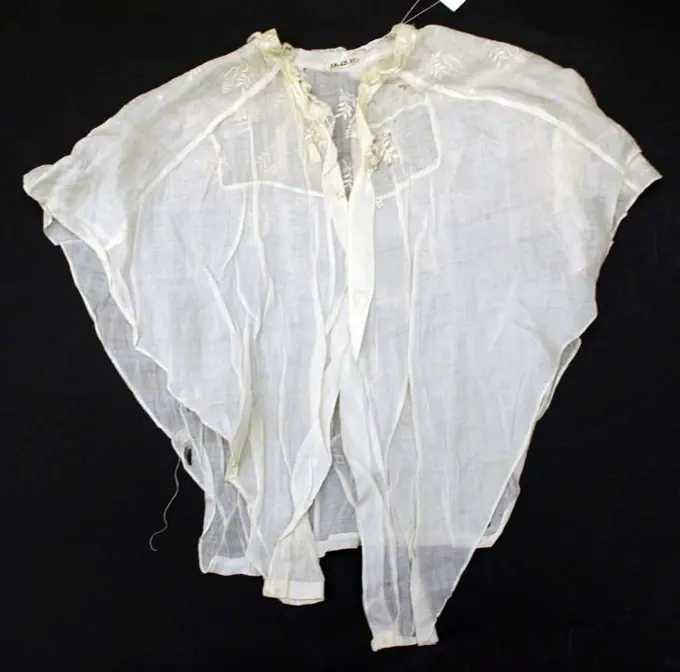
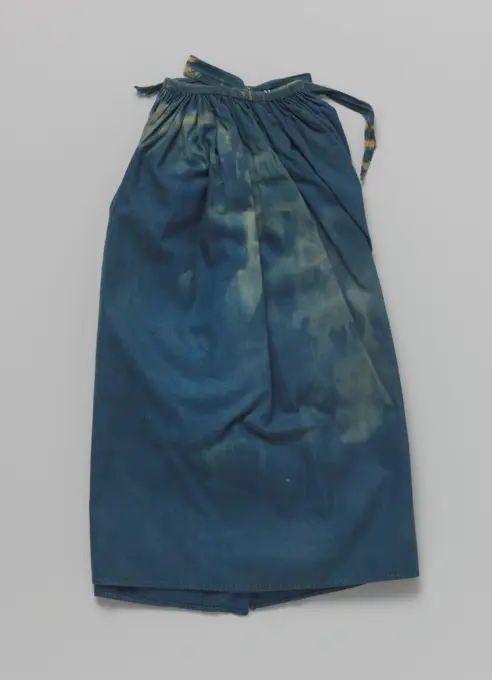
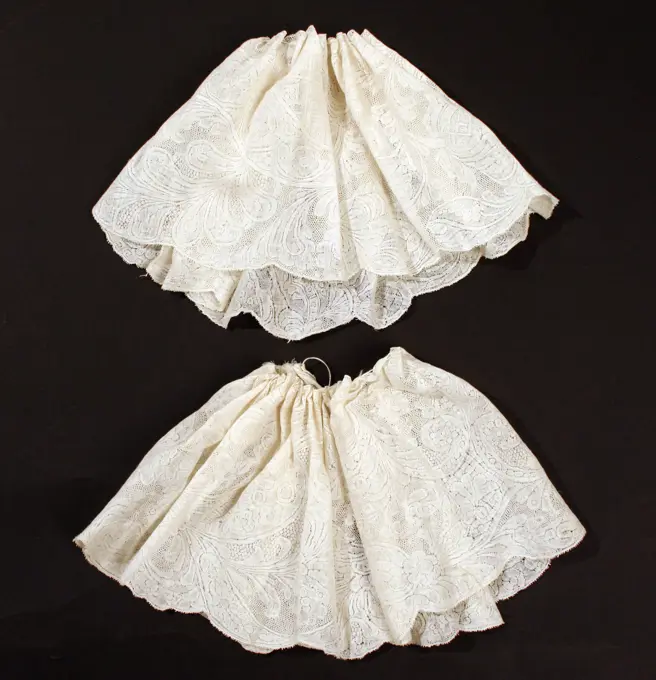
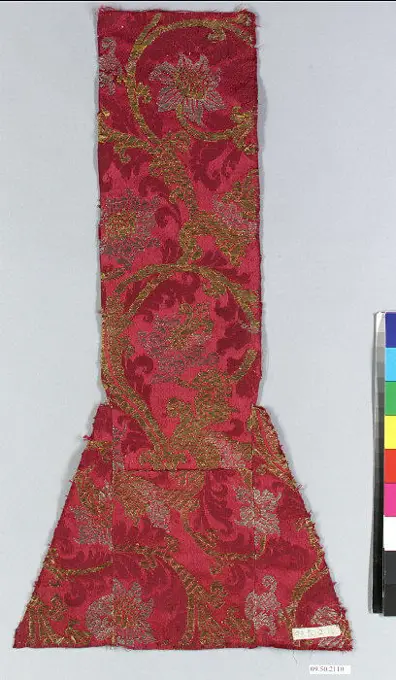
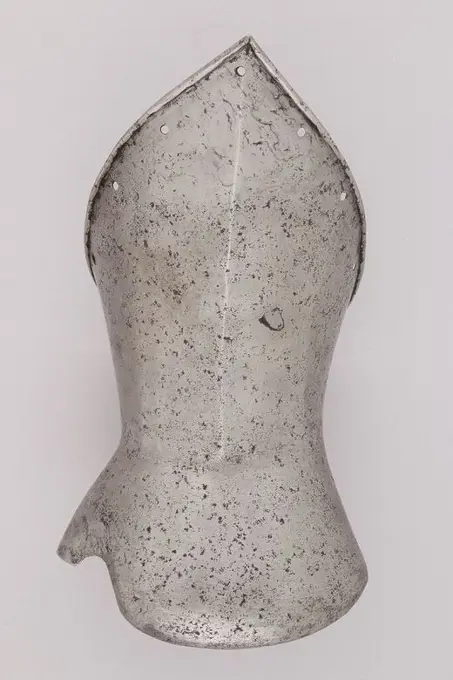
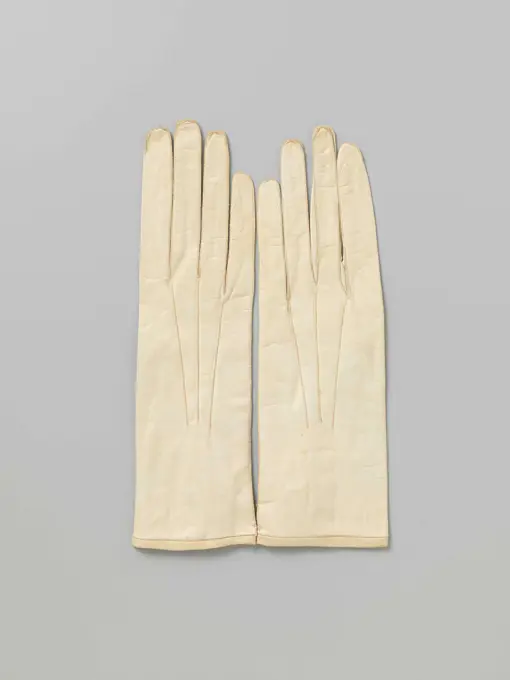
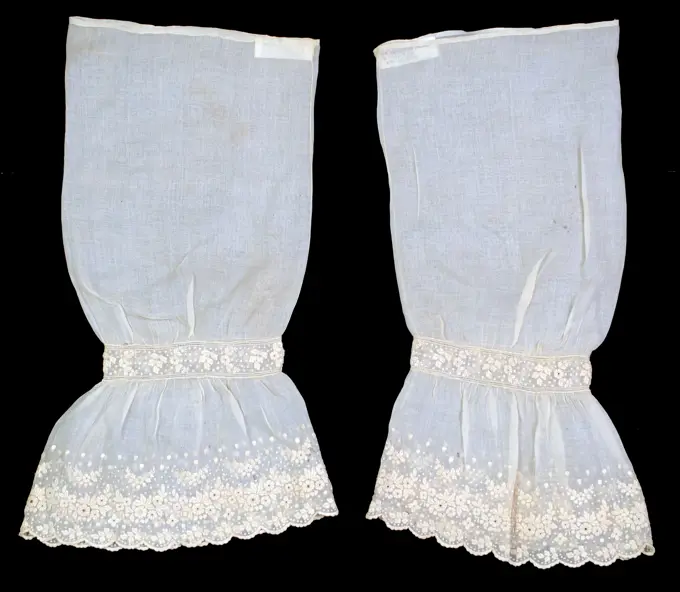
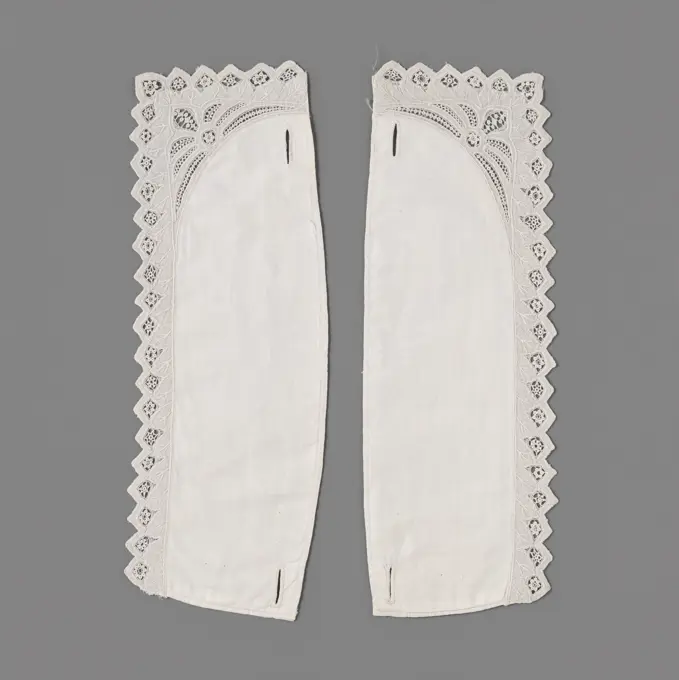
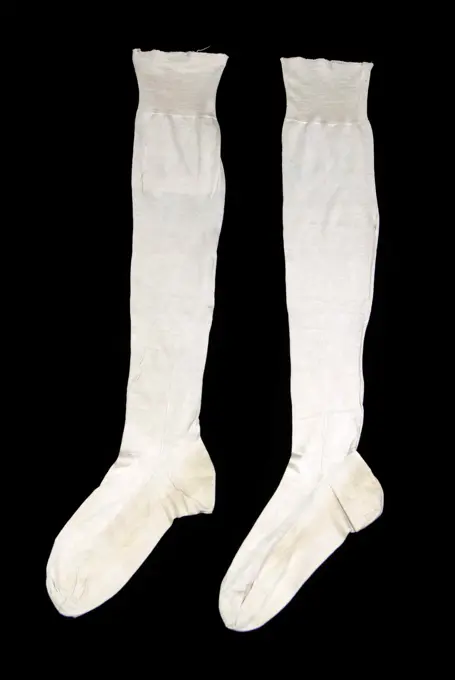
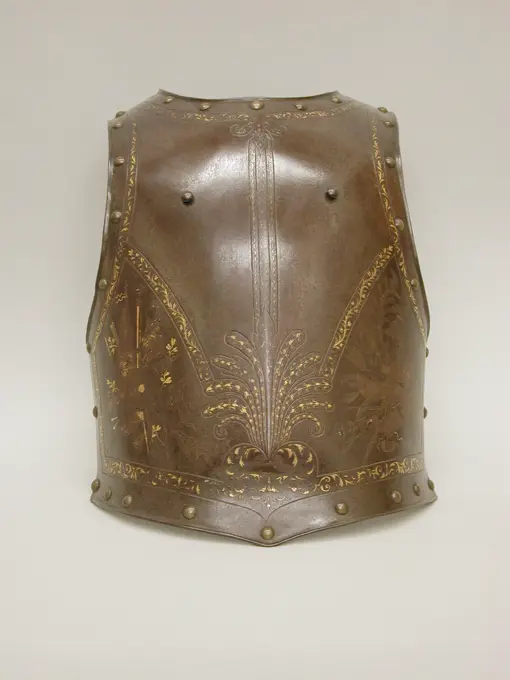
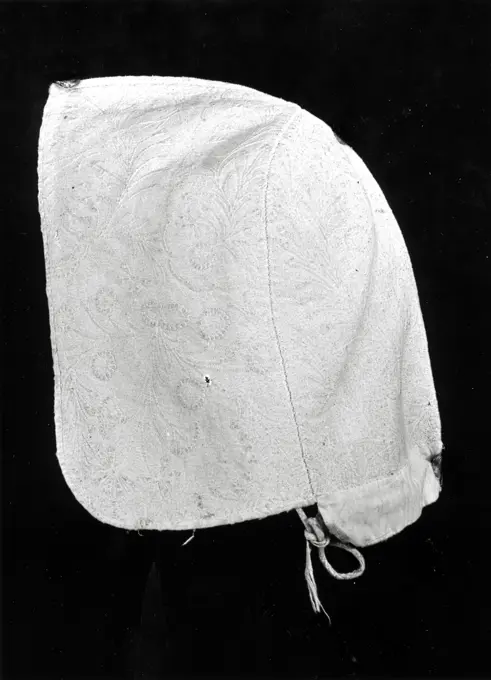
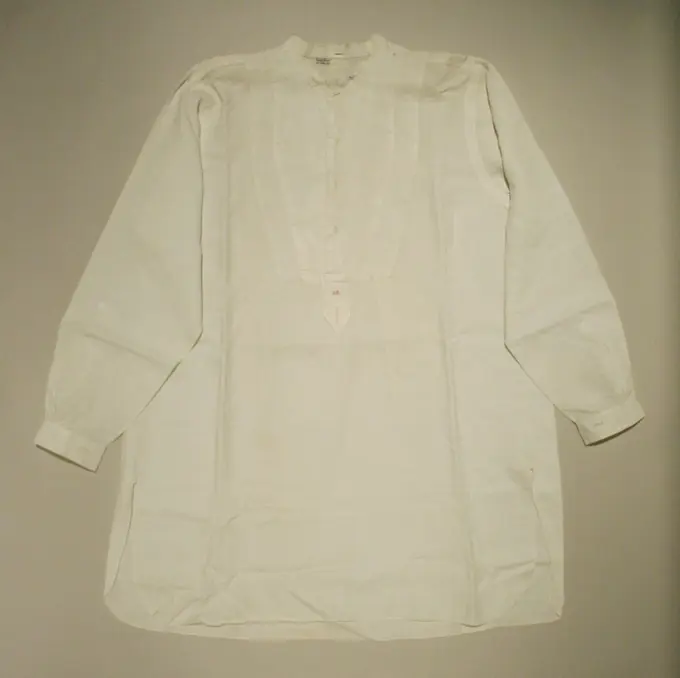
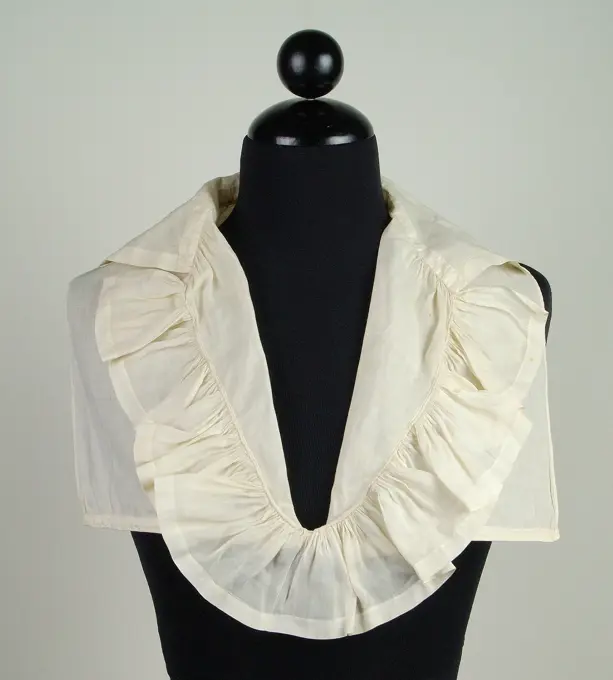
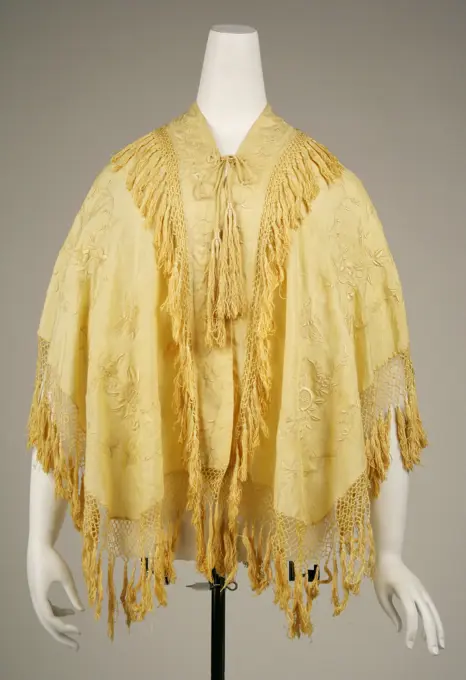
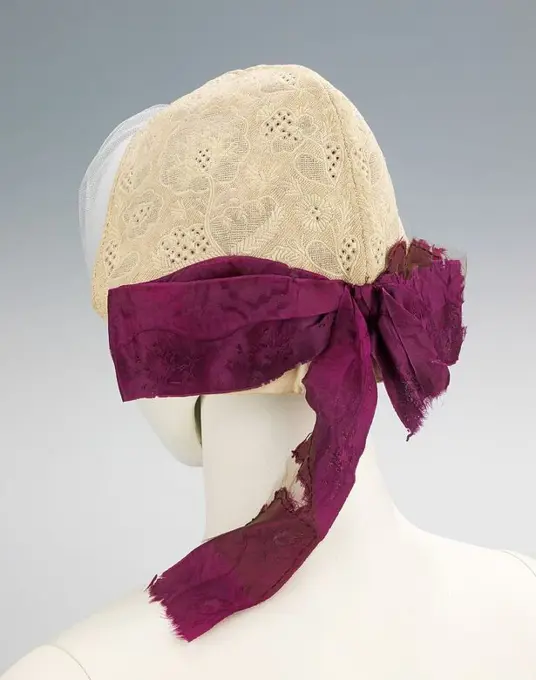
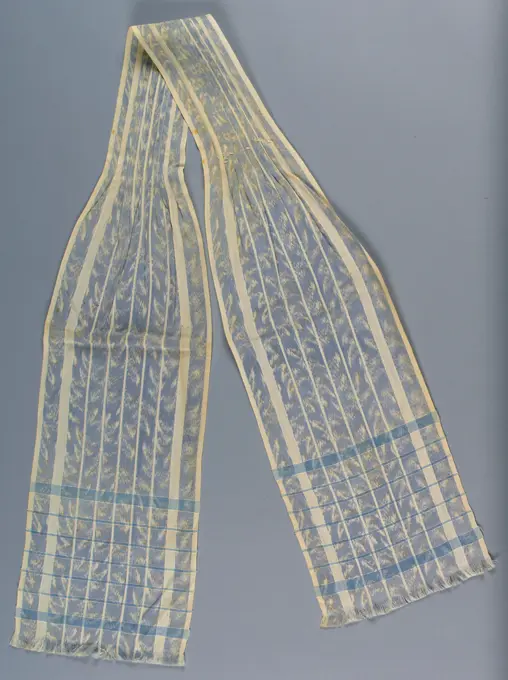
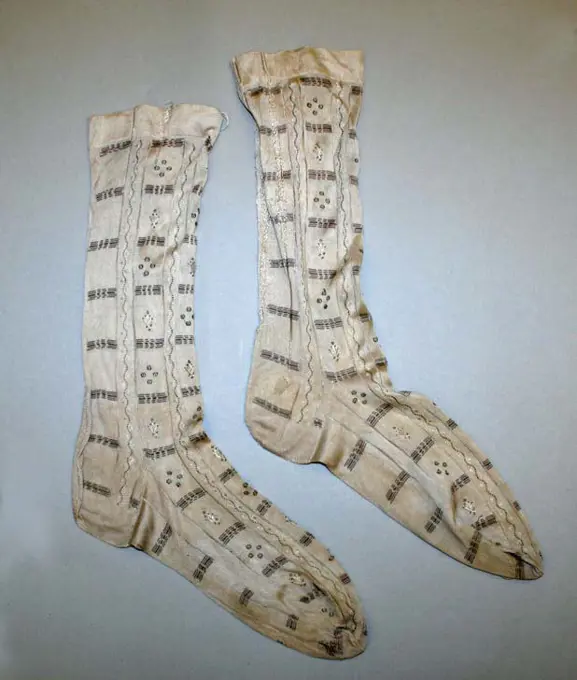
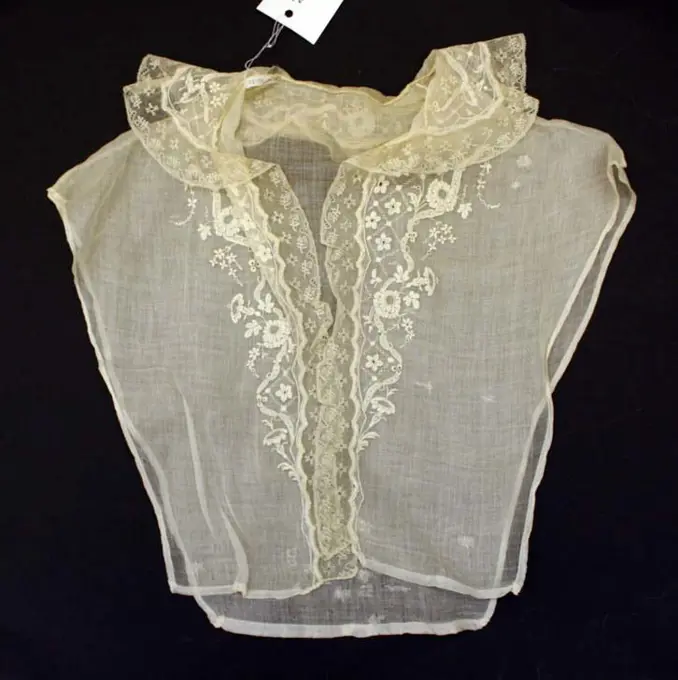
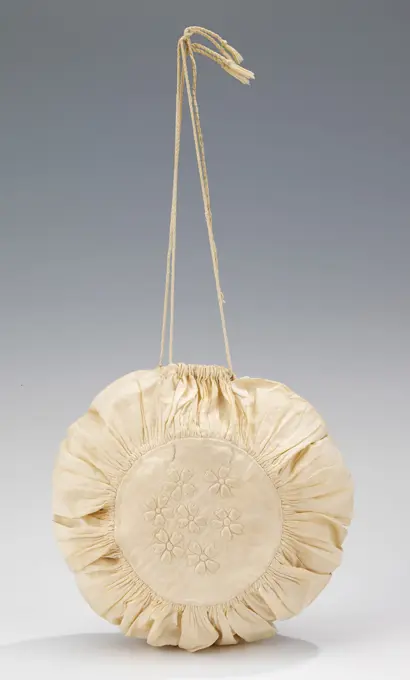
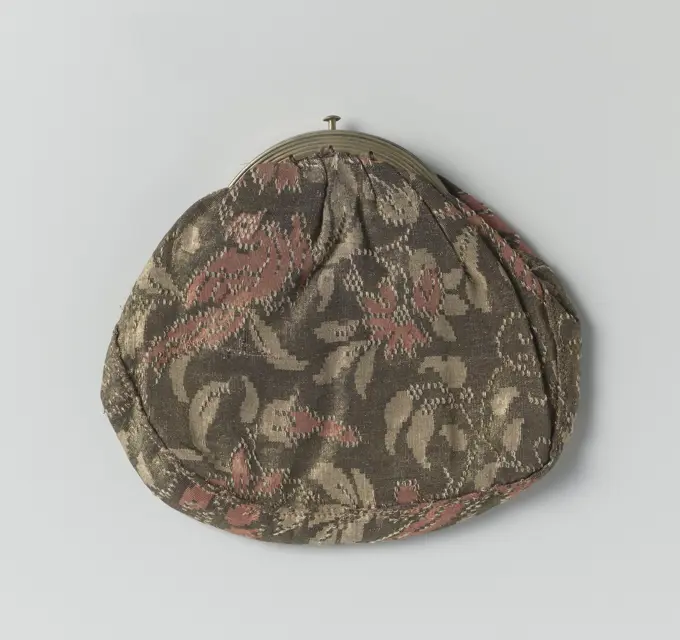
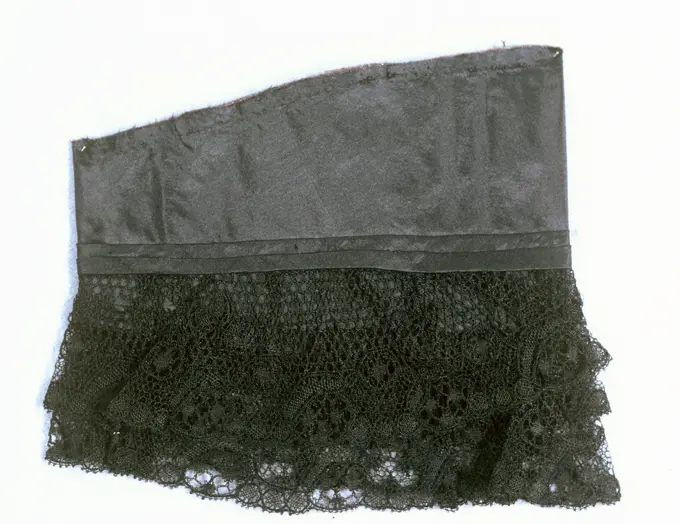
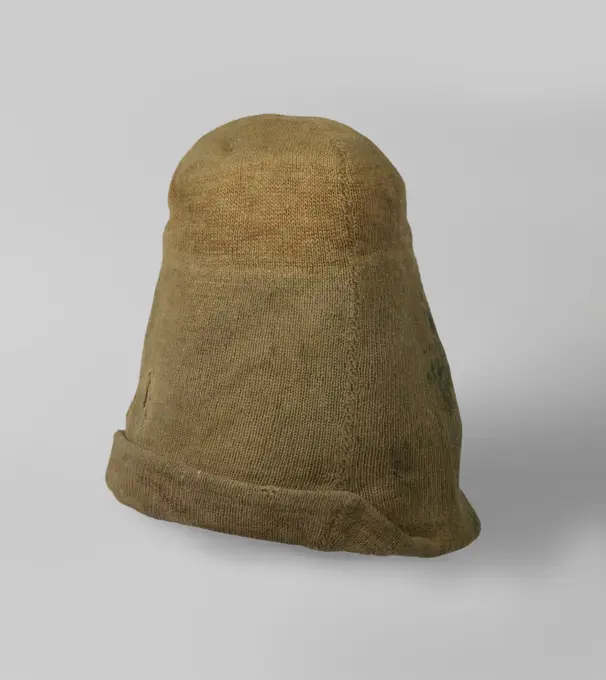
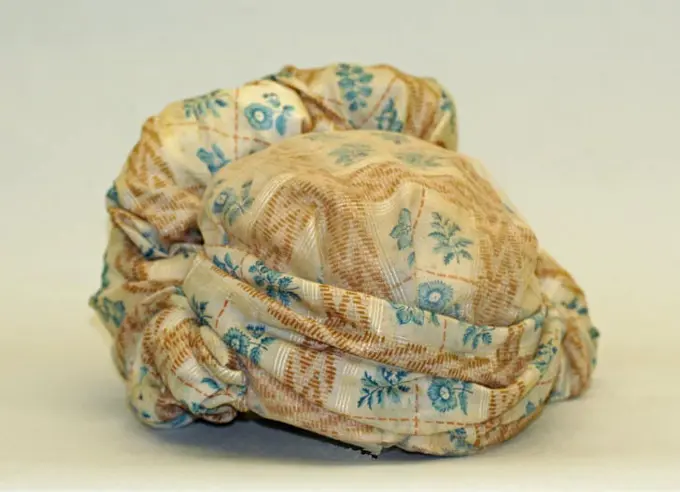
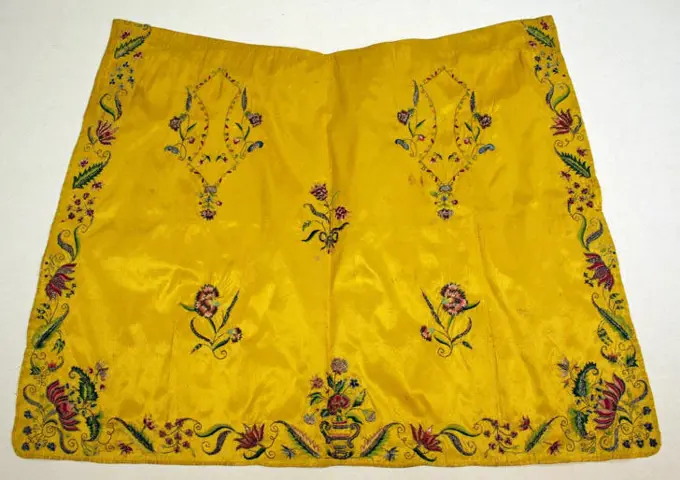
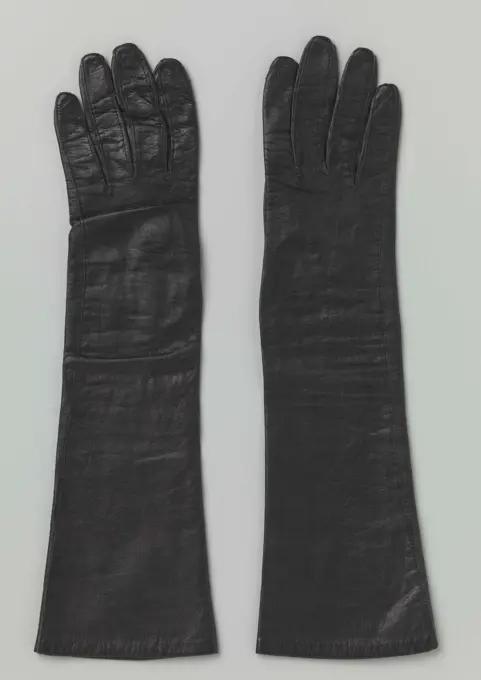
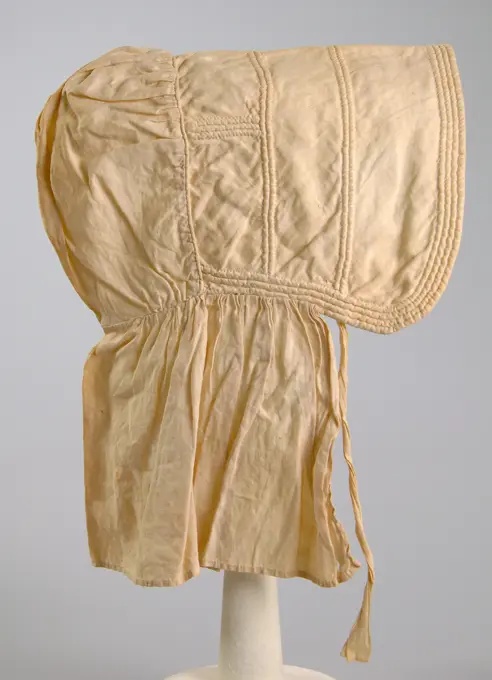
Sunbonnet American ca. 1840Drawers 1840s American or European. Drawers 108997Skul cap (yarmulke, kippach) made of Persian silk fabric brocaded with gold unknownRight glove from liver-colored sea leather, at the wrist a split with three artificial purple pearl knots, on the back three radiating cords.Frisian hat with bobbin strip with raspberries, anonymous, c. 1900 Frisian hat, trimmed at the front with a strip of natural -colored bobbin side: Lillese side. Strip with a running pattern of hanging, one -sided schuilding raspberries, which stand out against a background of meshes strewn with mosques. Belgium (possibly) linen (material). cotton (textile) bobbin lace / Lille lace Frisian hat, trimmed at the front with a strip of natural -colored bobbin side: Lillese side. Strip with a running pattern of hanging, one -sided schuilding raspberries, which stand out against a background of meshes strewn with mosques. Belgium (possibly) linen (material). cotton (textile) bobbin lace / Lille laceKnitted mitaine of white cotton, with silk drive tire and rib pattern, for baby, c. 1880 Knitted mitaine of white cotton, with silk moving band and rib pattern, for baby. Europe cotton (textile) knitting Knitted mitaine of white cotton, with silk moving band and rib pattern, for baby. Europe cotton (textile) knittingMitaine of silk with red, white and black stripes, anonymous, c. 1800 - c. 1820 Mitaine of silk, with red, white and black stripes. Set with white lace and silver -spiveron. Zaanstreek whole: Silk. offsprand:. Turn off: Linen (Material). Mitaine of silk, with red, white and black stripes. Set with white lace and silver -spiveron. Zaanstreek whole: Silk. offsprand:. Turn off: Linen (Material).Cap 1830-50 Slovak. Cap 173288Long, sleeveless men's vest of Mauve-Gray Changeant Tafzijde, Anonymous, c. 1760 - c. 1780 Long, sleeveless men's vest of Mauve-Gray Changeant Tafzijde, with angular front fronts, upright sink, two side pockets, back building of white linen and along the front buildings with 14 fabric buttons with yellow buttonholes. Lined with Ditto Changeant Tafzijde. Low Countries Fronts: Silk. Back properties: Linen (Material). Lining: Silk Long, sleeveless men's vest of Mauve-Gray Changeant Tafzijde, with angular front fronts, upright sink, two side pockets, back building of white linen and along the front buildings with 14 fabric buttons with yellow buttonholes. Lined with Ditto Changeant Tafzijde. Low Countries Fronts: Silk. Back properties: Linen (Material). Lining: SilkGlove of beige chamois leather with five embroidered cords on the back, anonymous, c. 1800 - c. 1850 Left glove of beige chamois leather, with five embroidered cords on the back in two different motives. Lanfs the thumb fell off with flannel stitch. West-Europa whole: Chamois (Animal Material) embroidering Left glove of beige chamois leather, with five embroidered cords on the back in two different motives. Lanfs the thumb fell off with flannel stitch. West-Europa whole: Chamois (Animal Material) embroideringPair of pants, from a two-piece set, 20th century, 42 x 29 1/4 in. (106.68 x 74.3 cm) (at waist), Cotton, Mali, 20th centuryWhite shirt with long sleeves, Unknown, 1700 - 1799  Europe textile materials  Europe textile materialsCurtain of blue and white striped Linnamast, Anonymous, c. 1880 - c. 1900 Curtain of blue and white striped Linnamast. The blue and white stripes both have a running pattern of flower vines; The blue in light blue, the white in white. England linen (material) damask Curtain of blue and white striped Linnamast. The blue and white stripes both have a running pattern of flower vines; The blue in light blue, the white in white. England linen (material) damaskStocking of plain white cotton jersey with an embroidered decorative arrow, anonymous, c. 1830 - c. 1835 Stocking of plain white cotton jersey with a silk -embroidered decorative arrow on the latch. On the board in Red Cross stitch: '3'. Netherlands whole: Cotton (textile). Decoration: Silk. knitting / embroidering Stocking of plain white cotton jersey with a silk -embroidered decorative arrow on the latch. On the board in Red Cross stitch: '3'. Netherlands whole: Cotton (textile). Decoration: Silk. knitting / embroideringChasuble. unknown, authorVictor Hugo's shirt (dummy title), 1852. Canvas. Houses of Victor Hugo Paris - Guernsey.Waistcoat. Culture: French. Date: ca. 1800. Museum: Metropolitan Museum of Art, New York, USA.Fragments of the Persian silk fabric unknownMitts 18th century probably European. Mitts 119664Chasuble unknownFichu 1840 European. Fichu. European. 1840. cottonGlove from white corner leather. Left glove from white corner leather. On the back decorated with three stitched thickened ljjnen.Pelerine late 1830s American. Pelerine 116020Slobkous made of coarse ecrinkey linen cotton with four brown buttons and a linen belt with metal buckle under the foot, c. 1900 - c. 1930 Slobkous made of coarse ecrinkey linen cotton with four brown knots and a linen belt with silver -colored metal buckle under the foot. Feeded with fine ecrinkey linen cotton. Netherlands whole: Cotton (textile). lining: cotton (textile). Buttons:. buckle: Metal Slobkous made of coarse ecrinkey linen cotton with four brown knots and a linen belt with silver -colored metal buckle under the foot. Feeded with fine ecrinkey linen cotton. Netherlands whole: Cotton (textile). lining: cotton (textile). Buttons:. buckle: MetalApron of dark blue cotton, anonymous, 1850 - 1900 Apron of dark blue cotton. Netherlands cotton (textile) Apron of dark blue cotton. Netherlands cotton (textile). Left formal glove from white glacerer. At the split a push button with yellow cans dust cap. On the hand three radiating cords. Couple connected to a thread.White cotton children's hat with open embroidery with floral motifs; On the back two cords, Anonymous White cotton children's hat with open embroidery with floral motifs; On the back two cords. Yellowed.  cotton (textile) embroidering White cotton children's hat with open embroidery with floral motifs; On the back two cords. Yellowed.  cotton (textile) embroideringBag (USA); cottonGlove of white chamois leather, c. 1900 - c. 1915 Left glove of white chamois leather. Decorated on the back with three stitched thickened. West-Europa whole: Chamois (Animal Material). button: Left glove of white chamois leather. Decorated on the back with three stitched thickened. West-Europa whole: Chamois (Animal Material). button:Stocking of plain white cotton jersey with two red stripes in the board, between which a barley grain stitch, c. 1828 - c. 1830 Stocking for a child of plain white cotton tricot with two red stripes in the board, between which a barley grain stitch. Netherlands whole: Cotton (textile). knitting / embroidering Stocking for a child of plain white cotton tricot with two red stripes in the board, between which a barley grain stitch. Netherlands whole: Cotton (textile). knitting / embroideringSlippers 1795-1805 possibly American. Slippers 168316Engageantes early 18th century European. Engageantes 80597Maniple ca. 1695 possibly Italian. Maniple 216921Cuff of a Left Gauntlet. Culture: Italian. Dimensions: H. 7 3/4 in. (19.7 cm); W. 5 1/4 in. (13.3 cm); D. 5 1/4 in. (13.3 cm); Wt. 11.7 oz. (331.7 g). Date: ca. 1450. Museum: Metropolitan Museum of Art, New York, USA.Bliżej Kultury unknownCourt ensemble. Culture: Spanish. Date: ca. 1780. Museum: Metropolitan Museum of Art, New York, USA.Shirt 1808 Spanish. Shirt 90585Spencer ca. 1818 American. Spencer 108018Visite glove from white glacerer. Left visiting glove from white glacé leather. At the split a push button with yellow cans dust cap. On the hand three radiating cords. Couple connected to a thread.Evening bag. End XIXth. GAL1987.100.32Undersleeves ca. 1855 American. Undersleeves 169453Children's coat of striped linen, anonymous, c. 1700 - c. 1750 Children's jacket from striped linen. Pointed front pass, wide neck, wide elbow sleeves with smooth cuff, which is cut diagonally and used; Achter shelter with four light blue ribbons, which are attached with hook and eye. Lined with coarse cotton. Netherlands (possibly) linen (material). cotton (textile) Children's jacket from striped linen. Pointed front pass, wide neck, wide elbow sleeves with smooth cuff, which is cut diagonally and used; Achter shelter with four light blue ribbons, which are attached with hook and eye. Lined with coarse cotton. Netherlands (possibly) linen (material). cotton (textile)Visitehandschoen van wit glacéleer, anonymous, c. 1900 - c. 1925 Left reserve glove from white glacéle leather. With the split a push button with yellow art cap. Three radiating cords on the hand. Couple connected to a thread. West-Europa (possibly) button:. whole: Left reserve glove from white glacéle leather. With the split a push button with yellow art cap. Three radiating cords on the hand. Couple connected to a thread. West-Europa (possibly) button:. whole:Cuff of linen batist decorated with embroidery, anonymous, c. 1850 - c. 1900 Cuff of linen batist, decorated on two sides with a cartel edge of embroidery and needle side in the form of leaves. A leaf motif in the corner between these two sides. The cuff has been conducted. West-Europa linen (material). rand: embroidering Cuff of linen batist, decorated on two sides with a cartel edge of embroidery and needle side in the form of leaves. A leaf motif in the corner between these two sides. The cuff has been conducted. West-Europa linen (material). rand: embroideringLambijn, Anonymous, 1776 - 1800 Lambal of a bed garnish, intended for the inside of a four -poster bed, from curved yellow side, decorated with sewn -sewn passion of silk with a yellow swinging volute. Lined with silk. The sides are sewn at the front of the lambin. Northern Netherlands wool Lambal of a bed garnish, intended for the inside of a four -poster bed, from curved yellow side, decorated with sewn -sewn passion of silk with a yellow swinging volute. Lined with silk. The sides are sewn at the front of the lambin. Northern Netherlands woolWedding stockings 1831 American. Wedding stockings. American. 1831. SilkShot-Proof Cuirass (Breastplate and Backplate) early 18th century French, Besançon This cuirass is an exceptionally rare example of late decorated armor of the highest quality, and is one of the few documented French examples bearing the crowned N mark of Besançon (either the town or maker in that town).By the late seventeenth century the wearing of armor had largely been abandoned, though the French cavalry were sometimes fitted with cuirasses. This example, made for a high-ranking officer, probably a nobleman, was specially decorated and includes baroque trophies of arms and foliate ornament akin to that found on French firearms of the late 17th0early 18th century. Despite the decoration, the cuirass was functional. A shallow, round dent in the lower left side of the breastplate indicates that the cuirass was shot at in a test firing to prove that it was an effective protection against bullets, or, as it was called in the seventeenth and eighteenth centuries, shot proof.. Shot-Proof Cap Made 1701-1800 England. Linen, plain weave; embroidered with linen threads in back stitch and powdering of back stitches known as Point de Sable .Cap ca. 1860 American. Cap 168352Shirt ca. 1887 American. Shirt 90586Accessory set 1850-69 probably American. Accessory set 119317Belt with rapcies to the saber of the cavalier (copy) Workshops of the Technical and Technical MuseumMen's stocking of white cotton knitwear, anonymous, c. 1875 - c. 1925 Men's stocking of white cotton knitting. Amsterdam cotton (textile) knitting Men's stocking of white cotton knitting. Amsterdam cotton (textile) knittingChemisette ca. 1855 American. Chemisette 169130Glove of gray, beige chamois leather, c. 1900 - c. 1915 Right glove of gray, beige chamois leather. Three radiating cords on the back. West-Europa whole: Chamois (Animal Material) Right glove of gray, beige chamois leather. Three radiating cords on the back. West-Europa whole: Chamois (Animal Material)Corset or ribbon corset composed of four double tires decorated with leaf and flower garland in green and lilac, anonymous, 1905 Corset or ribbon corset of green and lilacy tire. Highly fitted model. Yellow -green threads in the back. Buckle closure at the front. Four yellow -green elastic suspenders. Lila Strikgarnering. According to contemporary sources, sources would be worn during 'sports' (archery, tennis, horse riding). Netherlands (possibly) . Corset or ribbon corset of green and lilacy tire. Highly fitted model. Yellow -green threads in the back. Buckle closure at the front. Four yellow -green elastic suspenders. Lila Strikgarnering. According to contemporary sources, sources would be worn during 'sports' (archery, tennis, horse riding). Netherlands (possibly) .Stocking of plain white cotton jersey, with two narrow pink stripes at the top, c. 1900 - c. 1915 Stocking of plain white cotton jersey, with two narrow pink stripes at the top. Embroidered under the board in the cross stitch: 'f 1' Netherlands whole: Cotton (textile). knitting / embroidering Stocking of plain white cotton jersey, with two narrow pink stripes at the top. Embroidered under the board in the cross stitch: 'f 1' Netherlands whole: Cotton (textile). knitting / embroideringCape mid-19th century American. Cape 107287Cape ca. 1890 American. Cape 100032Cap. Culture: Slovak. Date: 1830-50. Museum: Metropolitan Museum of Art, New York, USA.Mitaine from blue pink silk with silver colored metal wire and lace strip. Mitaine from blue pink silk in jacquard pattern, outlet with silver colored metal wire and silver colored metal lace strip.Shirt. Culture: American. Date: 1775-90. Museum: Metropolitan Museum of Art, New York, USA.Scarf; silkEnsemble ca. 1885 American. Ensemble 103085Cotton hat with Zaans Sticwork, divided into six compartments, in which circular and ellipse-shaped floral motifs; On the crown a rosette with triangles and small leaves, anonymous, c. 1700 - c. 1750 Hat with Zaans Sticwork, divided into six compartments in which circular and ellipse-shaped floral motifs. On the crown the pattern has a rosette with triangles and small leaves. Netherlands cotton (textile) embroidering Hat with Zaans Sticwork, divided into six compartments in which circular and ellipse-shaped floral motifs. On the crown the pattern has a rosette with triangles and small leaves. Netherlands cotton (textile) embroideringMitaine of white knitted cotton, anonymous, c. 1700 - c. 1750 Mitaine made of white knitted cotton, with a broken pattern of grid work with floral pattern. Netherlands whole: Cotton (textile) knitting Mitaine made of white knitted cotton, with a broken pattern of grid work with floral pattern. Netherlands whole: Cotton (textile) knitting. Right glove from white leather, clasp with two leather-clad press buttons.Socks 1800-1850 European. Socks 118674Shoes 1830s American. Shoes 112724Chemisette mid-19th century American. Chemisette 119383Reticule first quarter 19th century American. Reticule 157202Shawl (India); woolShirt of Mail 15th century German, Nuremberg The brass seal on the chest includes the name and emblem of the city of Nuremberg, a famous center of armor manufacturing.. Shirt of Mail 34324Storage bag in oval shape, of gold brocade with pink and brown pattern of birds and flowers, on a gilded silver bracket with cut closure, anonymous, 1808 Storage bag in oval shape, of gold brocade with pink and brown pattern of birds, flowers and leaves. Between the two buildings a strip of fabric of the same material, just like the short handle, that has the shape of a loop. The bag has a gilt silver bracket in a semicircular shape with a smooth top and sides with slots in relief. On top of a cut closure. The bag is lined with orange -free changeant side and has an extra compartment with a single gilt bracket. A ribbon of gold thread against the outer bracket. Eastern Asia (possibly)silversmith: Groningenmaker: Netherlands (possibly) whole: Silk. Bracket: Silver (Metal). Lining: Silk. lining:. Gilding (Material) gilding / forging Storage bag in oval shape, of gold brocade with pink and brown pattern of birds, flowers and leaves. Between the two buildings a strip of fabric of the same Fragments of Eastern silk fabric unknownHood from lace -up work, anonymous, c. 1820 - c. 1825 Hat of natural -colored lace -ups: Lierse side. The hat ball is in one piece. The bow shape has a straight base, wrinkled on a smooth side, with a widened end. Along the outside, a piped strip is reinforced with Laiton. Entry band in the base of the ball. The motives are embroidered on tulle in the Tamboereertechniek. Machine Lille side for the neck strip with a spray pattern of small flowers on branch. Netherlands (possibly) linen (material) embroidering Hat of natural -colored lace -ups: Lierse side. The hat ball is in one piece. The bow shape has a straight base, wrinkled on a smooth side, with a widened end. Along the outside, a piped strip is reinforced with Laiton. Entry band in the base of the ball. The motives are embroidered on tulle in the Tamboereertechniek. Machine Lille side for the neck strip with a spray pattern of small flowers on branch. Netherlands (possibly) linen (material) embroideringHat 1870-79 probably American. Hat 103366Glove of White Glacéleer, Anonymous, c. 1930 - c. 1940 Right glove from white glacé leather. Model: Until over the wrist, without tendon seams. With the hem three fanning seams with rows of buttons in between. Brand in right glove: Real Kid and Washable (). England, United States England (possibly) whole: Right glove from white glacé leather. Model: Until over the wrist, without tendon seams. With the hem three fanning seams with rows of buttons in between. Brand in right glove: Real Kid and Washable (). England, United States England (possibly) whole:Pair of UndersleevesBoot -Fragment of silk veal. Fragments of velvet. On a salmon silk fond (RIPS), green velvet are brought horizontally reasons and garnets and garnets. Note: On the left a corner deployed, turn right-clicked in the solid bond, 2 colorful.Stocking of plain brown knitted cotton, hand knitted, anonymous, c. 1879 - c. 1880 Stocking of plain brown knitted cotton, hand knitted, with a narrow right-handed knitted board. Amsterdam whole: Cotton (textile) knitting Stocking of plain brown knitted cotton, hand knitted, with a narrow right-handed knitted board. Amsterdam whole: Cotton (textile) knittingCuff (France); silkPair of Men's Gloves. England. Date: 1625-1650. Dimensions: a: 33 × 15.2 cm (13 × 6 in.)b: 33 × 14.6 cm (13 × 5 3/4 in.). Gloves: white kid leather; gauntlets: linen, plain weave; embroidered with silk, gilt- and silvered-metal-strip-wrapped silk, and gilt- and silvered-metal purl, coiled wires, and spangles in detached buttonhole, padded detached buttonhole, plaited braid. Origin: England. Museum: The Chicago Art Institute, Chicago, USA.Pair or two-tone gloves. Left glove from beige clothes leather. Trimmed with decorative edge of brown clothes leather. Three lines on the back. Stitched with brown thread.Woollen Caps Worn by Dutch Whalers, anonymous, c. 1650 - c. 1800  Hat with ear valves, finely knitted with brown wool, with a motif of red squares and a blue cushion print. Catalog p.108: "In four graves, according to the excavator, a pillow, whether or not filled with feathers, was present. The cushion traits were made of vegetable material that was so perished that the pillows could not be salvaged. Only in one grave were prints of a narrow light and dark stripes on the back of a hat, which together form a diamond -shaped pattern. These prints could come from a pillow circumference, which has perished itself, but whose paint of the stripes released Has on the hat ". The inside hat is finely knitted and light brown in color. Knitted in Tricot stitch. Sewn together in two parts. These parts are cut and sewn at the top.  wool knitting  Spitsbergen. Svalbard. Zeeuwsche UytkyckRobe Made 1801-1900 Syria. Cotton, plain weave; quilted with areas of raised padding (trapunto) .Fragment 17th century Italian. Fragment 230151Hat, knitted with a ball of red silk with diamond -shaped, geometric ornaments of gold thread and a curled rim of plain red silk, anonymous, c. 1600 - c. 1699 Hat, knitted with a ball of red silk with diamond -shaped, geometric ornaments of gold thread and an edge of plain red side. Knitted with four or five needles. The gold thread is brought along with the red side. In the middle behind a 'seam', where is reduced. Completely straight. The decoration is on the sphere, the curled 'edge' is plain. The hat was most likely brought in shape by steams and stretching, since there is hardly any mooring or reduced to reach the shape. London (possibly) muts: silk. bol: knitting Hat, knitted with a ball of red silk with diamond -shaped, geometric ornaments of gold thread and an edge of plain red side. Knitted with four or five needles. The gold thread is brought along with the red side. In the middle behind a 'seam', where is reduced. Completely straight. The decoration is on the sphere, the curShirt ca. 1812 American. Shirt 90672Evening turban ca. 1823 American. Evening turban 98083Pair of crocheted gloves, anonymous, c. 1850 - c. 1900 Left glove made of beige crochet shine cotton. Netherlands whole: Cotton (textile) crocheting Left glove made of beige crochet shine cotton. Netherlands whole: Cotton (textile) crochetingSingle work glove on blue wooden boardApron ca. 1728 American. Apron 122551Sunbonnet. Culture: American. Date: 1850. Museum: Metropolitan Museum of Art, New York, USA.Purse, Medium: silk, sequins, painted design Technique: embroidered, painted, White silk purse trimmed with white silk cord and tassels, and silver sequins; one side embroidered in pink, brown, and green chenille in floral design; reverse has painted trophies of music., France, ca. 1799, costume & accessories, PurseBlack leather glove. Left glove from black glaceleer lined with gray silk.Glove of leather with white knot, anonymous Glove of leather with white knot.  leather Glove of leather with white knot.  leatherGloves last quarter 19th century probably American. Gloves 121231Working gloves isolated on white background