Traditional Garments and Accessories

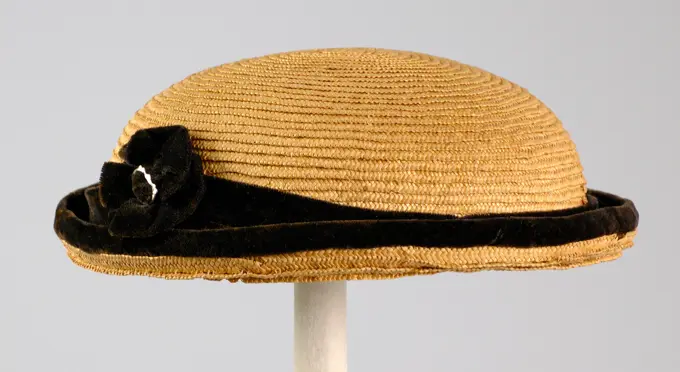
Historical clothing items such as a sunbonnet, drawers, and gloves, highlighting vintage fashion and textiles from the 19th to early 20th century.

Long, sleeveless men's vest of Mauve-Gray Changeant Tafzijde, Anonymous, c. 1760 - c. 1780 Long, sleeveless men's vest of Mauve-Gray Changeant Tafzijde, with angular front fronts, upright sink, two side pockets, back building of white linen and along the front buildings with 14 fabric buttons with yellow buttonholes. Lined with Ditto Changeant Tafzijde. Low Countries Fronts: Silk. Back properties: Linen (Material). Lining: Silk Long, sleeveless men's vest of Mauve-Gray Changeant Tafzijde, with angular front fronts, upright sink, two side pockets, back building of white linen and along the front buildings with 14 fabric buttons with yellow buttonholes. Lined with Ditto Changeant Tafzijde. Low Countries Fronts: Silk. Back properties: Linen (Material). Lining: Silk
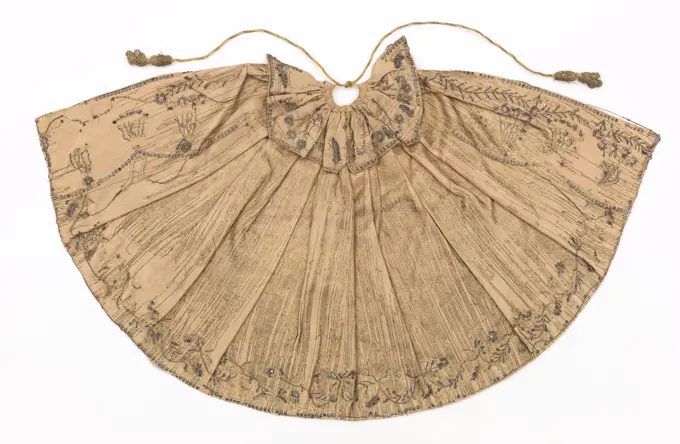
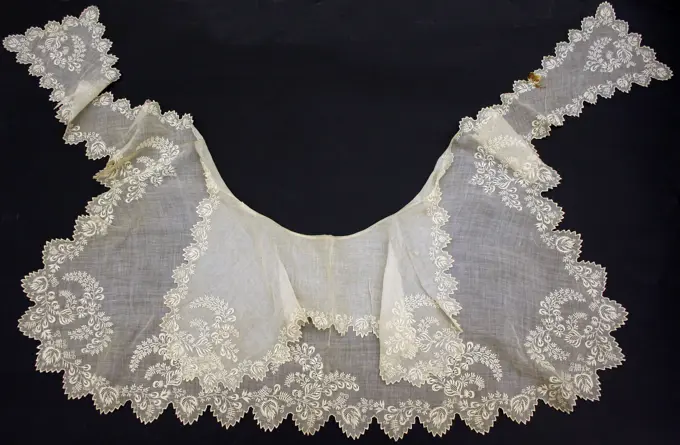
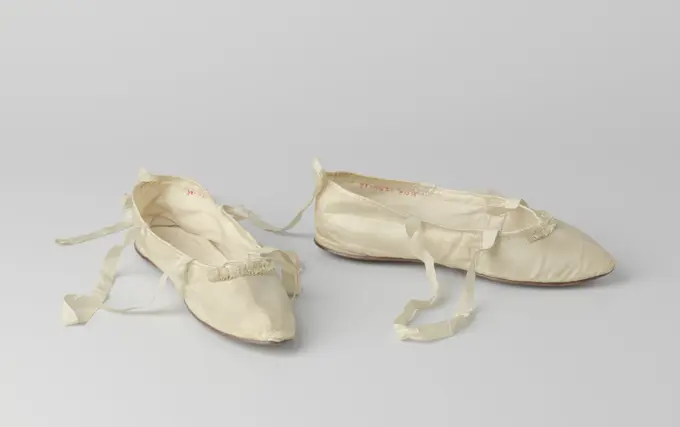
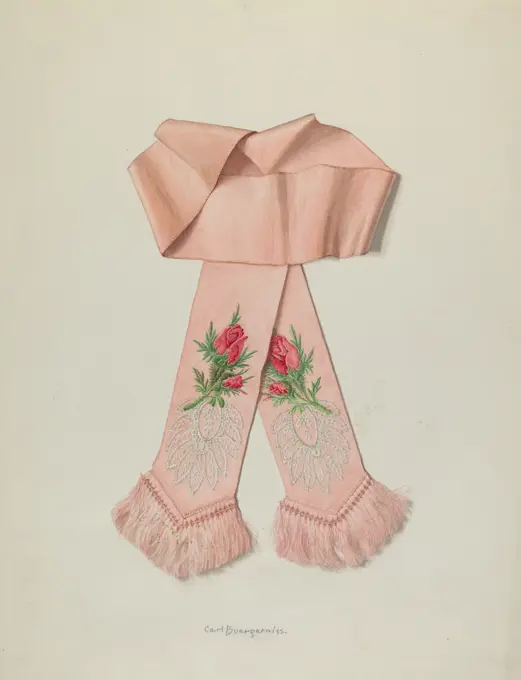
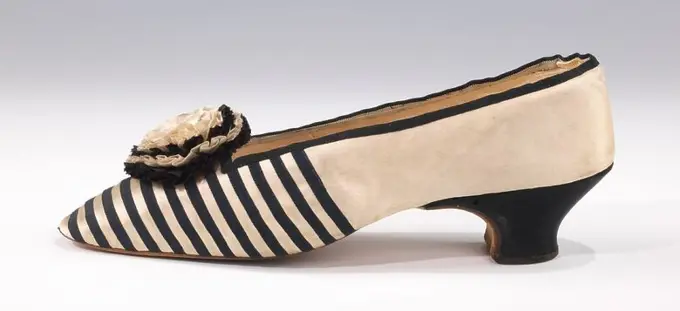
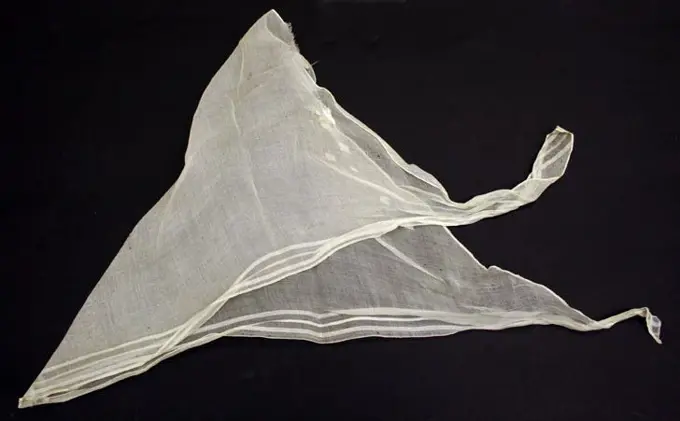
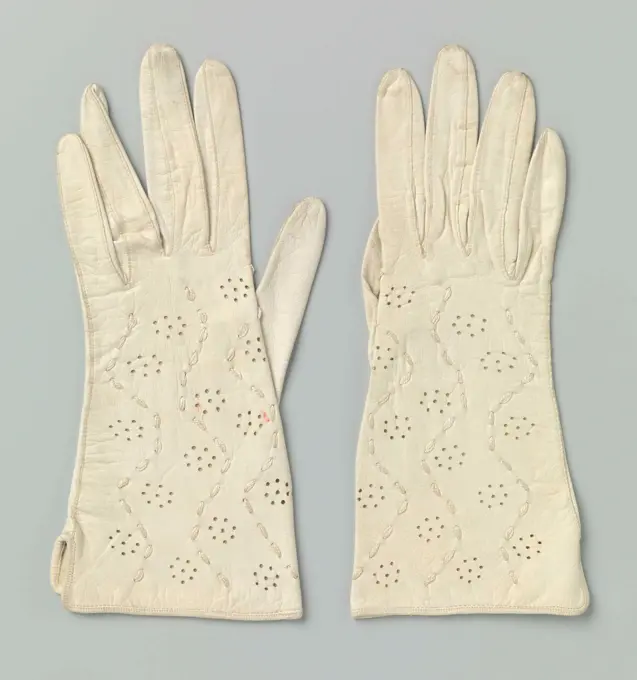
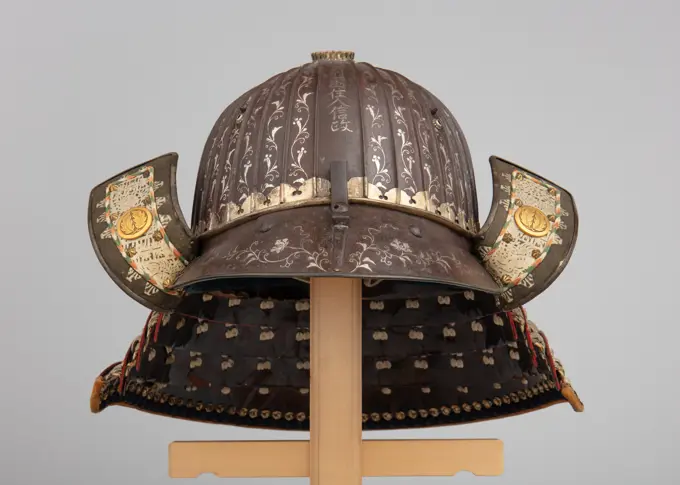
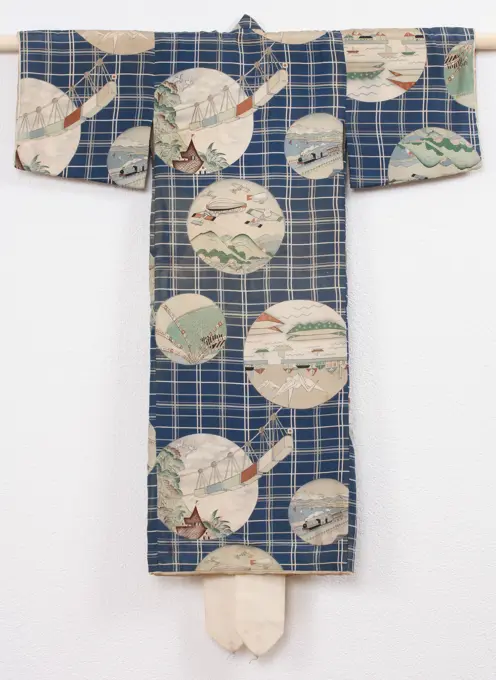
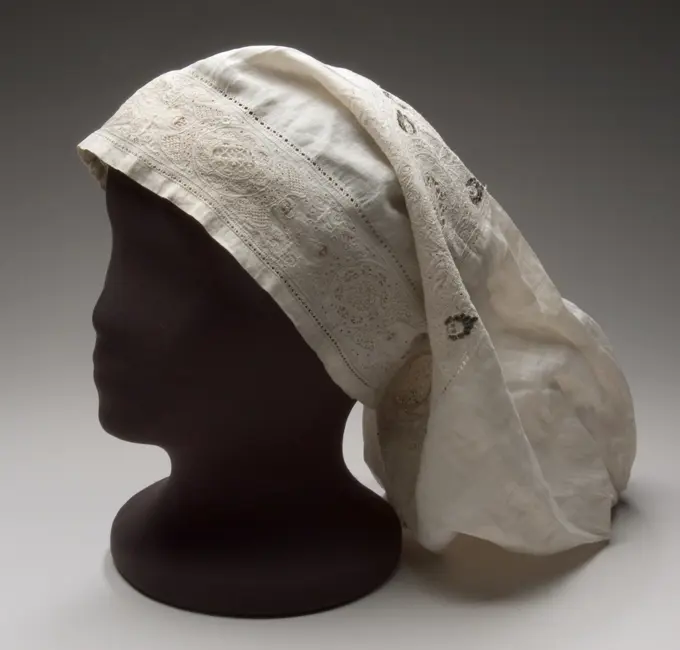
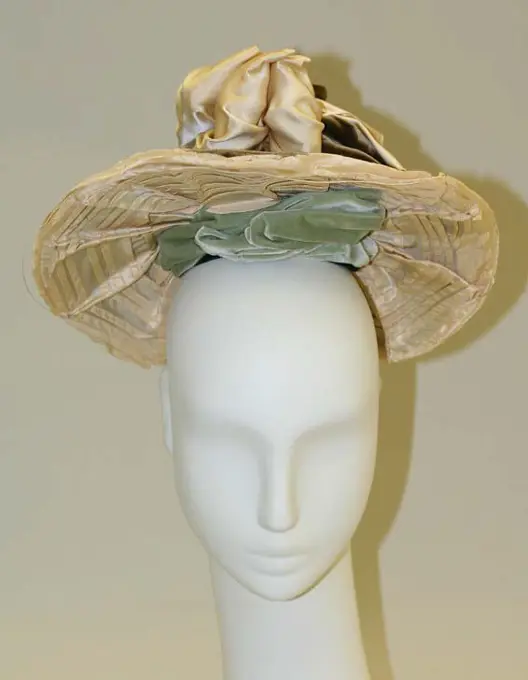
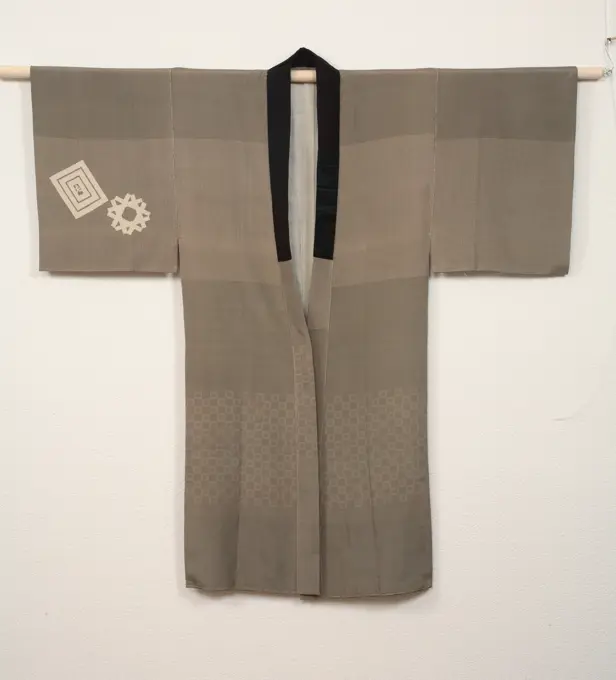
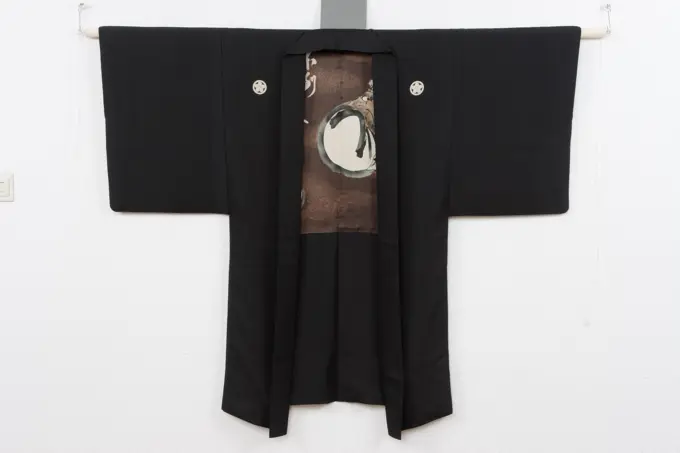
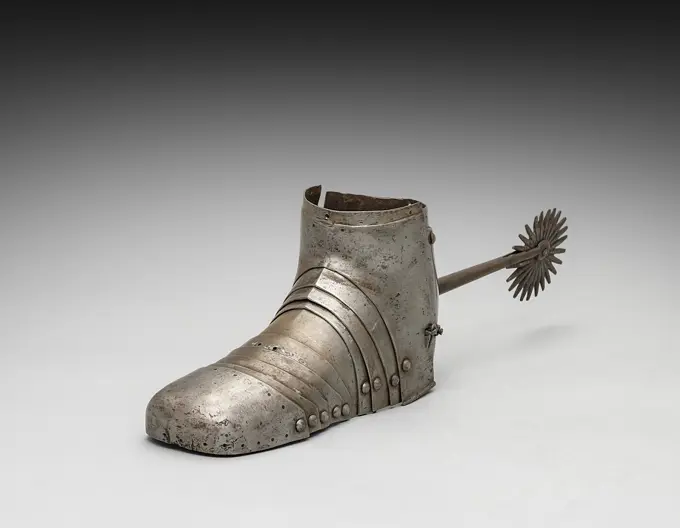
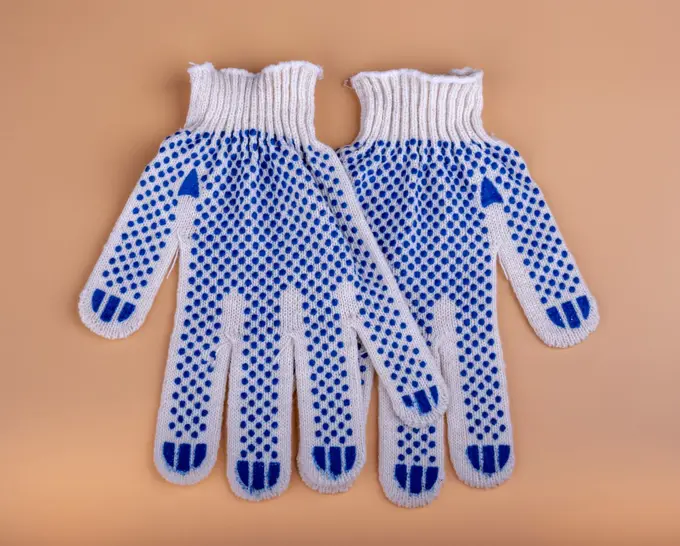
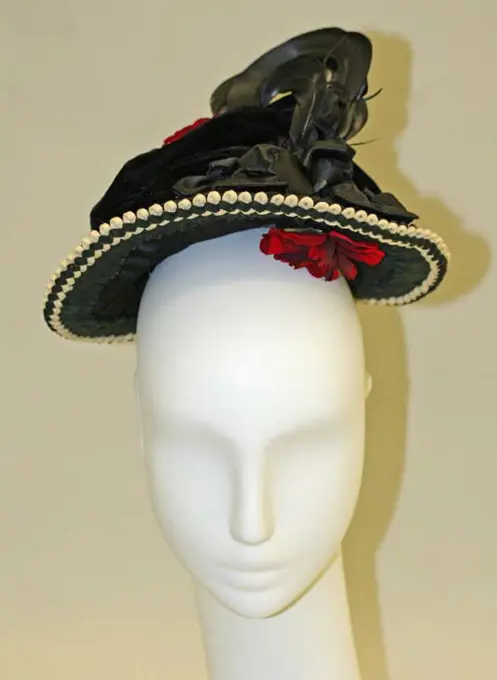
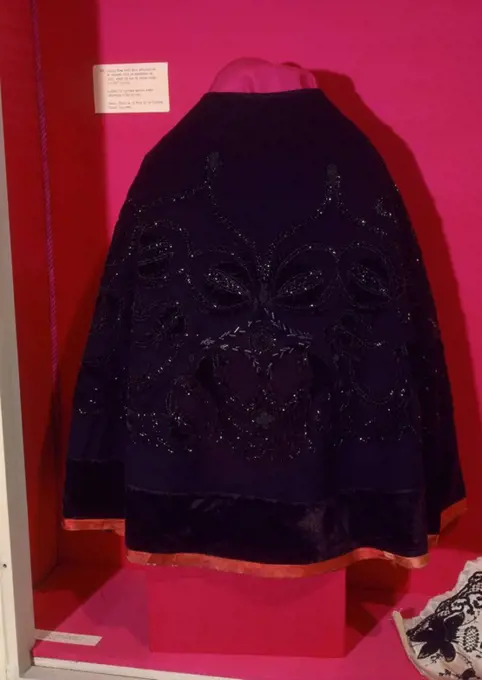
Wedding slippers 1819 American. Wedding slippers 115272Cape For An Ecclesiastical Figurine (France); silk, metallic yarnsTwo Panels and Two Fragments from an Image Robe. France (robe made in Spain or Italy, possibly much later). Date: 1719-1740. Dimensions: a: 71.4 × 52 cm (28 × 20 1/2 in.)b: 70.4 × 51.4 cm (27 3/4 × 20 1/4 in.)c: 11.3 × 21.7 cm (4 1/2 × 8 1/2 in.)d: 12.6 × 22 cm (5 × 8 5/8 in.). Silk, warp-float faced 7:1 satin weave with supplementary binding warps tying some self-patterning ground wefts in plain interlacing; fragmentary selvages present. Origin: France. Museum: The Chicago Art Institute, Chicago, USA.Double collar 1830s French. Double collar 119322Wieg, Anonymous, c. 1700 - c. 1800 Crieg van Riet with red side lined, containing a buckwheat caps bed and provided with a wallpaper of printed cotton. NOTE: A bobbin is missing. Ligbelmubel.  cotton (textile) Crieg van Riet with red side lined, containing a buckwheat caps bed and provided with a wallpaper of printed cotton. NOTE: A bobbin is missing. Ligbelmubel.  cotton (textile)Chasuble made of silk unknownShoe from white taf side, anonymous, c. 1800 - c. 1810 Shoe made of white taf side. No left/right difference. Continuous pointed sole, no heel, narrow rough along the cut cover. Crucench straps made of ribbon. Leather North Netherlands whole: Silk Shoe made of white taf side. No left/right difference. Continuous pointed sole, no heel, narrow rough along the cut cover. Crucench straps made of ribbon. Leather North Netherlands whole: Silk. Left glove from white clothes with blue silk caps. On the caps of embroidery with gold and silver thread, red, white and blue silk and pearls and rubies (). The closure along the caps is with three gold cords with a button.Textile Swatches Onondaga Silk Company, Inc. (1925-1981). , 1948-1959. Silk, 22 1/4 x 17 1/2 in. (56.5 x 44.5 cm).    1948-1959Carl Buergerniss, Bible Book Marker, 1941 Bible Book MarkerTextile (Peru); cotton, woolHat late 18th-early 19th century Italian. Hat 98412blackwhite 1 blackwhite 1 Copyright: xZoonar.com/murxxxx 1326836Man's Blanket/ Wrapper, 20th century, 65 3/4 x 43 7/8 in. (167.01 x 111.44 cm) (without fringe), Cotton, Myanmar (Burma), 20th centuryA pair of mesh gloves unknownBonnet 1800-1875 American. Bonnet 113339Spencer. unknown, authorSilk lavender bag, c. 1880 - c. 1900 Lavender bag made of multicolored printed side with a ribbon. England silk. ribbon (material) Lavender bag made of multicolored printed side with a ribbon. England silk. ribbon (material)Ostrich, aubergine of color. Nostrich, Color Eggplant.Evening slippers. Culture: British. Date: 1860-70.With the feet secreted beneath the huge hooped skirts of the 1860s, detailed or intricate ornamentation was of little avail on conmemporary ladies' footwear. While simple bow trims were therefore the norm, one does occasionally see exceptions, as exemplified here by the bold and lively decoration of applied ribbon stripes. These eye-catching slippers could not help but to grab one's attention with even the slightest glimpse. A nearly identical pair The Victorian and Albert Museum in London possesses a nearly identical example in blue and white (cat# T.562&A-1913, published in Lucy Pratt, "Shoes"; London: V & A Publications, 1999, pl. 38.) with the blockier heel of the 1850s. Museum: Metropolitan Museum of Art, New York, USA.Surcoat (Jinbaori) 17th century Japan Samurai jinbaori were frequently made from expensive and flamboyant imported textiles like this Chinese silk velvet, which has a reddish pile pattern on a once vivid yellow background. The European-style pomegranate” design features bilateral symmetry (mirror-imaged along a vertical axis) and a single direction of orientation. Patterns of this type—rare in Japan—frequently appear in European textiles of the sixteenth to seventeenth century. An exquisite Chinese silk damask lines the jinbaori, but its pattern is asymmetrical and features multiple orientations—traits more common in East Asian textiles. Both fabrics demonstrate the versatility of Chinese textile makers and the Japanese elite’s enthusiasm for such imports.cat. no. 31. Surcoat (Jinbaori) 39902Shirt -Kerchief 1700-1942 American. Kerchief 119193Pofle sleeve from white side lined with yellow side, anonymous, c. 1800 - c. 1900 Pofle sleeve from white side lined with yellow side. The sleeve should support a puff sleeve to support it. West-Europa whole: Silk Pofle sleeve from white side lined with yellow side. The sleeve should support a puff sleeve to support it. West-Europa whole: SilkPair of gloves with cuffs, anonymous, c. 1900 - c. 1915 Left glove made of red -brown leather and snake leather covers at the wrist. Three radiating cords on the back. Netherlands whole: Leather. Cover: Snakeskin Left glove made of red -brown leather and snake leather covers at the wrist. Three radiating cords on the back. Netherlands whole: Leather. Cover: SnakeskinGlove from glacer leather with opening to side seam, on hand perforations between which swinging decoration of cord that has been achieved by perforations. Right glove from glacer leather. Opening to the side seam. His perforations are applied, between which swinging decoration of natural cord that has been achieved by the perforations.Pair of Mitten Gauntlets. Spanish. Date: 1490-1510. Dimensions: L. 25.4 cm (10 in.) (each). Steel. Origin: Spain. Museum: The Chicago Art Institute, Chicago, USA.Przeszo Przyszoci unknownHelmet (Suji Kabuto) early 17th century Inscribed by Yoshihisa Japanese The helmet bears the signatures of the armorer, Yoshihisa, who lived in Uda, in Echizen Province (modern Fukui Prefecture), and of the decorator, Nobumasa, also of Echizen. The Yoshihisa lineage of armorers came to Echizen province in the late 16th century where it produced armors, tsuba (sword guards), okimono (ornaments), and other iron/steel objects for eleven generations until the end of the Edo period. The first master, whose real name was Ide Kozaemon (Yoshihisa was the name he used as an armorer) and who was most likely the maker of this helmet, died in 1664.. Helmet (Suji Kabuto). Japanese. early 17th century. Iron, silver, leather, silk. HelmetsEquipment late 19th century French. Equipment 120422Gaiter. Cotton, leather, metal, 1939-1945. General Leclerc Museum of Hauteclocque and the Liberation of Paris, Jean Moulin Museum. 78985-7 Military equipment, war 1939-1945, war 39-45, Guetre, Second World WarGlove of black Peau-de-Suède, with three radiating lines on the back, Vallier, c. 1940 - c. 1960 Left glove, part of a pair of black Peau-de-Suède, with three radiating lines on the back. Grenoble whole: Suede Left glove, part of a pair of black Peau-de-Suède, with three radiating lines on the back. Grenoble whole: SuedeBoys Miyamairi Kimono with trains, air and shipping. Formal kimono for a boy for the first visit to a Shinto shrine (Miyamairi Kimono), with a backdrop of a diamond pattern in white on blue a decoration of five crawl-shaped images: a flow train in a coastal landscape; ships and houses with oven cranes, everything in origami form; a mountain landscape with zeppelins and aircraft; a mountain landscape with a cable car that comes out of the plane above buildings; A race track with a pole to which lines with flags. Blue silk with a stenciled yuzen decoration. White silk lining.Morning cap ca. 1870 American. Morning cap 168757Glove of white knitted cotton belonging to a rijkostume, c. 1934 Right glove made of white cotton, knitted in barley grain pattern, belonging to a rijkostuum. Netherlands whole: Cotton (textile) knitting Right glove made of white cotton, knitted in barley grain pattern, belonging to a rijkostuum. Netherlands whole: Cotton (textile) knittingCotton damask finger cloth with rose pattern and trimmed with a red border, c. 1900 Finger cloth of cotton damask with red edges, with roses and a neo-Louis XIV ornament. The canvas has a Franjerand. Ten finger cloths (BK-1973-200-A to BK-1973-200-K) and a tablecloth (BK-1973-199) belong to the canvas. Belgium (possibly) cotton (textile) damask Finger cloth of cotton damask with red edges, with roses and a neo-Louis XIV ornament. The canvas has a Franjerand. Ten finger cloths (BK-1973-200-A to BK-1973-200-K) and a tablecloth (BK-1973-199) belong to the canvas. Belgium (possibly) cotton (textile) damaskMoldingEvening stole ca. 1860 House of Tappé, Inc.. Evening stole 174859Fragment of a Kontusz sash/belt. unknown, authorShoes ca. 1776 European. Shoes 98228Wedding accessory set 1872 American. Wedding accessory set 90401Evening slippers 1855-69 American. Evening slippers 168359Anonymous, shoe, 1780. Silk shaped Pékinée cream on the stem and blue gray background striped on the slap, tulle strip with glitter with necklines, heel covered with white leather. Palais Galliera, fashion museum of the city of Paris.A children's yak from Batist with embroidered edges, anonymous, c. 1860 A children's joke from Batist with embroidered edges. Netherlands batiste A children's joke from Batist with embroidered edges. Netherlands batisteMan's Nightcap. probably Spain, circa 1700. Costumes; Accessories. Linen plain weave with linen cutwork embroidery and metallic-thread and silk embroideryChilds Kimono with Battleships, Dirigibles, and FlagsBonnet 1887 French. Bonnet 84431Bishop's Gloves. Culture: European. Dimensions: 5 x 12 in. (12.7 x 30.5 cm). Date: fourth quarter 17th century.Liturgical gloves are traditionally made of silk knit and embellished with gold metallic embroidery. Worn by Roman Catholic bishops and cardinals during pontifical masses, i.e., those celebrated by the bishop, their color corresponds to the color of vestments worn during the course of the liturgical year. This classic example, which dates from the 17th century, is in fine condition and its green color signifies that the gloves were worn during Ordinary Time, the thirty-three to thirty-four weeks that do not fall within the Christmas or Easter seasons. Museum: Metropolitan Museum of Art, New York, USA.Hat 1892-93 American. Hat 113215Striped slippersTuft ostrich, black, c. 1880 - c. 1925 Tuft ostrich, black. The springs have become loose. West-Europa . painting Tuft ostrich, black. The springs have become loose. West-Europa . paintingPattens early 18th century European. Pattens 168961Hat of Hendrik Casimir I, anonymous, 1612 - 1640 hat Hat of black felt, with wide edge, braided cord of white-blue silver thread. Coming from Hendrik Casimir I, count of Nassau-Dietz, killed at Hulst 1640. Netherlands felt (textile). silver thread. silk braidingField cap WP MODUSMiser's Purse (France); silk, steelMen's Nagajuban with Kabuki actors. Undercono (Nagajuban) for a man with a decoration on the upper half of the backs of four partially overlapping rectangular images, two of actors in checkered kimono, one with a cloth around the head, two with paper strips with texts; Two wide horizontal tires with large and small block motifs. The actor with the headscarf is 'Kirare Yosa' ('Yosa with the slices'), with two scars of cuts on the chest, the other 'Komori Yasu' ('Yasu de Batmuis'), to the tattered bat on (here not visible) cheek. Both men are partners in the crime in the Kabuki play 'Yo wa Nasaki Ukina No Yokogushi'. The paper strips are probably sponsored business cards. On the left back three black family arms (mon), from the Nakamura Shikan, Morita Kanya and Ichikawa Sadanji; On the front of the right sleeve two family weapons, from Ichikawa Sadanji and Jitsukawa Ensaburo. Gray crepe silk (Chirimen) with stenciled yuzen decoration. White silk lining.MANNEN HAORI MET DARUMA Poppen, 1920-1940 Haori for a man with a decoration on the lining of three Daruma dolls and the text: 'Futo Futo Suiro' ('A haze of drinks, he does not fall over, he does not fall over'), 'Roryukan Shonen Senshi Hitsu' ('' Painted by Roryukan Shonen Senshi '), seal' Shonen '. Design for calligraphy and painting possible by Suzuki Shonen (1849-1918). Black shiny silk (habutae) with decoration in stenciled yuzen. Five family weapons (Mon) from Prunus blossom. Japan silk painting Haori for a man with a decoration on the lining of three Daruma dolls and the text: 'Futo Futo Suiro' ('A haze of drinks, he does not fall over, he does not fall over'), 'Roryukan Shonen Senshi Hitsu' ('' Painted by Roryukan Shonen Senshi '), seal' Shonen '. Design for calligraphy and painting possible by Suzuki Shonen (1849-1918). Black shiny silk (habutae) with decoration in stenciled yuzen. Five family weapons (Mon) from Prunus blossom. Japan silk paintingHat ca. 1885 American. Hat 169992Shoes 1740s British. Shoes 115835A sash from the celebration of the hundredth anniversary of Adam Mickiewicz's birthBootees 1850-70 American. Bootees 169117Right Sabatoun, 1801-1900. Germany, 19th century. Steel with black paint; overall: 27.3 x 33 cm (10 3/4 x 13 in.).Cotton work gloves on sandy orange background. work glovesCeintuur, Anonymous, c. 1905 - c. 1910 Ceintuur, belonging to Hansop BK-1993-24-A. Malang cotton (textile) Ceintuur, belonging to Hansop BK-1993-24-A. Malang cotton (textile)Hat ca. 1890 American. Hat 105021Boots ca. 1870 Excelsior Button & Boot. Boots 169737Slippers 1780-89 European. Slippers 168956Shoes late 18th century Italian. Shoes 98394Bonnet ca. 1880 American. Bonnet 104237ESCLAVINA DE LENTEJUELAS-S XIX CAT 453. Author: BALENCIAGA CRISTOBAL. Location: EXPOSICION BALENCIAGA. Lyon. France.90.epsHat pin belonging to Cloche, Legroux Soeurs, c. 1945 Hat pin (B), belonging to Cloche (A) of Groen Felt with pheasant and brown voile. Paris textile materials. metal Hat pin (B), belonging to Cloche (A) of Groen Felt with pheasant and brown voile. Paris textile materials. metal77.epsESTOLA-FINAL S XIX CAT 465. Author: BALENCIAGA CRISTOBAL. Location: EXPOSICION BALENCIAGA. Lyon. France.169.epsSailor cap - Colonial Hat Colonial HatFrance, Paris. Souvenir t-shirt.