Traditional Handwoven Textiles

A collection of intricate oriental carpets and ritual weavings showcasing traditional patterns, rich colors, and historical craftsmanship.

Woman's festival head covering, late 19th-early 20th century, 78 3/16 x 57 3/4 in. (198.6 x 146.69 cm), Cotton, metallic threads; dyed, India, 19th-20th century
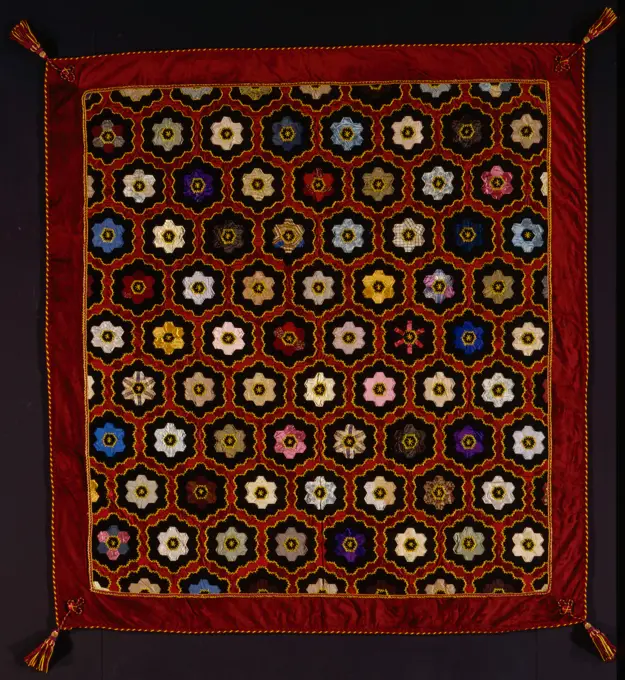
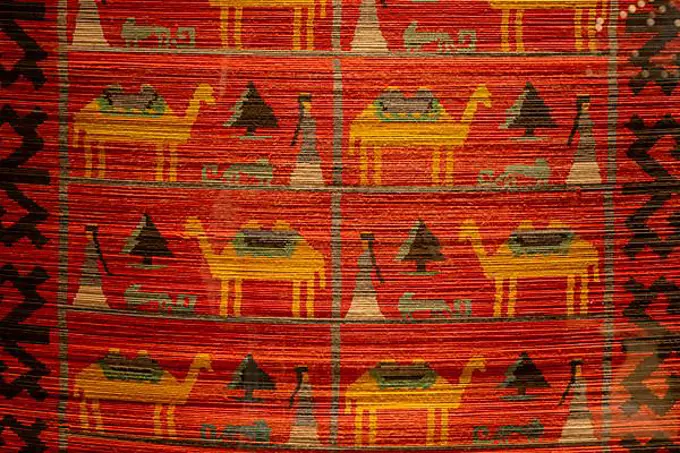
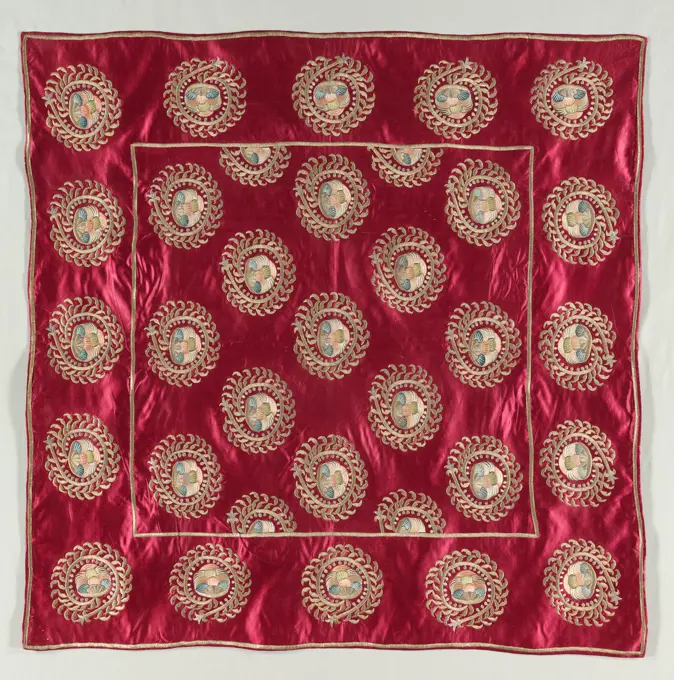
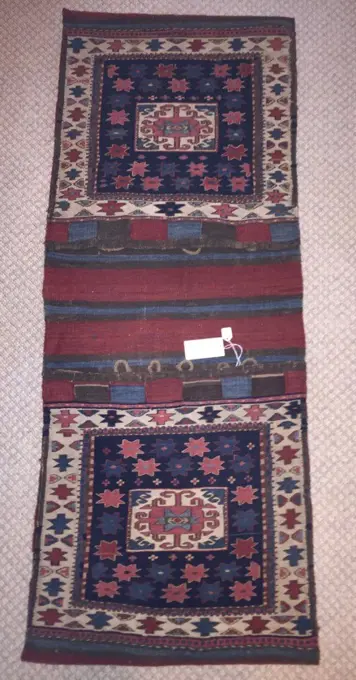
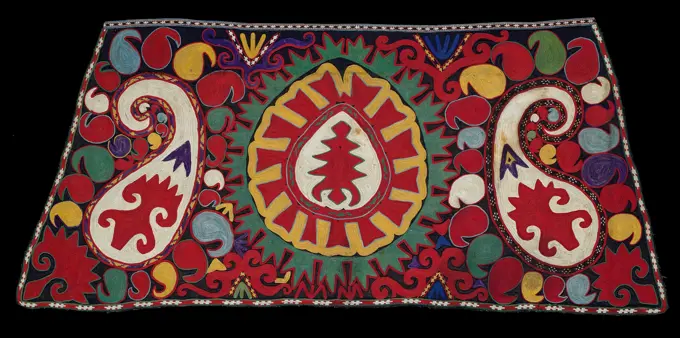
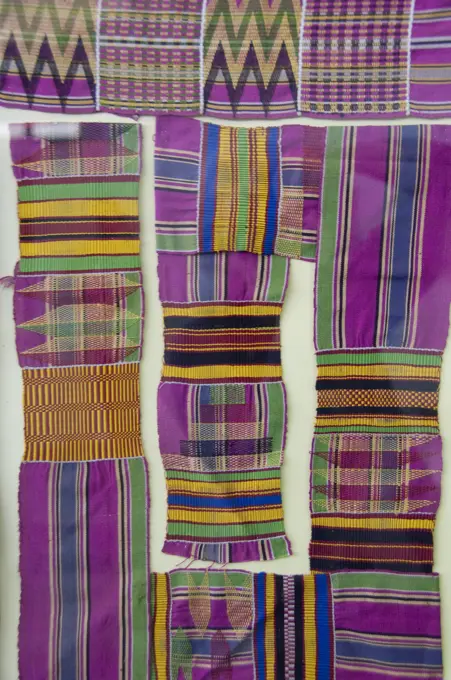
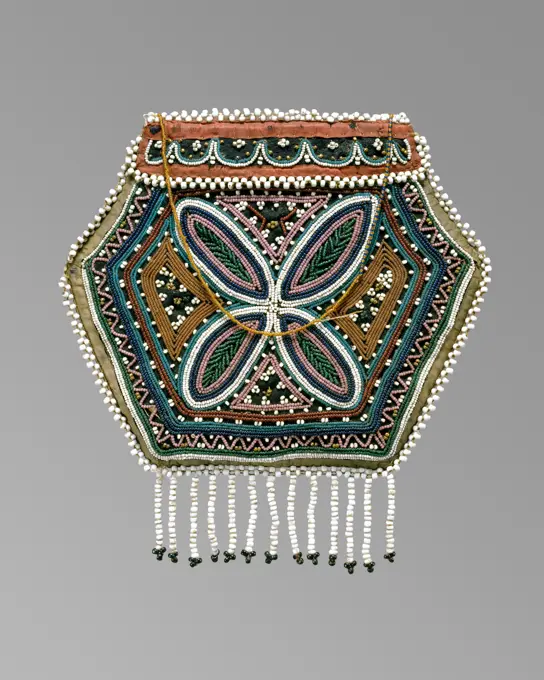
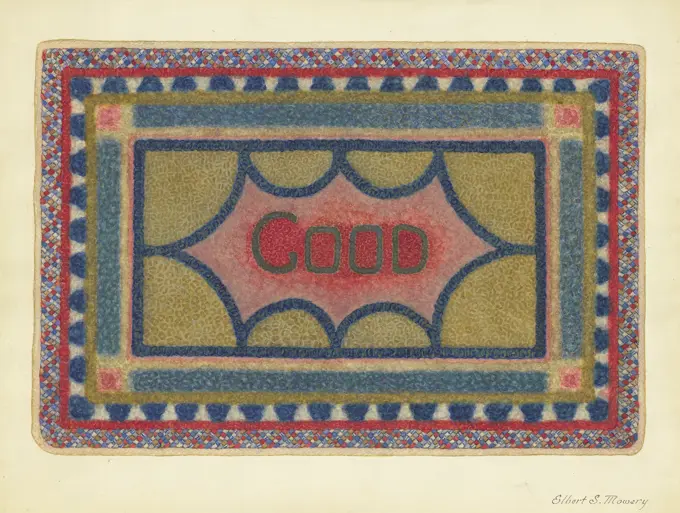
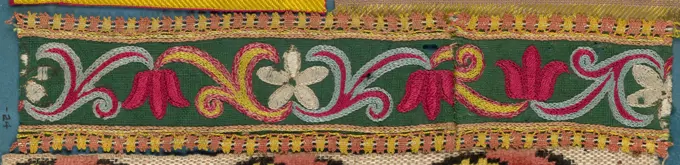
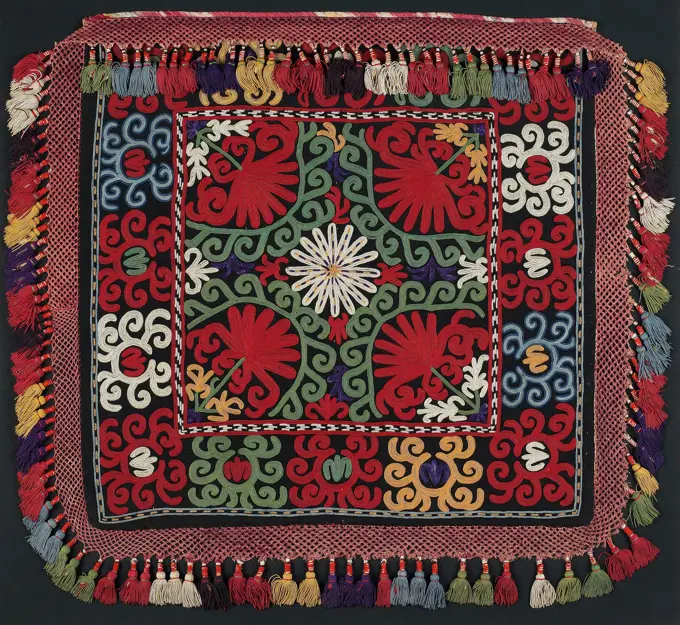
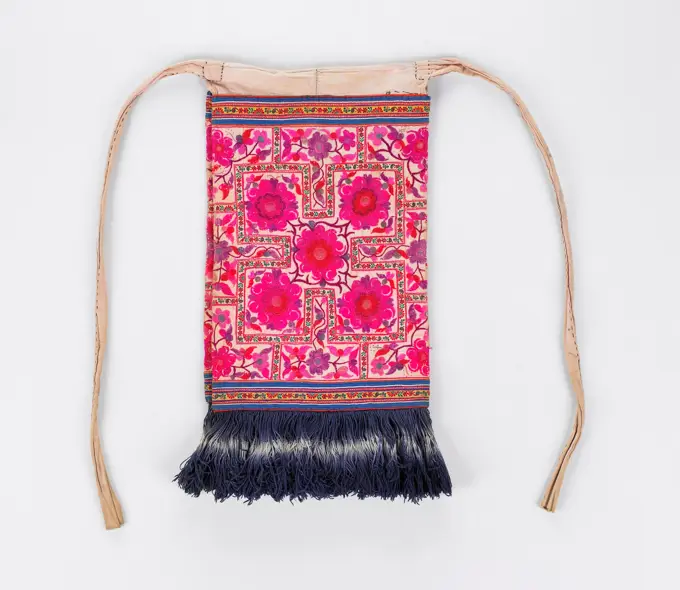
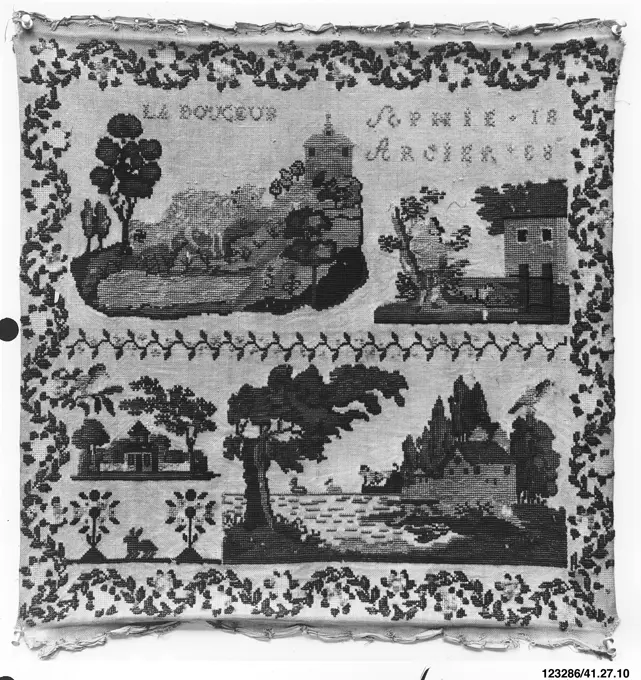
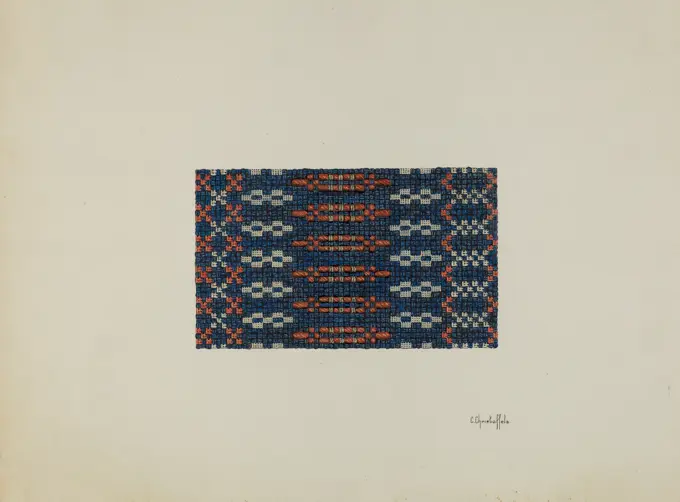
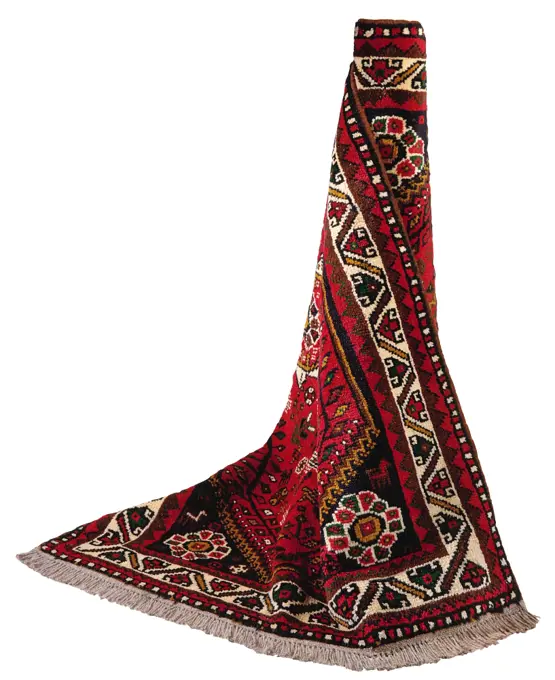
Tube skirt, ChinaTatreez ornament template 37Ribbon Samples (France); silk, metallic threadQuilt (Lap Robe). Caroline Kountz Jones (United States, Pennsylvania, Pittsburgh, born 1858). United States, Pennsylvania, Pittsburgh, 1890. Textiles; quilts. Silk satin, silk velvet, silk plain weave, silk twill, silk damask, silk plain weave with supplementary warp patterning, quilted, with silk embroidery, silk cord, and silk tasselsPouch ca. 1880 European. Pouch 84221Kontusz sash. unknown, authorLegging strip -Traditional carpet with pattern, exhibition in the State History Museum, interior view, Bishkek, Kyrgyzstan, AsiaCloth (tzute), c. 1920, 31 1/2 x 31 1/2 in. (80.01 x 80.01 cm), Cotton; supplementary weft patterning, Guatemala, 20th centuryEmbroidered Square, 19th century. Turkey, 19th century. Embroidery: silk and gold and silver filé on silk ground; average: 107.3 x 105.4 cm (42 1/4 x 41 1/2 in.).Cross- Shaped Tile. Iran; Kashan. Date: 1262. Dimensions: 21.8 × 21.7 × 1.4 cm. (8 9/16 × 8 1/2 i× 1/2 in.). Fritware, painted in lustre over an opaque white glaze. Origin: Veramin. Museum: The Chicago Art Institute, Chicago, USA. Author: Islamic.Indian ornamentShahsevan Double Saddle Bag ca. 1850 While the term "carpet" evokes a heavy, large rectangular textile (either knotted pile or flat-woven tapestry, called kilim) that covers a floor, a vast array of rug genres and techniques can be found in the Islamic world, where they serve various functions in nomadic encampments, villages, cities, and palaces. Flat-woven and richly embroidered textiles, such as this one, belong to the kinds of smaller tribal weavings that were common in the Middle East from Anatolia to Iran; it was generously given to The Met by Inger G. and William B. Ginsberg of New York. Such textiles were woven by nomadic tribes as containers for everyday items. Some were designed specifically to transport or store bedding, flour, salt, and wooden spindles used to make the woolen yarns from which these works were woven. Others were of smaller size, comparable to cross-body women's handbags, or çanta, or also possibly used by children. Most notable is the ubiquitous double saddlIndian No 2 Plate L From The Grammar of Ornament by Owen Jones published by Day & Son London 1865Da-our fragment, late 19th-early 20th century, 21 1/2 x 47 1/2 in. (54.61 x 120.65 cm), Silk, wool, cotton; hook-and-needle chain stitch, detached chain stitch, Uzbekistan, 19th-20th centuryAfrica, Ghana, Accra. National Museum, regarded as one of the finest museums in sub-Saharan Africa. Colorful traditional West African textiles.Cradle Cover, c. 1885, 34 x 26 1/4 in. (86.36 x 66.68 cm) (excl. fringe), Leather, glass beads, canvas, tin bells, United States, 19th centuryTrim, fringe, 18th-19th century, 5 1/4 x 24 1/4 in. (13.34 x 61.6 cm), Passementerie, 18th-19th centurythailand abstract cross colored column ceramic   in the big wall temple bangkokBag 1800-1820 Micmac or Haudenosaunee (Iroquois). Bag. Micmac or Haudenosaunee (Iroquois). 1800-1820. Wool, cotton, silk, glass, brass. Canada, Quebec or Canadian Maritimes. Textiles-BeadworkRug, 1900, 145 x 105 in. (368.3 x 266.7 cm), Iran, TabrizElbert S Mowery, Shaker Rug, c 1937 Shaker RugTrimming (France); silkIlgich, 20th century, 27 x 29 in. (68.58 x 73.66 cm) (Includes fringe), Silk, wool, cotton; chain stitch, Uzbekistan, 20th centuryApron, 20th century, 43 1/4 x 10 7/8 in. (109.9 x 27.6 cm), Cotton, China, 20th centurySampler 1888 French. Sampler 226541Cover, early 1900s. Sri Lanka, early 20th century. Cotton; overall: 142.3 x 85.1 cm (56 x 33 1/2 in.).Carpet Fragment 16th century. Carpet Fragment 456985Cornelius Christoffels, Coverlet, c 1940 Coverletroll if carpet standing vertically.Carpet of traditional types made on a loomLambrequin or fall for a bed or window frame with a floral pattern. Decorated with double poppies within a picture frame of rolling tires with volutes and acanthus drinks.Belt -Apron, 26 x 60 in. (66.04 x 152.4 cm), Silk, cotton, ChinaSouth Dakota,  Rapid City, Prairie Edge Trading Co. Traditional Lakota beadwork. Property Release. IMAGE RESTRICTED: Not available to US land tour operators.Turkey, Izmir Province, Selcuk, weaving loom, rug making, balls of wool or yarn.Weaving and local history museum, loom, Laichingen, Baden-Wuerttemberg, Germany, EuropeBraided rugs, durable, washable, colorful, reversible. Range of sizes and colors for all needs. , Rugs, Tichnor Brothers Collection, postcards of the United StatesCarpet 16th-17th century. Carpet 456978