Traditional Porcelain Jars

A selection of antique ceramic jars and vases, beautifully painted in blue and multicolors, showcasing intricate floral and scenic designs.

Covered jar with ruyi-heads and flowers, anonymous, c. 1700 - c. 1724 Cover of porcelain jar, painted on the glaze in blue, red, green, yellow, eggplant and black. On the lid a stylized peony with branches and sprinkling flowers. A crack in the lid. Famle Verte. China porcelain. glaze. painting / vitrification Cover of porcelain jar, painted on the glaze in blue, red, green, yellow, eggplant and black. On the lid a stylized peony with branches and sprinkling flowers. A crack in the lid. Famle Verte. China porcelain. glaze. painting / vitrification
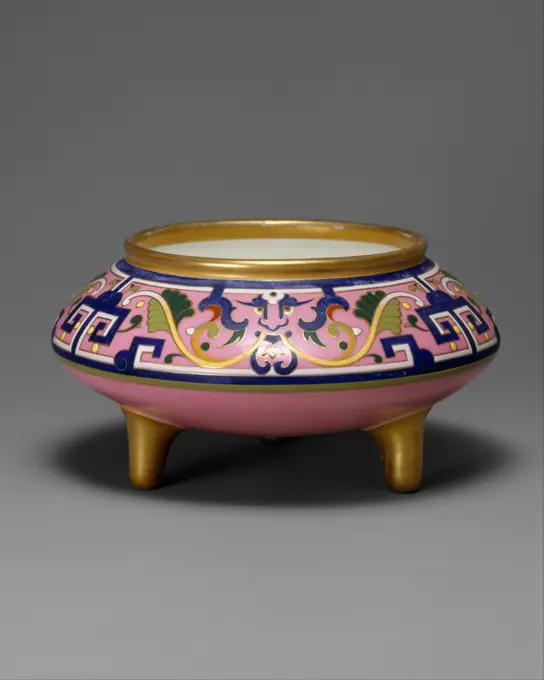
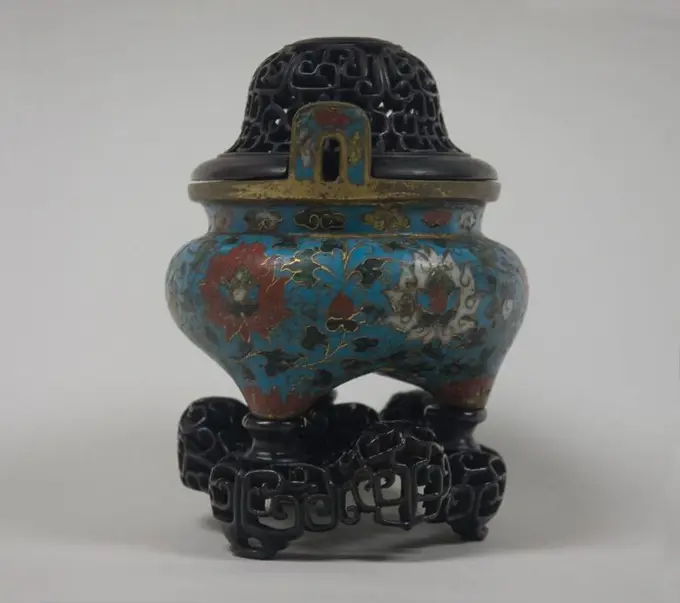
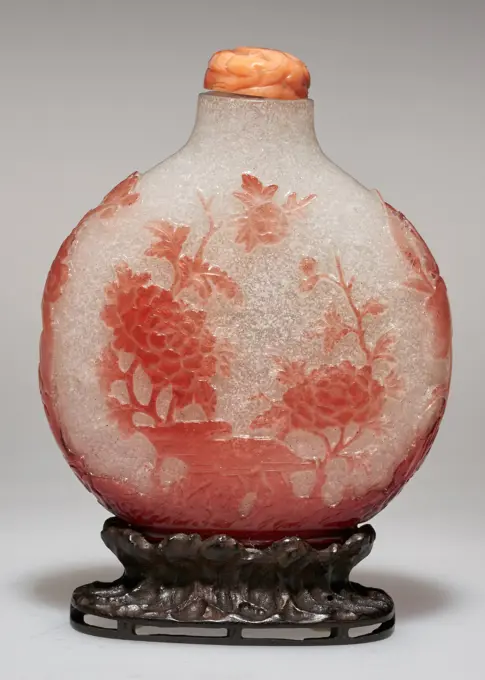
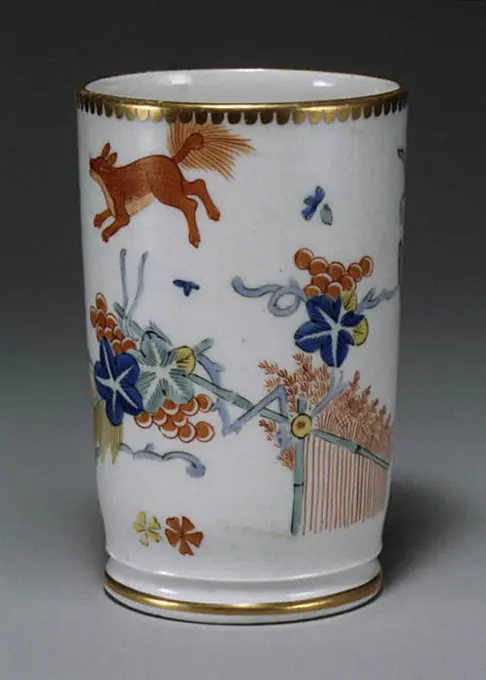
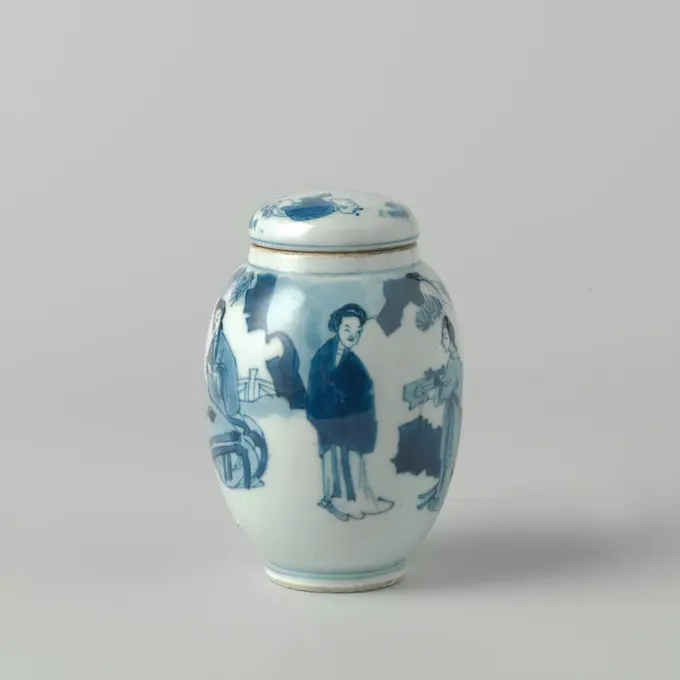
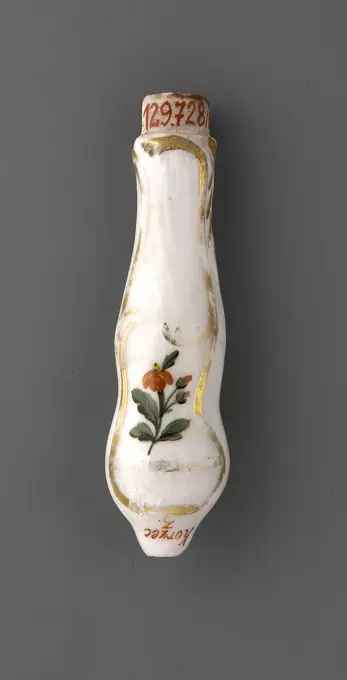
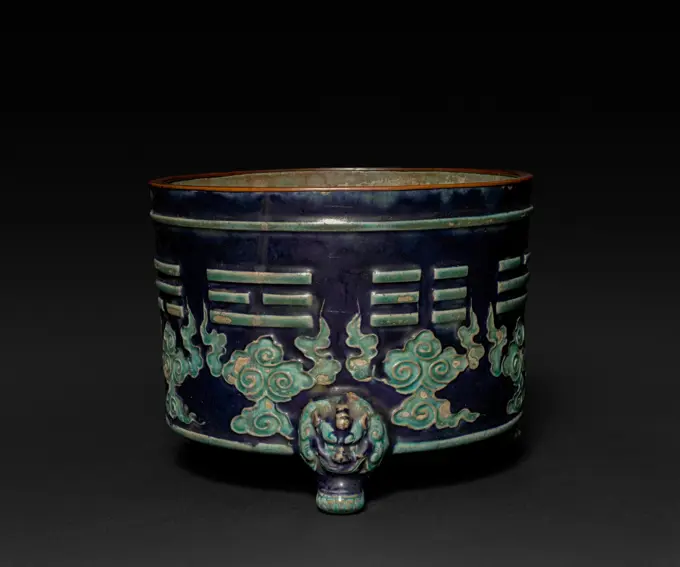
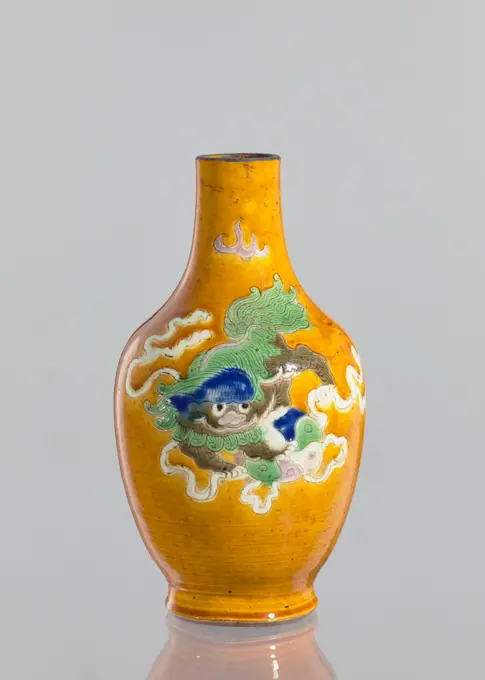
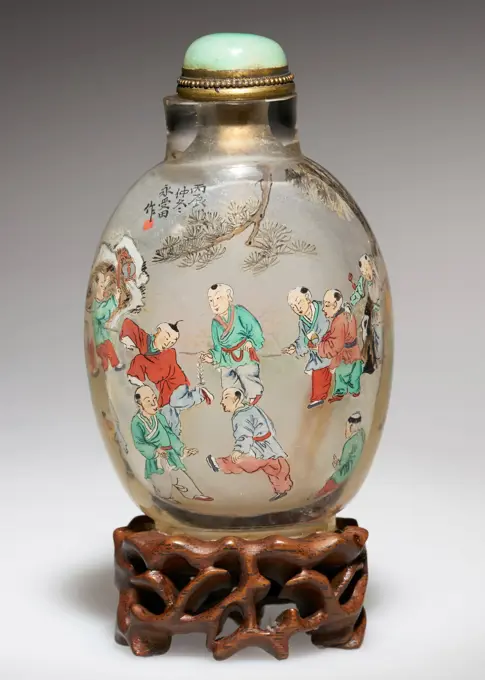
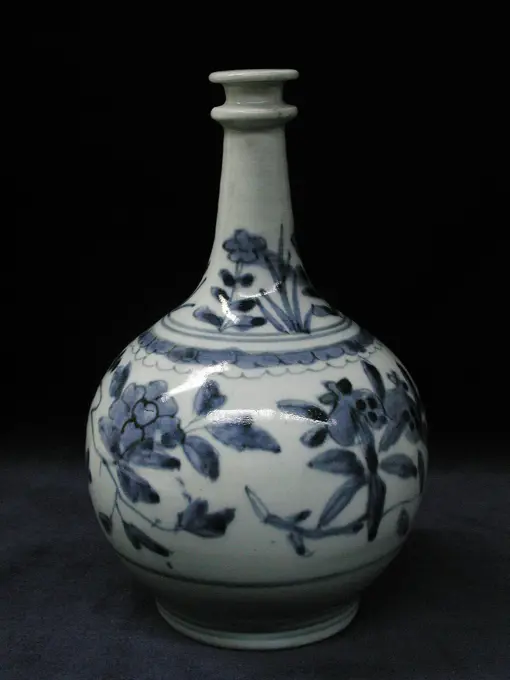
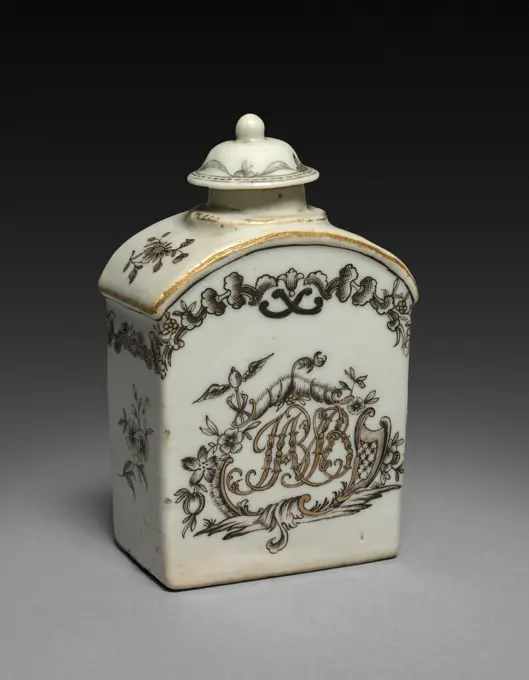
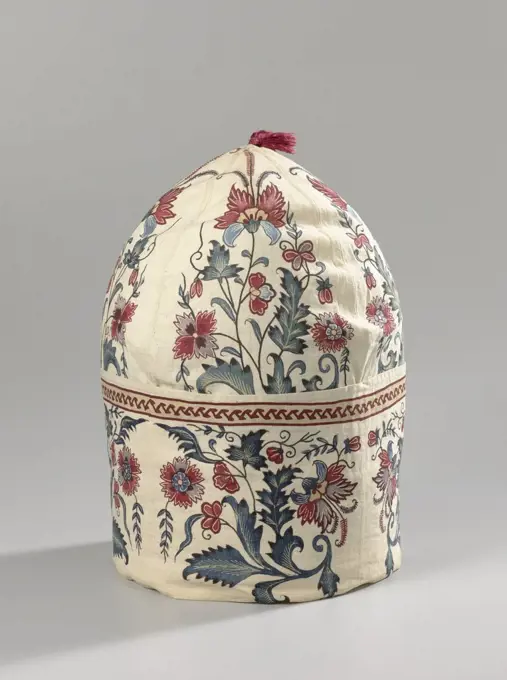
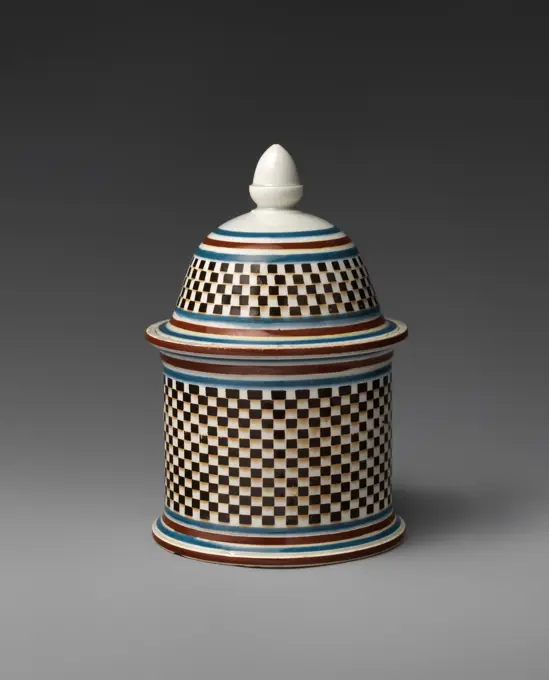
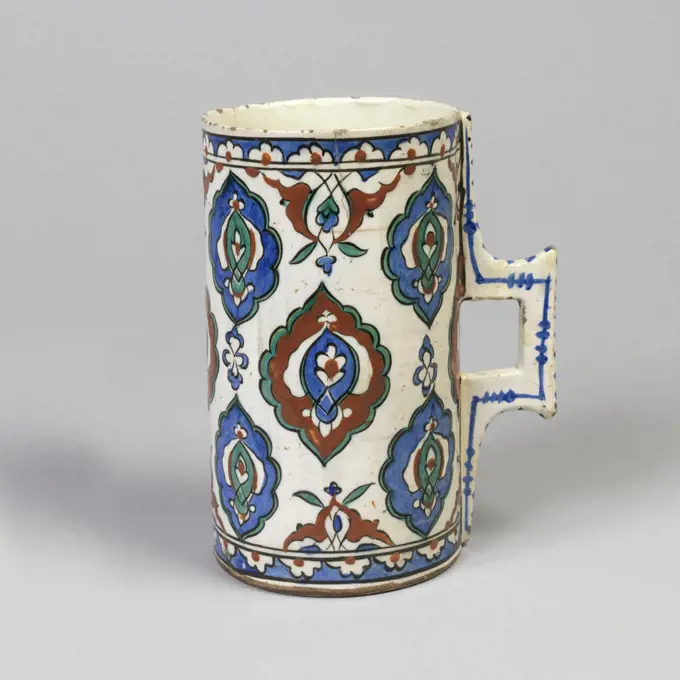
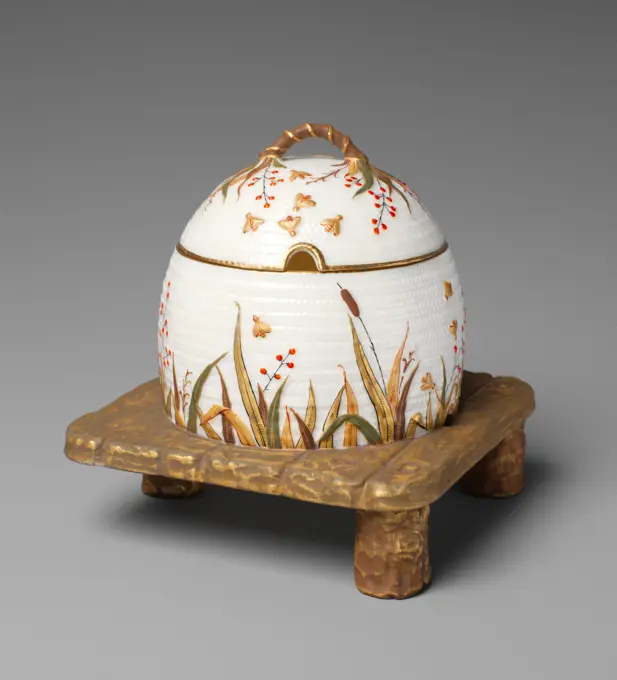
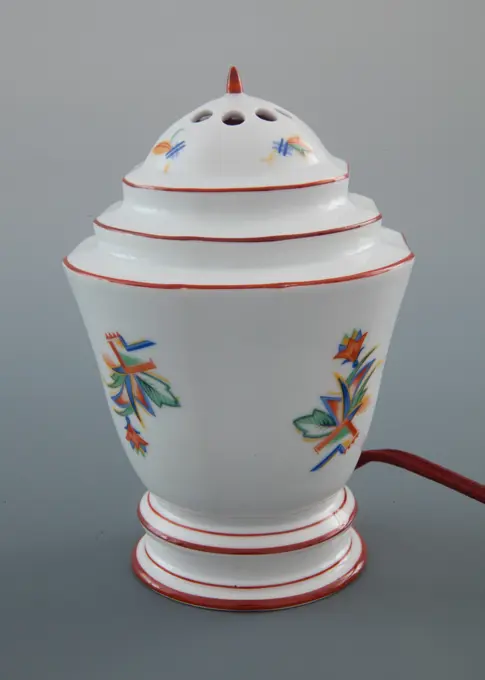
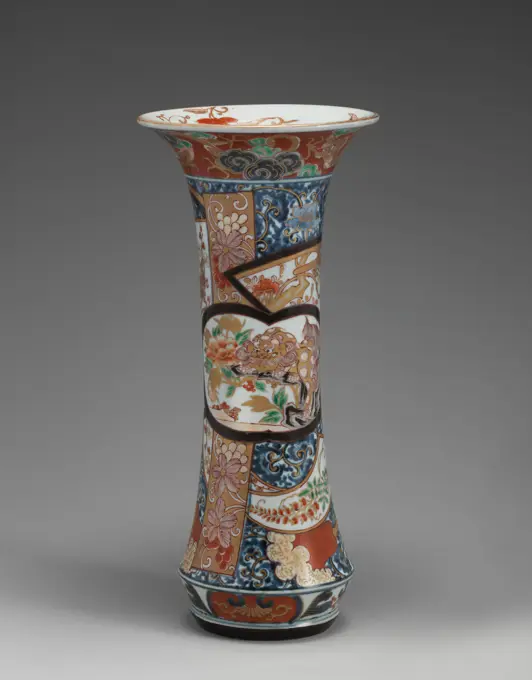
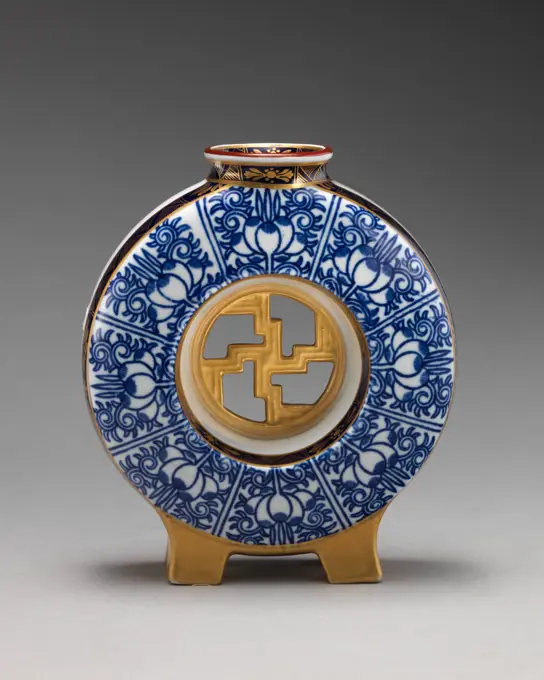
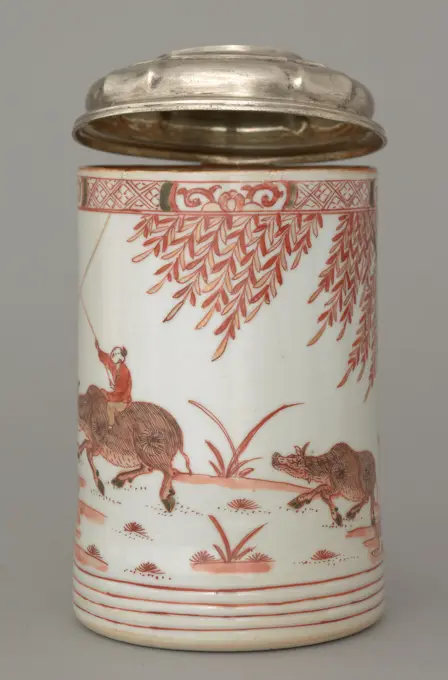
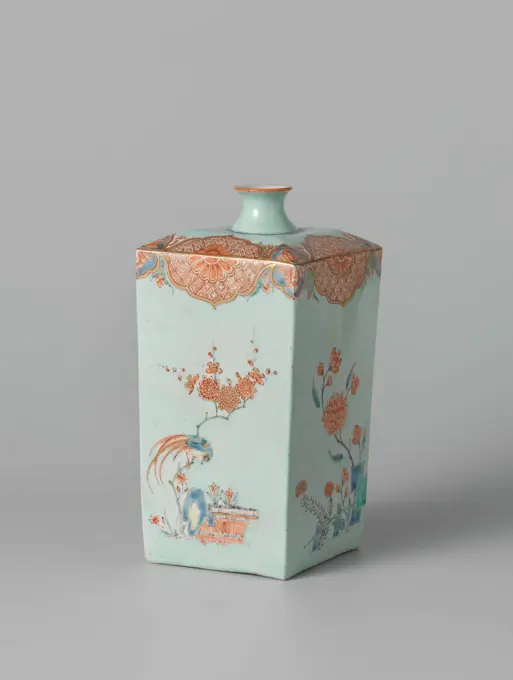
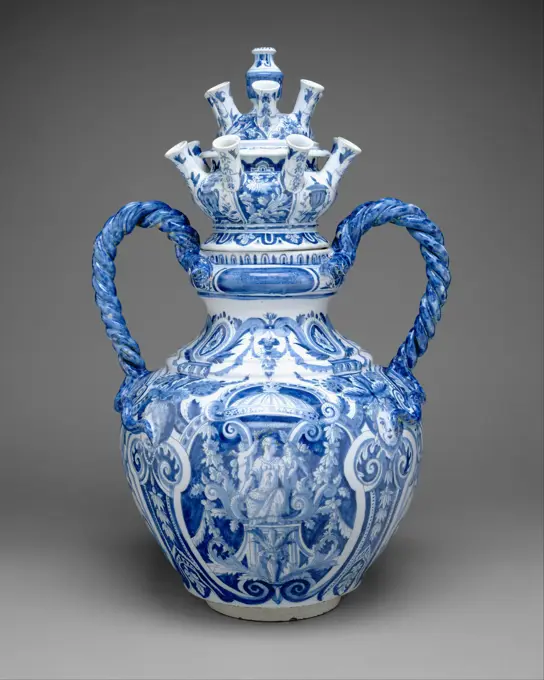
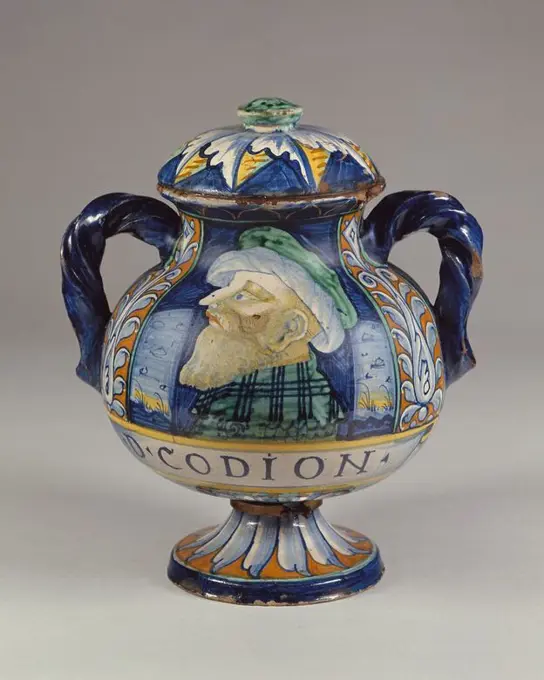
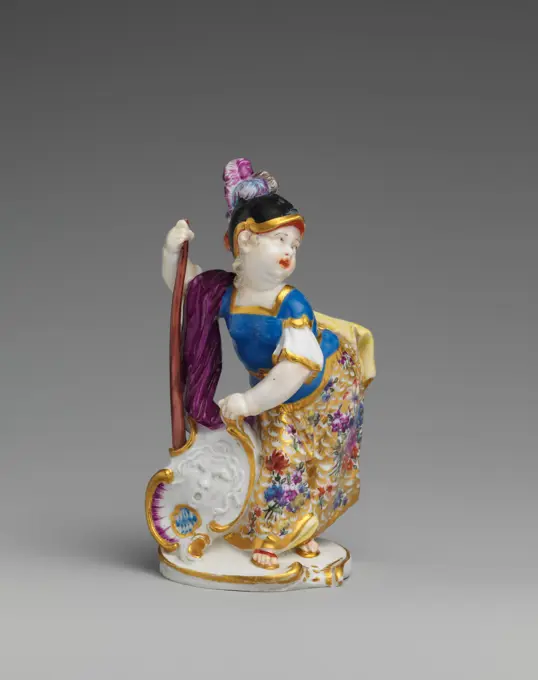
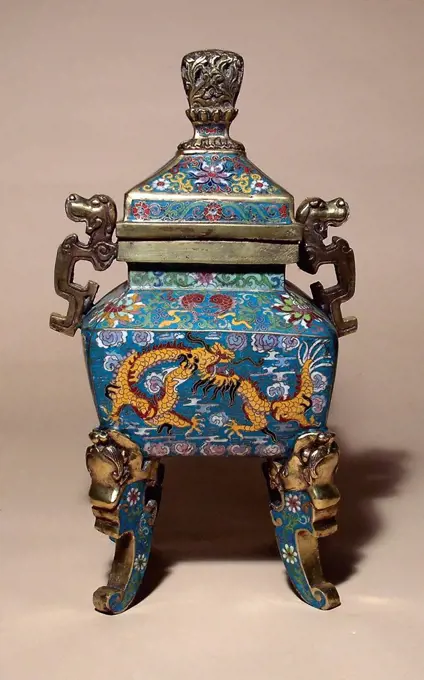
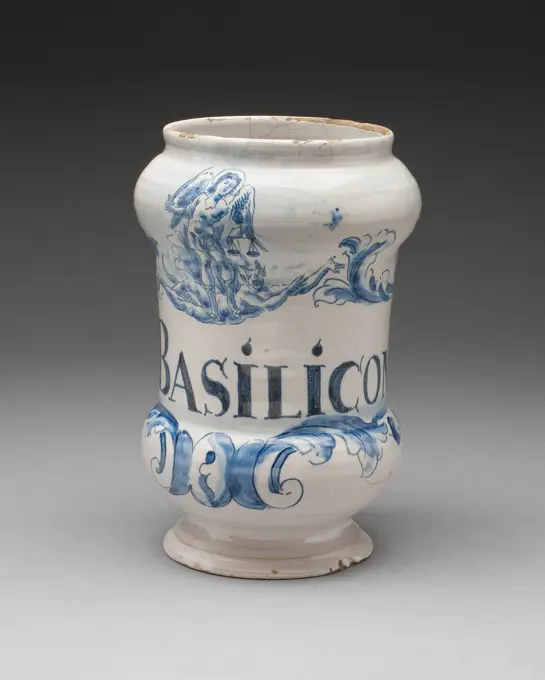
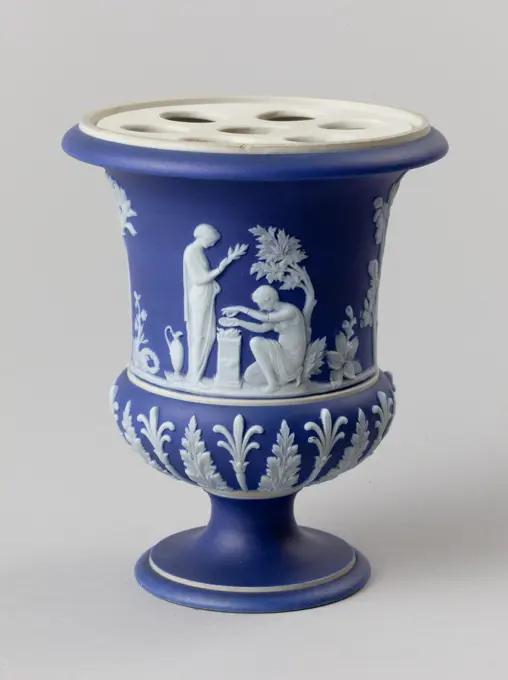
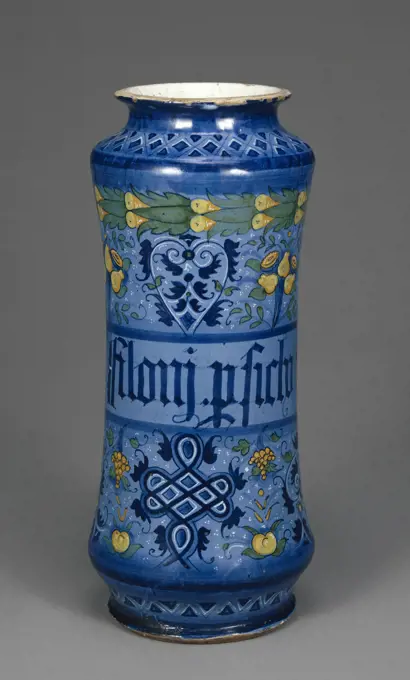
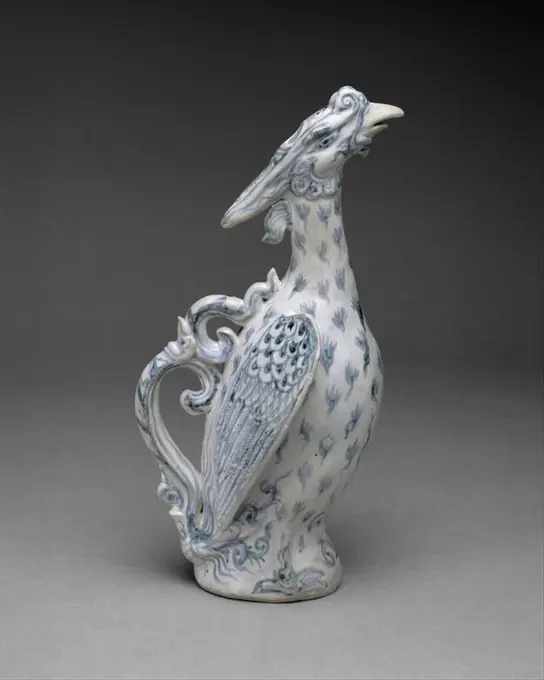
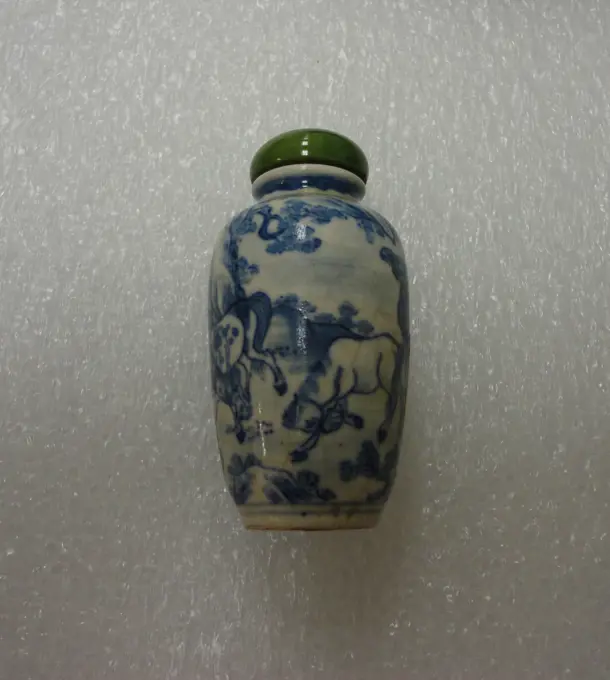
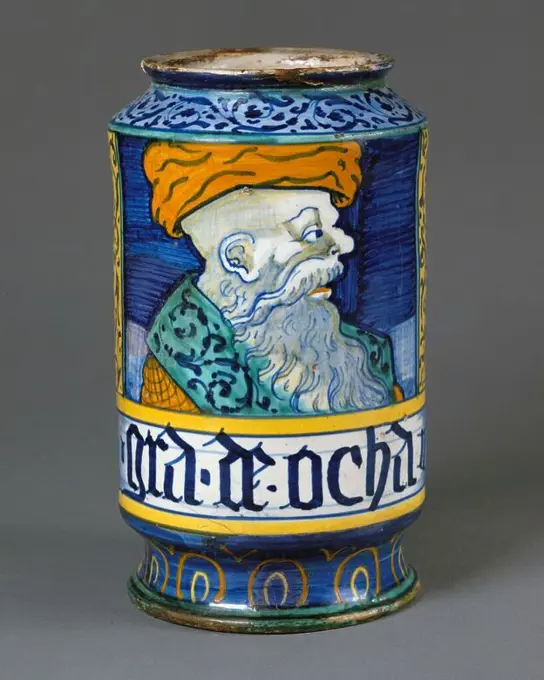
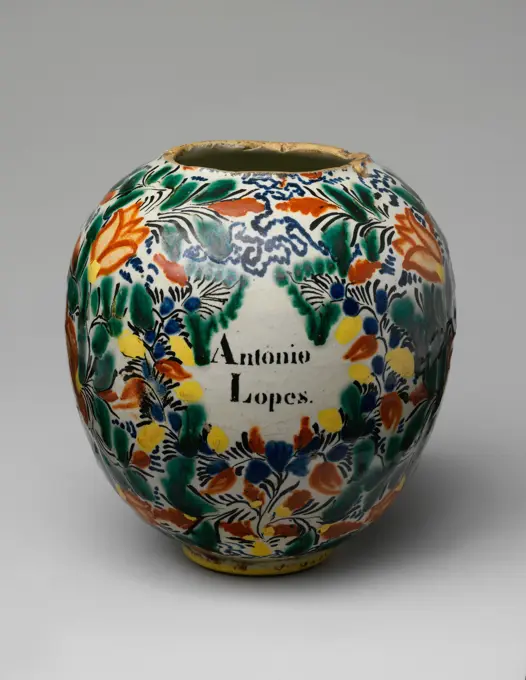
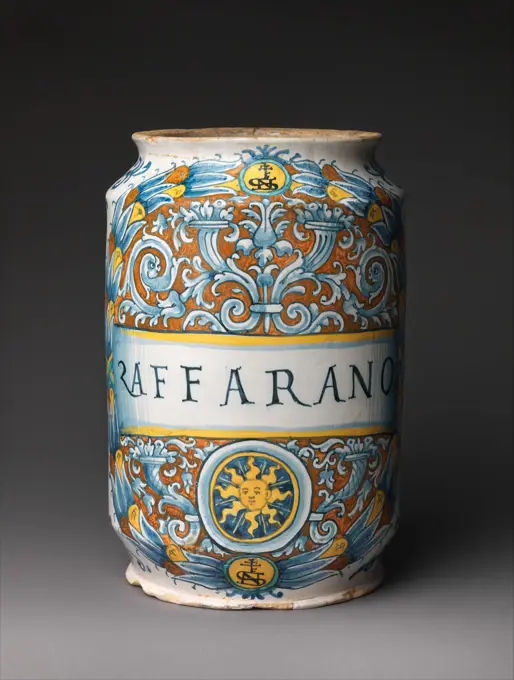
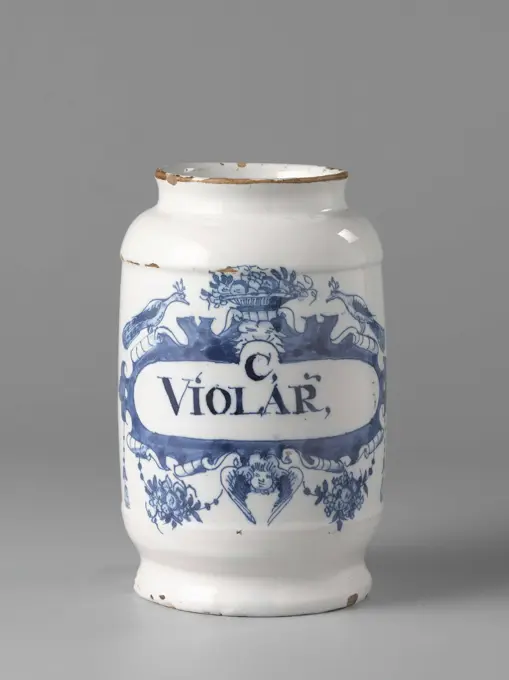
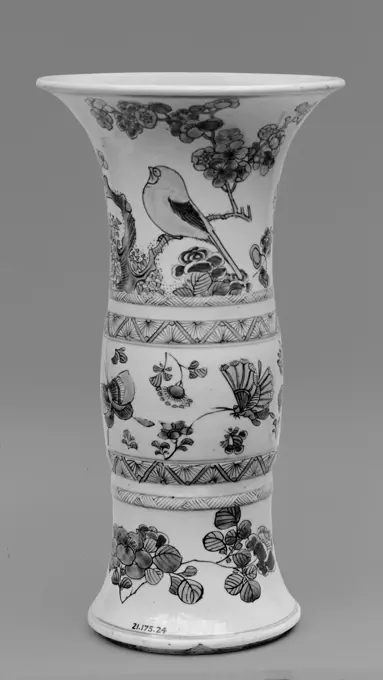
Vase with birds and flowers late 17th-early 18th century China. Vase with birds and flowers. China. late 17th-early 18th century. Porcelain painted in overglaze polychrome enamels and underglaze cobalt blue (Jingdezhen ware). Qing dynasty (1644-1911), Kangxi period (1662-1722). CeramicsBowl ca. 1870 Minton(s) British The form of this bowl is reminiscent of early Chinese bronze and ceramic three-legged vessels, while the stylized band of decoration is derived from Chinese ornamental motifs. The flattened, two-dimensional approach toward ornamentation echoes the design principles established by Owen Jones in his tome The Grammar of Ornament (1856) and later adopted by his disciple, Christopher Dresser. The central image is a derivation of the taotie, a decorative motif found on Chinese Bronze Age vessels. Dresser wrote in his Principles of Decorative Design (1873): "The grotesque in ornament is the analogue of humour in literature &.. I think it may be taken as a principle, that the further the grotesque is removed from an imitation of a natural object the better it is, provided that it be energetic and vigorous.. ."The brightly colored design of the ornamental band, in blue, light and dark green, red, yellow, and white on a pink ground, is outlined in gold in imitatIncense Burner. Culture: China. Dimensions: H. incl. base and lid 6 in. (15.2 cm); Diam. of rim 3 3/4 in. (9.5 cm). Date: 16th century. Museum: Metropolitan Museum of Art, New York, USA.Snuff Bottle, 1780-1850, 2 3/4 x 2 3/8in. (7 x 6cm), Glass, coral, China, Qing dynastyBeaker early 19th century Robert Chamberlain The gift of the Hans Syz Collection in 1995 endowed the Museum with nearly three hundred examples of European and Asian ceramics meticulously acquired by Swiss-born collector Dr. Syz (1894-1991) to chart the migration of models and patterns from East to West. Documenting a continuous process of influence and adaptation, these pieces provide a discriminating review of the nuances of stylistic change resulting from three centuries of trade.. Beaker 208340VASO AZUL - RECIPIENTE DE VINO ENCONTRADO EN UNA TUMBA POMPEYANA - CAPA DE PASTA BLANCA OPACA SOBRE CRISTAL COLOREADO. Location: NATIONAL MUSEUM OF ARCHAEOLOGY. NEAPEL. ITALIA.Sugar Bowl with Cover c 1840-1890 Swinton. Earthenware . Artist unknownOvoid covered jar with chinese ladies in a landscape. Egg-shaped lid of porcelain, painted in underglaze blue. On the abdomen a landscape with two 'go' playing Chinese ladies (long likes). In addition, a two standing ladies, one with a Qin. The show is concluded with a cloud motif. On the lid two dancing boys (oceans). Marked on the bottom with an artemisia leaf. Blue White.A handle for articles; Korzec (Porcelain and faience manufacture; 1790-1832); 19th century (1801-00-00-1900-00-00);Small Jardiniere with Three Legs: Fahua Ware, Ming dynasty (1368-1644). China, Jiangxi province, Ming dynasty (1368-1644). Porcelain; diameter: 19.8 cm (7 13/16 in.); overall: 15.3 cm (6 in.).Lady with distaff and two boys ca. 1765 Chelsea Porcelain Manufactory. Lady with distaff and two boys. British, Chelsea. ca. 1765. Soft-paste porcelain. Chelsea Porcelain Manufactory (British, 1745-1784, Gold Anchor Period, 1759-69). Ceramics-PorcelainVase. unknown, craftsmanSnuff Bottle, 17th-19th century, 2 3/4 x 1 3/4in. (7 x 4.4cm), Rock crystal, green glass, China, 17th-19th centuryBottle early 18th century Japanese, for European, probably Dutch, market The gift of the Hans Syz Collection in 1995 endowed the Museum with nearly three hundred examples of European and Asian ceramics meticulously acquired by Swiss-born collector Dr. Syz (1894-1991) to chart the migration of models and patterns from East to West. Documenting a continuous process of influence and adaptation, these pieces provide a discriminating review of the nuances of stylistic change resulting from three centuries of trade.. Bottle 208243Tea Caddy, c. 1750-1770. China, Chinese Export -- European Market, 18th century. Porcelain; diameter: 4.7 cm (1 7/8 in.); overall: 11.5 x 6.6 cm (4 1/2 x 2 5/8 in.).Jar, 1885. Theodorus A. C. Colenbrander (Dutch, 1841-1930), Rozenburg Factory (Netherlandish). Earthenware; overall: 39 x 12.5 cm (15 3/8 x 4 15/16 in.).Small vase. unknown, craftsmanCap with painted floral design, Anonymous, c. 1750Anonymous. Covered pot, green family decor. Porcelain, golden bronze frame. 1st quarter of the 18th century. Museum of Fine Arts of the City of Paris, Petit Palais. 122742-1Humidor with cover and tamper ca. 1820 British Mocha ware, also known as dipped ware, refers to a type of useful but refined earthenware turned on a lathe and decorated primarily with colored slip (liquid clay). These practical vessels were made in pottery factories of the Staffordshire region of England beginning in the late eighteenth century. Pieces are usually unmarked and their exact makers unknown. Yet the remarkable variety of decoration attests to the innovations that took place among pottery factories catering to middle class consumers who could not afford more expensive porcelain pieces. This humidor used for storing tobacco features a checkerboard pattern made by using an engine-turned lathe.. Humidor with cover and tamper. British. ca. 1820. Pottery. Ceramics-PotteryBeaker (part of a garniture) ca. 1752-1753 British, Worcester No factory better illustrates the entrepreneurial underpinnings of the ceramic industry in England during the eighteenth century than the one established at Worcester in 1751.1 Created by a deed of partnership, it was an ambitious and risky undertaking, because the city of Worcester did not have the various resources and potential clientele offered by London. However, the founders of the factory astutely focused on types of products that were not available from the factories established at Chelsea and at Bow several years earlier. Chelsea’s production was aimed primarily at the luxury market, and it included a large number of decorative objects and figures. Bow sought to compete with imported Chinese porcelains and to reach a more middle-class clientele. In contrast, Worcester aimed to provide utilitarian wares that were not made by the other English factories, and it developed styles of decoration that further distinguishVase;  around 1880-1900 (1880-00-00-1900-00-00);Small vase. unknown, craftsmanJug, Glazed earthenware, Cylindrical, with cut slab handle running top to bottom on one side. Large all-over diamond-shaped motifs repeat around middle, narrow patterned bands at top and bottom. Buff clay with overglaze, painted green, blue, and terra-cotta., Iznik, Turkey, 1550-80, ceramics, Decorative Arts, JugVase from the cover; Bielino (Manufaktura Fajansu; 1779-1800), Wolff, Karol (fl. Ca 1800); 1780-1790 (1780-00-00-1780-00-00);Lidded Vase, Meissener porcelain manufactory, c. 1725 - c. 1730 Vase with lid, made of multicolored painted porcelain. Vase and lid are almost completely covered with a gray stock, in which two four -passen Large awning at a fence. On the shoulder, a reverse egg list between which an ornament is painted is painted in gold. The vase is marked. Float porcelain Vase with lid, made of multicolored painted porcelain. Vase and lid are almost completely covered with a gray stock, in which two four -passen Large awning at a fence. On the shoulder, a reverse egg list between which an ornament is painted is painted in gold. The vase is marked. Float porcelainCovered honey pot 1882-90 Manufactured by Ott and Brewer. Covered honey pot. American. 1882-90. Porcelain. Made in Trenton, New Jersey, United StatesLamp HeubachRosewater Sprinkler or Bottle with Light Brown and Austricious Symbols. Rose water dropper or point bottle at high foot of porcelain with spherical body and long, narrow neck, covered with a café-au-lait glaze and painted in underglaze blue. Saved in the light brown glaze three round fields with lucky symbols (role, pearl, artemisia leaf, tripod, books, ruyi scepter, mint, diamond, double ax, go plate) in underglaze blue. Monochrome brown with blue and white.Beaker vase (part of an assembled garniture) ca. 1690-1720 Japanese, for export market (Hizen ware, Imari type) Japanese porcelain vases made for export were avidly sought by aristocratic and royal patrons to decorate their stately homes and palaces in the late seventeenth and early eighteenth centuries. While Chinese porcelains were exported to Europe and Britain in larger quantities during this period, Japanese porcelains were prized for their boldly patterned and richly colored decoration. The popularity of works such as these changed European taste for Asian porcelain, with a more vivid palette preferred over the blue and white decoration which once defined imported porcelains.. Beaker vase (part of an assembled garniture). Japanese, for export market (Hizen ware, Imari type). ca. 1690-1720. Hard-paste porcelain with underglaze blue and overglaze enamel and gilding. Ceramics-Porcelain-ExportMoon flask with fretwork center 1880 Worcester factory After the end of the Flight, Barr & Barr ownership of the Worcester factory in 1840, the firm went through a succession of owners and mergers before falling under the ownership of Kerr & Binns in 1852. During the partnership, the factory sought to rebuild its former eighteenth-century reputation in porcelain and known for Renaissance-inspired designs. With the establishment of the Royal Worcester Porcelain Company in 1862, the company gradually gained recognition for its Japanese-inspired designs, which formed part of Japonisme, a collective fascination with Japan that took place in Europe and the United States following the opening of Japanese markets to the West by Commodore Perry in 1853.. Moon flask with fretwork center. British, Worcester. 1880. Bone china. Ceramics-PorcelainPrzeszo Przyszo Hautsch, Georg (1659 1745)Vase. unknown, craftsmanSnuff Bottle, 19th century, 2 5/8 x 1 5/8in. (6.7 x 4.1cm), Agate, coral, China, 19th centuryPrzeszo Przyszo unknownVase with narrative scene 18th century China. Vase with narrative scene 48745Duck ca. 1750 British, Staffordshire. Duck. British, Staffordshire. ca. 1750. Lead-glazed earthenware. Ceramics-PotterySnuff Bottle, 1900-1930, 2 3/8 x 1 5/8in. (6 x 4.1cm), Enamel on copper, China, Qing dynastyAlbarello with inscription: "Jerapos". Cylindrical albarello with squeezed neck and foot, blue painted majolica. On the Albarello, the inscription is: Jerapos painted and fine flower vines. A second copy with Invnr is part of the Albarello. BK-16103-b.Rooster. Culture: British, London. Dimensions: Overall: 3 1/2 × 2 in. (8.9 × 5.1 cm). Maker: Saint James's Factory (British, ca. 1748/49-1760). Date: ca. 1755. Museum: Metropolitan Museum of Art, New York, USA.Chinese Vases,  ceramics,  Chinese Art.,  USA,  Pennsylvania,  Philadelphia,  David David GalleryPharmacy pitcher; Montelupo (ceramic family; Ca 1400-); around 1575 (1501-00-00-1600-00-00);State Art collections (Warsaw - 1922-1939) - collections, monograms, inscriptions, dragonsBottle and stopper. Culture: China. Dimensions: H. 5 3/4 in. (14.6 cm); W. 2 3/4 in. (7 cm). Museum: Metropolitan Museum of Art, New York, USA.. Square bottle of porcelain, covered with a turquoise glaze and painted on the glaze in blue, red, pink, green, yellow, black and gold. On the wall twice flowering plants with a butterfly and twice a bird on a flower branch in blooming plants and a rock. On the shoulder and top of the wall lambrequins with napkin interrupted by a flower, with a lobd cartouche with a flower on the corners. On the shoulder around the neck a band with leaf motifs. Some chips in the edge. Old label on the bottom with 'Westendorp / 113' collection. Brown edge. Arita, decorated in the Japanese Kakiemon style in Europe.Vase ca. 1690 Daniel Marot the Elder French With handles consisting of entwined snakes and a cover fitted with two tiers of nozzles for flowers, this vase belongs to a group of impressive Delft show pieces on stands made during the time that the Dutch stadtholder William of Orange and his wife Princess Mary Stuart were co-sovereigns of the United Kingdom. Many of these ambitious designs were created at De Grieksche A (Greek A) factory when it was owned by Adrianus Kocx (1687-1701). Amusingly, the decoration on the cover includes a multi-nozzled flower vase. The original base, presumably decorated with ornament to match, is lost.. Vase 208181Tea Caddy, c. 1750-1770. China, Chinese Export -- European Market, 18th century. Porcelain; diameter: 4.7 cm (1 7/8 in.); overall: 11.5 x 6.6 cm (4 1/2 x 2 5/8 in.).Snuff Bottle, 1780-1880, 2 1/2 x 2 1/2in. (6.4 x 6.4cm), Porcelain, amber, China, 18th century, This bottle depicts the Eight Treasures of Buddhisma double fish, a conch shell, a wheel, a vase, a lotus flower, a victory banner, a knot, and a parasolseparated by chrysanthemum blossoms. The Eight Treasures represent the eight-fold path of Buddhism, a series of tenets that, when followed, lead to a virtuous life. They are also believed to be good luck. Along with the chrysanthemum blossoms, a symbol of vitality, this bottle is covered with symbols of good fortune.Apothecary vase (vaso da farmacia). Culture: Italian, Castelli. Dimensions: Height: 9 3/16 in. (23.3 cm). Date: ca. 1530-40. Museum: Metropolitan Museum of Art, New York, USA.CANTARO DE DOS ASAS VIDRIADO Y POLICROMADO- AÑO 2000. Location: ALFARERIA. PUENTE DEL ARZOBISPO. Toledo. SPAIN.Rectangular tea caddy with flower scrolls and bats, anonymous, c. 1875 - c. 1899 Rectangular tea lein tea, painted in under -glaze blue. Bloemranken stylized on the wall; A tire blue with a pattern in reserve around the foot; Around the top edge a tire blue with Ruyi motif and flowers in reserve; bats between clouds on the shoulder; The neck with two flower vines. There is a cork in the neck. Blue White. China porcelain. glaze. cobalt (mineral) painting / vitrification Rectangular tea lein tea, painted in under -glaze blue. Bloemranken stylized on the wall; A tire blue with a pattern in reserve around the foot; Around the top edge a tire blue with Ruyi motif and flowers in reserve; bats between clouds on the shoulder; The neck with two flower vines. There is a cork in the neck. Blue White. China porcelain. glaze. cobalt (mineral) painting / vitrificationMinerva ca. 1760-65 Nymphenburg Porcelain Manufactory. Minerva 199367Ancient China: Censer with dragon decoration, Ming Dynasty, Chenghua period, 1464 - 1487 AD. Gilt cloisonne enamel and bronze.Pharmacy Jar 1735-1745 Savona. Tin-glazed earthenware .Wedgwood Manufacture. "Small Medici type vase (of a pair)". Wedgwood fine earthenware. Paris, Museum of Romantic Life. VASECylindrical Drug Jar; Faenza, Emilia-Romagna, Italy; about 1520 - 1540; Tin-glazed earthenware; 37 x 12.5 x 16.5 cm (14 9,16 x 4 15,16 x 6 1,2 in.)Vase with Poems Composed by the Qianlong Emperor. Culture: China. Dimensions: H. (with cover) 9 in. (22.9 cm). Date: late 18th century. Museum: Metropolitan Museum of Art, New York, USA.Ewer in the Form of a Phoenix. Culture: Vietnam. Dimensions: H. 11 1/2 in. (29.2 cm). Date: ca. 15th-16th century.Fanciful shapes, including vessels in the form of birds, animals, and human figures, as well as abstract designs characterize blue-and-white and other ceramic wares produced in Vietnam for domestic use and export in the fifteenth and sixteenth century. An elaborate crest caps the pronounced head of this phoenix-shaped ewer. His detailed wings cling to the sides of the body, which is decorated with scattered featherlike clumps painted in underglaze blue. A whimsical two-part handle is placed along the back. This is one of several such vessels found in Indonesia, an active market for Chinese and Southeast Asian wares. In addition to figural and other vessels, the Vietnamese kilns also produced tiles for the decoration of mosques and other Indonesian buildings. Museum: Metropolitan Museum of Art, New York, USA.Miniature Vase China. Miniature Vase. China. Soft paste porcelain with tinted ivory stopper. Qing dynasty (1644-1911), Yongzheng period (1723-35). Snuff BottlesPharmacy ewer, 17th century, 13in. (33cm), Pottery,majolica, Italy, 17th centurySnuff Bottle, 1916, 2 3/4 x 2 1/4in. (7 x 5.7cm), Crystal, jade, China, A group of young boys play a game outside, possibly blindmans buff. The childrens smiling faces and brightly colored clothes, along with the auspicious symbolism of 'boys at play,' communicate joy and liveliness. The artist used the 'inside painting' technique to create this scene, employing a tiny brush to paint the image in reverse on the inside of the bottle through its small opening, so that the image shows through the glass.Chinese Porcelain VasesMedallion; A Sacrifice to Hymen. Jasper under a Jasper stoneware dip decorated with applied reliefs. Wedgewood and Bentley; 1775-80.Apothecary jar (albarello). Culture: Italian, Castelli. Dimensions: Height: 7 15/16 in. (20.2 cm). Date: ca. 1530-40. Museum: Metropolitan Museum of Art, New York, USA.Apookers supports 'Sands the Menon', a lampmakes, C. 17000 k. 1799 Pharmacist's pharmacy. Painted with ear and spout and blue with inscription: S/ DIACODION Delft . Pharmacist's pharmacy. Painted with ear and spout and blue with inscription: S/ DIACODION Delft .Jar ca. 1860 Mexican. Jar. Mexican. ca. 1860. Tin-glazed earthenware. Made in MexicoPharmacy jar (albarello) dated 1573 Probably workshop of Giacomo Mancini, "El Frate" Storage vessels were among the most frequently produced maiolica wares in late medieval and Renaissance Italy. Made in fairly standard shapes, they were designed to fit with dozens of others on a shelf, often in a pharmacy or shop. Their handles therefore tend to fit within the vessels profile, and the cylindrical albarello type is generally narrower at the middle than at the top or bottom, making it easy to grip. Other common features include inscriptions indicating contents and flanged lips to help secure cloth or paper seals. The decoration, usually more elaborate on one side than the other, can sometimes link pieces to a known dispensary or specific workshop or artist.. Pharmacy jar (albarello) 188532. Pharmacist spot from blue painted faience with inscription: C, / violar. The cylindrical pot has a stenced foot and neck.