Traditional Pottery Pieces

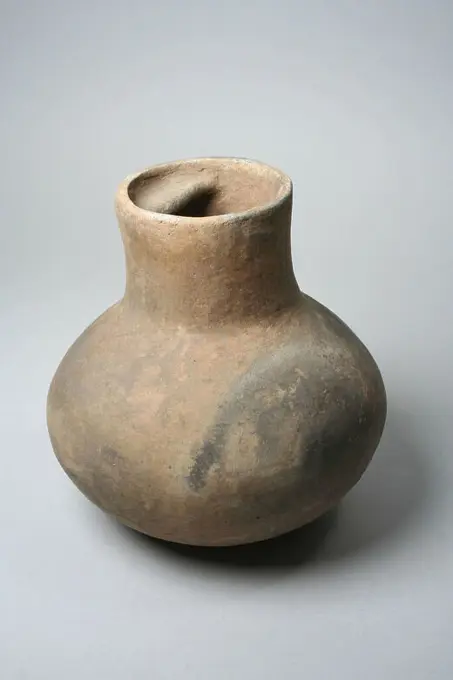
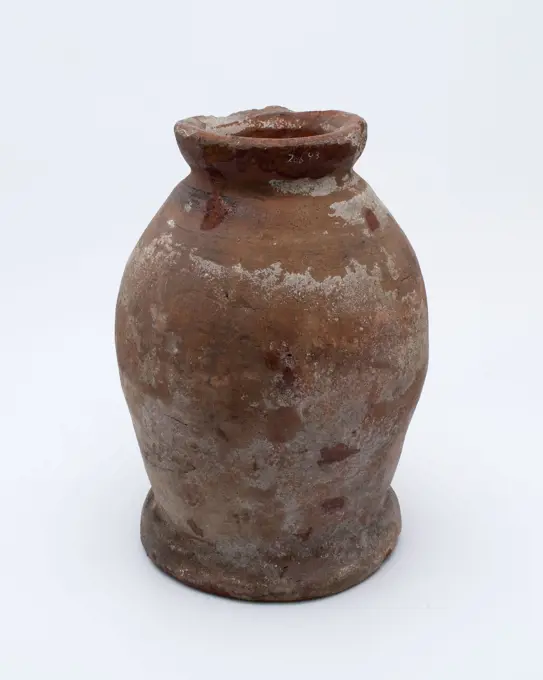
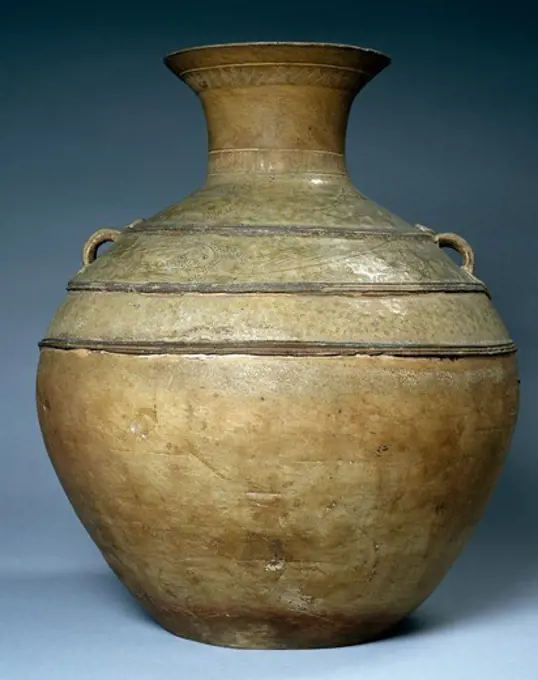
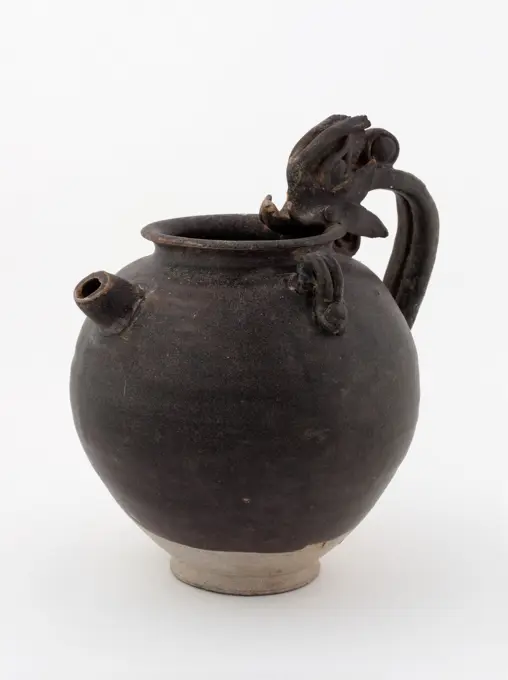
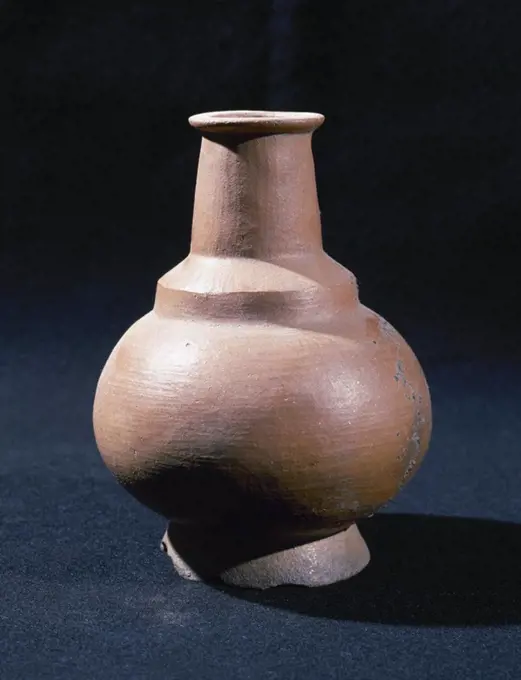
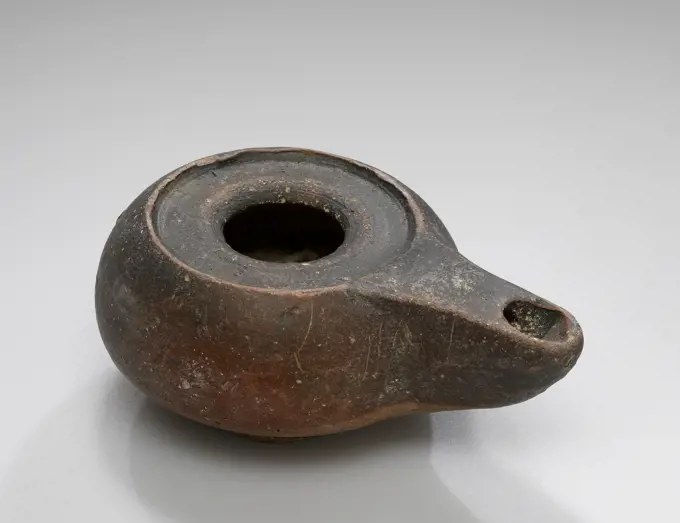
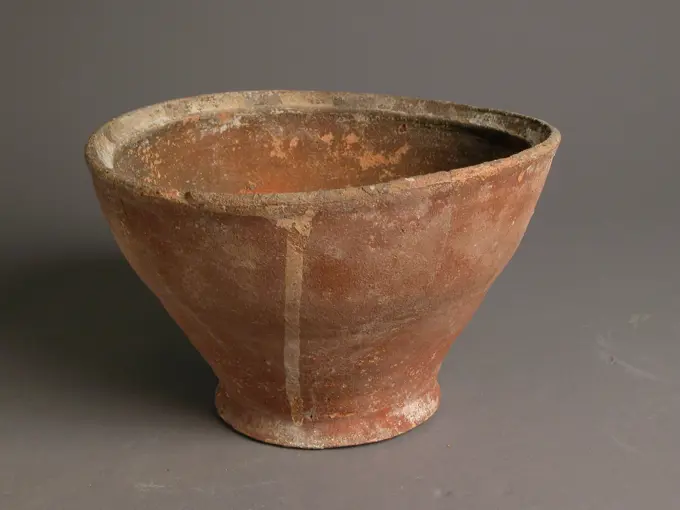
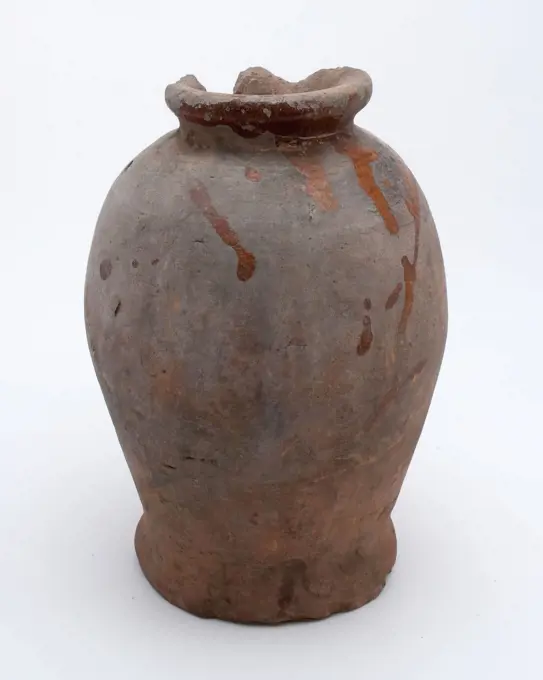
A variety of earthenware pots including cooking vessels and historical jars from different cultures, showcasing unique shapes and decorative details.
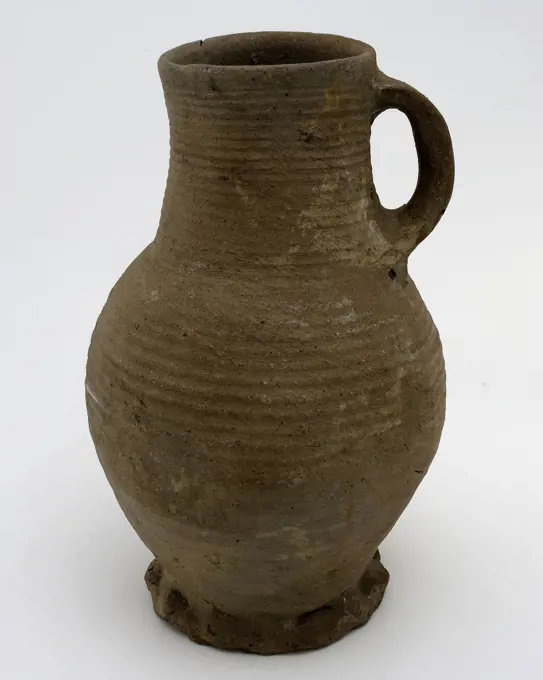
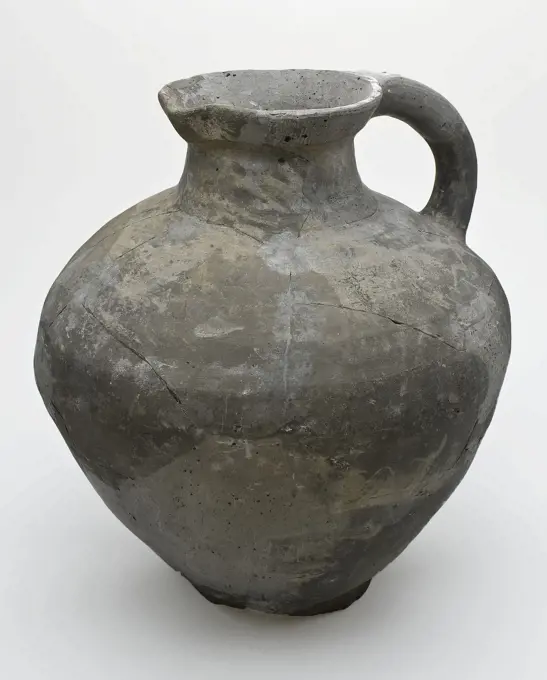
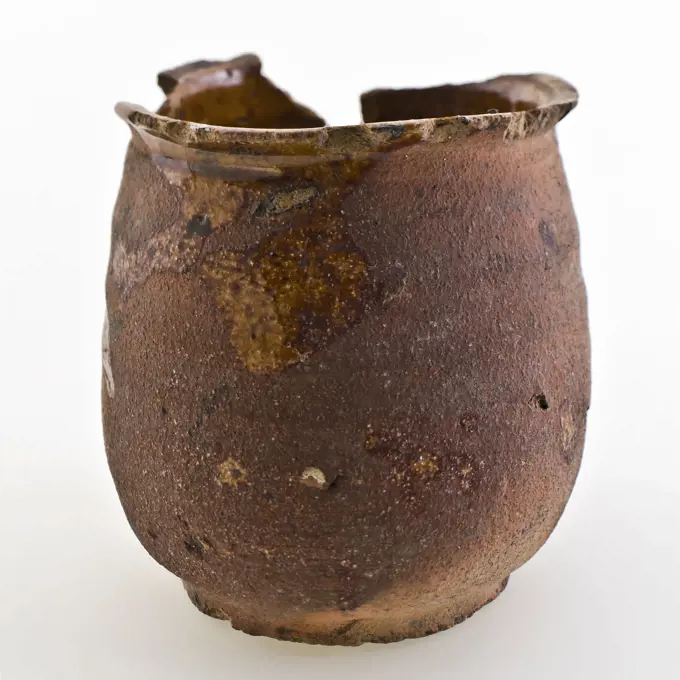
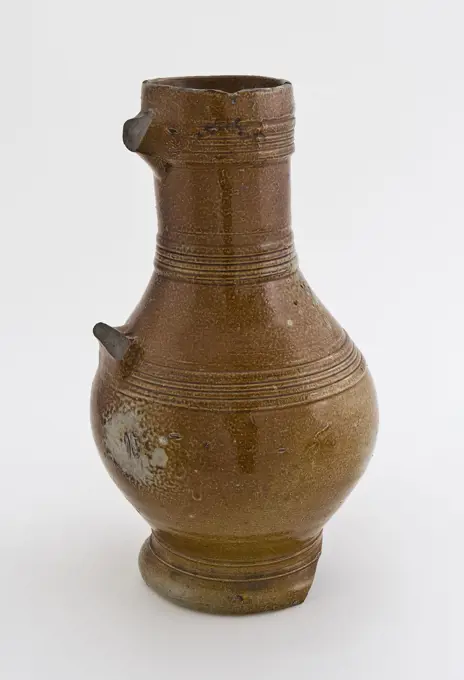
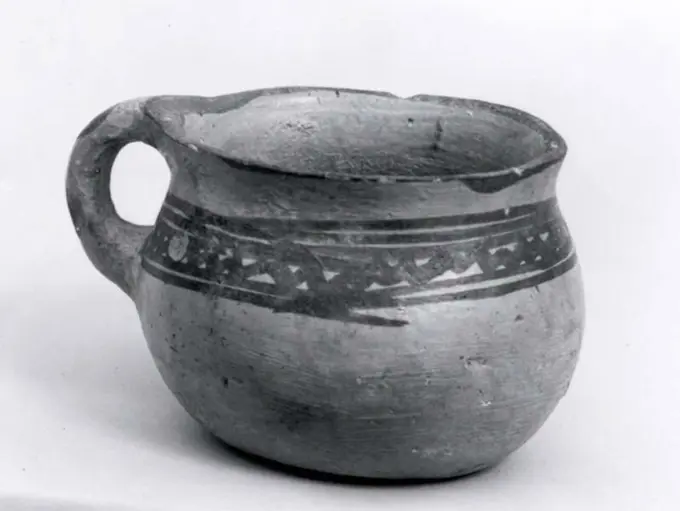
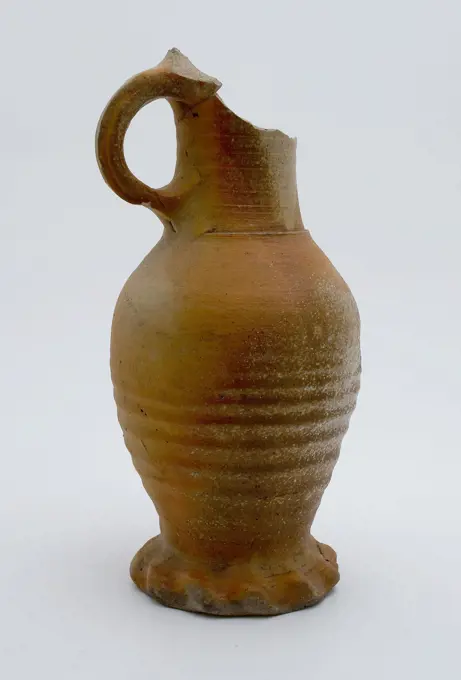
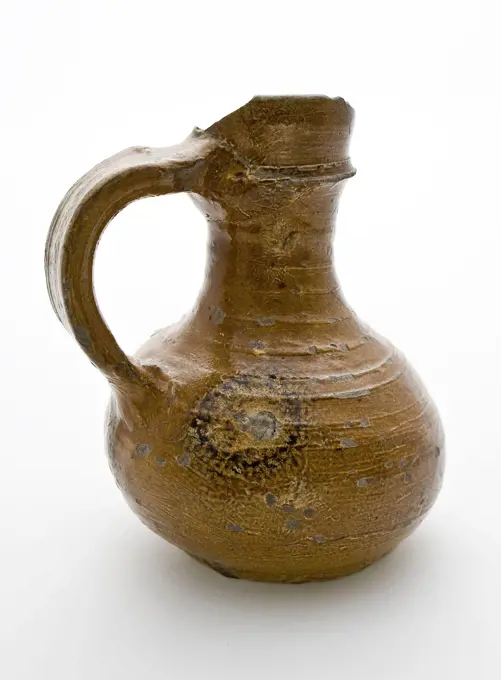
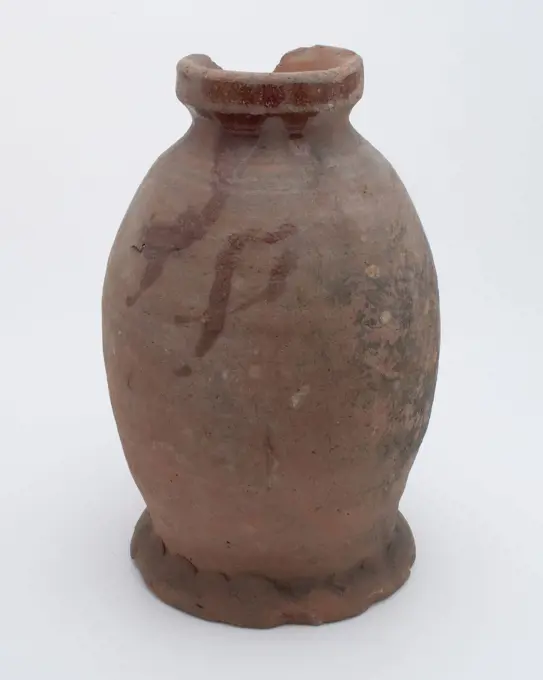
Gray stoneware jug be on pinched foot, rough-walled, jug crockery holder soil find ceramic stoneware, hand turned baked Gray stoneware jug be scraped earthenware cylindrical neck and bended body nipped foot Strongly outstanding unglazed archeology Poortugaal Albrandswaard indigenous pottery import drink serving serve serving Soil discovery: Poortugaal terp I found in tonput.
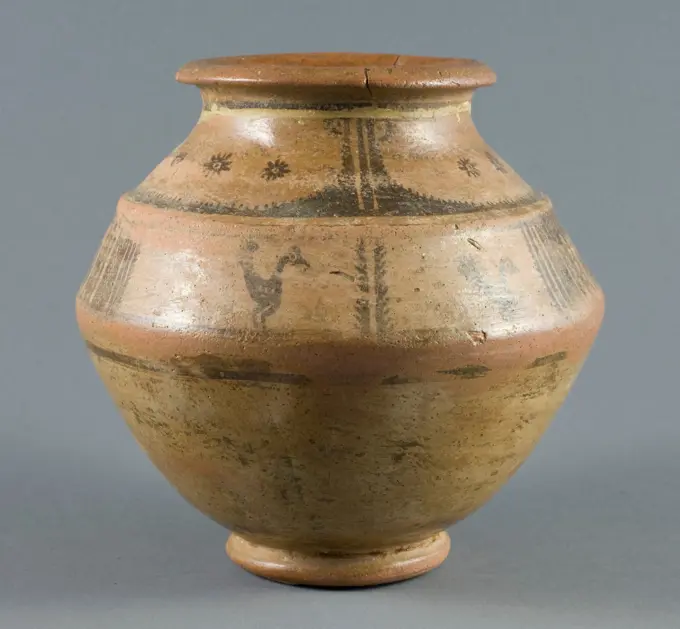
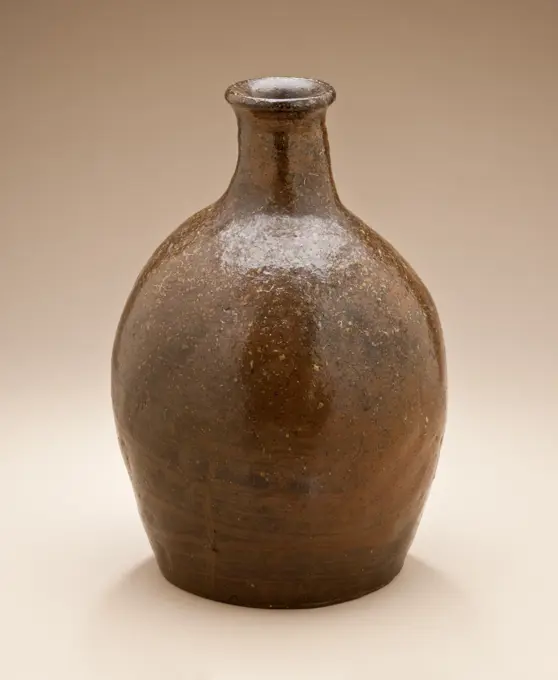
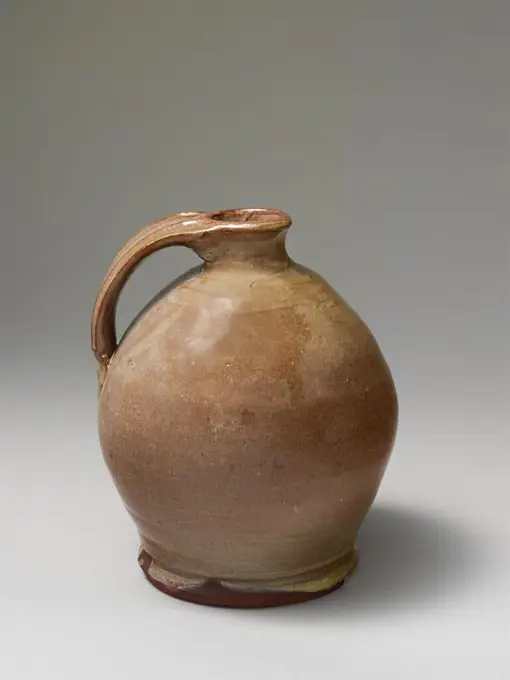
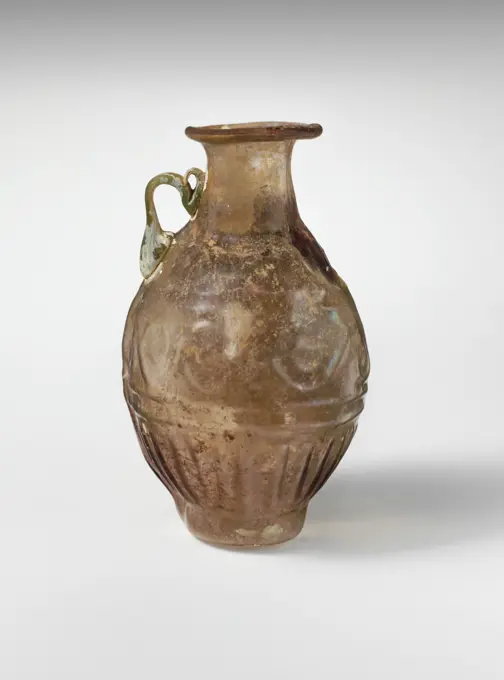
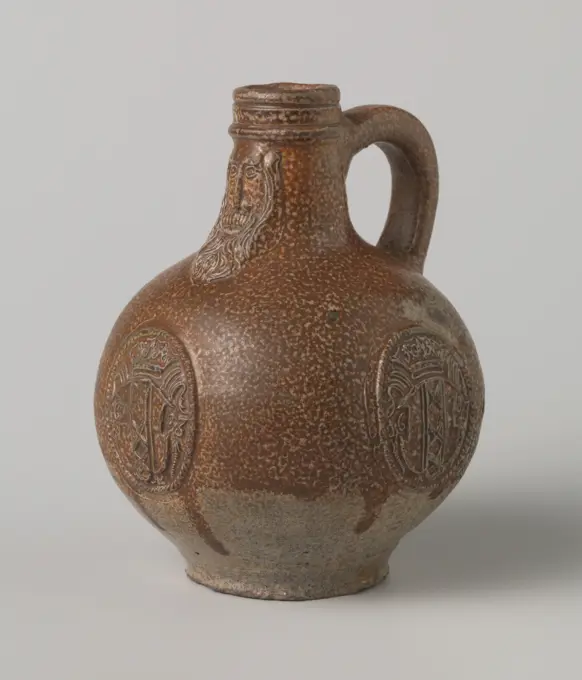
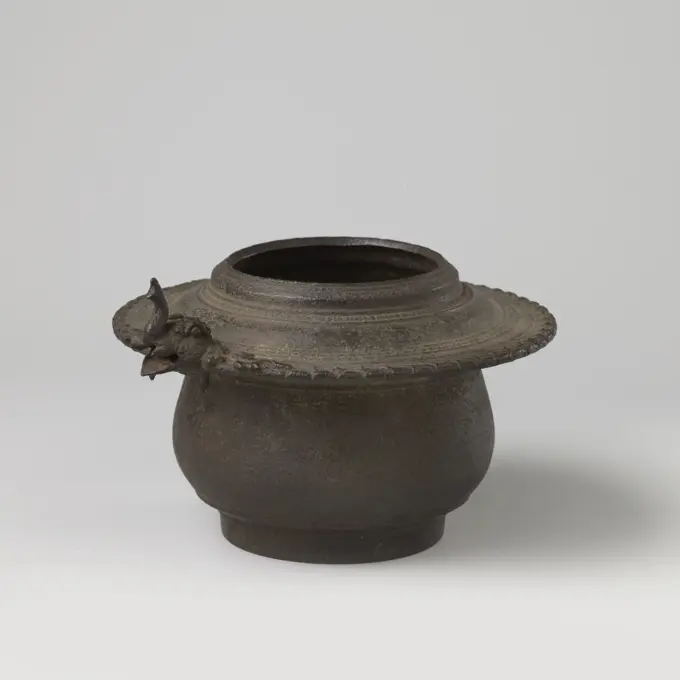
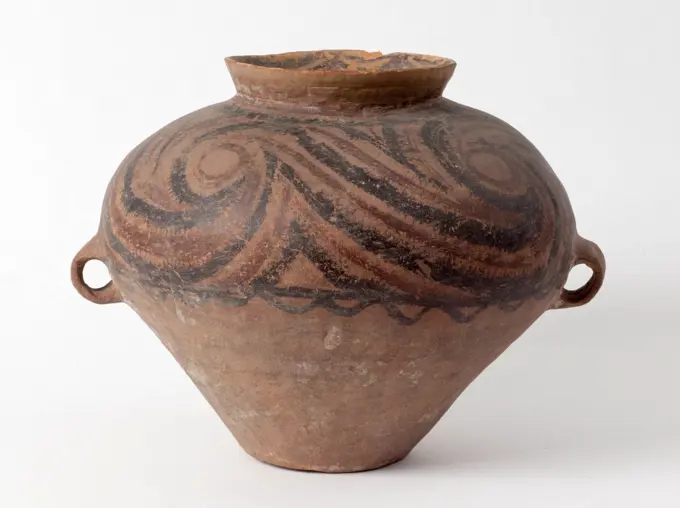
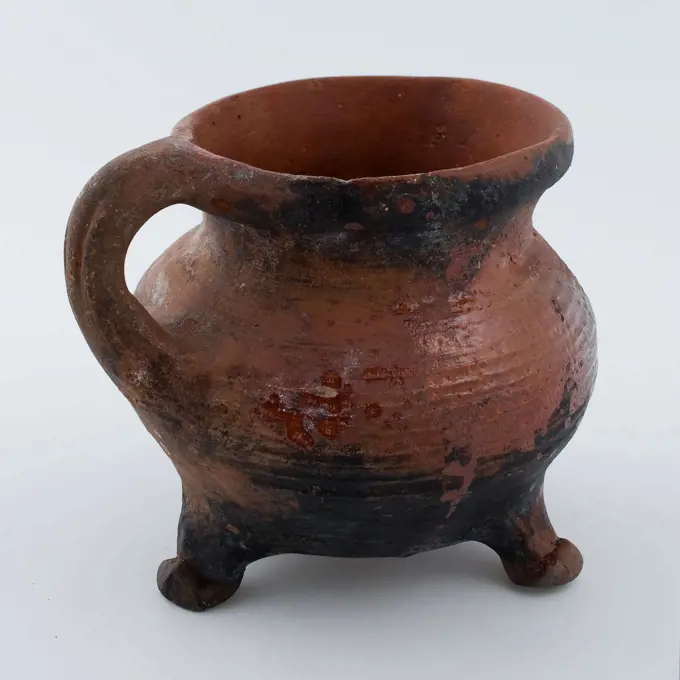
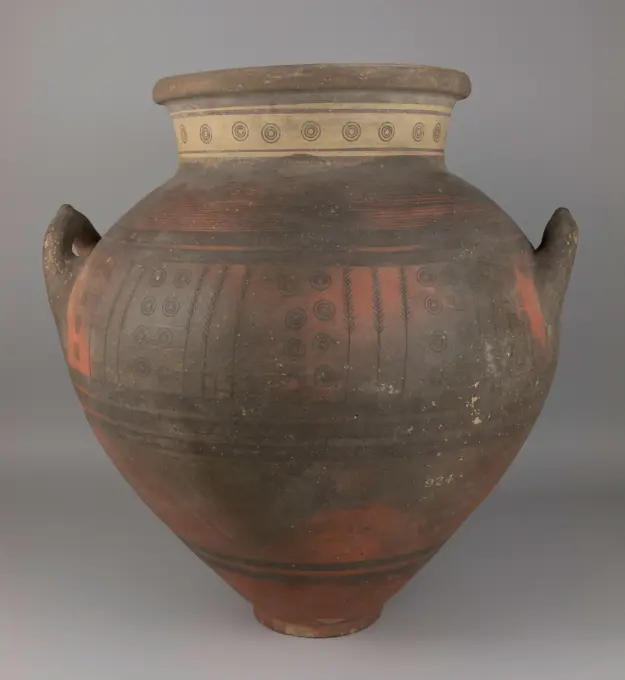
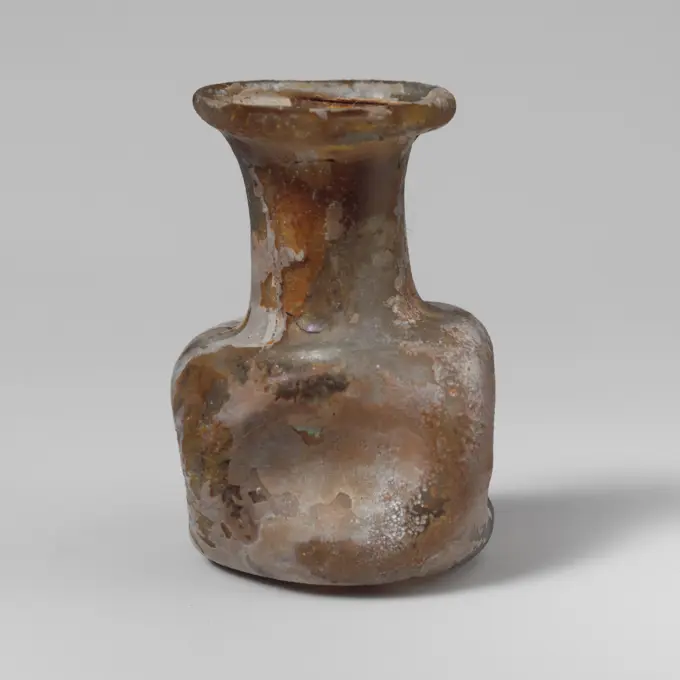
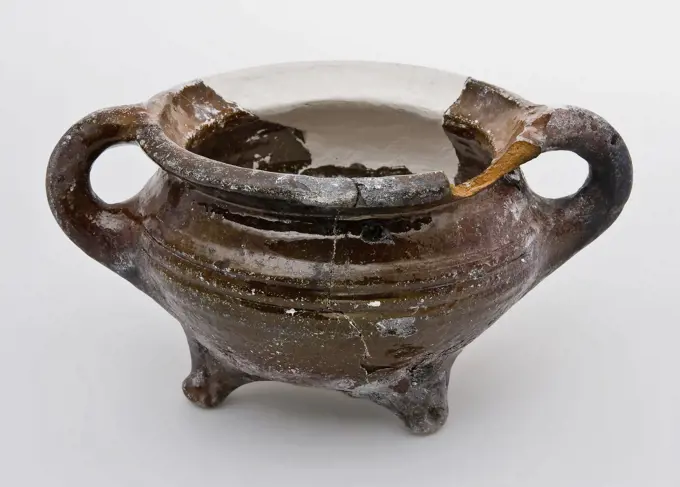
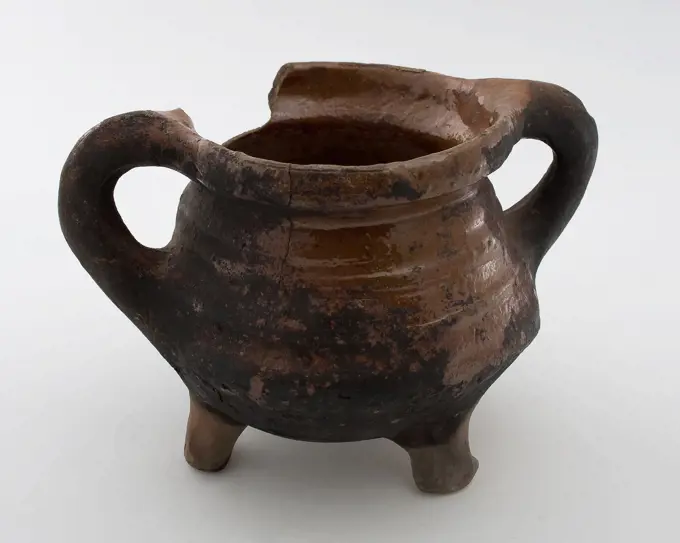
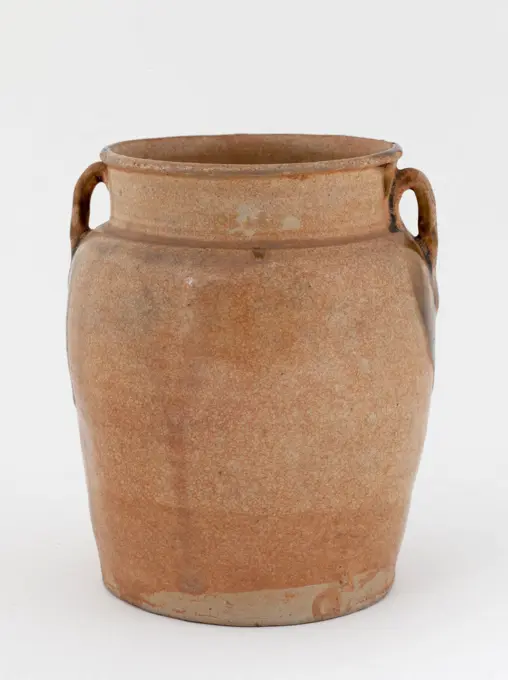
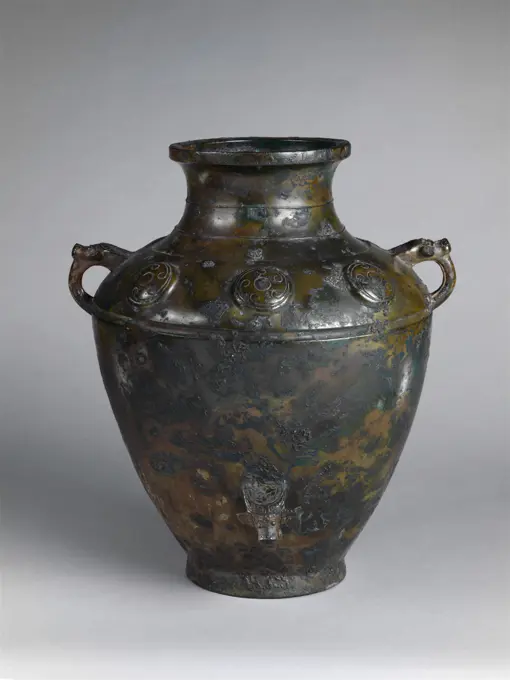
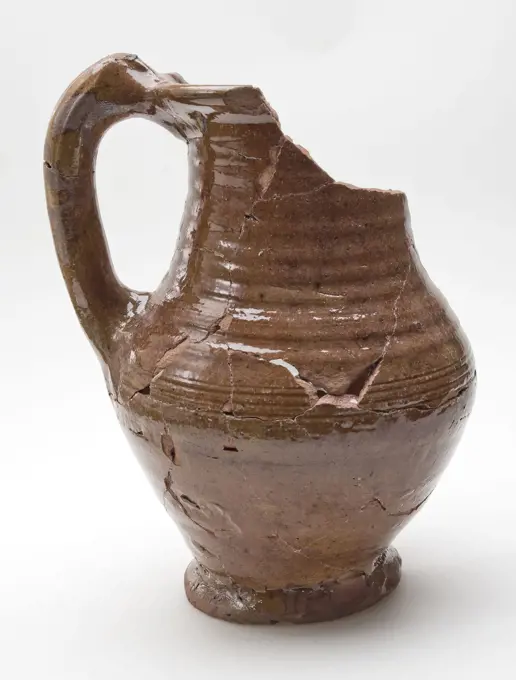
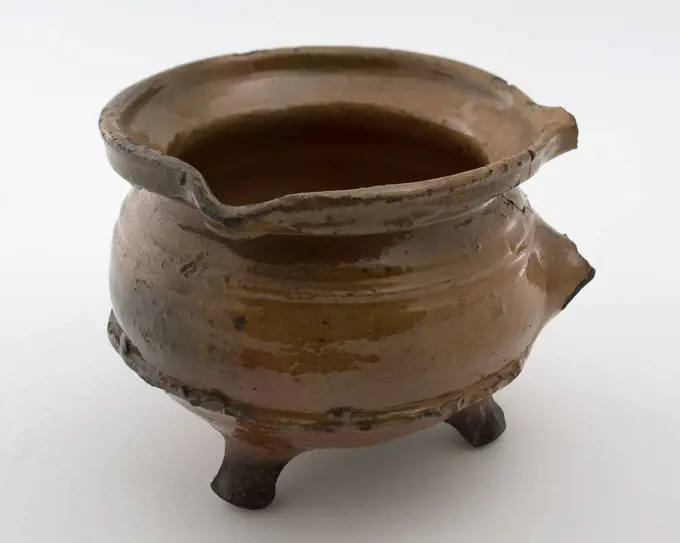
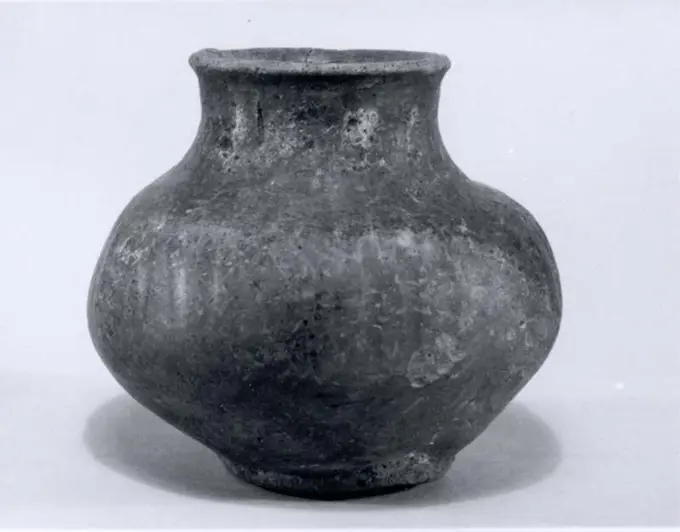
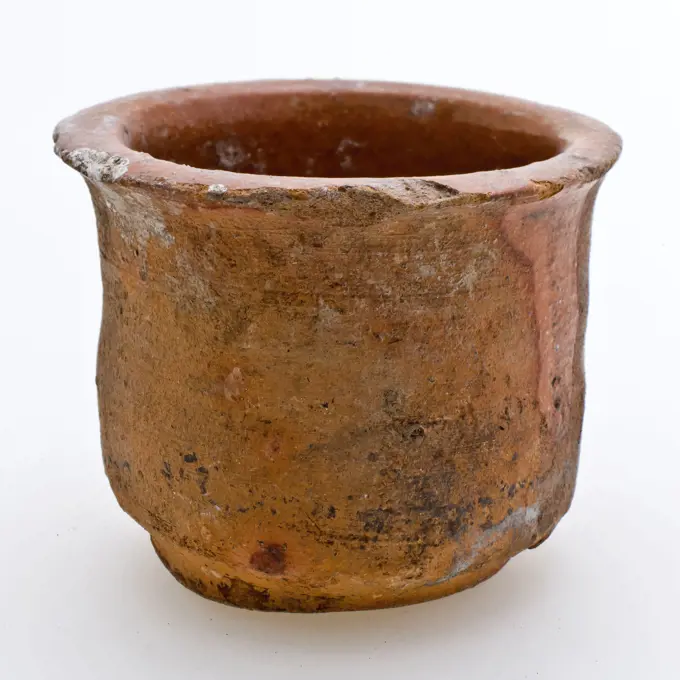
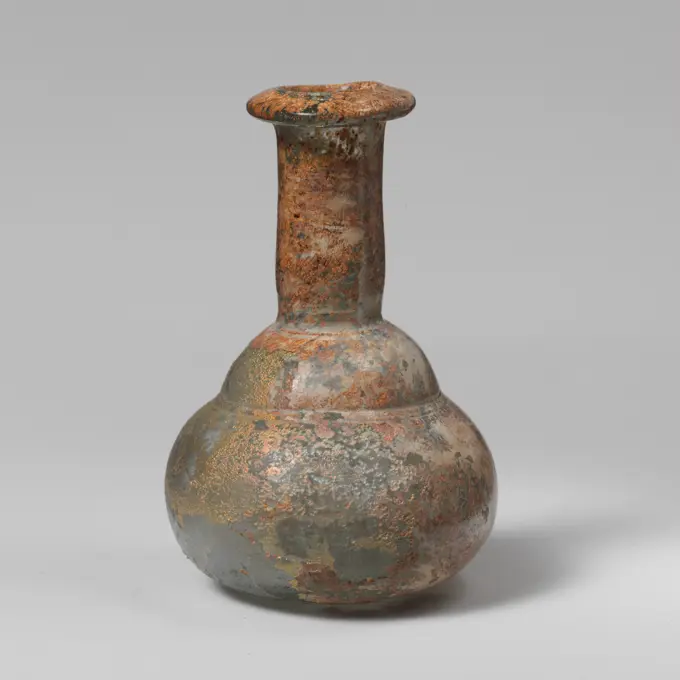
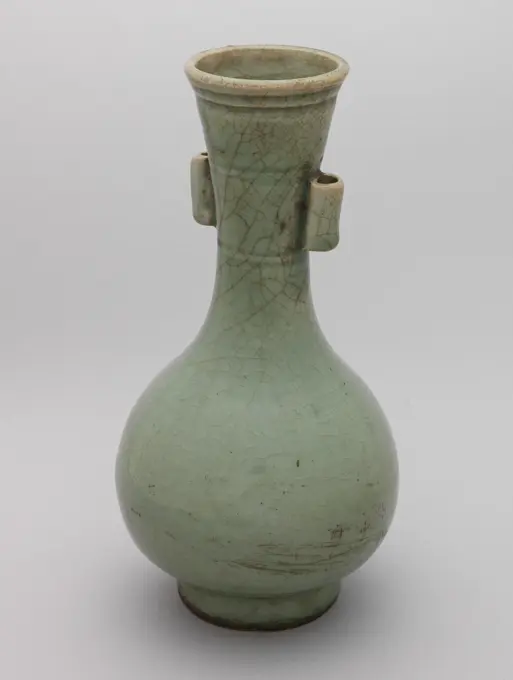
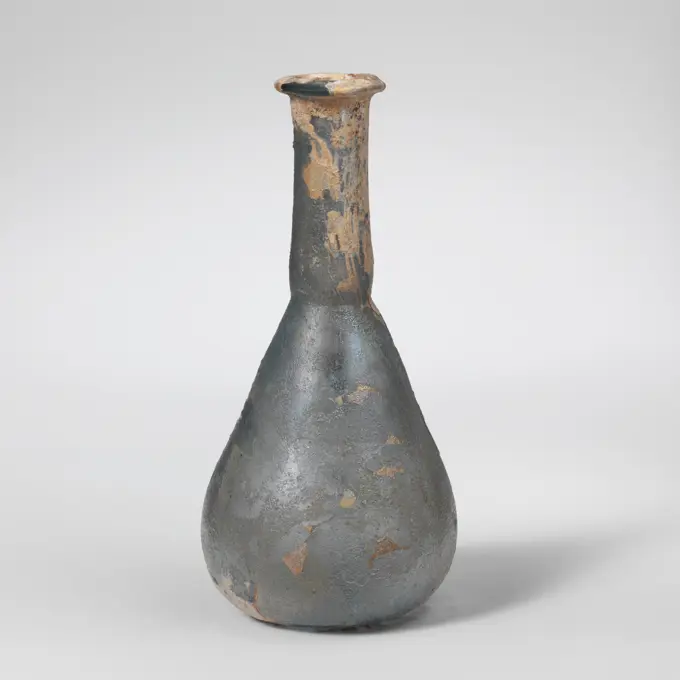
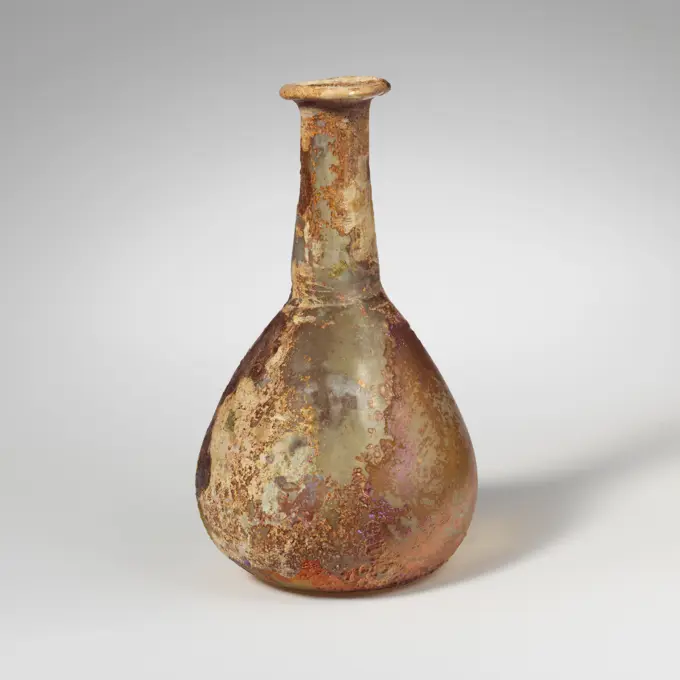
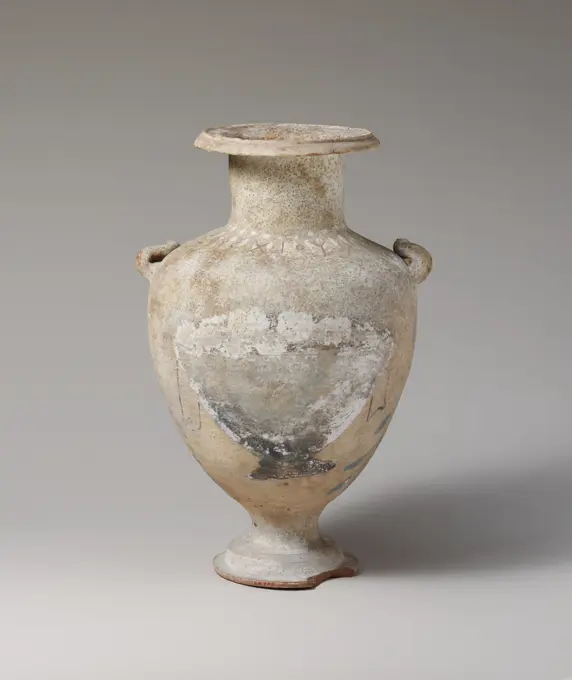
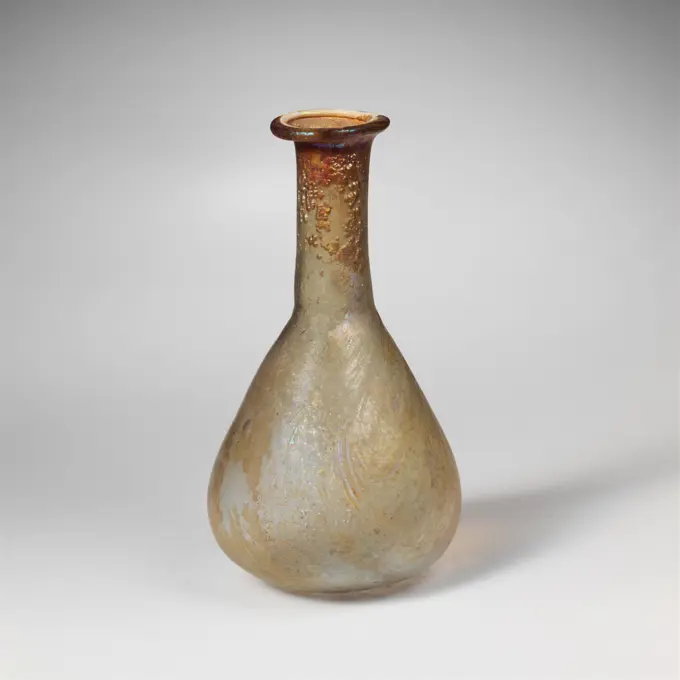
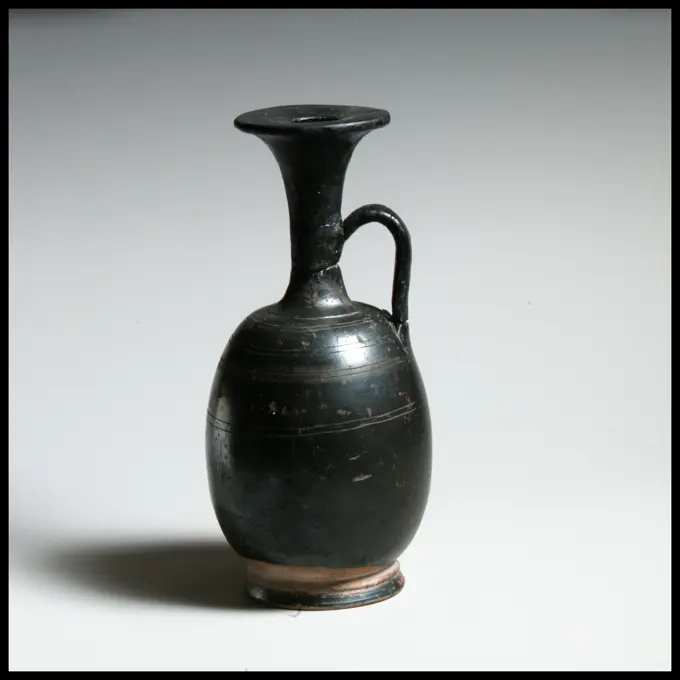
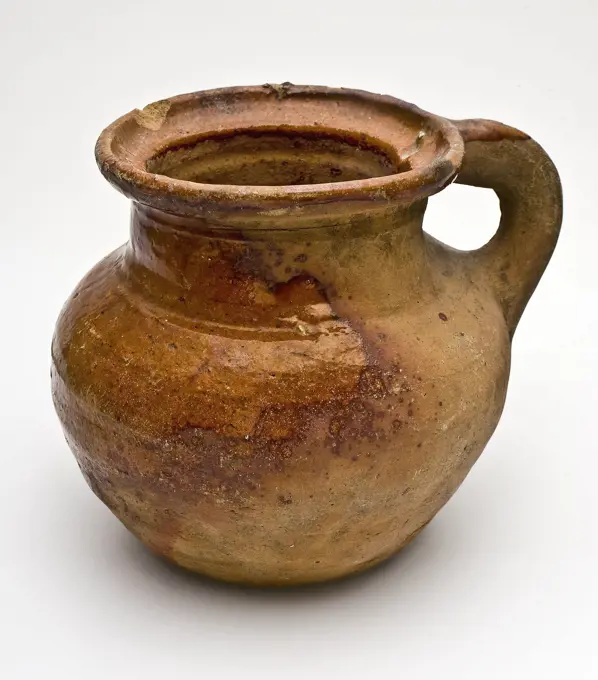
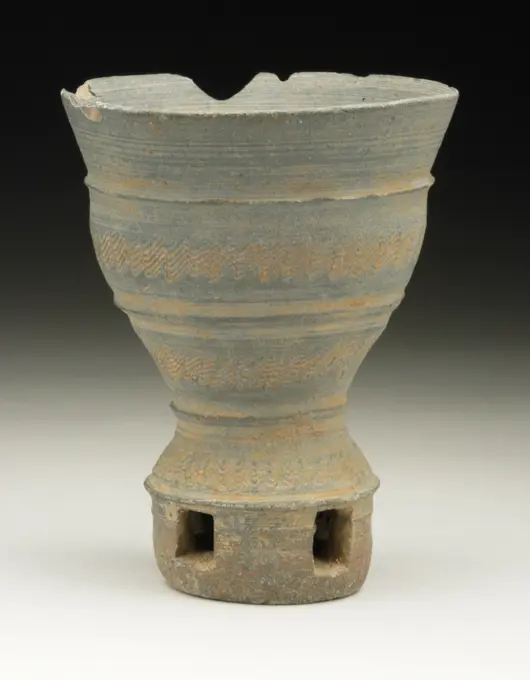
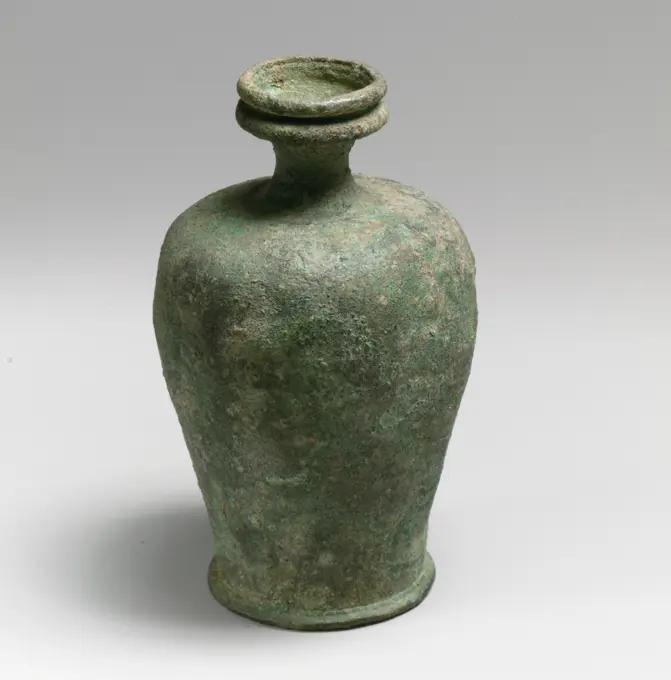
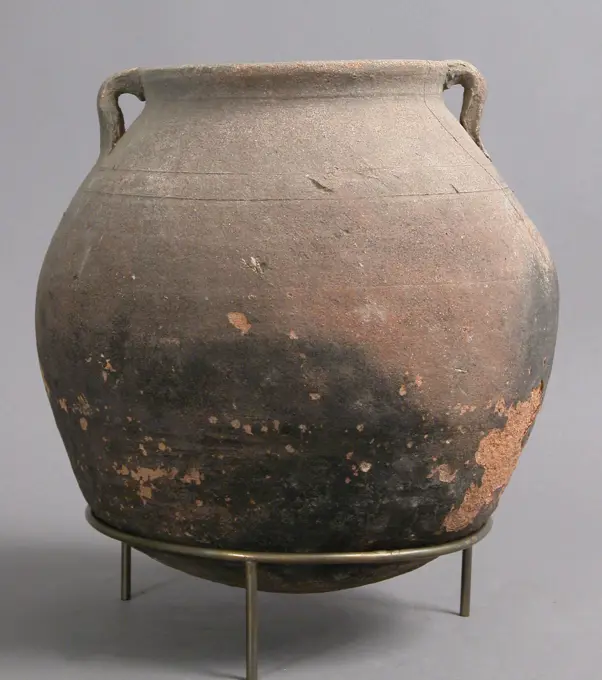
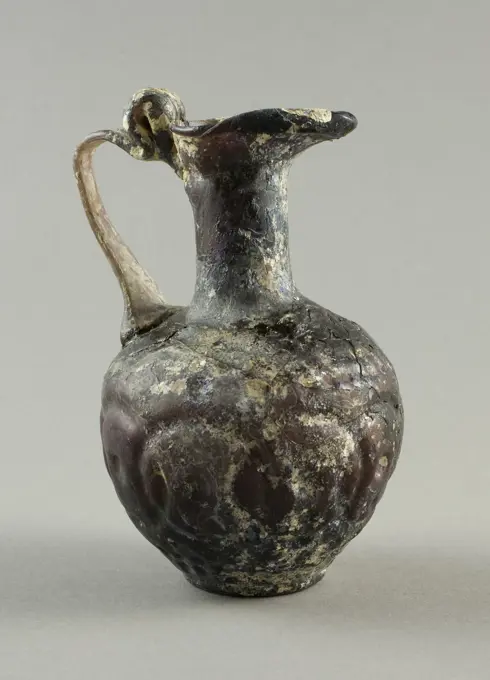
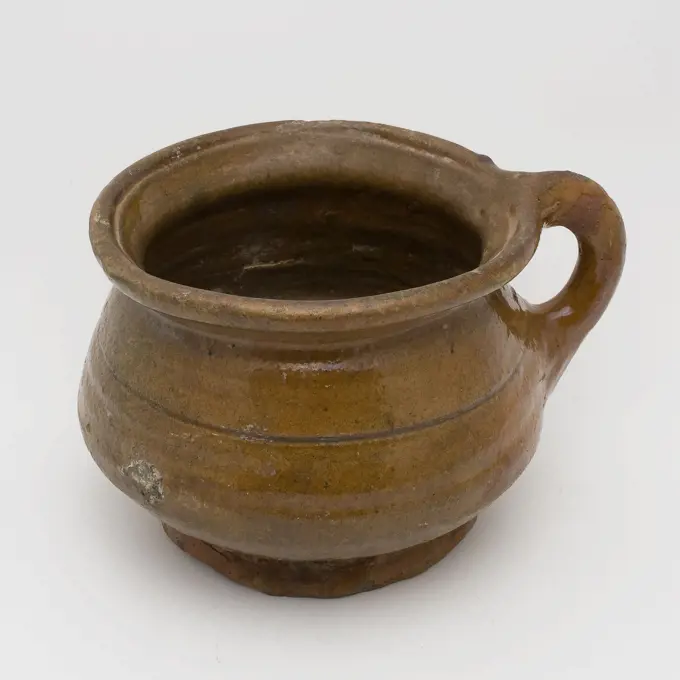
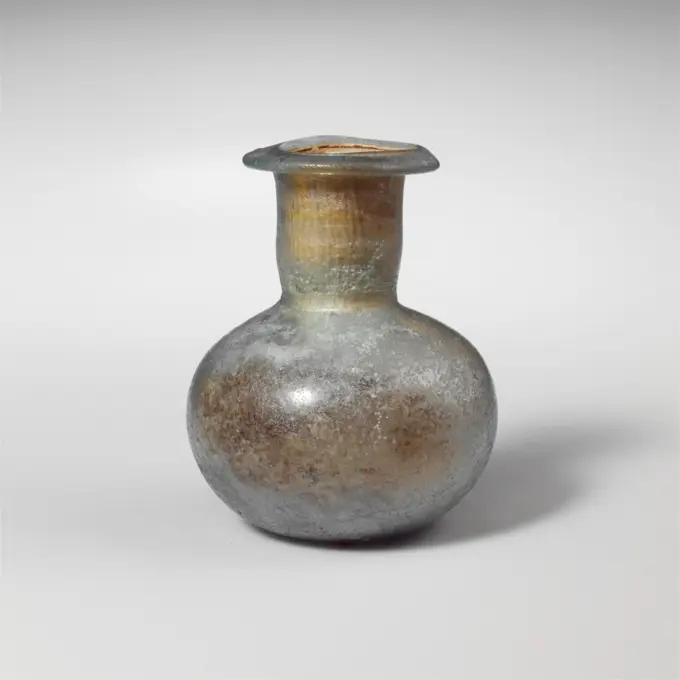
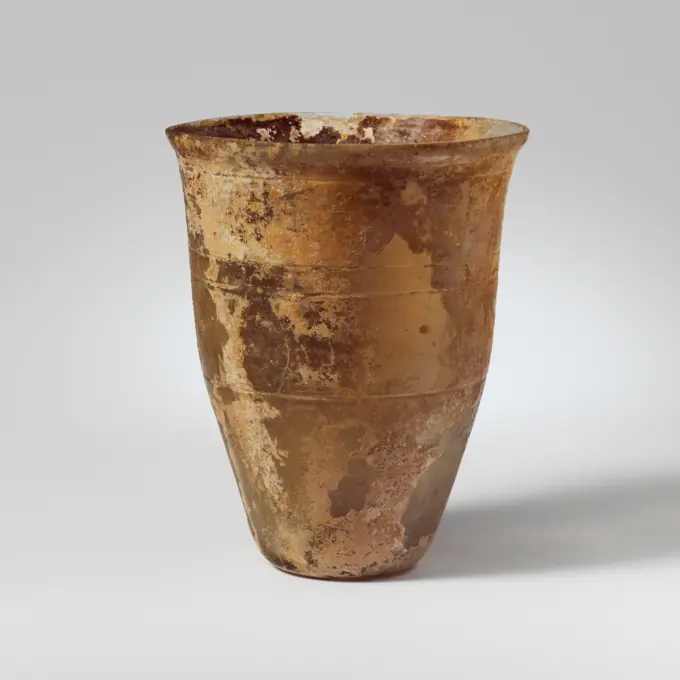
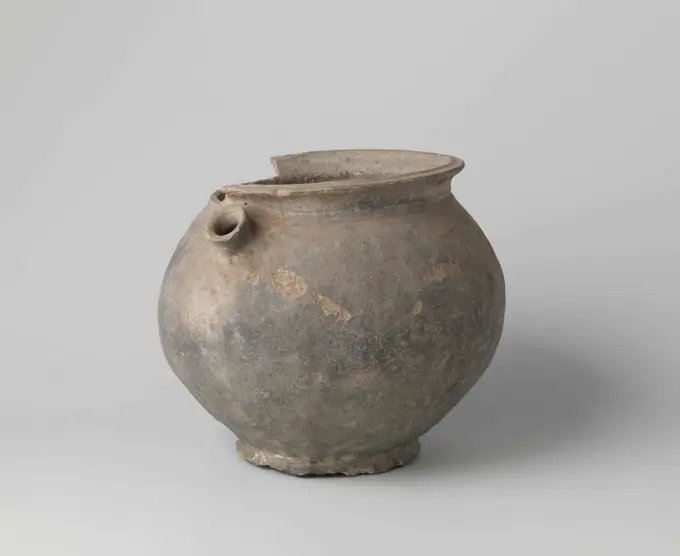
Pot. Pot of stewardous pottery, with a spout.Earthenware cooking pot, grape-model, red shard, sparingly glazed, two hook ears, on three legs, casserole tableware container kitchenware earth discovery ceramics earthenware glaze lead glaze, hand-turned baked glazed earthenware cooking pot grape-model red shard sparingly glazed two vertical applied croquettes three legs archeology Rotterdam indigenous pottery food preparation cooking food kitchen fire Soil discovery: brand Rotterdam.Jar 1500 BCE Persia. Earthenware . IranianSake Bottle. Japan, Momoyama period, 1573-1615, late 16th century. Ceramics. Echizen ware; stoneware with clear glazeOil bottle, 9th century, Unknown Korean, 4 3/4 × 5 1/16 × 5 1/16 in. (12.07 × 12.86 × 12.86 cm), Stoneware with incidental ash glaze, Korea, 9th century, The bulbous body of this bottle, decorated with dense vertical lines, narrows sharply at the shoulders to support a narrow, elegantly flared mouth. Vessels of this type have been found at a variety of sites, including tombs, temples, and domestic settings.Gray jug with ear and spout, on four stand fins, cuff collar around the neck, water jug crockery holder soil find ceramics pottery, hand-turned baked Blue-gray pottery jug with four pinched toes neck with cuff collar and shaving lip thick round ear half repair in plaster light turns archeology Valckensteyn Poortugaal Albrandswaard indigenous pottery packaging kitchen utensils water washing food preparation drink Soil discovery: canal at bridge castle Valckensteyn at Poortugaal now Albrandswaard 1962.Gray stoneware jug be on pinched foot, rough-walled, jug crockery holder soil find ceramic stoneware, hand turned baked Gray stoneware jug be scraped earthenware cylindrical neck and bended body nipped foot Strongly outstanding unglazed archeology Poortugaal Albrandswaard indigenous pottery import drink serving serve serving Soil discovery: Poortugaal terp I found in tonput.Jug. Culture: American. Dimensions: H. 7 3/4 in. (19.7 cm); Diam. 6 5/8 in. (16.8 cm). Date: ca. 1800-1830. Museum: Metropolitan Museum of Art, New York, USA.. Egg-shaped pot of stoneware with a short, wide neck with flat edge, partly covered with a brown glaze. The lower part of the pot is unglazed. Probably intended for storing tea leaves. Shigaraki.Glass amphoriskos with band of scrolls 1st century A.D. Roman, Syro-Palestinian Translucent pale purple, with handle in translucent pale yellow green.Uneven tubular rim, folded out, over, and in; neck flaring downward; ovoid body; cylindrical base, with flat but uneven bottom; small rod handle attached in a pad to shoulder, drawn up, round, and in, and folded onto lower part of neck. One continuous mold seam around body and across bottom, but edges of molds not carefully aligned.On body, frieze of indistinct downturned raised tongues on upper body and twenty-five upturned raised tongues on lower body, joined by a central band of tendril scrolls bordered above and below by two horizontal raised lines.One handle missing and hole in shoulder where it was once attached; few bubbles; faint iridescence on exterior, soil encrustation, whitish weathering, and brilliant iridescence on interior.. Glass amphoriskos with band of scrolls 245372Jug (Bartmann jug) with the coat of arms of Amsterdam, anonymous, c. 1603 - c. 1625 Jug of stoneware on standing surface with a spherical body and narrow neck. The C-shaped ear is attached to the neck and shoulder. Profiles on the neck. Covered with a brown Engobe. On the abdomen in relief three times a printed and imposed medallion with the crowned weapon of Amsterdam and the date '1603'. The neck with a bearded man in relief; The beard continuously on the shoulder. Frechten. Cheek stoneware. glaze. engobe vitrification Jug of stoneware on standing surface with a spherical body and narrow neck. The C-shaped ear is attached to the neck and shoulder. Profiles on the neck. Covered with a brown Engobe. On the abdomen in relief three times a printed and imposed medallion with the crowned weapon of Amsterdam and the date '1603'. The neck with a bearded man in relief; The beard continuously on the shoulder. Frechten. Cheek stoneware. glaze. engobe vitrificationPowder pot of type so -called "shoulder" (katatsuki). Ceramic. Seto (Japan), late 17th or early 18th century. Paris, Cernuschi museum. 59520-6 Asian, ceramic art, shoulder, late 17th, katatsuki, pot, powder, 18th century, theWatervat, anonymous, 1300 - 1600 Water vessel with wide collar, and spout in the shape of an elephant's head, originally placed on a triple and provided with lid. Indonesia bronze (metal) Water vessel with wide collar, and spout in the shape of an elephant's head, originally placed on a triple and provided with lid. Indonesia bronze (metal)Pottery water jug, stand on stand, with ear, striped band around shoulder, water jug crockery holder soil find ceramic earthenware glaze lead glaze, ring 12.5 hand-turned glazed baked Pottery jug with roll-round ear rings on neck and shoulder On stand ring Neck has schenklip In- and glazed externally except stand ring Red shard brown glazed with here and there greenish places archeology indigenous pottery pour water wash food prepare kitchen tableJar ". Terracotta with polychrome decoration. Neolithic period (around 8000 BC). Paris, Cernuschi museum. Anse, Chinese art, Chinese Ceramic, container, jar, decorative motif, Neolithic period, container, terracottaJug. Culture: Cypriot. Dimensions: 6 3/4in. (17.1cm). Date: 750-600 B.C..Funnel-shaped neck and horizontal bands in black and white. Museum: Metropolitan Museum of Art, New York, USA.Glass jar. Culture: Roman. Dimensions: H.: 2 5/8 x 2 13/16 x 2 3/8 in. (6.7 x 7.1 x 6 cm). Date: 2nd-3rd century A.D..Translucent pale blue green.Tubular rim, folded out, down, round, and pressed into top of outsplayed mouth; short, cylindrical neck; shoulder sloping out to join bulbous body; pushed-in bottom.Intact; pinprick and some larger bubbles; slight encrustation and iridescent weathering on exterior, thick soil encrustation, weathering, and brilliant iridescence on interior. Museum: Metropolitan Museum of Art, New York, USA.Earthenware ointment pot, anonymous, 1700 - 1800 Monastery of red earthenware ointment pot. Inside glazed.  earthenware Monastery of red earthenware ointment pot. Inside glazed.  earthenwarePottery cooker on three legs, sausage ear and sparing lead glaze, grape cooking pot tableware holder utensils earthenware ceramics earthenware glaze lead glaze, hand-turned glazed baked Pottery cooking jug on three legs. Molded claw feet still holding the thumbprints of the potter. High funnel-shaped top edge Lightly squeezed sausage handle above the rim. Sparely glazed on the outside some glaze on the shoulder internally only under the neck opening on the bottom Convex flattened bottom. Rotations on the shoulder Grateps. Restoration is repainted archeology underground pit Rotterdam City Triangle Groenendaal indigenous pottery cooking kitchen food preparation Soil discovery: underground pit Groenendaal large waste pit at ± 4 meters - N..P 1977.06.27.Jug. Culture: American. Dimensions: H. 17 1/2 in. (44.5 cm). Maker: George Benton and Levi Stewart (active 1815-22). Date: 1815-22. Museum: Metropolitan Museum of Art, New York, USA.Earthenware cup model ointment jar, red shard, internally glazed, ointment jar pot holder soil find ceramic earthenware glaze lead glaze, hand-turned glazed baked Pottery ointment red shard internally glazed. Cup model Gradual narrowing to the edge and the foot. Outstanding sloping top edge. Stand surface. Thin-walled Rotary arches archeology Rotterdam health care indigenous pottery store pharmacy sell craft Soil discovery provenance unknown (Rotterdam and surroundings).Amphora 600-480 B.C. Cypriot Frieze of conventional trees alternating with groups of concentric circles.. Amphora. Cypriot. 600-480 B.C.. Terracotta. Cypro-Archaic II. VasesGlass perfume bottle. Culture: Roman. Dimensions: 4 5/8 in. (11.7 cm)Other: 2 3/4in. (7cm)Diam. of rim: 1 1/8 in. (2.9 cm). Date: 2nd-3rd century A.D..Translucent pale blue green.Rim folded out, over, and in, flattened on top and into mouth; cylindrical neck expanding downward and tooled in around base; conical body with convex sides; thick, rounded bottom. Fairly thick and heavy glass.Intact; some pinprick bubbles; dulling, iridescence, and faint weathering. Soil encrusted on interior. Museum: Metropolitan Museum of Art, New York, USA.Glass perfume bottle 2nd-3rd century A.D. Roman Small perfume bottleColorless with pale greenish tinge.Rim folded out, over, and in; flaring mouth; cylindrical neck; horizontal shoulder with sloping edges and corners; roughly squared body with deeply indented sides; pushed-in bottom, with slight traces of pontil mark.Intact; pinprick bubbles; some dulling, creamy weathering covering most surfaces, with some patches of iridescence.. Glass perfume bottle 239760Pottery grape on three legs, two sausage ears, low and wide model, grape cooking pot crockery holder kitchen utensils earthenware ceramics earthenware glaze lead glaze, hand turned glazed baked Pottery grape on three legs, one of which is filled with plaster Red shard fully glazed except the bottom of the bottom Low and wide model with large neck opening. Oblique head neck with thickened round edge Two standing wrestlers Around the belly decorated with some rough turns. Restoration is only partly completed fragments are still blank and large edge fragment needs to be glued in archeology Landpoortstraat Geervliet Bernisse indigenous pottery cooking kitchen nutrition food preparation Soil discovery: Geervliet waste pit barn Landpoortstraat 1 September 1983.Brown stoneware jug be worn with four bands of linear decor around neck, shoulder and belly, jug crockery holder soil find ceramic stoneware clay engobe glaze salt glaze, hand turned decorated glazed baked Stoneware jug gray shard brown engobe and salt glaze profile rings round neck (three series) belly and foot Belly model with long and cylindrical neck archeology import pottery serve serve serve drink wine beerPottery belly model ointment jar, red shard, internally glazed, ointment jar pot holder soil find ceramic earthenware glaze lead glaze, hand turned glazed baked Pottery ointment red shard internally glazed. Abdomen model Narrowing over the foot. Flat outstanding top edge. Heavy. Stand surface is roughly finished. Turning beads on the inside archeology health care indigenous pottery import pharmacy store sell craftWater Vessel, 14th century, Unknown Korean, 10 3/4 in. (27.31 cm), Porcelaneous ware with celadon glaze, Korea, 14th century, The elegant shape of the ritual bronze kundika was so admired during the Goryeo dynasty that potters also produced porcelain examples with celadon glaze. The aristocracy used these vessels for decoration.Pottery pot on stand, baluster shape, used in the sugar industry, sugar pot pot holder soil find ceramic earthenware glaze lead glaze, hand turned glazed earthenware pot on stand. Baluster shape with round shoulder and narrow neck. Made from fairly dry clay Red shard internal glazed Here sugar cones were made archeology indigenous earthenware sugar confectionery sugar industryVase, 1662-1722. China, Qing dynasty (1644-1911), Kangxi reign (1661-1722). Porcelain; overall: 17.8 cm (7 in.).Earthenware cooking pot, grape-model, red shard, sparingly glazed, two sausage rolls, on three legs, cooking pot tableware holder utensils earthenware ceramics earthenware glaze lead glaze, hand-turned baked glazed earthenware cooking pot grape-model red shard low-energy glazed two vertical sausage struts three-legged outside wall largely blackened Some rotating braids around the shoulder archeology Rotterdam indigenous pottery food preparation cooking food kitchen Soil discovery: brand RotterdamTerracotta oinochoe (jug) 6th century B.C. Lydian One-handled jug with dark glaze, with horizontal bands in red.. Terracotta oinochoe (jug). Lydian. 6th century B.C.. Terracotta. Archaic. VasesJar ". Orange terracotta with a brown cover and iron brunette stains. China, Tang dynasty (618-907). Paris, Cernuschi museum. Anse, Chinese art, Chinese ceramic, container, tang dynasty, jar, container, terracottaGlass perfume bottle. Culture: Roman. Dimensions: 5 11/16in. (14.4cm)Other: 2 5/8in. (6.7cm)Diam. of rim: 1 in. (2.6 cm). Date: late 1st-mid-2nd century A.D..Translucent pale blue green.Rim folded out, over, and in, with uneven lip around mouth; cylindrical neck, expanding downward; squat, bulbous body; slightly convex bottom.Intact; many bubbles; thick, creamy weathering on interior; dulling and iridescent weathering on exterior. Museum: Metropolitan Museum of Art, New York, USA.Wine bottle with wine from the wreck of the East Indians' t Vliegend Hart ,, 1700 - 1735 wine Uivid wine bottle of green glass filled with red (port) wine and closed with cork. The thread that the cork had to hold in place has disappeared. Netherlands glassWine Vessel ca. 1523-900 B.C. China. Wine Vessel 61282Pottery jug, completely brown glazed with high band ear, on stand, water jug crockery holder soil find ceramic earthenware glaze lead glaze, ring 10.2 hand turned glazed baked Pottery water jug entirely brown glazed High and long bandoor. Standring. Rotate the wheel along the entire height of the jug. Globe model with wide neck Restoration is white-left archeology Rotterdam Heliport terrain indigenous pottery drinking kitchen water serving table Soil discovery: Heliport site Rotterdam June 1978.Jar with Sawtooth and Encircling Bands 25 CE-220 CE China. Earthenware with lead green glaze and underglaze carved decoration .CANTARO DE CUERPO REDONDO BOCA ANCHA Y CORTA - ARTE POPULAR S XX. Location: ALFARERIA. TIÑOSILLOS. AVILA. SPAIN.Chicken-Head Ewer, 4th century, 12-3/8 x 9-7/8 x 9-7/8 in. (31.4 x 25.1 x 25.1 cm), Yue ware Stoneware with dark brown glaze, China, 4th century, Curious 'chicken-head' spouts appear on a relatively large group of 4th century celadon and brown glazed wares produced at the yue kilns in South China. The sculptural spouts had no symbolic importance and likely evolved from late Zhou dynasty bronze ewers.Bottle. Culture: Mississippian. Dimensions: Height 7-3/4 in.. Date: 11th-14th century. Museum: Metropolitan Museum of Art, New York, USA.Earthenware pot on stand, baluster shape, used in the sugar industry, sugar bowl pot holder soil find ceramic earthenware glaze lead glaze, opening, hand turned glazed baked Pottery pot on stand. Baluster shape with round shoulder and narrow neck opening. Thick neckline almost flat at the top. Slanted neck edge. Blurred turnings. Red shard internal glazed Here sugar cones were made archeology indigenous earthenware sugar confectionery sugar industrySmall earthenware jug be decorated on standing foot, round belly decorated with rad stamping, jug crockery holder soil find ceramic earthenware clay engobe glaze lead glaze, hand turned stamped glazed baked Small pottery jug on stand foot. Belly model with cylindrical neck decorated with rings All over the belly wheel stamp Standing ribbon ear Fully covered with white engobe and then glazed. Red shard Stand with traces of archaeology Rotterdam IJsselmonde indigenous pottery import donate oil store Soil discovery: IJsselmonde Castle 2 Rotterdam, the Netherlands.Stool (common name). Sandstone, celadon, molded decor. Cernuschi Museum, Asia Museum of Asia in the city of Paris.Hu vase, China. Chinese Civilisation, Han Dynasty, 3rd century BC-3rd century AD.Glass perfume bottle. Culture: Roman. Dimensions: 1 9/16 x 15/16in. (3.9 x 2.3cm)Diameter: 3/4 in. (1.9 cm). Date: 2nd-3rd century A.D..Small perfume bottleColorless with pale greenish tinge.Rim folded out, over, and in; flaring mouth; concave, cylindrical neck; sloping shoulder with rounded corners; roughly squared body with indented sides; pushed-in bottom with kick.Intact; many pinprick bubbles; pitting and brilliant iridescence, with some dulling and creamy weathering. Museum: Metropolitan Museum of Art, New York, USA.Jar ". Ceramic. China, Tang dynasty. Paris, Cernuschi museum. 73679-11 Anse, Asian art, Chinese art, spout, Ceramic, Chinese Ceramic, Tang dynasty, Chinese jar, Chinese pottery, terracotta, head dragonCup ca. 2000-1600 B.C. Iran This cup has a globular body, a flat base, an everted rim and a loop handle; it resembles a modern coffee mug. It is made of a buff clay, with dark brown lines on the neck and handle. It was found in a grave at Kamterlan II, a mound in Luristan in the Zagros Mountains of western Iran. Although it had been a settlement in the late third millennium B.C., by the second millennium the site had become a cemetery. The handle suggests that this cup was a drinking vessel, but it is impossible to determine what was drunk from it, or whether it was a special funerary item or an object of everyday use.It is often thought that the inhabitants of Luristan in this period were pastoral nomads, who moved with their herds from the high valleys of the Zagros during the summer to lowland pastures in the winter. This theory arises from the dearth of evidence for settlements, and the occurrence of isolated cemetery sites. At the same time, the infrastructure necessary for bronzeJug with rope pattern ca. 1479-1425 B.C. New Kingdom This handled pitcher is an ointment jar. Handled jugs were included in sets of jars for the seven sacred oils as early as Dynasty 4, approximately a thousand years before this one was made.. Jug with rope pattern. ca. 1479-1425 B.C.. Crystalline and banded travertine (Egyptian alabaster). New Kingdom. From Egypt, Upper Egypt, Thebes, Wadi Gabbanat el-Qurud, Wadi D, Tomb of the Three Foreign Wives of Thutmose III. Dynasty 18Pottery cooking jug, grape-model, red shard, glazed, shank, sausage ear, on three legs, cooking jug be found in the earthenware ceramics earthenware glaze lead glaze, hand-turned baked glazed earthenware cooking jug grape-model red shard entirely covered with lead glaze with greenish patches schenklip three-legged sausage pair of rotating arms around the shoulder archeology City Triangle Rotterdam City Hall Town Hall indigenous pottery food preparation cooking food kitchen Soil discovery on the site intended for the Raadhuisbouw on the Coolvest.Incense burner with animal-mask handles 17th century China. Incense burner with animal-mask handles. China. 17th century. Bronze with gold splashes. Ming dynasty (1368-1644). MetalworkJar ca. 9th century B.C. Iran. Jar 325013Pottery ointment jar, cylindrical model, red shard, internally glazed, ointment jar pot holder soil find ceramic earthenware glaze lead glaze, hand turned glazed baked Pottery ointment jar cylindrical model red shard internal glazed Flat wide top edge. Narrowing of the boiler above the stand Level of plane Light turning lenses on the inside archeology health care indigenous pottery pharmacy store sell craftGlass perfume bottle 1st century A.D. Roman Small perfume bottleTranslucent pale blue green.Rim folded out, over, and in, with beveled upper surface; tall cylindrical neck, with tooling marks around base; convex sloping shoulder with prominent tooling marks below; squat bulbous body; slightly flattened bottom.Intact; pinprick bubbles; dulling and pitting; patches of enamel-like weathering and brilliant iridescence.. Glass perfume bottle. Roman. 1st century A.D.. Glass; blown and tooled. Early Imperial. GlassVase (usual name). Sandstone, Céladon. Cernuschi Museum, Asia Museum of Asia in the city of Paris.Glass perfume bottle 1st century A.D. Roman, Cypriot Translucent light blue.Rim folded out, over, and in with beveled top; cylindrical neck, tooled in at base; sloping sides to body expanding downward and then curving in to small, flat bottom.Intact; many pinprick bubbles; pitting, dulling, and severe iridescent weathering.. Glass perfume bottle 239617Glass perfume bottle 1st-2nd century A.D. Roman Colorless with blue green tinge.Rim folded out, over, and in; cylindrical neck, expanding downward with tooling marks around base; broad conical body with convex sides; slightly concave bottom.Intact; many bubbles; deep pitting and brilliant iridescent weathering.. Glass perfume bottle 239649Pottery cooking jug on three legs, sausage ear, fine twisted arms on the shoulder, cooking pot tableware holder kitchenware earthenware ceramic earthenware glaze lead glaze, hand-turned glazed baked Pottery cooking jug on three legs. Worstoor High and funnel-shaped upper edge Fine rotating arms around the shoulder Triangularly sculpted legs Flat bottom. Sparing glazed lead glaze Restoration is very moderately executed and repainted archeology underground pit Rotterdam indigenous pottery cooking food prepare food kitchen Soil discovery underground pit 1977.Jar. Culture: American. Dimensions: H. 10 7/8 in. (27.6 cm); Diam. 8 in. (20.3 cm). Maker: John M. Safford (1811-1880). Date: 1838.Trained as a potter in Exeter, New Hampshire, Safford came to Monmouth in 1830. This is one of the more highly decorated known examples of Maine redware. The rather unusual form may indicate that it was a stew pot, possibly intended to be set into the hole of an iron stove. Museum: Metropolitan Museum of Art, New York, USA.Jar ". Gray terracotta with a frozen and a green/yellow covered. China, Tang dynasty (618-907). Paris, Cernuschi museum. Anse, Chinese art, Chinese Ceramic, container, Tang dynasty, oval form, jar, container, terracottaPottery belly model ointment jar, red shard, internally glazed, ointment jar holder soil found ceramic earthenware glaze lead glaze, hand turned glazed baked Pottery belly model ointment red shard internal glazed Flat thin sloping inward directed top edge. Narrowing of the boiler above the standing surface Standardized low abdominal area just above the standing area archeology health care indigenous pottery pharmacy store selling craftJug with a coat of arms, scenes and a portrait, Anno Knütgen (attributed to workshop of), c. 1570 - c. 1590 Jug of stoneware on stand ring with a spherical abdomen and narrow neck. The C-shaped ear is attached to the neck and shoulder. Profile on the neck. On the abdomen in relief four times a printed and imposed medallion; Two large and two small ones. The small medallions are filled with a weapon and a portrait of a crowned man and face with the inscription 'Ezechia'. The large medallions with a devil in fight with a woman in a landscape and a representation of Aristotle who is riding like a horse by Phyllis; In addition, the inscription 'Salmon'. Siegburg. Siegburg stoneware. glaze vitrification Jug of stoneware on stand ring with a spherical abdomen and narrow neck. The C-shaped ear is attached to the neck and shoulder. Profile on the neck. On the abdomen in relief four times a printed and imposed medallion; Two large and two small ones. The small medallions are filled with a weapoGlass perfume bottle. Culture: Roman. Dimensions: 3 3/16 in. (8.1 cm)Diameter: 2 1/16 x 13/16 in. (5.2 x 2.1 cm). Date: 3rd century A.D. or later.Translucent green.Rim folded out with beveled lip; tall cylindrical neck; globular body; flattened bottom with large circular pontil mark.Intact; many pinprick and larger bubbles; faint iridescence on exterior; patches of weathering and soil encrustation on interior. Museum: Metropolitan Museum of Art, New York, USA.Terracotta Hadra hydria (water jar) 3rd century B.C. Greek, Ptolemaic An incised graffito on the shoulder reads "The vase and ashes of Hermokles of Chios.". Terracotta Hadra hydria (water jar) 245579Stoneware jug with sausage ear, with punch 2, on the shoulder, jug holder kitchenware soil find ceramic stoneware clay engobe glaze salt glaze, hand turned stoneware jug gray shard. Glazed profile rings underneath the mouth rim profiled sausage ear traces on the underside Orange-brown engobe Marked on the shoulder with figure in rectangular frame On the shoulder: 2 (size of the jug) archeology import pottery store carry store cellar warehouseBowl, 20th century, 5 7/8 x 8 3/16 x 5 7/16 in. (14.9 x 20.8 x 13.8 cm), Ceramic, Nigeria, 20th centuryFluted bottle with lid Middle Kingdom ca. 1950 B.C.Glass perfume bottle 1st-2nd century A.D. Roman Translucent pale blue green.Rim folded out, over, and in; flaring mouth; cylindrical neck, tooled in around base; conical body with rounded curve to slightly raised, flat bottom.Faint horizontal tooled indent around upper part of body.Intact; many pinprick and larger bubbles and blowing striations; dulling, pitting, and iridescence on exterior; soil encrustation and creamy brown weathering on inside of neck.. Glass perfume bottle 244638Stoneware jug with orange glow and gray dots, on squeeze foot, jug be found bottom ceramic stoneware, hand-turned baked Stoneware jug with orange glow and gray dots on squeeze foot Fairly rounded model on the shoulder slight accent to the transition to the neck. Clear rotating lenses on the lower half archeology Rotterdam rail tunnel of indigenous pottery import serving serve serving table Soil discovery: railway tunnel or construction site Rotterdam.Glass perfume bottle. Culture: Roman. Dimensions: Overall: 3 5/8in. (9.2cm)Diam.: 2 1/4 x 7/8 in. (5.7 x 2.2 cm). Date: 1st-2nd century A.D..Colorless with faint bluish tinge.Slanting rim folded out, over, and in, flattened on top, with irregular opening to mouth; cylindrical neck with tooling marks around base; conical body, rounded at base; slightly concave bottom.Complete except for hole in side; pinprick bubbles; deep pitting and brilliant iridescent weathering. Museum: Metropolitan Museum of Art, New York, USA.Squat lekythos Greek, South Italian, Apulian. Squat lekythos 246560Pot ". Terracotta. Vietnam-Xe-Xive s. Paris, Cernuschi museum. 72361-11 Vietnamese object, pot, terracottaSmall stoneware jug with ear, low belly and slender neck, standing surface, jug crockery holder soil find ceramic stoneware clay engobe glaze salt glaze, hand turned glazed baked stoneware jug gray shard salt glaze and engobe rust brown bandor ring around the neck and rings round neck and upper half of the belly deducting traces on the bottom. Low belly and slender neck with twisted lips. Stand archaeology import pottery serve save drink packagingTwo GallonJar. Maker, attributed to: Guadalupe Pottery, American, 1857-1869Painted ceramic cup. Low-Empire. Paris, Carnavalet museum. Painted ceramic cup Antiquity, low-Empire, painted ceramic, Roman time, cup, ancientFocolare bowl second half of 6th century B.C. Etruscan Undecorated.. Focolare bowl. Etruscan. second half of 6th century B.C.. Terracotta; bucchero. Archaic. VasesPottery chamber pot, belly model on stand with high soul, pot holder sanitary soil find ceramic earthenware glaze lead glaze, hand turned glazed baked earthenware chamber pot red shard inside and outside sparingly glazed sausage ear stand with soul archeology indigenous pottery drains hygiene night sleepingPIEZA DE AJUAR DE LA EDAD DEL BRONCE: VASO GLOBULAR DE CERAMICA, PROCEDENTE DE LA CUEVA DE ESTREMERA (DEPOSITO: MUSEO ARQUEOLOGICO NACIONAL).Glass one-handled beaker 3rd-4th century A.D. Roman Translucent pale blue green; handle in same color.Everted, rounded rim; straight side expanding outwards and then curved in; tubular splayed base ring; uneven bottom with central kick and pontil scar; plain rod handle applied to side of body, drawn up and outwards, then turned in, and trailed onto top of body and underside of rim.Intact; many pinprick bubbles; limy encrustation, dulling, creamy brown weathering, and iridescence.. Glass one-handled beaker 245399Double Spout and Bridge Bottle with Bird 5th-2nd century B.C. Paracas. Double Spout and Bridge Bottle with Bird 308651Cup with Bell. Korea, Korean, Three Kingdoms period, Old Silla kingdom (57 B.C.-A.D. 668), 5th-7th century. Furnishings; Serviceware. Wheel-thrown stoneware with impressed, combed, and cut decoration and ash and lead glazesBronze aryballos 1st-2nd century A.D. Roman High shouldered, with short, narrow neck.. Bronze aryballos 246903Amphora 4th-7th century Coptic. Amphora 476251Bowl. Culture: Coptic. Dimensions: Overall: 2 3/8 x 3 7/8 in. (6 x 9.9 cm). Date: 4th-7th century. Museum: Metropolitan Museum of Art, New York, USA.Glass perfume bottle. Culture: Roman. Dimensions: 5 1/4in. (13.3cm)Other: 2 5/8in. (6.7cm)Diam. of rim: 1 1/4 in. (3.1 cm). Date: 2nd-3rd century A.D..Colorless with greenish tinge.Rim folded out, over, and in, flattened on top; cylindrical neck expanding downward; bulbous body with convex sides; slightly concave bottom.Intact; many bubbles; pitting, weathering, and brilliant iridescence. Museum: Metropolitan Museum of Art, New York, USA.Pottery pot on stand, baluster shape, was used in the sugar industry, sugar pot pot holder soil find ceramic earthenware glaze lead glaze, hand-turned glazed earthenware pot on stand. Baluster shape with round shoulder and narrow neck opening. Thick straight neckline and neckline. Fuzzy rotating coarse coarse shaped foot Red shard internally glazed some tears over the shoulder. Here sugar cones were made archeology indigenous earthenware sugar confectionery sugar industryGlass jug. Culture: Roman. Dimensions: Overall: 7 7/16in. (18.9cm). Date: 4th-5th century A.D..Translucent yellow green; handle and trails in same color, but one trail of uncertain color, possibly opaque white.Rim folded over and in; oval, flaring mouth, with tooling indents; oval neck, expanding downwards; sloping shoulder; tall, slender body with straight side tapering downwards; round bottom with prominent pontil pad; rod handle attached as a large pad to shoulder, drawn up and slightly out, then turned in and dropped onto top of rim.One trail wound horizontally one and a half times around underside of mouth; another wound horizontally slightly over once around neck; another trail of uncertain color applied in overlapping strands, partially marvered, partially in relief, as a band around upper body.Broken and repaired around mouth, neck and top of handle, with two small chips in handle and trail around neck; some pinprick bubbles; dulling and whitish iridescent weathering. MuseuPre-Columbian art. Pre-Incan. Pazaleo Culture (700-1500 AD). From Ecuador. Ceramic vessel. 16 x 11cm (diameter). Private collection.Lamp, Central Anatolia, Anatolia; 4th - 3rd century B.C; Terracotta; 3.5 × 6.5 × 9 cm (1 3,8 × 2 9,16 × 3 9,16 in.)Bowl 4th-7th century Coptic. Bowl 477340Pottery pot on stand, baluster shape, used in the sugar industry, sugar bowl pot holder soil find ceramic earthenware glaze lead glaze, hand-turned glazed earthenware pot on stand. Baluster shape with round shoulder and narrow neck opening. Thick and round neckline with waistline. Smooth finished Red shard internal glazed Here sugar cones were made archeology indigenous earthenware sugar confectionery sugar industryJar. Culture: Etruscan. Dimensions: Overall: 4 1/8in. (10.5cm). Date: 8th-mid 7th century B.C..Reddish-brown two-handled jar with fluted sides. Museum: Metropolitan Museum of Art, New York, USA.Pitcher 301 CE-500 CE Syria. Glass, blown technique . Ancient RomanVessel 4th-7th century Coptic. Vessel 478672Pottery toy water jug, fully glazed, long vertical ear, water jug crockery holder toy relaxant soil find ceramic earthenware glaze lead glaze, hand turned glazed baked Pottery toy water jug whole brown glazed long vertical ear secured between the neck and the belly. Booth with light soul archeology native pottery food prepare play child kitchen roomEarthenware chamber pot on stand, red, low and wide model with ear, pot holder sanitary earthenware ceramics earthenware glaze lead glaze, hand-turned glazed baked Room pot or pot of red earthenware Fully glazed Layer and wide model with some double curved conical belly Slanted edge Stand ring somewhat irregular formed Ear Groove over the outstanding top edge and on the shoulder archeology drains hygieneGlass miniature perfume bottle 1st-2nd century A.D. Roman Translucent light blue.Rim folded out, over, and in, with beveled upper surface; cylindrical neck with tooled indent at base; globular body; small, flattened bottom.Intact; pinprick bubbles; dulling on exterior; creamy brown weathering and thick layer of soil encrustion on bottom of interior.. Glass miniature perfume bottle 244663Pot ". Terracotta. Vietnam-Xe-Xive s. Paris, Cernuschi museum. 72186-60 Vietnamese object, pot, terracottaCovered Jar, 11th-12th century, 12 1/2 x 7 5/8 x 7 5/8 in. (31.75 x 19.37 x 19.37 cm) (with lid, diameter from shoulder), Khmer ware Stoneware with incised decor under green and brown glaze, Cambodia or Thailand, 11th-12th centuryGlass beaker 1st century A.D. Roman Colorless with faint greenish tinge.Knocked-off rim; slightly bulging collar below rim; convex sides tapering downward; concave bottom.One fine horizontal wheel-cut line below collar (7.5 mm below rim), two broader grooves (5 mm apart) further down body (25 and 30 mm below rim), and another single line below just above turn (52.5 mm below rim).Intact, except for very small chip in rim; a few pinprick and larger bubbles; dulling, some pitting, iridescence, and creamy weathering.. Glass beaker 239811