Traditional Stoneware Bowls

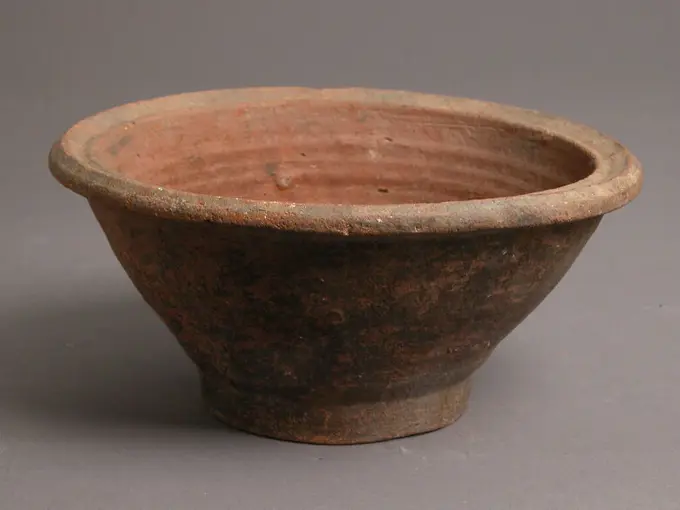
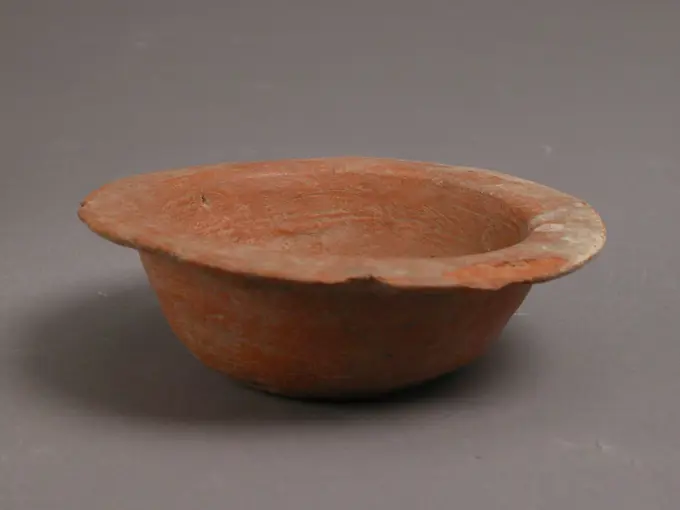
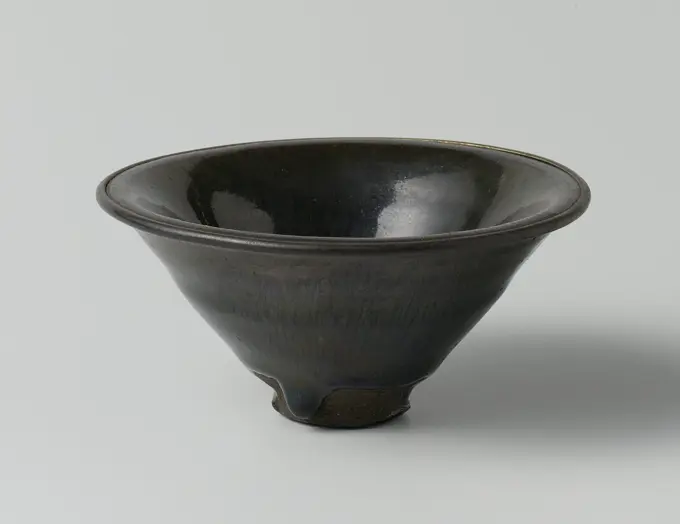
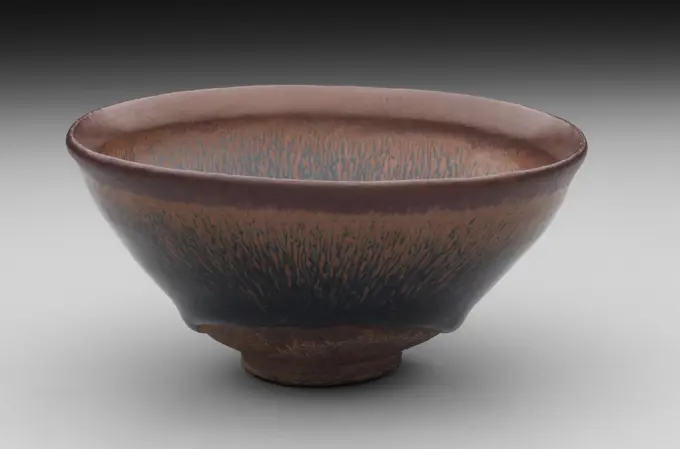
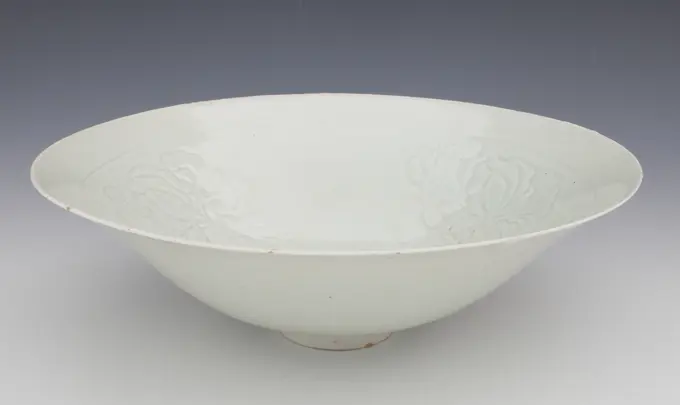
A variety of historic stoneware bowls from China and Coptic culture, showcasing unique glazes and traditional shapes, dating from 1100 to the 7th century.

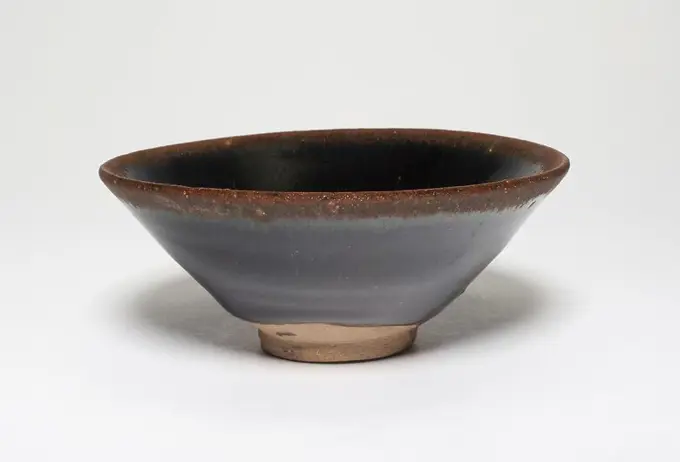
Bowl 12th-13th century China. Bowl 39577
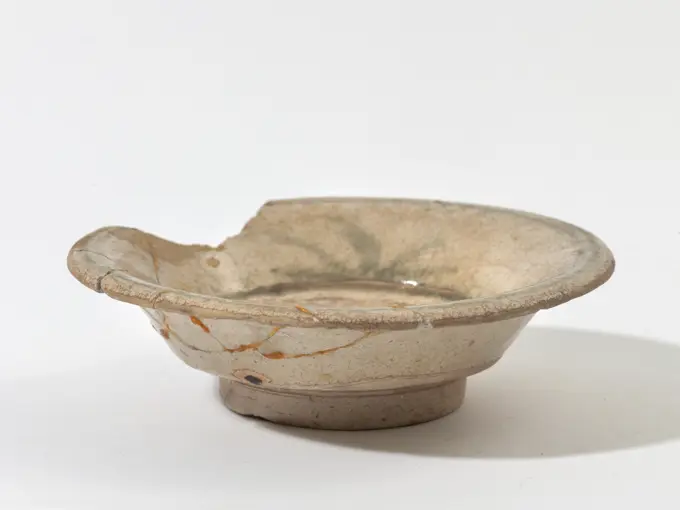
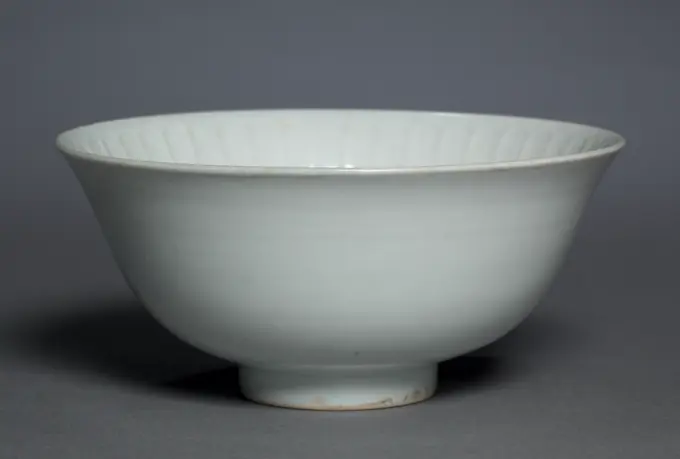
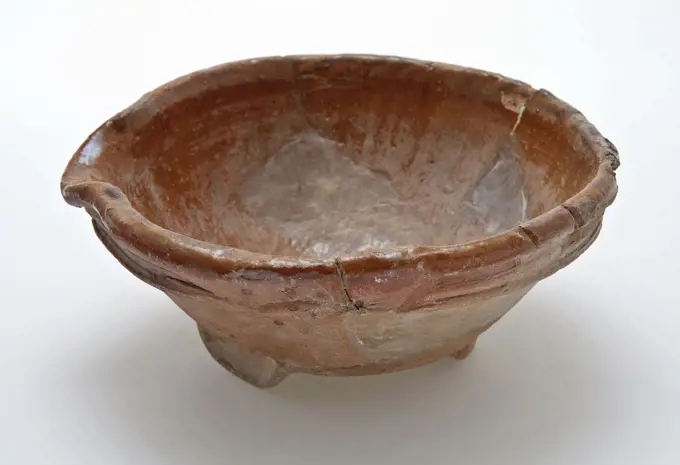
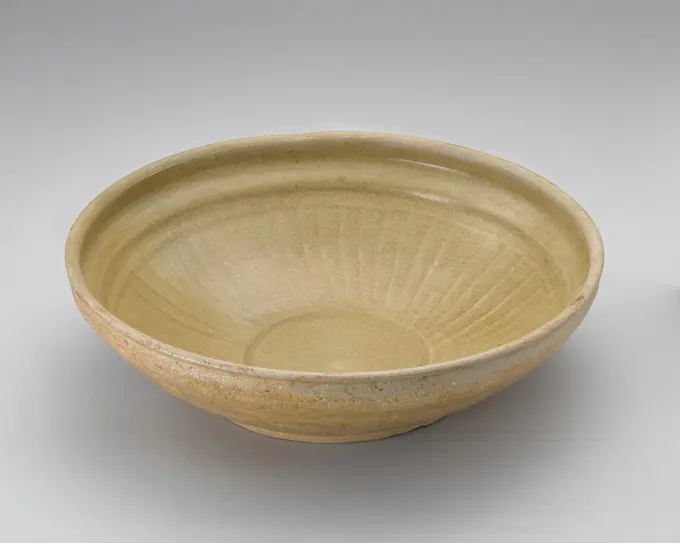
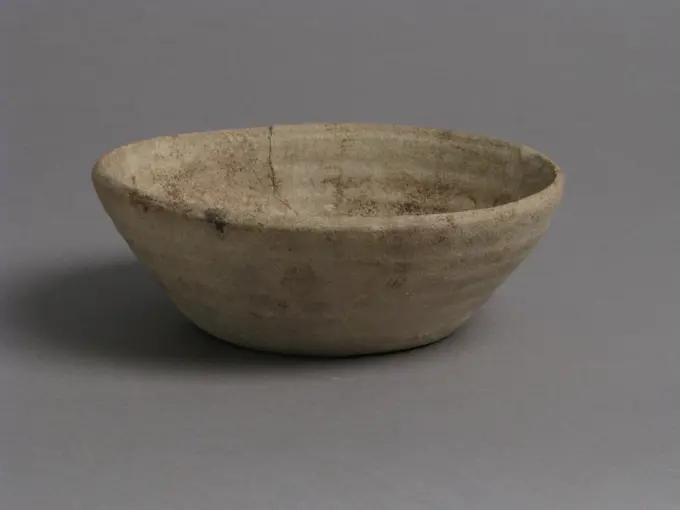
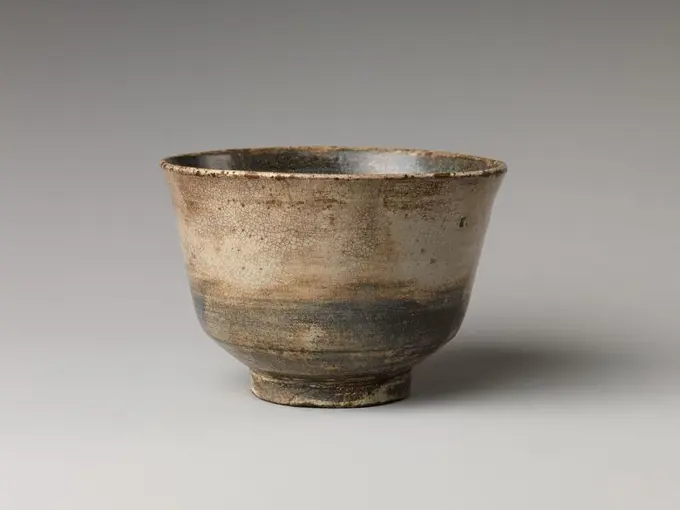
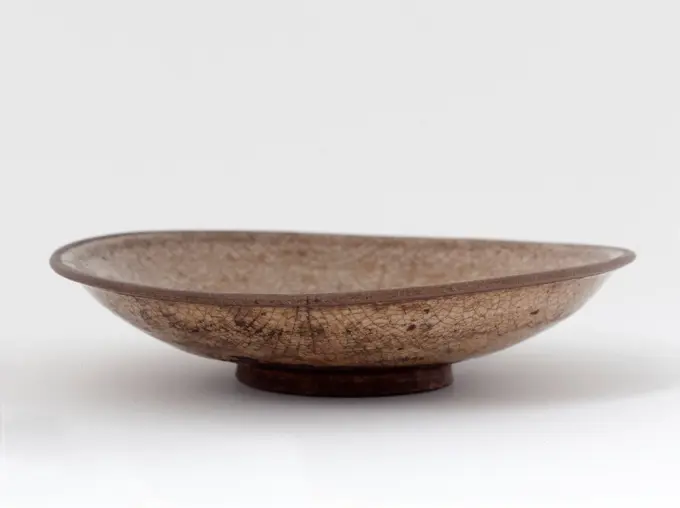
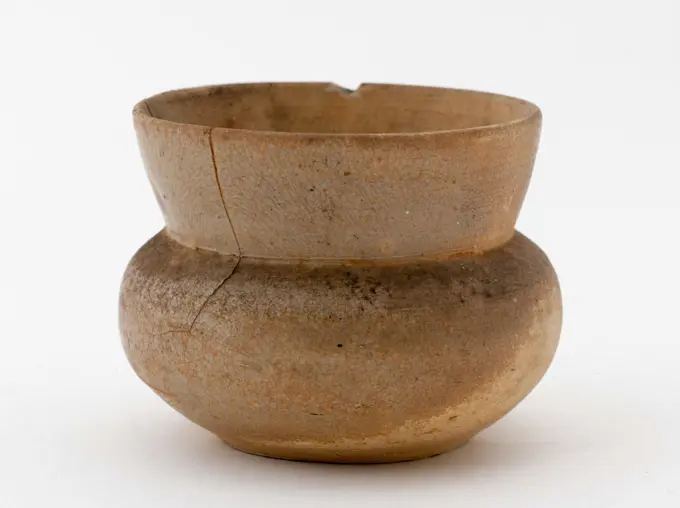
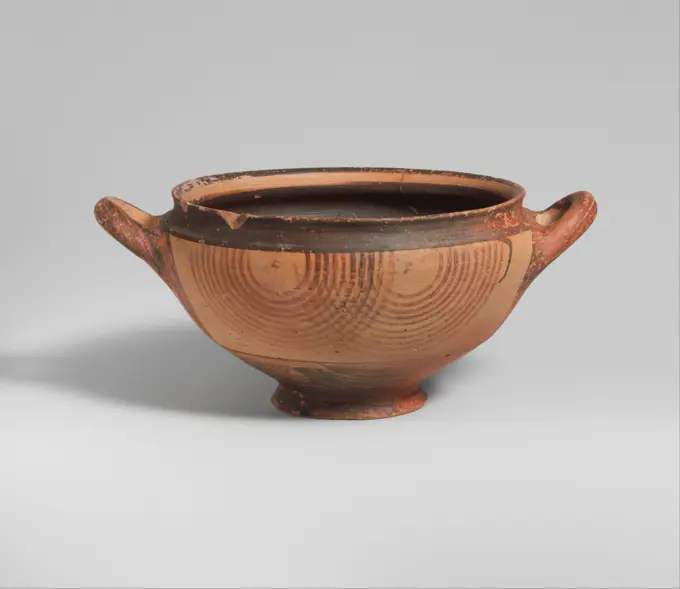
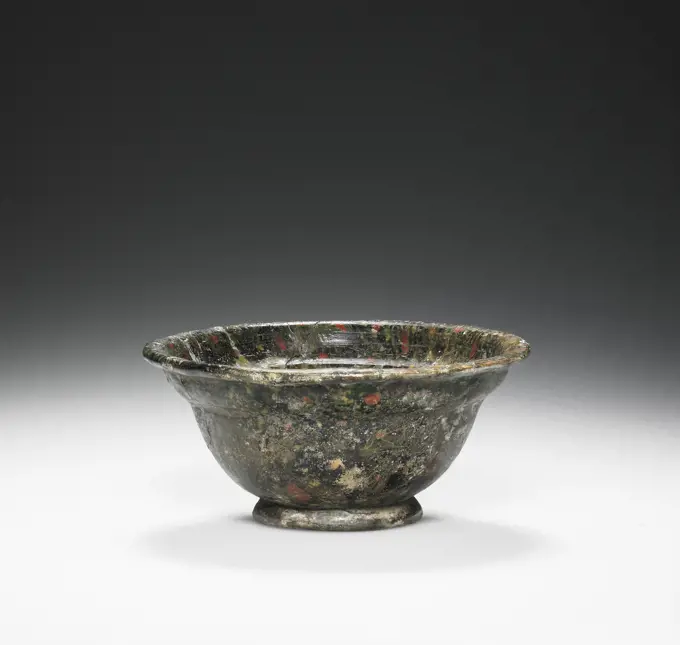
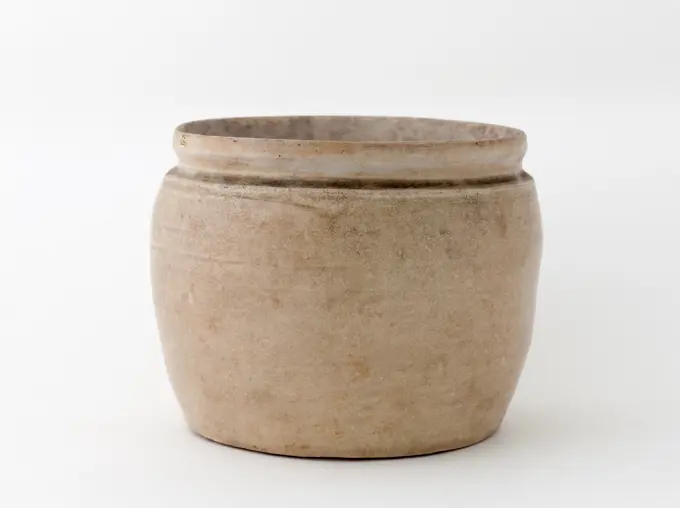
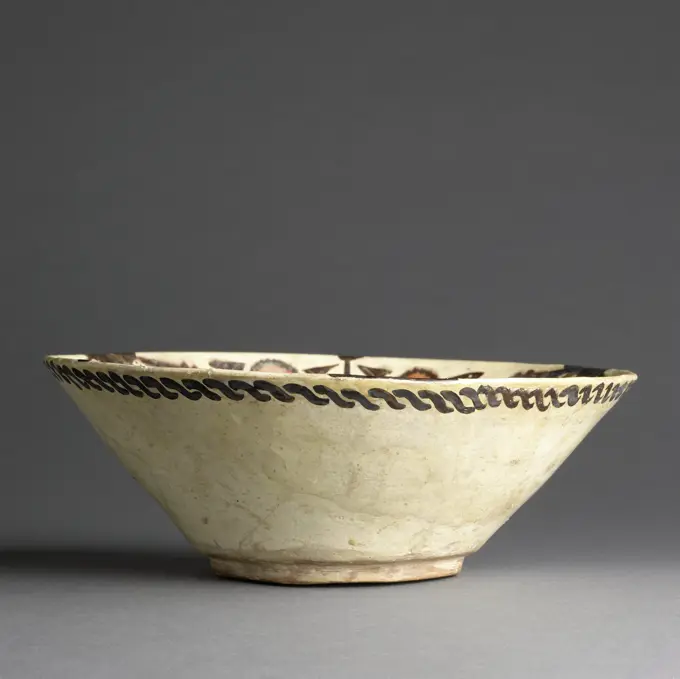
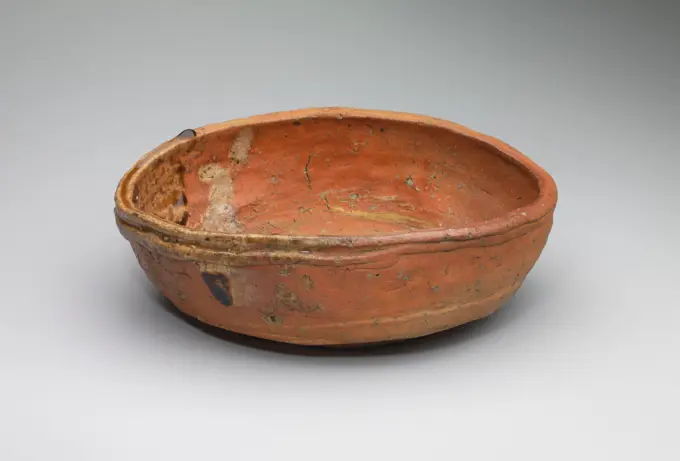
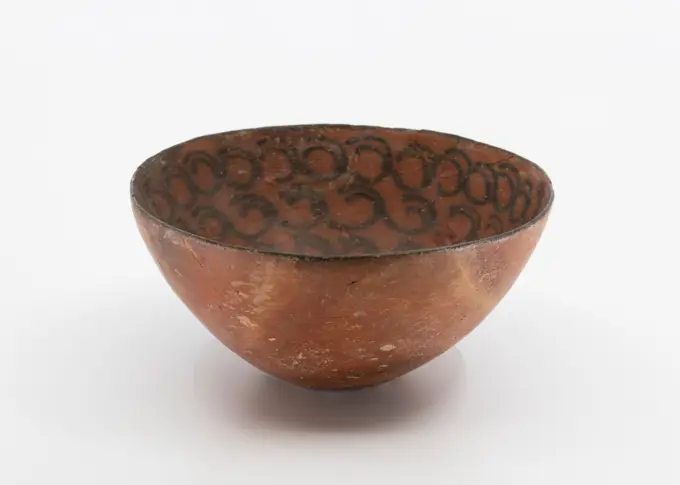
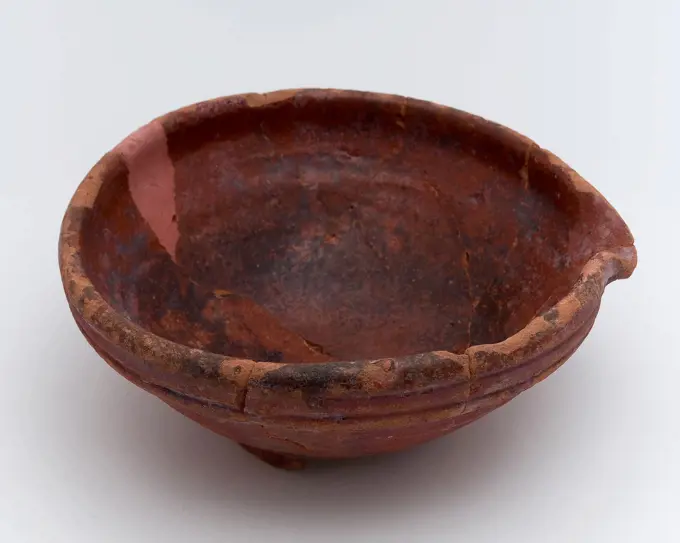
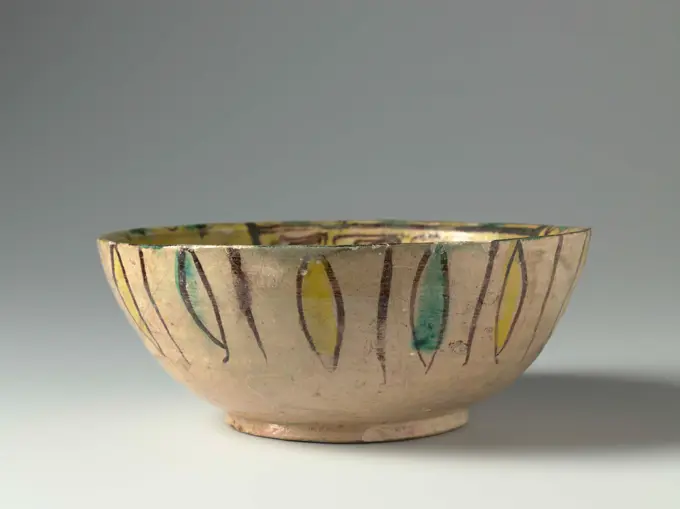
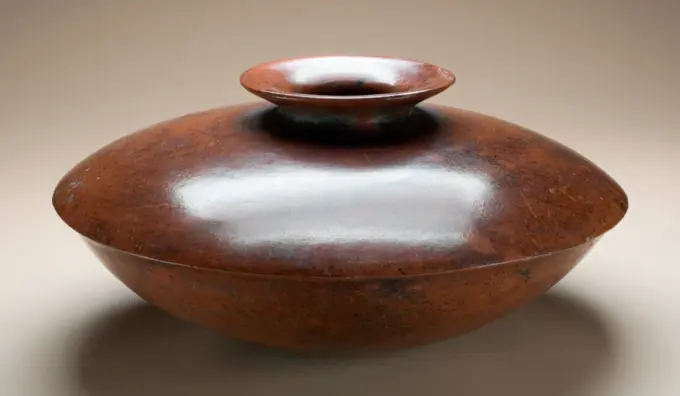
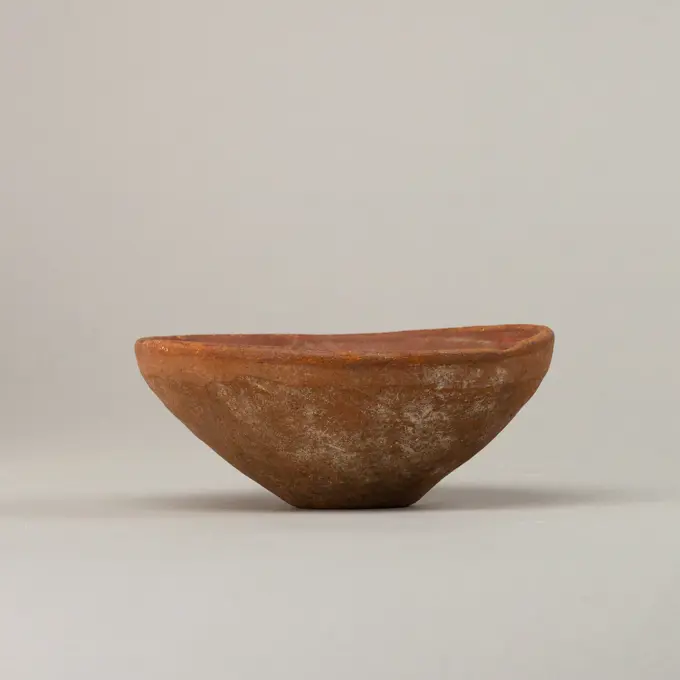
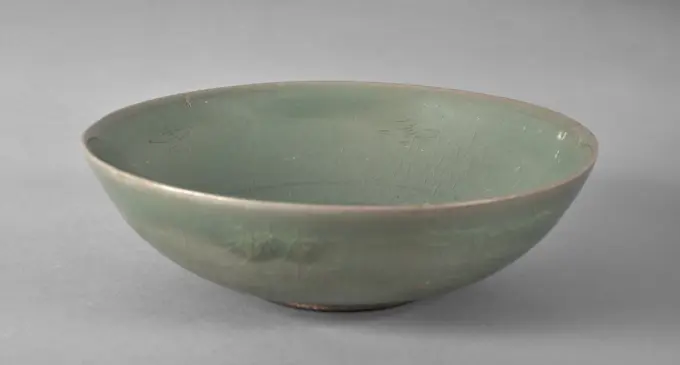
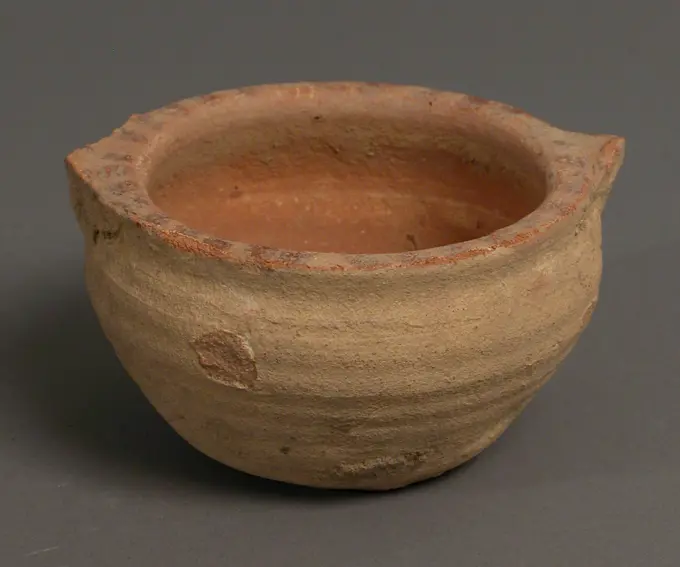
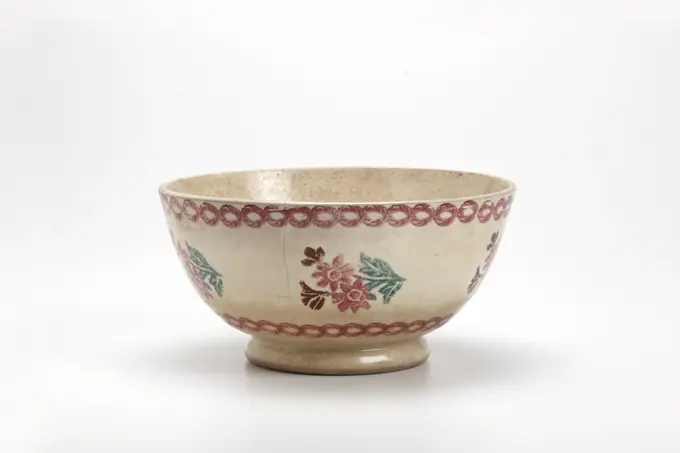
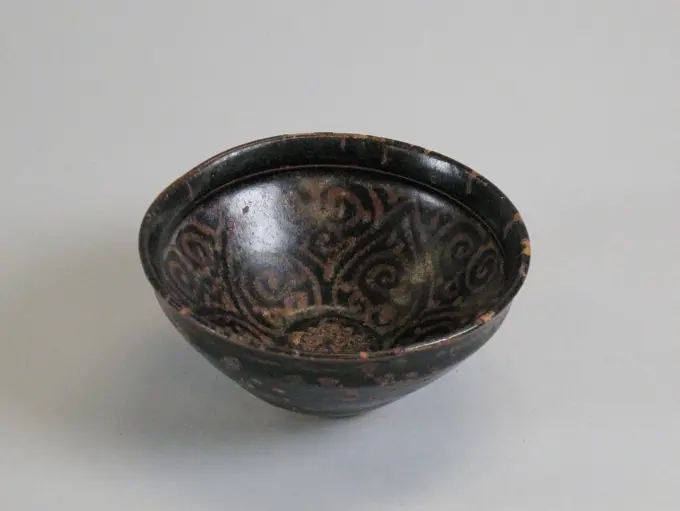
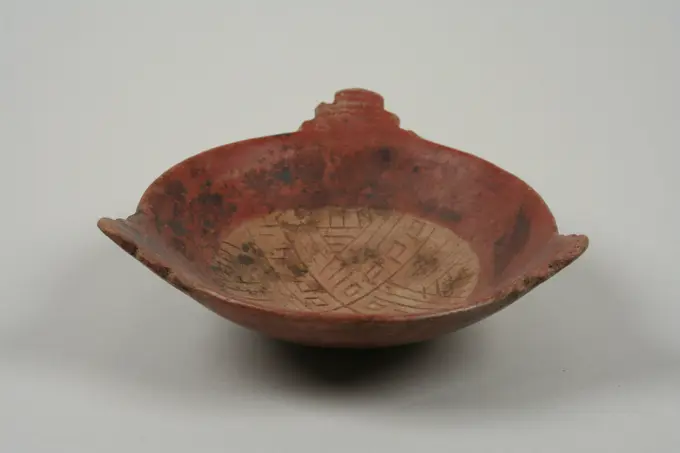
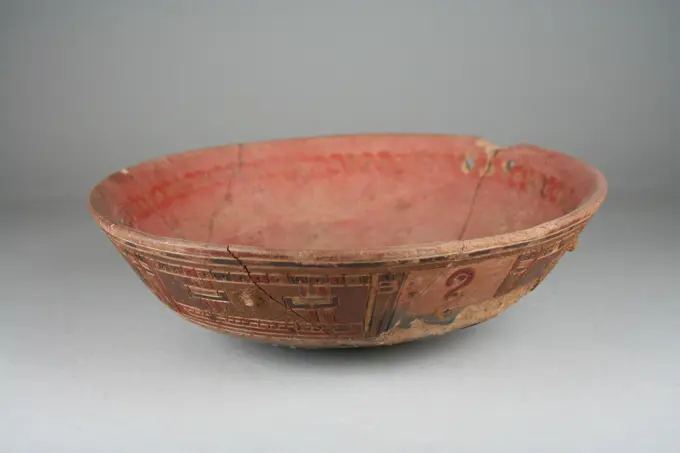
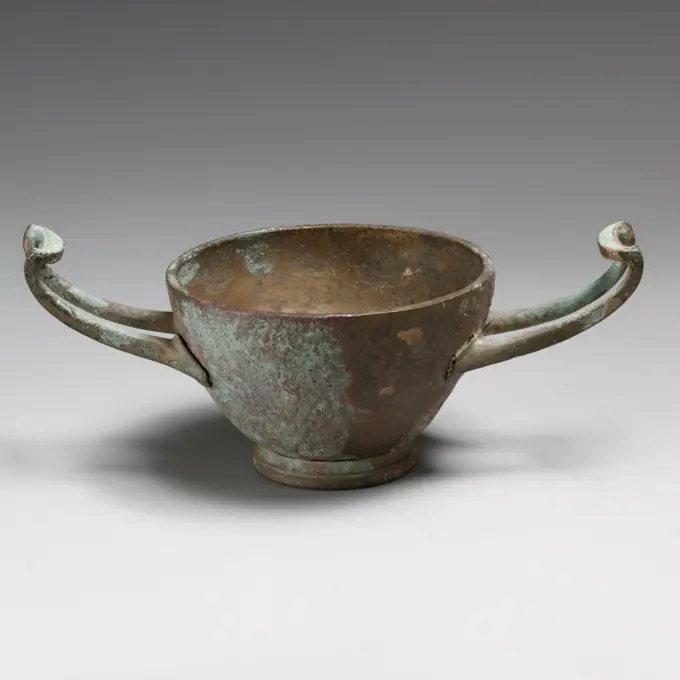
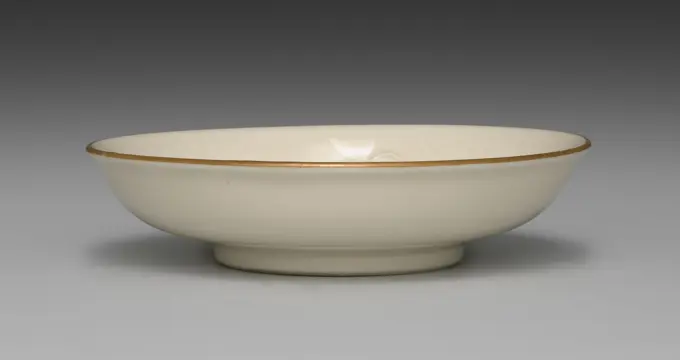
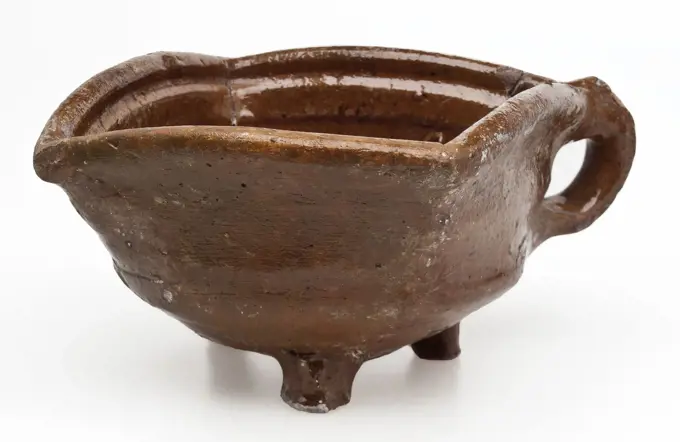
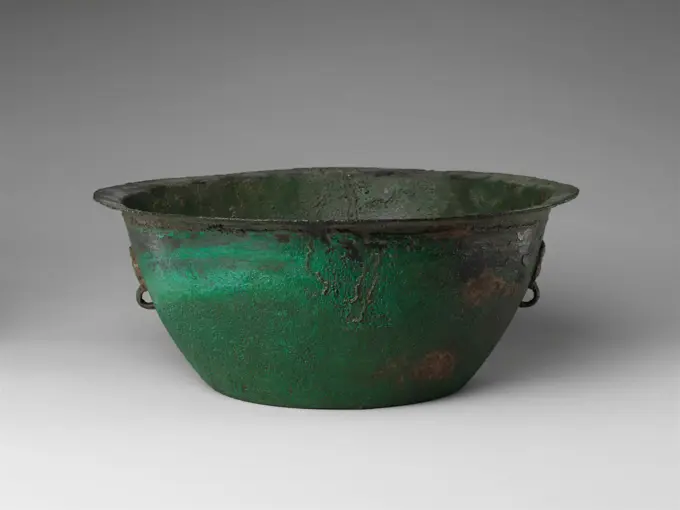
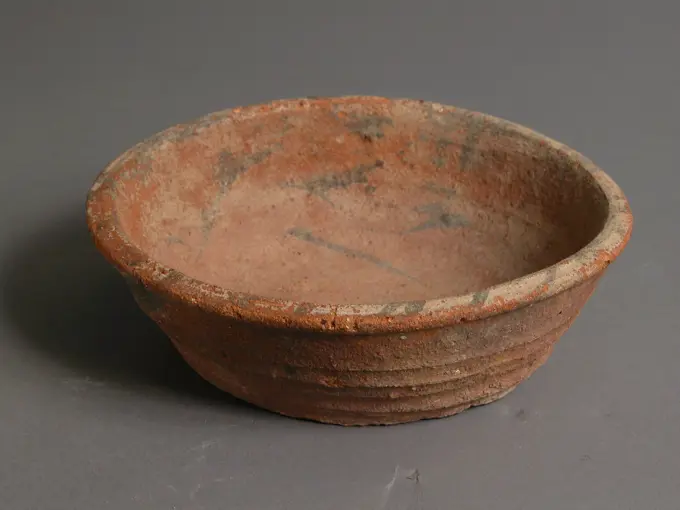
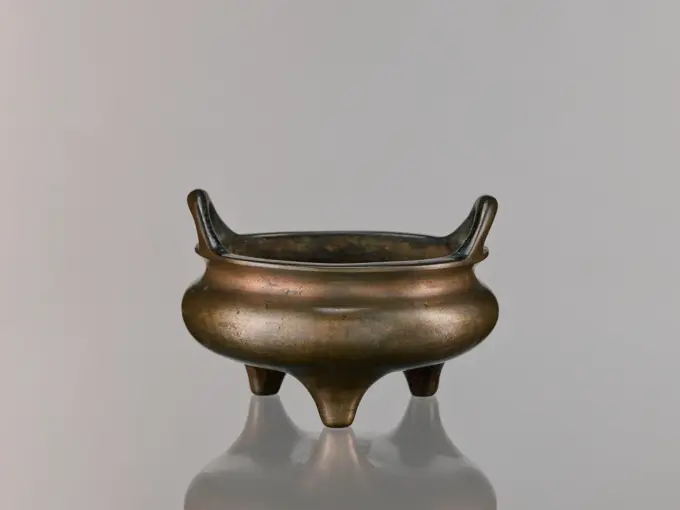
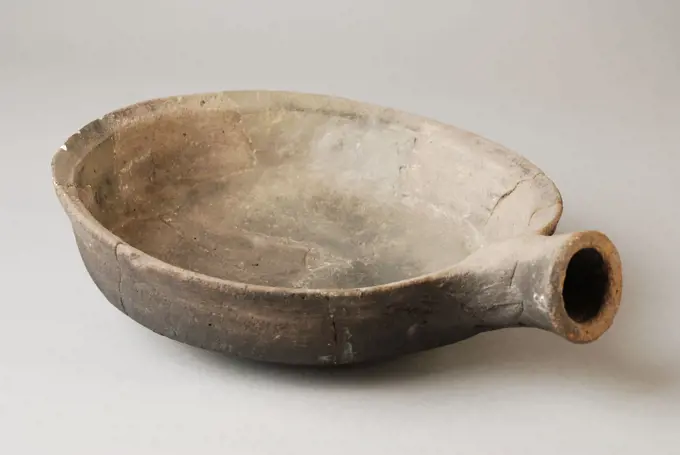
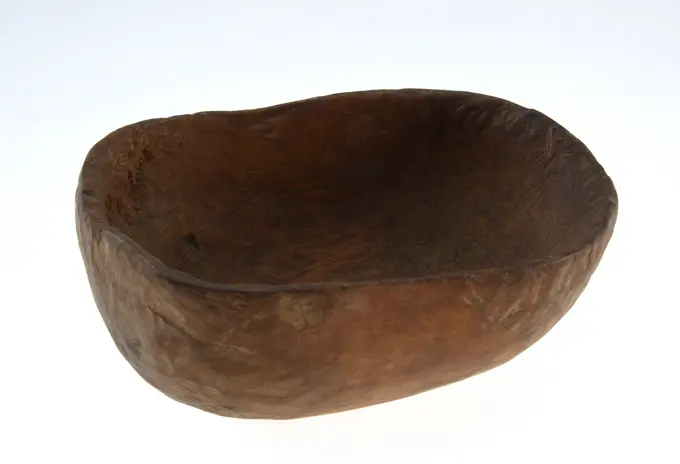
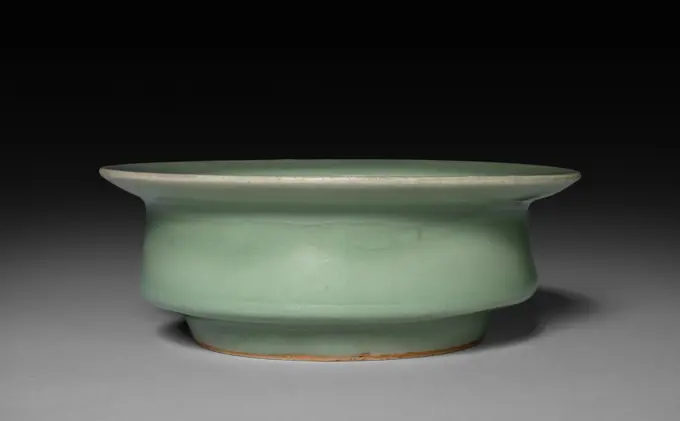
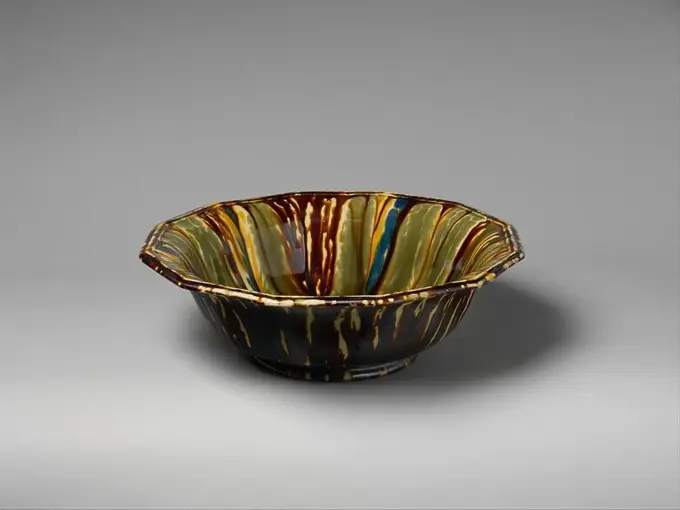
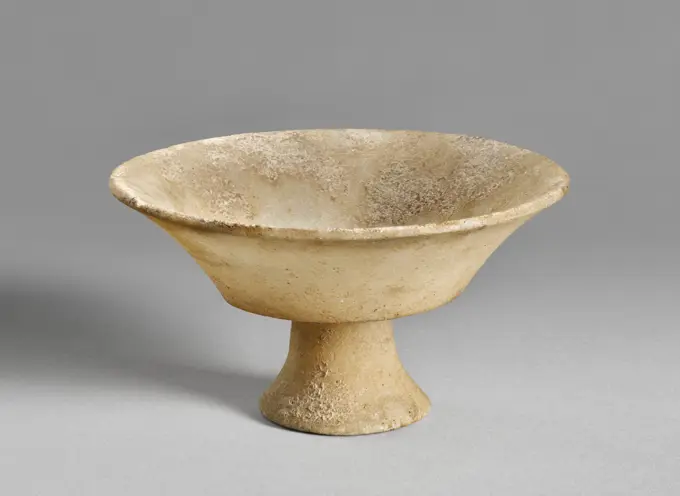
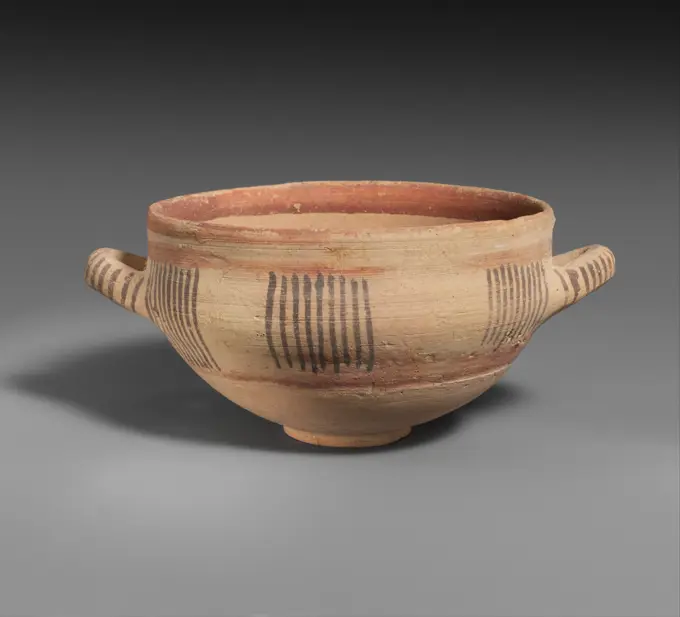
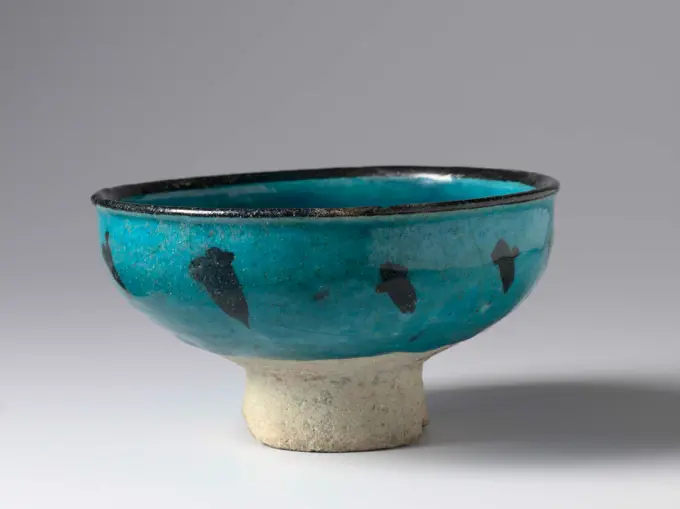
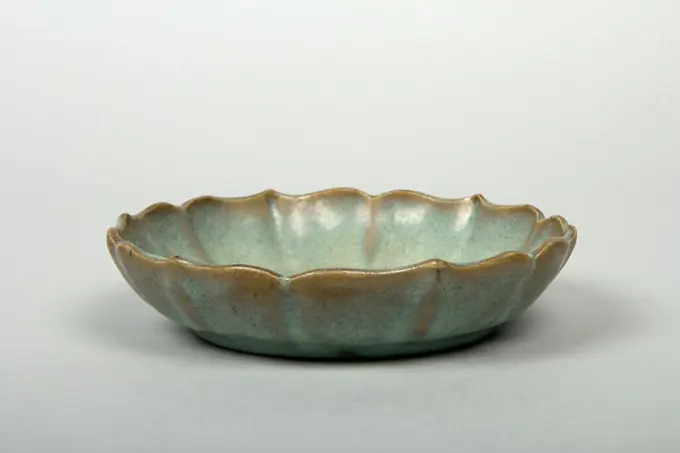
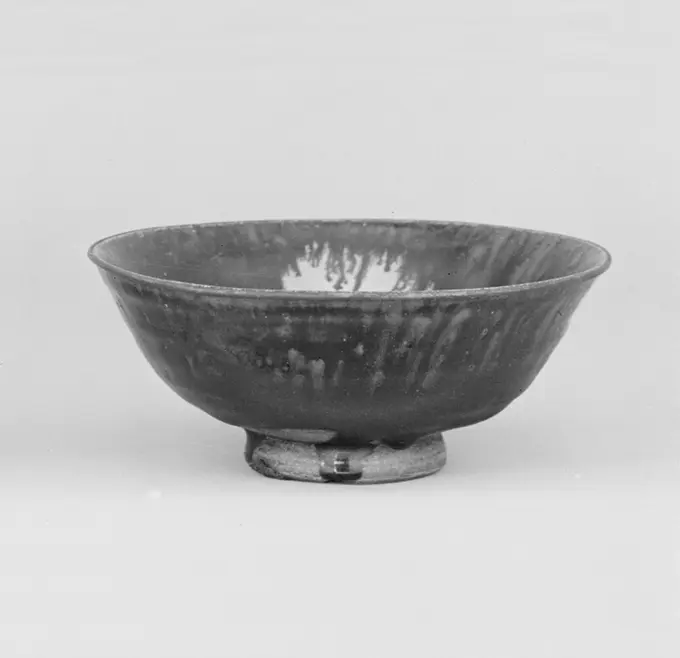
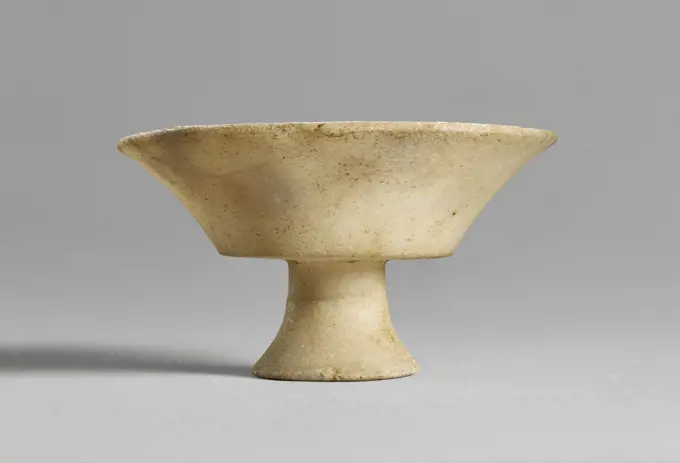
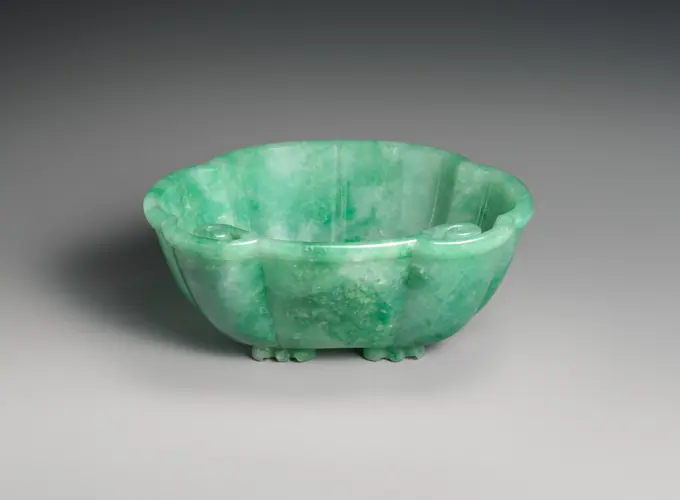
Tea Bowl. China. Date: 1100-1279. Dimensions: H. 5.2 cm (2 1/16 in.); diam. 12.1 cm (4 3/4 in.). Cizhou-type ware; stoneware with iron brown glaze. Origin: China. Museum: The Chicago Art Institute, Chicago, USA.Bowl. Culture: Coptic. Dimensions: H: 3 1/2in. (8.9cm); Diameter: 7in. (17.8cm). Date: 4th-7th century. Museum: Metropolitan Museum of Art, New York, USA.Bowl with Striated Petals 1100-1279 China. Northern blackware, Cizhou type; stoneware with traces of overglaze silver or powdered gold decoration .Bowl with Stylized Leaves 1115-1234 China. Cizhou-type ware, slip-coated stoneware with underglaze iron brown painting .. Scale of porcelain, covered with a corroded glaze. An unidentified seal brand on the underside.Bowl 12th-13th century China. Bowl 39577Bowl 4th-7th century Coptic. Bowl 478423Teabowl with a 'hare's fur' glaze, anonymous, c. 960 - c. 1279 Theekom van Steengoed, partially covered with a black glaze with golden brown stripes (hare sheet). The lower half of the bowl is unglazed. The edge is caught in a metal band. Jian. China stoneware. glaze. metal vitrification Theekom van Steengoed, partially covered with a black glaze with golden brown stripes (hare sheet). The lower half of the bowl is unglazed. The edge is caught in a metal band. Jian. China stoneware. glaze. metal vitrification. Come of earthenware decorated in brown-black sludge and three lead glazes (yellow, green and orange-brown) with boxes and lines on a beige sludge engine.Bowl. Culture: Coptic. Dimensions: Overall: 1 3/4 x 4 15/16 in. (4.4 x 12.5 cm). Date: 4th-7th century. Museum: Metropolitan Museum of Art, New York, USA.. Come decorated with polychrome luster on white Green glaze. A bird in a star-shaped cartouches on the bottom. Route in boxes here. The outer wall with a bond with leaf drinks and below a tire with a inscription.Terracotta shallow bowl ca. 2900-2300 B.C. Minoan Broad band inside rim, dark-on-light Geometric ware.. Terracotta shallow bowl. Minoan. ca. 2900-2300 B.C.. Terracotta; Dark-on-light ware. Early Minoan II. VasesBowl with molded lotus petals. Come from stoneware, covered with a cracked green glaze. The outer wall with a band modeled lotus leaves. Celadon.TeaBowlBowl. Culture: Coptic. Dimensions: Overall: 1 1/2 x 4 13/16 in. (3.8 x 12.3 cm). Date: 4th-7th century. Museum: Metropolitan Museum of Art, New York, USA.Cup. Porcelain sandstone with blue decoration under cover. Provenance: Vietnam. Paris, Cernuschi museum. 79859-28 Cup, archeological object, dishesBowl with Procession and Houses, 1250-1550. Colombia, Highland Nariño region,Tuza style, 13th-16th century. Ceramic, slip; diameter: 10.1 x 19.2 cm (4 x 7 9/16 in.); overall: 10.2 cm (4 in.).Cup ". GRS covered white cracks lavender reflections. Paris, Muse Cernuschi. Coupe Vietnamese art, Vietnamese collection, cut, white crackle covered, lavender reflection, archeological vestigeBowl. Culture: Coptic. Dimensions: Overall: 1 7/8 x 5 7/8 in. (4.8 x 14.9 cm). Date: 4th-7th century. Museum: Metropolitan Museum of Art, New York, USA.Tea bowl with tortoise shell glaze, 1100s-1200s. China, Jiangxi Province, Southern Song dynasty (1127-1279). Brown glazed stoneware with "tortoise shell" pattern, Jizhou ware; overall: 5.9 x 11.5 cm (2 5/16 x 4 1/2 in.).Bowl with Flower Petals, 1300s. China, Jiangxi province, Jingdezhen, Yuan dynasty (1271-1368). Glazed porcelain with molded decoration, Shufu ware; diameter: 17.2 cm (6 3/4 in.); overall: 7.9 cm (3 1/8 in.).. Bell-shaped bowl of stoneware, covered with a crackled transparent glaze with a light blue hue. The inside of the bowl with an ingrudged crane on water and a lotus plant. On the outside wall two rows with flower leaves. Qingbai.Bowl 4th-7th century Coptic. Bowl 478827Incised bowl with dots 5th-3rd century B.C. Paracas. Incised bowl with dots 308330Bowl of red earthenware on three stand fins, wide shank, internally glazed, bowl holder kitchen utensils earthenware ceramics earthenware glaze lead glaze, hand-turned glazed fried Bowl with broad schenklip. Red shard internally covered with lead glaze Round bottom. Three stand fins. Profiled top edge untidy finish. Glaze layer affected and partly milky discolored archeology inn The Heart Geervliet Bernisse indigenous pottery cooking kitchen food preparation mixing skimming Soil discovery: Geervliet Dorpsplein 1 demolition Trouw put 5 city inn 't Hart 1985.Cup (usual name), 1400. Gray-Vert covered sandstone. Cernuschi Museum, Asia Museum of Asia in the city of Paris.Bowl 12th-13th century China. Bowl 46798Bowl (common name). Celadon coverage sandstone. Cernuschi Museum, Asia Museum of Asia in the city of Paris.Canaanite-Type Dish with Ram Protomes. Dimensions: diam. 10 cm (3 15/16 in). Dynasty: Dynasty 12-13. Date: ca. 1981-1640 B.C.. Museum: Metropolitan Museum of Art, New York, USA.Tea bowl unknownBowl 4th-7th century Coptic. Bowl 478679. Come of pottery decorated in black sludge on Engobe of white sludge with a cross on the bottom a cross in a cartouche and decorative tires on the inner edge. Glaze with locally yellow.Earthenware dish, red shard, yellow glazed, decorated, on stand, dish crockery holder soil find ceramic earthenware glaze lead glaze clay, hand turned decorated glazed baked earthenware dish red shard yellow glazed decorated along the upper edge with green bands and brown garlands on stand surface Materials used: white clay cane and brown glaze. In restoration, part of the soil has been repainted. Additional fragments have been repainted on the inside. Archeology Rotterdam City Triangle Oudehaven indigenous pottery import food preparation cooking food kitchen serving room Soil discovery: Oude Haven Rotterdam.Bowl. Culture: Japan. Dimensions: H. 3 1/2 in. (8.9 cm); Diam. 5 5/8 in. (14.3 cm). Date: 19th century. Museum: Metropolitan Museum of Art, New York, USA.. Come of pottery decorated in white slip with (pseudo) script on black sludge engobe.Glass bowl 2nd-3rd century A.D. Roman Translucent light green; foot ring in same color.Outsplayed rim with rounded, thickened outer lip; oval body with side expanding slightly downwards, then turned in at a sharp angle; slightly convex bottom on interior; applied tubular low oval base ring with pushed-in bottom and pontil scar.Intact; many bubbles, blowing striations, and some black impurities; patches of creamy brown weathering, dulling, and iridescence.. Glass bowl 245284Vase fragment Roman, Gaul Inscribed.. Vase fragment. Roman, Gaul. Terracotta. VasesBowl with Carved Fish DesignCup ". Yellowish gray covered sandstones. Paris, Cernuschi museum. Chinese art, table art, Chinese ceramic, cup, gresGlubular pot high pass vas ". Terracotta white transparent glazing. Paris, Muse Cernuschi. High -collar -tight globular jar Vietnamese art, Col Evase, Vietnamese collection, transparent glacide, globular pot, terracotta, archeological vestigeBowl (common name). Enameled covered sandstone. Cernuschi Museum, Asia Museum of Asia in the city of Paris.Bowl with a copper alloy fitting unknownA bowl with relief floral decoration unknownTerracotta skyphos (deep drinking cup) 1st half of 8th century B.C. Greek, Euboean Known as "pendant semicircle skyphoi," these vases have been found throughout the Greek world and the Levant wherever the far-flung Euboean trade and colonization extended. For all their artistic simplicity, their wide distribution makes them important chronological and cultural markers.. Terracotta skyphos (deep drinking cup) 240176Bowl with Flat Rim 5th-3rd century B.C. Paracas. Bowl with Flat Rim 308611Bowl with Inlaid Willow and Bird Design. Korea, Goryeo dynasty (918-1392), 13th-14th century. Furnishings; Serviceware. Wheel-thrown stoneware with incised and slip-filled decoration and green glazeMosiac Bowl; Eastern Mediterranean; end of 1st century B.C.-1st century A.D; Glass; 4 × 9 cm (1 9,16 × 3 9,16 in.)Bowl. Culture: Coptic. Dimensions: H: 2 5/16 in. (5.9 cm); Diameter: 5 7/8 in. (15 cm). Date: 4th-7th century. Museum: Metropolitan Museum of Art, New York, USA.Glass network mosaic bowl with base ring 1st century B.C. Greek, Eastern Mediterranean Colorless with opaque yellow. Vertical rim with ground, inward-sloping edge; convex curving side tapering downwards to slightly convex bottom; outsplayed base ring with thick rounded edge, applied as a coil with join down one side. Network mosaic pattern formed from lengths of three canes laid side by side and wound round in a spiral to form body, ending on the bottom; each cane wound spirally with two parallel yellow threads; another cane also wound spirally with a double yellow thread is attached as rim; the base ring is streaked with yellow threads.Intact, but with a few internal cracks; some pinprick and a few larger bubbles; dulling, pitting, and faint iridescence.Similar glass bowls have been recovered from the Antikythera shipwreck, located south of the Peloponnese. This first underwater excavation in Mediterranean waters was undertaken with the assistance of sponge divers in 1900. The ship isBarric ". Terracotta. Vietnam-Xe-Xive s. Paris, Cernuschi museum. 72185-5 Barrel, Vietnamese object, terracottaBowl with stylized flower sprays and (pseudo)-inscription, anonymous, c. 900 - c. 999 Come of earthenware decorated with black, red, greenish and white sludge, with a few incisions through black sludge, on Engobe of white sludge. In the flat an inscription that can be read as 'Bismillahi' R-Rahmani 'R-Rahim' ('In the name of God the Merciful, the Almighty') or a repeated 'Al Yumn' ('Happiness') or a repeated 'Barakat' ('Blessing of Allah'). Flower branches stylized on the inner wall. Nishapur earthenware. glaze painting / engraving / vitrification Come of earthenware decorated with black, red, greenish and white sludge, with a few incisions through black sludge, on Engobe of white sludge. In the flat an inscription that can be read as 'Bismillahi' R-Rahmani 'R-Rahim' ('In the name of God the Merciful, the Almighty') or a repeated 'Al Yumn' ('Happiness') or a repeated 'Barakat' ('Blessing of Allah'). Flower branches stylized on the inner wall. Nishapur earthenware. glaze painting / engrBowl with Floral and Leaf Sprays 1368-1644 China. Celadon-glazed stoneware with underglaze carved decoration .Shigaraki bowl, 19th century, Unknown Japanese, 3 1/16 × 9 1/4 × 8 1/16 in. (7.78 × 23.5 × 20.48 cm), Shigaraki ware; stoneware with slight natural glaze, Japan, 19th centuryBowl decorated with linked ibex horns ca. 5300-4300 B.C. Iran This hemispherical bowl with a ring base is made of a fine red clay. The inside is decorated with four registers of a repeating patter of curves suggesting the attenuated body of an ibex and its curved horns. The bowl was made by hand, and possibly finished on a slow wheel.This bowl comes from a site in the area of Tehran called Cheshmeh Ali, near a freshwater spring, where the earliest permanent settlement dates to 6000-5500 B.C. Excavations conducted at the site in 1934-1936 uncovered distinctive orange-reddish pottery painted with designs in dark brown or black. This type of pottery, now called Cheshmeh Ali ware,’ is found throughout northern Iran, and dates to the Transitional Chalcolithic period, ca. 5300-4300 B.C. Though often geometric, the decorations sometimes include animal imagery, such as the ibex horns on this bowl. The ibex is a distinctly Iranian motif, as they are native to the Zagros Mountains of western IrNesting Bowl 4th-7th century Coptic. Nesting Bowl 478417Bowl or Cup 1 CE-50 CE Syria. Glass, cast . Ancient RomanBiconic coat pot ". Terracotta. Vietnam-Xe-Xive s. Paris, Cernuschi museum. 72186-54 Vietnamese object, biconic, pot, terracottaEarthenware nap, come with schenklip on stand fins, nap bowl crockery holder soil find ceramic earthenware glaze lead glaze, hand-turned glazed baked Round bowl with schenklip Folded edge with three ridges on the outside. Three worn pinched fins underside worn down Red pottery inside glazed outside here and there stain archeology Rotterdam rail tunnel indigenous pottery mixing kitchen food drink Soil discovery: rail tunnel Rotterdam.. Tea bowl of stoneware in Marigata form, covered with a gray glaze. The inner and outer wall with ingrangled, wavy lines. On the soil Incorrect flowers. The budget decoration is filled in with white sludge (Mishima technique). Six preen on the bottom. Come has been broken and repaired with golden lacquer. Shino.. Bowl of earthenware decorated with mangan brown sludge next to green and yellow lead glazes on a creme-colored sludge engine. The inside is divided into four compartments with alternating a stylized deer and a cartouche with a band with writing above. The outer wall is divided into compartments with a colored oval.Vessel. Mexico, Colima, 200 BCE-300 CE. Ceramics. Ceramic with red slipBowl with a (pseudo-)inscription and panel decoration, anonymous, c. 1170 - c. 1200 Come from quartz-fritgoed covered with a white Tin-Lood-Alkillaze on which a decoration painted in Luster and (pseudo-) inscription in Luster engraved. On the bottom a medallion with hexagons and a 'Spearhead-Border'. The inner wall with alternating courses with flower vines and medallions. The inner edge with a band with a (pseudo) inscription. is the earthenware. glaze. luster (textile) painting / engraving / vitrification Come from quartz-fritgoed covered with a white Tin-Lood-Alkillaze on which a decoration painted in Luster and (pseudo-) inscription in Luster engraved. On the bottom a medallion with hexagons and a 'Spearhead-Border'. The inner wall with alternating courses with flower vines and medallions. The inner edge with a band with a (pseudo) inscription. is the earthenware. glaze. luster (textile) painting / engraving / vitrificationShallow bowl with vertical rim ca. 3850-2960 B.C. Predynastic Period. Shallow bowl with vertical rim. ca. 3850-2960 B.C.. Pottery. Predynastic Period. From Egypt, Northern Upper Egypt, Abadiya, Cemetery R, Tomb R152e, EEF excavations 1898-99Small Footed Bowl. UnknownSilver bowl 6th century B.C. Cypriot Thirteen birds are engraved on the lip. Such engraved decoration is found on Persian metalwork and on East Greek silver of the sixth century B.C.. Silver bowl 2438291100. Céladon coverage sandstones. Cernuschi Museum, Asia Museum of Asia in the city of Paris.Cup with Dragon and Clouds, 1522-66. China, Jiangxi province, Jingdezhen kilns, Ming dynasty (1368-1644), Jiajing mark and reign (1522-66). Porcelain with incised decoration and white glaze; diameter: 7.2 cm (2 13/16 in.); overall: 5.8 cm (2 5/16 in.).Pot 4th-7th century Coptic. Pot 477299Oval Wine Bowl with a Green Glaze, anonymous, c. -206 - c. 220 Oval wine bowl of stoneware with two handles on the long side, covered with a green glaze. Three prenes on the bottom. China stoneware. glaze vitrification Oval wine bowl of stoneware with two handles on the long side, covered with a green glaze. Three prenes on the bottom. China stoneware. glaze vitrificationBowl - Portneuf potteryDeep Conical Bowl with Cloudlike Petals 1050-1127 China. Yaozhou ware; celadon-glazed stoneware with underglaze carved decoration (exterior) .Tea Bowl with Abstract Scroll Design ca. 13th-14th century China. Tea Bowl with Abstract Scroll Design. China. ca. 13th-14th century. Stoneware with painted decoration on brown glaze (Jizhou ware). Southern Song (1127-1279)-Yuan (1271-1368) dynasty. CeramicsBowl with Three Lugs 7th-4th century B.C. Paracas. Bowl with Three Lugs. Paracas. 7th-4th century B.C.. Ceramic, slip. Peru. Ceramics-ContainersBowl 7th-4th century B.C. Paracas. Bowl. Paracas. 7th-4th century B.C.. Ceramic, post-fired paint. Peru. Ceramics-ContainersBronze kylix (drinking cup) 4th-3rd century B.C. Greek This elegant cup combines the deep bowl of a skyphos with the handles of kylix. The tensile quality of the bronze permits the graceful curve of the handles.. Bronze kylix (drinking cup) 251092 Greek, Bronze kylix (drinking cup), 4th3rd century B.C., Bronze, H. 2 1/4 in. (5.7 cm); diameter 3 9/16 in. (9 cm). The Metropolitan Museum of Art, New York. Rogers Fund, 1921 (21.88.68)Small Dish from Dining Set with Plum Blossoms and Cracked-Ice, c. 1875-78. Seifū Yohei II (Japanese, 1844-1878). Porcelain with molded designs; overall: 2.9 x 11.5 cm (1 1/8 x 4 1/2 in.).Come, painted with stylized leaves, flowers and a rooster, anonymous, c. 1600 - c. 1699 Bell -shaped bowl of brown painted faience. The outer and inner wall of the bowl are painted with stylized leaves and flowers, a rooster on the bottom of the inside in the middle. The glaze has a reflection metallique. The bowl has a stand ring. Spain earthenware. tin glaze. Bell -shaped bowl of brown painted faience. The outer and inner wall of the bowl are painted with stylized leaves and flowers, a rooster on the bottom of the inside in the middle. The glaze has a reflection metallique. The bowl has a stand ring. Spain earthenware. tin glaze.Small test, pipe test, of red earthenware, underside on three legs, top square, one ear, fire test test smokestacks heating ground find ceramics earthenware glaze lead glaze, hand turned hand shaped glazed fired Square fire test of red earthenware covered entirely with lead glaze pinched ear on the corner three legs archeology Valckensteyn Poortugaal Albrandswaard indigenous pottery kitchen fire footstool hand warmer foot warmer Soil discovery: canal at kitchen castle Valckensteyn at Poortugaal now Albrandswaard 1961.Container (base), early 1900s. Japan, Meiji period (1868-1912) to Taishō period (1912-26). Brass; diameter: 6.4 x 9.2 cm (2 1/2 x 3 5/8 in.).Bottom of a steamer (Fu) China. Bottom of a steamer (Fu). China. Bronze. Han dynasty (206 B.C.-A.D. 220). MetalworkBowl 4th-7th century Coptic. Bowl 477345Li type ceiling;  18th century (1701-00-00-1800-00-00);Pottery saucepan with hollow stem and curved bottom, gray earthenware, saucepan casserole dishes holder utensils earthenware ceramics pottery, hand-turned hand-shaped baked Pottery baking pan or saucepan with round and hollow handle. Steep sidewalls and hollowed bottom Beroet at the bottom. Gray pottery archeology Spijkenisse indigenous pottery cooking food preparation nutrition baking frying Soil discovery Spijkenisse Waterland spot J by R. de Goey from Zwartewaal 1977.08.20.Bowl -Brush Washer: Longquan Ware, 13th Century. China, Southern Song dynasty (1127-1279). Glazed porcelain; diameter: 16.2 cm (6 3/8 in.); overall: 5.8 cm (2 5/16 in.).Bowl 7th-5th century B.C. Paracas. Bowl 310210Basin. Culture: American. Dimensions: H. 4 3/4 in. (12.1 cm); Diam. 15 in. (38.1 cm). Maker: Lyman, Fenton & Co. (1849-52). Date: 1849-58. Museum: Metropolitan Museum of Art, New York, USA.Bowl with Peonies 960 CE-1279 China. Celadon-glazed stoneware with underglaze molded decoration .Small earthenware bowl, white shard, green lead glaze, stand ring, dishware holder earthenware ceramic earthenware glaze lead glaze, hand-turned glazed baked Shallow earthenware bowl (possible for salt barrel) white shard covered with green lead glaze standring archeology indigenous pottery food preparation kitchen cooking foodTerracotta spouted conical bowl. Culture: Minoan. Dimensions: H. 2 1/2 in. (6.4 cm.)Diameter 3 7/8 in. (9.9 cm.). Date: ca. 2400-2200 B.C..Cup with trough spout with oblique white lines on reddish and black ground. Museum: Metropolitan Museum of Art, New York, USA.Bowl. Byzantine, 11th-12th century. Furnishings; Serviceware. CeramicCup. UnknownTerracotta skyphos (deep drinking cup) late 8th century B.C. Euboean or Cypriot The cup can be paralleled by an example from Sicily that seems to be Euboean. It may also be a Cypriot imitation of the Late Geometric III period.. Terracotta skyphos (deep drinking cup) 240181. Come from quartz frying goods decorated with a stylized blooming plant in black under a monochrome transparent turquoise glaze.Dish. Culture: China. Dimensions: H. 1 3/8 in. (3.5 cm); Diam. of rim: 6 1/8 in. (15.6 cm); Diam. of foot: 4 in. (10.2 cm). Museum: Metropolitan Museum of Art, New York, USA.Glass lid 2nd-3rd century A.D. Roman, Cypriot Colorless with greenish tinge.Knocked-off, inverted lip; rounded edge; broad, concave top.Intact; pinprick and large bubbles; patches of black enamel weathering and brilliant iridescence on inside; dulling and iridescence on exterior.. Glass lid. Roman, Cypriot. 2nd-3rd century A.D.. Glass; blown. Mid Imperial. GlassCup. Syria, first half of 8th century. Ceramics. Earthenware, unglazedTeabowl 17th century Japan. Teabowl. Japan. 17th century. Paste decorated with glaze; brass rim at top (Seto ware). Momoyama (1573-1615) or Edo period (1615-1868). CeramicsCup with a Stemmed Foot; Cyclades, Greece; 2700 - 2200 B.C; Marble; 6.5 × 10.8 cm (2 9,16 × 4 1,4 in.)Water receptacle 19th century China. Water receptacle. China. 19th century. Jade (jadeite). Qing dynasty (1644-1911). Jade