Traditional Stoneware Bowls

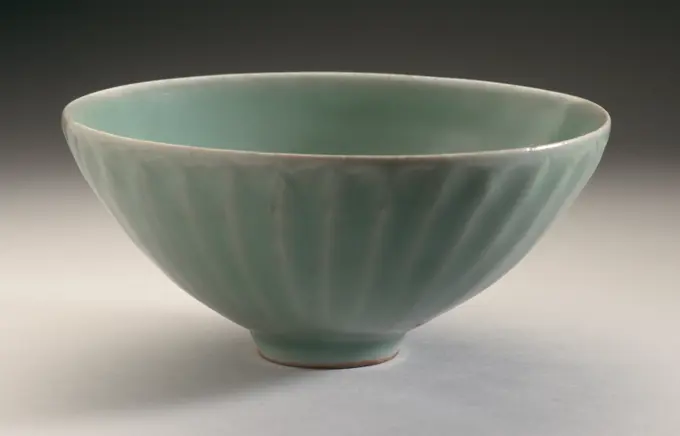
A variety of historic stoneware bowls from China and Coptic culture, showcasing unique glazes and traditional shapes, dating from 1100 to the 7th century.

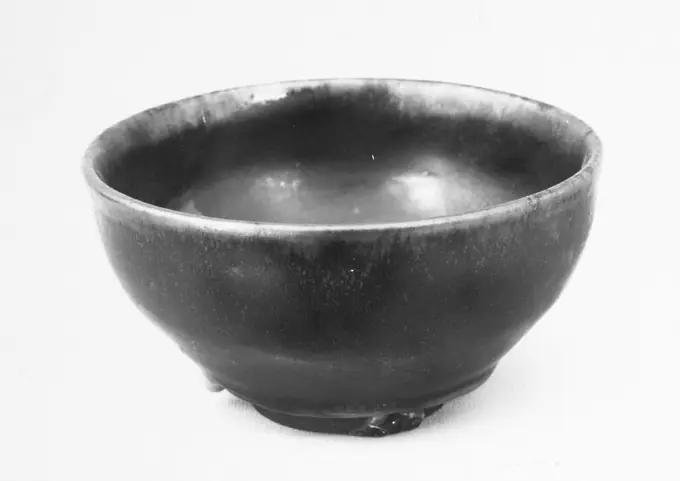
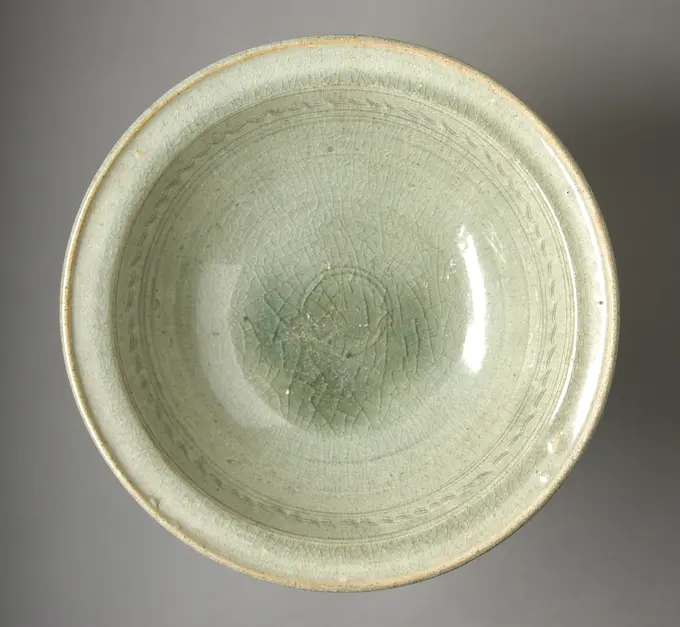
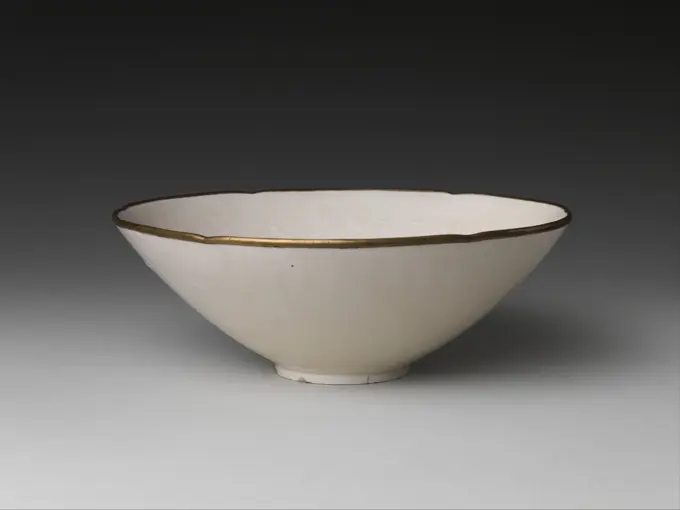
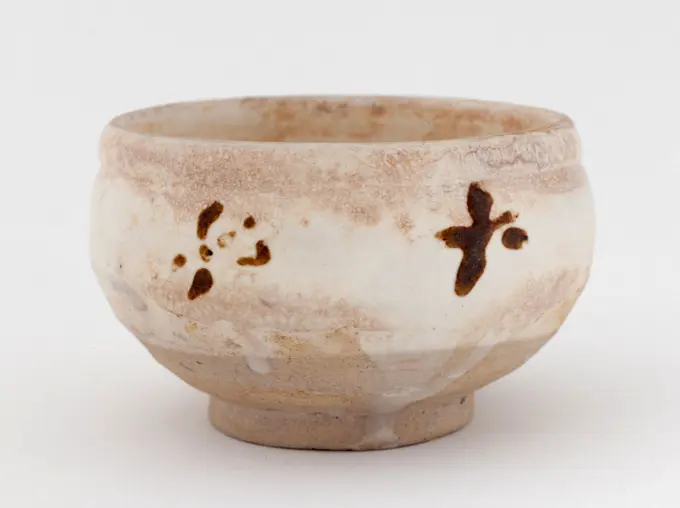
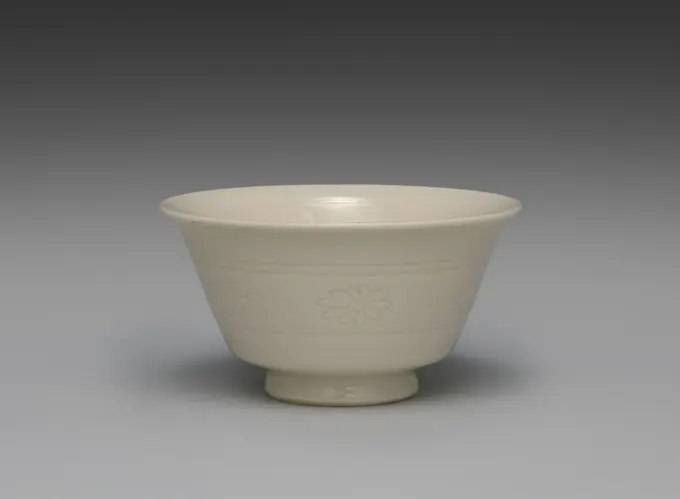
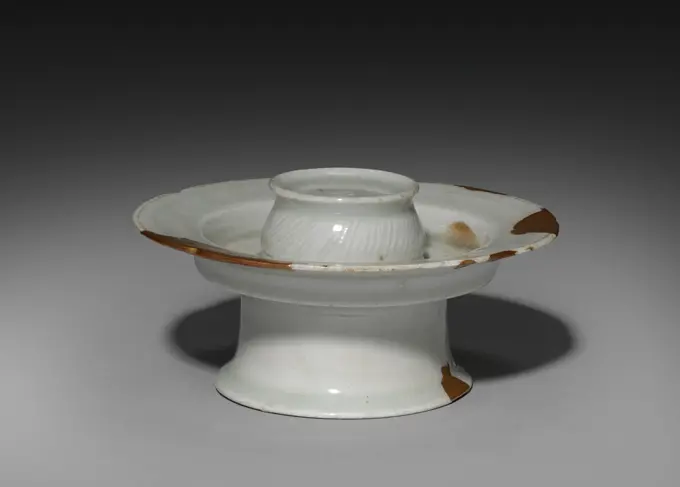
Bowl 12th-13th century China. Bowl 39577
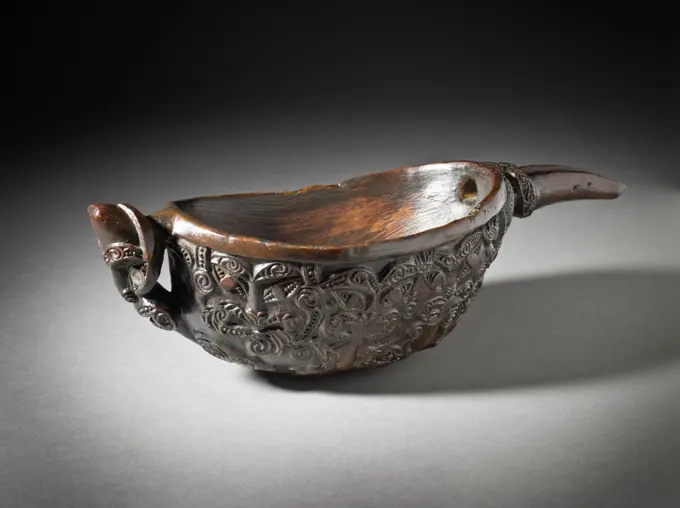
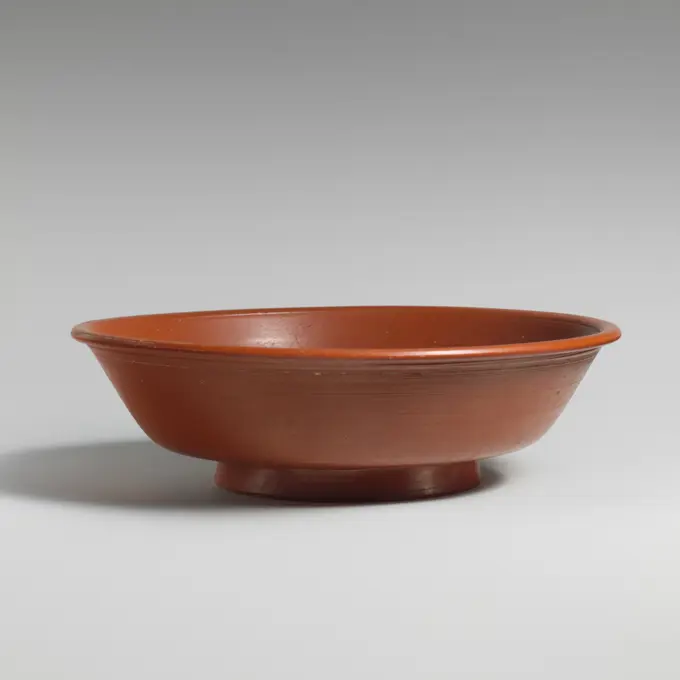
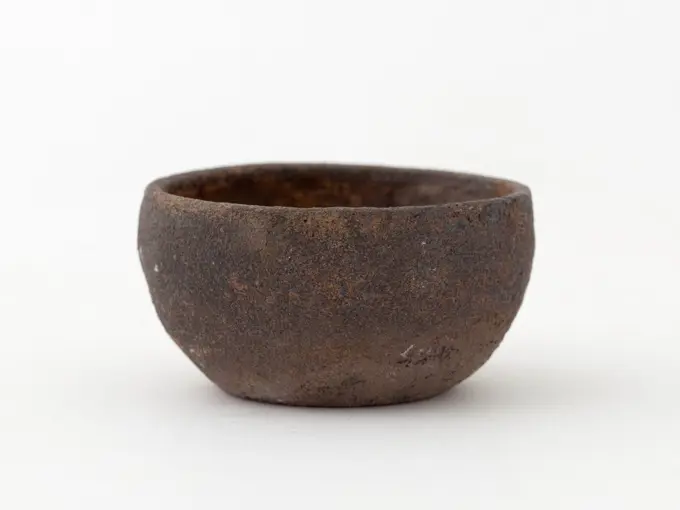
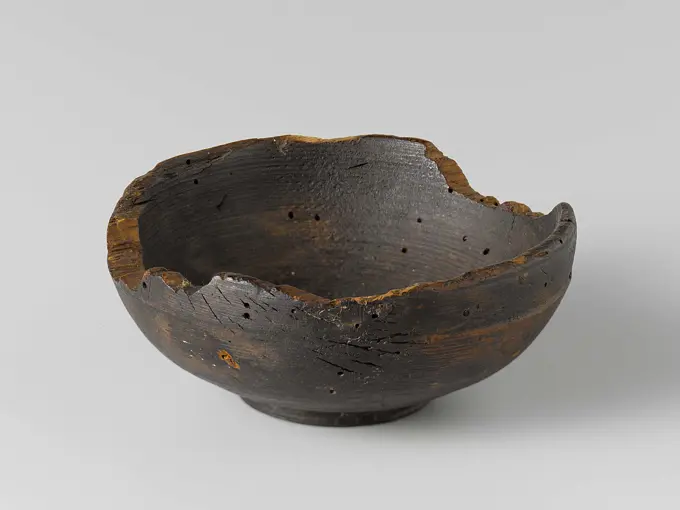
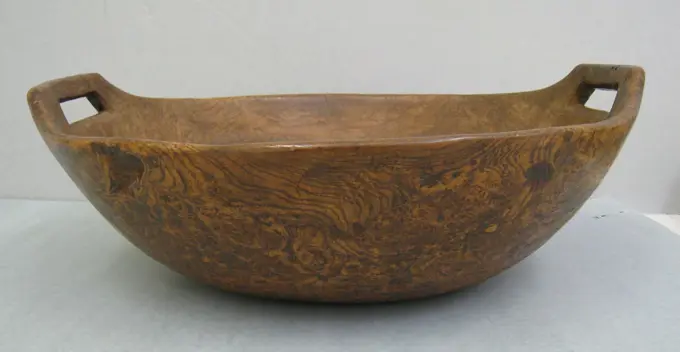
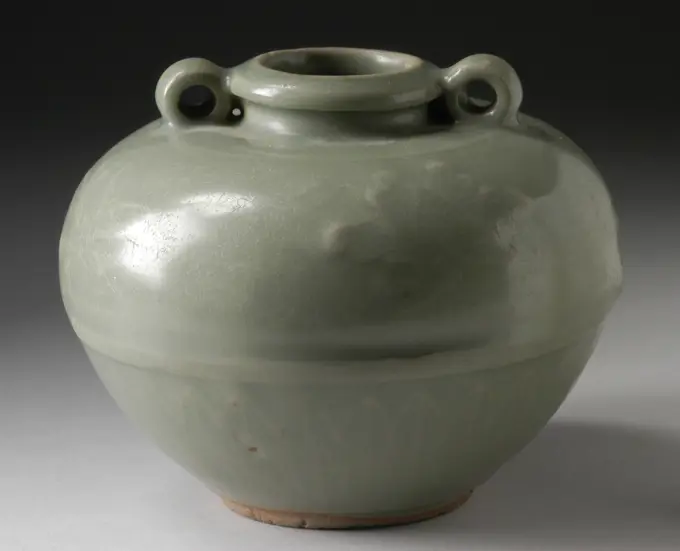
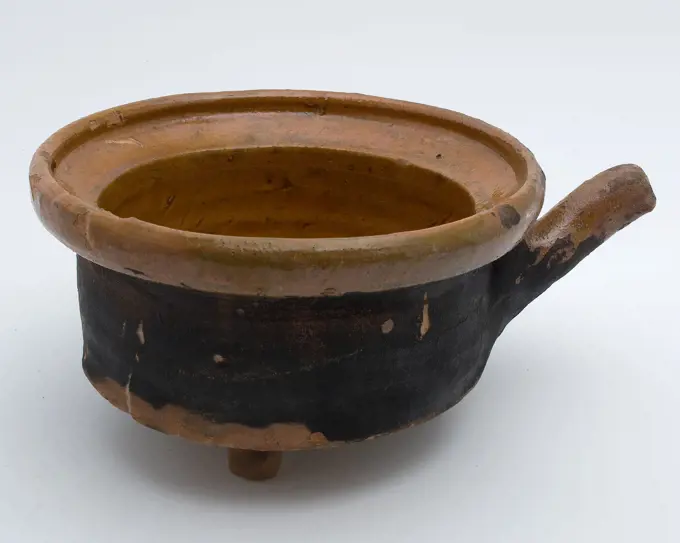
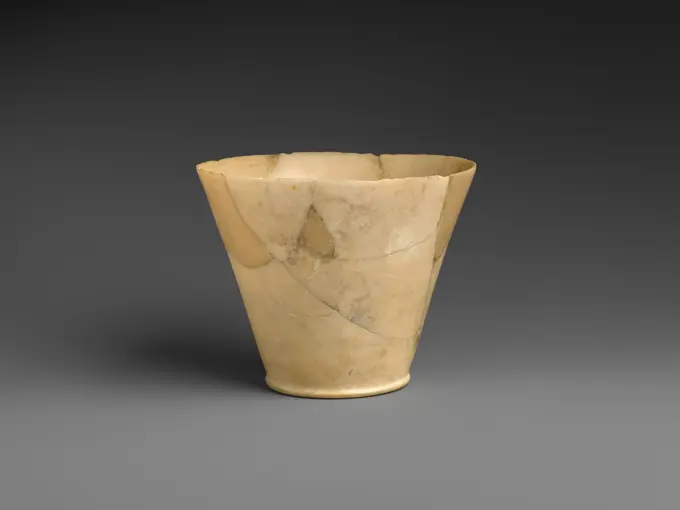
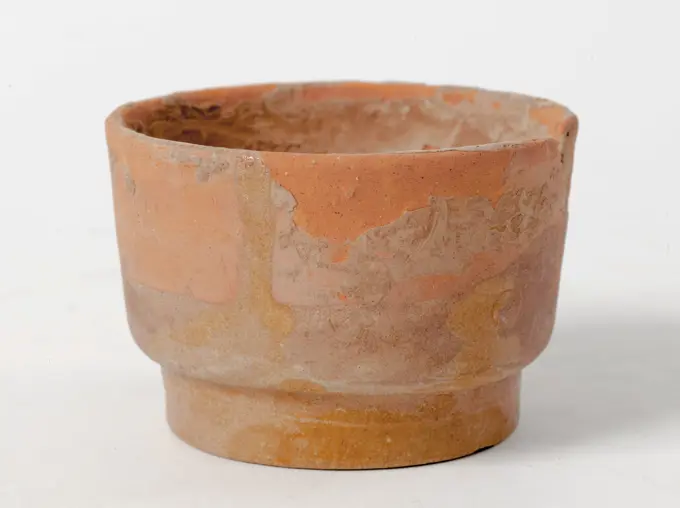
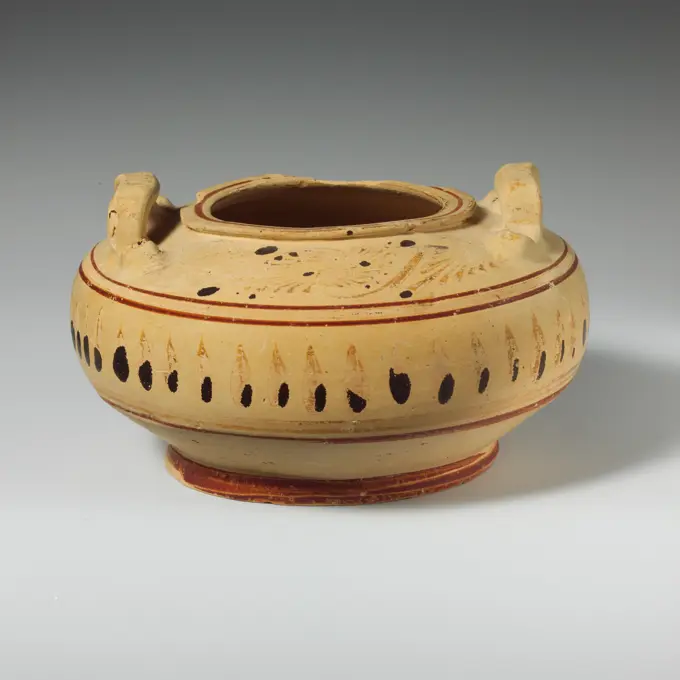
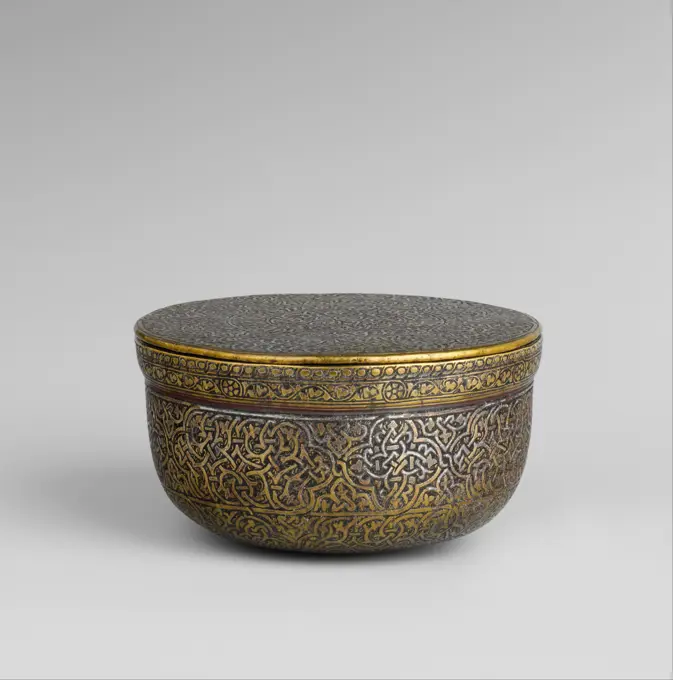
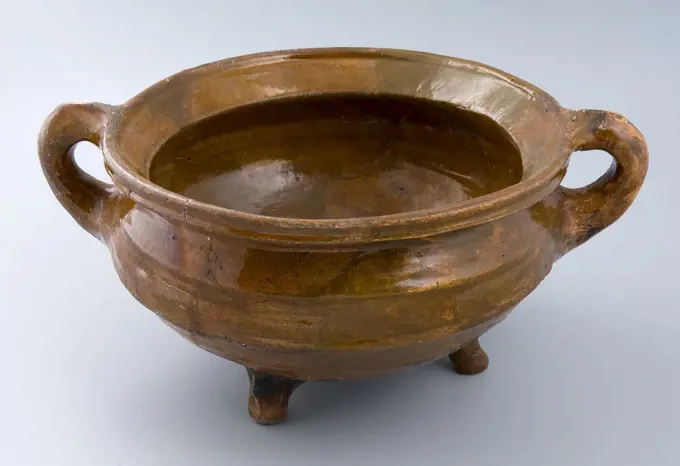
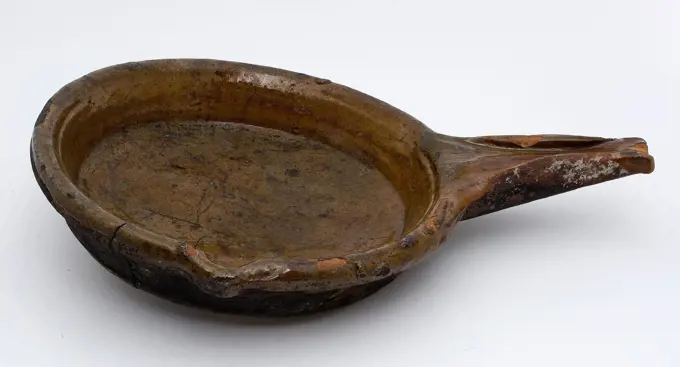
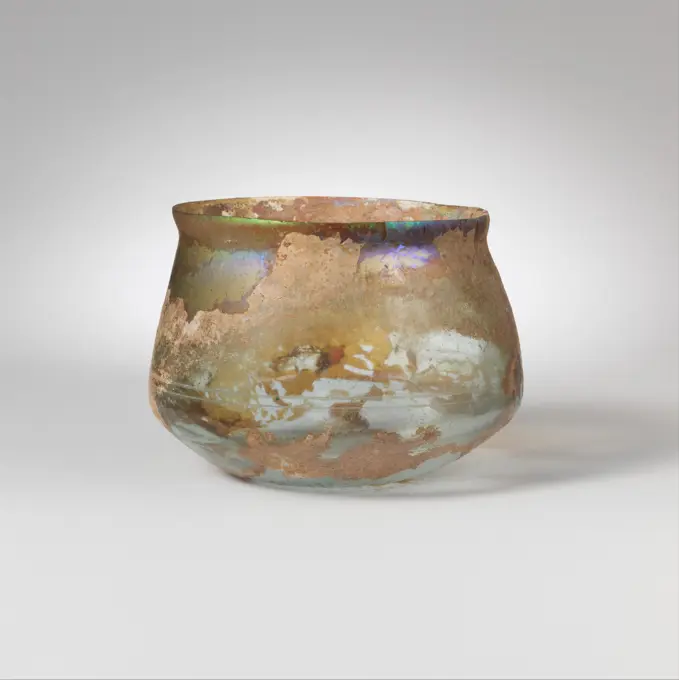
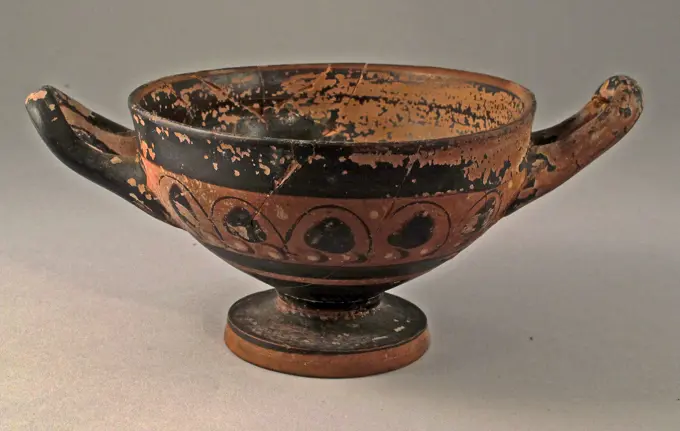
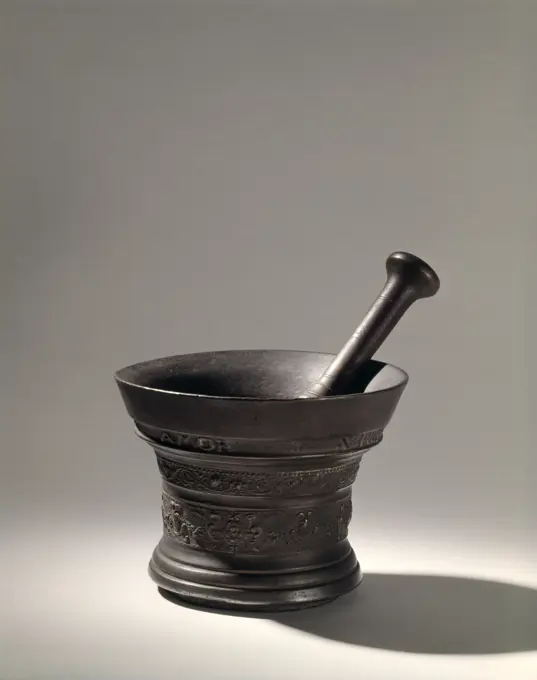
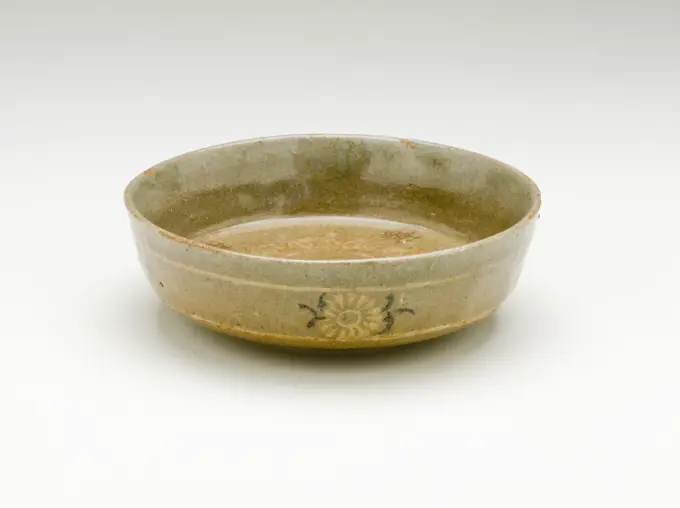
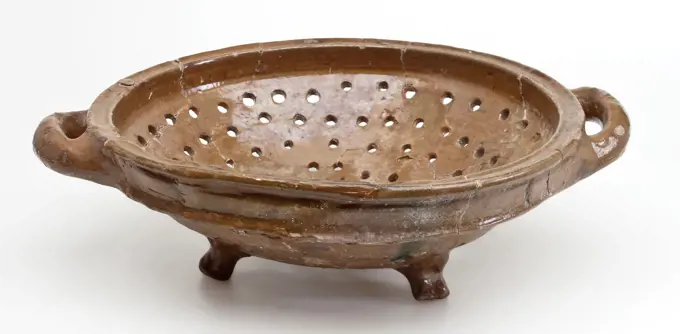
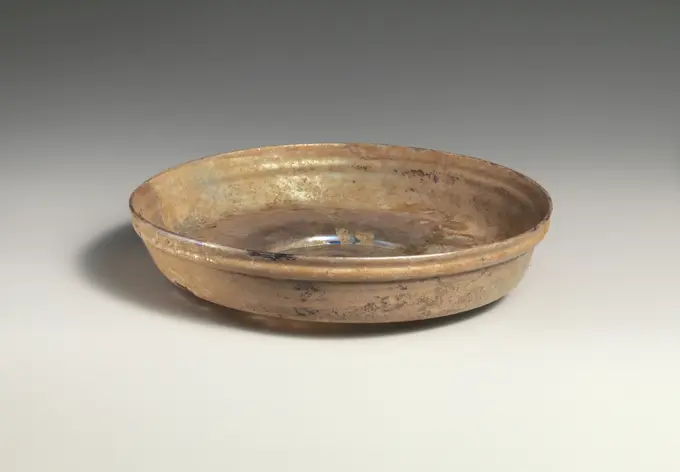
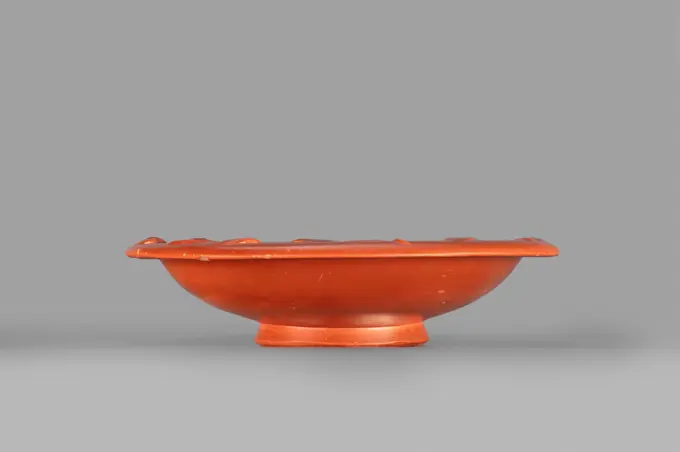
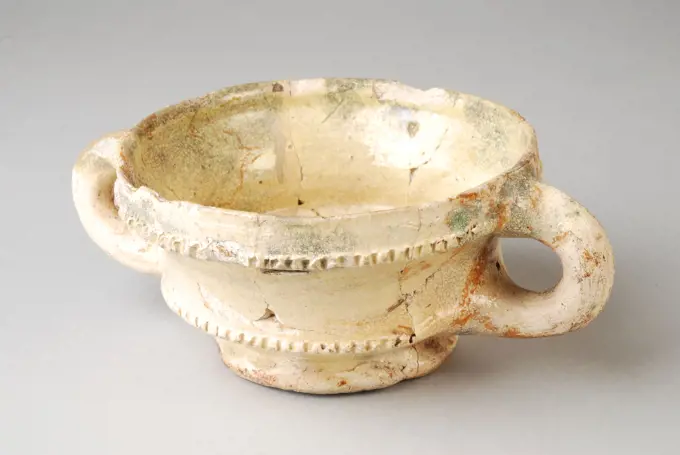
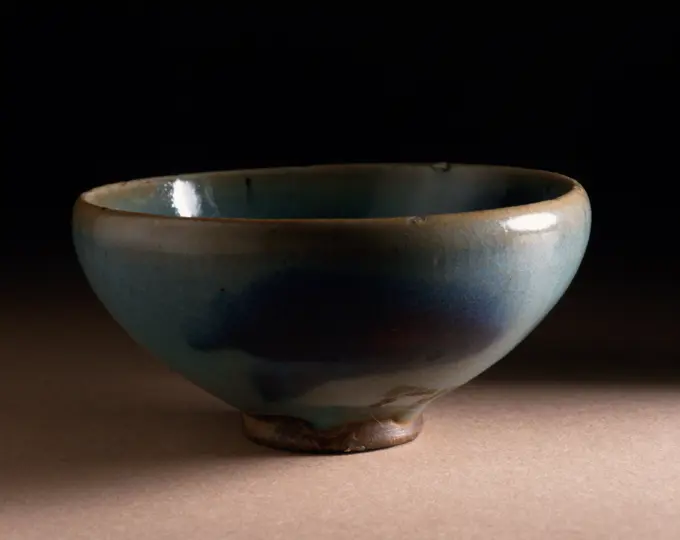
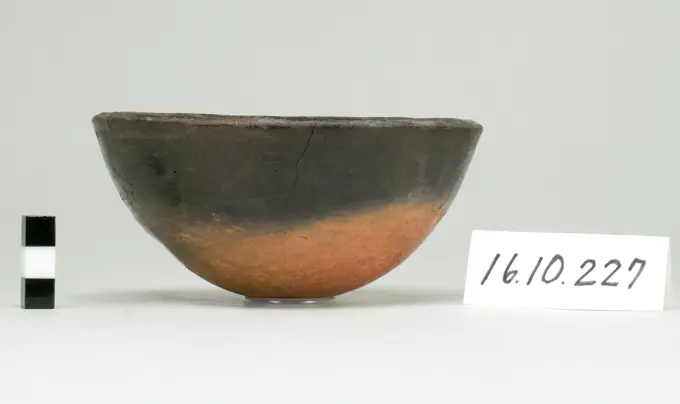
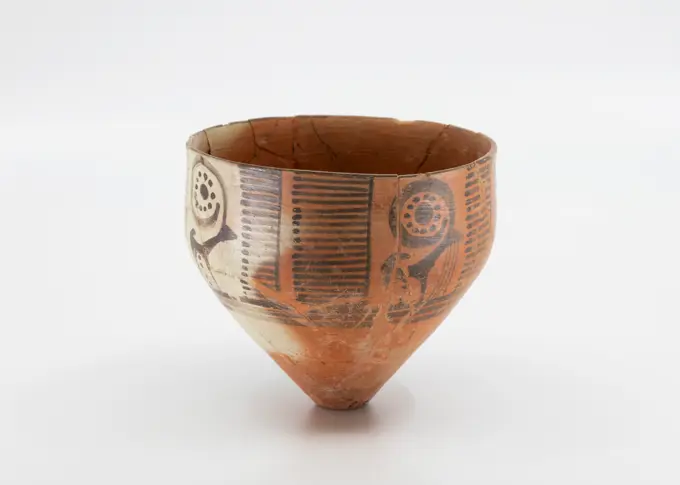
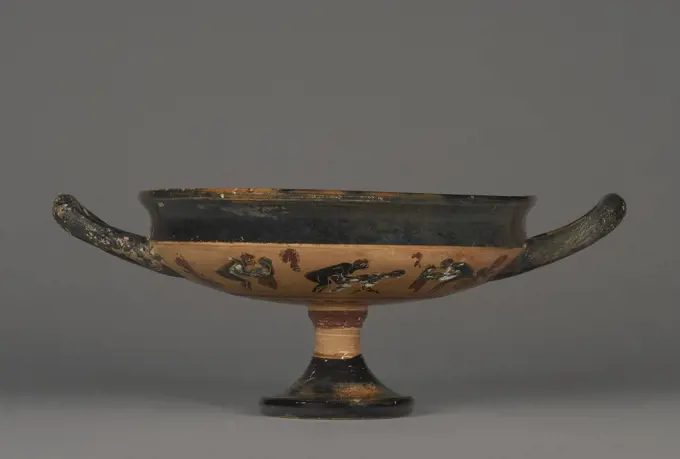
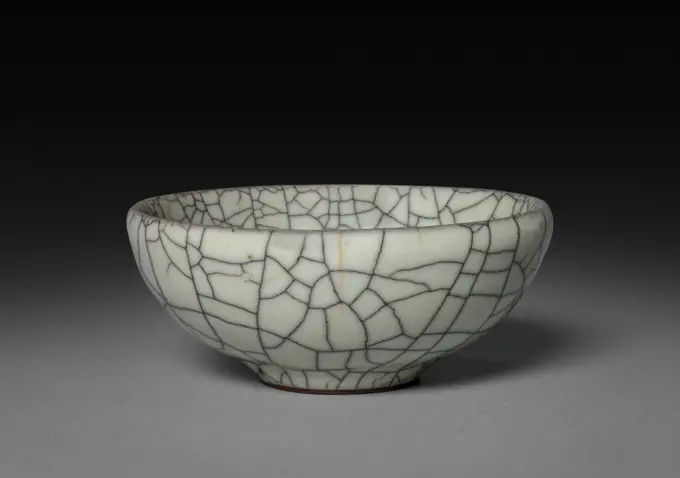
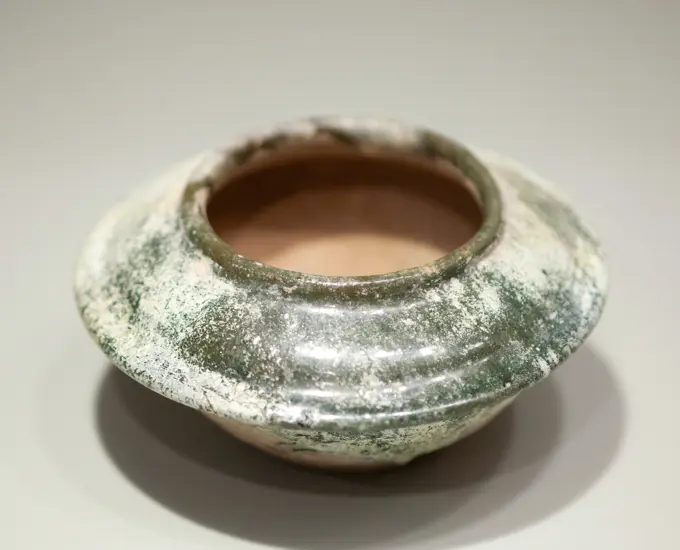
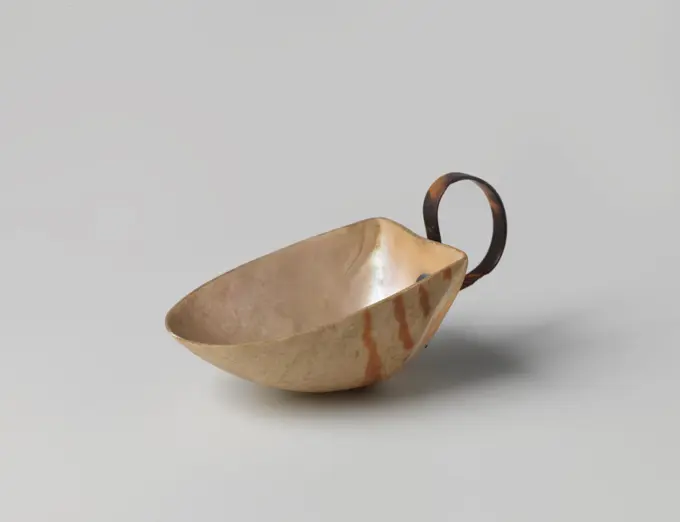
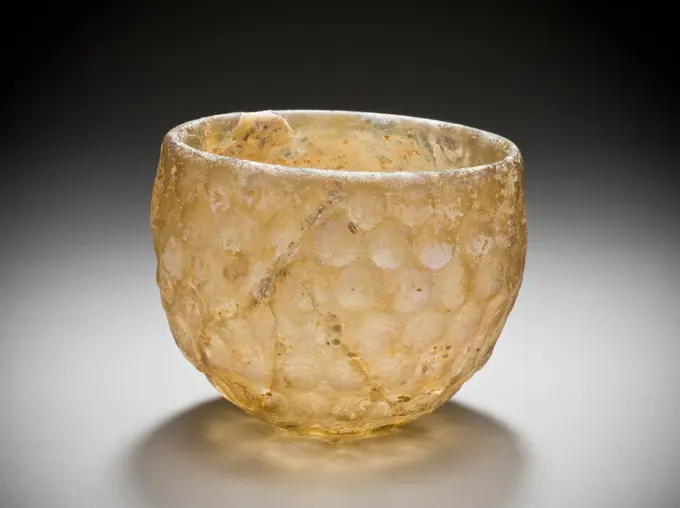
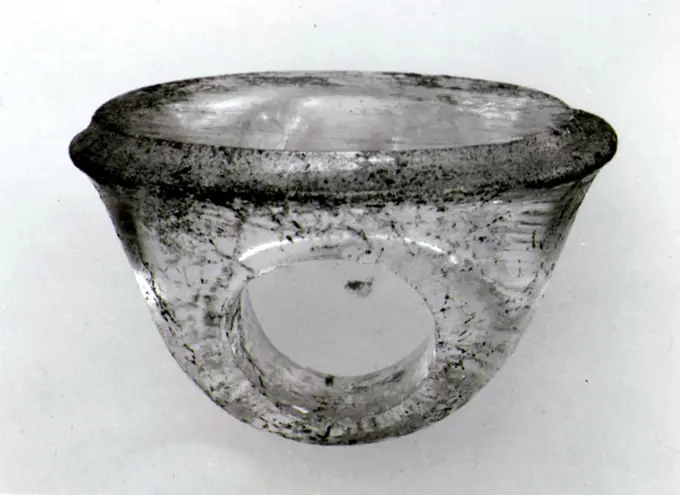
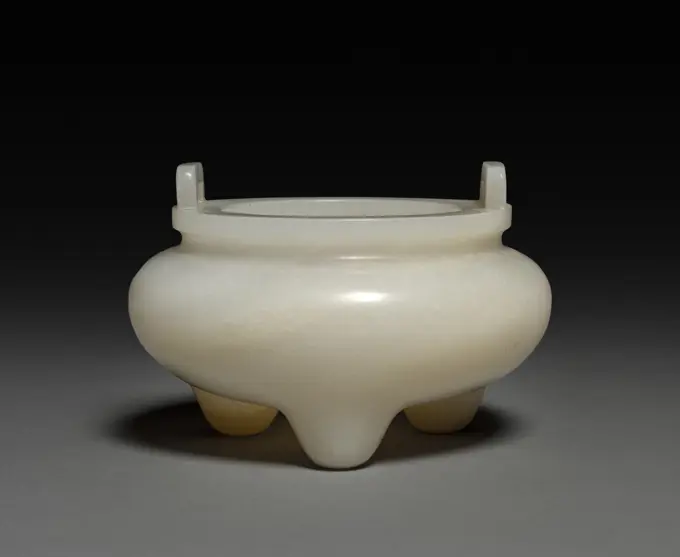
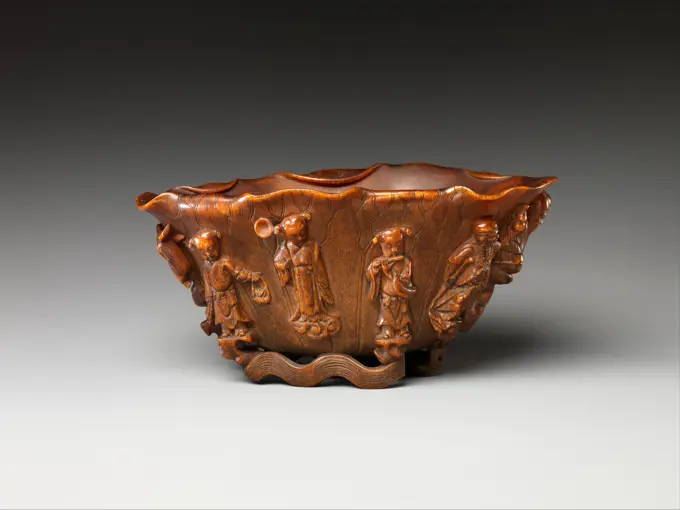
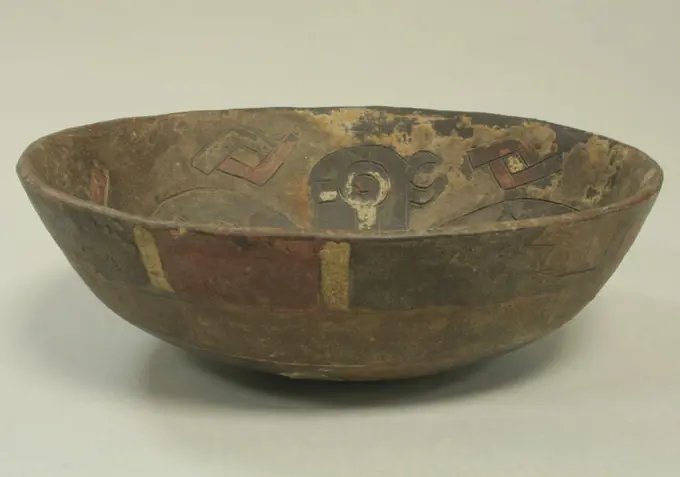
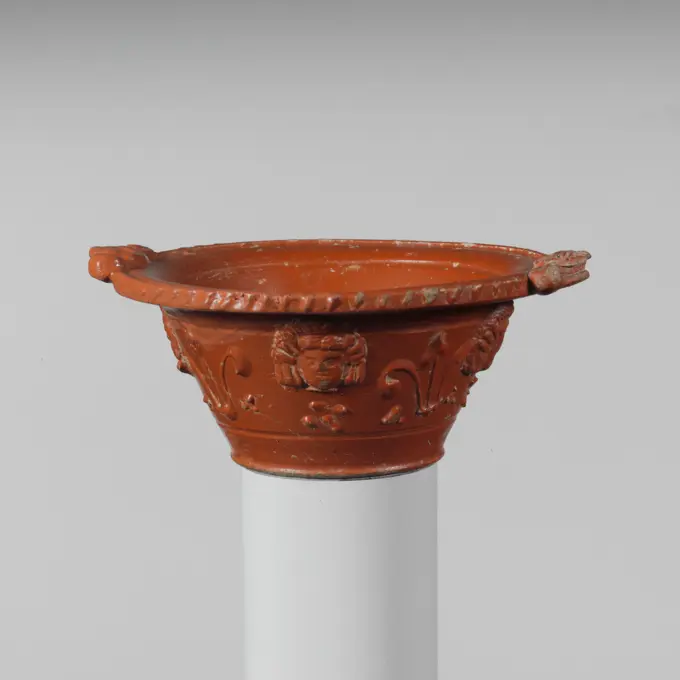
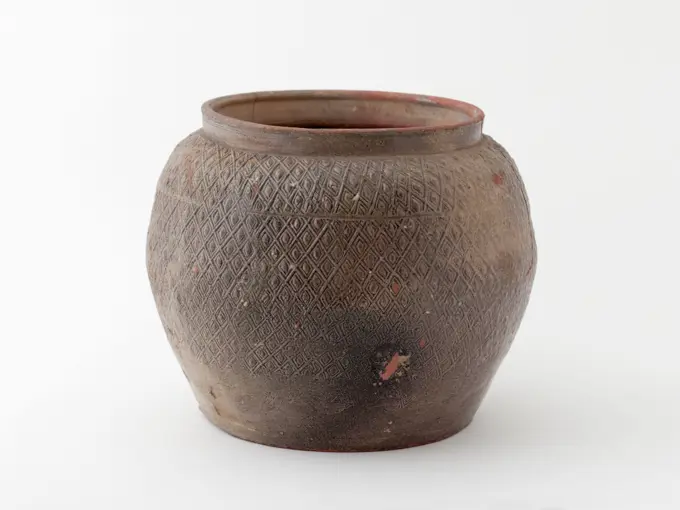
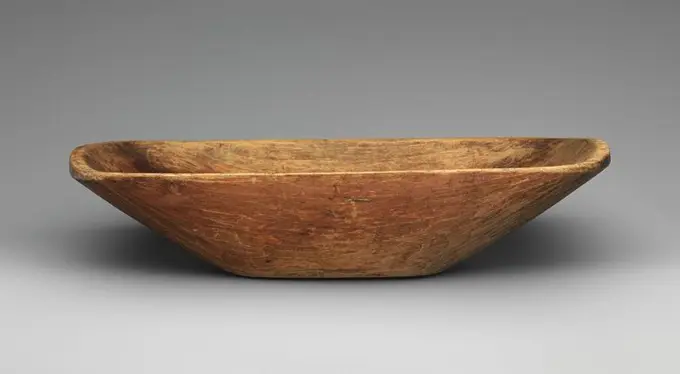
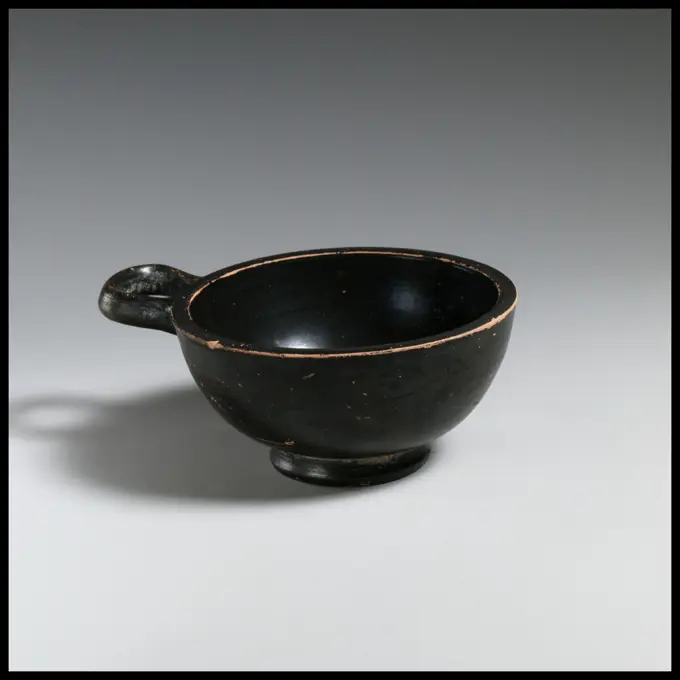
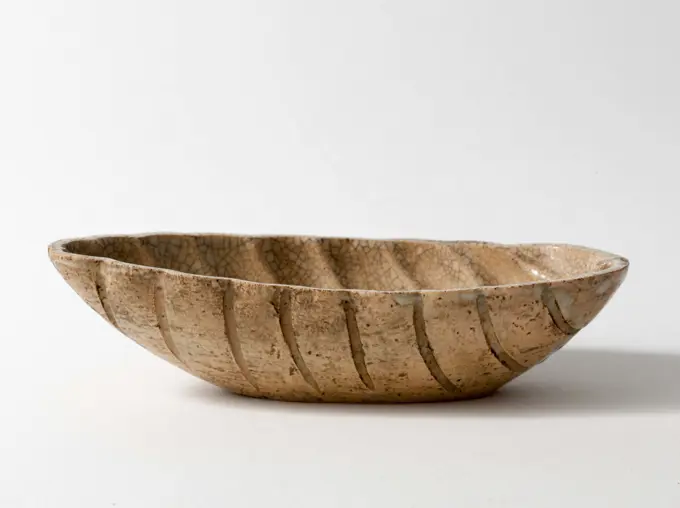
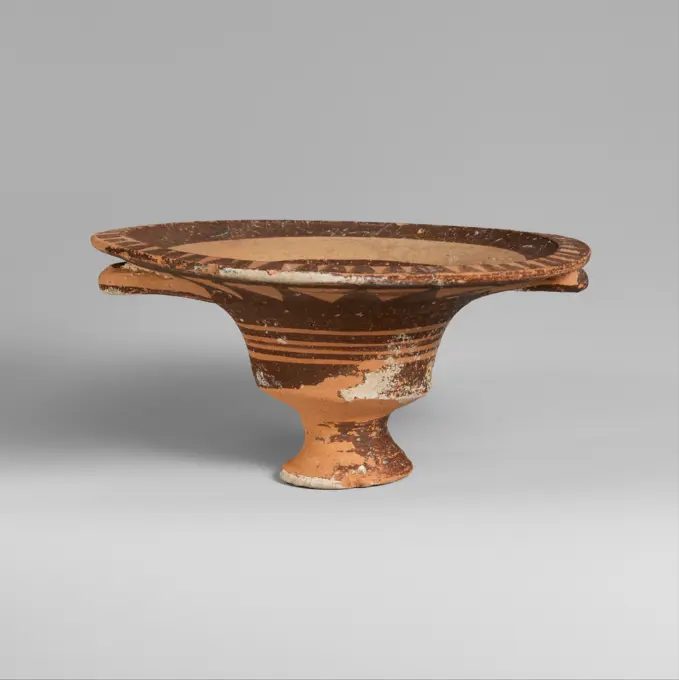
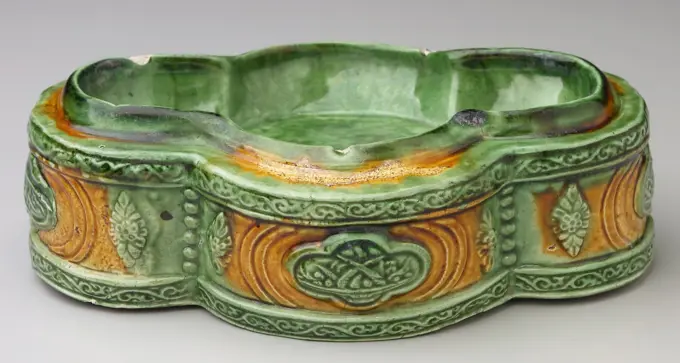
Cup ca. 1850 American. Cup 2758Feeding Funnel (koropata). New Zealand (Aotearoa), Gisborne, Maori, Rongowhakaata or Te Aitanga a Mahaki tribes, circa 1825. Tools and Equipment; funnels. Wood and Haliotis shellBowl Korea 13th centuryTerracotta bowl ca. A.D. 10-50 Roman The bowl is a typical example of plain Roman fineware pottery made at Arretium (modern Arezzo) in northern Italy. The vessels were mass produced and exported widely throughout the Roman world. Associated in particular with forts and other military sites, Arretine pottery was clearly very popular with soldiers serving on the frontiers of the Empire in northern Europe during the Julio-Claudian period. This bowl has in the center of the base a makers stamp in the shape of a footprint; it reads CORNELI (of Cornelius).. Terracotta bowl. Roman. ca. A.D. 10-50. Terracotta; Arretine ware. Early Imperial, Julio-Claudian. VasesCup ". Sandstone. Vietnam-Xe-Xive s. Paris, Cernuschi museum. 72186-7 Cup, GRES, Vietnamese objectRound drinking bowl with low spot surface and sloping wall without ears. Round drinking bowl with low spot surface and a sloping wall without ears. At the bottom traces of the pin of the lathe and on the bottom cutters. The edge of the bowl has been crumbled.Gwicht;  XVIII W (1701-00-00-1800-00-00);BurlBowlJug. China, 14th-16th century. Furnishings; Serviceware. Stoneware with celadon glazePottery saucepan, with straight wall, red shard, internally glazed, on three legs, saucepan pan crockery holder kitchenware soil find ceramics earthenware glaze lead glaze, hand turned glazed baked Pottery saucepan with straight wall red shard inside top and stem covered with lead glaze three legs outer wall and underside blackened black archeology native pottery food prepare cooking food cuisineGlass hemispherical bowl. Culture: Greek, Eastern Mediterranean. Dimensions: Diam.: 4 5/16 in. (11 cm)H.: 2 1/2 in. (6.3 cm). Date: 1st century B.C..Translucent blue.Rounded, slightly inverted rim; hemispherical body with sides curving in to pushed-in bottom.Decoration of horizontal wheel-cut grooves on interior, comprising a single broad groove below rim and a band of two narrower grooves around middle of body.Intact; a few pinprick bubbles; patches of dulling, pitting, and iridescent weathering.Rotary grinding marks below rim on exterior and interior.Hemispherical blue bowl with horizontal cut bands. Museum: Metropolitan Museum of Art, New York, USA.Cup ca. 2700-2600 B.C. Sumerian. Cup. Sumerian. ca. 2700-2600 B.C.. Calcite. Early Dynastic II. Mesopotamia, NippurGobelet ". Red terracotta with Céladon covered. China, six dynasties (311-589). Paris, Cernuschi museum. Chinese art, Chinese ceramic, containing, time six dynasty, goblet, container, terracottaBowl with Pomegranate Branches and Chrysanthemums. Korea. Date: 1265-1299. Dimensions: H. 9.1 cm (3 9/16 in.); diam. 21.2 cm (8 3/8 in.). Celadon-glazed stoneware with underglaze inlaid decoration of black and white clays. Origin: Korea. Museum: The Chicago Art Institute, Chicago, USA.Bowl China. Bowl 40517Terracotta pyxis (box) ca. 525 B.C. Greek, Corinthian Of interest in this pyxis shape is the placement of the handles vertically on the shoulder; they seem more decorative than functional.. Terracotta pyxis (box) 255128 Greek, Corinthian, Terracotta pyxis (box), ca. 525 B.C., Terracotta, H. 3 11/16 in. (9.3 cm) diameter 2 5/8 in. (6.7 cm). The Metropolitan Museum of Art, New York. Purchase, Mrs. Helen H. Mertens Gift, 1962 (62.11.7)Bowl. Byzantine, 11th-12th century. Furnishings; Serviceware. CeramicBowl. UnknownBox with cover 15th century possibly Egyptian Round bottom boxes with lids are rare in Islamic metalwork but curiously common in the oeuvres of Mahmud al-Kurdi and Zain al-Din. The original function of this elegant little box is unknown. Sweetmeats may have been served in it, but the similarity in its size and capacity to other boxes lends support to the idea that it was used to transport pre-packed speziere minute or sottili (valuable spices exported in small quantities to Europe).. Box with cover. possibly Egyptian. 15th century. Brass, inlaid with silver and niello (). Metalwork-BrassDish from Dishes with Ivy, c. 1893-1914. Seifū Yohei III (Japanese, 1851-1914). One from a set of five dishes; porcelain with green glaze and molded designs; overall: 3.5 x 11 cm (1 3/8 x 4 5/16 in.).Bowl 1700 Japan. Bowl. Japan. 1700. Clay covered with a spotted glaze; on the bottom, decoration under the glaze (Soma ware). Edo period (1615-1868). CeramicsDish, anonymous, c. 960 - c. 1279 Scale of stoneware with a six times lobed edge, covered with a translucent, slightly gray glaze. On the front a medallion with a lotus lottery plant. The wall is divided into six courses, separated by slightly modeled ribs. The edge is caught in a metal band. Thing. China stoneware. glaze. metal engraving / vitrification Scale of stoneware with a six times lobed edge, covered with a translucent, slightly gray glaze. On the front a medallion with a lotus lottery plant. The wall is divided into six courses, separated by slightly modeled ribs. The edge is caught in a metal band. Thing. China stoneware. glaze. metal engraving / vitrificationBowl. Culture: Mexican. Dimensions: Height 4-5/8 in.. Date: 10th-15th century. Museum: Metropolitan Museum of Art, New York, USA.Cup. Culture: Japan. Dimensions: H. 2 5/8 in. (6.7 cm); Diam. 4 7/8 in. (12.4 cm). Date: 1900. Museum: Metropolitan Museum of Art, New York, USA.Incised Painted Bowl 5th-2nd century B.C. Paracas. Incised Painted Bowl 308698Bowl, late 1700s or early 1800s. Native North America, Woodlands, Great Lakes or Eastern Dakota (Santee Sioux), Post-contact Period, after 1870/1880. Maple; overall: 9 x 20 x 14.6 cm (3 9/16 x 7 7/8 x 5 3/4 in.).Vessel, 1930s, 8 1/4 × 11 1/4 × 11 1/4 in. (20.96 × 28.58 × 28.58 cm), Ceramic, 20th centuryBowl. Thailand, 15th-16th century. Furnishings; Serviceware. Stoneware with celadon glazePottery cooking pot with wide top edge, two band ears, on three legs, cooking pot crockery holder kitchenware soil find ceramics earthenware glaze lead glaze, hand-turned glazed fried Low wide pot with two vertical ears on shoulder and belly. Three legs wide sloping top edge Dirt brown entirely glazed Red shard Roetsporen at the bottom archeology underground pit Rotterdam City center Stadsdriehoek Groenendaal indigenous pottery food food preparation cooking kitchen Soil discovery: underground pit Groenendaal in cesspit at 1.90 meters NAP. Found 1975-10-03.Pottery saucepan with scalloped handle, shank, curved stand, saucepan pan tableware holder kitchenware soil find ceramic earthenware glaze lead glaze, hand-turned glazed baked Pottery saucepan frying pan-model red shard inside glazed shank clip scalloped stem outside completely covered with soot. Low pan with convex bottom short sidewall and profiled top edge archeology indigenous pottery food prepare cooking kitchen frying bakeGlass cup mid-1st century A.D. Roman Colorless with blue green tinge.Knocked-off, uneven rim; slightly bulging collar below rim; side expanding downward, then curving in to concave bottom.Wheel-cut decoration comprising a single fine line below neck and a band of two lines on body above angle.Intact; a few pinprick bubbles; some areas unweathered, others weathered with dulling and brilliant iridescence, and some patches of thick, enamel-like weathering.Greenish blown glass bowl with wheel-cut lines on body.. Glass cup 239878Bowl China. Bowl 48116Bowl with Peonies 12th-13th century China Although Ding ware was first produced in north China under the patronage of the Northern Song (960-1127) court, this bowl was made in the twelfth or thirteenth century when northeast China was under the rule of the Jurchen Jin dynasty. The Jurchen were nomads from the northeast who had controlled north China from the twelfth to the thirteenth century, until they were, in turn, overtaken by the Mongol Yuan dynasty (1271-1368).. Bowl with Peonies 52031Stone bowl. Dimensions: H. 5.8 cm (2 5/16 in.); Diam. 11.7 cm (4 5/8 in.). Date: ca. 2750-2650 B.C.. Museum: Metropolitan Museum of Art, New York, USA.Skyphos ca. 500 B.C. Greek, Attic Debased palmette-lotus pattern.. Skyphos. Greek, Attic. ca. 500 B.C.. Terracotta; black-figure. Archaic. VasesTerracotta stemmed dish. Culture: Greek, Attic. Dimensions: H. 3 1/4 in. (8.3 cm). Date: late 5th century B.C..This is one of a variety of shapes that probably contained food--olives, small fruits, nuts--rather than liquids. Museum: Metropolitan Museum of Art, New York, USA.1960s MORTAR PESTLE PHARMACYBronze bowl fragment ca. 2300-2000 B.C. Hattian. Bronze bowl fragment 324479Incised Painted Bowl. Culture: Paracas. Dimensions: Diameter 7 in.. Date: 5th-2nd century B.C.. Museum: Metropolitan Museum of Art, New York, USA.Dish with Inlaid Chrysanthemum Design. Korea, Goryeo dynasty (918-1392), 12th century. Furnishings; Serviceware. Wheel-thrown stoneware with incised and slip-filled decoration and green glazeBol ". Sandstone, white slip painted in brown under transparent covered. China, Song dynasty (960-1279) / Yuan (1279-1368). Paris, Cernuschi museum. Chinese art, Chinese Ceramic, container, Song dynasty, Yuan dynasty, Song time, Yuan time, container, terracottaBasinTerracotta skyphos (deep drinking cup). Culture: Greek, Euboean. Dimensions: H. 2 15/16 in. (7.49 cm). Date: 1st half of 8th century B.C..Unpretentious though they are as objects, skyphoi with pendant semicircles are of considerable archaeological importance for their diffusion throughout the Mediterranean world. Euboea was active in trade and in the establishment of colonies during the eighth and seventh centuries B.C. The distribution of these skyphoi indicates Euboean presence. Museum: Metropolitan Museum of Art, New York, USA.Pottery colander, cup-shaped on three legs, red shard, glazed, colander kitchen utensils equipment soil finds ceramics earthenware glaze lead glaze, hand-turned pierced glazed baked Pottery colander. Red shard entirely covered with lead glaze. Bowl shaped model on three legs Raised edge with collar on the outside. Two lying sausage ears archeology Valckensteyn Poortugaal Albrandswaard indigenous pottery seven draining kitchen cooking food preparation Soil discovery Poortugaal Castle Valckensteyn canal near the kitchen.Dish (usual name). Sandstone with brown-black decoration under cover. Cernuschi Museum, Asia Museum of Asia in the city of Paris.Bowl 12th century. Bowl 450935Glass dish 4th century A.D. Roman Colorless with slight blue green tinge.Slightly everted, rounded, vertical rim, with solid horizontal rib below; short side to body, tapering downwards, then turned in to concave floor; outsplayed, tubular, base ring, made by folding; almost flat bottom, thickened at center with slight dome on interior and circular pontil mark on exterior.Intact; a few pinprick bubbles; some pitting, but most of surfaces covered with thick creamy weathering and brilliant iridescence.. Glass dish 253431 Roman, Glass dish, 4th century A.D., Glass, H.: 1 1/8 in. (2.8 cm) Diam.: 7 3/16 in. (18.2 cm). The Metropolitan Museum of Art, New York. Gift of Mrs. Elias Kempner, 1934 (34.132.1). Come par painted with sludge and colors under a transparent alkalilation. On the inside a bird between flower drinks. The outer wall with leaf motifs.Bowl. American. Date: 1810-1840. Dimensions: 4.8 × 8.3 cm (1 7/8 × 3 1/4 in.). Maple. Origin: United States. Museum: The Chicago Art Institute, Chicago, USA.Miseczka dekorowana motywem liści. unknown, authorPaterka; Decoeur, Emil (1876-1953); around 1900 (1895-00-00-1900-00-00);Decoeur, Emil (1876-1953), Grohmann, Henryk (1862-1939)-collection, secession (style)Bowl -Holy-Water Vessel 11th-12th century Indonesia (Java). Holy-Water Vessel 37711Teacup from Teacups with Floral Band Motif, c. 1893-1914. Seifū Yohei III (Japanese, 1851-1914). One from a set of five cups; porcelain with incised decoration; overall: 4.5 x 8.5 cm (1 3/4 x 3 3/8 in.).Bottle with Three Lugs 14th-ca. mid-16th century Thailand (Si Satchanalai). Bottle with Three Lugs 37510Earflare 500 BCE-1000 Oaxaca. Jadeite or serpentine .Covered Bowl in the "Hindustani Style". China or India. Date: 1677-1733. Dimensions: H: 10.5 × diam. 14 cm (4 1/8 × 5 1/2 in.). Jade. Origin: China. Museum: The Chicago Art Institute, Chicago, USA.Cup and Stand (stand), 918-1392. Korea, Goryeo period (918-1392). Pottery; diameter of mouth: 7.9 cm (3 1/8 in.); overall: 5.7 cm (2 1/4 in.).Half porridge bowl on stand, round, red earthenware, internal yellow glazed, papkom bowl crockery holder soil find ceramics pottery clay engobe glaze lead glaze, ring 7.2 hand-turned glazed baked Round papkom on stand ring Internally glazed Red shard. Narrowing above the foot. surrounding ridge along the outside. Internally covered with white engobe and then glazed. Standing sausage ear archeology City Triangle Rotterdam Laurens Church indigenous pottery porridge serving food serving Soil discovery found during the restoration of the Laurenskerk in Rotterdam.Lazio Viterbo Viterbo Museo Civico57. Hutzel, Max 1960-1990 Views of paintings (Middle Ages through 18th c.), frescoes, a tabernacle, coffin, sculpture reliefs, portal fragments, busts, sculpture, tapestry found in the Pinacoteca, Second floor gallery and Second floor cloister sequences. Antiquities: Many views of Etruscan and Roman fragments, sculpture, sarcophagi, pottery, masks, jewelry and other objects found in the Storeroom sequence (inventory numbers on back of prints), and the Cloister, Second floor Cloister, Valle Giulia, Sala Romana and Sala Etrusca sequences. General Notes: There are eight separate numerical sequences for this location. The cloister as an architectural structure, rather than museum site, is documented in the record and file for S. Maria della Verita, Cloister, all views of which are stored in Medieval core collection. Five views from the Museo Civico Second floor cloister sequence are stored in Medieval. German-born photographer and scholar Max Hutzel (1911-Glass bowl. Culture: Roman. Dimensions: Height: 2 3/8 in. (6 cm)Diameter: 4 1/4 in. (10.8 cm). Date: Late 1st century B.C.-early 1st century A.D..Translucent honey brownRounded vertical rim; slightly concave sides, tapering downward; flat bottom.Horizontal wheel-cut grooves on interior; single thicker groove 0.8 cm below rim, band of two thinner grooves 2.2 cm below rim.Complete, except for small hole in side; broken and repaired with two large cracks running from rim down sides; pinprick bubbles; deep pitting, dulling, and iridescent weathering on exterior, creamy weathering covering most on interior. Museum: Metropolitan Museum of Art, New York, USA.Bowl (Wan) with Lotus Petalsdish with two ears, white shard, radish, pop bowl bowl holder earth discovery ceramic earthenware glaze lead glaze, turned glazed baked Papkom white earthenware in and externally glazed except bottom bottom two ears pinched stand ring two ribbed surrounding edges archeology Capelle aan den IJssel House in Capelle castle dinnerware utensils tableware food porridge food serving Soil discovery: house in Capelle ± 1395 - ± 1500 Capelle aan den IJssel.Bowl (Wan). China, Henan Province, Jin dynasty, 1127-1234. Furnishings; Serviceware. Jun ware, wheel-thrown stoneware with blue glaze and purple splashesKerma ware bowl ca. 1635-1458 B.C. Second Intermediate Period-Early New Kingdom. Kerma ware bowl. ca. 1635-1458 B.C.. Pottery. Second Intermediate Period-Early New Kingdom. From Egypt, Upper Egypt, Thebes, Asasif, Courtyard CC 41, Radim C x Near Tomb R 2, MMA excavations, 1915-16. Dynasty 17-18Bowl ca. 1st century A.D. Nabataean. Bowl 325890Cup decorated with ibexes ca. 4000 B.C. Iran This cup has a narrow base, thin walls, and straight sides. It is made of a buff clay, with brown decorations, namely rows of horizontal lines interspersed with four stylized ibexes with dots inside the curve of their horns and under their bodies. Wheel lines on the inside indicate that it was made on a potters wheel.This cup was excavated at Tepe Hissar, near the modern city of Damghan in northern Iran. Tepe Hissar was primarily an agricultural settlement, though much of the evidence for plant cultivation dates to later periods, with buildings made of mudbrick or simply mud walls. This cup belongs to the Hissar IB period, dating to ca. 4000 B.C. During this period there was a lively and technically proficient ceramic industry at the site, producing well-formed vessels decorated with geometric designs and stylized images of ibexes, gazelles and birds. Indeed, this vessel is one of the earliest images of an ibex from Iran, and thus stands atAttic Black-Figure Droop Cup; Wraith Painter; Athens, Greece; 520 B.C; Terracotta; 8.1 × 21.5 × 15.2 cm (3 3,16 × 8 7,16 × 6 in.)Wine Cup, 960-1279. China, Song dynasty (960-1279). Glazed dark brown stoneware, Guan ware; diameter: 8 cm (3 1/8 in.); overall: 3.5 cm (1 3/8 in.).Terracotta kylix (drinking cup). Culture: East Greek. Dimensions: H. 3 11/16 in. (9.4 cm) diameter 6 1/16 in. (15.4 cm). Date: 6th century B.C..Decorated with horizontal bands. Museum: Metropolitan Museum of Art, New York, USA.Small Bowl, 2nd-1st century BCE, 2 7/8 x 5 1/4 x 5 1/4 in. (7.3 x 13.34 x 13.34 cm), Earthenware with green glaze, China, 2nd-1st century BCEBowl 1840 Toyosuke IV Japanese. Bowl. Toyosuke IV (Japanese,). Japan. 1840. Pottery covered enameled glaze and an overglaze decoration. Edo period (1615-1868). CeramicsScale formed from a carved nautilus shell, anonymous, c. 1400 - c. 1950 Scale formed from a carved nautilus shell with a handle of mother -of -pearl.  . Scale formed from a carved nautilus shell with a handle of mother -of -pearl.  .Large Bowl with Peony Scrolls, 1100s. China, Hebei province, Quyang, Jin dynasty (1115-1234). Cream-glazed porcelain with molded design and copper-bound mouth rim, Ding ware; diameter: 26 cm (10 1/4 in.); overall: 8.6 cm (3 3/8 in.).Bowl. Afghanistan, probably Herat, late 15th century. Metal. Copper, engraved and originally tinnedBowl 14th century. Bowl 445170Hemispherical Bowl. Iran, 224-651. Furnishings; Serviceware. Opaque brown glassFragment Come from V.O.C. ship De 'Witte Leeuw', Anonymous, Before 1613 bowl Fragment Come from V.O.C. ship De 'Witte Leeuw', 40 present. Jingdezhen porcelain   Sint-HelenaBronze situla (bucket) ca. 550 B.C. Etruscan Small holes around the rim indicate that originally there would have been handles attached.. Bronze situla (bucket) 247042Dish from Snow-Flake Side Dishes, c. 1893-1914. Seifū Yohei III (Japanese, 1851-1914). One from a set of six porcelain dishes; porcelain with lobed rims and pink glaze; overall: 5 x 13.5 cm (1 15/16 x 5 5/16 in.).Rock crystal ring 2nd-1st century B.C. Greek With large flat bezel.. Rock crystal ring 243705Tripod Incense Burner, Ding Shape, 1644-1911. China, Qing dynasty (1644-1911). Jade; diameter: 10.2 cm (4 in.); overall: 6.8 cm (2 11/16 in.).Cup with Eight Daoist Immortals late 18th-19th century China By the early thirteenth century a historical group of eight figuresseven male, and one femalehad become symbolic of the attainment of immortality, one of the primary goals of Daoism. Each figure is a patron of a specific group and is identifiable by the object that he (or she) holds. For example, Lan Caihe, patron of gardeners and florists, carries a basket and Han Xiangzi, patron of musicians, has a flute.. Cup with Eight Daoist Immortals 41879Bowl with Incised Falcoln 5th-4th century B.C. Paracas. Bowl with Incised Falcoln 308497Terracotta cup ca. A.D. 70-150 Roman This small cup is decorated with a combination of applied masks and barbotine floral designs. Both techniques came to be used extensively by the producers of Gallic sigillata from the late first century A.D. onward.. Terracotta cup. Roman. ca. A.D. 70-150. Terracotta; Italian sigillata ware. Imperial, Flavian-Early Antonine. VasesJar ". Terracotta, émail drops. Vietnam-Xe-Xive s. Paris, Cernuschi museum. 72187-16 Email, drop, jar, Vietnamese object, terracottaLarge Squat Jar. Egypt, Late period, probably Achaemenid, about 550 - 330 BCE. Furnishings; Serviceware. Banded calcite, carvedBowl. Culture: American, Shaker. Dimensions: 3 1/4 x 15 1/8 x 8 5/8 in. (8.3 x 38.4 x 21.9 cm). Maker: Isaac N. Youngs (1793-1865). Date: 1810-65. Museum: Metropolitan Museum of Art, New York, USA.Miniature wine taster or mustard dish. Culture: British. Dimensions: Overall: 13/16 × 2 15/16 in. (2.1 × 7.5 cm). Maker: C S (British, 17th century). Date: 17th century. Museum: Metropolitan Museum of Art, New York, USA.Ancient etruscan pottery on a white backgroundBowl early 12th century Korea. Bowl 57399Goblet. Eastern Mediterranean, 13th century. Glass. Glass, free-blown and tooled with applied footCup, one-handled 4th century B.C. Greek, South Italian, Apulian. Cup, one-handled 255319Chinese, Crackle Bowl, porcelain.Ribbed bowl 1st century Roman. Ribbed bowl. Roman. 1st century. Transparent pale bluish green glass with small spherical bubbles. Cast or poured as a disk, reheated and stamped with a circular mold to form the ribs, then slumped over a former mold to make a bowl; lathe-cut, ground, and polished.. GlassCzelka decorated with bumps;  4th century (301-00-00-400-00-00);Tobbe with profile edge, twisted, anonymous, c. 1675 - c. 1700 A tub turned from Esdoornhout with profile edge. Amsterdam maple (wood) A tub turned from Esdoornhout with profile edge. Amsterdam maple (wood)Cup (Mukozuke). Beige terracotta, cracked transparent glaze, raku style. Nineteenth century. Paris, Cernuschi museum. Leaves Asian art, Japanese art, beige, ceramic, cut, crack, crack, transparent glacure, mukozuke, raku style, terracotta, 19th XIX 19th 19th 19th 19Terracotta stemmed dish with two handles 1050-950 B.C. Cypriot High foot with two handles and rays on underside.. Terracotta stemmed dish with two handles. Cypriot. 1050-950 B.C.. Terracotta. Cypro-Geometric I. VasesBrushwasher, 10th century, 2 1/16 x 6 1/16 x 4 1/8 in. (5.24 x 15.4 x 10.48 cm), Stoneware with moulded decor under green and amber glaze, China, 10th century, With its shallow oval shape and quatrefoil outline, this tenth century ceramic brushwasher is likely based on a silver vessel. The upright sides are molded in high relief with 'precious objects' flanked by stylized florets with 'classic scroll' borders around the rim and base. The decoration has been picked out in bright green while the background is glazed in amber brown, two of the most common glaze colors in Liao dynasty (907-1125) ceramics.