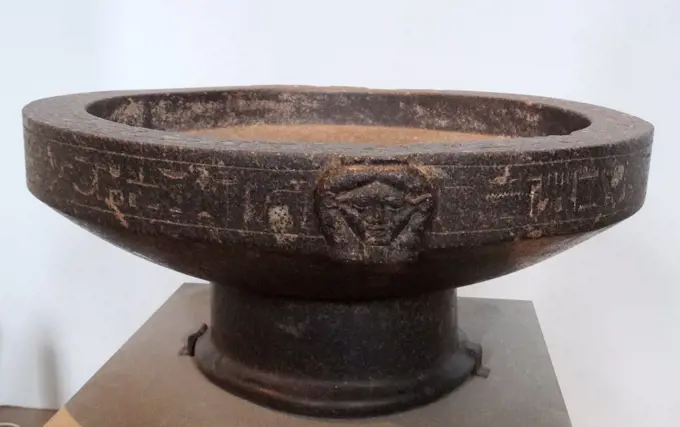
Traditional Stoneware Bowls

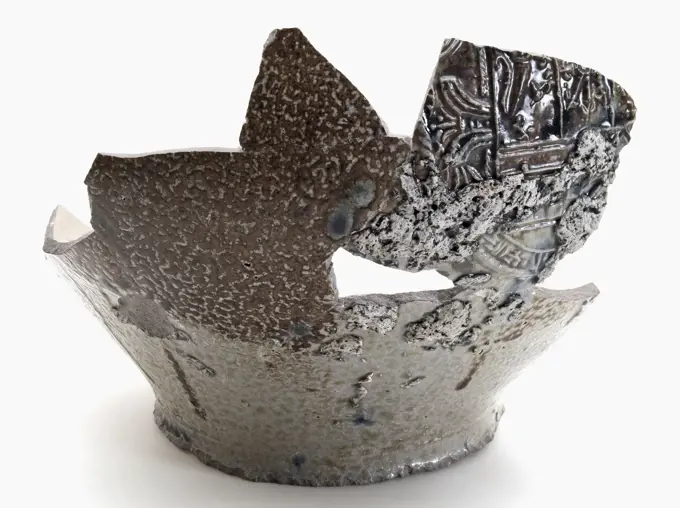
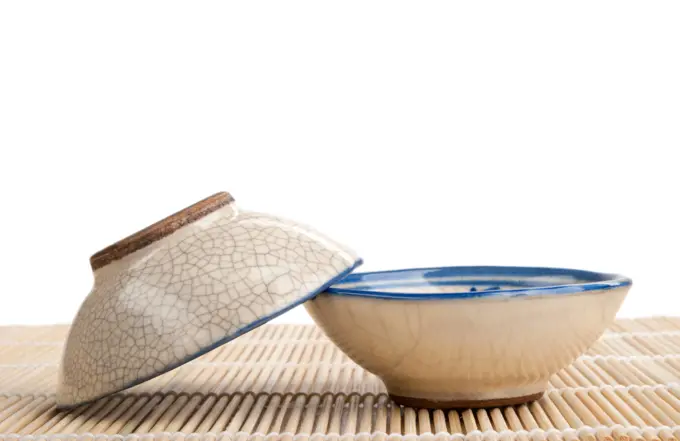
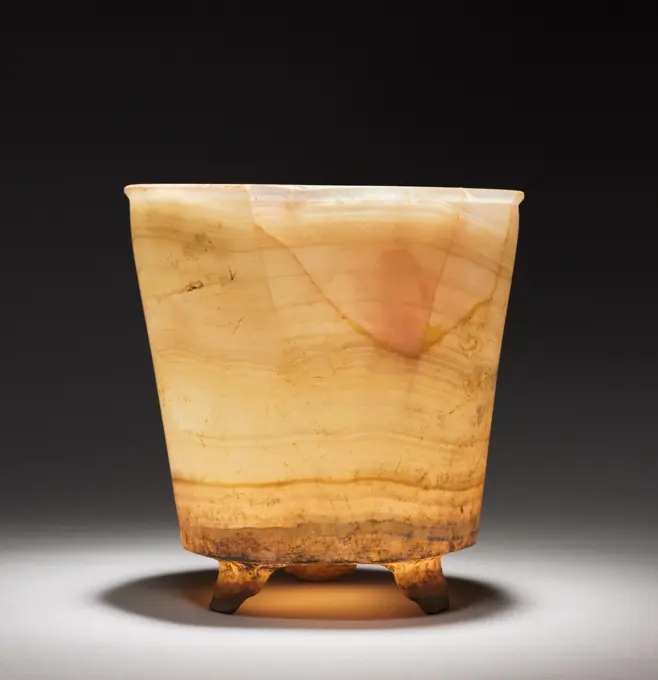
A variety of historic stoneware bowls from China and Coptic culture, showcasing unique glazes and traditional shapes, dating from 1100 to the 7th century.

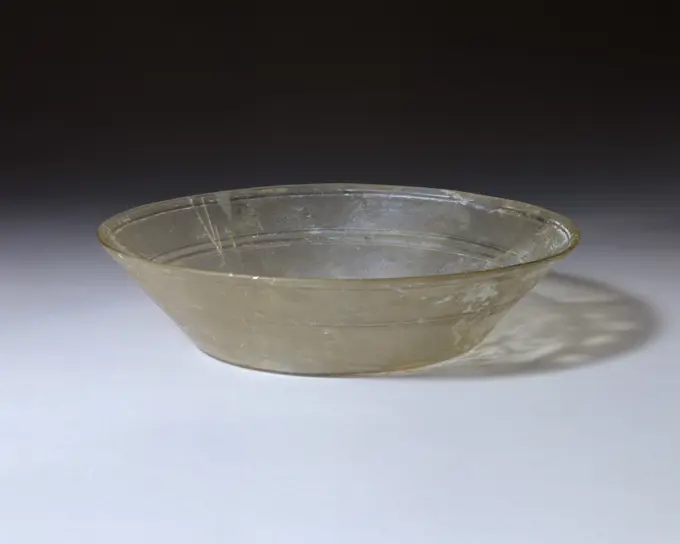
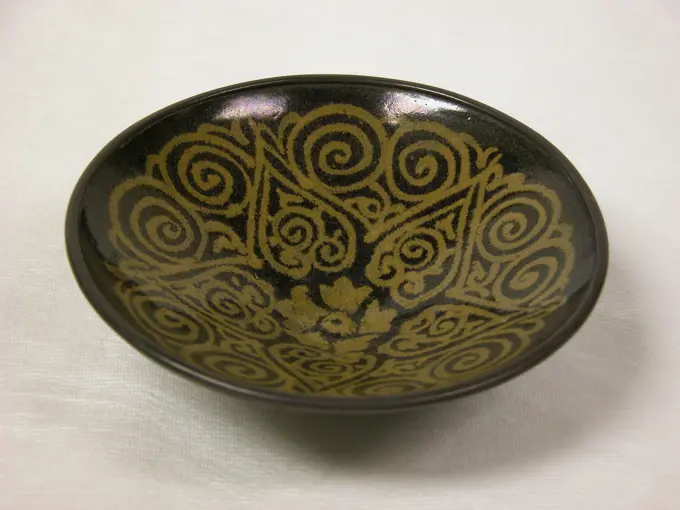
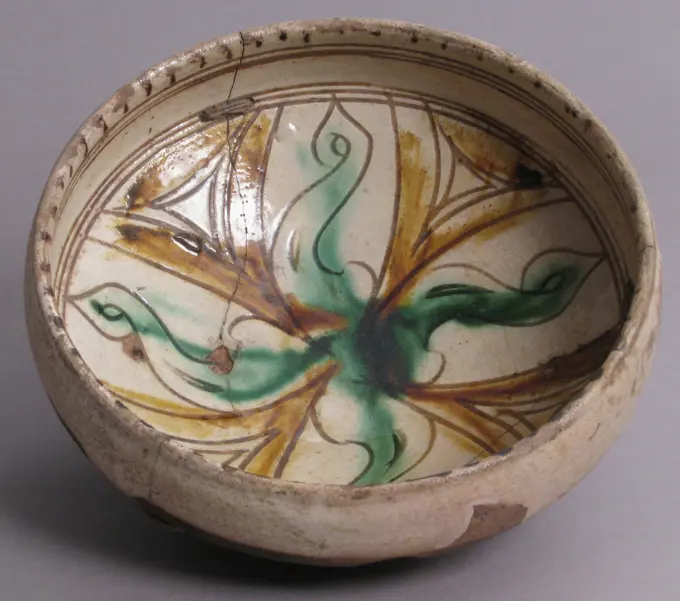
Bowl 12th-13th century China. Bowl 39577
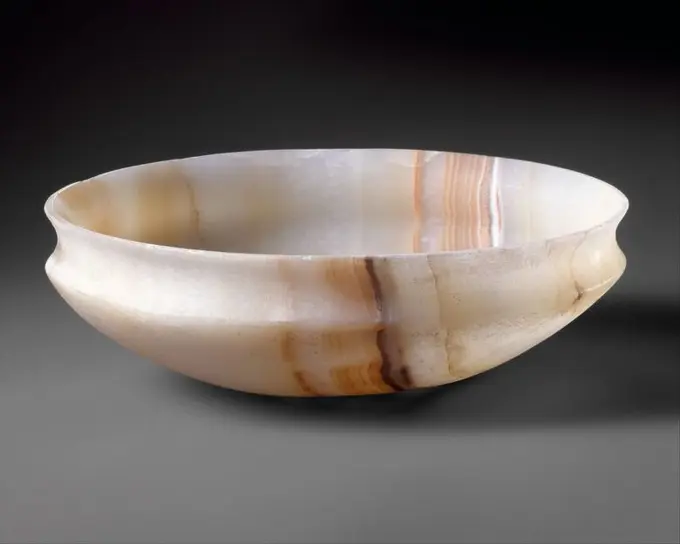
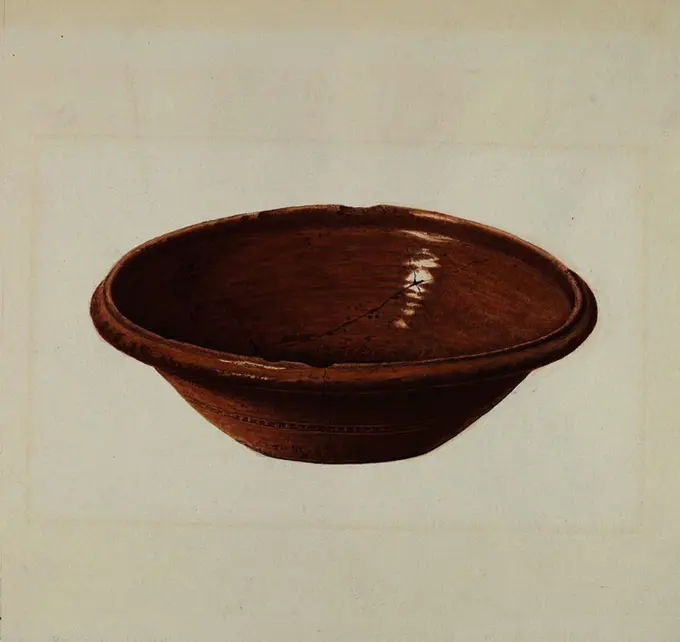
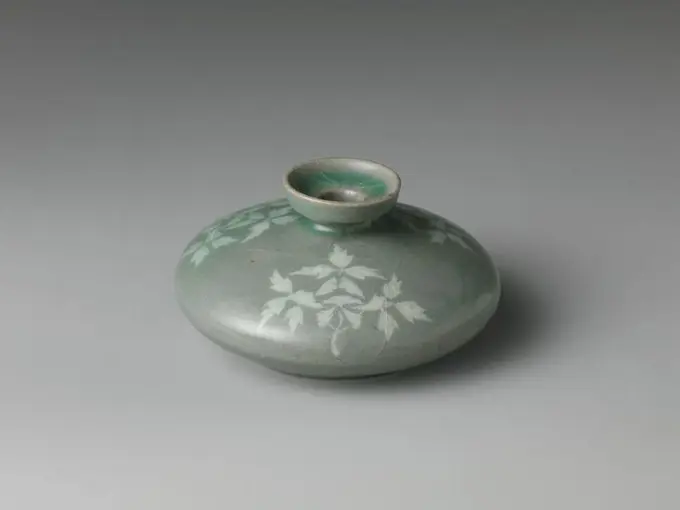
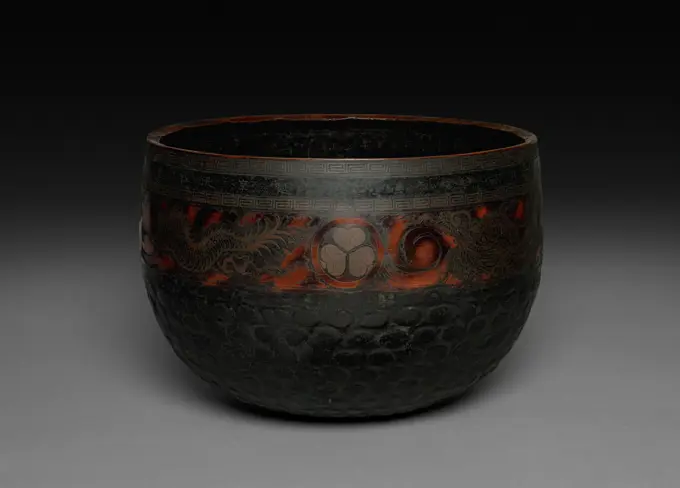
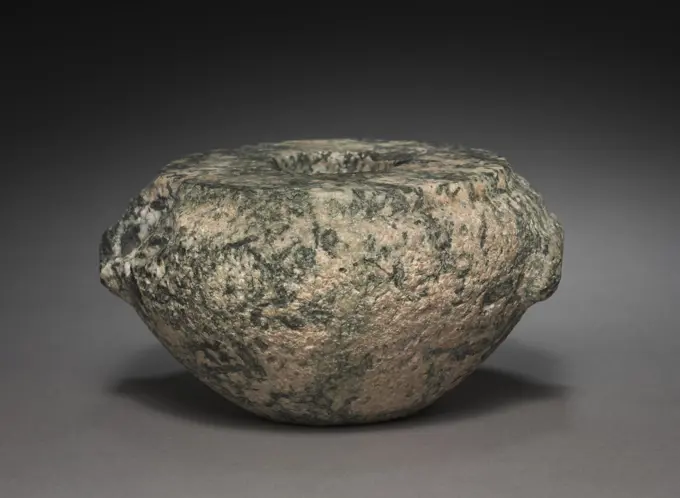
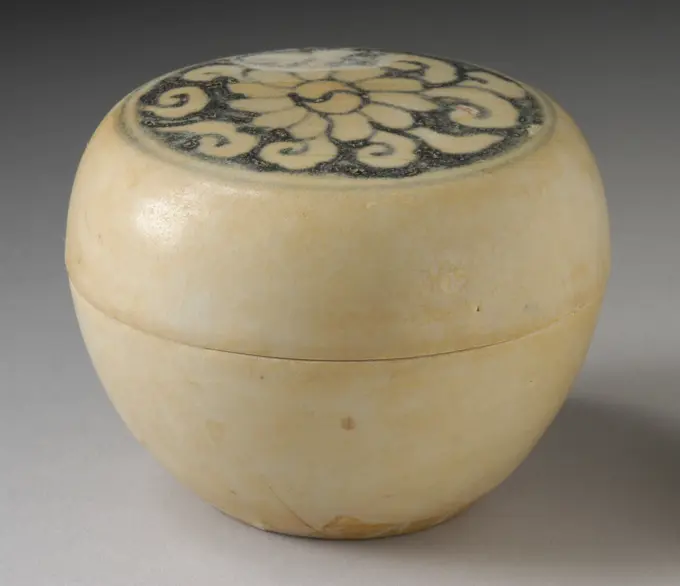
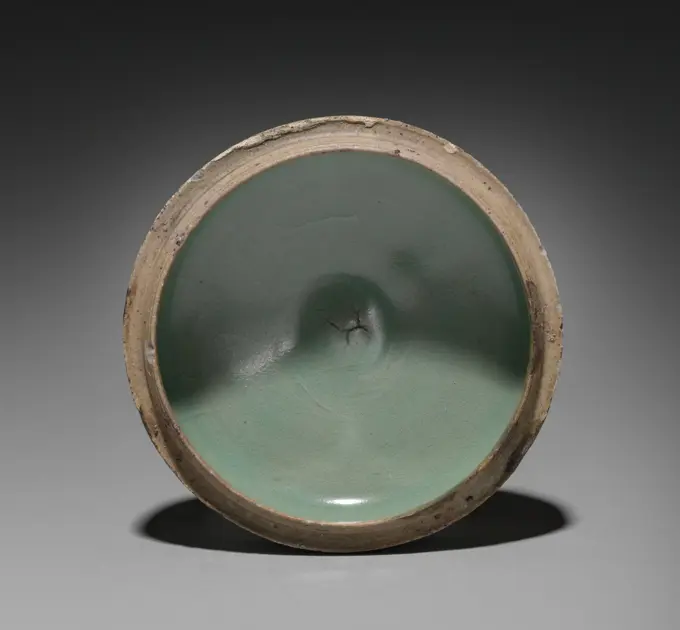
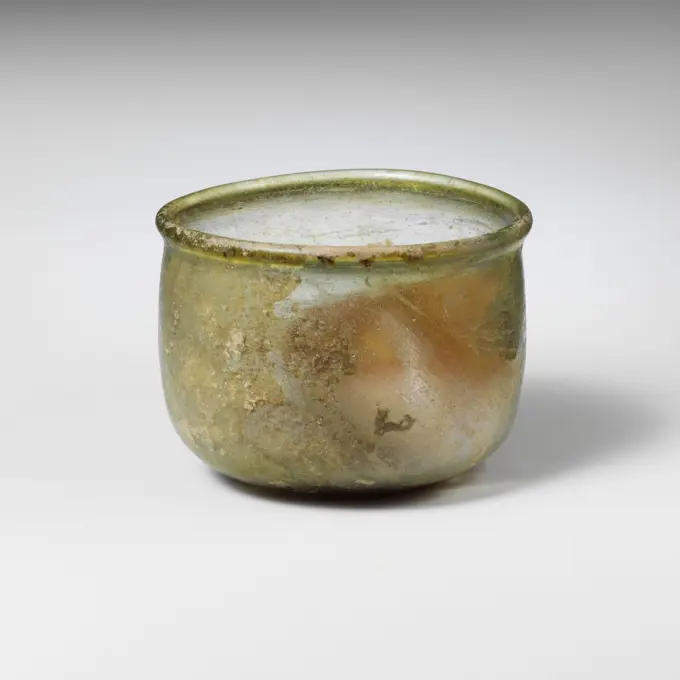
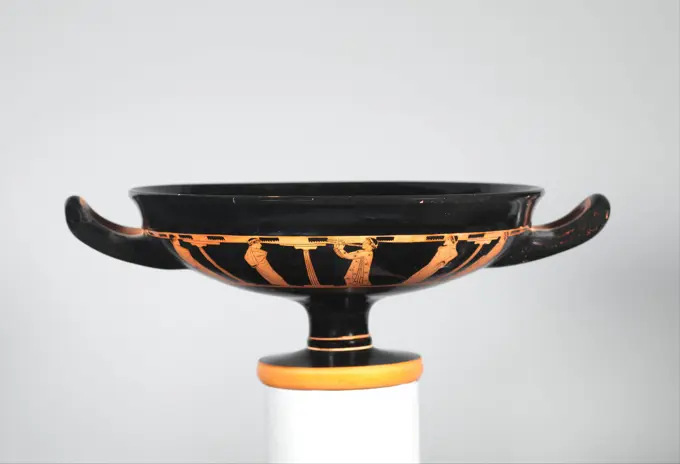
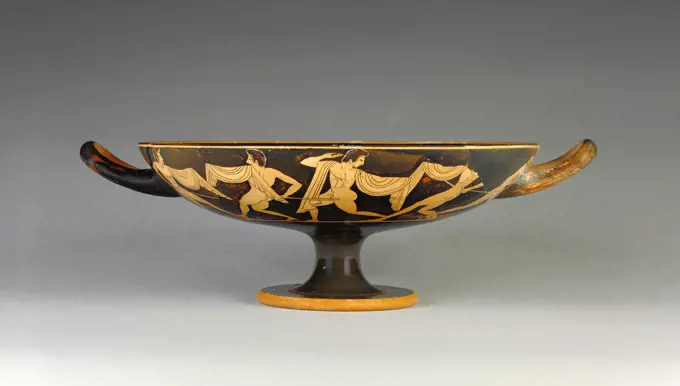
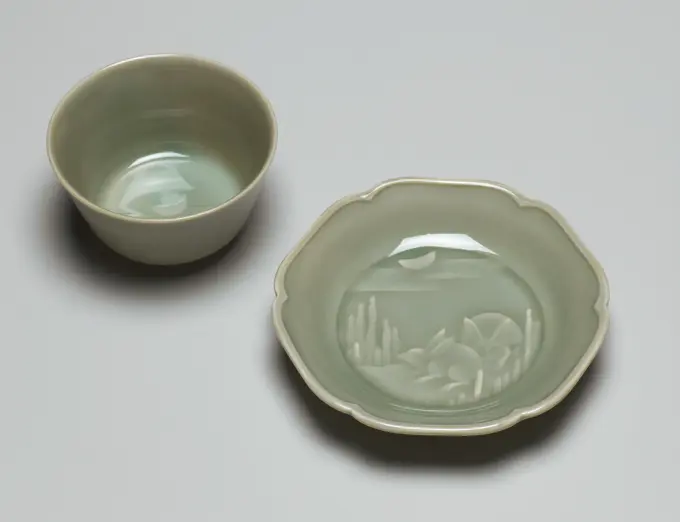
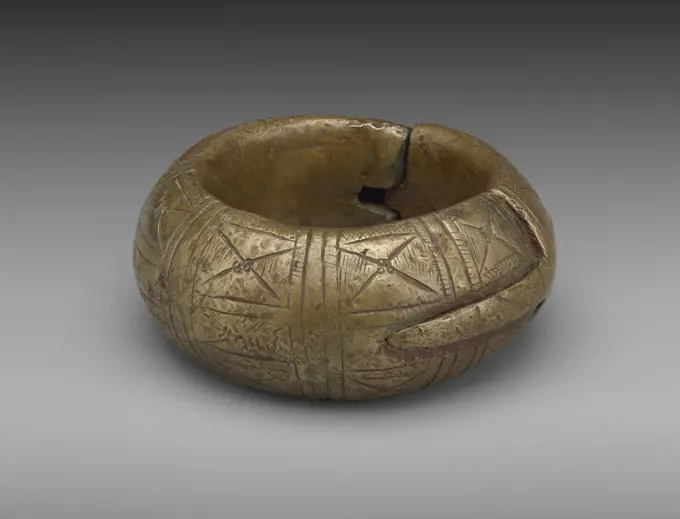
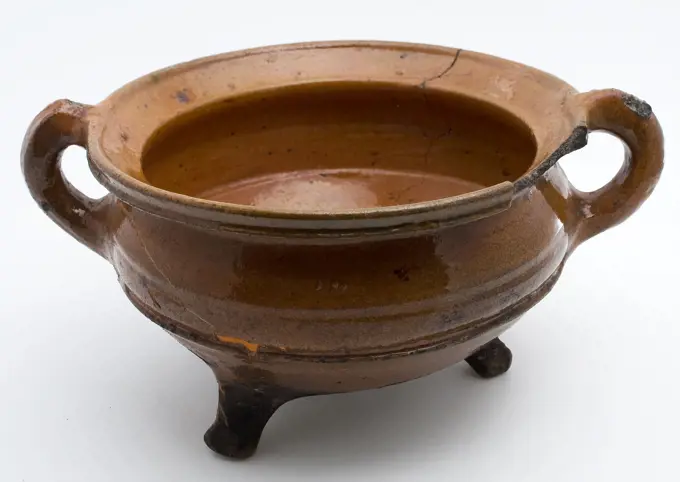
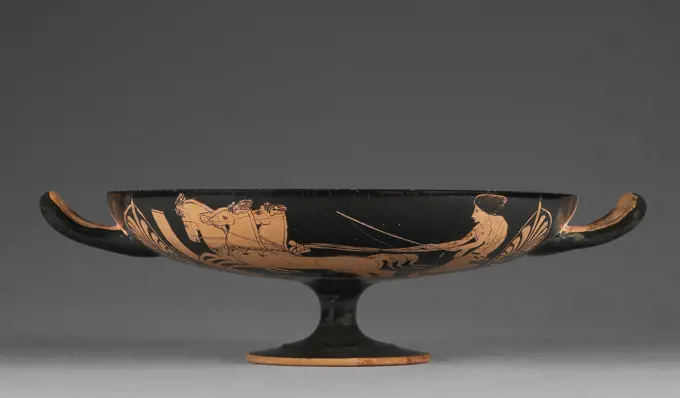
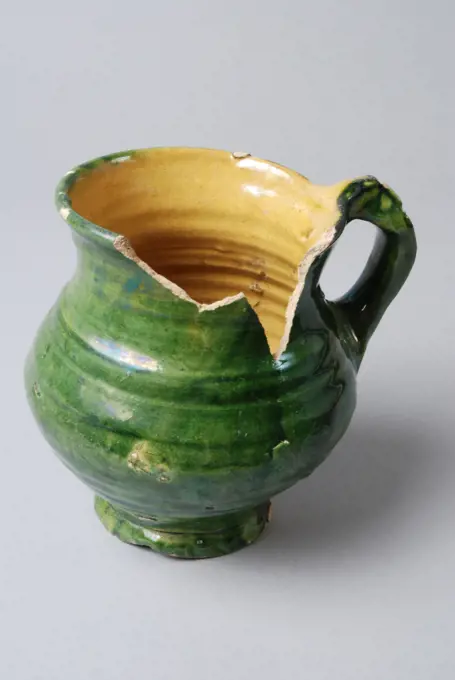
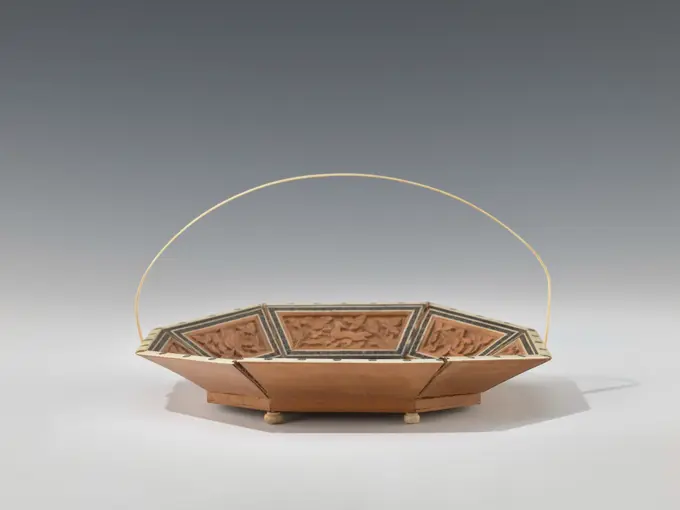
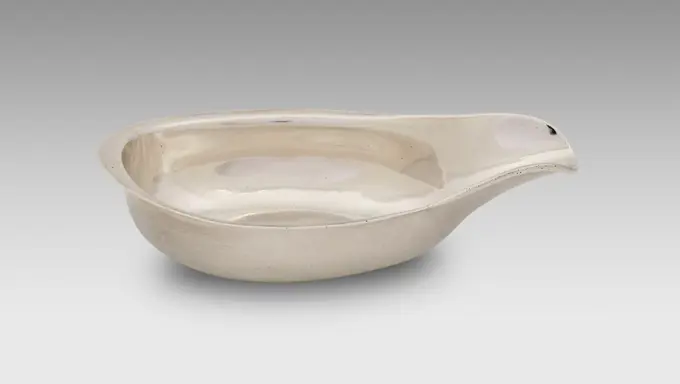
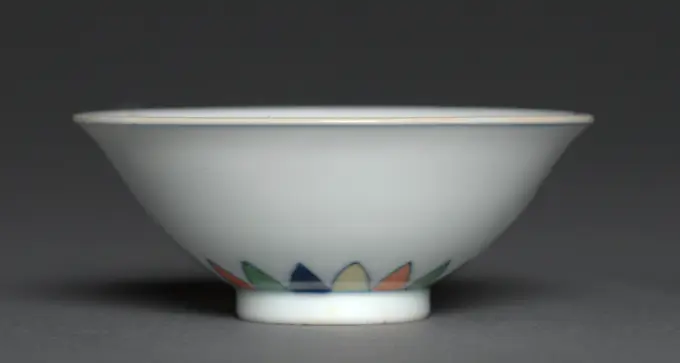
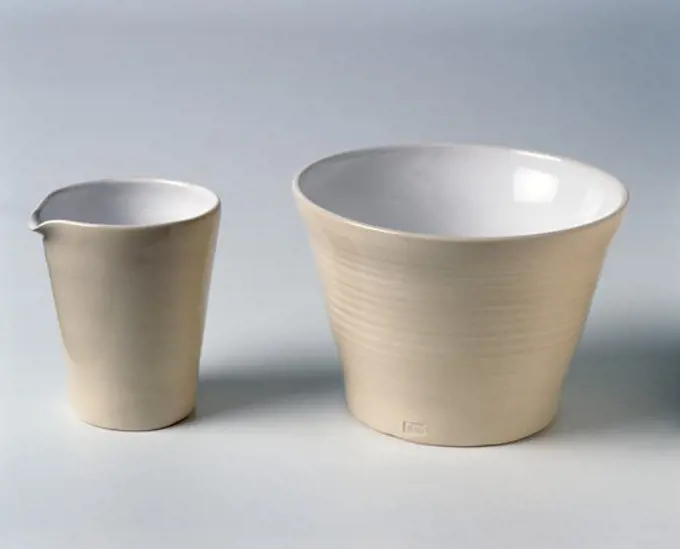
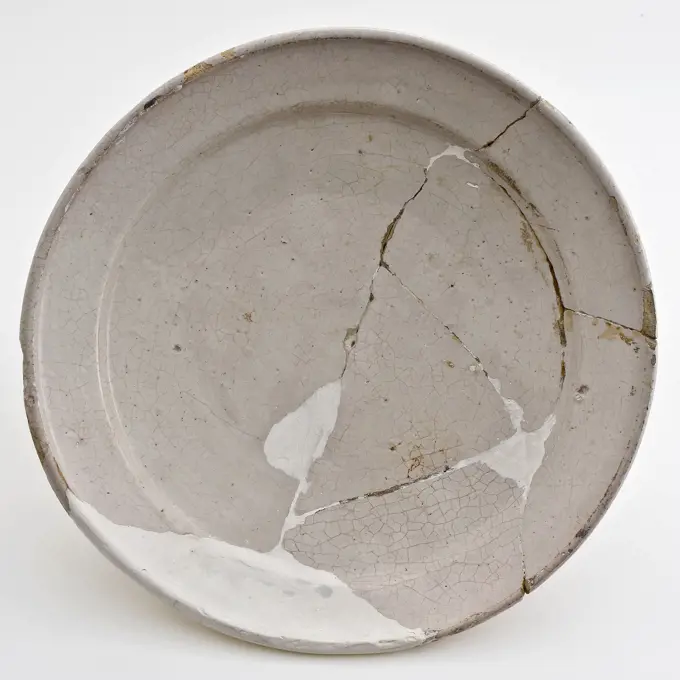
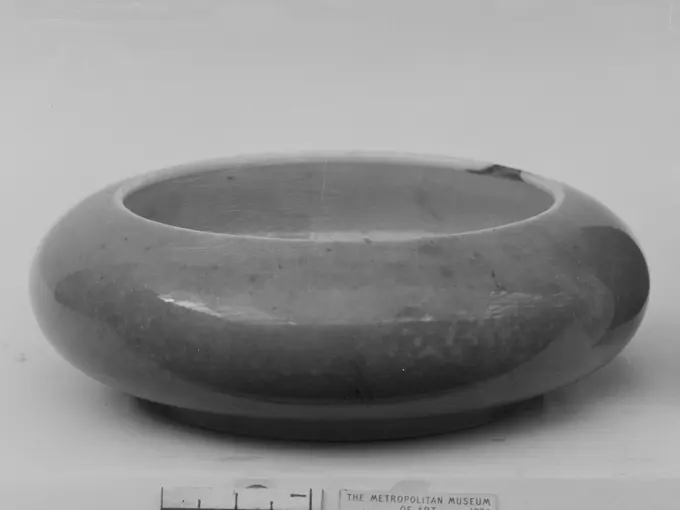
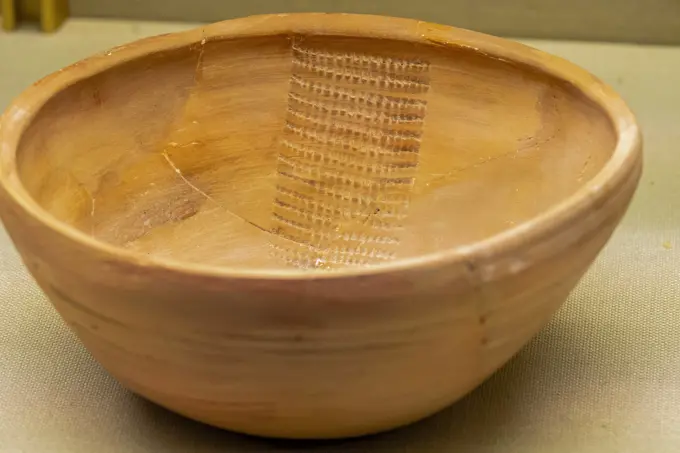
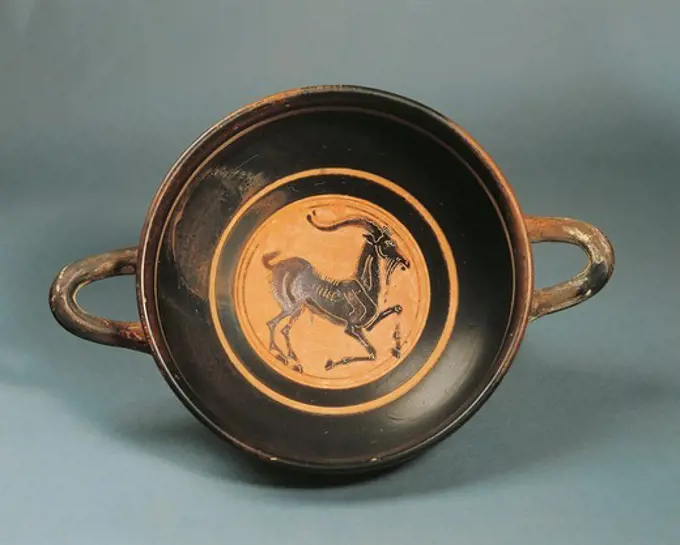
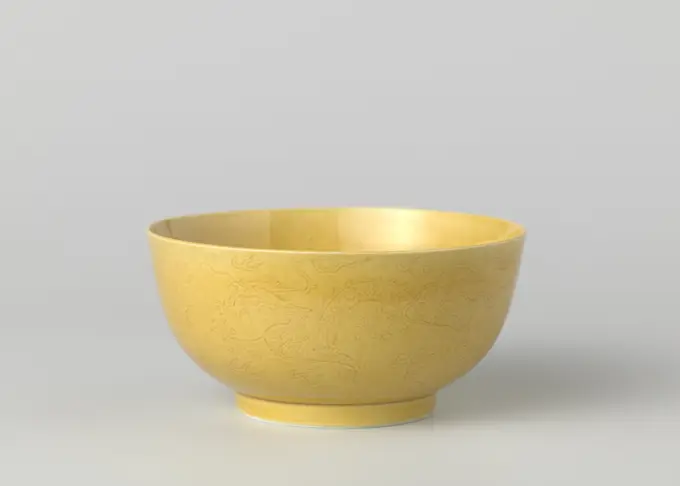
Bowl with pearl chasing dragons above swirling waves, anonymous, c. 1821 - c. 1850 Come from porcelain, covered with a monochrome yellow glaze. The outside of the bowl with two pearl pursuit, five -clawy dragons between flames and clouds, swirling waves. White glazed within the foot ring; Marked on the underside with the six-character seal of Emperor Dawoguang. Monochrome. China porcelain. glaze. cobalt (mineral) engraving / vitrification Come from porcelain, covered with a monochrome yellow glaze. The outside of the bowl with two pearl pursuit, five -clawy dragons between flames and clouds, swirling waves. White glazed within the foot ring; Marked on the underside with the six-character seal of Emperor Dawoguang. Monochrome. China porcelain. glaze. cobalt (mineral) engraving / vitrificationShallow bowl with a recurved rim. Dimensions: H. 7 cm (2 3/4 in.); Diam. 21.2 cm (8 3/8 in.). Dynasty: Dynasty 4-mid 5. Date: ca. 2500-2400 B.C..This round-bottomed vessel with flaring recurved rim belongs to the type called Meidum bowls. It is made from veined Egyptian alabaster with a band of irregularly spaced streaks of reddish brown that vary in intensity. Museum: Metropolitan Museum of Art, New York, USA.Bowl ca. 1780 Japan. Bowl. Japan. ca. 1780. Pottery decorated with colors (Karatsu ware (). Edo period (1615-1868). CeramicsBowl. Dated: c. 1939. Dimensions: overall: 23.1 x 26.2 cm (9 1/8 x 10 5/16 in.). Medium: watercolor, colored pencil, and graphite on papoer. Museum: National Gallery of Art, Washington DC. Author: Wilford H. Shurtliff.Oil bottle with peony decoration. Culture: Korea. Dimensions: H. 2 in. (5.1 cm); Diam. 3 3/4 in. (9.5 cm). Date: second half of the 12th century. Museum: Metropolitan Museum of Art, New York, USA.Tea bowl, 17th century, Unknown Japanese, 3-5/16 x 4-5/16 x 3-3/4 in. (8.4 x 11.0 x 9.5 cm), Ko-Satsuma ware; stoneware with slip and glaze decor, Japan, Ko-Satsuma, Korean potters first founded the Satsuma kilns on the southern Japanese island of Kyushu in the late 1500s. Catering to the tastes of tea masters of the time, potters in Satsuma produced a variety of tea wares, most notably tea bowls and caddies. This bowl was decorated with thick irregular swathes of black and white clay slip and green glaze. Its somber tones and irregular shape accord well with the wabi (imperfect or rustic) aesthetic championed by Japans most renowned tea master, Sen no Rikyū (1522-1591).Gong, early to mid-1800s. Japan, Edo period (1615-1868). Bronze; diameter: 31.8 cm (12 1/2 in.); overall: 22.3 cm (8 3/4 in.).Pewter bowl, sauce bowl bowl crockery holder tin, cast Flat bottom deep plate with deepened circle line narrow horizontal edge marks on the edge: old coat of arms of Rotterdam two upstanding lions with vertical bar between them in circle Gothic C serve with crown above it gothicSquat Dummy Jar with Lug Handles, 2700-2573 BC. Egypt, Probably Saqqara, north of the Step Pyramid, tomb 2347, excavations by J.E. Quibell, 1910-1911, Predynastic Period, late Dynasty 2-3,. Hornblende diorite; diameter: 18.6 cm (7 5/16 in.); diameter of mouth: 5.5 cm (2 3/16 in.); overall: 10 cm (3 15/16 in.).Covered Box. Vietnam, 15th-16th century. Furnishings; Accessories. Stoneware with cream slip and blue painted decorationBox and Cover, 918-1392. Korea, Goryeo period (918-1392). Celadon; Celadons, spoons, seals, and bronze mirrors were the most common burial objects in tombs during the Goryeo period (918-1392). Once used to contain color powder, rouge and eyebrow gel for makeup, this small container was one of the standard goods that furnished elites' tombs. Goryeo-period women and men used the grain powder of rice or millet for whitening their skin, safflower extract for rouge, and plant ash or soot for eyebrow gel. Yet, natural-looking make-up seems to have been the most favorable one in Korea according to the travelogue by Xu Jing (1091-1153), the Chinese diplomat who visited Korea in 1123.Louis-Comfort Tiffany (1843-1933). Vase. Glass. 1897. Museum of Fine Arts of the City of Paris, Petit Palais. 54215-15 Art Nouveau, decorative object, vase, glass, glasswarePot painted with Fries van Herten, Amstelhoek, 1905 Potty of earthenware, full of shape and decorated with a frieze of deer in white inlaid in the yellow -brown stock. The deer are on a list of spirals, also in white and have blue eyes. Amsterdam earthenware Potty of earthenware, full of shape and decorated with a frieze of deer in white inlaid in the yellow -brown stock. The deer are on a list of spirals, also in white and have blue eyes. Amsterdam earthenwareGlass cup 2nd-3rd century A.D. Roman Translucent pale yellow green.Rounded, thickened, and slightly outsplayed rim; cylindrical body with slightly convex sides; rounded bottom with small, deep kick at center.Intact; pinprick bubbles and blowing striations; dulling and iridescence on exterior, creamy weathering on most of interior.. Glass cup 239839Bowl with gold borders on a red ground, anonymous, c. 1800 - c. 1824 Come (coil bowl) of porcelain on high foot, covered on the glaze with red and gold. The outer wall is covered with red and the foot, outer edge and half of the inner wall with gold. On the outer edge a flower vank in one of the golden tires. Marked on the bottom with 3. Empire. France (possibly) porcelain. glaze. gold (metal) painting / gilding / vitrification Come (coil bowl) of porcelain on high foot, covered on the glaze with red and gold. The outer wall is covered with red and the foot, outer edge and half of the inner wall with gold. On the outer edge a flower vank in one of the golden tires. Marked on the bottom with 3. Empire. France (possibly) porcelain. glaze. gold (metal) painting / gilding / vitrificationGlass dish with gilding ca. 2nd century B.C. Greek Colorless with pale yellowish tinge.Plain rounded rim; straight side tapering diagonally downward; slightly concave bottom.On interior, a band below rim, comprising two horizontal grooves, the upper narrow and the lower broader, and halfway down side a broader band comprising a fine groove, followed below by a broader groove, then a ridge, undercut below with another broad groove, and finally another narrow groove. On exterior, traces of gilding on sides and bottom.Broken and repaired, with four small areas of fill; many pinprick and a few larger bubbles; dulling, pitting, iridescence, and small patches of creamy brown weathering.Rotary grinding marks on interior and exterior.This dish finds its closest parallels among the so-called Canosa Group of Hellenistic glass tableware and, like them, it probably comes from South Italy.. Glass dish with gilding. Greek. ca. 2nd century B.C.. Glass; cast and cut. Hellenistic. GlassTeabowl 13th-14th century or later China. Teabowl 51226Bowl 12th-13th century Byzantine Despite their often bellicose political relationships, ceramic technology and other cultural traditions linked the Byzantine empire and the Islamic world. This bowl was influenced by similar works produced in the early Islamic world. The cords on the bowl were added during restoration.. Bowl 463404Incised Painted Bowl 5th-2nd century B.C. Paracas. Incised Painted Bowl 308660Bowl, stone dish, plate;  around 2890-2613 BC; Early agent period, 2-3 dynasty (-2890-00-00--2613-00-00), approx. 2890-2613 BC ; Early Envych-2-3 Dynasty (-2895-00-00--2608-00-00), approx. 3100-2686 BC; Early body period, 1-2 dynasty (0-00-00-0-00-00);Collection of ancient Egypt, Louvre, recovery, Polish-French excavations in Edfu (Egypt)Terracotta kylix (drinking cup) ca. 480-470 B.C. Attributed to the Briseis Painter Interior, youth before unexplained structureExterior, obverse and reverse, colonnade with flute player flanked by youthsThe structure in the tondo is clearly of wood, but its function remains unknown. The scenes on the exterior have been interpreted as a chorus of young men training for a public performance.. Terracotta kylix (drinking cup) 252891 : Attributed to the Briseis Painter, Terracotta kylix (drinking cup), ca. 480470 B.C., Terracotta, H. 4 1/4 in. (10.8 cm); diameter 9 1/8 in. (23.2 cm). The Metropolitan Museum of Art, New York. Funds from various donors, 1927 (27.74)Cup. Culture: China. Dimensions: H. 1 in. (2.5 cm); Diam. 1 3/4 in. (4.4 cm). Date: 19th century. Museum: Metropolitan Museum of Art, New York, USA.Terracotta skyphos (deep drinking cup). Culture: Greek, South Italian, Apulian, Gnathian. Dimensions: H. 5 1/2 in. (14 cm)diameter 5 3/16 in. (13.2 cm). Date: ca. 350-325 B.C..BirdThe bird is enclosed in a metope bordered above by incised lines and painted dots and on the remaining sides by vine leaves. This kind of decoration anticipates the motifs of birds and tendrils on the white panels among the Museum's Roman frescoes from Boscotrecase. Museum: Metropolitan Museum of Art, New York, USA.Wine Cup with a Dancing Reveler; Ambrosios Painter (Greek (Attic), active 510 - 500 B.C.); Athens, Greece; about 510 B.C; Terracotta; 11.2 × 35.5 × 27.5 cm (4 7,16 × 14 × 10 13,16 in.)Bell-shaped cup and saucer with two hares and the moon in relief, Masato Imaizumi, c. 2002 Bell -shaped head and a scalloped dish of porcelain, covered with a transparent enamel with a light blue tint. On the flat of the dish in relief, two hares in a landscape under the moon between clouds. On the bottom of the head only the moon between clouds. Marked on the bottom. Qingbai-colored enamel. Monochrome. Japan porcelain. glaze vitrification Bell -shaped head and a scalloped dish of porcelain, covered with a transparent enamel with a light blue tint. On the flat of the dish in relief, two hares in a landscape under the moon between clouds. On the bottom of the head only the moon between clouds. Marked on the bottom. Qingbai-colored enamel. Monochrome. Japan porcelain. glaze vitrificationConical Bowl with Interior of Fish Swimming amid Waves Encircling a Sea Crab and Exterior of Stylized Petals 1115-1199 China. Yaozhou ware; stoneware with underglaze molded and carved decoration .Cup with grapes 17th century China Sometimes symbolic of autumn, grapes and grapevines also represent abundance, both in the sense of material wealth and multiple children. Often presented as gifts at court, cups made of rhinoceros horn were used for drinking wine in part because the horn was thought to enhance the wines fragrance.. Cup with grapes 41874Leys Jar China. Leys Jar 44756Bracelet, 18th-19thcentury, Copper alloy, 3 1/2 × 1 5/8 in. (8.89 × 4.128cm), Country Niger, Country Mali, Country Algeria, Tuareg,Islamic, 18th-19thcentury, JewelryPottery cooking pot, grape-model, red shard with lead glaze, two vertical sausages, on three legs, cooking pot crockery holder kitchenware earth discovery ceramics earthenware glaze lead glaze, hand-turned glazed baked Pottery cooking pot grape-model red shard with lead glaze two at the top pinched sausages three legs underside unglazed and blackened few ridges around the shoulder archeology native pottery food prepare cooking eat cuisineRed-Glazed Bowl. China. Date: 1723-1735. Dimensions: H. 18.2 cm (7 3/16 in.); diam. 8.5 cm (3 3/8 in.). Porcelain with crimson pink glaze. Origin: China. Museum: The Chicago Art Institute, Chicago, USA.Incense burner in the shape of an archaic bronze vessel, anonymous, c. 1100 - c. 1300 Incense burner of stoneware in the form of an archaic bronze barrel (Kuei), covered with a gray-green crawl glaze. The barrel has a wide pear shape and two ears. Celadon (Longquan). China stoneware. glaze vitrification Incense burner of stoneware in the form of an archaic bronze barrel (Kuei), covered with a gray-green crawl glaze. The barrel has a wide pear shape and two ears. Celadon (Longquan). China stoneware. glaze vitrificationCovered Box with Peony Blossom 800 CE-899 CE China. Yue ware; stoneware with underglaze carved decoration .Dish 19th centuryFingerbowl, from a set of 12, c. 1929-1930, 1 5/8 x 4 11/16 x 4 11/16 in. (4.1 x 11.9 x 11.9 cm), Silver, Mexico, 20th centuryWine Cup with a Chariot Race; Attributed to the Marlay Group; Athens, Greece; about 430 - 420 B.C; Terracotta; 8 × 29.5 × 22.9 cm (3 1,8 × 11 5,8 × 9 in.)Jar (lid), 1600s-1800s. Japan, Edo period (1615-1868). Pewter; overall: 21.6 cm (8 1/2 in.).Earthenware jug, on stand ring with standing ear, yellow and green glazed, water jug crockery holder soil find ceramic earthenware glaze lead glaze, hand turned glazed baked Pottery jug white shard with on the outside green lead glaze (copper oxide) and on the inside yellow lead glaze pouring lip band top scalloped revolving round shoulder and belly stand. Double conical in shape with protruding neck with large neck opening. Black glaze defects under the ear and soil archeology indigenous pottery serve serve water table room kitchenKoszyk. unknown, craftsmanPainted Bowl 5th century B.C.-A.D. 6th century () Machalilla. Painted Bowl. Machalilla. 5th century B.C.-A.D. 6th century (). Ceramic, pigment. Ecuador. Ceramics-ContainersPap Boat c 1751-1771 United States. Silver . Artist unknownBowl with Flying Cranes, 1723-35. China, Jiangxi province, Jingdezhen kilns, Qing dynasty (1644-1911), Yongzheng mark and reign (1723-35). Porcelain decorated in underglaze blue and overglaze enamels; diameter: 8.8 cm (3 7/16 in.).Close-up of cream pottery bowl and jugPlate Depicting a Pair of Fish or Sharks in Interior Made 180 BCE-500 CE Nazca Valley. Ceramic and pigment . NazcaIraq, Ceramic bowl from Tell HassanBowl 6th-4th century B.C. Paracas. Bowl 310228Box for SealPasteLibation bowl of Montuemhat from Upper Egypt, Thebes, South Karnak, Temple of Mut. Dated 26th DynastyTerracotta kylix (drinking cup) ca. 535-500 B.C. Greek, Attic This cup shares some of the characteristics of both band cups and eye cups but also represents individual features, creating an unusual hybrid. As is typical of eye cups, a gorgoneion is depicted on the interior of the vase, and eyes, intended to ward away evil, are placed at the handles instead of palmettes. As is common on band cups, on the handle zone, a figural scene depicts a nude youth chasing a lion. But unlike either eye or band cups, the foot of the vase is without a stem and in the form of a disk.. Terracotta kylix (drinking cup) 250998 Greek, Attic, Terracotta kylix (drinking cup), ca. 535500 B.C., Terracotta, H. 2 11/16 in. (6.8 cm.) Diameter 7 3/16 in. (18.3 cm.). The Metropolitan Museum of Art, New York. Rogers Fund, 1920 (20.250)Covered Box China. Covered Box. China. Porcelain with peachbloom glaze. Qing dynasty (1644-1911), Kangxi period (1662-1722). CeramicsWhite faience plate on stand, plate crockery holder soil find ceramic earthenware glaze tinglaze, hand-turned baked glazed fried Faience plate. White glazed yellow shard Stand with only one shoulder at the top on the transition from mirror to flag. Slanted flag diagonally raised dish edge Craquelé in glaze layer. Cooked archeology Valckensteyn Poortugaal Albrandswaard native earthenware serving food Soil discovery of Poortugaal castle ValckensteynBrush Washer ca. 1700-22 China. Brush Washer. China. ca. 1700-22. Porcelain with peachbloom glazes. Qing dynasty (1644-1911), Kangxi period (1662-1722). CeramicsChalcidian Eye Cup. Attributed to Phineus Painter (Greek (Chalcidian), active about 530 - 510 B.C.)Handmade wooden bowl isolated on white backgroundGrain size of 2 liters. Wooden grain size of 2 liters with label.Libysche Reibschale Libyan grater bowl, Herramélluri, 1st century BC, Museum of Romanization, Calahorra, La Rioja, Spain, Europe Copyright: xZoonar.com/BartomeuxBalaguerxRotgerx 22945877Basket - Davenport DavenportCup, c. 660-221 BC. China, Zhou dynasty (c. 1046-256 BC). Lacquer; overall: 10.6 cm (4 3/16 in.).Bowl 12th-13th century. Bowl 452076Terracotta one-handled cup. Culture: Greek, Attic. Dimensions: H. 2 1/2 in. (6.3 cm). Date: late 8th century B.C..From the Hymettos deposit (see 30.118.1). Museum: Metropolitan Museum of Art, New York, USA.Handmade wooden bowl isolated on white backgroundVajilla romana de cerámica. Can Serra Museu de Mataró.Edward Vincent, Punch Bowl, 1728/29, silver.Basket, 19th-20th century, 2 1/8 x 7 1/8 x 7 1/8 in. (5.4 x 18.1 x 18.1 cm), Plant fiber, United States, 19th-20th century, Baskets of the Luiseño are known for the subtle elegance of their patterning. They are usually made of juncus rushes, which have a shiny, dark yellow appearance. Luiseño women basket makers would manipulate these fibers into understated geometric designs as they built the vessel, resulting in the restrained aesthetic of the finished piece. Baskets were used in every aspect of life in the California region, from ceremonial to everyday, and were a treasured and essential part of each family's possessions.Taller de la Dinastía Ch´ing / 'Agate cup in the form of a peach'. XVII century. Agate. Museum: Museo del Prado, Madrid, España. Author: TALLER DE LA DINASTÍA CH'ING.Cup 17th century. Cup 448389Lazio Viterbo Viterbo Museo Civico64. Hutzel, Max 1960-1990 Views of paintings (Middle Ages through 18th c.), frescoes, a tabernacle, coffin, sculpture reliefs, portal fragments, busts, sculpture, tapestry found in the Pinacoteca, Second floor gallery and Second floor cloister sequences. Antiquities: Many views of Etruscan and Roman fragments, sculpture, sarcophagi, pottery, masks, jewelry and other objects found in the Storeroom sequence (inventory numbers on back of prints), and the Cloister, Second floor Cloister, Valle Giulia, Sala Romana and Sala Etrusca sequences. General Notes: There are eight separate numerical sequences for this location. The cloister as an architectural structure, rather than museum site, is documented in the record and file for S. Maria della Verita, Cloister, all views of which are stored in Medieval core collection. Five views from the Museo Civico Second floor cloister sequence are stored in Medieval. German-born photographer and scholar Max Hutzel (1911-Twined Basketry Bowl 1870-1900 Northern California. Plant fibers . Sally BurrisBowl with Face 5th-4th century B.C. Chavin (). Bowl with Face. Chavin (). 5th-4th century B.C.. Ceramic. Peru. Ceramics-ContainersRoman pottery pans from North Africa, in the Roman city, Barcelona, Spain. 2nd - 5th Century ADEmpty brown wooden bowl isolated white background.Modern ceramic white washbasin Modern ceramic white washbasin Copyright: xZoonar.com/ALEXxTIHONOVx 4498234Cup ca. 3100-2900 B.C.. Cup 325545Tripod bowl ca. 9th century B.C. Iran. Tripod bowl. Iran. ca. 9th century B.C.. Stone. Iron Age II. Iran, HasanluAsiatisches Essgeschirr mit Besteck - Asian dinnerware with cutlery on shale Asiatisches Essgeschirr mit Besteck - Asian dinnerware with cutlery on shale Copyright: xZoonar.com/lantapixx 12778322A studio photo of three multi colored wooden bowls stacked together.Colander. Dated: c. 1936. Dimensions: overall: 23 x 29.1 cm (9 1/16 x 11 7/16 in.) Original IAD Object: 4" high; top: 11 1/2" in diameter; base: 7" in diameter. Medium: watercolor, graphite, and gouache on paperboard. Museum: National Gallery of Art, Washington DC. Author: Yolande Delasser.Fragments of large stoneware Bartmann jug, also called Bellarmine jug, with cartouches, Bartmann juggeruik tableware holder soil find ceramic stoneware glaze salt glaze, twisted glazed fried Fragments of large stoneware Bartmann jug with cartouches Completely gray and brown mottled glazed with light and dark fields. In the cartouches occasionally blue glaze In one cartouche representation of two-headed eagle crowned and country apple In the other coat of arms surrounded by leaf motives Remains of strange earthenware fixed to the jug during baking Stand area with deducting rails Restoration is not repainted archeology Rotterdam City Triangle heraldry foreign pottery import transport storage donate drink Schielandshuis Soil discovery: Schielandshuis during restoration 1982.High angle view of single empty beautiful pattern wooden dish. High angle view of single empty beautiful pattern wooden dish isolated on white background with clipping path. Copyright: xZoonar.com/VeeravongxxKomalamenax 22221927tableware, kitchen utensil and dishes concept - close up of ceramic bowls on black table. close up of ceramic bowls on black tableBasket, Unassigned, before 1917. Northwest Coast, Haida, Unassigned. Twilled, imbricated; overall: 3.5 x 13 cm (1 3/8 x 5 1/8 in.).Pedestal Dish with Stingray Design. Panama, Herrera Province, El Hatillo Style, 1300-1520. Ceramics. Slip-painted ceramicVessel, 20th century, R. L., Haak'u, 3 x 3 9/16 x 3 9/16 in. (7.62 x 9.05 x 9.05 cm), Ceramic, pigment, United States, 20th centuryTwo tea cups lie on mat Two tea cups lie on mat isolated in white ,model released, Symbolfoto Copyright: xZoonar.com/AndreyxZametalovx 7528144 ,model released, Symbolfoto ,property releasedBRASERO PARA CALENTAR LA CAMA(MARIDET) - ARTE POPULAR S XX. Location: ALFARERIA. QUART. GERONA. SPAIN.Offering Group, c. 800-1200(). Mexico, Guerrero(), San Jerónimo de Juárez, Xochicalco style. Travertine or tecali; diameter: 18.8 x 18.4 cm (7 3/8 x 7 1/4 in.); overall: 18.9 cm (7 7/16 in.); part 2: 12 cm (4 3/4 in.); part 3: 4.7 cm (1 7/8 in.). The objects in this group, all with traces of red pigment, are said to have been found together, the shells and greenstone plaque inside the translucent stone vessel. A similar offering was found in a pyramid ornamented with feathered serpents at Xochicalco, a site south of the Valley of Mexico.Rectangular brown wooden stand on a white background, a place to display cosmetics and productsVesselGreece, Laconia, Kylix (wine pottery) depicting a goat, painted by Hunt PainterRock crystal bowlCUERVERA PARA SANGRIA-BARREÑO CON JARRITOS-CERAMICA DE CHINCHILLA (ALBACETE). Location: MUSEO DEL PUEBLO ESPAÑOL. MADRID. SPAIN.wooden bird with eggs on a dish of calcite. Found in the tomb of King Tutankhamen; 18th Dynasty. Circa 1323 BC