Traditional Textile Fragments

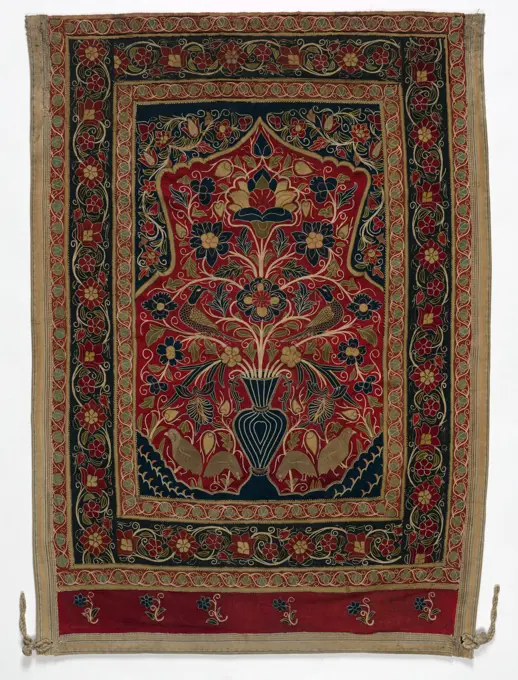
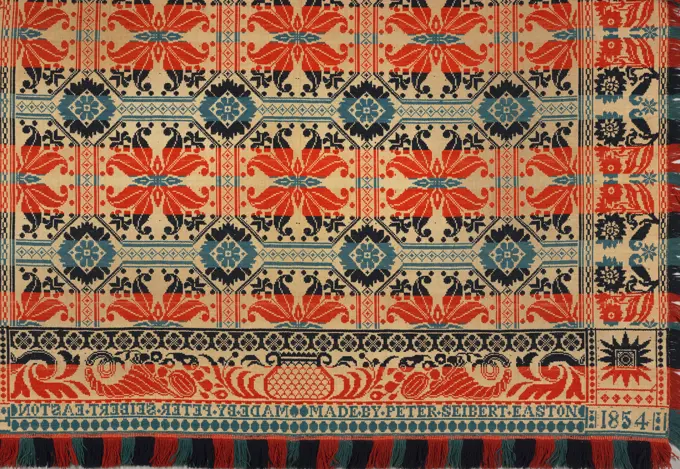
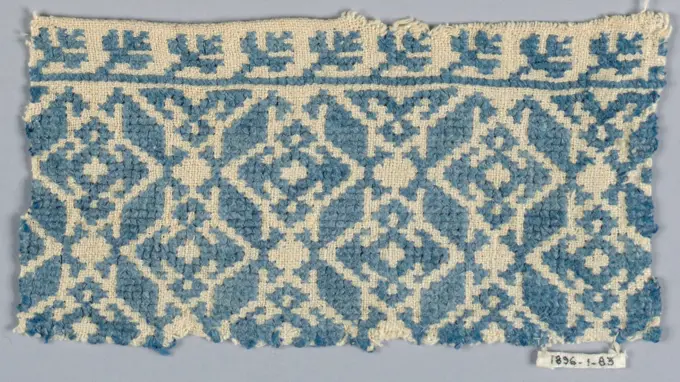
Various intricate textile fragments showcasing historical patterns and designs, reflecting cultural significance and craftsmanship in vibrant colors and textures.

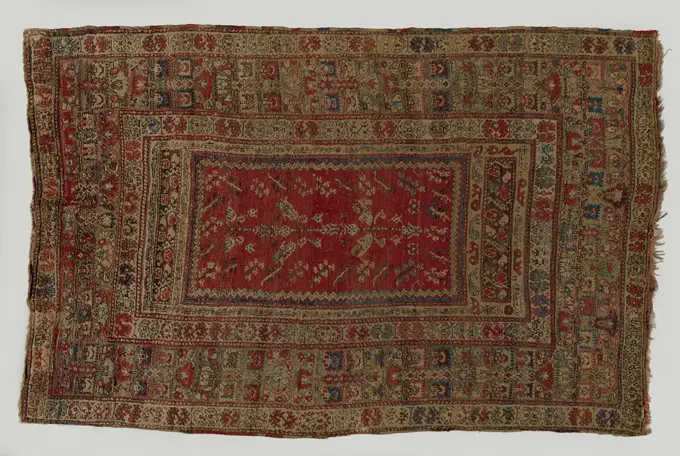
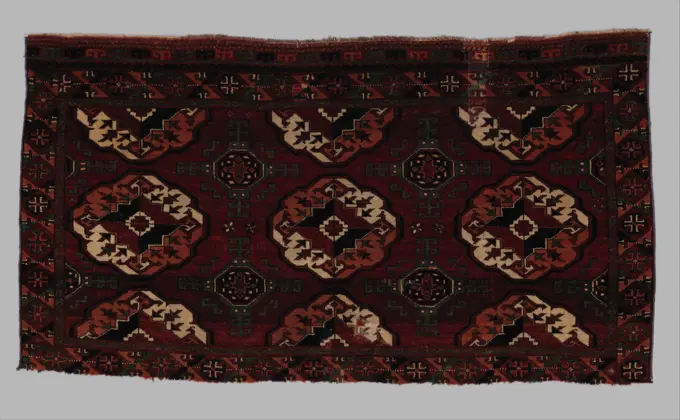
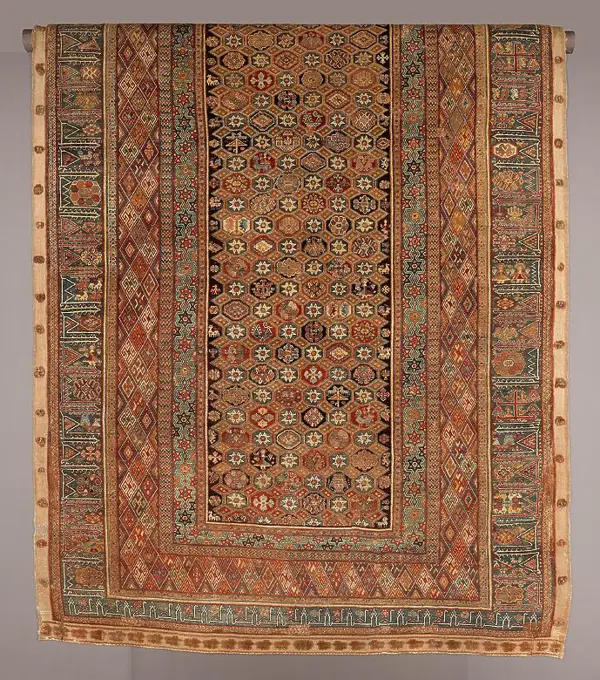
Oriental carpet, Anonymous, 1850 - 1900 Eastern carpet of which the midfield is decorated with a grid with blossom branches. Multiple edges with stiff floral ornaments around midfield. Central Persia (Possible) wool Eastern carpet of which the midfield is decorated with a grid with blossom branches. Multiple edges with stiff floral ornaments around midfield. Central Persia (Possible) wool
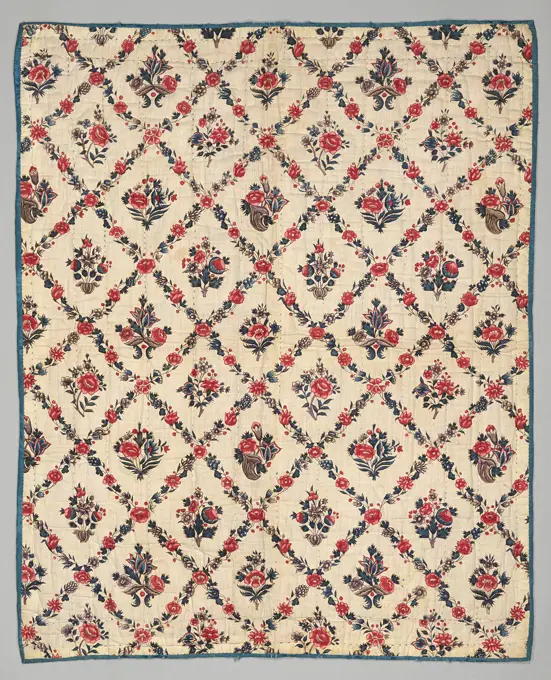
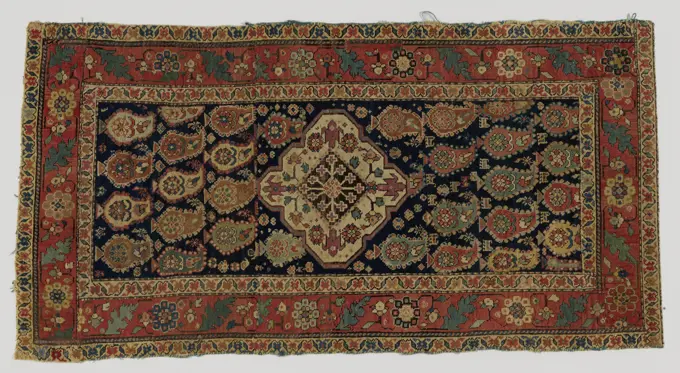
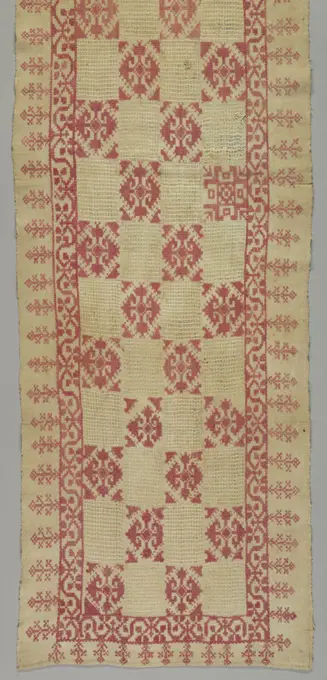
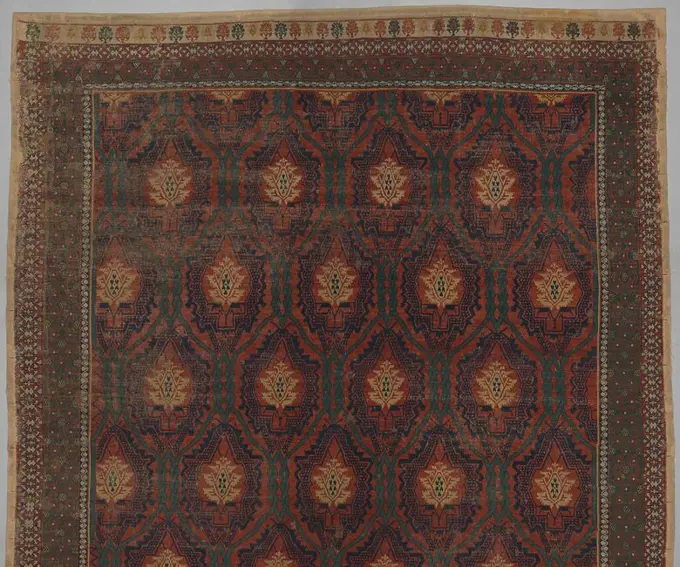
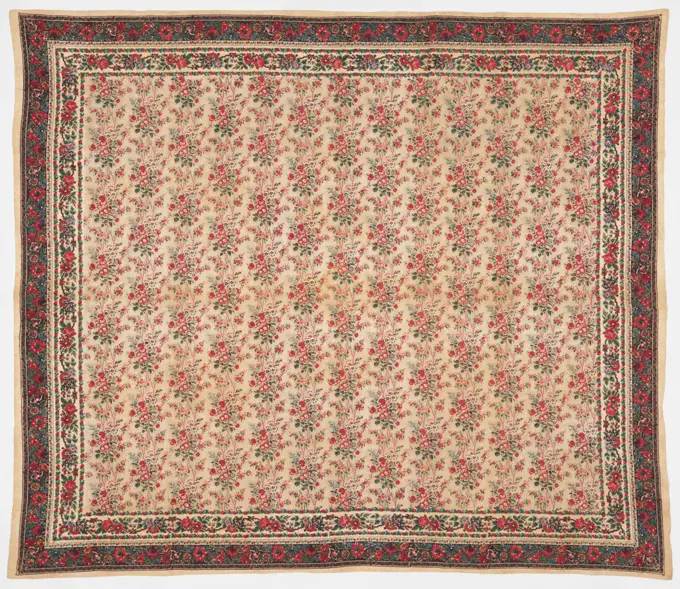
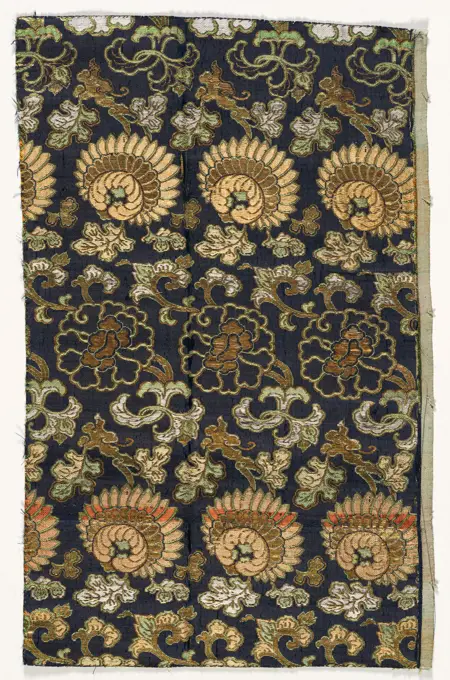
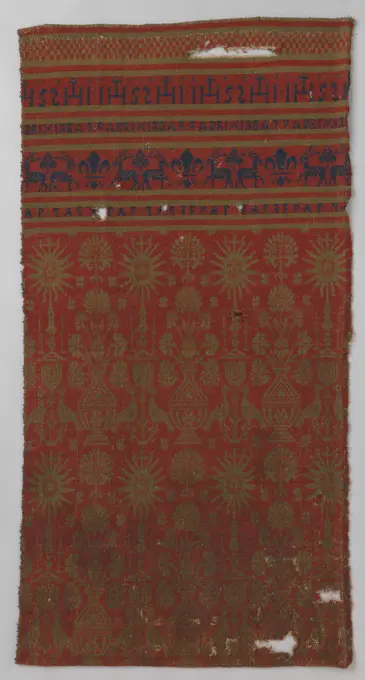
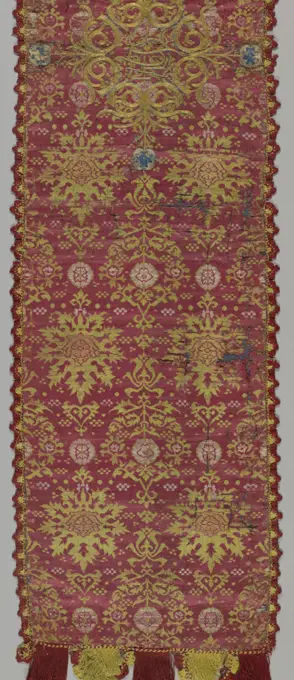
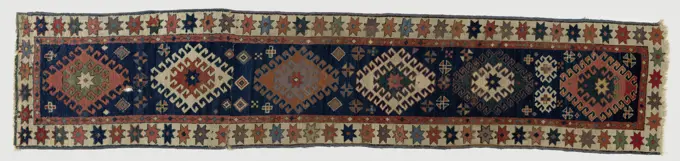
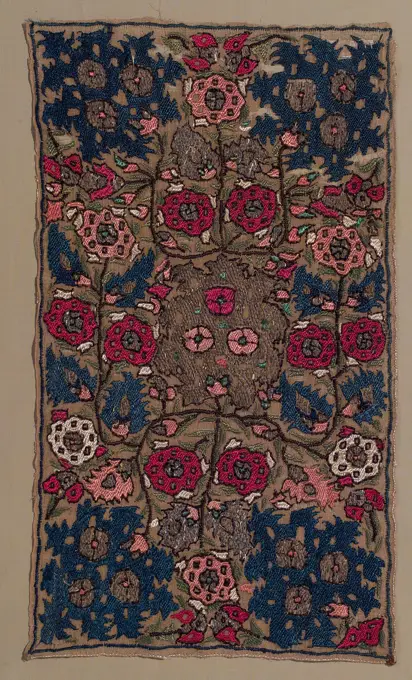
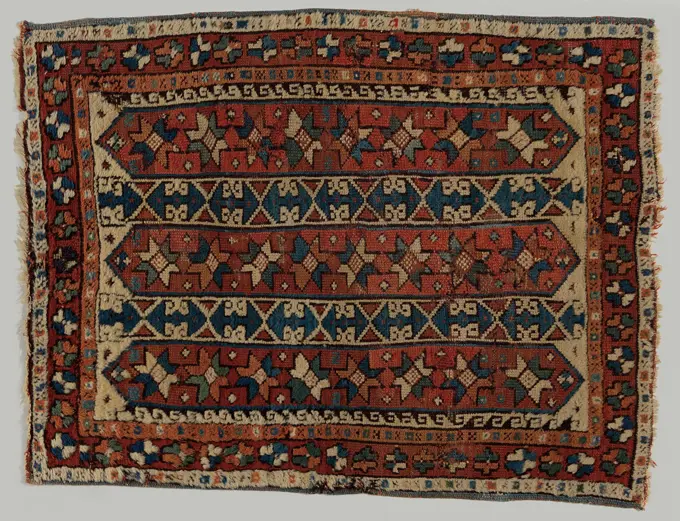
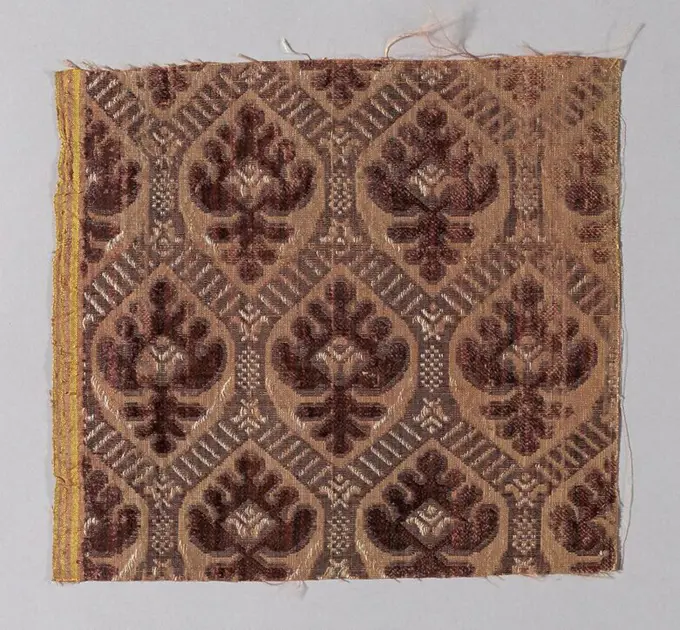
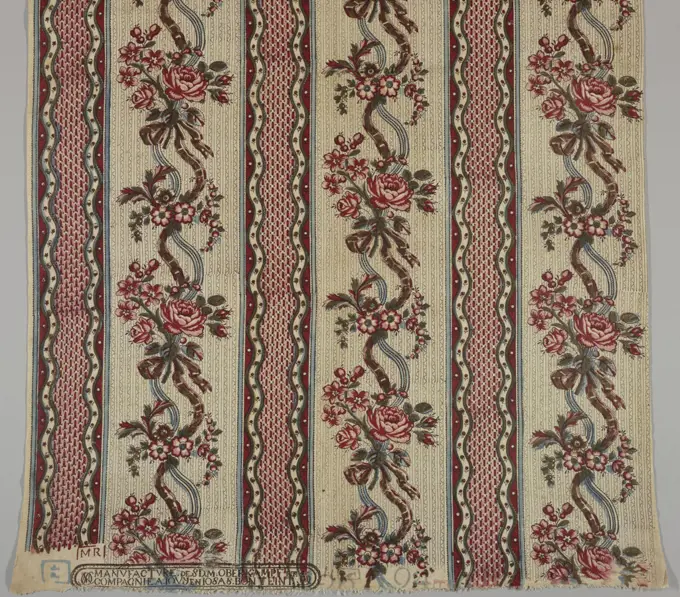
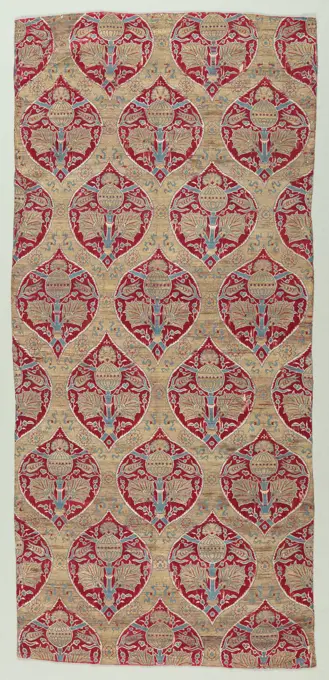
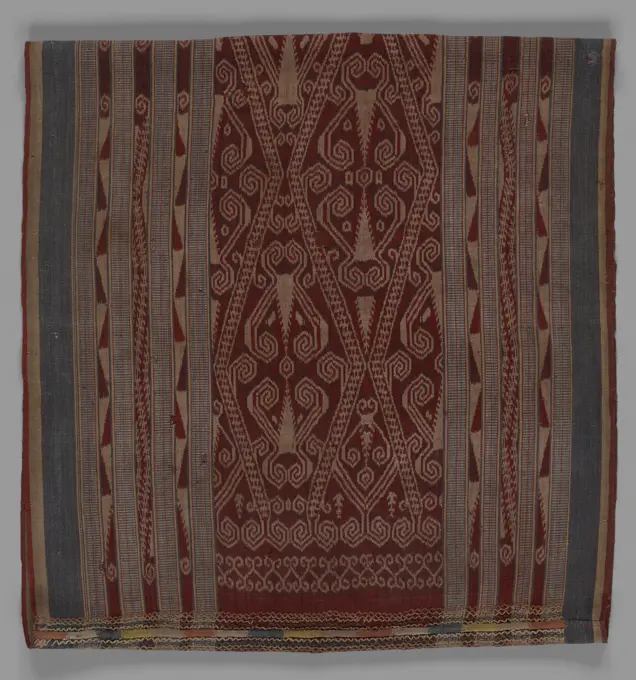
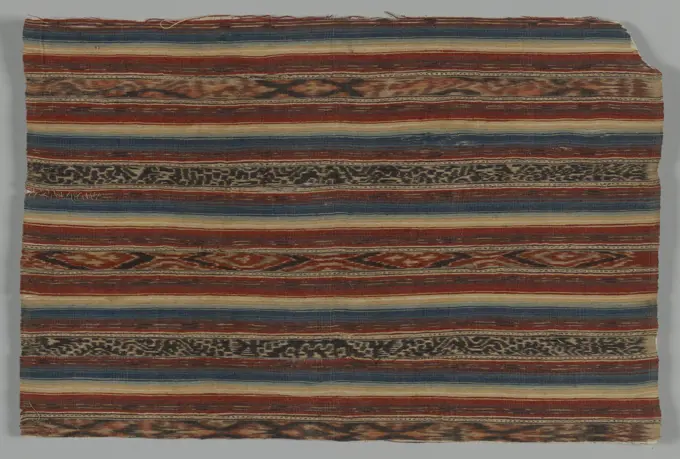
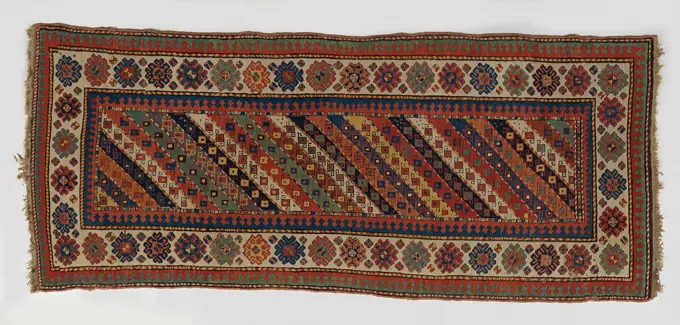
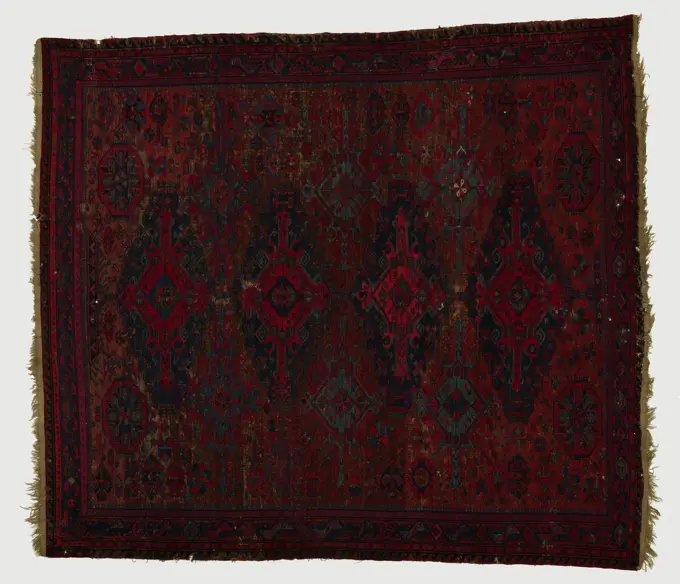
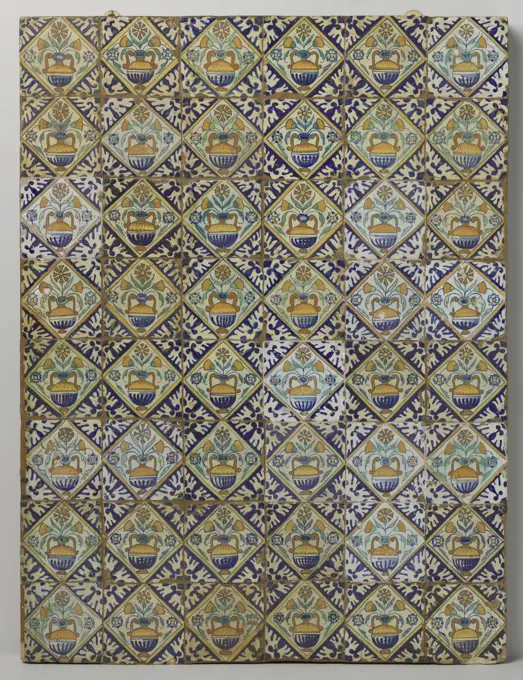
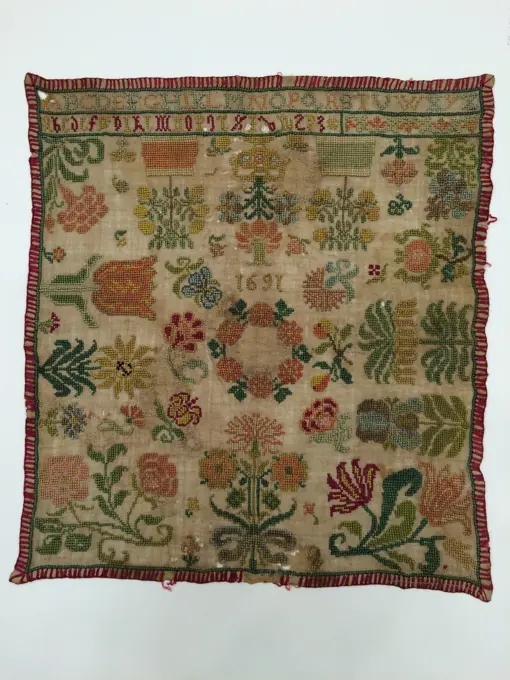
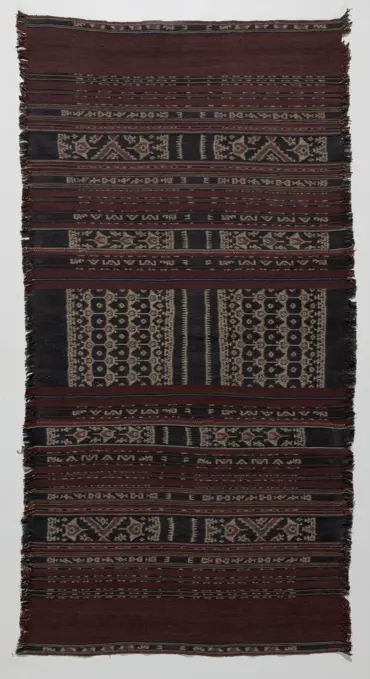
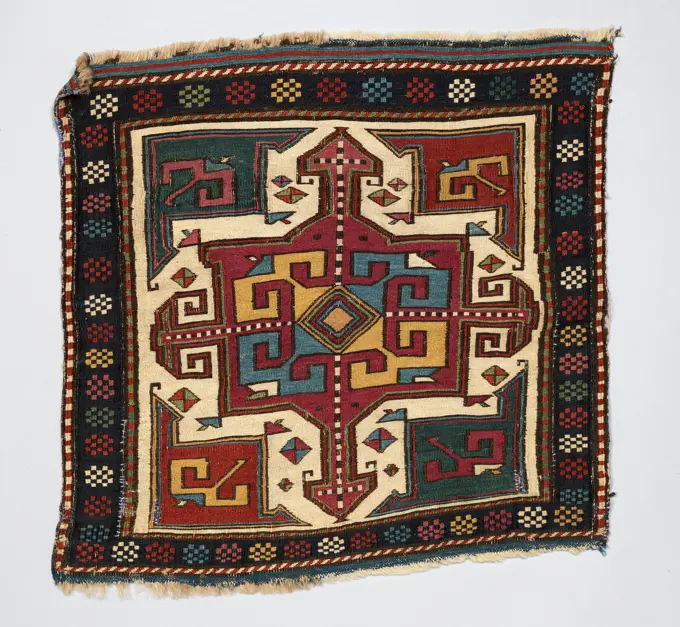
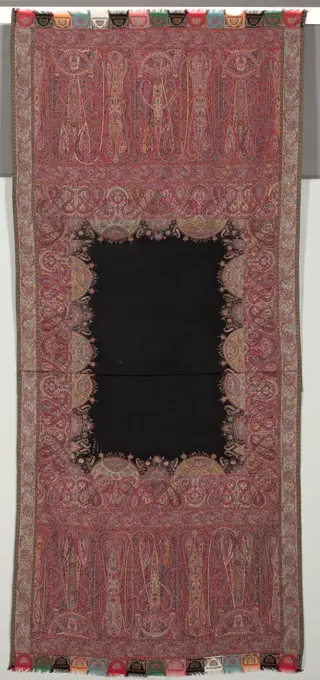
Shroud(Sekomandi)Fragment of Cloth, 19th century. Morocco, 19th century. overall: 24.1 x 32.3 cm (9 1/2 x 12 11/16 in.).Kokerdoek, anonymous, 1900 - 1949 Tube cloth with dragon motifs. Save cotton (textile) Tube cloth with dragon motifs. Save cotton (textile)Arabeskenkleed, lottoptapijt, anonymous, 1600 - 1699 Eastern carpet, arabesk dress, lottop carpet. Little Asia wool Eastern carpet, arabesk dress, lottop carpet. Little Asia woolRitual Textile (PuaSungkit)Oriental carpet, Anonymous, 1850 - 1900 Eastern carpet of which the midfield is decorated with a grid with blossom branches. Multiple edges with stiff floral ornaments around midfield. Central Persia (Possible) wool Eastern carpet of which the midfield is decorated with a grid with blossom branches. Multiple edges with stiff floral ornaments around midfield. Central Persia (Possible) woolChildren's sprei of cotton sits with flower pattern and leaf refines. Children's spraw, cotton, painted by stainless steel and recess technology, printed, painted, padded, stitched and lined with blue rips silk with woven damask pattern. Dessin: diamond pattern made up of floral and leaf refines with a flower arrangement in each window, painted in different shades of red, in blue, eggplant, blau / green and a single dash of yellow against a white fond. Lined with silk with a pattern of upholstery, mirroring flower rans.Fragment; silkCover, Medium: silk, metallic threads; cotton backing Technique: plain compound weave, Square panel composed of two horizontal fragments sewed together near the center. Each panel has an incomplete design facing in opposite directions. Ground gold (faded in one fragment) has a design of a conventionalized cypress tree in green, red, blue and white. Border woven at the same time as the body in three bands of small-scale flowers. Piped and faced with blue and white striped compound satin. Backed with red cotton herringbone twill., Iran, 19th century, woven textiles, CoverFragment of half wool fabric  dense, symmetrical floral ornamentation unknownMedaillon suffering, decorated with Botehs against blue distance and geometric motifs and animal figures. Cherry red edge with S -shaped treings and rosettes., Anonymous, 1850 - 1900 Eastern carpet, medailla rug. In midfield a medallion and Botehs against a dark blue fond. Geometric motifs and animal figures fill the rest of the field. A cherry red border with S-shaped tiflets and rosettes. Originally this carpet was probably a larger runner. Karadagh (possibly) Necklace and impact: Wool Eastern carpet, medailla rug. In midfield a medallion and Botehs against a dark blue fond. Geometric motifs and animal figures fill the rest of the field. A cherry red border with S-shaped tiflets and rosettes. Originally this carpet was probably a larger runner. Karadagh (possibly) Necklace and impact: WoolTablecloth, Medium: linen Technique: cross stitch embroidery, Long rectangular tablecover in natural linen with checkerboard rectangles of openwork; each rectangle is 6 x 9 cm. The alternate checkerboard rectangles are embroidered in red with geometric floral forms. Outer edge has a narrow floral vine border with pendant flowers., Italy, 17th century, embroidery & stitching, TableclothOriental carpet ,, 1800 - 1850 Fragment of an oriental carpet, medailla rug. In midfield an eight -pointed star medallion with countless geometriache motifs and two animal figures. Shirvan Necklace and impact: Wool Fragment of an oriental carpet, medailla rug. In midfield an eight -pointed star medallion with countless geometriache motifs and two animal figures. Shirvan Necklace and impact: WoolRug. Culture: Spanish. Dimensions: Overall: 204 x 95 1/2 in. (518.2 x 242.6 cm). Date: ca. 1470-80. Museum: Metropolitan Museum of Art, New York, USA.Oriental carpet. Oriental carpet, floral rug. In midfield omega-shaped arabesque and flowers against a brown background. Triple edge, the middle with palm with palm.Sarong (Indonesia); cottonLampas with foliate roundels, 1300s. Spain, Granada, Nasrid period. Lampas: silk and gold thread; overall: 31.4 x 22.9 cm (12 3/8 x 9 in.); mounted: 34.3 x 27.9 cm (13 1/2 x 11 in.).Headcovering (mezzaro), Medium: cotton Technique: block printed, Mezzaro in a multicolored design on a white ground. Sprays of roses and other flowers connected vertically by thorny stems. Background covered with tiny black dots. Double floral border., Genoa, Italy, 1800-1850, printed, dyed & painted textiles, Headcovering (mezzaro)Tekke Main Carpet probably early-mid-19th century. Tekke Main Carpet 456982Fragment Made 1601-1625 Netherlands. Linen and wool, point combined twill weave .Fragment, 1800s. Japan, 19th century. Silk; average: 45.1 x 29.2 cm (17 3/4 x 11 1/2 in.).Antepenendium of wool with pattern of flower vases, birds, ciborie, deer and Christ monogram IHS, Anonymous, c. 1625 - c. 1650 Antepenendium of wool on linen necklace, with a green pattern of flower vases, birds and a cibory against a red rear ride; In addition, tires with dark blue invasion of the Christ monogram IHS, Fabrix, Fleurs-de-Lys flanked by deer and the letters fap; The piece is possible for church use made in the Southern Netherlands. Southern Netherlands wool. linen (material) samite Antepenendium of wool on linen necklace, with a green pattern of flower vases, birds and a cibory against a red rear ride; In addition, tires with dark blue invasion of the Christ monogram IHS, Fabrix, Fleurs-de-Lys flanked by deer and the letters fap; The piece is possible for church use made in the Southern Netherlands. Southern Netherlands wool. linen (material) samiteFragment 17th century Italian. Fragment 230317Woman's head covering, last quarter of the 19th century, 59 x 76 in. (149.86 x 193.04 cm), Cotton, silk, metal, mirrors; embroidery, handwoven cloth, India, 19th centuryCoverlet ca. 1838-40 Peter Leisey This coverlet is woven of blue cotton and red-orange wool in two panels and seamed at the center. The central field is decorated with rose clusters, large oak leaves, and acorn compass motifs. The pattern on the side borders depicts houses alternating with palm trees. The bottom edge has a signed block at each corner and a grapevine at its center. The left and right sides of the coverlet have natural fringe, and there is applied fringe along the bottom edge.. Coverlet 13636Textile (India); cotton; Warp x Weft (a): 87.5 x 74 cm (34 7/16 x 29 1/8 in.) Warp x Weft (b): 95 x 38.5 cm (37 3/8 x 15 3/16 in.); Bequest of Elinor Merrell; 1995-50-330-a,bCover, Medium: silk Technique: compound twill with appliqué and embroidery, Cover with backing and fringe of a red satin ground with design in yellow, green and white of foliated rosettes of two different types in staggered repeat with dot clusters in between. Appliqué and silk holy monogram in center. Blue satin backing with monogram also., Spain, 17th century, woven textiles, CoverCarpet. Dimensions: Rug: L. 126 in. (320 cm)W. 75 in. (190.5 cm). Date: late 17th century. Museum: Metropolitan Museum of Art, New York, USA.Medallion or diamond medal rug: six windows with crochet contours filled with litter. Double edge with stars and windows., 1700 - 1900 Medallion or diamond medal rug, Kurdistan-runner. Midfield: Dark blue stock with six windows with crochet contours in bleaching red, petrol green, white, orange, white and red. Filling of litter. Rand: double. The main edge is white on which stars in the aforementioned colors. The inner zoom is red with windows. Kurdistan wool Medallion or diamond medal rug, Kurdistan-runner. Midfield: Dark blue stock with six windows with crochet contours in bleaching red, petrol green, white, orange, white and red. Filling of litter. Rand: double. The main edge is white on which stars in the aforementioned colors. The inner zoom is red with windows. Kurdistan woolSprei van sits, anonymous, c. 1720 - c. 1730 Palempore or cloth of sits with large flower and leafy Eastern ornaments in red, light blue and yellow on dark blue stock. Red silk lining. Coromandelkust cotton (textile). silk printing Palempore or cloth of sits with large flower and leafy Eastern ornaments in red, light blue and yellow on dark blue stock. Red silk lining. Coromandelkust cotton (textile). silk printingCover of a saddle bag ,, c. 1850 - c. 1900 Cover of a saddle bag. The midfield is decorated with a hook medallion against a dark blue background. Persia Necklace and impact: Wool Cover of a saddle bag. The midfield is decorated with a hook medallion against a dark blue background. Persia Necklace and impact: WoolSampler (USA); silk embroidery on linen foundationTextile (Indonesia); silk, metallic threadsSleeve cloth; Kain Kebat; Bidang. Women'sarong with beaded and snake (Naga) and plant motifs (Buah Tangkong).Panel 18th century Although Algeria had a centuries-long tradition of embroidery, it, like many other regions of the Ottoman empire, adopted patterns from Istanbul during the Ottoman occupation. But Algerian embroideries remained distinct from other Mediterranean types in color and stitch, and the province continued to produce mainly headdresses and headbands for which it was known throughout the empire. The earliest known pieces were embroidered in a brick or satin stitch on a light, loosely woven, undyed linen. Cotton came to be used occasionally in the nineteenth century.. Panel. 18th century. Linen, silk; embroidered. Attributed to Algeria. Textiles-EmbroideredKokerdoek; Sarapi holster; EI King Gloves. Kokerdoek Met Draakmotieven.Oriental carpet. Oriental carpet, stripes rug. The white background of the midfield is almost entirely filled with three courses, two-sided in points ending. In between there is a chain of double arrows and triangles. Triple edge, the main rural of whom exhibits loose flowers.Lampas with hares in ogival pattern, 1300s. Probably Iran. Lampas: silk and gold thread; overall: 20.3 x 33.3 cm (8 x 13 1/8 in.); mounted: 30.5 x 43.2 cm (12 x 17 in.).Tapestry. unknown, authorUnfinished Embroidery Fragment, 4 7/8 x 35 1/4 in. (12.38 x 89.54 cm), Cotton; needlework, ChinaPiece, 18th century, 11 1/2 x 7 3/4 in. (29.21 x 19.69 cm), Linen, silk; needlework, Turkey, 18th centuryOriental carpet. Oriental carpet, medallian felt, with two-point storms on midfield, consisting of concentric medallions. Around spream motifs. The outer edge is decorated with a 'wine glass and leaf' pattern.Bed curtain of "Beider wall" tissue in black and white ,, 1650 - 1700 Bed curtain of so -called "both wall" tissue. The pattern in black and white, is infinite and symmetrical on vertical axes. The drawing consists of birds, deer, palmets, carnations, tulips and grape bunches. The texture is a double tissue, so that on one side the pattern is black on black on the other black and white. The curtain is made of wool and linen. East Friesland wool. linen (material) Bed curtain of so -called "both wall" tissue. The pattern in black and white, is infinite and symmetrical on vertical axes. The drawing consists of birds, deer, palmets, carnations, tulips and grape bunches. The texture is a double tissue, so that on one side the pattern is black on black on the other black and white. The curtain is made of wool and linen. East Friesland wool. linen (material)Fragment. Italy. Date: 1625-1675. Dimensions: 20.6 × 22.5 cm (8 1/8 × 8 7/8 in.)Repeat: 6.3 × 7.3 cm (2 1/2 × 2 7/8 in.). Silk, plain weave with supplementary patterning warps and supplementary pile warps forming cut, uncut, and voided velvet. Origin: Italy. Museum: The Chicago Art Institute, Chicago, USA.Textile with chef de piece, Medium: linen warp, cotton weft Technique: block printed on plain weave, Pattern of three floral stripes alternate with three geometric stripes. Colors are: deep red, pink, blue, olive, and black., Jouy-en-Josas, France, 1770-75, printed, dyed & painted textiles, Textile with chef de pieceOgival lattice with horizontal design, 1600-1650. Turkey, Bursa. Silk and gilt-metal thread: lampas weave; average: 134.7 x 64.2 cm (53 1/16 x 25 1/4 in.).Sarong (Indonesia)Sash, Medium: silk, metal-wrapped silk Technique: compound weave Label: silk and metallic thread in compound weave, Panel woven entirely with gold threads and additional colors of red, purple and green showing an allover geometric tree pattern. Border, parallel to selvage, has flowers. Both ends of the panel setoff by a wide border showing floral groups. Gold fringe., Iran, 19th century, woven textiles, SashSkirt Cloth (KainKebat)Ritual Cloth(Bidak)Carpet 17th-18th century. Carpet 445363Shawl. Shawl with animal figures.Oriental carpet decorated with flowers and colored edges. Oriental carpet of knotted wool. Midfield: On a Cerise Red Fond, an infinite report of staggered rows of the min-I-bota, large and to the left and right bending, composed of a bunch of flowers in white, black and yellow. Three edges and four intermedies with the running dog in white and black, the middle edge is red, on which multicolored octos with star figure and interspersed by four small min-I-botas. The inner and outer edges are the same: blue with annjes. The carpet is very good condition: high pool and gift beards.Hanging; silk embroidery on cotton foundationCarpet late 16th-early 17th century This carpet was among those produced for export to Europe and was formerly in the collection of the Royal House of Saxony. Unlike examples with scenes of animal combat or floral patterns within the central medallions, the field of this carpet contains a cross, an apt symbol for a European patron. The leaves with serrated edges, lotus flowers, and overlapping vine scrolls in the corners are typical decorative features of this class of carpet. Microscopic examination has revealed that the core of the metal-wrapped threads contained two colors of silk-a standard white and an intense red. Red is an unusual color for the core. Also uncommon is the use of two separate metal threads woven together in a single row, each containing a different colored core. Metal strips of both threads, previously gold and silver, are oxidized and appear here as dark gray.. Carpet. late 16th-early 17th century. Silk, metal wrapped thread; tapestry weave. Made in Iran, probablSquare Made 1401-1500 Germany. Wool, twill weave; embroidered with silk .Ceremonial cloth and sacred heirloom sembagi with 'endless knot' motif. Date/Period: 18th century. Textile. Cotton, mordant painted, print and mordant dye. Height: 310.50 mm (12.22 in); Width: 171.50 mm (6.75 in). Author: UNKNOWN.Velvet fragment, 18th century, 7 1/2 x 8 3/4 in. (19.05 x 22.23 cm), Silk, metallic thread; woven fabric (velvet), India, 18th centuryMedaillon suffering with starbloem in the center ,, 1800 - 1900 Eastern carpet, medailla rug. A middle medallion and four quarter corner medallions. A pink star flower in the center. Eight large flowers on the blue long distance. Heriz (possibly) Eastern carpet, medailla rug. A middle medallion and four quarter corner medallions. A pink star flower in the center. Eight large flowers on the blue long distance. Heriz (possibly)Fragment (From a Border). Italy. Date: 1601-1700. Dimensions: . Linen and silk. Origin: Italy. Museum: The Chicago Art Institute, Chicago, USA.Carpet with Scrolling Vines and Blossoms. Dimensions: L. 163 3/4 in. (415.9 cm)W. 66 in. (167.6 cm)Diam. of tube 10 in. (25.4 cm). Date: ca. 1650.The finest Indian carpets were made with a pile of pashmina wool and a foundation of silk, which allowed for hundreds of knots to be tied per square inch. Increasing the suppleness and softness of the carpet, the greater number of knots also increased the subtlety of the patterns that could be made on the carpet; here, a scrolling vine from which bloom palmettes, poppies, irises and serrated lancet leaves. Pashmina wool, the undercoat of the Himalayan mountain goat, was obtained from Kashmir (in northern India) and from western Tibet, from which imports were strictly regulated. Museum: Metropolitan Museum of Art, New York, USA.Panel, velvet, Qianlong period, 1736-1795, Di.35-1/2 x 33-1/2 in., Pink cotton lining, Silk; velvet, China, 18th centurySidewall (USA); machine-printed paper; 91 x 49 cm (35 13/16 x 19 5/16 in.)Square cashmere scarf with full of infinitely rising pattern of scaly grid with palmets, front is opposite to the rear, anonymous, c. 1870 Palmens scarf or carrot cloth of double -sided woven wool and cotton. Square model. Full of infinitely rising pattern in red, light gray blue, ocher yellow and black with a scaly grid and palmets. Paisley whole: Cotton (textile). whole: Wool Palmens scarf or carrot cloth of double -sided woven wool and cotton. Square model. Full of infinitely rising pattern in red, light gray blue, ocher yellow and black with a scaly grid and palmets. Paisley whole: Cotton (textile). whole: WoolPanel (India); wool, cotton backingFragment (Japan)Rugs and Carpets: Iran - Kilim Qashqai carpetTable cover with fringe. Culture: American. Dimensions: 105 x 71 in. (266.7 x 180.3 cm). Date: ca. 1890. Museum: Metropolitan Museum of Art, New York, USA.Tunic. Peru, South Coast, Inka, 1450-1534, Colonial, 16th century. Costumes. Camelid fiber and cotton tapestry weaveSampler, Medium: silk embroidery on linen foundation Technique: embroidered in counted stitches on plain weave, Geometric floral designs in pink and blue that appear in the earliest of the 16th century pattern books, Mexico, 19th century, embroidery & stitching, SamplerOriental carpet. Wool oriental carpet whose midfield is decorated with diagonals stripes on which squares with crochet motifs. Three edges of which the middle is decorated with rosettes and squares.Fragment; silk; Warp x Weft: 24.5 x 38 cm (9 5/8 x 14 15/16 in.); 1953-162-35Pas Lipkowski, Lipków, Manufaktura Paschalis Jakubowicz (1791 1794)Wool carpet with geometric figures, anonymous, c. 1799 - c. 1899 Woolen carpet with geometric figures, mainly in light and dark blue on red soil with stylized branches. In the lengths, including four diamonds. Narrow edge with geometric figures. The carpet is worn out in different places.  wool Woolen carpet with geometric figures, mainly in light and dark blue on red soil with stylized branches. In the lengths, including four diamonds. Narrow edge with geometric figures. The carpet is worn out in different places.  woolField of forty -eight tiles with flower pots, anonymous, c. 1580 - c. 1625 Field of forty -eight tiles (8 x 6) each with a multicolored (blue, orange, green and yellow) flowerpot within a squared frame. In the corners, ornament in Vultechniek. Netherlands earthenware. tin glaze majolica Field of forty -eight tiles (8 x 6) each with a multicolored (blue, orange, green and yellow) flowerpot within a squared frame. In the corners, ornament in Vultechniek. Netherlands earthenware. tin glaze majolicaEmbroidered sampler 1691 German, probably Nuremberg This sampler features an upper and lower case alphabet, flowers (pansies, roses, lilies, and tulips), potted fruit trees and buttonhole-stitched edges. The motifs border all four sides and point toward the middle of the work, in which is stitched a floral wreath, typical of German samplers through the nineteenth century. The date on the sampler, 1691, is presumably the year in which the work was completed. It is stitched in such a way that it reads "1691" both upside down and right-side up. The sampler has the square shape, buttonhole stitched edges, and center-facing flower sprig and vase motifs typical of seventeenth-century samplers from Nuremberg, Germany.. Embroidered sampler 227937Fragment. Italy. Date: 1601-1700. Dimensions: 13.1 x 27.7 cm (5 1/8 x 10 7/8 in.). Silk, plain weave with supplementary patterning wefts tied by supplementary binding wefts. Origin: Italy. Museum: The Chicago Art Institute, Chicago, USA.Ukrainian Ethnic Stitch Pattern Ornament Ukrainian folk seamless pattern ornament Ethnic ornament Copyright: xGarryKillianxTextile (India); silk, seedsDoek, Anonymous, 1900 - 1949 Three -piece cloth with geometric motifs, bridal gift. Flores cotton (textile) Three -piece cloth with geometric motifs, bridal gift. Flores cotton (textile)Cover Made 1601-1800 Turkey. Linen; embroidered .Comforter cover, 19th century, 50 9/16 x 35 11/16 in. (128.43 x 90.65 cm), Cotton, China, 19th centuryFace of Half a Double Saddlebag (Khorjin) 19th century This face of half a double saddlebag (Khorjin), was made by a woman weaver from the Shahsevan tribe, whose name means "those who love the king,". The historical migratory range of these Turkic nomads reaches from the southwest shores of the Caspian Sea to the southern part of Transcaucasia. Art historians have identified Shahsevan weavings, including a variety of small-format bags, only in the past half century. Many Shahsevan weavings from the nineteenth and twentieth centuries, especially those with centralized geometric designs, such as seen here, show a striking relationship with Anatolian carpets from the fifteenth and sixteenth centuries. Many of the motifs found on Shahsevan textiles are thought to be centuries-old tribal emblems, a symbolic language that today we are frequently unable to decipher.. Face of Half a Double Saddlebag (Khorjin). 19th century. Wool (warp, ground weft, and sumak weft); sumak extra-weft wrapping anLong Shawl with Black Center and Exotic Four-Sided Gallery in Chinoiserie Style, 1840s. India, Kashmir, 19th century. 2/2 twill tapestry (S), double interlocked, pieced; refreshed; wool; overall: 332.8 x 139.6 cm (131 x 54 15/16 in.).Flower rug. Floral rug, so-called GhioDes- or mencker cloth with mirrored, symmetrical built-up floral design on red fond. Green / pink border, unusual type of ghorda.Storage Bag (Chuval) Face early 19th century Identifiable by the unique design vocabulary adopted by each Turkmen tribal group, these rare and important textiles are one of only a few known works attributable to the Arabatchi Turkmen. Although identical in technique to that used for carpet weaving, these fragments once formed the faces of a chuval, a type of deep storage bag. Suspended from the trellislike structure of a Turkmen tent interior, these chuval served to hold family belongings somewhat akin to a wardrobe, but eminently more portable.. Storage Bag (Chuval) Face 447498Cushion Cover (Yastik) 17th century Costly velvet furnishing fabrics with glittering metalwrapped thread embellishment were used to adorn the interior of Ottoman royal palaces and the homes of the wealthy elite. This piece originally served as yastik, or bolster, cushion cover. Often these covers were produced in quantity, woven one after the other in a continuous length on the loom, and later cut to size.. Cushion Cover (Yastik) 448679Carpet with a Compartment Design. Dimensions: Rug: H. 196 in. (497.8 cm)W. 134 in. (340.4 cm)Tube: H. 146 in. (370.8 cm)Weight: 79 lbs. (198 lbs. rolled on tube. tube is 119 lbs. empty) Diam. 20 in. (50.8 cm). Date: first half 16th century.This magnificent jewel-colored carpet, with its elegant, curvilinear "compartments" based on a geometric star pattern, is filled with creatures borrowed from Chinese art, such as the dragon and phoenix in combat. The benevolent phoenix has its counterpart in Persian lore, where it is known as the simurgh, also a wise and protective bird. Other compartments contain decorative arrangements of Chinese ch'i-lin and flying geese, as well as the purely Islamic arabesque. The border with its medallions and cartouches reflects those of Safavid bookbindings, which also make great use of ribbonlike Chinese cloud bands, by now thoroughly assimilated into Persian art. With its fine weave (550 knots per square inch), silk foundation, and the clSarong; cottonRoyal Round Tent made for Muhammad Shah (wall panel with one design unit), 1834-48. Iran, Rasht, Qajar period (1779-1925). Rasht work; wool with silk embroidery (chain stitch), cotton, rope, tape; overall: 166.1 x 119.4 cm (65 3/8 x 47 in.). Royal tents were potent symbols of authority, wealth, and power throughout the greater Middle East. Rulers owned thousands of tents. They were used for shelter, shade, and innumerable functions in tent compounds that were essential for imperial ceremonies, travel, and military campaigns. Distinguished by size with elaborately decorated interior walls and ceilings, tents could be as large as castles. Opulent tents were also presented as imperial gifts. Tents are only known through documents before 1600. For example, in Baghdad in 809, Caliph Harun al-Rashid owned 4,000 ceremonial tents and 150,000 camping tents that were stored in the imperial Abbasid treasury. An astonishing variety and quantity of tents were housed in the royal Fatimid tent storeSarong, late 19th century, 37 5/8 x 29 1/2 in. (95.57 x 74.93 cm), Silk; ikat, Thailand, 19th centuryCarpet Made 1701-1800 Spain. Wool and cotton, plain weave; with brocaded areas of supplementary wrapping wefts forming cut pile through a technique known as Ghiordes knots; and embroidered filling of contiguous rows of stem stitches, countered in direction in alternate pairs of rows; embroidered outline stitches around pile areas .Polonaise Carpet’.This kind of costly silk carpet with gold- and silverwrapped thread was woven in the imperial workshops in Isfahan, Iran. In 1602 King Sigismund III Vasa of Poland ordered several of them for his daughter’s wedding. This explains why they are called Polonaise’ carpets. This may be one of the carpets made on commission for Sigismund.Coverlet (USA); wool, cottonTransitional Blanket, c. 1895, 71 3/4 × 62 1/2 in. (182.25 × 158.75 cm), Wool, pigments, United States, 19th centuryAfrica, Tanzania, Zanzibar, Stone Town. Close-up of hand-made carpet.Edging 16th century Southern Italian. Edging 217225Fragment; linen on linenCarpet. Spain; probably Murcia. Date: 1450-1500. Dimensions: 523.1 × 235.8 cm (205 7/8 × 92 7/8 in.). Wool, Spanish knots on plain weave ground. Origin: Spain. Museum: The Chicago Art Institute, Chicago, USA.Kashmiri Carpet Copyright: xBhagwandasxRupani/DinodiaxPhotox