Traditional Textiles

A collection of intricate textiles showcasing traditional patterns and rich colors, reflecting cultural artistry from various regions.

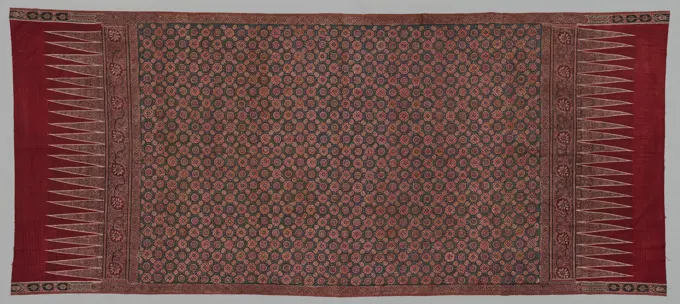
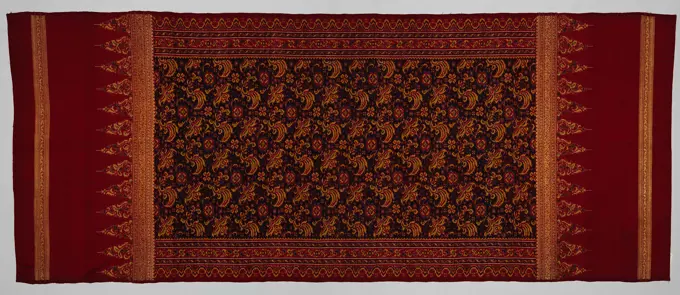
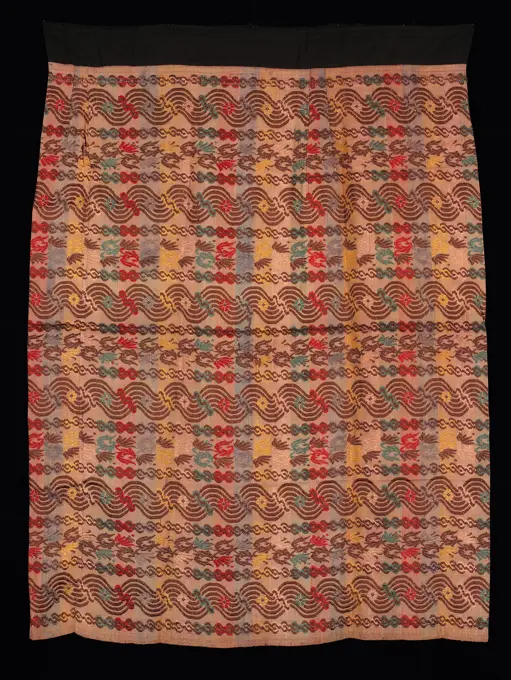
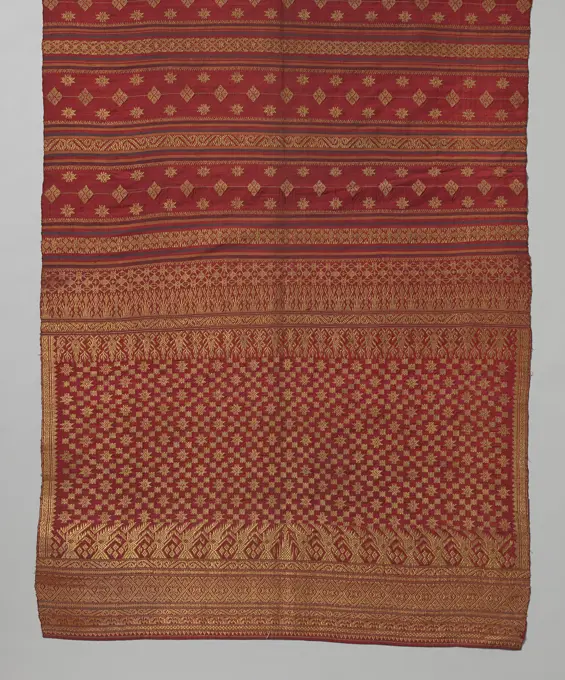
Textile, Medium: silk Technique: tied resist patterning in weft (ikat) on plain weave; discontinuous supplementary weft patterning (brocade), Long and narrow textile, probably a breast cloth (kemben), in red with green, purple, orange, and yellow. Borders fringed and heavily brocaded. Center design shows diamond-shaped lattice pattern with brocaded geometric florals., Bali or Sumatra, Indonesia, 19th century, printed, dyed & painted textiles, Textile
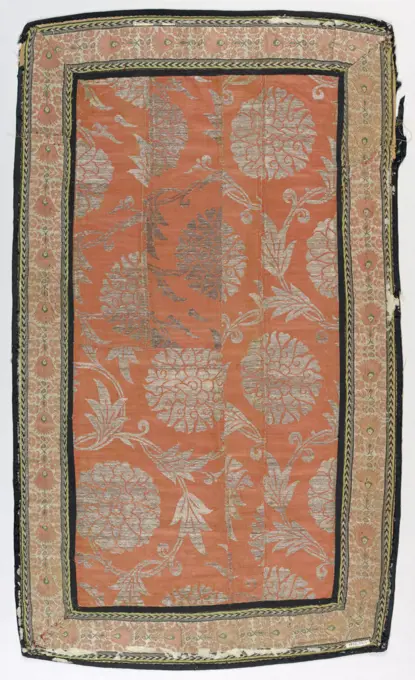
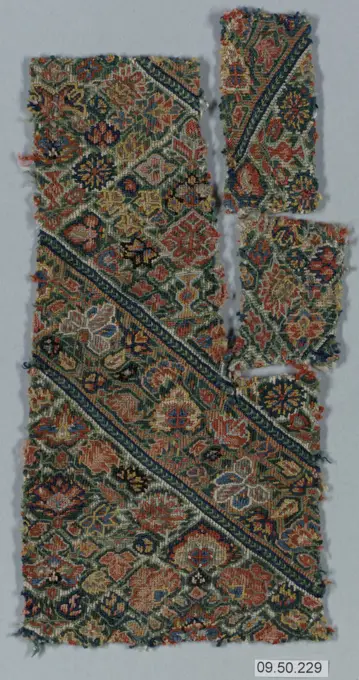
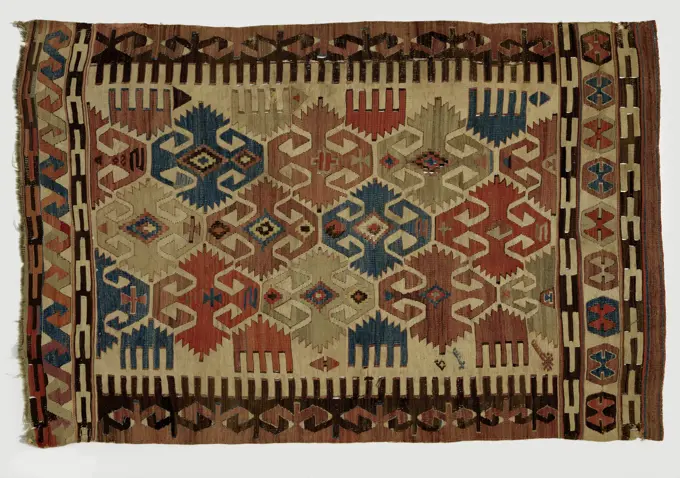
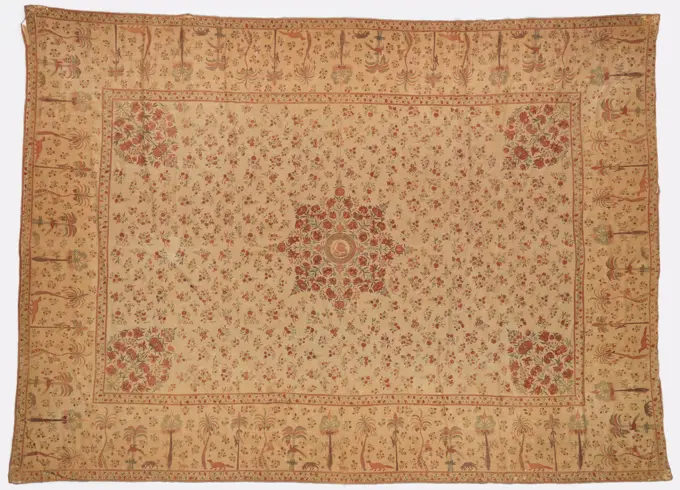
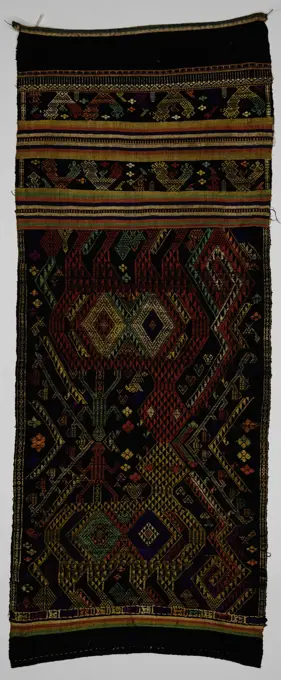
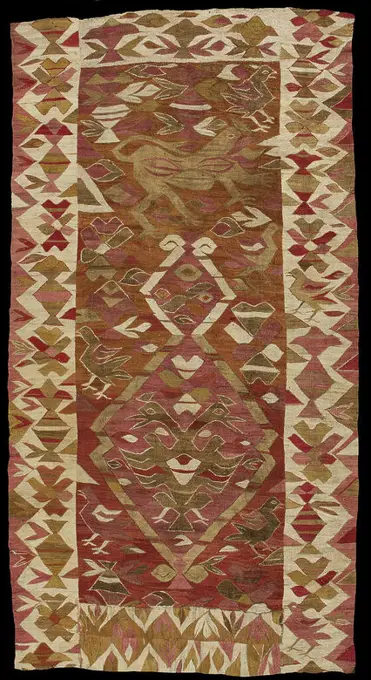
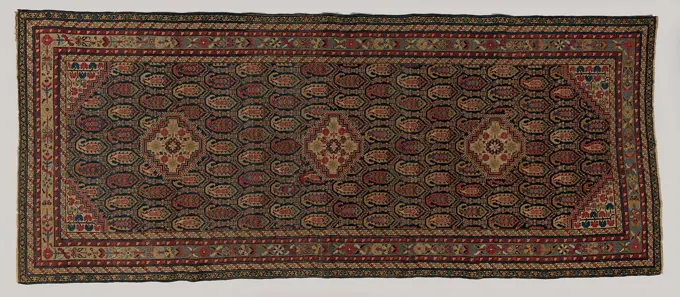
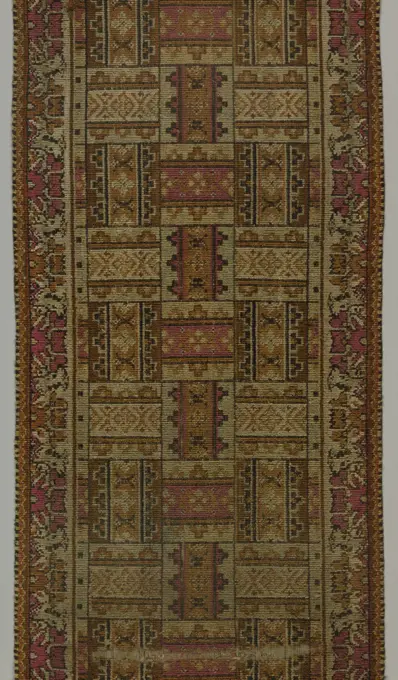
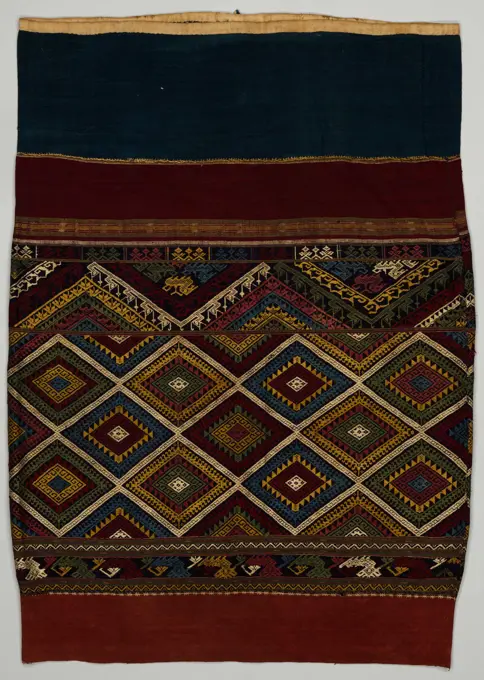
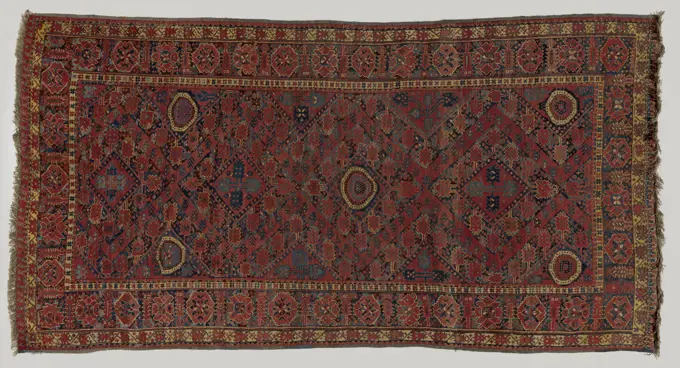
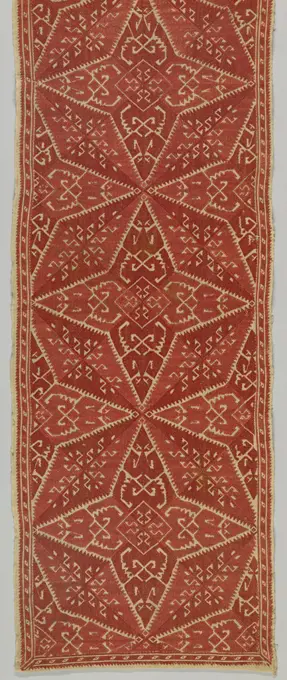
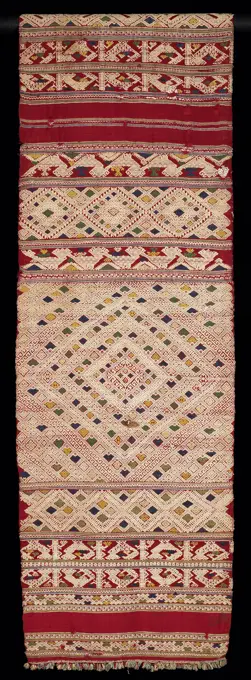
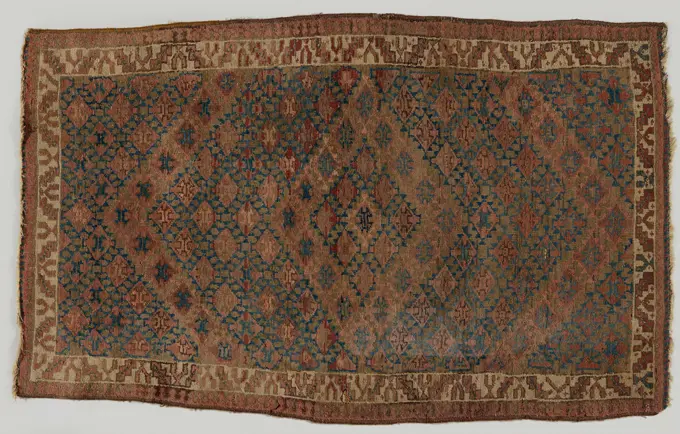
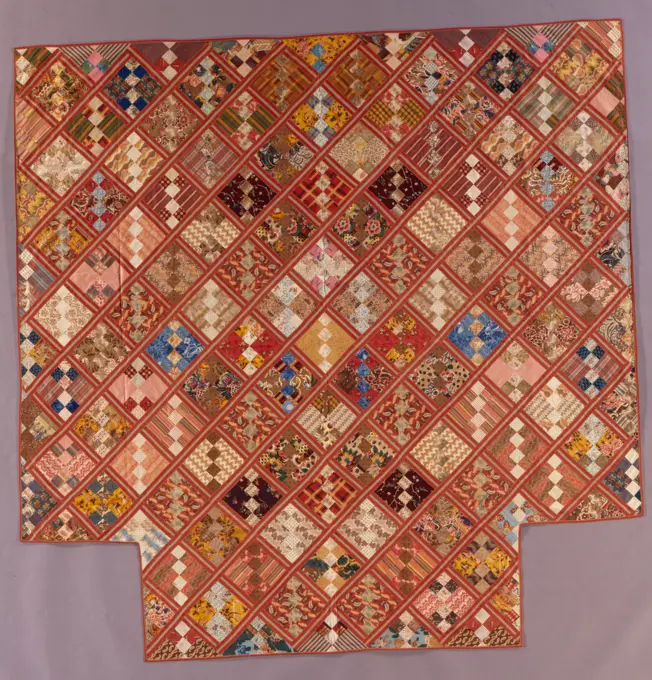
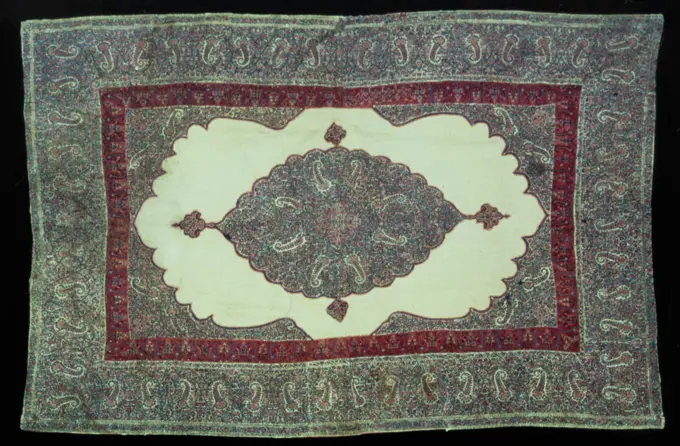
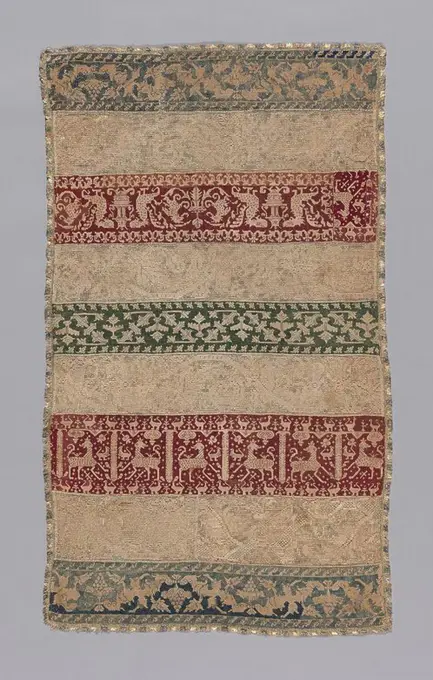
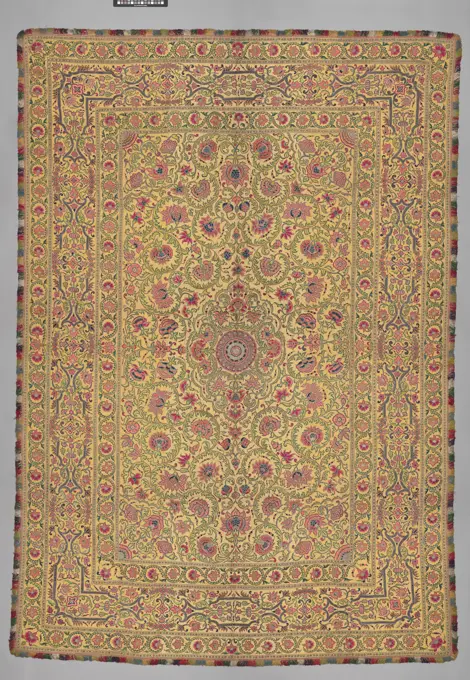
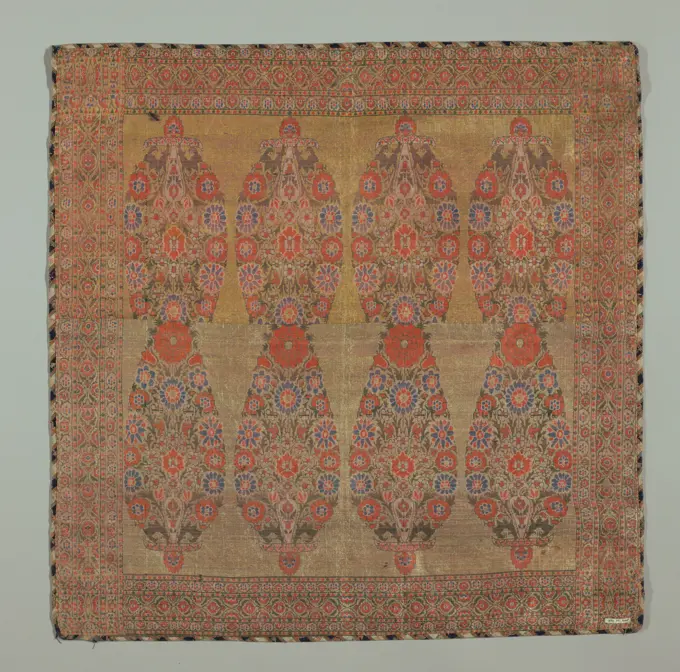
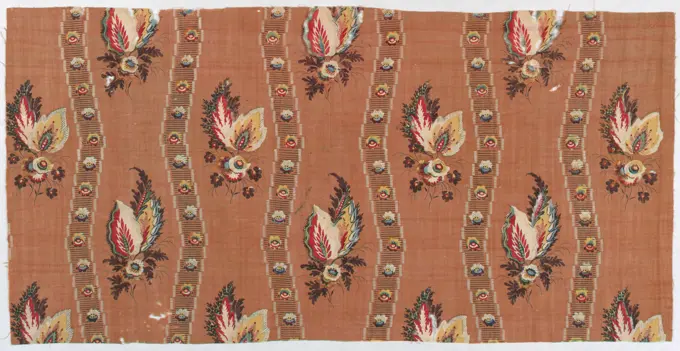
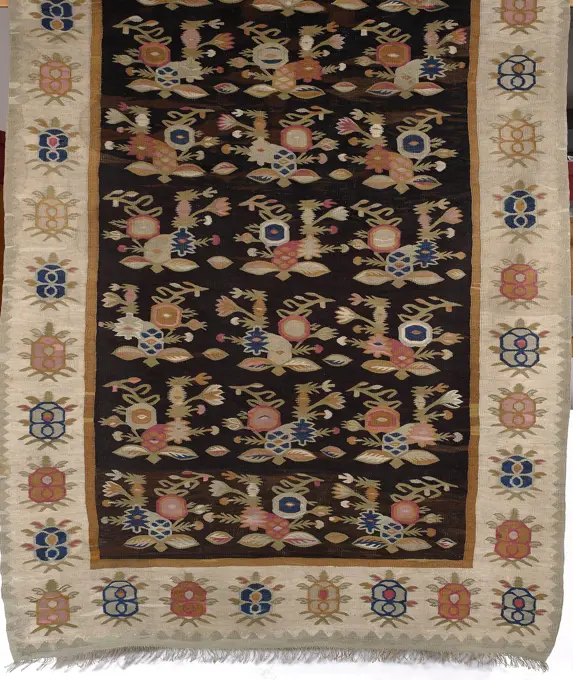
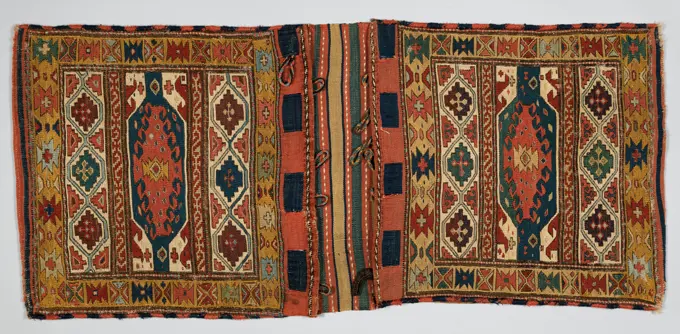
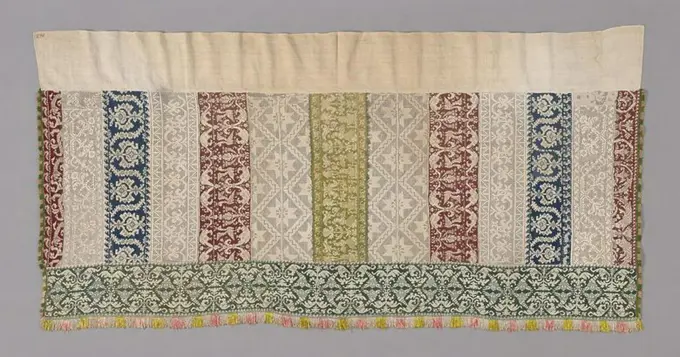
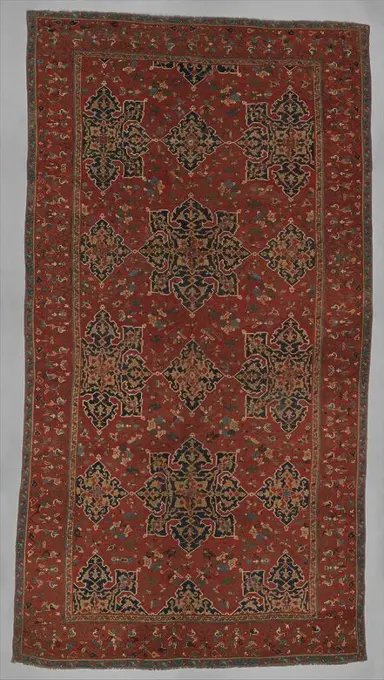
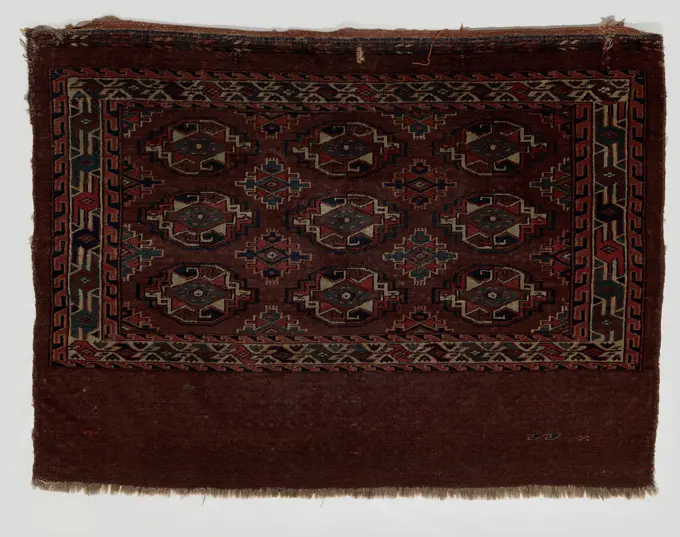
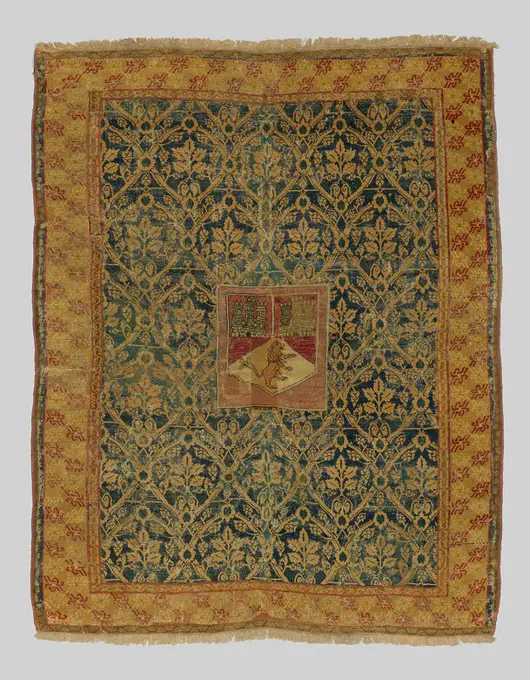
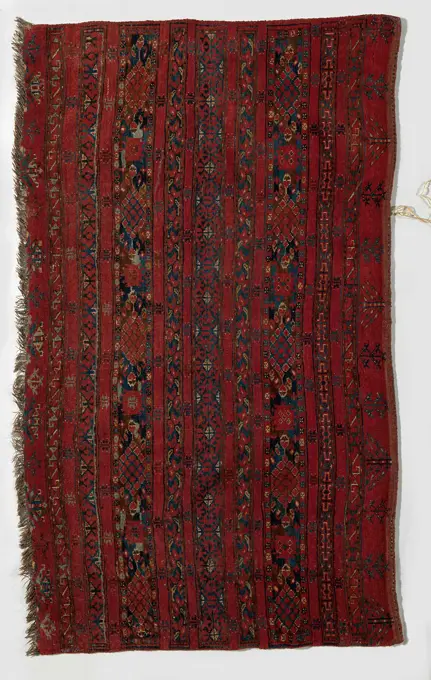
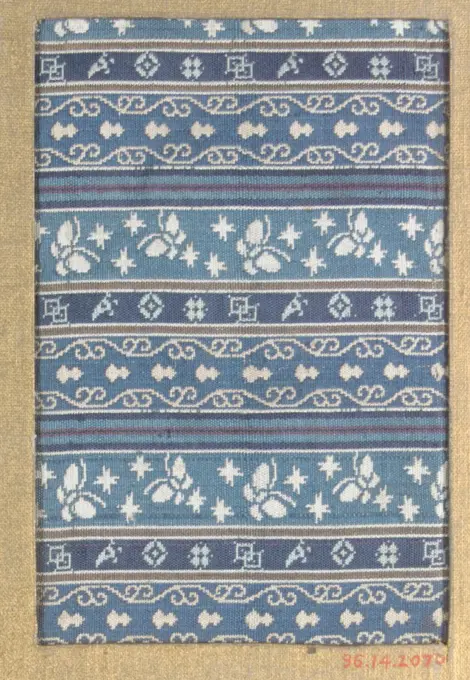
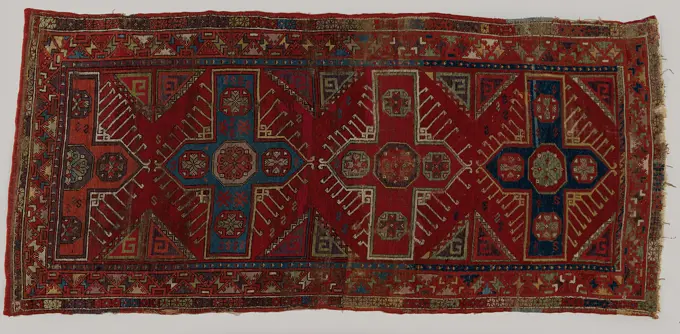
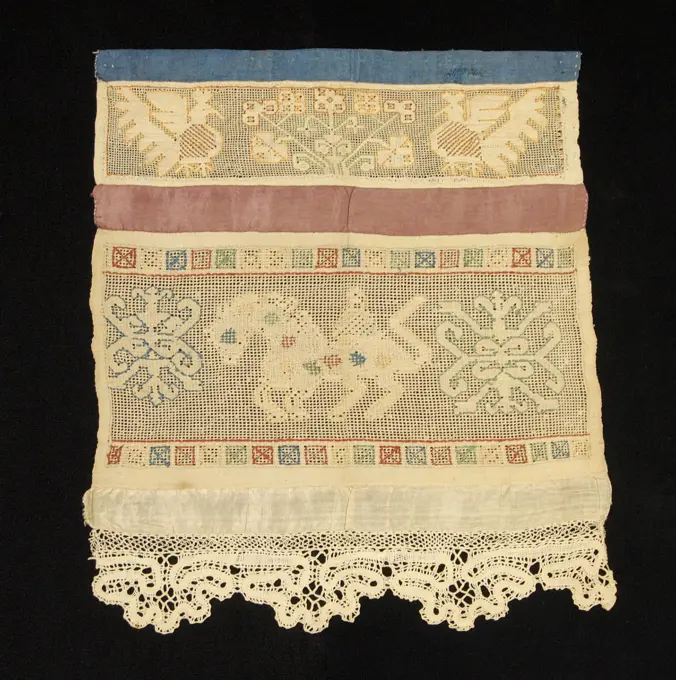
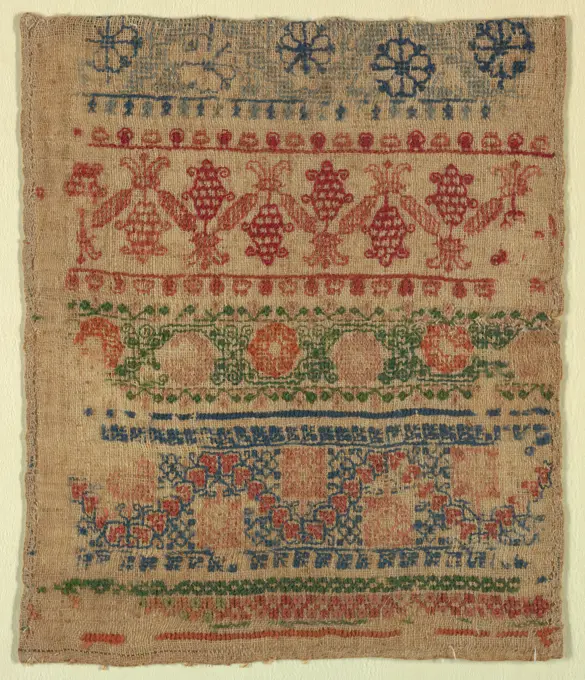
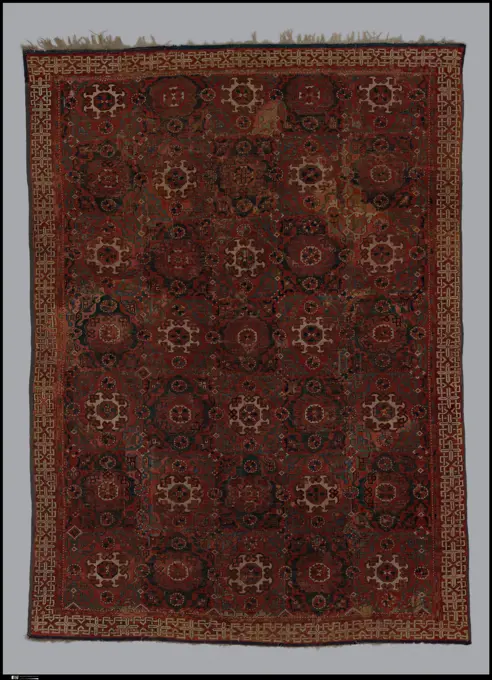
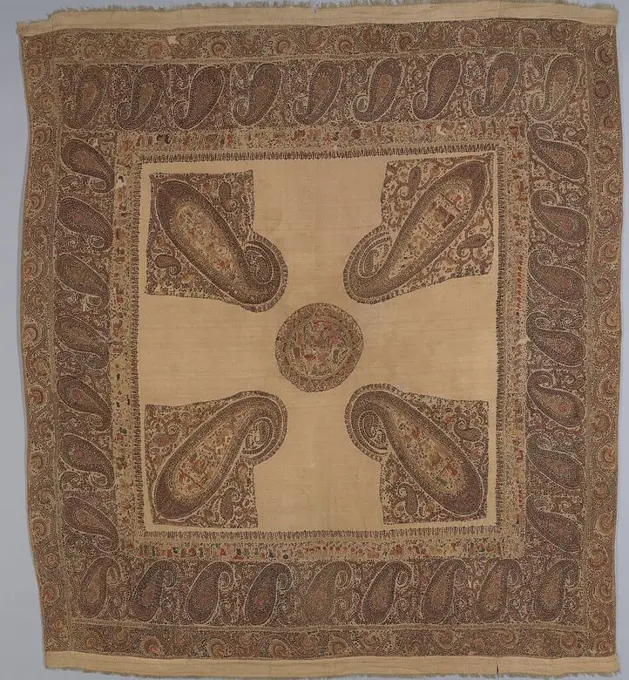
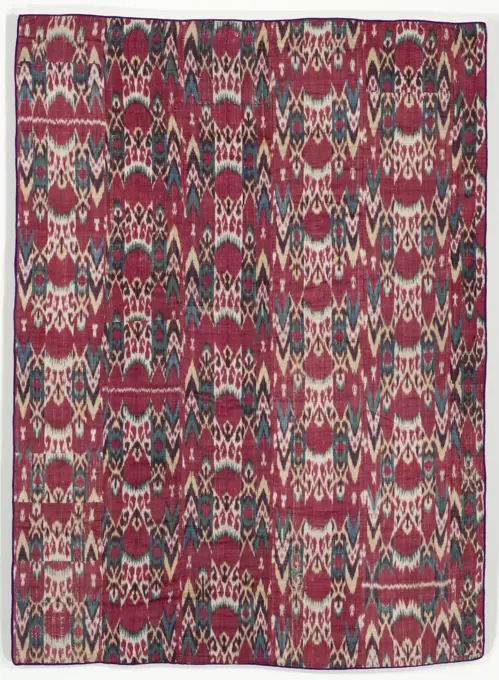
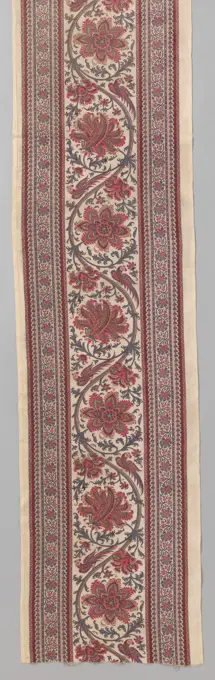
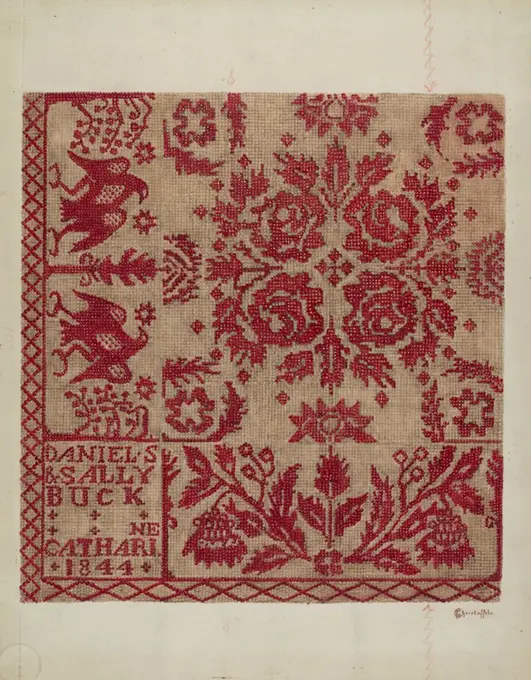
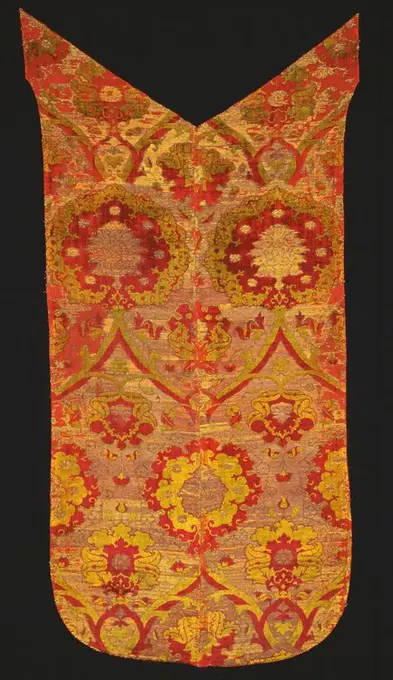
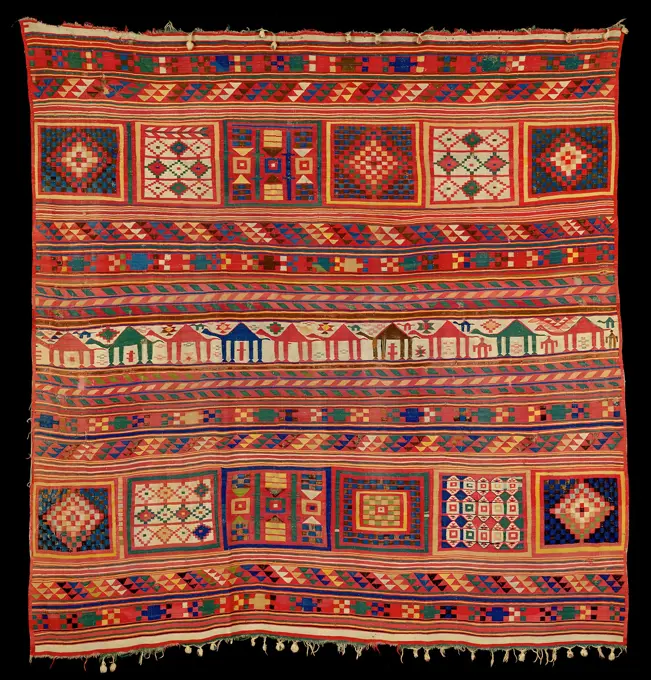
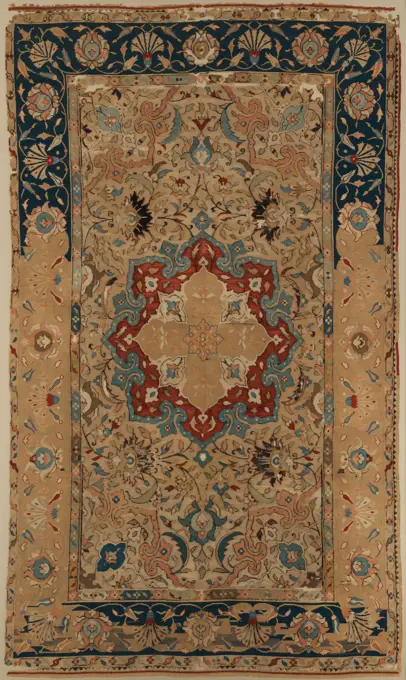
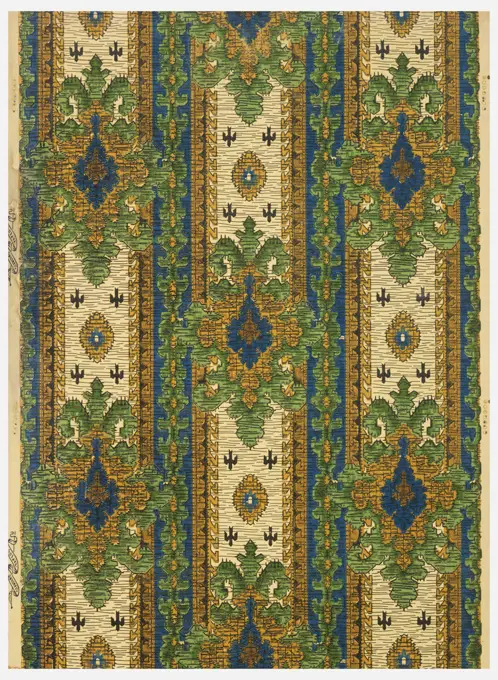
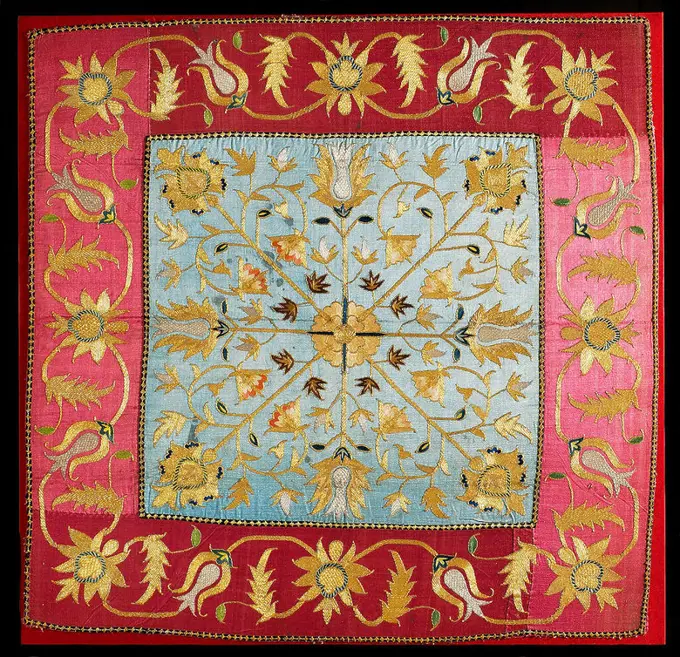
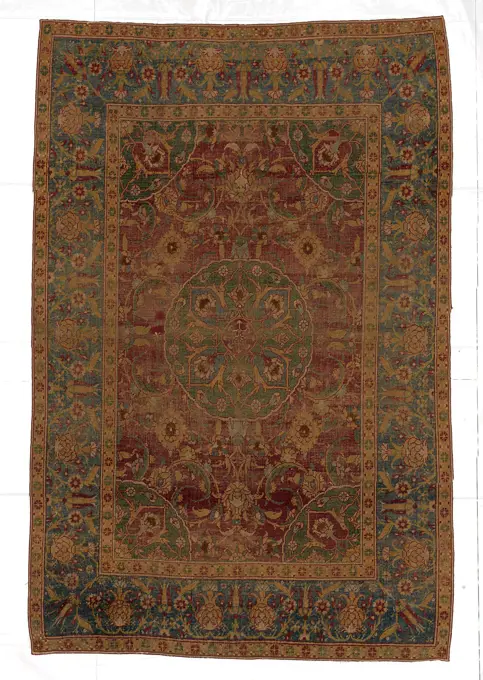
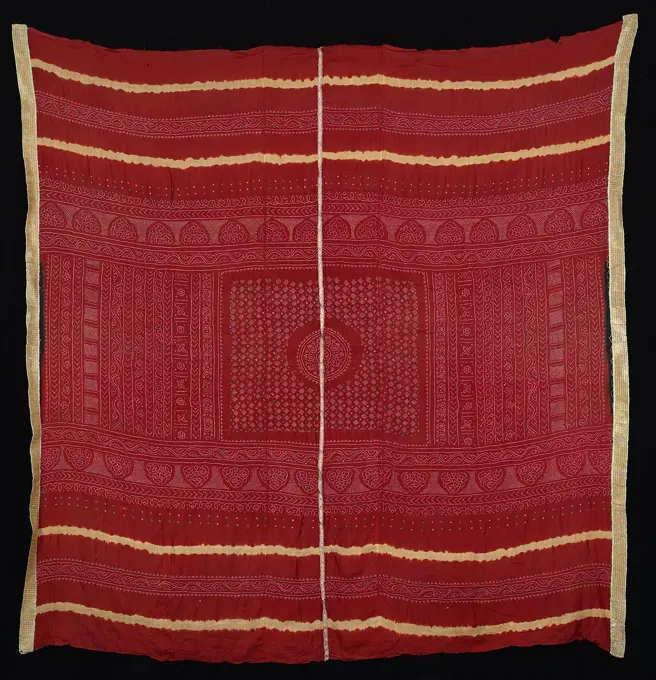
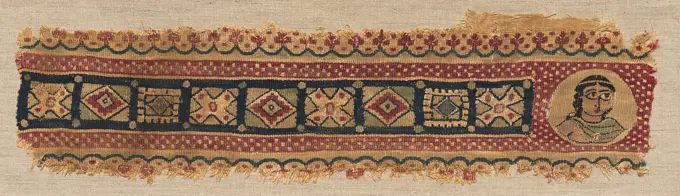
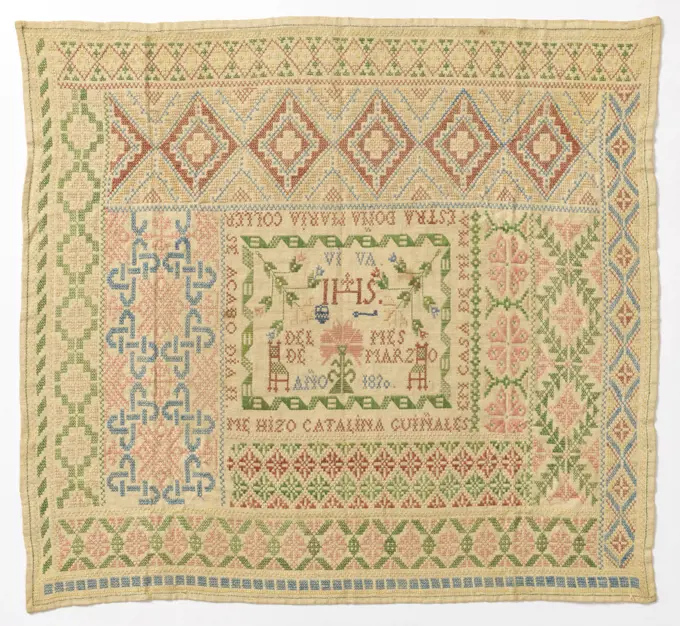
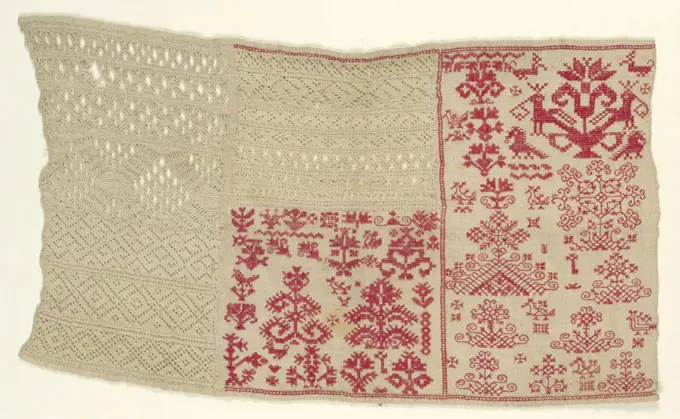
Textile, Medium: silk Technique: tied resist patterning in weft (ikat) on plain weave; discontinuous supplementary weft patterning (brocade), Long and narrow textile, probably a breast cloth (kemben), in red with green, purple, orange, and yellow. Borders fringed and heavily brocaded. Center design shows diamond-shaped lattice pattern with brocaded geometric florals., Bali or Sumatra, Indonesia, 19th century, printed, dyed & painted textiles, TextileKokerdoek; Worapi Gloves, EI King Gloves. Kokerdoek Met Draakmotieven.'Ornamental Lotto' carpet. Dimensions: Rug: H. 69 1/4 in. (175.9 cm)W. 48 3/4 in. (123.8 cm). Date: ca. 1600.Carpets displaying this striking design of stylized vegetal arabesques in yellow on a red ground are called "Lotto," after a famous altarpiece by the Italian Renaissance painter Lorenzo Lotto that includes a similar carpet. The motifs of the central surface show additional hooks and curls and render the overall impression more decorative, leading to the name "ornamental Lotto" given to this and similar carpets. The border of this example contains a design of cartouches and rosettes alternating on a deep blue background--a border pattern typical of "Transylvanian" carpets. Turkish in origin, so-called Transylvanian carpets were donated as pious gifts to churches throughout Romania and Hungary.. Museum: Metropolitan Museum of Art, New York, USA.Oriental carpet. Oriental carpet that was probably used to close the tent input, Tekke Ensi.Table cover, Medium: silk, metallics, Field of cover made of a patchwork of orange satin fabric brocaded with silver; bordered with woven fabric (Persian) and piped with black taffeta., Iran, late 19th century, woven textiles, Table coverFragment from Women's Trousers 18th century. Fragment from Women's Trousers 445644Kelim ,, 1830 - 1870 Oriental carpet, hexagon rug, Kelim. The midfield is decorated with staggered rows of suitable crosses. Edges on the sides double. Up and below a triple edge. Edges adorned with geometric motifs. Little Asia ketting: wool Oriental carpet, hexagon rug, Kelim. The midfield is decorated with staggered rows of suitable crosses. Edges on the sides double. Up and below a triple edge. Edges adorned with geometric motifs. Little Asia ketting: woolPalampore (India); cottonCoverlet ca. 1850-70. Coverlet. ca. 1850-70. Wool and cotton, Jacquard-loom-wovenCeremonial canvas, Anonymous, 1900 - 1949 Ceremonial cloth with animal figures. Laos silk Ceremonial cloth with animal figures. Laos silkCarpet. Date/Period: Ca. 1780 - ca. 1820. Eccentric rug. Height: 4,000 mm (13.12 ft); Width: 2,160 mm (85.03 in). Author: Anonymous South Region.Oosters tapijt.Oriental carpet, floral rug, medal rug with rows of Botehs, and three medallions. The widest edge is decorated with rosettes.Carpet fragment, Medium: wool, bast fiber Technique: supplementary warp uncut pile loops in a plain weave foundation, Continuous bands containing geometric-patterned squares and rectangles with Turkish-like borders on each side. Colors are: crimson, dull orange, ivory, dark brown, faded yellow, shades of gray and other faded colors., USA, 1865-89, woven textiles, Carpet fragmentCloth; Not until. Cloth with geometric motifs.Textile Fragment 17th century. Textile Fragment 454555Oriental carpet, Ersari Volk, 1875 - 1900 Eastern carpet, windscreen and medal rug, ersari. In midfield a report of windows with flowers and dots. Multiple edge, the widest with lotuses and rosettes. Turkestan Necklace and impact: Wool Eastern carpet, windscreen and medal rug, ersari. In midfield a report of windows with flowers and dots. Multiple edge, the widest with lotuses and rosettes. Turkestan Necklace and impact: WoolKazak Caucasian caucasus unknownTextile, Medium: silk on linen Technique: embroidered, Long rectangular cover showing star-like pinwheels. Red silk on linen., Greece, 19th century, embroidery & stitching, TextileShoulder cloth (pa biang), 19th century, 99 x 18 1/2 in. (251.46 x 46.99 cm) (without fringe), Cotton, silk, Laos, 19th centuryShawl Border (Pallu) Made 1810-1830 Kashmir. The earliest Kashmir shawls introduced to Europe were made of white cashmere wool with decorated ends containing rows of stylized floral buta motifs. The pattern became known as paisley in English, after the town in Scotland that was a center of shawl weaving. The fine wool of a shawlís central area was always the most fragile component, and this long shawl has been mended with two nearly invisible seams across the central white field. Europeans valued Kashmir shawls so highly that even fragments of the decorative borders were preserved, collected, and treasured.. Wool, double interlocking 2 2 'S' twill tapestry weave; main warp fringe .Oriental carpet. Oriental carpet, floral grid work. In the midfield a grid with a filling of drum-shaped flowers. In the middle a flood window. Dual edge, the widest with wine glass motif and sawtooth leaves.QuiltBidkleed, anonymous, 1800 - 1900 Prayer rug, stepped mirab on red long distance, yellow and red edges. Central Klein Asia wool Prayer rug, stepped mirab on red long distance, yellow and red edges. Central Klein Asia woolTextile Fragment, 1800s. Japan, 19th century. Silk; average: 19.1 x 17.8 cm (7 1/2 x 7 in.).Carpet with Double-Ended Triple Niche dated A.H. 1182/ A.D. 1768-69. Carpet with Double-Ended Triple Niche 452572Shawl, 19th century, L.61-1/2 x W.39-1/2 in., wool; needlework, Iran, 19th centuryTowel. Italy. Date: 1501-1600. Dimensions: 108.2 x 63.8 cm (42 5/8 x 25 1/8 in.). Five bands of linen, plain weave; pulled thread work with silk in Italian cross stitches and embroidered with silk in back stitches; alternating with four bands of linen, knotted square netting; embroidered with linen in darning stitches; edged with silk and linen, plain weave with extended ground weft fringe. Origin: Italy. Museum: The Chicago Art Institute, Chicago, USA.Hanging 16th-17th century Embroidered textiles with central medallions surrounded by flowers and vines were produced in India in the sixteenth through the eighteenth centuries. Because this textile was woven with silver-wrapped thread, it was likely used in a courtly setting, perhaps as a summer carpet or as a cover for the dais (raised platform) of a local ruler. Stylistic and technical similarities to other floor coverings and wall hangings suggest that it may have been produced in the Deccan region during the eighteenth century.Embroidered textiles with central medallions surrounded by flowers and vines were produced in India in the sixteenth through the eighteenth centuries. Because this textile was woven with silver-wrapped thread, it was likely used in a courtly setting, perhaps as a summer carpet or as a cover for the dais (raised platform) of a local ruler. Stylistic and technical similarities to other floor coverings and wall hangings suggest that it may have been produced in Cover (Iran); silk, metallic threads; cotton backingTextile Fragment, 1800s-early 1900s. Japan, 19th - early 20th century. Silk; overall: 13.4 x 8.3 cm (5 1/4 x 3 1/4 in.).Textile; 1937-99-1Fragment, Medium: silk Technique: woven, Double headed eagles, birds and plants., Macao, China, 16th-17th century, woven textiles, FragmentFragment, 1800s. India, 19th century. Resist printed cotton; overall: 48.3 x 69.9 cm (19 x 27 1/2 in.).Khamseh Carpet. Southwest Iran. Date: 1885-1895. Dimensions: 430.1 x 211.8 cm (169 7/8 x 83 3/8 in.). Wool, plain weave with supplementary wrapping wefts forming cut pile through a technique known as "Turkish (Ghiordes) knots". Origin: Iran. Museum: The Chicago Art Institute, Chicago, USA.Rug;  1. PO. 19th century (1801-00-00-1850-00-00);rugDouble Saddlebag (Khorjin) ca. 1800-25 The Shahsevan, whose name means "those who love the king," are Turkic nomads. Their historical migratory range reaches from the southwest shores of the Caspian Sea to the southern part of Transcaucasia. Art historians have identified Shahsevan weavings, including a variety of small-format bags, only in the past half century. Many Shahsevan weavings from the nineteenth and twentieth centuries, especially those with centralized geometric designs, show a striking relationship with Anatolian carpets from the fifteenth and sixteenth centuries. These older textiles are called Memling carpets, after the fifteenth-century Netherlandish painter who depicted them in his religious works. The khorjin saddlebags from the Mughan plain (on the Caspian Sea in northwestern Iran), such as this piece, continue the Memling design: it features a geometric octagonal medallion motif with stars and angular hooks that develop from the step-like edges. Many of the motifs fAfrica, Tanzania, Zanzibar, Stone Town. Close-up of hand-made carpet.Altar Frontal. Italy. Date: 1575-1600. Dimensions: 99.1 x 208.9 cm (39 x 82 1/4 in.). Bands of linen, plain weave; linen, plain weave; pulled thread work; embroidered with silk in back, four-sided, overcast, running, single faggot, and two-sided Italian cross stitches; and linen, plain weave; pulled thread work; embroidered with linen in Russian overcast and cloth stitches; edged with linen and silk, plain weave extended weft uncut fringe and silk, buttonhole loops and bullion picots. Origin: Italy. Museum: The Chicago Art Institute, Chicago, USA.'Star Ushak' Carpet. Dimensions: Rug: L. 169 1/2 in. (430.5 cm) W. 91 1/2 (232.4 cm). Date: late 15th century.This fresh-colored carpet is one of the earliest, largest, and best-preserved examples of its type. Woven in the Ushak region of western Turkey, "Star Ushak" carpets were made for regional consumption and for export throughout Europe. A similar carpet is depicted under the throne of the Venetian doge in a painting by Paris Bordone dating to 1534, and another is seen under the feet of Henry VIII in a sixteenth-century portrait of that ruler. Their association in European painting with royalty and sanctity underscores the status these carpets enjoyed as luxury trade goods. Museum: Metropolitan Museum of Art, New York, USA.Hip Wrapper (tapis), 1800-1850. India, Coromandel Coast, 1st half 19th Century. Cotton; plain weave; block printed, drawn resist, painted mordants, dyed; overall: 250.2 x 108.6 cm (98 1/2 x 42 3/4 in.).Cushion Cover Made 1701-1800 Greece. Linen, plain weave; embroidered with silk in closed herringbone, satin, stem, and twined double running stitches .Tent bag. Tent bag, Chuval, whose purple-red midfield is decorated with 'generous' motifs and arrows.Ceremonial Cloth (Pua kombu) Malaysia. Cotton, stripes of plain weave and of warp resist dyed (warp ikat) plain weave with paired warps with supplementary discontinuous weft twining .Shawl, 19th century, 64 x 64 in. (162.56 x 162.56 cm), Silk, wool; woven fabric, Scotland, 19th centuryCarpet with Coat of Arms. Culture: Spanish. Dimensions: Overall: 78 x 59 in. (198.1 x 149.9 cm). Date: 15th-16th century. Museum: Metropolitan Museum of Art, New York, USA.Tent bag card. Tent bag card, large model Chuval, with stripe decor. The field is divided into nine cross stripes with all with a carmine red fond, but with different motives.Piece 18th-19th century Japan. Piece 67782Perk rug. Perkticulence, Kemerihisar (from A.). Midfield: light brick red field with three rectangles in which cross-shaped medallions in Utramarine, brick red and cobalt blue; Two with yellow outlines, the middle with white, all with long sloping hooks. At the top of a half medallion. In each medallion five rear corners with volunteer rosons. Side times Half windows shared in red and light green and with dark blue hooks. Edge: Triple. The main ride is brick red with zigzag lines in lilac, light green, purple, yellow, blue, dark red and white, embed. The indoor zoom is ultramarin, on which three flowers and at the bottom S-SEN. The outside zoom is brown on which rosettes per three in many colors.Shoulder cloth; Single entrance Lepus Limar. Shoulder draft with floral and large motifs.Towel border 1800-1850 Russian. Towel border 173358Sampler Fragment (England); wool embroidery on linen foundationPolychrome Velvet, early 1400s. Italy, early 15th century. Velvet weave (cut and voided): silk thread; overall: 44.5 x 30.5 cm (17 1/2 x 12 in.).Fragment (India); cottonTapijt met in het midden concentrische medaillons met florale ranken en vogels en in de hoeken schepen.Carpet, so-called Portuguese carpet. Midfield concentric medallions decorated with floral tendrils and sometimes with birds; Flaming contours. In the corners of midfield ships with two figures. Around a red border with blue tires that form ovals, from which symmetrical arabes seals, ending in leaf shapes.Saddle bag, 19th century, 15 x 11 1/4 in. (38.1 x 28.58 cm), Wool, cotton embroidery, Russia, 19th centuryCarpet early 19th century. Carpet. early 19th century. Wool (warp, weft and pile); symmetrically knotted pile. Attributed to Azerbaijan, Shirvan. Textiles-Rugs'Holbein' Carpet 15th-16th century Named after a famous portrait by Hans Holbein the Younger that depicts a similar carpet draped over a table, the pattern of this early Turkish carpet is one of the most fundamental of all carpet designs. Many other carpet patterns are derived from its arrangement of small knotlike medallions and diamond-shaped strapwork. Its interlaced border is related to the kufic border found in many early 'Lotto' carpets. "Holbein" carpets were woven in Anatolia as early as the fourteenth century, and became popular in Europe from the fifteenth century onward.. 'Holbein' Carpet 456970Shawl. Dimensions: Textile: L. 72 in. (182.9 cm)W. 63 1/2 in. (161.3 cm). Date: mid-19th century. Museum: Metropolitan Museum of Art, New York, USA.Carpet dated A.H. 1287/ A.D. 1870. Carpet 456977Baby Carrier, 27 7/8 x 20 in. (70.8 x 50.8 cm), Cotton, ChinaWall hanging (pardah), 1800-1850. Uzbekistan, Bukhara. Warp ikat, warp-faced plain weave; silk warp, cotton weft; 5-1/2 panels/ original lining: block printed cotton, plain weave; 3 panels; overall: 180.3 x 129.5 cm (71 x 51 in.).Curtain trap of imitatieits, printed on sturdy white cotton with wide edge pattern of wavy twigs with palmet rosette flowers and birds, anonymous, c. 1900 - c. 1925 Curtain trap (A, B, C) of imitatiesits, pressed on sturdy white cotton with wide edge pattern of wavy twigs with palm met and rosette flowers and birds in red, cerise, pink and gray-blue with purple migration, caught in narrower red frames with a comparable pattern , namely with double flinging twigs, rosette flowers and blossoms printed on a white ribbon. A leaf in every shell. Divorce lists in light blue and pink with swinging slender. France or Alsace Ca. 1900-1925. FranceAlsace (possibly) cotton (textile) printing Curtain trap (A, B, C) of imitatiesits, pressed on sturdy white cotton with wide edge pattern of wavy twigs with palm met and rosette flowers and birds in red, cerise, pink and gray-blue with purple migration, caught in narrower red frames with a comparable pattern , namely with double flinging twigs, rosette FragmentHandwoven Coverlet. Dated: c. 1937. Dimensions: overall: 34.3 x 27.3 cm (13 1/2 x 10 3/4 in.) Original IAD Object: 79" wide; 85 1/2" long. Medium: watercolor and graphite on paper. Museum: National Gallery of Art, Washington DC. Author: Cornelius Christoffels.Half of the gold lamé silk sash unknownCoasterSash 18th century possibly Polish. Sash 219016Fragment; silk; Warp x Weft: 19 x 26 cm (7 1/2 x 10 1/4 in.)Sarong, 20th century, 40 x 32 1/8 in. (101.6 x 81.6 cm), Cotton, silk; brocade, Myanmar (Burma), 20th centuryBaby Carrier, 24 x 20 1/2 in. (60.96 x 52.07 cm), Cotton; needlework, China. Square scarf of a woolen and cotton double tissue in red, black and green, depotted from two sides with frills. In the middle a small black mirror, which is red on the other side. In the four corners a composite motif from Bota's, floral motifs and Arabesken.Eastern carpet ,, c. 1875 - c. 1900 Oriental carpet, flower rug. In midfield a Herati pattern of pinkode tendrils against a dark blue stock. Cobalt blue edge with flowers. At the top a blue and white speckled beard. Northwest Perzia Ketting an element: Cotton (Textile) Oriental carpet, flower rug. In midfield a Herati pattern of pinkode tendrils against a dark blue stock. Cobalt blue edge with flowers. At the top a blue and white speckled beard. Northwest Perzia Ketting an element: Cotton (Textile)Square, Medium: cotton Technique: printed on plain weave, Fabric for a handkerchief in brown and orange with a central floral medallion and a wide border in a vine and flower design. Border is orange and center is dark brown., USA, 1850-1900, printed, dyed & painted textiles, SquareKontusz sash. Manufaktura Paschalisa Jakubowicza (Lipków ; wytwórnia pasów ; 1788-1794), manufactureTextile Fragment, Undetermined or Mantle, Fragment Chancay. , 1000-1532. Cotton, camelid fiber, 6 1/8 x 9 7/16 in. (15.5 x 24.0 cm).   Arts of the Americas 1000-1532Sutra Cover 17th century or earlier China. Sutra Cover 69805Chasuble Back. Italy. Date: 1451-1500. Dimensions: 123.4 x 65.8 cm (48 5/8 x 25 7/8 in.)Repeat: 88.4 x 30.8 cm (34 3/4 x 12 in.). Silk, gilt-metal-strip-wrapped silk, warp-float faced 4:1 satin weave with supplementary brocading wefts bound by main warp in weft-float faced 1:4 'S' twill interlacings and with two-color supplementary pile warps forming cut voided velvet. Origin: Italy. Museum: The Chicago Art Institute, Chicago, USA.Bed cover, 19th century, 84 x 91in. (213.4 x 231.1cm), Wool; tapestry weave, Tunisia, 19th century, The women of the city of Gafsa and the surrounding oasis in central Tunisia have long been famous for their weaving skills. One of their most prized items is the square-shaped, elaborately patterned 'ferrachiya', a cover made of wool that is used as a blanket or to decorate a bed. This fine example combines intricate geometric designs with the characteristic caravan motifa succession of colorful camels interspersed with a few human figures. Historically, groups of people and animals would travel together, in single file, across the North African desert.Sari, 1800s - early 1900s. India, 19th - early 20th century. Tabby ground, brocaded and embroidered; overall: 237.5 x 133.4 cm (93 1/2 x 52 1/2 in.).Sampler, Susan Eve, Medium: linen and silk Technique: embroidered, Floral vines in bands. Alphabet in two bands at bottom. Signed SUSAN EVE 1668., England, 1668, embroidery & stitching, SamplerCarpet late 16th-early 17th century While the design of this carpet, with its central medallion and defined corner pieces, resembles that of a number of silk pile carpets from the second half of the sixteenth century, its precious metal thread and tapestry-weave technique are typical of luxury products from a half century later. The carnation blossoms that appear in the border were widespread in Ottoman ceramics and textiles in the sixteenth century and became popular in Safavid textile designs from the 1640s onward.The silk weft threads of this carpet vary in quality and diameter and range from loosely spun to tightly plied. The upper and lower borders feature an almost identical pattern but are differentiated by contrasting colors of blue and yellow, possibly intended to mark the top of the carpet.. Carpet. late 16th-early 17th century. Silk, metal wrapped thread; tapestry weave. Attributed to Iran, probably Kashan. Textiles-RugsCoverlet. Dated: 1937. Dimensions: overall: 50.8 x 67.3 cm (20 x 26 1/2 in.) Original IAD Object: 78" wide; 88" long. Medium: gouache, watercolor and graphite on paperboard. Museum: National Gallery of Art, Washington DC. Author: Ralph Atkinson.Silk sash unknownSidewall - sample, Machine-printed, Medallion stripe, printed in blue, green and tan on off-white ground., USA, 1907-08, Wallcoverings, Sidewall - samplePiece 18th-19th century Japan. Piece 66499Oriental carpet. Oriental carpet, medallian felt, in soumm technique. There are three diamonds in midfield and eight octagons against a brick red fond. The remaining field is decorated with flower drinks. Double edge.Fragment; silk, metallicCain of oriental textile; Silk tissue. Cain of red silk with a decorated decor in gold thread. Midfield decorated with the Z.G. `Bintang pattern '. A wide empire edge on the narrow sides.Cover Swedish late 19th-early 20th centuryChair cover, 19th century, Di.63 x 20-1/2 in., Silk velvet, satin lining, China, 19th centuryGold-thread embroidered silk wrap. Date/Period: 1700 - 1799. Textile document. Height: 740 mm (29.13 in); Width: 740 mm (29.13 in). Author: UNKNOWN ARTIST.Part of a Sari, 1800s - early 1900s. India, Surat, 19th - 20th century. Brocade, silk; overall: 118.1 x 109.2 cm (46 1/2 x 43 in.).Oriental carpet. Oriental carpet, Ottoman medal ignite. In red midfield is a lobed green medallion, in the corners of a quarter-medallions. Midfield also shows rosettes, lotus flowers and sickle leaves. The edge has been varied decorated with rosettes, lotus flowers and sickle leaves.Woman's Head Shawl (Odhani), 82 11/16 x 81 1/16 in. (210 x 205.9 cm), silk, metallic trim; dyed, IndiaFragment, an Ornamental Band, 500s. Egypt, Byzantine period, 6th century. Tapestry (originally inwoven in tabby ground); linen and wool; overall: 14.3 x 51.4 cm (5 5/8 x 20 1/4 in.); mounted: 21.6 x 58.4 cm (8 1/2 x 23 in.).Blanket, 48 1/4 x 34 1/2 in. (122.56 x 87.63 cm), Silk, cotton; needlework, ChinaPrayer cloth with upper resources, Ladik. Prayer cloth with upper resources, Ladik. Midfield: Rustrode Mihrab with three equally high straightened façades, supported by two floating columns. The white swing are raised with a pink transverse panel, with white / purple omega band, accred to in a red transverse panel with alternating blue and whites tulips. Edges: Triple. The main beach is cobalt blue, on which printed rhombuses in red and white are between sloping tulips in pink, red and white. Fringe: Sewn, cotton frills in pale pink-yellow, which around 12 cm around the corners. Through on the side edges.Sampler, Catalina Guiñales, Medium: silk embroidery on linen foundation Technique: embroidered in cross, satin, and back stitches on plain weave foundation, Central square of text and isolated motifs, surrounded by inscription, with deep borders of geometric pattern bands., Spain, 1820, embroidery & stitching, SamplerSampler, Medium: cotton embroidery on linen foundation Technique: embroidered in cross, satin, and back stitches with withdrawn element work on plain weave foundation, The sampler is divided into three columns. On the left, pattern bands in white withdrawn element work. In the center, pattern bands in whitework and embroidery in red. On the right, spot motifs embroidered in red on a natural ground., Spain, 19th century, embroidery & stitching, SamplerTextile, Medium: silk and metal-wrapped silk-core thread embroidery on linen foundation Technique: embroidered in counted stitches on plain weave foundation, Four lengths of linen stitched together to make a panel. Embroidered in red silk and gold metallic threads on an unbleached linen ground. Pattern of diagonal floral crosses alternating with rosettes; the crosses alternate direction with each row. With a geometric floral border at the top and bottom. Silk embroidery in counted stitches: double running, stem, and long-armed cross. Stitches using metallic yarn: chain and overcast loop., Italy, 16th-17th century, embroidery & stitching, Textile