Traditional Textiles

A collection of intricate textiles showcasing traditional patterns and rich colors, reflecting cultural artistry from various regions.

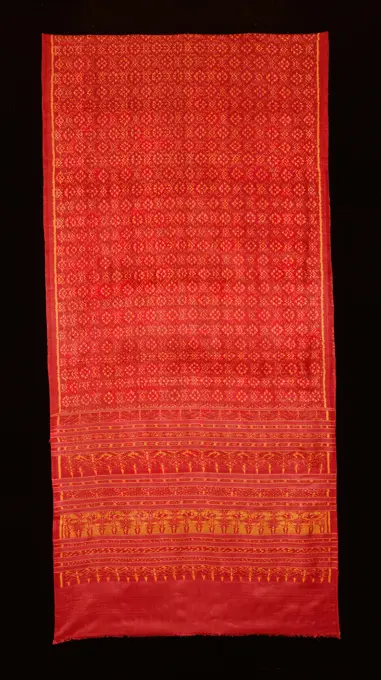
Textile, Medium: silk Technique: tied resist patterning in weft (ikat) on plain weave; discontinuous supplementary weft patterning (brocade), Long and narrow textile, probably a breast cloth (kemben), in red with green, purple, orange, and yellow. Borders fringed and heavily brocaded. Center design shows diamond-shaped lattice pattern with brocaded geometric florals., Bali or Sumatra, Indonesia, 19th century, printed, dyed & painted textiles, Textile
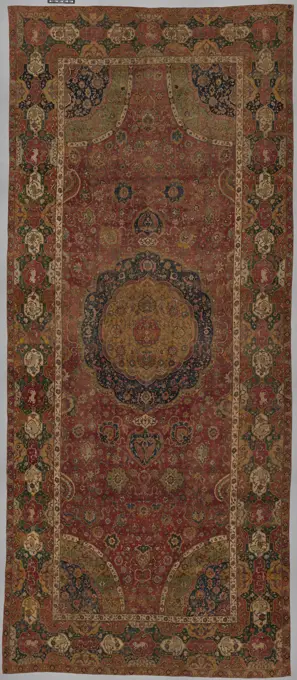
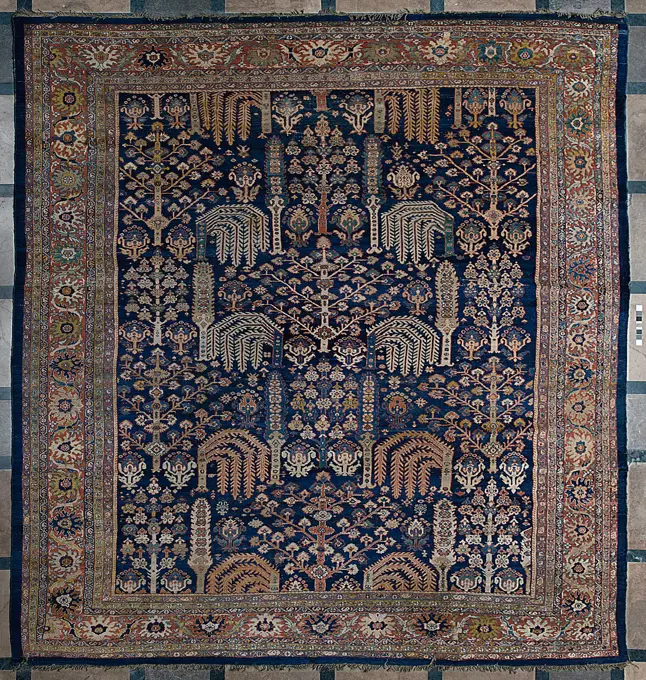
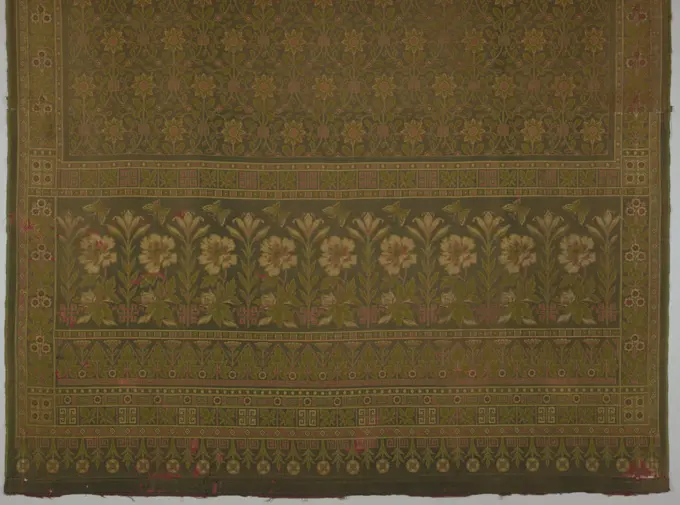
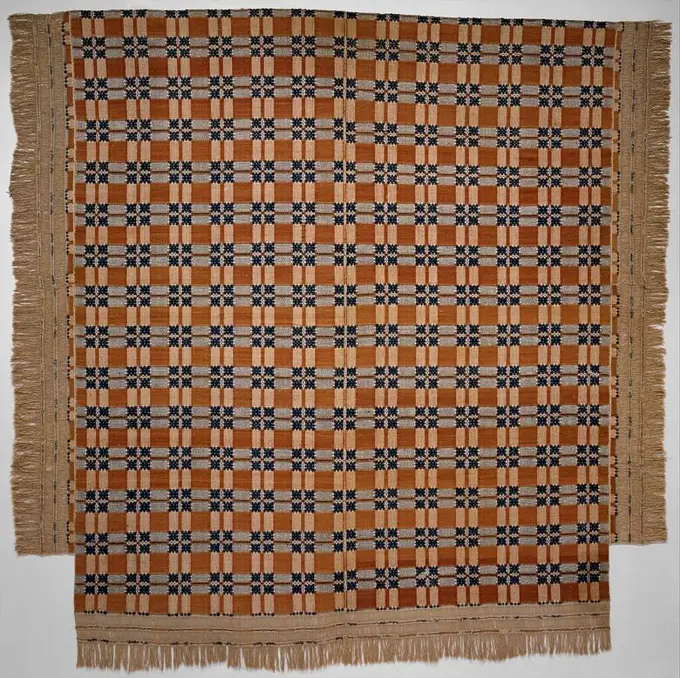
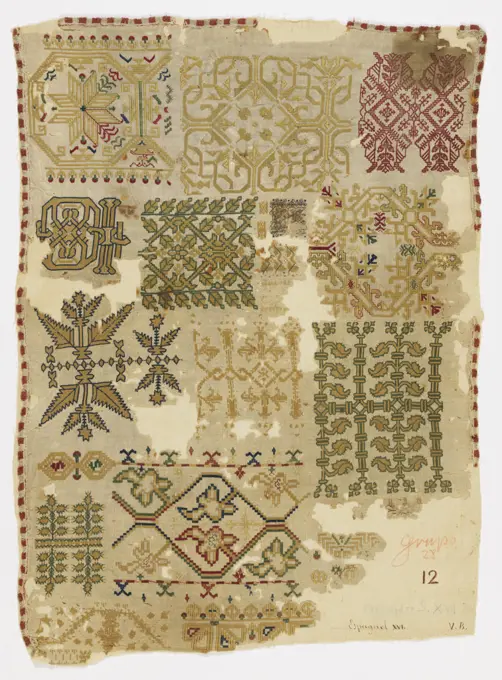
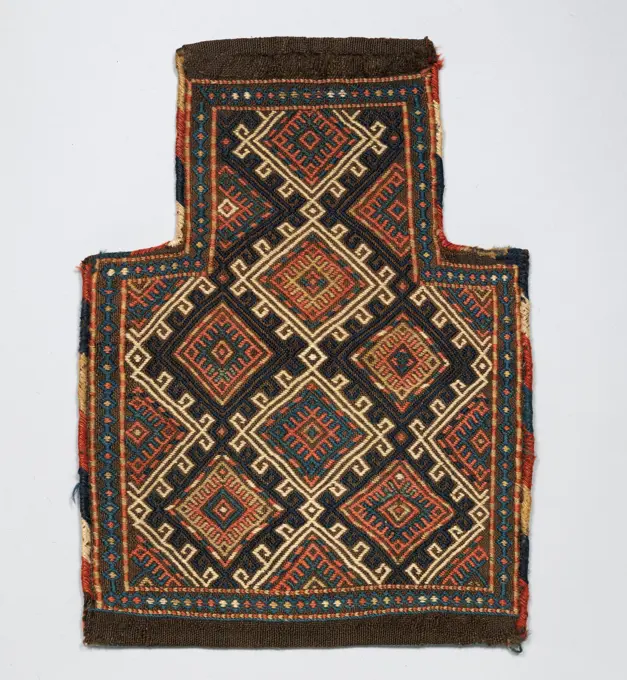
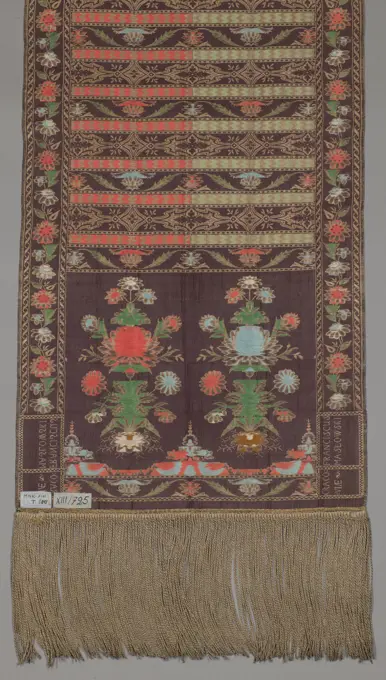
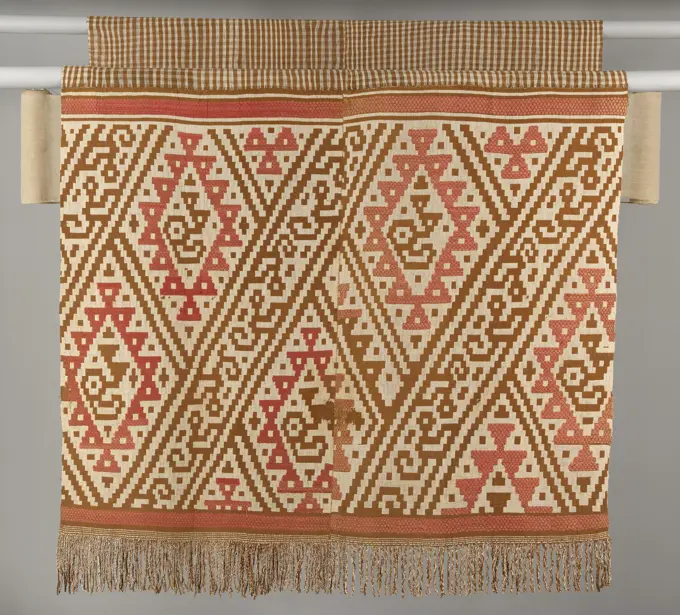
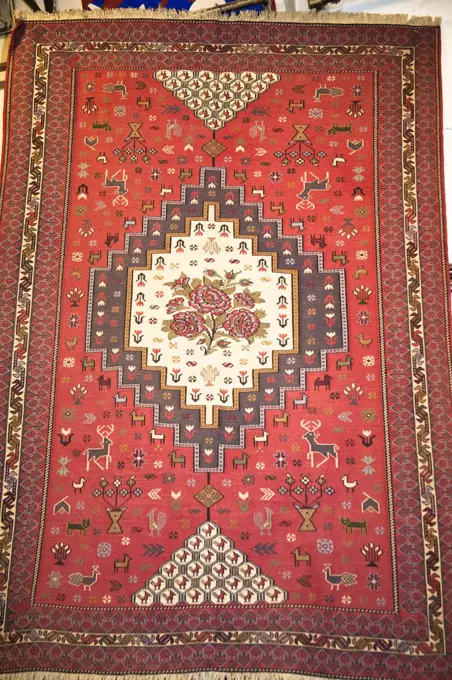
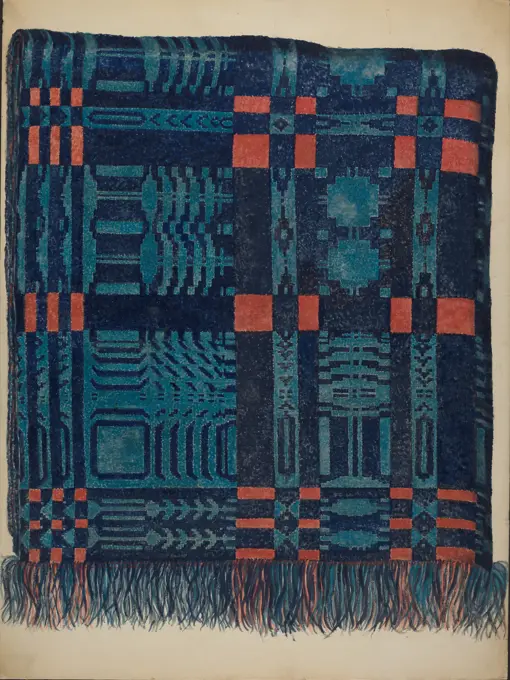
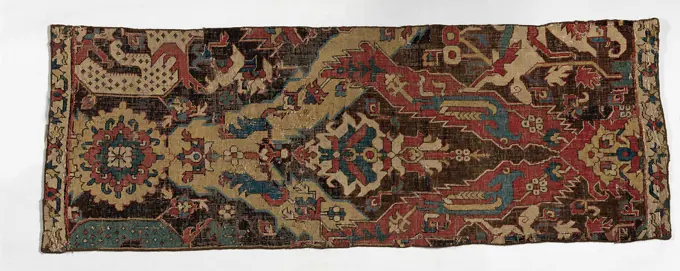
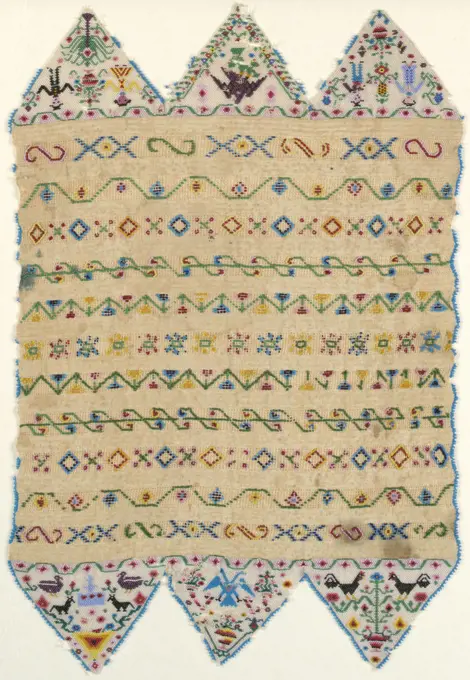
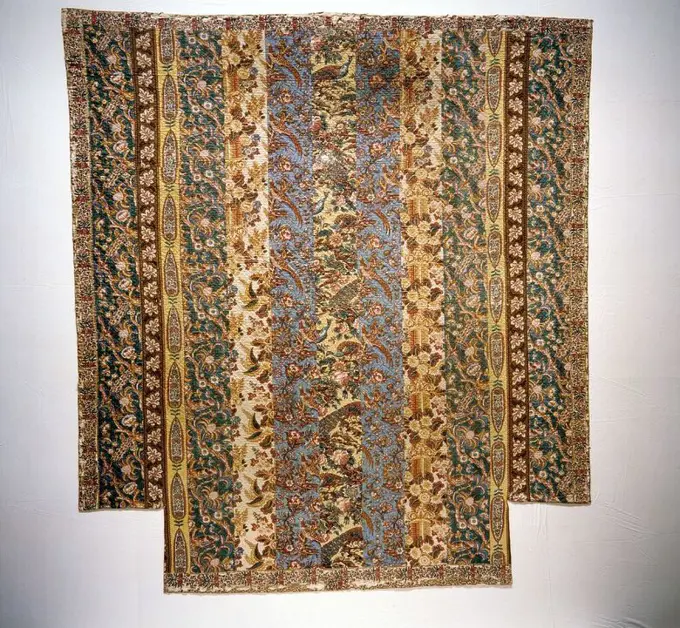
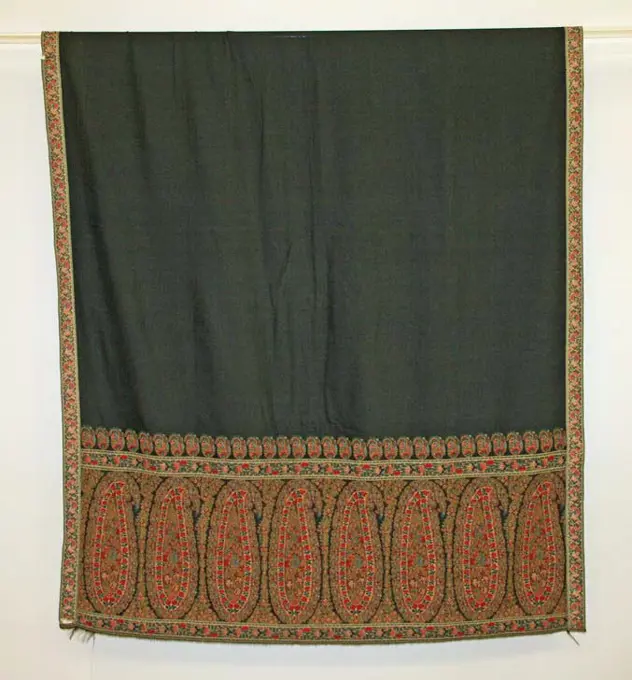
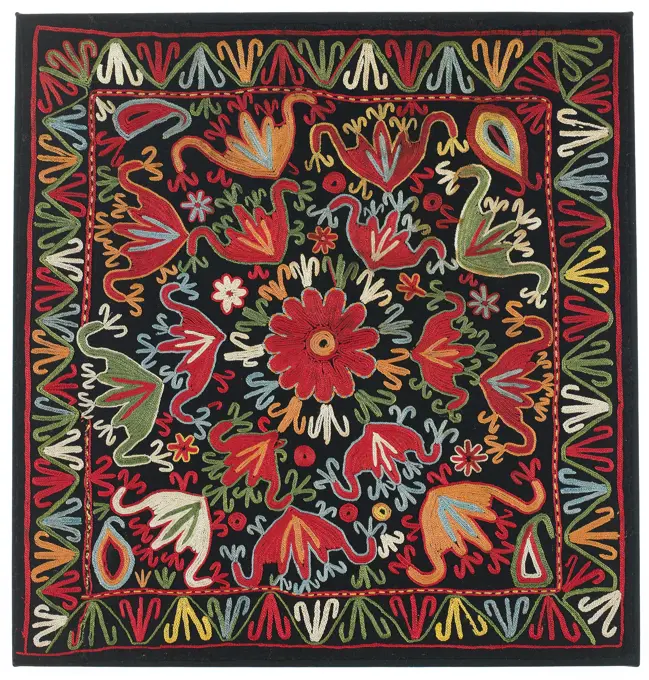
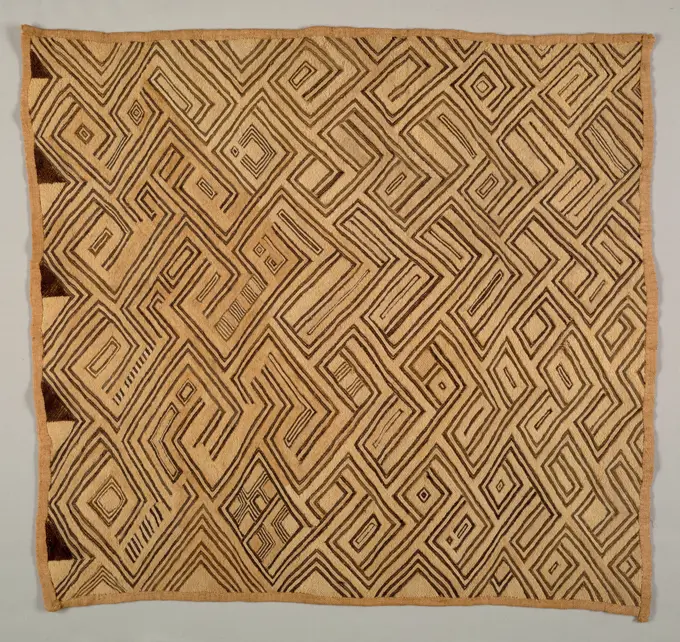
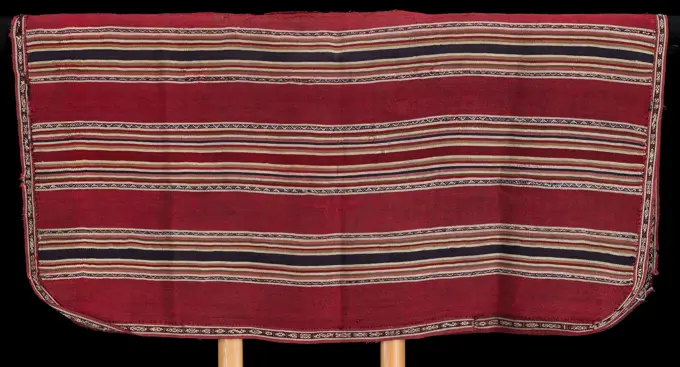
Cushion Cover. Turkey, Bursa. Date: 1601-1625. Dimensions: 119.8 x 66.6 cm (47 1/8 x 26 1/4 in.). Silk, gilt-and-silvered-metal-strip-wrapped silk, and cotton, satin weave with supplementary brocading wefts, and two-color cut voided velvet. Origin: Turkey. Museum: The Chicago Art Institute, Chicago, USA.Doek, Anonymous, 1900 - 1949 Cloth with floral and geometric motifs. Thailand cotton (textile). silk Cloth with floral and geometric motifs. Thailand cotton (textile). silkCain from Eastern silk tissue, anonymous, c. 1400 - c. 1850 Cain of red silk with a gold -woven decor. The midfield decorated with the so -called `bintang pattern '. A wide richly decorated edge on the narrow sides. Sumatra silk. metal thread Cain of red silk with a gold -woven decor. The midfield decorated with the so -called `bintang pattern '. A wide richly decorated edge on the narrow sides. Sumatra silk. metal threadNeedlepoint (Reticella) Lace Band, 19th century. Italy, 19th century. Lace, needlepoint: linen; average: 10.2 x 36.9 cm (4 x 14 1/2 in.).Fragment (Greece); silk on linenShawl 1805-15 American. Shawl 169973Carpet Fragment 15th-16th century. Carpet Fragment 451457. Oriental carpet, gridging floral rug, tsoudors people. In midfield, a lightning pattern of lightning bolt lines with daisies against an aubergine fond. In the mesh cartouches with flowers. Edge above and under quadruple, triple on the sides.Curtain for a greenhouse in black mesh fabric, pattern "Madras". Curtain for a madras greenhouse in black mesh fabric with green vertical stripes and leaf reflences in oval form. Down Doubling in the same motive. Within a table ornament a wide and a narrow strip of green roses and pink flowers between a diamond-shaped pattern with leaf drinks. Ten suspension rings at the top.Sampler (England); silk embroidery on linen foundationSarape Made 1750-1800 México. Cotton and wool, single dovetail tapestry weave; neck edge tapes of cotton, plain weave .Shawl, Anonymous, 1900 - 1949 Shawl with human -like figures. Soemba cotton (textile) Shawl with human -like figures. Soemba cotton (textile)Colorful local made rug blanket in Tozeur Tunisia in AfricaSampler, Medium: cotton on cotton Technique: satin, running, back and a looping variation on plain weave foundation; counted stitches, 31 bands of geometric patterns in red and blue., Spain, 18th century, embroidery & stitching, SamplerTent bag card. Tent bag card, in small model, torba, of wool and some silk buttons in Cerise. This torba is decorated with the Aina-Gochak motif within rectangular compartments.Piece 18th century Japan. Piece 71840Sampler 1826 South German. Sampler 217899Honeycomb Centre Quilt Made 1877 Michigan. Cotton and silk, plain weaves, some roller printed; pieced; appliquÈd with cotton and wool, plain weave wrapped cardboard; edged and backed with cotton, plain weave; roller printed; quilted with cotton thread .Tent hanging, 19th century, 36 x 36 in. (91.44 x 91.44 cm), Silk, cotton, metal; needle chain stitch, double chain stitch, detached chain stitch, Kyrgyzstan, 19th centurySample (USA); Manufactured by Cheney Brothers (United States); silk, metal thread; Warp x Weft: 64.7 x 64.5 cm (25 1/2 x 25 3/8 in.)The Seley Carpet late 16th century This is one of the finest Persian carpets known, produced at a time when the art of carpet weaving had achieved its greatest heights under the patronage of the Safavid shahs in the sixteenth century. Striking in the harmony of its pattern and color, this carpet combines the medallion scheme adapted from bookbindings with a field composed of a well-planned system of floral forms on scrolling vines and floating cloud bands of Chinese derivation. Listen to experts illuminate this artwork's story Listen Play or pause #6667. The Seley Carpet Supported by Bloomberg Philanthropies We're sorry, the transcript for this audio track is not available at this time. We are working to make it available as soon as possible.. The Seley Carpet. late 16th century. Silk (warp), cotton (weft), wool (weft and pile); asymmetrically knotted pile. Made in Iran. Textiles-RugsCarpet ca. 1299-1923. Carpet 452574Alhambra hanging fragment with decorated bands, 1300s. Spain, Granada. Silk: lampas and taqueté weave; overall: 37.8 x 25.1 cm (14 7/8 x 9 7/8 in.); mounted: 46.7 x 28.9 cm (18 3/8 x 11 3/8 in.).Panel (Near East); silk and cottonCarpet;  19th century (1801-00-00-1900-00-00);carpentryKesa Made 1799-1868 Japan. Silk, warp-float faced 5 1 ëzí twill weave with 1 2 ëzí twill interlacings of secondary binding warps and supplementary patterning wefts; silk-wrapped cotton plied cords; couched .Shawl, 1800s. India, Kathiawar, 19th century. Embroidery: silk on cotton tabby ground; overall: 104.1 x 76.2 cm (41 x 30 in.).Sash, 20th century, 81 5/16 x 7 1/4 in. (206.53 x 18.42 cm) (without fringe), Silk; brocade, Laos, 20th centuryPrayer dress with upper resource panel, Ladik. Prayer dress with upper resource panel, Ladik. Midfield: Solid wine red Mihrab with three-part façade. On light green switches are toothed leaves in red and violet. Above a white panel separated by a tilting edge, "omegaline" in white, with three purple tilting drastic in a purple panel with five tulips, alternately light green (3) and violet (2). Edges: Triple. A wide, blue border is decorated with alternated a rosette flower and a sloping tulip, all in red, violet, beige, light blue and white speckled red. The indoor zoom is in violet; The outside zoom in beige, on which the same angular tendrils.Fragment (Trouser Band) Made 1875-1900 China. Design of white and blue cranes embroidered on gauze. . Han-ChineseAmerican 20th Century, Handkerchief, 1935 1942 HandkerchiefWall hanging. Date/Period: 1800 - 1899. Textile. Height: 263 mm (10.35 in). Author: UNKNOWN.Panel, Bruce James Talbert, 1838 - 1881, Medium: cotton, linen, wool Technique: 2 & 2 broken twill and 13 twill with complementary wefts (yellow linen, green wool and brown wool) and inner warps (red cotton). The inner warps float or interlace on the front. Only the areas which are green are 13 twill., Woven hanging with a wide border at bottom and continuous pattern above in muted red, yellow,green and dark brown. The border contains a lilly, a chrysanthemum and a butterfly and the guard band below a lotus-like plant. The field has a repeating pattern with full-face blossoms on a line forming an S-shaped grid., England, ca. 1870, woven textiles, PanelBaby Carrier, 22 x 20 in. (55.88 x 50.8 cm), Cotton, silk; needlework, ChinaCoverlet. Culture: American. Dimensions: 99 1/2 x 102 in. (252.7 x 259.1 cm). Date: ca. 1825.This overshot coverlet is woven of undyed cotton and blue and orange wool in two panels and seamed at the center. There is an applied woven fringe along each side and along the bottom edge. The piece is T-shaped to accommodate bedposts. Museum: Metropolitan Museum of Art, New York, USA.Cover, 19th century, 30 x 30 1/2 in. (76.2 x 77.5 cm), linen, silk; needlework, 19th centuryMan's Wrapped Garment, 20th century, 136-1/4 x 39-5/8 in. (346.1 x 100.6 cm), Silk; ikat, Thailand, 20th centurySampler, Medium: silk and metal-wrapped silk on plain weave linen Technique; stitches using silk; satin, cross, running, chain, eyelet, stem, double running, long-armed cross, montenegrin cross. stitches using metal-wrapped silk; chain., Sampler made of various embroidery patterns and stitches., Spain, 16th century, embroidery & stitching, SamplerSalt Bag last quarter 19th century Nomads used small narrow-necked bags to carry salt, which they would add to their food and feed to their grazing animals. Designed in an overall pattern of repeating lozenges, this example stands apart due to its unusual technique: it is made of a plain-weave ground decorated with a pattern in supplementary brocaded weft.. Salt Bag. last quarter 19th century. Wool (warp, ground weft, and supplementary weft); balanced plain weave with pattern in supplementary brocaded weft (front); weft-faced plain weave (back). From Western Iran, Bakhtiari tribe. Textiles-Woven-BrocadeWoman's wedding veil (odhani), 19th century, 95 x 42 in. (241.3 x 106.7 cm), Silk, cotton; embroidery, 19th centuryBedspread, 19th century, 88 1/2 x 60 in. (224.79 x 152.4 cm), Linen, silk; embroidery, Turkey, 19th centuryArdabil Carpet. Maqsud Kashani. Iran, possibly Tabriz, Islamic; Safavid, dated 1539-40 (A.H. 946). Textiles; carpets. Wool knotted pile on silk plain weave foundationRugs and Carpets: Iran - Kilim Qashqai carpetMan's Garment 15th century () Peru. Man's Garment 318569Contustion sash Masłowski, Franciszek (CA 1758 1830)ALFOMBRA PERSA. Location: PRIVATE COLLECTION. MADRID. SPAIN.Fragment (Japan)Bath mat (or wrap), early 20th century, 55 x 38 in. (139.7 x 96.52 cm), Silk, Turkey, 20th centuryLoincloth 12th-15th century Chimú. Loincloth 312789Textile 1850-99 Russian. Textile 173426Trimming, Medium: silk Technique: woven, Red and white trimming fragment in a design of a fret pattern with open flowers between borders of twisted bands., France, 19th century, trimmings, TrimmingBorder, Medium: cotton Technique: block printed (red and black) and immersion-dyed (yellow) on plain weave, A field of shells within scrolls. Border stripe of fretwork containing alternating shell and flower motif., England, ca. 1812, printed, dyed & painted textiles, BorderSilk fragment with roundels of ducks, 600s. Iran. Samite: silk; overall: 8.3 x 11.4 cm (3 1/4 x 4 1/2 in.).Bid rug with downwars panels, Ladik ,, 1800 - 1900 Prayer rug with downwars panels, Ladik. Midfield: plain red mihrab with three -part top with medium increase. Zwikken in eggplant with toothed leaves in red and light yellow and with multicolored carnations. A bilt edge under the niche grabs in a red bottom panel, with five hanging tulips in purple (3) and light blue (2). Edges: multiple. The middle one is in blue, running to light blue, on which angular tendrils stand with multicolored rosettes. The inner zoom is in discolored pink, on which rosettes stand. The outside zoom is yellow with the - for Ladik typical - glans. Ladik wool Prayer rug with downwars panels, Ladik. Midfield: plain red mihrab with three -part top with medium increase. Zwikken in eggplant with toothed leaves in red and light yellow and with multicolored carnations. A bilt edge under the niche grabs in a red bottom panel, with five hanging tulips in purple (3) and light blue (2). Edges: multiple. The middle one is Panel, Medium: linen Technique: needlework on hand knotted net with bobbin lace edge, End of a towel or table cover. Needlework on knotted net with a design of scrolling vines over diagonal bars in a symmetrical arrangement with urns., Italy, 16th-17th century, lace, PanelTurkish carpet for sale in the Grand Bazaar, Istanbul, TurkeySaltillo Serape (northern Mexico); two-ply machine spun undyed cotton (warp); handspun undyed wool (brown and white), handspun indigo-dyed wool, handspun synthetic-dyed wool (weft)Carpet with Niche Design late 18th-early 19th century. Carpet with Niche Design 452584Textile (United States or England); cottonConciliate belt; Manufaktura Paschalis Jakubowicz (Warsaw; label Pasów; 1788-1794); 1788-1790 (1788-00-00-1790-00-00);Sampler, Medium: silk embroidery on linen foundation Technique: embroidered in satin, four-sided, and running stitches, and withdrawn element work with needle-made fillings, on plain weave foundation, Grid of rectangular bands and squares, each embroidered in stylized floral motifs, geometric patterns, or needle-lace fillings., Mexico, mid-19th century, embroidery & stitching, SamplerSampler, Medium: linen, silk, metal-wrapped silk Technique: embroidered in cross, rococo, half cross, eyelet, and satin stitches on plain weave foundation, At left, two alphabets, numerals, date, and motifs of fruit and flowers. At right, 18 squares of pattern., Bohemia, 1709, embroidery & stitching, SamplerEmbroidered shawl unknownHip Wrapper (tapis), 1800-1850. India, Coromandel Coast, 1st half 19th Century. Cotton; plain weave; block printed, drawn resist, painted mordants, dyed; overall: 250.2 x 107.3 cm (98 1/2 x 42 1/4 in.).Eva Wilson, Coverlet  Pine Tree Border, c 1937 Coverlet - Pine Tree BorderPart of a dress border 18th century Greek Islands, Crete. Part of a dress border. Greek Islands, Crete. 18th century. Silk on linen. Textiles-EmbroideredFragment Drakenkleed.Fragment of an oriental carpet, a so-called drench rug. Midfield: divided into compartments. A brown-black fond is divided into pointed diamond forms intersecting rusted lancet leaves from yellow and red. On the last a blue duck. Large rosette, palmet and lotus flowers, yellow on the intersections of the yellow leaves, red at the red. In the window shape alternately a lotus, a dragon and perhaps a animal figure (Phoenix); The dragons of white and petrol green with speckles. Fine sometimes doubled contours, both angled and sawtooth. Rand: (originally on the sides, now below and above) white fond with double angular tendrils of green with flowers in red, blue and yellowFragment, 17th century; silkConciliate belt; Manufaktura Karol Stanis Awa Radziwi A (S UCK; Pasów Factory; Ca 1767-1790), Madze Anski, Jan (fl. Ante 1757-Ca 1800); 1767-1780 (1767-00-00-1780-00-00);Madżarski, Jan (Tkacz - -A 1800), Radziwiłł, Karol Stanisław (Vilnius Voivodeship - 1734-1790), Słuck, Persjarnia, bipartite heads, metal threads, four -sided belts, index belts, Lite belts, Polish beltsChalice Cover Made 1801-1900 France. .Sampler, Medium: glass beads, cotton Technique: embroidered in overcasting with withdrawn element work on plain weave foundation; triangular tabs of looping using beads, Beads sewn in patterns onto bands of withdrawn element work. Each end has three triangular tabs made of beads sewn to each other in a pattern., Mexico, late 19th century, embroidery & stitching, SamplerWedding Headpiece, 20th century, 28 x 21 1/4 in. (71.12 x 53.98 cm), Cotton, silk; embroidery, Laos, 20th centuryQuilt, Strip pattern. Culture: American. Dimensions: 102 1/4 x 89 1/4 in. (259.7 x 226.7 cm). Date: ca. 1825.This quilt's top is composed of thirteen long strips of six different English block- and roller-printed fabrics stitched together in a symmetrical arrangement from the center strip. It is quilted overall in double-diamond pattern except for the double swag quilting in the border. The corners were notched at bottom, probably after the piece was completed. The hacking is of a coarsely woven white cotton, and the batting is of carded cotton. Museum: Metropolitan Museum of Art, New York, USA.Shawl 1815-20 European. Shawl 102606Bag, c. 1925, 10 x 6 1/2 in. (25.4 x 16.51 cm), Cotton, silk; needlework, Syria, 20th centuryCarpet Made 1875-1900 Caucasus. Wool, plain weave with supplementary wrapping wefts forming cut pile through a technique known as Ghiordes knots .Sampler (Italy); silk embroidery on cotton foundationIlgich, 20th century, 21 1/4 x 20 1/4 in. (53.98 x 51.44 cm), Silk, wool; chain stitch, Uzbekistan, 20th centurySquare; silk embroidery on linen foundationRectangular scarf of crêpe Georgette in blue with flowers and leaves in fuchsia -free and green, along which a solid black border, anonymous, c. 1915 - c. 1920 Rectangular scarf of Silk Crêpe Georgette printed with a pattern of flowers and leaves in fuchsia -free and green against a blue surface. Along the edge a solid black lane. Paris (possibly) whole:. Decoration: Printing ink printing Rectangular scarf of Silk Crêpe Georgette printed with a pattern of flowers and leaves in fuchsia -free and green against a blue surface. Along the edge a solid black lane. Paris (possibly) whole:. Decoration: Printing ink printingCushion Cover. England. Date: 1701-1725. Dimensions: 52.2 × 57.2 cm (20 1/2 × 22 1/2 in.)Embroidered repeat: 17.8 × 10.3 cm (7 × 4 1/8 in.). Linen, plain weave; embroidered with wool and silk in flame stitch. Origin: England. Museum: The Chicago Art Institute, Chicago, USA.Sampler. Culture: British. Dimensions: H. 11 3/8 x W. 19 1/2 inches (28.9 x 49.5 cm). Date: 18th century. Museum: Metropolitan Museum of Art, New York, USA.Bandana (USA); Manufactured by Eureka Printing Company; cottonPrayer Rug with Inscription in Niche dated A.H. 1210/A.D. 1795-96. Prayer Rug with Inscription in Niche. dated A.H. 1210/A.D. 1795-96. Wool (warp, weft and pile); symmetrically knotted pile. Attributed to Turkey, Manisa. Textiles-RugsDark blue-ground decorative scarf (tisaji) with geometric patterns, second half 19th century, Unknown Ryukyuan, 28 1/2 × 10 3/8 in. (72.39 × 26.35 cm) (overall), Cloth: cotton; floating relief warp and weft (Yomitanzan hanaori), yoko-gasuri (weft ikat), Japan, 19th centuryBlanket. Navajo (Diné); United States, New Mexico. Date: 1880-1899. Dimensions: 233 x 151.1 cm (91 3/4 x 59 3/8 in.). Cotton and wool, single interlocking tapestry weave; twined selvages and heading, overcast finish terminating in tassels. Origin: New Mexico. Museum: The Chicago Art Institute, Chicago, USA.Embroidery patch of linen canvas on which with silk in tapisserie sign 19 different flat decorations were made and the text Rinck Cornelis in Nortkoppen, Cornelis Rinck, 1706 The Lamb of God with a Vaan has been taken from Johann Sibmacher, Schön Neues Modelbuch ..., first edition Nürnberg 1597. The various flat decorations as an example for bags, shoes and juices. Northern Germany (Possible) Denmark (Possible) Lap: Linen (Material). Borduuwerk: Silk embroidering The Lamb of God with a Vaan has been taken from Johann Sibmacher, Schön Neues Modelbuch ..., first edition Nürnberg 1597. The various flat decorations as an example for bags, shoes and juices. Northern Germany (Possible) Denmark (Possible) Lap: Linen (Material). Borduuwerk: Silk embroideringTextile 1840-70 Russian. Textile 173430Arabic carpet colorful persian islamic handcraft handmadeTatreez pattern 42Conciliate belt;  18th century (1791-00-00-1800-00-00);Jacket, 35 x 42 in. (88.9 x 106.68 cm) (to sleeve ends), Cotton, ChinaTeacloth, 19th century, 36 9/16 x 30 in. (92.87 x 76.2 cm), Linen, silk; needlework, Switzerland, 19th centuryEmbroidered Raffia Pile Cloth, 1900s. Africa, Central Africa, Democratic Republic of Congo, Kuba peoples, 20th century. Raffia and dye; overall: 64 x 58.7 cm (25 3/16 x 23 1/8 in.); mounted: 69.8 x 64.1 cm (27 1/2 x 25 1/4 in.).Parallel of historical ornament, Gothic II , Architectural decorations & ornaments, Capitals Columns. Louis Prang & Company CollectionBorder Made 1801-1900 England. Cotton, plain weaver; block printed .Man's ponchito, mid 19th century, 19 11/16 x 38 3/4 in. (50.01 x 98.43 cm) (folded), Alpaca, Bolivia, 19th centuryBlanket, 20th century, Unknown Thai, 58 7/8 x 26 1/2 in. (149.54 x 67.31 cm), Silk, Vietnam, 20th centuryNavajo 'slave' blanket, c. 1875, 98 1/2 × 48 7/8 in. (250.19 × 124.14 cm) (including fringe), Wool, pigments, United States, 19th centuryBorder (Mexico); cotton, glass beads