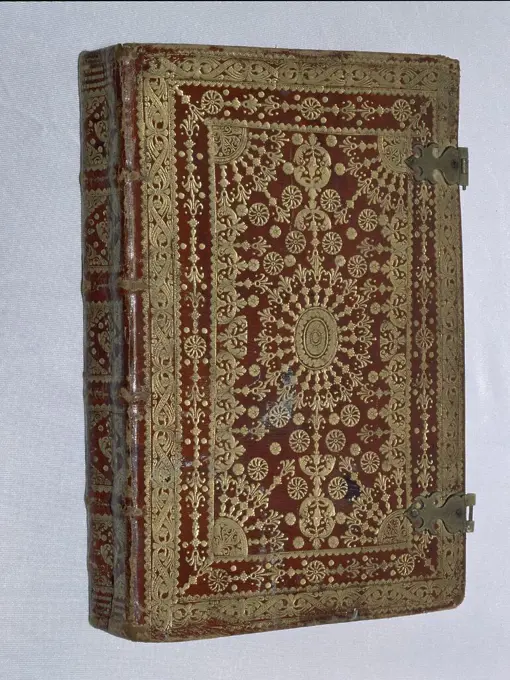
Traditional Textiles

A display of intricate and decorative textiles from various cultures, featuring ceremonial weavings and historical patterns with rich colors and detailed designs.
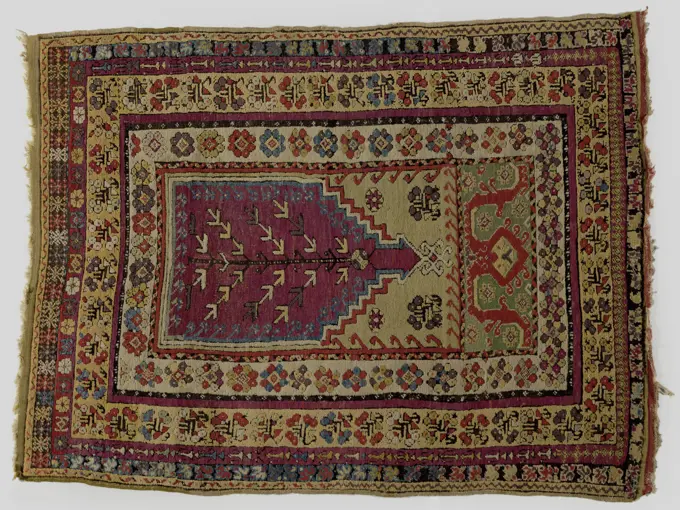
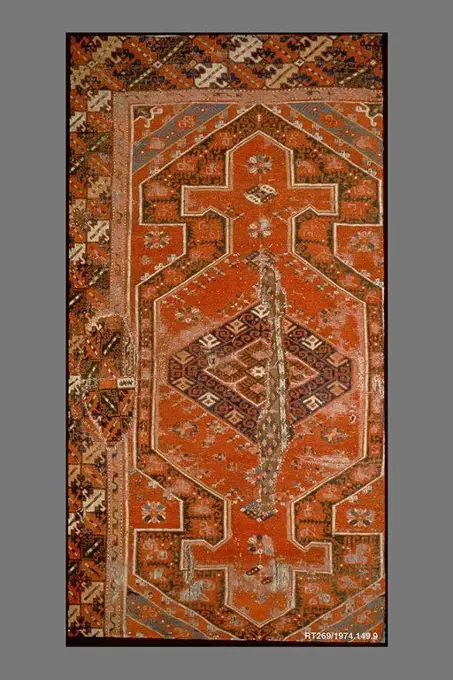
Baddle,, 1800 - 1900 Prayer rug, so -called kirshihir or melas/mucur, red stepped mirab with red stock and yellow, white, yellow, red, blue and yellow edges. Little Asia wool Prayer rug, so -called kirshihir or melas/mucur, red stepped mirab with red stock and yellow, white, yellow, red, blue and yellow edges. Little Asia wool
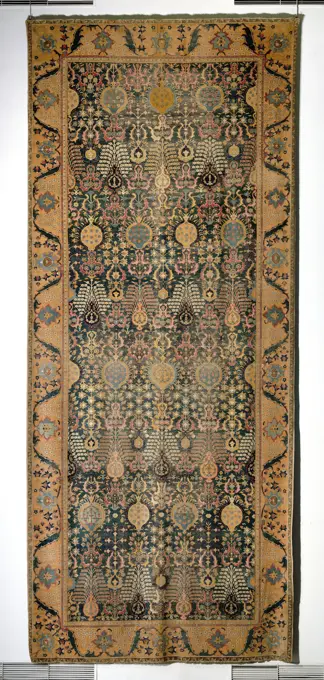
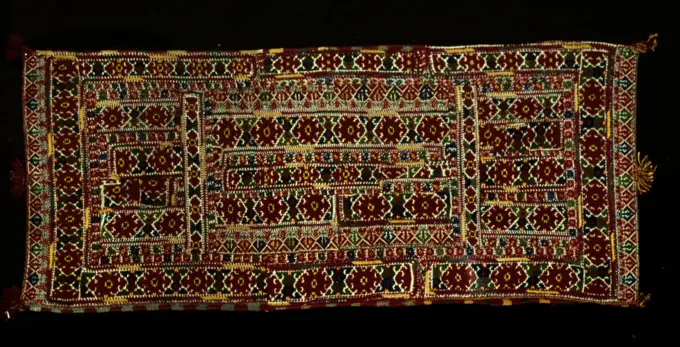
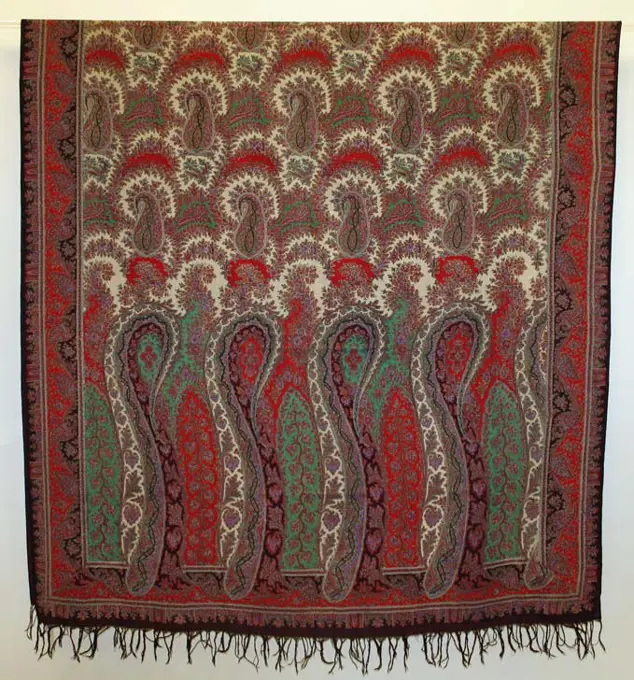
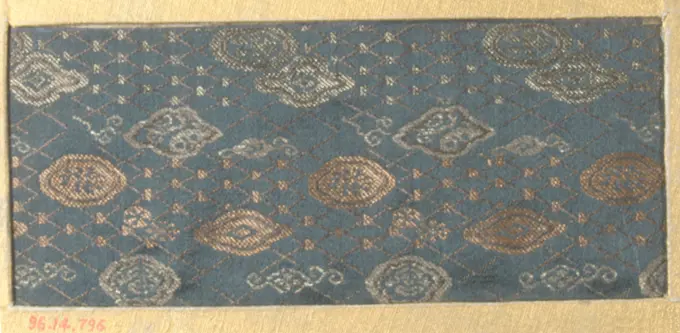
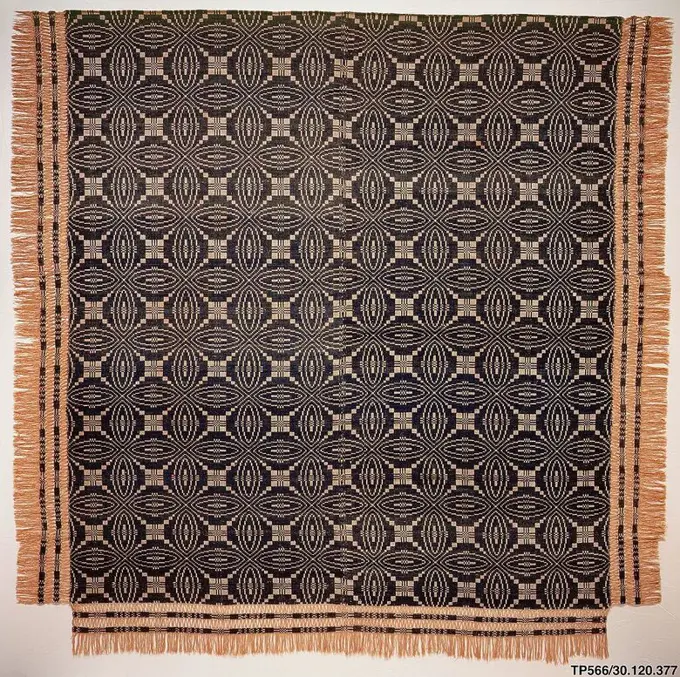
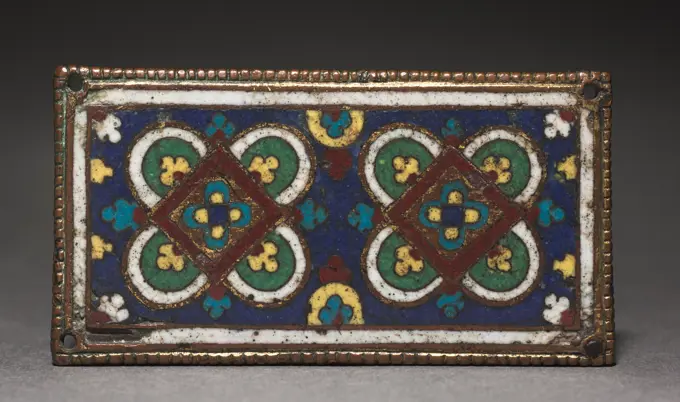
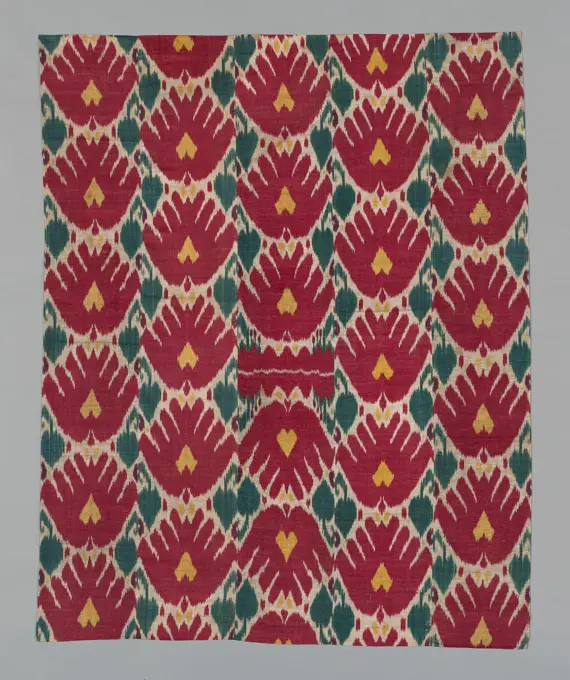
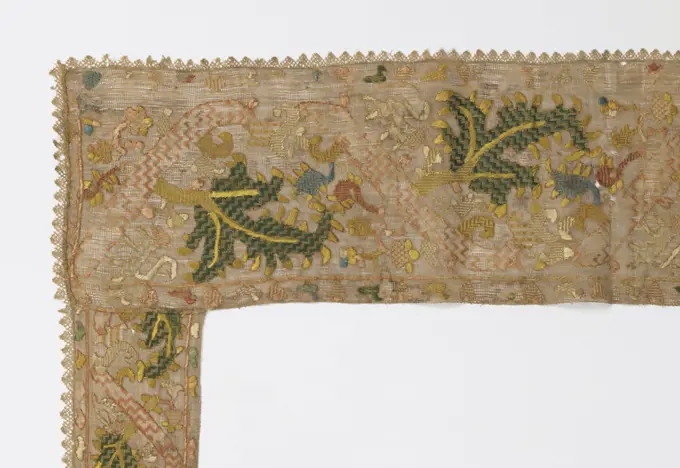
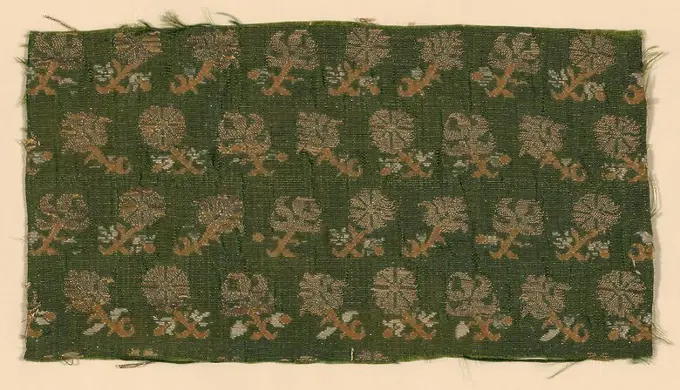
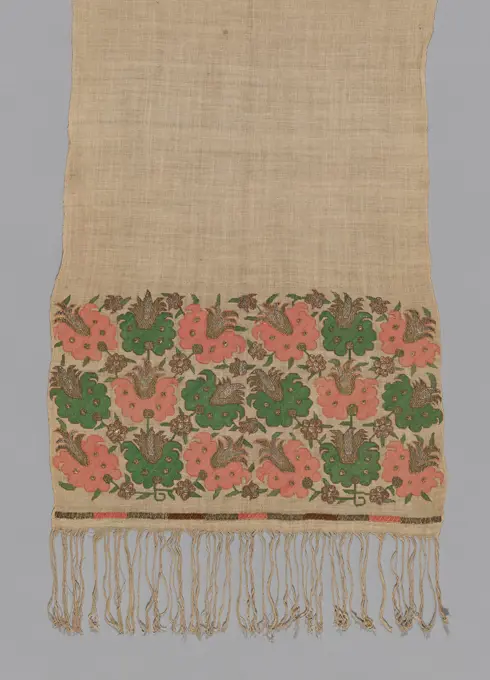
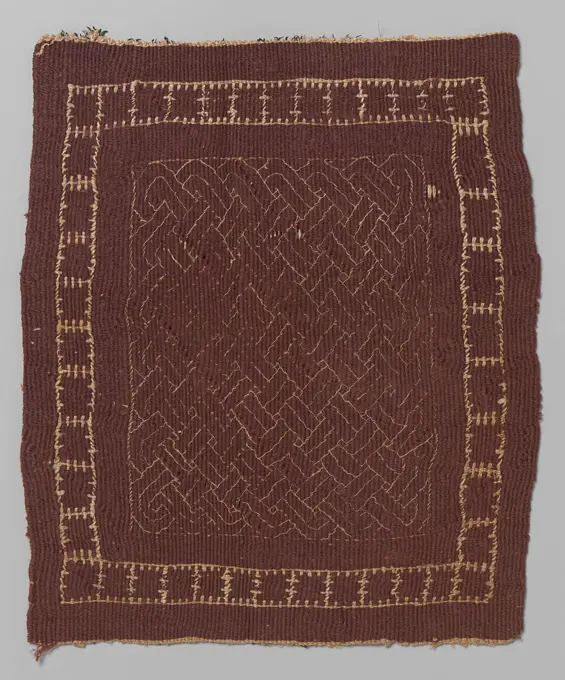
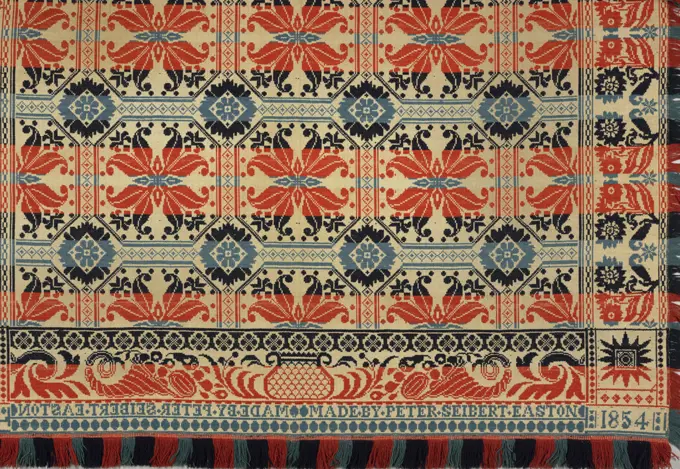
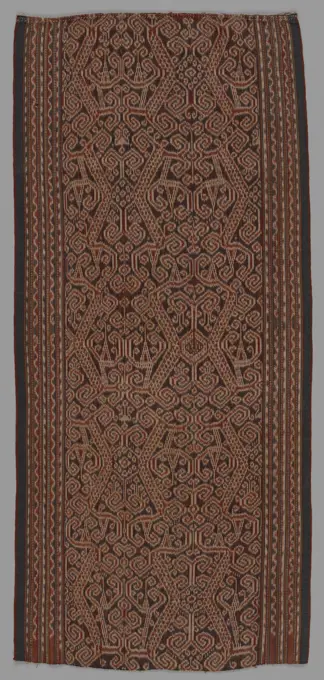
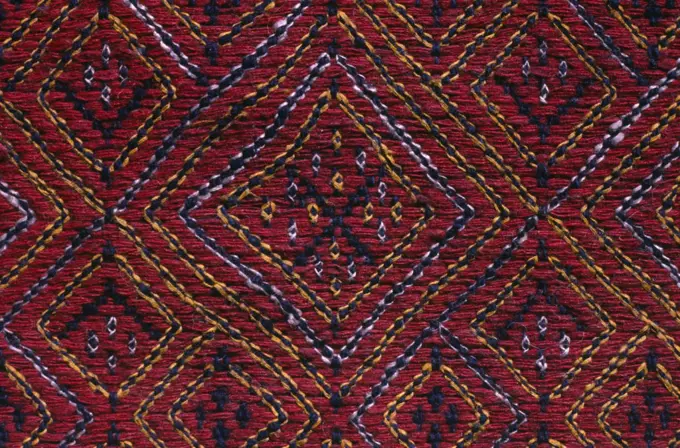
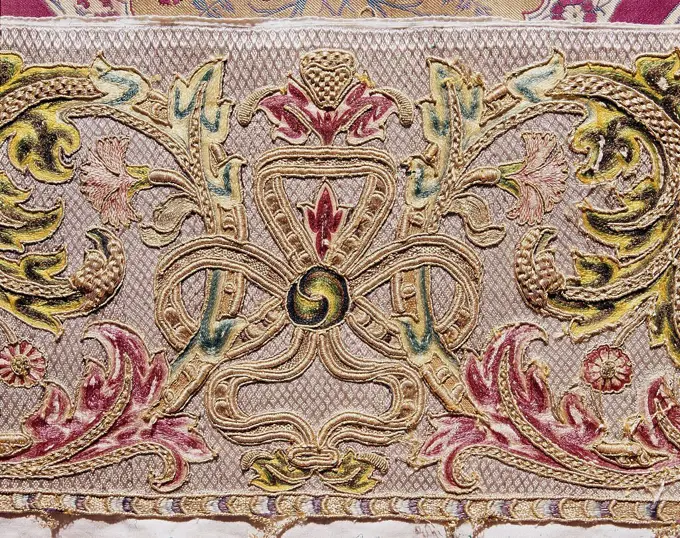
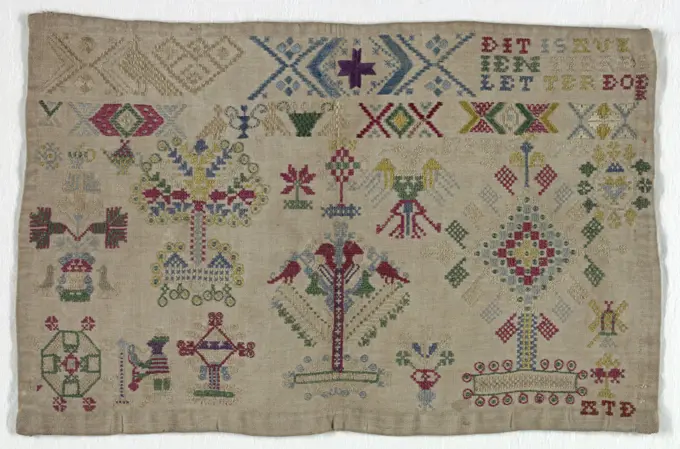
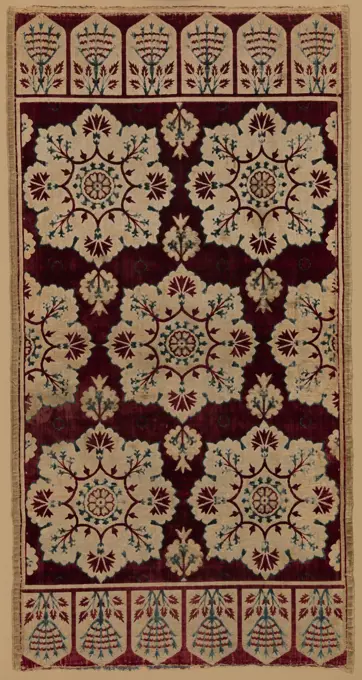
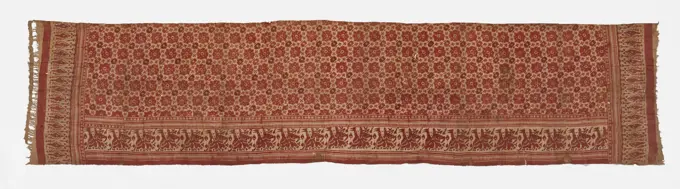
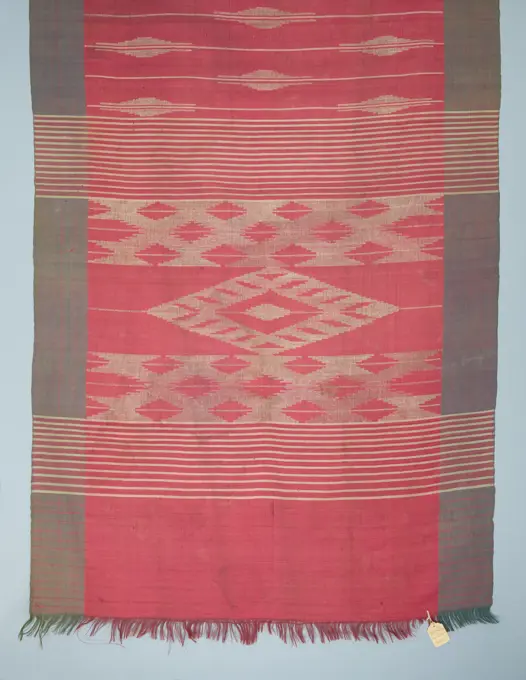
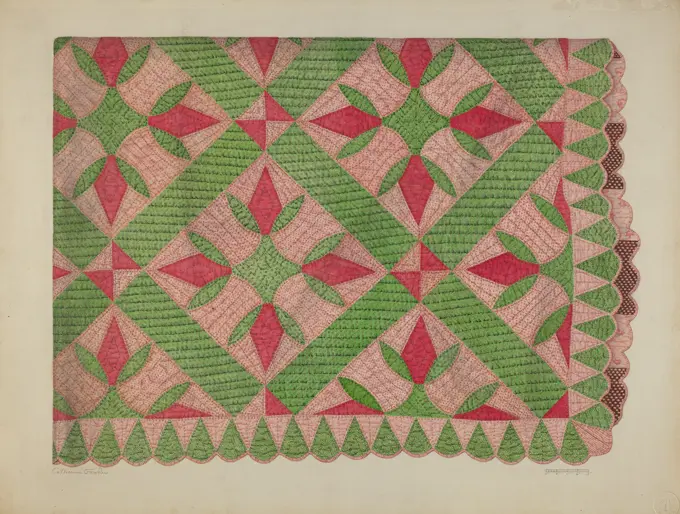
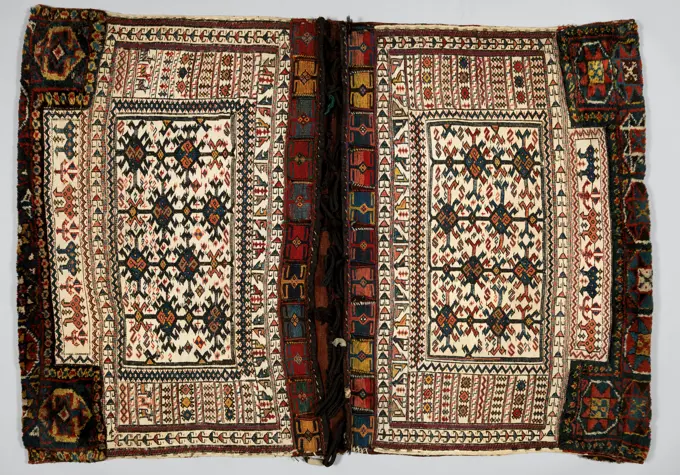
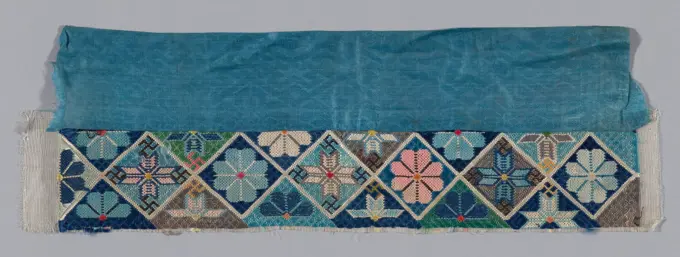
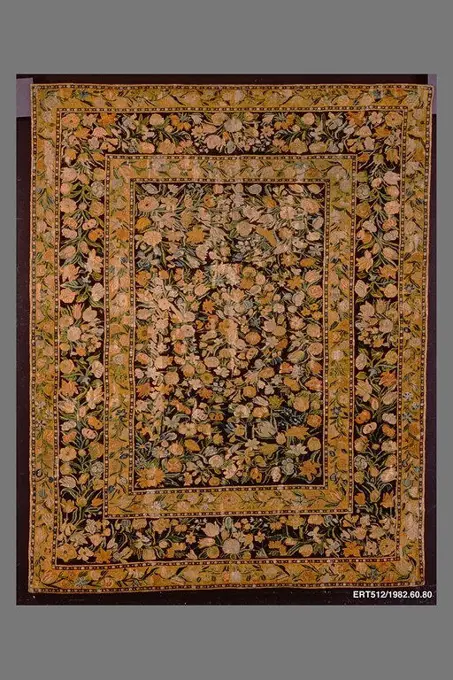
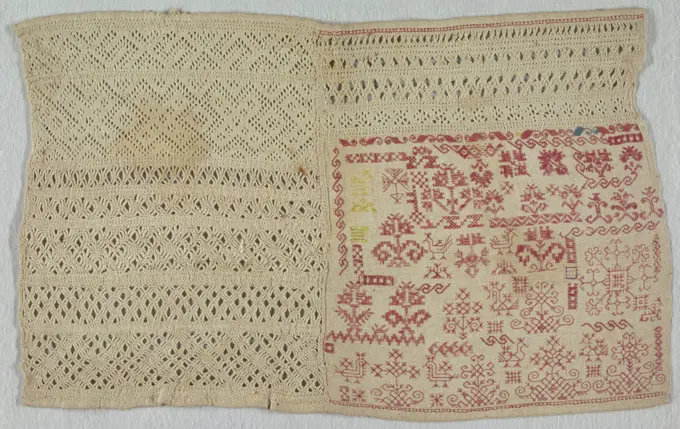
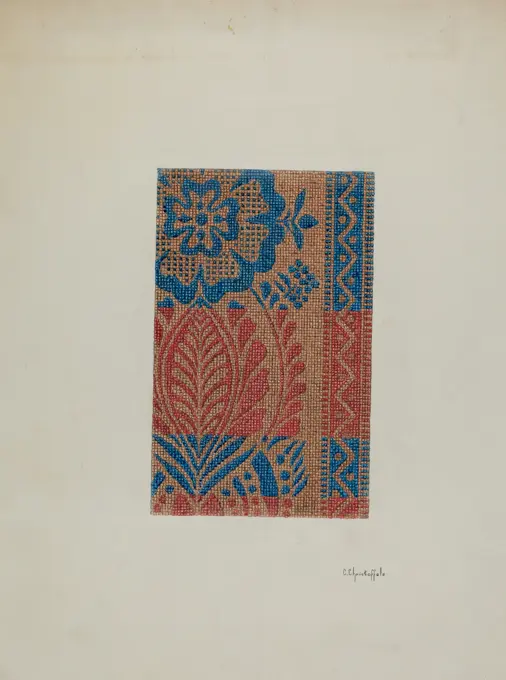
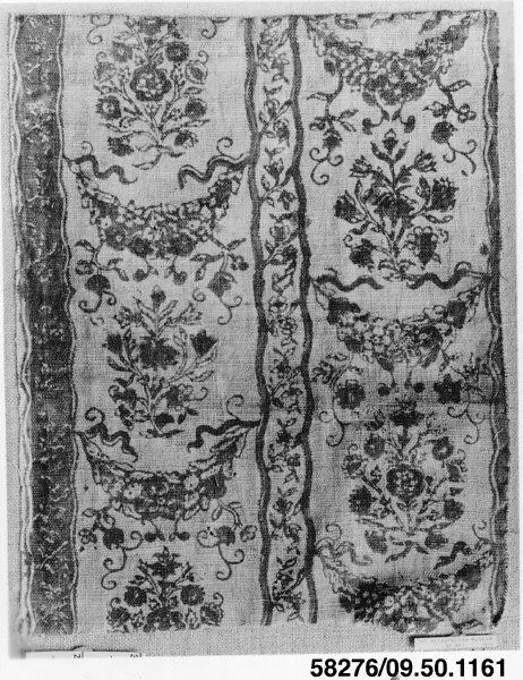
Rug, c. 1890-1900. America, Native North American, Southwest, Navajo, Post-Contact, Transitional Period. Tapestry weave: wool (handspun); overall: 231.1 x 153.7 cm (91 x 60 1/2 in.).Band; linen, silkFragment (Spain); silkTextile (Italy); silkEastern carpet, supposedly 'vase carpet', anonymous, 1600 - 1650 Oriental carpet, flower and vases rug, of which midfield is decorated with candelaber motifs made up of vases and arabesken. Southern Persia wool. cotton (textile) Oriental carpet, flower and vases rug, of which midfield is decorated with candelaber motifs made up of vases and arabesken. Southern Persia wool. cotton (textile)Rug, 19th century, 62 3/16 x 40 in. (157.96 x 101.6 cm), Wool, Turkey, 19th centuryOblong cover, 19th century, 15 x 33 in. (38.1 x 83.8 cm), linen, silk; needlework, 19th centuryFragment (India); cottonAltar Cloth 1811 Japan. Altar Cloth 68396Percival Jenner, Cotton Kerchief, c 1937 Cotton KerchiefTextile with Cartouche Design 18th century. Textile with Cartouche Design 452090Headscarf. Culture: Russian. Date: 1814.This object is from the collection of Natalia de Shabelsky (1841-1905), a Russian noblewoman compelled to preserve what she perceived as the vanishing folk art traditions of her native country. Traveling extensively throughout Great Russia, she collected many fine examples of textile art of the wealthy peasant class. From the 1870s until moving to France in 1902, Shabelsky amassed a large collection of intricately embroidered hand-woven household textiles and opulent festival garments with rich decoration and elaborate motifs. The Brooklyn Museum holdings include many fine examples including the majority of the garments. Portions of Shabelsky's collection are also housed at the Museum of Fine Arts, Boston, the Cleveland Art Museum, and the Russian Museum of Ethnography in St. Petersburg. Museum: Metropolitan Museum of Art, New York, USA.Headhunters Turban (Siga)Exotic Gold-patterned Silk, 1360-1400. Italy, Venice, last third of 14th century. Silk, gold thread; a combination of two weaves, 2/1 twill and 1/3 twill (lampas); overall: 21.6 x 31.1 cm (8 1/2 x 12 1/4 in.); mounted: 30.5 x 39.4 cm (12 x 15 1/2 in.).Hanging 18th century. Hanging. 18th century. Velvet, silk, metal wrapped thread; embroidered. Attributed to Iran. Textiles-EmbroideredShawl 1860-65 probably British. Shawl 84620Piece 18th-19th century Japan. Piece. Japan. 18th-19th century. Silk. Textiles-WovenCoverlet, Wheel of Fortune pattern variation. Culture: American. Dimensions: 104 x 104 in. (264.2 x 264.2 cm). Date: ca. 1820.This Summer and Winter coverlet is woven of undyed cotton and dark blue wool in two panels and seamed at the center. It has natural woven fringe along the bottom border and applied woven fringe on the left and right sides. Museum: Metropolitan Museum of Art, New York, USA.Kokerdoek, anonymous, 1900 - 1999 Tube cloth for a woman with stylized birds and simple C-shaped motifs that the Mayan Tindok (the sleeping cat) represent. Sarawak cotton (textile) Tube cloth for a woman with stylized birds and simple C-shaped motifs that the Mayan Tindok (the sleeping cat) represent. Sarawak cotton (textile)Borders (USA); Liberty Paper & Bag Co.; machine-printed; 49.5 x 56 cm (19 1/2 x 22 1/16 in.)Plaque, probably from a Reliquary Shrine, 1225-1250. Germany, Aachen, Gothic period, 13th century. Gilded copper; champlevé enamel; overall: 4.3 x 8.9 cm (1 11/16 x 3 1/2 in.).Textile Panel. India, Mughal dynasty, late 17th century. Textiles; panels. Silk cut velvetDoek, Anonymous, 1900 - 1949 Cloth with shield figures. Sarawak cotton (textile) Cloth with shield figures. Sarawak cotton (textile)Wall Hanging Composed of Five Panels Made 1850-1875 Uzbekistan. The ikat dyeing technique was brought to a high level of accomplishment in the 19th century in Central Asia, particularly in the area around the Fergana Valley, in modern-day Uzbekistan. The time-consuming process involves sequentially dyeing bundles of warps and wefts in multiple colors, each time with particular areas tightly wrapped to resist dye penetration, all before they are woven. Warps are then stretched on the loom and wefts are passed so as to create the intended pattern. While the patterns on these objects can be difficult to decipher, many appear to derive from floral motifs, talismanic forms, and Persian patterns. the chief design element here could have been based on a serrated leaf, a flower, or even a peacock.óIslamic Galleries, June 6, 2016. Silk, warp-faced plain weave; warp-dyed (ikat) .Border, Medium: silk, linen Technique: embroidered net and needle lace (), Border of a tablecover made of linen net and embroidered in colored silks. Edged with narrow lace edging., Italy, 17th century, lace, BorderFragment. Italy. Date: 1625-1675. Dimensions: 12.8cm x 23.5 cm (5 1/16 x 9 1/4 in.). Brocaded plain compound cloth. Origin: Italy. Museum: The Chicago Art Institute, Chicago, USA.Ritual Textile (PuaSungkit)Piece early 17th century Italian. Piece 226498Fragment Made 1601-1625 Netherlands. Fancy simple cloth; twill weave .Carpet, 1800-1850. Undyed wool: ground warp; dark brown wool: ground weft; dyed wool (polychrome):Ghiordes knotted pile; overall: 219.4 x 154.9 cm (86 3/8 x 61 in.). Nomadic groups, who moved across the grasslands and steppes between the Caucasus regions near the Caspian Sea to Central Asia and China, perfected the making of textiles, carpets, and other movable works of art. Carpets were woven from sheeps wool to be strong and thick, and served as protection from the elements. This example is decorated with a double geometric sunburst motif.Towel Made 1801-1900 Turkey. embroidered .Tabula. Tabula in linen necklace and woolen wax. On brown purple ground a pattern in flying wire technique of fine braid. Around it a geometrically decorated edge of rectangles in thin, linen thread.Coverlet, Medium: wool, cotton Technique: beiderwand, Beiderwand-style coverlet has flowers in octagons covering the central field with a plant border. Colors are red, light blue, and dark blue. Woven inscription reads: 'Made by Peter Seibert, Easton 1854.', USA, 1854, woven textiles, CoverletTrimming (Spain); silkSkirt (KainKebat)Fragment (Spain); silk, linen, metallic; Warp x Weft (A): 16.8 x 37.5 cm (6 5/8 x 14 3/4 in.) Warp x Weft (B): 14.3 x 24.1 cm (5 5/8 x 9 1/2 in.)Piece 18th-19th century Japan. Piece 65965Sampler, Medium: silk on linen Technique: embroidered, Long sampler with multicolored geometric bands., Spain, 18th century, embroidery & stitching, SamplerBorder 17th century Italian or Greek. Border. Italian or Greek. 17th century. Silk. Textiles-EmbroideredBangladesh, Crafts, Textiles, Detail Of Red And Blue Embroidered Murang Pinon Or Loin Cloth.Sample. France. Date: 1825-1850. Dimensions: 11.6 × 10.8 cm (4 1/2 × 4 1/4 in.) Repeat: 8.1 × 6.8 cm (3 1/4 × 2 3/4 in.). Silk and straw, plain weave with supplementary patterning warps. Origin: France. Museum: The Chicago Art Institute, Chicago, USA.Decor project: geometric patterns. (Dummy title)CASULLA BORDADA NAPOLITANA - SIGLO XVI. Location: CONVENTO DE LAS CLARISAS / MUSEO DE ARTE SACRO. MONFORTE DE LEMOS. LUGO. SPAIN.Sampler, Medium: silk embroidery on linen foundation Technique: embroidered in satin, cross, brick, back, star, four-sided cross, and star stitches with couching on plain weave foundation, Bands of patterning, lettering at upper left and motifs including a spinning monkey and Hapsburg double-headed eagle., Friesland, Netherlands, 1778, embroidery & stitching, SamplerBaby Carrier, 24 1/4 x 20 in. (61.6 x 50.8 cm), Cotton, silk; needlework, ChinaWelum;  19th century () (1801-00-00-1900-00-00);Headscarf 19th century Russian. Headscarf 98459Cushion Cover (Yastik) 17th century Rectangular silk velvets, such as this textile, would have been used to cover cushions, or yastik, on a low seating platform. They feature staggered rows of dramatic floral medallions set against a crimson ground. The ends of the textiles exhibit borders of repeating floral motifs set into rows of small arched forms known as lappets.. Cushion Cover (Yastik) 448678Valance of an altar frontal. Culture: Spanish. Dimensions: L. 19 x W. 79 inches48.3 x 200.7 cm. Date: 17th century. Museum: Metropolitan Museum of Art, New York, USA.Sampler (Mexico); linen, silk, metal-wrapped silk core, glass beadsBedcover (North Carolina Lily Quilt) Made 1840-1860 United States. Cotton, plain weave; quilted; appliquÈd and pieced with cotton, plain weave; backed with cotton, plain weave .Fragment; silk, cotton ()Textile Fragment 19th century. Textile Fragment 444984Piece 18th century Japan. Piece 71626Textile Fragment late 17th century. Textile Fragment 454522Indian TradeClothEastern sash unknownCarpet last quarter 16th century. Carpet 447515Catherine Fowler, Turkey Track Quilt, c 1941 Turkey Track QuiltSarong, c. 1900, H.33-3/4 x W.63 in., Silk ikat, Thailand, 19th-20th centuryKontusz sash/belt. unknown, authorPiece 18th-19th century Japan. Piece. Japan. 18th-19th century. Silk. Textiles-WovenRug;  1. PO. 19th century (1801-00-00-1850-00-00);rugHearth Rug, 19th century, L.70 x W.46 in., wool, Turkey, 19th centuryCamel Bag, 19th century, 16 x 58 in. (40.64 x 147.32 cm), Woolen warp, woof, Turkey, 19th centuryCarpet Fragment early 19th century. Carpet Fragment. early 19th century. Wool. Attributed to Azerbaijan, Shirvan. Textiles-RugsTextile Fragment, unascertainable or Mantle, Fragment Inca/Moquegua. , 1400-1532. Camelid fiber, 2 1/2 × 4 3/4 in. (6.4 × 12.1 cm).   Arts of the Americas 1400-1532Fragment of a Tunic 5th-6th century. Fragment of a Tunic. 5th-6th century. Wool, linen; plain weave, tapestry weave. Attributed to Egypt. TextilesFragment, Medium: silk and metal thread Technique: cut and uncut pile in plain weave foundation (velvet), Stylized floral and leaf forms in dark green cut and uncut pile on yellow ground shot through with metal strips., 17th century, woven textiles, FragmentDouble Flour Bag last quarter 19th century The large double flour bags created by Bakhtiari weavers usually feature pile with symmetrical knots at the bottom to protect the bag in areas of extreme wear. Unlike the other Bakhtiari double flour bag on view (MMA 2015.490.8), the ground here is executed in weft-faced plain weave using white cotton, and the patterning is made in sumak extra-weft wrapping with wool threads. The weaver chose to decorate the bag with repeating lozenges and other geometric motifs, as well as stylized human figures and animals.The closure is composed of a sumak band with slits finished with two-color overcast stitching on the front and braided loops at the back. Similar to the other double flour bag, a band of twining is worked into the plain-weave structure on the back, creating a more durable construction. This band also extends into the three-dimensional loops used for the closure.. Double Flour Bag. last quarter 19th century. Wool (warp, sumak weft, and pilePiece early 19th century Japan. Piece 67477Sampler Made 1825-1875 México. .Band (from Woman's Trousers or Robe) Made 1875-1900 China. .Dress of fillet side with gold thread and gray -brown tones, anonymous, c. 1800 - c. 1899 Dress of colored lace plunger: filet side. Square model with scrap edge. A gray -brown -knotted square network is embroidered with gold thread, ocher -colored wire and light brown wire. In addition, a few motifs are embroidered in the outskirts with a mixed thread of dark gray with orange, possibly once a silver thread. The pattern consists of a double straight list in gold thread, in which ocher -colored/grit brown mixed ovals. In the middle of the rug, a window is embroidered in the same shades, including a four -lobe rosette in light brown, with a gold -colored cross in the center. Schulpenrand with picots of gold thread. Europe silk. Dress of colored lace plunger: filet side. Square model with scrap edge. A gray -brown -knotted square network is embroidered with gold thread, ocher -colored wire and light brown wire. In addition, a few motifs are embroidered in the outskirts with a mixed threadRug 17th century Savonnerie Manufactory. Rug. French, Paris. 17th century. Knotted and cut woolen pile. Textiles-RugsFragment of a Tunic 6th-7th century. Fragment of a Tunic. 6th-7th century. Wool; tapestry weave. Attributed to Egypt. TextilesCornelius Christoffels, Coverlet, c 1940 CoverletSampler, Medium: silk embroidery on cotton foundation Technique: embroidered in four-sided running, cross, and coral stitches, with bands of withdrawn element with needle-made fillings on plain weave foundation, Sampler divided into two columns. On the left, bands of withdrawn element work in white on white; on the right, withdrawn element, and spot motirs in red on white., Spain, 19th century, embroidery & stitching, SamplerTextile Fragment 18th century. Textile Fragment 452561Handkerchief (France); cottonVitrage of cotton tulle with tambouring work, anonymous, c. 1900 - c. 1910 Lace -in lace -up work: white tambourer work on natural -colored machine tulle. The pattern has garlands of arches and olive branches, laurel wreaths and a flowerpot, within a soutache ornament. The net curtain is finished on three sides with galon and has sewn -down copper rings along the top. Netherlands cotton (textile) Lace -in lace -up work: white tambourer work on natural -colored machine tulle. The pattern has garlands of arches and olive branches, laurel wreaths and a flowerpot, within a soutache ornament. The net curtain is finished on three sides with galon and has sewn -down copper rings along the top. Netherlands cotton (textile)Cornelius Christoffels, Coverlet, c 1940 CoverletSampler 1793 Dutch. Sampler 228095Cushion Cover, 18th century, L.51-7/8 x W.41-1/2 in, Silk, embroidery, China, 18th centuryFringe ca. 1750 Italian. Fringe 225066Bedcover Depicting the Five Senses Made 1675-1725 Portugal. Silk, satin weave; embroidered with silk floss in chain stitches; backed and lined with silk, plain weave; edged with silk, warp-faced plain weave with extended ground weft fringe; silk tassels .Trouser Band Made 1875-1900 China. Design of dragons, butterflies, dogs, black and white border, embroidered on gauze. . Han-ChineseWall Hanging, 1850-1899. Uzbekistan, Bukhara or Shahr-i Sabz, 19th century. Silk, cotton; plain weave, embroidery, tambour chain stitch; average: 248.5 x 161.3 cm (97 13/16 x 63 1/2 in.).arabian saddlebagFragment; silk, metallicsAltar cloth 16th century Italian. Altar cloth 222253Fragments (China); silk; Warp x Weft (a): 16 x 9.7 cm (6 5/16 x 3 13/16 in.) Warp x Weft (b): 14.6 x 9.7 cm (5 3/4 x 3 13/16 in.)Textile (Spain); silk, metallic threadSarong (Thailand); cotton; Warp x Weft (weft 2 lengths sewn together): 374 x 197.5 cm (147 1/4 x 77 3/4 in.)Table cover, Medium: linen Technique: embroidered, Table cover or 'paño de ofrenda' of white hand woven linen embroidered in light brown linen thread. Cutwork squares and borders are worked in white and brown thread. Traditional stylized lily at corners of center section. Wide border with diamond-shaped pattern stag, 'bicho' and cut-work squares. Wide edging of crocheted lace in brown and white thread., Spain, 17th century, embroidery & stitching, Table coverSaddle Cloth, 1700s. Italy, Abruzzi, 17th-18th century. Embroidery; silk on linen; overall: 288.3 x 26.7 cm (113 1/2 x 10 1/2 in.).Kantha (Embroidered Quilt). Date/Period: Second half of 19th century. Textiles. Cotton plain weave with cotton embroidery in back, buttonhole, darning, outline, satin, split, running, seed, fern, dot, and zigzag variation stitches Cotton plain weave with cotton embroidery in back, buttonhole, darning, outline, satin, split, running, seed, fern, dot, and zigzag variation stitches. Height: 737.11 mm (29.02 in); Width: 762.51 mm (30.02 in). Author: Bengali unknown.Fragment late 18th century German. Fragment 216323Pair of Stitching Samples, 20th century, 12 1/4 x 6 1/2 in. (31.12 x 16.51 cm) (a)12 x 6 5/8 in. (30.48 x 16.83 cm) (b), Cotton, China, 20th centuryENCUADERNACION EN CUERO CON DECORACION DORADA. Location: MONASTERIO DE SANTO DOMINGO EL ANTIGUO. Toledo. SPAIN.