Traditional Textiles

A display of intricate and decorative textiles from various cultures, featuring ceremonial weavings and historical patterns with rich colors and detailed designs.
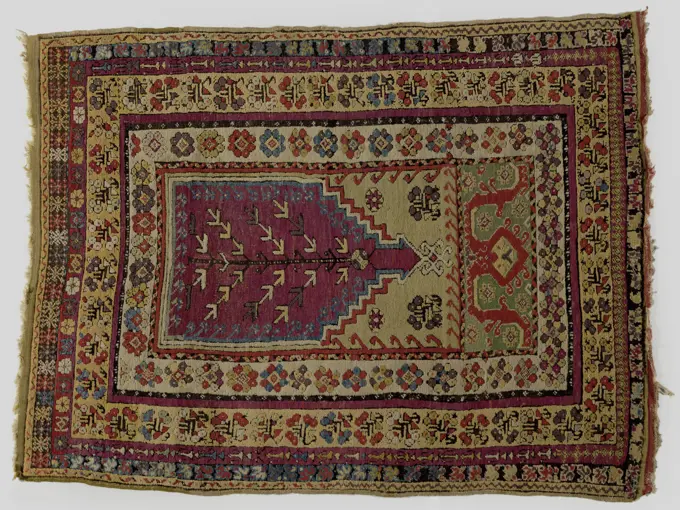
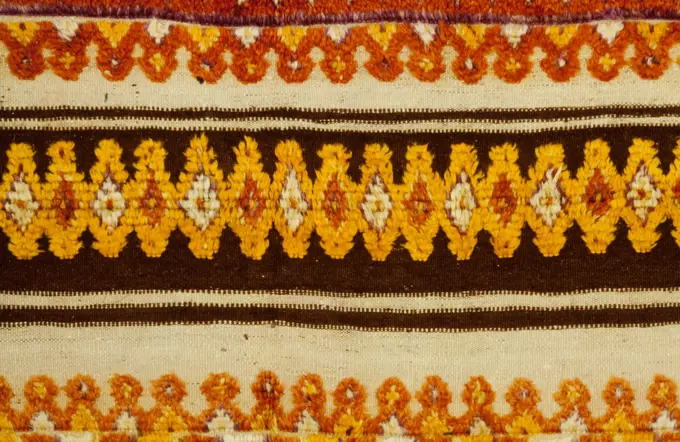
Baddle,, 1800 - 1900 Prayer rug, so -called kirshihir or melas/mucur, red stepped mirab with red stock and yellow, white, yellow, red, blue and yellow edges. Little Asia wool Prayer rug, so -called kirshihir or melas/mucur, red stepped mirab with red stock and yellow, white, yellow, red, blue and yellow edges. Little Asia wool
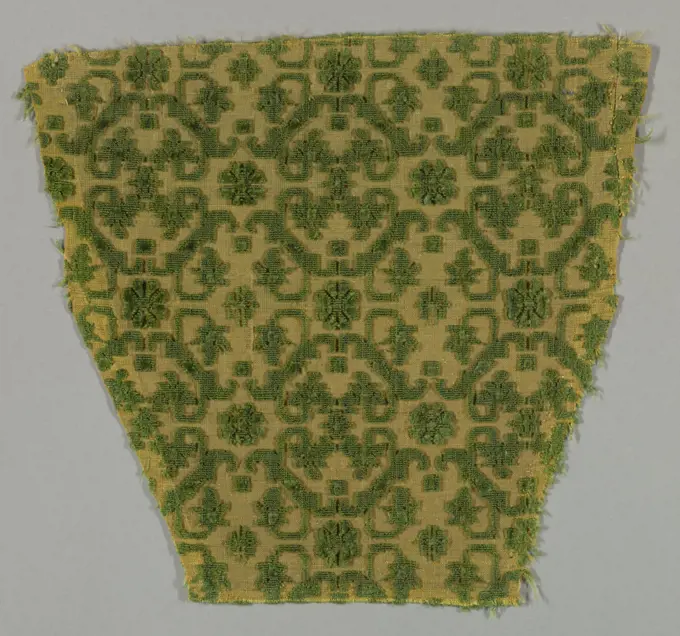
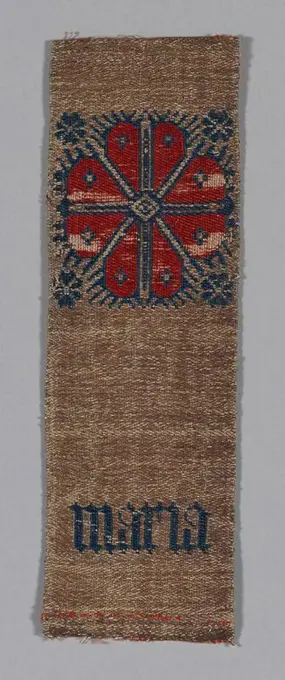
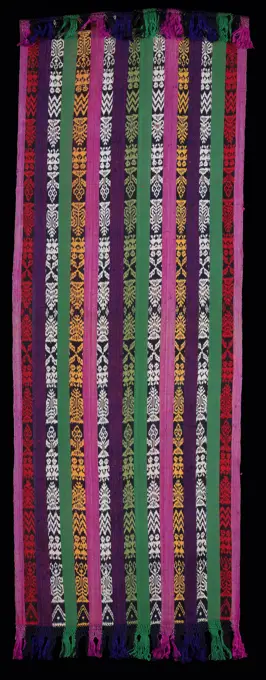
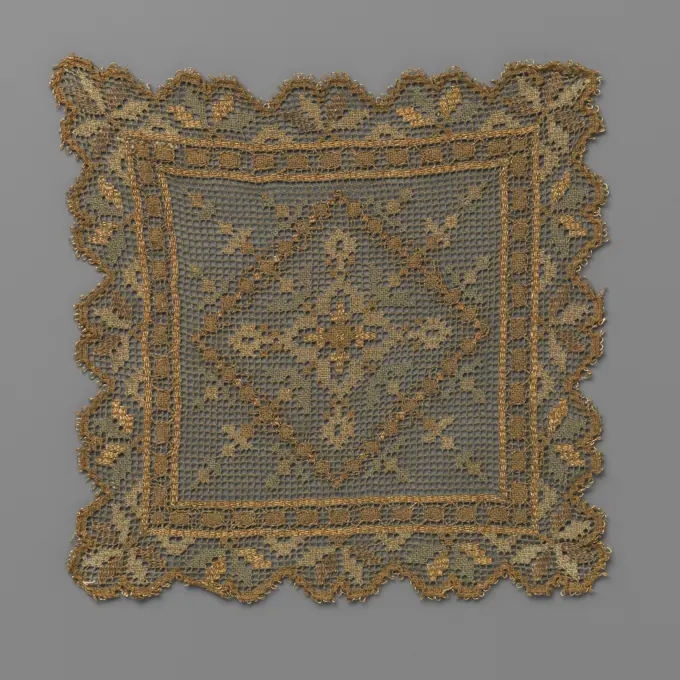
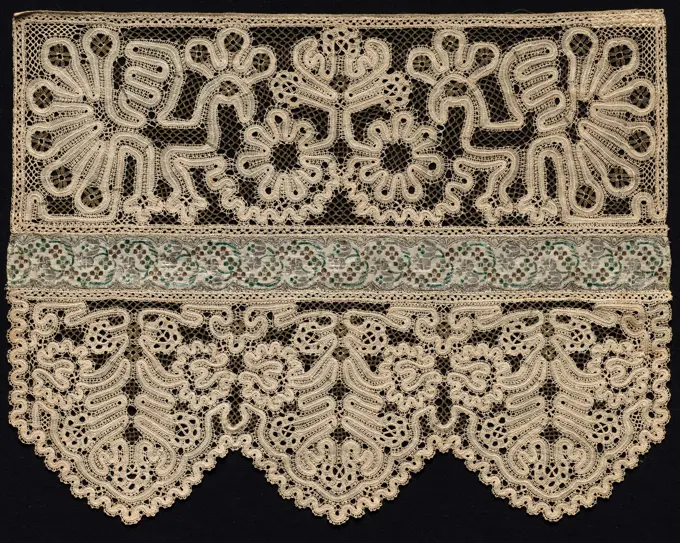
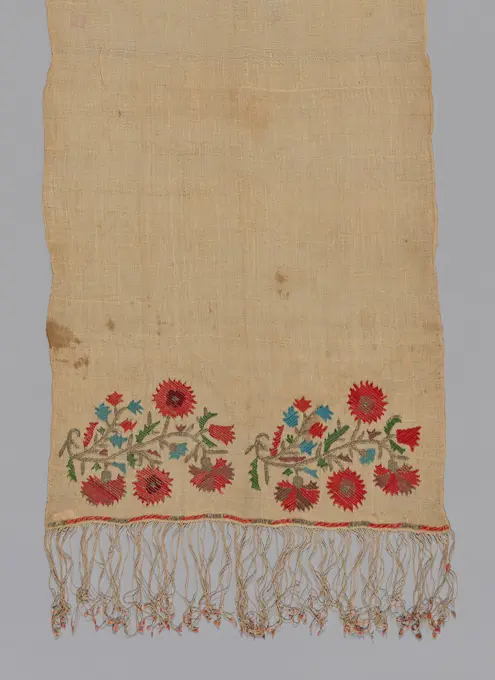
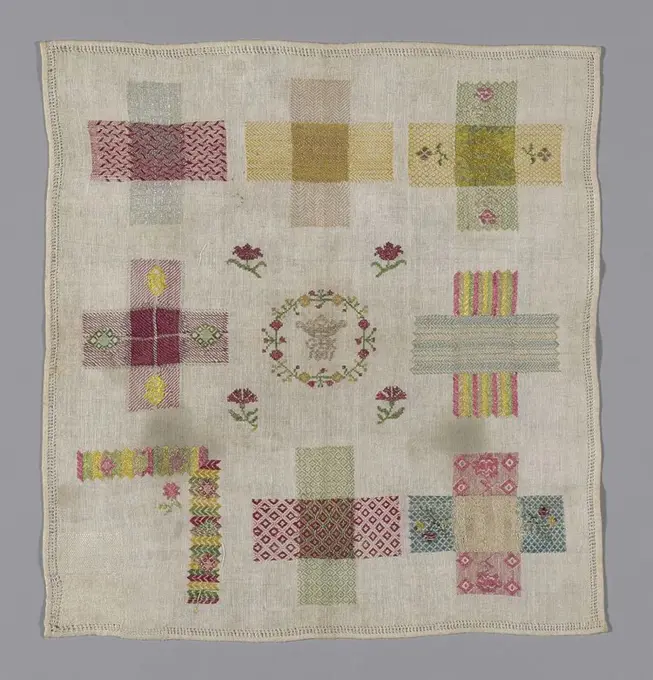
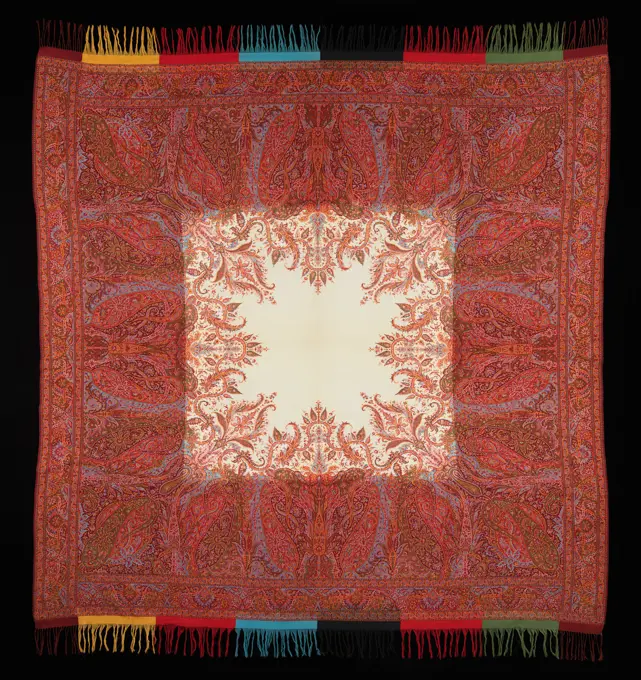
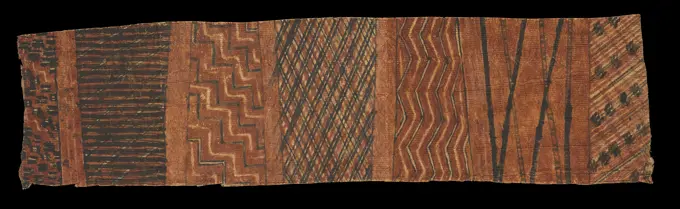
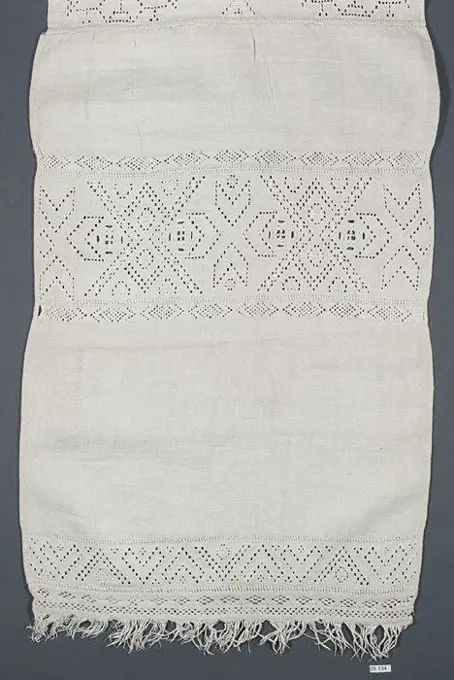
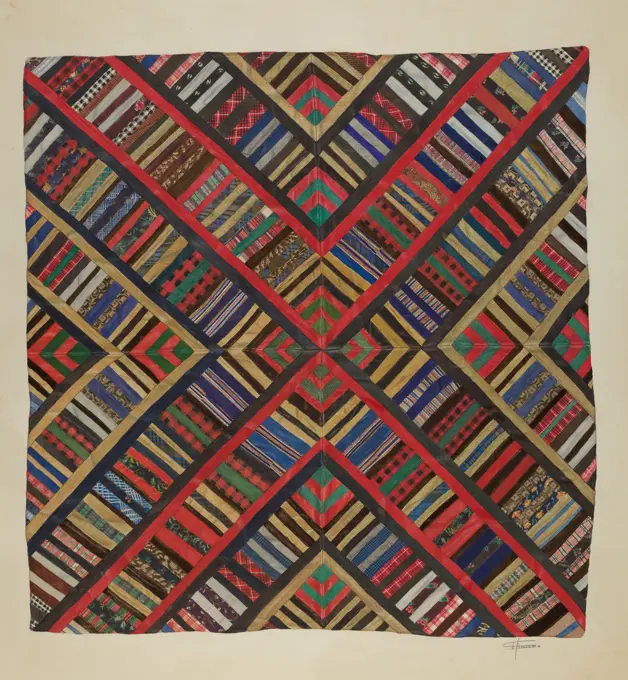
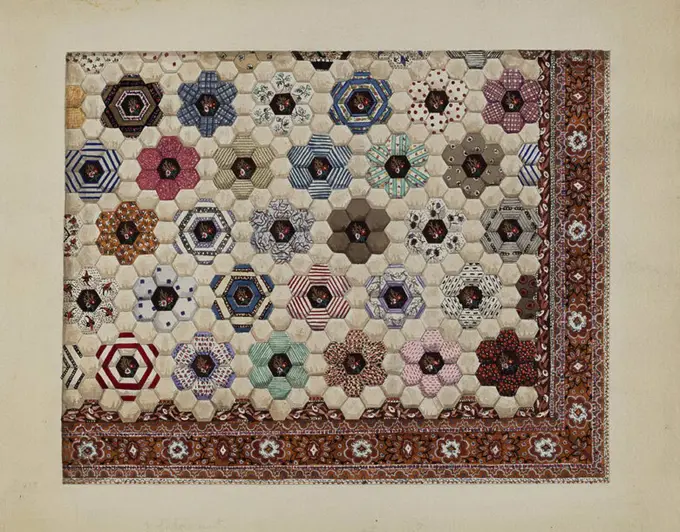
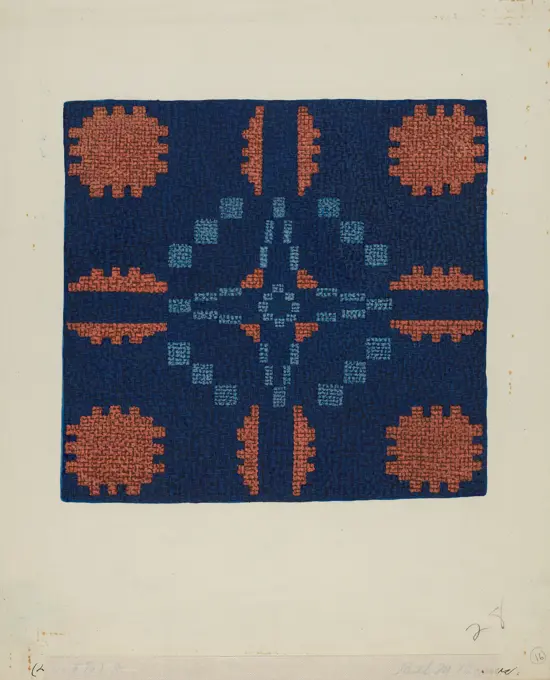
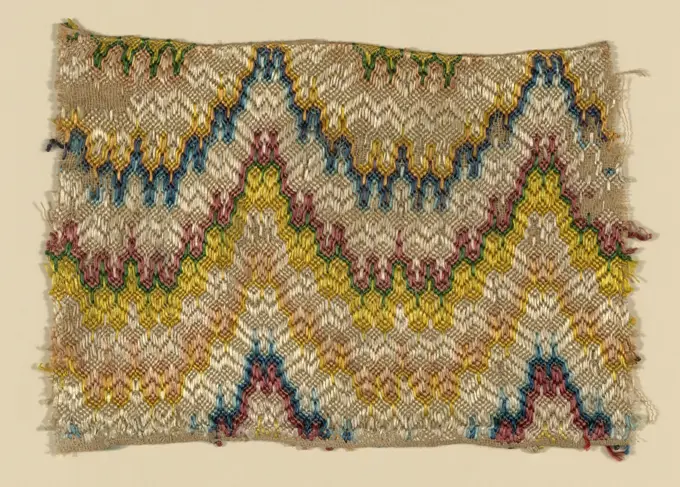
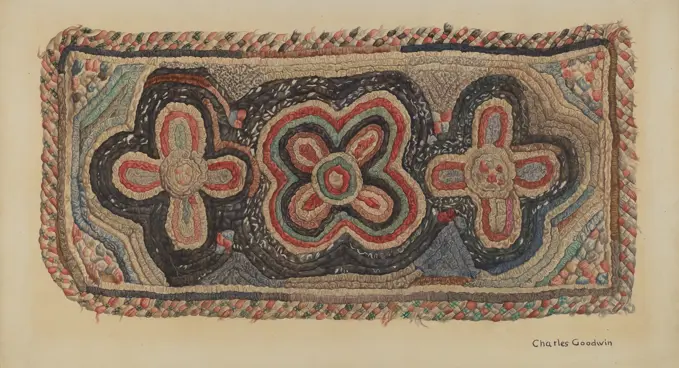
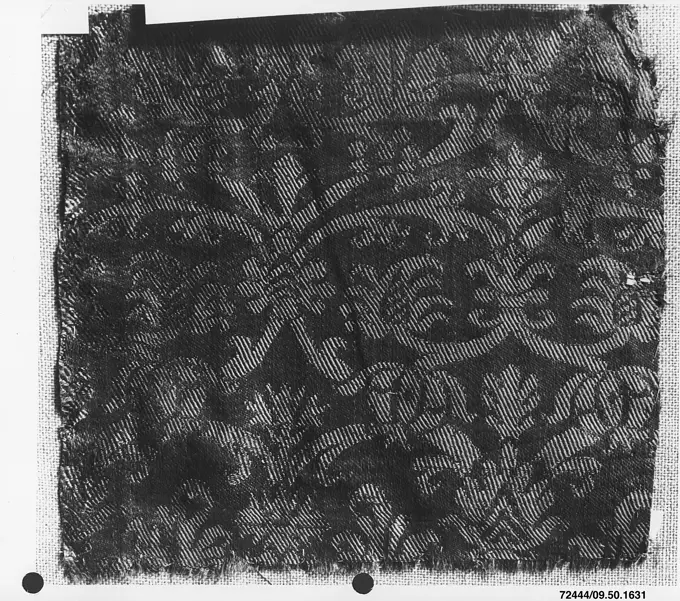
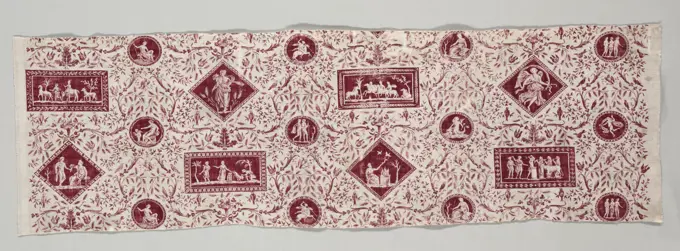
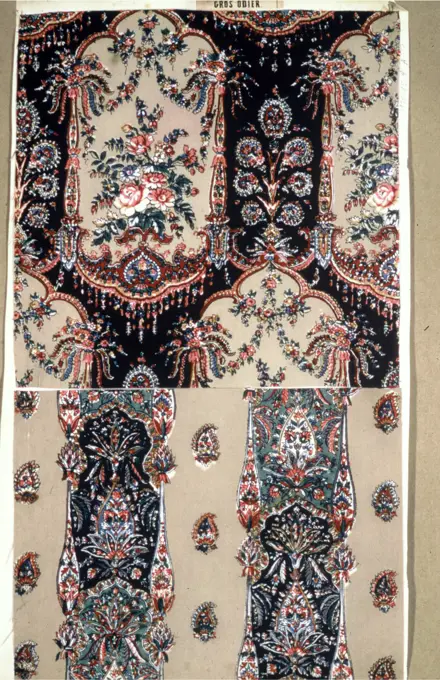
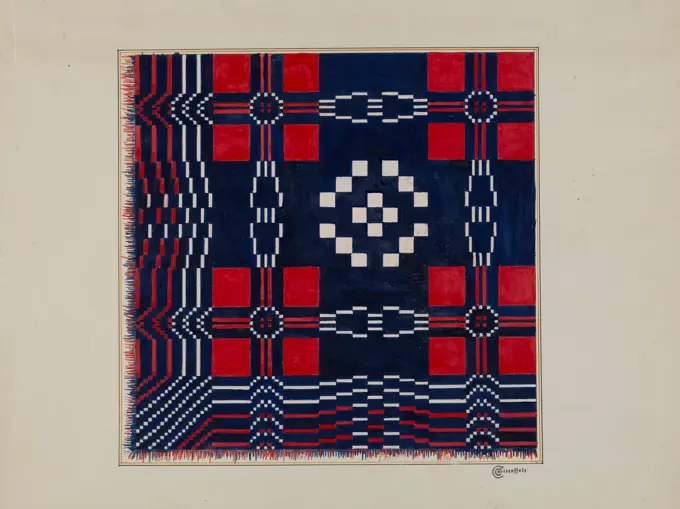
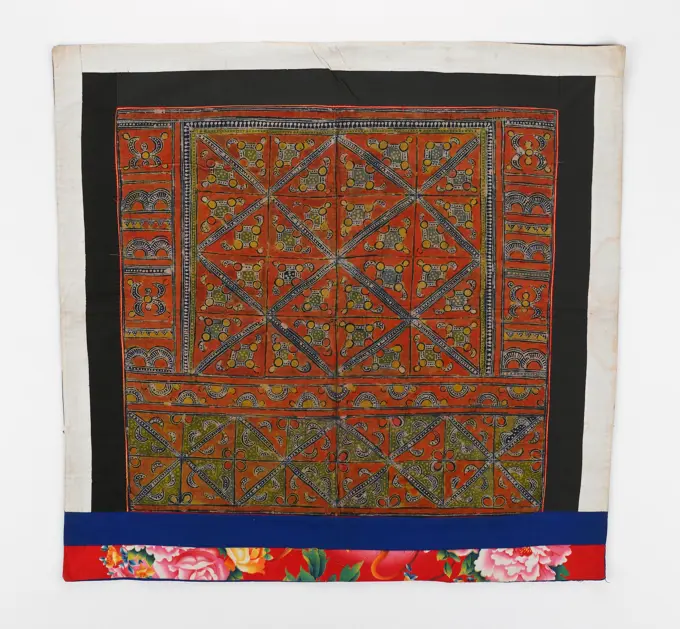
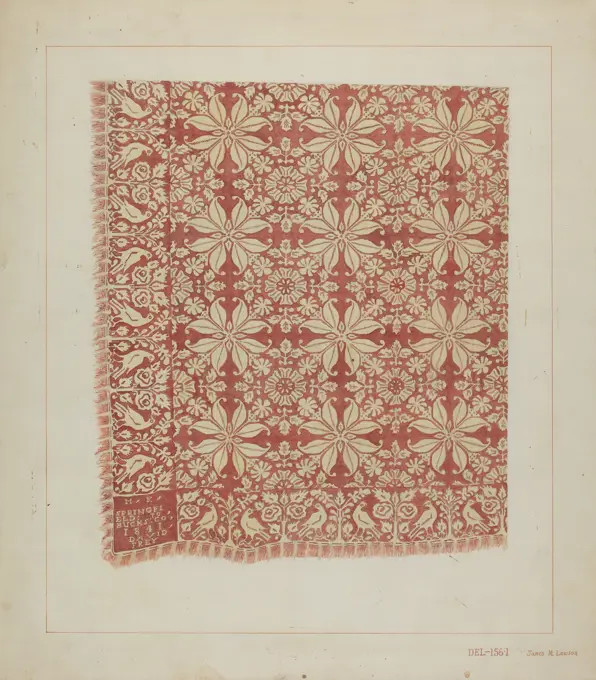
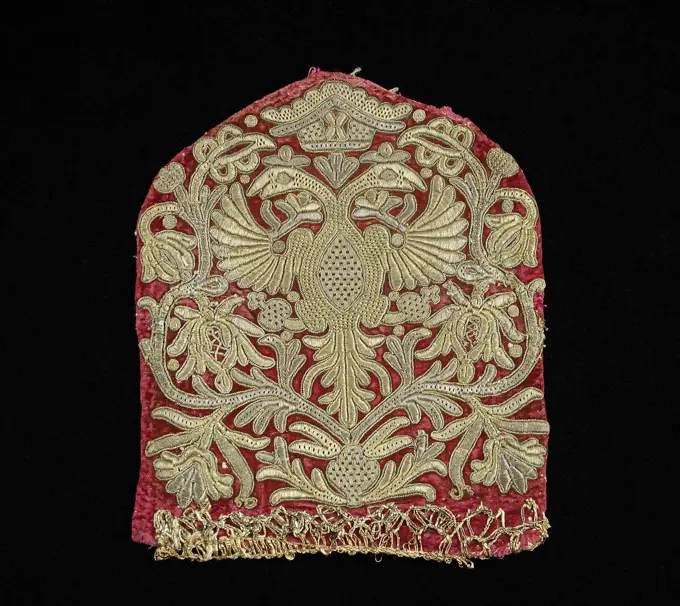
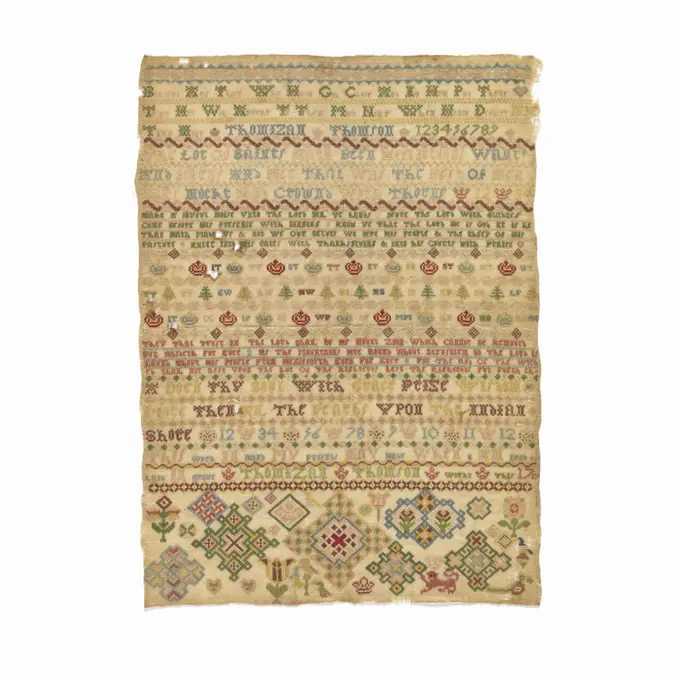
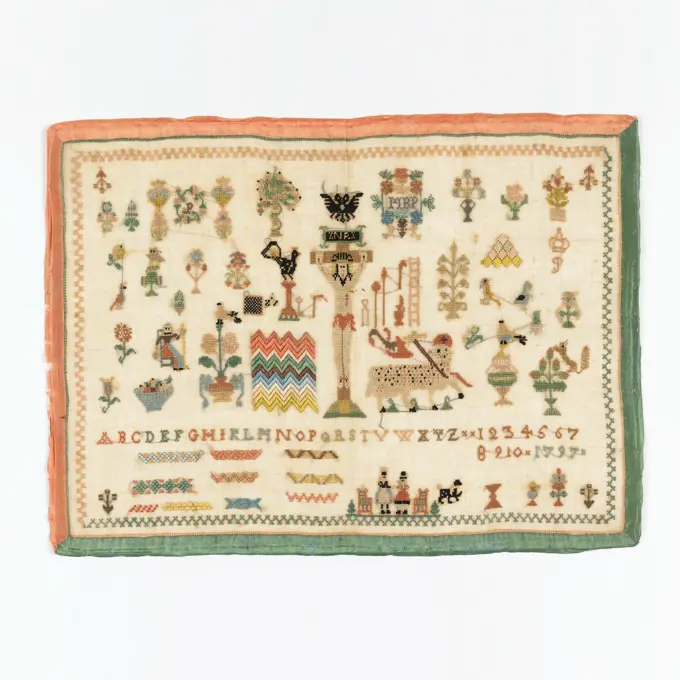
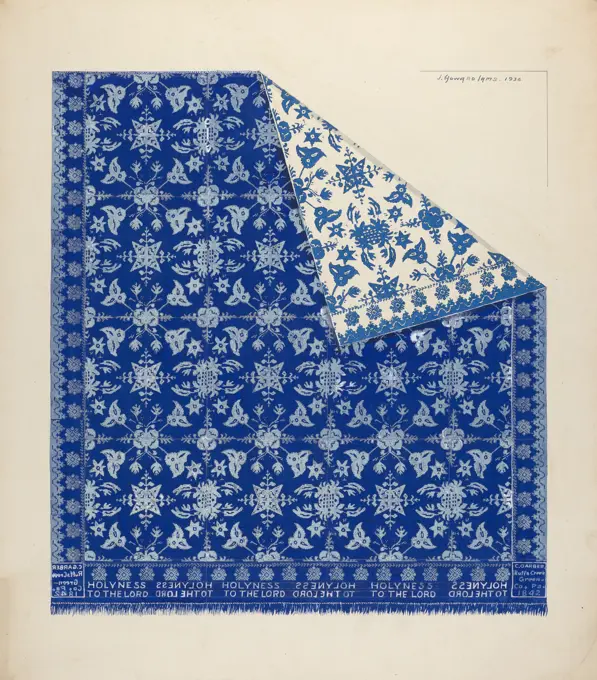
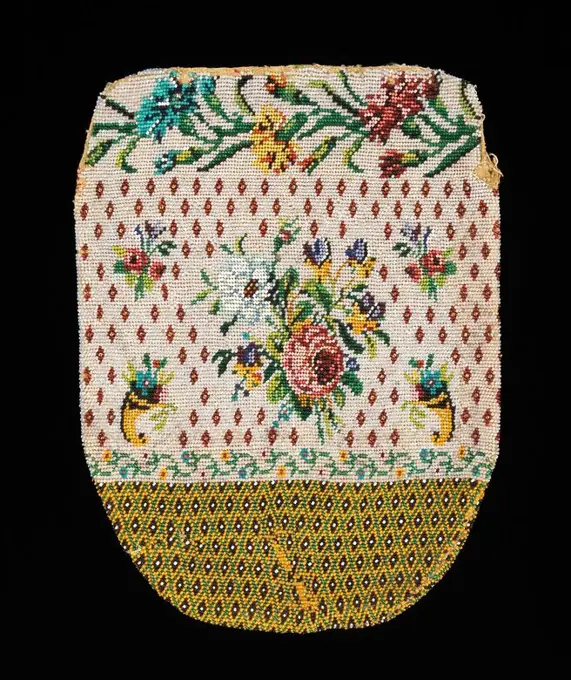
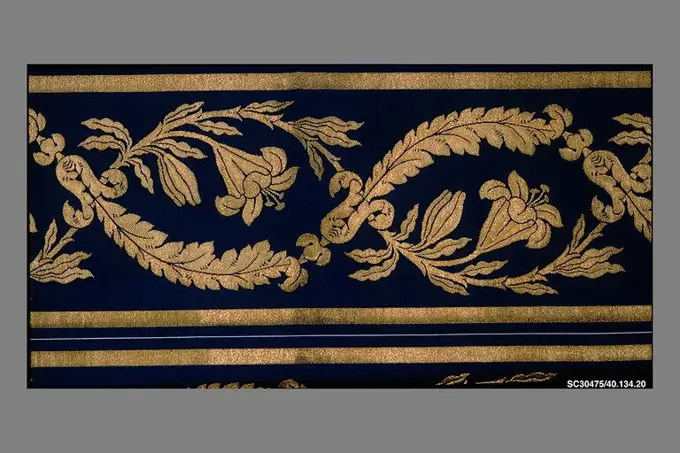
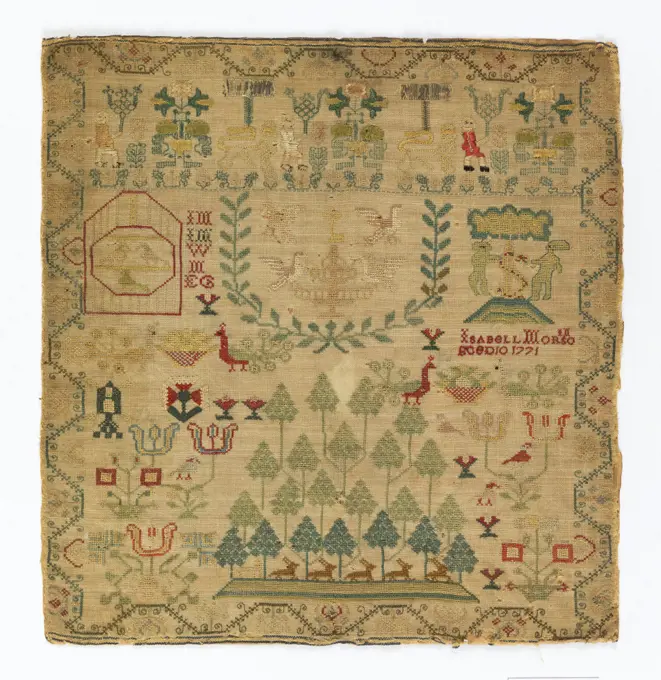
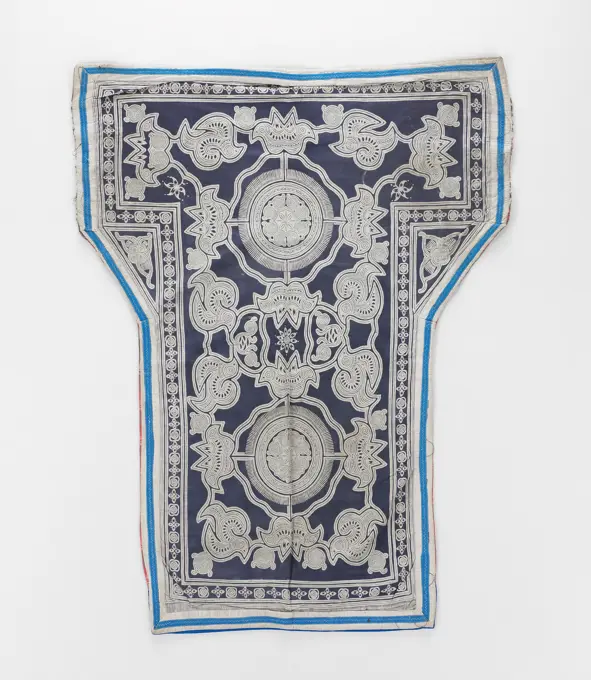
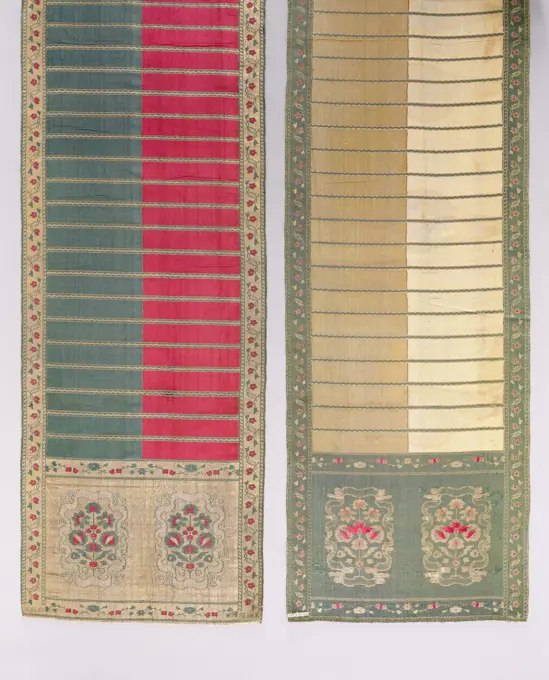
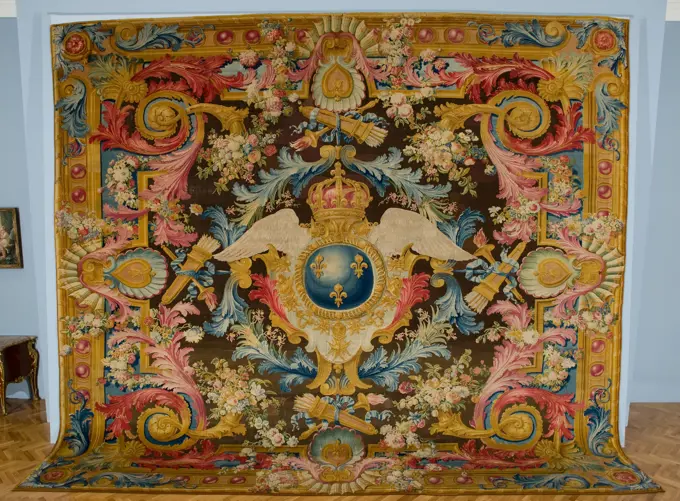
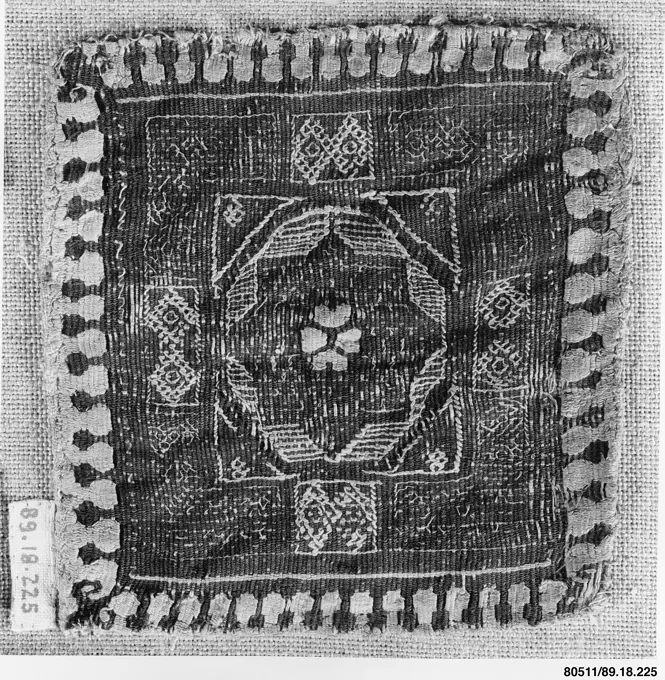
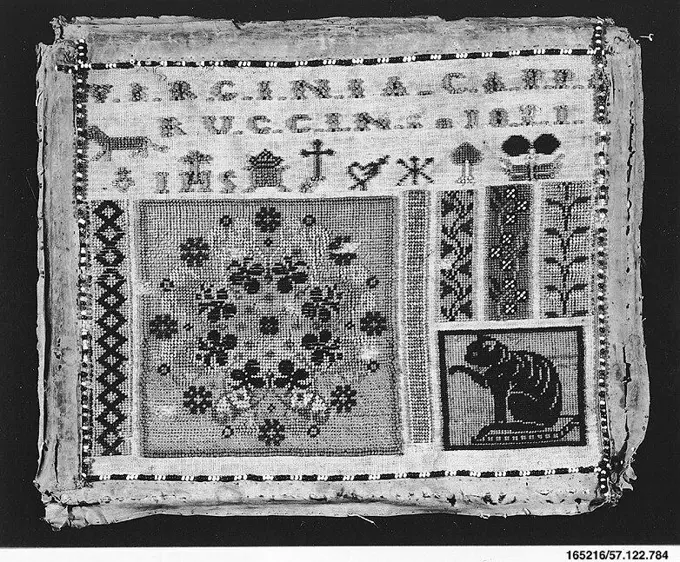
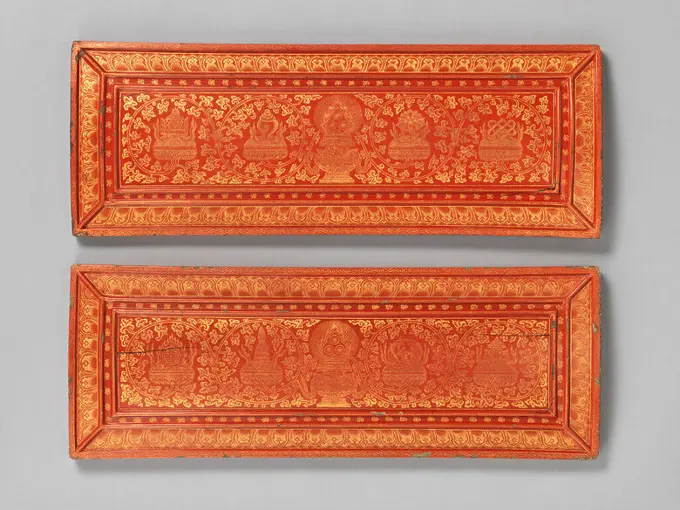
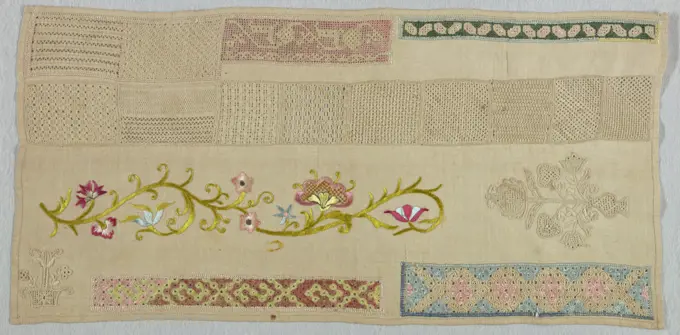
Waist Wrapper (Sarung,Lereng)Trimming (France); silkFragment (China); silkUchishiki (Altar Cloth) Made 1750-1800 Japan. Silk and gold-leaf-over lacquered-paper strip, warp-float faced 4 1 ëZí twill weave with weft-float faced 1 2 ëZí twill interlacings of secondary binding warps and supplementary patterning wefts; lining cotton, plain weave .Fragment, Medium: silk, metallic thread () Technique: cut and uncut supplementary warp pile (velvet) in a woven foundation, Fragment of cut and uncut blue-green velvet in an open lattice pattern with rosettes on a yellow ground., Italy, 16th-17th century, woven textiles, FragmentFragment (From an Orphrey Band). Germany, Cologne. Date: 1401-1500. Dimensions: 24.8 × 8.3 cm (9 3/4 × 3 1/4 in.). Silk, linen, and gilt-animal-substrate-wrapped linen, bands of four color complementary weft, weft-float faced 1:2 'S' twill weave with inner warps and bands of complementary weft, weft-float faced 1:2 weft chevron twill weave with inner warps. Origin: Cologne. Museum: The Chicago Art Institute, Chicago, USA.Shawl (perraje), 1975, 87 x 29 in. (221.0 x 73.7 cm) with fringe, Cotton, silk; warp ikat (jaspe), Guatemala, 20th century, This is a superb example of a complex warp jaspe. Simple jaspe patterns consist of one or two separate figures (labores) in each warp stripe, but this one combines seven different designs and reverses them midway to create a mirror image. The thread for the colored figures is dyed first in the base color, then over-dyed in indigo once the labores have been tied.Embroidered doily unknownCarpet Fragment 15th-16th century. Carpet Fragment 451463Kleedje van filetkant met gouddraad en grijsbruine tinten.Dress of colored edge embroidery: File side. Square model with sloping edge. A gray-brown knotted square network is embroidered with gold thread, ochy thread and light brown thread. In addition, some motifs are embroidered in the slump edge with a mixed wire of dark gray with orange, possibly a silver wire. The pattern consists of a double straight list in gold thread, in which ocher-colored / grue brown mixed ovals. In the middle of the rug, a window is embroidered in the same shades, including a quadruped rosette in light brown, with a golden cross in the center. Slip edge with picots from gold thread.Saddle Rug 19th century China. Saddle Rug 68434Fragment, Medium: silk on linen Technique: embroidered, Fragment of a multicolored band in a zigzag pattern with small diamond shapes., Middle East, possibly 13th century, embroidery & stitching, FragmentFragment; silk, linen hand knotted net; Bequest of Marian Hague; 1971-50-203Piece 16th-17th century Italian. Piece 216951Table cover, Medium: silk and metal embroidery on linen foundation Technique: embroidered on plain weave, Square made up from small squares of embroidery joined with insertions of torchon lace. Large center square has stylized sprig repeat., Turkey or Greece, 19th century, embroidery & stitching, Table coverTowel End, c. 1700s-1800s. Russia, Nizhny-Novgorod province, 18th-19th century. Cotton or linen (est.) straight (continuous) bobbin lace (Vologda tape lace). The tape forms figural or plant motifs outlined with gimp (heavy cord) with a monochrome plaited ground (metal thread or linen (est.) linking the tape; applied silk (est.) and metal thread ribbon; overall: 35.5 x 46 cm (14 x 18 1/8 in.). This Russian lace panel was likely used to embellish the end of a bathing towel. Textiles of this type are valuable for their fine embroidery or lacemaking that included ancient folk motifs, ritual significance, exemplification of the role of textiles in their society, and in this case, connection to a prominent woman collector, Natalia de Shabelsky, without whom this textile and others like it might have been lost.Embroidered Border Fragment 5th-2nd century B.C. Paracas. Embroidered Border Fragment 308047Towel Made 1701-1800 Sporades. Linen, plain weave; embroidered with silk and gilt-metal-strip-wrapped silk in leaf, satin, and stem stitches; edged with plied warp fringe with silk tassels .Sampler. Germany or Netherlands. Date: 1801. Dimensions: 48 x 45.3 cm (18 7/8 x 17 7/8 in.). Linen, plain weave; embroidered with silk in darning and cross stitches. Origin: Germany. Museum: The Chicago Art Institute, Chicago, USA.Shawl 1840-60 probably Scottish This fine European shawl nicely illustrates how their mills were producing machine woven copies of popular Indian shawl patterns throughout the first three-quarters of the 19th century.The shawl held a place as a high fashion accessory for a relatively large period between the end of the 18th century to the 1870s. These accessories were originally adopted by men with exposure to India and Persia through the Trading Companies. The changing fashions near the end of the 18th century brought a renewed interest in Indian and Persian shawls as a form of warmth over the thin muslins of fashionable Empire silhouette dresses. The shawls came in many designs which generally incorporated the boteh form. This form, which is mostly known as the paisley now, is an ancient Persian design based upon the tree of life and inspired by buds, cones and palm fronds. These objects were hand woven and extremely costly which inspired European manufacturers to attempt to produce Alice Braun, Carpet Sample, c 1940 Carpet SampleSaddle blanket, c. 1860, 31 × 25 1/2 in. (78.74 × 64.77 cm), Wool, pigments, United States, 19th centuryKapa (tapa) textilesTowel cover early 19th century Danish. Towel cover 218625Panel (woven #6) 1775-1800 England .Border, Medium: silk, metal-wrapped silk threads Technique: machine-made net foundation with machine embroidery and couched metal thread, Border with repeating design of circular flowers between smaller leaves in dark colors on black net., Switzerland or France, ca. 1880, lace, BorderTrimming Fragment (France); silkFragment green Lampas, Anonymous, c. 1300 - c. 1399 Fragment with pattern of purple -wise to each other birds surrounded by flowers and framed by sculpted, checkered band work. Lucca (possibly) silk. lampas (textile material) Fragment with pattern of purple -wise to each other birds surrounded by flowers and framed by sculpted, checkered band work. Lucca (possibly) silk. lampas (textile material)Border 17th century Italian. Border. Italian. 17th century. Silk. Textiles-VelvetsLing pillow. Tims of cotton, blue and white polished.Fragment (India); cottonEsther Hansen, Bedspread, 1935 1942 BedspreadBorder 16th-17th century Italian or Greek. Border 215474Ceremonial candle tzute, c. 1970, 19 1/8 x 17 in. (48.58 x 43.18 cm), Cotton; supplementary weft patterning, Guatemala, 20th centuryANTIQUE TIBETAN SADDLE CARPET Textile; silk, metallic threadChasuble mid-18th century Italian. Chasuble 229468Patchwork Quilt. Dated: c. 1936. Dimensions: overall: 22.9 x 29 cm (9 x 11 7/16 in.). Medium: watercolor, graphite, and pen and ink on paper. Museum: National Gallery of Art, Washington DC. Author: Irene Schaefer.Headhunters Turban (Siga)Ruth M Barnes, Coverlet Detail, c 1936 Coverlet DetailConciliate belt;  19th century (1801-00-00-1900-00-00);Fragment Made 1601-1700 Italy. Linen, plain weave; embroidered with silk floss in a variation of flame stitch (Irish stitch) .Charles Goodwin, Shaker Rug, 1935 1942 Shaker RugPiece 17th-18th century Italian. Piece 216654Fragment 17th century Italian. Fragment 217707Strip of Copperplate Printed Cotton, 1795-1799. Firm of Christophe Philippe Oberkampf (French, 1738-1815). Copperplate printed cotton; overall: 30.5 x 98.4 cm (12 x 38 3/4 in.).Textile (England); woolQuilt, 'Log Cabin' Pattern, 'Pineapple' variation. United States, Pennsylvania, 1870-1880. Textiles; quilts. Pieced wool and cottonCornelius Christoffels, Coverlet, c 1940 CoverletBaby Baobei, 30 5/16 x 29 3/4 in. (76.99 x 75.57 cm), Cotton; dyed, ChinaTwo Fragments Made 1701-1800 France. silk .Sampler. Date/Period: 1821. Sampler. Medium: silk embroidery on linen foundation. Technique: embroidered in cross stitch on plain weave foundation. Height: 365 mm (14.37 in); Width: 300 mm (11.81 in). Author: Sarah Lands.James M Lawson, Woven Coverlet, c 1937 Woven CoverletRed Mesa textile, c. 1920, 92 5/8 × 58 1/8 in. (235.27 × 147.64 cm), Wool, United States, 20th centuryHead Cloth, late 1800s. Indonesia, Central Java, late 19th century. Batik; cotton; overall: 104.1 x 104.1 cm (41 x 41 in.).Square 19th century. Square 445649Saddle blanket, 20th century, 33 1/2 x 33 in. (85.09 x 83.8 cm), Wool, Iran, 20th centuryBand 8th-9th century. Band 445696Headdress 19th century Russian. Headdress 173381Stoplap Muntinge Ann) 1762., 1762 Silk stop patch on linen. The embroidery has the crowned text: Itcia Muntinge and the dating in 1762.  linen (material). silk embroidering Silk stop patch on linen. The embroidery has the crowned text: Itcia Muntinge and the dating in 1762.  linen (material). silk embroideringSaddle Cover for a Mule, 20th century, 60 1/2 x 62 in. (153.7 x 157.5 cm), Wool, Morocco, 20th centuryKairouan, Tunisia. Traditional woven rugs for sale at a market in Kairouan.Textile, Medium: wool Technique: compound weave, Woolen compound cloth weave. Vertical stripes of geometric designs in red, blue and white alternating with plain cloth ground in yellow and red. Two lengths sewn together. Wool binding around edge., Peru, 17th century, woven textiles, TextileColourful carpet in the Medina,Marrakech, Marrakech, MoroccoSampler, Medium: silk on linen Technique: embroidered on plain weave, Sampler showing a geometric floral vine in red and green silk on linen, with a partial border of multicoloured chevron., Spain, 18th century, embroidery & stitching, SamplerSampler, Thomizan Thomson, English, Medium: silk embroidery on wool foundation Technique: embroidered in satin, eyelet, cross, half cross, and rococo (queen) stitches on plain weave foundation, 'Blessed those who have God chose/ and in him put there trust/ Hee wil appere to them most nere/ when hence depart they must./ The lot of saints hath been afflictions/ wants and scorne and hee that was the best/ of men was mockt and crowned with thorns./ Make a joyful noise unto the Lord all ye hands/ & serve thelord with gladness/ Come before his presence with sinsins ()/ Know ye that the Lord he is God It is he that / hath made us & not we ourselves/ We are his people & the sheep of his pasture./ Enter into his gates with thanksgiving/ & into his courts with praise./ They that trust in the Lord shall be as Mount/ Zion which cannot be removed/ But abideth for ever as the mountains are round/ about Jerusalem so the Lord is round about/ his people from henceforth even for ever./ For the rod of tSampler (Germany); silk embroidery, linen foundation; 31 x 42 cm (12 3/16 x 16 9/16 in.); Bequest of Mrs. Henry E. Coe; 1941-69-149Tatreez ornament template 27Traditional Turkish hand made carpet and rugsJ Howard Iams, Coverlet, 1936 CoverletOld hand made carpet and rugs of traditional typesKerchief 19th century Philippine, Manila. Kerchief 212315Fragment of a cashmere shawl. unknown, authorCloth 19th century Guatemala. Cloth 320609Bag. Culture: Mexican. Date: 1830-60.The typical European floral and animal motifs seen on this bag are paired with the geometric designs often seen in native Mexican art. The combination deftly summarizes the way the two worlds overlapped in colonial Mexico. This bag is particularly notable for its skillful color changes and perspectival rendering. It is part of the Mexican beadwork collection of over 600 pieces assembled by Elizabeth Morrow (1873-1955), mother of writer Anne Morrow Lindbergh, the wife of renowned aviator Charles Lindbergh. Morrow collected the objects between 1927 and 1930, when her husband, Dwight Morrow, Sr., served as U.S. ambassador to Mexico. She lent the collection to the Brooklyn Museum in 1938 and upon her death, her children donated it. A collection of 155 pieces of Mexican ceramics and other decorative arts were given to Amherst College, her husband's alma mater. Mrs. Morrow collected Mexican beadwork, along with other examples of colonial and native artsBorders (2) 1815-30 French, Lyons. Borders (2) 226515Small wall hanging made of a chasuble orphrey unknownSampler, Isabell Morison, Scottish, Medium: silk and metal-wrapped silk embroidery on wool foundation Technique: embroidered in cross, satin, and stem stitches on plain weave foundation, Bands of pattern withing a curving floral border. Large arrangement of trees at bottom., Scotland, 1771, embroidery & stitching, SamplerBedcover. Indo-Portuguese. Date: 1601-1700. Dimensions: . Linen, plain weave; in two thicknesses; quilted; embroidered in silk in chain stitch; attached fringe on all four edges: warp-faced, weft rib plain weave; with weft fringe. Origin: Portugal. Museum: The Chicago Art Institute, Chicago, USA.Remains of the tent of Sultan An Nasir; also known as the Pendón de las Navas. Supposedly from the Battle of Las Navas de Tolosa. Dated 1212Fragment (France); silkCoverlet (Fragment). United States. Date: 1801-1825. Dimensions: 51.1 x 56 cm (20 1/8 x 22 in.)Repeat: 16.6 cm (6 1/2 in.). Cotton and wool, plain weave with supplementary patterning wefts (overshot). Origin: United States. Museum: The Chicago Art Institute, Chicago, USA.Baby Carrier Fragment, 33 x 25 in. (83.82 x 63.5 cm), Dyed, ChinaBorder 16th century Italian, Sicily. Border 221171Poncho, 18th century, 77 1/2 × 79 in. (196.85 × 200.66 cm), Wool, pigments, Peru, 18th centuryKontusz sash/belt. Madżarski, Jan (tkacz ; Słuck, -ca 1800), manager, Manufaktura Karola Stanisława Radziwiłła (Słuck ; wytwórnia pasów ; ca 1767-1790), manufactureLouis XV Savonnerie Carpet with Royal Arms, c. 1740-50. Royal Savonnerie Manufactory, Chaillot Workshops (French, est. 1627), Pierre Josse Perrot (French). Savonnerie knotted pile (symmetrical ruf knot), wool, hemp; overall: 546 x 615.6 cm (214 15/16 x 242 3/8 in.).Sampler 1762 German. Sampler. German. 1762. Silk and linen on linen. Textiles-EmbroideredCIIp of needlework sampler unknownTatreez ornament template 14Dalmatic. Italy or Spain. Date: 1695-1705. Dimensions: 120.5 x 120.5 cm (47 1/4 x 47 1/2 in.). Hemp, plain weave; embroidered with silk in satin and split stitches; laid work and couching; edged with silk, warp-faced weft-ribbed plain weave extended weft cut woven fringe; lined with cotton, plain weave; glazed. Origin: Italy. Museum: The Chicago Art Institute, Chicago, USA.Textile Fragment 3rd-4th century. Textile Fragment 443430Bedcover Depicting Thirty-four Scenes from the Old and New Testaments Made 1880-1889 United States. Wool, plain weave; fulled; appliquÈd with silk and cotton, plain weave with supplementary pile warps forming cut solid velvet; some stamped; some embroidered with silk yarns in cross, overcast, running, double running, satin, and single satin stitches; couching; edged with silk, plain weave with supplementary pile warps forming cut solid velvet .Sampler 1811 Italian. Sampler 228700Carpet Manufacture, Cappadocia, Turkey, Cappadocia, Turkey, AsiaSutra Covers with the Eight Buddhist Treasures. Culture: China. Dimensions: L. 28 1/2 in. (72.4 cm); W. 10 1/2 in. (26.7 cm); H. of each cover 1 1/4 in. (3.2 cm). Date: 1403-1424.This pair of sutra covers was made for an edition of the Tibetan Buddhist canon, comprising 108 volumes, produced in Beijing at the order of the emperor in 1410. A triple flaming jewel--symbolic of the Buddha, his teaching, and the monastic community--is the central motif. Four additional emblems, part of a set known as the Eight Treasures, flank the jewels. Inscriptions in Tibetan and Chinese on the back of each set of covers identify the texts once contained within, in this case a volume listing the names of the one thousand Buddhas born in the current cosmic era. Museum: Metropolitan Museum of Art, New York, USA.Sampler, Medium: silk embroidery on cotton foundation Technique: embroidered in withdrawn element work and chain, satin, stem, cross, and buttonhole stitches on plain weave foundation, Bands of withdrawn element work on an embroidered curving floral vine in the middle., Mexico, 19th century, embroidery & stitching, SamplerBedcover ( Nine Patch Quilt) 1875-1900 United States. Cotton, plain weaves; printed; pieced; quilted; backed with cotton, plain weave; printed .Stoelkussen, anonymous, 1500 - 1700 Chair cushion decorated in the brand stitch with Renaissance ornaments in red, yellow, green and white on a blue soil. Netherlands (possibly) wool. silk Chair cushion decorated in the brand stitch with Renaissance ornaments in red, yellow, green and white on a blue soil. Netherlands (possibly) wool. silkPiece 19th century Japan. Piece 70413