Traditional Textiles and Bags

Highlights intricate craftsmanship in historical textiles and bags, showcasing unique designs, materials, and cultural significance.
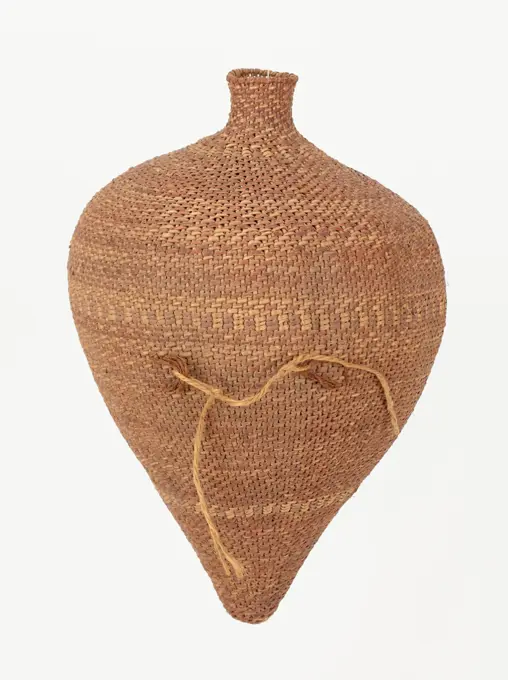
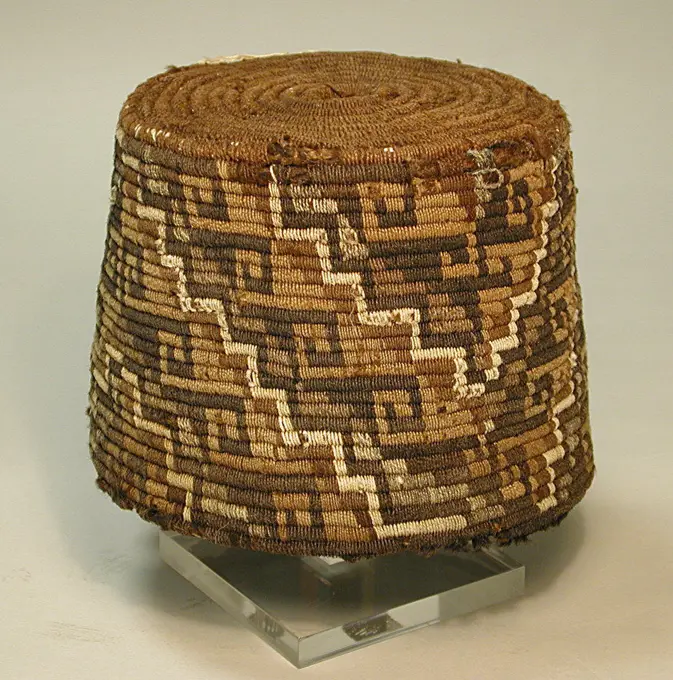
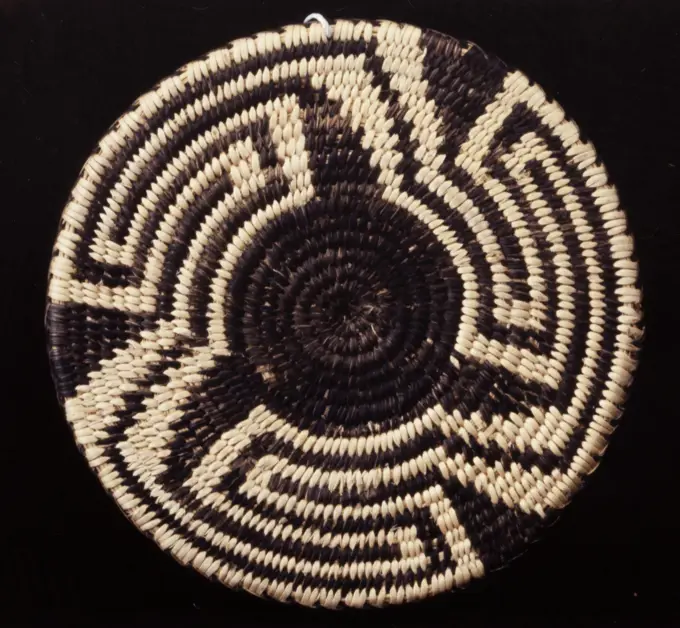
Water Jar, c. 1910-1950, 14 1/8 × 9 1/2 × 9 1/2 in. (35.88 × 24.13 × 24.13 cm), Plant fibers, United States, For thousands of years, Native people have lived in the dry deserts of the North American Southwest, where summer temperatures can reach 130 degrees Fahrenheit. Indeed, the Apache and Tohono Oodham, among other Native peoples, still thrive there. Indigenous knowledge of their environment historically helped them travel great distances with little water to collect certain plants and animals. They still make gathering baskets from local plant fibers, adorned with objects that create pleasing sounds when the baskets are used, Baskets woven so tightly they can store water are both utilitarian and artful, embellished with patterns.
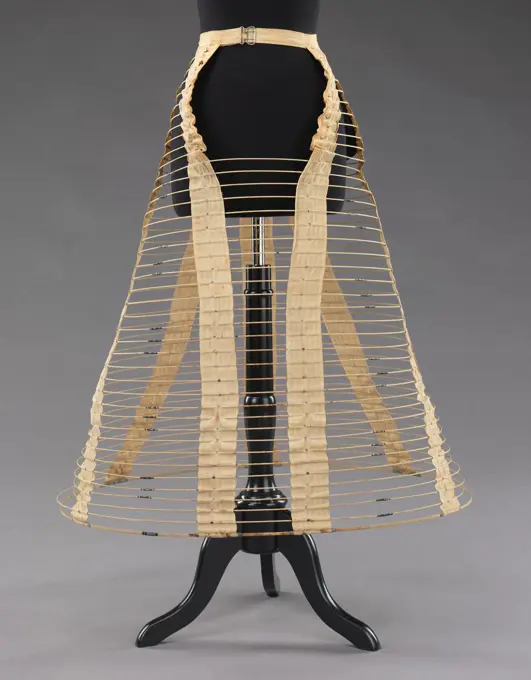
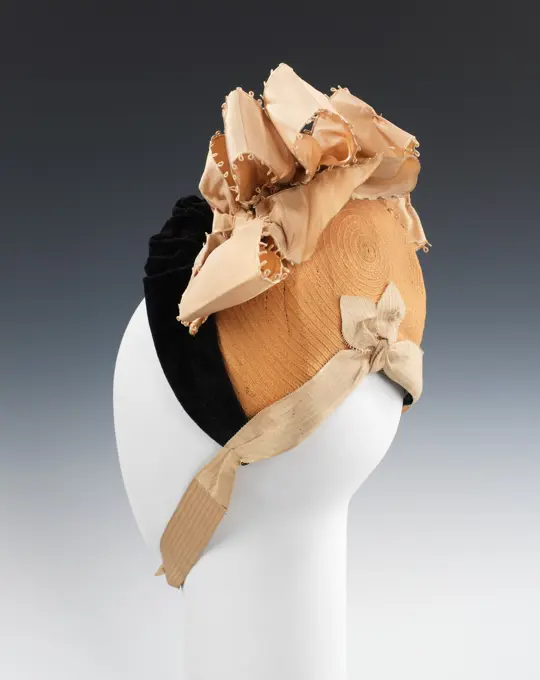
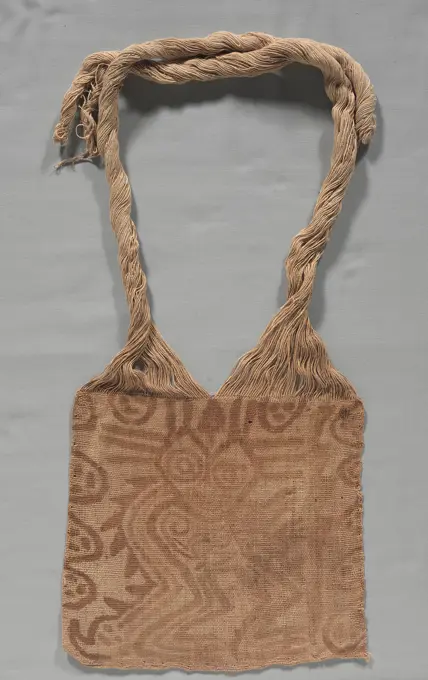
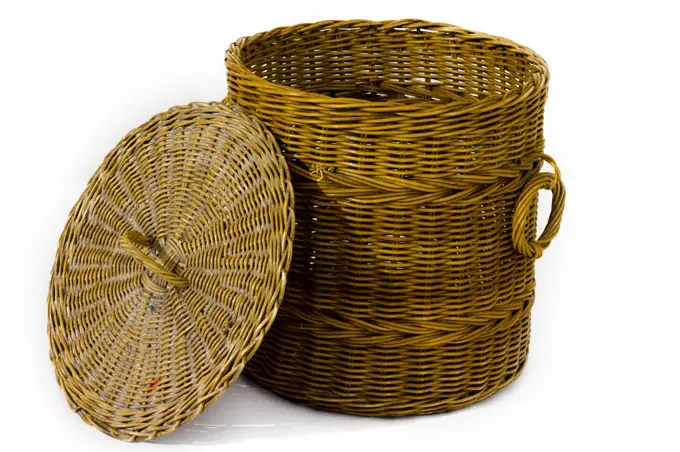
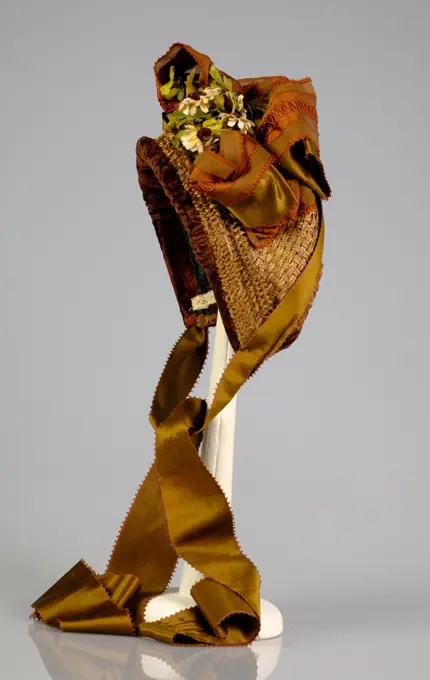
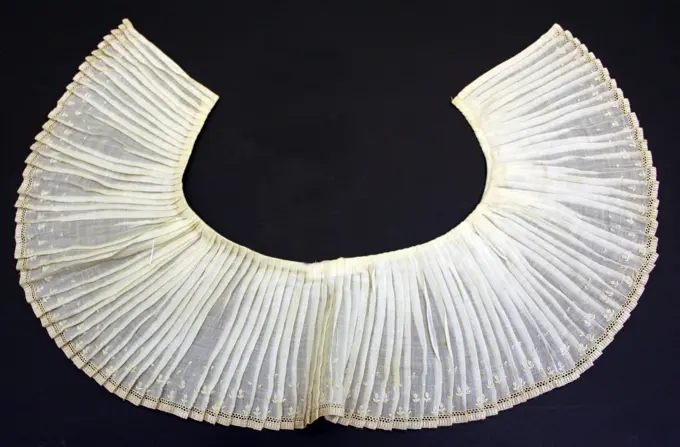
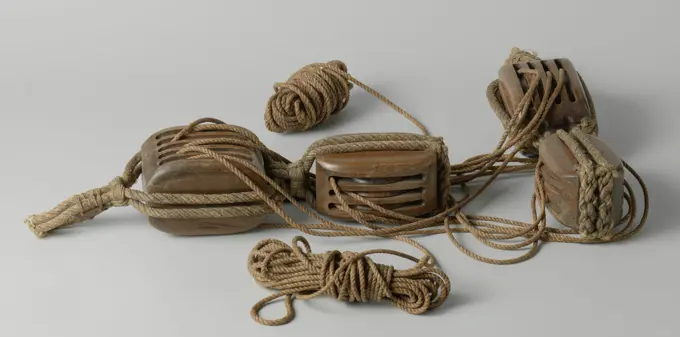
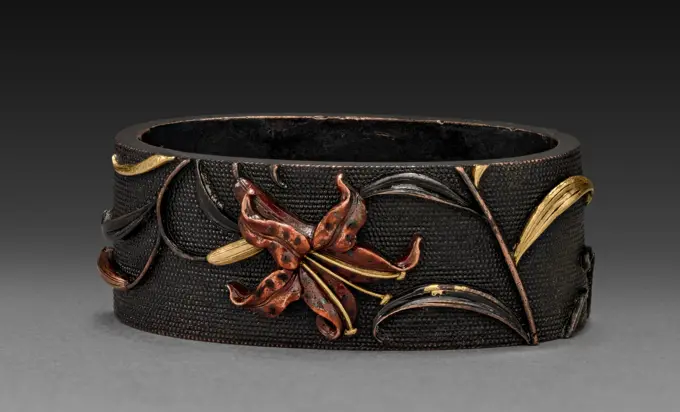
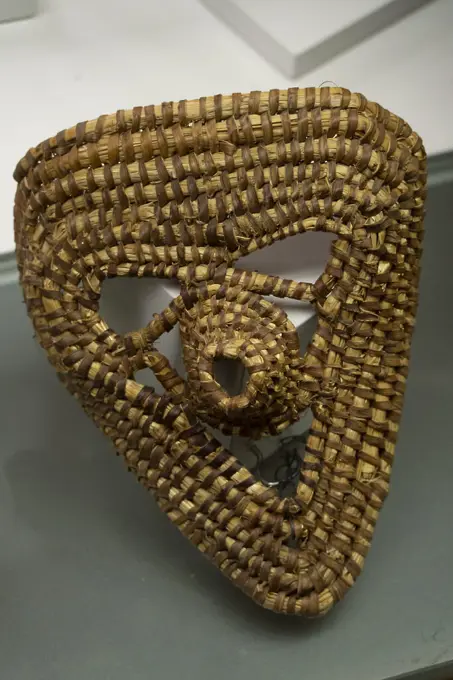
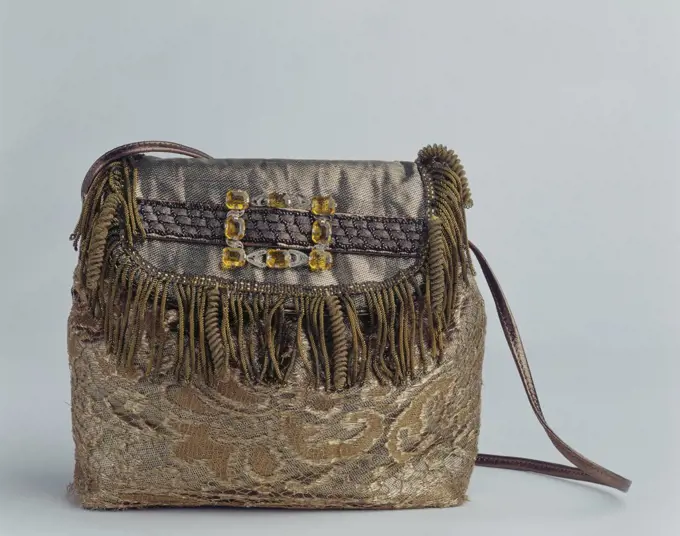
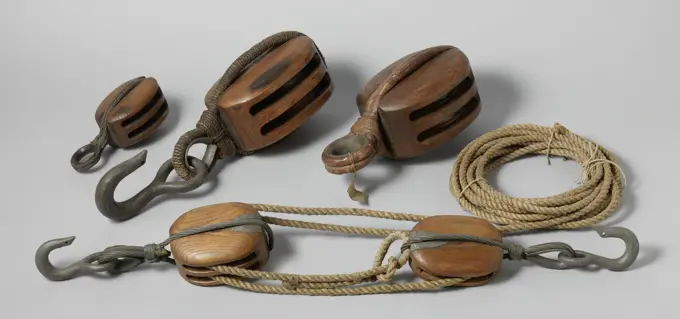
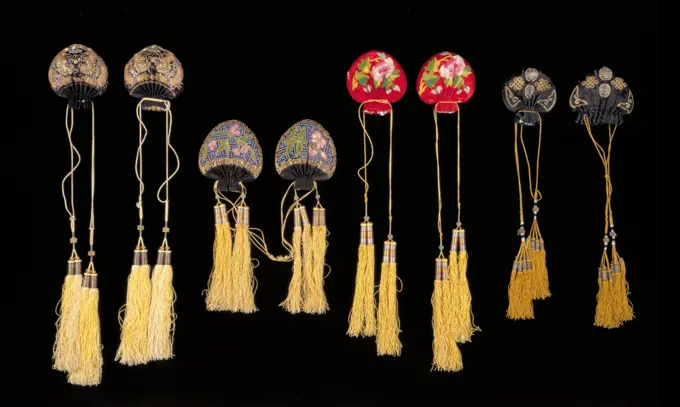
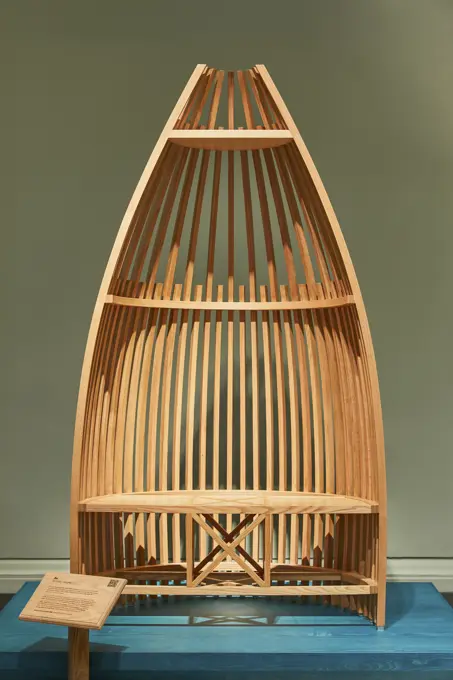
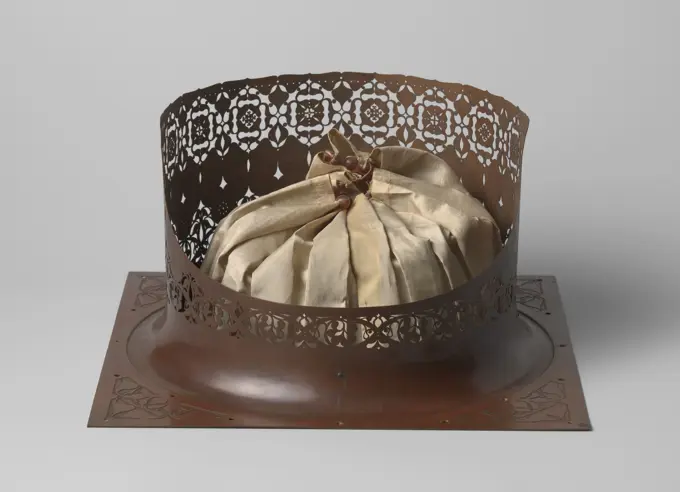
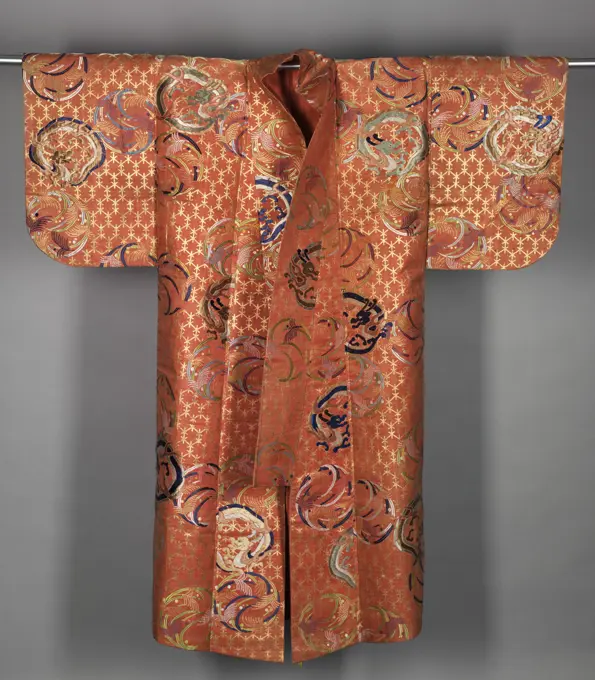
Stock Exchange bag. Gal1997.135.3Helmet (Kawari-kabuto) in the Korean Style 18th century Japanese Silver inlaid dragons and flowers decorate this helmet, which is inspired by Korean prototypes, with its tall, narrowing bowl composed of six iron plates.. Helmet (Kawari-kabuto) in the Korean Style. Japanese. 18th century. Iron, lacquer, copper, silver, gold. HelmetsVolute-krater fragment 4th century B.C. Greek, South Italian, Apulian. Volute-krater fragment. Greek, South Italian, Apulian. 4th century B.C.. Terracotta; red-figure. Late Classical. VasesParfleche Cylinder, 19th century, 21 1/4 x 6 3/8 x 5 1/4 in. (53.98 x 16.19 x 13.34 cm) (without ties), Animal hide, pigment, United States, 19th centuryCage crinoline ca. 1870 American. Cage crinoline 156941Pair of boy's leggings, c. 1890-1910, 17 1/4 x 9 in. (43.82 x 22.86 cm) ((a) without top tie)17 1/4 x 8 1/2 in. (43.82 x 21.59 cm) ((b) without top tie), Wool, beads, cotton, United States, 19th-20th centuryBag 1830-60 American. Bag 170534Ginger Jar- Shaped Basket, c 1900. Northwest Coast, Cape Flattery, Washington, Makah, late 19th-early 20th century. Pear grass; diameter of base: 8.6 x 14.6 cm (3 3/8 x 5 3/4 in.).Pair of Sandals 4th-7th century Coptic This well-made pair of palm-leaf sandals for an infant is similar in style (with a thong emerging between the big and second toes and an ankle strap) to forty-one single sandals and two pairs found at Kellis (modern Ismant al-Kharab) in Dakhla Oasis, though the Museums pair has pointed rather than square toes. Palm footwear was traditional in Egypt, and palm-leaf soles, such as those seen here, are frequently seen on childrens and smaller-sized adult sandals.. Pair of Sandals 474201Bonnet ca. 1880 Balch, Price & Company American This example of a typical bonnet worn at the end of the 1870s would have been popular with youthful married women. Probably worn with a visiting ensemble, the hat features straw, velvet and picoté ribbon. The small size accented the wearer's coiffure: her hair would have been gathered into a decorative topknot with light fringe over the forehead. Balch Price and Company was a prominent Brooklyn retailer.. Bonnet 156157Bag early 19th century British. Bag 221535Sampler (Germany); cottonMummy Bundle "Mask", 200 BC-1. Peru, South Coast, Ica Valley, Ocucaje site, Paracas style (700 BC-AD1). Plain warp-faced cloth, painted: cotton; overall: 86.3 x 28.5 cm (34 x 11 1/4 in.).the rattan bin on isolated white backgroundChildren's hat of transparent woven white cotton with open embroidery with chain edges and loose floral motifs, anonymous Children's hat of transparent woven white cotton with open embroidery with chain edges and loose floral motifs.  cotton (textile) embroidering Children's hat of transparent woven white cotton with open embroidery with chain edges and loose floral motifs.  cotton (textile) embroideringWarm slippers isolated on the white background
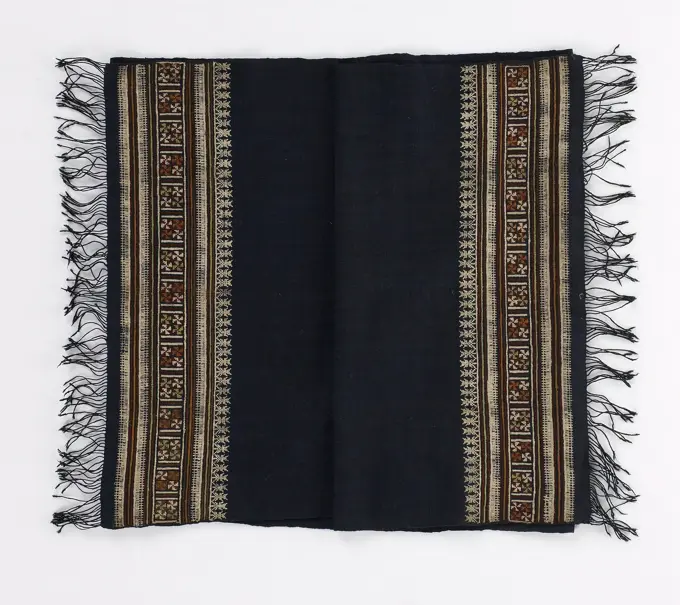
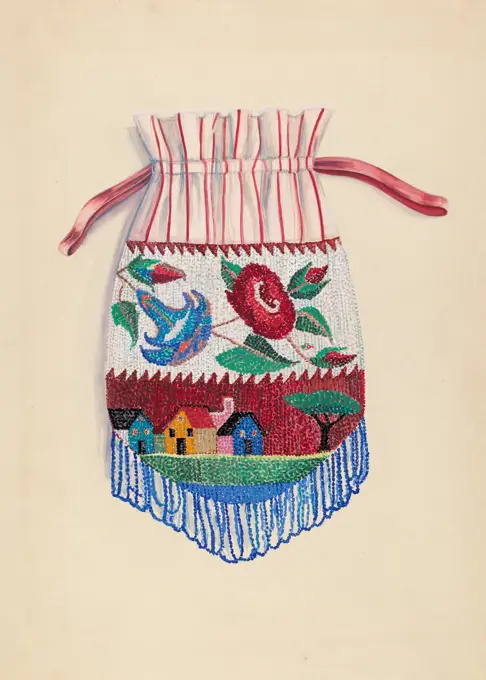
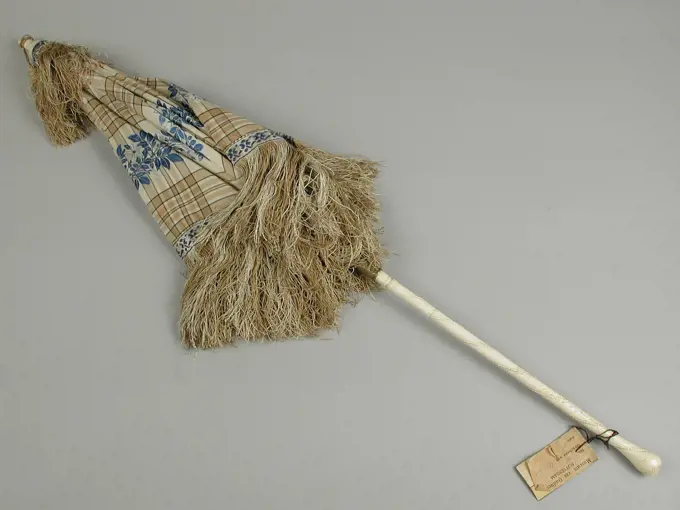
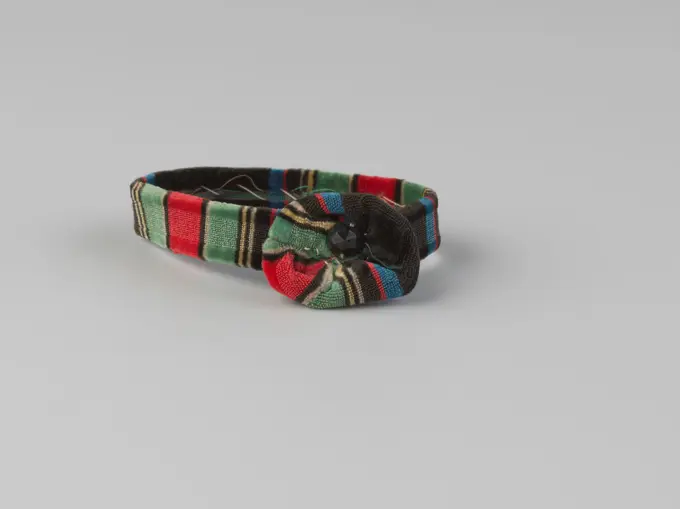
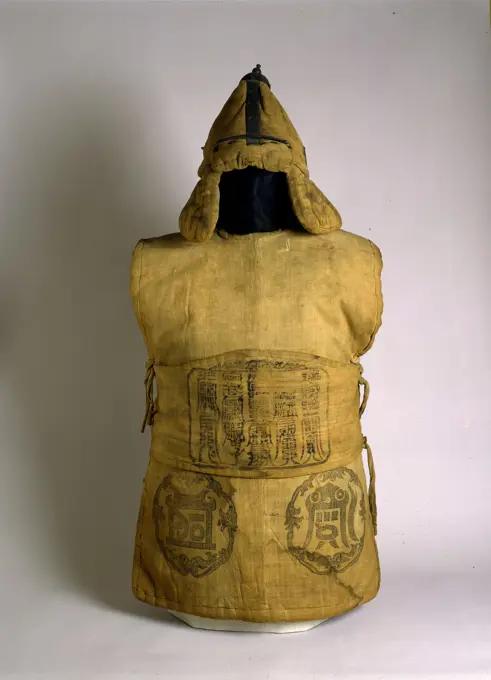
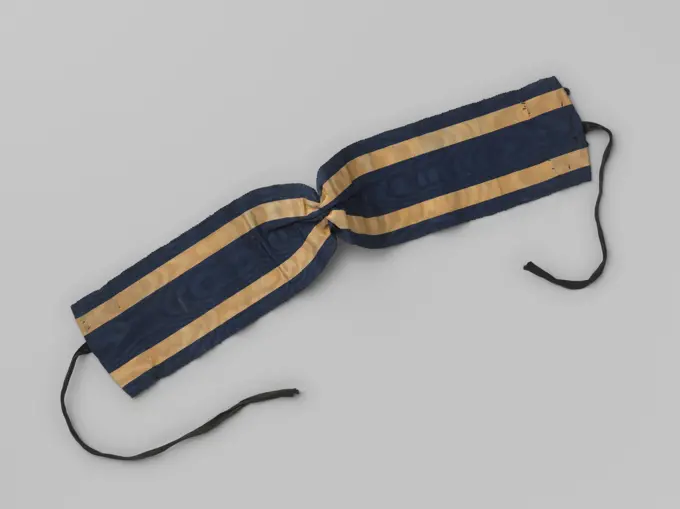
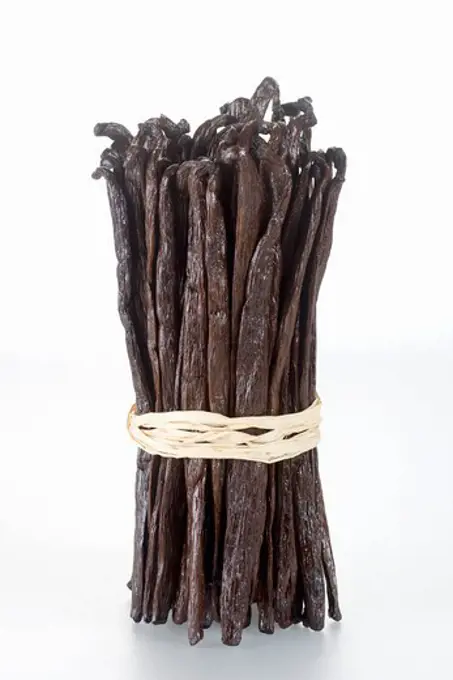
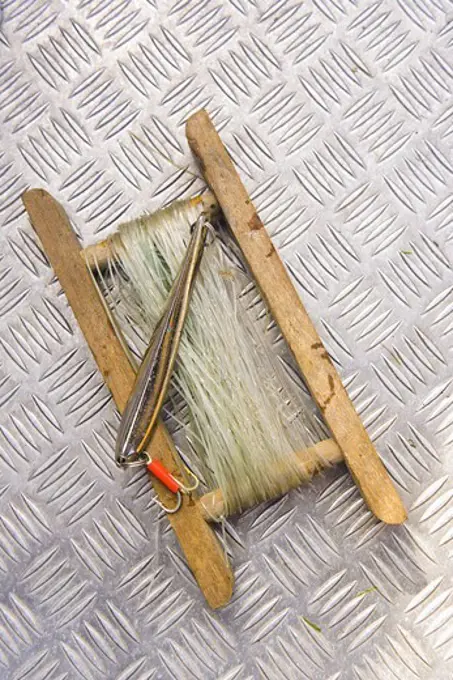
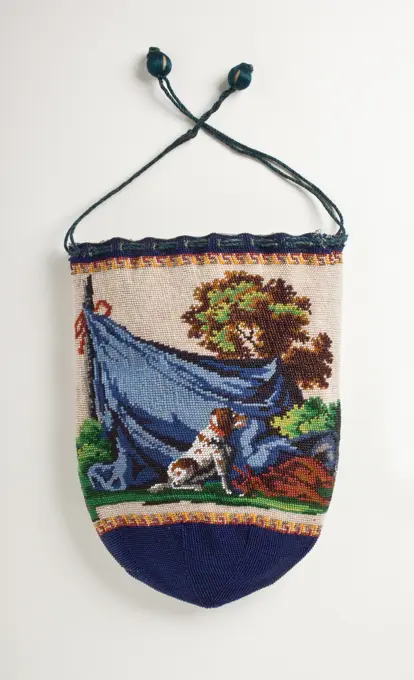
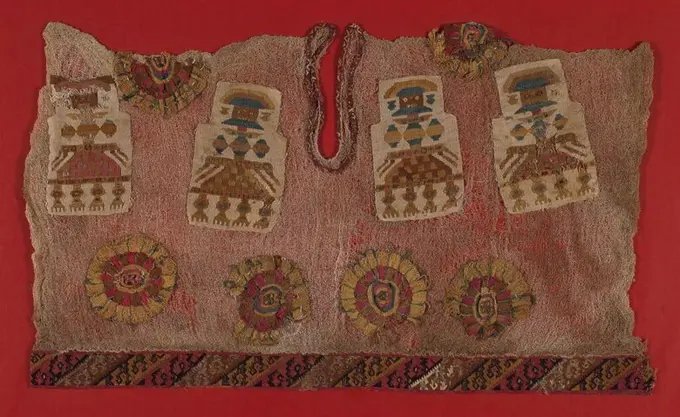
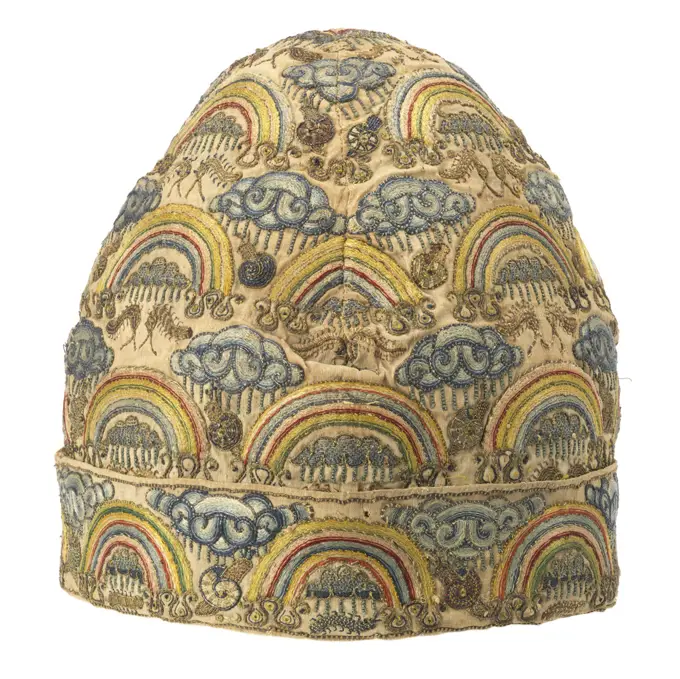
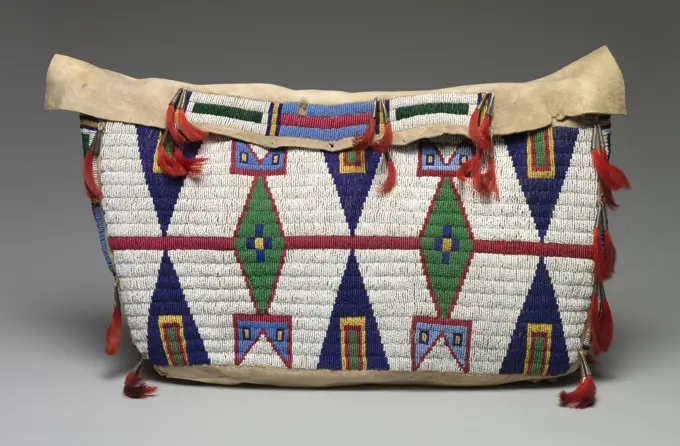
Drawstring bag late 18th-early 19th century probably American. Drawstring bag 117314Russian National Wooden Tableware Russian national handmade wooden container on an isolated studio background Copyright: xZoonar.com/AndreyxSkatx 9861301Fragments, Medium: cotton Technique: plain weave, block printed: black, red, purple and blue, Four fragments of a floral pattern in black, red and blue on a deep purple background., France, late 18th century, printed, dyed & painted textiles, FragmentsDrum, 1800 - before 1865 musical instrument. percussion instrument. drum Trom of the militia. The brass kettle is equipped with a veal sheet on both sides, held by a hoop and tense by means of a tension with tractors and screws. Both hoops are decorated with a motif of triangles in the colors red, white and blue. With engraved numbers: 1861-52-1839. Netherlands Kettle: Brass (Alloy). Hoop: Wood (Plant Material). Team resort: RopeScarf, from a seven-piece costume, mid 20th century, 73 5/8 x 18 in. (187.01 x 45.72 cm) (without fringe), Cotton, China, 20th centuryHandscreen (Italy); leaf embroidered in silk, turned and carved wood handleDrom, old model of the arches. Groom of the militia. The brass boiler is provided with a veal sheet on both sides, held by a hoop and tense by means of a tensioner with tractors and screws. Both hoops are decorated with a motif of triangles in the colors red, white and blue. With engraved numbers: 1856-51.Ella Josephine Sterling, Bag, c 1936 BagGlass Fragment 15th century European. Glass Fragment. European. 15th century. Colorless glass, silver stain. Glass-StainedCarriage umbrella with side upholstery, brown checkered with floral edge in blue and brown, fringe, ivory handle, carriage parasol clothing accessory clothing metal iron copper leg tooth ivory textile silk wood boning, textile Driving parasol with silk plaid trim in beige brown and black with one blue flower border and one brown. Long beige fringe on blue with beige band along top and bottom. Upper half of the handle is made of clear lacquered wood and the lower half is made of ivory or bone. The ribs are made of metal and the rib is the tip of ivory or bone the worked wide ring around the hinge is made of copper. At the tip hangs silk tassel women's clothing protective agent sunlight umbrella animal material keratinSet of vestments Russian fourth quarter 19th centuryBag ca. 1880 Italian. Bag 98406Ceintuur of Scottish velor chiffon with rosette of the same fabric. Ceintuur of Scottish velor chiffon with rosette of the same fabric.  textile materials Ceintuur of Scottish velor chiffon with rosette of the same fabric.  textile materialsSwiss Cow bell Swiss cow bell with Edelweiss isolated over white background Copyright: xZoonar.com/IvonnexWierinkx 12928255Bonnet ca. 1885 Balch, Price & Company American. Bonnet 168764Fabric Armor and Helmet with Buddhist and Taoist symbols possibly 18th century Korean Various types of textiles have long been used as the basis for armor in many different cultures. By far the most typical method for utilizing cloth for armor involved forms of quilting. Quilted armor generally consists of an envelope of fabric that is stuffed with a shock-absorbing padding, which is stitched in place. Far more unusual is armor made up of layered fabric. The defensive quality is achieved by placing many sheets of cloth one atop another so that the material is thick enough to absorb a blow, deflect an edge, or turn away a point, while still allowing relative freedom of movement. Both methods are employed, although layering predominates, in this very rare fabric armor from Korea, the strength of which is spiritually augmented by a series of protective Taoist and Buddhist symbols.The tunic of this armor is composed of thirty layers of a tough cotton fabric, skillfully cut and sandwiched tMans At-home Cap. Switzerland, 1725-1750. Costumes; Accessories. Silk plain weave with silk and metallic-thread embroidery and metallic-thread lace trimRound children's hat, woven net structure of reeds, topside blue silk with six parts pleated blue ribbon, falcon hat headgear girl's clothing children's clothing cane silk, to cover textile child girl headRibbon from J.R. Thorbecke, Anonymous, c. 1850 ribbon (material) Ribbon belonging to official costume by J.R. Thorbecke as Minister of the Interior. Netherlands ribbon (material)Tassel (Spain)Drawstring Bag, 19th century, 3 3/4 x 3 5/8 in. (9.53 x 9.21 cm) (excluding string), Silk, embroidery, metallic thread, China, 19th centuryA bunch of vanilla pods, 8/22/2013Fishing equipmentWoollen caps worn by Dutch whalers, anonymous, c. 1700 - c. 1800  Hat, double, with ear valves and red, blue -green, black and light brown horizontal stripes in different widths. The inside hat is also decorated with stripes. The hat consists of two parts that are sewn on top of each other, each part is cut and sewn on the top. Fine knitting. Knitted in Tricot stitch with forty-five stitches and forty needles per ten centimeters. Spitsbergen wool knitting  Zeeuwsche Uytkyck. SpitsbergenTassel 18th century French. Tassel. French. 18th century. Metal thread. Textiles-TrimmingsMan's Tobacco Pouch. Probably England, 1820-1830. Costumes; Accessories. Silk knit with glass and metallic beads, and leather liningCollar ca. 1900 probably American. Collar 118960Scarf, 14 3/4 x 13 in. (37.47 x 33.02 cm), Cotton, ChinaMitts 1840-59 American or European. Mitts 119631Comb 19th century probably German. Comb 99064Zagda, in the Dzid O, Nachrapnik;  18th century (1701-00-00-1800-00-00);Tunic. Lambayeque; Probably north coast, Peru. Date: 1000-1476. Dimensions: 44.5 x 74.6 cm (17 1/2 x 29 3/8 in.). Cotton, plain weave; appliquéd with small panels of cotton and wool (camelid), slit and single interlocking tapestry weave and with medallions of cotton and wool (camelid), slit tapestry weave; edged in plain weave extended weft fringe; lower edge of cotton and wool (camelid), slit and single interlocking tapestry weave with eccentric and interlaced outlining wefts; neck edge of cotton cord embroidered with wool (camelid) in cross-knit loop stitches. Origin: Peru. Museum: The Chicago Art Institute, Chicago, USA.Traditional indonesian mask on a white backgroundTassel, Medium: linen Technique: braided and knotted, with bobbin lace, White linen tassel braided over an inner stem, terminating in a round ball from which hang many short braided stems terminating in bobbin lace petals. Center ball surrounded by tiny knots., Italy, Europe, late 16th-early 17th century, trimmings, TasselRetro handmade natural flax handbag heart with wood buttonModel of A Jeer, J. Matthijsen, 1820 demonstration model Model of a gin made of four blocks. The blocks are stuffed together so that the discs are perpendicular to each other per pair and the outer and inner blocks of the gin run parallel. From the top pair, the outer block has five discs, the inner three, of the lower pair the inner block three and the outer four. The hoist runs through the upper block to the inner block of the lower pair, from there between the two inner blocks, further to the bottom block and finally back and forth between the two outer blocks. Flushing wood (plant material). iron (metal). ropeSword-Hilt Collar (Fuchi) with Lily, 1700-1850. Japan, Edo period (1615-1868). Shakudo; average: 3.9 x 2.3 cm (1 9/16 x 7/8 in.).Pot stand ca. 1479-1458 B.C. New Kingdom. Pot stand. ca. 1479-1458 B.C.. Reed. New Kingdom. From Egypt, Upper Egypt, Thebes, Deir el-Bahri, Temple of Hatshepsut, Foundation Deposit 1 (A), Egypt Exploration Fund, 1894-95. Dynasty 18. Stick range with a leaf of eight goose springs and a handle of horn. The springs are held together through a curved pin. Halfway through the handle is small red area with Chinese charactersTypical artisan mask for traditional masquerade celebration, Iberian Museum of Masks and Costume, Braganza (Bragança),Trás-os-Montes and Alto Douro, Portugal.Small bag with golden clasp, 1920s, fashion accessories, Italy, 20th century.Broom, consisting of a Takekebos, bound together by Wilgenteen, in which stabbed a smooth stem of pine with at the top five profile rings (for strings), anonymous, c. 1690 - c. 1710  Amsterdam wood (plant material). pine (wood).  Amsterdam wood (plant material). pine (wood).Baby Carrier, 19th-20th century, 30 7/8 x 63 1/2 in. (78.42 x 161.3 cm), Cotton, bast fiber, indigo dye, silk(), embroidery, China, 19th-20th centuryMan's cap, Medium: silk and metallic embroidery on linen foundation, metal spangles Technique: appliqued and embroidered in split, back and couching stitches on plain weave foundation; Label: linen embroidered with silk, metallic yarns and spangles in split, back and couching stitches, A man's cap with turned up cuff, of off-white linen embroidered in a pattern of rainbows arching over clouds with rain falling, with snails and caterpillars interspersed. In blue, green, yellow, red and pink silks and silver metallic yarns., England, late 16th century, costume & accessories, Man's capTwo crocheted wool and cotton hat. 20th century. Grasslands, Cameroon.Three Blocks and a Luff Tackle, Rijkswerf Vlissingen, Rijkswerf Willemsoord, Rijkswerf Hellevoetsluis, 1861 - 1865 tackle Three blocks and a third -hand stack according to the regulations of 1865. The first block is a two -disc purlin block with double iron wire sling and iron wire Bindsel and a round stocking. The second is a 26 cm two -disc block with iron wire strop with short splits; The binding is made of leather and the block has an iron stocking and a parchment label with inscription. The third is a 26 cm two -disc grenade block with iron wire strop; The binding is of rope, the block has an iron stocking and a hook. The third-hand talie consists of a single and a double disc block, the fixed part attached to the sling of the single block; Both blocks have an iron wire sling with iron wire binding without splitting, an iron stocking and a hook. Scale 1: 1. Maker: Flushingmaker: Den Heldermaker: Hellevoetsluis wood (plant material). iron (metal). rope. leather. linen (material). pCap 10th-14th century Arica. Cap 316956Cap. Culture: Swiss. Date: second quarter 19th century. Museum: Metropolitan Museum of Art, New York, USA.Cob of white and purple corn isolated on white background. Raw maizePurse, mid 20th century, 11 1/2 x 23 3/4in. (29.2 x 60.3cm), Cotton, China, 20th centuryStorage Bag, late 1800s. America, Native North American, Plains, Lakota (Sioux) people, Post contact. Native-tanned hide, glass beads, dyed horsehair, tin cones, sinew thread ; overall: 38.8 cm (15 1/4 in.).Scent pouch, 19th century, 3 3/8 x 3 3/4 in. (8.6 x 9.5 cm), Silk, China, 19th centuryLegacy by Various Designers. London Design Festival 2019, London, United Kingdom. Architect: Various Designers, 2019.Ceiling light with ajour motifs, Theo Nieuwenhuis, c. 1916 The light consists of a square starter at the ceiling, which bends down to the center to a round with two rows of geometric ajour motifs decorated edge, which is cut out on one side hemisphere. A cream -colored with brown beads decorated with brown beads of Shantung has been applied to this edge. Amsterdam copper (metal). sawing The light consists of a square starter at the ceiling, which bends down to the center to a round with two rows of geometric ajour motifs decorated edge, which is cut out on one side hemisphere. A cream -colored with brown beads decorated with brown beads of Shantung has been applied to this edge. Amsterdam copper (metal). sawingNice elegant woman bag isolated on the whiteTassel French 19th century View more. Tassel. French. 19th century. Silk. Textiles-Trimmingsfan paintbrush blends multicolored watercolors artistic fan paintbrush mix multicolored watercolor paints close up Copyright: xZoonar.com/ValeryxVoennyyx 5528669Bag (USA); glass beads, cotton threadMen's cap seted with beads unknownBox -'Harmonica made by Joseph Kebrdle, Horovice', 1948. Artist: Unknown.Noh Costume (Karaori) with Dragon and Rice with Dew Roundels, early 1700s. Japan, Edo period (1615-1868). Silk, brocaded metal thread; overall: 139.7 x 133.3 cm (55 x 52 1/2 in.).Textile Cone shell Copyright: xVivekxThayil/DinodiaxPhotoxKnife with Sheath, Chopsticks and Belt Loop. Culture: Chinese, Manchuria or Mongolian. Dimensions: Knife (a); L. with sheath 11 3/4 in. (29.8 cm); L. without sheath 10 1/8 in. (25.7 cm); W. 3/4 in. (1.9 cm); Wt. 2.2 oz. (62.4 g); sheath (b); Wt. 7.7 oz. (218.3 g); chopsticks (c, d); L. 10 1/4 in. (26 cm); W. 3/16 in. (0.5 cm); Wt. 0.3 oz. (8.5 g). Date: ca. 1750-1900. Museum: Metropolitan Museum of Art, New York, USA.Basket, 20th century, 3 x 3 in. (7.6 x 7.6 cm), Natural plant fibers, United States, 20th centuryEmpty wicker baskets are for sale in a market placePapercut Egg on white backgroundAzeri traditional drum nagara on whiteBowl 9th-10th centuryClose-up portrait of Traditional Indian TablaAfrica, Ethiopia, Omo River Valley, South Omo, Hamer tribe. Beaded decorations worn by a Hamer girl.Velvet bag used on ceremonial occasions of Nattukottai Chettiar, Nagarathar in Chettinad, Tamil Nadu, South India, India, AsiaDjembe West AfricaIron helmet with silver inlaid, anonymous, 1600 - 1868 Iron helmet with silver inlaid, consisting of a forehead valve, an upper part that is divided into eight segments and a jealousy-shaped rear section. Japan iron (metal). silver (metal) Iron helmet with silver inlaid, consisting of a forehead valve, an upper part that is divided into eight segments and a jealousy-shaped rear section. Japan iron (metal). silver (metal)Drum 19th century Russian. Drum. Russian. 19th century. Wood, skin. Russia. Membranophone-double-headed / barrel drumtamborino, little majorcan drum, Majorca, Balearic Islands, SpainJhr epaulet. Hoeustert, in 1830/32 captain at the Schutterij department. Epaulet, part of couple, for a captain of the mobile militia, ca. 1830-1832. The epaulet consists of a tongue of silver galon. The leaf of the epaulet is equipped with a more or less oval label on which ink is the text: Jonkheer Hoeufft. 1830-1832. Captain Schutterij 133. On the leaf depending silver frills. Underside heads are lined with red sheet, on which feed remains of paper labels with partially readable text: in the ... Street .... Heiligenweg ... Van den Broecke makes ... and sells all kinds of military ornaments etc. etc. in Amsterdam.Headdress, 1950s. Lakota. Feathers, leather and beads. Denver Art Museum. Denver, Colorado, United States.Grass (Sorghum sp) and Pearl Millet (Penissetum sp) bunches, annual grasses grown as grain and animal fodder, Sahel Desert, Mali, west AfricaEaster egg isolated on a white backgroundDoll from The Philippines.,  1925-1992Samburu painted clay dolls, from Kenya, East AfricaHawaiian WIND CHIME made of shellsBrush 19th century Italian. Brush 102483