Traditional Textiles and Bags

Highlights intricate craftsmanship in historical textiles and bags, showcasing unique designs, materials, and cultural significance.
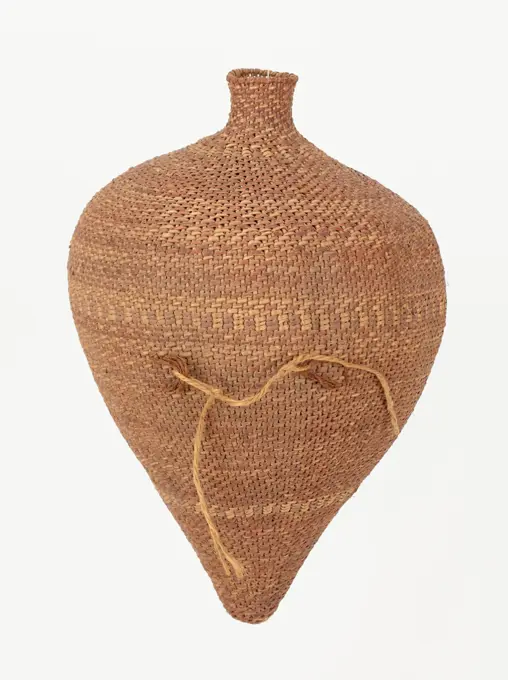
Water Jar, c. 1910-1950, 14 1/8 × 9 1/2 × 9 1/2 in. (35.88 × 24.13 × 24.13 cm), Plant fibers, United States, For thousands of years, Native people have lived in the dry deserts of the North American Southwest, where summer temperatures can reach 130 degrees Fahrenheit. Indeed, the Apache and Tohono Oodham, among other Native peoples, still thrive there. Indigenous knowledge of their environment historically helped them travel great distances with little water to collect certain plants and animals. They still make gathering baskets from local plant fibers, adorned with objects that create pleasing sounds when the baskets are used, Baskets woven so tightly they can store water are both utilitarian and artful, embellished with patterns.
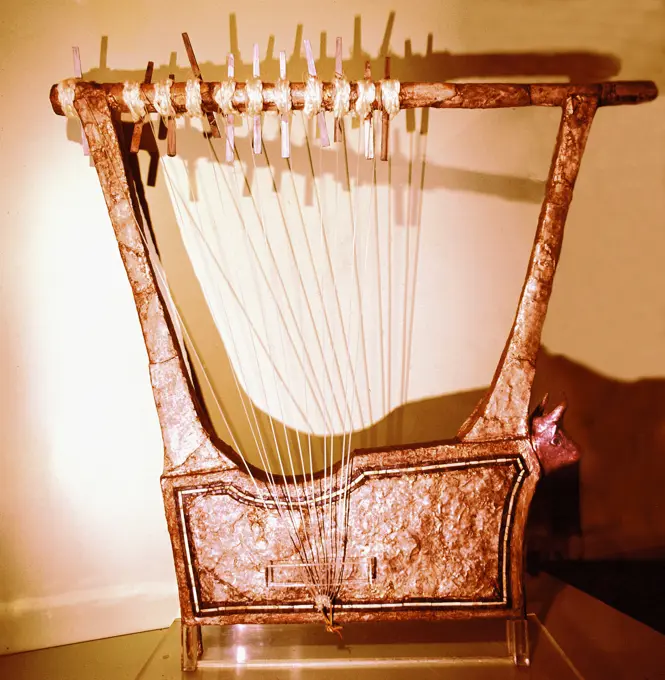
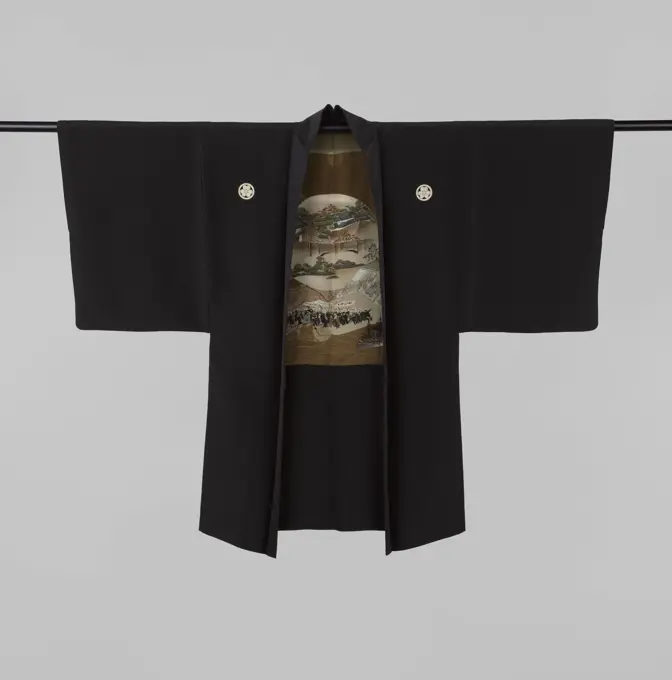
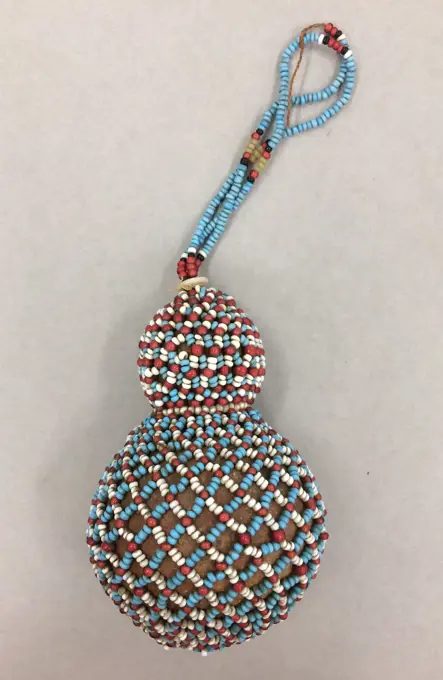
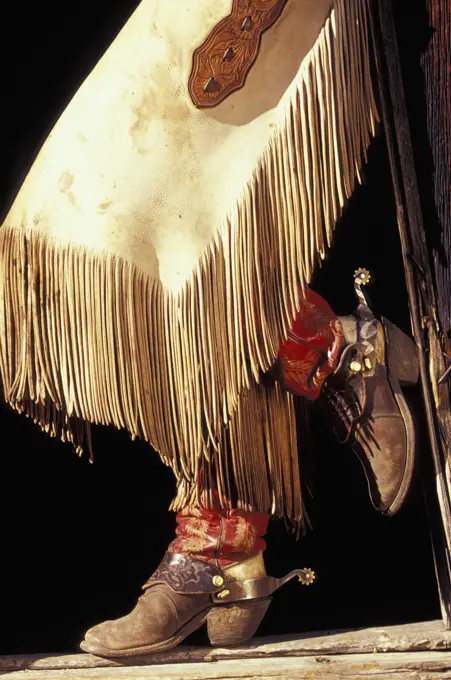
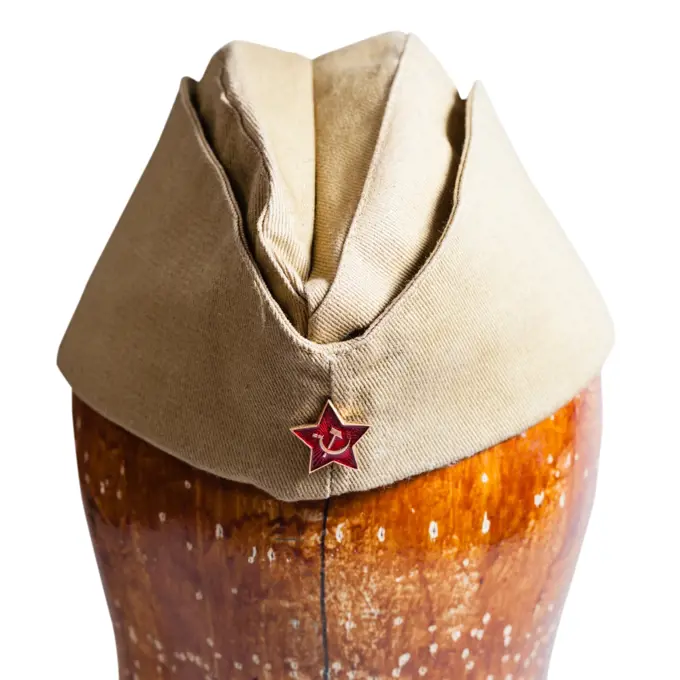
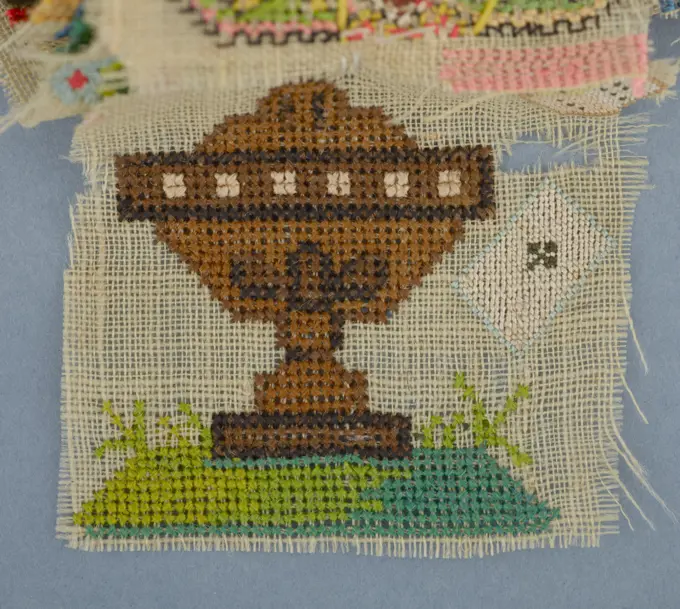
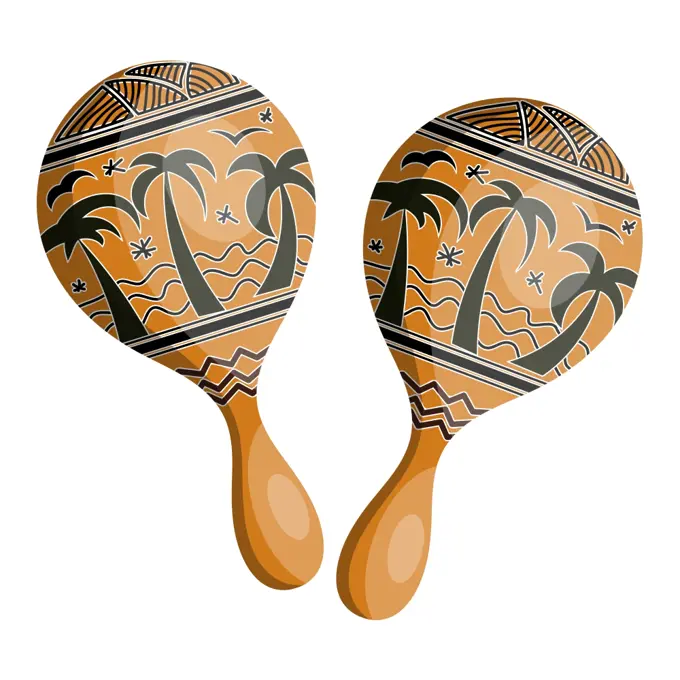
Feathered Crown 14th-15th century Chimú. Feathered Crown 315703Silver Lyre from Ur, III mill BC. Mesopotamia.Vintage Cowboy Hat on white backgroundBelt beads taking the traditional fabric of menMen Haori with the birth of Akihito, 1933 - 1934 Haori for a man with a decoration on the lining of the map of Japan and Korea, with a circular image of the imperial palace in Tokyo with the statue of Kusunoki Masashed, images of newspaper clippings, lanterns, a partying multitude of flags and spanners , three double -decker planes and six ships in stylized waves. It depicts the festivities on the occasion of the birth of the Tsugu No Miya, the future Emperor Akihito on December 23, 1933. Black shiny silk (Habutae) with hand -painted and stenciled Yuzen decorations. Five family weapons (Mon) from Klaverzuring (Katabami). Japan silk painting Haori for a man with a decoration on the lining of the map of Japan and Korea, with a circular image of the imperial palace in Tokyo with the statue of Kusunoki Masashed, images of newspaper clippings, lanterns, a partying multitude of flags and spanners , three double -decker planes and six ships in stylized waves. It depicts the festivities on theDoll  a standing boy with a kite unknownSnuffContainerComb 19th century American. Comb 78940USA, Arizona, Scottsdale. Close-up details of Native- American beading and fringe.Djembe. A percussion musical instrument on white background.. DjembeFireman's interior coat (hikeshi shitagi) for a volunteer, late 19th-early 20th century, Unknown Japanese, 34 × 33 1/2 in. (86.36 × 85.09 cm), Cloth: cotton, Japan, 19th-20th centuryClose-up of lot potN.A., USA, Oregon, Seneca, Ponderosa Ranch, Cowgirl and her red boots (MR)Hat 1897 French. Hat 113295Inuits. Summer fishing for cod and trouts. Clothes and utensils used for fishing. Exhibition of clothing and Eskimo utensils Historical Museum. Oslo. Norway.direct view of military khaki garrison cap with soviet red star sign on wooden dummy isolated on white background close upHeraldic Band Regalia: Baldric, United States Continental Army Band. Country: UnknownMexico, Oaxaca, Zapotec Indian carpets, hand woven by children, and colored with natural dyes.CIIp of needlework sampler unknownWooden maracas in tribal style. Isolated on white background. Vector illustration. Bliżej Kultury unknown label