Traditional Textiles from Asia

An array of historical textiles from Asia, featuring vibrant patterns, geometric motifs, and rich craftsmanship, representing cultural heritage and artisan skills.

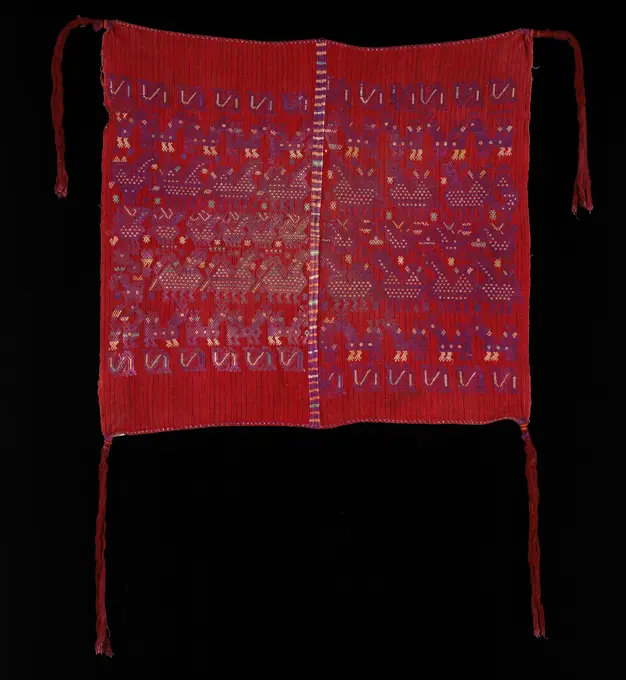
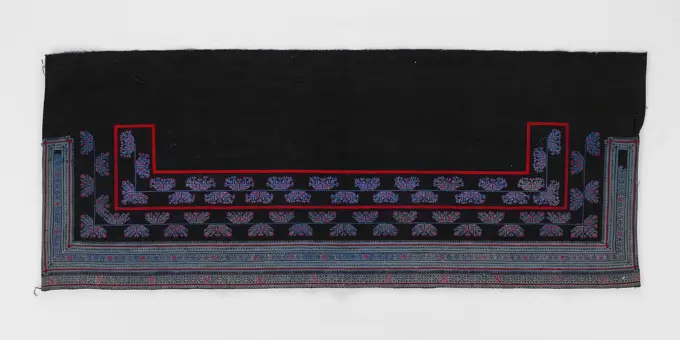
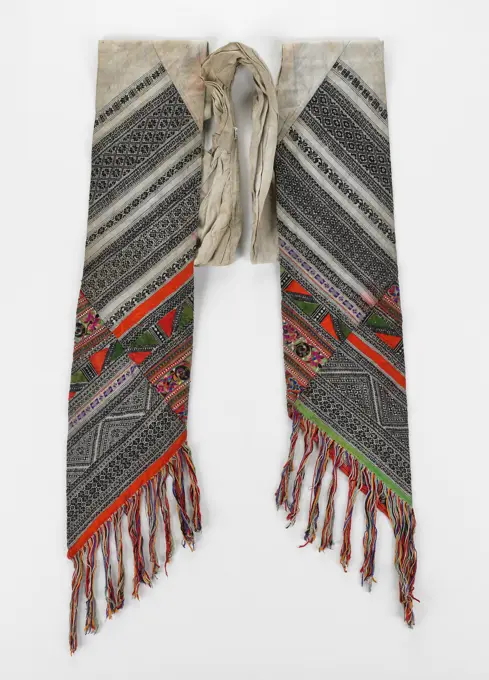
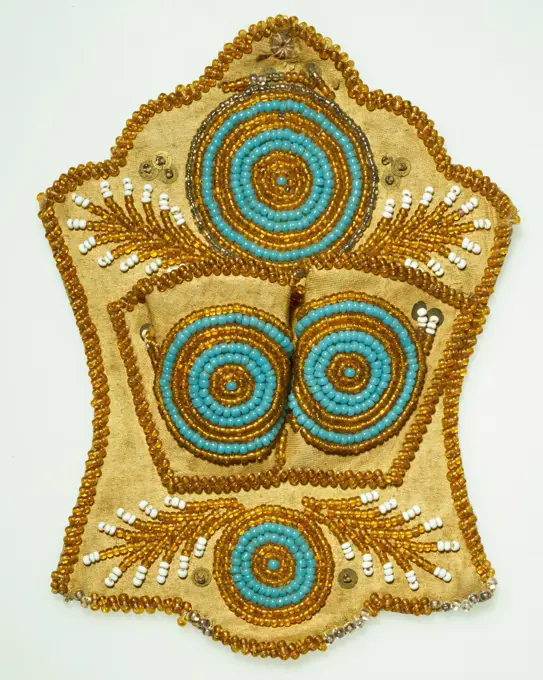
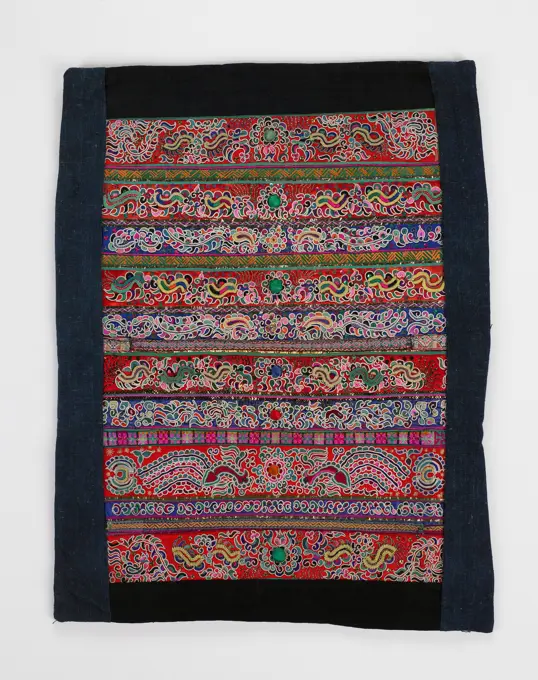
Baby carrier panel (or apron), c. 1970s-1980s, 16 3/8 x 14 1/8 in. (41.59 x 35.88 cm), Cotton; needlework, China, 20th century
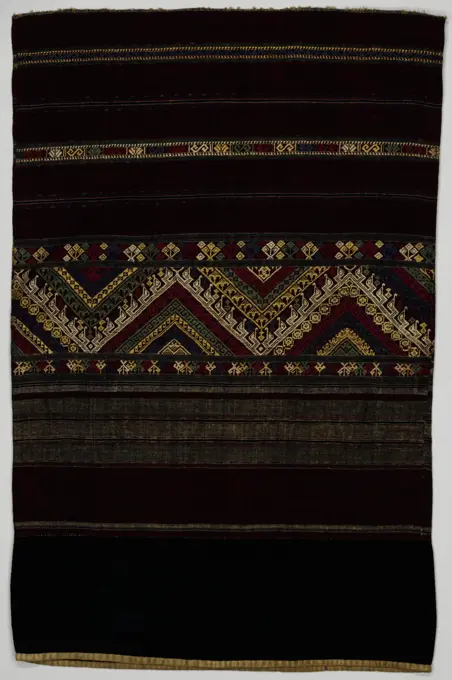
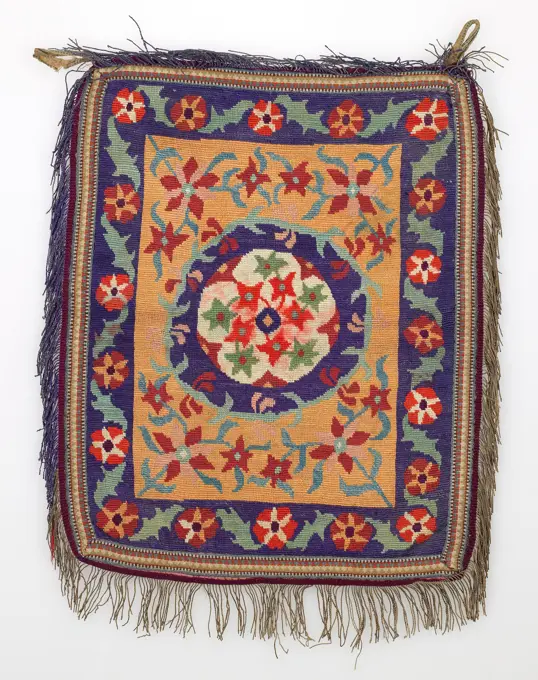
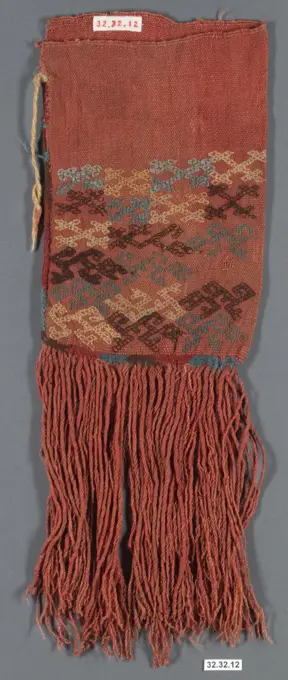
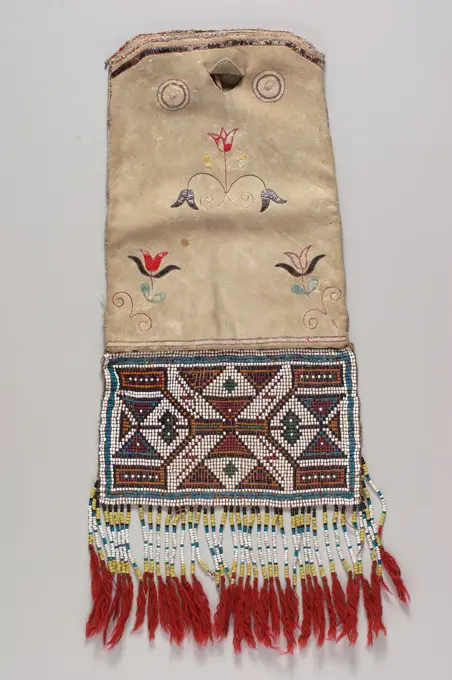
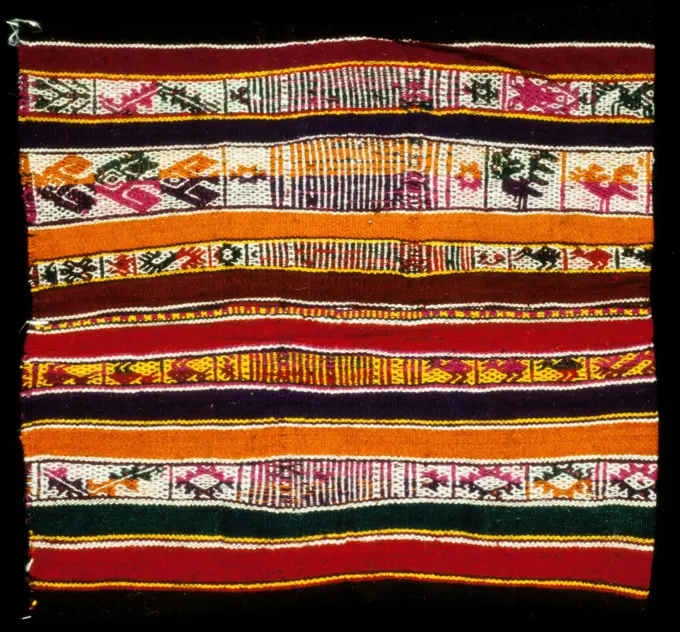
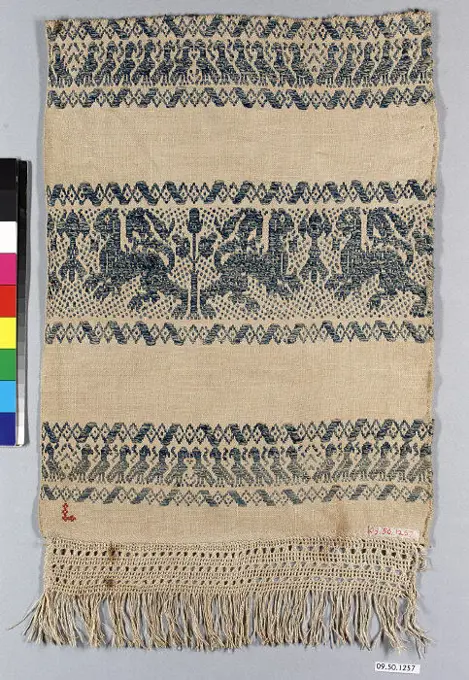
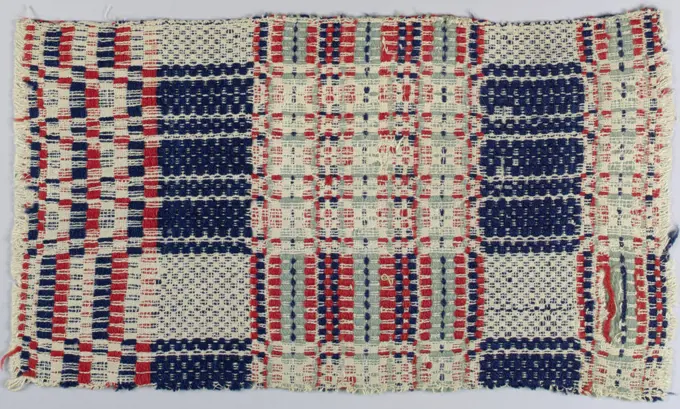
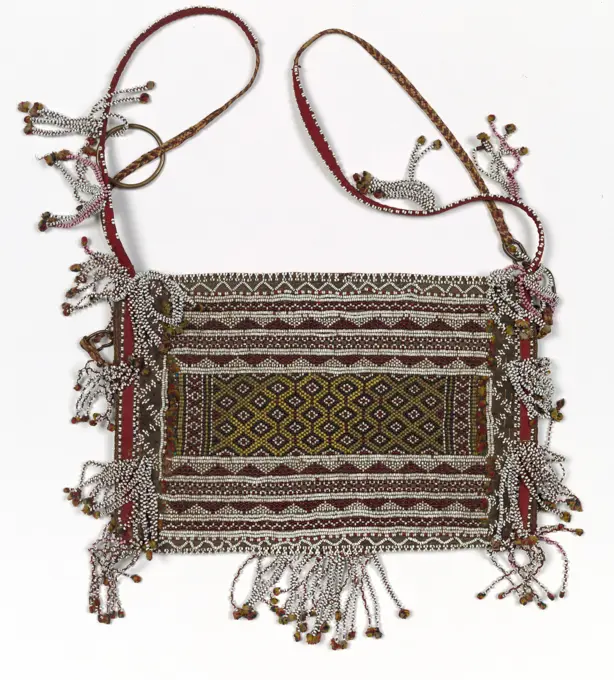
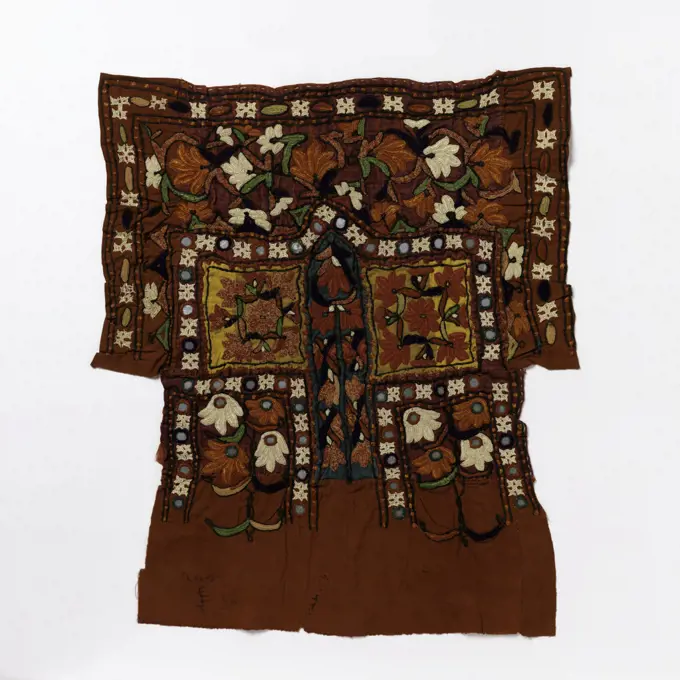
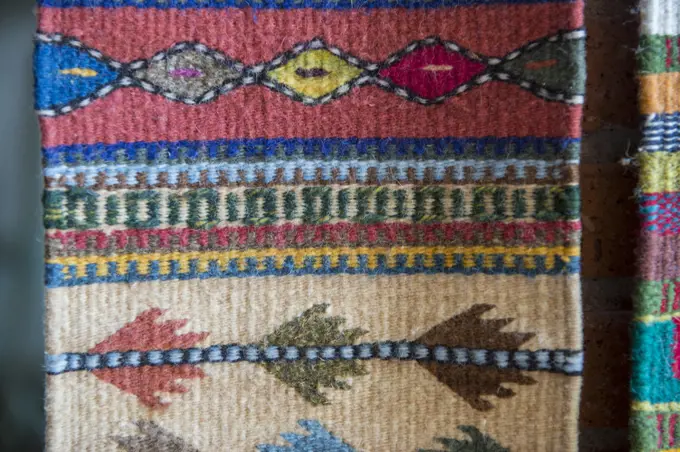
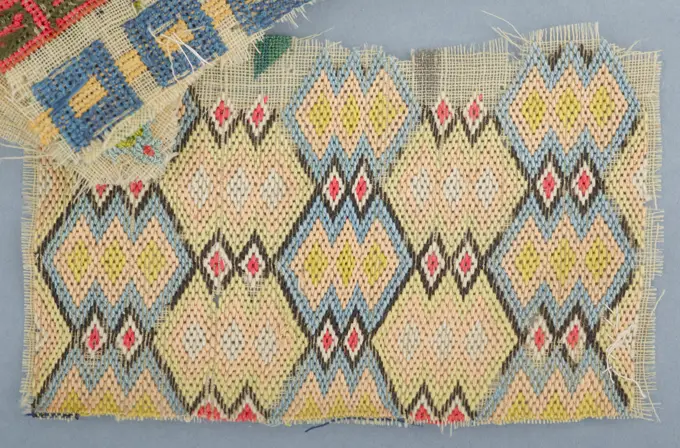
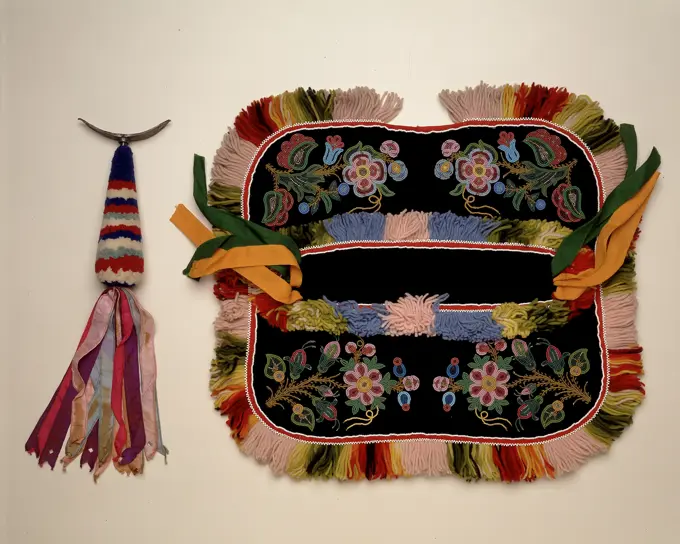
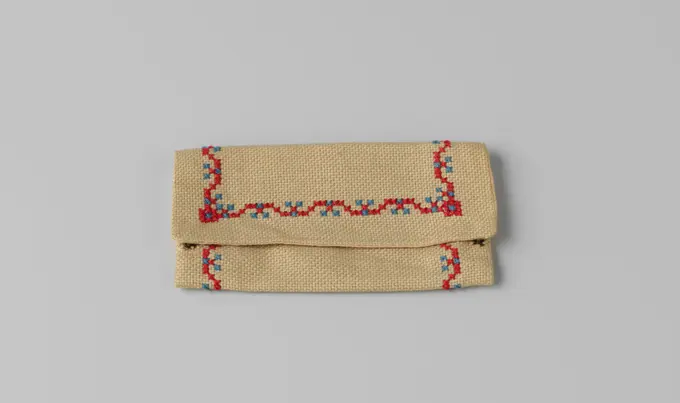
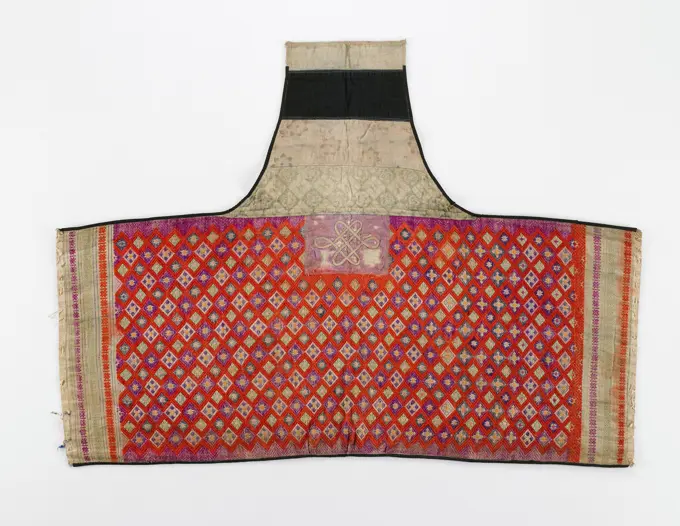
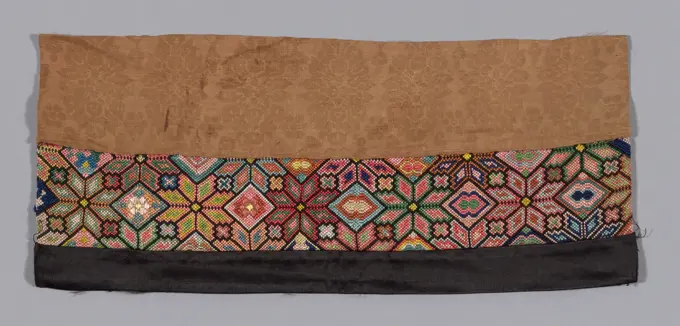
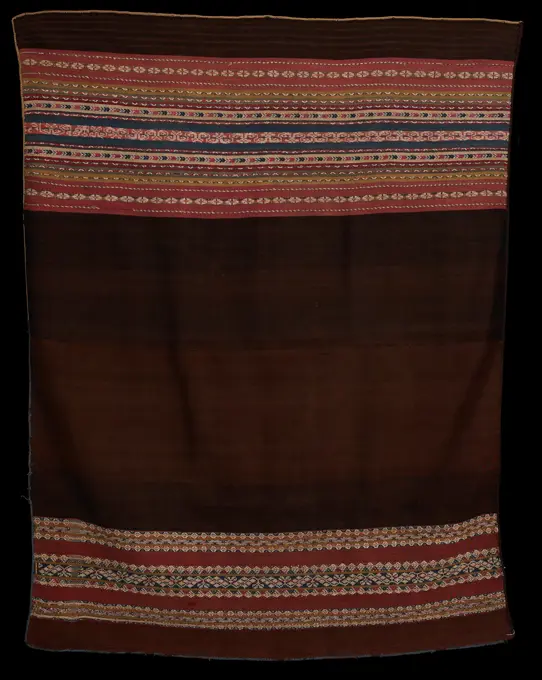
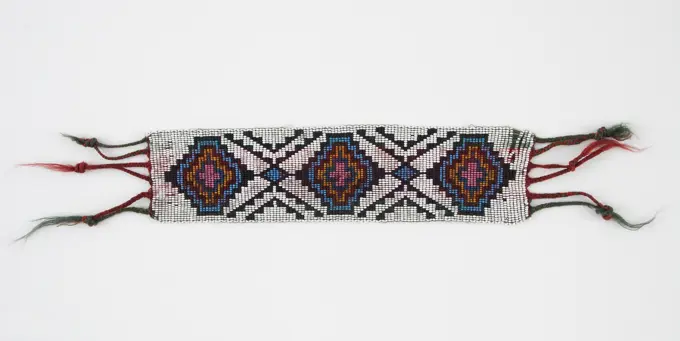
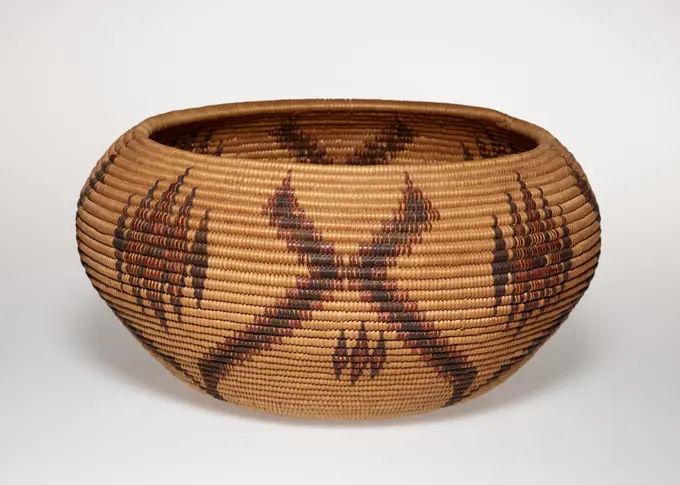
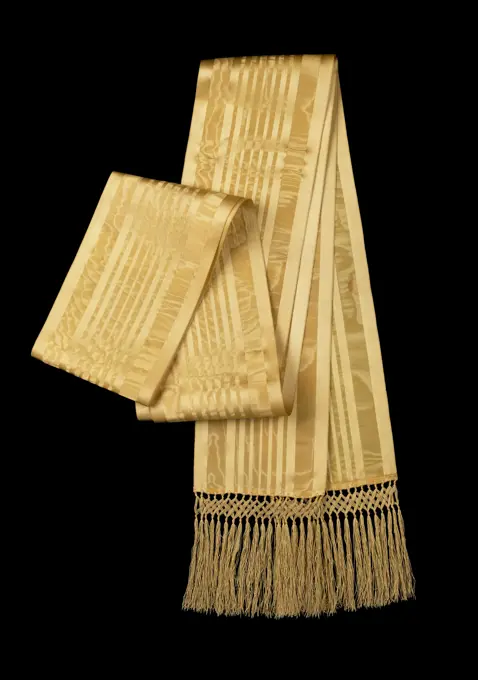
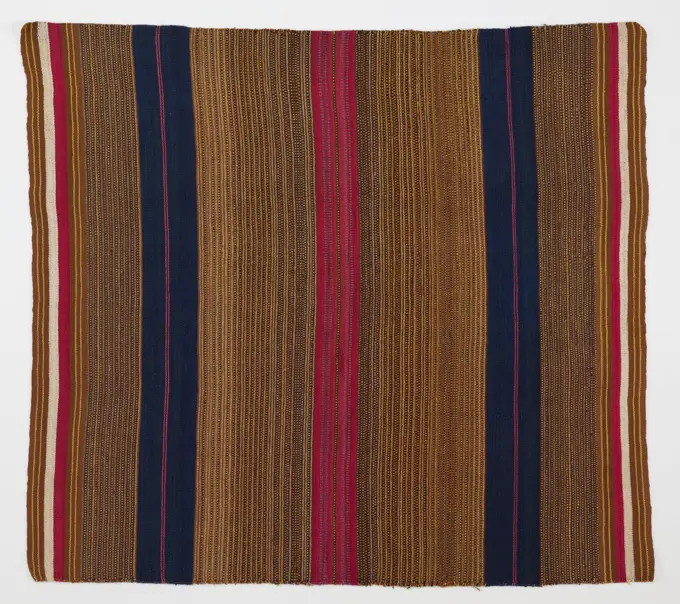
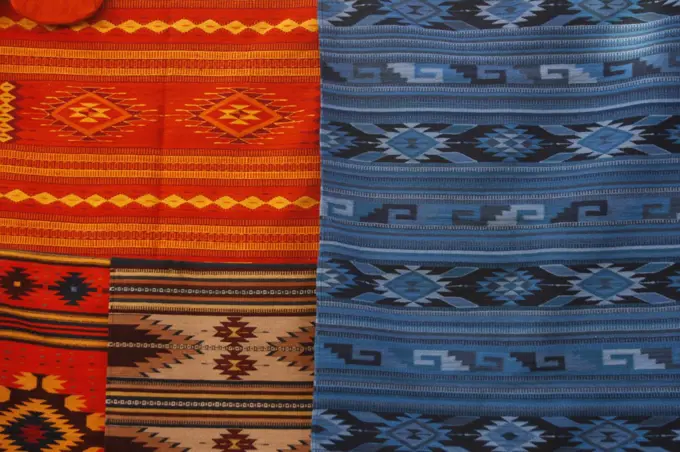
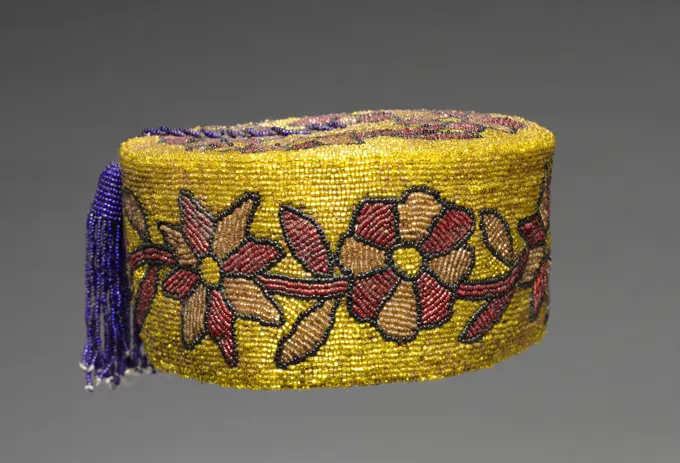
Textile (India); cottonDoek, Anonymous, 1900 - 1949 Cloth with geometric motifs. Laos cotton (textile). silk Cloth with geometric motifs. Laos cotton (textile). silkHead Cloth, 24 3/16 x 27 in. (61.44 x 68.58 cm) (without tassles), Cotton; needlework, GuatemalaDoek, Anonymous, 1900 - 1949 Cloth with geometric motifs. Thailand cotton (textile) Cloth with geometric motifs. Thailand cotton (textile)Fragment Composed of Two Fabrics Joined, c. 1100-1400. Peru, Central Coast, Chancay, 12th-15th century. Plain compound twill and plain compound tabby; cotton; overall: 28 x 35.5 cm (11 x 14 in.).Excerpt woven tissue in linen and wool, anonymous, 1580 Fragment striped fabric with, among other things, decoration of cherubs. Germany Entry: Wool. Ketting an element: Linen (Material) Fragment striped fabric with, among other things, decoration of cherubs. Germany Entry: Wool. Ketting an element: Linen (Material)Kalta, late 19th century, 20 x 19 in. (50.8 x 48.26 cm), Silk, cotton; cross-stitch, Uzbekistan, 19th centuryBag 7th century Nasca. Bag. Nasca. 7th century. Camelid hair. Peru, Rio Grande de Nasca. Textiles-WovenMan's Pouch, c. 1800, 13 5/8 x 7 5/16 in. (34.6 x 18.6 cm), Hide, beads, quills, wool, cotton, United States, 19th century, This bag is all that remains of the extensive collection of Indian objects gathered by Major Lawrence Taliaferro, Indian agent at Fort Snelling from 1819 to 1839. Taliaferro tried to keep peace between the Anishinabe and the Dakota who lived in the area and made certain both groups were treated fairly by the whites. This object may have been a gift to him from the Anishinabe. It was made at a time of artistic transition, when established styles of quillwork on leather were being combined with the new beading techniques. The geometric patterns in the beadwork are characteristic of art found in the western Great Lakes region. The bag was most likely used to carry things necessary for smoking, such as flint, a pipe and tobacco.Baby carrier panel (or apron), c. 1970s-1980s, 16 3/8 x 14 1/8 in. (41.59 x 35.88 cm), Cotton; needlework, China, 20th centuryRug, ikat tissue, originating from Soemba, Anonymous, Before 1937  Rug of Eastern textile; Ikat tissue. The rug consists of three lanes stuck together. The pattern has lanes in red -brown, blue and cream. FRANDS RANGENT OF THE DISCOUNT and BUSINESS. Indonesia cotton (textile) ikat  IndonesiaContustion sash unknownFragmentApron (Partial), 20th century, 18 7/8 x 18 3/4 in. (47.9 x 47.6 cm), Cotton, China, 20th centuryUuk kap Ilgich, late 19th century, 27 1/2 x 15 1/4 in. (69.85 x 38.74 cm), Silk, wool, cotton; chain stitch, Uzbekistan, 19th centuryFragment 16th-17th century Italian. Fragment 216509Textile Fragment 6th-7th century. Textile Fragment 443559Saddle bag decorated with grid work within which cross flowers. Saddle bag from knotted wool, Jaffi Kurdistan-Mosul. Midfield is a small square that is divided into windscreens with a grid, within which cross flowers. Quadruple edge; The wide checkered border with rosette flowers. At the top of a split beard. The back is of flat fabric with stripes.Beautiful old fort, Masmak fort, Riadh, Saudi Arabia, AsiaAltar-cloth. unknown, authorApron, 17 1/2 x 11 1/2 in. (44.45 x 29.21 cm) (including fringe), Silk, cotton, ChinaTunic 7th century Nasca. Tunic 307950Turban, 30 1/2 x 15 in. (77.47 x 38.1 cm), Linen, cotton, ChinaEmbroidery Sample, 29 1/4 x 11 3/4 in. (74.3 x 29.85 cm), Cotton; needlework, ChinaTextile, laceWayaka (bag), 1965-1975, 19 x 19 in. (48.3 x 48.3 cm), Wool, Bolivia, 20th centuryBaby Carrier, 27 1/4 x 49 1/4 in. (69.22 x 125.1 cm), Cotton, silk; needlework, ChinaBeaded Pouch. United States, late 19th century. Costumes; Accessories. Glass beadsPiece 16th-17th century Italian or German. Piece 216406Fragment Made 1476-1532 Peru. Wool (camelid), interlocking tapestry weave with inserts of complementary weft weave . ChuquibambaCoverlet fragment, Medium: cotton, wool Technique: plain compound cloth (overshot), Traditional geometrical decoration with squares in broad framework with various fillings. In deep blue, bright rust, and blue-green wool pattern wefts used in bands of these colors on undyed cotton ground., probably Pennsylvania, USA, early 19th century, woven textiles, Coverlet fragmentUnique Hand made masterpice National style of embrioders.Unique Hand made masterpiece. Copyright: xZoonar.com/andriixsalivonx 1331838Towel borders 1800-1850 Russian. Towel borders 173349Coca Bag (Ch'uspa) early 19th century Aymara. Coca Bag (Ch'uspa) 318113Shawl Made 1875-1900 England. Silk, twill weave .Baby Carrier, 19 x 24 1/4 in. (48.26 x 61.6 cm), Cotton; needlework, ChinaBag, c 1900s. Phillipines, Early 20th century. Woven wool () with beads; overall: 24.1 x 35.6 cm (9 1/2 x 14 in.).Eva Wilson, Linen Towel  Flower Design, c 1936 Linen Towel - Flower DesignWoman's Hat, 5 x 7 1/4 x 7 1/4 in. (12.7 x 18.42 x 18.42 cm), Silk, cotton, metallic strips, ChinaPouch 1830-60 American. Pouch 168401Fragment, Medium: silk on linen, mirrored glass Technique: ladder, buttonhole, surface, stem and satin stitch embroidery on plain weave, Red silk ground fabric pieced with red, yellow and blue cotton and embroidered with a design of stylized flowers and narrow borders., India, 19th century, embroidery & stitching, FragmentCarpet for sale in the Souk, Marrakech, Morocco.Coverlet (Fragment) Made 1801-1825 United States. Cotton and wool, plain weave with supplementary patterning wefts (overshot) .Camel Bag, 19th century, L.28 X W.15-1/2 in., wool; needlework, Turkey, 19th centuryCarpet Manufacture, Cappadocia, Turkey, Cappadocia, Turkey, AsiaA weaving made from wool dyed with natural dyes at a weavers home in Teotitlan del Valle, a small town in the Valles Centrales Region near Oaxaca, southern Mexico.Coverlet fragment, Medium: cotton, wool Technique: overshot, Small section of coverlet showing traditional geometric design in brown wool pattern weft on undyed cotton ground. May be walnut dye. Possibly made in Pennsylvania., USA, mid-18th-early 19th century, woven textiles, Coverlet fragmentTunic. Culture: Chimú. Dimensions: H. 18 1/2 x W. 46 1/2 in. (45.7 x 118.1 cm). Date: 12th-15th century. Museum: Metropolitan Museum of Art, New York, USA.Baby Blanket, 32 x 26 in. (81.28 x 66.04 cm), Cotton; needlework, ChinaChief's Belt, 20th century, 132 x 7 7/8 in. (335.3 x 20 cm), Silk, cotton, sequins, China, 20th centuryGiza Pyramid Complex, Al Ahram, Giza, Egypt. Rugs for sale.Piece of striped damask, early 19th CenturyBag, late 19th-early 20th century, 9 1/16 x 6 5/8 in. (23.02 x 16.83 cm) (without tassels or cord), Silk, cotton, beads, metallic threads; embroidery, braided cord, Turkmenistan, 19th-20th centuryTraditional Kilim round decorative element, vector templateWoman's ceremonial awayo (mantle), 19th century, 40 7/16 x 31 3/4 in. (102.71 x 80.65 cm), Alpaca, Bolivia, 19th centuryBelt, 20th century, 2 1/8 x 36 7/8 x 2 1/8 in. (5.4 x 93.7 x 5.4 cm), Cotton, China, 20th centuryFabric piece, 20th century, 21 1/2 x 22 1/4 in. (54.6 x 56.5 cm), Cotton, silk, Guatemala, 20th centuryTrimming (France); silkFragment Made 1000-1476 Peru. .Wedding head covering, early 20th century, 81 1/2 x 53 5/16 in. (207.01 x 135.41 cm), Cotton, silk, glass; needlework, Pakistan, 20th centuryBorder Made 1601-1625 Italy. Linen, plain weave; cut and drawn work in buttonholed, darned, and overcast bars with buttonholed picots; embroidered in buttonhole, double running, hem, interlocking lace, overcast, and satin stitches; buttonholed couching; macramÈ edge with knotted fringe .Beaded Mummy Decoration, Egyptian, Saite Period, Dynasty 26, 664-525BC. Beads and fiber. The famous Art Institute of Chicago.Man's shawl, 85 9/16 x 56 7/8 in. (217.33 x 144.46 cm) (without fringe), Cotton, NigeriaBracelet mid-19th century probably American. Bracelet 110151Reticle. GAL1987.72.12Purse, Medium: silk, glass beads Technique: knitted in crossed stockinette stitch with beads, Pouch-shaped bag drawn together at bottom with a tassel; dark green silk drawstring closure. All-over geometric design in green, red, olive, bright blue and pink., Europe, 1860-1910, costume & accessories, PurseMatch safe whimsey, 9 x 6 3/4 x 13/16 in. (22.86 x 17.15 x 2.06 cm), Beads, cotton, sequins, United StatesCIIp of needlework sampler unknownHat, 20th century, 4 5/16 x 7 1/2 x 6 5/16 in. (10.95 x 19.05 x 16.03 cm) (without back pompon), Cotton; needlework, Uzbekistan, 20th centuryDog blanket -Trimming (Spain); white, black, and colored silk in uncut velvet weave.; Overall: 21 x 4.8 cm (8 1/4 x 1 7/8 in.)Travel bag belonging to the hairbrush of Ivory with Monogram JVN, c. 1910 Travel bag belonging to the hairbrush of Ivory. The travel bag is decorated with red and blue embroidered blocks.  textile materials. metal Travel bag belonging to the hairbrush of Ivory. The travel bag is decorated with red and blue embroidered blocks.  textile materials. metalArmband -Baby Carrier, 27 1/8 x 38 in. (68.9 x 96.52 cm), Cotton, ChinaEmbroidery Sample, 26 x 20 1/4 in. (66.04 x 51.44 cm), Cotton, silk, yellow metal, metal sequins, silvered glass bead, buttons; needlework, ChinaBand Made 1875-1900 China. Forty-four pairs and eight odd pieces of embroidered sleeve, ankle bands, etc. on gauze. . Han-ChineseCoasterBag 1830-60 American. Bag 156870Belt -Woman's ceremonial aksu (overskirt), mid 19th century, 51 7/8 x 40 in. (131.76 x 101.6 cm), Alpaca, Bolivia, 19th centuryStrip -New Mexico, Albuquerque. Shops and souvenirs in Old Town Albuquerque, New Mexico.Baby carrier, ChinaCentral America, Guatemala, Antigua, Textile Museum aka Casa del Tejido. Colorful antique traditional Guatemalan huipil (blouse, shirt)Kesroum, early 20th century, L.50-1/2 x W.52-1/2 in., Silk, Syria, 20th centuryBag 1800-1820 Mexican This crocheted bag with its fancy weave ribbon, unusual for the time, is part of the Mexican beadwork collection of over 600 pieces assembled by Elizabeth Morrow (1873-1955), mother of writer Anne Morrow Lindbergh, the wife of renowned aviator Charles Lindbergh. Morrow collected the objects between 1927 and 1930, when her husband, Dwight Morrow, Sr., served as U.S. ambassador to Mexico. She lent the collection to the Brooklyn Museum in 1938 and upon her death, her children donated it. A collection of 155 pieces of Mexican ceramics and other decorative arts were given to Amherst College, her husband's alma mater. Mrs. Morrow collected Mexican beadwork, along with other examples of colonial and native arts, to decorate their country home in Cuernavaca in order to promote a more peaceful image of that country through its works. The Morrows sought to overturn the perception of post-revolutionary Mexico as a violent and unstable nation by highlighting the richness and Mantle TabBorder.  Artist: UnknownMirror works bag made by hand to keep money India Copyright: xAnilxDave/DinodiaxPhotox NATravel handbag. End XIXth. GAL2004.307.XDejikup basket, c. 1900, 4 3/8 × 8 5/8 × 8 5/8 in. (11.11 × 21.91 × 21.91 cm), Plant fibers, United StatesEvening sash fourth quarter 19th century French. Evening sash 157158Square Shawl (Turnover) Made 1830-1839 Russia. Wool, strips of 2 2 'S' twill weave; borders of dovetailed tapestry weave, reversible; attached plain weave extended ground weft fringe .Legging, one of a pair, ChinaTextile, 18th century, 32 × 36 in. (81.28 × 91.44 cm), Wool, pigments, Peru, 18th centuryFringe European 19th centuryGeorgian embroidery pattern 29Mexico, Oaxaca, Handwoven CarpetsPurse 1840s German. Purse 116971SwordCoronet (oríkògbófo), 1900s. Africa, West Africa, Nigeria, Yorùbá-style maker. Cloth, glass beads, and thread; overall: 12.7 x 19.5 x 19.7 cm (5 x 7 11/16 x 7 3/4 in.).