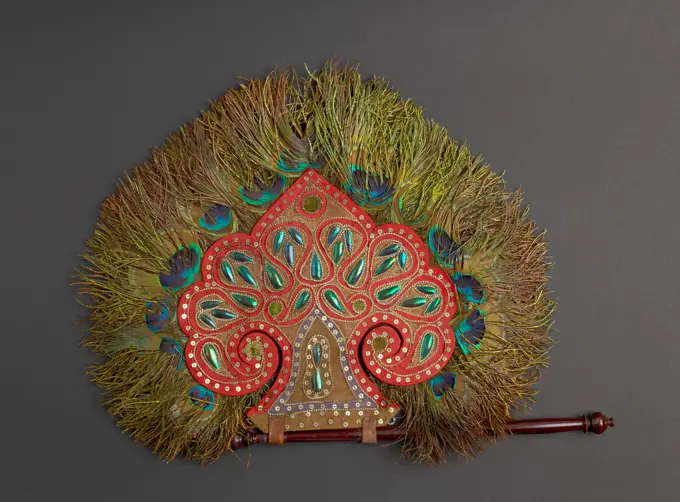
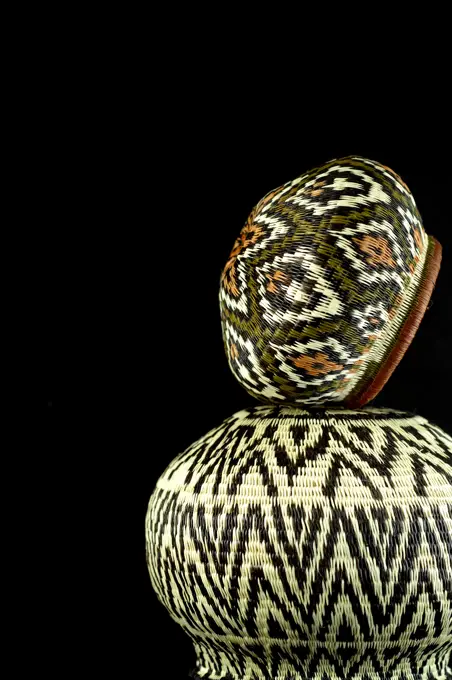
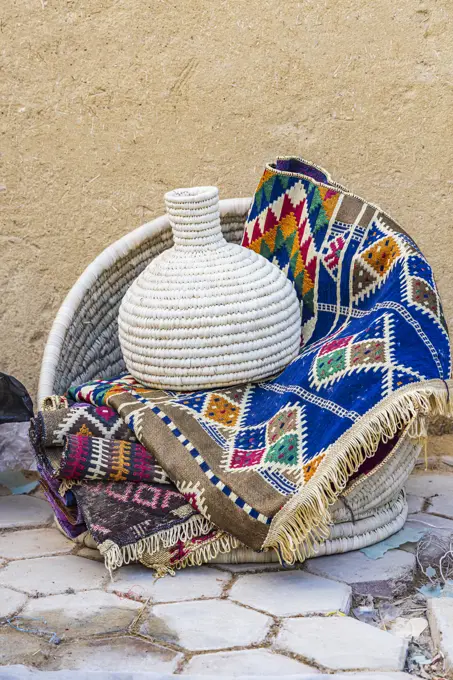
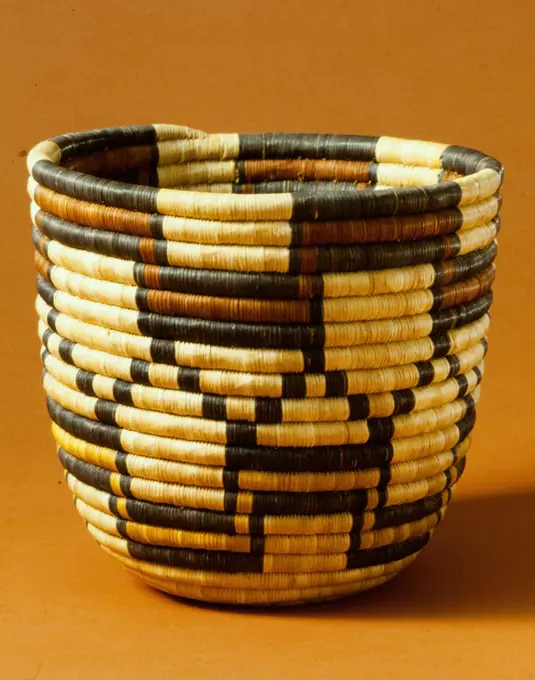
Traditional Textiles from Asia

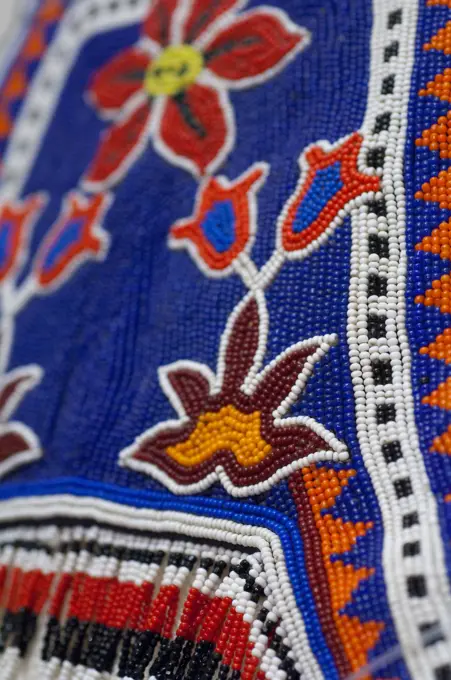
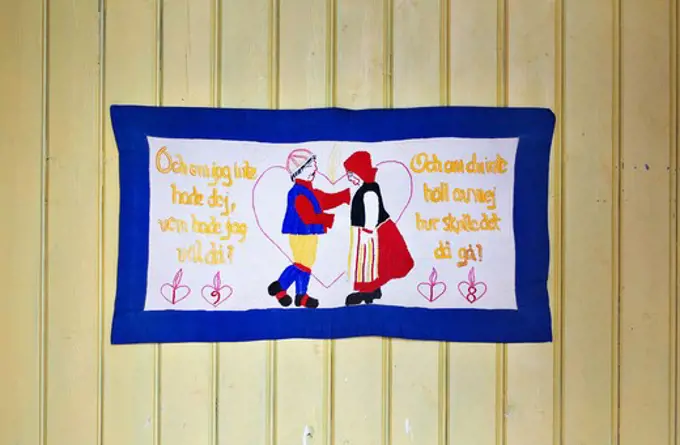
An array of historical textiles from Asia, featuring vibrant patterns, geometric motifs, and rich craftsmanship, representing cultural heritage and artisan skills.

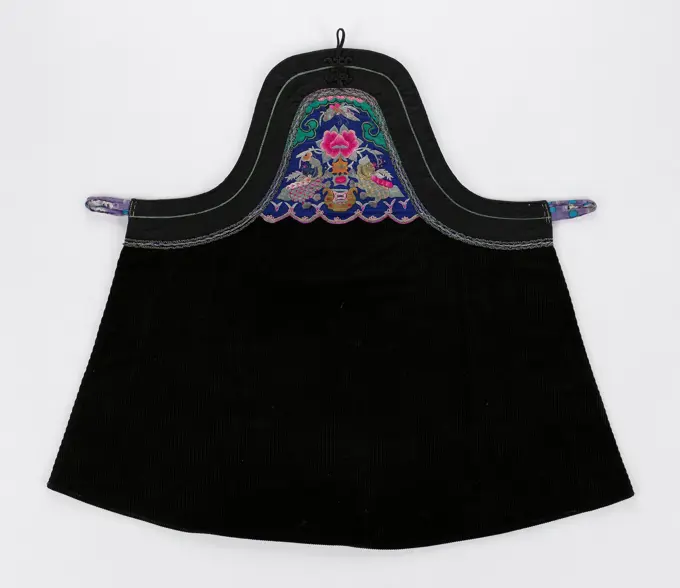
Baby carrier panel (or apron), c. 1970s-1980s, 16 3/8 x 14 1/8 in. (41.59 x 35.88 cm), Cotton; needlework, China, 20th century
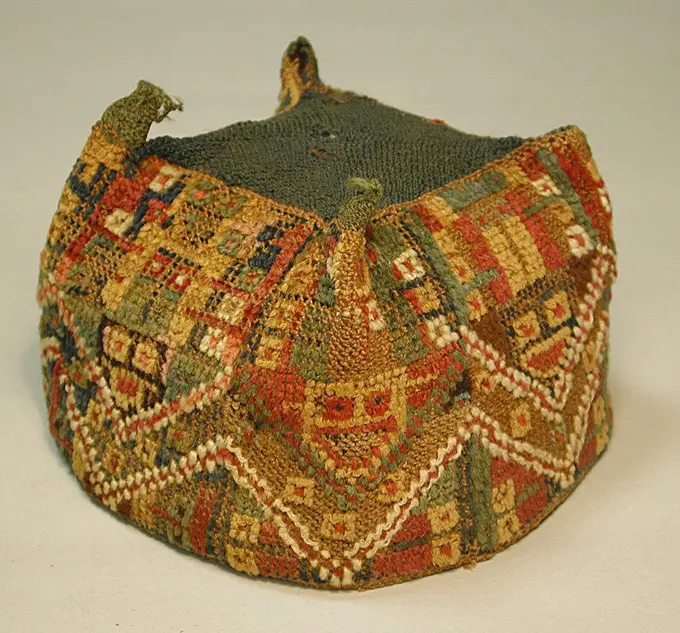
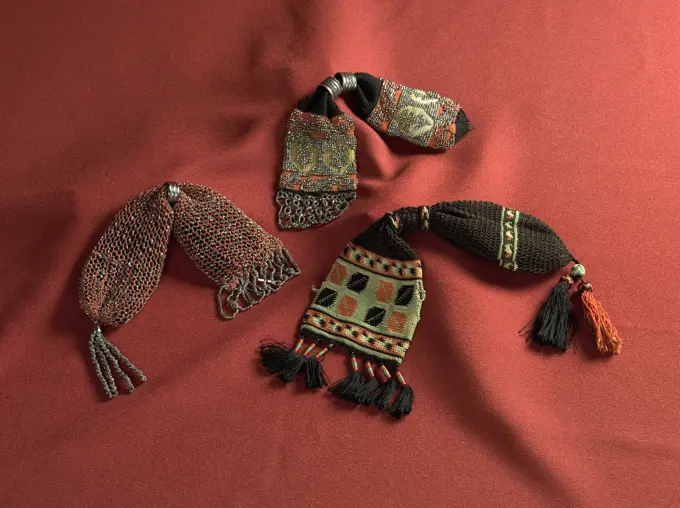
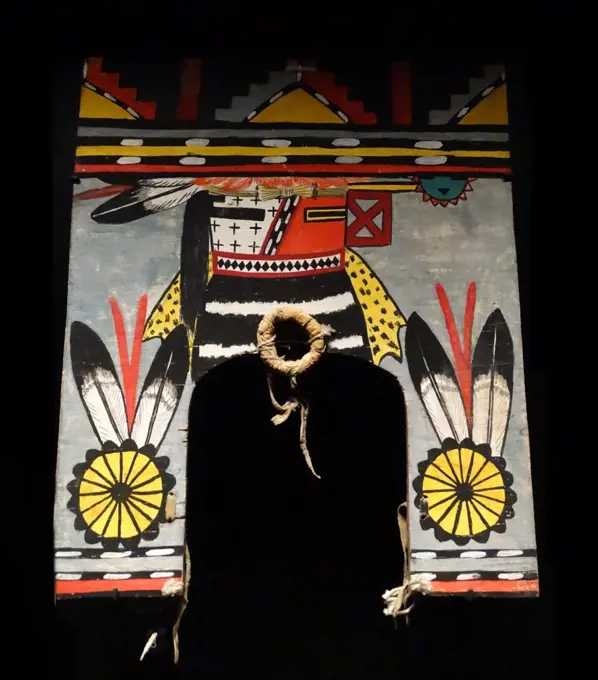
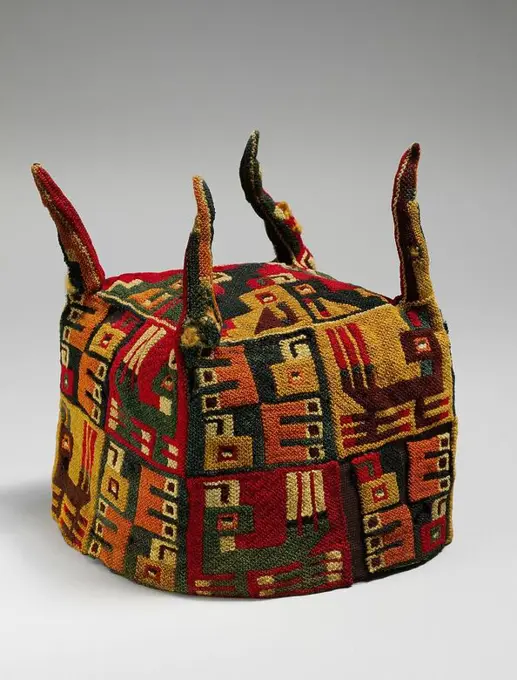
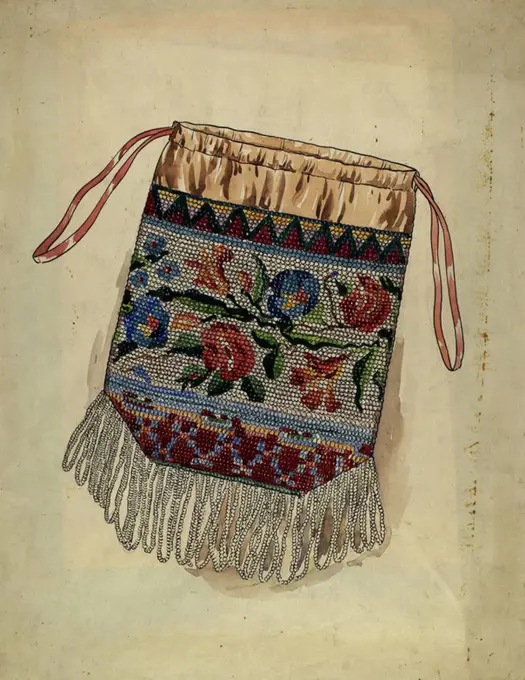
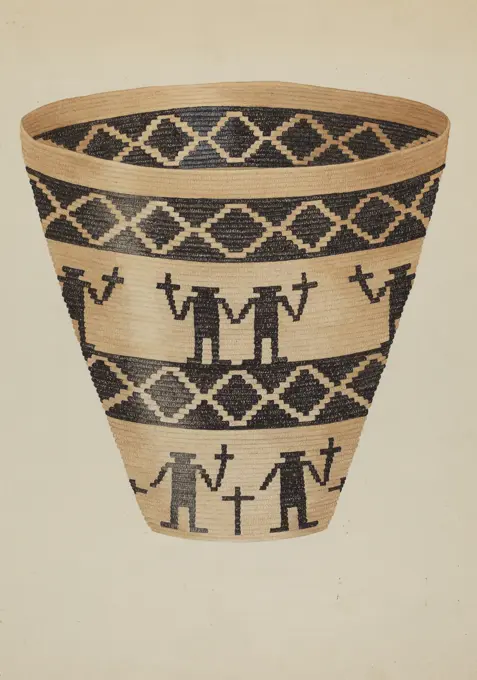
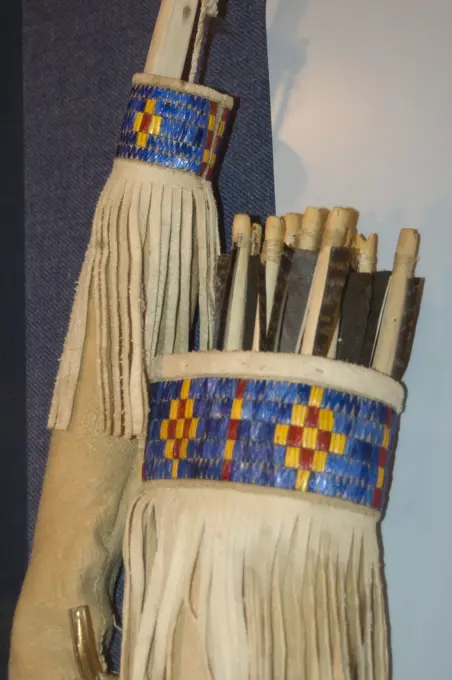
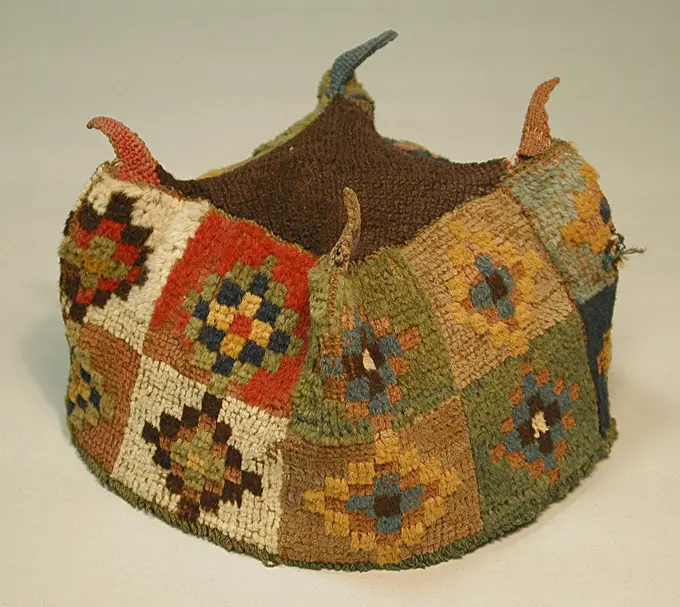
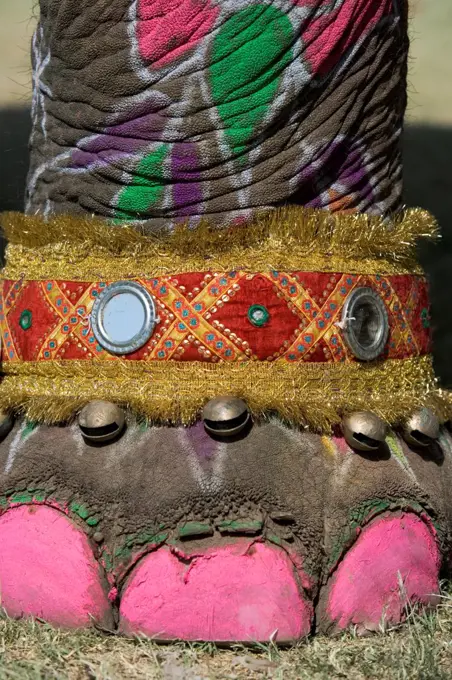
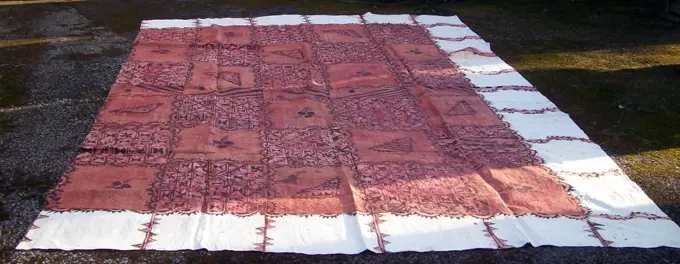
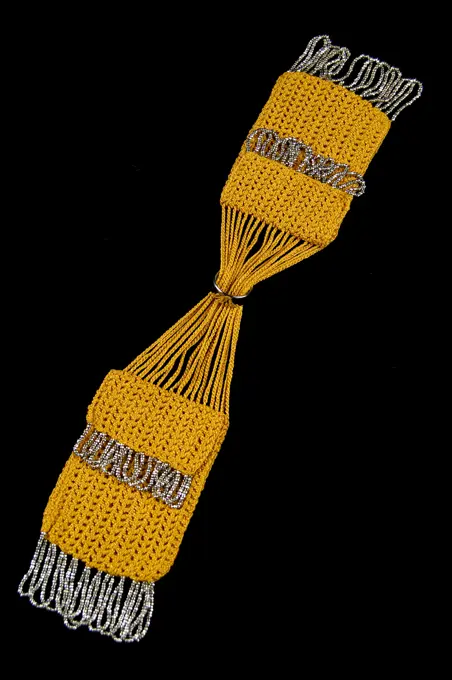
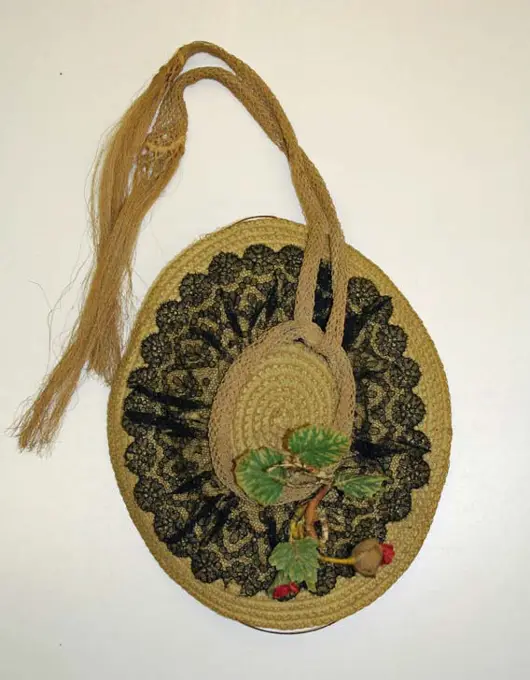
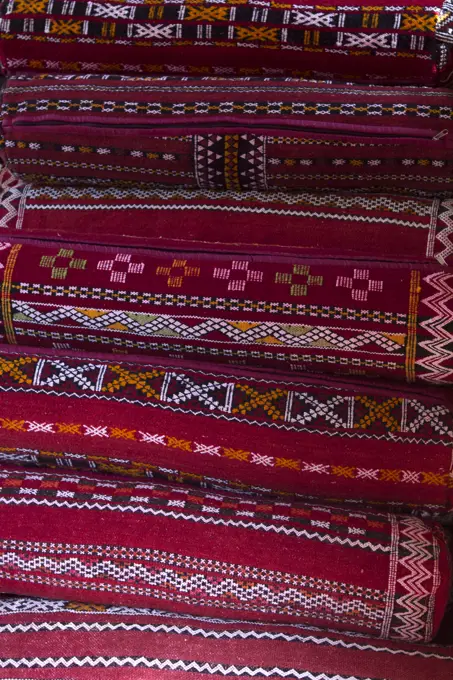
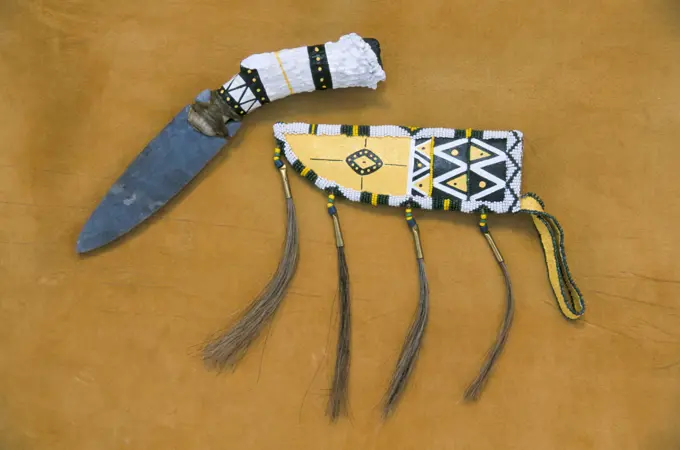
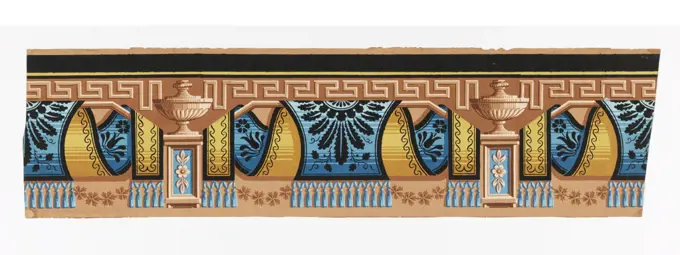
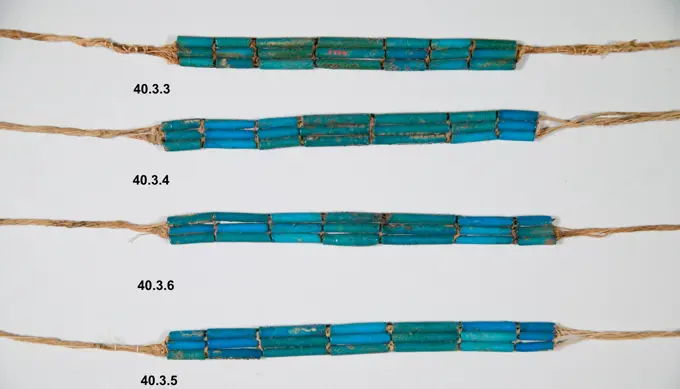
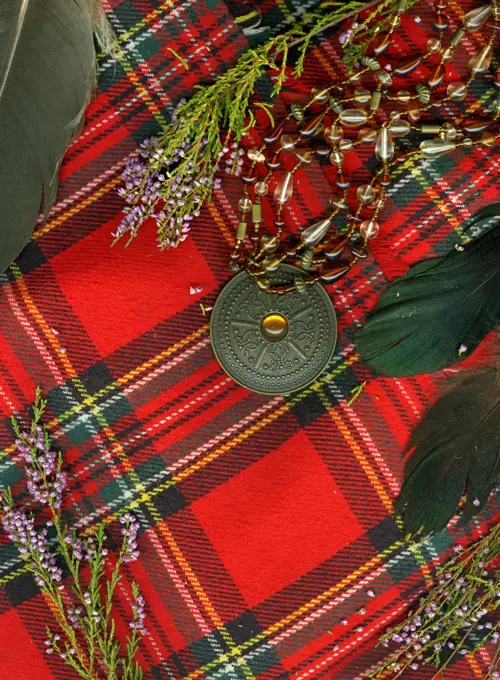
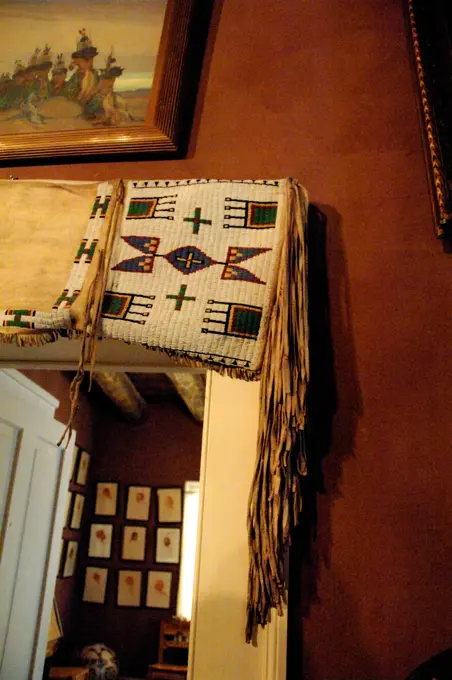
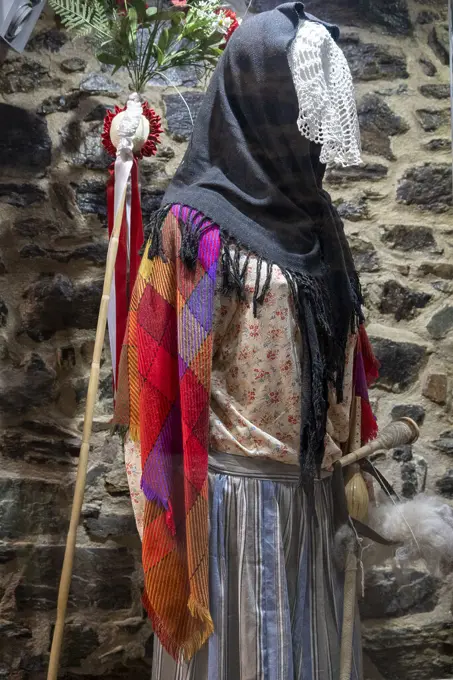
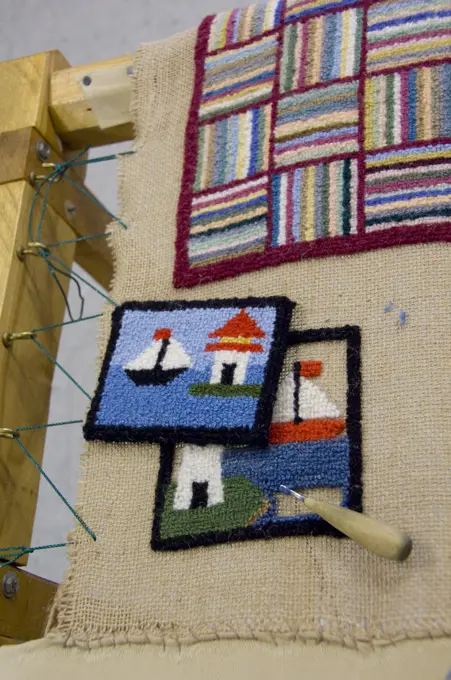
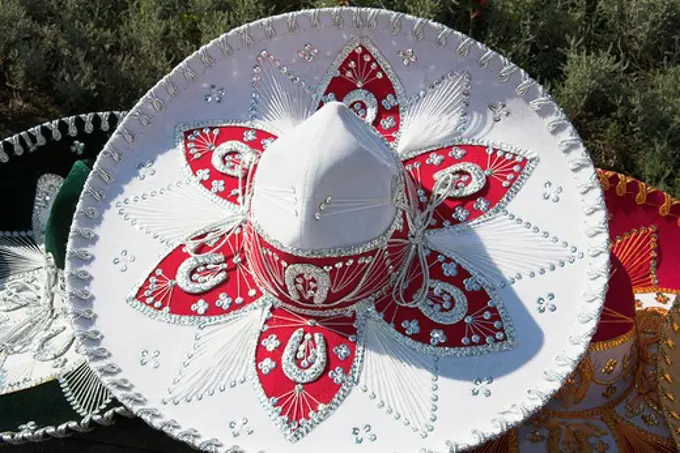
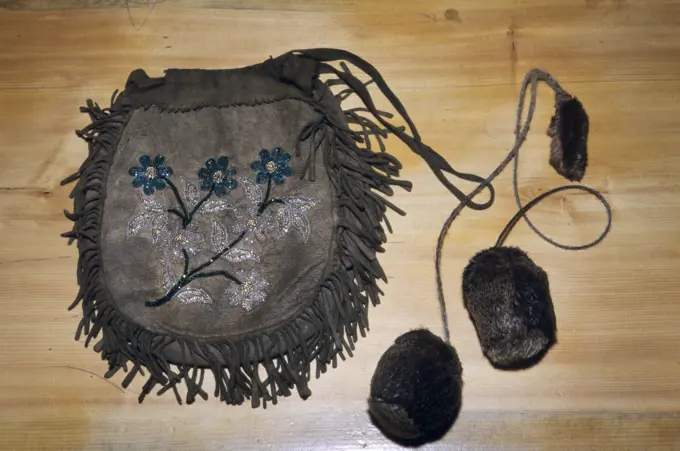
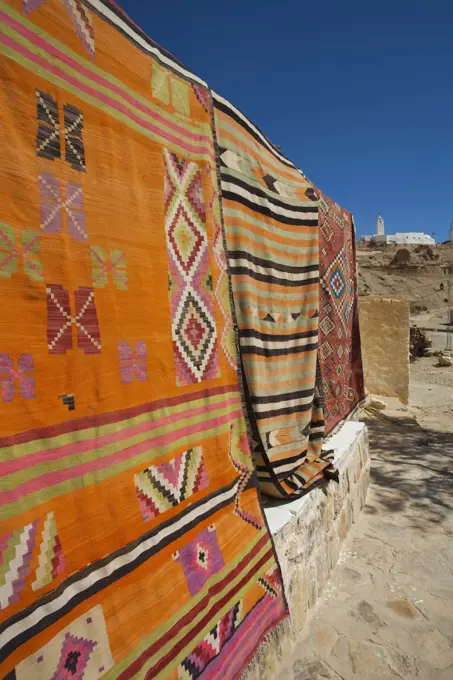
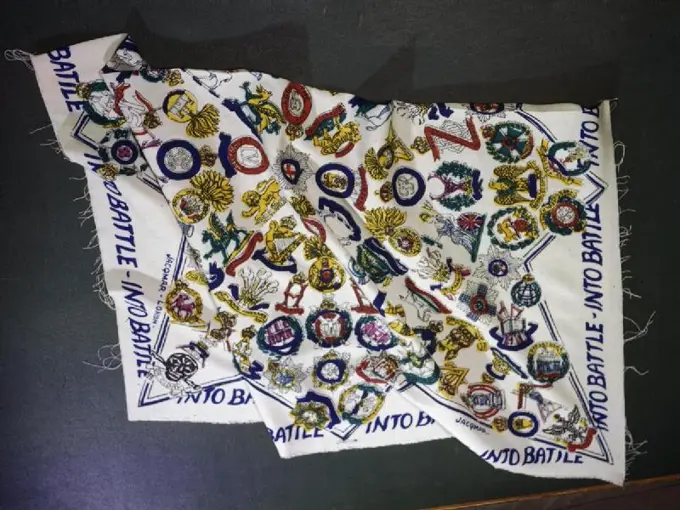
Child's Cap, c. 1920-1940, 23 1/4 x 19in. (59.1 x 48.3cm), Cotton, silk, beads, buttons; needlework, Pakistan, 20th centuryFragment. Chuquibamba; Probably south coast, Peru. Date: 1476-1532. Dimensions: . Brocaded interlocking tapestry weave (old card). Origin: Peru. Museum: The Chicago Art Institute, Chicago, USA.Mexico, Mexican traditional ethnic arts: baskets made of reed, bamboo, and other plant fibers.Close-up of a place matRibbon Samples (France); Designed by Herman A. Elsberg (American, 1869-1938); silk, metallic threadWeaving mini machine for making belts with patterns. Folk art, handmade. Detail. Weaving mini machine for making belts with patterns. Folk art, handmade. Detail Copyright: xZoonar.com/OvchinnikovaxOlgax 11600531Four-Cornered Hat 7th-9th century Wari Finely woven, brightly colored hats, customarily featuring a square crown, four sides, and four pointed tips, are most frequently associated with two ancient cultures of the Andes: the Wari and the Tiwanaku. The Wari Empire dominated the south-central highlands and the west coastal regions of what is now Peru from 500-1000 A.D. The Tiwanaku occupied the altiplano (high plain) directly south of Wari-populated areas around the same time, including territory now part of the modern country of Bolivia. The cultures not only developed and flourished as contemporaries, but also occupied adjacent lands for nearly four centuries. A Wari ceremonial center called Cerro Baúl was located a mere five miles from Tiwanaku-settled fields in the Moquegua Valley of Peru. The two cultures likely encountered each other at Cerro Baúl and elsewhere, but the nature of these interactions remains largely unknown. Four-cornered hats from both the Wari and the Tiwanaku were National style of manual embroidery. National style of manual embroidery. Copyright: xZoonar.com/andriixsalivonx 1750253Poursaires with two knit in knitting, one rounded side, the other right, garnished with fringes of steel pearls or pampilles and balls. Around 1860. Red knitting, steel pearls, steel glans, steel fringe, steel rings. Red, beige and brown silk knit, steel pearl, steel rings. Black silk knit, jade green, red, passenger, steel rings. Galliera, fashion museum of the city of Paris. Geometric patterns. Accessory, purse, flowing, feminineSquare of Material, 19th century, L.83-1/2 x W.66-1/2 in., silk, 19th centuryElements of a Tablets headdress, created by the Pueblo tribe of Native Americans in the South-western United States, Arizona. Dated 20th CenturyFour-Cornered Hat. Culture: Tiwanaku or Wari. Dimensions: H. 7 in. × Diam. 7 1/4 in. × Circum. 22 3/4 in. (17.8 × 18.4 × 57.8 cm). Date: A.D. 500-900.In the ancient Andes, royal crowns could be made of cloth. This example is patterned with alternating bird images arranged in two registers. It was knotted without pile from the top down, including the four peaks, as a single tour de force of construction. Although the technique follows the Tiwanaku craft tradition, the checkerboard pattern and bird motif suggest Wari influence, leaving the origin of this hat unresolved.En los Andes antiguos, las coronas reales podían ser de tela. Así, la corona inca tenía flecos de lana que caían sobre la frente del gobernante. Este gorro está compuesto por dos imágenes de aves alternadas en dos registros. Estaba anudado de manera muy meticulosa, de arriba hacia abajo incluyendo los cuatro picos, como un único "tour de force" de construcción. Aunque la técnica utilizada siga la tradición artesanal TiwPainting on antique wooden pen box, Jodhpur, Rajasthan, India Copyright: xSafatxAli/DinodiaxPhotoxDoctor's Basket, Canoe- shaped, 1890. California, Pomo, 19th century. Coiled, with shell and yellow glass beads; overall: 14.5 x 44 cm (5 11/16 x 17 5/16 in.).Shoe vamp -Cloth (tzute), 1965-1970, 35 1/4 x 31 in. (89.54 x 78.74 cm) (including fringe), Cotton; supplementary weft patterning, Guatemala, 20th centuryApron Front, late 20th century, 25 7/8 x 28 7/8 in. (65.7 x 73.3 cm), Cotton, metal, China, 20th centuryChild's Hat, late 20th century, 9 x 10 in. (22.9 x 25.4 cm), Cotton, velvet, China, 20th centuryVector illustration of Ukrainian ornament in ethnic style, identity, vyshyvanka, embroidery for print clothes, websites, bannersBag. Dated: 1935/1942. Dimensions: overall: 35.8 x 28 cm (14 1/8 x 11 in.). Medium: watercolor and graphite on paper. Museum: National Gallery of Art, Washington DC. Author: Lillian Causey.Beaded Egyptian collar 1550-1070 BCGordena Jackson, Basket, c 1936 BasketVector illustration of Ukrainian ornament in ethnic style, identity, vyshyvanka, embroidery for print clothes, websites, bannersMandan quiver and bow decorated with leather and porcupine quillwork on display at the On-A-Slant Indian Village museum, SDFour-Cornered Hat 7th-9th century Wari Finely woven, brightly colored hats, customarily featuring a square crown, four sides, and four pointed tips, are most frequently associated with two ancient cultures of the Andes: the Wari and the Tiwanaku. The Wari Empire dominated the south-central highlands and the west coastal regions of what is now Peru from 500-1000 A.D. The Tiwanaku occupied the altiplano (high plain) directly south of Wari-populated areas around the same time, including territory now part of the modern country of Bolivia. The cultures not only developed and flourished as contemporaries, but also occupied adjacent lands for nearly four centuries. A Wari ceremonial center called Cerro Baúl was located a mere five miles from Tiwanaku-settled fields in the Moquegua Valley of Peru. The two cultures likely encountered each other at Cerro Baúl and elsewhere, but the nature of these interactions remains largely unknown. Four-cornered hats from both the Wari and the Tiwanaku were Elephant with toenails painted, and decorated in preparation for the Elephant Festival, Jaipur, IndiaPainted Tapa, or Ngatu, from Tonga in the South Pacific. Tapa cloth is made from the inner bark of the mulberrytree (hiapo) and is used on ceremonial occasions.Miser's purse 1840-60 American. Miser's purse 169291carpetHat, from a four-piece set, 6 x 6 1/2 x 6 1/2 in. (15.24 x 16.51 x 16.51 cm) (without ties), Cotton, silk, synthetic fibers, metallic strips, sequins, beads, ChinaCollar -Strip -Hat late 1860s American or European. Hat 113066Purse (USA); glass beads, metalMorocco, Asni. Berber Pillows at Richard Branson's Kasbah Tamadot luxury retreat in the Atlas Mountains.Peacock feathers fan unknownPieced Bed Cover. Dated: 1937. Dimensions: overall: 35.7 x 28 cm (14 1/16 x 11 in.) Original IAD Object: 68 1/2" wide; 77 1/2" long. Medium: watercolor, graphite, and gouache on paper. Museum: National Gallery of Art, Washington DC. Author: Ethel Dougan.TasselsLatin America,  Panama,  Panamanian arts & crafts. Traditional Embera Indian baskets.Purse, Medium: glass, metal, leather Technique: knitted, Small bag with metal frame knitted with beads and lined in leather. Design of small flowers in red and blue on a white ground, with a floral border at the top and a solid red bottom., USA, 19th century, costume & accessories, PurseBourse. GAL1971.52.5Masai jewels Mto Wa Mbu TanzaniaTobacco pouch -Cushion cover in living room Copyright: xHarixMahidhar/DinodiaxPhotoxfan with the colors of the Spanish flag, Salamanca, autonomous community of Castilla y León, Spain.NoneFaiyum, Egypt. Woven basket and a colorful blanket.Basket, c. 1930, 9 3/8 x 9 3/4 x 9 3/4 in. (23.81 x 24.77 x 24.77 cm), Coiled grass, yucca fibers, United States, 20th century, The exact history of the development of Hòpituh Shi-nu-mu basketmaking remains vague, however modern artists have come to be considered one of the foremost basketmaking groups in North America. Their baskets employ the technique of sewing slender yucca splints wound tightly and stitched so closely that the stitches appear to be interlocked. Baskets were often created for sale, but during the active tourism market of the late nineteenth and twentieth century, many traditional and even some sacred baskets were sold. Hòpituh Shi-nu-mu workmanship, however, remained consistent and it is nearly impossible to differentiate baskets made for the market from those made for Native use. Hòpituh Shi-nu-mu basketmakers were seldom, if at all, driven by the market to produce Euro-American shapes, something that distinguishes Hòpituh Shi-nu-mu artists from basketmakers from Purse early 19th century European. Purse 117286Headdress ca. 1860 American. Headdress 169286Jewelry for sale, Santa Fe, New Mexico. USADecorated with paint and beadwork is a contemporary Blackfeet leather sheath with horsehair and a stone knife with a buck horn handle (PR)Border, Block-printed on handmade paper, On light brown ground, pattern in bright blue, yellows, pink, brown and black. Urns on pedestals, Greek key, tasseled fabric, with flower and leaf pattern, etc., France, 1800-1830, Wallcoverings, BorderRoll Scottish ribbon in red, white, light blue, navy with yellow stripes on cardboard, Gustav Schnitzler, c. 1900 - c. 1950 Roll Scottish ribbon in red, white, light blue, navy with yellow stripes on cardboard. Nijmegenfrance silk. cardboard Roll Scottish ribbon in red, white, light blue, navy with yellow stripes on cardboard. Nijmegenfrance silk. cardboardBracelet of Wah ca. 1981-1975 B.C. Middle Kingdom Wah's broad collar, anklets and bracelets were made as funerary ornaments for the burial and were found in the layers of linen wrapping that were closest to the body; the collar had been tied around the neck, and the bracelets and anklets had been laid over the lower arms and legs. They are all made of a ceramic material called Egyptian faience. Beaded jewelry sets of this type are illustrated in the object friezes that decorate many Middle Kingdom coffins, and fragmentary examples have been found in numerous tombs of the period.. Bracelet of Wah. ca. 1981-1975 B.C.. Faience, linen thread. Middle Kingdom. From Egypt, Upper Egypt, Thebes, Southern Asasif, Tomb of Wah (MMA 1102), Mummy, MMA excavations, 1920. Dynasty 12Red scottish plaid. Red scottish plaid with plume, heather and old medallion. Copyright: xZoonar.com/NatalliaxYaumenenkax 1392194North America, USA, Arizona, Navajo Indian Reservaton, Ganado, Hubbell Trading Post National Historic Site, historic Hubbell home, museum. (Editorial Usage Only)Carpet of traditional types made on a loomAveleda Typical artisan mask for traditional masquerade celebration, Iberian Museum of Masks and Costume, Braganza (Bragança),Trás-os-Montes and Alto Douro, Portugal.Bags displayed for sale, Ephesus, TurkeyCanada, Nova Scotia, Cape Breton Island, Cheticamp, Acadien Museum and Artist workshop (aka Co-op Artisanale Musee Acadien) Acadien hookrug handicrafts. (Editorial Usage Only)Banner  a lobe with a depicting emblem Kolowiec, StanisławRussia, Chukotka, Yanrakynnot, Close-up of fox fur moccasinsCoat, 20th century, 22 x 54in. (55.9 x 137.2cm), Cotton, China, 20th centuryRed and white sombrero hat for sale, Mexico City, MexicoFloral beadwork design decorates an antique moose hide purse with fringe. On the right side is an Alaskan yo-yo made from seal fur. Alaska.Tunisia, Ksour Area, Chenini, Berber carpets for saleThe Home Front in Britain 1939-1945 The War Effort: A silk scarf bearing a pattern of regimental insignia, which was produced for propaganda purposes by Jacqmar of London. This scarf was the first design in Jacqmar's 'Into Battle' series.Arctic Canada, Nunavut, Baffin Island, Iqaluit (aka Frobisher Bay). Nunatta Sunakkutaangit Museum. Traditional Inuit bead work.Embroidered message on a wall hanging, Sweden.Ecuador. Famous Otavalo Market which dates back to pre-Inca times. Typical Ecuadorian wool textile souvenirs.