Traditional Textiles

A collection of intricate textiles showcasing traditional patterns and rich colors, reflecting cultural artistry from various regions.

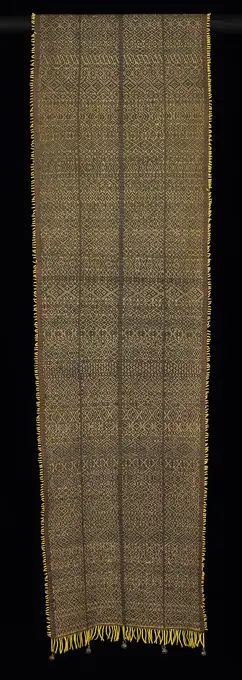
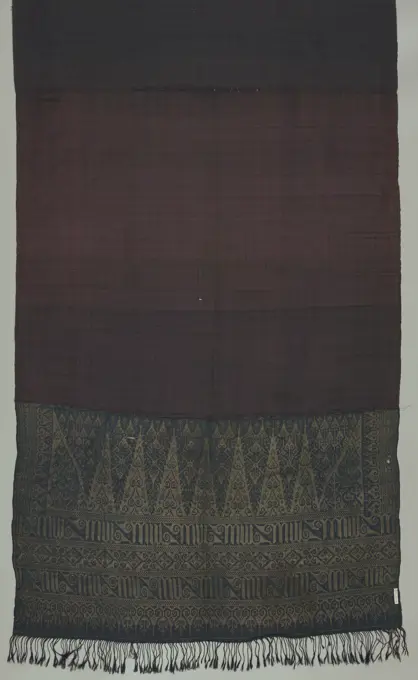
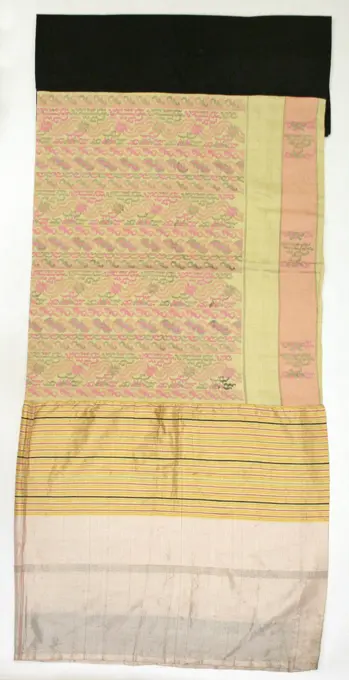
Textile, Medium: silk Technique: tied resist patterning in weft (ikat) on plain weave; discontinuous supplementary weft patterning (brocade), Long and narrow textile, probably a breast cloth (kemben), in red with green, purple, orange, and yellow. Borders fringed and heavily brocaded. Center design shows diamond-shaped lattice pattern with brocaded geometric florals., Bali or Sumatra, Indonesia, 19th century, printed, dyed & painted textiles, Textile
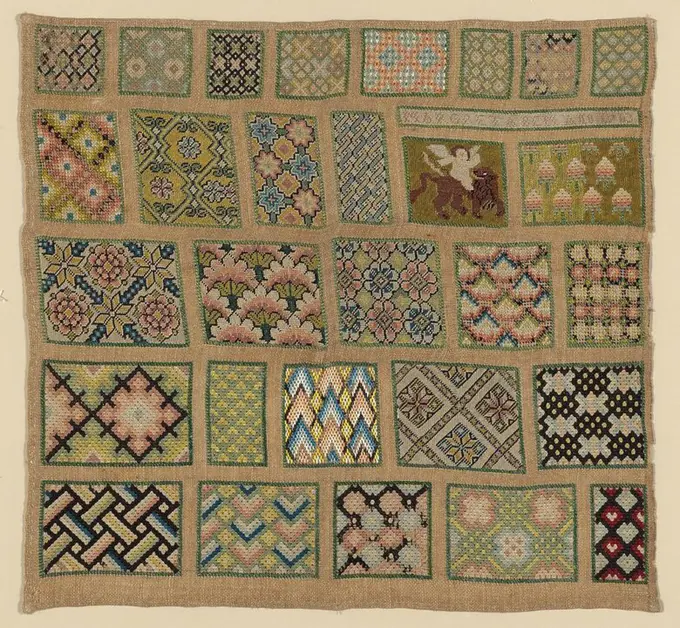
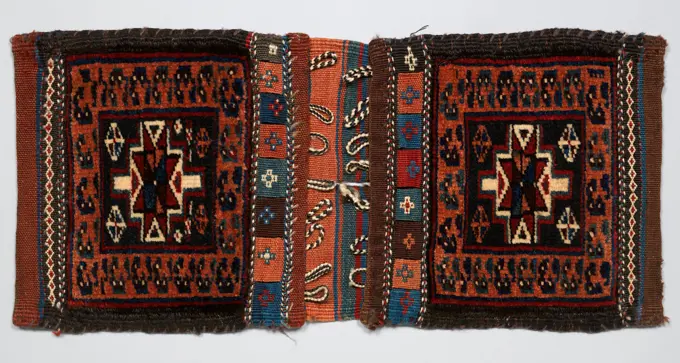
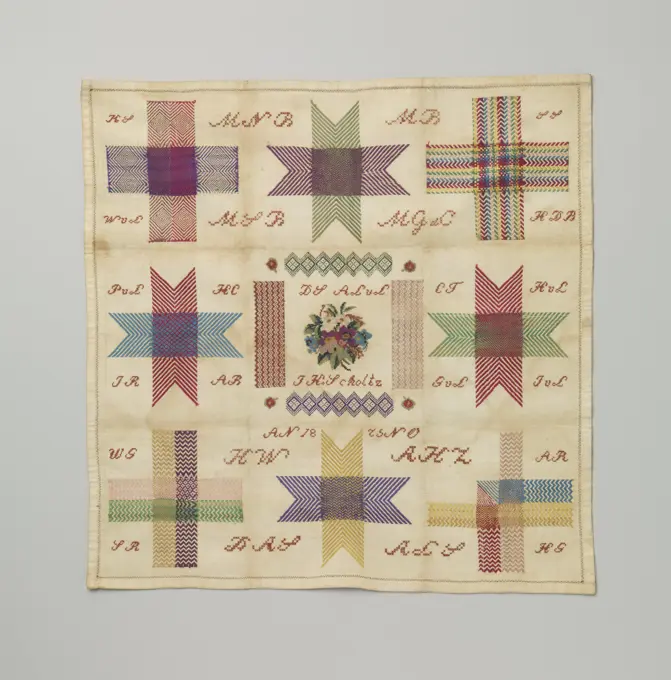
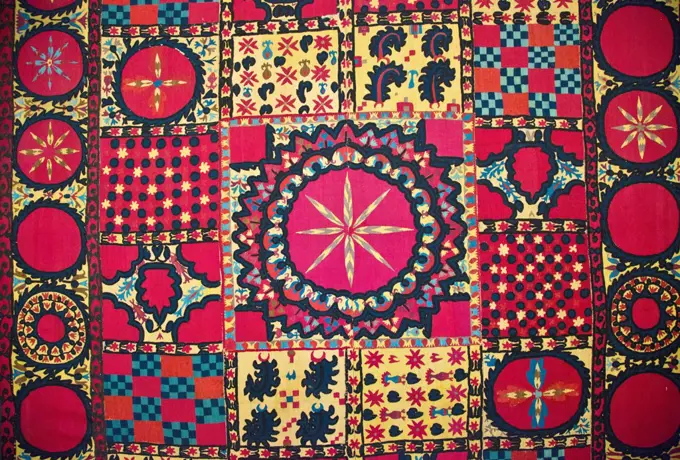
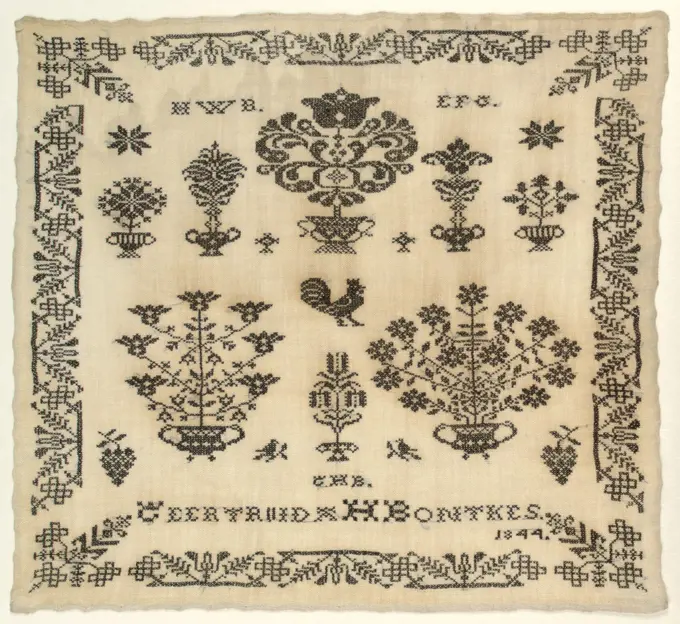
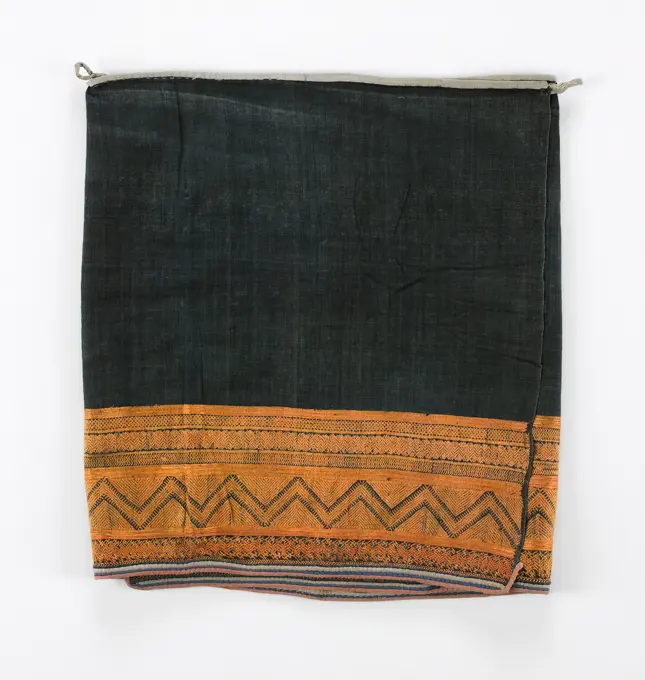
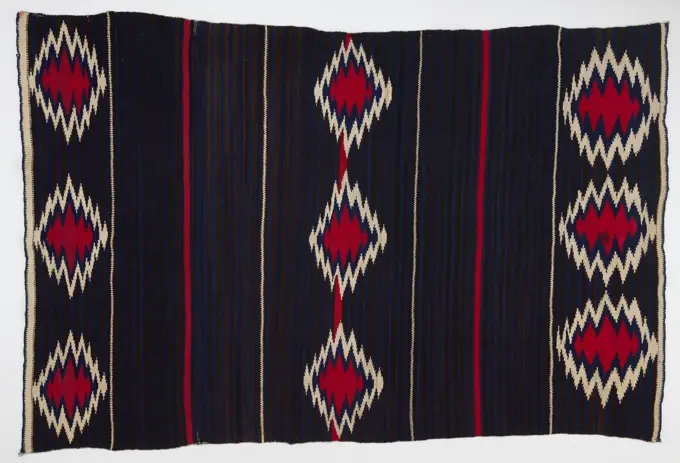
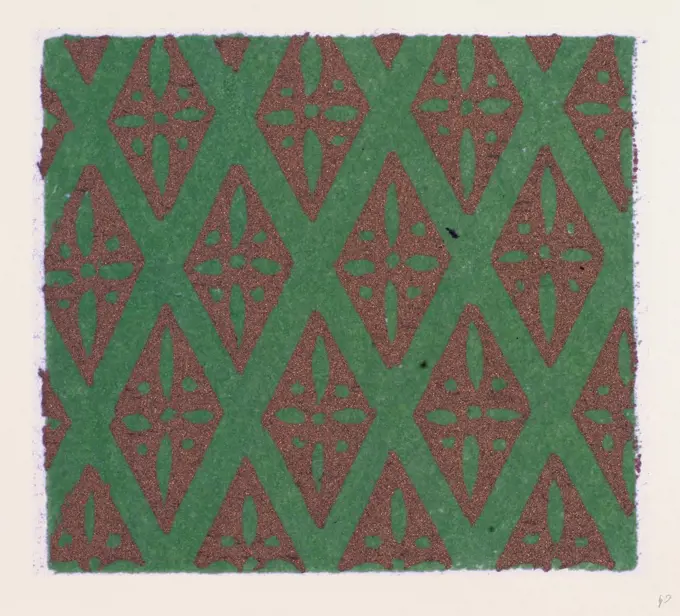
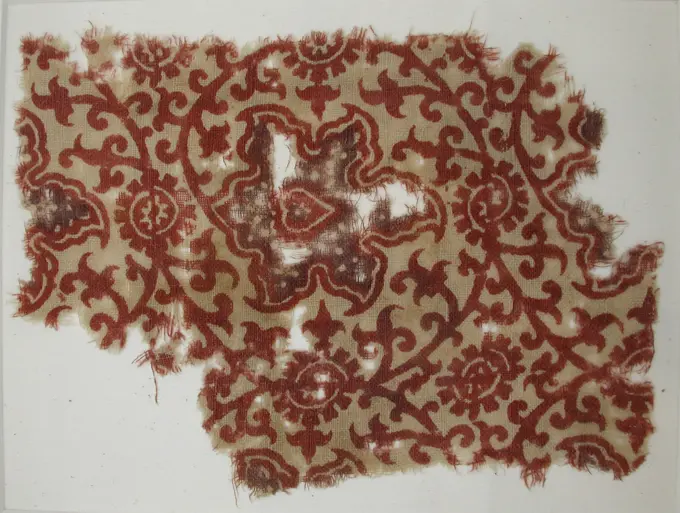
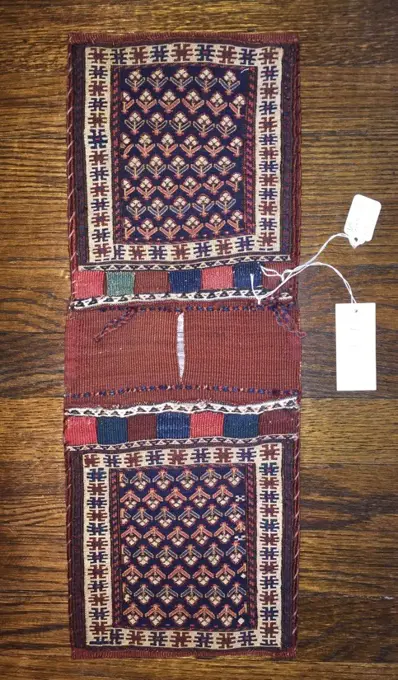
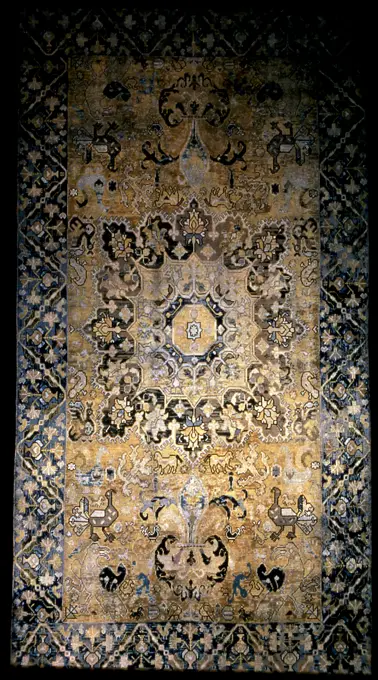
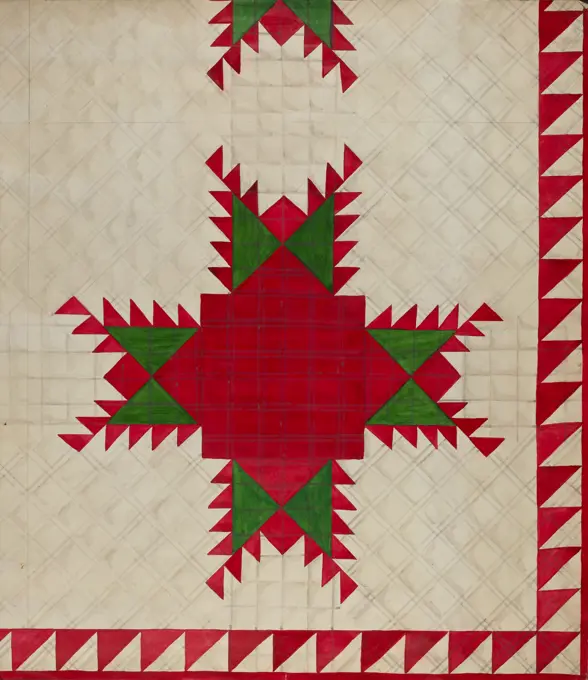
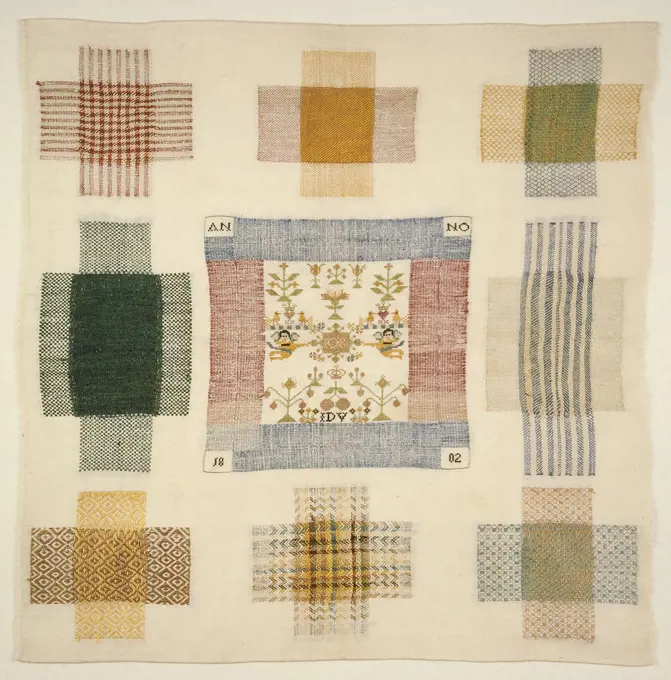
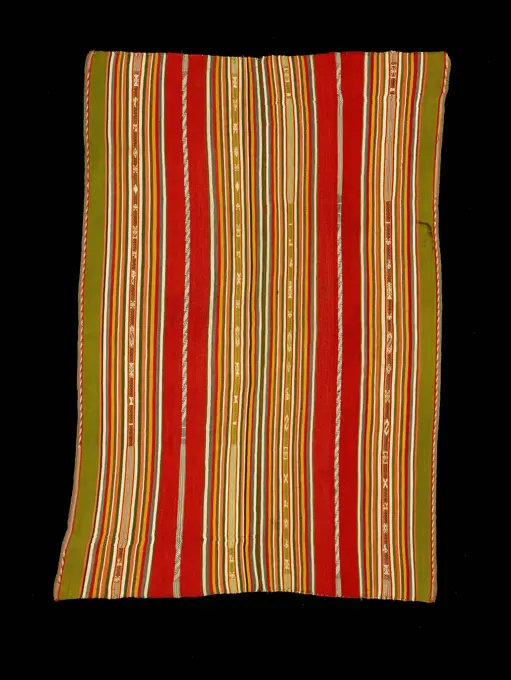
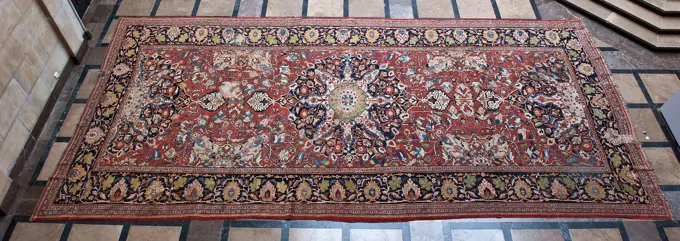
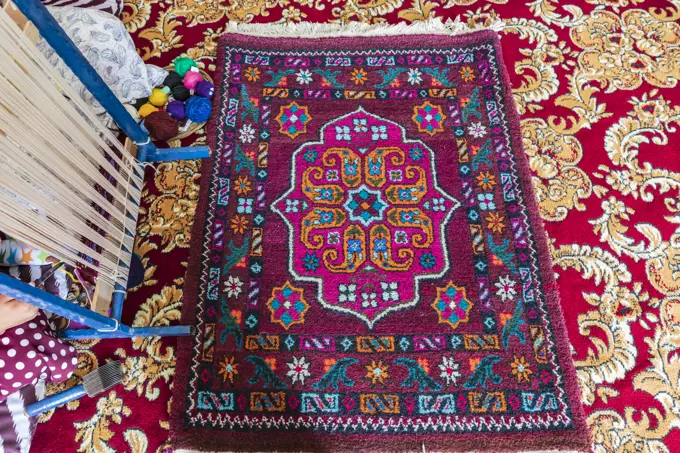
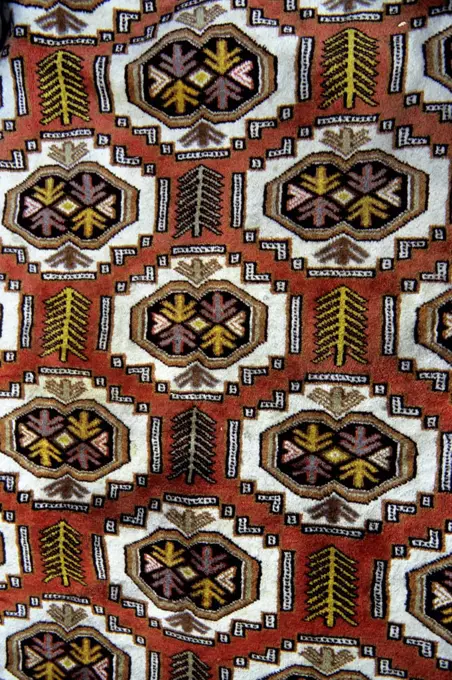
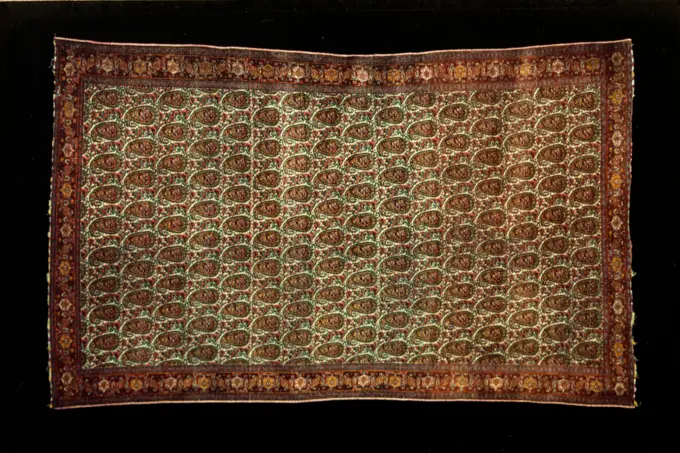
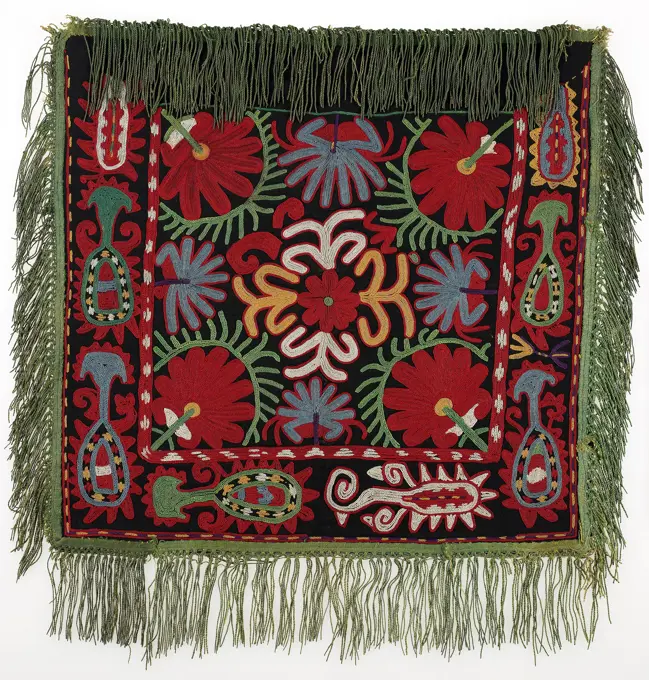
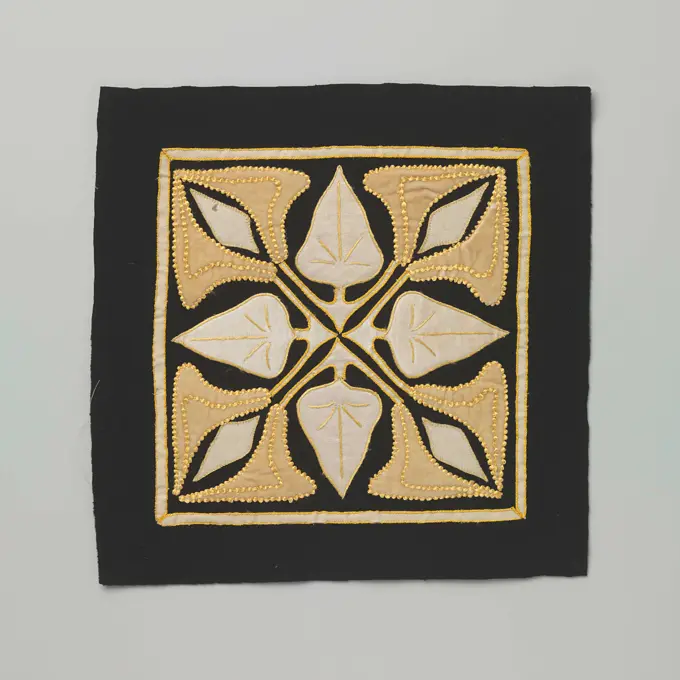
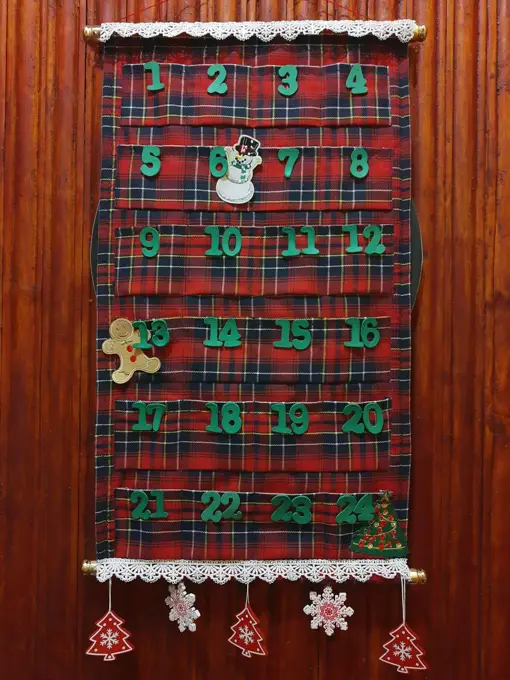
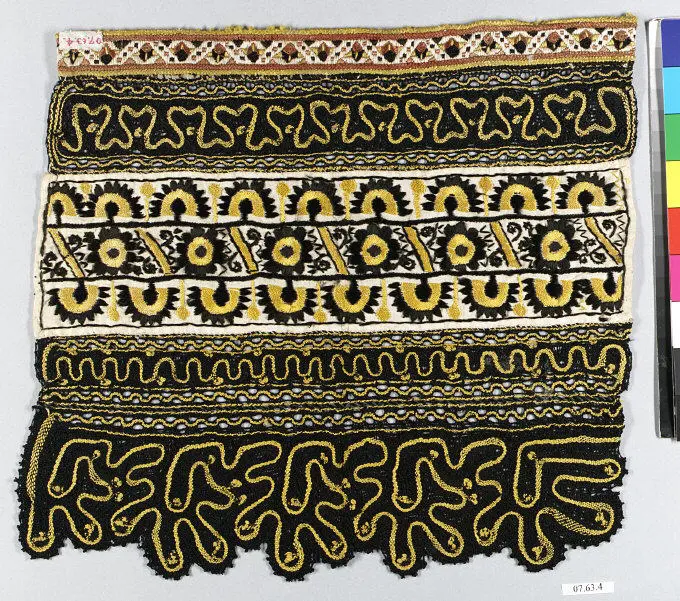
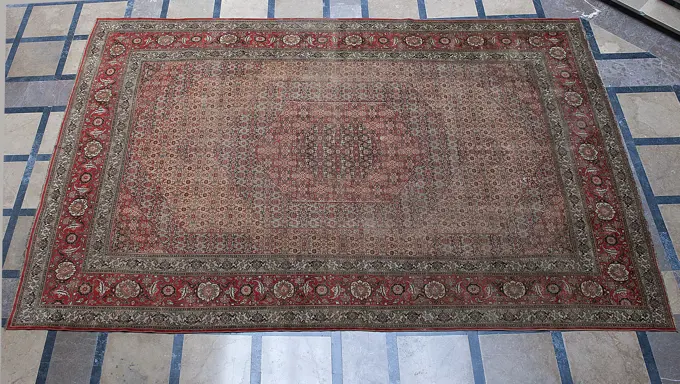
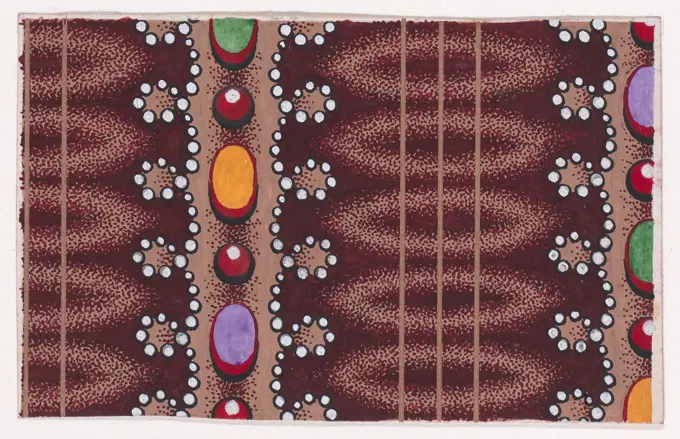
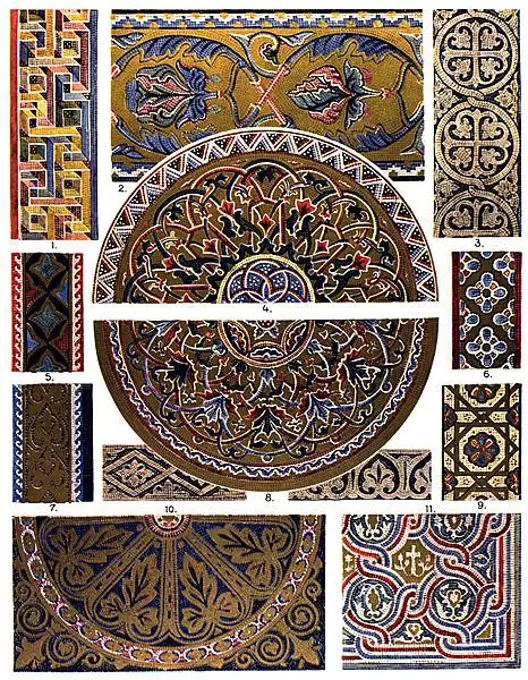
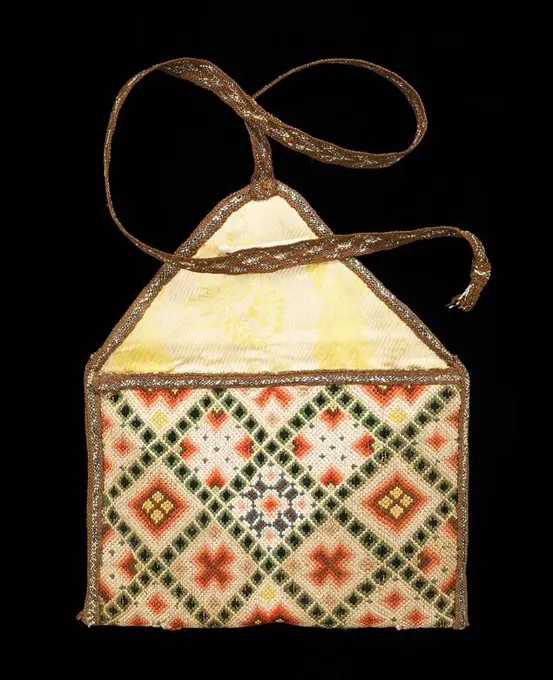
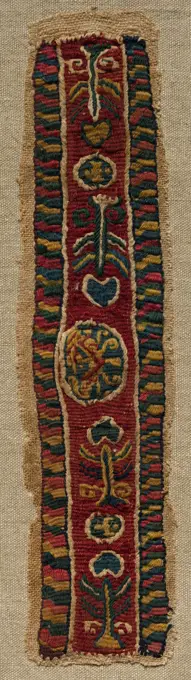
Fragment with an Ornamental Band, mid 700s - mid 800s. Egypt, Abbasid period, mid-8th to mid-9th century. Tabby weave with inwoven tapestry ornament, linen and wool; overall: 6.1 x 24.5 cm (2 3/8 x 9 5/8 in.).Skirt, 20th century, 74 3/4 x 15 in. (189.87 x 38.1 cm) (without beads or bells), Cotton, Thailand, 20th centurySampler. Margreta Bem (German, active 1713); Germany. Date: 1713. Dimensions: 37.3 x 39.4 cm (14 5/8 x 15 1/2 in.). Linen, plain weave; with twenty nine squares filled with different needlework patterns in a variety of stitches. Origin: Germany. Museum: The Chicago Art Institute, Chicago, USA. Author: Margreta Bem.Half of Double Saddle Bag (Khorjin) ca. 1900. Half of Double Saddle Bag (Khorjin). ca. 1900. Wool (warp, weft, and pile); asymmetrically knotted pile, brocaded, tapestry weave. From Iran, Veramin. Textiles-Woven-BrocadeStopplap of multicolored silk on cotton., Johanna Hendrika Scholtz, 1875 Silk stop patch on cotton. The embroidery consists of the initials and letters JH Scholtz, anno 1875, DS, Alvl, four stars (Dutch Reformed Diakonie), in the middle a bouquet and roses in the corners. Dutch Reformed Diaconie Orphanage silk. cotton (textile) embroidering Silk stop patch on cotton. The embroidery consists of the initials and letters JH Scholtz, anno 1875, DS, Alvl, four stars (Dutch Reformed Diakonie), in the middle a bouquet and roses in the corners. Dutch Reformed Diaconie Orphanage silk. cotton (textile) embroideringApron, 20th century, 27 3/4 x 47 3/4 in. (70.5 x 121.3 cm), Cotton, China, 20th centuryUzbekistan, Tashkent, Central Asian Carpet at State Museum of Applied Arts, Colorful CarpetCeremonial shoulder cloth, 81 x 17 in. (205.74 x 43.18 cm) (with tassles), Cotton, silk, Myanmar (Burma)Sampler, Geertruida H. Bontkes, Medium: silk embroidery on cotton foundation Technique: embroidered in cross stitch on plain weave foundation, Motifs of flowering urns with a rooster in the middle with an elaborate border and corners. All black on natural ground., possibly Marken, Netherlands, 1844, embroidery & stitching, SamplerSampler (Spain); silk embroidery on linen foundationSampler, Francisca Perez, Medium: silk embroidery on linen foundation Technique: embroidered in cross, satin, and knot stitches on plain weave foundation, Temple and flowers framed within the inscription, with a wide border of geometric and floral pattern bands. All edges bound with pink silk ribbon., Spain, 1825, embroidery & stitching, SamplerSkirt, 21 1/2 x 61 in. (54.61 x 154.94 cm), Coton, ChinaCushion Cover (one of a set of four), 1700s. China, Qing dynasty (1644-1911). Silk, metallic thread; overall: 45.7 x 56.5 cm (18 x 22 1/4 in.).Tatreez ornament template 27Moki' blanket, c. 1889, 48 × 72 1/2 in. (121.92 × 184.15 cm), Wool, pigments, United States, 19th centuryCoptic fabric; Egyptian workshop; VI-VII century (501-00-00-700-00-00);Medieval ornamentTextile with Foliated Scrolls 13th-14th century Made in either the thirteenth or fourteenth century, this fragment emulates notable characteristics in technique and ornamentation of the highly popularized textile production of Western India, in the province of Gujarat, during the Middle Ages. Seen as a global commodity, these plain-woven, block-printed, cotton textiles, were known for their lightweight fabric and breathability and became highly sought-after trading goods across the Indian Ocean in areas neighboring the Red Sea, as well as places along the coast of Malacca in Southeast Asia. This textile was found near Fustat, Egypt, which allowed for the preservation of its dye and fiber due to the sites arid and dry climate. The bold tendril design which links small medallions and six-pointed leaves recall designs found in the decorative programs of Jain painted manuscripts and architecture produced in Gujarat. The vibrant red color comes from the Indian mulberry plant, an organic maEmbroidered Panel from a Blouse, mid 20th century, H.32-1/2 x W.31 in., Silk, mirrors, cotton; needlework, India, 20th centuryPillowcase unknownBedcover (Quilt Top) Made 1850 Pennsylvania. Cotton, plain weave; appliquÈd with pieced plain weave; and plain weave; roller printed . Susan (Mumma) Major (Maker)Scarf Sample (France); silkCarpet Fragment (France)Turkish Rugs on display, Cappadoccia TurkeyShahsevan Double Saddle Bag ca. 1880 While the term "carpet" evokes a heavy, large rectangular textile (either knotted pile or flat-woven tapestry, called kilim) that covers a floor, a vast array of rug genres and techniques can be found in the Islamic world, where they serve various functions in nomadic encampments, villages, cities, and palaces. Flat-woven and richly embroidered textiles, such as this one, belong to the kinds of smaller tribal weavings that were common in the Middle East from Anatolia to Iran; it was generously given to The Met by Inger G. and William B. Ginsberg of New York. Such textiles were woven by nomadic tribes as containers for everyday items. Some were designed specifically to transport or store bedding, flour, salt, and wooden spindles used to make the woolen yarns from which these works were woven. Others were of smaller size, comparable to cross-body women's handbags, or çanta, or also possibly used by children. Most notable is the ubiquitous double saddlAltar Carpet Made 1601-1700 Spain. Linen, plain weave; embroidered with wool in long-armed cross stitches .Blanket, 58 3/4 x 42 3/4 in. (149.23 x 108.59 cm), Cotton; needlework, ChinaHeadpiece, 20th century, 21 7/16 x 19 3/4 in. (54.45 x 50.17 cm) (without ties), Cotton; needlework, Vietnam, 20th centuryTextile (Indonesia); silk, metallic threadsFragment of the chasuble;  XVII century (1601-00-00-1700-00-00);Museum Friends Society - collection, flower ornaments, fabrics, Turkish fabrics, liturgical clothingCoverlet Fragment (USA); wool, cotton; Warp x Weft: 48 x 46 cm (18 7/8 x 18 1/8 in.)Sampler (Italy); cotton embroidery, silk ribbon, glazed green paper; Warp x Weft: 30.5 x 11.5 cm (12 x 4 1/2 in.); Bequest of Mrs. Henry E. Coe; 1941-69-219Sampler, Anne Hart, English, b.1725, Medium: silk embroidery on wool foundation Technique: cross, satin and eyelet stitches on plain weave, Vertical rectangular sampler in green and red on a cream ground. In the upper register, small floral borders and three alphabets. In the middle is a wide, symmetrical floral border with stylized carnations. Below, the Ten Commandments in rhyming couplets. A linked octagon band at the bottom bears the inscription Anne Hart 1740, surmounted by three hearts. The two outer octagons contain dogs or lions facing a pine tree, which characterize Norfolk samplers., Norwich, England, 1740, embroidery & stitching, SamplerPatchwork Quilt. Dated: c. 1936. Dimensions: overall: 29 x 21.7 cm (11 7/16 x 8 9/16 in.) Original IAD Object: 78" long; 94" wide. Medium: watercolor and graphite on paper. Museum: National Gallery of Art, Washington DC. Author: Charlotte Winter.Hanging (China); silk, metallic threadTransitional saddle blanket, c. 1895, 43 3/4 × 34 in. (111.13 × 86.36 cm), Wool, pigments, United States, 19th centurySampler, Medium: wool embroidery on linen foundation Technique: embroidered in herringbone, cross, cross variation, long armed cross, and satin stitches on plain weave foundation, Scattered motifs, mostly geometric, dominated by large butterfly in the center, embroidered in many colors on a natural linen ground. With a flowering vine border., Italy, 19th century, embroidery & stitching, SamplerKatherine Hastings, Feathered Star Quilt, c 1936 Feathered Star QuiltWoman's Shawl (lliclla), 20th century, 37 x 38 in. (94 x 96.5 cm), Wool, Bolivia, 20th centuryPlug of multicolored silk on cotton muslin .. stoppaper with multicolor embroidery. The embroidery consists of a coat of arms with a crown, the initials AVC and Anno 1797, where around four passes.Kontusz sash/belt. Madżarski, Jan (tkacz ; Słuck, -ca 1800), Manufaktura Karola Stanisława Radziwiłła (Słuck ; wytwórnia pasów ; ca 1767-1790), manufactureArthur G Merkley, Red and White Napkin (Deer Design), 1935 1942 Red and White Napkin (Deer Design)Cloth (tzute), c. 1980, 32 3/4 x 26 1/2 in. (83.19 x 67.31 cm), Cotton; supplementary weft patterning, Guatemala, 20th centuryColorful Turkish traditional Islamic Textiles Cloth, Grand Bazaar, Istanbul, Turkey. Traditional textiles with old Islamic designsSample ca. 1840 French, Mulhausen. Sample 219995Hat, Medium: silk (satin) embroidered in colored silk, linen, metal thread and glass Technique: embroidered on silk satin, Cap made of triangular sections coming to a point at the top and finished with a tassel; forehead band and square at back falling to shoulder. Dark red satin with embroidery (principally chain stitch) in design of open flowers with leaves and birds. Lined with tan linen., Punjab, India, 19th century, costume & accessories, HatTable valance with phoenix. Culture: China. Dimensions: 35 1/4 x 32 3/4 in. (89.53 x 83.19 cm). Date: 18th century.In a traditional Chinese reception hall, chairs for the hosts are set in pairs on either side of a central table and are covered with textiles that are not adhered directly onto the furniture. Made with velvet, the textiles provide not only comfort but also a pleasing aesthetic due to their shine and elegance. Here, the motif of phoenixes among peonies symbolizes noble women, making these pieces suitable for use in a lady's quarters. Museum: Metropolitan Museum of Art, New York, USA.Darning sampler and sampler worked in colored silk yarn on cotton with linen effect, marked J.D.V. ANNO 1802, sampler embroidery needlework imagery silk cotton, textile embroidery cross stitch stopping Large white cotton stopper with indented linen effect in the fabric thread. To the right the lap has selvedge and along the other three sides hem edge of 0.4 cm. central deployment center around which regularly divided eight stoppers embroided: AN NO 18 02 IDV handwerkonderwijs handwerkonderwijsFirst Nation basket, Yale Museum Heritage Site, British Columbia, CanadaThai textile, ThailandDemolition of needle and bobbin and embroidery ,, 1600 - 1625 Demolition of needle and bobbin and embroidery, with accompanying bedspread and a second demolition (A, B) West-Europa . bobbin lace / embroidering Demolition of needle and bobbin and embroidery, with accompanying bedspread and a second demolition (A, B) West-Europa . bobbin lace / embroideringAhuayo, 20th century, 33 x 23 1/2 in. (83.8 x 59.7 cm), Alpaca; plain weave, Bolivia, 20th centuryCarpet. unknown, authorPalampore (India); cottonKimkhwab Textile Made 1864-1884 India. brocaded silk .Kunaa weaving is an exclusively female occupation. The women of Gadu cross regularly to the neighbouring island of Gan where they harvest an especially resilient grass known as hau. This is then coloured with a variety of natural dyes before being woven into traditional designs on a simple loom. The designs are traditional, handed down from mother to daughter from generation to generation. By the mid-17th century so prized had Gadu kunaa become in the neighbouring Indian Ocean region that they were sent as part of the annual tribute from the Maldivian Sultan to the Kingdom of Sri Lanka.Panjakent, Sughd Province, Tajikistan. Hand woven rug at the Historical Museum in Panjakent. (Editorial Use Only)Azerbaijan, Baku, Old Town, CarpetsFragment of embroidery unknownShirt, ChinaSash, 19th century, 24 1/2 x 91 3/4 in. (62.2 x 233 cm) (without fringes), Silk, Syria, 19th centuryStop flap of multicolored silk on cotton .. stoppipe with multicolored embroidery. The embroidery consists of the initials PCT under a crown in cross-tip, HF, His, MS, PCTF in star stitch, CVDH in cross stitch, ICN in cupboard stitch and in 1843 in cupboard stitch.Sarong Burma 19th centurySleeve band, Medium: wool on cotton Technique: embroidered, Sleeve band of grey cotton, embroidered in wool at one side in small scaled geometric pattern, outlined by a running and repeated 'T' pattern., China, late 19th century, embroidery & stitching, Sleeve bandRug, c. 1875-1900, 83 1/2 x 53 in. (212.09 x 134.6 cm), Silk, Iran, 19th-20th centuryBaby Carrier, 21 1/2 x 14 1/4 in. (54.61 x 36.2 cm), Cotton, silk; needlework, ChinaIlgich, late 19th century, 32 x 32 1/2 in. (81.28 x 82.55 cm), Silk, wool, cotton; chain stitch, Uzbekistan, 19th centuryBaby Carrier, 30 3/4 x 48 1/2 in. (78.11 x 123.19 cm) (without ties), Cotton, sequins; needlework, ChinaBag Fragment 7th century Nasca. Bag Fragment 307962Mexico, Oaxaca, Zapotec Indian carpets, hand woven by children, and colored with natural dyes.Strip 17th century Italian, Abruzzi and Calabria. Strip 216322Headcovering (mezzaro) (Italy); cottonCarpet drying under the sun Carpet drying under the warm sun after it has been washed in Kiev, Ukraine Copyright: xZoonar.com/AlainxdexMaximyx 11159977Masi (tapa cloth) textilesWelum;  18th century (1701-00-00-1800-00-00);Kilim round design element 15Handicraft with art nouveau motifs. Handicraft with white leaf motifs in applications of sheet, velvet and satin, ridge with yellow silk on a square of black sheet. Belonging to series of eight white and ten colored needlework, manufactured by Aagje tapp for obtaining the deed beautiful and / or useful needlework to the industrial school, BK-1974-105-A to R.Advent calendar close upFragment Hungarian-Slovak (Nove Mesta ) 19th centuryCarpet. unknown, authorOttoman-Turkish style floral art patterns on woodUlysses S. GrantBandanna.  Subject: Ulysses Simpson Grant, American, 1822-1885Alpujarra rug, handwoven for weddingBorder (France); block-printed on handmade paperTextile Design with Alternating Vertical Rows of Lens Shapes and Rows of Ovals and Pearls Framed by Undulating Garlands of Pearls 1840 Anonymous, Alsatian, 19th century Rectangular sheet of paper with a textile design from a group, dated 1840, made in Mulhouse, Alsace which was an important nineteenth-century center for textile production in the Haut-Rhin region of France. The design is made up of alternating vertical rows of lens shapes and rows of ovals and pearls of red color framed by undulating garlands of pearls of white color over a light tan ground with dark reddish-brown stipples. The ovals are colored with purple, green and orange.. Textile Design with Alternating Vertical Rows of Lens Shapes and Rows of Ovals and Pearls Framed by Undulating Garlands of Pearls. Anonymous, Alsatian, 19th century. 1840. GouacheByzantine glass mosaic, Middle Ages, Byzantine ornamentHow, Anonymous, 1900 - 1949 Jak with geometric motifs. The white shells around the neck are flattened nassa shells. The front buildings have embroidery and sewn -sized pieces of leaf. Sumatra cotton (textile).. tin (metal). Jak with geometric motifs. The white shells around the neck are flattened nassa shells. The front buildings have embroidery and sewn -sized pieces of leaf. Sumatra cotton (textile).. tin (metal).Fragment (Japan)Card case. Culture: Mexican. Date: 1790-1810.This card case dates to the late-18th, early-19th century, a time when making afternoon calls on friends and acquaintances--or leaving calling cards--was de rigueur for any socially adept woman. The case, with its lovely silk lining, is a well-executed example of the type. Although the exterior colors have changed due to extended exposure to light, the colors under the flap have retained their brilliance. This case is part of the Mexican beadwork collection of over 600 pieces assembled by Elizabeth Morrow (1873-1955), mother of writer Anne Morrow Lindbergh, the wife of renowned aviator Charles Lindbergh. Morrow collected the objects between 1927 and 1930, when her husband, Dwight Morrow, Sr., served as U.S. ambassador to Mexico. She lent the collection to the Brooklyn Museum in 1938 and upon her death, her children donated it. A collection of 155 pieces of Mexican ceramics and other decorative arts were given to Amherst College, her husbandGreek ornamentAfrican ethnic pattern. A set of patterns in the same style. Traditional African ornament. Seamless design. Ecostyle.. African ethnic pattern. A set of patterns in the same style. Traditional African ornament. Seamless design. Ecostyle