Traditional Vases and Containers

Images of unique vases and containers from various cultures, showcasing their historical and artistic significance, characterized by distinctive shapes and designs.

Antique Roman glass. 1898
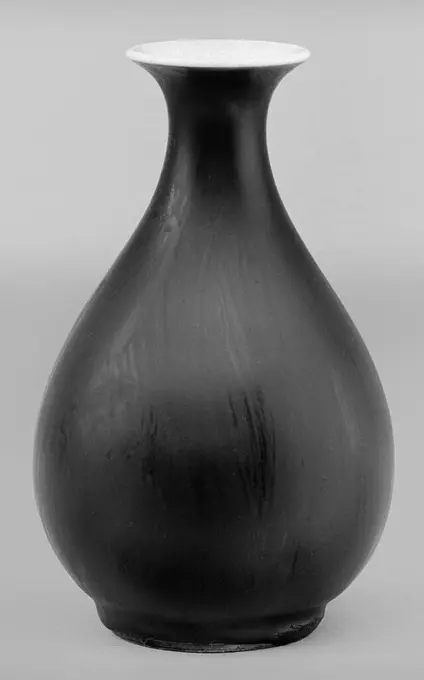
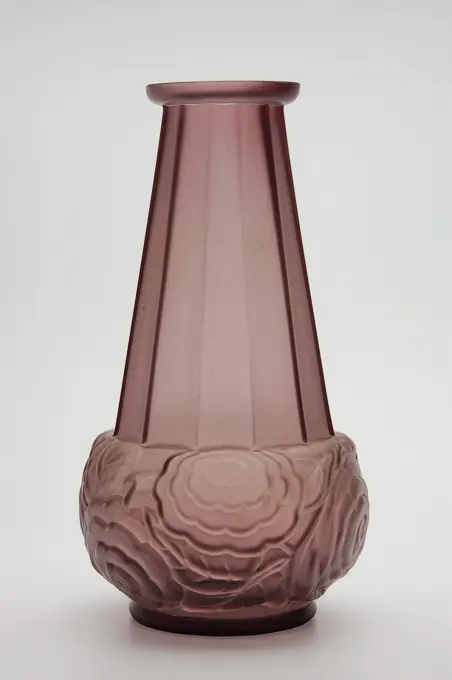
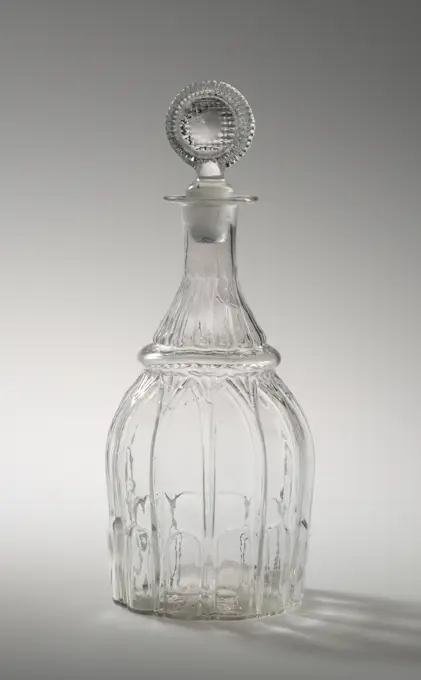
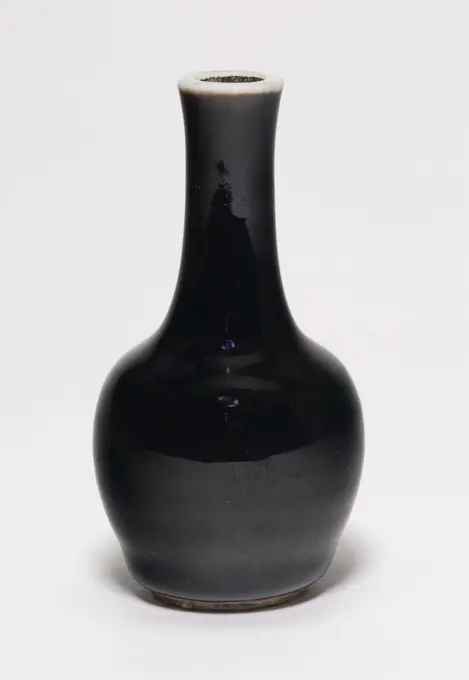
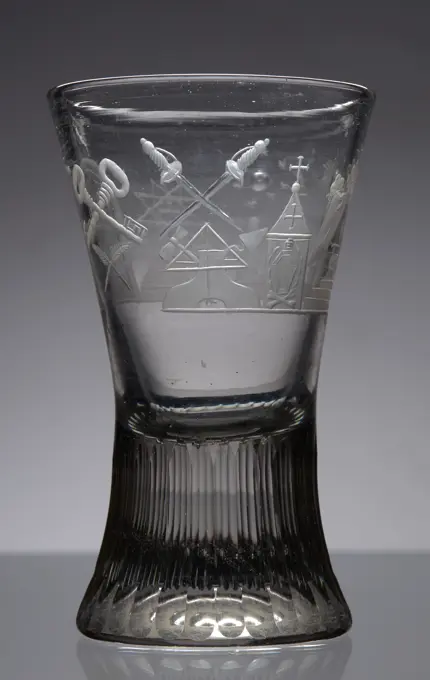
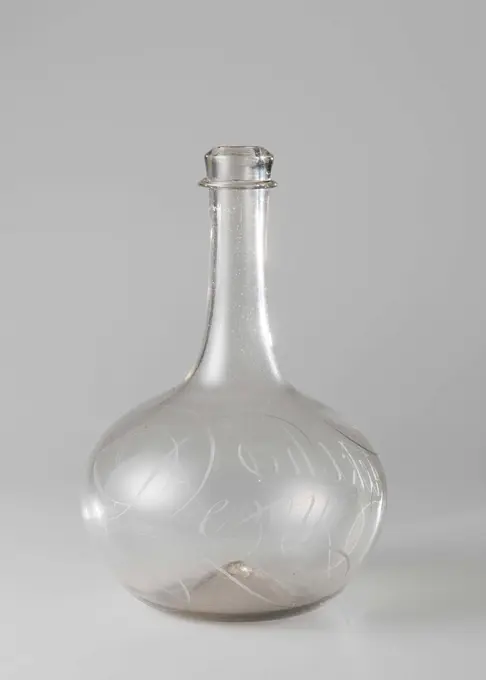
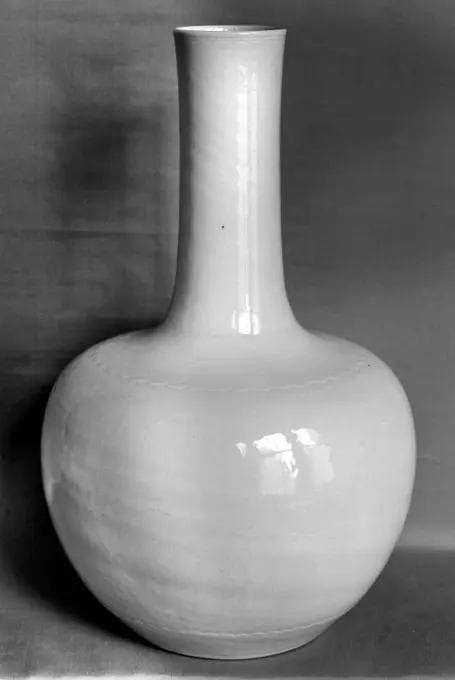
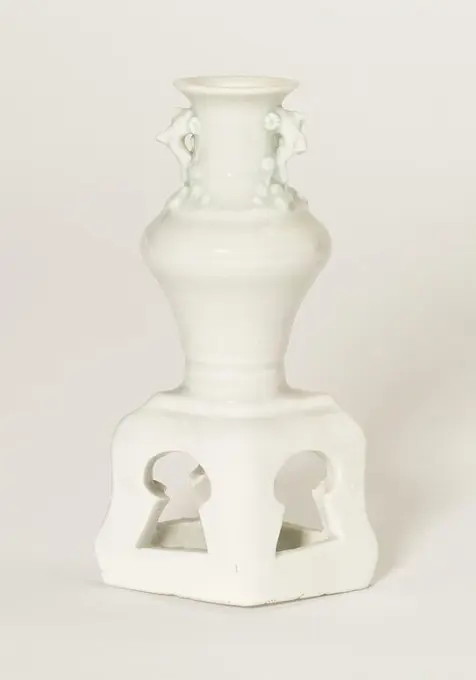
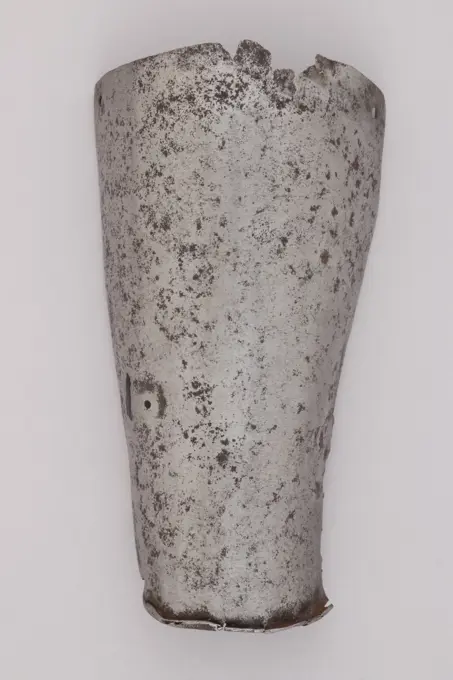
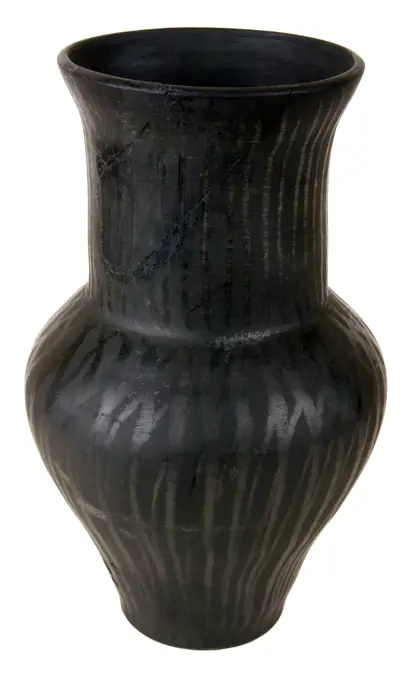
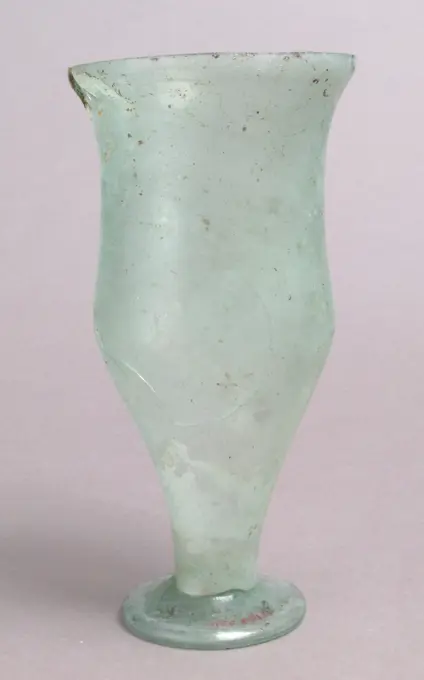
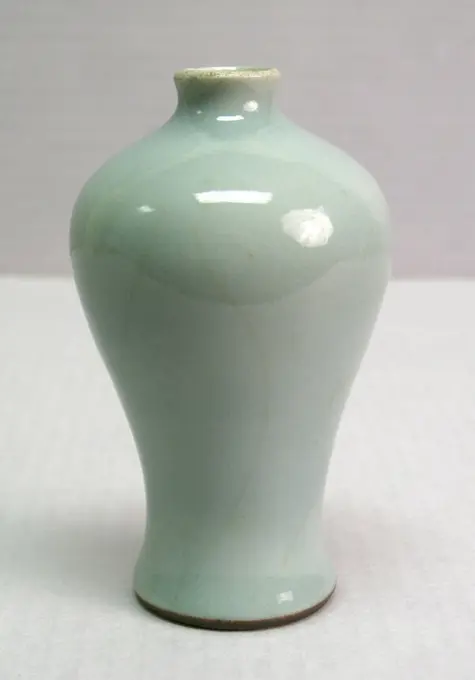
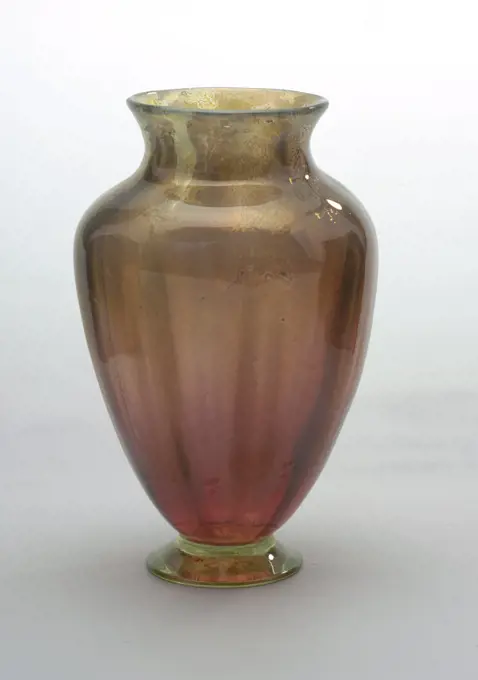
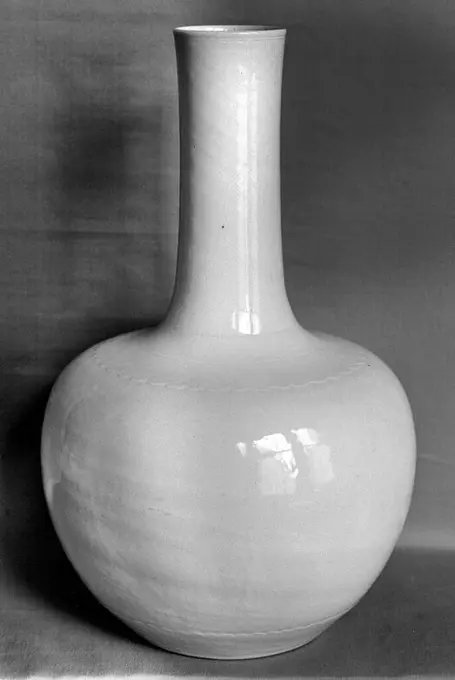
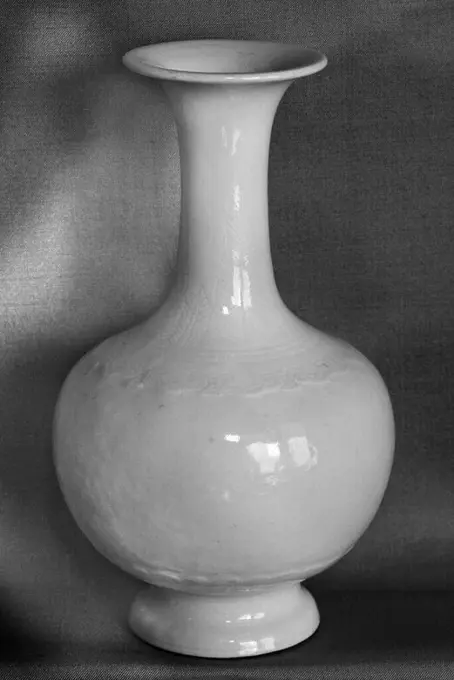
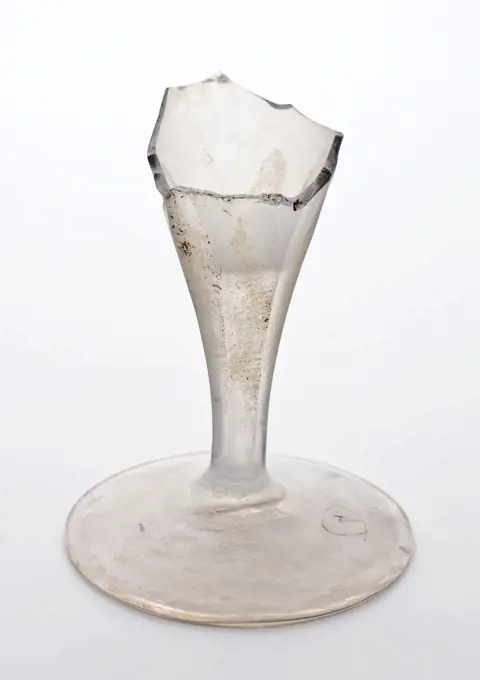
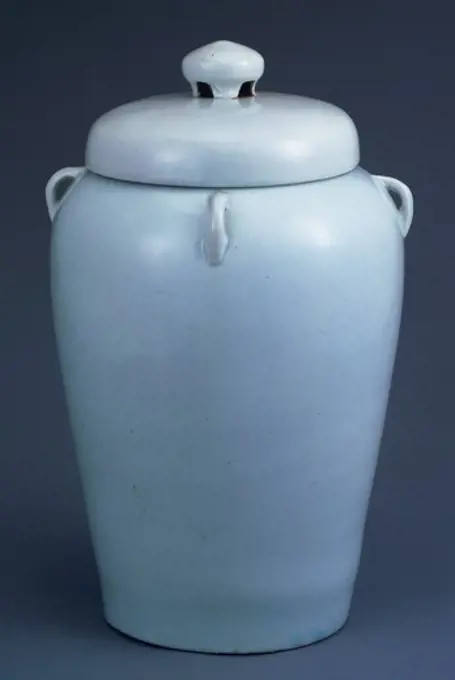
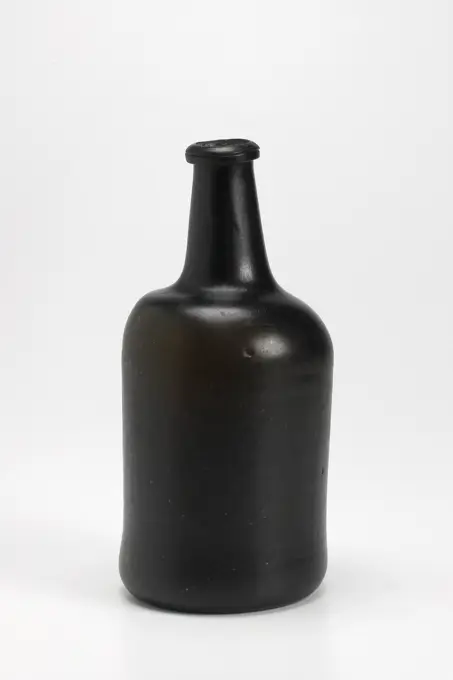
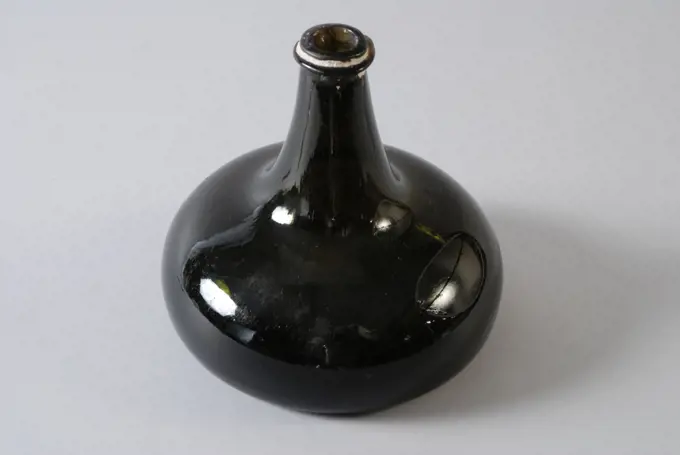
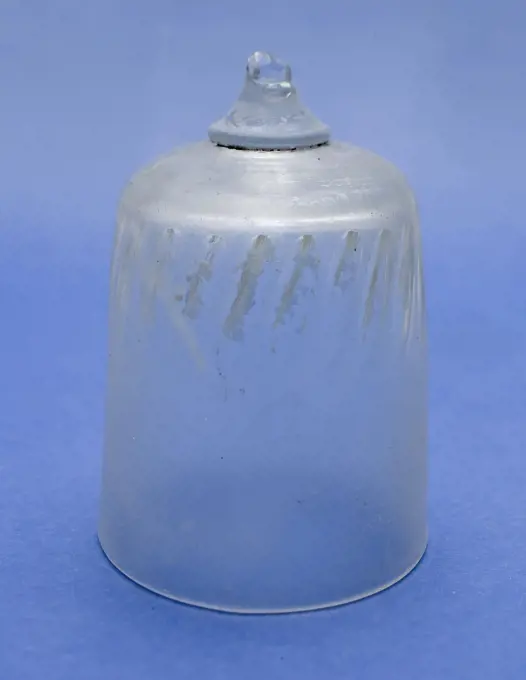
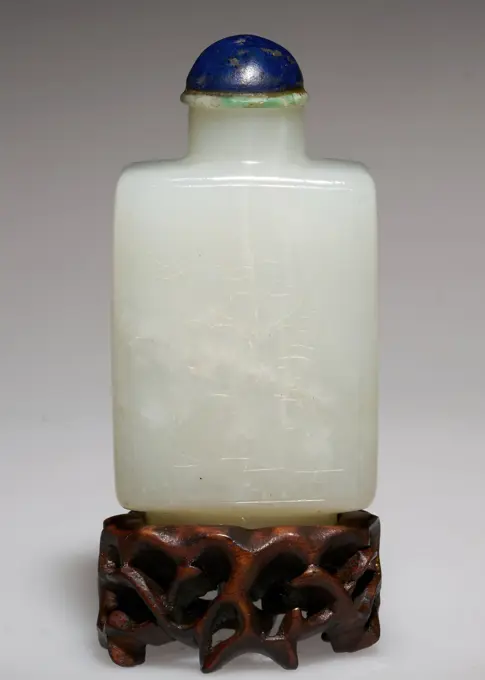
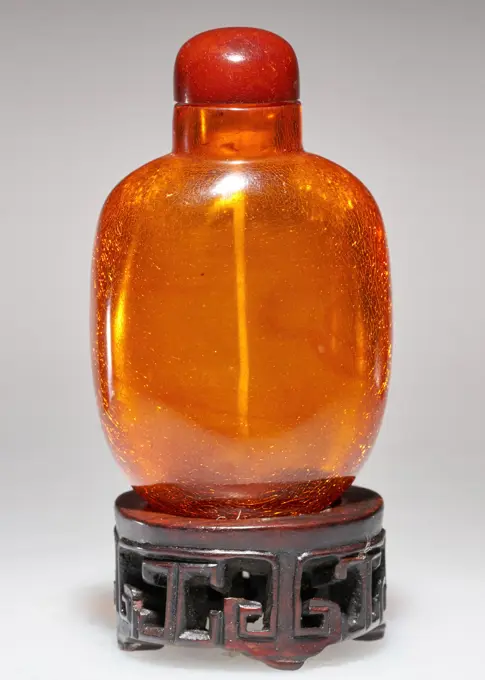
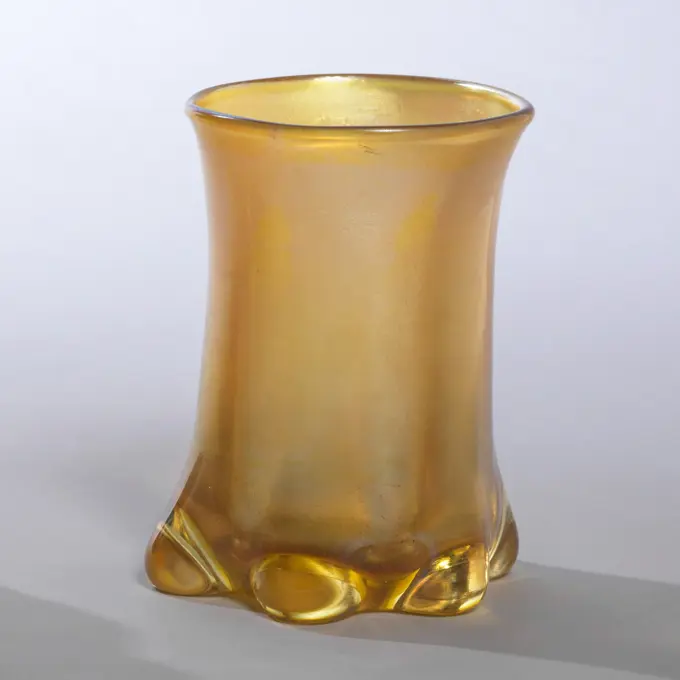
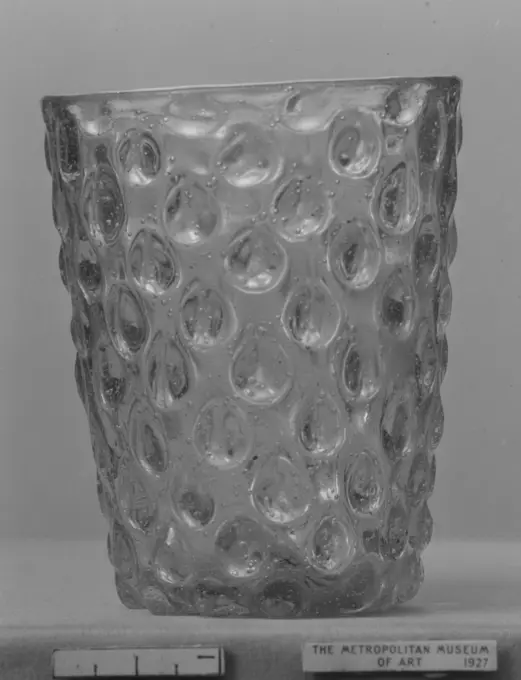
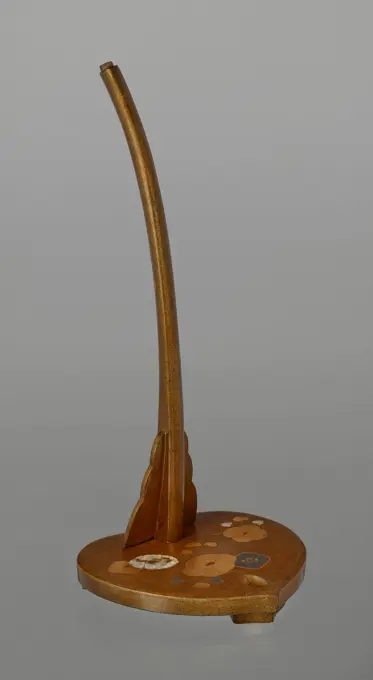
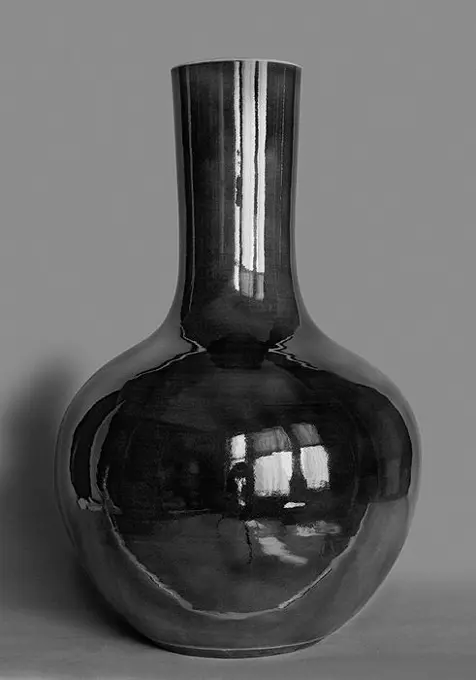
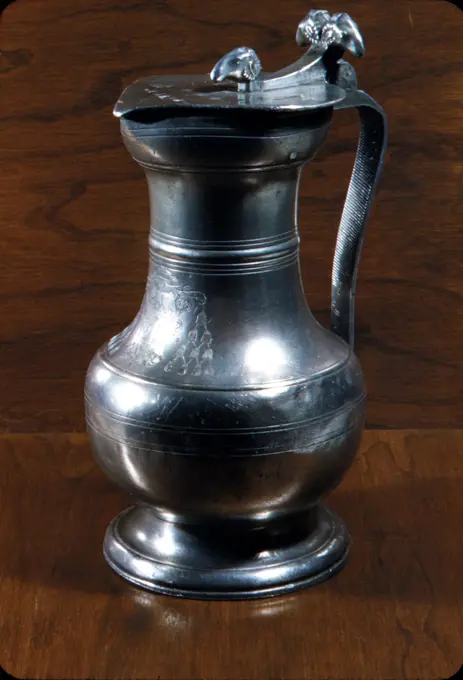
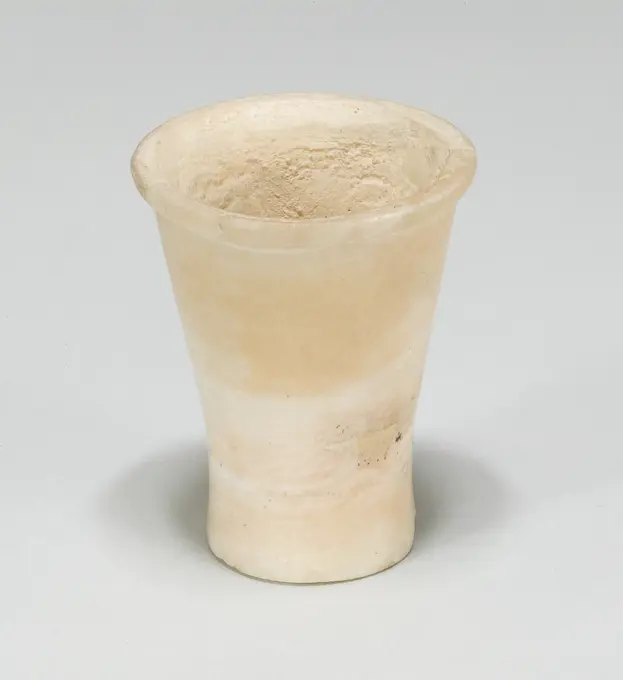
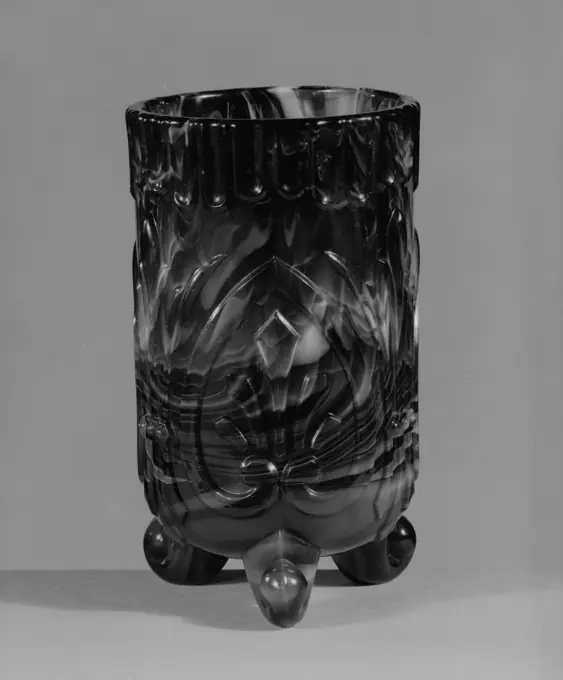
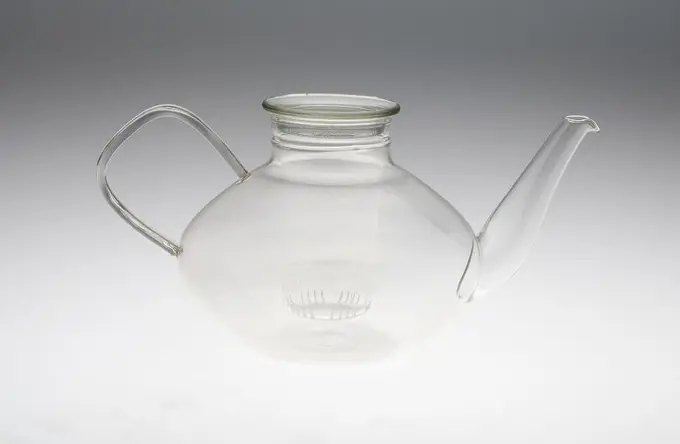
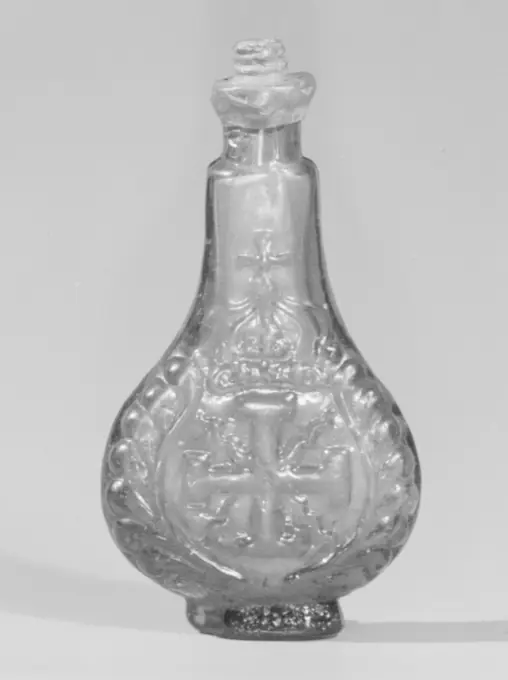
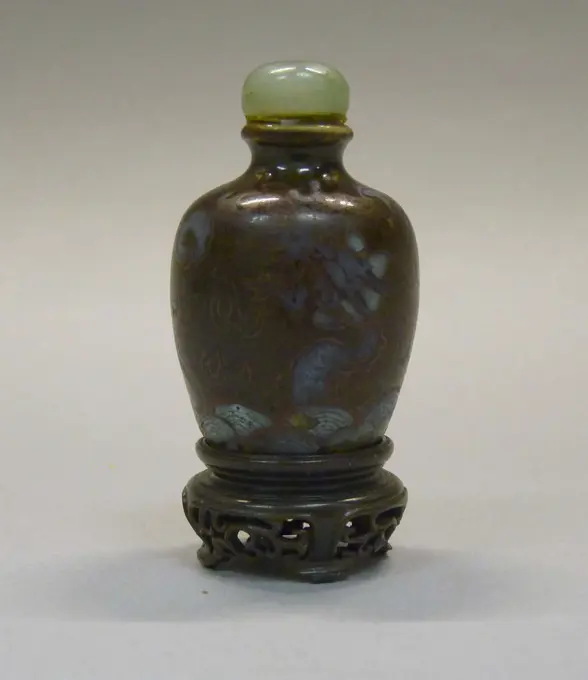
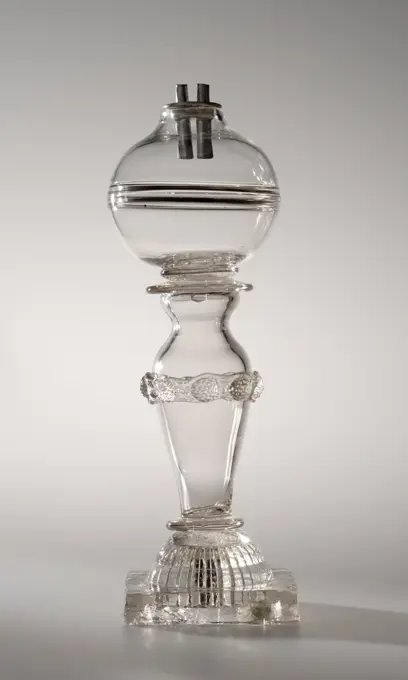
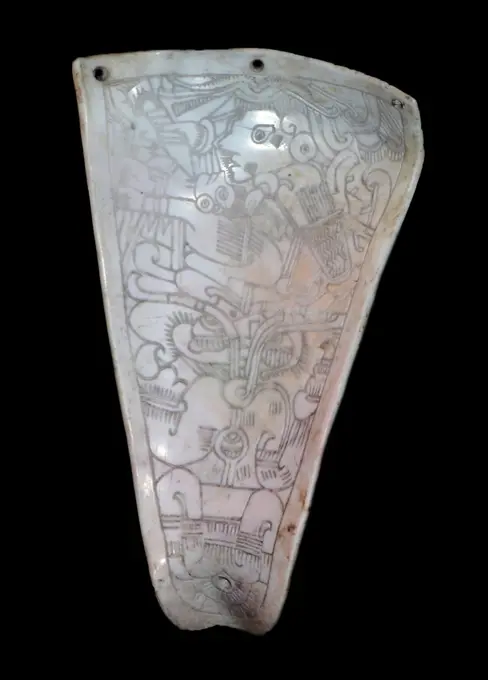
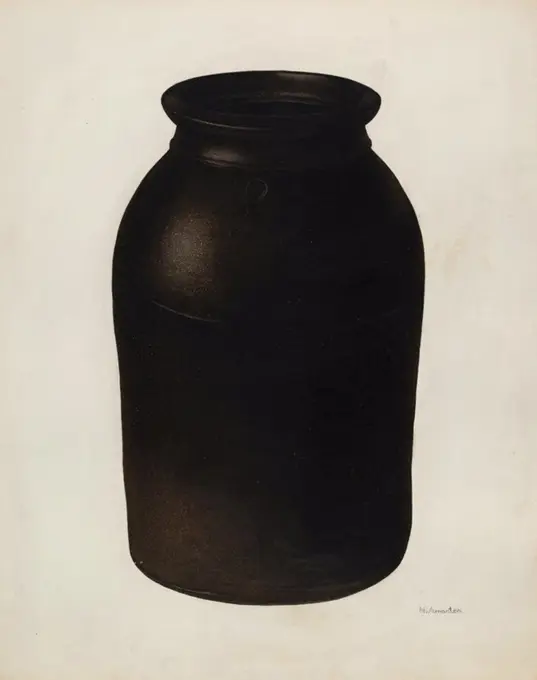
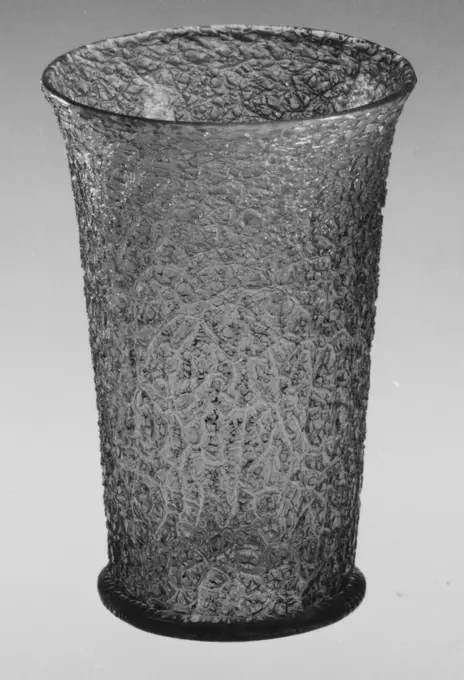
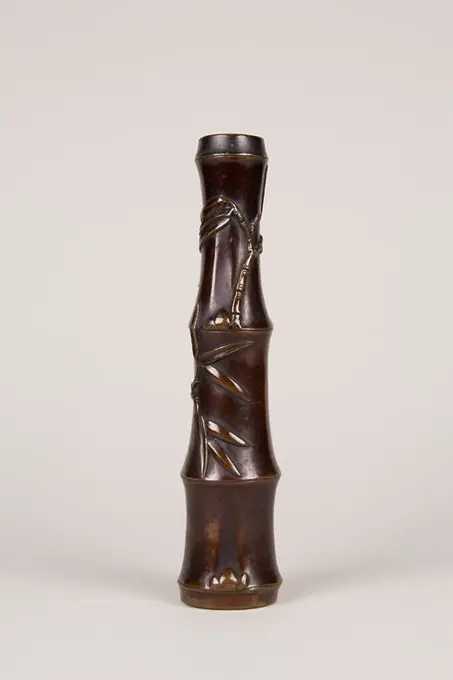
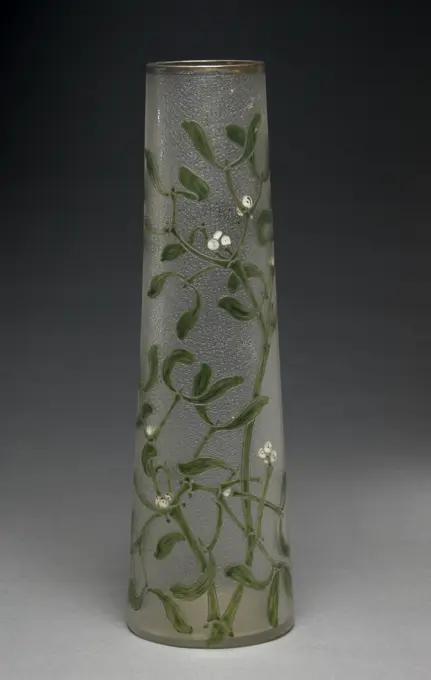
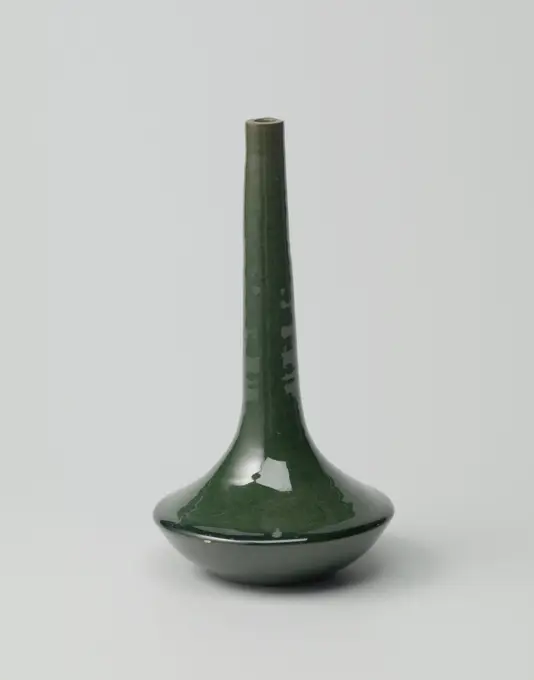
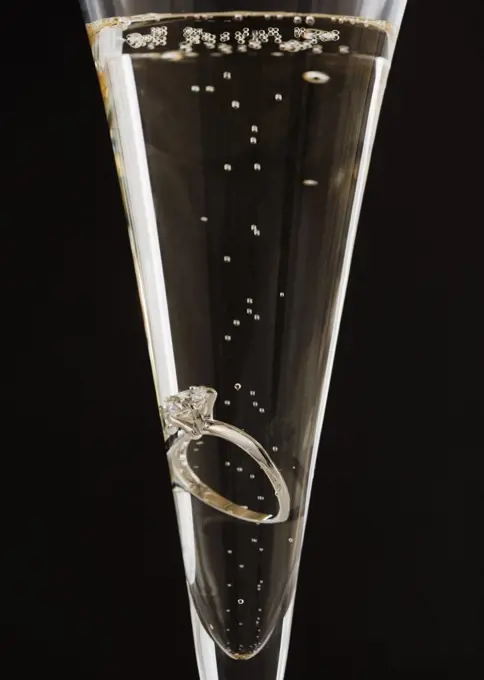
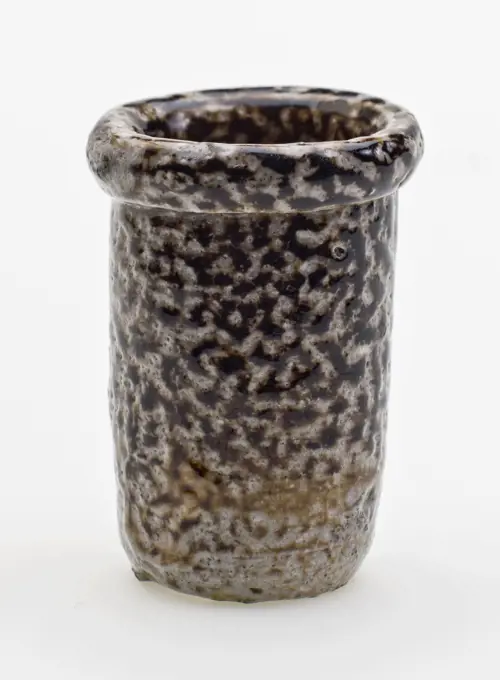
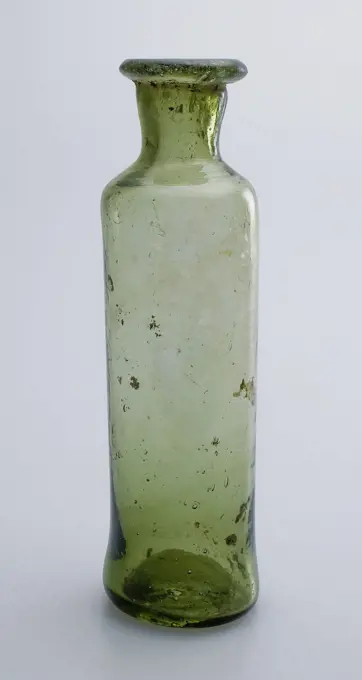
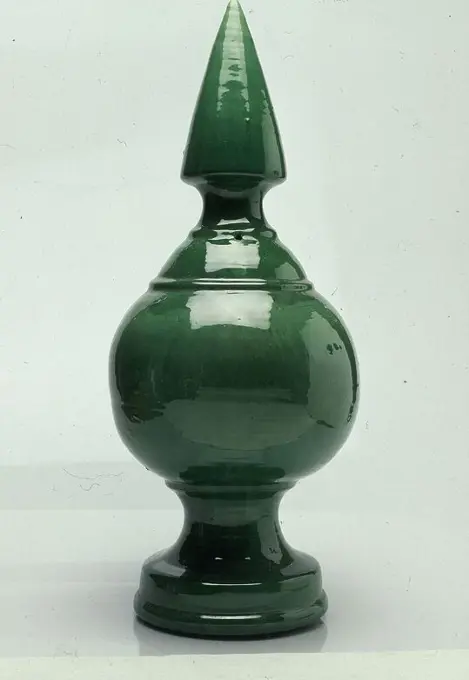
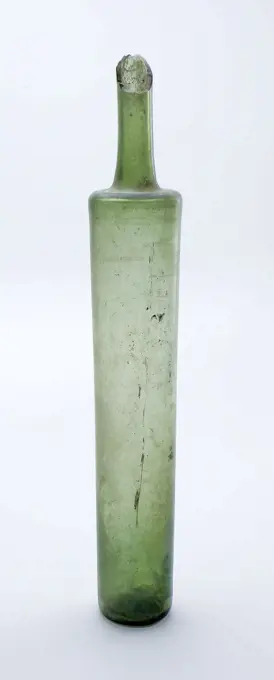
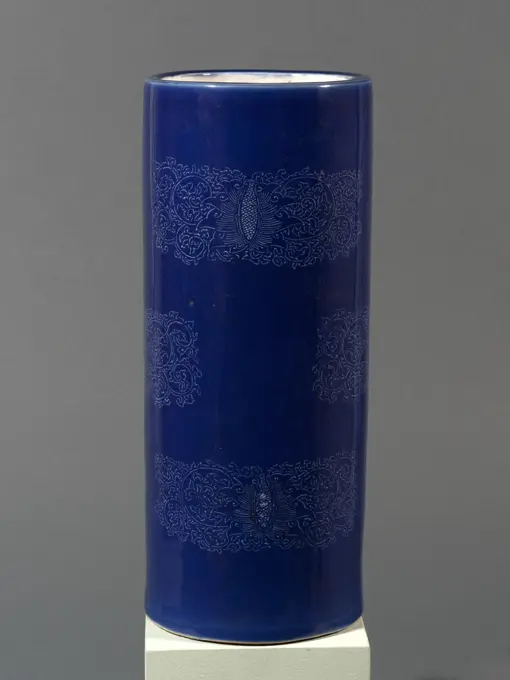
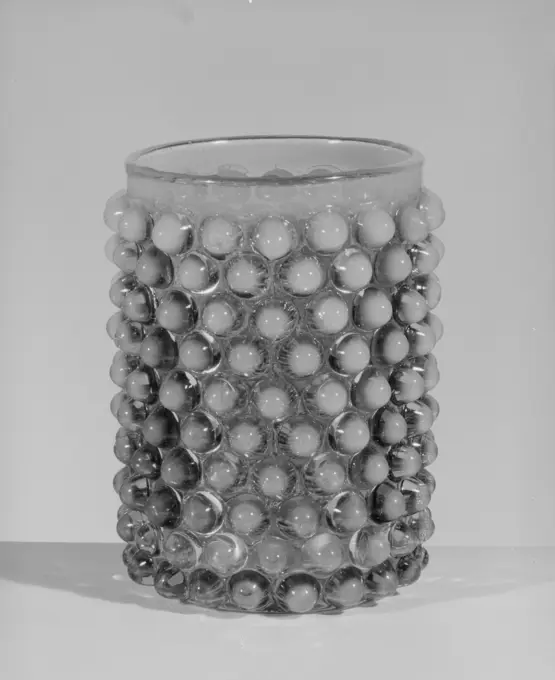
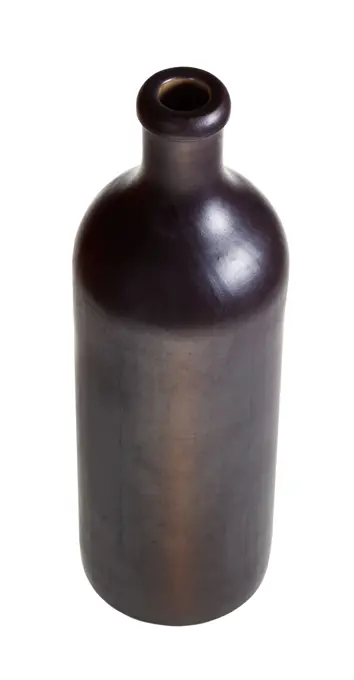
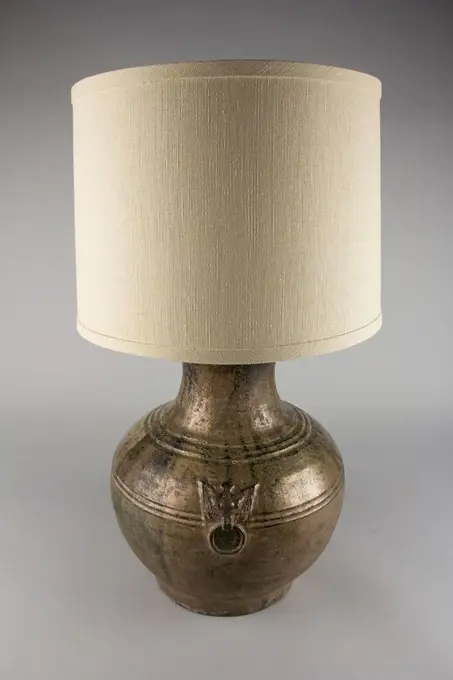
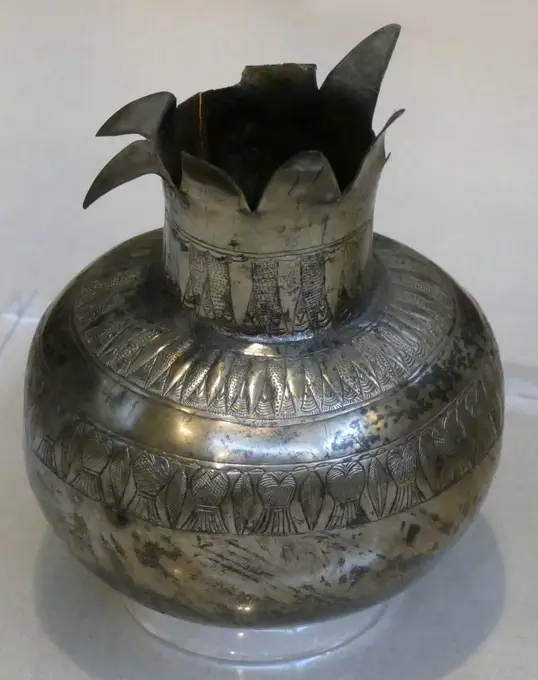
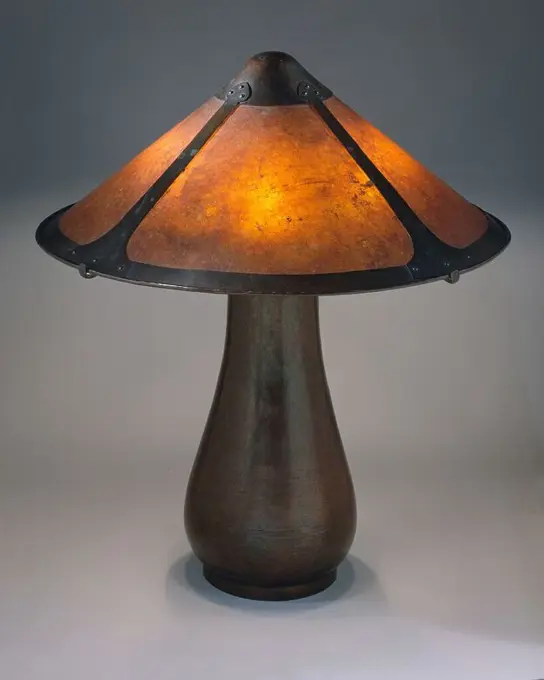
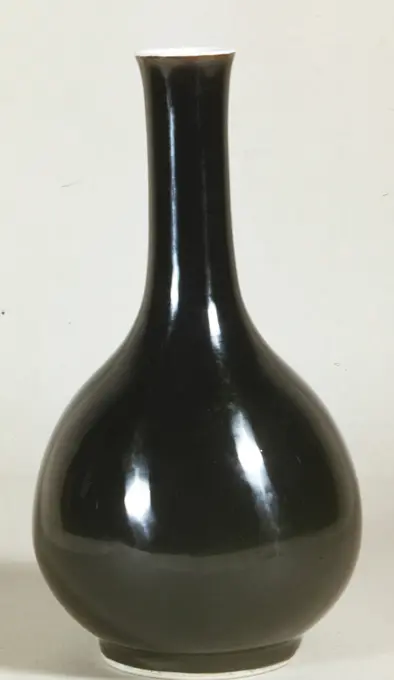
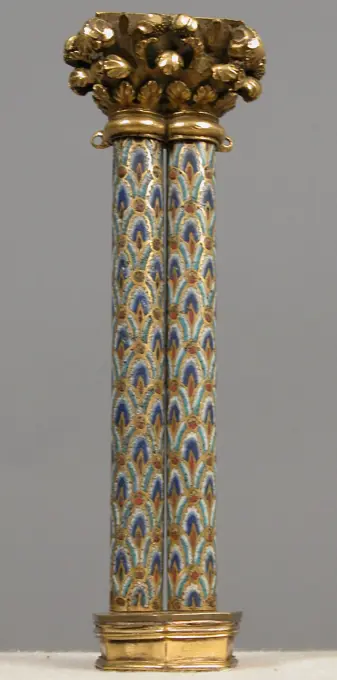
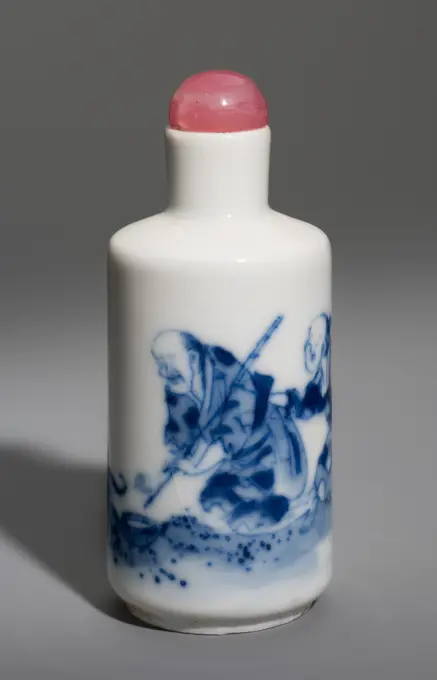
Bottle early 12th century Korea. Bottle 42265Container for tea leaves (chaire). unknown, craftsmanVase. Culture: China. Dimensions: H. 7 in. (17.8 cm). Date: 19th century. Museum: Metropolitan Museum of Art, New York, USA.Vase. Huta Szkła J.Stolle "Niemen" (Brzozówka ; 1894-1939), glass worksMaker Unknown, Decanter and Stopper, c. 1820-40, colorless lead glass.Bottle. Culture: China. Dimensions: H. 4 3/4 in. (12.1 cm). Museum: Metropolitan Museum of Art, New York, USA.Antique Roman glass. 1898Duck-form Sake Bottle. Japan, late Edo period (1615-1868), mid-19th century. Ceramics. Imaizumi ware, also called Isuke ware; stoneware with iron and rice straw ash glazesCricket Container, 5 1/8 x 2 11/16 x 2 11/16 in. (13.02 x 6.83 x 6.83 cm) (overall), Gourd, wood, pigment, ChinaMiniature Bottle-Shaped Vase 1736-1795 China. Porcelain with mirror black glaze .Przeszo Przyszoci unknownBottle with the inscription: the wine deskt. Inserted soul. Bol-shaped body, long slim neck with imposed ring around the neck. On the body glared inscription: the wine discovers the heat.Vase early 18th century China. Vase. China. early 18th century. Porcelain with relief decoration under clear glaze (Jingdezhen ware). Qing dynasty (1644-1911), Yongzheng period (1723-35). CeramicsMiniature Vases on Stand. China. Date: 1300-1399. Dimensions: 12.5 × 7.0 × 4.7 cm (4 15/16 × 2 3/4 × 1 7/8 in.). Qingbai ware; porcelain with underglaze carved, molded, and applied decoration. Origin: China. Museum: The Chicago Art Institute, Chicago, USA.Part of a Forearm Defense (Vambrace) ca. 1450-70 Italian This is part of a large find of medieval armor discovered in 1840 in the ruins of the fortress of Chalcis, on the Greek island of Euboea (then a Venetian colony called Negroponte). The fortress had been captured and destroyed by the Turks in 1470. Now divided largely between the Ethnological Museum, Athens, and The Metropolitan Museum of Art, the Chalcis hoard contains many rare and unusual elements of fourteenth- and fifteenth-century armor. Of particular importance are the variety of headpieces and the many fragments of brigandines (armor for the torso constructed of small plates riveted to layers of fabric), some of which retain portions of their original velvet covering. The Chalcis armor provides a unique picture of the armament used in the Aegean, one of the easternmost military outposts of the Venetian empire.. Part of a Forearm Defense (Vambrace) 27674Clay pot of manual work. It is possible to store milk or other liquidFooted Beaker 4th-5th century Roman. Footed Beaker 465667 Roman, Footed Beaker, 4th5th century, Glass, Overall: 6 3/8 x 3 1/8 in. (16.2 x 8 cm). The Metropolitan Museum of Art, New York. Gift of J. Pierpont Morgan, 1917 (17.193.330)No. 104 Wine Decanter With Stopper; Designed by Ludwig Lobmeyr (Austrian, 1829 - 1917); Manufactured by J. & L. Lobmeyr GmbH (Austria); Austria; mouth-blown crystal, cut and polishedVase. Greco-Roman. Date: 101 AD-500 AD. Dimensions: 24 × 15.2 × 15.2 cm (9 1/2 × 6 × 6 in.). Glass, blown technique. Origin: Ancient Mediterranean. Museum: The Chicago Art Institute, Chicago, USA. Author: GRAECO-ROMAN.Decanter with stopper (one of a pair) late 18th century British. Decanter with stopper (one of a pair). British. late 18th century. Glass. GlassGheṇṭa (prayer bell) 11th century Javanese The bell (dril bu) is the most common musical instrument associated with Tantric Buddhist ritual. Held in the left hand, the dril bu (clapper bell) is always paired with a scepter (dorje), which is held in the right. The scepter symbolizes method, bliss, and male aspects while the bell represents wisdom, emptiness, and the female aspects. Both principles are necessary to achieve Enlightenment. The bell handle traditionally matches in decoration the scepter it is paired with - often with five spokes or points (five representing the five forms of mystical wisdom). These bells were produced in Java, Indonesia, during the eleventh century. Buddhism flourished in Indonesia at that time, before Islam became dominant in the thirteenth and fourteenth centuries. Gheṇṭa (prayer bell) 505108Prunus Vase China. Prunus Vase. China. Porcelain. Qing dynasty (1644-1911), Kangxi period (1662-1722). CeramicsVase, Favrile glass, Rose colored glass on bottom of inverted egg-shaped vase with flared neck., USA, ca. 1900, glasswares, Decorative Arts, VaseBottle. Culture: China. Dimensions: H. 11 1/2 in. (29.2 cm). Museum: Metropolitan Museum of Art, New York, USA.Vase. Culture: China. Dimensions: H. 4 3/4 in. (12.1 cm). Museum: Metropolitan Museum of Art, New York, USA.Foot fragment goblet or flute glass, stem facet cut to seven planes, flute glass drinking glass drinkware tableware holder soil find glass, free blown Goblet or flute glass Milky discolouration due to iridescence. Foot with soul pontilmerk in the middle. The trunk is facet cut to seven planes continuous to the base of the chalice archeology Valckensteyn Poortugaal Albrandswaard drink beverage wine serve Soil discovery: castle Valckensteyn in Poortugaal now Albrandswaard 1961-1962.Vase in white porcelain, Korea. Korean Civilisation, 15th century.Wine bottle -Belly bottle, pancake, bottle bottle wine bottle holder soil find glass, neck with imposed circumferential sharp glass thread (2x chip about 3 , 0 cm) and dilated flattened lip Light white chalky contamination along glass wire to neck no further traces of iridescence archeology packagingFragment of stem and calyx of chalice, drinking glass drinking utensils tableware holder soil find glass, handblown cut Fragment of part of stem and part of chalice of chalice in clear colorless glass Remaining solid stem to flat knot. Bucket-shaped chalice with narrow, leaf-shaped facets on the underside around 22 archeology underground pit Rotterdam City Center Stadsdriehoek Oostplein archaeological find in the soil Oostplein 1976.Goblet (Roemer) 1700-1750 Dutch. Goblet (Roemer). Dutch. 1700-1750. Glass. GlassSnuff Bottle, 17th-19th century, 2 5/8 x 1 1/2in. (6.7 x 3.8cm), Glass, China, 17th-19th centurySnuff Bottle China. Snuff Bottle. China. White soft paste porcelain, amber stopper. Qing dynasty (1644-1911), Yongzheng period (1723-35). Snuff BottlesBulbous-Shaped Vase. China. Date: 1723-1735. Dimensions: H. 32.6 cm (12 13/16 in.); diam. 20.6 cm (8 1/8 in.). Porcelain with clair de lune glaze. Origin: China. Museum: The Chicago Art Institute, Chicago, USA.Bottle 16th century Spanish. Bottle 186230Snuff Bottle, 17th-19th century, 2 3/4 x 1 3/4in. (7 x 4.4cm), Amber, China, 17th-19th centurySquare vase late 18th-19th century China. Square vase. China. late 18th-19th century. Porcelain with green glaze (Jingdezhen ware). Qing dynasty (1644-1911). CeramicsVase (USA); Made by Louis Comfort Tiffany (American, 1848-1933); favrile glassBeaker 17th century German. Beaker. German. 17th century. Glass. Glasspattern white packaging. pattern white packaging for design on gray backgroundTachi sword rack (Tachi Kake);  19th century (1801-00-00-1868-00-00);Gobular vase mid-18th century China. Gobular vase 45832Flagon 18th century I. B. (the pewterer). Flagon 190804Miniature Ointment jar ca. 1850-1775 B.C. Late Middle Kingdom The five miniature ointment jars 33.1.16-.20 were excavated in subsidiary shaft tomb 29 in the area of the mastaba of Senwosretankh at Lisht South. The shaft led to two chambers. In the debris filling chamber A were found remains of at least two funerary masks, one of them (33.1.64) covered with gold foil and inscribed with so-called mutilated hieroglyphs (hieroglyphic signs of birds and other animals without feet), a style of writing that is found on objects from the late 12th Dynasty through the beginning of the 18th. More gold leaf from the edges of a wooden coffin with a design imitating papyrus matting suggests that at least one of the plundered burials was of the so-called "court type" best known from the funeral outfits of royal princesses who died during the late 12th and early 13th dynasties. The shapes of several pottery vessels found in pit 29 also fit with these dates, but others (formerly MMA 33.1.150, .152- .15Vase 1880-90. Vase. 1880-90. Pressed purple marble glass. Made in EnglandTeapot. Manufactured by Jena Glaswerken (German, 20th century); Designed by Wilhelm Wagenfeld (German, b. 1900). Date: 1932. Dimensions: 12.7 x 25.6 x 16 cm (5 x 10 1/16 x 6 1/4 in.). Glass; blown. Origin: Mainz. Museum: The Chicago Art Institute, Chicago, USA.Standing Cup and Cover.Blue-colored flacon de poche decorated with lion rampant and enflamed cross potant late 17th-early 18th century Glasshouse of Bernard Perrot, Verrerie Royale d'Orléans This scent bottle (flacon de poche) was made in the Orléans glasshouse of Bernard Perrot (active from 1649 to 1709), the most famous member of an Italian glassmaking family that probably went to France as followers of Louis Gonzaga. The flacon an example of one of his inventions, the use of patterned molds with intaglio decoration to cast molten glass into small bottles, beakers, medallions, and vials and then displayed the motifs in relief. Perrot specialized in colored glass, producing agate bodies, imitation porcelain in white glass, and a transparent red glass.. Blue-colored flacon de poche decorated with lion rampant and enflamed cross potant. French, Orléans. late 17th-early 18th century. Glass, pewter. GlassMeiping vase late 17th-early 18th century China. Meiping vase. China. late 17th-early 18th century. Porcelain with copper red glaze (Jingdezhen ware). Qing dynasty (1644-1911), Kangxi period (1662-1722). CeramicsSnuff Bottle 19th century China. Snuff Bottle. China. 19th century. Porcelain with jadeite stopper. Qing dynasty (1644-1911). Snuff BottlesSouth Boston Flint Glass Works, Lamp, c. 1813-30, colorless lead glass.Shell Pendant 900 A.D. Huaxtec. The scenes on the surfaces depicts a sacrifice by means of decapitation. Carafe. Probably Iran, 11th century. Glass. Glass, free-blown, engraved and cutJar. Dated: c. 1939. Dimensions: overall: 45.5 x 36.5 cm (17 15/16 x 14 3/8 in.) Original IAD Object: 12 1/2" High 6" Dia.(top) 7 1/8" Dia.(base). Medium: watercolor and graphite on paperboard. Museum: National Gallery of Art, Washington DC. Author: Nicholas Amantea.Snuff bottle with stopper 18th-19th century China. Snuff bottle with stopper 41107Lease;  VI century BC (-600-00-00--501-00-00);Beaker late 16th-early 17th century Italian (Venice) or façon de Venise, probably south Lowlands. Beaker 460886Vase in the Shape of a Piece of Bamboo. Culture: Japan. Dimensions: H. 11 1/8 in. (28.3 cm); Diam. 2 1/2 in. (6.4 cm); Diam. of rim 1 1/2 in. (3.8 cm); Diam. of foot 2 1/4 in. (5.7 cm). Date: second half of the19th century. Museum: Metropolitan Museum of Art, New York, USA.Tall Vase, c. 1900. Attributed to Appert Frères (French). Glass; overall: 42.1 x 12.7 cm (16 9/16 x 5 in.).Vase with green glaze, anonymous, c. 1900 - c. 1949 Vase of earthenware with slender neck and covered with green enamel. West-Europa earthenware vitrification Vase of earthenware with slender neck and covered with green enamel. West-Europa earthenware vitrificationFlower Vase 19th century Japan. Flower Vase. Japan. 19th century. Bronze. Edo (1615-1868) or Meiji period (1868-1912). MetalworkEngagement ring in champagne glassFlakon in the frame, with a stopperIce glass cup, anonymous, c. 1550 - c. 1650 Ice glass cup, with inserted soil. Ribbed stand ring of clear glass. Cup -shaped body, on which three mascarons and three small studs have been applied at half -height. Remains of gilding on the studs and along the top edge. Low Countries glass glassblowing / gilding Ice glass cup, with inserted soil. Ribbed stand ring of clear glass. Cup -shaped body, on which three mascarons and three small studs have been applied at half -height. Remains of gilding on the studs and along the top edge. Low Countries glass glassblowing / gildingMug 1860-80 New England Glass Company. Mug 5359Stoneware tubular ointment jar with thickened upper edge, ointment jar pot holder soil find ceramic stoneware glaze salt glaze, hand-turned glazed baked High narrow pot with thick round turned rim. Insulated internally and externally. Gray shard archeology health care indigenous pottery import packaging ointment care medicine drug pharmacyWater Pitcher after 1883 Probably New England Glass Company. Water Pitcher. American. after 1883. Blown glass. Made in East Cambridge, Massachusetts, United StatesMedicine bottle, medicine bottle bottle holder soil find glass, free blown and shaped Small (medicine) Bottle in clear light green glass. Wide pontilemark under barely raised soil. Cylindrical body slightly flared at the bottom to sharp shoulders short neck and flared horizontally flattened lip (dm 1.8 cm) archeology health care pharmacy medicine drug packagingREMATE DE TEJADO EN CERAMICA.Oblong storage bottle, pharmacy bottle perfume bottle holder soil find glass, free blown and shaped Oblong storage bottle also called pharmacy bottle or eau-de-cologne bottle in clear light green glass. Pontil mark under slightly raised soil. Elongated body slightly dilated to straight shoulders and narrow neck chipped archeology health care packing pharmacyBottle of blasamic vinegarMolenbeker, anonymous, c. 1600 - c. 1700 Klock -shaped chalice, the upper part of which shows a light relief. Filigrane glass A Fili and A Retortoli. Low Countries glass. molen: silver (metal) glassblowing / engraving Klock -shaped chalice, the upper part of which shows a light relief. Filigrane glass A Fili and A Retortoli. Low Countries glass. molen: silver (metal) glassblowing / engravingBronze helmet, Celtic artefact, France, La Tene I.Pitcher, c. 1903, Marie Kirschner; Manufacturer: Johann Loetz-Witwe Glassworks, Austrian, 1852-1931, 14 1/2 x 4 1/4 x 6 1/2 in. (36.8 x 10.8 x 16.5 cm), 'Luna optisch' glass with applied handles, 19th-20th centuryBottle. Culture: Japan. Dimensions: H. 17 in. (43.2 cm); Diam. 8 3/4 in. (22.2 cm); Diam. of rim 1 1/2 in. (3.8 cm); Diam. of foot 6 5/8 in. (16.8 cm). Date: 18th century. Museum: Metropolitan Museum of Art, New York, USA.Canister. Maker, possibly by: New Bremen Glass Manufactory, American, 1784-1795Proprietor: John Frederick Amelung, American, born Germany, 1741-1798Bliżej KulturyRoll vase. Blue monochrome covered porcelain, Qing dynasty (1644-1912). Provenance: China. Paris, Cernuschi museum. 78838-26 Asian art, Chinese art, art of living, ceramic, fine ceramic, Ching dynasty, Qing dynasty, tsing dynasty, porcelain, container, vaseTumbler after 1886 Probably Hobbs, Brockunier and Company. Tumbler. American. after 1886. Pressed cranberry, opalescent and opaque white glass. Made in Wheeling, West Virginia, United StatesVase with Scenes of Daily Life early 18th century China. Vase with Scenes of Daily Life. China. early 18th century. Porcelain painted with colored enamels over transparent glaze (Jingdezhen ware). Qing dynasty (1644-1911), Kangxi period (1662-1722). CeramicsStripgeorgian ceramic pottery black bottle georgian ceramic pottery black bottle isolated on white background Copyright: xZoonar.com/ValeryxVoennyyx 5660675Przeszo Przyszoci unknownBell with Seated Male Holding Vajra 10th-11th century() Indonesia (Java). Bell with Seated Male Holding Vajra 39081Vase. Culture: China. Dimensions: H. 14 1/2 in. (36.8 cm); Diam. 12 1/4 in. (31.1 cm). Museum: Metropolitan Museum of Art, New York, USA.Ornament 5th-8th century. Ornament 449182Silver vase (pomegranate vase) found in the tomb of King Tutankhamen, of Egypt. 1323 BCFlakonik - snack;  19th century (1801-00-00-1900-00-00);chinese antique vase on the plain back groundLamp. Culture: American. Dimensions: H. 26 in. (66 cm); Diam. 23 in. (58.4 cm). Maker: Dirk Van Erp (1862-1933). Date: ca. 1912-15.Dirk Van Erp was one of the most important metalworkers in California during the Arts and Crafts period. He was especially well known for his table lamps, of which this is a particularly fine example--in excellent condition and retaining its original patina. The warm orange of the mica shade complements the lamp's hand-hammered, baluster-shaped copper base in rich reddish brown. Lamps such as this one were ideally suited to Arts and Crafts interiors, furnished with geometric oak furniture similar in hue and simplicity of form. Museum: Metropolitan Museum of Art, New York, USA.Vase, 1662-1722, H.10-1/2 in., Porcelain with mirror black glaze, China, 17th-18th centuryBottle. Roman; Levant or Syria. Date: 101 AD-400 AD. Dimensions: H. 14.9 cm (5 7/8 in.); diam. 7.3 cm (2 7/8 in.). Glass, blown technique. Origin: Syria. Museum: The Chicago Art Institute, Chicago, USA. Author: ANCIENT ROMAN.Small circular table ca. 1780 Martin Carlin French. Small circular table 207557Pair of Colonnettes from a Reliquary Shrine ca. 1186 German. Pair of Colonnettes from a Reliquary Shrine 464403 German, Pair of Colonnettes from a Reliquary Shrine, ca. 1186, Champlev enamel, copper alloy, gilt, Overall: 7 1/2 x 2 7/16 x 1 3/4 in. (19 x 6.2 x 4.4 cm) Overall (with mount): 8 x 2 7/16 x 1 3/4 in. (20.3 x 6.2 x 4.4 cm) capital: 1 5/16 x 2 7/16 x 1 1/2 in. (3.4 x 6.2 x 3.8 cm) column: 5 1/2 x 9/16 in. (14 x 1.5 cm) base: 5/8 x 1 11/16 x 1 3/4 in. (1.6 x 4.3 x 4.4 cm). The Metropolitan Museum of Art, New York. Gift of J. Pierpont Morgan, 1917 (17.190.416)Bottles (Sprinklers). The form of these Iranian swan-necked’ bottles is very elegant. They were extremely popular with western travellers and tourists and consequently are found in large numbers in European collections. One of these bottles was bought at the Persian Pavilion at the Amsterdam World Fair of 1883. According to a romantic tradition, the bottles with their distinctive spouts were used to catch the tears of women whose husbands were fighting at the front.Flakonik - tabakierka. unknown, craftsmanDjed pillar representing stability for the dead and a symbol of Osiris. Blue faience, circa 1st millennium BCChinese, Perfume bottle, porcelain.Vase, Rookwood Pottery, American, 1880 - 1967, glazed stoneware, White clay body, thrown. Cylindrical body, tapering upward, waisted below bulbous shoulder, truncated neck; no foot. Decorated in silhouette around body with scene of Indian encampment along river bank. Design of two teepees among trees in foreground with figures of Indians doing various activities--gathering wood and twigs, cooking, etc. Across river more teepees. Bottom third of body mottled dark green and brown. Lower sky and river subtly shaded orange into pale yellow, upper sky shading into blue-green. Figures, teepees and foliage in shades of brown and dark green. Interior, white, glazed; bottom glazed. Allover vellum glaze, cracklature., Cincinnati, Ohio, USA, 1909, ceramics, Decorative Arts, vase, vaseJARRON DE VIDRIO NARANJA. Location: MUSEE D'ARTS DECORATIFS. MADRID. SPANIEN.