Traditional Vases and Containers

Images of unique vases and containers from various cultures, showcasing their historical and artistic significance, characterized by distinctive shapes and designs.

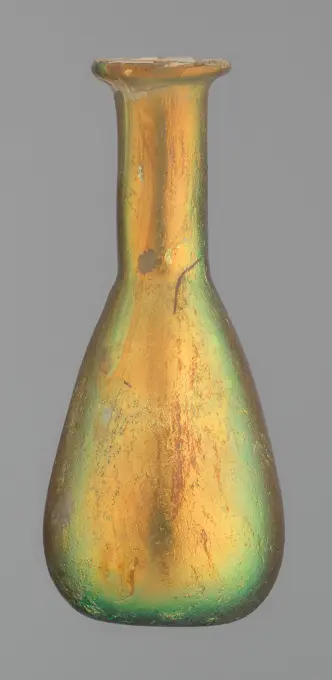
Antique Roman glass. 1898
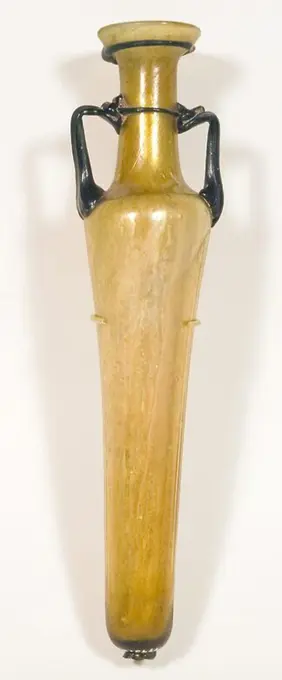
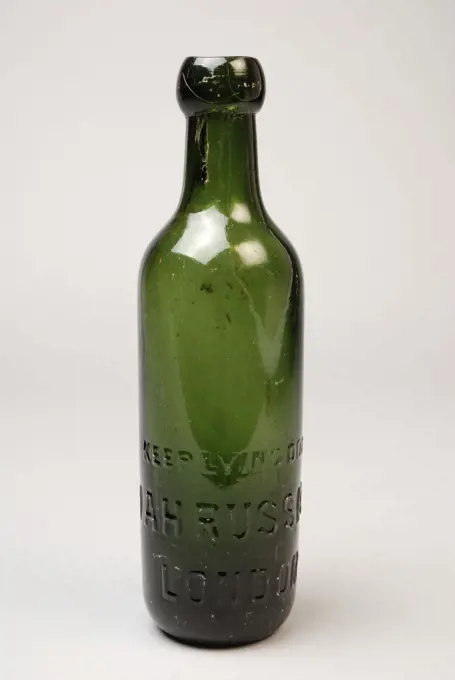
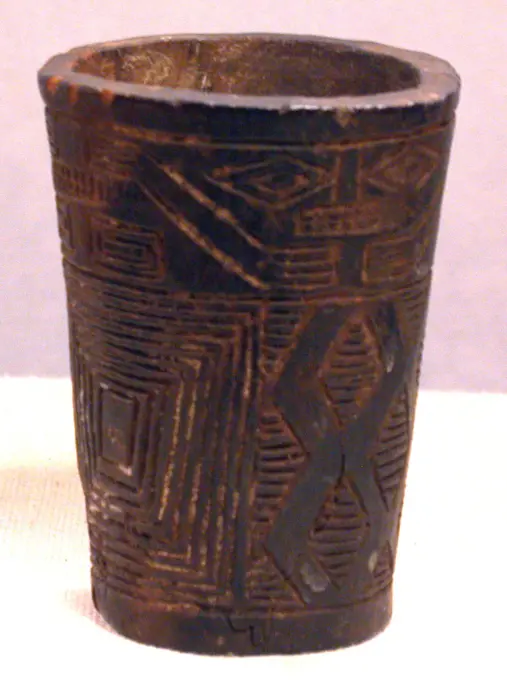
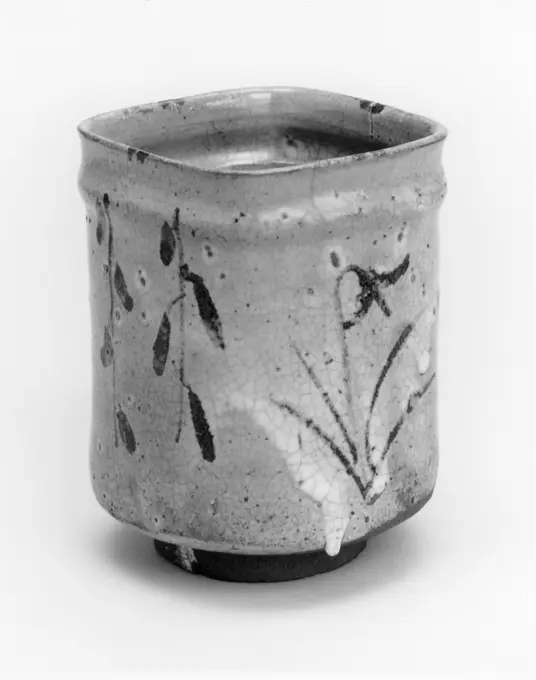
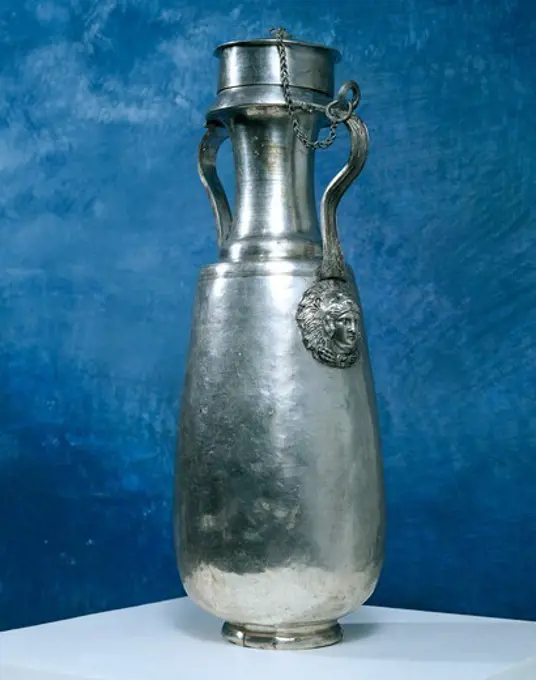
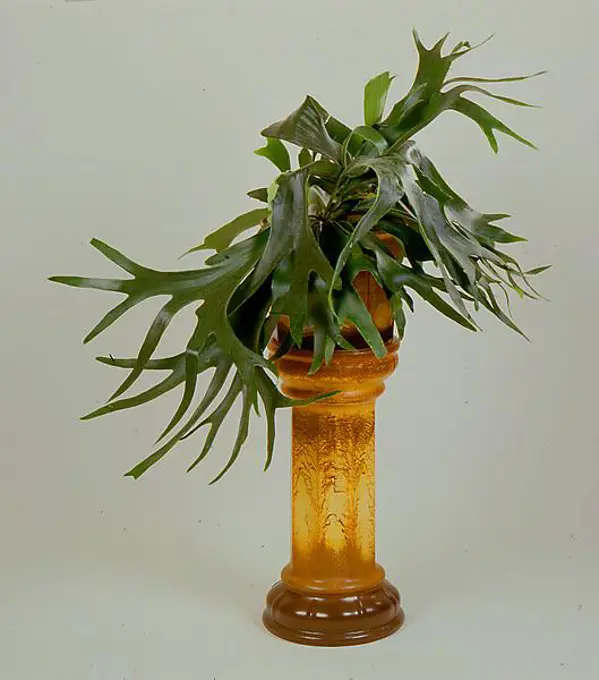
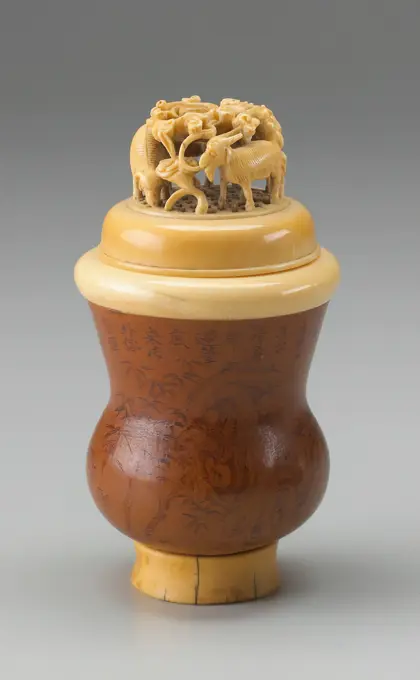
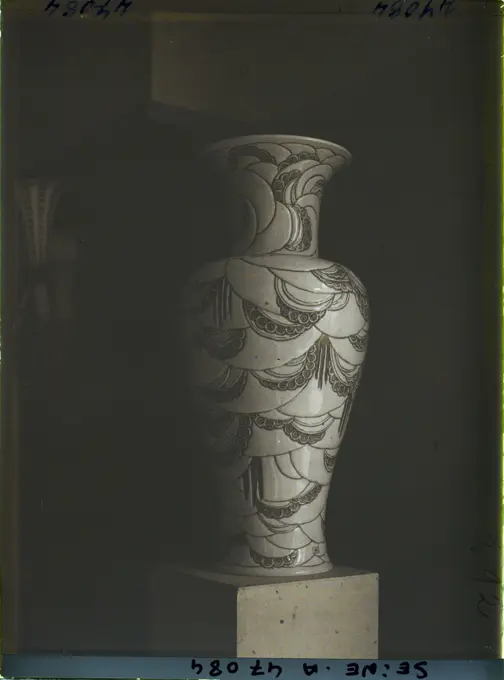
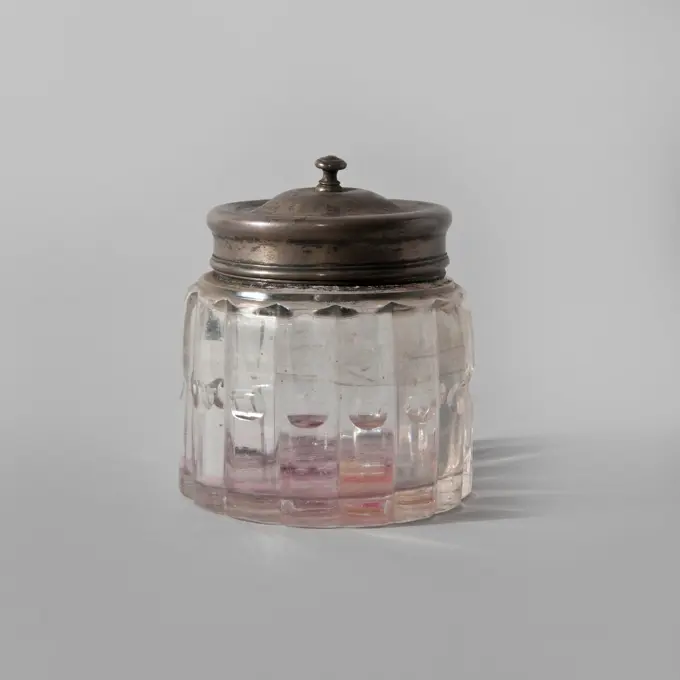
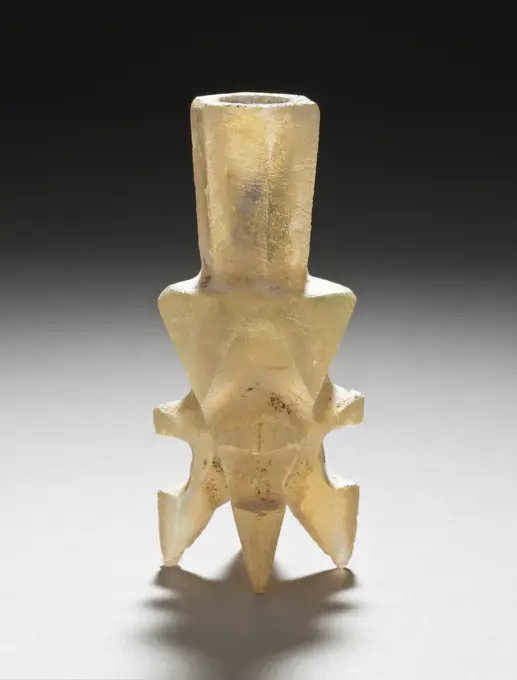
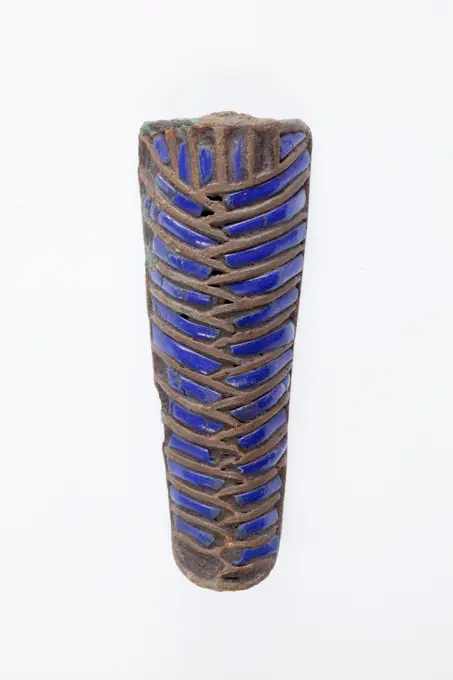
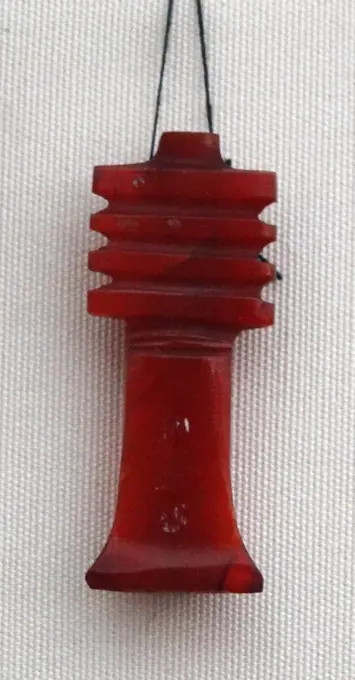
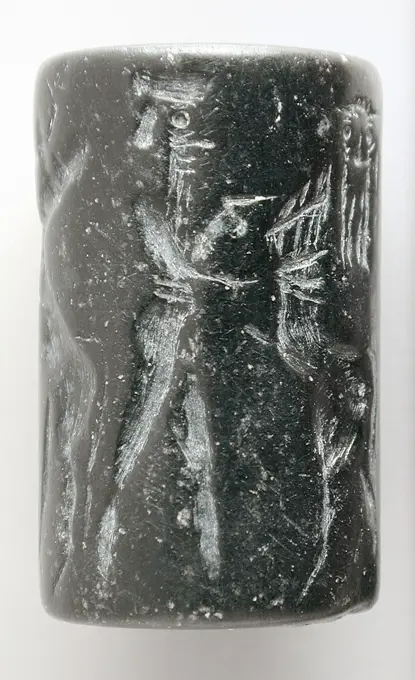
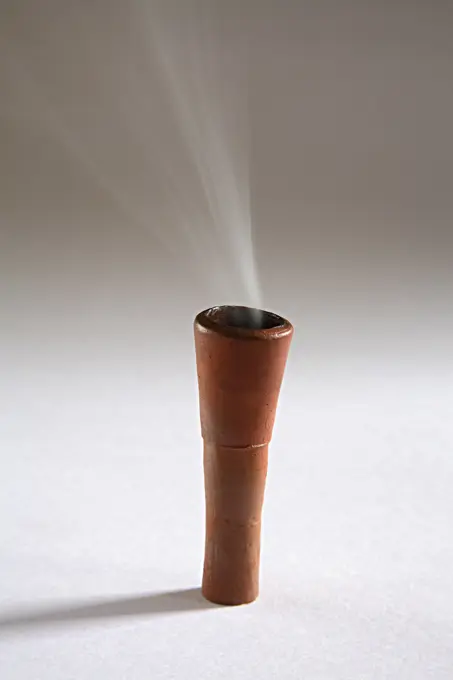
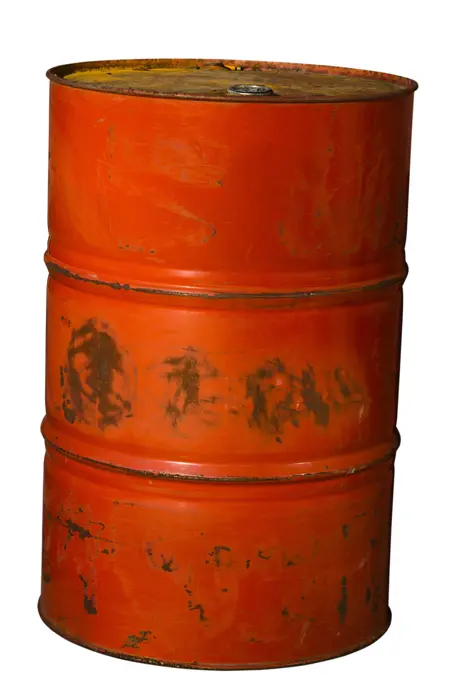
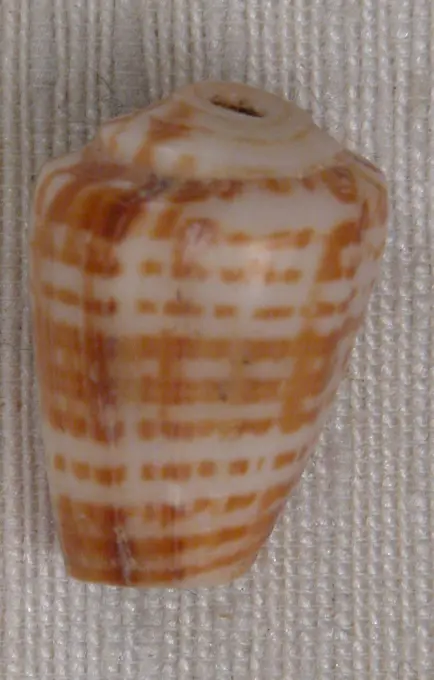
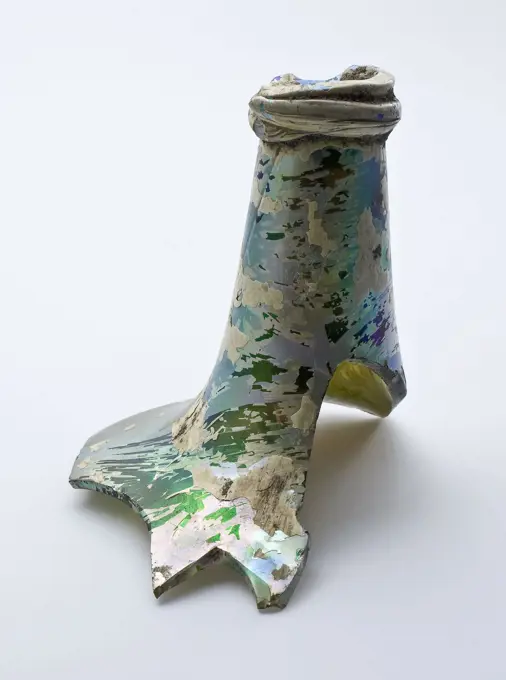
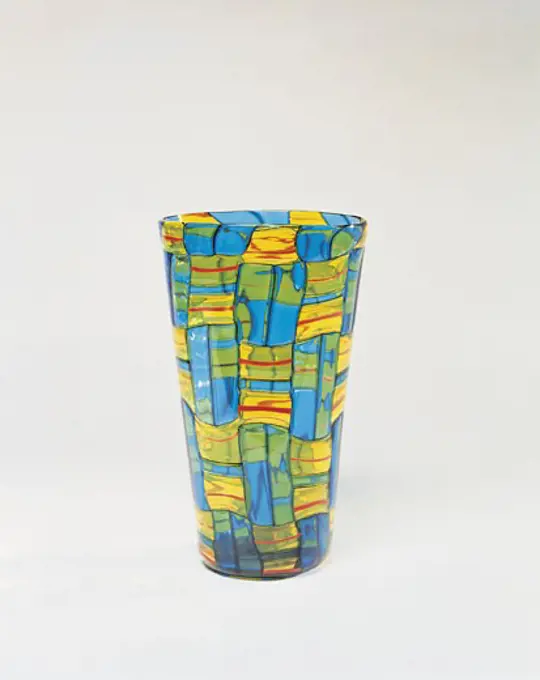
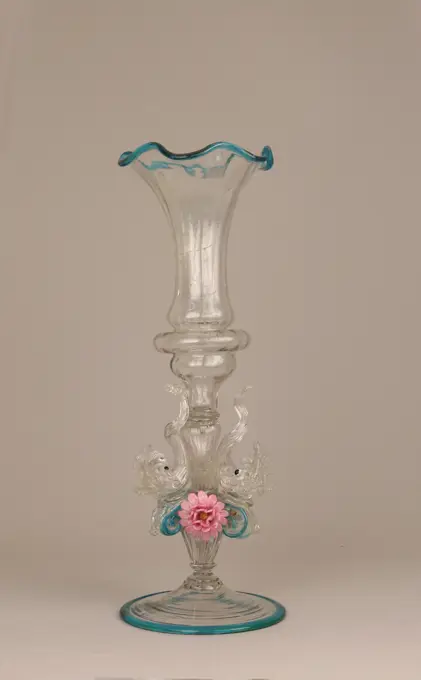
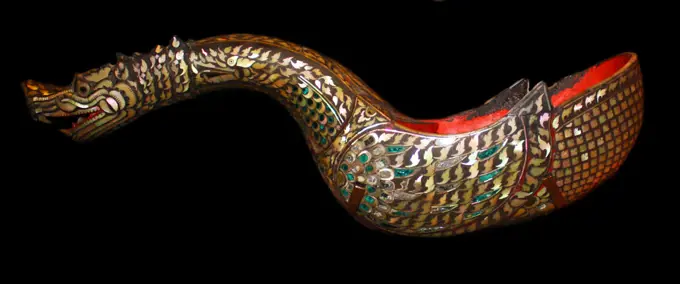
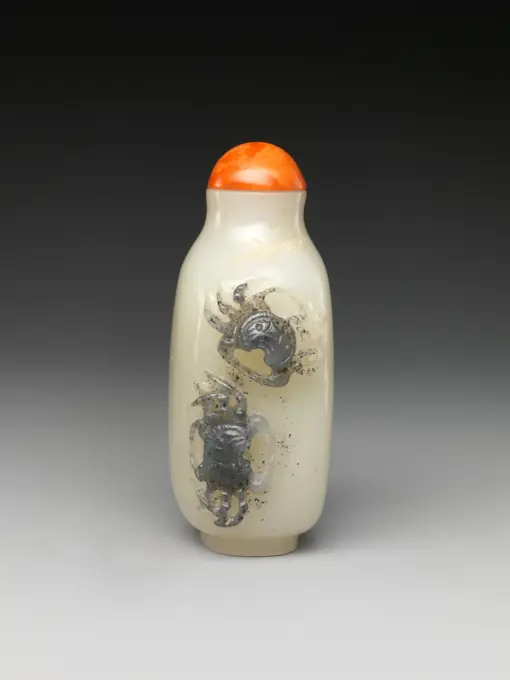
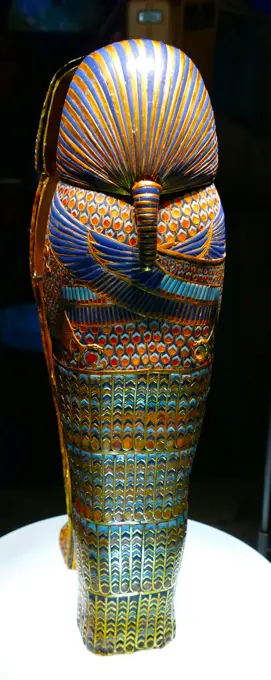
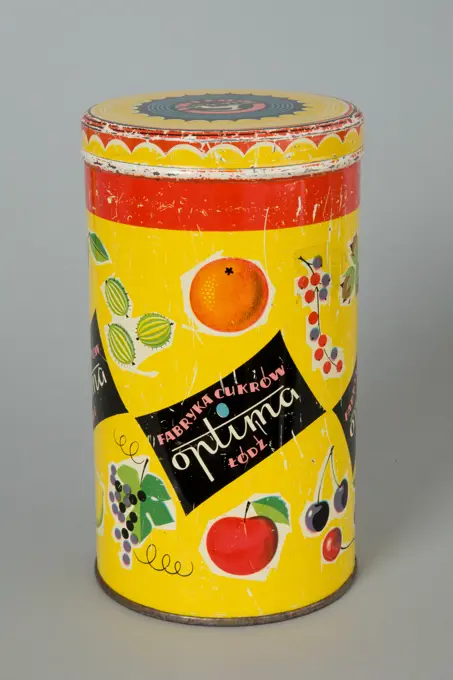
Vase China. Vase. China. Porcelain. Qing dynasty (1644-1911), Kangxi period (1662-1722). CeramicsFood, Condiment, Vinegar, A bottle of malt vinegar beside a white salt-cellar on a white background.Double-Handled Flask. Byzantine; Eastern Mediterranean. Date: 301 AD-500 AD. Dimensions: 23.4 × 5.9 × 4.5 cm (9 1/4 × 2 3/8 × 1 3/4 in.). Glass, blown technique. Origin: Syria. Museum: The Chicago Art Institute, Chicago, USA.Bottle for mineral water or ginger-ale 'blob-top', bottle product packaging container bottomfound glass, machine-shaped glass application Small cylindrical bottle for mineral water or ginger-ale in clear green glass. Concave bottom to straight wall (continuous seam on both sides) with dressing: Keep lying down - JOSIAH RUSSELL & Co - LONDON to convex shoulders straight neck with convex convex lip (blob-top) embossed on the belly: KEEP LYING DOWN (lower case ) JOSIAH RUSSELL & Co LONDON (large print) archeology advertising packagingKero 15th-early 16th century Inca. Kero. Inca. 15th-early 16th century. Wood. Peru. Wood-ContainersVase with iris decor. Old stock and gift from Mrs. Prof. Plate, HamburgVase. Culture: British. Dimensions: H. 8 1/4 in. (21 cm). Date: after 1885. Museum: Metropolitan Museum of Art, New York, USA.Food Cup (Mukōzuke) ca. 1590-1610 Japan. Food Cup (Mukōzuke) 49279Phial; unknown eastern workshop; I-II century (1-00-00-200-00-00);Shabti of Painedjem II ca. 990-969 B.C. Third Intermediate Period. Shabti of Painedjem II. ca. 990-969 B.C.. Blue faience. Third Intermediate Period. From Egypt; Probably from Egypt, Upper Egypt, Thebes, Southern Asasif, Royal Cache, Tomb of Inhapi (TT 320). Dynasty 21Silver alabastron with the heads of Hercules-Alexander, 336 BC, from the thalamos of the tomb of Philip II in Vergina, Greece. Greek civilization, 4th Century BC.Staghorn fern Platycerium bifuratumWhistling Jar 1476-1534 Peruvian. Whistling Jar 502538Watercolor empty, brown glass bottle or jar. Hand-drawn boho illustration. Empty vintage vase.. Watercolor empty, brown glass bottle or jar. Hand-drawn boho illustration. Empty vintage vaseBeaker, anonymous, c. 1600 - c. 1650 Comet cup with inserted soil. Ribbed stand ring. Cylindrical body with a ribbed thread on a dial of the height. Among them three corrugated threads of blue glass, ending in claws Low Countries glass glassblowing Comet cup with inserted soil. Ribbed stand ring. Cylindrical body with a ribbed thread on a dial of the height. Among them three corrugated threads of blue glass, ending in claws Low Countries glass glassblowingGold vase inscribed in Latin on the base with its weight. Roman, about 25 BC-AD 50 Found in the sea near Cnidus, western Asia MinorCricket Container, 4 5/16 x 2 1/4 x 2 1/4 in. (10.95 x 5.72 x 5.72 cm) (overall), Gourd, ivory, pigment, ChinaParis (7th arr.), France The exhibition of decorative arts, national manufacture of Sèvres, a vase , 1925 - International Exhibition of Modern Decorative and Industrial Arts Paris (French - Paris ( VIIe arr. ) , France L' Exposition des arts décoratifs , Manufacture Nationale de Sèvres , un vase). Interior view, vase, decorative arts, ceramics, exhibition, exhibition of decorative arts, ephemeral architecture, Habitat , Architecture , Art, France, Paris, Exhibition of decorative arts, Manufre nle de Sèvres. A vaseBottle ca. 1712-13 Meissen Manufactory. Bottle 199582Kahmaster with a cover; Non -like Lona Huta; 1837 (1830-00-00-1837-00-00);Close-up of blue glass vaseScrimshaw with inscription reading, A sharp eye for the white whaleCosmetic Container. Eastern Mediterranean, 9th century (or later). Glass. Glass, mold-blown and cutBeard from a large statue ca. 1070-664 B.C. Third Intermediate Period-Kushite Period Divine beards were plaited, and the dark hair of the gods was equated to deep blue lapis lazuli.This bronze beard inlaid with dark blue glass must derived from a very large statue of a god that might have been made entirely of bronze or perhaps of wood with bronze fittings.. Beard from a large statue 550783Wooden spoon on a white background.Attic Red-Figure Lekythos. UnknownThe Djed-pillar symbolic to both the living and the dead.Fes, Morocco. Intricate carved metal lamp.Cylinder Seal. Mesopotamia, Agade period, about 2334-2154 B.C.. Tools and Equipment; seals. Black serpentineKerosene lamp;  IPO XXW. (1951-00-00-2000-00-00);Switzerland, Decorated glass cups with inscriptions in Latin and GreekPouring milk splash isolated on white background macro. Pouring milk splashRing probably 19th century Chinese This collection of largely ethnographic jewelry includes examples from cultures in South America, North America, Europe, Asia, and Africa and dates from the Pre-Columbian period to the twentieth century. Owned by renowned art collector and fashion enthusiast Muriel Kallis Newman, the collection represents her knowledge and appreciation of a wide range of jewelry design and making traditions. Numerous items in her collection are composite artifacts made from various cultures and time periods reappropriated as modern jewelry creations by or for Muriel. It is important to note that Newman wore many of the pieces in the collection, interpreting them to suit and express her own singular, often avant-garde style.. Ring 141634Vase, glass, hyacinth Green glass., 19th century, glasswares, Decorative Arts, VaseGreen glass pitcher in shop window , Pitchers. Edmund L. Mitchell CollectionLiberty Bell' still bank, 20th century, 3 3/4 x 4 1/8 x 4 1/8 in. (9.53 x 10.48 x 10.48 cm), Glass, pigment, United States, 20th centuryConcept, clay cilam contains fire and tobacco for smoke equipment on white background India Copyright: xNirmalaxMishra/DinodiaxPhotoxA candle ready for emergency darknessCones Tunisia, 2000, by Khaled Ben Slimane. Glazed pottery cones recall the shape of the hats worn by Sufi mystics. The rapidly drawn words and phrases are inspired by Sufi incantations. Khaled Ben Slimane (born 1951 in Sousse) is a Tunisian artist mostly known for his ceramic work. He lives and works in Tunisia. Mug. England, possibly Fulham, late 17th or early 18th century. Furnishings; Serviceware. Salt-glazed stoneware, silverflower-shaped bellCandelabra 1835-1855 Bohemia. Glass with red flashing .Bangkok, Thailand - Apr 03, 2023 - The Adorable Crystal Bear is holding a pumpkin on the Halloween Day with The Reflection Shadow on Black Color Background, Happy Halloween Festival.Three -room set. 2 Carafes of the so -called George Sand Service: 1 Carafe Amber Color with blue handle, a cork and a blue -colored carafe with translucent handle. Paris, Museum of Romantic Life. 35004-3 Blue handle, cap, amber color, French writer, service, translucent, carafeGertrude Lemberg, Pitcher, 1935 1942 PitcherDecanter made by George Bacchus & Sons. Dated 1850Linen closet. Hulewicz, Jerzy (1886-1941), designerLeather fire bucket from 1900, "Fire and Flame - the fire department from 1850 to today" exhibition, industrial museum, Lauf an der Pegnitz, Middle Franconia, Bavaria, Germany, EuropeClose up still life yellow matchstick on yellow backgroundStirrup Glass (Sturzglas). Bohemia, Riesengebirge. Date: 1715-1725. Dimensions: 22.9 × 8.9 cm (9 × 3 1/2 in.). Glass. Origin: Bohemia. Museum: The Chicago Art Institute, Chicago, USA.Vase, c. 1905. Carl-Georg von Reichenbach (German, 1872-1940). Glass; outside: 26.5 cm (10 7/16 in.).HUCHA VIDRIADA EN COLOR VERDE AMARILLO Y ROJO - ARTE POPULAR S XX. Location: ALFARERIA. VULPELLACH. SPAIN.Old retro style lantern made of metalMetalltonne Metalltonne Copyright: xZoonar.com/angetax 5594216Bead 8th-13th century This object was excavated at Nishapur.Nishapur was a vital city in the early and middle Islamic periods, located along one of the main trajectories that connected Iran and West Asia Islamic lands with Central Asia and China. These itineraries are often referred to by the term Silk routes’ but were in fact crucial to the movement of constellations of materials and objects, as well as people and ideas. The diverse population of Nishapur and its surroundings, from the better-researched elite groups of merchants, land-owning aristocracy, and literates, to the less-known artisans, farmers, miners, and servants, were instrumental in adapting global cultural trends to create their own distinctive visual languages. This is seen in the material remains of everyday life in medieval Nishapur - from pots and pans to lighting devices, inkwells, textiles and trimmings, jewelry, games and toys, talismanic devices, weapons, coins, and architectural fragments.Nishapur lost its poIsolated horn with decorative metal elementsPair of purple glasslamps. Maker, probably by: Boston and Sandwich Glass Works, American, 1826-88Set old glass jar vector illustration. Hand drawn. Vintage. Sketch style.BottleSnuff bottle with stopper China. Snuff bottle with stopper. China. Nephrite. Qing dynasty (1644-1911), Qianlong period (1736-95). Snuff BottlesFragment of the shoulders, neck and lip of the abdominal bottle, belly bottle bottle holder soil find glass, free blown and shaped glass application Fragment of part of shoulders neck and lip of round-bellied bottle in clear green glass. Convex shoulders to rejuvenated (5.0 - 2.4 cm) neck with imposed all-round flat glass wire and dilated flattened lip of which about half remains archeology packagingTea jar 18th century Japan. Tea jar 58248Close-up of a glass vase, Murano, Venice, Veneto, ItalyInro, Shiomi Assistant (Possibly), 1700 - 1800 Decor on both sides a bamboo forest in gold against a black stock. Signed in red lacquer, "Shiomi Masanari" or "Shiomi Masazane". Japan wood (plant material). lacquer (coating) Decor on both sides a bamboo forest in gold against a black stock. Signed in red lacquer, "Shiomi Masanari" or "Shiomi Masazane". Japan wood (plant material). lacquer (coating)Passglass (Beaker) with Jack of Clubs. Germany, probably Saxony or Thuringia, early 18th century. Furnishings; Serviceware. Glass, enamelFluted vase with dolphins ca. 1860 Italian, Venice (Murano) The rippled edge of this fluted vase and the twisted tails of the dolphins recall the exaggerated forms of baroque glass that caught the eye of King Frederick IV of Denmark when he visited Venice in 1708. This showpiece demonstrates how nineteenth-century glassmakers remasteredand in some cases surpassedearlier techniques.. Fluted vase with dolphins. Italian, Venice (Murano). ca. 1860. Glass. GlassHand grenades, Handgranates ** Hand Grenade 3ro-II4Ritual Ladle 1800-94. This ladle was used during the spring festival of Poet Mongkol at the start of May. Brahman priests blessed the seed rice before it was sown by sprinkling it with sanctified water.Snuff Bottle with Three Crabs late 18th century China. Snuff Bottle with Three Crabs 41358Gold inlaid canopic coffinette dedicated to Isis and Imseti. Tomb of King Tutankhamun. 1326 BCCan  packet for candiesEurope, Italy, Cirque Terre, Vernazza, Monterosso. Corks in a bottle.Gold Pineapple on a Gold Column on a Tropical Theme TableBottle of dune water .asymetric browned bottle with a slightly fitted belly, slim out of the middle-standing neck and round mouth. The bottle has a seam and a small soul on the left and right. The bottle filled with water is closed with a cork. Mid-front: Rectangular label with brown edge and cured corners. The label is printed in brown with a text from a newspaper advertisement of December 9, 1853, in which the sale of dune water is brought to the attention.