Unique Figurines and Artifacts

A collection of historical figurines and decorative items from various cultures, showcasing intricate designs and cultural significance.

Roof ornament in the shape of a phoenix. Terracotta. Cernuschi Museum, Asia Museum of Asia in the city of Paris.
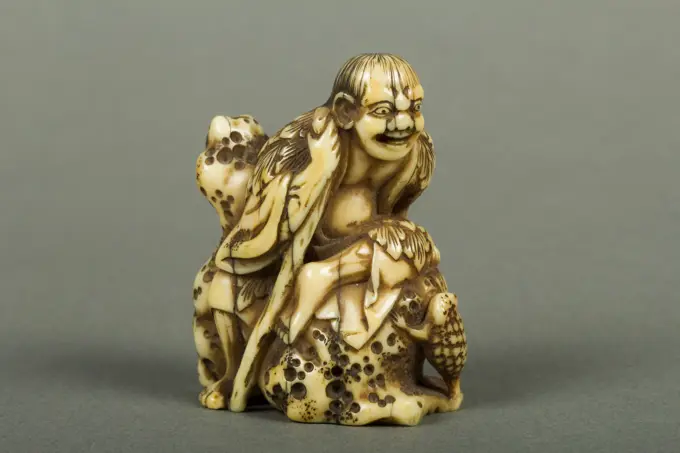
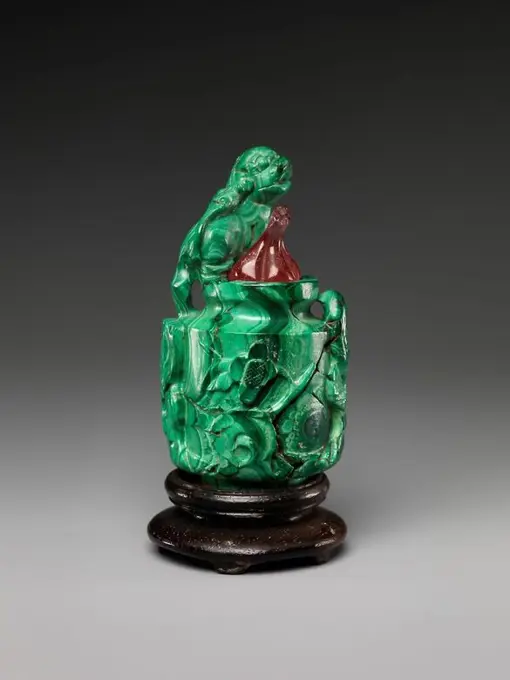
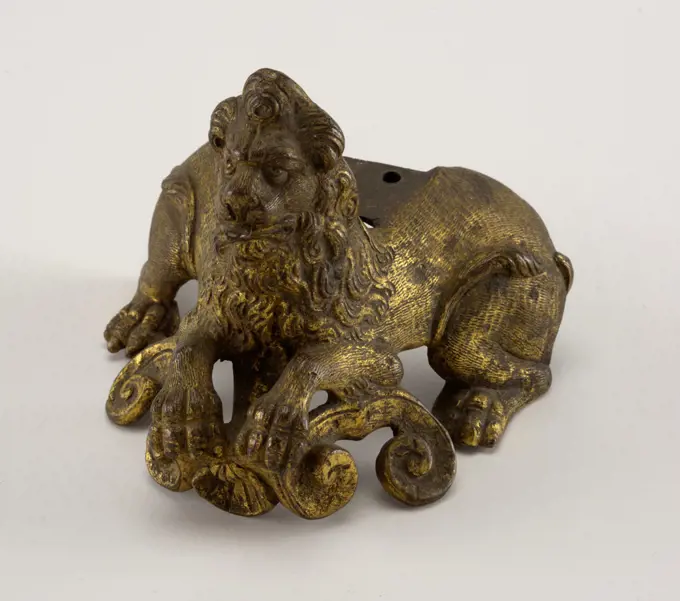
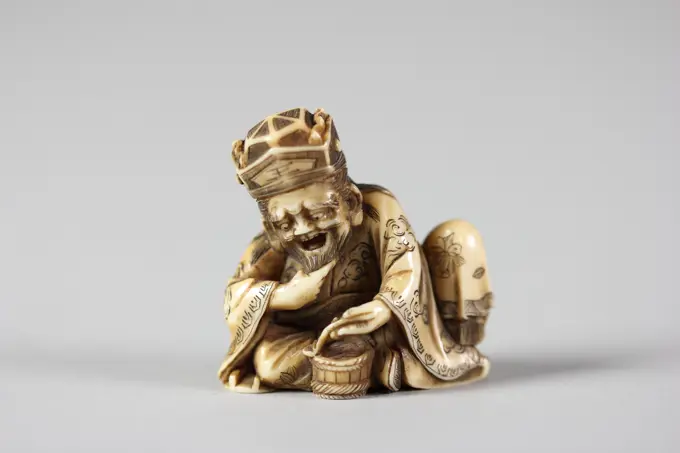
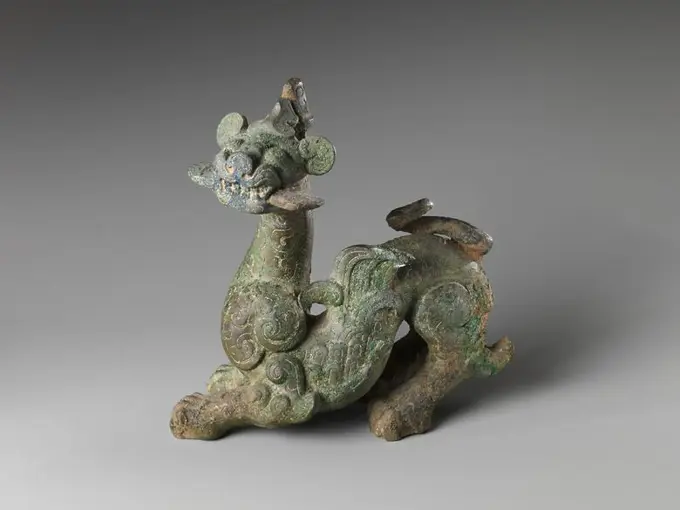
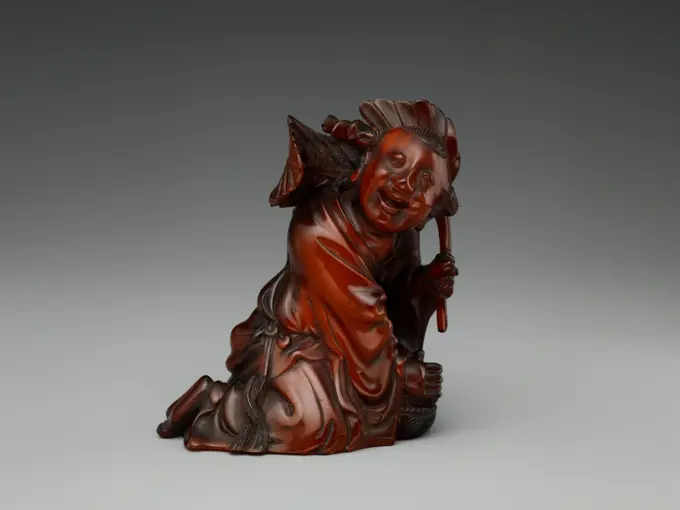
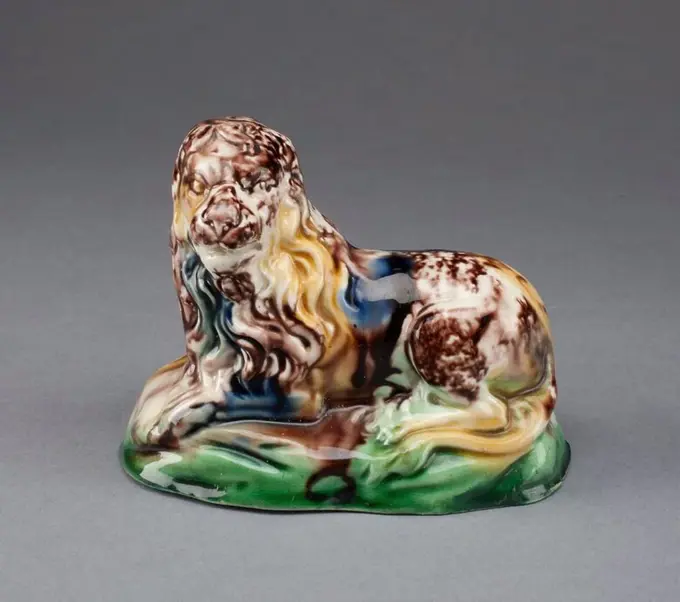
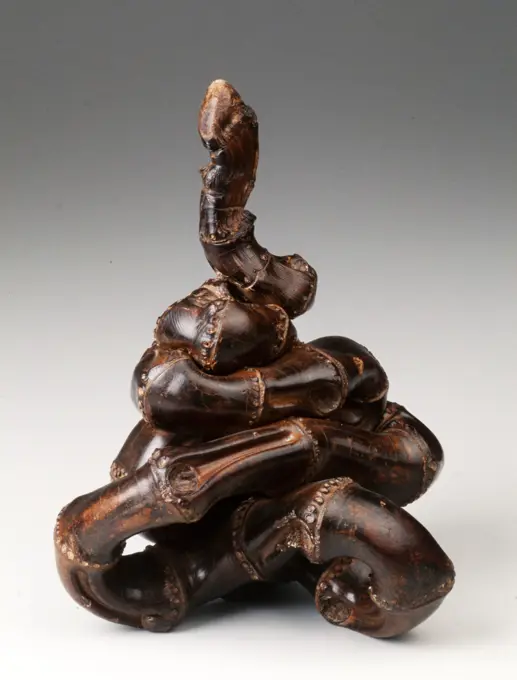
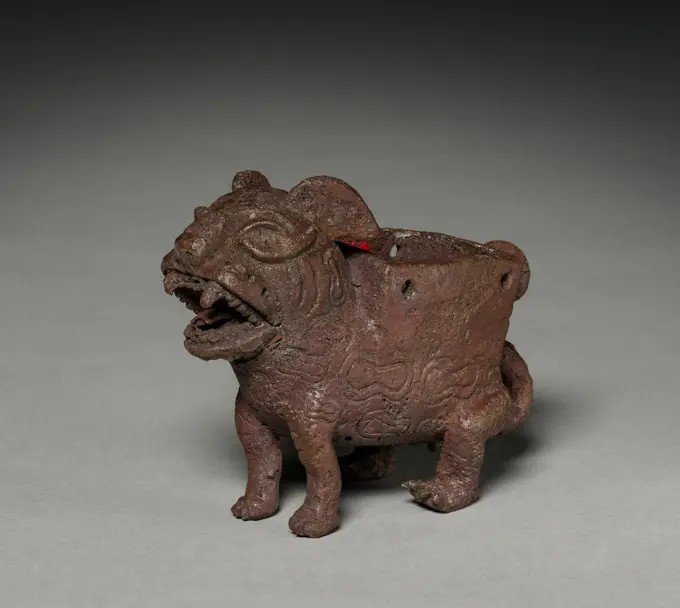
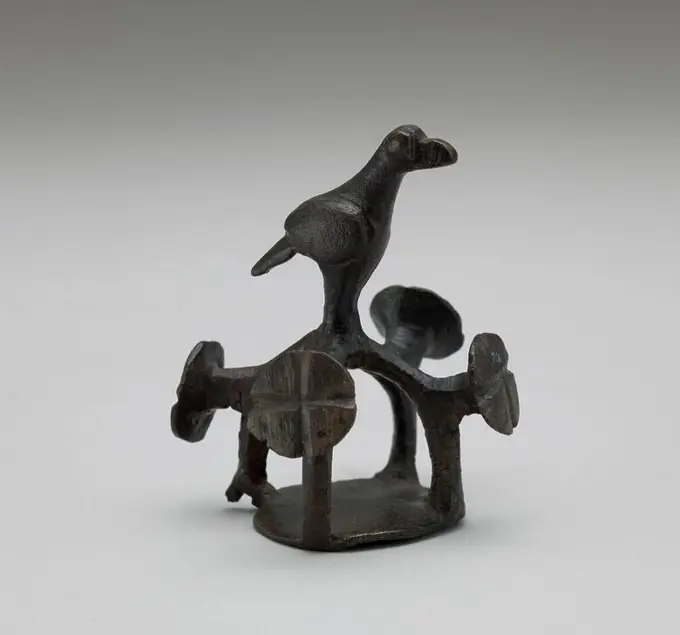
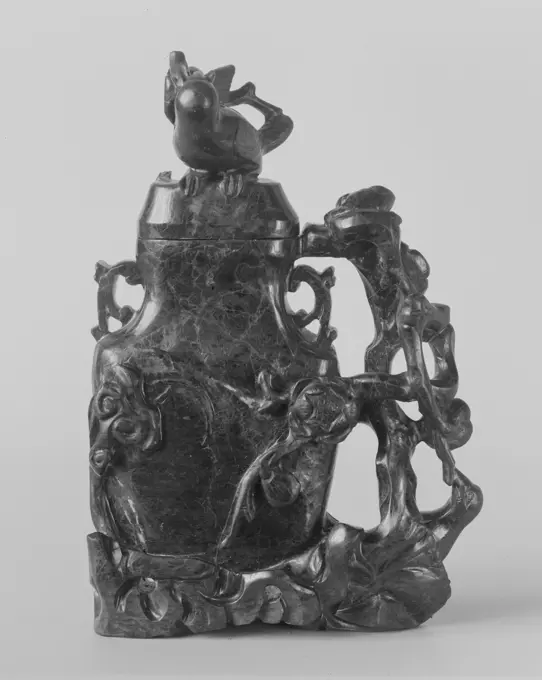
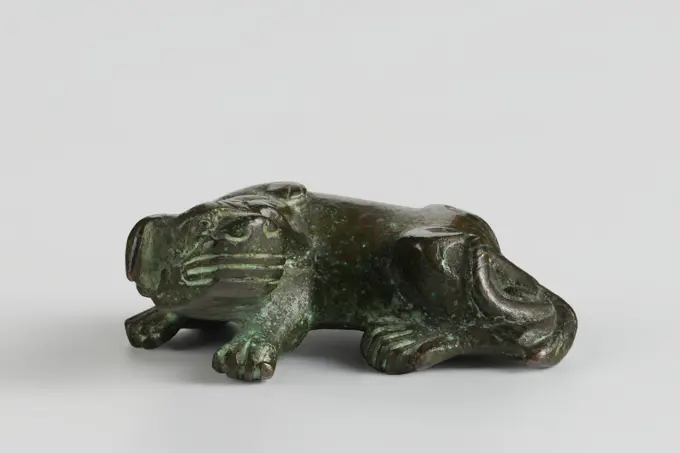
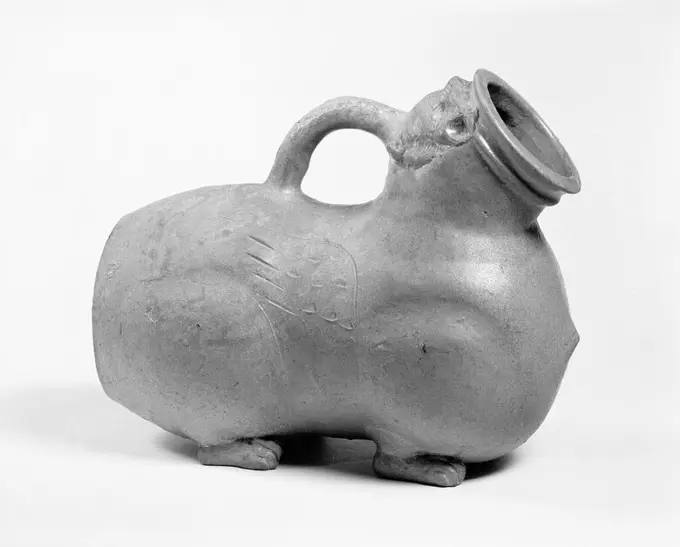
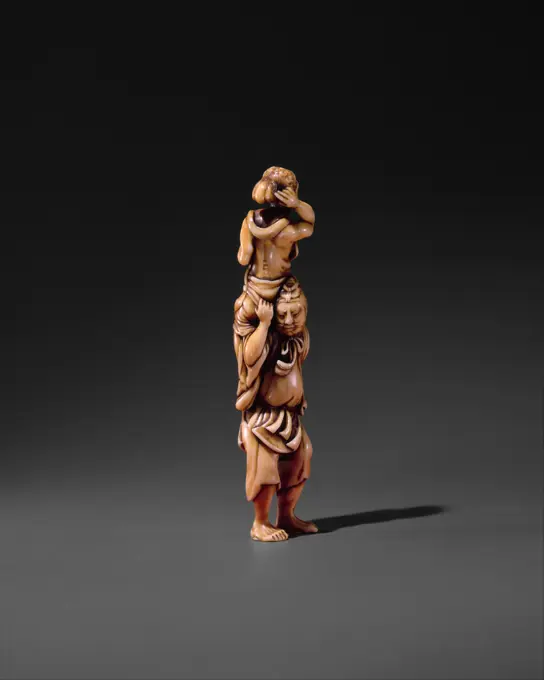
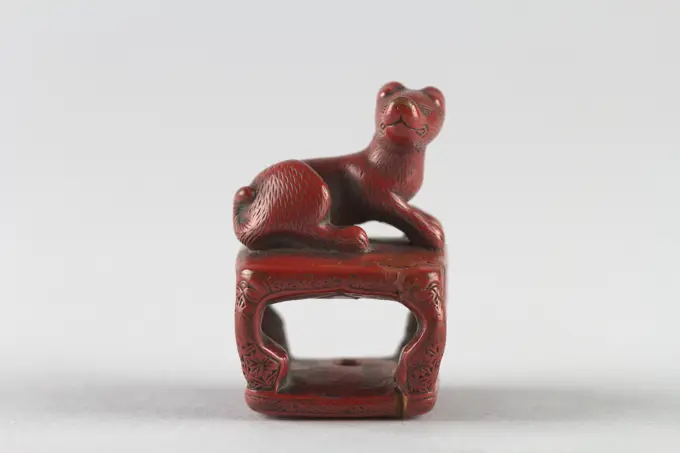
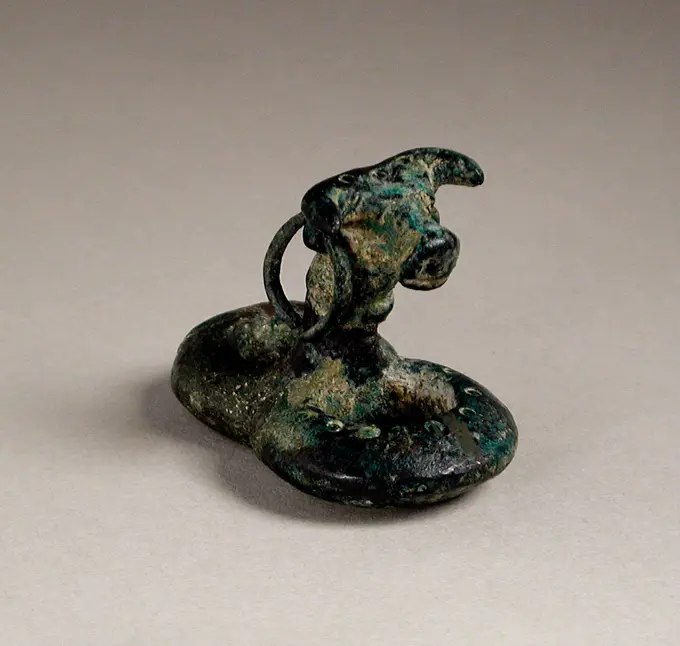
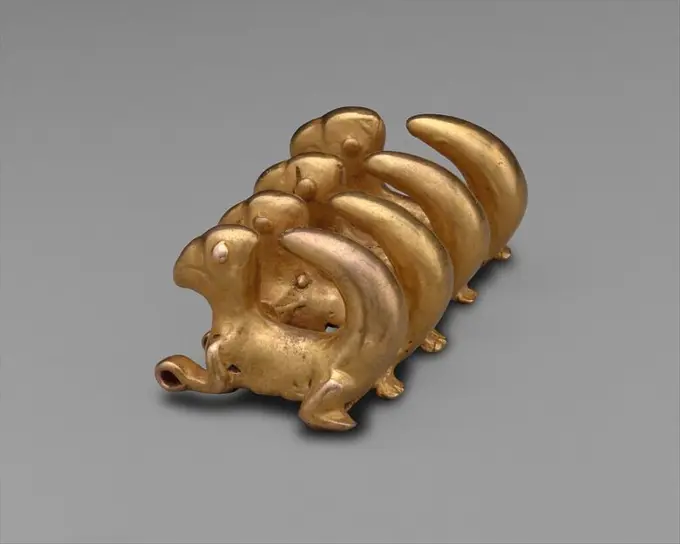
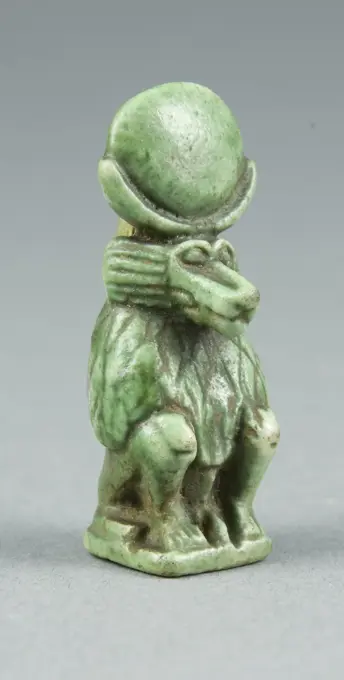
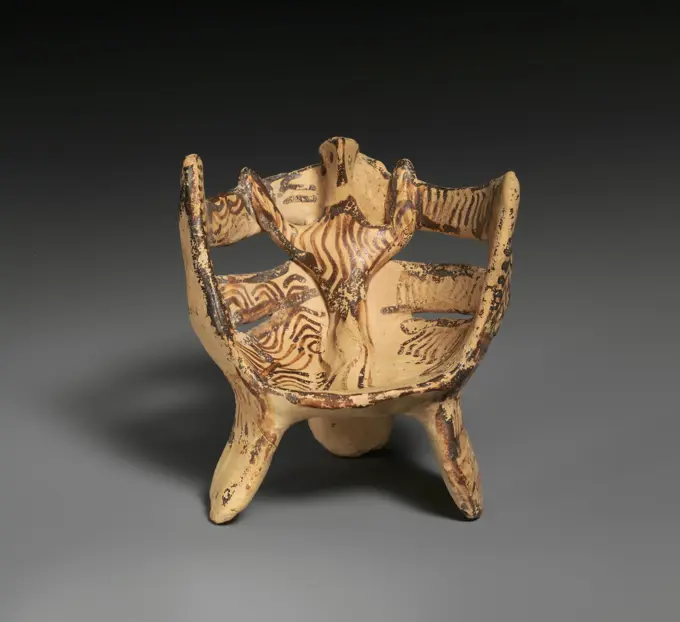
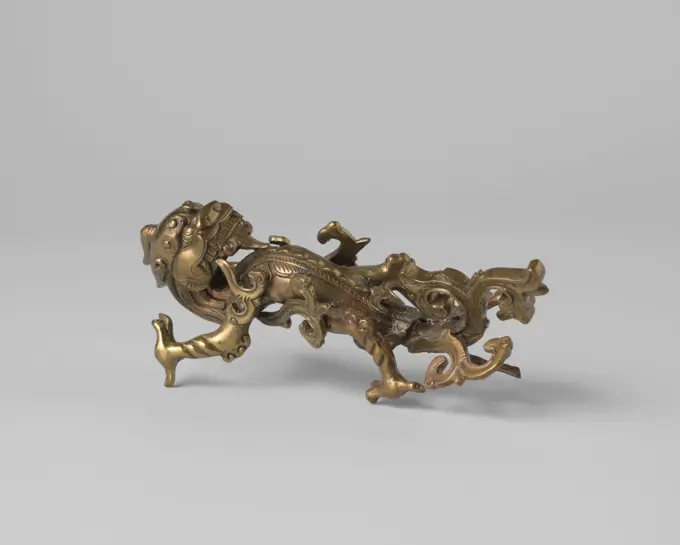
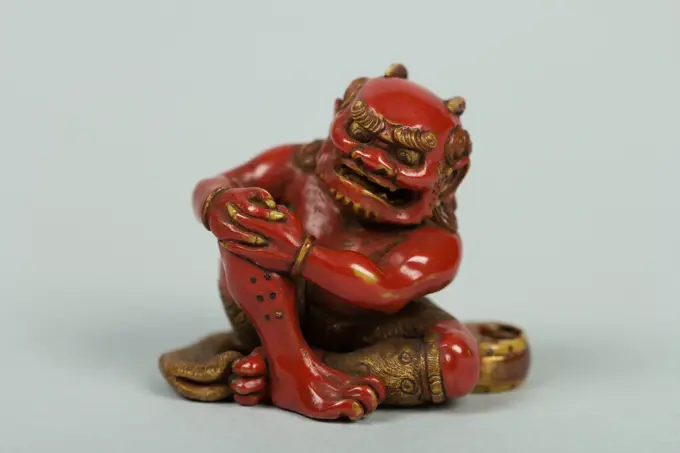
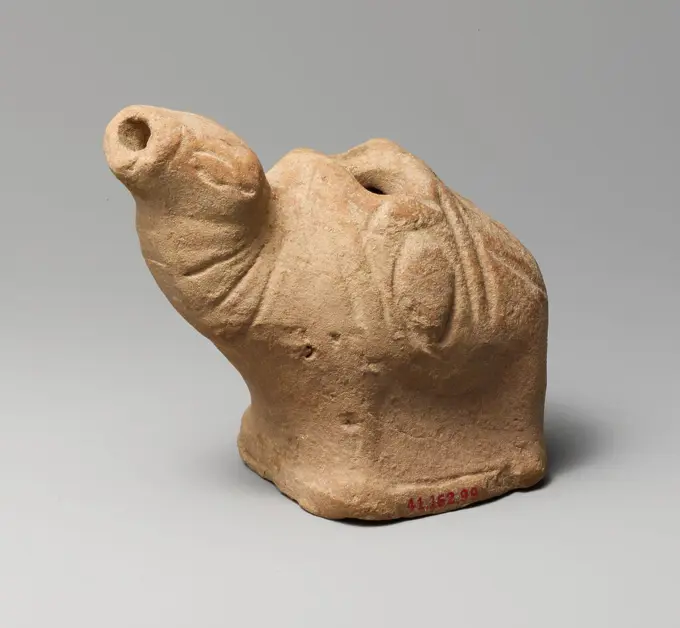
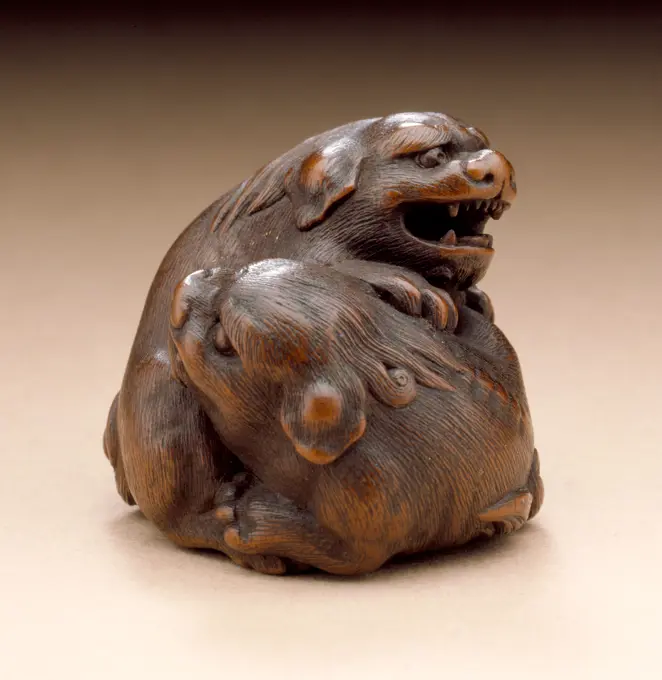
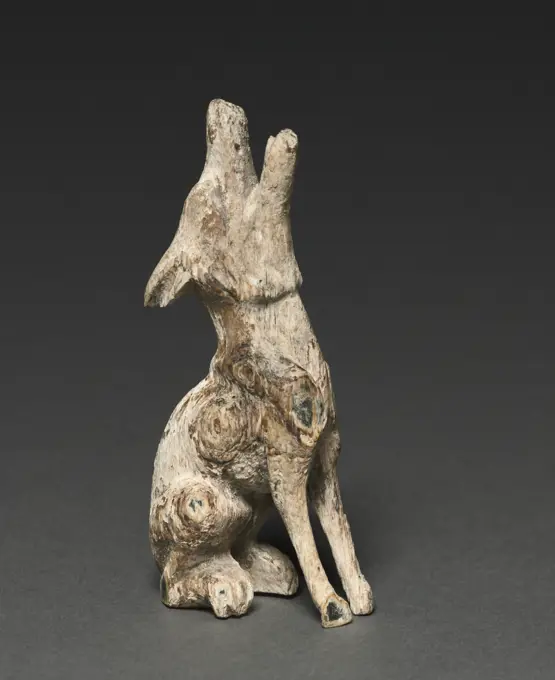
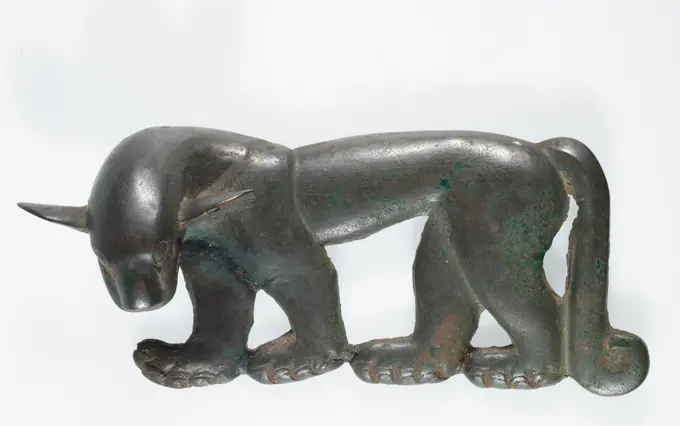
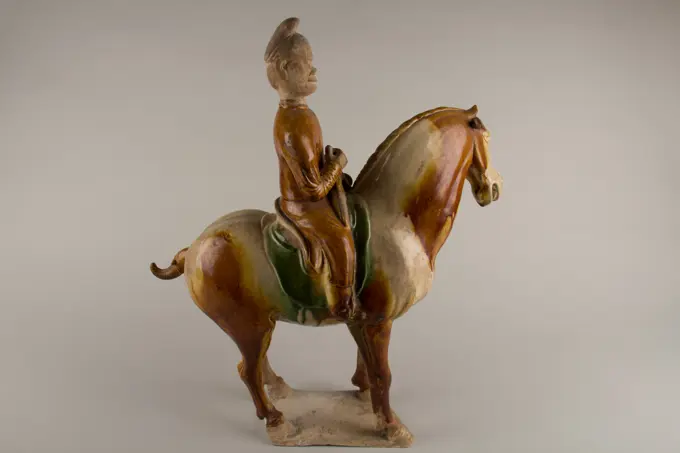
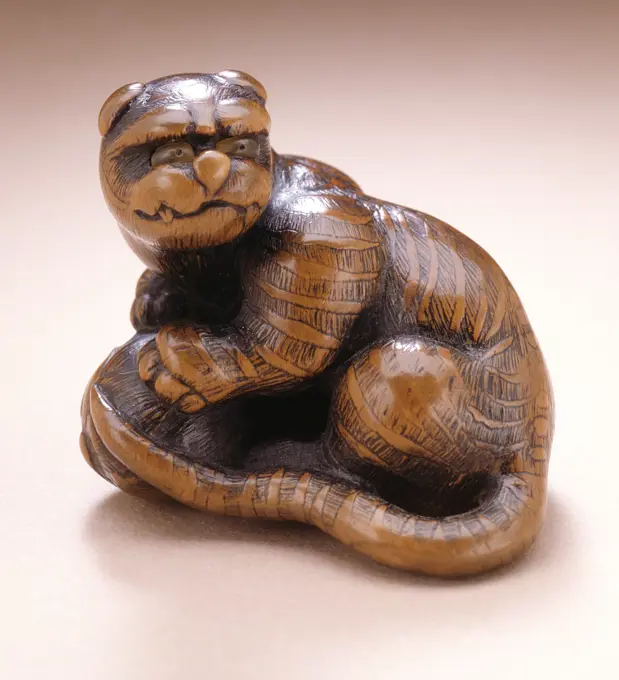
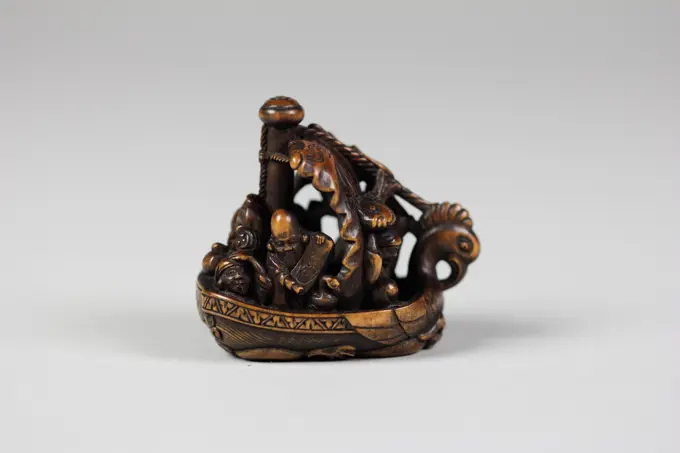
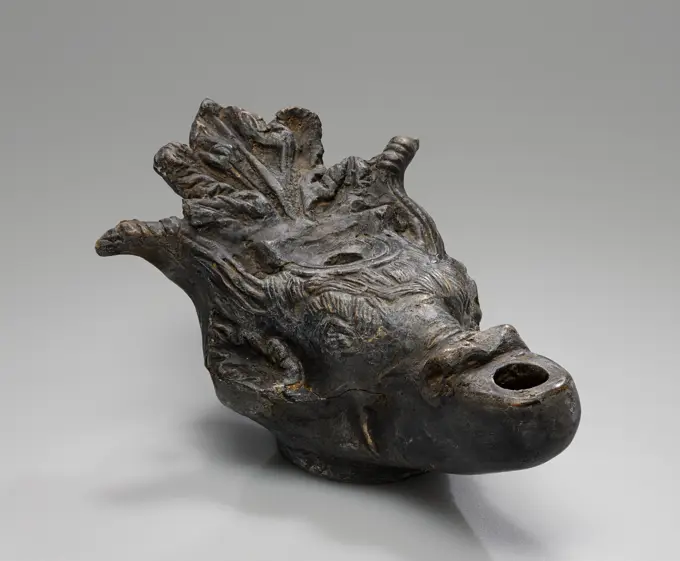
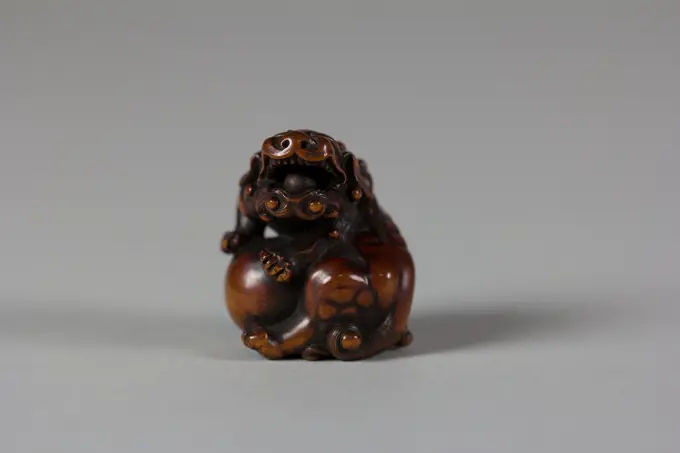
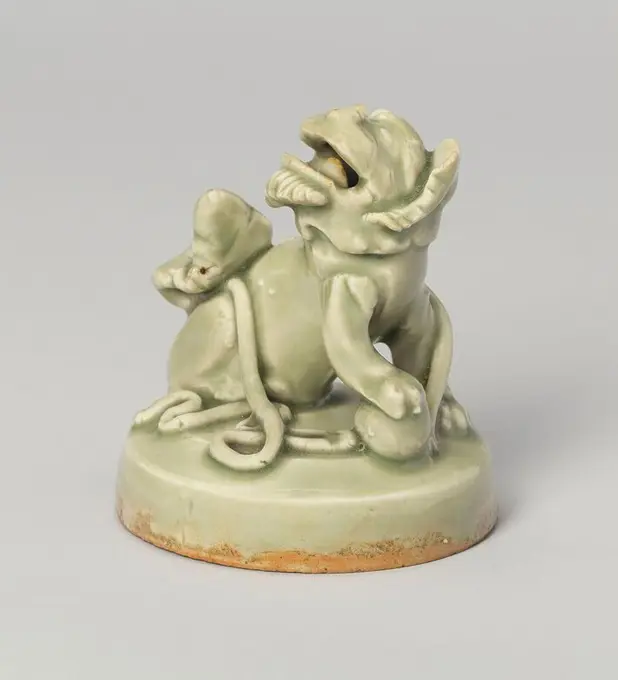
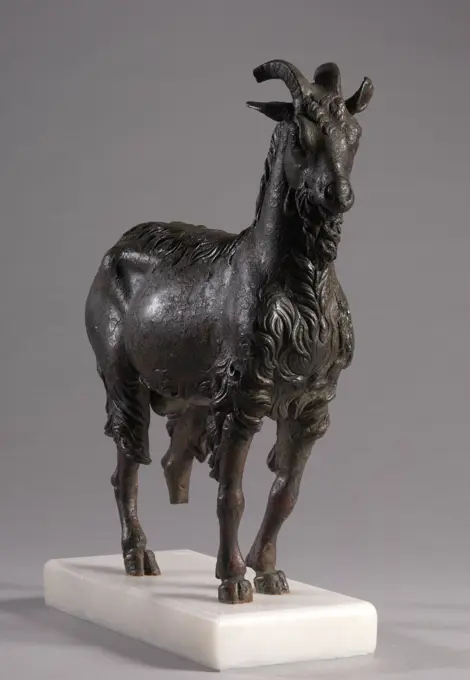
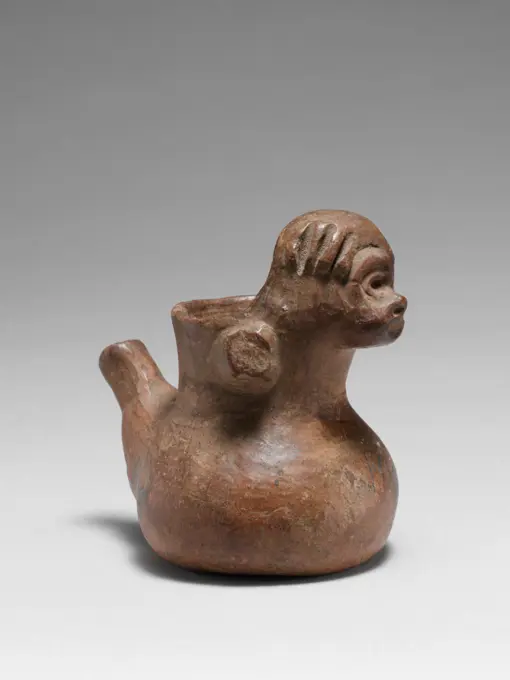
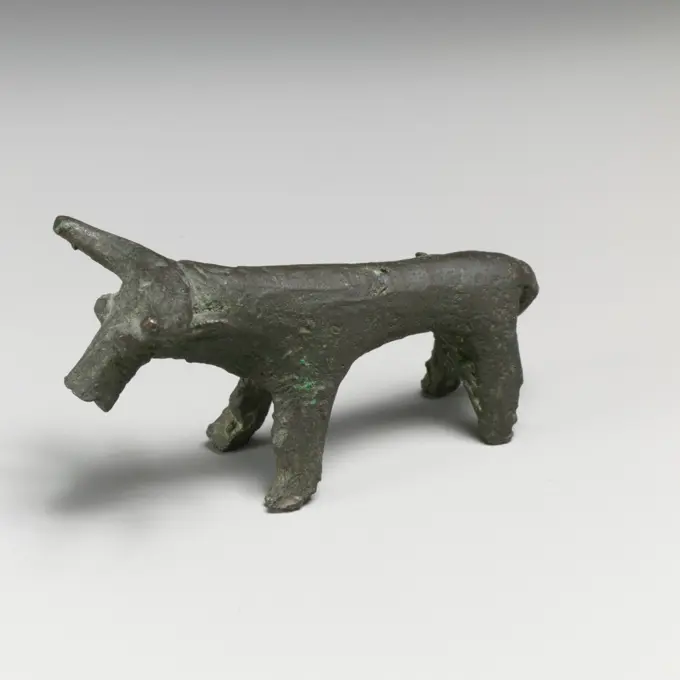
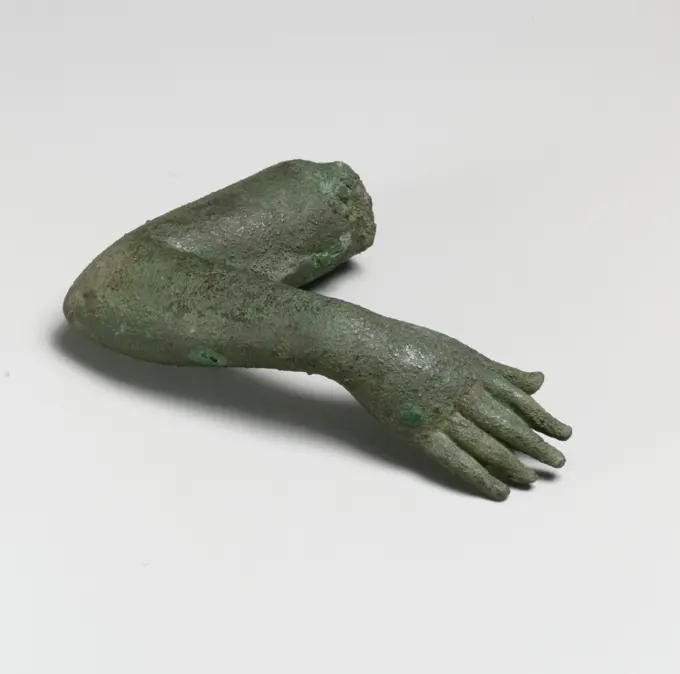
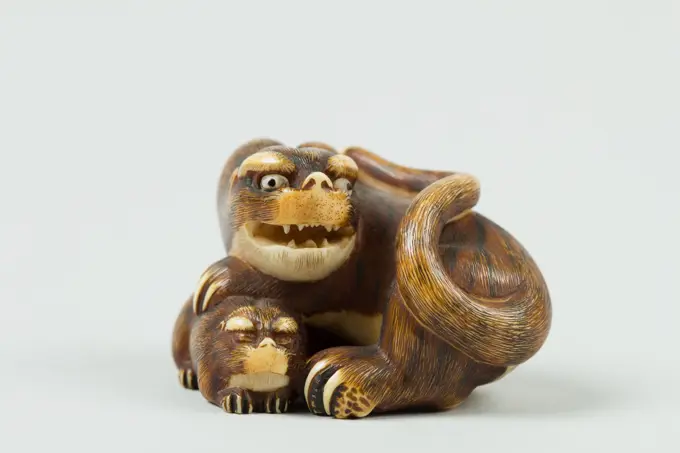
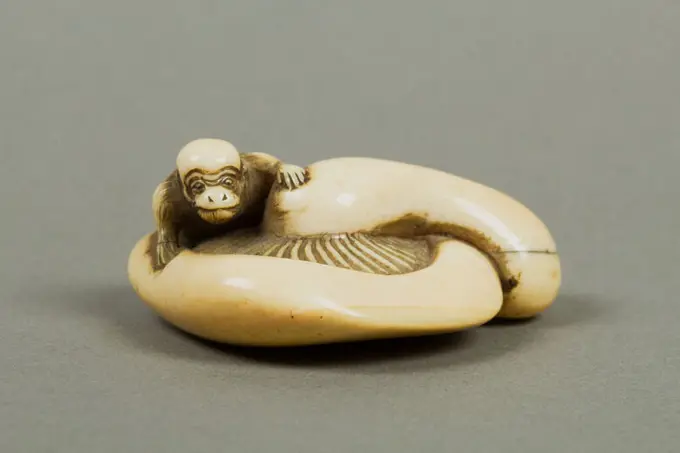
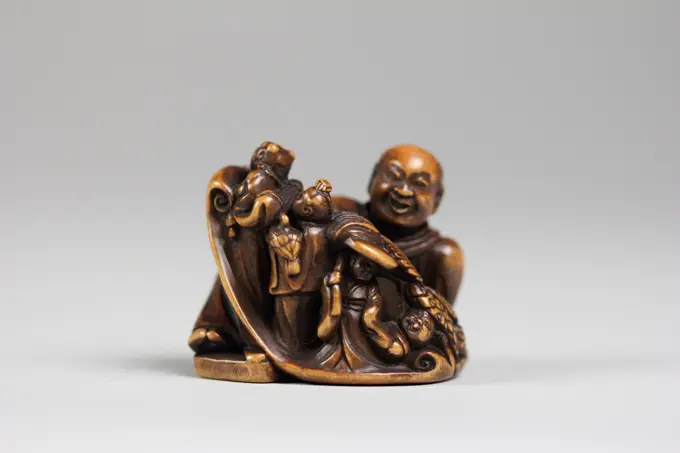
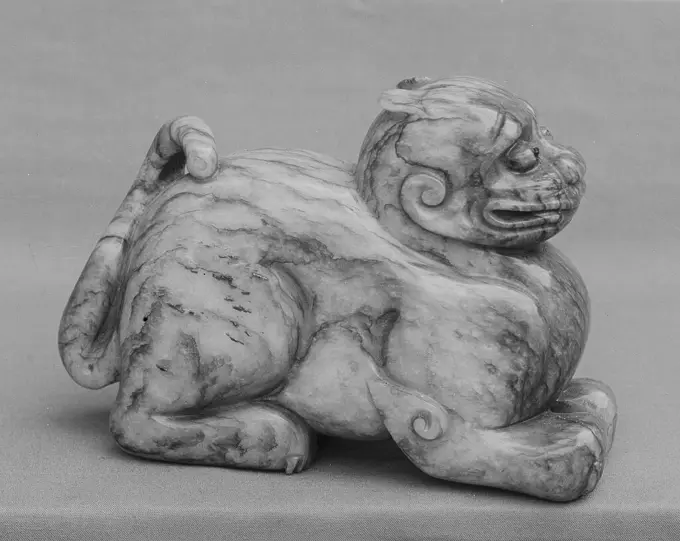
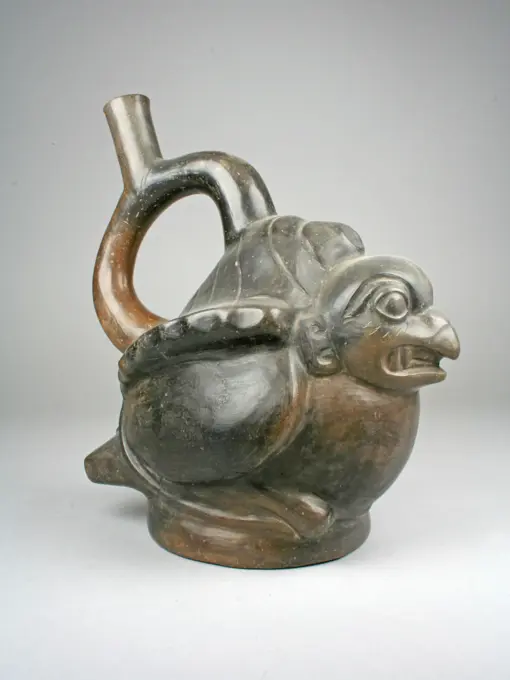
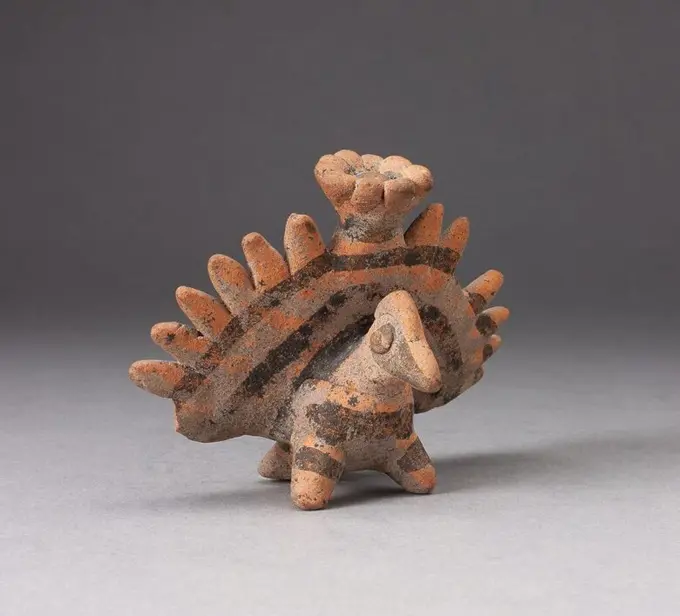
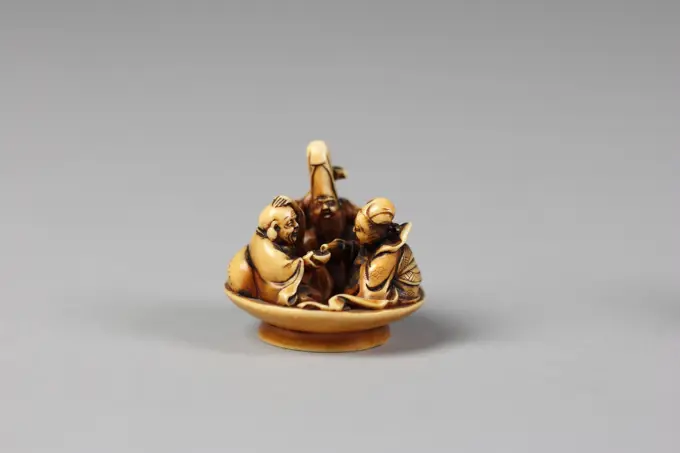
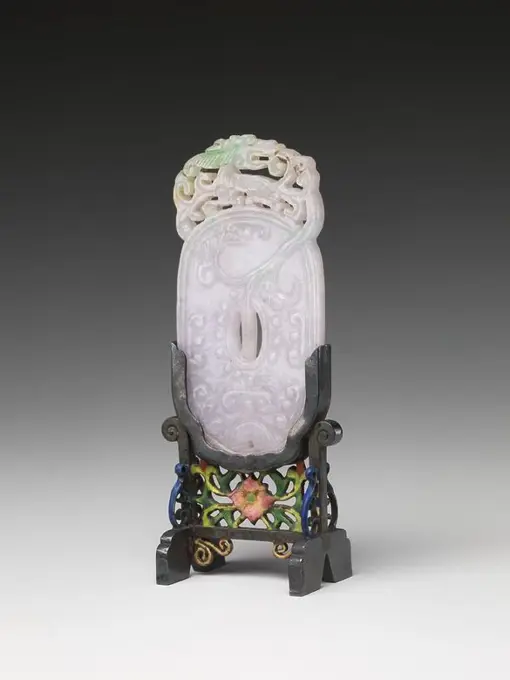
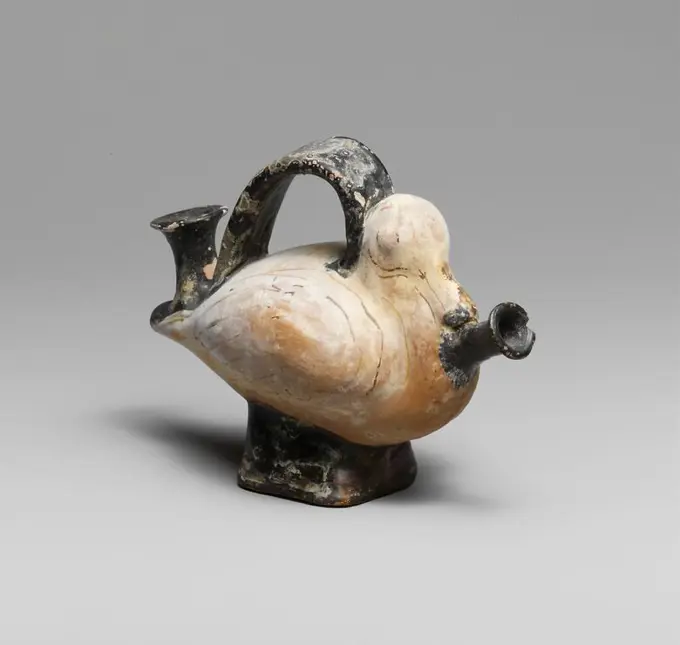
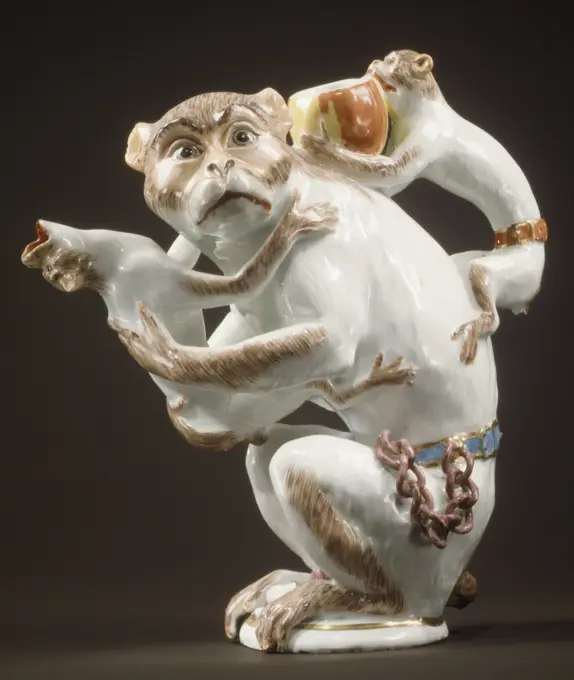
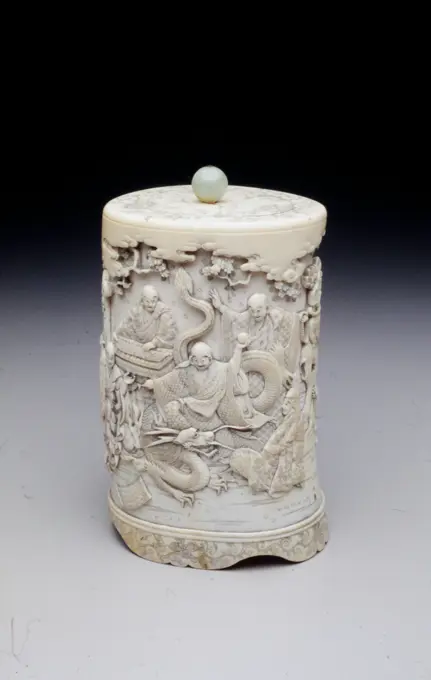
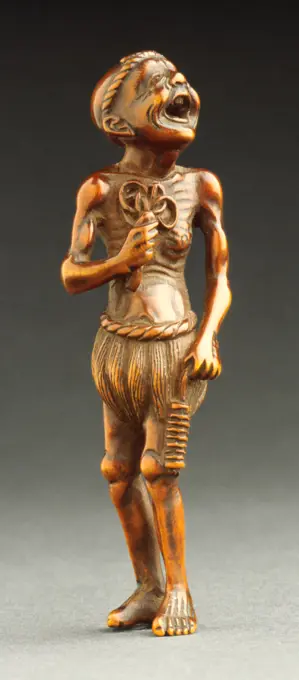
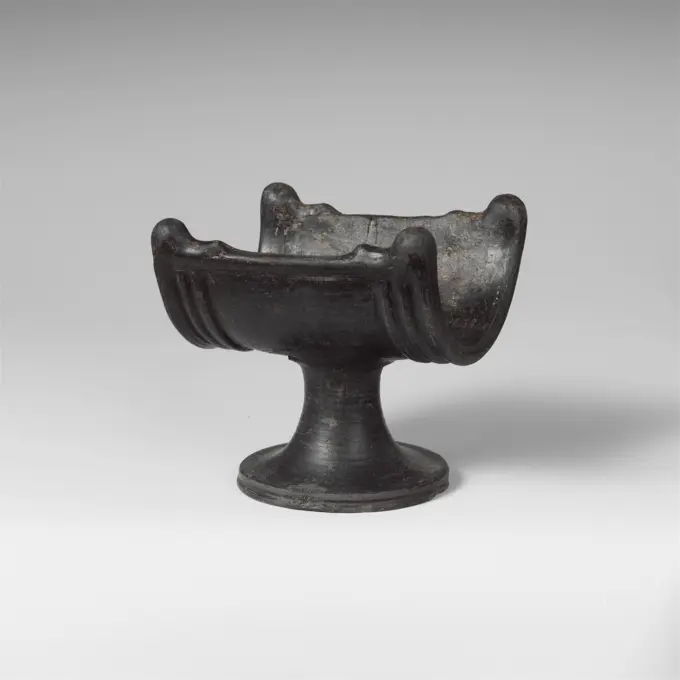
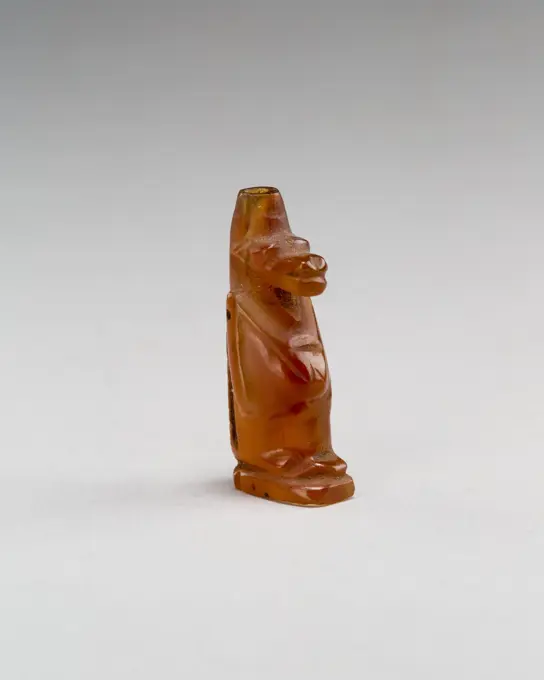
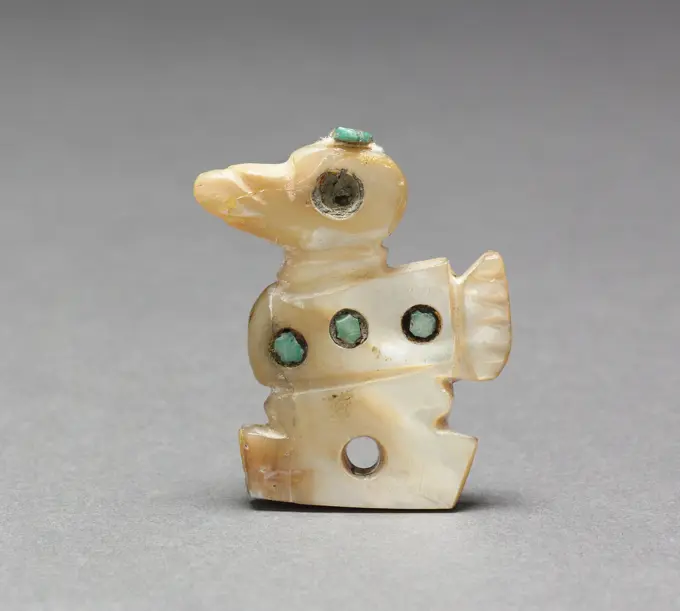
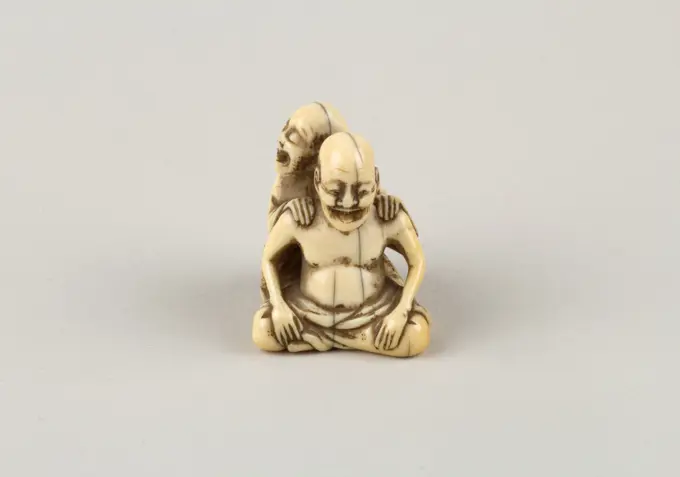
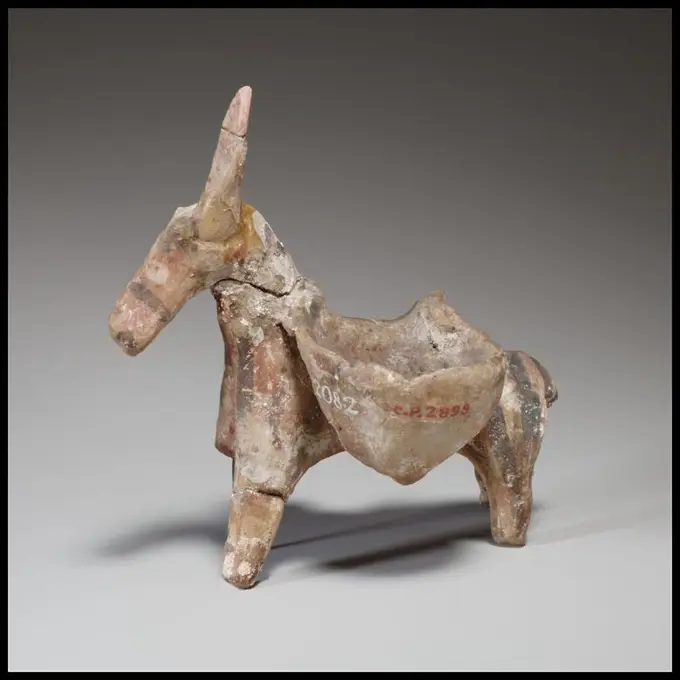
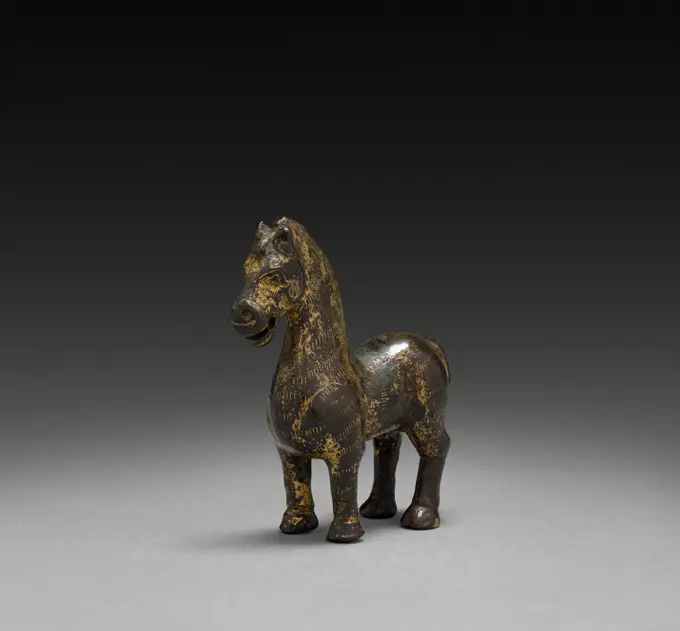
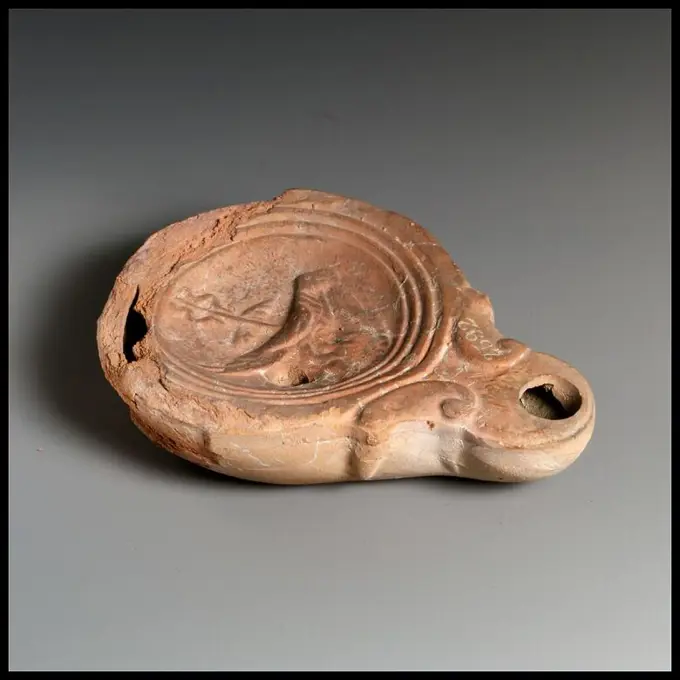
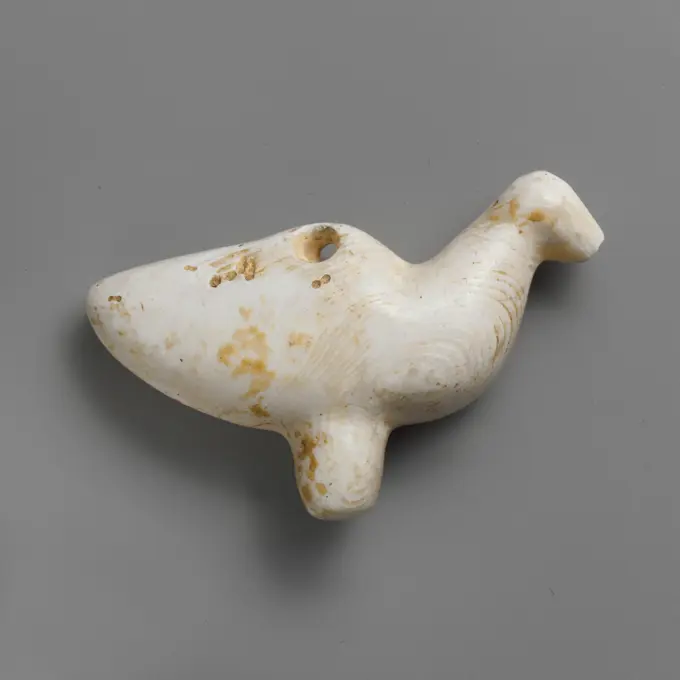
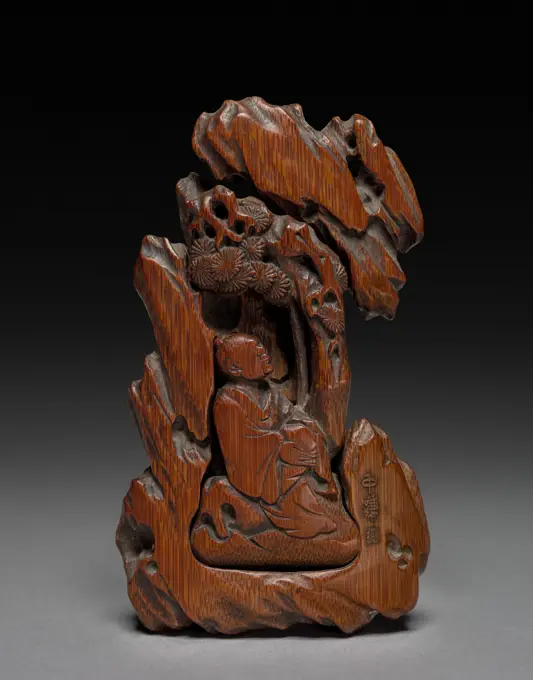
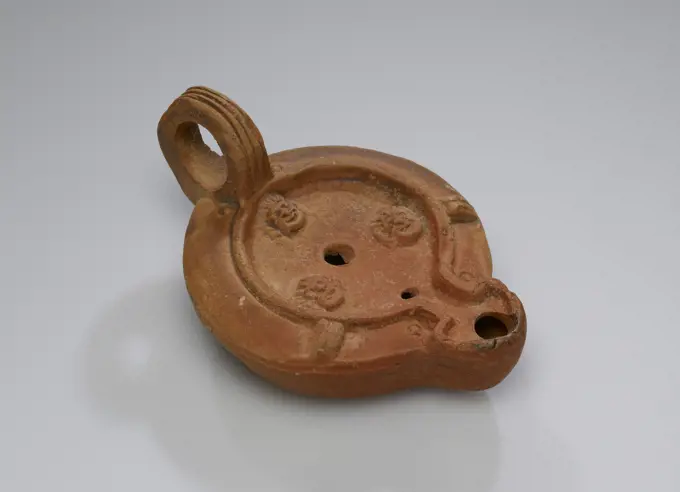
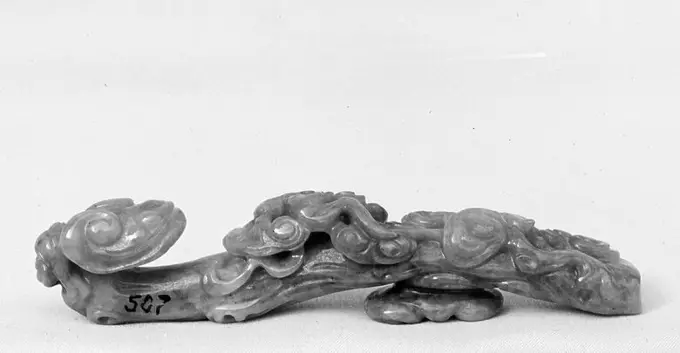
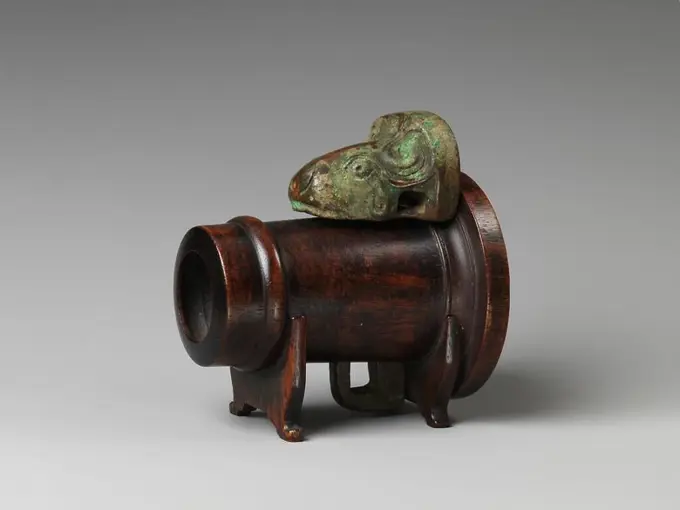
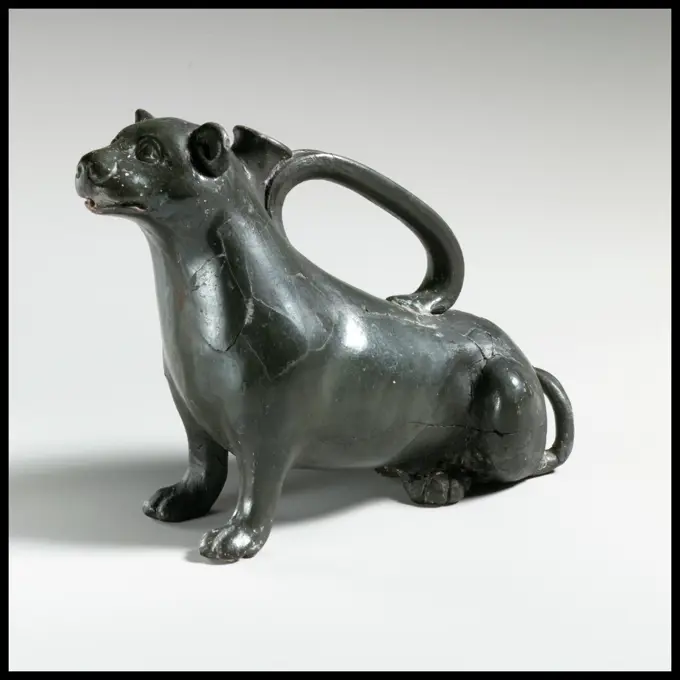
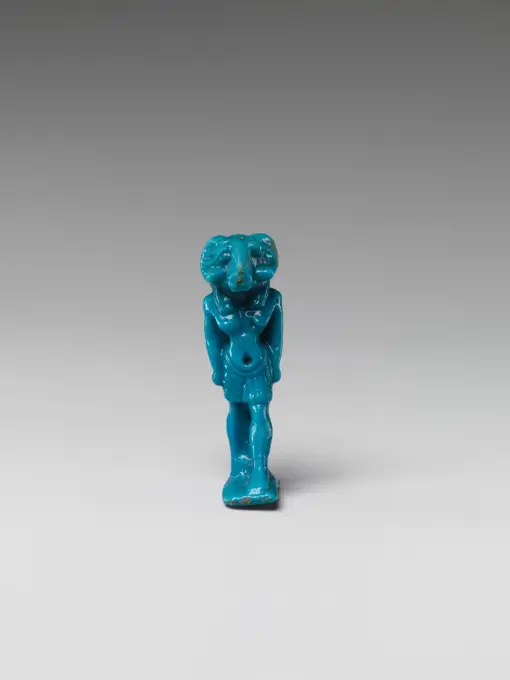
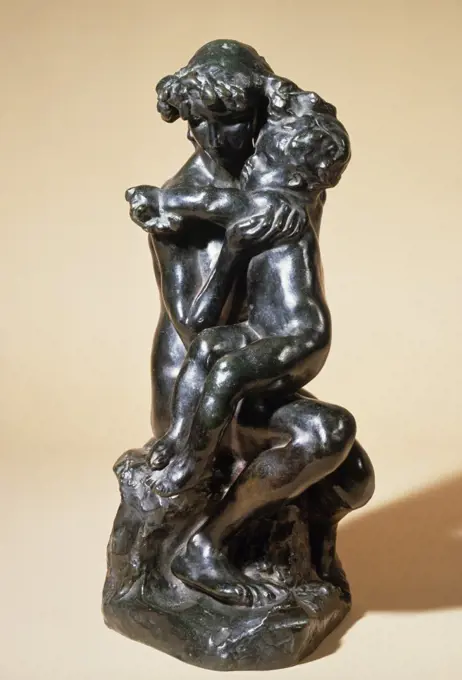
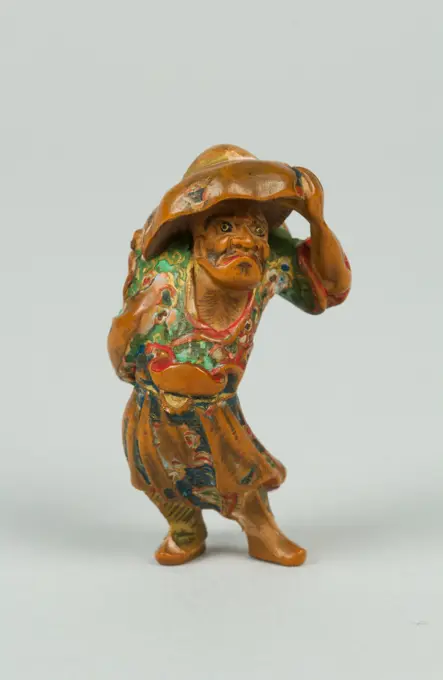
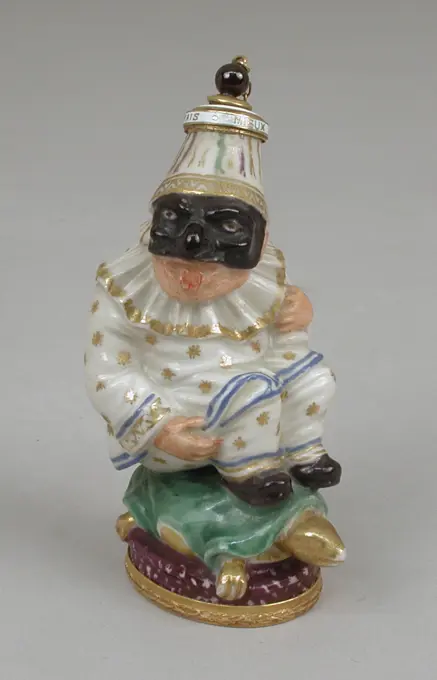
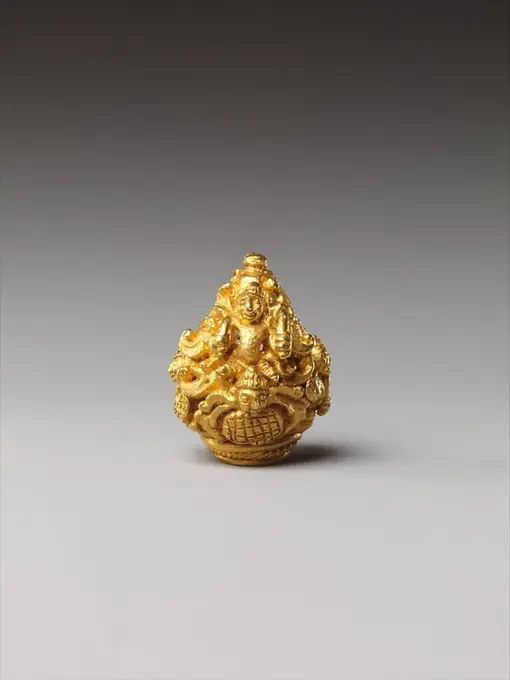
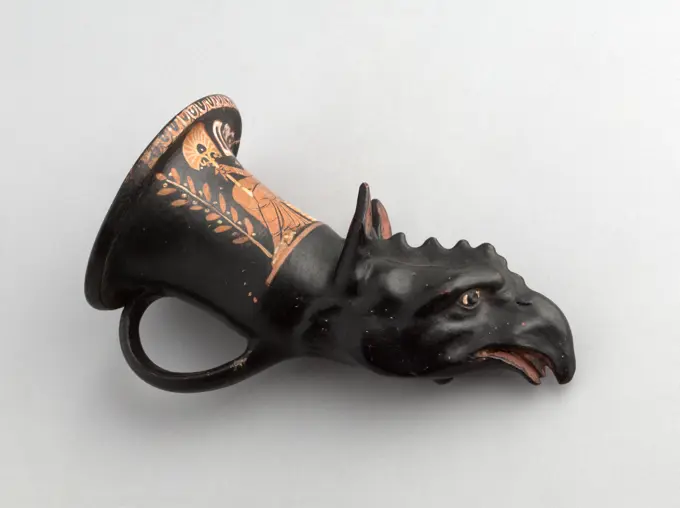
Figurine, before 1921. Colombia. Pottery; overall: 16 x 11.5 x 9.5 cm (6 5/16 x 4 1/2 x 3 3/4 in.).Netsuke of Old Man Sitting on a Rock 19th century Japan. Netsuke of Old Man Sitting on a Rock. Japan. 19th century. Ivory. Edo (1615-1868) or Meiji period (1868-1912). NetsukeRoof ornament in the shape of a phoenix. Terracotta. Cernuschi Museum, Asia Museum of Asia in the city of Paris.Snuff bottle with lion. Culture: China. Dimensions: H. 2 in. (5.1 cm). Museum: Metropolitan Museum of Art, New York, USA.Figure Ornament 3rd-7th century Moche. Figure Ornament 315237Support, Gilt bronze, Couchant lion with haunches spread, the back spanned by a flat plate with three holes, probably for attaching to base of candlestick. Protruding tongue, two tails, shell and volute scrolls., Italy, 18th century, metalwork, Decorative Arts, SupportNetsuke 19th century Japan. Netsuke 59908Ornament in the Shape of a Fantastic Winged Feline. Culture: China. Dimensions: H. 7 1/16 in. (17.9 cm); W. 7 1/4 in. (18.4 cm); D. 3 1/8 in. (7.9 cm). Date: 4th-3rd century B.C.. Museum: Metropolitan Museum of Art, New York, USA.Boy with leaves and box 19th century China Two boys each holding a lotus or a leaf in one hand and a box in the other are popular images symbolic of harmony and union. Known as the Two Immortals of Harmony (He-He Erxian)in reference to the characters for these virtues, both of which are read hethis pair is also thought to have been inspired by the legendary Tang dynasty (618-907) Buddhist monks Hanshan and Shide. (pair with 42.90.32a, b). Boy with leaves and box 653049Tiger and Cub. Tomotada (Japan, active before 1781). Japan, 18th century. Costumes; Accessories. Ivory with staining, sumi, inlaysLion. Staffordshire, England. Date: 1775-1785. Dimensions: 7.9 x 9.5 x 5.7 cm (3 1/8 x 3 3/4 x 2 1/4 in.). Lead-glazed earthenware (creamware). Origin: Staffordshire. Museum: The Chicago Art Institute, Chicago, USA.Stylized Shou Character, c. 1800, 8 3/8 x 6 3/4 x 5 1/2 in. (21.27 x 17.15 x 13.97 cm), Steamed bamboo, China, 18th-19th century, Beginning in the late Ming dynasty, the Chinese character for longevity, pronounced shou, became a common auspicious symbol. It was written as a large single character on hanging scrolls, embroidered on clothing, painted on porcelain, and even decorated birthday presents. To the literati, advanced age meant wisdom, accomplishment, refined sensibilities, determination, and endurance. This rather bizarre object, made for the scholar's table from a convoluted piece of bamboo, approximates the shape of the shou character.SnuffTablet.  Artist: UnknownMonkey with hat holding a chestnut, 19th century, Unknown Japanese, 2 1/4 x 1 x 1 1/16in. (5.7 x 2.5 x 2.7cm), Stag horn, Japan, 19th centuryMale Feline-Shaped Container, 50-800. Peru, North Coast, Moche style() (50-800). Cast copper alloy; overall: 7.7 x 10.2 cm (3 1/16 x 4 in.).Figurine of the god of fortune Fukurokuju unknownTwo Bird Finials and a Bird Pin. Dimensions: H. 2 3/8 in. (6 cm)Diam. ca. 1 3/4 in. (4.5 cm). Date: 10th-11th century. Museum: Metropolitan Museum of Art, New York, USA.Covered vase China. Covered vase. China. Jadeite. Qing dynasty (1644-1911), Qianlong period (1736-95). JadeLion fo;  XVII century () (1601-00-00-1700-00-00);Vessel in the Shape of a Tiger (Huzi). Culture: China. Dimensions: H. 7 3/8 in. (18.7 cm); W. 5 1/16 in. (12.9 cm); L. 9 1/8 in. (23.2 cm). Date: ca. 4th century.In southern China, especially in the coastal provinces of the southeast, pottery with a lime glaze was fired at the high temperature (above 1000 degrees centigrade). The yellowish green color is due to the presence of iron. Museum: Metropolitan Museum of Art, New York, USA.Netsuke of Omori Hikoshichi 18th century Japan. Netsuke of Omori Hikoshichi 60405Netsuke of Dog on a Stand 19th century Japan. Netsuke of Dog on a Stand. Japan. 19th century. Red lacquer. Edo (1615-1868) or Meiji period (1868-1912). NetsukeHarness Fitting ('Bow Ring'). Iran, Luristan, 1st millennium B.C.. Tools and Equipment; horse trappings. Bronze, castCurly-Tailed Animal Pendant. Culture: Chiriqu (), Initial Style. Dimensions: H. 1 1/4  W. 2 3/4  D. 1 1/2 in. (3.2  7  3.8 cm). Date: A.D. 100-500.This pendant, assigned to the Initial Style of the early first millennium AD, features four contiguous creatures, their wide tails arching over their backs. Este colgante, asignado al Estilo Inicial del primer milenio d. C., presenta cuatro seres contiguos, con colas anchas arqueadas sobre sus espaldas.Further informationCurly-tailed animals appear on pendants in groups of two, four, or six, though single animals are more common. The number symbolism and the meaning of these often indistinguishable creatures are not known but may relate to cosmological concepts and mythology. Suspension holes are invariably through the front feet, so the animals face upward when worn. (A Costa Rican stone figure in this gallery wears such a pendant.) Initial-style objects represent the earliest Isthmian works in gold. Museum: Metropolitan MAmulet of Thoth Made 332 BCE-30 BCE Egypt. Thoth, a god of wisdom and writing, could be shown as an ape or an ibis-headed man. The disk on the apeís head alluded to his association with the moon.. Glazed steatite . Ancient EgyptianTerracotta female figure in three-legged chair 13th century B.C. Helladic, Mycenaean Such representations are often interpreted as thrones with a deity. There are comparable works of Geometric date, (see 31.11.8), exhibited in a nearby case.. Terracotta female figure in three-legged chair. Helladic, Mycenaean. 13th century B.C.. Terracotta; hand-made. Late Helladic IIIB. TerracottasInlaid Rams headMonkey still bank, late 19th century, 6 1/8 x 2 1/2 x 2 1/2 in. (15.56 x 6.35 x 6.35 cm), Redware, United States, 19th centuryHanden van Geel Copper from Pelgrimsvas, Anonymous, 1800 - 1825 Handen of yellow copper from Pelgrimsvas. China copper (metal) Handen of yellow copper from Pelgrimsvas. China copper (metal)Netsuke of Demon 19th century Japan. Netsuke of Demon. Japan. 19th century. Red lacquer. Edo (1615-1868) or Meiji period (1868-1912). NetsukeTerracotta lamp in the form of a camel. Culture: Greek or Roman. Dimensions: H. 3 7/8 in. (9.8 cm). Date: 3rd century B.C.-3rd century A.D..Lamp in the form of a camel. Museum: Metropolitan Museum of Art, New York, USA.Pair of Chinese Lions. Kanō Tomokazu (Japan, active circa 1764/1771-circa 1830/1843). Japan, early 19th century. Costumes; Accessories. WoodHowling Wolf, c. 500-200 BC. Southern Siberia, 5th-3rd Century BC. Wood with shell inlays; overall: 11.1 x 3.3 x 5.9 cm (4 3/8 x 1 5/16 x 2 5/16 in.).Panther, 4th-3rd century BCE, 3 1/4 x 7 1/2in. (8.3 x 19cm), Bronze, China, 4th-3rd century BCEHorse and rider 7th-8th century China. Horse and rider 46109Tiger and Bamboo Shoot. Masahide (Japan, active 19th century). Japan, early 19th century. Costumes; Accessories. Wood with inlaysNetsuke of Pleasure Boat (Takarabune) 19th century Japan. Netsuke of Pleasure Boat (Takarabune). Japan. 19th century. Wood. Edo (1615-1868) or Meiji period (1868-1912). NetsukeLamp. UnknownBurnt-Parfum (common name). Sandstone, molding, celadon. Cernuschi Museum, Asia Museum of Asia in the city of Paris.Netsuke of Lion 18th century Japan. Netsuke of Lion 60454Mirror Stand in the Shape of an Ox, 1644-1911. China, Qing dynasty (1644-1911). Bronze; overall: 9.6 x 7.8 cm (3 3/4 x 3 1/16 in.).ReclinatorioSeal, 1368- 1644. China, Ming dynasty (1368-1644) or earlier. Bronze; overall: 3.1 cm (1 1/4 in.).Lid with Lion-Dog, probably for Incense Burner. China. Date: 1100-1199. Dimensions: H. 8.5 cm (3 3/8 in.); diam. 7.9 cm (3 1/8 in.). Yaozhou ware; stoneware with underglaze molded decoration. Origin: China. Museum: The Chicago Art Institute, Chicago, USA.Road Porter. Japan, 18th century. Costumes; Accessories. WoodBelt hook, 5th-4th century BCE, 3 5/8 × 1 7/16 × 5/8 in., 0.2 lb. (9.21 × 3.65 × 1.59 cm, 0.1 kg), Bronze, China, 5th-4th century BCENanny Goat, late 2nd Century BC. Greece, Hellenistic period. Bronze; overall: 30.5 x 31.1 cm (12 x 12 1/4 in.).Pottery Whistle 300-1200 Mexican (Veracruz). Pottery Whistle. Mexican (Veracruz). 300-1200. Clay. Pre-Columbian. Veracruz, Mexico. Aerophone-Whistle Flute-whistleBronze statuette of a bull 7th century B.C. Greek Statuette of a bull with horns pointing forward.. Bronze statuette of a bull. Greek. 7th century B.C.. Bronze. Archaic. BronzesMonkey holding a wine bag, anonymous, 618 - 907 The monkey is upright, turned to the right and holds a leather wine bag with two hands. China earthenware. putty (sealing compound) vitrification The monkey is upright, turned to the right and holds a leather wine bag with two hands. China earthenware. putty (sealing compound) vitrificationArm fragment of Aphrodite 30 B.C.-A.D. 364 Egyptian; el-Bahnasa Fragment of an arm.. Arm fragment of Aphrodite 246677Netsuke of Tiger and Cub 19th century Japan. Netsuke of Tiger and Cub. Japan. 19th century. Ivory. Edo (1615-1868) or Meiji period (1868-1912). NetsukeTerracotta vase in the form of a ram. Culture: Greek, South Italian, Campanian. Dimensions: H. 3 9/16 in. (9.07 cm)Length 13 3/16 in. (33.5 cm). Date: 4th century B.C..This vase may have served as a baby-feeder. Museum: Metropolitan Museum of Art, New York, USA.Netsuke of Monkey on a Mushroom. Culture: Japan. Dimensions: H. 13/16 in. (2.1 cm); W. 1 1/2 in. (3.8 cm); L. 1 3/4 in. (4.4 cm). Date: 18th century. Museum: Metropolitan Museum of Art, New York, USA.Netsuke 19th century Japan. Netsuke. Japan. 19th century. Wood. Edo (1615-1868) or Meiji period (1868-1912). NetsukeHead of a bronze sceptre. Artist: UnknownNetsuke of Two Children Japan 18th-19th centuryNetsuke of Octopus and Monkey. Culture: Japan. Dimensions: H. 1 3/4 in. (4.4 cm); W. 1 3/8 in. (3.5 cm). Date: 19th century. Museum: Metropolitan Museum of Art, New York, USA.Tiger: emblem of the West. Culture: China. Dimensions: H. 3 1/4 in. (8.3 cm); W. 4 3/4 in. (12.1 cm); D. 1 9/16 in. (4 cm). Museum: Metropolitan Museum of Art, New York, USA.Stirrup Spout Bottle with Bird and Snake 5th-7th century Moche This black stirrup-spout bottle depicting a bird with a conch shell on its back was fabricated by ceramicists of the Moche culture on the North Coast of Peru. The wide-open eyes, including the small incisions underneath them, are indicative of the avian species, but the E-shaped ears and large incisors suggest a supernatural character. It is unclear if the animal, which based upon the shape of its beak and eyes is a raptor, carries or emanates from the Strombus shell. In its feet the bird clutches a thin snake modeled along the base of the vessel. As there was no tradition of writing in South America prior to the arrival of Europeans in the sixteenth century, it is difficult to determine with precision the meaning of this imagery. The stirrup-spout vesselthe shape of the spout recalls the stirrup on a horse's saddlewas a much favored form on Peru's northern coast for about 2,500 years. Although the importance and symbolisMiniature Figure in the Form of a Bird with Exaggerated Tailfeathers 100 CE-300 CE Colima state. Ceramic and pigment . ColimaWater Dropper in the Form of a Fantastic Quadruped (Kilen). Thailand, Sawankhalok, circa 1400-1600. Tools and Equipment; water droppers. Molded stoneware with cream slip, underglaze brown painted decoration, and pale blue glazeMiniature Figure in the Form of a Bird with Exaggerated Tailfeathers. Colima; Colima, Mexico. Date: 100 AD-300 AD. Dimensions: 8.6 × 11.4 cm (3 3/8 × 4 1/2 in.). Ceramic and pigment. Origin: Colima state. Museum: The Chicago Art Institute, Chicago, USA.Netsuke of Fukurokujin, Hotei and Benten in Sake Dish mid-19th century Japan. Netsuke of Fukurokujin, Hotei and Benten in Sake Dish 60077Ornament in the shape of an archaic jade disk. Culture: China. Dimensions: H. 3 3/4 in. (9.5 cm); W. 1 3/4 in. (4.4 cm). Date: 18th century. Museum: Metropolitan Museum of Art, New York, USA.Horse, 17th Century or earlier. China, Ming dynasty (1368-1644) - Qing dynasty (1644-1911). Jade; overall: 3.5 cm (1 3/8 in.).Box for Incense with Cover 18th century Japan. Box for Incense with Cover. Japan. 18th century. Pottery (Kyoto ware). Edo period (1615-1868). CeramicsTerracotta askos (flask with a spout and handle over the top) in the form of a duck. Culture: Greek, Attic. Dimensions: H. 3 7/8 in. (9.8 cm)L. 5 1/2 in. (14 cm). Date: 4th century B.C..White painted duck with black spout below beak; black handle above back and black mouth at base of tail. Museum: Metropolitan Museum of Art, New York, USA.Teapot 1735 Meissen Manufactory German. Teapot. German, Meissen. 1735. Hard-paste porcelain. Ceramics-PorcelainSitting figure. Terracotta figure, without head and legs. The body, provided with thickly indicated bracelets and neck cord, shows a slightly turned position and the arms hold a round, flat object. Possibly a sacrifice scale or drumSennin, c. 1900, Unknown Japanese, 6 1/8 x 6 1/8 x 3 3/8 in. (15.6 x 15.6 x 8.6 cm), Ivory, jade bead, Japan, 19th-20th centuryPeddler. Japan, early 19th century. Costumes; Accessories. WoodTerracotta stand 6th century B.C. Etruscan Stands of this common type seem to have been used for vegetal or floral offerings. The Metropolitan Museum is fortunate to own a pair of Attic stands (65.11.14, 1980.537), clearly inspired by the Etruscan model but larger in size and elaborately articulated and decorated. They are exhibited in the Greek galleries on the main floor.. Terracotta stand 246173Taweret amulet ca. 1550-1295 B.C. New Kingdom. Taweret amulet 554605Lamp, anonymous, 930 - 1600 Bronze lamp. Indonesia bronze (metal) Bronze lamp. Indonesia bronze (metal)Animal Ornament. Culture: Moche (Loma Negra). Dimensions: Length 2-3/8 in. (6 cm). Date: 390-450. Museum: Metropolitan Museum of Art, New York, USA.Netsuke of Sleeping Boar 19th century Japan. Netsuke of Sleeping Boar. Japan. 19th century. Ivory. Edo (1615-1868) or Meiji period (1868-1912). NetsukeBird Ornament, c. 900-600 BC. North coast of Peru, Cupisnique Style, 9th-6th Century BC. Shell with stone inlay; overall: 3.9 x 3.9 cm (1 9/16 x 1 9/16 in.).Netsuke 19th century Japan. Netsuke 59932Donkey figurine. Culture: Cypriot. Dimensions: H. 4 3/8 in. (11.1 cm). Date: ca. 600-480 B.C..The solid, handmade donkey carries panniers. The body is broken across the neck and the left foreleg and is mended. Museum: Metropolitan Museum of Art, New York, USA.Horse, 206 BC - AD 220. China, Ordos Region, Han dynasty (202 BC-AD 220). Gilt bronze; overall: 7.8 cm (3 1/16 in.).Terracotta oil lamp. Culture: Roman. Dimensions: Overall: 1 x 3 1/2 in. (2.5 x 8.9 cm). Date: 1st century B.C.-1st century A.D..Loeschcke Type 4. Mold-made. Discus: a bird (an eagle or parrot), facing right, holding a ribbon in its curved beak, standing in front of a winged caduceus, slanting obliquely to left; filling holelling hole at lower left behind the bird's tail, and a band of lines and grooves toward edge. Small volutes flanking nozzle, with off-center wick hole. Incised base ring, and concave base.Hole and extensive chipping to shoulder and top of body at back. Museum: Metropolitan Museum of Art, New York, USA.Barrel worn by a lion. Barrel of stoneware worn by a lion, sitting on a heart-shaped ring. Gray with glossy glaze.Pair of Fantastic Animals, 1700s-1800s. China, Qing dynasty (1644-1911). Jade; overall: 12.2 cm (4 13/16 in.).Alabaster pendant in the form of a bird ca. 2900-2200 B.C. Minoan With hole through back.. Alabaster pendant in the form of a bird 252315 Minoan, Alabaster pendant in the form of a bird, ca. 29002200 B.C., Alabaster, H. 4.92 cm; L. 6.35 cm. The Metropolitan Museum of Art, New York. Bequest of Richard B. Seager, 1926 (26.31.387)Clip for Paper with Sage Seated Under a Pine, 1600s. Pu Zhongqian (Chinese, active 1600s). Carved bamboo; overall: 9.5 cm (3 3/4 in.). An 18th-century Korean collector Yu Man-joo (1755-1788) wrote that spending money on luxury clothing, dishes, and decorations for the home is a waste, but acquiring fancy writing tools helps to develop elegant taste and high-mindedness.” Inspired by aesthetic discourses on elegance versus vulgarity in late Ming Chinese literature, Korean collectors in the late 1700s and 1800s strove to assemble objects that would display their intellect and sophisticated taste. Stationery objects in particular—printed books, finely crafted brushes, brush holders, ink stones, water droppers, stone wares with grayish-white crackled glazes as well as bronze vessels, and incense burners—were all objects that reflected pure and elegant taste.Candlestick ca. 1760 British, Staffordshire. Candlestick. British, Staffordshire. ca. 1760. Salt-glazed stoneware. Ceramics-PotteryLamp, Asia Minor; 1st - 4th century; Terracotta; 3 x 7.3 x 10 cm (1 3,16 x 2 7,8 x 3 15,16 in.)Garment hook. Culture: China. Dimensions: H. 3 1/2 in. (8.9 cm); W. 3/4 in. (1.9 cm); L. 9/16 in. (1.5 cm). Date: 19th century. Museum: Metropolitan Museum of Art, New York, USA.Two Axle Pins. Culture: China. Dimensions: H. 4 in. (10.2 cm). Museum: Metropolitan Museum of Art, New York, USA.Terracotta askos in the form of a weasel 4th century B.C. Greek, South Italian, Campanian With keen observation, utmost economy, and masterful sensitivity, the Campanian artists have rendered a weasel and a boar as they sit in charmed submission.. Terracotta askos in the form of a weasel. Greek, South Italian, Campanian. 4th century B.C.. Terracotta; black-glaze. Late Classical. VasesRoof Tile in the Form of a Dragon 14th century Thailand. Roof Tile in the Form of a Dragon. Thailand. 14th century. Ceramic. CeramicsAmulet of Khnum 332-30 B.C. Ptolemaic Period The four small figures of Isis, Khnum, Horus, and Nephthys and Khnum (26.7.883-26.7.886) are probably mummy amulets.. Amulet of Khnum 551325Bronze statue of Brother and Sister, by Auguste Rodin, (1840-1917), England, London, Christie's ImagesNetsuke of Farmer with a Big Hat 18th century Japan. Netsuke of Farmer with a Big Hat. Japan. 18th century. Lacquered wood. Edo period (1615-1868). NetsukeMen's figure in gray soapstone, a bird cage wearing. Men's figure in gray soapstone, a bird cage wearing. Gray pedestal.Scent bottle 1750-55 Capodimonte Porcelain Manufactory. Scent bottle. Italian, Naples. 1750-55. Soft-paste porcelain, gold. Ceramics-PorcelainEar Ornament in the form of Vishnu Riding Garuda. Culture: Indonesia (Java). Dimensions: 3/4 in. (2 cm). Date: late 9th-early 10th century. Museum: Metropolitan Museum of Art, New York, USA.Mounted musician (one of two) 5th century China. Mounted musician (one of two) 39771Pedagogue group. Rhyton in the shape of a griffon head. Red figures. Taranto, around 330 BC. AD Museum of Fine Arts of the City of Paris, Petit Palais. 59535-10 Fantastic animal, legendary animal, mythical animal, anti-antiquity, Greek-Roman antiquity, ancient, ceramic art, red figure, large Greece, griffon, 4th 4th 4th 4th 4th 4th century AV.JC, molding, ancient period, pottery, container, rhyton , Funeral rite, ritual, terracotta, head, drinking vase, ancient vase, funeral vase, black varnish, wine, ancient, mythology