Unique Historical Artifacts

Images of ornate historical tools and objects from different cultures, featuring intricate designs and materials like gold and iron.

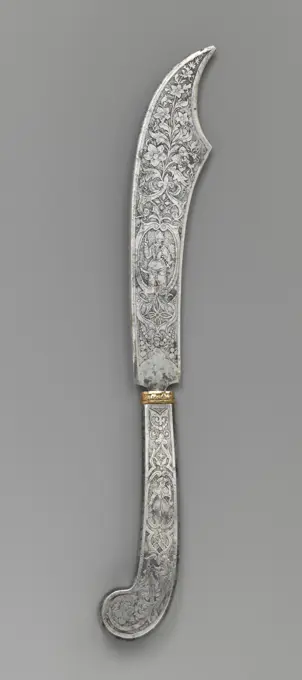
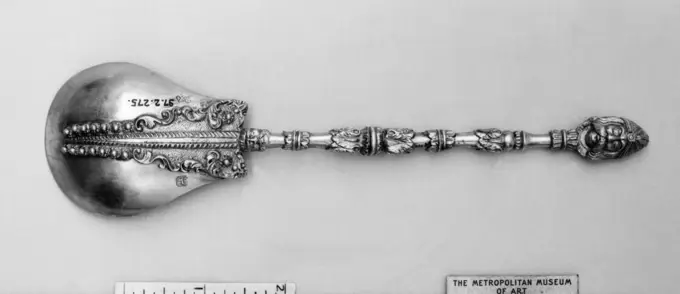
Fish platter fork. Werner, Teodor August (1836-1902), goldsmith, Werner i S-ka (Warszawa ; wytwórnia złotnicza ; 1864-1939), goldsmiths company
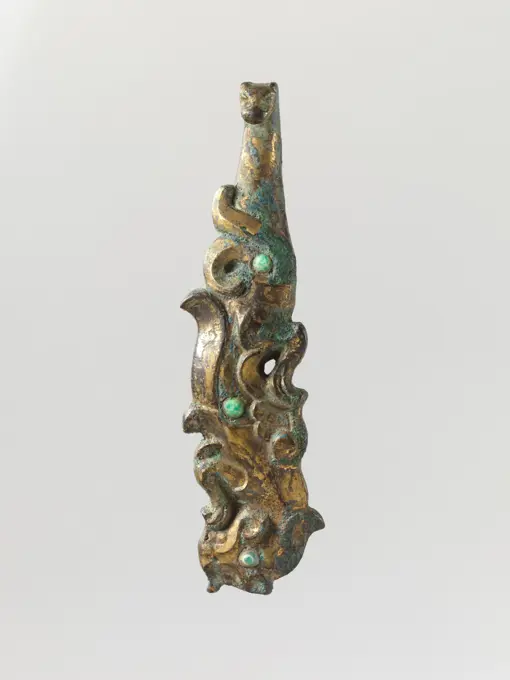
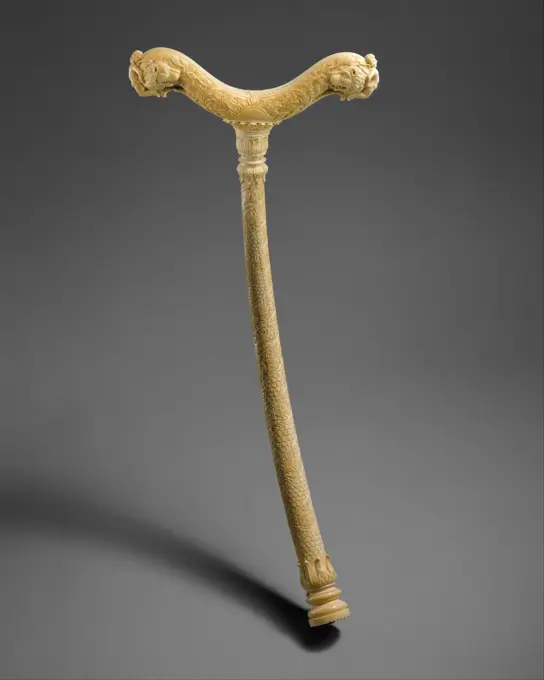
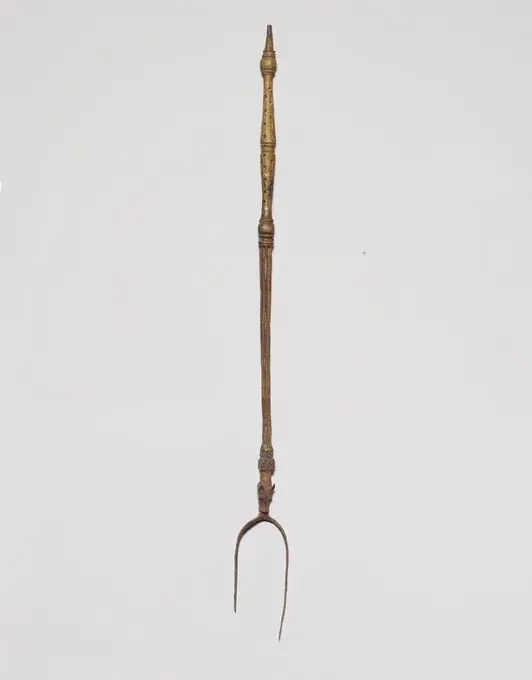
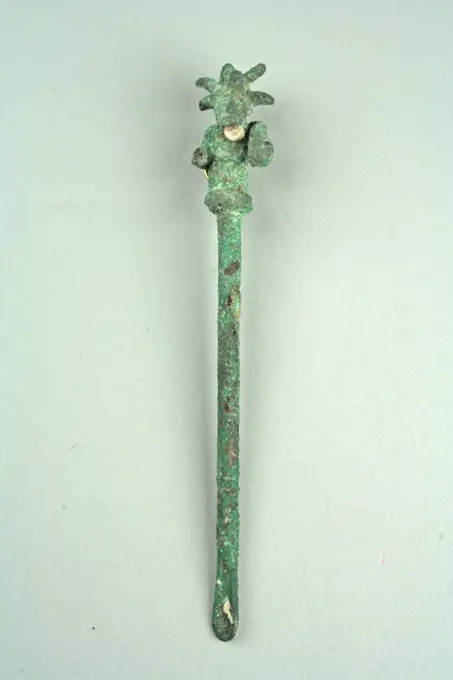
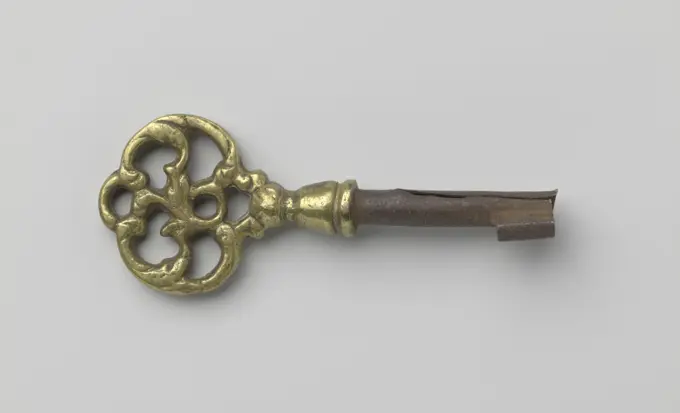
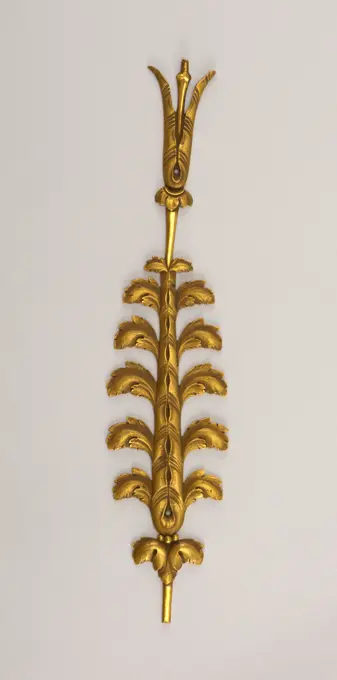
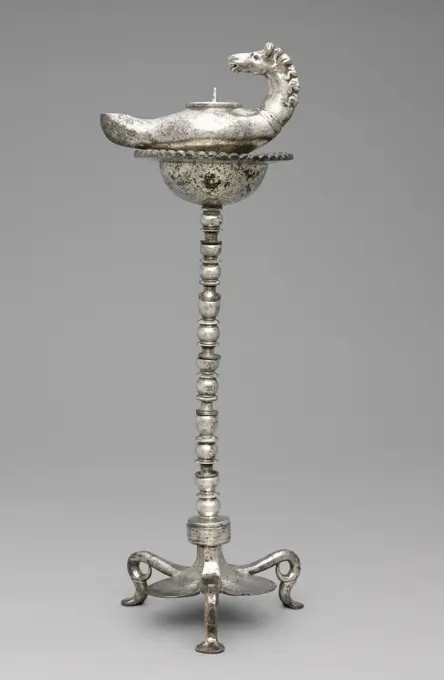
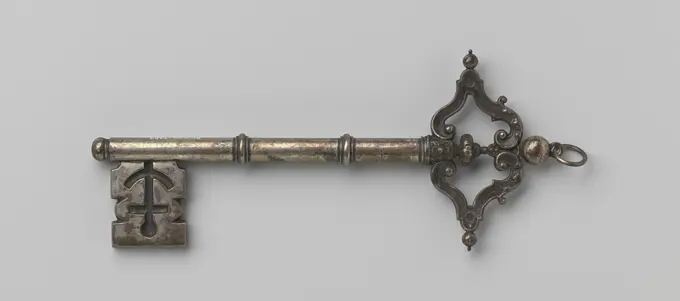
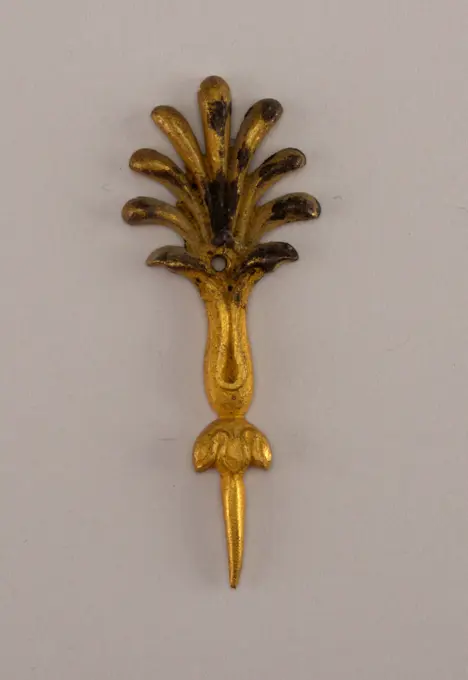
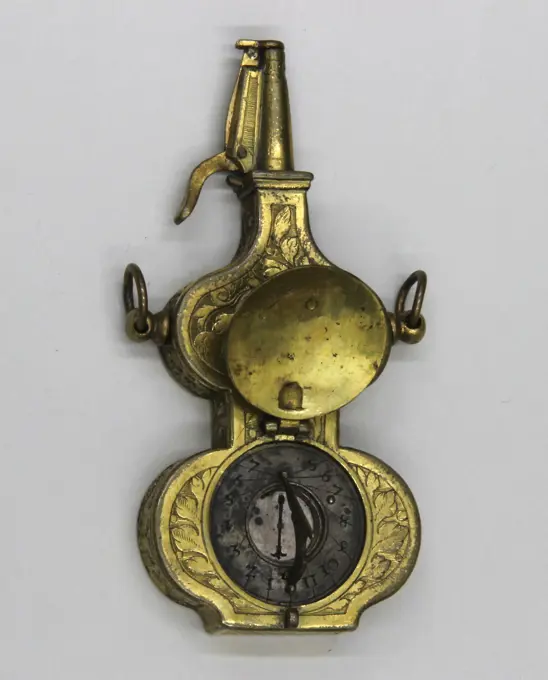
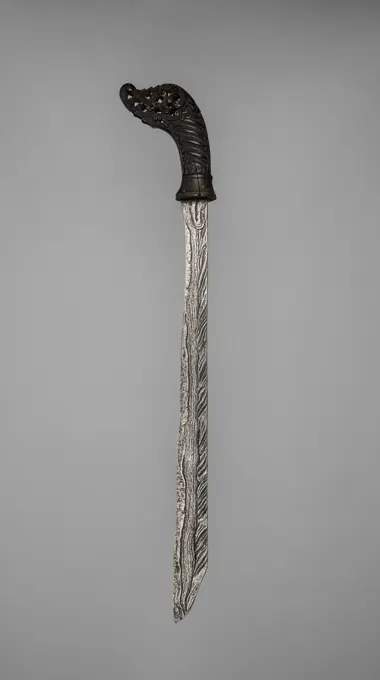
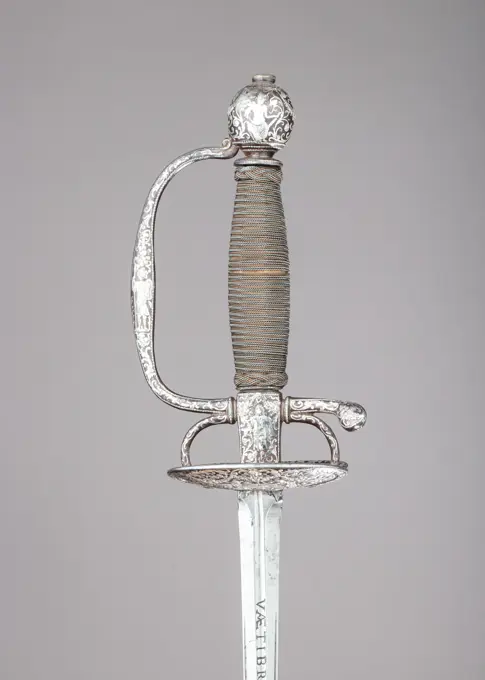
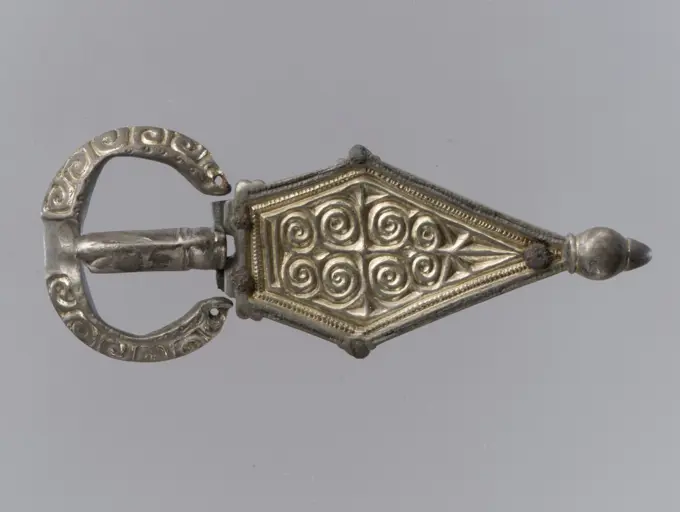
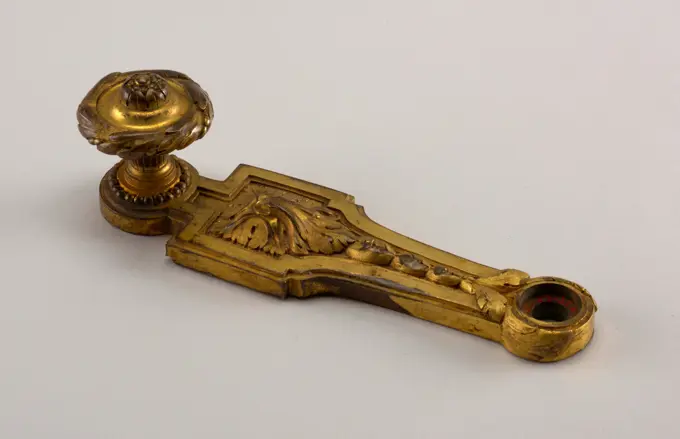
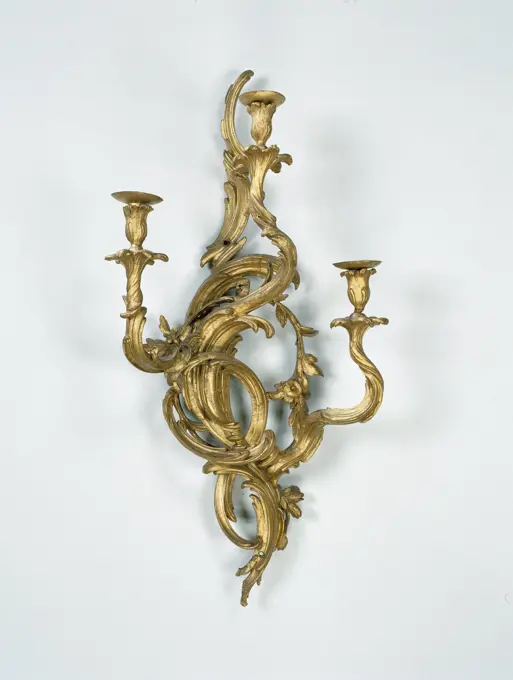
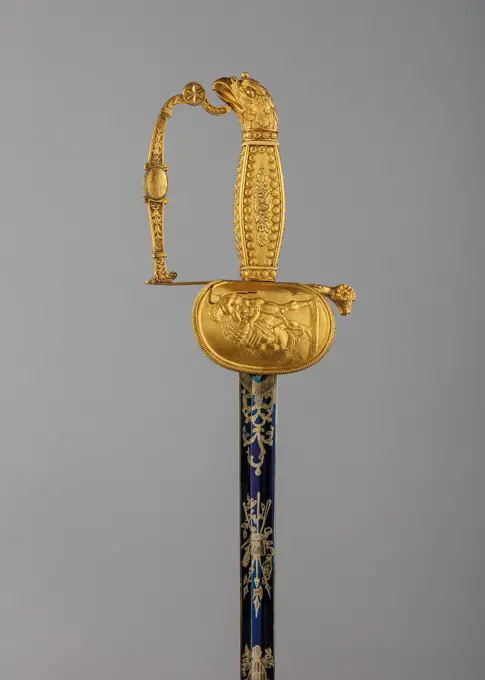
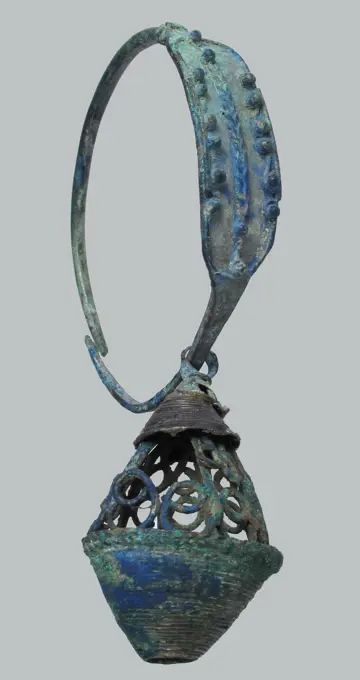
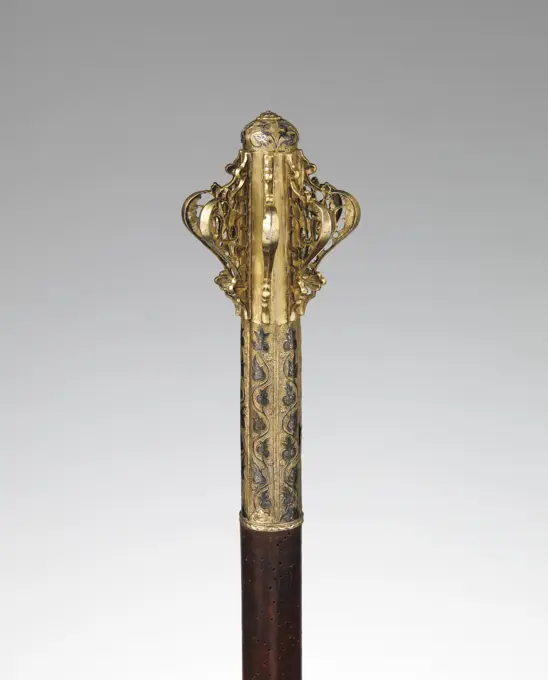
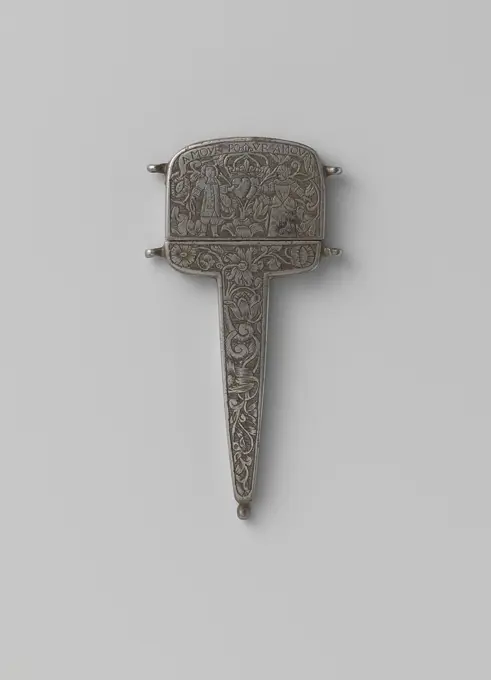
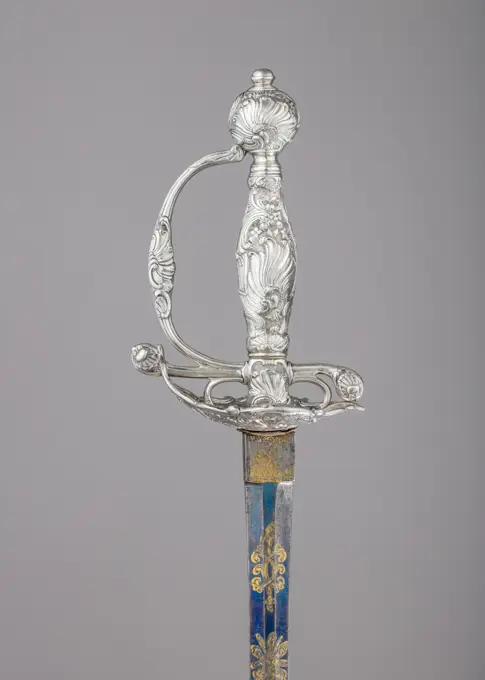
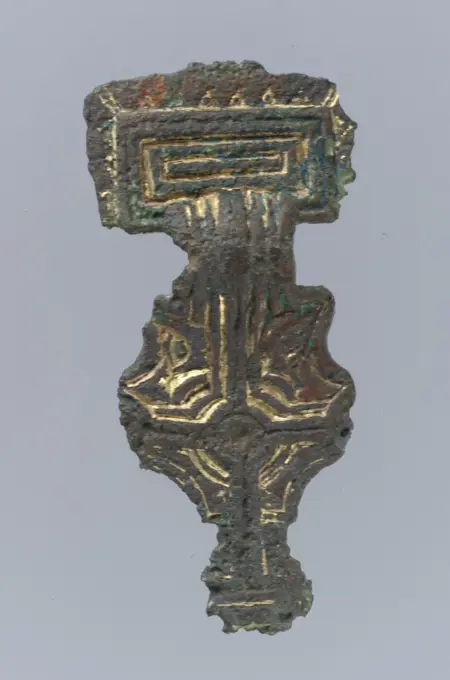
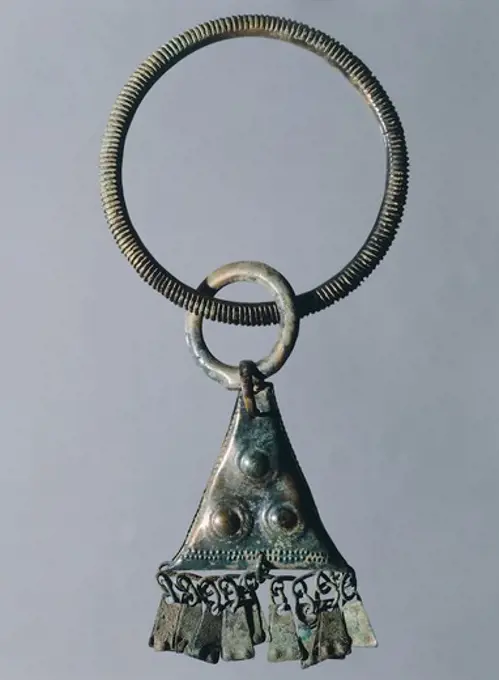
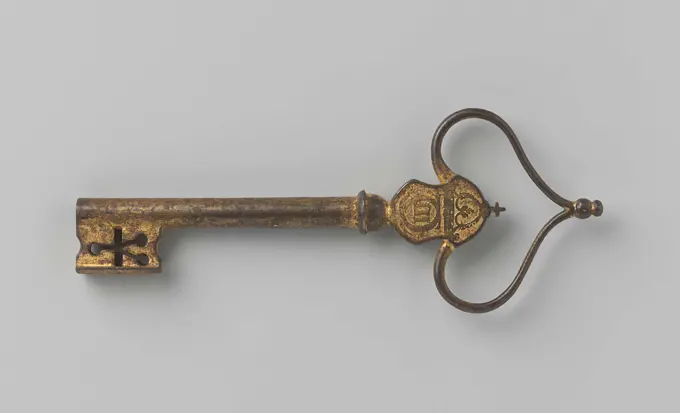
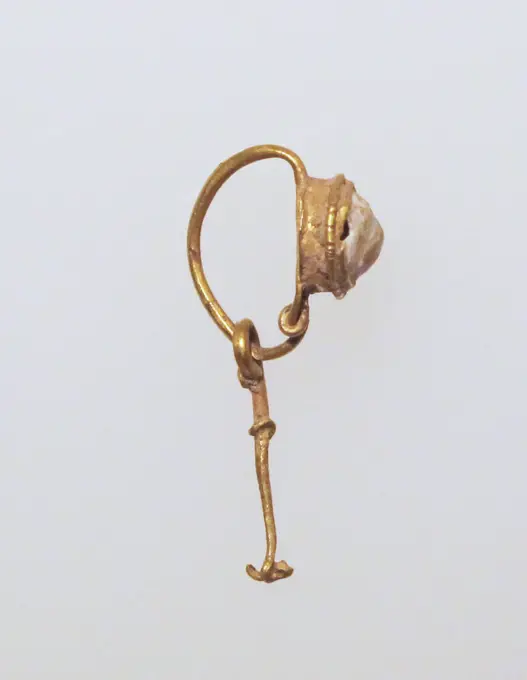
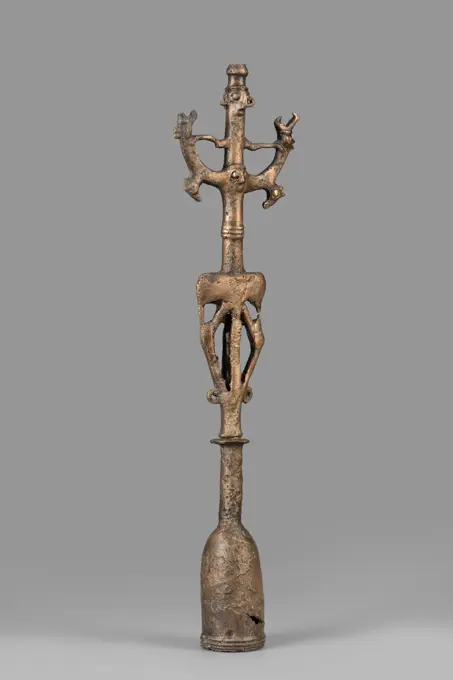
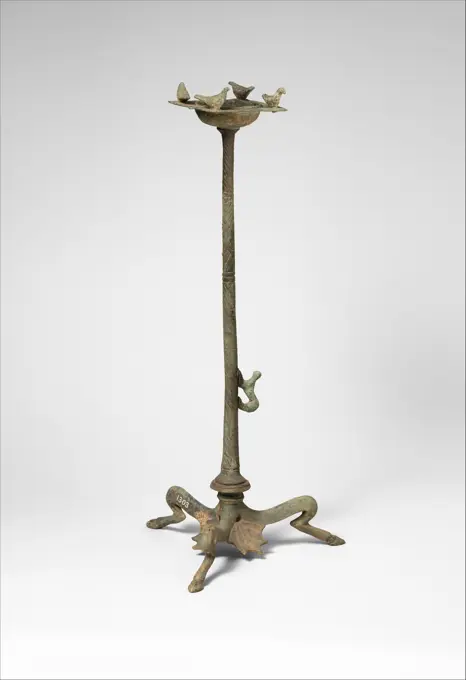
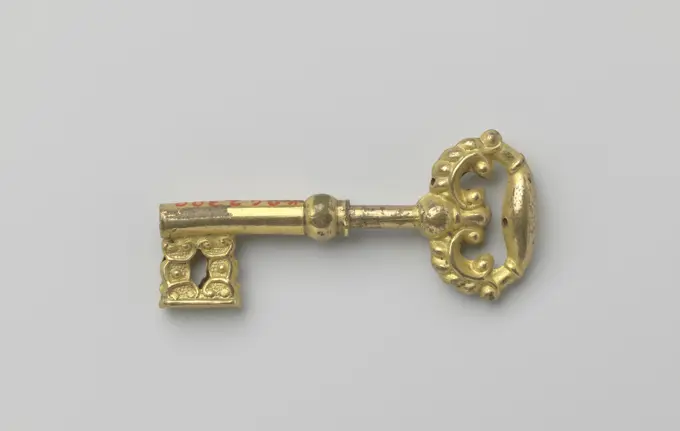
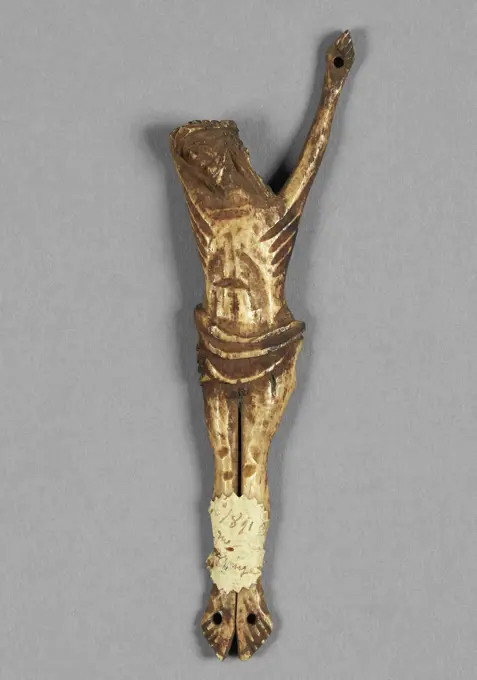
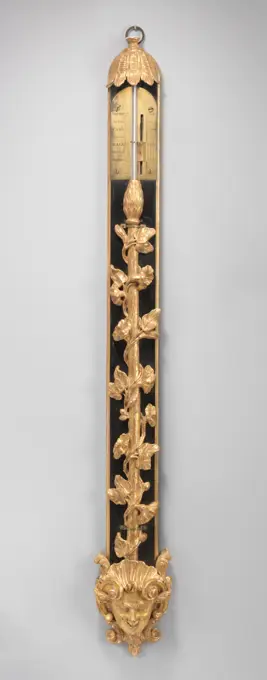
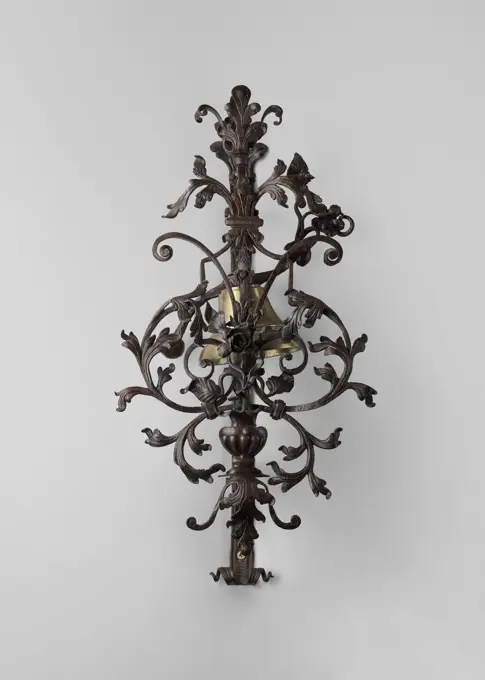
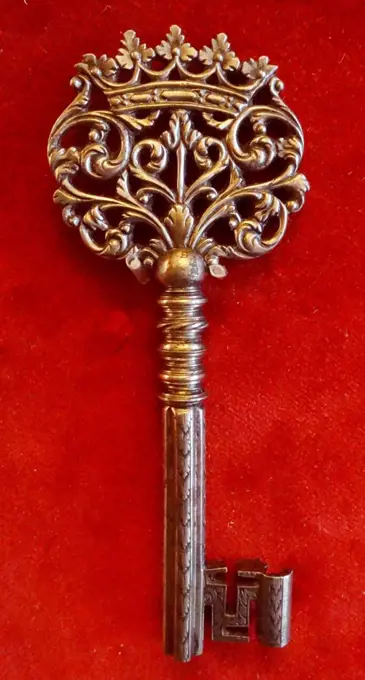
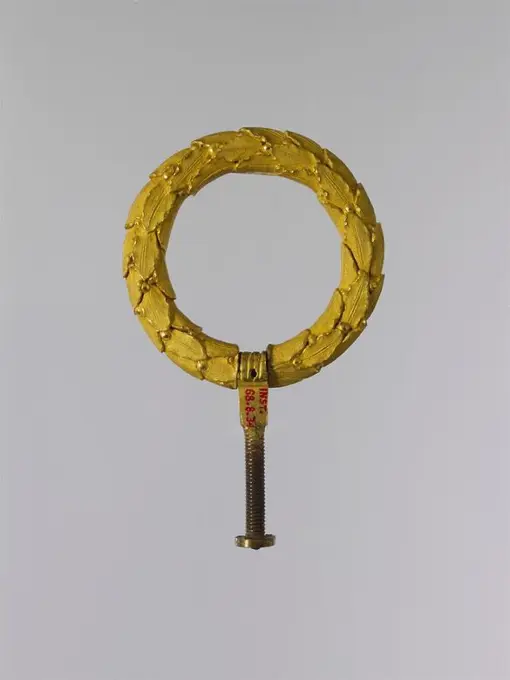
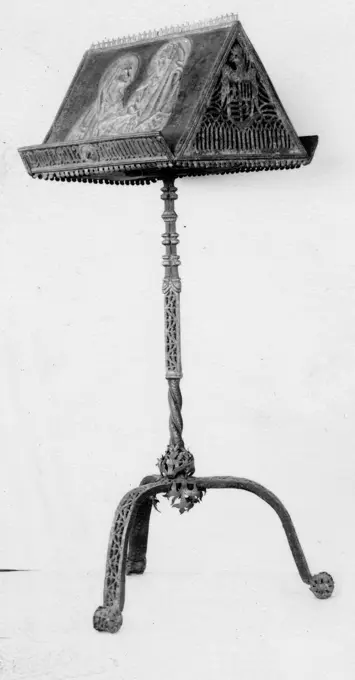
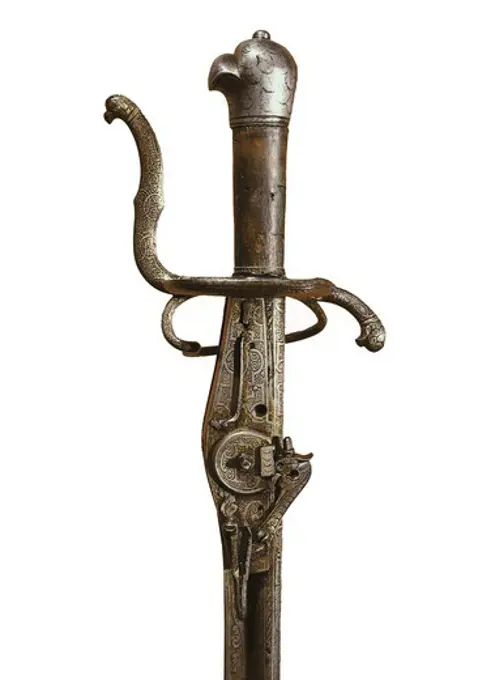
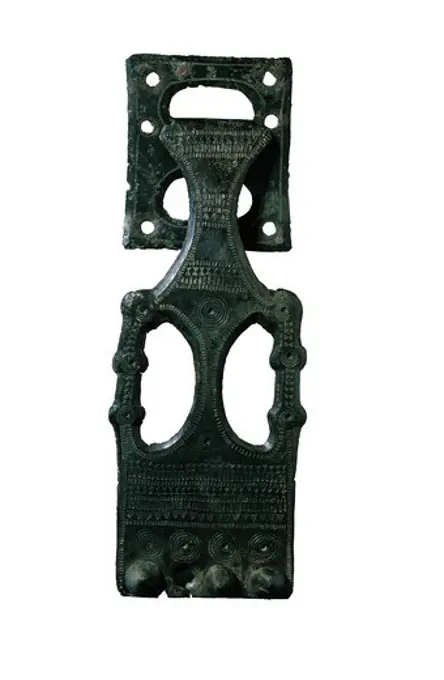
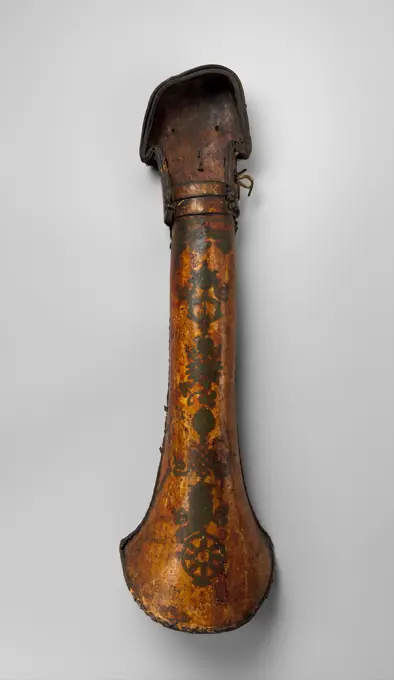
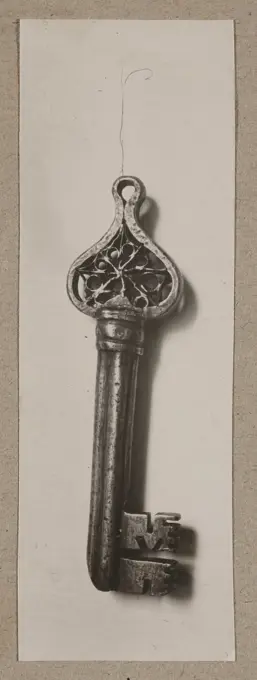
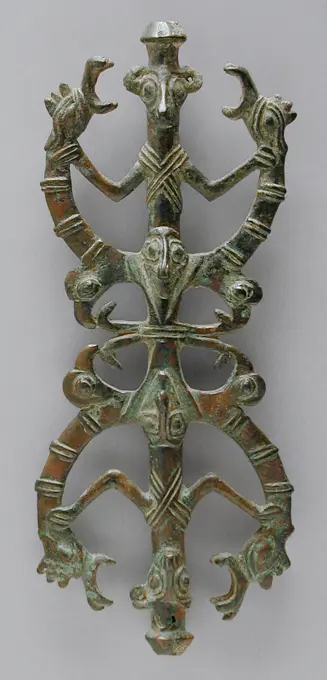
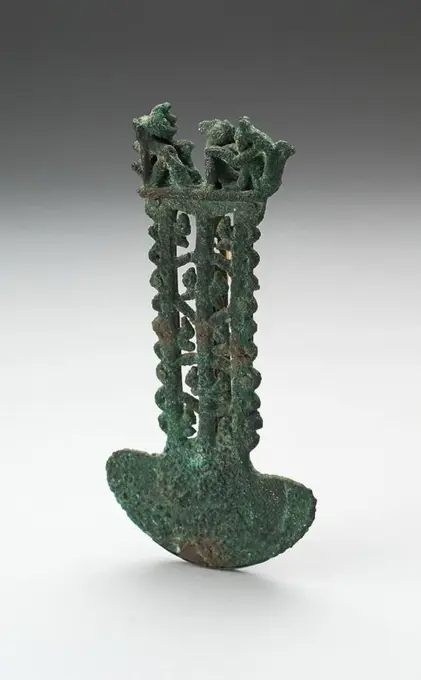
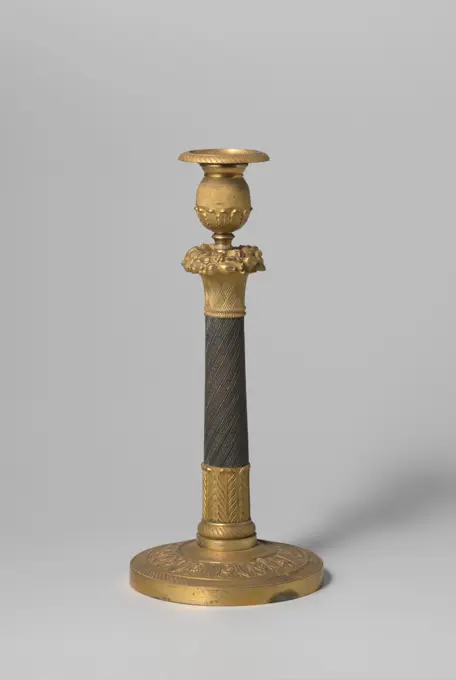
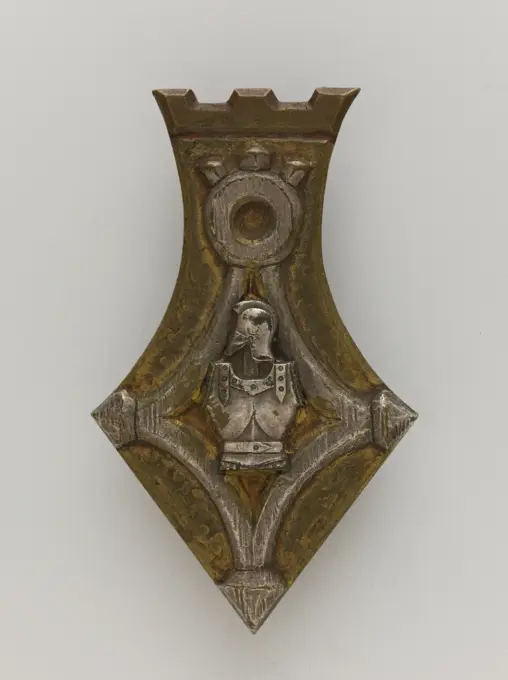
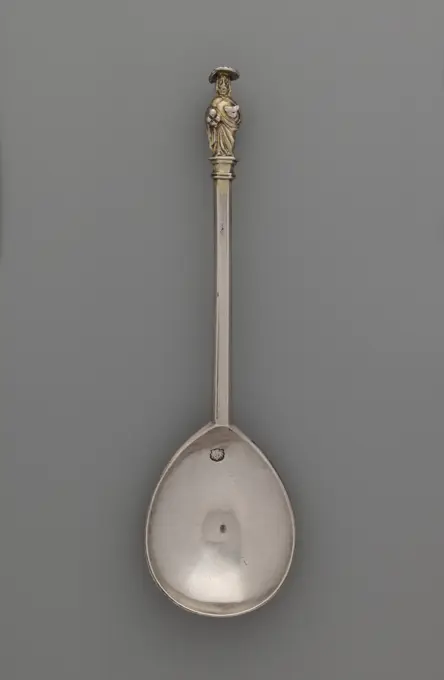
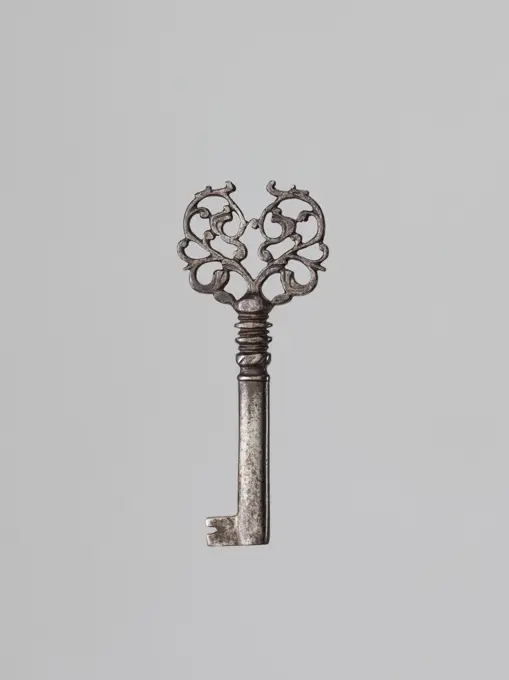
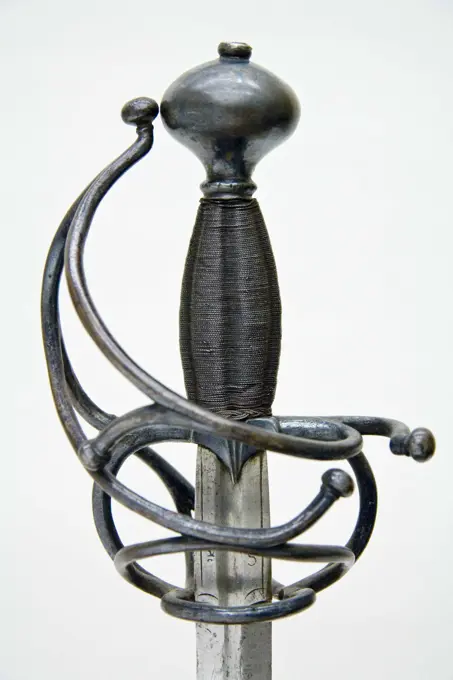
Mace 1550 Germany. Iron and gilding .Fish platter fork. Werner, Teodor August (1836-1902), goldsmith, Werner i S-ka (Warszawa ; wytwórnia złotnicza ; 1864-1939), goldsmiths companySword (Kris), 1800s. Java. Iron and silver; overall: 43.8 cm (17 1/4 in.); blade: 33.7 cm (13 1/4 in.).Rapier blade, Spanish ca. 1600 The rapier was the principal civilian sidearm throughout the sixteenth and seventeenth centuries. Designed for cut-and-thrust fencing of progressively complex techniques, the rapier is characterized by a double-edged blade with an acute point and an elaborate guard for the hand. The guards, usually of iron or steel, were subject to a variety of embellishment. They were engraved, chiseled, gilded, damascened, and encrusted in gold and silver in keeping with fashionable styles. Unless otherwise noted, the materials, attributions, and dating given here refer to the hilts. Rapier blades, invariably of steel, bear a variety of makers marks denoting their origin in the two principal centers of blademaking, Toledo in Spain and Solingen in Germany. View more. Rapier. blade, Spanish. ca. 1600. Steel, iron wire. SwordsBelt Hook 3rd-1st century B.C. China. Belt Hook 61353Busk 17th century French The inscription with the flaming hearts reads, "loves joins them" and "the arrow unites us," while the message of the sun shining on a flower is "to see you or to die.". Busk. French. 17th century. ivoryDagger 19th century Indian, Mughal. Dagger 31840Candlestick forming a pair. 13th century. Museum of Fine Arts of the City of Paris, Petit Palais. CHANDELIER ART RELIGIEUX, CANDLEHOLDER, CANDLESTICK, CHANDELIER, EMAIL, ENAMEL, INCRUSTATION, INLAY, INLAYING, MIDDLE AGES, MOYEN AGEArmrest 18th century South India. Armrest 38354Bronze fork with the head of a wolf. Culture: Roman. Dimensions: Other: 26 7/8 in. (68.2 cm). Date: 1st century B.C.-3rd century A.D..With the head of a wolf; Ionic column and spindle shaped member. Museum: Metropolitan Museum of Art, New York, USA.Lime Spoon, Figure 15th-16th century Inca. Lime Spoon, Figure 315636Sword (Kris), 1800s. Java. Iron with carved wooden handle; overall: 45.2 cm (17 13/16 in.); blade: 35.6 cm (14 in.).Pipe key, c. 1400 - c. 1950 Pipe key with round handle, consisting of a flared leaf vines. Grip and capital of copper; Shaft and beard of iron.  copper (metal). iron (metal) Pipe key with round handle, consisting of a flared leaf vines. Grip and capital of copper; Shaft and beard of iron.  copper (metal). iron (metal)Claw piece of a dormer window, anonymous, c. 1400 - c. 1950 Claw piece of a dormer window. unknown pine (wood). paint (coating) Claw piece of a dormer window. unknown pine (wood). paint (coating)Mount; L x W x D: 35.5 x 7.5 cm (14 x 2 15/16 in.)Figure Lime Spoon. Culture: Inca. Dimensions: L. 3 9/16 in. (9.1 cm). Date: 15th-16th century. Museum: Metropolitan Museum of Art, New York, USA.Lamp and Stand, late 300s. Byzantium, Syria, early Byzantine period, late 4th century. Silver; overall: 9.2 x 16 x 7 cm (3 5/8 x 6 5/16 x 2 3/4 in.). Numerous oil lamps of various shapes and sizes have survived from the late Roman and early Byzantine periods. Most served a basic utilitarian function and were plainly fashioned from clay or bronze. However, a few more elaborate examples, such as this one, have survived in silver. Embellished with an elegant horse-head handle, this lamp was made to fit on the nearby stand, thus offering its owner flexibility of function.Faucets; L x W x D: 17 x 13.3 x 4.4 cm (6 11/16 x 5 1/4 x 1 3/4 in.)Button, 1800s. Balkans, 19th century. Silver; average: 8.3 cm (3 1/4 in.).Key. Key whose handle consists of four volutes and is crowned by a bullet with eye and ring. The shaft is divided into three annular thinners. The beard has an anchor-shaped floor on both sides. On the eye silver brand B.Kamerheersleutel, c. 1800 - c. 1900 Chamber control, the Austrian weapon, of which the grip a double and crowned eagle with sword and government apple, is wearing. The eagle has a Maltheser cross on the chest and a shield with the letters F.I. The beard has a clover leaf -shaped opening.  copper (metal) gilding Chamber control, the Austrian weapon, of which the grip a double and crowned eagle with sword and government apple, is wearing. The eagle has a Maltheser cross on the chest and a shield with the letters F.I. The beard has a clover leaf -shaped opening.  copper (metal) gildingArrow Point, 1700s. Japan, Edo period (1615-1868). Steel; overall: 11.4 cm (4 1/2 in.); head: 4.4 cm (1 3/4 in.).Letter opener with engraved figures European 19th century View more. Letter opener with engraved figures. European. 19th century. Steel. Metalwork-SteelMountPalmette, HalfBronze key. .Rapier Made 1800-1900 Europe, western. Steel with gilding .Priming Flask with Sundial and Compass late 16th century German, probably Nuremberg Small flasks like this one held fine-grained gunpowder for priming” the wheellock mechanism. This example, fitted with a concealed sundial, exemplifies the ingenious multipurpose weapons and tools that were made for aristocratic huntsmen and collectors of curiosities.. Priming Flask with Sundial and Compass. German, probably Nuremberg. late 16th century. Brass, gold, silver, steel. Firearms Accessories-Flasks & PrimersHinge, c. 1400 - c. 1950   iron (metal)   iron (metal)Sword, Before 1916. Indonesia, Sulawesi (Celebes). overall: 54.3 cm (21 3/8 in.); blade: 42.4 cm (16 11/16 in.).Kamerheersleutel.Chamber key whose handle on one side, consists of an eagle with royal crown with a shield on the chest. The eagle is surrounded by a braided cords and some flowers. In the shield is a hole where a weapon before must have been.Book lock of silver, Grytie Klases Nauta (Possible), c. 1720 Book lock of silver. Sneek (Possible) silver (metal) Book lock of silver. Sneek (Possible) silver (metal)MountMountDouble key 18th century possibly German. Double key 196998. Candlestick of gold-plated buyer and email champlevé. The triangular base rests on three feet. Figures and ornaments are saved against a blue fond on the surfaces of the base. In the middle a circle with a man, fighting with a lion respectively; A noble woman on horseback with huntalk or a love couple. The trunk is divided by three nodi. The bottom with swans, the other with tendrils. Enamelled fat catcher.Brooch, Brooch in design of a whistle made from a whip., USA, late 19th century, jewelry, Decorative Arts, BroochSmallsword ca. 1700-20 probably French By the early seventeenth century, the rapier, a long slender thrusting sword, began to dominate as the gentlemans weapon of choice. During the course of the century, however, as civilian fencing techniques became more specialized and refined, the rapier developed into a lighter, trimmed-down weapon known by about 1700 as the smallsword. Smallswords, often richly decorated, remained an integral part of a gentlemans wardrobe until the wearing of swords in civilian settings went out of fashion at the end of the eighteenth century, at which time pistols were replacing swords as arms most frequently used in personal duels. The majority of smallsword hilts are made of silver or steel, but many also employ a wide variety of luxurious materials, such as gold, porcelain, and enamel. At their best, smallswords combine the crafts of swordsmith, cutler, and jeweler to create an elegant weapon that was also a wearable work of art.. Smallsword. probably FrencFolding knife, Ivory, steel, gilding, brass, Straight-sided blade, the upper edge curving sharply towards the point. The blade is engraved and gilded, a flower spray on one side, a monk or saint looking up to the sky on the other side; blade folds into back of ivory handle. Small brass caps at the hinge. The handle is carved in the shape of the torso of a monk, bold with beard, holding a staff with his arm and a Bible and a church in the other hand. (Possibly Dominic 1170-1221 holding the Lateran Church?), France or Italy, 1535-50, cutlery, Decorative Arts, Folding knifeOpenwork PinSpontoon 17th century French. Spontoon 25095Fish platter spatula. Werner i S-ka (Warszawa ; wytwórnia złotnicza ; 1864-1939), silverware factoryAnonymous, Short sword handle (common name), 0771. CERUNUSCHI Museum, Museum of Arts in Asia in the city of Paris.PinBelt Buckle With Trapezoidal Plate ca. 500 Germanic. Belt Buckle With Trapezoidal Plate. Germanic. ca. 500. Silver-gilt. Metalwork-SilverMountRing, Foliage; L x W x D (a): 20 x 5.5 x 5.5 cm (7 7/8 x 2 3/16 x 2 3/16 in.) L x W x D (b): 15 x 8.5 x 1.5 cm (5 7/8 x 3 3/8 x 9/16 in.)Wall arm of gilded lindenhout with three candle holders and decoration of asymmetrical sculpted acanthus leaf work with flowers, anonymous, c. 1755 - c. 1770 Wall of gilded lindenhout with three candle holders and decorated with asymmetrical sculpted acanthus leaf work with flowers. Netherlands linden. gilding (material) cutting / gilding Wall of gilded lindenhout with three candle holders and decorated with asymmetrical sculpted acanthus leaf work with flowers. Netherlands linden. gilding (material) cutting / gildingMountSword and Scabbard Presented to Captain Samuel Chester Reid (1783-1861) Silversmith John Targee American 1815 This is one of twelve gold-mounted swords awarded by the State of New York to heroes of the War of 1812. Commissioned from the New York City silversmith and die-cutter John Targee, the swords cost about $450 each, a significant amount at the time. Of Neoclassical inspiration, the hilt includes an eagle-head pommel (referring to the national emblem) and a figure of Hercules and the Nemean Lion on the counterguard. The sword was awarded to Samuel Chester Reid (1773-1861), captain of the private brig General Armstrong, for his heroic actions in holding off the British fleet at Fayal, in the Azores, on September 26-27, 1814. View more. Sword and Scabbard Presented to Captain Samuel Chester Reid (1783-1861). American, New York. 1815. Gold, brass, steel. New York, New York. SwordsEarring 8th-9th century Avar. Earring. Avar. 8th-9th century. Copper alloy sheet, filigree, and granulation all with "tinned" surface. Metalwork-CopperBird on a Knob 800 BCE-600 BCE Greece. These precious bronze objects are votives, or devotional gifts, which were offered to the gods. They come in many forms. Some are miniature sculptures of animals, primarily horses, deer, and birds. Others are items of personal adornment, including beads and brooches. Many seem once to have been attached to something else. This assemblage is characteristic of the thousands of votives that were hung from sacred trees or placed in sanctuaries around Greece. Once a shrine was full, the votives were ceremonially buried to make room for more offerings.. Bronze . Ancient GreekStrainer, silver, gilding, The shallow-fluted, deep-circular, pierced bowl with wriggle work engraved flange border, with fiddle-form flat stem., Moscow, Russia, 1873, cutlery, Decorative Arts, StrainerMace 1648-87 Turkish This delicately crafted mace, with its head of silver-gilt pierced with tulip designs, was not a battle weapon; it was probably an insignia of command in the Ottoman army. Similar examples were taken as booty after the unsuccessful Turkish siege of Vienna in 1683.. Mace. Turkish. 1648-87. Silver, copper alloy (niello), leather, wood. Shafted WeaponsPinScissors. A scissor of forged and hammered iron. On both sides with flowers decorated and also on the one side with an amor shooting on a winged heart with the inscription: Rantoy. Ceur. Vollag. (Rend Toi Coeur Volage.) On the other side a Lord and Lady who reach a big heart under a crown with the inscription: Amour. Pour. Amour.Anonymous. Guéridon. Ebony and copper veneer. 1700. Paris, Carnavalet museum. Furniture, furnitureKey, so -called chamber control of gilded bronze, with weapon and monogram FGGS from Franz Georg Grag von Schönborn, Elector and Archbishop van Trier, 1725 - 1750 Key, so-called chamber control key of gilded bronze, with weapon and monogram FGGS from Franz Georg Grag von Schönborn, Elector and Archbishop van Trier (1729-1756).  bronze (metal). gilding (material) gilding Key, so-called chamber control key of gilded bronze, with weapon and monogram FGGS from Franz Georg Grag von Schönborn, Elector and Archbishop van Trier (1729-1756).  bronze (metal). gilding (material) gildingSmallsword ca. 1750-60 probably German By the early seventeenth century, the rapier, a long slender thrusting sword, began to dominate as the gentlemans weapon of choice. During the course of the century, however, as civilian fencing techniques became more specialized and refined, the rapier developed into a lighter, trimmed-down weapon known by about 1700 as the smallsword. Smallswords, often richly decorated, remained an integral part of a gentlemans wardrobe until the wearing of swords in civilian settings went out of fashion at the end of the eighteenth century, at which time pistols were replacing swords as arms most frequently used in personal duels. The majority of smallsword hilts are made of silver or steel, but many also employ a wide variety of luxurious materials, such as gold, porcelain, and enamel. At their best, smallswords combine the crafts of swordsmith, cutler, and jeweler to create an elegant weapon that was also a wearable work of art.. Smallsword. probably GermaSquare-Headed Brooch first half 6th century Anglo-Saxon. Square-Headed Brooch. Anglo-Saxon. first half 6th century. Silver-gilt; iron pin. Made in Kent, England. Metalwork-SilverThe key to the furniture drudgery;  1st half 18th century (1701-00-00-1750-00-00);Bronze pendant from San Canzian d'Isonzo, Friuli-Venezia Giulia, Italy. San Canzian Civilization, 5th-4th Century BC.Kamerheersleutel.Promotional key with a heart-shaped eye resting on a shield on which a crown is engraved, relating to Charles VII of Habsburg (1685-1740).Gold earring with pearl setting and pendant Roman. Gold earring with pearl setting and pendant 243230Idol, idol stand; unknown Lurista workshop; VIII - VI century BC ; period of Iron II (-800-00-00--501-00-00), VIII-VII century BC ; period of Iron II (-800-00-00--601-00-00);Nassery, Solaiman (Fl. Ca 1890-Ca 1990), Mr. Animals (Mitol.), Luristanian browns, gift (provenance), idols, Iron period III (approx. 800-ok. 600 BC), bottle base, Iran's art, animal (style), culmination of "bannersBronze thymiaterion (incense burner) ca. 325-275 B.C. Etruscan. Bronze thymiaterion (incense burner) 246547Pipe key, c. 1700 - c. 1800 Pipe key with oval eye and square beard, both made up of C-Voluten. The thin part of the shaft is separated from the wide by a nodus.  copper (metal) gilding Pipe key with oval eye and square beard, both made up of C-Voluten. The thin part of the shaft is separated from the wide by a nodus.  copper (metal) gildingChrist on the cross (title awarded). Horn (or ivory). Carnavalet museum, history of Paris.Loop between 1819 and 1838. Strip with alternate patterns of golden pearl flowers and diamonds faceted imitating steel.Torricellian barometer British ca.1745 View more. Torricellian barometer. British. ca.1745. Ebony, gilt; mercury. Scientific Instruments-Barometers and ThermometersBelling Ringtone - reference number;  1 PO .XVIII (1700-00-00-1750-00-00);steel Chamberlain key from the 18th Century. Pedestal of partially plated walnut. The flat cut-out front and back are placed in spread position and are connected at the bottom through a articulated sport. The front shows a stabbed mascaron in the midst of volutes ending in lion claws; Above a bell cord, also in the middle of volutes. The rear position has a similar decoration on the inside, indicated by deepened gold-plated contours. The base has been nosed and profiled. See: BK-16869-a.Fork with Porcelain Handle Depicting a Woman, gold, metal, porcelain, vitreous enamel, Three-tined gilded fork, flaring at the join. Waisted shoulder, flat baluster-shaped neck. Banded ferrule. Irregular shaped white porcelain handle with polychrome decoration. On the front a woman with a basket, on the back a boy on a hobby-horse drinking from a glass, both boy and girl standing in from of a tree. Floral decoration at the top of the handle., England, 18th century, cutlery, Decorative Arts, fork, forkDoor handle and plate. Culture: German. Dimensions: Overall (as if installed): 4 3/4 x 3 15/16 x 11/16 in. (12.1 x 10 x 1.7 cm)Bail-a: 5 3/8 x 2 13/16 x 9/16 in. (13.7 x 7.1 x 1.4 cm)Plate-b: 3 15/16 x 1/8 in. (10 x 0.3 cm). Date: 15th century. Museum: Metropolitan Museum of Art, New York, USA.Laurel Wreath Drawer Pull. Dimensions: Diam. 2 3/4 in. (7 cm). Retailer: Henry Kellam Hancock (1816-1851). Date: ca. 1810-30. Museum: Metropolitan Museum of Art, New York, USA.Lectern, Double late 19th or early 20th century (15th century style ) Spanish. Lectern, Double 468042German sword's handle (late 16th c.). ITALY. VENETO. Venice. Ducal Palace.Vintage street lamp isolated on white backgroundSouvenir spoon with depiction of Bologna's medieval towers European late 19th centuryKey to the wheeled lock unknown labelBelt brooch in 'Bureba' style from the Second Iron Age (6th-3rd c. BC). Iron Age. Decorative Arts. SPAIN. CASTILE AND LEON. Burgos. Burgos Museum. Proc: SPAIN. CASTILE AND LEON. BURGOS. Miraveche.Quiver 14th-16th century Tibetan or Mongolian Made to hold arrows, a quiver of this type was suspended from the right side of an archer's belt. Quivers and bow cases, both worn at the waist, were typical for the style of horseback archery practiced in Tibet and most of Asia. All-leather quivers of this early date are extremely rare. This example is decorated down the front with a set of Buddhist designs known as the Eight Auspicious Symbols, comprising the parasol, pair of golden fishes, treasure vase, lotus, right-turning conch shell, endless knot, victory banner, and wheel of Dharma.. Quiver. Tibetan or Mongolian. 14th-16th century. Leather, shellac, pigment. Archery Equipment-Arrows & QuiversKey from the 17th century with a long -utilled shaft, in the cross -section of Trefl's shape, from the collection of Roman Szewczykowski, in the collections of the National Museum in Warsaw from 1918;  Not after 16.05.1922 (1914-00-00-1922-00-00);Finial in the form of "Master of Animals". Iran, Luristan, Luristan bronzes, circa 1000-650 B.C.. Architecture; Architectural Elements. Bronze, castCeremonial Knife (Tumi) With Figural Scene and Zoomorphic Figures 1100-1470 North Coast. Bronze . Lambayeque'Alam (Standard). Iran, 1630-31/1040 A.H.. Metal. Brass, castRuyi - sceptre of good fortune. unknown, craftsmanPair of Ear Ornaments(Padung-Padung)Ceremonial Knife (Tumi) With Figural Scene and Zoomorphic Figures. Chimú; North coast, Peru. Date: 1100-1470. Dimensions: 17.6 x 8.3 cm (6 15/16 x 3 1/4 in.). Bronze. Origin: North Coast. Museum: The Chicago Art Institute, Chicago, USA. Author: Lambayeque.Candlestick 1849-58 United States Pottery Company. Candlestick 1335RodCandlestick of partially gilded bronze, decorated with rosettes and crowned with a basket with flowers and fruits, Anonymous, 1830 Candlestick of, partially gilded, bronze. The round base has a quoted edge of stylized leaves, interspersed with rosettes and arches, which connect the angular frame of the leaves. The rejuvenating tribe is caught in a high leaf edge; The undisputed middle part is equipped with small quoted rosettes, while the gilt crown is cut as a basket with flowers and fruits. Spherical candle holder with leaf and braid tire; fat catcher with edge as the basis. See: BK-14920-B. France bronze (metal). beech (wood) Candlestick of, partially gilded, bronze. The round base has a quoted edge of stylized leaves, interspersed with rosettes and arches, which connect the angular frame of the leaves. The rejuvenating tribe is caught in a high leaf edge; The undisputed middle part is equipped with small quoted rosettes, while the gilt crown is cut as a basket with flowers and fruiDefects;  XVIII-1. after. 20th century (1701-00-00-1950-00-00);The art of Tibetan Buddhism, purchase (provenance)Insignia of the 1st Saharan Engineering Company (CSG). Metal. 1945-1946. General Leclerc Museum of Hauteclocque and the Liberation of Paris, Jean Moulin Museum. Military badgeApostle spoon: St. Matthew 1592/93 William Cawdell The set (67.166.1-.13) includes a master spoon with a figure of Christ and twelve apostle spoons. Martin Hewitt who made the Saint Andrew spoon had served his apprenticeship under William Cawdell. Both were specialist spoonmakers.. Apostle spoon: St. Matthew. British, London. 1592/93. Silver, partly gilded. Metalwork-SilverFurniture lock key;  XVII-18th century (1671-00-00-1740-00-00);Emile Cero, Rope Making Tool, c 1938 Rope Making ToolSpoon 19th century German, Stuttgart. Spoon 188298Rapier ca. 1540 Italian From the early sixteenth century onward, the practice of wearing a sword or rapier with civilian dress made duels between unarmored opponents more common. Lacking the armor or shield worn in battle, combatants had to block or parry an attack by other means. Methods of defense included the use of a dagger or a buckler held in the left hand and an increased reliance on parries made with the rapier itself. During the sixteenth and seventeenth centuries, distinct schools of fencing developed rapidly in Italy, France, Germany, and Spain. Instruction in the art and science of fencing became an indispensable part of a noblemans education. Consequently, accomplished fencing masters were hired to teach at the principal courts and universities of Europe. From about 1525 to about 1625, the rapier was regularly worn in tandem with a parrying dagger. They were sometimes made and decorated as a set. By the mid-seventeenth century, however, parrying with the rapier blade alon