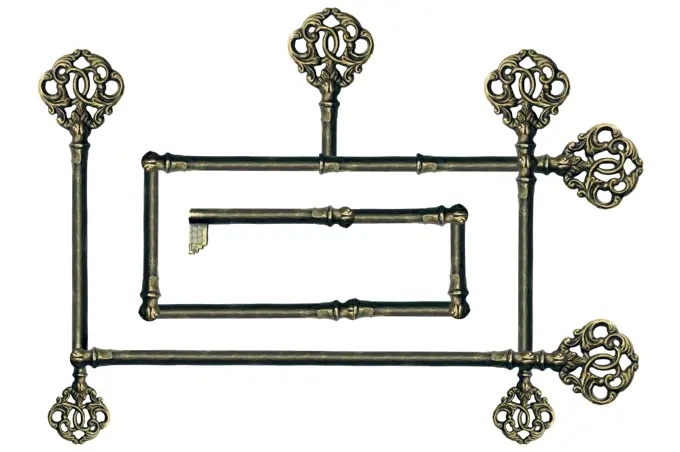
Unique Historical Artifacts

Images of ornate historical tools and objects from different cultures, featuring intricate designs and materials like gold and iron.

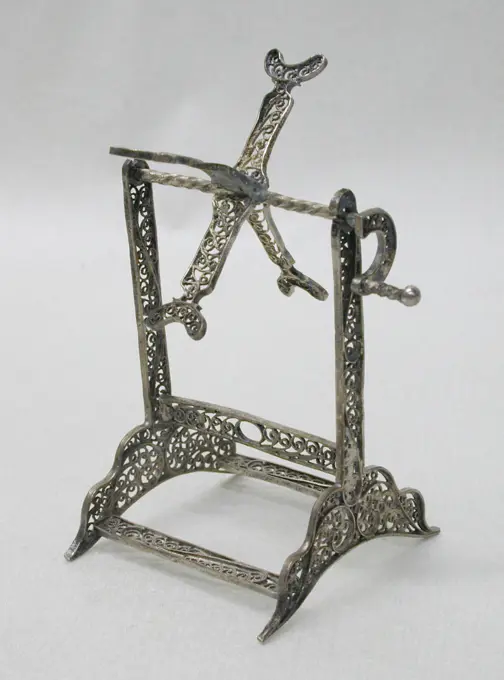
Fish platter fork. Werner, Teodor August (1836-1902), goldsmith, Werner i S-ka (Warszawa ; wytwórnia złotnicza ; 1864-1939), goldsmiths company
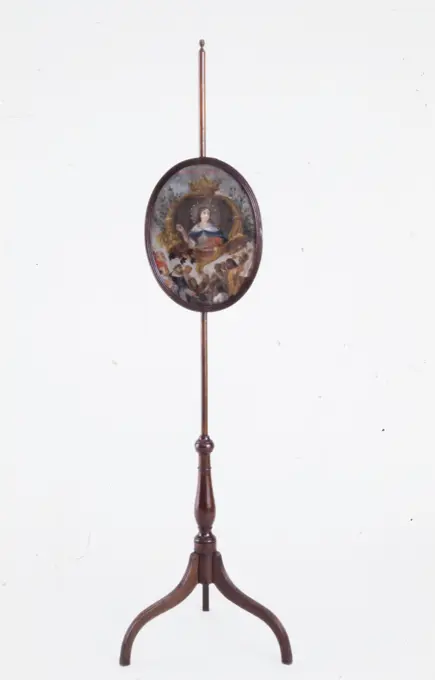
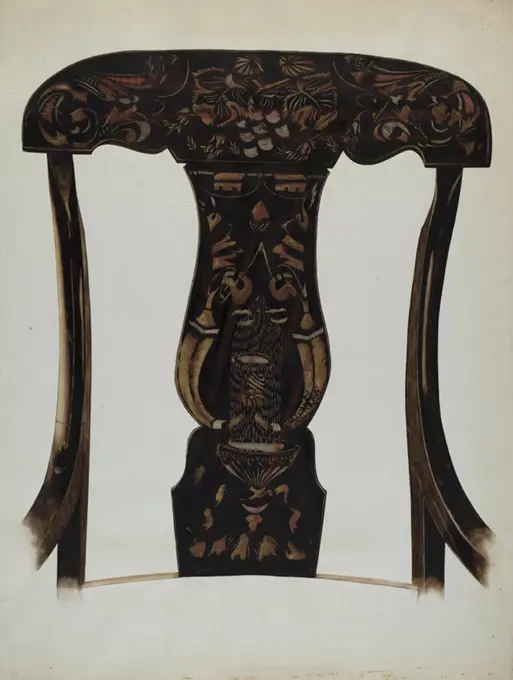
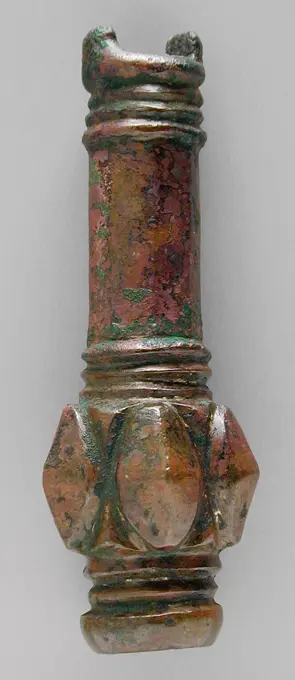
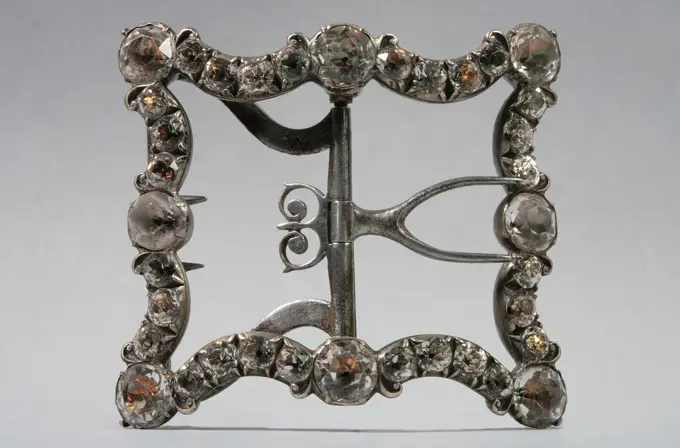
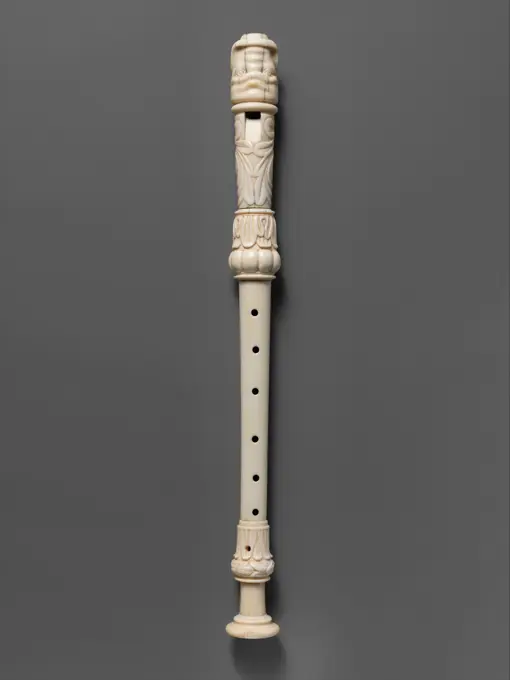
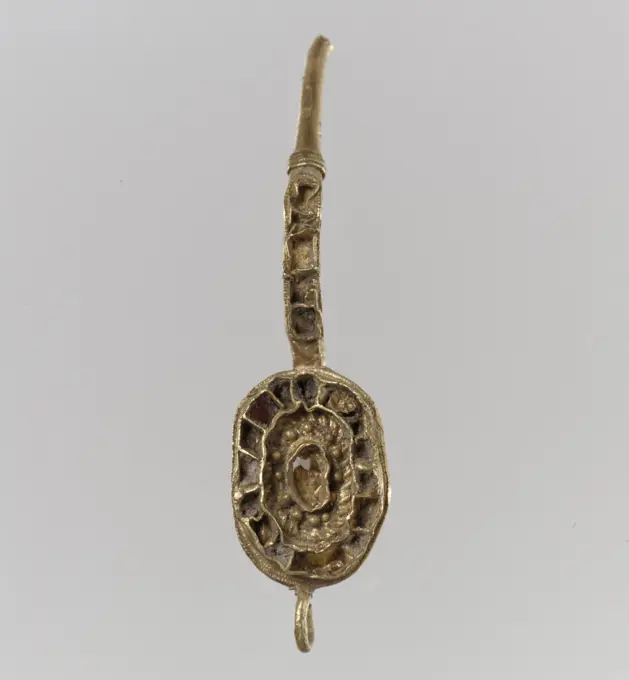
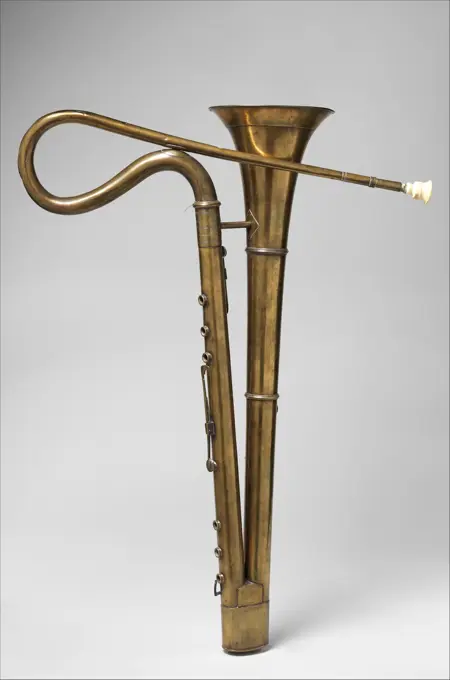
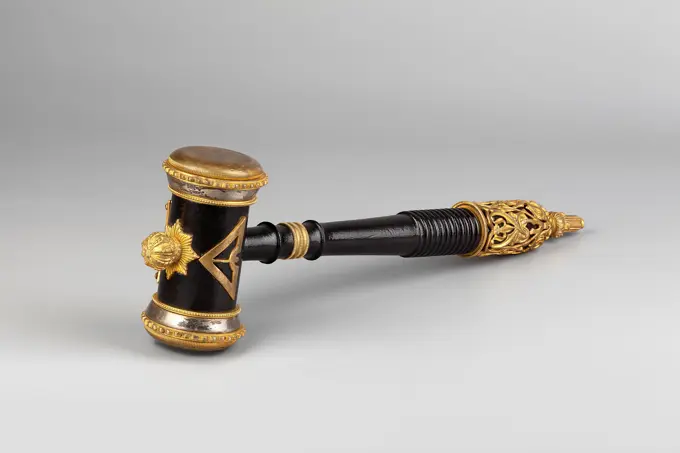
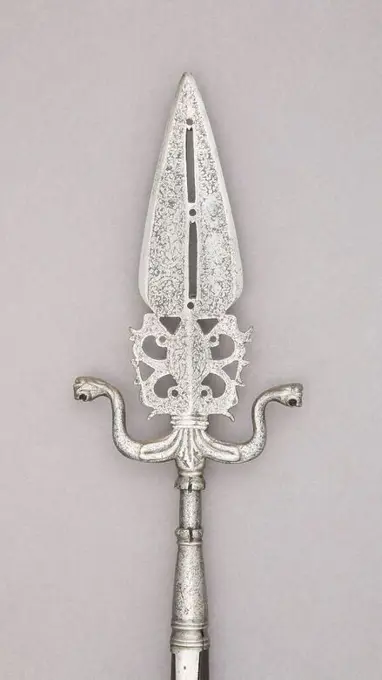
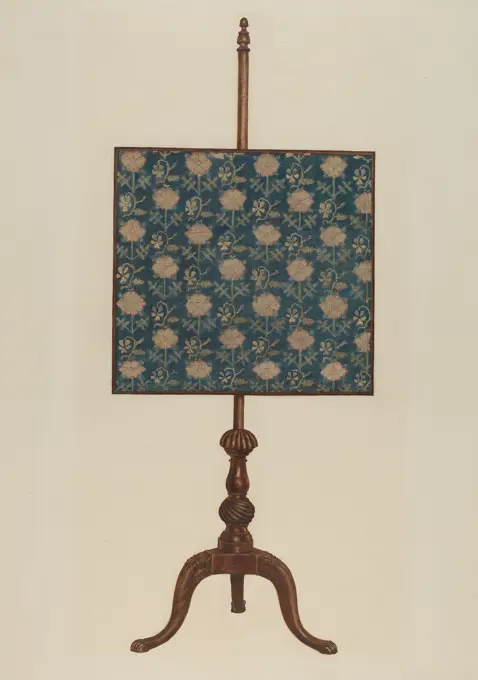
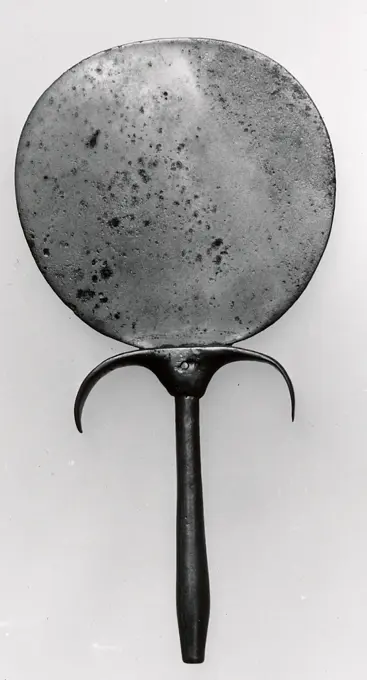
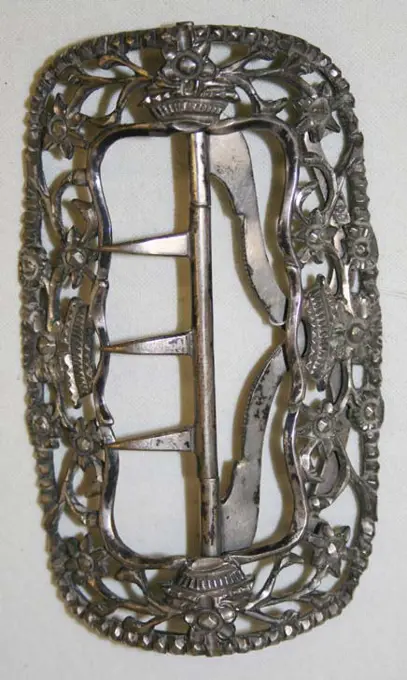
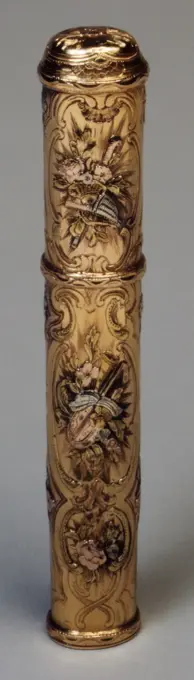
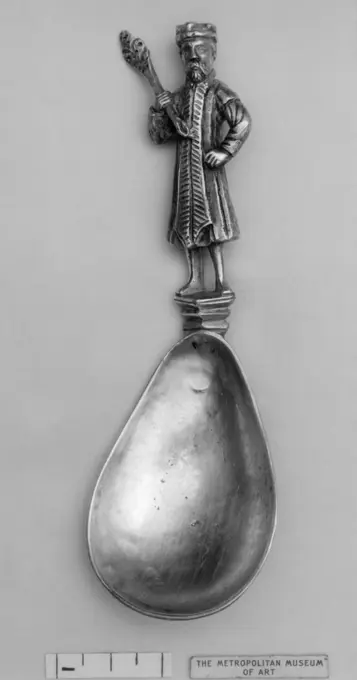
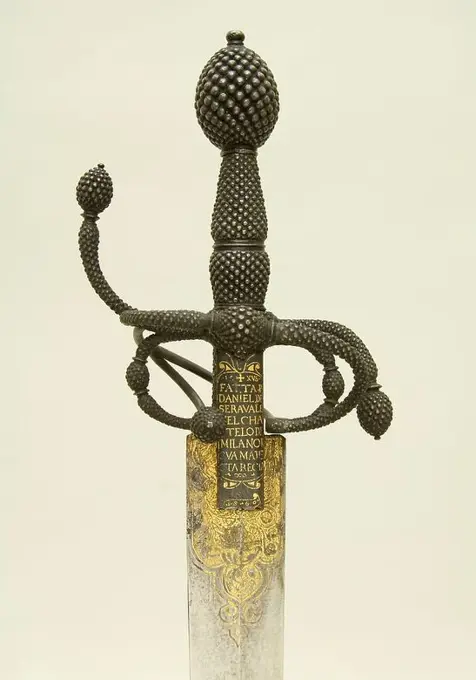
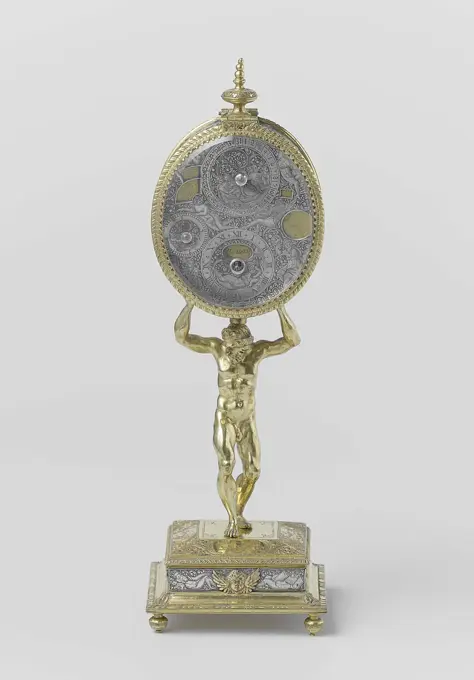
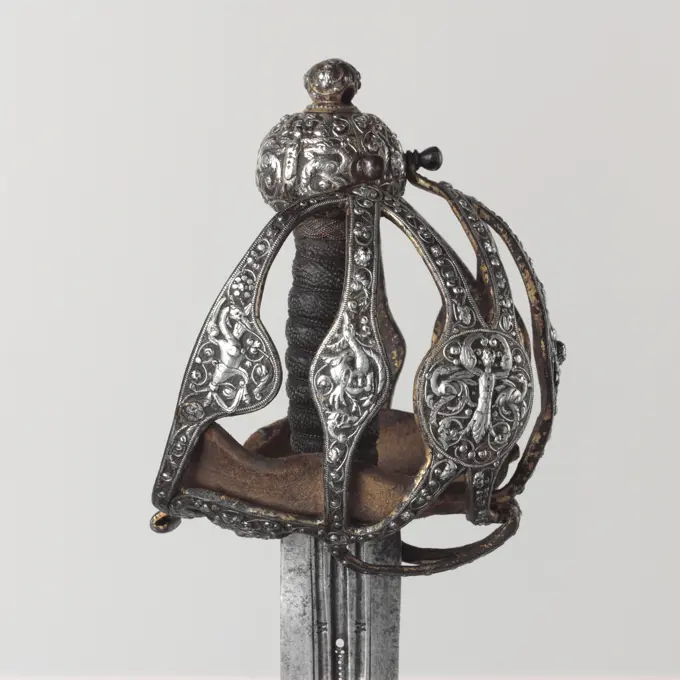
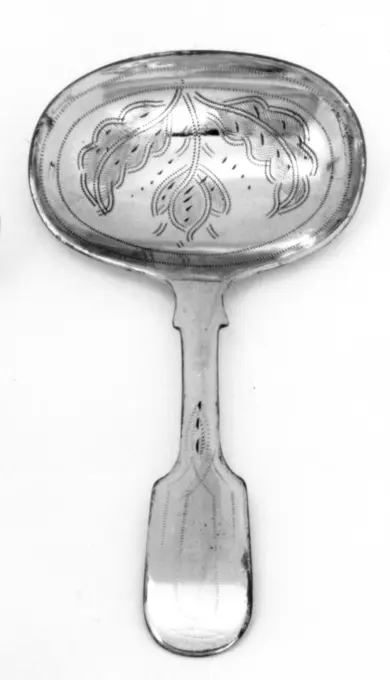
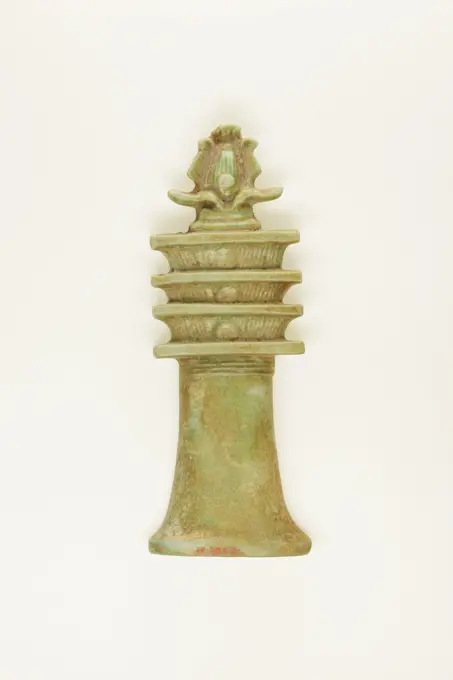
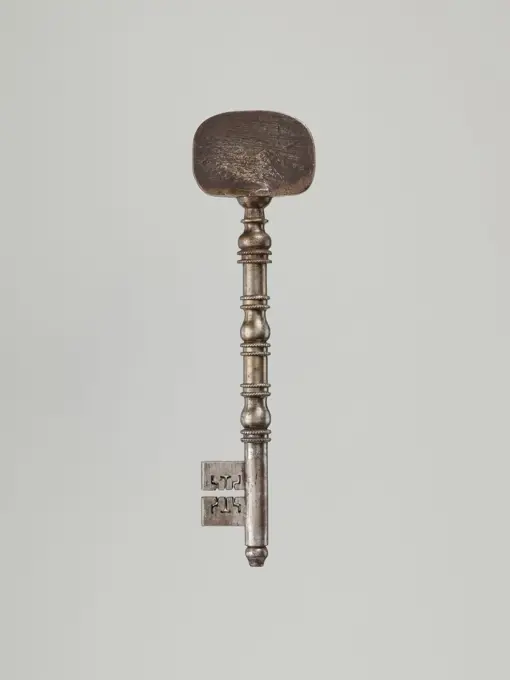
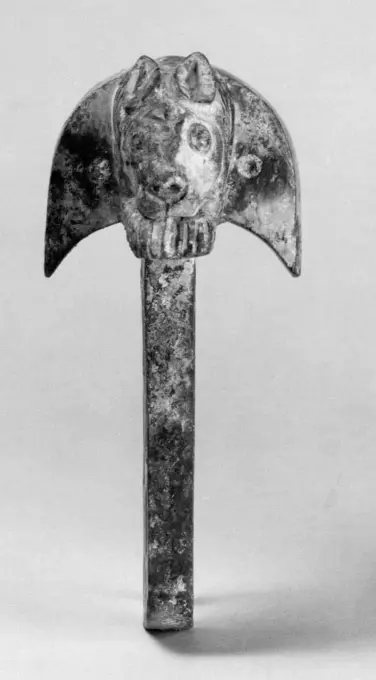
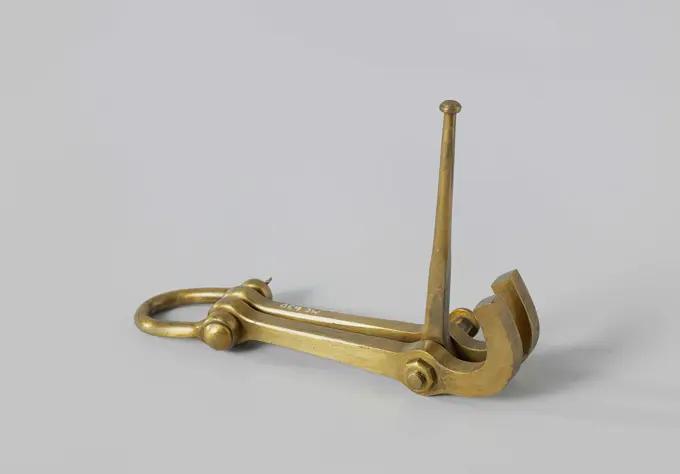
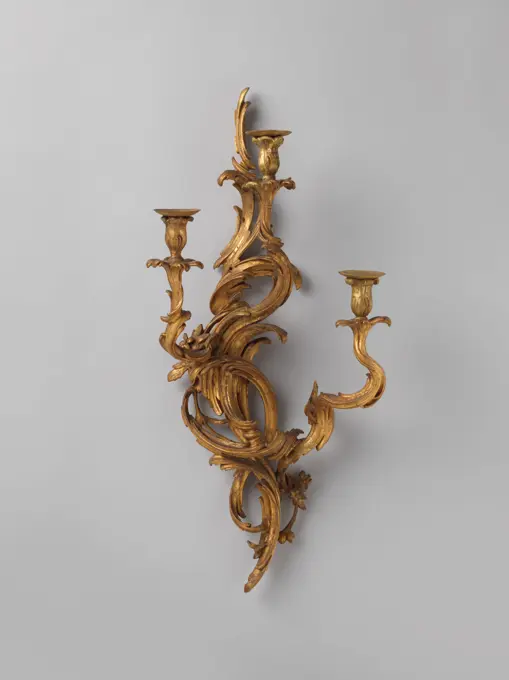
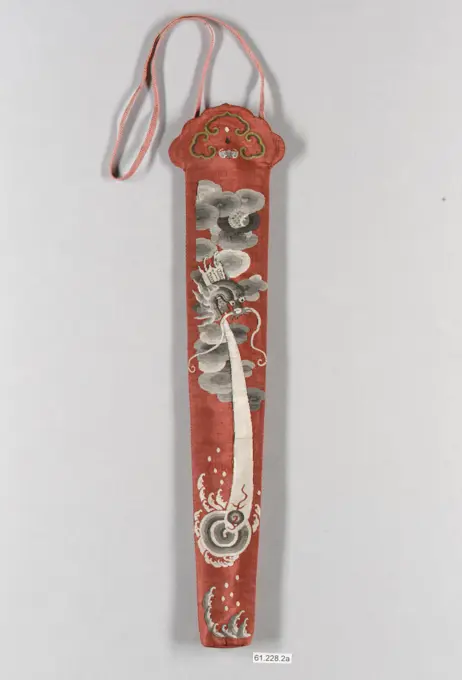
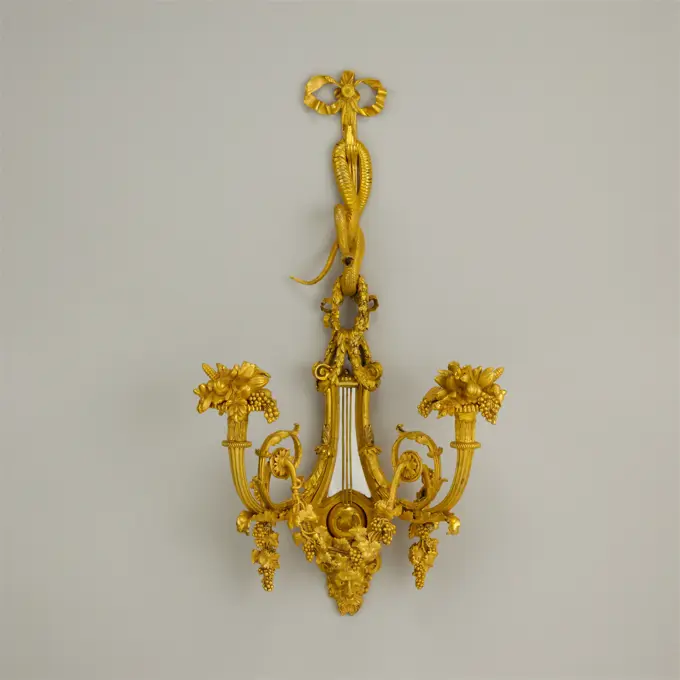
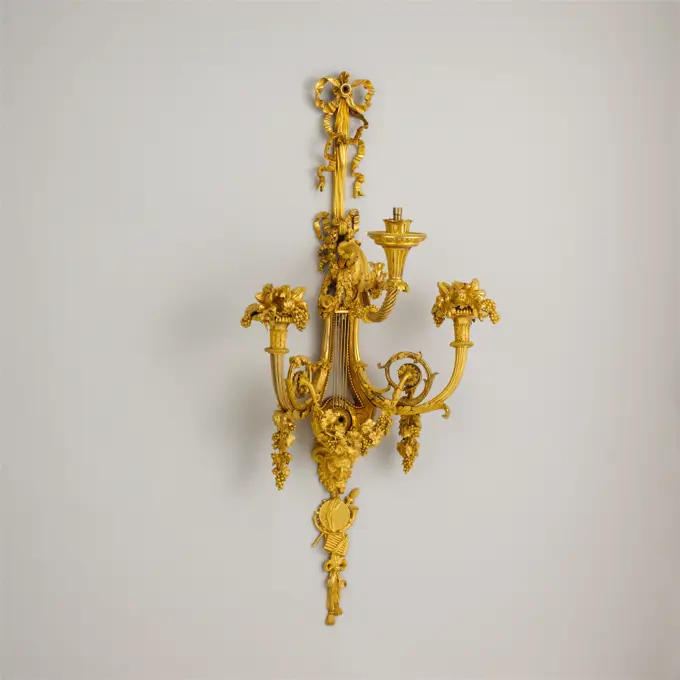
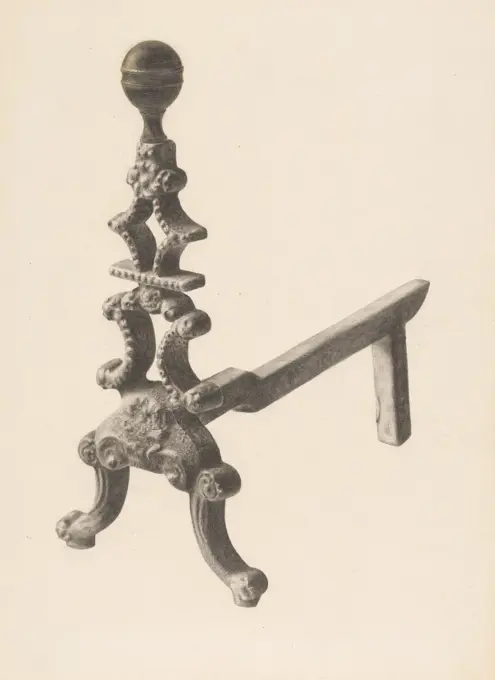
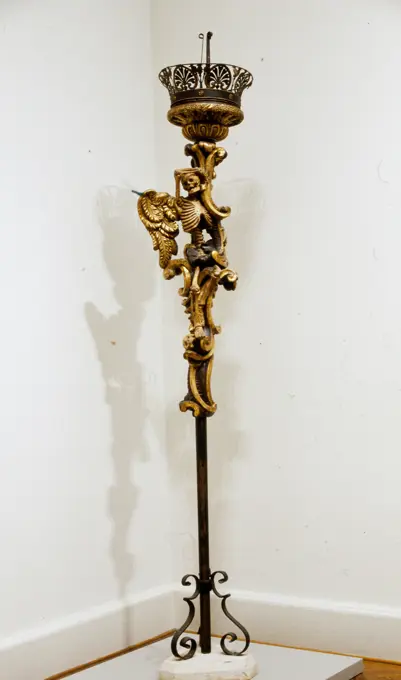
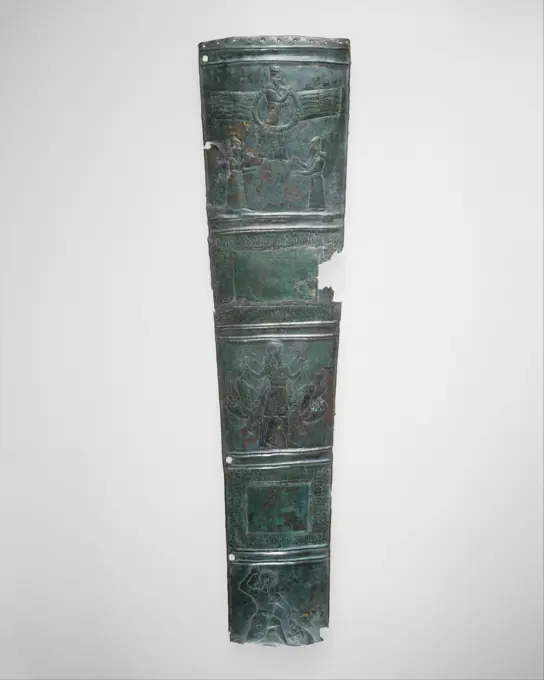
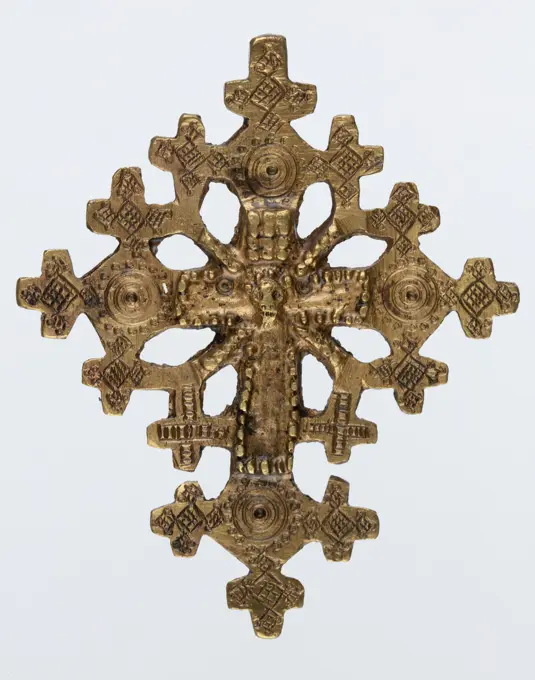
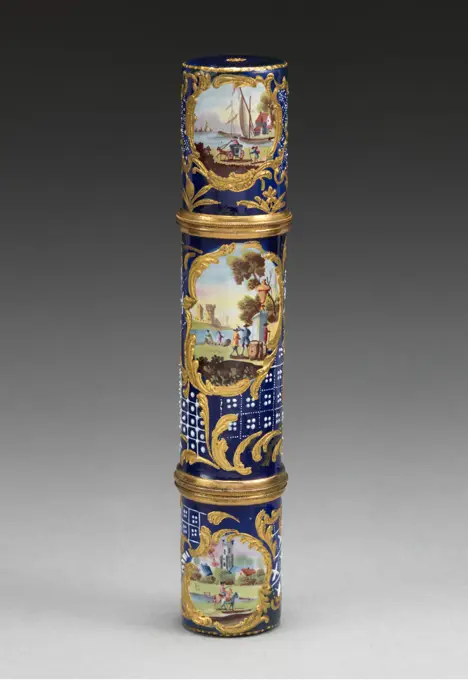
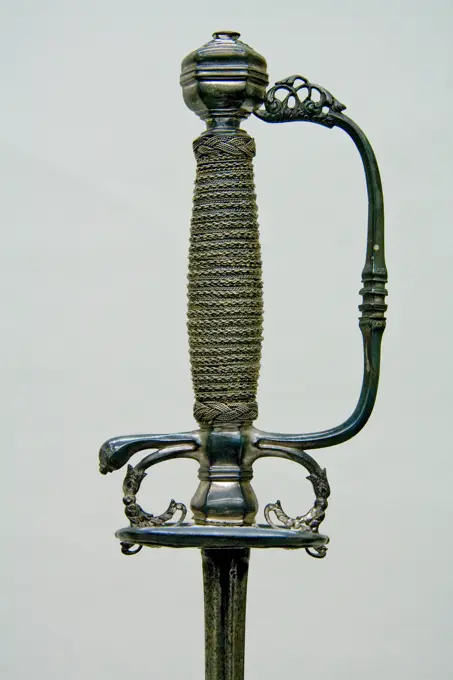
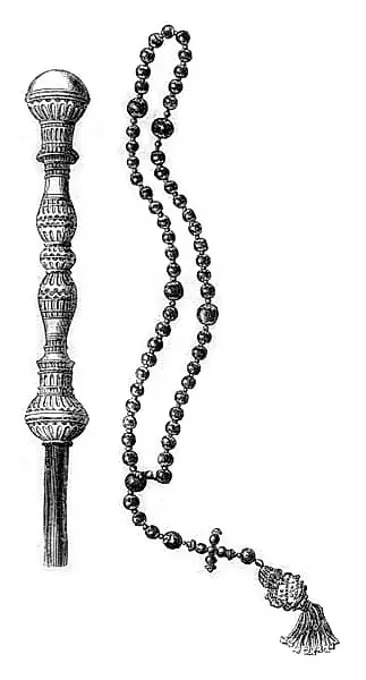
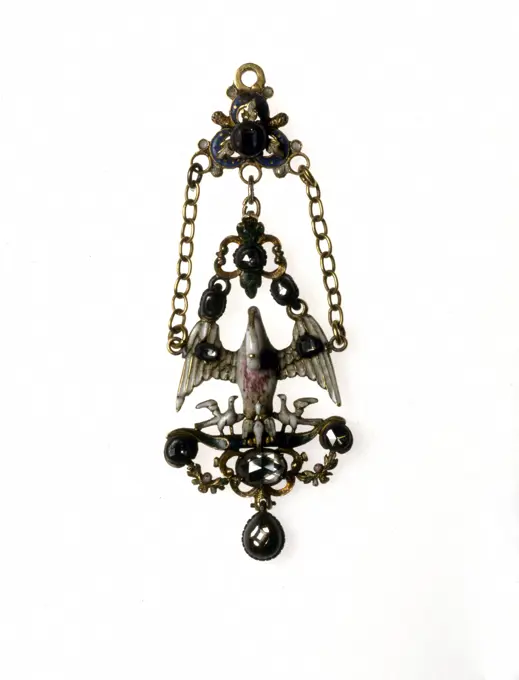
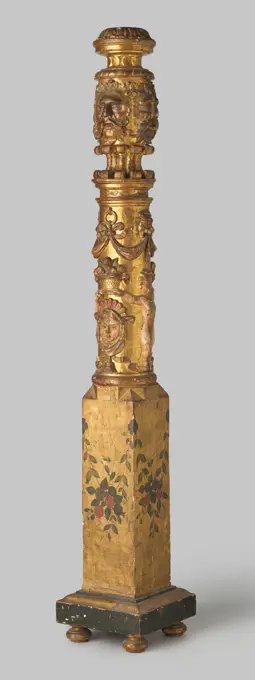
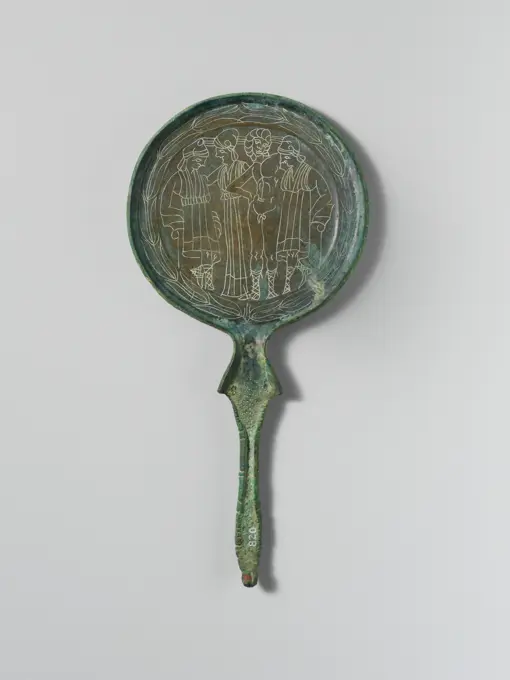
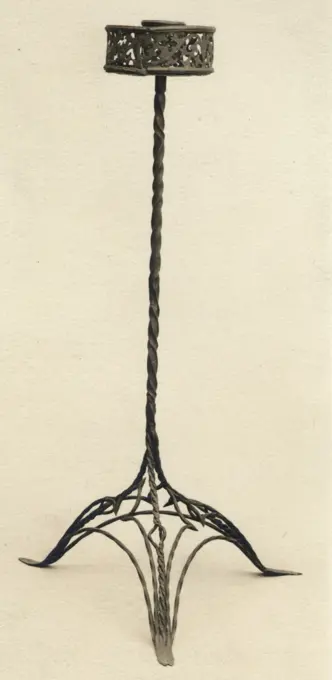
Candlestick 15th century European. Candlestick. European. 15th century. Iron. Metalwork-IronQuena (Kena) 200-400 Moche, possibly. Quena (Kena). Moche, possibly. 200-400. Copper. Pre-Columbian. Peru. Aerophone-Blow Hole-end-blown flute (vertical)Military Fork 1600-1700 France. Steel and wood (modern pine) .Pole Screen, 18th century, 58 3/4in. (149.2cm), Mahogany, United States, 18th centuryIdol; unknown Lurista workshop; VIII - VI century BC ; period of Iron II (-800-00-00--501-00-00);Nassery, Solaiman (Fl. Ca 1890-Ca 1990), Mr. Animals (Mitol.), Luristanian browns, gift (provenance), idols, Iran's art, animal (style), the culmination of "BannersBracelet consisting of ten opened links of gold and email.Boston Rocker. Dated: c. 1938. Dimensions: overall: 53.9 x 40.8 cm (21 1/4 x 16 1/16 in.) Original IAD Object: 37 1/2"high; 21 3/4"wide. See data sheet for dets.. Medium: watercolor, colored pencil, and graphite on paper. Museum: National Gallery of Art, Washington DC. Author: Einar Heiberg.Key; 1909-2-240Macehead. Iran, Luristan, Luristan bronzes, circa 800-650 B.C.. Arms and Armor; maces. Bronze, castLoopHalabardaList fragment: Gilded list of pâte ornaments, under rule part 1., c. 1700 - c. 1899 frame Gilded list of oak leaves with acorns. List part, part of the under line. With written on the back: 'Bottom No.3, Facing Front Window'.  wood (plant material). gold leaf gildingSilver, Bartholomeus Smits, 1788 Silver sprinkle with an oval container. The container is open with a symmetrical pattern. The powerfully curved stem is at right angles to one of the long sides and is crowned with a bird. Schoonhoven silver (metal) Silver sprinkle with an oval container. The container is open with a symmetrical pattern. The powerfully curved stem is at right angles to one of the long sides and is crowned with a bird. Schoonhoven silver (metal)Silversmith's Art, Italy 19th century. Silver oil lamp with snuffers, snuffer and probe.Alto Recorder in F ca. 1700 Johann Benedikt Gahn German Johann Benedikt Gahn was admitted as master in the Nürnberg wood turners guild in 1698. Specializing in musical instruments he maintained a workshop until his death in 1711. About sixteen recorders and a few oboes of ivory or boxwood have survived. Some of his recorders, like this one, feature a carved decoration with acanthus leaves and a mask, a motive, linked to Nürnberg, and appearing on other instruments by other makers. It occurs on peg boxes of viols and on recorders of the famous Nürnberg woodwind maker, Johann Wilhelm Oberlender the Elder (1681-1763). The alto recorder, one of several members of the recorder family, became the favorite size after 1700 and many chamber pieces were written for it. It was also assigned solo tasks in orchestral works of the period.. Alto Recorder in F. German. ca. 1700. Ivory. Nürnberg, Germany. Aerophone-Whistle Flute-recorderGourd Rattle late 19th century Native American (Guyanese). Gourd Rattle 501880Earring 6th-7th century Langobardic or Byzantine (). Earring 469002English Bass Horn in B-flat ca. 1835 Frederick Pace The bass horn evolved from the serpent around 1800, and was a popular band and orchestral instrument until the 1830s when it was displaced by the ophicleide ("keyed serpent"). The application of valves to low brasses made these awkward keyed instruments obsolete, though some remained in use in Italy until the early 20th century. Today their function is served mainly by tubas.. English Bass Horn in B-flat. British. ca. 1835. Brass. London, England, United Kingdom. Aerophone-Lip Vibrated-hornDoor knocker probably last quarter 17th century French. Door knocker. French. probably last quarter 17th century. Iron. Metalwork-IronDoor Post with Grapevine Emerging from a Chalice and a Small Cross 6th-7th century The oblong shape and vertical orientation of this carved limestone post indicate that it served as the border for a larger architectural feature such as a door. The grapevine carved at center is an example of one of the most popular motifs used to frame doorways and arches in late antiquity. Here the vine emerges from a fluted chalice and winds upward with alternating clusters of grapes and large palm-like leaves. While the post's original use is unknown, the small cross carved into is base suggests a Christian context.M OTEK of the first caretaker from Berlin;  around 1922 (1917-00-00-1927-00-00);Dedications, Freemasonry Lodge, Freemasonry, Poziography (Masonic symbol), FreemasonryTop for standard ca. 8th-7th century B.C. Iran. Top for standard 322861Linstock. Culture: Italian. Dimensions: L. 73 5/8 in. (186.9 cm); L. of head 14 3/8 in. (36.5 cm); W. 5 3/4 in. (14.7 cm); Wt. 2 lbs. 12 oz. (1250 g). Date: ca. 1600. Museum: Metropolitan Museum of Art, New York, USA.Rolland Livingstone and Arlene Perkins, Fire Screen, c 1941 Fire ScreenOboe, anonymous, c. 1830 Hobo of boxwood wood with three ivory rings and ten valves. Germany (possibly) boxwood (hardwood). ivory. brass (alloy) Hobo of boxwood wood with three ivory rings and ten valves. Germany (possibly) boxwood (hardwood). ivory. brass (alloy)Mirror ca. 1635-1458 B.C. Second Intermediate Period-Early New Kingdom. Mirror 546893Buckle 1804 Dutch. Buckle 102491Sealing wax case (étui) 1762-63 French, Paris As described in the eighteenth century étuis were covered cylindrical containers for toothpicks, needles or pins; an example probably quite similar to this was sold by the marchand-bijoutier Lazare Duvaux to Madame de Pompadour in November 1755. From Duvaux we learn that étuis were also used as sealing-wax cases, their flat bases engraved in reverse with a coat of arms or monogram. In January 1752 Duvaux charged for the engraving of a coat of arms on the base of one étui, and in July 1756 altered another by remaking the base and having the coat-of-arms re-engraved. As all surviving étuis of this type have flat bases their function may be deduced according to their size. This, the largest and most common size, was probably intended for sealing wax.. Sealing wax case (étui). French, Paris. 1762-63. Gold. Metalwork-Gold and PlatinumPot Hook 16th century Spanish (). Pot Hook 468550Top for standard ca. 9th-8th century B.C. Iran. Top for standard 322855List fragment: Gilded list of pâte ornaments, under rule part 2., c. 1700 - c. 1899 frame Gilded list of oak leaves with acorns. List part, part of the under line. Written on the back: 'No.3'.  wood (plant material). gold leaf gildingFigure-top spoon second half 16th century possibly Southern German. Figure-top spoon 188233 possibly Southern German, Figure-top spoon, second half 16th century, Silver, parcel-gilt (), Length: 5 3/8 in. (13.7 cm). The Metropolitan Museum of Art, New York. Gift of Mrs. Samuel P. Avery, 1897 (97.2.210)Ornamental Detail, 1775-1799. France, 18th century, Period of Louis XVI. Gilt bronze; overall: 26.7 x 3.9 cm (10 1/2 x 1 9/16 in.).Rapier. Culture: Italian, Milan. Dimensions: L. 34 1/2 in. (87.6 cm); L. of blade 27 1/8 in. (68.9 cm); W. 6 in. (15.2 cm); Wt. 2 lb. 14. oz. (1304.1 g). Maker: Daniele der Serravalle. Date: dated 1560. Museum: Metropolitan Museum of Art, New York, USA.Head of a Banner Staff 18th century German (Prussian) or Italian. Head of a Banner Staff. German (Prussian) or Italian. 18th century. Steel, wood (ash). Shafted Weapons. As a rule, Atlas carries a celestial globe, a three-dimensional map of the stars. A timepiece can also represent the universe, showing the movement of the stars. To enhance the engraving on the dial and foot, the furrows of the lines were filled with niello, a rich black alloy of silver, copper and sulphur.Basket-Hilted Sword 1600-1625 British This sword is believed to have belonged to Sir William Twysden (1566-1628), who was knighted by King James I in 1603, served in Parliament for many years, and was a collector of books and manuscripts. It is one of the finest examples of a silver encrusted English basket-hilted sword of this period.. Basket-Hilted Sword. British. 1600-1625. Steel, silver, gold, leather. SwordsStandierbeknung with Koransure for religious processions. "God is the light of heaven and earth. His light is like a niche with a lamp. The lamp is in a glass that is so blank as if it were a sparkling star. She burns from a blessed tree. Trust on God. "(Koraninini, Sure 24) Property of the Foundation for the Hamburg Art CollectionsFishing Net Charm(Suk)Marks Untraced, Caddy Spoon, probably 1820-40, silver.Cute happy unicorn pop star singer and lettering sing. Cartoon vector illustration. Kids monochrome coloring page with colored template. For coloring, education, print, game, decor, puzzle, design. Singing unicorn with lettering coloring and template vectorChromatic Bass Horn in B-flat ca. 1825 German. Chromatic Bass Horn in B-flat. German. ca. 1825. Copper, brass. Germany. Aerophone-Lip Vibrated-hornDjed pillar Amulet 664-30 B.C. Late Period-Ptolemaic Period The djed-pillar is a stylized representation of an early fetish that probably consisted of plant material. From the beginning of ancient Egyptian history it was used as a symbol signifying permanence. From the New Kingdom on it was associated with the god Osiris and identified as his backbone. The djed-pillar here was probably used as funerary amulet to ensure permanence and to closely connect the deceased to Osiris, a god who was revived after death. On top of the djed-pillar is a so called atef-crown that was often worn by Osiris.. Djed pillar Amulet. 664-30 B.C.. Faience. Late Period-Ptolemaic Period. From EgyptKey from the lock-lock; Konstable, Karol; 2 after. 19th century (1851-00-00-1875-00-00);Brayette ca. 1510-15 Italian. Brayette. Italian. ca. 1510-15. Steel, copper alloy. Armor for Man-3/4 ArmorUmbrella Stand. Dated: c. 1940. Dimensions: overall: 54.5 x 33 cm (21 7/16 x 13 in.) Original IAD Object: 12 1/2" in diameter; 25" high. Medium: watercolor and graphite on paper. Museum: National Gallery of Art, Washington DC. Author: Ernest Busenbark and John H. Tercuzzi.Wall Bracket for a Lamp 11th century Byzantine Lamps provided light in churches, especially for the reading of the Gospels, sermons, and select texts and for the display of icons and relics.. Wall Bracket for a Lamp 466049Chariot Linchpin with Rabbit 11th-9th century B.C. China. Chariot Linchpin with Rabbit 49503Model or a chain stopper. Model of a chain stopper, consisting of a devil claw with a loosmaker. It consists of two parallel hooks connected by means of a harp at the right end and at the bend with a bolt. To make this bolt a lever between the legs hooks, with which the chain shelf can be pushed out of the hooks.Bracket (Italy); wood, paintedKey;  XVI W (1501-00-00-1600-00-00);Loop . Very openwork firms.Bliżej Kultury unknownWall arm of gilded lindenhout with three candle holders and decoration of asymmetrical sculpted acanthus leaf work with flowers, anonymous, c. 1755 - c. 1770 Wall of gilded lindenhout with three candle holders and decorated with asymmetrical sculpted acanthus leaf work with flowers. Netherlands linden. gilding (material) cutting / gilding Wall of gilded lindenhout with three candle holders and decorated with asymmetrical sculpted acanthus leaf work with flowers. Netherlands linden. gilding (material) cutting / gildingGirdle Set with Dragon, Clouds and Waves 18th-19th century China A fan case, watch cover, flat envelope, watch case, and folding case comprise this girdle set of accessories that hung from a man's belt. The set shows the continuation and expansion of a Yuan-dynasty (1279-1368) tradition of silk tapestry fans decorated with dragons among clouds.. Girdle Set with Dragon, Clouds and Waves 52476MountOvermantel Decoration, c. 1675-77. Grinling Gibbons (British, 1648-1721). Lindenwood; part 1: 69.3 x 178.4 cm (27 5/16 x 70 1/4 in.); part 2: 164.5 x 27.3 cm (64 3/4 x 10 3/4 in.); part 3: 177.8 x 26.7 cm (70 x 10 1/2 in.). The arrangement of architectural elements within grand interior spaces in the late 1600s and early 1700s emphasized symmetry and height. Decorative elements such as elaborately carved mantels, mirrors, paintings, and applied wall decorations were often stacked to achieve a visual focal point at one or both ends of the room. This particular overmantel decoration once hung above the fireplace in the Green Drawing Room of the Earl of Essex at Cassiobury in Watford, near London. In 1823, the British painter William Henry Hunt (1790-1864) produced a watercolor of the drawing room which featured this overmantel decoration.Grinling Gibbons was born in Rotterdam, the Netherlands, of English parents. After training there as an artist, he came to England in the 1660s and sooApplication;  18th century (1701-00-00-1800-00-00);Tripod vesselSmoker's companion () 17th century possibly French. Smoker's companion () 194571Products from Ludwigsbergs Werkstad. From Album: Ludwigsbergs Werkstad's limited liability company, Stockholm, Sweden.Pair of two-light wall brackets 1780-90 French Gilt bronze was extensively used for different types of lighting ranging from standing candlesticks and candelabra to hanging chandeliers and lanterns. Wall lights (bras de lumiere), were often placed on either side of mirrors to reflect the candlelight. Suspended from a gilt-bronze ribbon tied in a bow knot, an intertwined snake holds a garland of leaves supporting a lyre-shaped backplate, while a pan flute, tambourine and thyrsus are suspended on a ribbon below a satyr mask. The decoration clearly alludes to Bacchus, the Roman god of wine and revelry: thus music is combined with merry-making. The two arms are shaped as cornucopias with scrolls and garlands of vine leaves and grapes, their candle dishes piled with fruit.. Pair of two-light wall brackets 201451Set of four three-light sconces (bras de lumière) ca. 1787-88 French, Paris Music was one of Marie-Antoinettes lifelong diversions. She was taught to perform and sing when young in Vienna, where the opera composer Christoph Willibald Gluck (1714-1787) was her tutor. She amused herself with music several hours a day at the French court and was a devotee of the opera. The queens enjoyment of music is reflected in the design of these wall lights, which were ordered probably in 1787 or the following year for her use at the Chteau de Saint-Cloud. Although no precise date or authorship have been established for them, they can easily be recognized among the furnishings listed as in the queens Cabinet Intérieur in the detailed inventory description of the summer castle drawn up in 1789. Suspended from a gilt-bronze ribbon tied in a bowknot, the back plate of the sconces is shaped like a lyre with a pendant trophy of musical instruments. In addition to music, the decoration also alludes to The wind can of copper, with Triton, from the high hopper port. A copper wind vane with globe, a triton, from the high hopper port. The iron spindle ending in 4 lips.HEBILLA DE CINTURON-ARTE BARBARO. Location: VICTORIA AND ALBERT MUSEUM. LONDON. ENGLAND.Fragment, pilaster, wood, carved, portion of pendant ornaments composed of furit, foliage and drapery, France, ca. 1600, Decorative Arts, Fragment, pilasterBliżej Kultury Szulecki, BronisławTassels (Spain); silk, metallic thread, wire, glassHerman Bader, Andiron (one of pair), c 1938 Andiron (one of pair)Silk manipel with a pattern of four passes within oval fields ,, 1850 - 1900 Silk manipel with a pattern of four passes within oval fields. Neo-gothic. Roermond (Possible) silk Silk manipel with a pattern of four passes within oval fields. Neo-gothic. Roermond (Possible) silkThe humpback beggar is a nap in her left hand and a spoon in her judge. A drinking bottle hangs on a belt.MAR - Roman Archaeological Museum of Positano, Villa d'Ozio, Amalfi coast, Positano, Campania, Italy, EuropeFuneral torch, c. 1720, 112 1/2 x 22 x 20 in. (285.75 x 55.88 x 50.8 cm), Gilded and painted wood and wrought iron, Italy, 18th century, A funerary torch is a symbol of life in a ritual commemorating death. This torch would have accompanied a catafalque: a large, architectural structure that displays the coffin of an important person in catholic funeral rites. Catafalques were used primarily in catholic European cities from the 16th to 19th centuries, though they are still used on occasion for large, public funeral rituals, such as those for the pope.Models for Klampen and brackets of books locks, Anonymous, c. 1750 - c. 1775 Models for founding shapes of clamps and brackets of books locks. All decorated with a performance contained in rococo ornament. The clamps give a putto with a scale and a sword respectively; A putto with a lance and a burning altar and a putto with a mirror again. The brackets give a putto with a burning torch and a putto with an anchor and a bird again. The rear sides are filled with pitch. Amsterdam copper (metal) Models for founding shapes of clamps and brackets of books locks. All decorated with a performance contained in rococo ornament. The clamps give a putto with a scale and a sword respectively; A putto with a lance and a burning altar and a putto with a mirror again. The brackets give a putto with a burning torch and a putto with an anchor and a bird again. The rear sides are filled with pitch. Amsterdam copper (metal)BOKEK;  XVI ()-XVII century (1701-00-00-1800-00-00);Quiver cover ca. 9th-8th century B.C.. Quiver cover 327417Round gold lapel pin.lapse pin or gold, silver, (Blood) Coral and Glass.Field Ensign possibly 15th-16th century possibly Turkish The surface is engraved with interlocking Arabic inscriptions, Koranic verses, and numbers. One of the inscriptions, "Help from God and early victory," suggests the use of this ensign in a military context.. Field Ensign 22211Posey holder, Silver, tapering tubular handle curving to a small ball, with chain and ring attached. Oak-leaf and acorn ornamentation at base of filigree., India, ca. 1850, jewelry, Decorative Arts, Posey holderBliżej Kultury unknownScent bottle holder ca. 1760-1800 British, Staffordshire. Scent bottle holder. British, Staffordshire. ca. 1760-1800. Enameled copper. EnamelsSmallsword ca. 1700 British, probably London This example is notable for its faceted forms, its bold raised moldings, and the pierced foliage at the top of the knuckle-guard, features typical of English smallswords made about 1700.. Smallsword. British, probably London. ca. 1700. Silver, steel, wood. probably London. SwordsRuyi (A Type of Decorative Accessory) 18th century China. Ruyi (A Type of Decorative Accessory). China. 18th century. Cloisonné enamel. Qing dynasty (1644-1911). CloisonnéSardineFork. Manufacturer: George W. Shiebler and Company, American, 1876-ca. 1915Wall refuge with lion's head and snake. The object consists of four cast parts: the wall plate, the arm, the fat catcher, the candle pin. The wall plate is poured from the same shape as that of BK-BR-946-R, has the shape of a lion's head with a beakered beak, in which a square hole. Therefore a saying tape shared with the name and inscription .sterck.alden.leev. / Verssictich.voort. / .Tslanghen.vier. / .Fe.hans.rogier.1599. Therefore a rollerwork ornament, on which various decorations have been punched, o.. Four-leaved roses. A hole is arranged at the top. An eye is soldered at the rear. The arm is designed as a scaly snake wrapped in an S-shape. This is provided with a protrusion in the tail part, which fits into the mouth of the lion of the wall plate. A hole is applied to the head with opened mouth in which the candle pin can be screwed. The round fat catcher has a profiled edge and bottom. The candle pin has the form of a baluster in one point.EarringPipe bowlPouch 1780-1810 Russian. Pouch 169905Walking stick and beads of Prince Radziwill Orphan, vintage engraved illustration. Magasin Pittoresque 1869Round Golden Revers pin, c. 1800 - c. 1810 Reverse pin of gold, silver, (blood) coral and glass. Augsburg gold (metal). red coral (material). silver (metal). glaskraal: glass Reverse pin of gold, silver, (blood) coral and glass. Augsburg gold (metal). red coral (material). silver (metal). glaskraal: glassPendant Pelican (France), Italy 16th or XIXth century, gold, enamel, diamonds. Museum of Fine Arts of the City of Paris, Petit Palais. 50566-2 Diamond, email, Italy, jewelry, bird, gold, pendant, pelicanBouwfragment, anonymous, 1500 - 1600 Column on a square base of gilded, partially polychromed wood. The shaft is painted in shape and with branches with leaves at the bottom. The round upper part of the shaft shows stabbed figures with mascarons. See also: BK-16864-B. Spain (possibly) wood (plant material). oak (wood). gilding (material) gilding Column on a square base of gilded, partially polychromed wood. The shaft is painted in shape and with branches with leaves at the bottom. The round upper part of the shaft shows stabbed figures with mascarons. See also: BK-16864-B. Spain (possibly) wood (plant material). oak (wood). gilding (material) gildinglabyrinth maze puzzle made from keys.Bronze mirror 3rd-2nd century B.C. Etruscan The Dioskouroi flanking Minerva and an unidentified nude male. Inscribed on reflecting side: Cracna (perhaps the owner's family name). Bronze mirror 246382Netsuke, anonymous, 1800 - 1900 Stamp-Netsuke in the form of a Chinese table on four legs with an elephant and figures on it. Japan ivory Stamp-Netsuke in the form of a Chinese table on four legs with an elephant and figures on it. Japan ivorySeal, Silver, rock crystal, Revolving seal of rock crystal carved with a coat-of-arms. The silver handle is composed of dolphins., France, ca. 1720, jewelry, Decorative Arts, SealMold for Gourds, 9 7/16 x 2 3/8 x 2 3/8 in. (23.97 x 6.03 x 6.03 cm), Wood, metal, ChinaSilver mirror, decorated with "the dance class" by Jan Steen., Anonymous, 1909 Silver mirror, in the form of a Russian cross. The frame consists of neo-rococo motifs and is crowned by a rocaille cartouche in which a relief a reproduction to the painting of Jan Steen "The Dance Less". Friesland (possibly) silver (metal). glass. amalgam Silver mirror, in the form of a Russian cross. The frame consists of neo-rococo motifs and is crowned by a rocaille cartouche in which a relief a reproduction to the painting of Jan Steen "The Dance Less". Friesland (possibly) silver (metal). glass. amalgamMiniature flax reel (part of a set) 1675-1700 Southern German Part of set of silver miniature furniture, 31.37.1-.22, and a box, 31.37.23.. Miniature flax reel (part of a set) 196821Handscreen; engraved paper leaf, turned wood handle