Unique Vases and Bottles

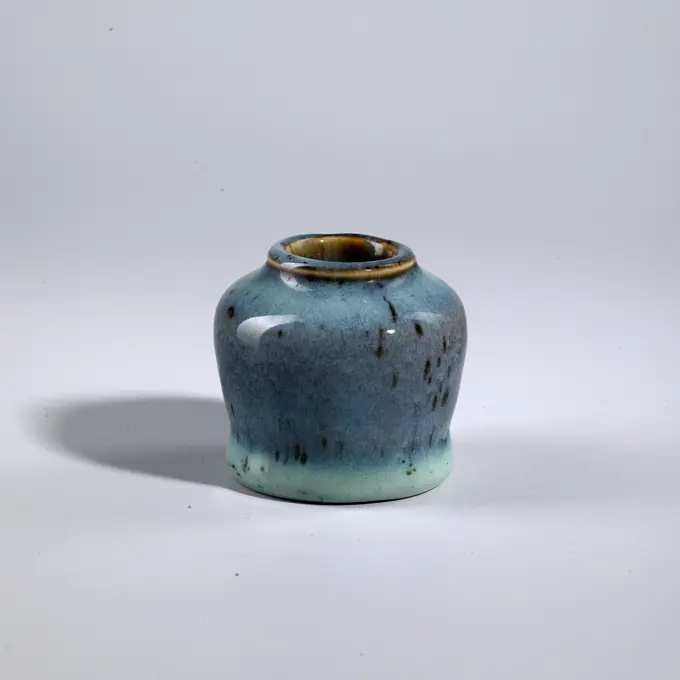
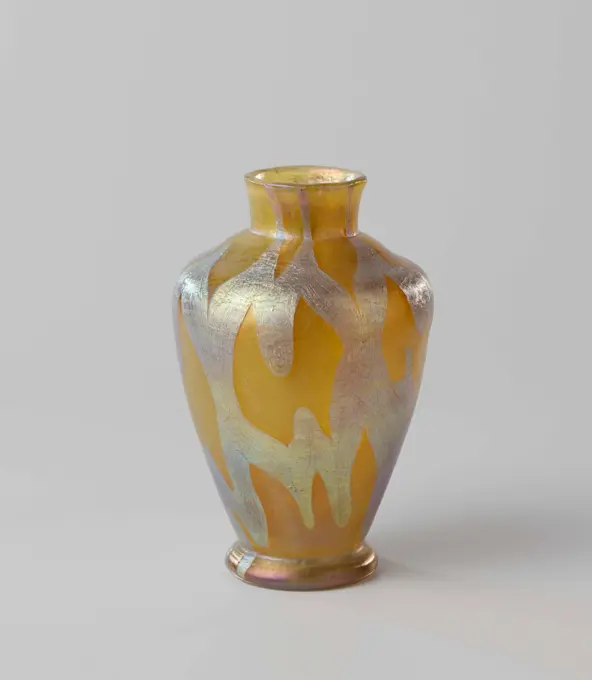
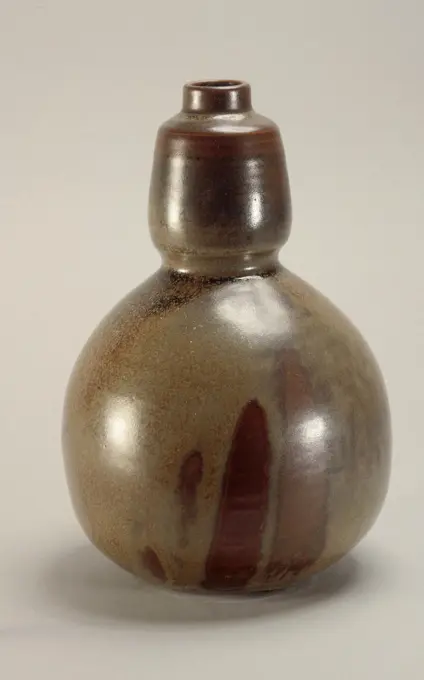
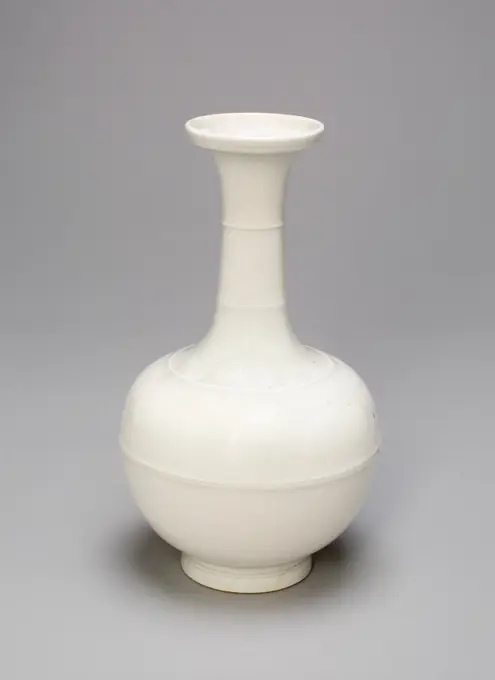
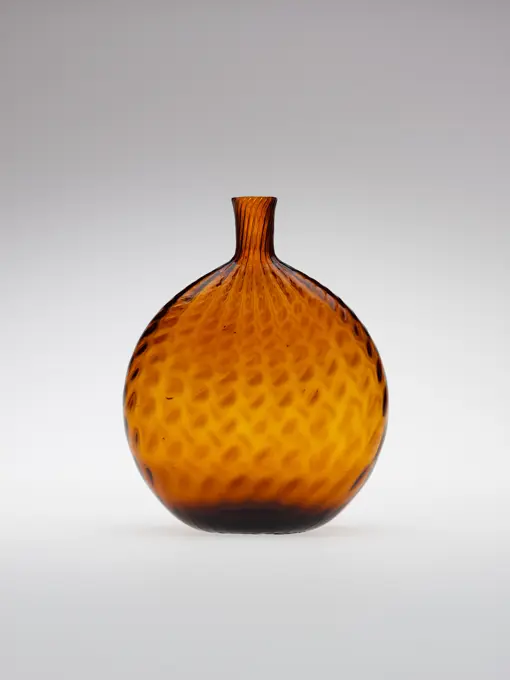
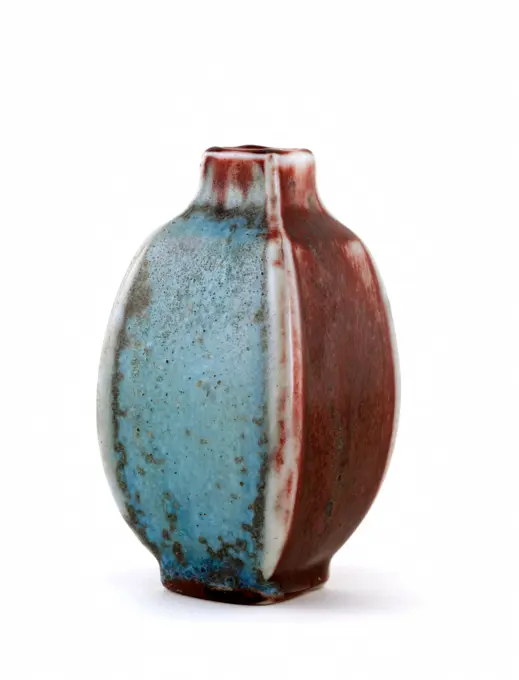
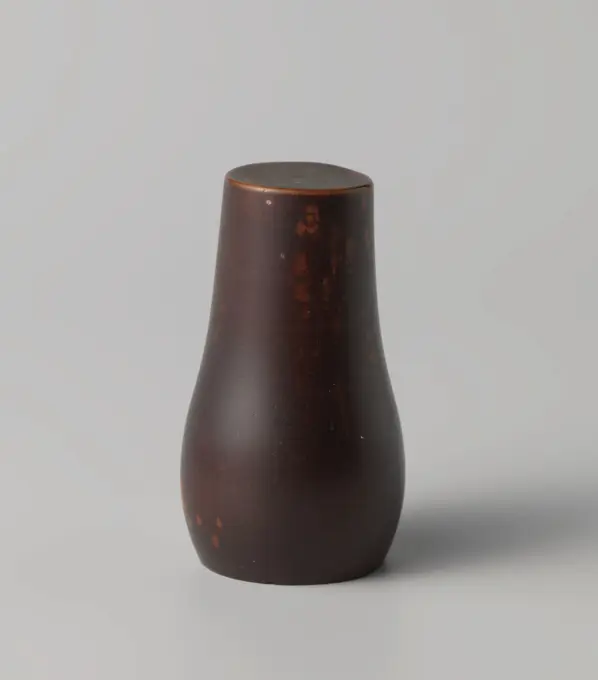
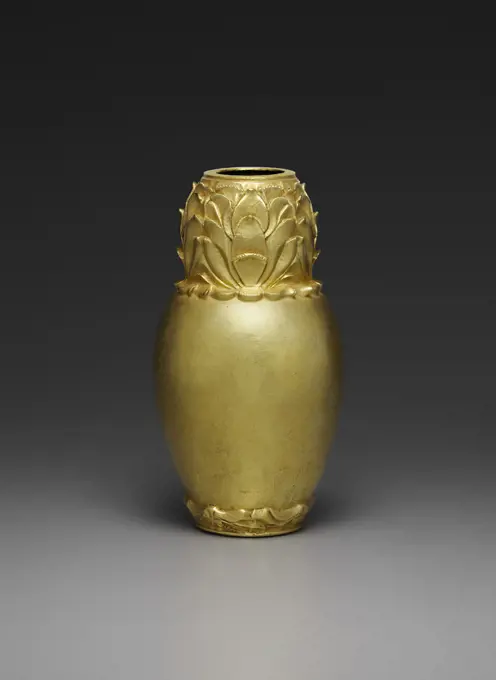
A range of vases and bottles in diverse shapes and colors, highlighting elegant designs and fine craftsmanship across different eras.
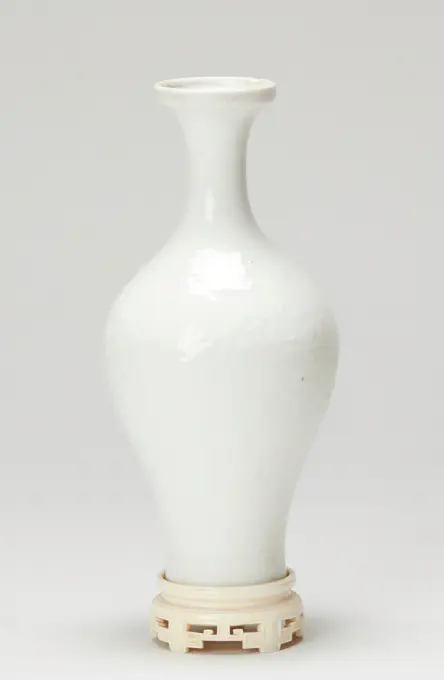
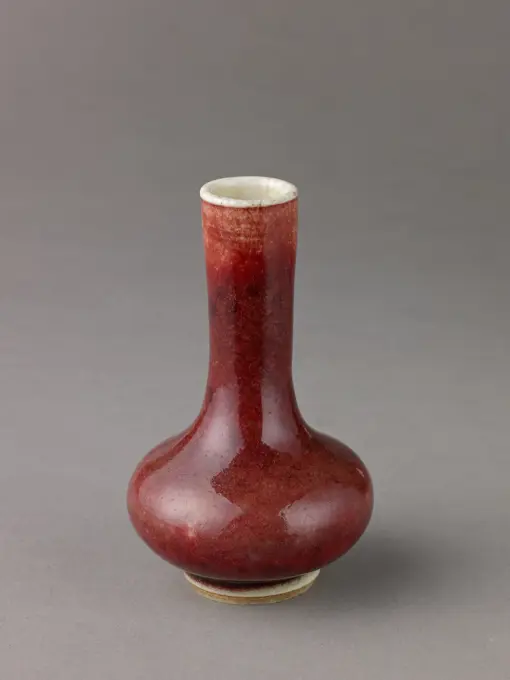
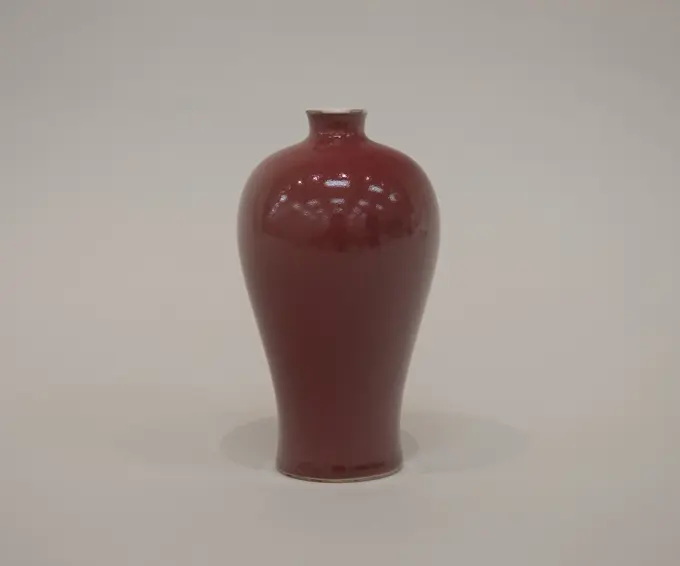
Vase, 1662-1722, H.7-1/8 in., Porcelain, China, 17th-18th century
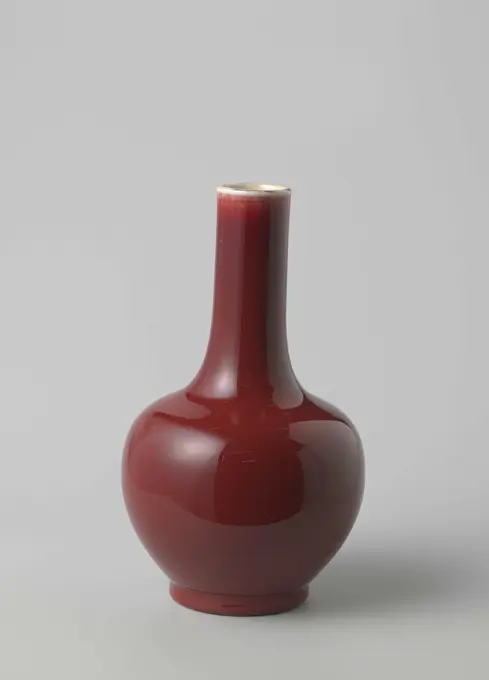
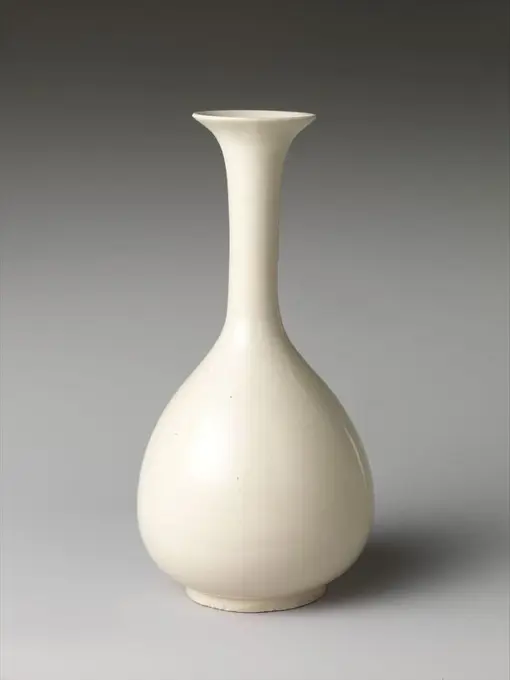
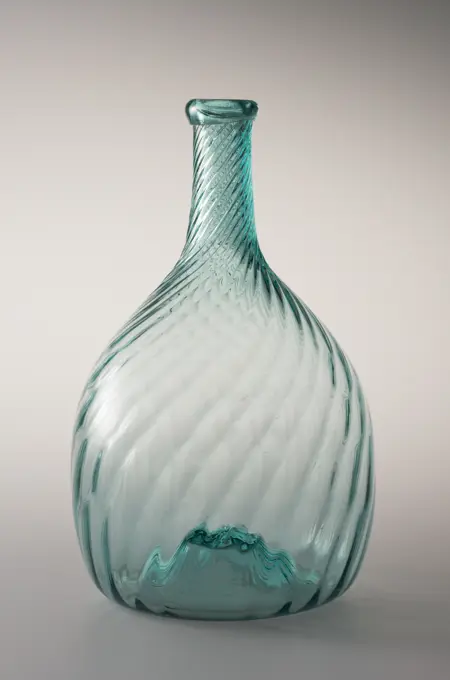
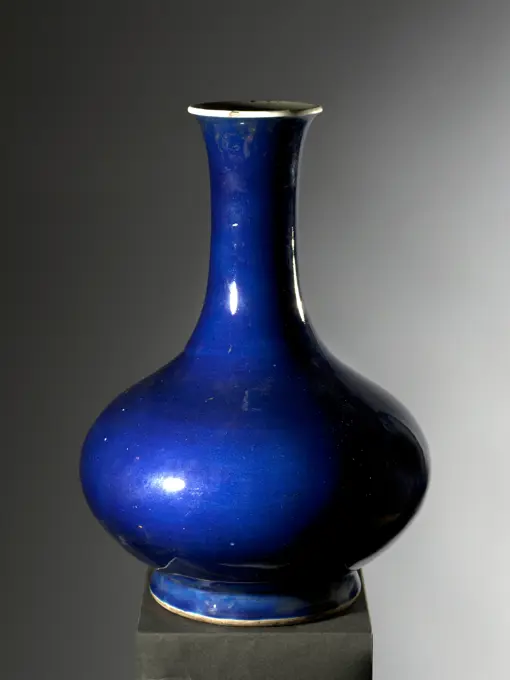
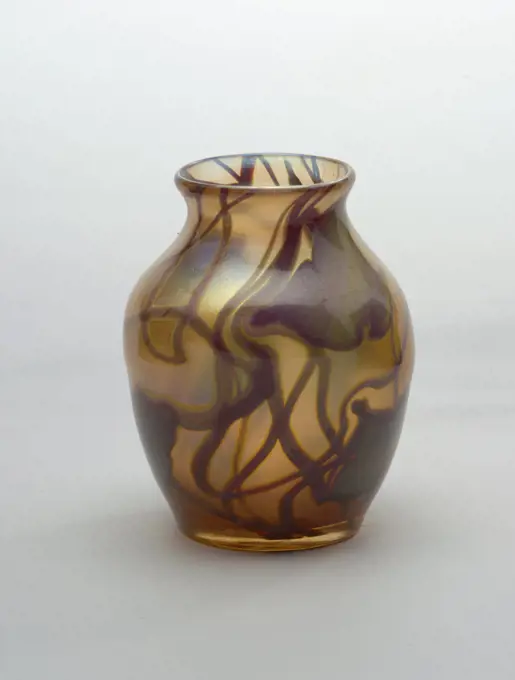
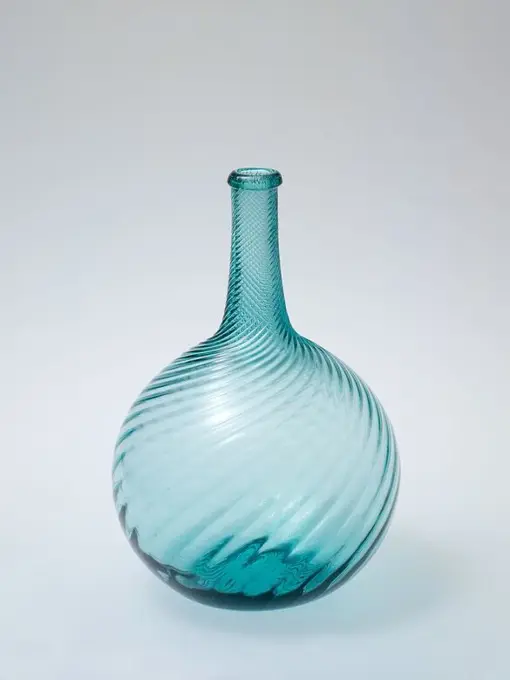
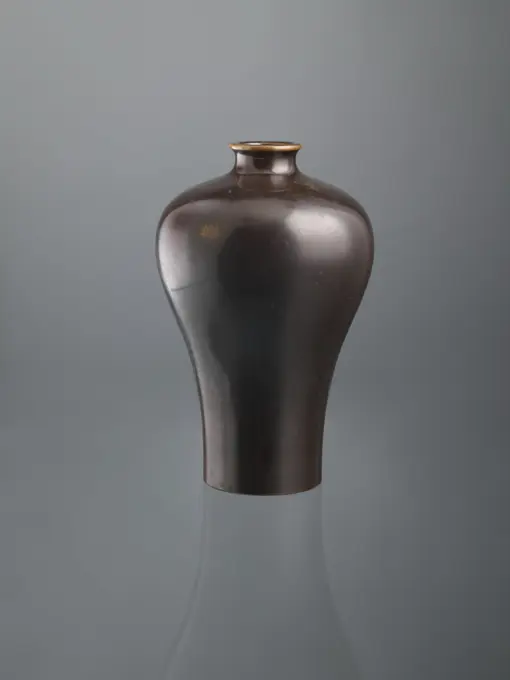
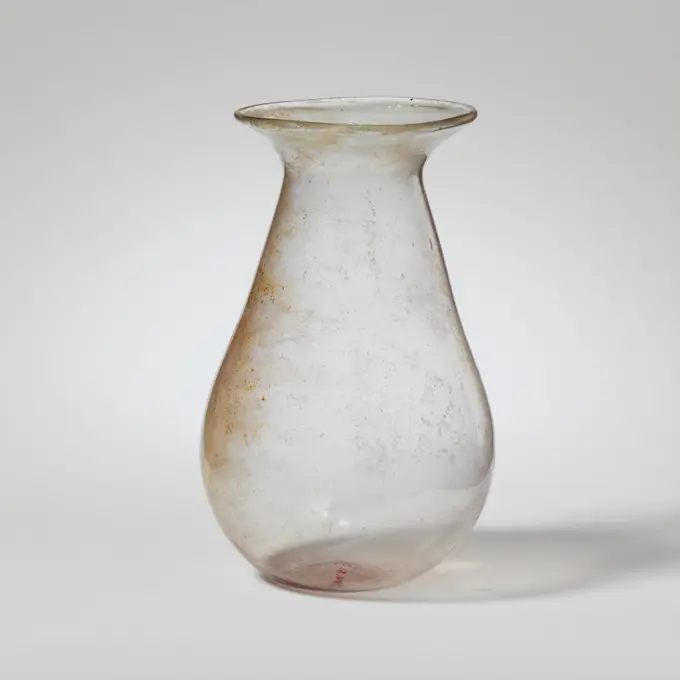
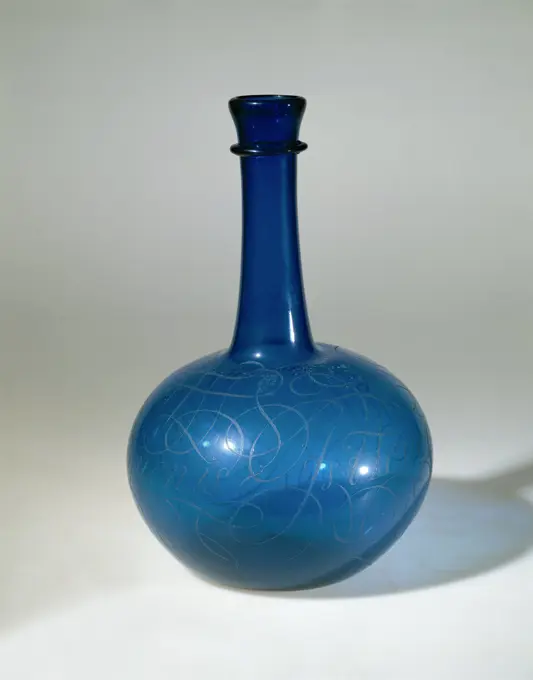
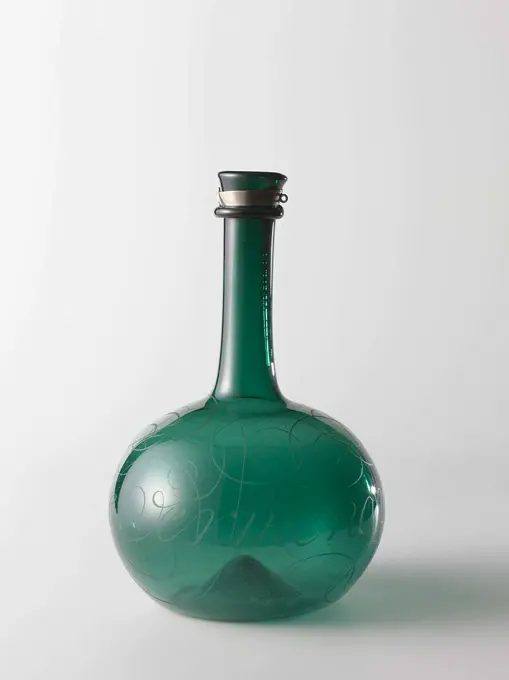
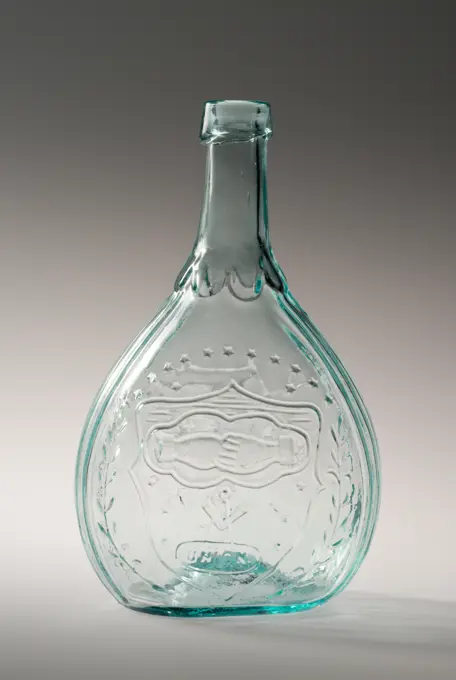
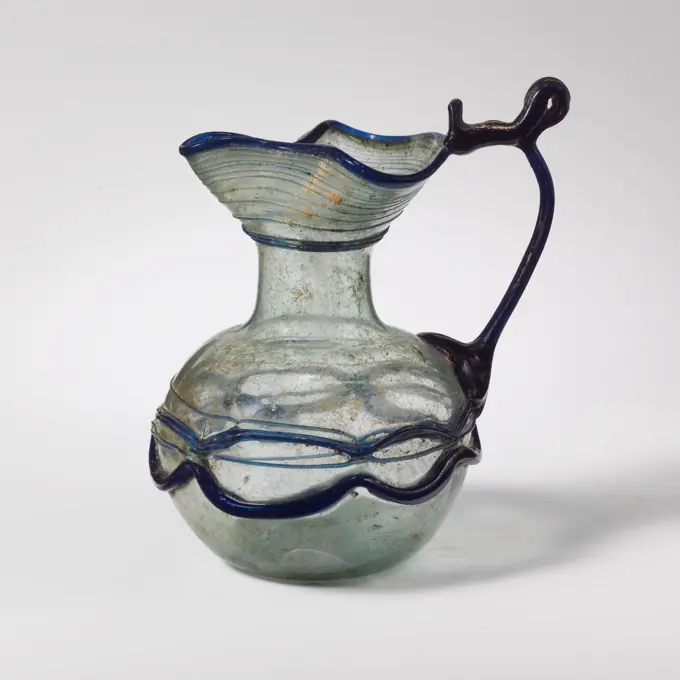
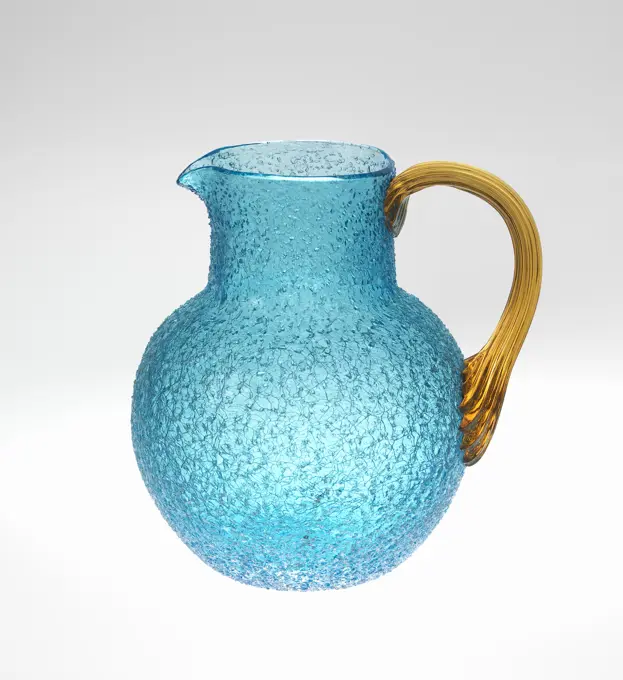
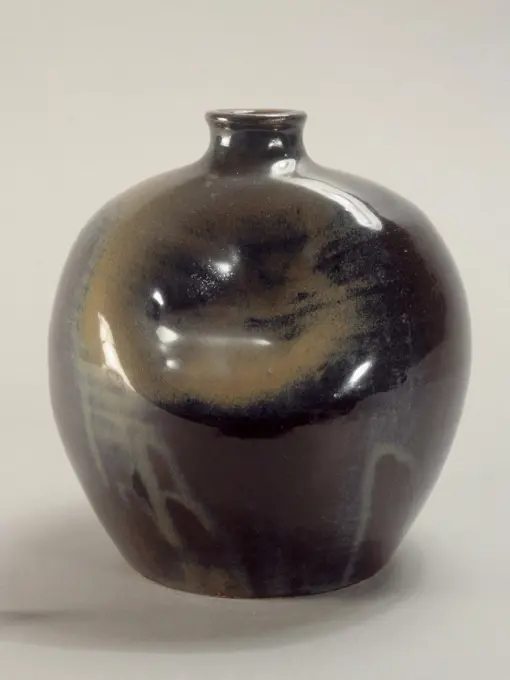
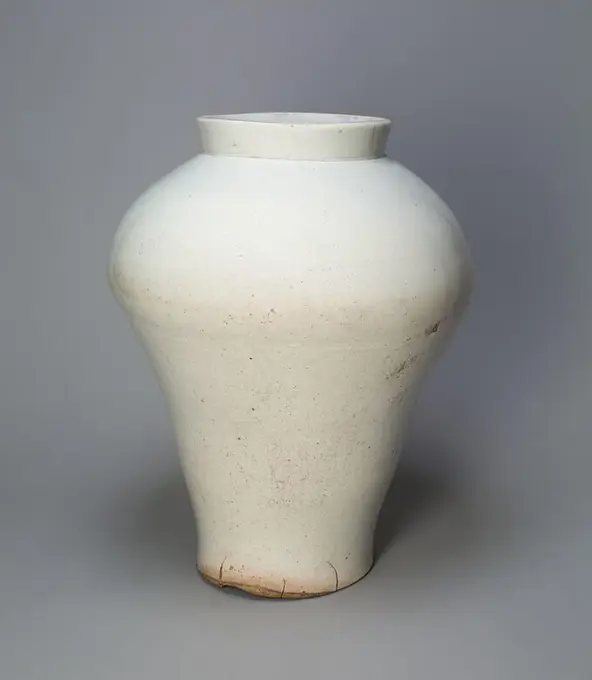
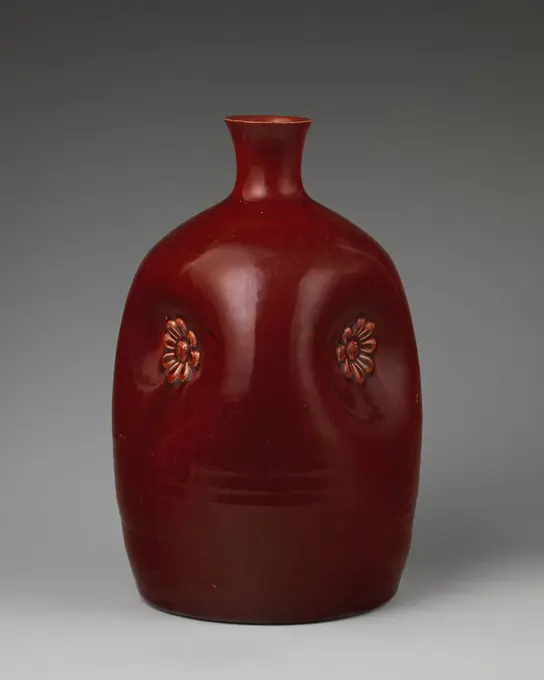
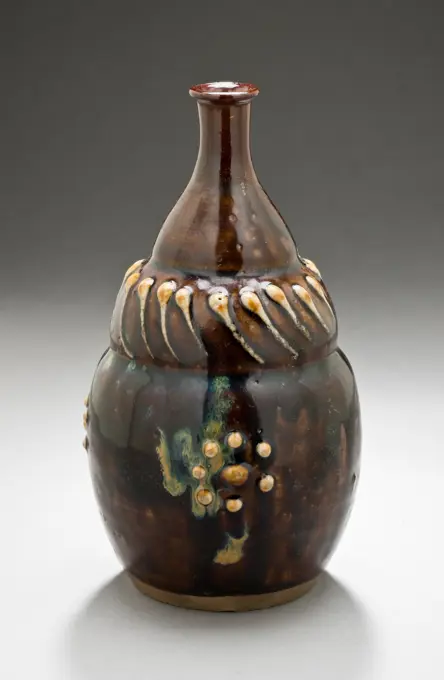
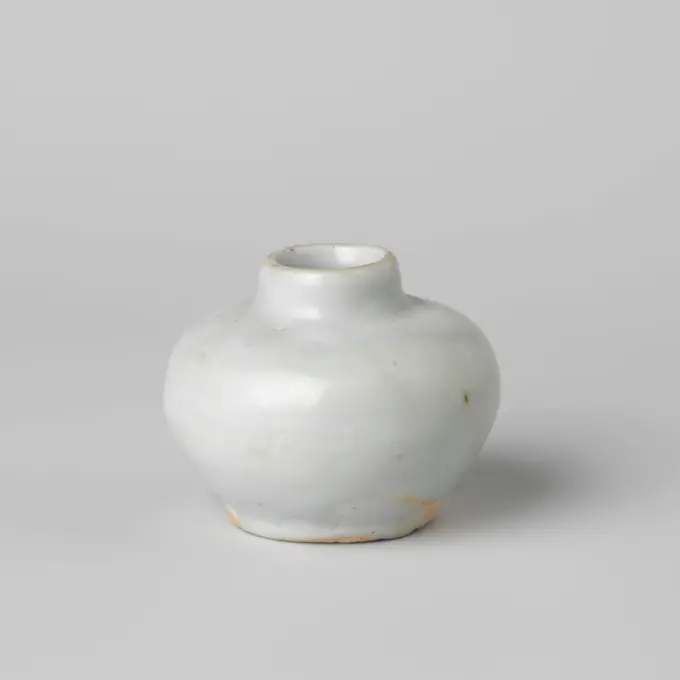
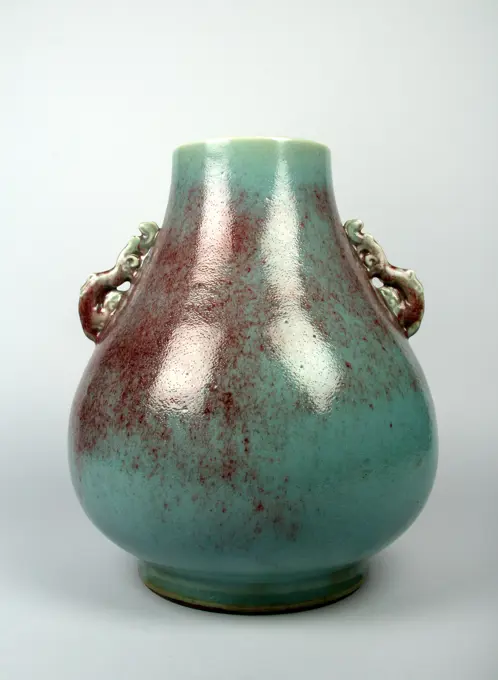
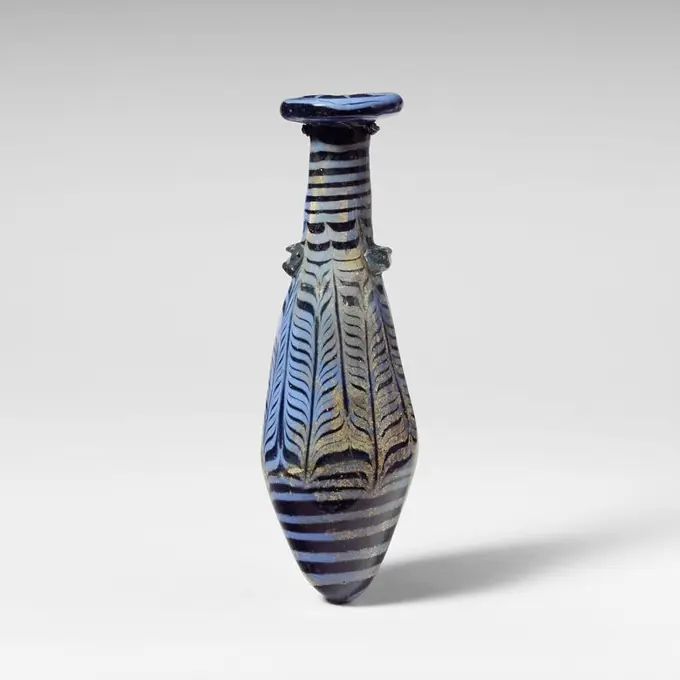
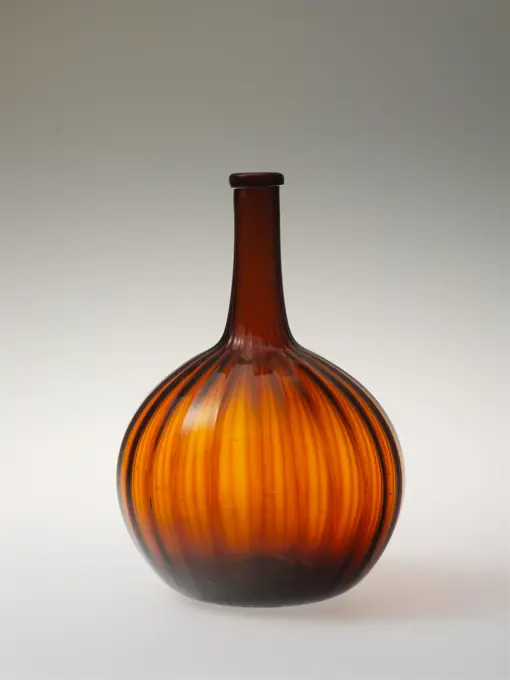
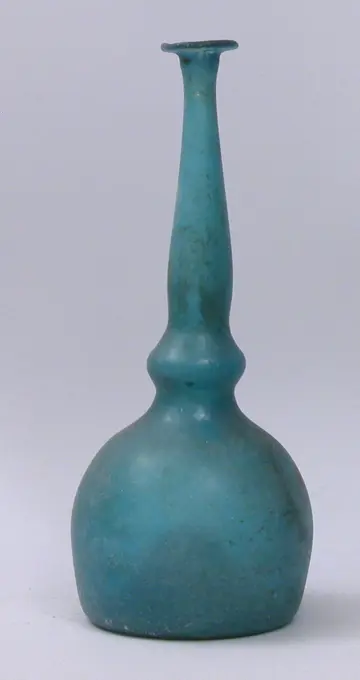
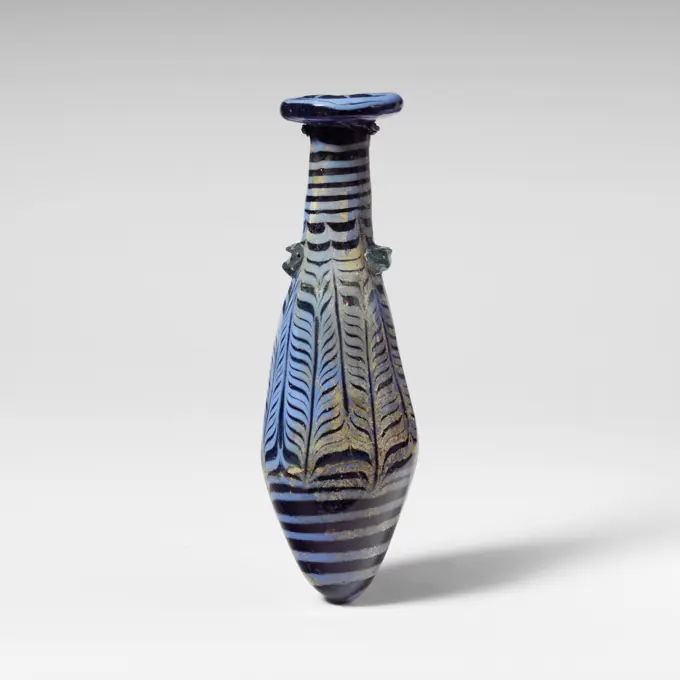
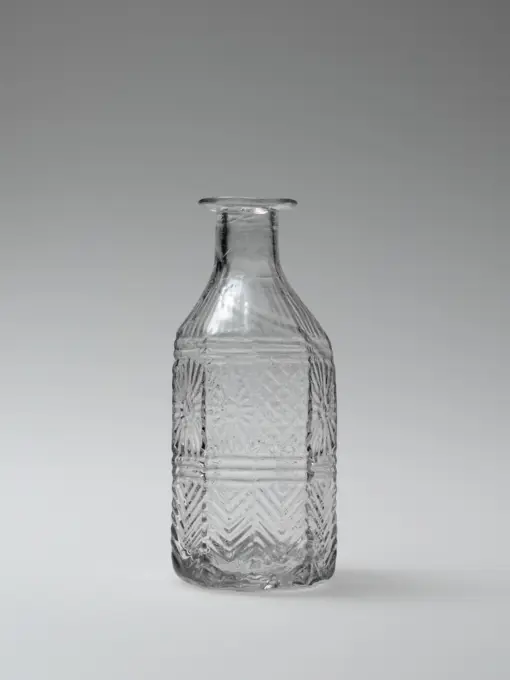
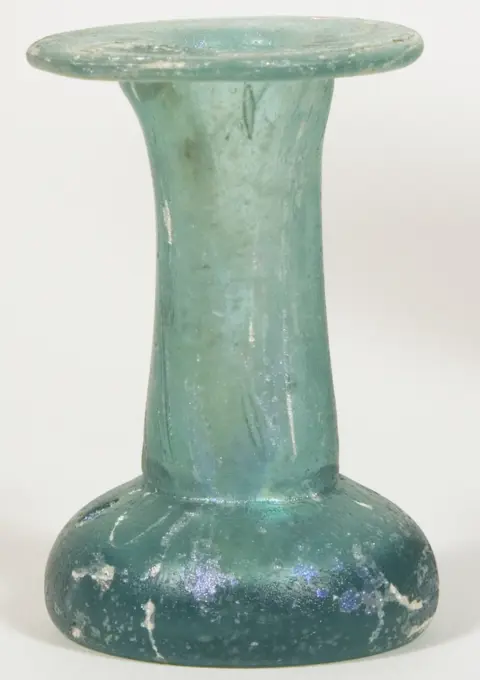
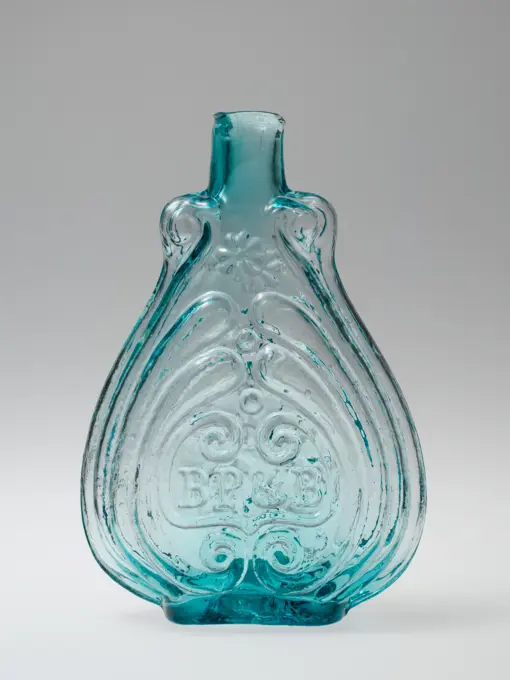
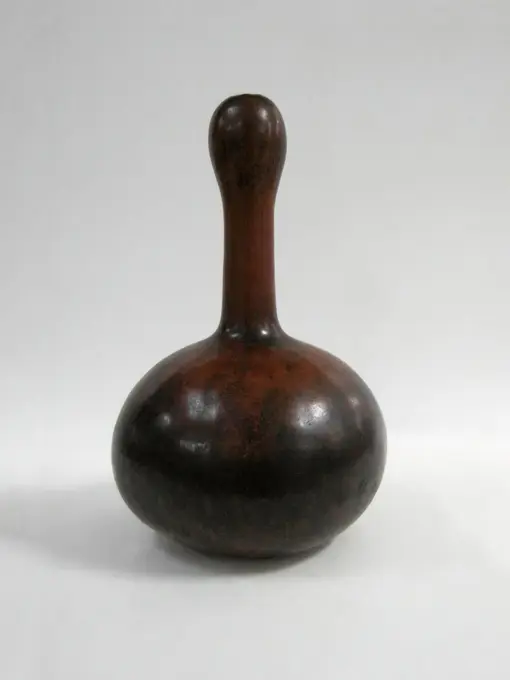
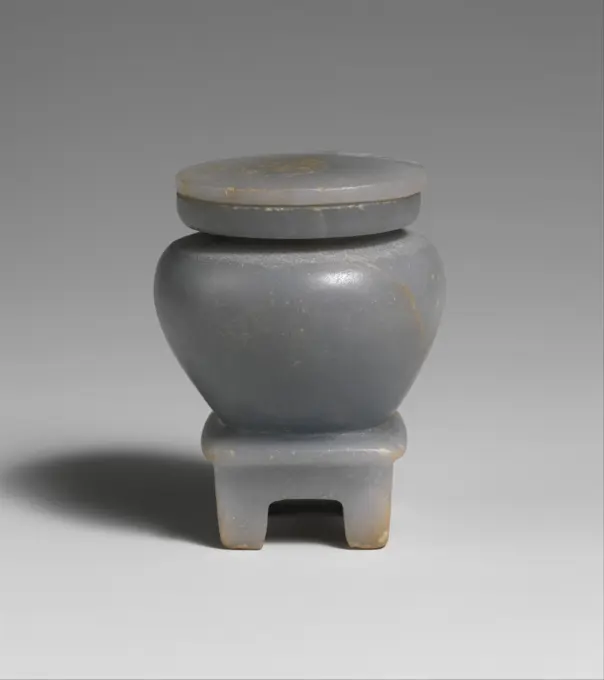
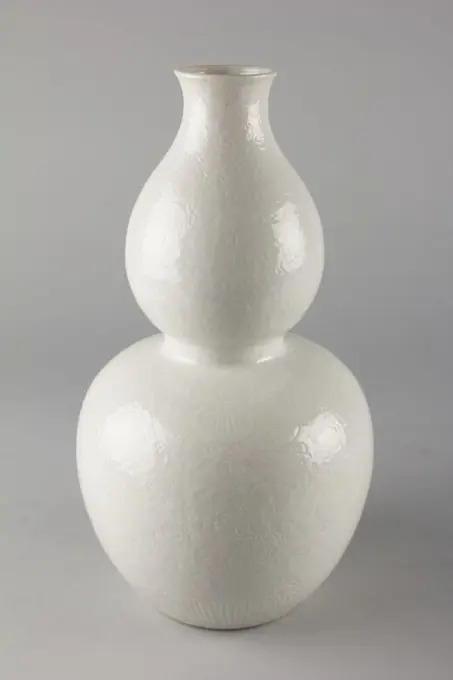
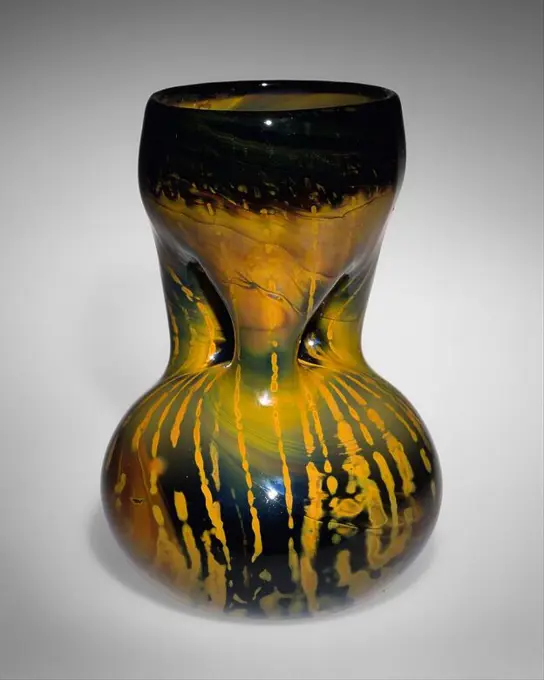
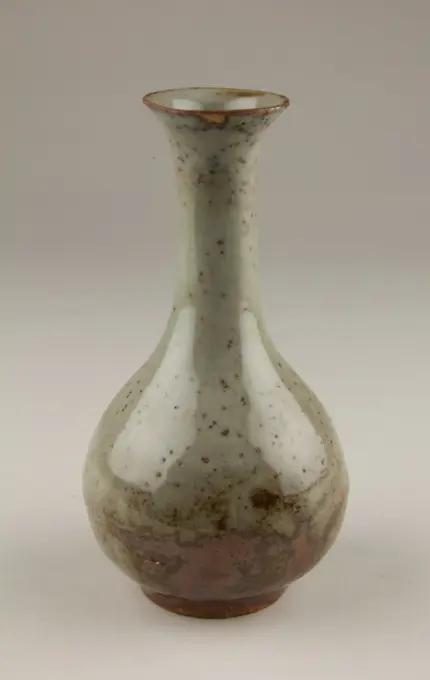
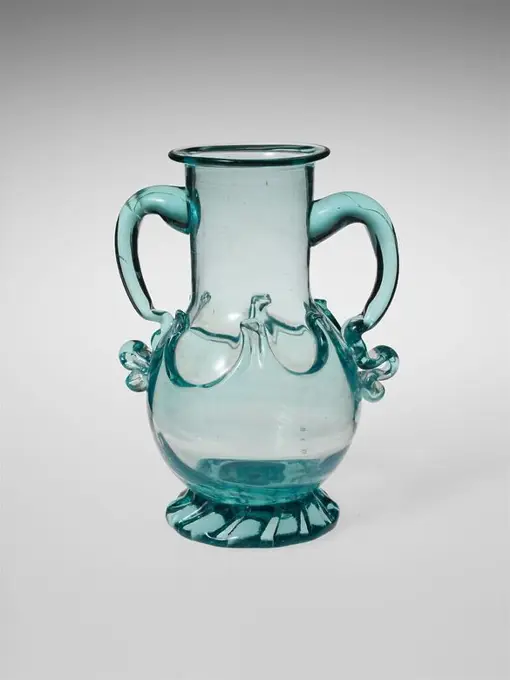
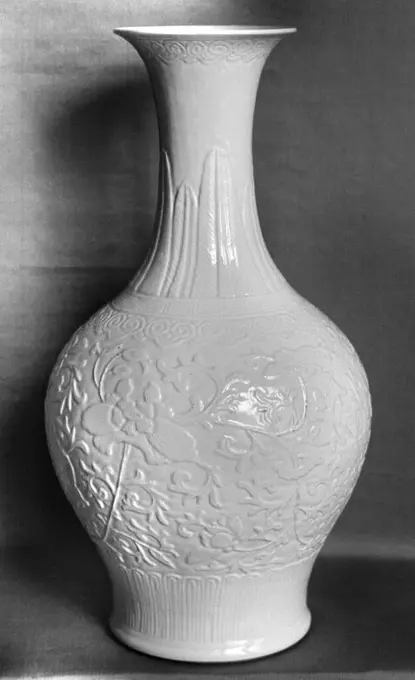
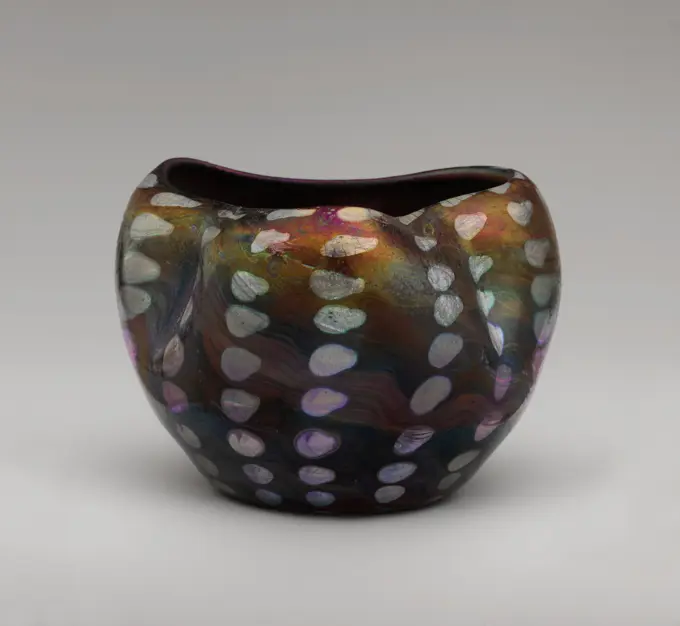
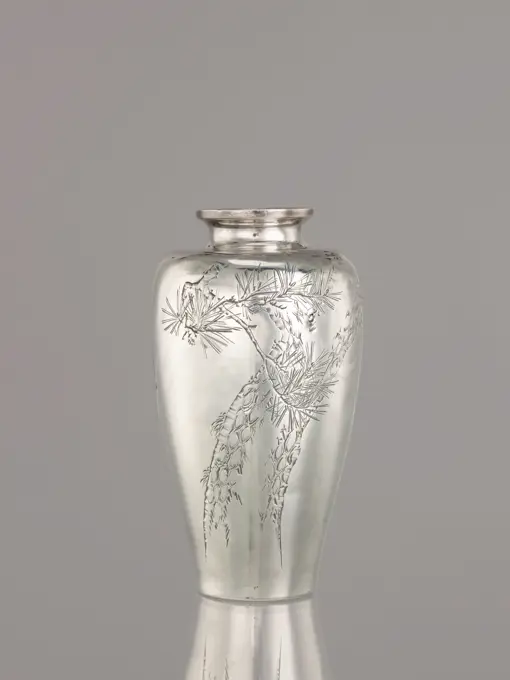
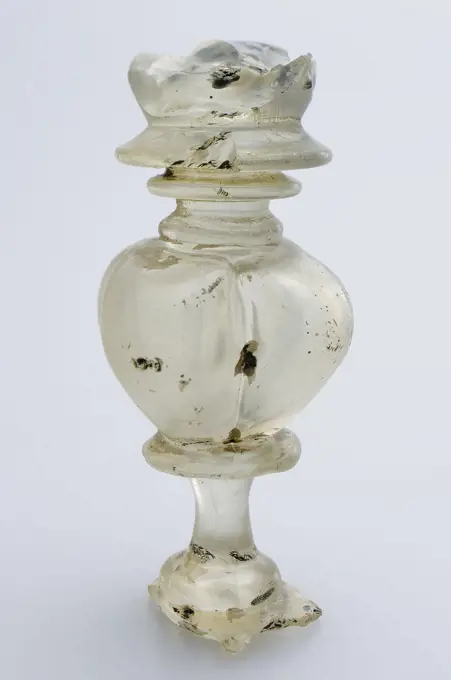
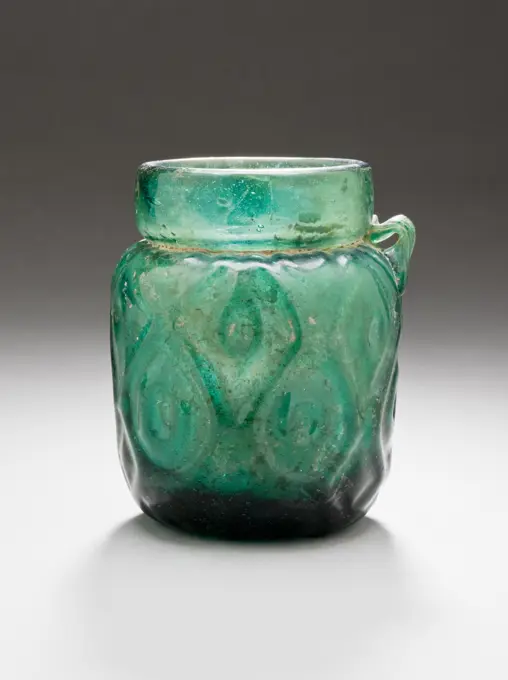
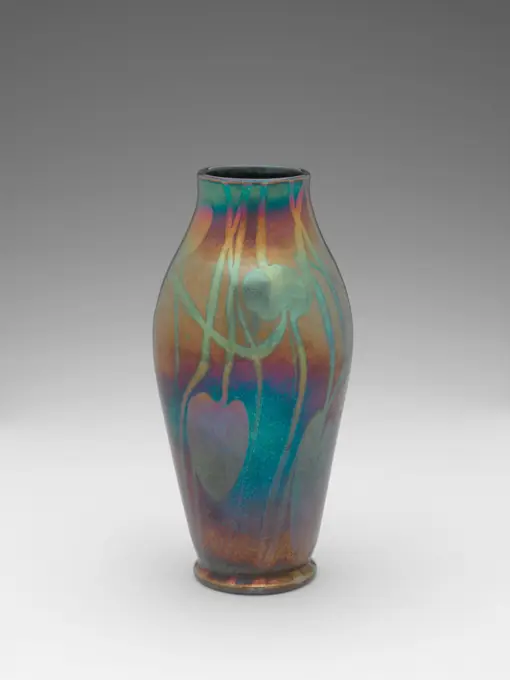
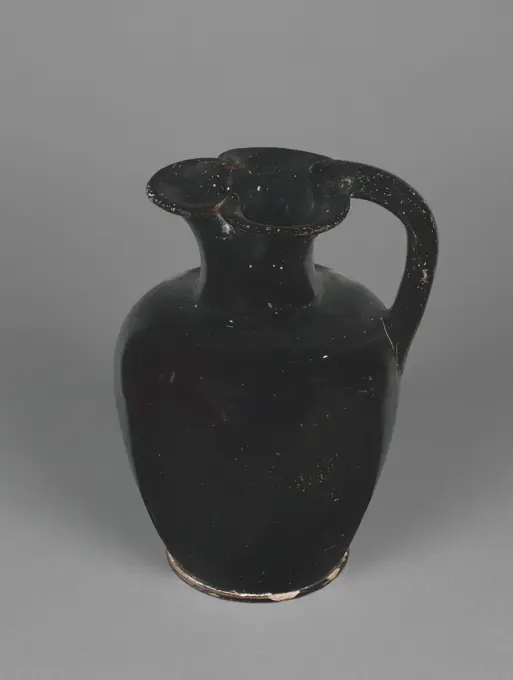
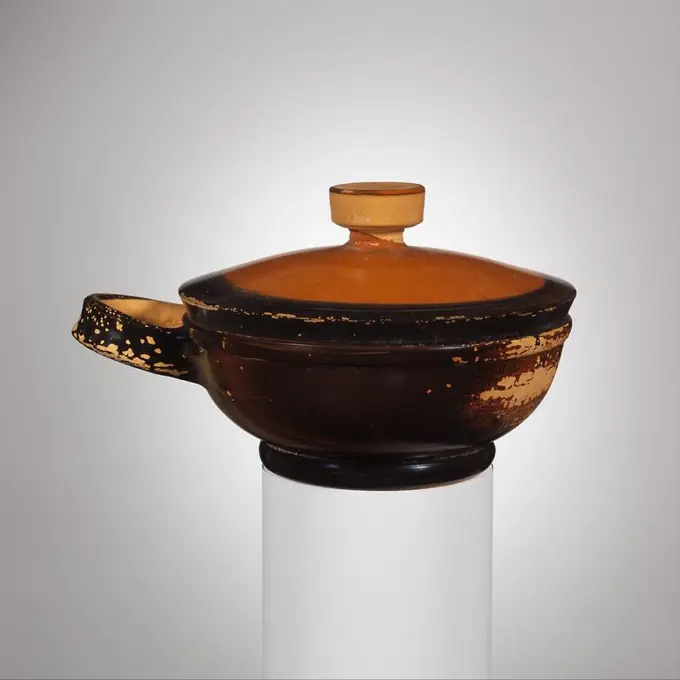
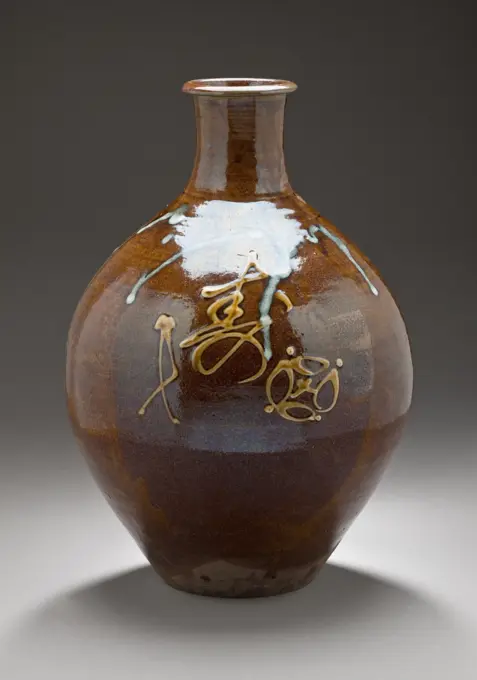
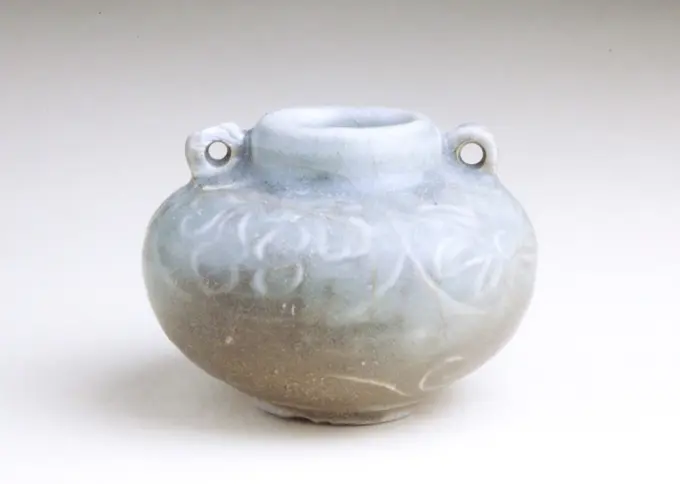
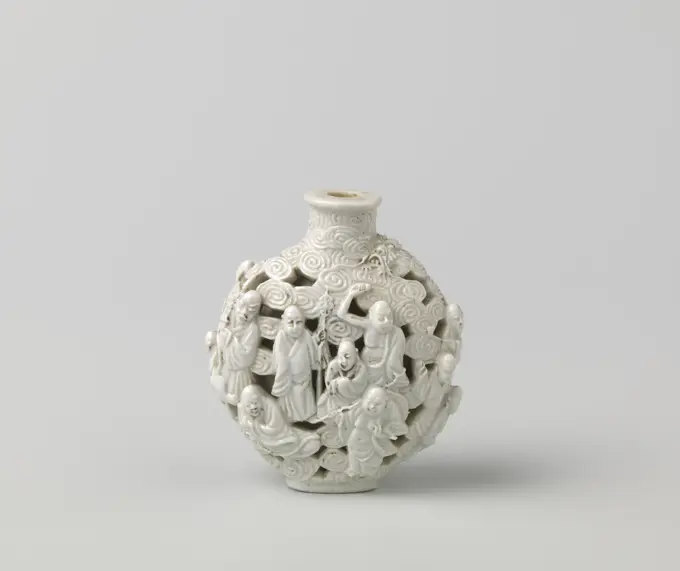
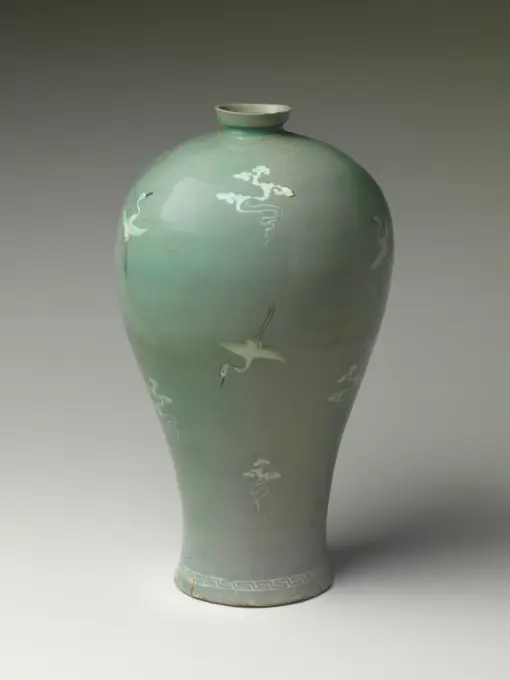
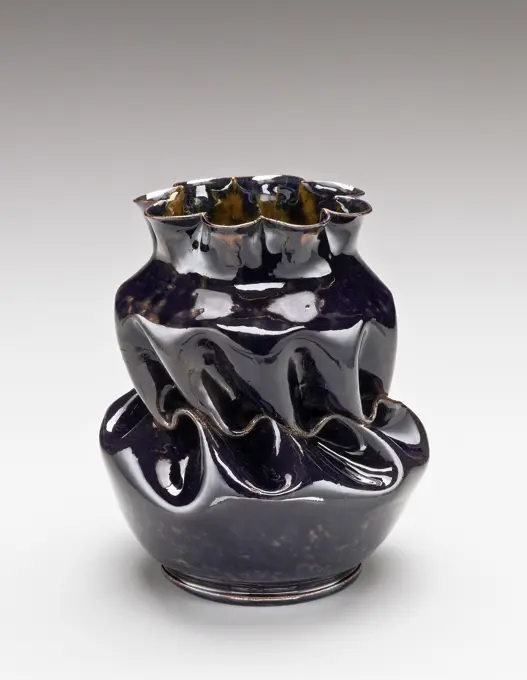
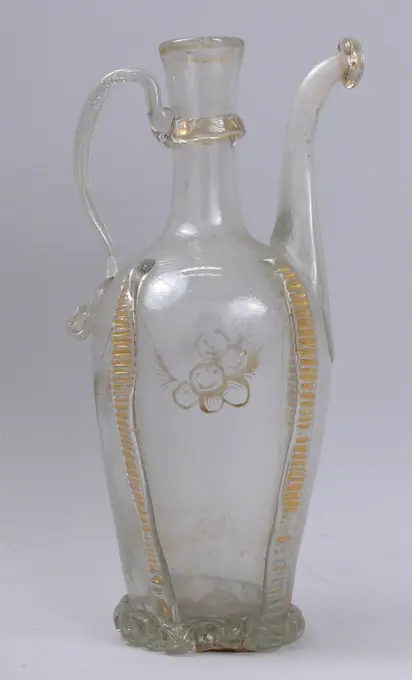
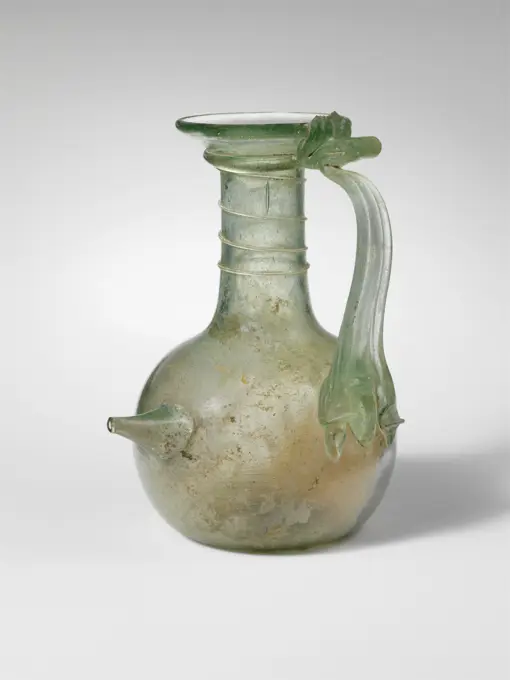
Vase, 1662-1722, H.7-1/8 in., Porcelain, China, 17th-18th centuryBowl. Culture: China. Dimensions: H. 7 7/8 in. (20 cm). Museum: Metropolitan Museum of Art, New York, USA.Squat Ovoid Bottle Vase with a Red Glaze. Bottle-shaped vase of porcelain with a printed, egg-shaped body, flattened shoulder and long, cylindrical neck, covered with a monochrome, lightly cracked red (sang the boeuf) glaze. The edge is white. On the underside inside the foot ring a translucent glaze. Monochromes.Bottle. Culture: China. Dimensions: H. 9 5/8 in. (24.4 cm); Diam. 4 5/8 in. (11.7 cm). Date: 10th-11th century.Named after a prefecture in Hebei Province in north China, Ding wares were made from the eighth to the thirteenth or fourteenth century, and were popular at the Northern Song (960-1127) court. The shape of this base, which most likely derives from a silver piece, is extraordinarily difficult to make because the neck is so long and slender. Museum: Metropolitan Museum of Art, New York, USA.Maker Unknown, Bottle, c. 1810-50, aquamarine glass.Vase. Dark blue monochrome covered porcelain. Paris, Cernuschi museum. 78839-8 Asian art, Chinese art, porcelain, container, vaseTea caddy with a green brown glaze, anonymous, anonymous, c. 1400 - c. 1950 Dust bar or Chare van Steengoed with an ivory lid, partially covered with a green brown glaze. The lower half of the bus is unglazed. Old label on the bottom with 'W636'. Satsuma. Japan stoneware. glaze. deksel: ivory vitrification Dust bar or Chare van Steengoed with an ivory lid, partially covered with a green brown glaze. The lower half of the bus is unglazed. Old label on the bottom with 'W636'. Satsuma. Japan stoneware. glaze. deksel: ivory vitrificationOinochoe ca. 550-500 B.C. Etruscan Beaked lip; no decoration.. Oinochoe. Etruscan. ca. 550-500 B.C.. Terracotta; bucchero. Archaic. VasesVase, Tiffany & Company, American, established 1853, Favrile glass, Ovoidal vase with rounded shoulder and everted lip; decorated with abstract floral pattern in dark red-black on gold background., New York, New York, USA, 1918, glasswares, Decorative Arts, Vaseprobably Boston and Sandwich Glass Works, Decanter and Stopper, c. 1825-40, colorless lead glass.Bottle. Culture: American. Dimensions: H. 8 in. (20.3 cm). Date: 1815-45. Museum: Metropolitan Museum of Art, New York, USA.Vase; Jômi, Eisuke I (1839-1899); nineteenth century (1880-00-00-1900-00-00);Pear-shaped bottle vase with a crackled glaze. Bottle-shaped vase of porcelain with pear-shaped body and thickening in the neck, covered with a translucent white glaze. Cracked glaze. Old label on the bottom with 'B. 206b '. Blanc De Chine.Glass jar 2nd-3rd century A.D. Roman Colorless with slight greenish tinge.Plain, rounded rim; flaring neck; elongated piriform body; small, concave bottom.Single horizontal trail around upper body, then spiral up to end below rim.Intact; pinprick and some large bubbles, and blowing striations; patches of faint brownish weathering and iridescence.. Glass jar 239822Probably Keene (Marlboro Street) Glass Works, Decanter, c. 1815-41, olive green glass.Bottle with the inscription: is it life at the dis, there is no wine and is, Anonymous, 1688 Soul inserted. Spherical body, long slender neck with imposed ring around the neck. On body calligraphy inscription: Is it life at the dis, there is no wine and is On the underside of the bottle: We have a little tongue out of wine It must be written in the wine. Signed around the pontil brand: Willem van Heemskerk æs 75 3/4 a °. 1688. glassblower: Low CountriesLeiden glass glassblowing Soul inserted. Spherical body, long slender neck with imposed ring around the neck. On body calligraphy inscription: Is it life at the dis, there is no wine and is On the underside of the bottle: We have a little tongue out of wine It must be written in the wine. Signed around the pontil brand: Willem van Heemskerk æs 75 3/4 a °. 1688. glassblower: Low CountriesLeiden glass glassblowingBottle with the inscription: Mix your love with Zorge. Inserted soul. Bol-shaped body, long slim neck with imposed ring and silver band around the neck. ON BOOD Creditable inscription: "Mix them joy with Zorge".Meiping vase with dragon late 17th-early 18th century China. Meiping vase with dragon. China. late 17th-early 18th century. Porcelain with incised decoration (Jingdezhen ware). Qing dynasty (1644-1911), Kangxi period (1662-1722). CeramicsKeystone Glass Works, Figured Bottle, c. 1866-74, aquamarine glass.Snuff Bottle, 19th century, 2 7/8 x 2in. (7.3 x 5.1cm), White jade, China, 19th centurySmall vase 18th century Chinese. Small vase 461222Miniature bottle-shaped vase of porcelain with a balebass-shaped body, painted in underglaze blue. A stylized flower branch on the belly. Blue White.Glass jug with trefoil rim 5th-6th century A.D. or later Roman, Syrian Translucent blue green; handle and trails in translucent cobalt blue.Trefoil rim with rounded lip; broad, flaring mouth; cylindrical neck with concave side; squat, globular body; kick in bottom with central pontil mark; slender rod handle applied as a large oval pad over trail on upper body, drawn up and outwards, then folded into a projecting loop as a thumb rest above rim, and dropped onto back of rim, with another flattened, smaller thumb rest above.One thick trail around lip; another fine trail wound round underside of mouth in a spiral; a third trail applied to side of body and wound round five or six times, forming a band of thicker and thinner lines, then pinched together to form an oval or "spectacle" pattern.Intact; a few pinprick and one large bubble, with some black impurities; small patches of encrustation and weathering.With trefoil mouth and blue applied threads.. Glass jug with trefoil rim 253547 RomPitcher (USA); Manufactured by Boston and Sandwich Glass Company (United States); glassPitcher c 1825-1846 Philadelphia. Silver . R. & W. WilsonJean Carriès (1855-1894). "Unique Cabossure Pot". Enameled sandstone. Museum of Fine Arts of the City of Paris, Petit Palais. 24205-11 Cabossure, Ceramic, Gres emaille, pot, uniqueJar. Korea. Date: 1700-1735. Dimensions: H. 42.2 cm (16 5/8 in.); diam. 33.0 cm (13 in.). Porcelain. Origin: Korea. Museum: The Chicago Art Institute, Chicago, USA.Small Bottle Vase. China. Date: 1300-1350. Dimensions: H. 10.8 cm (4 1/4 in.); diam. 5.1 cm (2 in.). Qingbai ware; glazed porcelain in iron spots. Origin: China. Museum: The Chicago Art Institute, Chicago, USA.Vase; Royal Porcelain Manufactory in Copenhagen (1760-); 1950-1958 (1950-00-00-1958-00-00);More sharingRoemer lid with lid, with the lamb of God and flower and leaf motifs, anonymous, 1659 Green glass lid. A narrow pendulum border and a row of fleurons have been installed along the top and bottom of the chalice. This decoration is repeated on the lid. NOTE: Roemer broken and glued; Lid button is missing. glassblower: Low CountriesRhineland glass glassblowing Green glass lid. A narrow pendulum border and a row of fleurons have been installed along the top and bottom of the chalice. This decoration is repeated on the lid. NOTE: Roemer broken and glued; Lid button is missing. glassblower: Low CountriesRhineland glass glassblowingVase with gusted, combed wires in silver, golden irisering .. low foot, conical body, over a striking shoulder finished in a short neck. Decoration of gusted, combed wires in silver, golden irisering.Jean Carriès (1855-1894). "Tubbula gourd". Enameled sandstone. Museum of Fine Arts of the City of Paris, Petit Palais. 24203-4 Ceramic, gourd, gres emaille, tubingBottle-Shaped Vase with Encircling Ribs 1665-1799 China. Dehua ware (blanc de chine); porcelain with underglaze thread relief decoration .Vase Modell "and 4209". .Pitcher. Culture: American. Dimensions: 8 5/8 x 7 1/8 x 6 5/8 in. (21.9 x 18.1 x 16.8 cm). Maker: Fenton's Works (1847-1848). Date: 1847-48. Museum: Metropolitan Museum of Art, New York, USA.Pinch bottle. Culture: British, Swadlincote. Designer: Christopher Dresser (British, Glasgow, Scotland 1834-1904 Mulhouse). Dimensions: Height: 8 3/4 in. (22.2 cm). Manufacturer: Ault Pottery (British, 1887-1922). Date: ca. 1890.This bottle demonstrates the strong influence of Japanese ceramics on Christopher Dresser (1834-1904), a prolific designer who played a key role in promoting the industrial arts in Victorian England. In 1876, Dresser became the first designer to be invited by the Japanese government to study the arts of Japan as a delegate of the newly opened South Kensington Museum (Victoria and Albert Museum). His keen interest in the unconventional forms and experimental glazes of Meiji period ceramics such as Awaji pottery merged with domestic traditions in English salt-glazed wares in the designs he produced for Linthorpe Art pottery (1878-1889). William Ault purchased and used the Linthorpe factory's molds based on Dresser's shapes when he established his pottery in 1887Aryballos Shaped LekythosGourd-shaped Sake Bottle with Family Crest Design. Japan, Edo period, late 18th century. Ceramics. Onta ware; stoneware with iron glaze and ash glazes with white slip decorationOvoid vase with a white glaze, anonymous, anonymous, c. 1400 - c. 1499 Vase of porcelain with a printed, egg -shaped body, a flat, unglazed underside and a short neck, covered with a gray -white glaze. Ming porcelain. China porcelain. glaze vitrification Vase of porcelain with a printed, egg -shaped body, a flat, unglazed underside and a short neck, covered with a gray -white glaze. Ming porcelain. China porcelain. glaze vitrificationGlass perfume bottle 1st century A.D. Roman Translucent pale blue.Rim folded out, down, and in, with jagged inner lip; cylindrical neck, tooled in around base; sloping shoulder; cylindrical body, with convex sides; rounded bottom, concave at center.Intact; pinprick bubbles, blowing striations, and a few glassy inclusions; dulling and faint iridescence on exterior; patches of creamy weathering and iridecence on interior.. Glass perfume bottle 239802FlaskEmile Gallé (1846-1904). Vase Sycomore in glass, decor released to acid, between 1850 and 1870. Museum of Fine Arts of the City of Paris, Petit Palais. 23878-6 Decor, acidic debt, small palace museum, art object, sycamore vase, glassGlass perfume bottle late 1st-3rd century A.D. Roman Translucent dark cobalt blue.Rim folded out, down, round, and in; cylindrical neck; conical body with convex side; kick in bottom, with traces of large circular pontil mark.Complete but cracks in body; some bubbles, elongated in neck; dulling, faint iridescence, and limy yellow, enamel-like weathering.. Glass perfume bottle. Roman. late 1st-3rd century A.D.. Glass; blown. Imperial. GlassAgate GlassBottleJean Carriès (1855-1894). "Spherical pot". Enameled sandstone. Museum of Fine Arts of the City of Paris, Petit Palais. 24204-17 Ceramic, gres emaille, pot, sphericalErnest Chaplet (1835-1909). Vase. Flammed porcelain. 1894. Museum of Fine Arts of the City of Paris, Petit Palais. 60190-3 Flamee porcelain, vaseFiligrana” Decanter with StopperVase 1800-1830 American. Vase 9201Clarinet mouthpiece cover, anonymous, 1800 - 1850 Clarinet mouthpiece cap to protect wicker. Horend with five deck pieces (BK-NM-11430-124-A to BK-NM-11430-124-F).  wood (plant material) Clarinet mouthpiece cap to protect wicker. Horend with five deck pieces (BK-NM-11430-124-A to BK-NM-11430-124-F).  wood (plant material)Container with LotusPetals, mid-7th to 10thcentury, Cast and polished gold, 8.92 × 4.84 cm, 129.355 g (3 1/2 × 1 7/8 in., 129.355g), Made in Java, Indonesia, Java, Early Classic Period(650-1000), Containers -MetalsCoopered Jug, 1750-1800. Pinto Collection - Purchased from Edward H Pinto, 1965.. This oak jug is typical of the type of household equipment which was used in ordinary houses in England for hundreds of years. It was probably made over 200 years ago. The cooper made containers for both dry and liquid goods. Their work was highly specialized and required a 7 year apprenticeship, which was the longest of all the woodworking trades. .Vase with Dragon Handles China A glaze is formed when clay fired onto the surface of porcelain melts into a glasslike substance that fuses with the ceramic body, strengthening it. The lushness of the glaze covering this vase and the skillful manipulation of its color, created by controlling oxygen supply during firing, creates a sense of texture and depth similar to that found in porcelain with painted or incised decoration.. Vase with Dragon Handles. China. Porcelain with crimson-flushed blue glaze (Jingdezhen ware). Qing dynasty (1644-1911), Yongzheng period (1723-35). Ceramics. Kalebaskoid can of stoneware, covered with a light blue-white glaze and iron red. The ear is modeled in the form of a hornless dragon (chilong) and a curved spout. Ear and spout been broken. Qingbai ?.Flask, 18th-19th century, 6 1/4 x 5 x 2 in. (15.9 x 12.7 x 5.1 cm), Glass, United States, 18th-19th centurySake Bottle with Textured Surface. Japan, Edo period, late 18th-early 19th century. Ceramics. Agano ware; stoneware with iron glaze and beaten-brush slip under ash glazeVase with lid. unknown, craftsmanGlass alabastron (perfume bottle). Culture: Greek, Eastern Mediterranean. Dimensions: H.: 5 in. (12.7 cm). Date: 2nd-1st century B.C..Translucent blue, with handles in light blue green; trail in opaque greyish light blue.Broad slightly inward-sloping rim-disk with thick rounded edge and radiating tooling marks on lower surface; tall cylindrical neck, expanding downward; straight-sided fusiform body expanding downward, then tapering in to pointed bottom; two horizontal lug handles applied over trail at top of body, one with a deep horizontal indent in surface; one small marvered blob of translucent blue on side just below point of greatest diameter.Trail applied at bottom, wound upwards in a spiral to carination, tooled into a close-set feather pattern around side, with fourteen alternating upward and downward strokes, then wound again in a spiral up neck and irregularly to top and edge of rim-disk.Intact, but some internal cracks around body; slight dulling, pitting, and patches ofCovered Globular Jar 960 CE-1279 China. Ding-type ware; glazed porcelain .Covered Vase, 1736-1795, 10 1/2 x 7in. (26.7 x 17.8cm), Jade, China, 18th centuryBottle 1815-45 American. Bottle 1100Bottle 13th-14th century. Bottle. 13th-14th century. Enameled glass. Attributed to Syria. GlassBottle probably 18th-19th century. Bottle 444767Glass alabastron (perfume bottle) 2nd-1st century B.C. Greek, Eastern Mediterranean Translucent blue, with handles in light blue green; trail in opaque greyish light blue.Broad slightly inward-sloping rim-disk with thick rounded edge and radiating tooling marks on lower surface; tall cylindrical neck, expanding downward; straight-sided fusiform body expanding downward, then tapering in to pointed bottom; two horizontal lug handles applied over trail at top of body, one with a deep horizontal indent in surface; one small marvered blob of translucent blue on side just below point of greatest diameter.Trail applied at bottom, wound upwards in a spiral to carination, tooled into a close-set feather pattern around side, with fourteen alternating upward and downward strokes, then wound again in a spiral up neck and irregularly to top and edge of rim-disk.Intact, but some internal cracks around body; slight dulling, pitting, and patches of creamy weathering and iridescence.. Glass alabastron Bottle 1825-40 Probably Boston & Sandwich Glass Company. Bottle. American. 1825-40. Blown-molded glass. Made in Sandwich, Massachusetts, United StatesFaceted Bottle, 1736-95. China, Qing dynasty (1644-1911), Qianlong mark and reign (1736-95). Red Peking glass; diameter: 8 cm (3 1/8 in.); overall: 14.1 cm (5 9/16 in.).SquareJugFlask Ungentarium 101 CE-200 CE Roman Empire. Glass, blown technique . Ancient RomanFigured flask 1827-32 Bakewell, Page & Bakewells. Figured flask. American. 1827-32. Free-blown molded glass. Made in Pittsburgh, Pennsylvania, United StatesVase (USA); Designed by Jacques Sicard (French, 1865-1923); Manufactured by Weller Pottery; molded, glazed, and lustered earthenwareMeiping vase 18th century China. Meiping vase. China. 18th century. Porcelain with copper red glaze (Jingdezhen ware). Qing dynasty (1644-1911). CeramicsBottle, third quarter of 20th century, Unknown, 17 1/4 x 10 x 10 in. (43.82 x 25.4 x 25.4 cm), Gourd, Ethiopia, 20th centuryJar for Eye Paint (kohl) with Attached Stand ca. 1878-1749 B.C. Middle Kingdom The piece is part of a group of objects found in tomb V21 at Abydos with two bodies (04.18.1-04.18.49). The ointment jars 04.18.47a, b and .48a, b in the group can be dated by comparison with similar jars found at Dahshur and with the box 26.7.1438 (26.7.1439a, b-.1441a, b, .1442) inscribed with the name of Amenemhat IV (ca. 1814-1805 B. C.).. Jar for Eye Paint (kohl) with Attached Stand. ca. 1878-1749 B.C.. Anhydrite. Middle Kingdom. From Egypt, Northern Upper Egypt, Abydos, Cemetery V, Tomb V21, Egypt Exploration Fund excavations, 1904. late Dynasty 12-early Dynasty 13Gourd-Shaped Vase. Culture: China. Dimensions: H. 12 1/2 in. (31.8 cm). Date: late 18th-first half of the 19th century. Museum: Metropolitan Museum of Art, New York, USA.Six-sided tea box with a lid. Koenigliche Porcellain Fabrique, Meissen (1710-1763), factoryVase. Culture: American. Designer: Designed by Louis Comfort Tiffany (American, New York 1848-1933 New York). Dimensions: 6 3/4 x 4 5/8 in. (17.1 cm). Maker: Tiffany Glass and Decorating Company (American, 1892-1902). Date: 1893-96.This object forms part of a group of over forty given to the Museum in 1896 by Louisine and Henry Osborne Havemeyer (96.17.9-.56). The gift was the first American glass to enter the Museum's collection. Most likely prompted by Louis Comfort Tiffany, the Havemeyers presented their collection of Tiffany Favrile glass to the Museum only three years after Tiffany started making decorative blown-glass vessels. The shapes, colors, and finishes of Tiffany's vases and plaques were inspired by the natural world and ancient glass. Museum: Metropolitan Museum of Art, New York, USA.Vase. Terre Civa. Vietnam. Paris, Muse Cernuschi. Vase Asian art, art of extreme orient, art of Vietnam, Vietnamese art, terracotta, dishesWaza  Cobalt Blue enamel unknownVase China. Vase 47440Vase. Culture: American. Dimensions: H. 6 1/2 in. (16.5 cm); Diam. 2 1/2 in. (6.4 cm). Date: 1835-50. Museum: Metropolitan Museum of Art, New York, USA.Bottle with flowers. Culture: China. Dimensions: H. 12 1/2 in. (31.8 cm). Date: 19th century. Museum: Metropolitan Museum of Art, New York, USA.Thumb glass, anonymous, c. 1600 - c. 1700 Thumb glass with inserted bottom on a smooth position ring. Body tons -shaped with eight thumb holes between two pinched and ribbed threads Germany glass glassblowing Thumb glass with inserted bottom on a smooth position ring. Body tons -shaped with eight thumb holes between two pinched and ribbed threads Germany glass glassblowingUrn (lid), late 1700s - 1800s. England, late 18th or 19th century. Earthenware; overall: 17.2 cm (6 3/4 in.).Vase 1893-96 Designed by Louis Comfort Tiffany American. Vase 825Vase (USA); Executor: M. Louise McLaughlin (1847 - 1939); porcelainSmall vase. unknown, craftsmanFragment of stem of goblet (façon de Venise), drinking cup drinking vessel holder soil find glass, hand-blown glass application fragment of foot and (compound) stem and very small part of chalice of chalice in façon de Venise style in clear colorless glass. Pontil mark under base of foot Short (1 cm) solid trunk on flat knot to sharp knot. Four-sided hollow concave globular knot, resulting in four lobes closed by three stacked flat knots (dm 1.3 1.6 2.2 cm) of which the top two are chipped. Start of the calyx of which the soil remains. Archeology underground pit Rotterdam City Center Stadsdriehoek Blaak Soil discovery underground pit Blaakstation 1977.Snuff Bottle And Stopper (China); porcelain, enamel, malachite, ivory, corkJar. Iran, 10th-12th century. Glass. Glass, mold-blownVase. Designer Louis Comfort Tiffany, American, 1848-1933 Maker: Tiffany Glass and Decorating Company, American, 1892-1902Athenian black-gloss oinochoe. UnknownTerracotta covered bowl with one handle. Culture: Greek, Attic. Dimensions: total H. x diameter 2 1/8 x 5 in. (5.4 x 12.7 cm); H. without cover 3 1/2 in. (8.9 cm). Date: ca. 450-400 B.C..Although it is covered, as in a pyxis, and has one handle, as in a skyphos, this vase is a practical but rare combination of the two shapes. Museum: Metropolitan Museum of Art, New York, USA.Sake Bottle with Grape Vine and Auspicious Designs. Japan, Meiji period, late 19th century. Ceramics. Onta ware; stoneware with iron glaze and yellow slip decoration and rice straw ash glaze dripOil Jar, 14th century, 2 1/4 x 3 x 3 in. (5.72 x 7.62 x 7.62 cm) (at widest point), Earthenware with green glaze, Thailand, 14th centurySnuff bottle with monks on a ground of pierced clouds, anonymous, c. 1800 - c. 1899 Small pinch of porcelain with a double wall, covered with a translucent white glaze. The outer wall of the vial with a group of monks against a ground of openwork clouds. Monochromen, white porcelain. China porcelain. glaze vitrification Small pinch of porcelain with a double wall, covered with a translucent white glaze. The outer wall of the vial with a group of monks against a ground of openwork clouds. Monochromen, white porcelain. China porcelain. glaze vitrificationMaebyeong decorated with cranes and clouds second half of the 12th century Korea The cranes and clouds, popular motifs on Goryeo celadon, are delicately yet expressively rendered. Set against the green color of the glaze, they appear to be floating in the sky.. Maebyeong decorated with cranes and clouds. Korea. second half of the 12th century. Stoneware with inlaid decoration under celadon glaze. Goryeo dynasty (918-1392). CeramicsEwer ca. 1860-75 Italian, Venice (Murano). Ewer. Italian, Venice (Murano). ca. 1860-75. Glass. GlassTea caddy with a blueish black glaze, anonymous, anonymous, c. 1610 - c. 1620 Dust bar or Chare van Steengoed with an ivory lid, partly covered with a blue -black and white glaze. The lower part of the bus is unglazed. Old label on the inside with 'satsuma'. Satsuma. Japan stoneware. glaze. deksel: ivory vitrification Dust bar or Chare van Steengoed with an ivory lid, partly covered with a blue -black and white glaze. The lower part of the bus is unglazed. Old label on the inside with 'satsuma'. Satsuma. Japan stoneware. glaze. deksel: ivory vitrificationVase ca. 1897-1900 George E. Ohr In many ways George Edgar Ohr was the quintessential Arts and Crafts potter, combining artistic vision with extraordinary skill with his hands. Working in the seaside resort town of Biloxi, Mississippi, he dug the clay, processed and prepared it, threw the shape on the wheel, altered the piece according to his vision, mixed and applied his own glazes, fired the kiln, created his own style of advertising, and took his wares on the road. Ohrs personal mantra was "no two alike," and he was as eccentric as his work was individualistic, with its manipulated forms on ultra-thin thrown vessels, crimping, ruffling, off-centering, and twisting, to create unprecedented forms for the 1890s. To these forms, he applied his own completely new and unusual glazes, applied by sponging, splashing, and spattering, resulting in works that in many ways anticipated the abstract art movements that would find form decades later.Ohr altered his finely thrown pots while they weEwer probably 18th-19th century. Ewer 444731Glass jug with spout 3rd-4th century A.D. Roman Translucent pale blue green; handle, spout, and trails in same color.Plain, rounded rim; flaring mouth; cylindrical neck; rounded shoulder; squat, globular body; slightly concave bottom, with deep pontil scar; three-ribbed strap handle, applied to upper body, with claws extending downwards, the central one being larger and pointed, each of the two outer ones tooled to have a pinched, horizontal projection; curving handle drawn up and in, and folded onto underside of mouth and edge of rim, with jagged end above; tubular spout dropped onto body as a blob, piercing side, then drawn out and knocked off.A thicker trail wound one and a third times around top of neck; another thinner trail wound four times in a spiral around neck.Intact, except for end of spout, which may be broken off; pinprick bubbles and blowing striations; faint dulling, weathering, and iridescence on exterior, one patch of soil encrustation, whitish weathering, and brillian