Unique Vases and Bottles

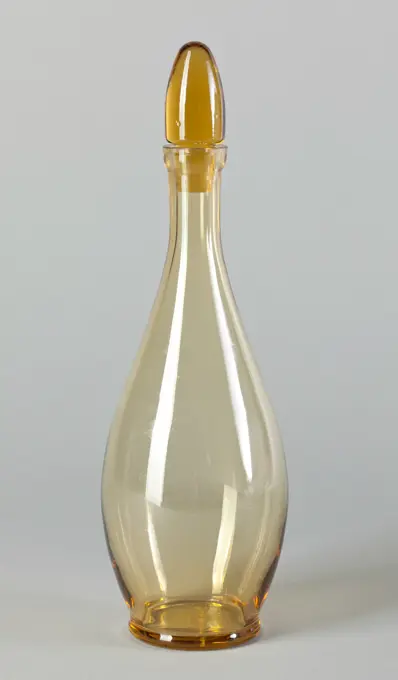
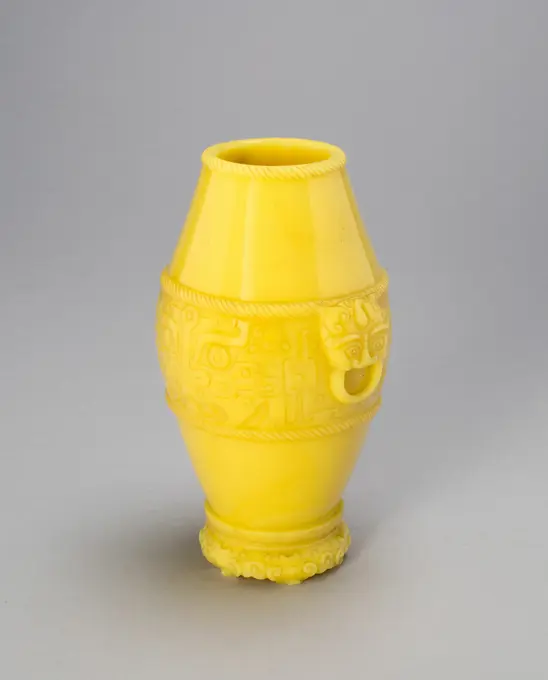
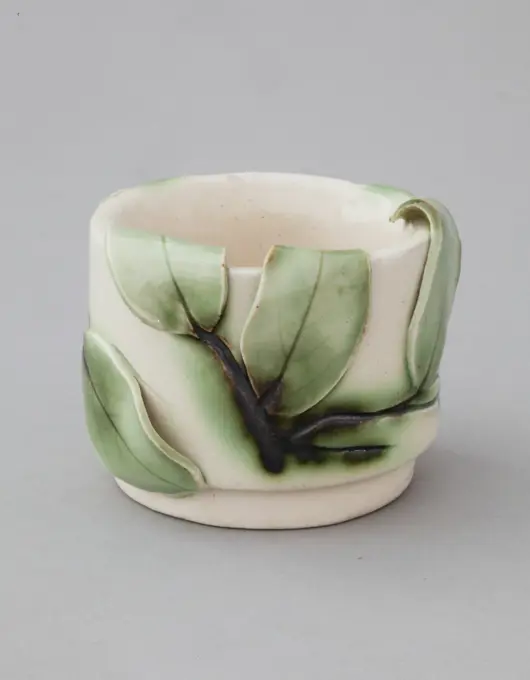
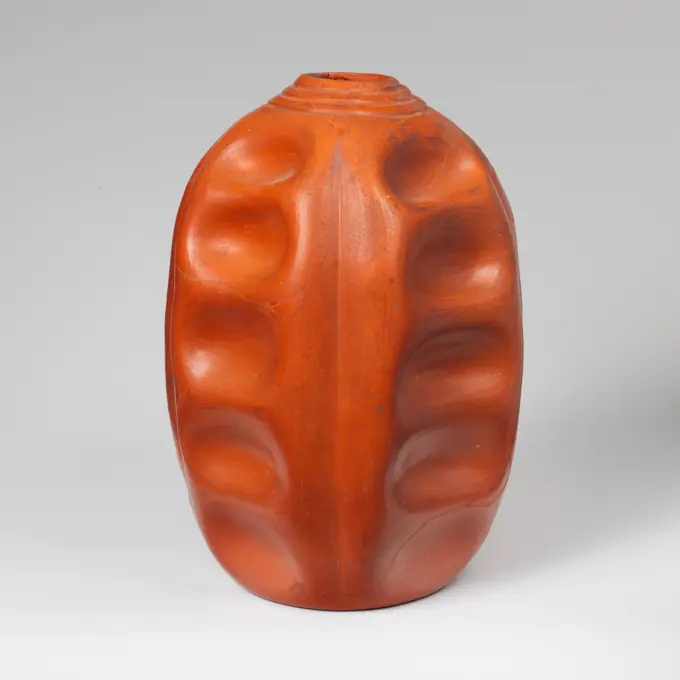
A range of vases and bottles in diverse shapes and colors, highlighting elegant designs and fine craftsmanship across different eras.
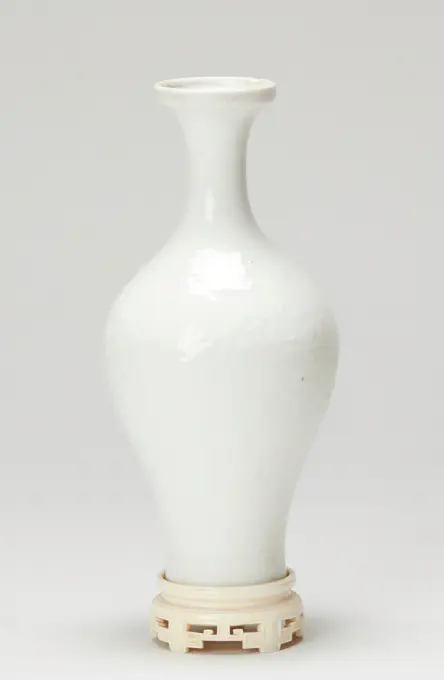
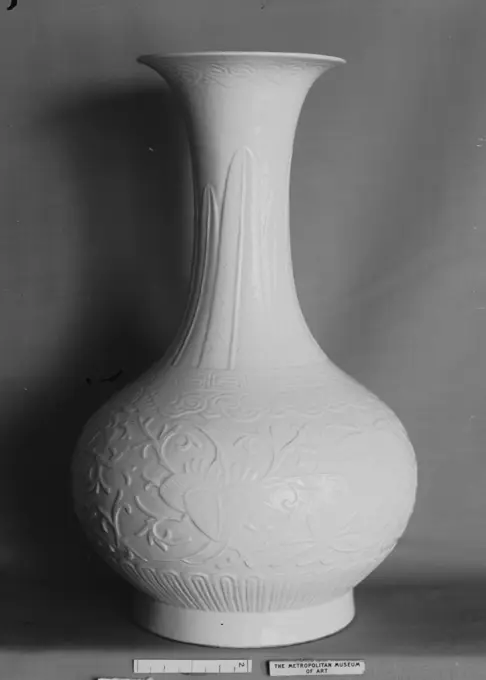
Vase, 1662-1722, H.7-1/8 in., Porcelain, China, 17th-18th century
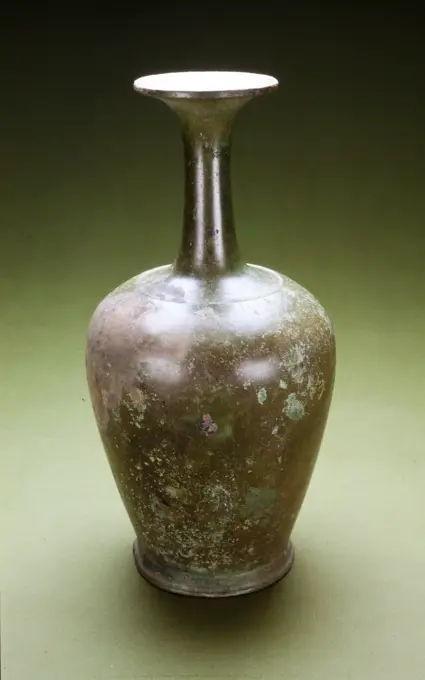
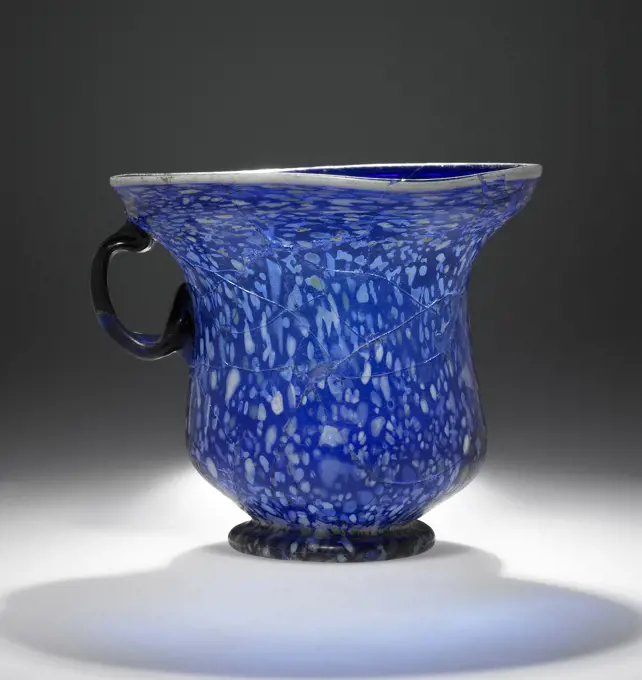
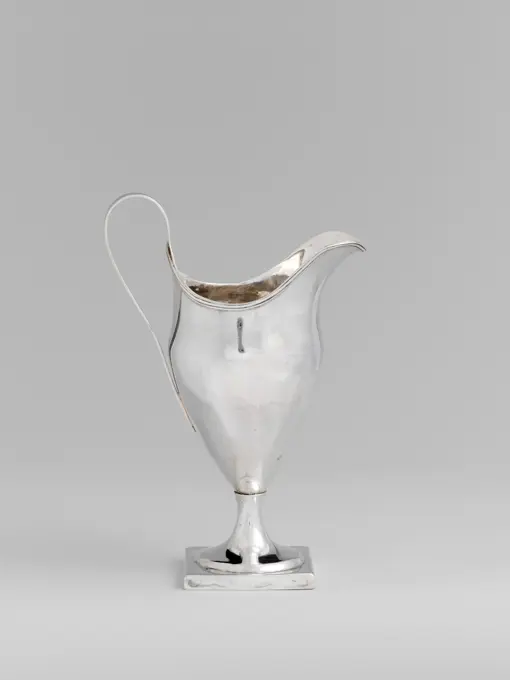
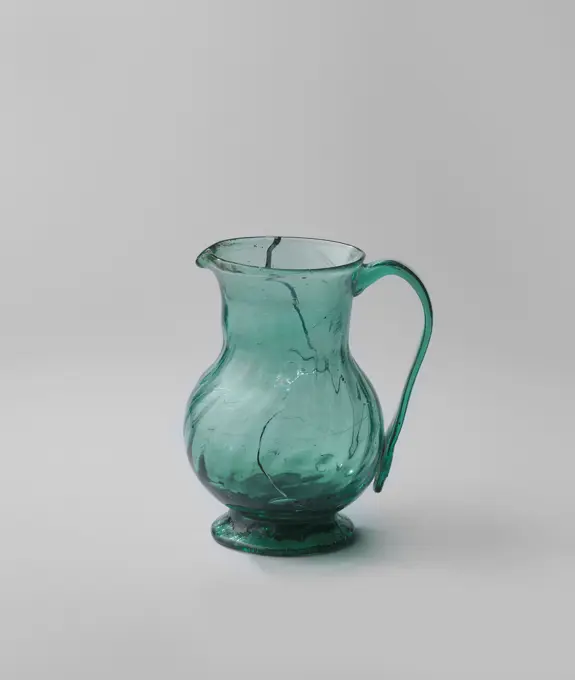
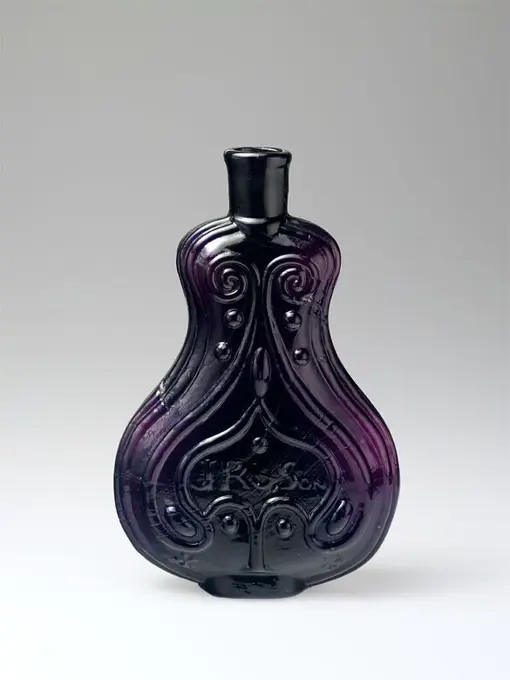
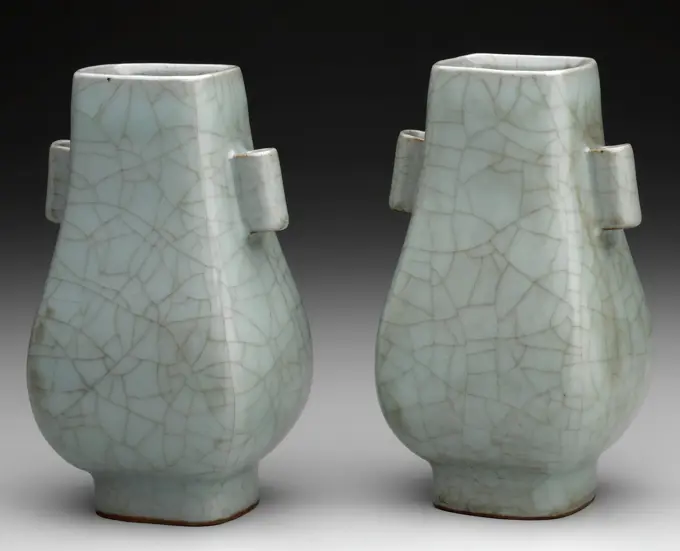
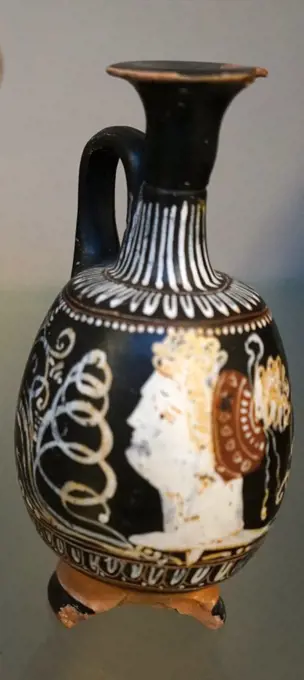
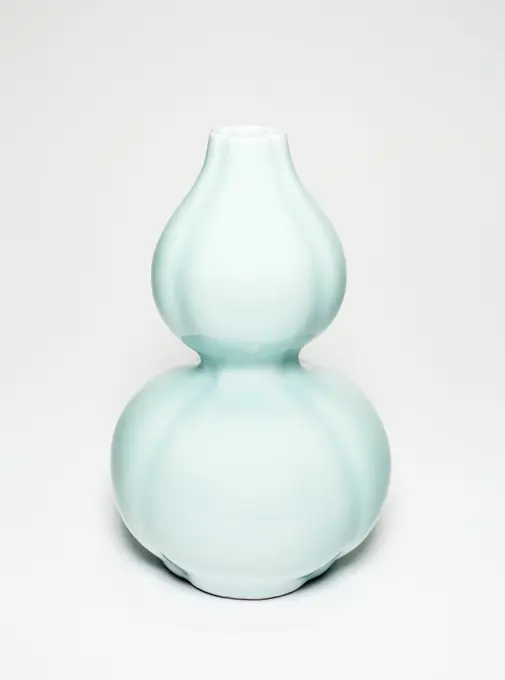
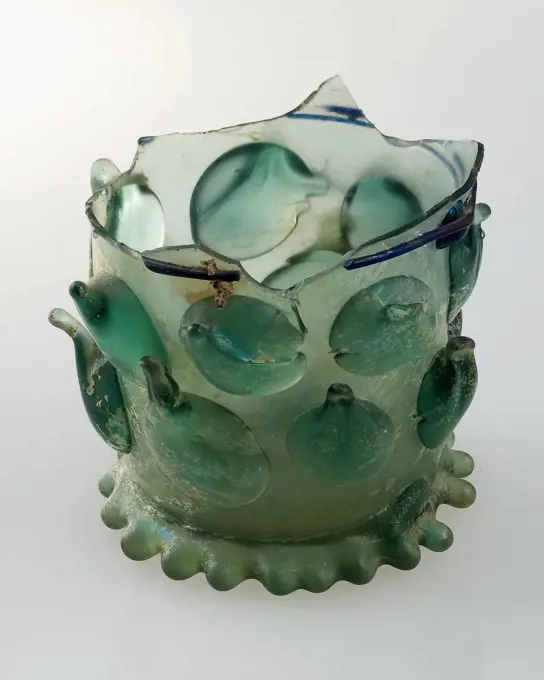
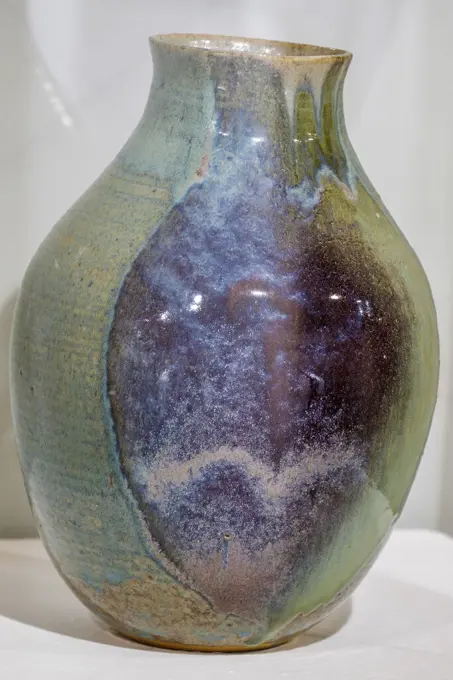
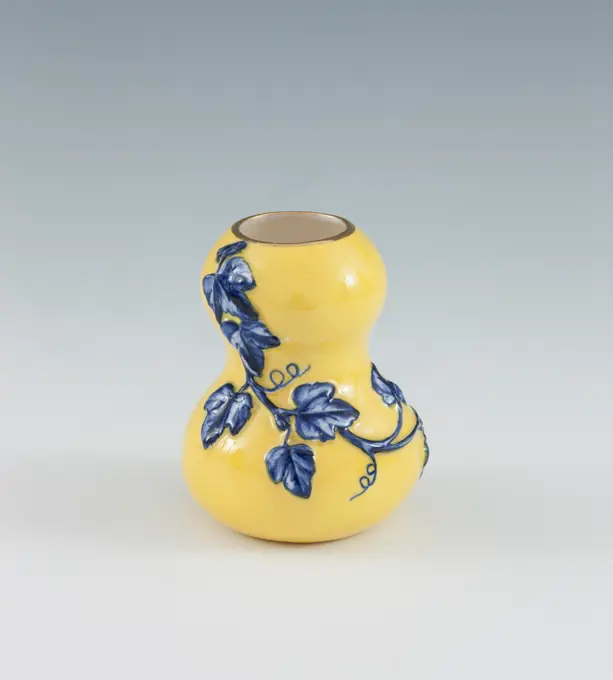
Jar -Vase Daum BrothersMiniature Double Gourd-Shaped Vase With Flower Sprays. Miniature calf-shaped vase with a slightly spreading neck, painted in underglaze blue. A flower branch (aster) and loose twigs on the abdomen. Blue White.Vase, 10th century, Unknown Chinese, Bronze, China, 10th centuryVase with vertical ribs, anonymous, c. 1750 - c. 1775 Inserted soil, vertically ribbed foot, transfer into a vertical ribbed, cylindrical body, ending in a wide, flat, ribbed edge. England glass glassblowing Inserted soil, vertically ribbed foot, transfer into a vertical ribbed, cylindrical body, ending in a wide, flat, ribbed edge. England glass glassblowingClay jars isolated on the white background
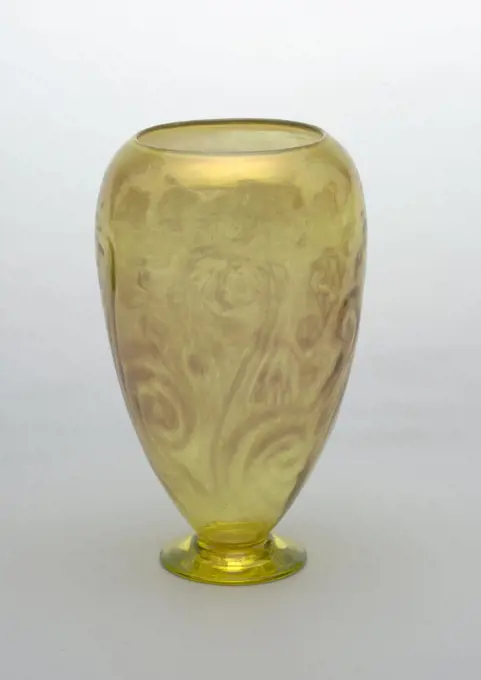
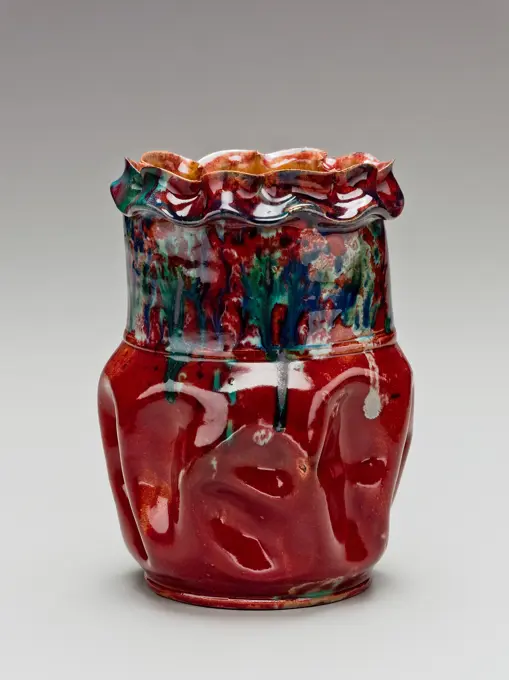
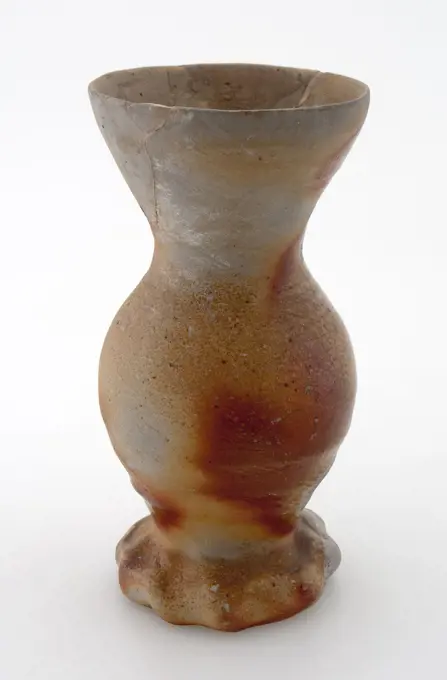
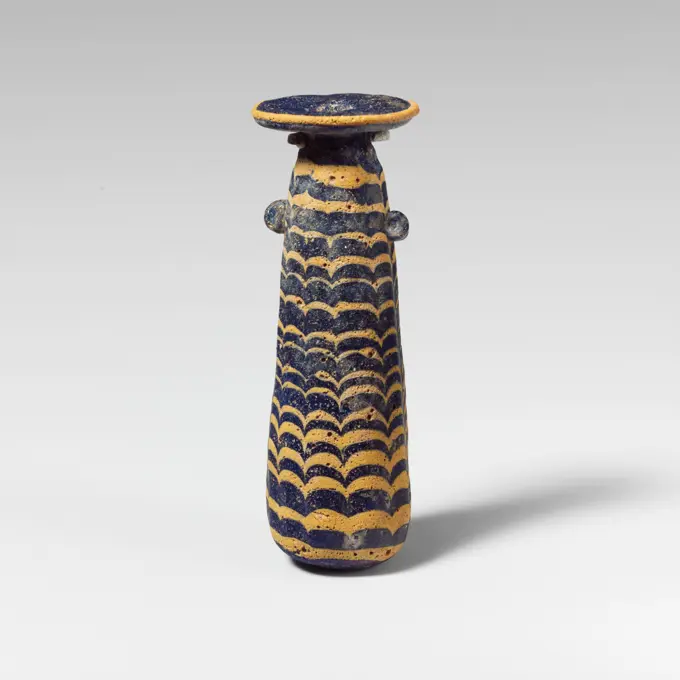
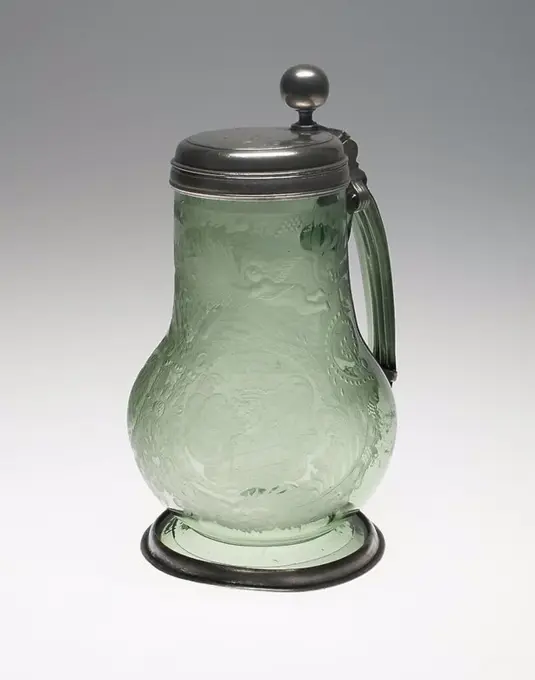
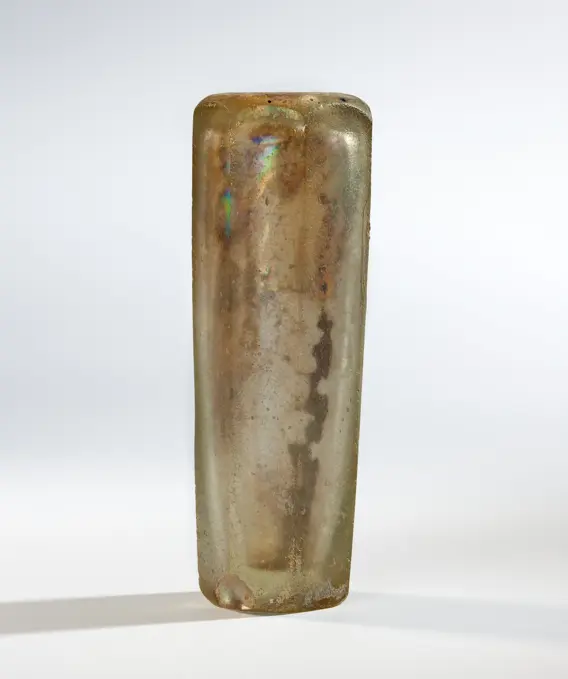
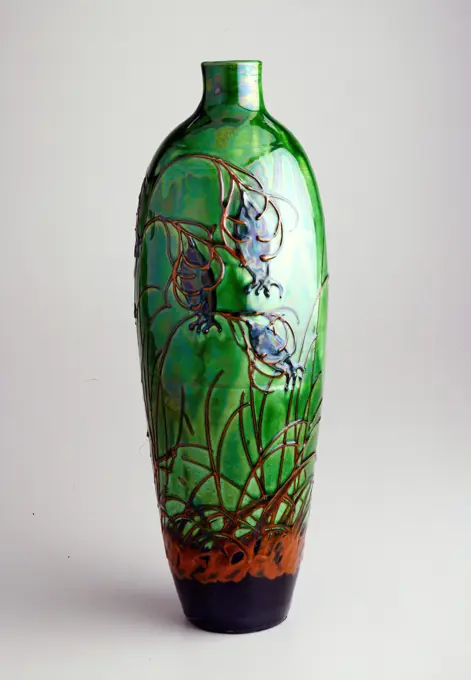
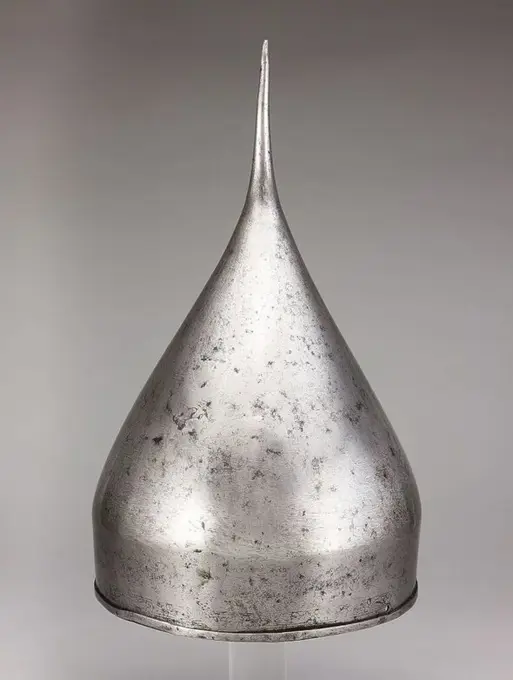
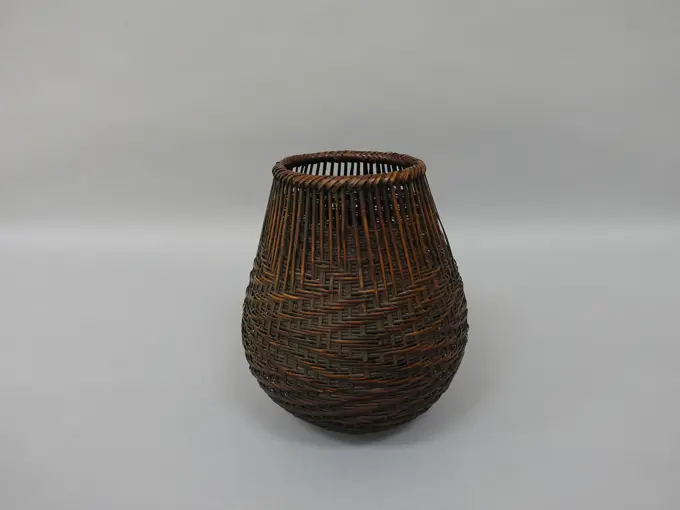
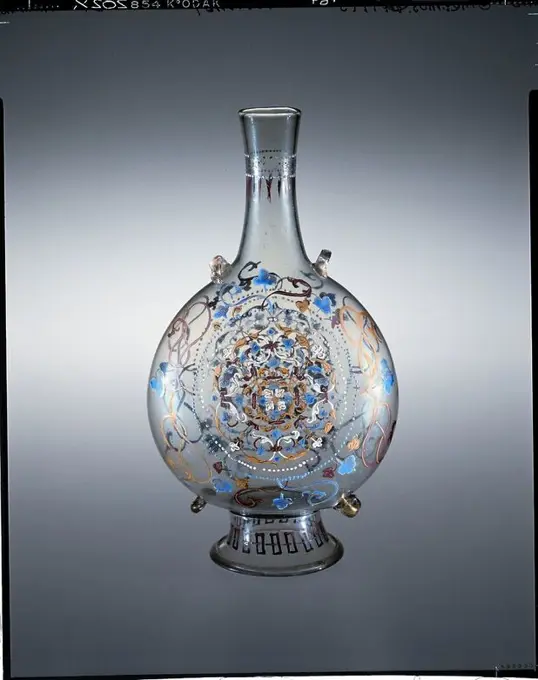
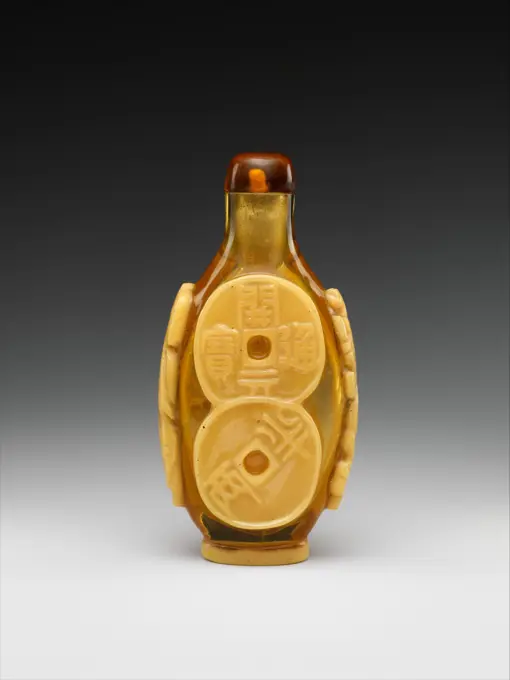
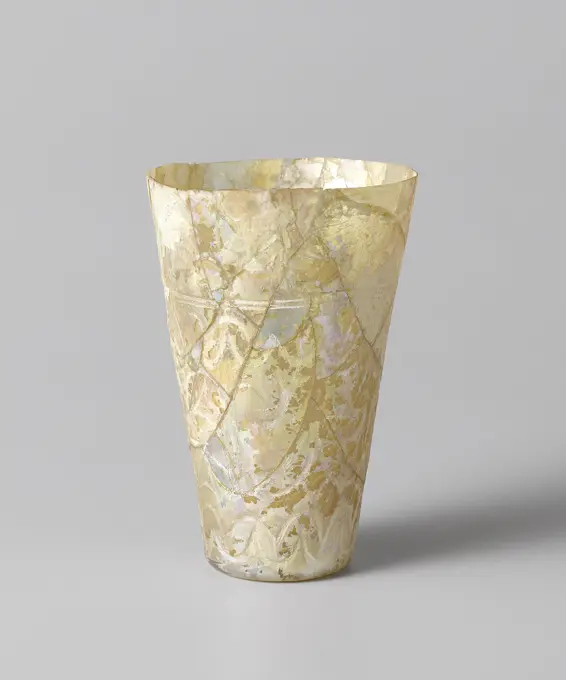
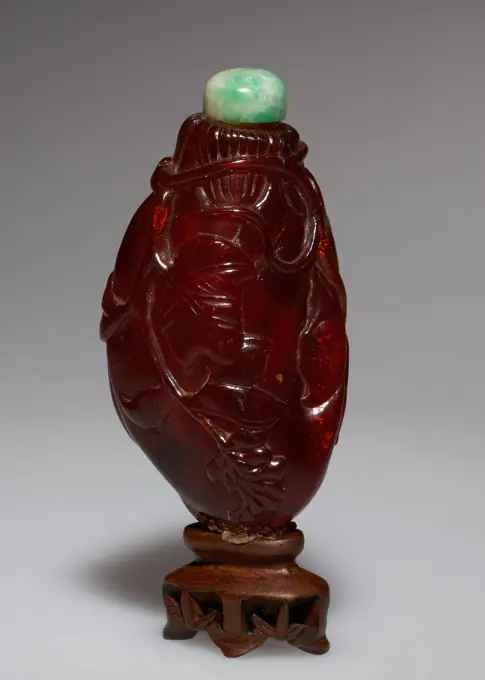
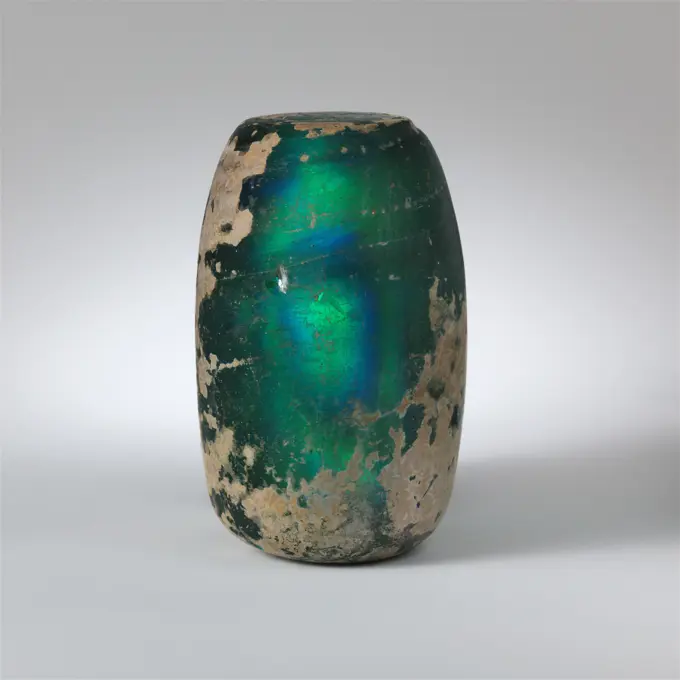
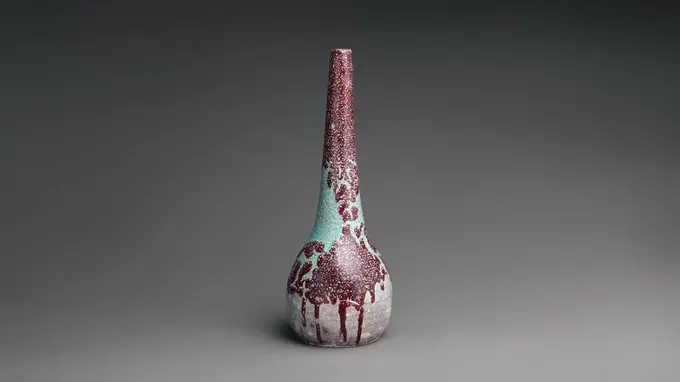
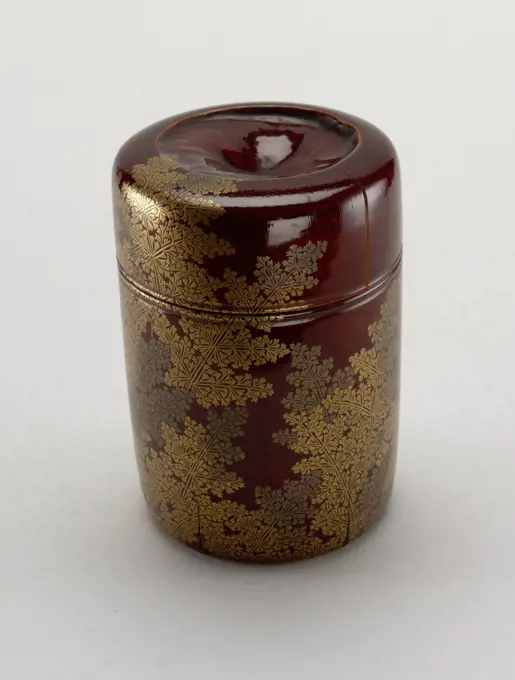
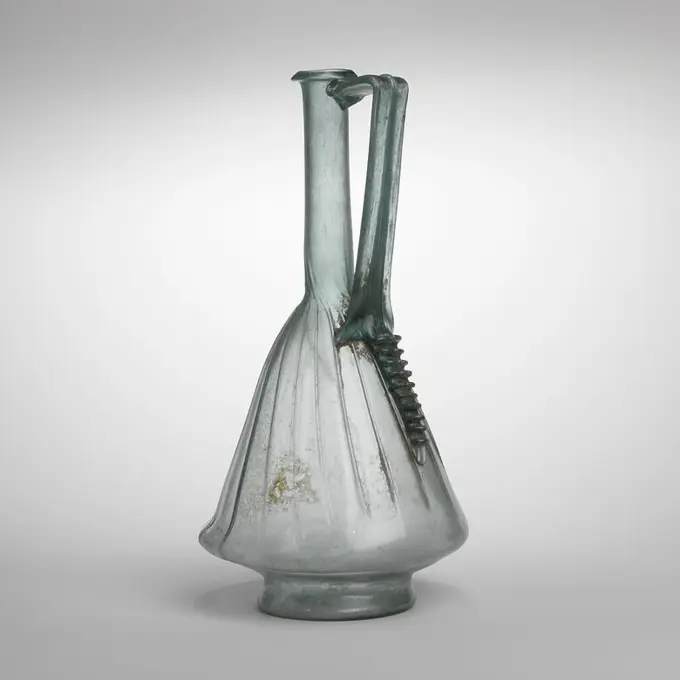
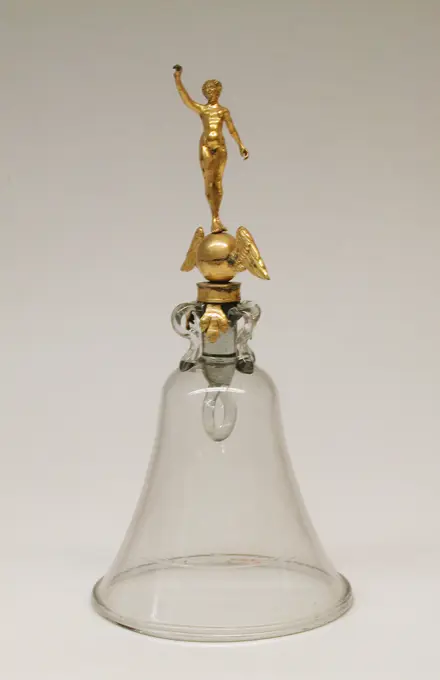
Vase ca. 1897-1900 George E. Ohr In many ways George Edgar Ohr was the quintessential Arts and Crafts potter, combining artistic vision with extraordinary skill with his hands. Working in the seaside resort town of Biloxi, Mississippi, he dug the clay, processed and prepared it, threw the shape on the wheel, altered the piece according to his vision, mixed and applied his own glazes, fired the kiln, created his own style of advertising, and took his wares on the road. Ohrs personal mantra was "no two alike," and he was as eccentric as his work was individualistic, with its manipulated forms on ultra-thin thrown vessels, crimping, ruffling, off-centering, and twisting, to create unprecedented forms for the 1890s. To these forms, he applied his own completely new and unusual glazes, applied by sponging, splashing, and spattering, resulting in works that in many ways anticipated the abstract art movements that would find form decades later.Ohr altered his finely thrown pots while they weGlass alabastron (perfume bottle). Culture: Greek, Eastern Mediterranean. Dimensions: 3 3/8 × 1 1/8 × 15/16 in. (8.6 × 2.9 × 2.4 cm)Diam. of rim: 1 3/16 in. (3.1 cm). Date: late 6th-5th century B.C..Translucent blue, streaked with reddish purple, with handles in same color; trails in opaque yellow and opaque turquoise blue.Broad, uneven horizontal rim-disk, with slightly raised edge around mouth, extending down over top of neck and trail decoration; short cylindrical neck; uneven rounded shoulder; straight-sided cylindrical body; convex bottom; two vertical ring handles with knobbed tails, applied over trail decoration.Yellow trail attached at edge of rim-disk; a second yellow trail applied on neck and wound unevenly down in a spiral, then tooled into a close-set zigzag pattern; halfway down pattern a turquoise blue trail is added, mingling with yellow; immediately below this, a third fine yellow trail wound horizontally three and a half times around body.Intact; slight dulling anBeaker with three rows of prunts. The Netherlands or Germany, c. 1550-1600glassCovered Bottle, glass, silver, Double ogee form, tall neck; flat circular base with scalloped edge, star cut on bottom; body cut with flat geometric patterns; silver() cover with straight sides, conical top, both with twisted incised lines; flame finial. Glass has blue cast., England, 1750-1800, glasswares, Decorative Arts, bottle, bottleStoneware cup, ball model with funnel-shaped top edge, on pinch, drinking cup drinking utensil holder soil find ceramics stoneware glaze salt glaze, hand-turned baked Stoneware beaker ball model with funnel-shaped top edge on squeeze foot Gray shard portions with brown glow and salt glaze. Restoration is repainted archeology Rotterdam Spangen castle indigenous pottery import drink table room Soil discovery: Spangen Spanisch Spaanse Polder Rotterdam.Pear-Shaped Nesting Toy, 1895-1905. Sets of nesting toys were popular playthings in the late nineteenth century. Although they were often sold for a few pence, they took considerable skill to make. This set of six nesting pears was made in Hungary around 1900. They were turned from beech wood and would originally have been painted. Some sets contained a miniature 'prize' in the smallest pear... Purchased from Edward H Pinto, 1965. .Bottle 11th-13th century. Bottle 452059Bottle probably 18th-19th century. Bottle 444757Vase, early 1900s. Weller Pottery (American), Jacques Sicard (French, 1865-1923). Earthenware decorated with lustre glazes; diameter: 7.8 cm (3 1/16 in.); overall: 13.7 cm (5 3/8 in.).Bottle probably 18th-19th century. Bottle 444696Glass alabastron (perfume bottle) mid-4th-early 3rd century B.C. Greek, Eastern Mediterranean or Italian Translucent cobalt blue, with handles in same color; trails in opaque yellow.Broad horizontal rim-disk with radiating tooling marks around narrow mouth; short cylindrical neck; sloping shoulder; straight-sided cylindrical body, with upward taper; slightly convex bottom; below shoulder, two vertical ring handles, unpierced, applied over trail pattern.A yellow trail attached at edge of rim-disk; another yellow trail applied from shoulder in spiral and extending to edge of bottom, tooled into an inverted festoon pattern with eleven unevenly-spaced downward strokes.Intact; dulling, some deep pitting holes, and faint iridescent weathering.. Glass alabastron (perfume bottle) 245762Wine bottle Japan. Wine bottle 52304Bottle. unknown, craftsmanOne-handled Cup; Roman Empire; 1st century; Glass; 12.2 x 14.5 cm (4 13,16 x 5 11,16 in.)Gourd-Shaped Basket 19th century Japan. Gourd-Shaped Basket. Japan. 19th century. Bamboo. Edo (1615-1868) or Meiji period (1868-1912). BasketryWater pot 19th century China. Water pot 46307Vase China. Vase. China. Porcelain. Qing dynasty (1644-1911), Qianlong period (1736-95). CeramicsArmorial Covered Tankard. Germany. Date: 1714. Dimensions: 26.4 x 13.3 cm (10 3/8 x 5 1/4 in.). Glass with pewter mounts. Origin: Germany. Museum: The Chicago Art Institute, Chicago, USA.Rosewater Sprinkler or Bottle Vase With Light Brown and Precious Object and Antiques. Rose water dropper or pine bottle of porcelain with pear-shaped body, covered with a café-au-lait glaze and painted in underglaze blue. The lower part of the body is covered with a light brown glaze above which a band with a thick cream-colored glaze; The upper part in underglazing blue with a geometric band interspersed with a flower in a medallion, above values (diamond) and antiques (vase, tripod, scepter, books); The neck with pointed leaf motifs. Monochrome brown with blue and white.Bottle;  IX-XI century (801-00-00-1100-00-00);Semerau-Siemianowski, Władysław (1849-1938), Semerau-Siemianowski, Władysław (1849-1938)-collection, gift (provenance), Islam (culture), art of IslamPeach flower waz unknownTea caddy, anonymous, anonymous, c. 1610 - c. 1620 Dust bar or Chare van Steengoed with an ivory lid, partially covered with a white spotted, green glaze. The lower part of the tea business is unglazed. Old Labe on the inside with 'W568' and 'Satsuma/ Eind 17th'. Satsuma. Japan stoneware. glaze. deksel: ivory vitrification Dust bar or Chare van Steengoed with an ivory lid, partially covered with a white spotted, green glaze. The lower part of the tea business is unglazed. Old Labe on the inside with 'W568' and 'Satsuma/ Eind 17th'. Satsuma. Japan stoneware. glaze. deksel: ivory vitrificationMilk jug. Pear-shaped milk jug on three high, outwardly bent legs, ending in a button. The top edge of the can be serrated. The handle is S-shaped. The can be labeled: stk. = Amsterdam, jrl. = N (1772), mt. = Attributed to Frederik Sleuman and an ax.Set of Ten Gourd-Shaped Vessels with Reed Design 18th century Japan. Set of Ten Gourd-Shaped Vessels with Reed Design 62974Seif Yohei III’s incense burner has a red glaze that is difficult to achieve. Incense Burner, 1893-1914. Seifū Yohei III (Japanese, 1851-1914). Porcelain with coral red and crackled glaze; 5.3 x 9.1 cm (2 1/16 x 3 9/16 in.).Inkwell , 1825-1850. England or America, 19th century. Gilt bronze and glass; overall: 7 x 24.8 x 13.4 cm (2 3/4 x 9 3/4 x 5 1/4 in.).Candlestick with a conical bulb voice and candleholder and base with a water landscape. Bell-shaped base with a ribbed wall of porcelain candlestick, painted in underglaze blue. The foot is painted with a continuous river landscape with pavilions, trees, rocks and boats on the water. On the top of the foot a deepened circle where the upper part of the candlestick is placed. Blue White.Tuitkan, anonymous, c. 1600 - c. 1700 Tuitkan on low, concave foot. Inserted soil. Spherical body, transfer in a cylindrical neck with protruding mouth, high spout. A corrugated blue thread around the neck, with a flat, pinched C-shaped ear West-Europa glass glassblowing Tuitkan on low, concave foot. Inserted soil. Spherical body, transfer in a cylindrical neck with protruding mouth, high spout. A corrugated blue thread around the neck, with a flat, pinched C-shaped ear West-Europa glass glassblowingVase, c. 1897, Max Laeuger; Manufacturer: Tonwerke, German, 1864-1952, 15 1/2 x 5 1/2 in. (39.37 x 13.97 cm), Glazed earthenware with slip decoration, Germany, 19th-20th century, Max Laeuger was a painter, designer, architect, and graphic artist. His ceramic pieces, which are characterized by organic surface ornament and bright color, were manufactured by the Tonwerke Kandern Pottery between 1895 and 1913.Creamer ca. 1800 Hugh Wishart. Creamer 5877Flask, glass, Pyriform body with tall neck slightly pinched at base; circular mouth with lip; yellow-green with iridescent surface., Roman Empire, probably Syria, 1st-4th century, glasswares, Decorative Arts, flask, flaskVase, Favrile glass, Yellow glass with maroon pattern. Inverted egg shape on small circular foot., USA, ca. 1900, glasswares, Decorative Arts, VaseVase with floral patterns China 19th century View more. Vase with floral patterns. China. 19th century. Porcelain painted in polychrome enamels over a black ground (Jingdezhen ware, famille noire). Qing dynasty (1644-1911). CeramicsFlask, Glass, Bottle green glass. On one face, bust of Washington, with gueue, facing left. Inscription 'THE FATHER OF HIS COUNTRY'. Reverse, bust of Taylor, in uniform, facing left. Inscription: 'GEN. TAYLOR NEVER SURRENDERS' 'DYOTTVILLE GLASSWORKS PHILAD.A.' with sheared mouth., Housing recommended, Philadelphia, Pennsylvania, USA, ca. 1850, glasswares, Decorative Arts, FlaskCan with spherical body with twisted ribs, anonymous, c. 1700 - c. 1900 Flat. Spherical body, half the shape blown with silly, slightly twisted ribs, transferring to a straight neck with a slightly protruding edge with a pour. C-shaped ear. Europe glass glassblowing Flat. Spherical body, half the shape blown with silly, slightly twisted ribs, transferring to a straight neck with a slightly protruding edge with a pour. C-shaped ear. Europe glass glassblowingFigured flask. Culture: American. Dimensions: H. 7 5/8 in. (19.4 cm). Manufacturer: J. R. Robinson and Sons (1823-45). Date: 1830-35. Museum: Metropolitan Museum of Art, New York, USA.Celadon Vase, one of a pair, 10th-13th century, 5 5/8 x 3 1/4 x 2 3/4 in. (14.3 x 8.3 x 7 cm), Guan ware High-fired stoneware with blue-green glaze and induced crackle, China, 10th-13th century, When North China fell to non-Chinese tribes in 1127, the Song emperor fled south, establishing his new capital at Hangzhou in Zhejiang province. The new locally produced court ware known as guan or 'official' was similar in appearance to the famous ru ware of the Northern Song court. Guan wares were fired in reduction, the high iron content of the clay resulting in a characteristic dark brown unglazed foot. The subtle pale blue glaze could be two to four coatings, often making it thicker than the body itself. With time the crackle patterns induced during the cooling process became aesthetically desirable. The Guan kilns produced small, simple shapes from utilitarian brush washers and flower vases to imitations of ancient bronze vessels such as this pair of hu. The crackle patterns worked well wGnathian miniature krater depicting the shape of a woman's head by the Circle of the Rose Painter. Dated 330 BCLobed Gourd-Shaped Vase 1700-1899 China. Celadon-glazed porcelain .Decanter by Guido Balsamo Stella (1882-1941)Snuff bottle 18th-19th century China. Snuff bottle. China. 18th-19th century. Glass. Qing dynasty (1644-1911). Snuff BottlesMiniature bottle with cover 1720-23 David Clayton British. Miniature bottle with cover. David Clayton (British, active 1689). British, London. 1720-23. Silver, glass. Metalwork-Silver-MiniatureCup 18th-19th century Italian, possibly Venice (Murano). Cup. Italian, possibly Venice (Murano). 18th-19th century. Glass. GlassPocket bottle. Culture: American. Dimensions: H. 5 5/16 in. (13.5 cm). Date: 1815-45. Museum: Metropolitan Museum of Art, New York, USA.Lid can. Acquired by means of justus brinckmann company E.V.Shishak. Eastern Europe, possibly Russian or Turkish. Date: 1500-1600. Dimensions: 43.2 × 20.3 cm (17 × 8 in.). Steel. Origin: Eastern Europe. Museum: The Chicago Art Institute, Chicago, USA.Fragment of the foot, soil and chalice of berkemeier with thorn buds, drinking glass drinking utensils tableware holder fragment soil find glass forest glass, handblown glass application Fragment of foot bottom and chalice of berkemeier in clear green glass (forest glass) All-round pinched foot edge Lightly lit bottom with pontilemark Light conical upwards widening stem with two rows of seven imposed upward-pointing thorn buds Between stem and calyx placed around thin glass wire in blue glass Fragmentary onset to conically upright bulging chalice archeology serving wineJar, 19th century, 6 3/8 x 4 1/2 x 4 1/2 in. (16.2 x 11.4 x 11.4 cm), Glazed earthenware, United States, 19th centuryBeaker. Culture: German, Nuremberg. Dimensions: Height: 7 1/8 in. (18.1 cm). Maker: Daniel Sigmund Dockler the Younger (1667-1753, master 1696). Date: late 17th century.Six years before being accepted as a master in the Nuremberg goldsmith's guild, journeyman Sigmund Dockler created this refined beaker with its superbly embossed decoration. He inscribed it proudly with his initials as well as the date and place of manufacture. Dockler's skill and talent were remarkable, even by the high standards of Nuremberg. His fame, and that of other Nuremberg masters, was the reason why so many journeymen traveled to the city. Museum: Metropolitan Museum of Art, New York, USA.Milk jug 1750-1800 British, Bristol. Milk jug. British, Bristol. 1750-1800. Glass. GlassPrzeszo Przyszoci unknownSnuff Bottle, 19th century, 2 1/4 x 2in. (5.7 x 5.1cm), Jade, China, 19th centuryFishing-Style Basket 19th century Japan. Fishing-Style Basket 62173Covered Jar, 7th-8th century, 8 1/4 x 8 1/4 in. (20.96 x 20.96 cm), Stoneware with cobalt blue glaze, China, 7th-8th centuryPilgrim flask. Artist: Italian , Venetian, early 16th century. Culture: Italian (Venice). Dimensions: H. 12 3/8 in. (31.4cm). Date: ca. 1500-1525.Known in Venice as inghistere fracade ("flat-sided bottles"), pilgrim flasks drew on Islamic models not only for their shape but also for foliate and floral patterns. In both the Islamic world and Renaissance Venice, pilgrim flasks were often made in pairs to celebrate marriages. Museum: Metropolitan Museum of Art, New York, USA.Snuff bottle with design of coins 19th century China. Snuff bottle with design of coins. China. 19th century. Glass. Qing dynasty (1644-1911). Snuff BottlesGlas, (possibly), c. 800 - c. 1199 Highly impaired, colorless cup with flat bottom and straight, outstanding wall. Decorated with entry, wavy lines. Glassblower: Iranyriëegypt glass Highly impaired, colorless cup with flat bottom and straight, outstanding wall. Decorated with entry, wavy lines. Glassblower: Iranyriëegypt glassBottle - Rutherford & Company, 1865-1880 Rutherford & Company, 1865-1880Wine Bottle 19th century Japan. Wine Bottle 64922Prunted Beaker (Krautstrunk variant). UnknownVase (England); Designed by George Cartlidge; Produced by Sampson Hancock & Sons; lead-glazed earthenwareChestnut Flask, 19th century, 7 3/4 x 5 1/2in. (19.7 x 14cm), Glass, United States, 19th centurySnuff Bottle, 17th-19th century, 2 3/8 x 1 1/4in. (6 x 3.2cm), Amber, China, 17th-19th centuryTerracotta jug. Culture: Roman. Dimensions: 6 1/16in. (15.4cm). Date: ca. A.D. 220-250.Narrow mouthed jug with one handle, and in stamped relief a man, animal, and leaves. The distinctive shape, fabric, and decoration of this vessel mark it as a product of the North African pottery industry, based in what is now Tunisia, which exported its wares widely throughout the Mediterranean. Museum: Metropolitan Museum of Art, New York, USA.Beaker 1638 Michael Gunterdt The laurel-framed armorial device on this beaker depicts two laurel-crowned warriors holding ribbons inscribed Justitia and flanked by the initials GL and the date 1638. Heraldic signs or emblems were an essential part of the life of the regions aristocracy. A title of nobility bestowed by a sovereign testified to a persons accomplishments and glorious ancestry as well as the might of those who were allowed to display them. Usually engraved, arms had to be easily recognizable. They were often highlighted by a cartouche or playfully encircled by ornamental patterns. Arms could also be a hidden surprise: if they were applied inside a beaker, they would be visible only when a guest emptied his cup. If applied to the underside of the vessel, the arms would only be revealed to spectators while someone was drinking.LiteratureElemér Kőszeghy. Magyarországi ötvösjegyek a középkortól 1867-ig / Merkzeichen der Goldschmiede Ungarns vom Mittelalter bis 1867. Budapestuntitled, Lluís Castaldo, vitrified ceramics, Mallorca, Balearic Islands, Spain.Carafe with traffic jam Węcewicz, Janina, Economic Glass Huta ZawiercieMythological Beaker; Eastern Mediterranean; second half of 1st century; Glass; 12.5 × 6.1 cm (4 15,16 × 2 3,8 in.)Glass alabastron (perfume bottle). Culture: Greek, Eastern Mediterranean. Dimensions: H.: 4 13/16 in. (12.2 cm). Date: late 4th-early 3rd century B.C..Translucent cobalt blue, with handles in same color; trails in opaque white.Horizontal rim-disk, with thick rounded edge; tall cylindrical neck, tapering upwards; rounded shoulder; straight-sided cylindrical body, curving in to convex bottom with slightly pointed tip.A trail attached at edge of rim-disk; on body, a single trail wound down in a spiral, forming five horizontal bands, at top and bottom as almost horizontal lines but on most of body tooled into a close-set zigzag pattern with alternating upward and downward strokes forming shallow vertical ribs.Complete but most of trail on rim-disk missing; some dulling, pitting, and faint iridescent weathering. Museum: Metropolitan Museum of Art, New York, USA.Chip-carved jug, anonymous, c. 1750 - c. 1780 Jug of stoneware on stand ring with a spherical belly and wide neck. The C-shaped ear is attached to the neck and shoulder. The jug is completely decorated with notch cut. Attached to the ear a pewter frame with lid; marked with a crowned rose and 'D.M.'. Westerwald. Westerwald Stoneware. Glaze. frame: tin (metal) vitrification Jug of stoneware on stand ring with a spherical belly and wide neck. The C-shaped ear is attached to the neck and shoulder. The jug is completely decorated with notch cut. Attached to the ear a pewter frame with lid; marked with a crowned rose and 'D.M.'. Westerwald. Westerwald Stoneware. Glaze. frame: tin (metal) vitrificationArchaistic Jar with Animal Mask Handles and Ogre Masks Made 1750-1800 China. Glass with molded decoration .Pierre-Adrien Dalpayrat (1844-1910). Sandstone vase: at the Chimera, 2nd half of the 19th century. Museum of Fine Arts of the City of Paris, Petit Palais. 71786-8 Ceramic, chimere, email, pottery, vase gresMug  Japanese mug Bench Gajda, Marita (Ur. 1950)Terracotta flask ca. 2nd-3rd century A.D. Roman The flask has a very unusual shape that is perhaps modeled on a gourd.. Terracotta flask 250092Khokhloma colorfull russian khokhloma isolated on a white background Copyright: xZoonar.com/VladxPodkhlebnikx 479609Vase 1876 Chelsea Keramic Art Works. Vase. American. 1876. Earthenware. Made in Chelsea, Massachusetts, United StatesGlass weight 1st century A.D. or later Roman () Translucent turquoise blue.Solid cylindrical shape; flat top; convex side; bottom slightly concave with projecting pontil scar at center.Intact, but one small surface chip and crack in side; few bubbles; dulling, creamy weathering, and brilliant iridescence.This unusual object may be seen as a glass weight. The brilliant turquoise color resembles that of some early Roman glass but it probably belongs to the early Islamic period.. Glass weight. Roman (). 1st century A.D. or later. Glass; formed on the pontil rod. GlassMeasuring Cup 8th-9th century This little cup is marked with a seal that indicates it has a capacity of a full qist, a measure of volume that seems to have varied. This cup holds approximately 50cc, and was probably used for pharmaceutical purposes.. Measuring Cup. 8th-9th century. Glass; blown, impressed; worked on the pontil. Attributed to Egypt or Syria. GlassLazio Viterbo Viterbo Museo Civico61. Hutzel, Max 1960-1990 Views of paintings (Middle Ages through 18th c.), frescoes, a tabernacle, coffin, sculpture reliefs, portal fragments, busts, sculpture, tapestry found in the Pinacoteca, Second floor gallery and Second floor cloister sequences. Antiquities: Many views of Etruscan and Roman fragments, sculpture, sarcophagi, pottery, masks, jewelry and other objects found in the Storeroom sequence (inventory numbers on back of prints), and the Cloister, Second floor Cloister, Valle Giulia, Sala Romana and Sala Etrusca sequences. General Notes: There are eight separate numerical sequences for this location. The cloister as an architectural structure, rather than museum site, is documented in the record and file for S. Maria della Verita, Cloister, all views of which are stored in Medieval core collection. Five views from the Museo Civico Second floor cloister sequence are stored in Medieval. German-born photographer and scholar Max Hutzel (1911-Elongated, Ovoid Vase With a Red Glaze. Long, egg-shaped vase of porcelain with a short, wide neck, covered with a monochrome, lightly cracked red (sang the boeuf) glaze. Within the foot ring a transparent glazed. Monochromes.Small Feeding VesselBottle vase. Culture: French, Choisy-le-Roi. Dimensions: Overall (confirmed): 16 15/16 × 7 1/2 × 7 1/2 in., 11 lb. (43 × 19.1 × 19.1 cm, 5 kg). Maker: Ernest Chaplet (French, Sèvres 1835-1909 Choisy-le-Roi). Date: ca. 1890.This bottle vase is decorated with a flambé glaze, a mixture of deep copper red and turquoise blue. The technique, known in China for centuries, was emulated in the nineteenth century by French art potters led by Chaplet. It involved the oxidation of copper in the kiln (reduced oxygen to create red; increased oxygen for blue). One critic wrote, "M. Chaplet, who, after thirty years of special study, also seems to have gained absolute control over his capricious materials, so that, apparently at will, he can, on a single piece, obtain the most unexpected and diverse effects of color.". Museum: Metropolitan Museum of Art, New York, USA.Bronze tripod and dinos (deep round-bottomed bowl). Culture: Etruscan. Dimensions: total H. 35 3/4 in. (90.8 cm). Date: ca. 525-475 B.C..Tripods composed of solid cast rods with lion-paw feet and the foreparts of lions and ducks supporting a hammered collar were often produced at Vulci, one of the major bronze-working centers of the Etruscan world. A related but more ornate example (60.11.11) is on view nearby. Museum: Metropolitan Museum of Art, New York, USA.Flask 17th-18th century French. Flask. French. 17th-18th century. Glass. GlassAmulet of a Heart Made 1550 BCE-1295 BCE Egypt. Small-scale Egyptian figurines, known as amulets, were thought to promote health and good luck. Amulets were such an important part of Egyptian religious beliefs that they were worn by both the living and the dead. They could be mounted on rings or strung as bracelets or necklaces; and amulets in the shape of human organs were often placed in mummy wrappings near the organ they represented to ensure the well-being of the deceased in the afterlife.The human heartóthe seat of the soul and memory in Egyptian beliefówas represented as a jar with two small handles. Heart-shaped amulets protected the individualís intellect and allowed the deceased to make his or her confession before the gods at the judgment of their soul.. Glass . Ancient EgyptianBox and cover, lacquered wood, Cylindrical box with cover, made of a segment of a bamboo stem. Ferns in gold 'hira-makiye' lacquer on ground of 'shunkei-nuri' (reddish-brown) lacquer. The depressions in top and underneath are due to formation of the node of the bamboo segment. The ferm is a symbol associated with Japanese New Year's ceremonies., Japan, 19th century, containers, Decorative Arts, Box and coverVase Vase; Designed by Ruth Erickson; Manufactured by Grueby Faience Company, Revere, Massachusetts (United States), Grueby Pottery (United States); USA; earthenwareVase.  Maker: Steuben Glass Works, American, 1903-1918Glass jug. Culture: Roman. Dimensions: H. 11 1/2 in. (29.2 cm). Date: mid-1st-early 2nd century A.D..Translucent blue green; handle in same color.Solid rim, folded out, down, round, and in, with beveled upper surface forming sloping collar; tall, cylindrical neck, with slight horizontal indent at base; bell-shaped body with side flaring to hollow, slightly bulging flange, then tapering sharply in; hollow, outsplayed base ring; pushed-in bottom; strap handle with single central rib that has a long, downward notched trail that extends down side, applied to top of body, drawn up and outwards in a straight line, then turned in and down, and trailed off on top of neck and underside of rim.On body, nineteen vertical ribs from flange to neck, and partially extending with a twist on to lower neck.Intact, but internal cracks across bottom; pinprick and elongated bubbles in neck and handle; slight dulling, faint iridescence, and small patches of weathering.This vessel belongs to a very distBottle Vase with Mock Ring Handles and Stylized Floral Medallions. China. Date: 1200-1368. Dimensions: H. 20.7 cm (8 1/8 in.); diam. 10.2 cm (4 in.). Stoneware with dark brown glaze and biscuit-reserve decoration. Origin: China. Museum: The Chicago Art Institute, Chicago, USA.Bell late 16th century Italian, Venice (Murano) During the Renaissance, Venetian glassmakers, working on the island of Murano, were celebrated across Europe for their fine and sparkling work. Called cristallo” emulating the clarity of rock crystal, in the hands of the most skilled glassblowers the medium could be delightfully manipulated, variously stretched paper-thin flat, or playfully twisted, or blown into molds with spectacular patterns.. Bell. Italian, Venice (Murano). late 16th century. Glass, gilt bronze. GlassVase Royal WorcesterSnuff Bottle, 19th century, 2 1/4 x 1 3/4in. (5.7 x 4.4cm), Agate, coral, China, 19th centuryLid For Vase; cut, enameled and engraved glass