Unique Vases and Bottles

A range of vases and bottles in diverse shapes and colors, highlighting elegant designs and fine craftsmanship across different eras.
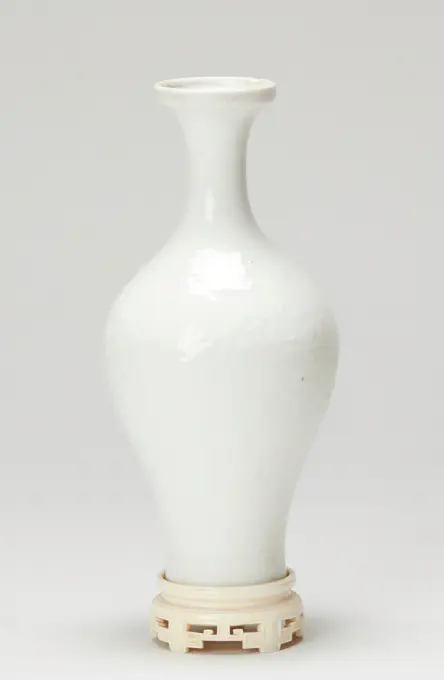
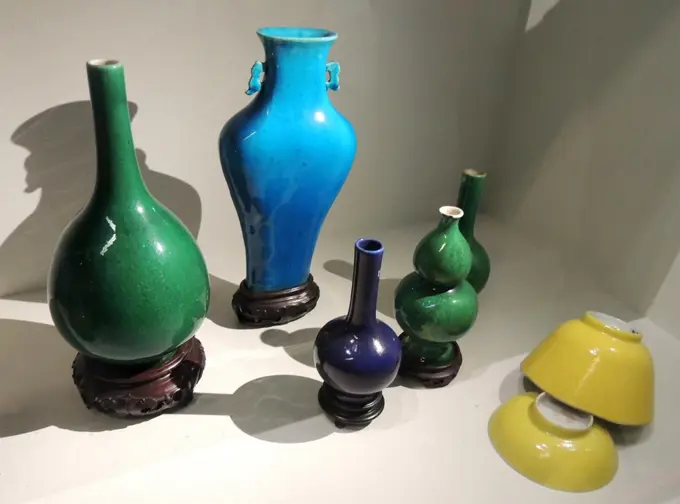
Vase, 1662-1722, H.7-1/8 in., Porcelain, China, 17th-18th century
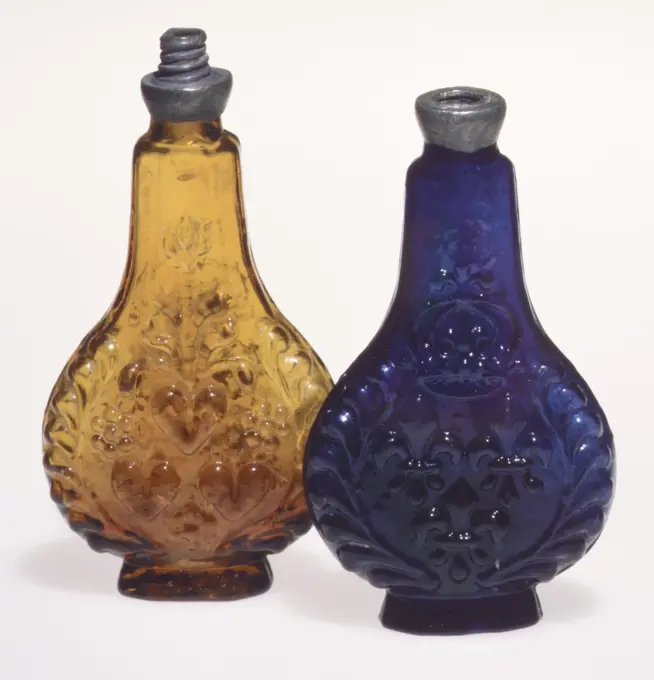
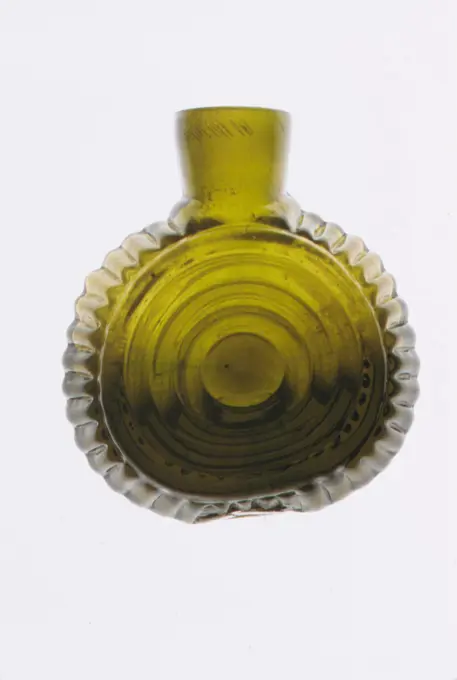
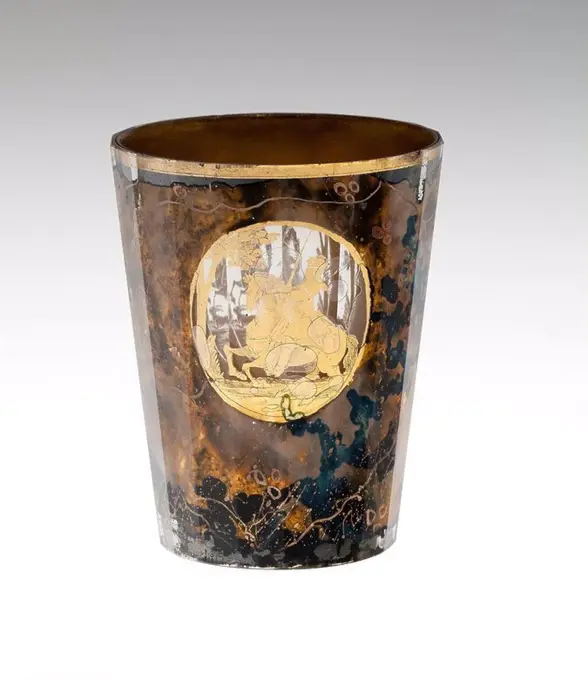
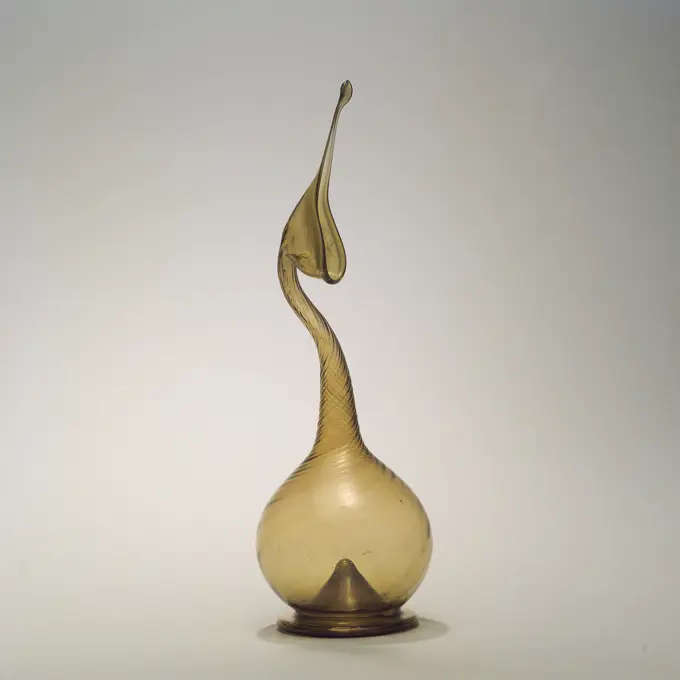
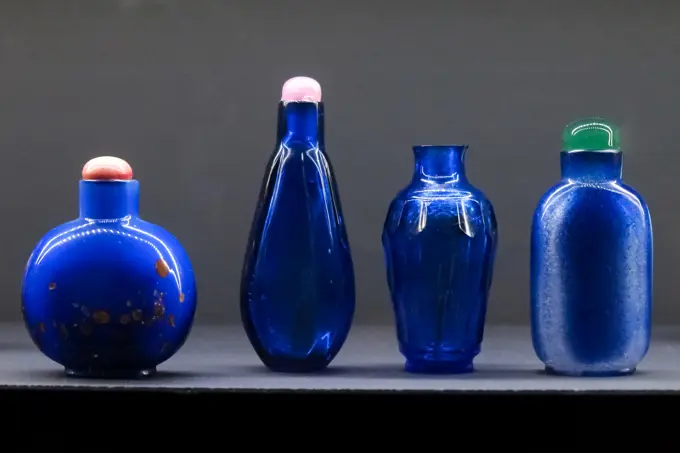
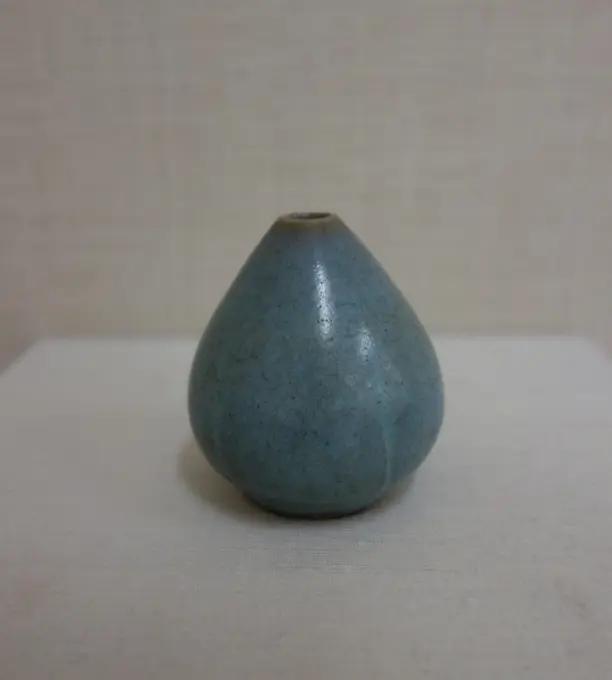
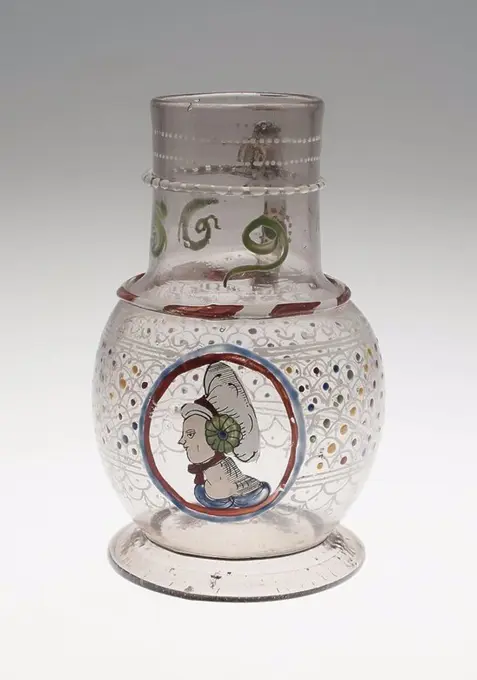
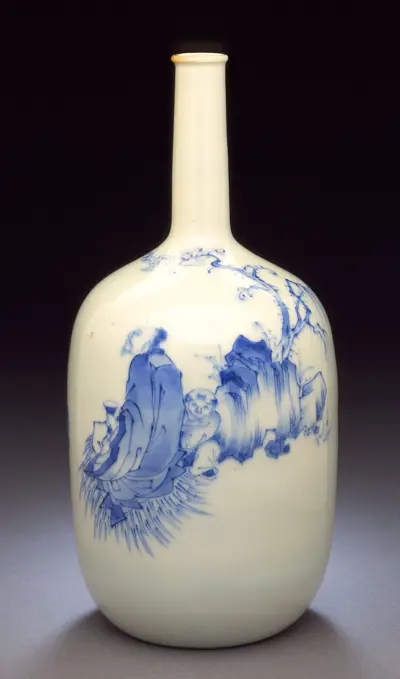
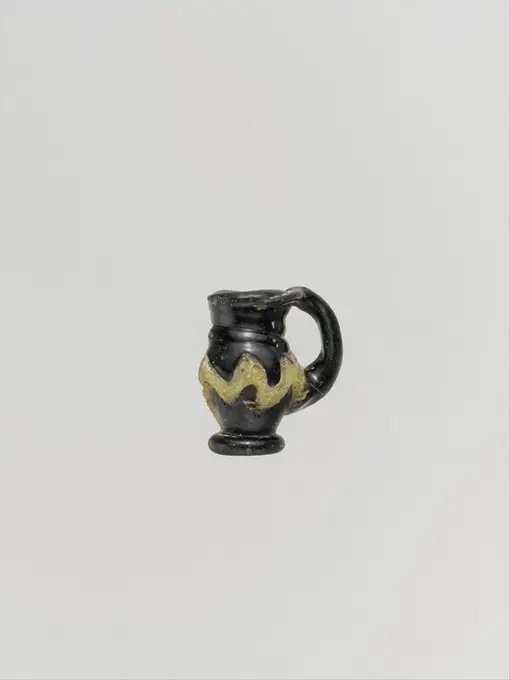
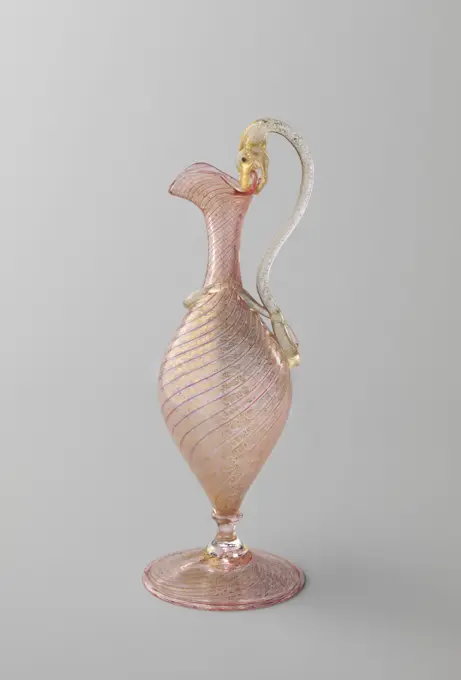
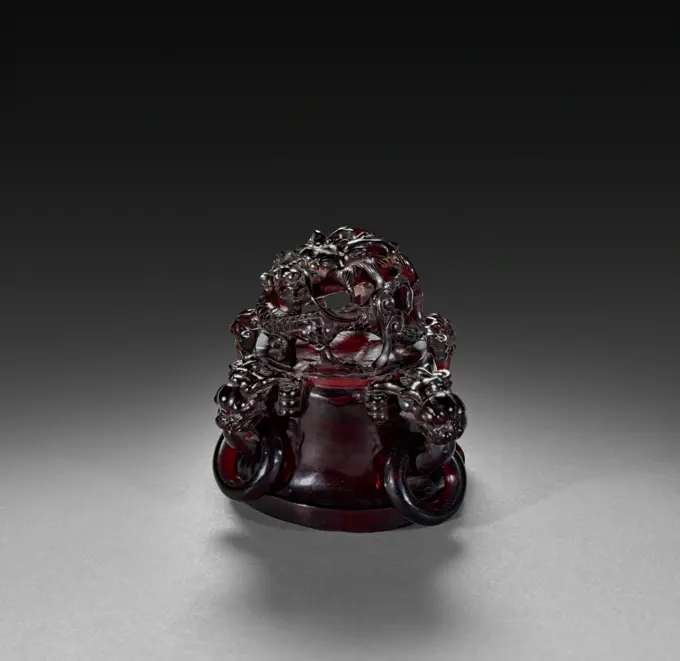
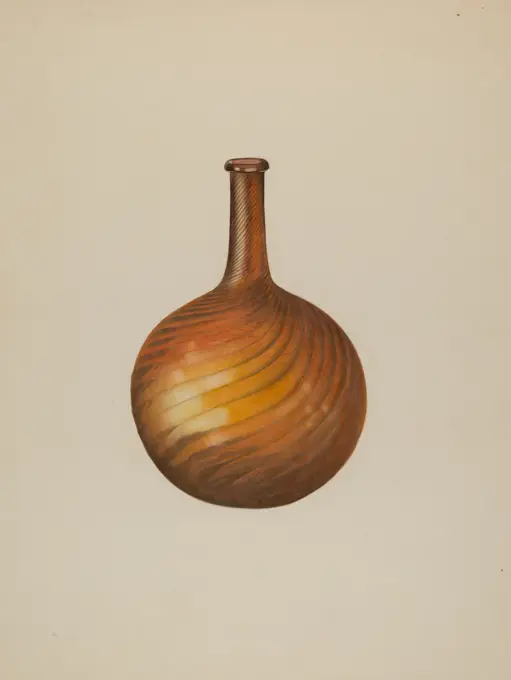
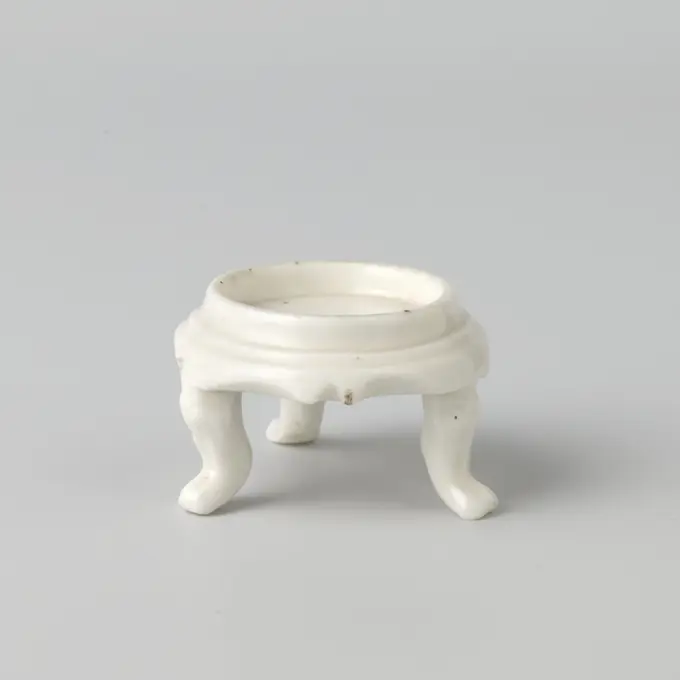
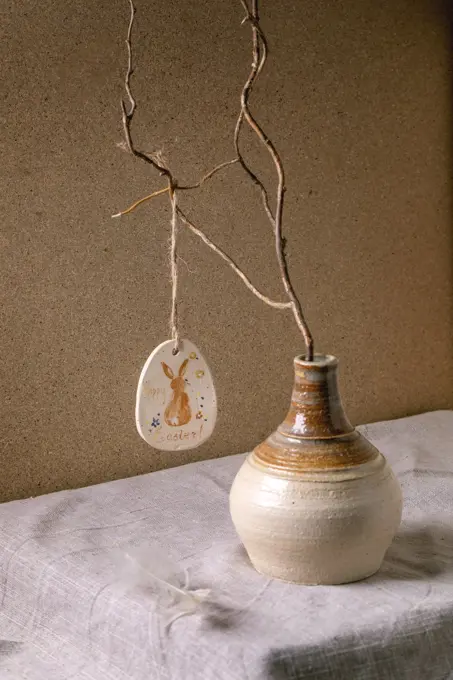
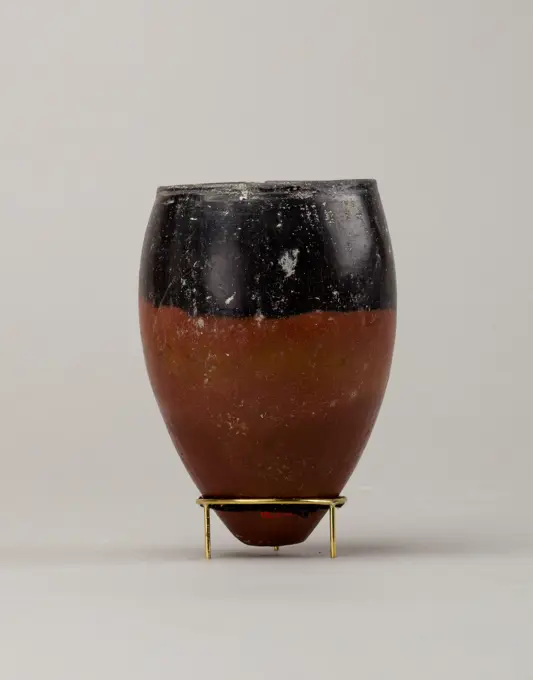
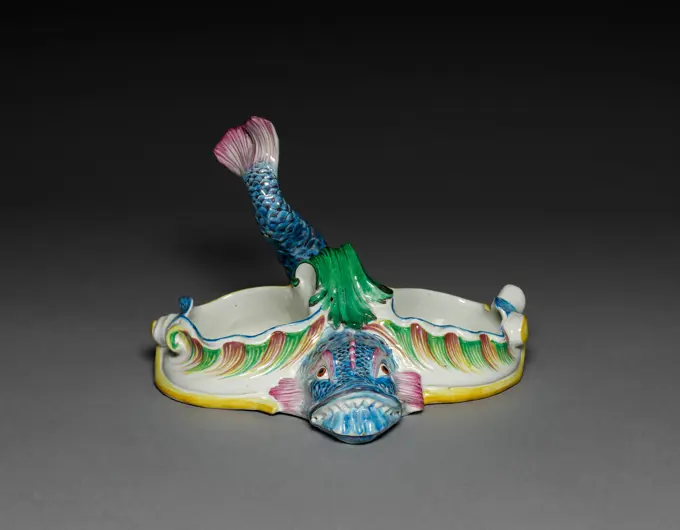
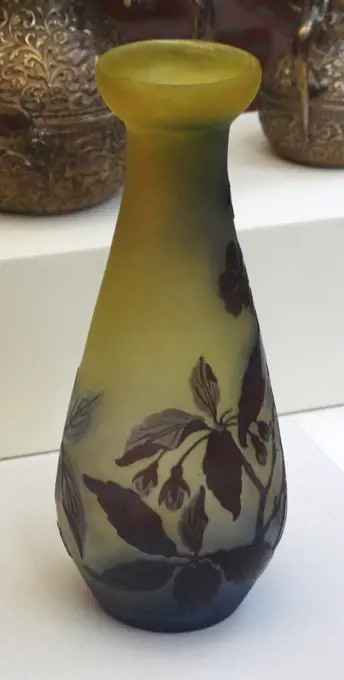
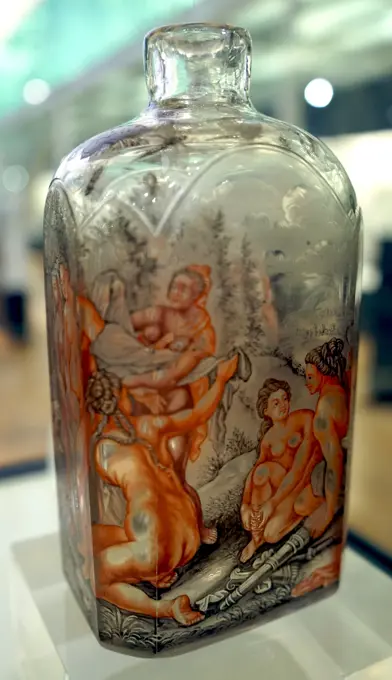
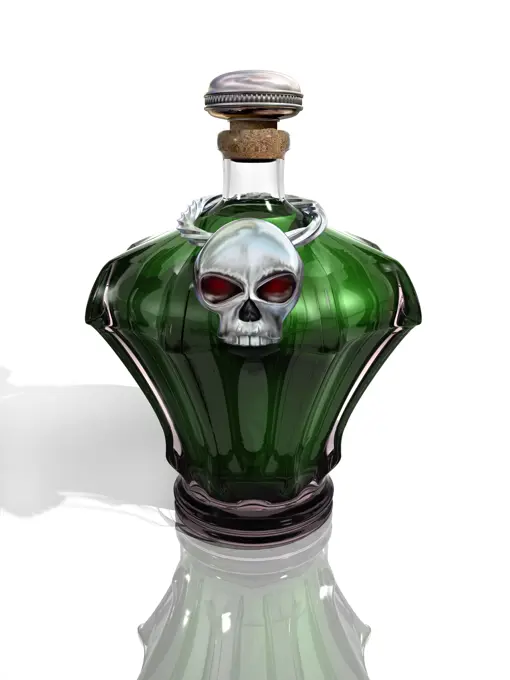
Snuff Bottle, 17th-19th century, 2 3/4 x 1 5/8in. (7 x 4.1cm), Amber, China, 17th-19th centurySquare Vase first half of the 19th century China. Square Vase 47367Amber-colored flacon de poche decorated with fleur de lys and hearts late 17th-early 18th century Glasshouse of Bernard Perrot, Verrerie Royale d'Orléans This scent bottle (flacon) and a related one (see 83.7.165) were made in the Orléans glasshouse of Bernard Perrot (active from 1649 to 1709), the most famous member of an Italian glassmaking family that probably went to France as followers of Louis Gonzaga. The flacons are examples of one of his inventions, the use of patterned molds with intaglio decoration to cast molten glass into small bottles, beakers, medallions, and vials and then displayed the motifs in relief. Both flacons are cast from the same mold. Perrot specialized in colored glass, producing agate bodies, imitation porcelain in white glass, and a transparent red glass. The three fleurs-de-lis may indicate that this was a glasshouse within royal protection, and the hearts were probably a reference to the vials given as courting gifts.. Amber-colored flacon de poche decorFish-Shaped Oil Lamp. China. Date: 700 AD-750 AD. Dimensions: 7.9 × 13.8 × 6.0 cm (3 1/8 × 5 7/16 × 2 3/8 in.). Slip-coated earthenware with three color (sancai) lead glazes. Origin: China. Museum: The Chicago Art Institute, Chicago, USA.Scent Bottle 1800-1860 American. Scent Bottle 7332Beaker. Bohemia, Czech Republic. Date: 1725-1735. Dimensions: 8.7 × 7 cm (3 7/16 × 2 3/4 in.). Glass. Origin: Bohemia. Museum: The Chicago Art Institute, Chicago, USA.Grey ceramic vase, isolated on white background Grey ceramic vase, isolated on white background Copyright: xZoonar.com/OleksandrxKostiuchenkox 8911662Basket () From Filigrein with canopy. Basket () From silver filigree with canopy.Bowl with incised lotus scrolls, anonymous, c. 1628 - c. 1644 High, bell -shaped bowl of porcelain. The outer wall is covered with Lotusranken Ingekrifted. On the outer edge a band with Ruyi motifs. Around the foot a band with leaf motifs. Marked on the underside with the four-character brand of Emperor Chongzhen. Monochrome. China porcelain. glaze engraving / vitrification High, bell -shaped bowl of porcelain. The outer wall is covered with Lotusranken Ingekrifted. On the outer edge a band with Ruyi motifs. Around the foot a band with leaf motifs. Marked on the underside with the four-character brand of Emperor Chongzhen. Monochrome. China porcelain. glaze engraving / vitrificationSwan-Neck Bottle (Ashkdan) 19th century The distinct tear-shaped opening at the top of this amber-toned bottle was carefully tooled while the glass was still molten, and flows into a thin, curvilinear neck, before expanding to a globular body resting on a low foot. The visual resemblance to the curved and attenuated neck of a swan has inspired the name of these types of bottles, but according to folklore, these bottles were used as "containers for tears," (ashkdan) meant to collect the sorrows of wives separated from their husbands.. Swan-Neck Bottle (Ashkdan). 19th century. Glass, amber-colored; dip molded, blown, folded foot. Attributed to Iran, possibly Shiraz. GlassVessel for ginger. unknown, craftsmanFlask 1830-60. Flask 3713Lisbon, Portugal. Chinese snuff bottles. (Editorial Use Only)Selection of glass objects including cups, bowls, bottles, ink wells and lidded containers. Eastern Mediterranean, from the 1st-2nd century.Water dropper China. Water dropper. China. Stoneware with blue-grey glaze (Jun ware). Yuan dynasty (1271-1368). CeramicsTea Caddy, c. 1750-1800. Staffordshire Factory (British). Earthenware; overall: 12.2 x 8.5 x 6.4 cm (4 13/16 x 3 3/8 x 2 1/2 in.); with cover: 13 cm (5 1/8 in.).Jug with the Head of a Woman. Bohemian. Date: 1597. Dimensions: 16 × 11.1 cm (6 5/16 × 4 3/8 in.); Wt. 265 g (8.5 oz.). Colorless glass and enamel. Origin: Bohemia. Museum: The Chicago Art Institute, Chicago, USA.Pottery vase Elegant decorative vase isolated with clipping path included Copyright: xZoonar.com/Baloncicix 14710322CAPACETE DE ESPARTO PROCEDENTE DE LA CUEVA DE LOS MURCIELAGOS DE ALBUÑOL (GRANADA) - 3450 AC. Location: MUSEO ARQUEOLOGICO NACIONAL-COLECCION. MADRID. SPAIN.Close-up of a vase, FranceVase, 1662-1722, H.5-3/4 in., Porcelain, China, 17th-18th centurytraditionCrane Neck Sake Bottle with Scholar Drinking Leaf Tea; Chinese Poem. Japan, 19th century. Ceramics. Hirado Mikawachi ware; porcelain with blue underglazeReukfles, anonymous, 1800 - 1900 Odor bottle.  glass Odor bottle.  glassDouble Vase 1870 Stoke-on-Trent. Bone china and enamel . Christopher Dresser (Designer)Vase; about 1915; England; Stourbridge; Stevens & Williams; Cameo glass. Cameo glass is a luxury form of 'art glass' produced by etching and carving through fused layers of different coloured glass.Vase brown ceramic vase on a white table Copyright: xZoonar.com/VladxPodkhlebnikx 464105Decanter Decanter, ca. 1820-30; Ireland; glassPear vial; unknown eastern workshop; I-II century (1-00-00-200-00-00);Glass pendant in the form of a miniature jug. Culture: Roman. Dimensions: 13/16 × 11/16 × 1/2 in. (2 × 1.8 × 1.3 cm)Diam. of foot: 3/8 in. (1 cm). Date: ca. 4th century A.D..Semi-opaque dark green, appearing opaque black; handle in same color; trail in semi-opaque pale yellow.Biconical body; broad rounded rim; short cylindrical neck with spiral ribbing; large, flat pad base, slightly pushed-in on bottom; handle applied to body over decoration, drawn out and up in a loop, and attached to rim and trailing off to one side.On body, single zigzag trail.Body intact, but large weathered chip in body; faint dulling and slight weathering.Small one-ndled glass vase; blue with light design. Museum: Metropolitan Museum of Art, New York, USA.Two small vases, c. 1885 - c. 1890 Pink glass vase with gold leaf (crushed), the handle in the shape of a snake. Murano glass. gold leaf glassblowing Pink glass vase with gold leaf (crushed), the handle in the shape of a snake. Murano glass. gold leaf glassblowingMelon shaped vase  peacock enamel unknownSifonglas, anonymous, c. 1700 - c. 1800 Sifonglas with low, slightly conical foot. Spherical body, transfers to a high, wide neck. The top closed with five pinched, star -shaped tires. The ear consists of a curved tube, which is in open connection with the body. Bohemia glass glassblowing Sifonglas with low, slightly conical foot. Spherical body, transfers to a high, wide neck. The top closed with five pinched, star -shaped tires. The ear consists of a curved tube, which is in open connection with the body. Bohemia glass glassblowingWine Bottle ca. 1760 British, probably. Wine Bottle 9868John Tarantino, Vase, c 1937 VasePIEZAS DE VIDRIO. Location: MUSEE D'ARTS DECORATIFS. MADRID. SPANIEN.Glass and Ceramics Museum, Tehran, Tehran, Iran, AsiaWooden plug of pear-shaped pot. Wooden plug of pear-shaped pot, in the shape of a stalk.Glass fragmentary bottle. Culture: Roman. Dimensions: H. 5 3/8 in. (13.7 cm). Date: ca. 1st-4th century A.D..Colorless with blue green tinge.Cylindrical body with sligthly convex side; thick bottom with kick and pontil scar.Broken and repaired, with only parts of lower body and bottom remianing; some pinprick and elongated bubbles, and blowing striations; patches of reddish brown encrustation and faint iridescence. Museum: Metropolitan Museum of Art, New York, USA.OBRA SIN DOCUMENTAR. Location: PRIVATE COLLECTION. MADRID. SPAIN.Qing dynasty chinese ceramic vases, glazed in bright colours 1736-1795Bottle with stopper 17th-18th century Italian, possibly Venice (Murano) During the Renaissance, Venetian glassmakers, working on the island of Murano, were celebrated across Europe for their fine and sparkling work. Called cristallo” emulating the clarity of rock crystal, in the hands of the most skilled glassblowers the medium could be delightfully manipulated, variously stretched paper-thin flat, or playfully twisted, or blown into molds with spectacular patterns.. Bottle with stopper. Italian, possibly Venice (Murano). 17th-18th century. Glass. GlassVase (cover), 1736-95. China, Qing Dynasty (1644-1911), Qianlong reign (1736-95). Carved red amber; overall: 22.3 cm (8 3/4 in.).Salt Dish. Culture: American. Dimensions: 1 11/16 x 1 9/16 in. (4.3 x 4 cm). Maker: George Duncan and Sons (1874-1891). Date: ca. 1878-90. Museum: Metropolitan Museum of Art, New York, USA.Incense burner with playing boys in a fenced garden and a metal cover, anonymous, anonymous, c. 1800 - c. 1899 Incense burner (Koro) of porcelain with a printed, spherical body and a metal lid, painted in under -glaze blue. On the wall a group of seven boys in a fenced garden playing with fans, kites, etc. The scene is closed by a banana plant at a rock. The lid is open and has a circle with a stylized flower at the top. An old label on the bottom. Hirado. Japan porcelain. glaze. cobalt (mineral). deksel: metal painting / vitrification Incense burner (Koro) of porcelain with a printed, spherical body and a metal lid, painted in under -glaze blue. On the wall a group of seven boys in a fenced garden playing with fans, kites, etc. The scene is closed by a banana plant at a rock. The lid is open and has a circle with a stylized flower at the top. An old label on the bottom. Hirado. Japan porcelain. glaze. cobalt (mineral). deksel: metal painting / vitrificationWater Pitcher, Freeform” Shape, California Mobile” Pattern.  Designer Frank Irwin, American, 1922-2002 Manufacturer: Metlox Potteries, American, 1927-1989Isidore Steinberg, Bar Bottle, c 1938 Bar BottleStand of pear-shaped vase with chilong dragon, anonymous, c. 1650 - c. 1699 Standard of pear -shaped vase of porcelain, covered with a translucent white glazuuur. With three curved legs and a raised edge where the foot ring of the vase fits. Blanc the Chine. China porcelain. glaze vitrification Standard of pear -shaped vase of porcelain, covered with a translucent white glazuuur. With three curved legs and a raised edge where the foot ring of the vase fits. Blanc the Chine. China porcelain. glaze vitrificationCovered Sugar Bowl 1879-83 Chelsea Keramic Art Works This rare example of domestic tableware by Chelsea Keramic Art Works exemplifies the taste for Far Eastern motifs during the last quarter of the nineteenth century. Its angular forms and honeycomb surfaces emulate the shape and hand-hammered texture of Japanese metalwork but also reference the designs of Christopher Dresser. The soft celadon glaze is the successful result of the firms extensive experiments to imitate and perfect the monochromatic glazes found on Chinese ceramics.. Covered Sugar Bowl 2503Easter house interior elements Easter house interior elements copyright: xzoonar.com/natashaxbreenx 22667258Glass fragmentary bottle ca. 1st-4th century A.D. Roman Colorless with blue green tinge.Cylindrical body with sligthly convex side; thick bottom with kick and pontil scar.Broken and repaired, with only parts of lower body and bottom remianing; some pinprick and elongated bubbles, and blowing striations; patches of reddish brown encrustation and faint iridescence.. Glass fragmentary bottle 245211Black-topped red ware jar Predynastic Period ca. 3850-2960 B.C. View more. Black-topped red ware jar. ca. 3850-2960 B.C.. Pottery. Predynastic Period. From EgyptSnuff bottle with stopper. Culture: China. Dimensions: H. 2 3/8 in. (6 cm). Date: 18th-19th century. Museum: Metropolitan Museum of Art, New York, USA.Obra de vidrio de Javier Vidal, siglo XXI. Author: JAVIER VIDAL (S. XX).Square Vase. Culture: China. Dimensions: H. 7 7/8 in. (20 cm). Date: first half of the 19th century. Museum: Metropolitan Museum of Art, New York, USA.Old style ceiling lamps for interior decorationVase. Culture: American. Dimensions: H. 7 in. (17.8 cm); Diam. 3 in. (7.6 cm). Maker: New England Glass Company (American, East Cambridge, Massachusetts, 1818-1888). Date: 1884-88. Museum: Metropolitan Museum of Art, New York, USA.Center Piece with Dolphin, 1750-1775. Johannes Zeschinger (German, 1723-). Faience; overall: 20.4 x 28.6 x 21 cm (8 1/16 x 11 1/4 x 8 1/4 in.).Zulu culture basket, South Africa, 19th century, pigment and plant fiber, Anthropology National Museum, Madrid, Spain.Terracotta kylix (drinking cup) with flower Mycenaean ca. 1300-1225 BCE Stemmed cup decorated with stylized flower.Close-up of a decorative urnVase. unknown, craftsmanBowl, 12th century, 3 3/8 x 8 in. (8.57 x 20.32 cm), Earthenware painted in black under a transparent turquoise glaze, Rayy ware, Iran, 12th century, The Seljuk period (1038-1194) was perhaps the most creative era in the production of Persian ceramics. In addition to lusterware, minai ware, and monochromatic blue glaze, underglaze-painted ceramics were also produced. These bowls represent one popular variant, black designs under a transparent turquoise glaze.Vase; from Nancy; France by Emile Galle (1846-1904); of Cameo Glass. This luxury form of art glass involves etching and carving through fused layers of different coloured glass.Close-up of tall and narrow blue and green ceramic vasesCylinder Seal. Iran, Mesopotamia or Syria, 9th-7th century B.C.. Tools and Equipment; seals. Colorless chalcedonyIron kettleOld style mug with patternTea Caddy Tea Caddy; Manufactured by Meissen Porcelain Factory (Germany), Meissen Porcelain Manufactory (Germany); Germany; hard paste porcelain, vitreous enamelLotus Shrine Containing Bodhisattva 18th century China. Lotus Shrine Containing Bodhisattva 41992A calabashBottles with motifs of fruits, amphorae, birds and Dionysus masks. Found on the Phoenician coast, from the 1st century.JARRA DE CERAMICA- S XV TERUEL. Location: MUSEO DEL PUEBLO ESPAÑOL. MADRID. SPAIN.Realistic glass jug for drinks, isolated 3d vector mockup. Transparent pitcher for water or milk, clean empty bowl with handle side view. Kitchenware object, glass jug utensil for cold beverages. Realistic glass jug for drinks, vector mockupfragrance, perfume bottle, india Copyright: xVxMishra/DinodiaxPhotoxScandinavian abstract vector print set. Minimalistic abstract wall art background for print. Scandinavian vector style.. Printable wall art vector poster set vector.Sprit flask decorated by Ignaz Preissler (1676-1741) a glass and porcelain painter. Dated 18th CenturyPoison Glass bottle containing a deadly green poison Copyright: xZoonar.com/PaulxFleetx 2064511