Various Decorative Vases and Urns

A collection of decorative vases and urns in diverse styles, featuring celadon glazes, turquoise hues, and intricate glasswork, highlighting elegance and historical craftsmanship.

Anonymous Coupe Porte (Haidai) (usual name), 1832. Sandstone, Céladon covered. Cernuschi Museum, Asia Museum of Asia in the city of Paris.
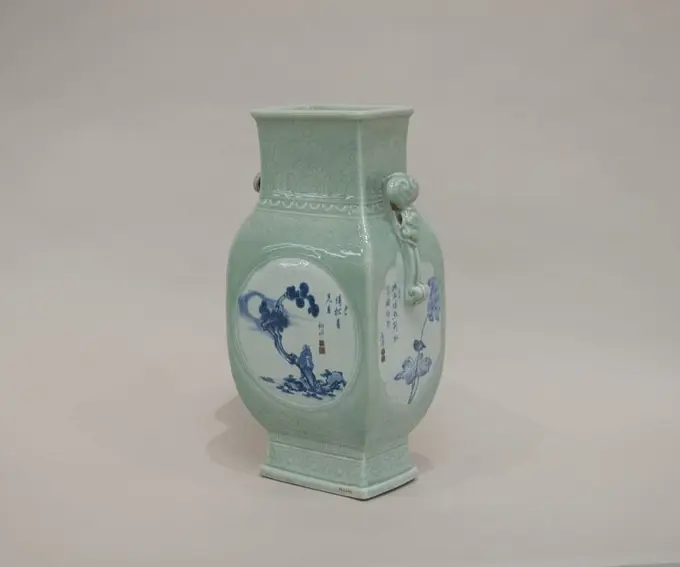
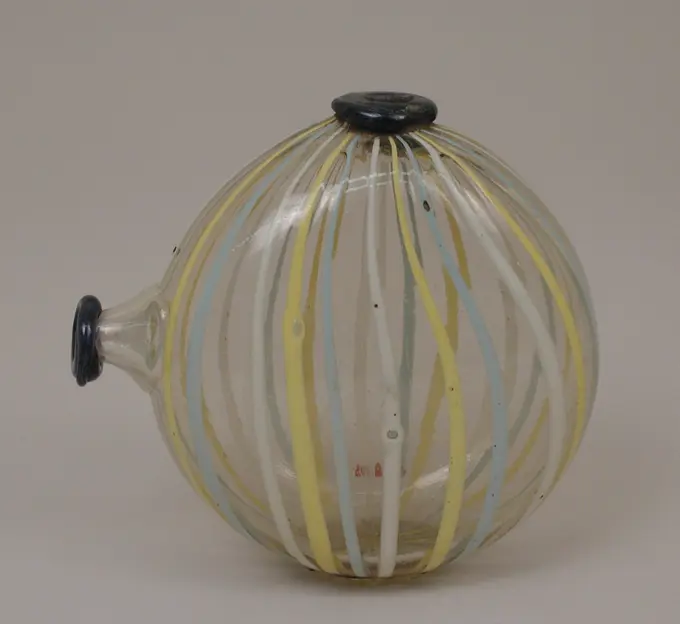
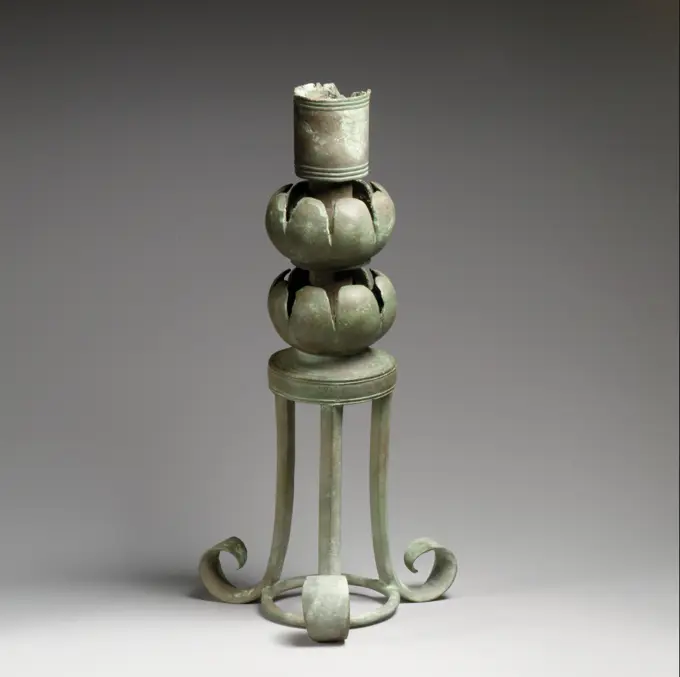
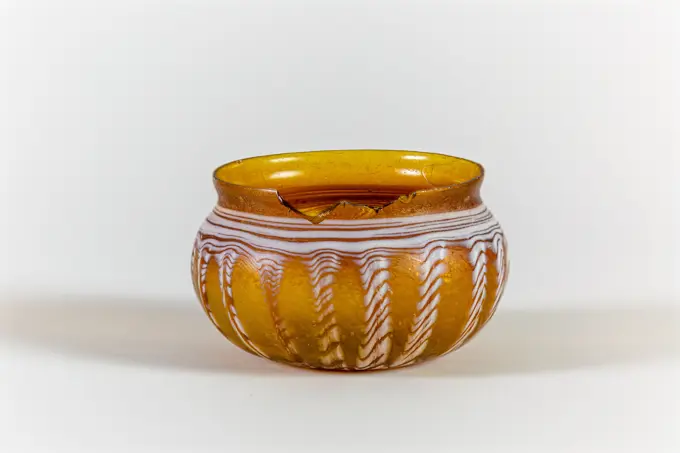
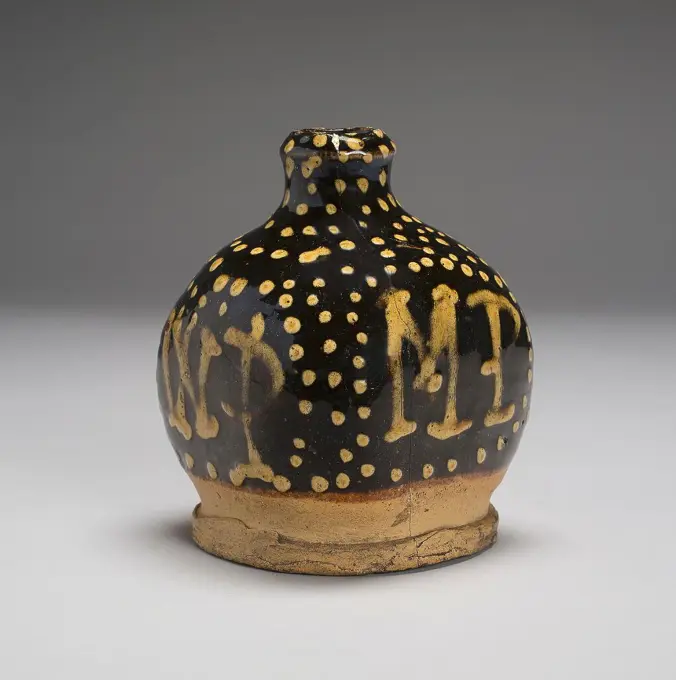
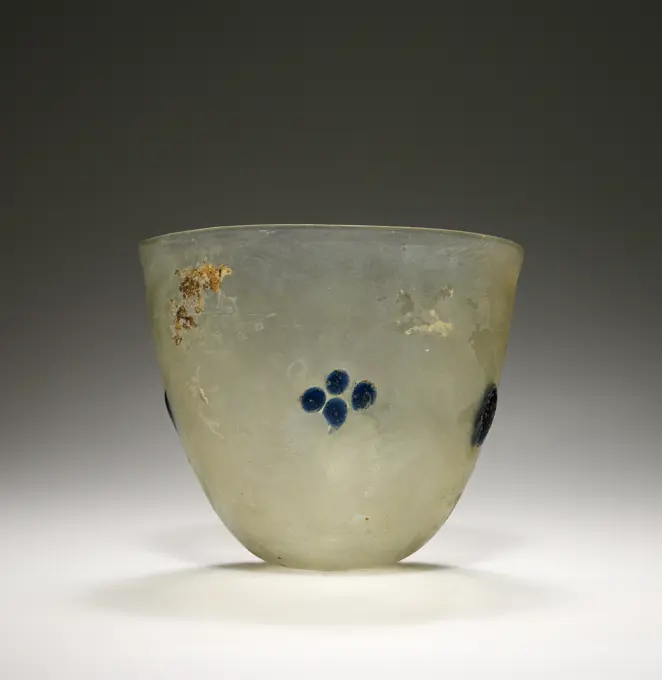
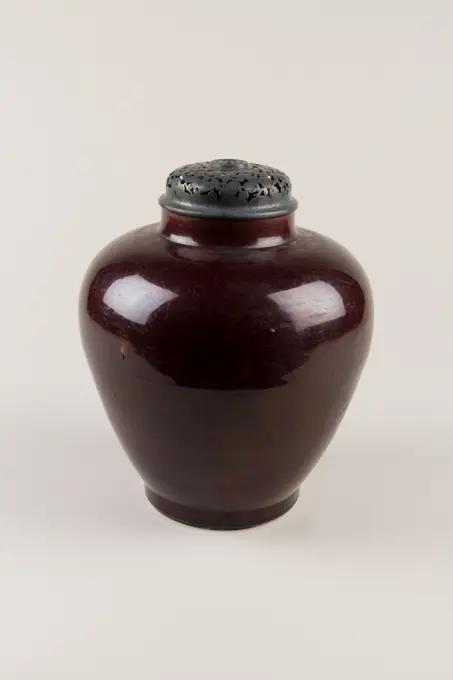
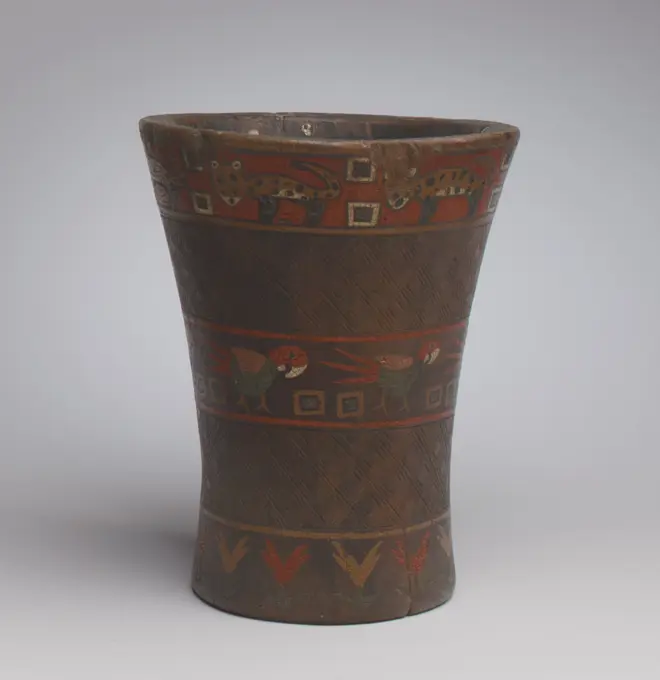
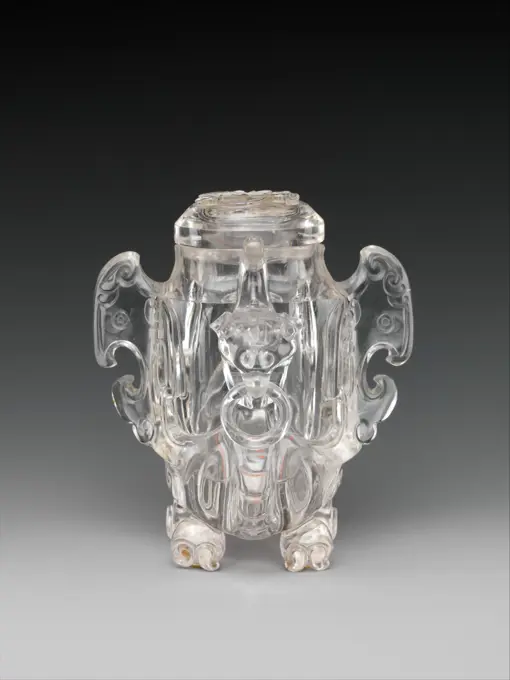
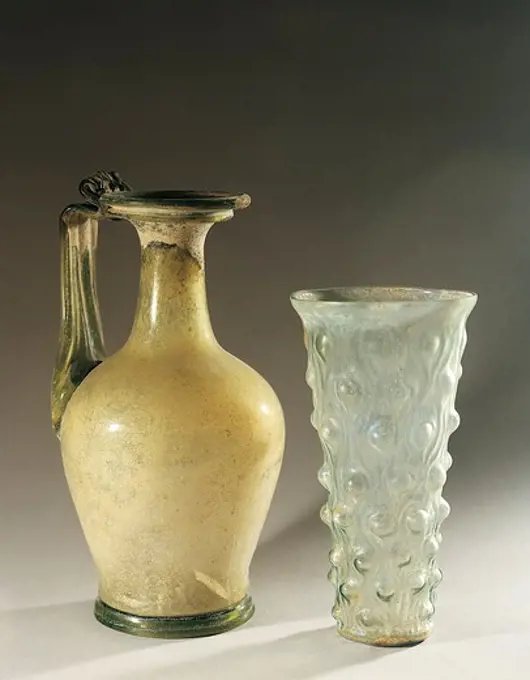
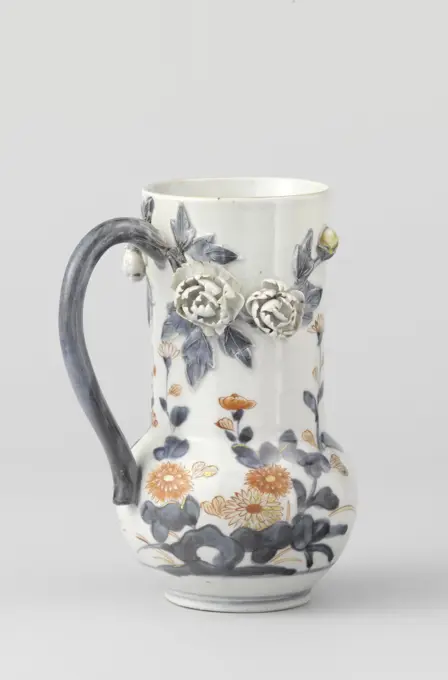
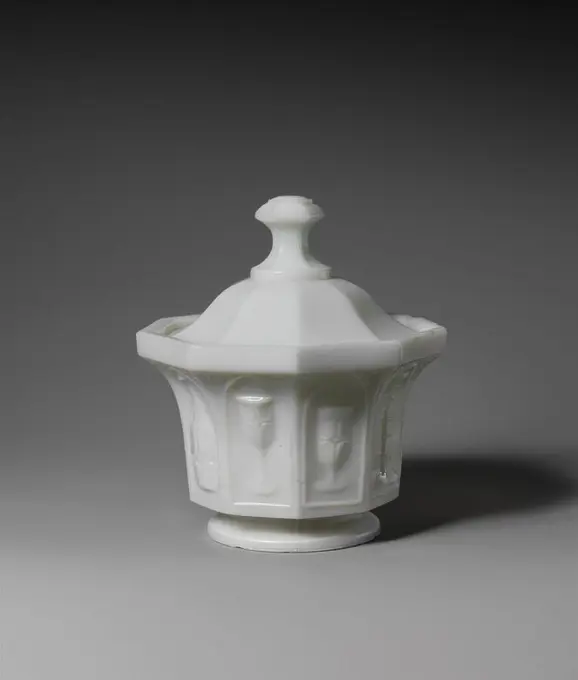
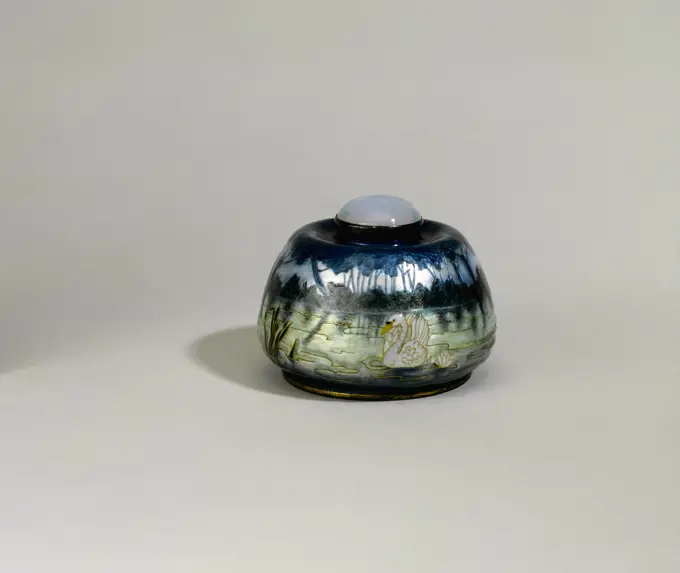
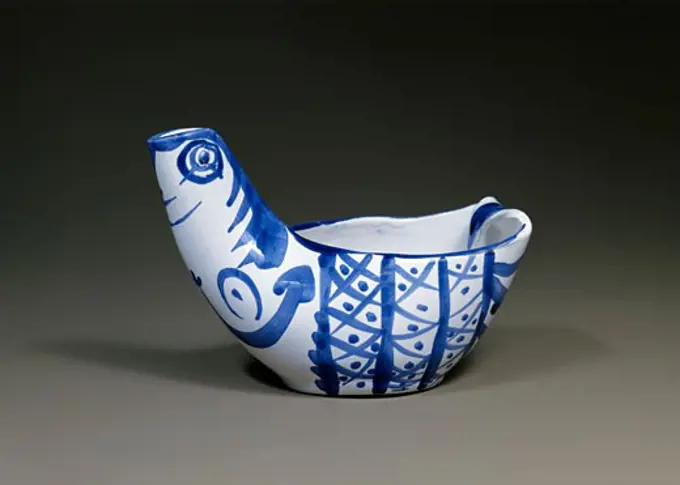
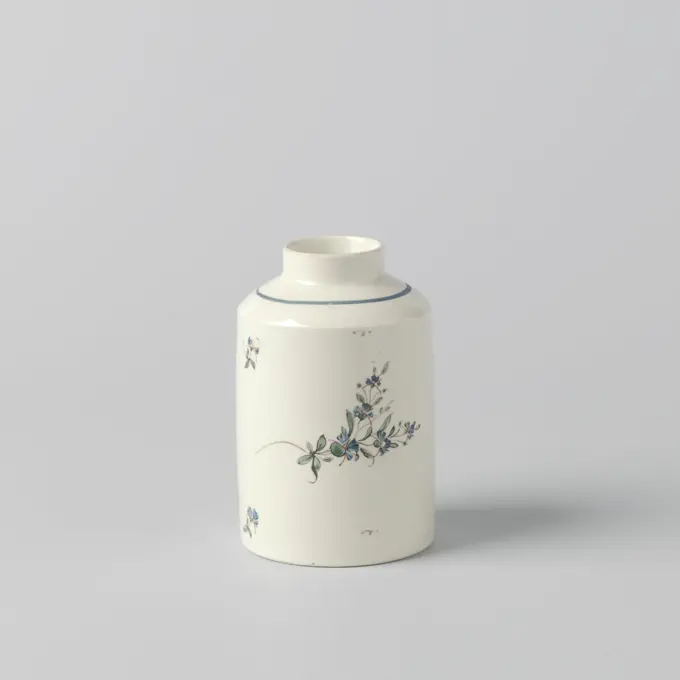
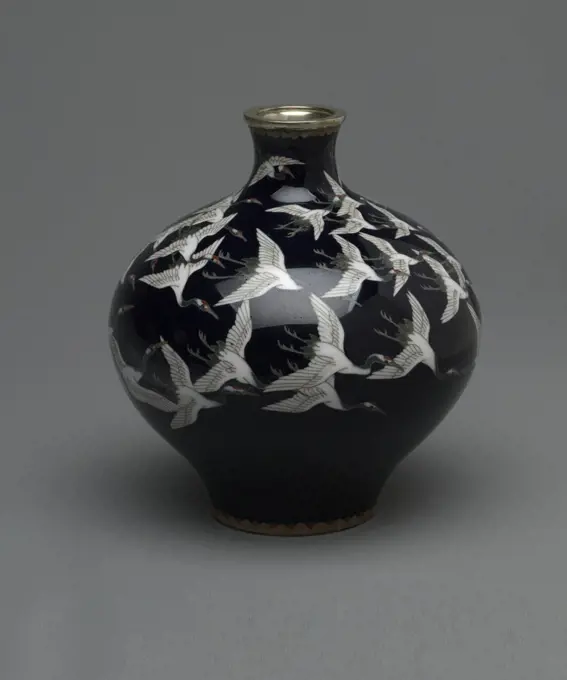
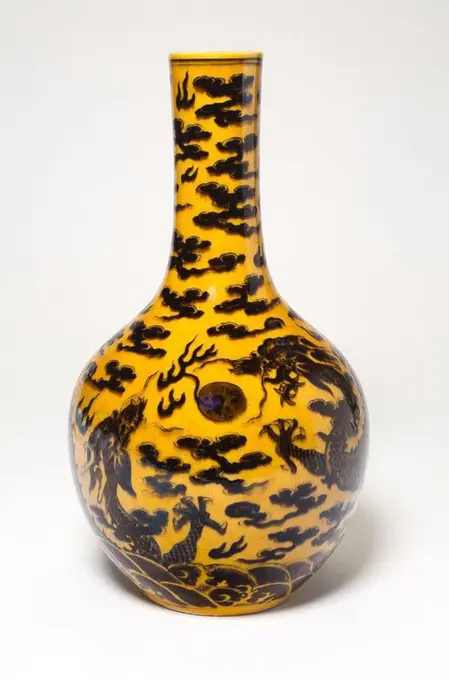
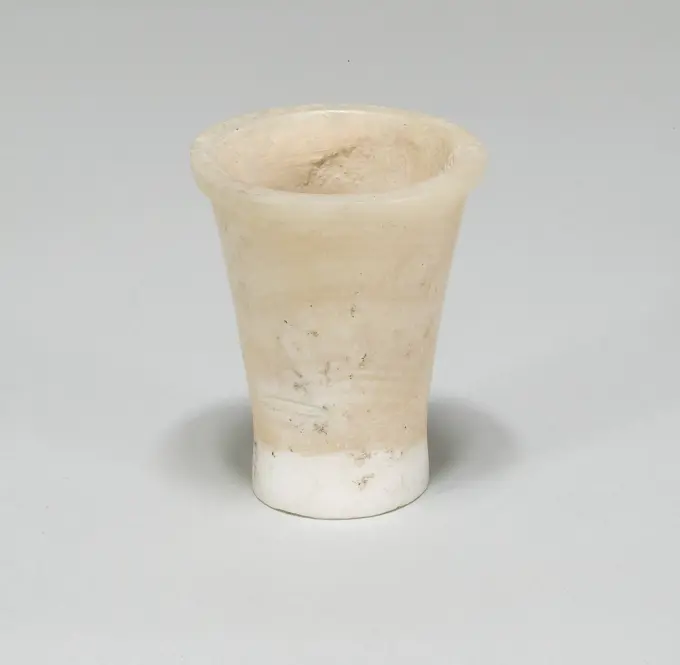
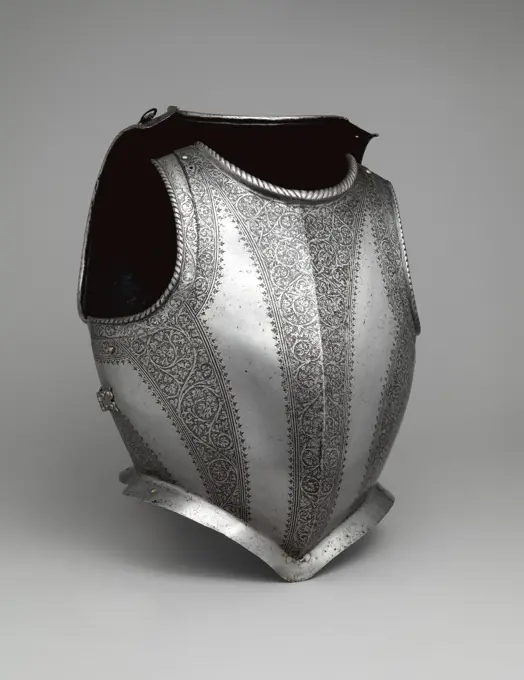
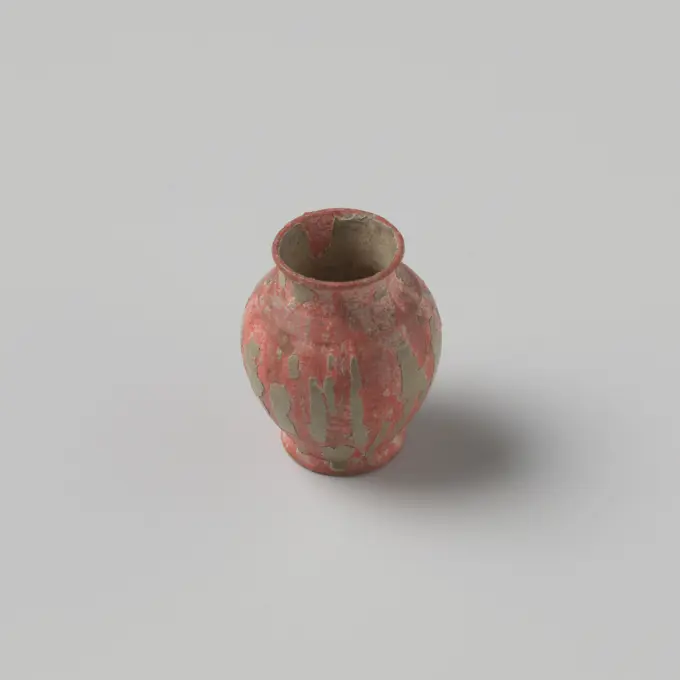
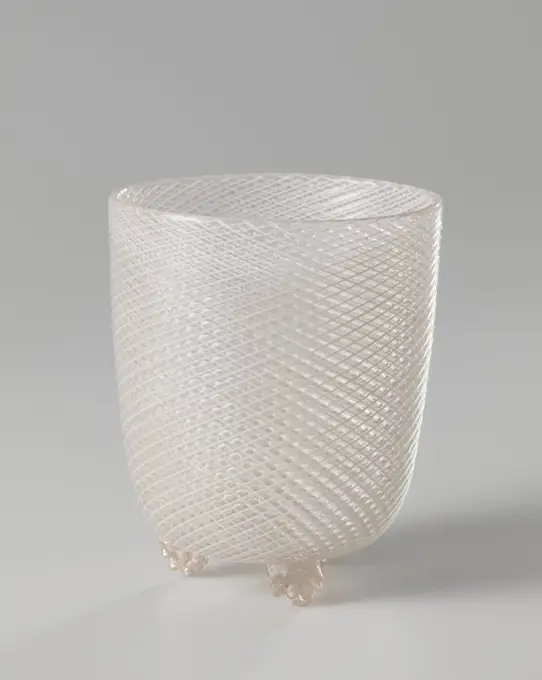
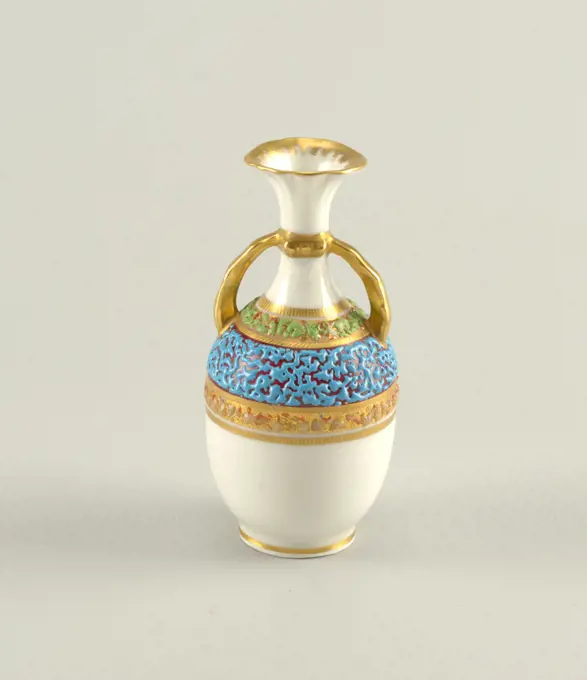
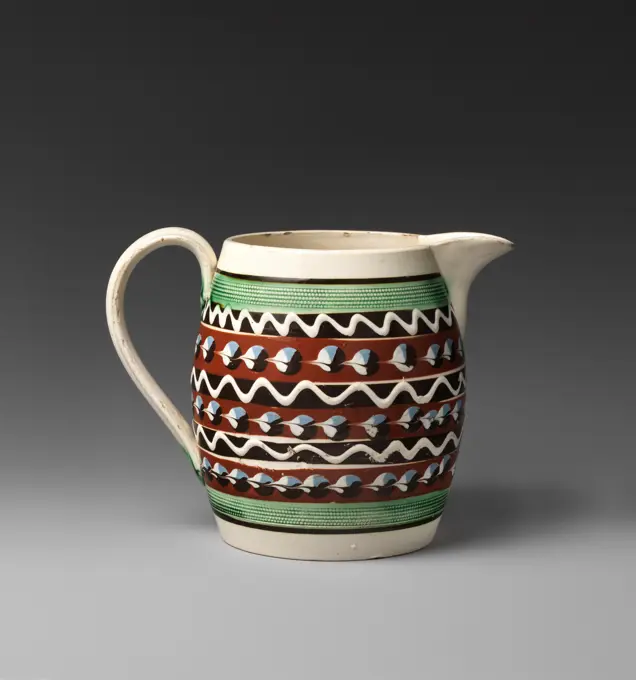
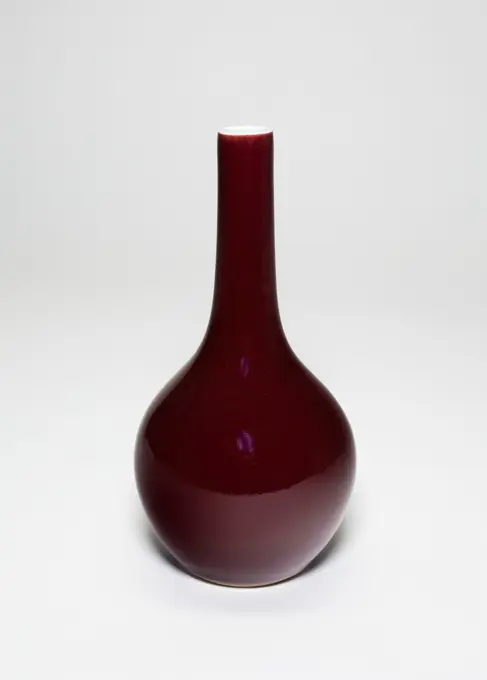
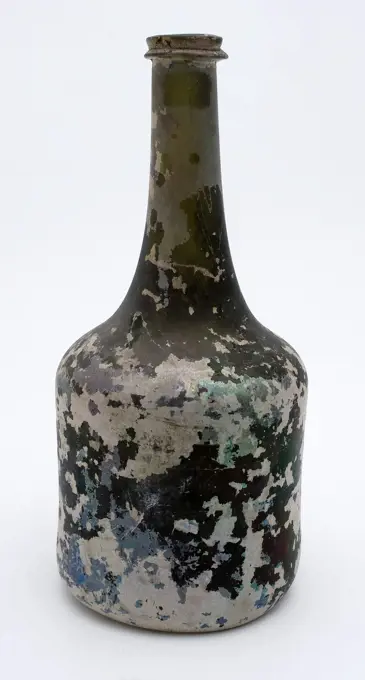
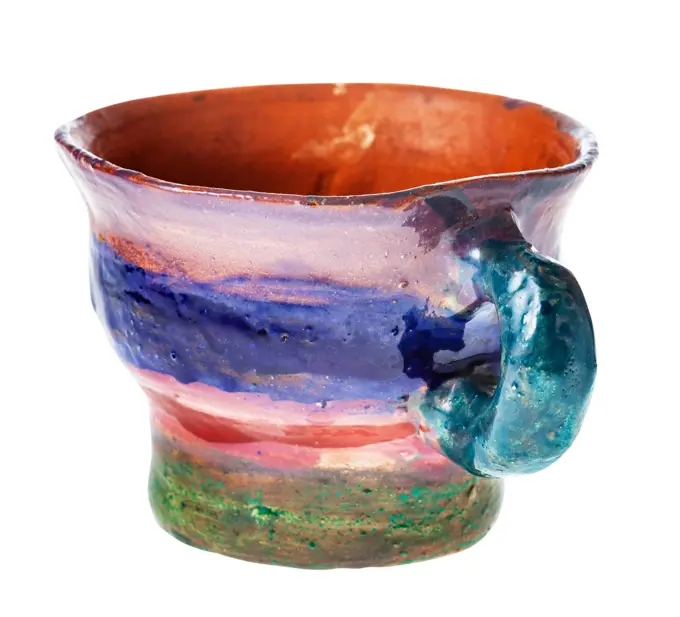
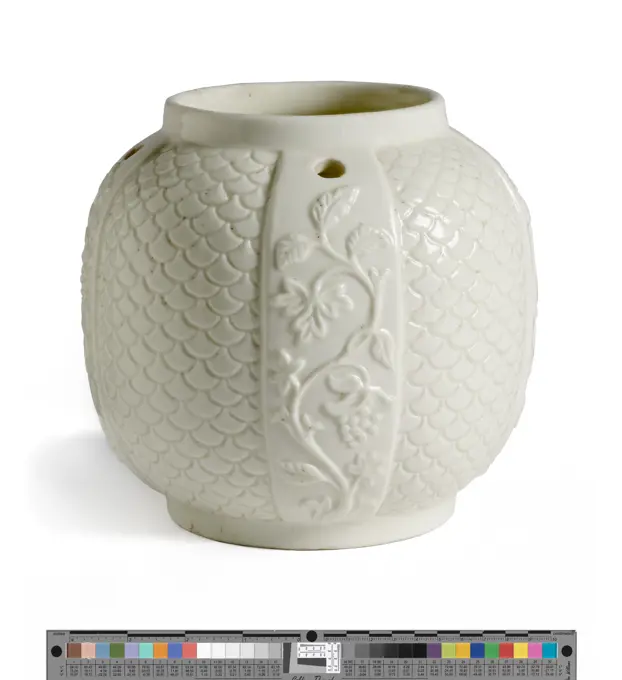
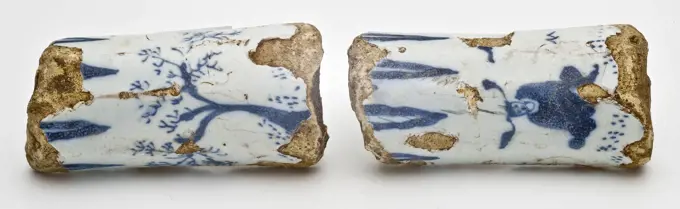
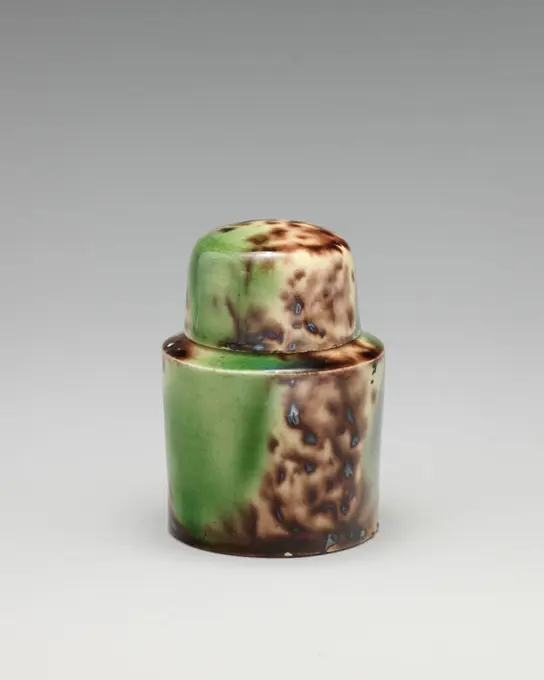
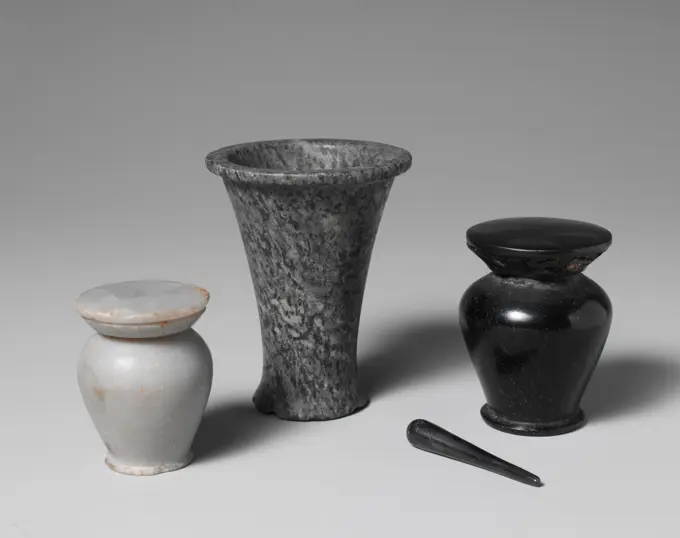
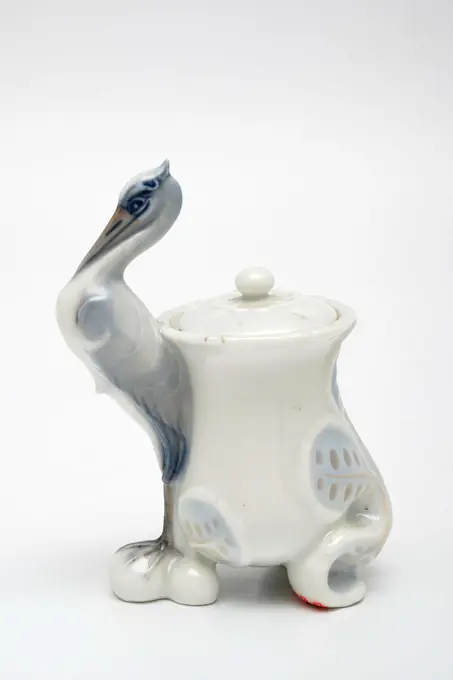
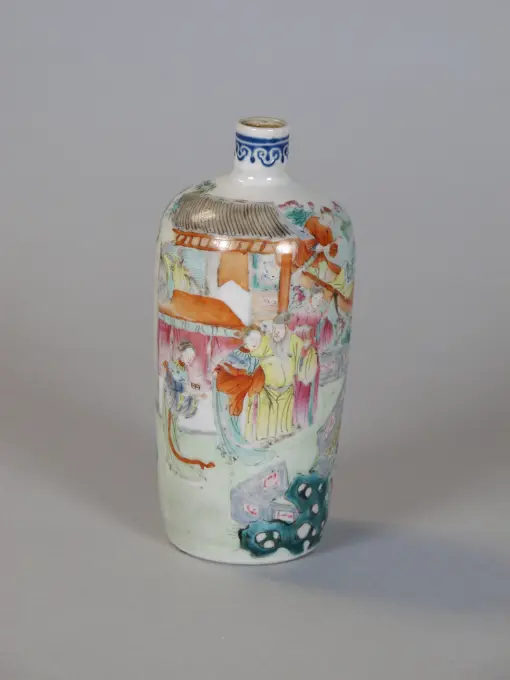
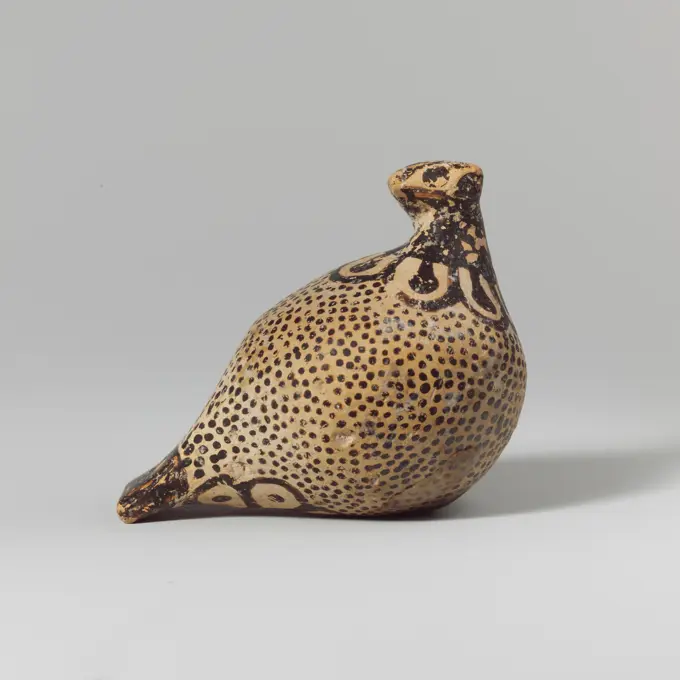
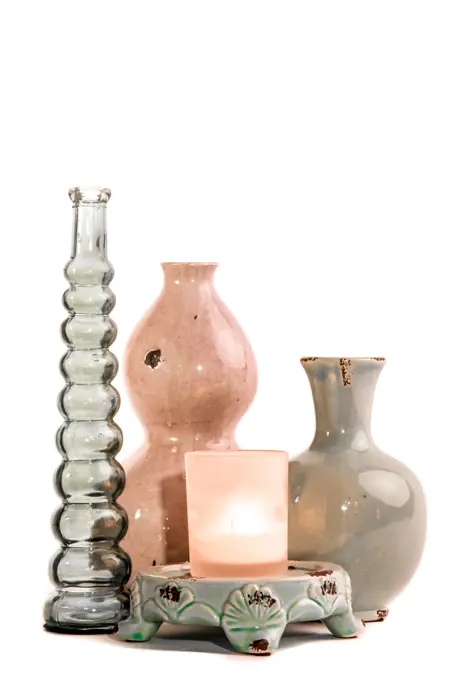
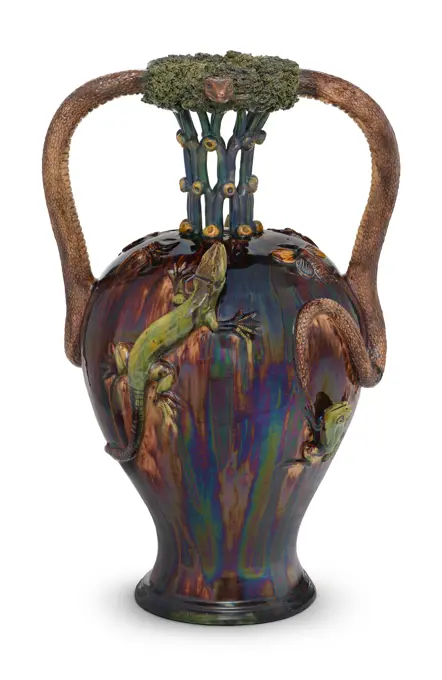
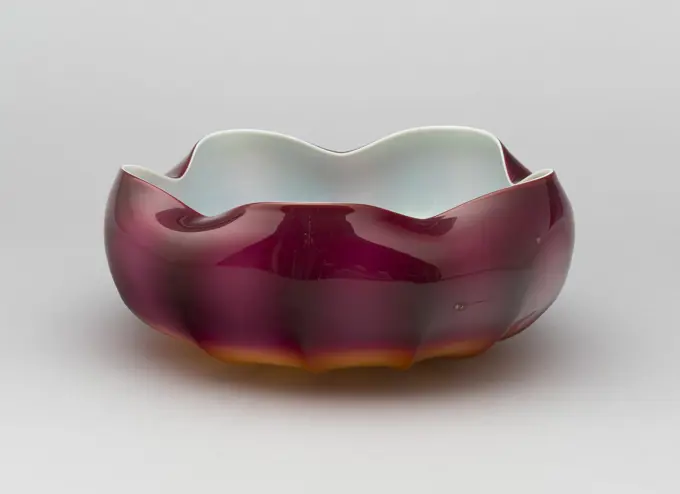
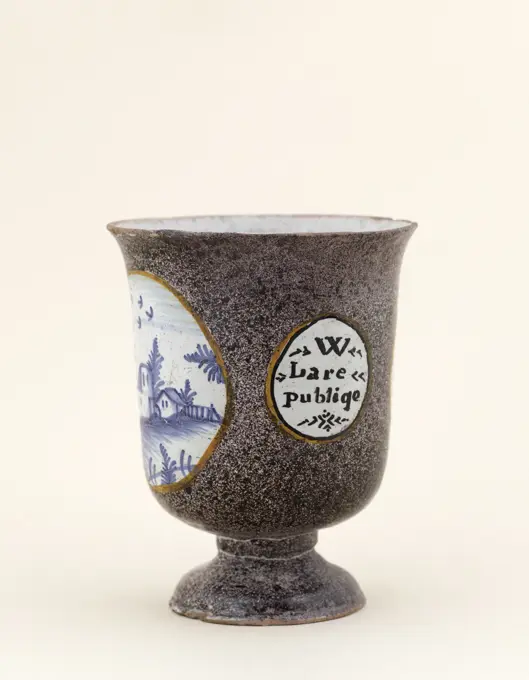
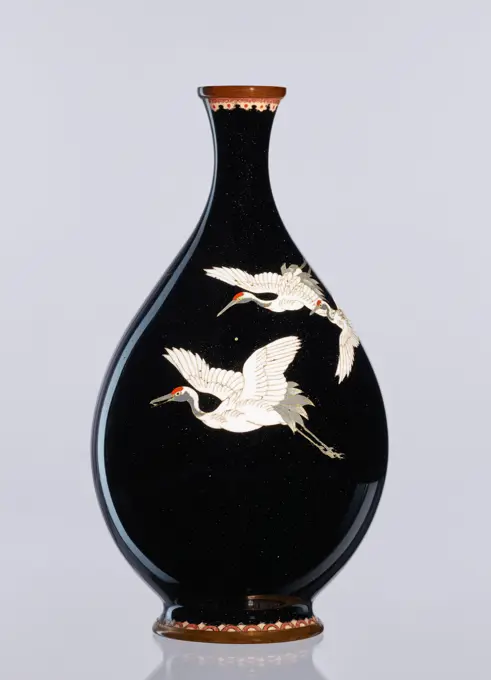
Anonymous. Imari decor hollow plate. Porcelain. 18th century. Museum of Fine Arts of the City of Paris, Petit Palais. 112502-22Naczynie kamienne. unknown, authorSquare Vase. Culture: China. Dimensions: H. 16 1/2 in. (41.9 cm); W. 7 3/4 in. (19.7 cm); D. 5 3/4 in. (14.6 cm). Date: late 18th century. Museum: Metropolitan Museum of Art, New York, USA.Flask 17th century French. Flask. French. 17th century. Glass. GlassPitcher ca. 1860 Attributed to Gloucester Porcelain Company. Pitcher 16568Cylindrical pot on the base;  19th century (1801-00-00-1900-00-00);Covered SugarBowlBronze lamp holder 6th century B.C. Cypriot This form of lamp holder was probably introduced by the Phoenicians, and it remained prevalent in Cyprus from about the eighth to the sixth century B.C. The lowermost cylinder would have been set on a wooden shaft, the lamp itself would have rested on the ring at the top. Representing the height of luxury, an ivory stand of the eighth century B.C. was found at Salamis on Cyprus.. Bronze lamp holder. Cypriot. 6th century B.C.. Bronze. Cypro-Archaic II. BronzesGlass ribbed bowl mid-1st century A.D. Roman Translucent honey brown; trial in opaque white.Knocked-off, ground rim; short concave neck; squat globular body curving in to broad, thick, flat bottom.Trail wound spirally from bottom around body, with one broad patch in side between ribs; sides tooled into eighteen, shallow, irregular, vertical ribs.Complete, except for large chip in rim; a few bubbles; dulling, faint iridescence, weathering of trail between ribs, and one patch of creamy brown weathering on interior.. Glass ribbed bowl. Roman. mid-1st century A.D.. Glass; blown, trailed, and tooled. Early Imperial. GlassBottle. England, Possibly Staffordshire. Date: 1700-1725. Dimensions: 12.7 × 9.2 × 9.2 cm (5 × 3 5/8 × 3 5/8 in.). Tin-glazed earthenware with slipware decoration. Origin: Wrotham. Museum: The Chicago Art Institute, USA.Beaker or Lamp. UnknownWater Jar 1678-88 China. Water Jar. China. 1678-88. Porcelain with incised decoration under peachbloom glaze (Jingdezhen ware). Qing dynasty (1644-1911), Kangxi mark and period (1662-1722). CeramicsJar 19th century China. Jar 46746Lazio Viterbo Viterbo Museo Civico61. Hutzel, Max 1960-1990 Views of paintings (Middle Ages through 18th c.), frescoes, a tabernacle, coffin, sculpture reliefs, portal fragments, busts, sculpture, tapestry found in the Pinacoteca, Second floor gallery and Second floor cloister sequences. Antiquities: Many views of Etruscan and Roman fragments, sculpture, sarcophagi, pottery, masks, jewelry and other objects found in the Storeroom sequence (inventory numbers on back of prints), and the Cloister, Second floor Cloister, Valle Giulia, Sala Romana and Sala Etrusca sequences. General Notes: There are eight separate numerical sequences for this location. The cloister as an architectural structure, rather than museum site, is documented in the record and file for S. Maria della Verita, Cloister, all views of which are stored in Medieval core collection. Five views from the Museo Civico Second floor cloister sequence are stored in Medieval. German-born photographer and scholar Max Hutzel (1911-Pitcher British 19th centuryKero late 16th century Quechua The puma and parrot registers are also interspersed with tocapus, Inkan heraldic devices whose meaning is still unclear. The repetitive unidirectional animal friezes suggest an early date.. Kero. Quechua. late 16th century. Wood (escallonia ), pigmented resin inlay. Peru. Wood-ContainersVessel in the shape of a bird with archaic designs late 18th-early 19th century China. Vessel in the shape of a bird with archaic designs. China. late 18th-early 19th century. Rock crystal. Qing dynasty (1644-1911). HardstoneItaly, Veneto, Verona, Little amphora and blown glass work from the necropolisTankard with flower sprays and the handle sprouting two flower sprays in relief, anonymous, c. 1700 - c. 1720 Porcelain beer with printed spherical body and a wide, long neck, painted in underly glaze blue and on the glaze red and gold. On the outer wall on the bottom a painted prunus tree, chrysanthemum, lotus and grasses. The S-shaped ear is modeled in the form of a peon branch, two twigs with flowers in relief walk on the neck. The neck with the letter 'B' in a medallion. European form in Imari. Japan porcelain. glaze. cobalt (mineral). gold (metal) painting / gilding / vitrification Porcelain beer with printed spherical body and a wide, long neck, painted in underly glaze blue and on the glaze red and gold. On the outer wall on the bottom a painted prunus tree, chrysanthemum, lotus and grasses. The S-shaped ear is modeled in the form of a peon branch, two twigs with flowers in relief walk on the neck. The neck with the letter 'B' in a medallion. European form in Imari. Japan porcelSugar bowl. Culture: American. Dimensions: H. 3 3/8 in. (8.6 cm). Maker: C. Ihmsen Company. Date: 1850-60.Each of the nine panels of this sugar bowl illustrates a different pressed-glass piece: a decanter; a goblet; a sugar bowl; an ale glass and spill holder in the "Excelsior" pattern; a decanter in the "Ashburton" pattern; a goblet in the "Flute" pattern; and a spill holder and hexagonal candlestick in the "Star" pattern. The bowl was probably used as an advertisement of some kind, perhaps one sent to glassdistributors. Museum: Metropolitan Museum of Art, New York, USA.Eugène Feuillatre (1870-1916). "Inkish - swans in the moonlight". Metal, silver and enamel. Museum of Fine Arts of the City of Paris, Petit Palais. Money, moonlight, swan, inkwell, metal, symbolism, animalVase 1893-96 Designed by Louis Comfort Tiffany American. Vase 9483Lobed Jar in Form of Balambing (Philippine Island Star Fruit) 1300-1350 China. Qingbai ware; glazed porcelain with iron spots .Vase. .A Little Bird by Pablo Picasso, painted ceramic, 1881-1973Bell-shaped cup with 'egg and spinach' pattern and cock among plants, c. 1700 - c. 1724 Klock -shaped head of porcelain, painted in under -glaze blue and on the glaze green, yellow and eggplant. The head has the 'egg and spinach' pattern on the outside and a rooster on the inside. Marked on the underside with a mushroom (Lingzhi). Famle Verte. China porcelain. glaze. cobalt (mineral) painting / vitrification Klock -shaped head of porcelain, painted in under -glaze blue and on the glaze green, yellow and eggplant. The head has the 'egg and spinach' pattern on the outside and a rooster on the inside. Marked on the underside with a mushroom (Lingzhi). Famle Verte. China porcelain. glaze. cobalt (mineral) painting / vitrificationVase Lalique, Rene (1860 1945)Salt. Attributed to New Bremen Glass Manufactory; 1784-1795; New Bremen, Maryland. Date: 1785-1795. Dimensions: H. 7.6 cm (3 in.). Non-lead glass. Origin: United States. Museum: The Chicago Art Institute, Chicago, USA. Author: New Bremen Glass Manufactury.Vase, Grueby Faience Company, Revere, Massachusetts, 1895-1908, Ruth Erickson, earthenware, Buff-colored clay body, thrown. Elongated ovoid with slightly flaring free-formed base, incurving rim off shoulder. Modeled in low relief with attenuated pointed leaves, and around shoulder six group of four daisies each. Daisies in yellow and ochre; body is dark green with silvery veining overall. Foot rim with green mat glaze; rest of bottom white opaque high glaze. Interior in ochre high glaze., 1899-1909, ceramics, Decorative Arts, vase, vaseKantharos. Culture: Greek, South Italian, Apulian. Dimensions: H. 4 in. (10.2 cm). Date: ca. 400 B.C.. Museum: Metropolitan Museum of Art, New York, USA.Snuff Bottle, 1644-1911. China, Qing dynasty (1644-1911). Glass; overall: 5.8 cm (2 5/16 in.).Tea bus of hard baked earthenware; Leeds Creamware, Anonymous, c. 1775 - c. 1790 Cylindrical tea lever of hard baked pottery with a decoration on the glaze. The decoration consists of flower branches in blue, green and red. The lid is missing. A sugar bowl belongs to the tea business. Leeds earthenware. lead glaze Cylindrical tea lever of hard baked pottery with a decoration on the glaze. The decoration consists of flower branches in blue, green and red. The lid is missing. A sugar bowl belongs to the tea business. Leeds earthenware. lead glazeJug (England); stoneware; 13.4 x 15.5 x 11.6 cm (5 1/4 x 6 1/8 x 4 9/16 in.); Bequest of Jane M. Epstine; 2006-20-46Vase, Enamel on copper, nickel, A black bulbous vase with a small neck. Vase depicts a flock of white birds flying around the top of the vase. Both top and bottom of the vase have the same, small, decorative band around it., Japan, ca. 1870-80, enamels, Decorative Arts, VaseCovered Vase ca. 1800 Chinese. Covered Vase. Chinese. ca. 1800. Porcelain. Made in ChinaYellow and Brown-Enameled 'Dragon' Bottle Vase. China. Date: 1662-1722. Dimensions: H. 23.4 cm (9 3/16 in.); diam. 13.2 cm (5 3/16 in.). Porcelain with overglaze yellow and brown enamels. Origin: China. Museum: The Chicago Art Institute, Chicago, USA.Tripod incense burner with the Eight Trigrams 16th century China. Tripod incense burner with the Eight Trigrams 48536Jug, Paul et Virginie” pattern.   Maker: T. J. & J. Mayer, British, ca. 1843-1855Miniature Ointment jar ca. 1850-1775 B.C. Late Middle Kingdom The five miniature ointment jars 33.1.16-.20 were excavated in subsidiary shaft tomb 29 in the area of the mastaba of Senwosretankh at Lisht South. The shaft led to two chambers. In the debris filling chamber A were found remains of at least two funerary masks, one of them (33.1.64) covered with gold foil and inscribed with so-called mutilated hieroglyphs (hieroglyphic signs of birds and other animals without feet), a style of writing that is found on objects from the late 12th Dynasty through the beginning of the 18th. More gold leaf from the edges of a wooden coffin with a design imitating papyrus matting suggests that at least one of the plundered burials was of the so-called "court type" best known from the funeral outfits of royal princesses who died during the late 12th and early 13th dynasties. The shapes of several pottery vessels found in pit 29 also fit with these dates, but others (formerly MMA 33.1.150, .152-.154Can be from stoneware. HUMPEN () Or liter () From stoneware. Cylindrical, decorated with a large pressed flower and caught in a relief list.Cuirass ca. 1560 Italian. Cuirass. Italian. ca. 1560. Steel. Armor Parts-CuirassesMiniature vase, anonymous, c. 1700 - c. 1799 A red painted miniature vase without a lid. Amsterdam (possibly) earthenware A red painted miniature vase without a lid. Amsterdam (possibly) earthenwareSphere still bank, 20th century, 3 3/8 x 3 1/4 x 3 1/4 in. (8.57 x 8.26 x 8.26 cm), Ceramic, 20th centuryAnonymous. Peony cut. Jade. XVIIth century. Museum of Fine Arts of the City of Paris, Petit Palais. 112502-1Lentoid Aryballos (Container for Oil) 400 BCE-201 BCE Eastern Mediterranean Region. Glass, core-formed technique . Ancient Eastern MediterraneanSugar bowl, blue, with flowers and leaves in relief. Sugar bowl of pottery, bluestone. The outside with flowers and leaves in relief. The two handles made up of leaves and twigs.Manufacturer possibly: American Flint Glass Manufactory, American, 1764-1774, Proprietor: Henry William Stiegel, American, 1729-1785, PocketBottle, Mold-blown potash-lime glass, 5 5/8 × 4 × 2 3/4 in. (14.29 × 10.16 × 6.99cm), Made in Manheim, Pennsylvania, American, 19thcentury, Containers -GlassTulip vase with decor "spindly" in black, yellow brown and brown, n.v. Plateelbakkerij Ram, 1925 Tulip vase of earthenware, chalice -shaped on round base, polychrome painted in the colors yellow -brown, black and brown with the decor "spindly". The Binnenswondrand has a wide yellow piping between black lines. Marked with factory stamp in circular shape, including "Spichtig", 7/D, Painting brand of Willem Elstrodt (all in black); Ingrift 7. Arnhem earthenware Tulip vase of earthenware, chalice -shaped on round base, polychrome painted in the colors yellow -brown, black and brown with the decor "spindly". The Binnenswondrand has a wide yellow piping between black lines. Marked with factory stamp in circular shape, including "Spichtig", 7/D, Painting brand of Willem Elstrodt (all in black); Ingrift 7. Arnhem earthenwareSmall Blue Milk Pitcher. Dated: c. 1941. Dimensions: overall: 33.9 x 24.5 cm (13 3/8 x 9 5/8 in.). Medium: watercolor and gouache on paper. Museum: National Gallery of Art, Washington DC. Author: Chris Makrenos.Sugar Pot, Orivit, c. 1905 Silver sugar bowl. Printed vase -shaped, with 2 smooth handles, and a symmetrical with grooves decorated, low lid. Germany silver (metal) Silver sugar bowl. Printed vase -shaped, with 2 smooth handles, and a symmetrical with grooves decorated, low lid. Germany silver (metal)Flakonik. warsztat wschodniDecorative ceramics isolated on a white background for residential culture Decorative ceramics isolated on a white background for residential cultureJar With Flower Sprays Behind Rocks. Small pot of porcelain, painted in underglaze blue. Flower branches twice on the wall behind rocks. Two modeled ears on the shoulder. Blue White.Vase. Gift by Mr Otto Pauly, AumuchingCup on legs of filigree glass, anonymous, c. 1550 - c. 1700 Cup of filigree glass 'A Reticello'. Rounded on the bottom and somewhat leakdown body. On three colorless legs in the form of blackberry naps. Venice glass glassblowing Cup of filigree glass 'A Reticello'. Rounded on the bottom and somewhat leakdown body. On three colorless legs in the form of blackberry naps. Venice glass glassblowingVase, Edward Lycett, American, born England, 1833 - 1909, porcelain, Small ovoid vase with circular base, slender neck with outcurved lip, and two quadrant handles attached to shoulder of neck. Banded decoration about shoulder of gilding and color, encrusted with random pattern of fused particles of glass in various colors. Gilding on base, handles and lip., USA, 1902, ceramics, Decorative Arts, vase, vaseVase, c. 1885. Emile Gallé (French, 1846-1904). Earthenware; diameter: 12.7 cm (5 in.); overall: 25.3 cm (9 15/16 in.).Vase Keller & GuérinGroup of six vases -Japanese Meiji era; Unsigned 1890-1900. These vases show the basic processes of cloisonne manufacture.Jar with Crane and Willow in Relief, 18th Century. China, Jiangxi province, Jingdezhen kilns, Qing dynasty (1644-1911). Porcelain with raised and overglaze enamel; diameter: 20.5 cm (8 1/16 in.); overall: 22.3 cm (8 3/4 in.).Barrel shaped jug ca. 1820 British Mocha ware, also known as dipped ware, refers to a type of useful but refined earthenware turned on a lathe and decorated primarily with colored slip (liquid clay). These practical vessels were made in pottery factories of the Staffordshire region of England beginning in the late eighteenth century. Pieces are usually unmarked and their exact makers unknown. Yet the remarkable variety of decoration attests to the innovations that took place among pottery factories catering to middle class consumers who could not afford more expensive porcelain pieces. This jug features the decorative pattern known as "cats eyes," a dot made from three different colors of slip dropped onto the surface of the vessel.. Barrel shaped jug. British. ca. 1820. Pottery. Ceramics-PotteryGeorges Despret (1862-1952). Cutting on foot. Glass, glass paste. XIXth-XXth century. Museum of Fine Arts of the City of Paris, Petit Palais. 19th XIXth XIX 19th 19th 19th century, XXth XXth XX 20th 20th 20th centuryJar -Vase, 1736-1795, 15 3/4 in. (40.01 cm), Porcelain with sang de boeuf glaze, China, 18th centuryVessel on the pace;  the beginning of the 20th century (1900-00-00-1910-00-00);Salt.   Maker: Boston and Sandwich Glass Works, American, 1826-88Miniature cask with wavey lines, anonymous, c. 1700 - c. 1799 Miniature barrel or Maywijnvat van Steengoed, in the form of a wooden barrel. Decorated with profile tires, interspersed with stamped, wavy dotted lines. The sides with a Zigzaglijn Ingegreking; one side with a hole. Westerwald. Westerwald stoneware. glaze vitrification Miniature barrel or Maywijnvat van Steengoed, in the form of a wooden barrel. Decorated with profile tires, interspersed with stamped, wavy dotted lines. The sides with a Zigzaglijn Ingegreking; one side with a hole. Westerwald. Westerwald stoneware. glaze vitrificationVase 1700-1799 China. Porcelain with crimson glaze .Cup (Guang) in the Form of a Rhyton with Dragons and ScrollworkCylindrical bottle, wine bottle bottle holder soil find glass, free blown and shaped Small cylindrical bottle in clear green glass. Constantia Wine bottle. Pontil mark under tapered bottom Skew standing cylindrical body to long (10 cm) rejuvenated (5.0 - 2.2 cm) neck with imposed all-round sharp glass wire and dilated flattened lip with two chips archaeological packaginghandmade and handpainted cup from clay isolated handmade and handpainted cup from red clay isolated on white background ,property released Copyright: xZoonar.com/ValeryxVoennyyx 15362822 ,model released, Symbolfoto ,property releasedPotpourri. Saint-Cloud Porcelain Manufactory (France, Saint-Cloud, circa 1693 - 1766). France, Saint-Cloud, circa 1725-35. Furnishings; Accessories. Soft-paste porcelain with glazeColored clay pot isolated on white background.Four-sided vessel. unknown, craftsmanGlass cylindrical bottle Roman late 1st-2nd century CE Translucent pale blue green.Rim folded out, round, and in, with uneven upper surface, forming irregular, off-center, oval mouth; short, cylindrical, slanting neck, with deep, irregular tooling marks around base; rounded shoulder; cylindrical body, tapering downwards; pushed-in bottom, with trace of central pontil mark.Intact; pinprick bubbles; severe pitting and weathering, with brilliant iridescence and patches of thick enamel-like weathering on rim and neck, soil encrustation on interior. View more. Glass cylindrical bottle. Roman. late 1st-2nd century CE. Glass; blown. Early to Mid Imperial. GlassFragments of faience case, Chinese decor on gray-white background, fragment earth discovery ceramic earthenware glaze tin glaze, hand-formed baked glazed painted baked Faience tube in two parts Part of larger unknown whole. Heavy Blue decor with, among other things, Chinese with hat on gray and white background Yellow shard. Roughly shaped and glazed on the inside archeology Stadscentrum Stadsdriehoek Rotterdam Laurenskerk indigenous pottery adorn China Chinese Soil discovery found during the restoration of the Laurenskerk in Rotterdam.Tea caddy. Culture: British, Staffordshire. Dimensions: Height (with cover): 2 1/8 in. (5.4 cm). Maker: Style of Whieldon type. Date: third quarter 18th century. Museum: Metropolitan Museum of Art, New York, USA.Ointment jar ca. 1850-1775 B.C. Middle Kingdom-Early New Kingdom. Ointment jar. ca. 1850-1775 B.C.. Serpentinite or breccia (). Middle Kingdom-Early New Kingdom. From Egypt. Dynasty 12, late - early 13Lid vessel from the "heron service". Foundation of Mrs. Margarete Mohrmann, HamburgTall, Globular Basket Japan. Bamboo .Vase with figures by a lotus pond China late 18th-early 19th centuryBeaker 1770-1800 Samuel Drowne. Beaker 387Terracotta vase in the form of a bird ca. 620-590 B.C. Greek, Corinthian This is a characteristically Corinthian type of plastic vase that would probably have been used for scented oil.. Terracotta vase in the form of a bird 254189 Greek, Corinthian, Terracotta vase in the form of a bird, ca. 620590 B.C., Terracotta, H. 2 3/16 in. (5.6 cm). The Metropolitan Museum of Art, New York. Rogers Fund, 1941 (41.162.22)Dripper and drip server are the equipment of dripping coffee.. Dripper and drip serverSnuff bottle and stopper, glass, ivory, cork, China, ca. 1850, containers, Decorative Arts, Snuff bottle and stopperPottery and Candle on White Two ceramic vases and one glass vase together with a glass holder with burning candle on small ceramic pedastil set on white background. Copyright: xZoonar.com/JacquesxJacobszx 7357839SugarBowlUrn. Manuel Cipriano Gomes Mafra (Portugal, 1830-1905). Portugal, circa 1865-1887. Furnishings; Accessories. Glazed earthenwareBowl c 1886 East Cambridge. Glass . New England Glass CompanyAnonymous. Gobelet on Piédouche "Vive la République". Earthenware. Around 1793. Paris, Carnavalet museum. 72429-59 Faience, goblet, revolutionary period, footouche, French revolution, long live the republicVase;  19th/20th century (1891-00-00-1910-00-00);Block, Julius Henry (1858-1934) - collection, cloisonné, gift (provenance), Japanese (culture), Japanese art, vases, cranes (iconogr.)Bowl with Sea Creatures in WaterWhole and half brown champignons isolated on white backgroundtwo ceramic vases isolated on white background. 3d illustrationButton Mushroom, Champignon (Agaricus)Sung/ Song Dynasty ceramic, Tzou Chou type, 11th c. China.Sherbet Dish. Culture: British. Dimensions: H. 2 1/4 in. (5.7 cm). Date: ca. 1885. Museum: Metropolitan Museum of Art, New York, USA.Female Votive Figure ca. 1479-1458 B.C. New Kingdom. Female Votive Figure. ca. 1479-1458 B.C.. Faience. New Kingdom. From Egypt, Upper Egypt, Thebes, Deir el-Bahri, Hatshepsut Hole, Debris from the Hathor shrine, MMA excavations, 1923-24. Dynasty 18Vase;  around 1912-1926 (1880-00-00-1900-00-00);Patriotic Eagle' still bank, 20th century, 4 1/2 x 4 1/4 x 1 5/8 in. (11.43 x 10.8 x 4.13 cm), Glass, United States, 20th century