Various Decorative Vases and Urns

A collection of decorative vases and urns in diverse styles, featuring celadon glazes, turquoise hues, and intricate glasswork, highlighting elegance and historical craftsmanship.

Anonymous Coupe Porte (Haidai) (usual name), 1832. Sandstone, Céladon covered. Cernuschi Museum, Asia Museum of Asia in the city of Paris.
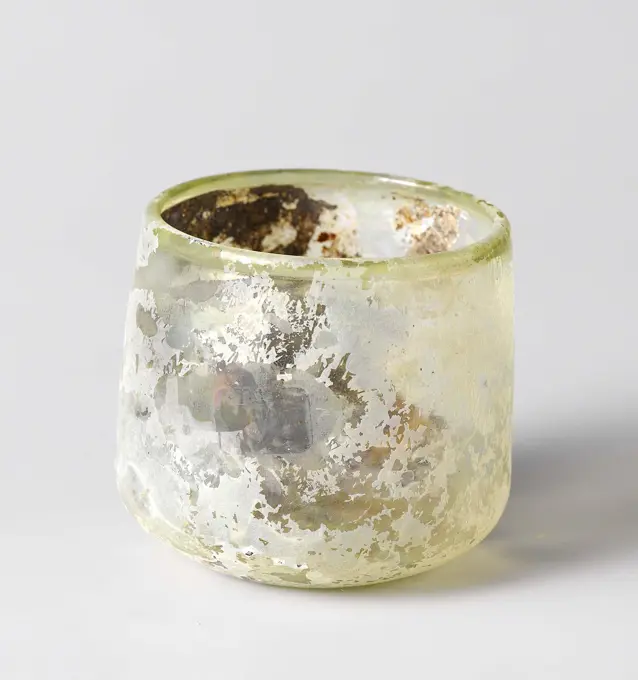
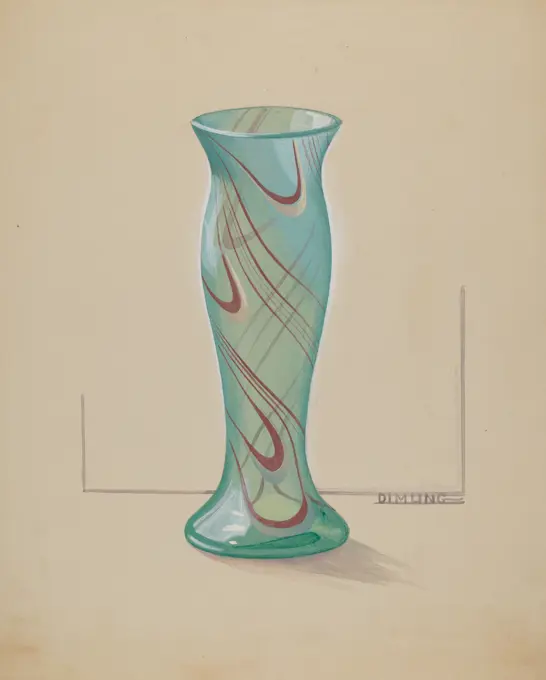
Souvenirs from the Algarve Row jars as souvenirs from the Algarve Copyright: xZoonar.com/IvonnexWierinkx 7836837. Pot of colorless, slightly irrigated glass with a hollow bottom and a straight, slightly in the wall. Inwarded lip.Ink Cake, 1736-95. China, Qing Dynasty (1644-1911), Qianlong reign (1736-95). Ink cake; overall: 6.4 x 4.8 cm (2 1/2 x 1 7/8 in.).Vase with crane motifs and ring handles 1873 Minton(s) Minton was the most important ceramics factory during the Victorian period and began exhibiting products at the first Great Exhibition of 1851. Founded in 1793 by Thomas Minton at Stoke-on-Trent, the firm initially specialized in transferware pottery before expanding under the ownership of Thomass son Herbert Minton, beginning in 1836. Under the ownership of Colin Minton Campbell, who succeeded his uncle in 1858, the factory became recognized as a specialist producer of Aesthetics movement porcelain, which were inspired by a rich array of exotic and eclectic decorative motifs.. Vase with crane motifs and ring handles. British, Stoke-on-Trent, Staffordshire. 1873. Bone china. Ceramics-PorcelainElizabeth Dimling, Vase (Green with Red Swirl), c 1937 Vase (Green with Red Swirl)Set of ancient vase hand drawn ink sketch. Engraved style vector illustrationHerring Dish. Dirk van den Bergh; Netherlands, 18th century. Date: 1735-1745. Dimensions: 11.25 × 10 cm (28.6 × 3 15/16 in.). Tin-glazed earthenware (Delftware). Origin: Delft. Museum: The Chicago Art Institute, Chicago, USA.