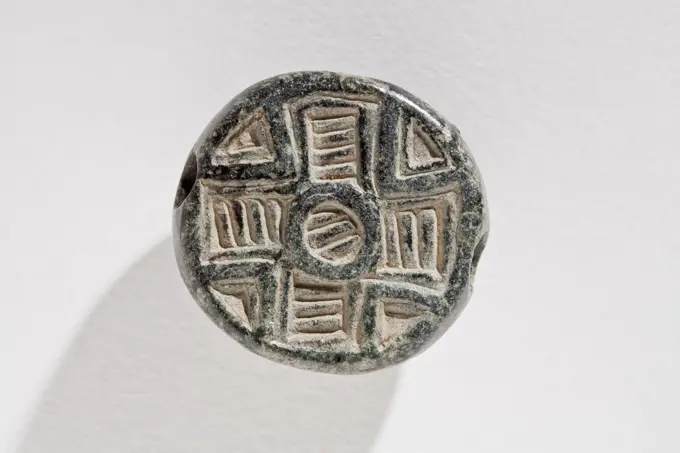
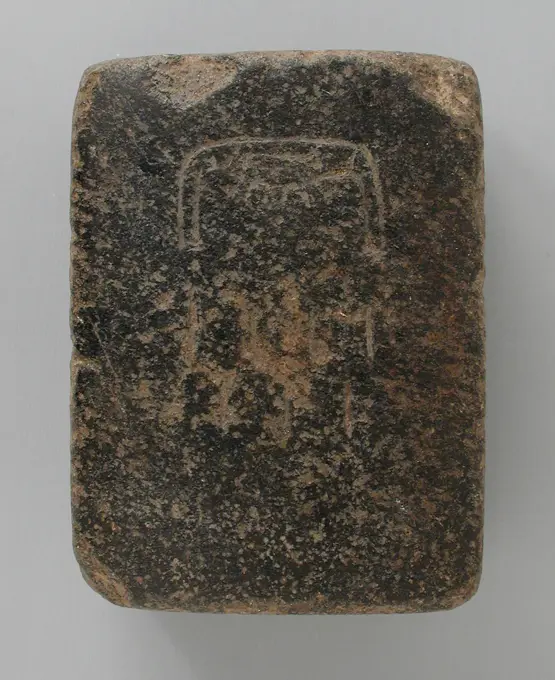
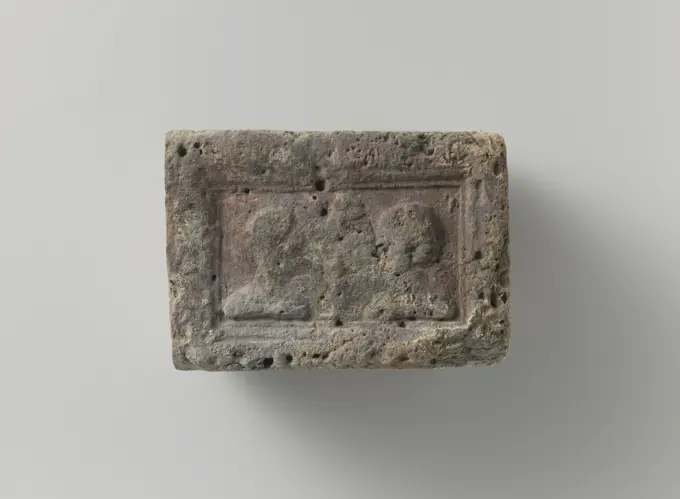
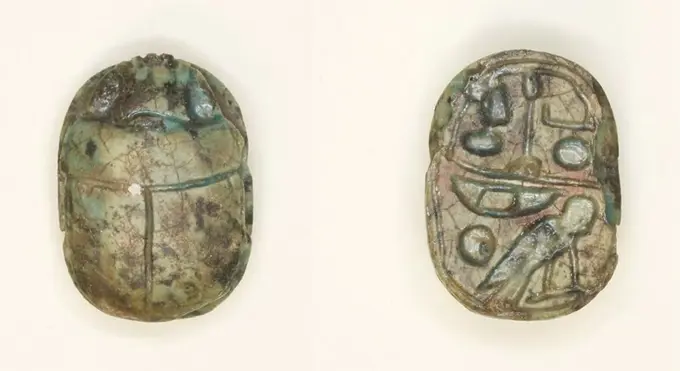
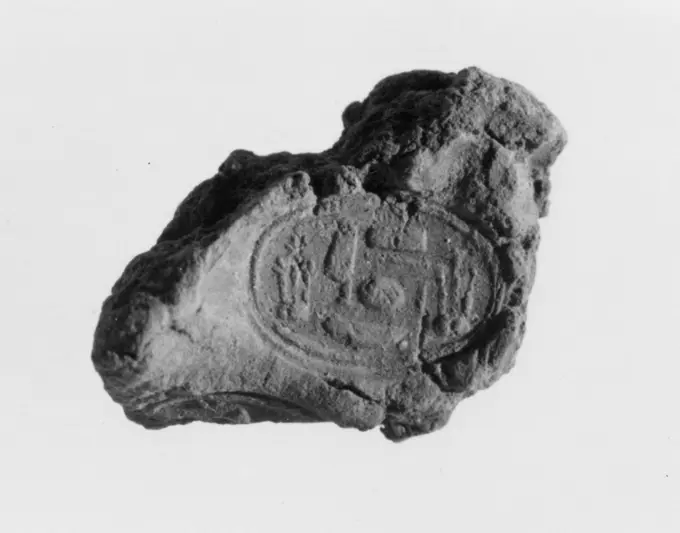
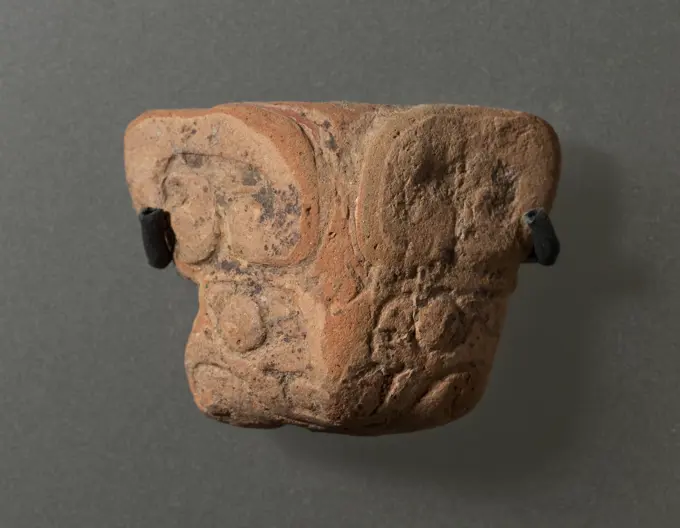
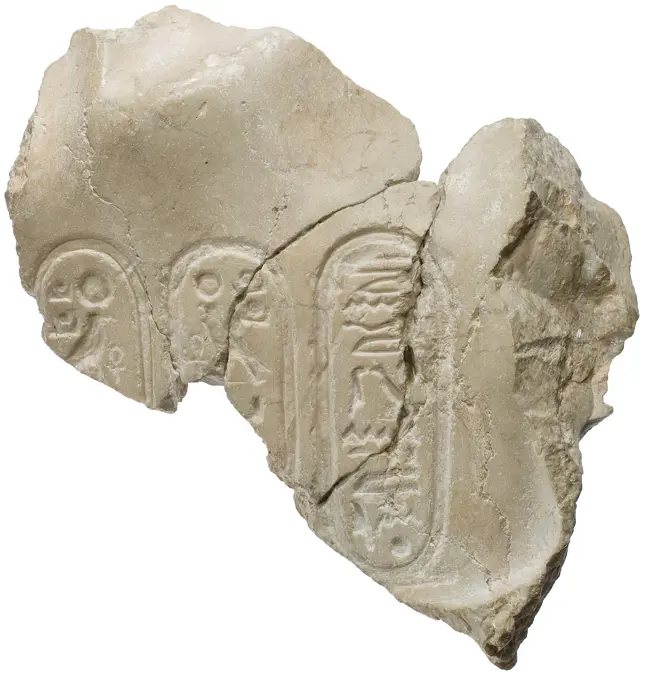
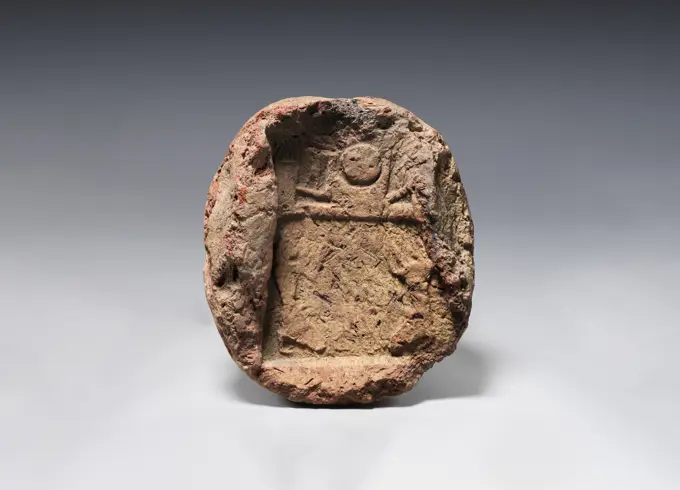
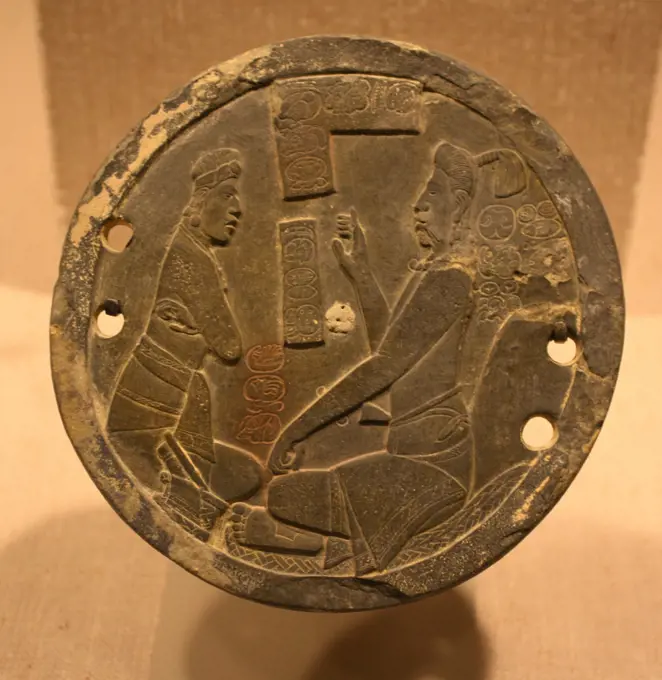
Vintage Artifacts and Seals

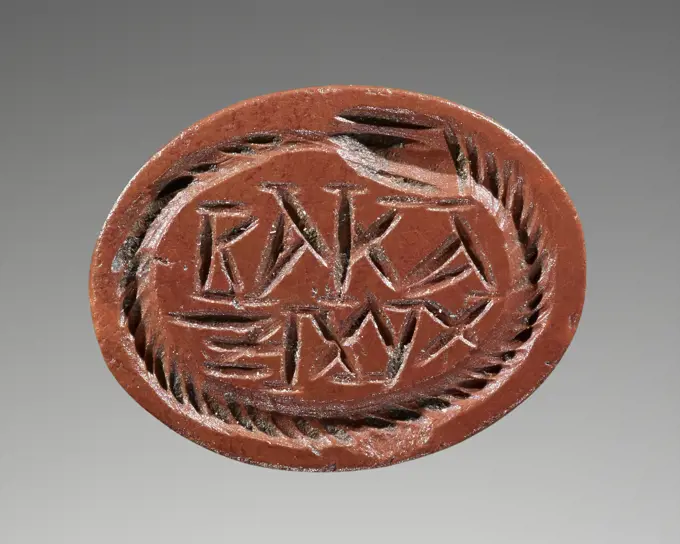
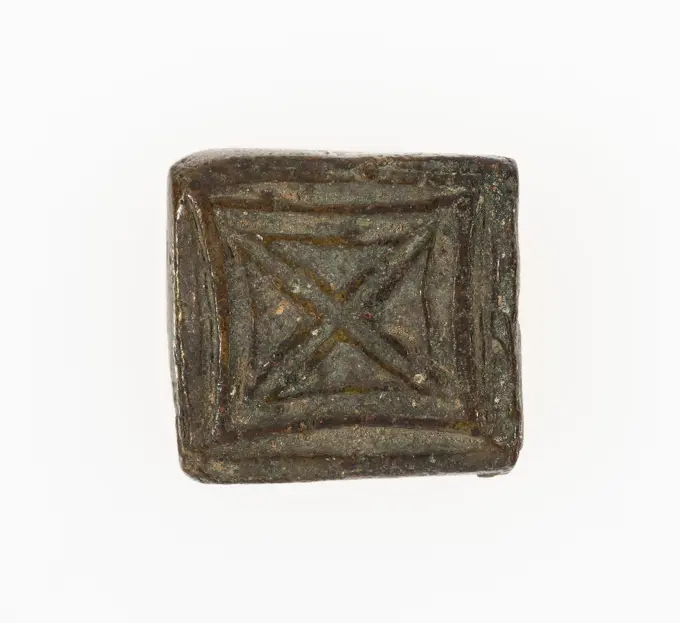
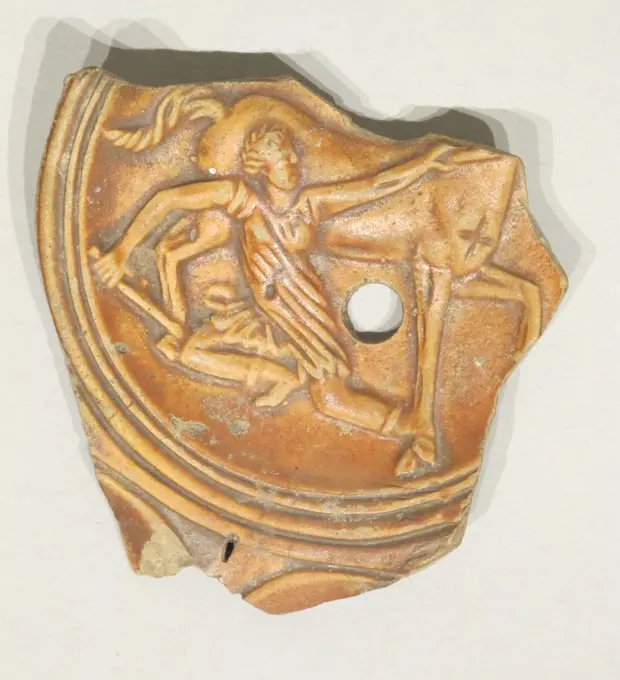
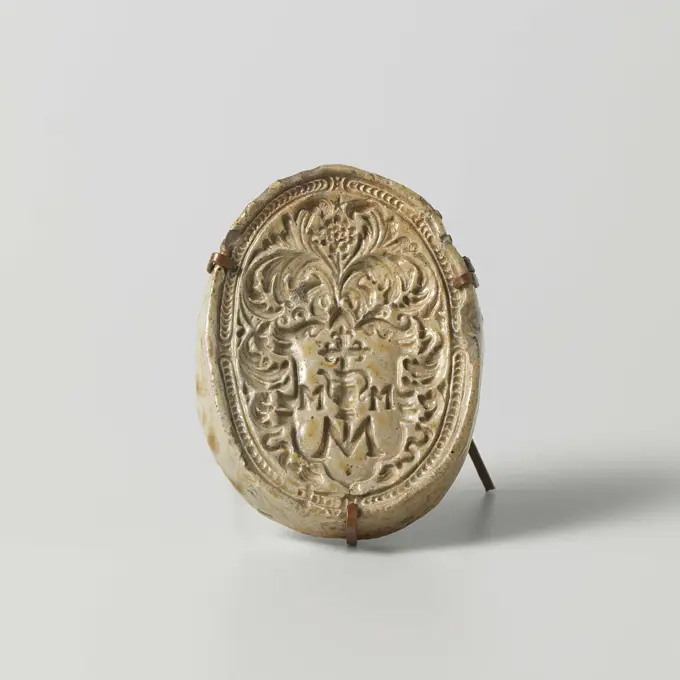
An assortment of ancient artifacts and stamps, featuring intricate carvings and historical significance, highlighting craftsmanship through the ages.

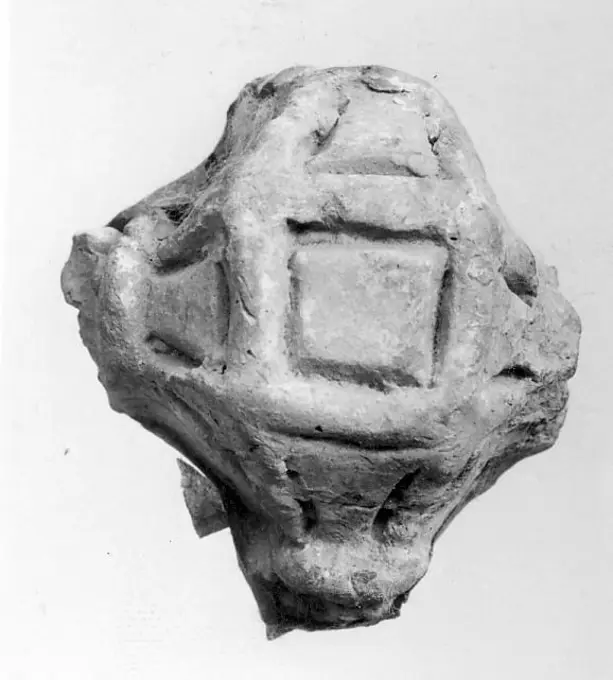
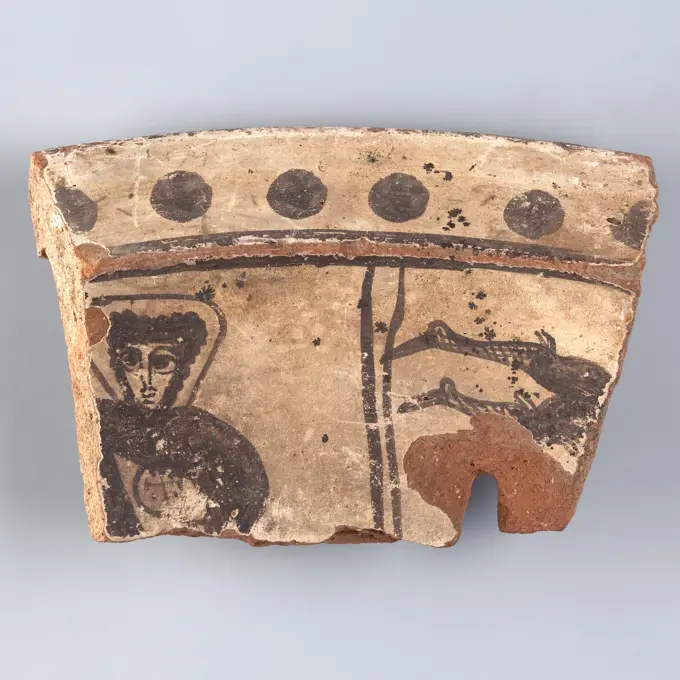
Hearing stone with representation of two climbing lions, c. 1606 Hearing stone with representation of two lions twisted to each other and the year 1606, placed in profiled window. The half windows on the top and bottom are filled with half medallions with star motif. Glaze. Southern Netherlands earthenware vitrification Hearing stone with representation of two lions twisted to each other and the year 1606, placed in profiled window. The half windows on the top and bottom are filled with half medallions with star motif. Glaze. Southern Netherlands earthenware vitrification
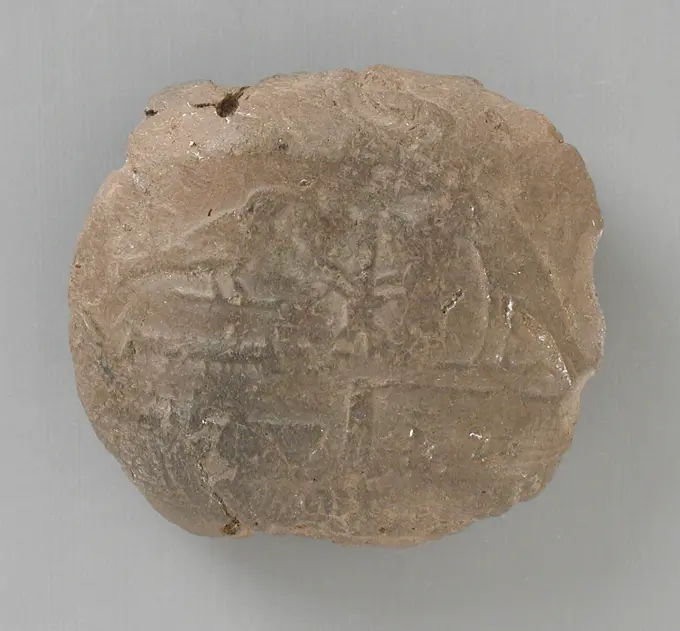
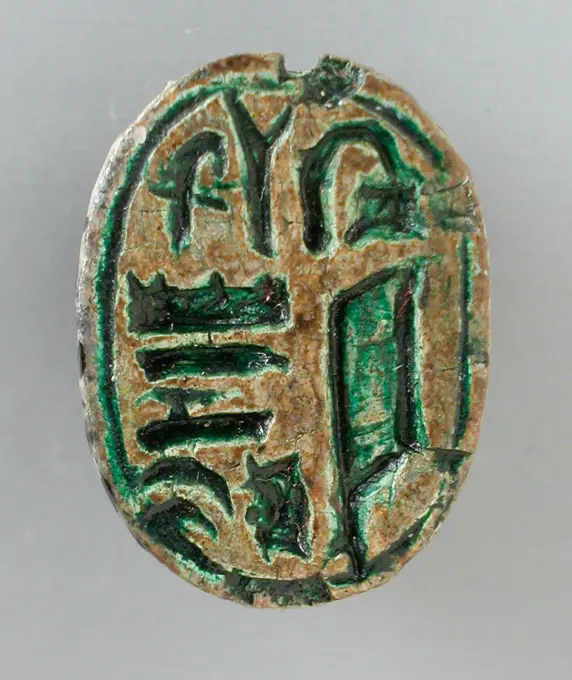
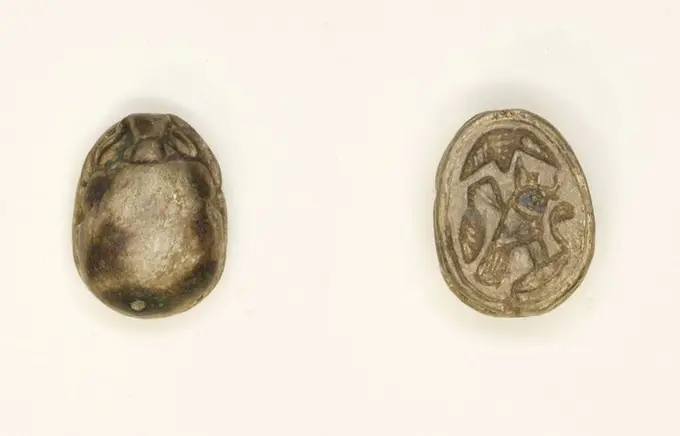
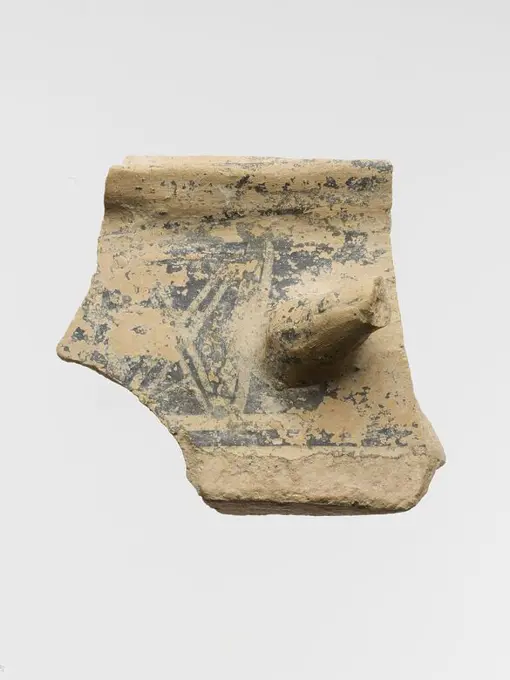
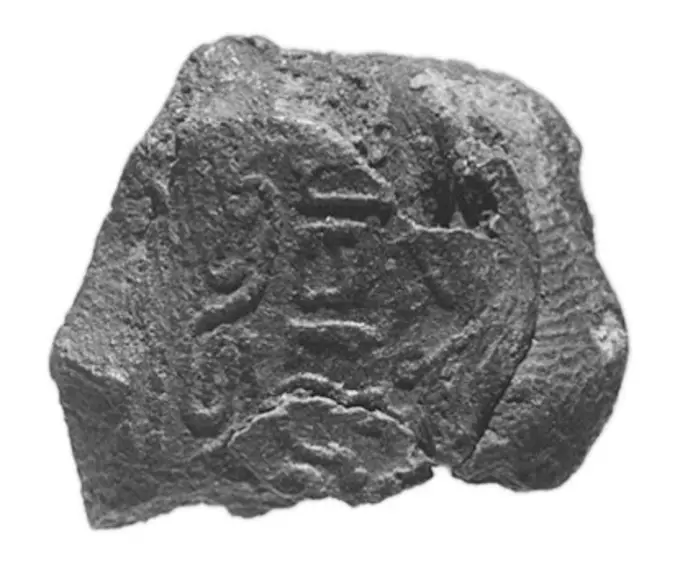
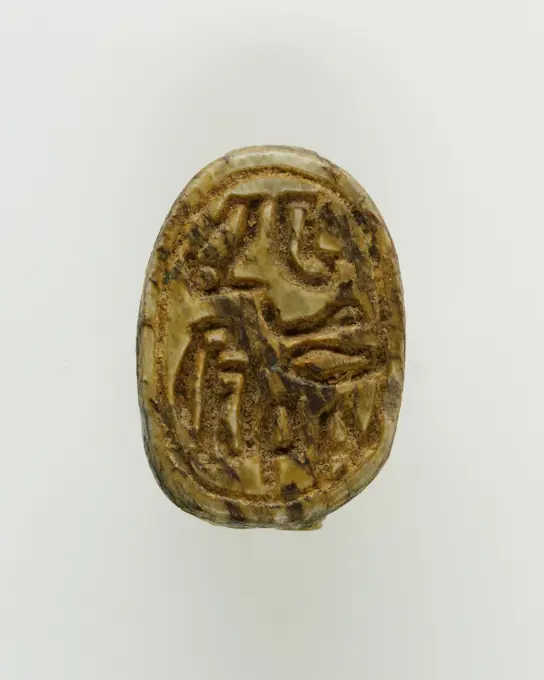
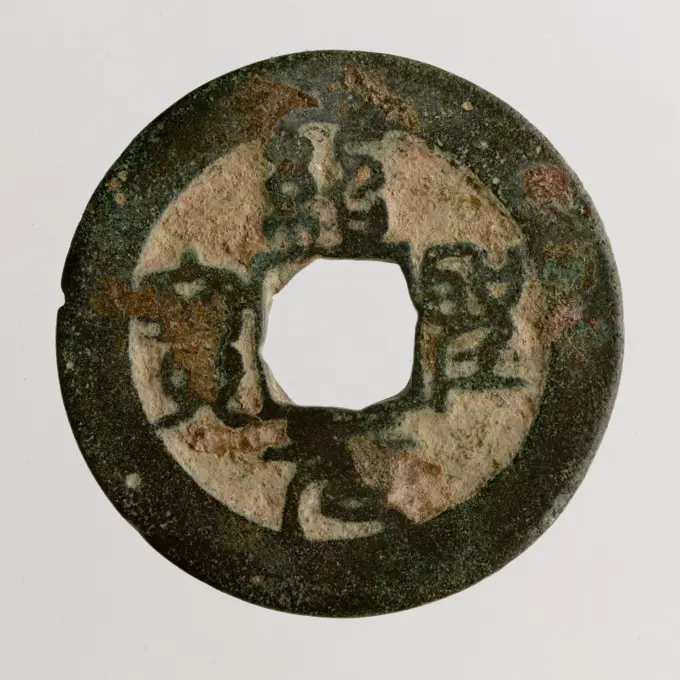
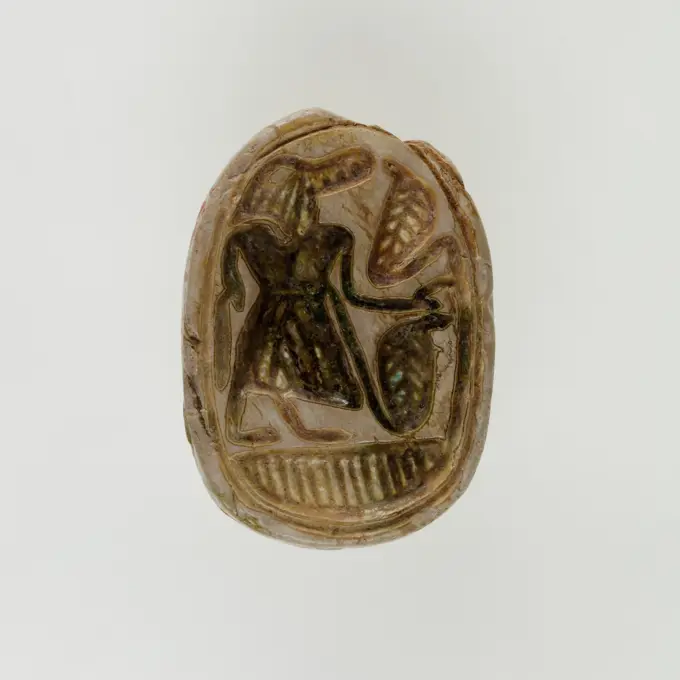
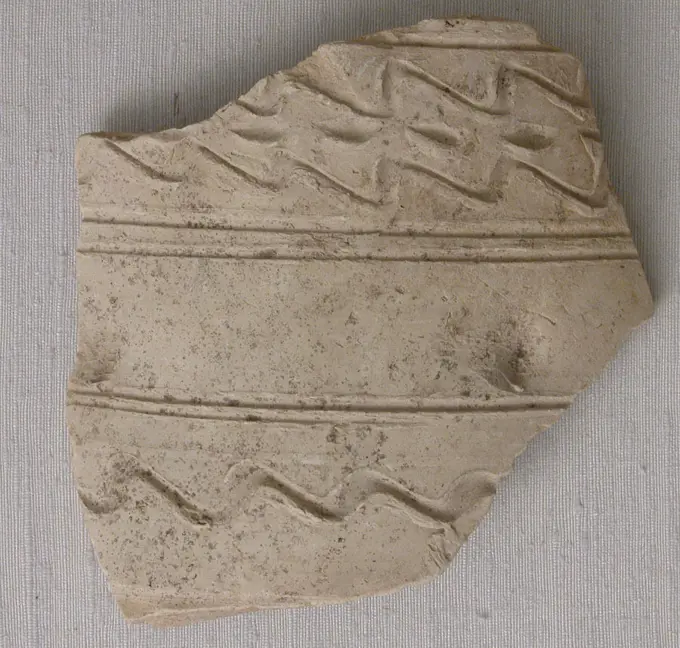
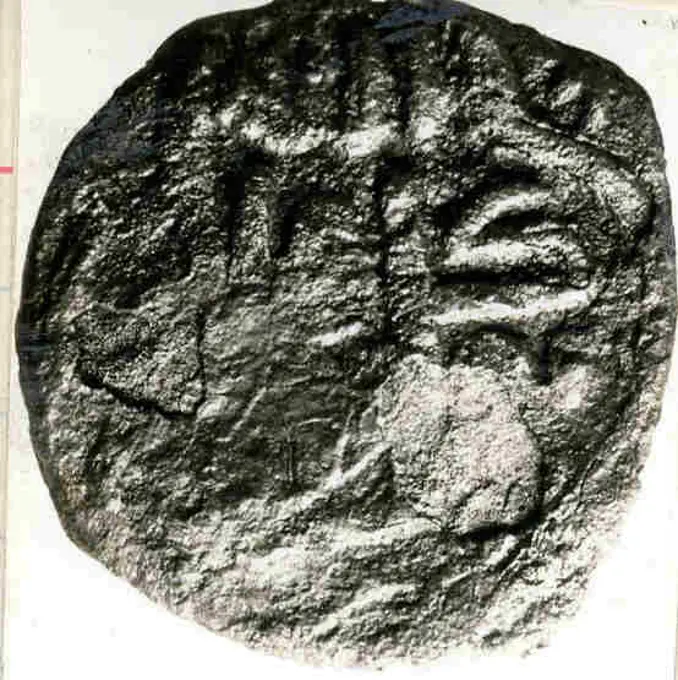
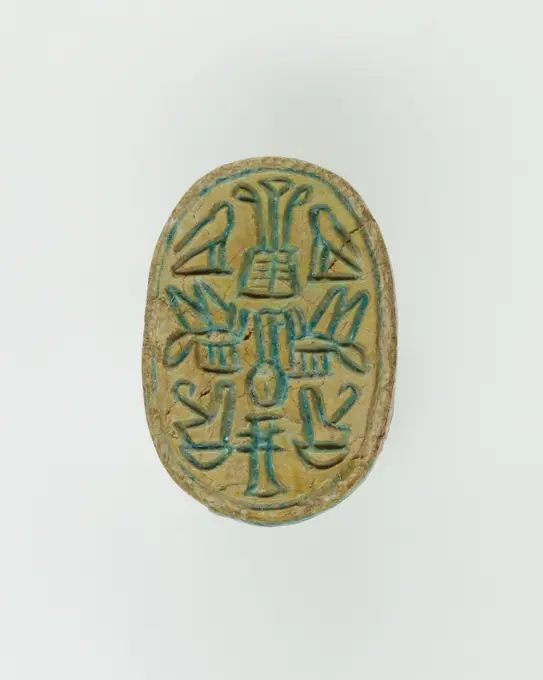
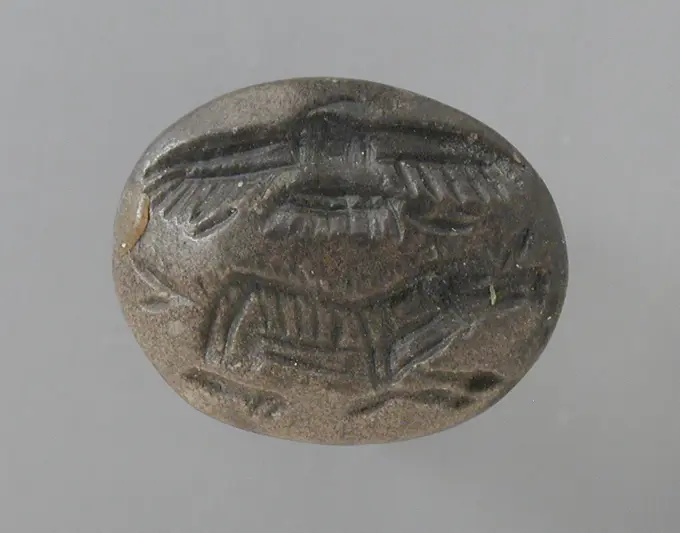
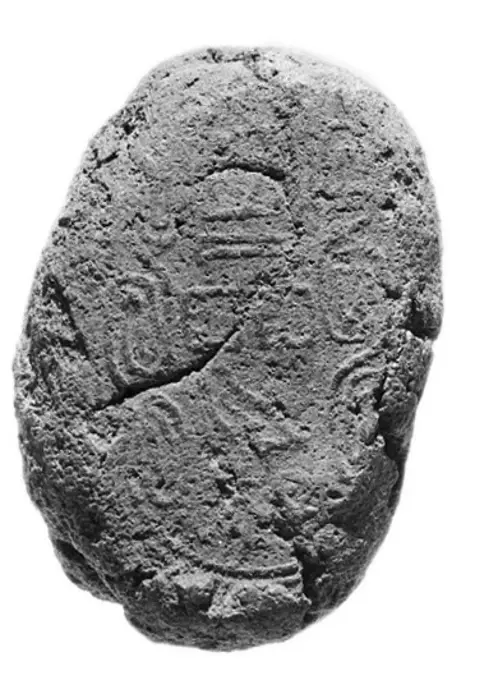
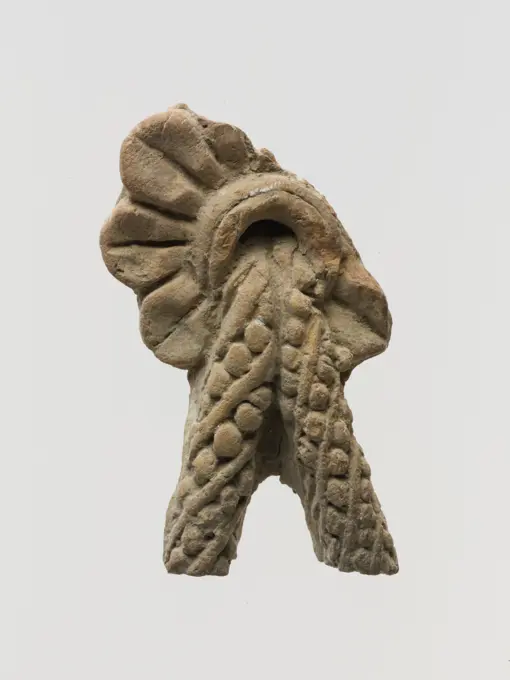
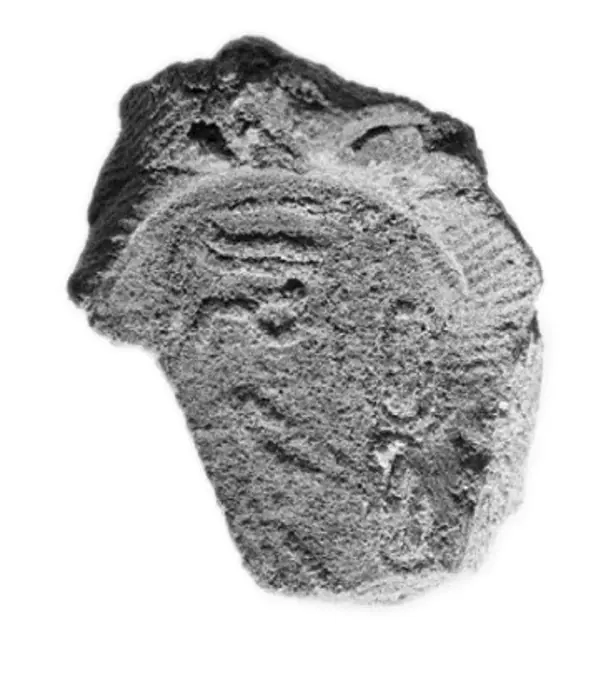
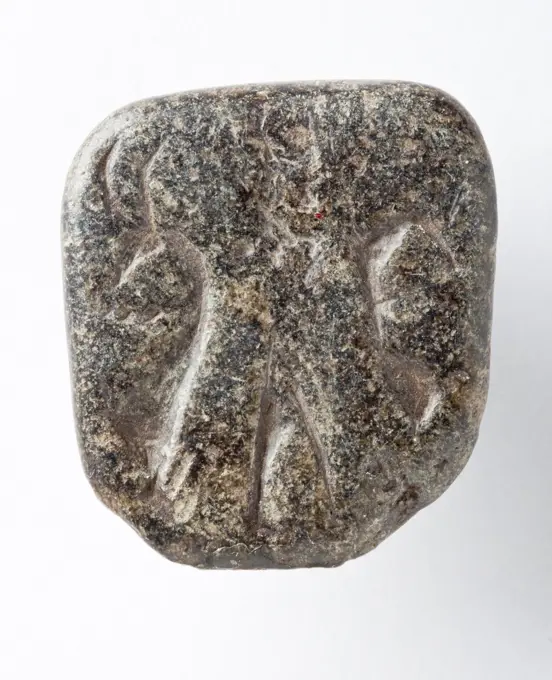
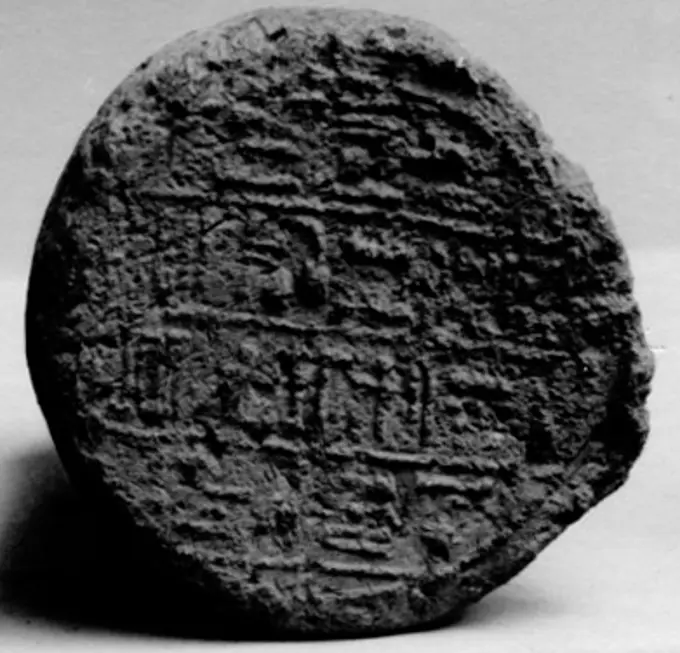
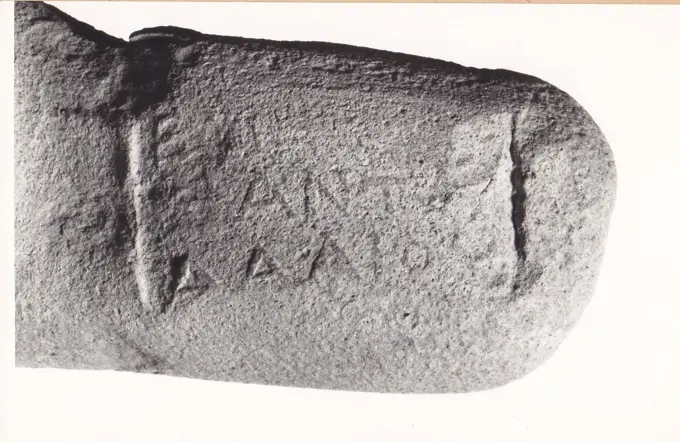
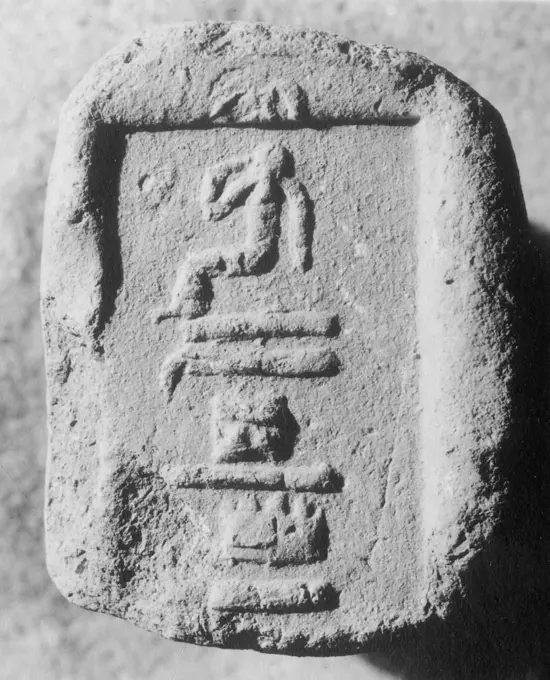
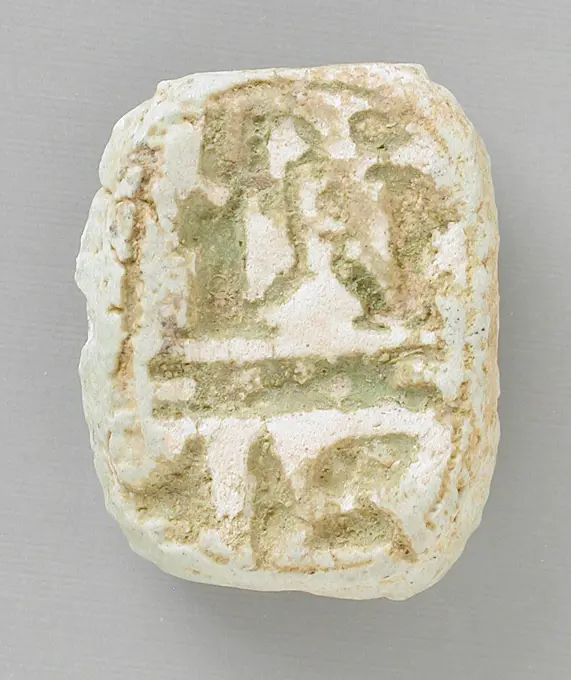
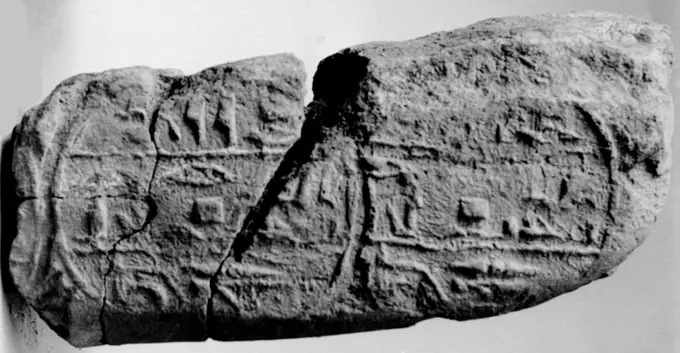
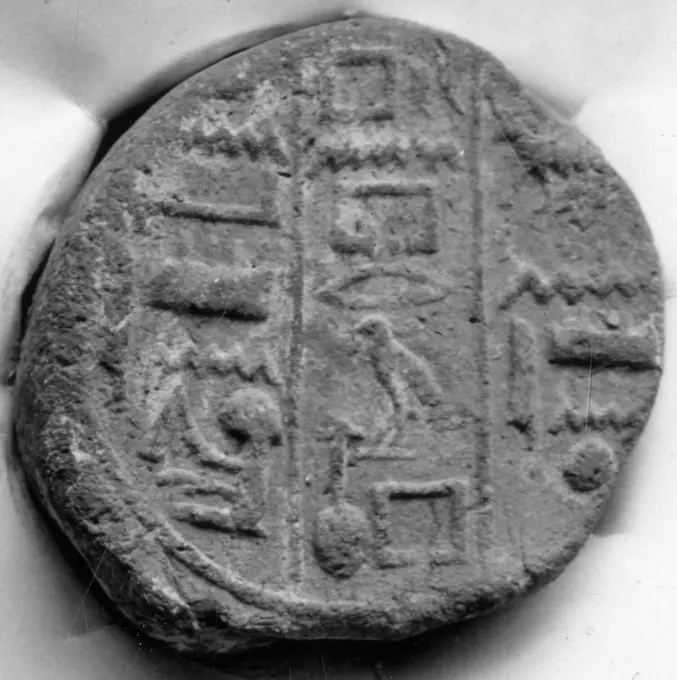
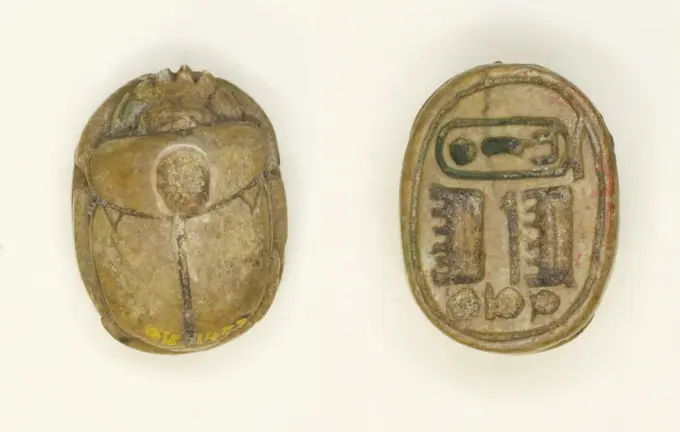
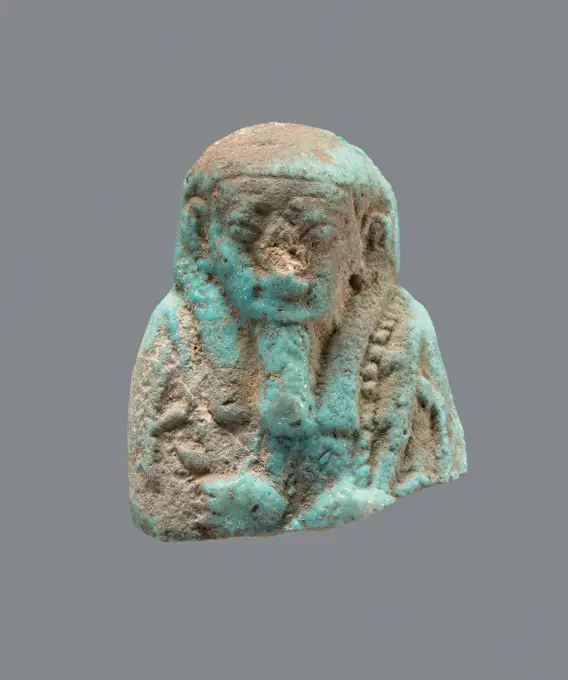
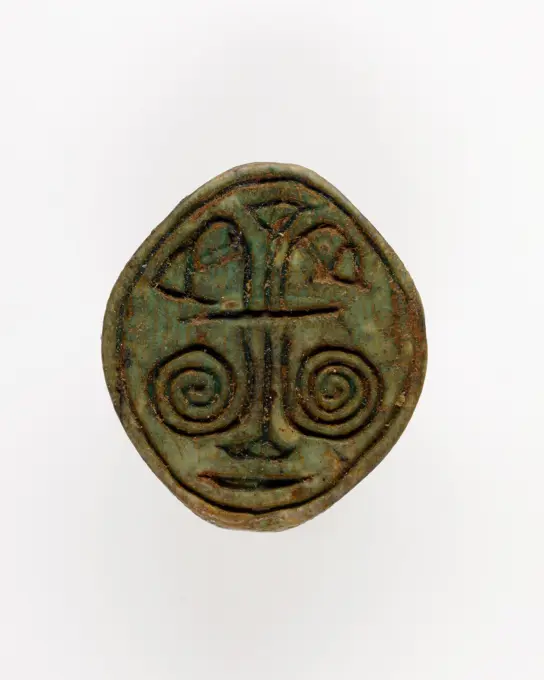
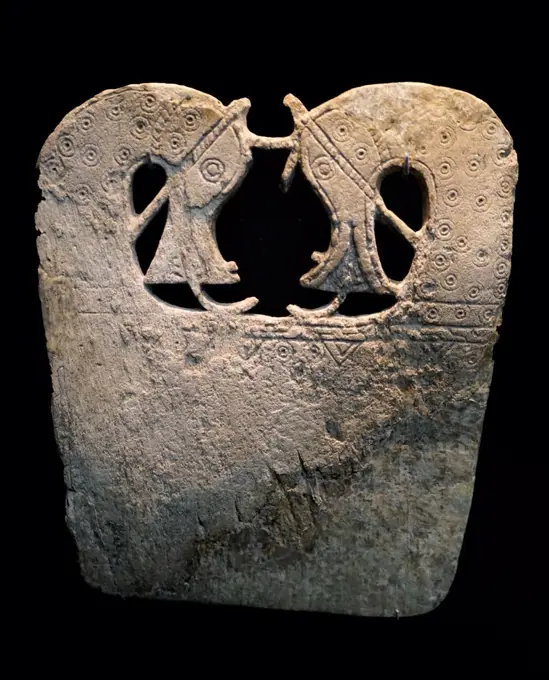
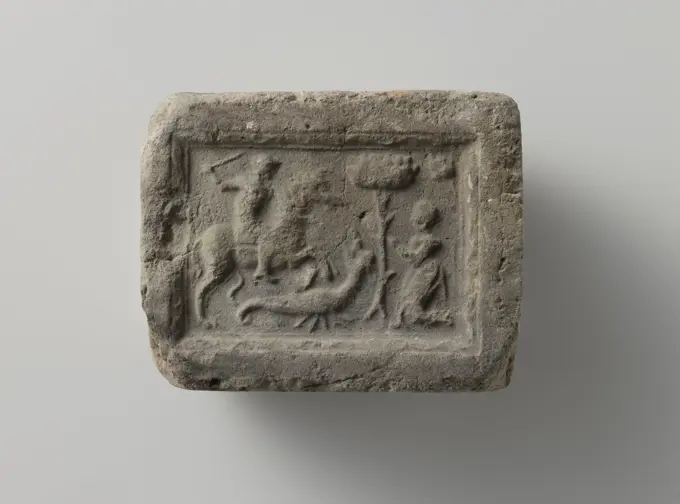
Hearing stone with representation of two climbing lions, c. 1606 Hearing stone with representation of two lions twisted to each other and the year 1606, placed in profiled window. The half windows on the top and bottom are filled with half medallions with star motif. Glaze. Southern Netherlands earthenware vitrification Hearing stone with representation of two lions twisted to each other and the year 1606, placed in profiled window. The half windows on the top and bottom are filled with half medallions with star motif. Glaze. Southern Netherlands earthenware vitrificationHolidays, Wrap Andromeda of Sinti Amely, Anonymousy, C. 1400 - c. In 1950 Hearing stone, on which Andromeda or Sint Joris. From fine baked earth. With some changes. Southern Netherlands earthenware Hearing stone, on which Andromeda or Sint Joris. From fine baked earth. With some changes. Southern Netherlands earthenwareStamp Seal, Hemispheroid with Flattened Ends. Western Iran, circa 4th millennium B.C.. Tools and Equipment; seals. Black serpentineBliżej Kultury Mint of Kraków, Władysław Warneńczyk (King of Poland, 1434 1444)Scarab: Cobras Addorsed and Linked. Egyptian. Date: 1650 BC-1550 BC. Dimensions: 1.3 × 1 × 0.5 cm (1/2 × 3/8 × 3/16 in.). Steatite. Origin: Egypt. Museum: The Chicago Art Institute, Chicago, USA. Author: Ancient Egyptian.Seal Impression with Partial Horus Name of a King. Egypt, Old Kingdom, 5th Dynasty, reign of Djedkare Isesi (2436 - 2404 BCE). Tools and Equipment; seal impressions. Dark grayish-brown scorched clayScarab of Royal Scribe Amenhotep. Egypt, probably 18th - 20th Dynasty (1569 - 1081 BCE). Sculpture. Steatite with modern green colorScarab: Falcon with Red Crown and Cobra (). Egyptian. Date: 1550 BC-1186 BC. Dimensions: 1.6 × 1.3 × 0.6 cm (5/8 × 1/2 × 1/4 in.). Glazed steatite. Origin: Egypt. Museum: The Chicago Art Institute, Chicago, USA. Author: Ancient Egyptian.Sealing ca. 2030-1640 B.C. Middle Kingdom. Sealing 565340Plaque fragment ca. 9th century B.C. Iran. Plaque fragment 325763Female Head. UnknownGoldweight. Egypt, Middle Kingdom (2040 - 1640 BCE). Tools and Equipment; weights. BasaltHearing stone with a man's and women's head on either side of a vase, c. 1400 - c. 1950 Hearing stone with a man's and women's head on either side of a vase. Southern Netherlands earthenware Hearing stone with a man's and women's head on either side of a vase. Southern Netherlands earthenwareScarab: Hieroglyphs. Egyptian. Date: 1550 BC-525 BC. Dimensions: 2.2 × 1.6 × 1 cm (7/8 × 5/8 × 3/8 in.). Glazed steatite. Origin: Egypt. Museum: The Chicago Art Institute, Chicago, USA. Author: Ancient Egyptian.Seal Impression with Iconographic Signs of Prosperity. Egypt, probably Middle Kingdom or Second Intermediate Period (1991 - 1600 BCE). Tools and Equipment; seals. TerracottaStamp unknownFireplace with image. Fireplace with a man's portrait and medallion.Sealing fragment ca. 2030-1640 B.C. Middle Kingdom. Sealing fragment 565753Document Sealing ca. 1390-1353 B.C. New Kingdom. Document Sealing. ca. 1390-1353 B.C.. Mud. New Kingdom. From Egypt, Upper Egypt, Thebes, Malqata, King's Palace, West magazine, MMA excavations, 1910-12. Dynasty 18Cylinder Seal. Iran, Mesopotamia or Syria, Transitional period, about 2900-2800 B.C.. Tools and Equipment; seals. Brown serpentineFragment of pottery ". Ceramic. China, Shang dynasty. Paris, Cernuschi museum. 72199-31 Ceramic, shang dynasty, fragment, potteryCapital with Palm Leaves 6th-7th century. Capital with Palm Leaves 456158Sealing ca. 2030-1640 B.C. Middle Kingdom. Sealing 565796Left chest of Akhenaten prostrate with Aten cartouches ca. 1352-1336 B.C. New Kingdom, Amarna Period. Left chest of Akhenaten prostrate with Aten cartouches 549641Funerary Cone of Pa-Aten, Scribe of the Granary and Breads ca. 1550-1352 B.C. New Kingdom This funerary cone is inscribed for a man named Pa-Aten who was scribe of the granaries and bread. Funerary cones were used as architectural decoration for the facades of tombs and the are often found in multiple examples (see also 09.185.26a). For a drawing of this impression see http://www.funerarycones.com/, number 561.. Funerary Cone of Pa-Aten, Scribe of the Granary and Breads Funerary Cone of Pa-Aten, Scribe of the Granary and Breads ca. 1550-1352 B.C. New Kingdom This funerary cone is inscribed for a man named Pa-Aten who was scribe of the granaries and bread. Funerary cones were used as architectural decoration for the facades of tombs and the are often found in multiple examples (see also 09.185.26a). For a drawing of this impression see http://www.funerarycones.com/, number 561.. Funerary Cone of Pa-Aten, Scribe of the Granary and Breads. ca. 1550-1352 B.C.. Pottery. New Kingdom. From EgFunerary Cone Late Period ca. 712-525 B.C. View more. Funerary Cone. ca. 712-525 B.C.. Pottery. Late Period. From Egypt, Upper Egypt, Thebes. Dynasty 25-26Italy, Sicily, ceramic fragment with apotropaic eye decoration, from Stentinello NecropolisMirror Back, Guatemala; Maya 8th-9th century, slate.Terracotta fragment of a cylindrical pyxis (box with lid) with part of handle and hatched squares. Culture: Minoan. Dimensions: Other: 3 1/2 x 3 1/2 in. (8.9 x 8.9 cm). Date: ca. 2300-2100 B.C..From Gournia, CreteWith part of handle, hatched squares. Museum: Metropolitan Museum of Art, New York, USA.Scarab of Ramesses II ca. 1295-1070 B.C. New Kingdom, Ramesside. Scarab of Ramesses II 550325Arm at wrist with Aten cartouches ca. 1353-1336 B.C. New Kingdom, Amarna Period. Arm at wrist with Aten cartouches 549818Seal Impression with Private Name. Egypt, Middle Kingdom () (1991 - 1665 BCE). Tools and Equipment; seals. Semi-baked clay of gray colorDecorative Roundel 12th-13th century Italian. Decorative Roundel 463193Coin 976-97 This coin was found and purchased in Nishapur.Nishapur was a vital city in the early and middle Islamic periods, located along one of the main trajectories that connected Iran and West Asia Islamic lands with Central Asia and China. These itineraries are often referred to by the term Silk routes’ but were in fact crucial to the movement of constellations of materials and objects, as well as people and ideas. The diverse population of Nishapur and its surroundings, from the better-researched elite groups of merchants, land-owning aristocracy, and literates, to the less-known artisans, farmers, miners, and servants, were instrumental in adapting global cultural trends to create their own distinctive visual languages. This is seen in the material remains of everyday life in medieval Nishapur - from pots and pans to lighting devices, inkwells, textiles and trimmings, jewelry, games and toys, talismanic devices, weapons, coins, and architectural fragments.Nishapur lost its poliSealing ca. 2030-1640 B.C. Middle Kingdom. Sealing 565757Scarab of an Official ca. 1740-1640 B.C. Middle Kingdom Administrative changes during Dynasty 12 lead to an increase in bureaucracy and, subsequently, in the production and use of seals. This is reflected in the beginning of the mass production of scarabs, the most popular shape for amulets, in late Dynasty 12 through Dynasty 13 (ca. 1850-1640 B.C.). Thousands of these late Middle Kingdom scarabs bear the names and titles of officials, who would wear them as amulets, but who could also use them to seal documents, containers or doors. However, the scarabs primary function remained that of a protective amulet. Several inscriptions add a funerary epithet to the owners name, indicating that the amulet was manufactured after the owner had passed away. This scarab is inscribed for a court official, the herald Ary.. Scarab of an Official 557042Cash. Copper alloy, China, Song dynasty. Paris, Cernuschi museum. Amulet, Asian art, Chinese art, circle, Asian civilization, Chinese civilization, belief, disc, Song dynasty, currencyScarab with Sobek and Uraei ca. 1640-1500 B.C. (late Middle Bronze Age IIB-IIC) Second Intermediate Period The wings of the scarab are not indicated, but the back is decorated with finely incised branches. This is a common feature on Canaanite scarabs of the Second Intermediate Period (late Middle Bronze Age, ca. 1700-1500 B.C.). The underside of the scarab shows a standing anthropomorphic figure with the head of a crocodile, holding a uraeus that faces him. Another uraeus rises up at his feet, facing away from the deity. A large basket (neb), decorated with vertical hatching, is placed below. Similar compositions generally show human figures or falcon-headed deities with uraei and neb-signs; crocodile-headed deities are not frequently depicted on scarabs during this period. Even though the scarab is of Canaanite manufacture, the figure most likely represents the Egyptian crocodile god Sobek. The fact that the motifs are decorated with hatching is also representative for this type of sHearing stone with presentation of Christ on the cross with the three Mary's, c. 1525 - c. 1550 Highstone with the representation of Christ on the cross with the three Maria's. Damaged; Right Beetenhoek and Left Hoek are missing. Southern Netherlands earthenware Highstone with the representation of Christ on the cross with the three Maria's. Damaged; Right Beetenhoek and Left Hoek are missing. Southern Netherlands earthenwareChest fragment with traces of Aten cartouches ca. 1353-1336 B.C. New Kingdom, Amarna Period. Chest fragment with traces of Aten cartouches 549768Hearing stone with representation of two climbing lions, placed in two windows, Anonymous, 1598 Hearing stone with representation of two climbing lions, placed in two windows and accompanied by the year 1598. The half and quarter windows on the top and bottom are filled with a diamond-shaped flower. Southern Netherlands earthenware Hearing stone with representation of two climbing lions, placed in two windows and accompanied by the year 1598. The half and quarter windows on the top and bottom are filled with a diamond-shaped flower. Southern Netherlands earthenwareCoin 758-68. Coin 457570Stove plate with a coat of arms, anonymous, c. 1525 - c. 1575 Stove plate made of cast iron, divided into two zones. A coat of arms is depicted in the upper zone with three arrows, which point out from the center to the outside. A heraldic helmet above that. The lower zone two busts and profil with a peacock in between. unknown iron (metal) casting Stove plate made of cast iron, divided into two zones. A coat of arms is depicted in the upper zone with three arrows, which point out from the center to the outside. A heraldic helmet above that. The lower zone two busts and profil with a peacock in between. unknown iron (metal) castingCoin dated A.H. 367/ A.D. 977-78. Coin 457222Scarab Wish Formula 1295 BCE-525 BCE Egypt. Glass ( ) . Ancient EgyptianFragment 8th-9th century. Fragment 448858Coin 14th century. Coin 457351Scarab of Ramesses II. Dimensions: L. 2.5 cm (1 in.). Dynasty: Dynasty 19-20. Date: ca. 1295-1070 B.C.. Museum: Metropolitan Museum of Art, New York, USA.Hearing stone with representation of two climbing lions, placed in two windows, Anonymous, 1634 Hearing stone with representation of two climbing lions, placed in two windows and accompanied by the year 1634. The half windows on the top and bottom are filled with diamond-shaped flowers. Southern Netherlands earthenware Hearing stone with representation of two climbing lions, placed in two windows and accompanied by the year 1634. The half windows on the top and bottom are filled with diamond-shaped flowers. Southern Netherlands earthenwareGlass mosaic plaque fragment with floral motifs. Culture: Roman, Egyptian. Dimensions: Overall: 2 3/8 x 1 11/16 in. (6 x 4.3 cm). Date: late 1st century B.C.-1st century A.D..Deep cobalt blue ground, appearing black; decoration in opaque white, yellow, and red, and other, uncertain colors.Thin, flat plaque, with rough, uneven back.Floral motif with individual plants picked out in detail on ground, including a poppy seed head and a long ear of wheat.Broken on all sides, with weathered edges; dulling, pitting and pale creamy weathering on upper side, iridescence on underside.The attractive polychromy of the floral designs on this fragment are now masked by a layer of brownish surface weathering. Museum: Metropolitan Museum of Art, New York, USA.Scarab Inscribed with Hieroglyphs ca. 1760-1670 B.C. Middle Kingdom The majority of design scarabs of the late Middle Kingdom (late Dynasty 12-Dynasty 13, ca. 1850-1640 B.C.) are decorated with symmetric compositions of hieroglyphs and/or scrolls. These signs are not meant to form words but are chosen for their positive, protective meaning. This scarab shows pairs of Red Crowns and bees, signs that are frequently used to form symmetric compositions. The other signs and symbols, such as the papyrus, the falcon, and the hieroglyphs for durability (djed) and beauty (nefer) reinforce the positive message of the design. Scarab Inscribed with Hieroglyphs 545242Imadło amfory ze stemplem. unknown, potter's workshopStamp Seal. West Asia, Achaemenid Period, 6th-late 4th century B.C.. Tools and Equipment; seals. Dark brown marbleFragment of an Ornament early 12th century Central Asia. Fragment of an Ornament 40025Funerary Cone of the Scribe Aanen ca. 1550-1352 B.C. New Kingdom Used as architectural decoration, funerary cones were arranged along the upper edge of the facades of private tombs at Thebes. This cone is inscribed for a Scribe named Aanen. For a drawing of this impression see http://www.funerarycones.com/, number 172. Funerary Cone of the Scribe Aanen Funerary Cone of the Scribe Aanen ca. 1550-1352 B.C. New Kingdom Used as architectural decoration, funerary cones were arranged along the upper edge of the facades of private tombs at Thebes. This cone is inscribed for a Scribe named Aanen. For a drawing of this impression see http://www.funerarycones.com/, number 172. Funerary Cone of the Scribe Aanen. ca. 1550-1352 B.C.. Pottery. New Kingdom. From Egypt, Upper Egypt, Thebes, Sheikh Abd el-Qurna. Dynasty 18Sealing ca. 1981-1640 B.C. Middle Kingdom. Sealing 559510Molded Appliqué Ornament ca. 2nd-5th century West China This appliqué of a floret and streamers issuing from an ornamental disk comes from the distinctive unglazed earthenware vessels found at the village of Yotkan, near the present-day oasis town of Khotan, in what is now China's Xinjiang Uygur Autonomous Region. Yotkan is the site of the ancient capital of the kingdom of Khotan, a major Buddhist center in its time and an important relay station on the southern branch of the overland Silk Road.. Molded Appliqué Ornament. West China. ca. 2nd-5th century. Khotanese earthenware. SculptureSealing ca. 1981-1640 B.C. Middle Kingdom. Sealing. ca. 1981-1640 B.C.. Mud. Middle Kingdom. From Egypt, Memphite Region, Lisht North, Cemetery, MMA excavations, 1920-22. Dynasty 12-13Metal Mount from Belt Buckle(). UnknownFishnet sinker Japan The Jmon period is the earliest period in Japanese history, lasting from roughly 14,000 to 300 BCE. The Jmon people were primarily hunter-gatherers, hunting land animals and gathering vegetables and nuts on the land as well as hunting and fishing at sea. Fish net sinkers, which would have been used to weigh down nets when catching fish, testify to the importance of seafood in the diets of some Jmon communities, especially those close to the sea. Fish bones found at Jmon archaeological sites indicate that the Jmon hunted fish not only close to the shore but also farther out in the open sea, where larger fish could be caught. There is even evidence that the Jmon ate pufferfish, a poisonous fish considered a delicacy in modern Japan.. Fishnet sinker. Japan. Bone. Final Jmon period (ca. 1000-300 B.C.). BoneFragment of pottery ". Ceramic. China, Shang dynasty. Paris, Cernuschi museum. 72199-29 Ceramic, shang dynasty, fragment, pottery, archeological vestigeA fragment of a stroke of a bowl with a part gout;  6,000 BC (-6000-00-00--5001-00-00);The collection of the ancient EastRelief fragment ca. 6th-8th century A.D. Sasanian or Islamic. Relief fragment 322681Stamp Seal. Northern Syria, 10th-8th century B.C.. Tools and Equipment; seals. White-mottled black serpentinePlate - fragment; Egyptian workshop; VI century (501-00-00-600-00-00);Coptic dishes painted, table vessels, Polish excavations in Tell ATRIB (Egypt)Funerary Cone of the Fourth Prophet of Amun Montuemhat ca. 712-525 B.C. Late Period This cone has the impression of a stamp seal inscribed for the fourth priest (prophet) of Amun, Montuemhat, owner of Theban tomb 34. For a drawing of this impression see http://www.funerarycones.com/, number 461. See 15.10.26 for another type of cone belonging to this man.. Funerary Cone of the Fourth Prophet of Amun Montuemhat Funerary Cone of the Fourth Prophet of Amun Montuemhat ca. 712-525 B.C. Late Period This cone has the impression of a stamp seal inscribed for the fourth priest (prophet) of Amun, Montuemhat, owner of Theban tomb 34. For a drawing of this impression see http://www.funerarycones.com/, number 461. See 15.10.26 for another type of cone belonging to this man.. Funerary Cone of the Fourth Prophet of Amun Montuemhat. ca. 712-525 B.C.. Pottery. Late Period. From Egypt, Upper Egypt, Thebes, Khokha, MMA excavations. Dynasty 25-26Engraved Gem. UnknownFragment imadła amfory ze stemplem. unknown, potter's workshopScarabs Inscribed for the God's Wife Neferure ca. 1479-1458 B.C. New Kingdom. Scarabs Inscribed for the God's Wife Neferure. ca. 1479-1458 B.C.. Steatite (glazed). New Kingdom. From Egypt, Upper Egypt, Thebes, Deir el-Bahri, Temple of Hatshepsut, Foundation Deposit 9 (I), MMA excavations, 1926-27. Dynasty 18, earlyGrecka inskrypcja dedykacyjna. unknown, authorCoin late 11th-early 13th century. Coin 457694Scarab of King Khaneferre Sebekhotep IV ca. 1731-1719 B.C. Late Middle Kingdom. Scarab of King Khaneferre Sebekhotep IV. ca. 1731-1719 B.C.. Steatite, glazed. Late Middle Kingdom. From Egypt. Dynasty 13Carnavalet Museum, Medals CollectionFunerary Cone ca. 1550-1295 B.C. New Kingdom. Funerary Cone. ca. 1550-1295 B.C.. Pottery. New Kingdom. From Egypt, Upper Egypt, Thebes. Dynasty 18Engraved Gem, Roman Empire; 2nd - 4th century; Red Jasper; 1.2 × 1 cm (1,2 × 3,8 in.)Ferret 6th-7th century Frankish. Ferret 465731 Frankish, Ferret, 6th7th century, Copper alloy, Overall: 1 3/4 x 9/16 x 3/16 in. (4.4 x 1.4 x 0.5 cm). The Metropolitan Museum of Art, New York. Gift of J. Pierpont Morgan, 1917 (17.193.39)Goldweight with a Geometric Design 1700-1899 Ghana. Brass-cast gold weights were used to measure gold dust, the local currency in the Akan-speaking regions of southern Ghana and the Ivory Coast between the 15th and 20th centuries. The gold weightsómade of a copper alloyóenabled merchants to carry out trade with towns of the West African Sahel, North Africa and later, with the Portuguese and the Dutch. The designs of gold weights are incredibly diverseóconsisting of simple geometric designs in either high or low relief to representational sculptural forms based on items essential to West African life. This weight shows signs of extensive wear and use, suggesting that it may be from an early period, probably some time between 1500 and 1720. Its composition consists of two concentric squares and a singular lattice form placed centrally and prominently in the center.ñPermanent Collection Object Description. Copper alloy . AsanteTerracotta oil lamp fragment 1st century A.D. Roman Amazon fallen from a horse.. Terracotta oil lamp fragment. Roman. 1st century A.D.. Terracotta. Early Imperial. TerracottasScarab. UnknownStamp. Oval cave temple of stoneware. Was used in the decoration of German Stoneware. It is a stamp of a coat of arms in which a private label.Czarka. nieznany warsztat północno mezopotamski (ca 2600-ca 2350 a.C.), workshopScarab with Geometric Pattern. Egypt, probably 13th - 16th Dynasty (1786 - 1600 BCE). Sculpture. White steatiteMolded Faience Plaque with throne name of Queen Tawosret. Egypt, New Kingdom, 19th Dynasty, reign of Tawosret (1209 - 1201 BCE). Sculpture; plaques. FaienceCoin 8th-9th century. Coin 457654Glazed fireplace .. Glazed fireplace. The stone belongs to six equal stones (BK-NM-1642 to BK-NM-1648).Box sealing with cylinder seal impression ca. 9th century B.C. Iran. Box sealing with cylinder seal impression 325793Half Daalder, emergency coin from Haarlem, beaten during the siege, Henrick Cornelisz. Leeuwen, 1572 - 1573 coin. siege coin Unilateral, rectangular emergency coin with beveled corners. Front: three stamps above each other, and one right of it; From bottom to top: Master sign: Half Leeuw; City coat of arms: Conversely, sword with two stars on either side, a cross on the point of sword; year; On the right a knock: lion on shield. Reverse: Blanco Haarlem silver (metal) striking (metalworking)  HaarlemStamped Mud Brick with the Name Min ca. 1479-1458 B.C. New Kingdom. Stamped Mud Brick with the Name Min. ca. 1479-1458 B.C.. Pottery. New Kingdom. From Egypt, Upper Egypt, Thebes, Sheikh Abd el-Qurna, near the Tomb of Dagi (MMA 807), MMA excavations, 1914. Dynasty 18Funerary Cones ca. 1550-1295 B.C. New Kingdom. Funerary Cones. ca. 1550-1295 B.C.. Pottery. New Kingdom. From Egypt, Upper Egypt, Thebes. Dynasty 18Scarab Maatkara (Hatshepsut) 1473 BCE-1458 BCE Egypt. Steatite . Ancient EgyptianSerbti - upper part  figurines;  664-332 BC ; Half period (-664-00-00--332-00-00);Eye idol ca. 3700-3500 B.C. This type of figurine known as an eye idol, made of stone and having incised eyes, has been excavated at Tell Brak, where thousands were found in a building now called the Eye Temple. They were probably dedicated there as offerings. Many are incised with multiple sets of eyes, others with jewelry, and still others with representations of "children"smaller eyes and body carved on the body of the larger idol. Wide eyes demonstrate attentiveness to the gods in much of Mesopotamian art.. Eye idol 324153Scarab ca. 1981-1295 B.C. Middle Kingdom-Early New Kingdom. Scarab 557512Ring Fragment ca. 1390-1353 B.C. New Kingdom. Ring Fragment. ca. 1390-1353 B.C.. Faience, blue, green. New Kingdom. From Egypt, Upper Egypt, Thebes, Malqata, Palace of Amenhotep III, MMA excavations, 1910-11. Dynasty 18Pediform ax blade. Bronze. Cernuschi Museum, Asia Museum of Asia in the city of Paris.Charles Von Urban, Pa German Stove Plate, c 1942 Pa. German Stove PlateShu amulet 664-332 B.C. Late Period. Shu amulet 555373Pilgrim's Badge 14th-16th century French. Pilgrim's Badge. French. 14th-16th century. Lead. Metalwork-LeadScarab Inscribed with the Throne Name of Amenhotep I ca. 1525-1504 B.C. New Kingdom. Scarab Inscribed with the Throne Name of Amenhotep I. ca. 1525-1504 B.C.. Steatite, glazed. New Kingdom. From Egypt, Upper Egypt, Thebes. Dynasty 189th Century Whalebone plaque taken from a wealthy woman's grave in Norway. The plaque is symbolises importance and stature. Dated 9th Century AD