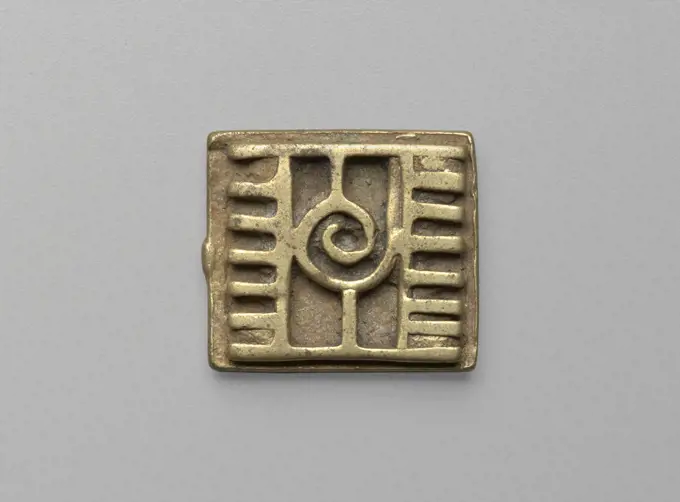
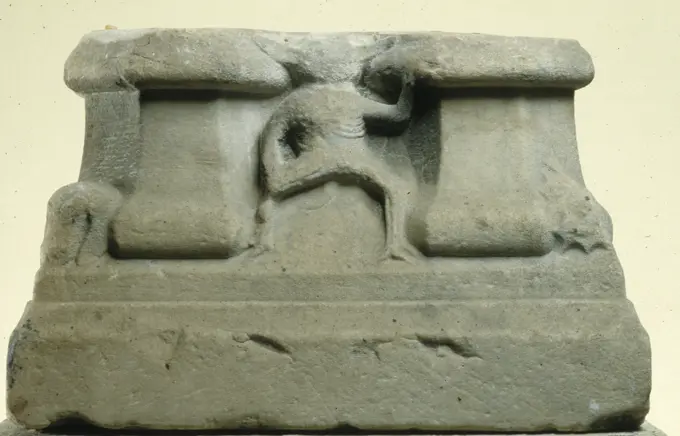
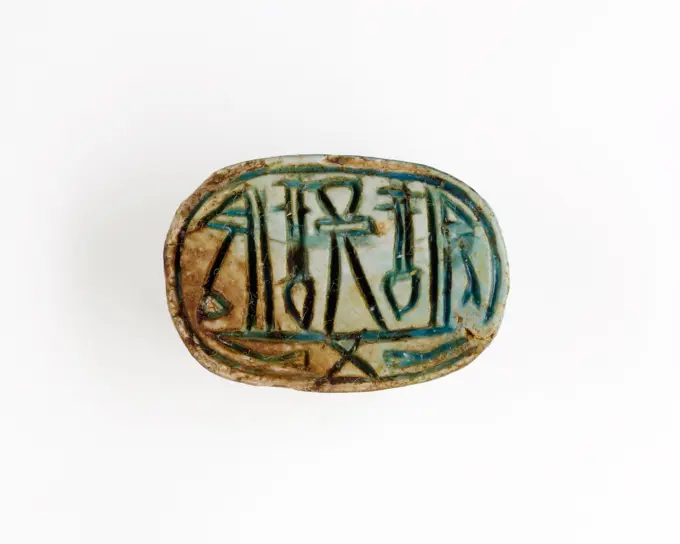
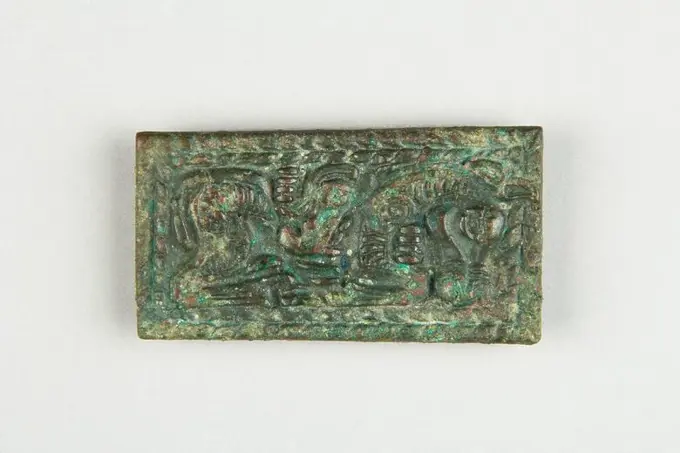
Vintage Artifacts and Seals

An assortment of ancient artifacts and stamps, featuring intricate carvings and historical significance, highlighting craftsmanship through the ages.

Hearing stone with representation of two climbing lions, c. 1606 Hearing stone with representation of two lions twisted to each other and the year 1606, placed in profiled window. The half windows on the top and bottom are filled with half medallions with star motif. Glaze. Southern Netherlands earthenware vitrification Hearing stone with representation of two lions twisted to each other and the year 1606, placed in profiled window. The half windows on the top and bottom are filled with half medallions with star motif. Glaze. Southern Netherlands earthenware vitrification
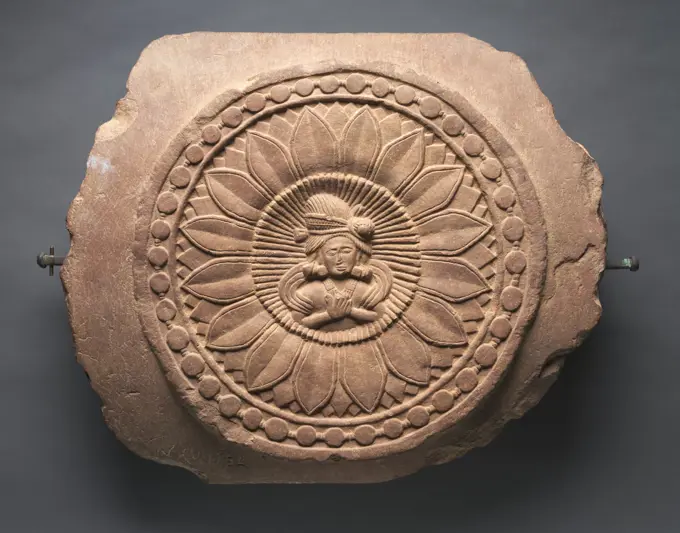
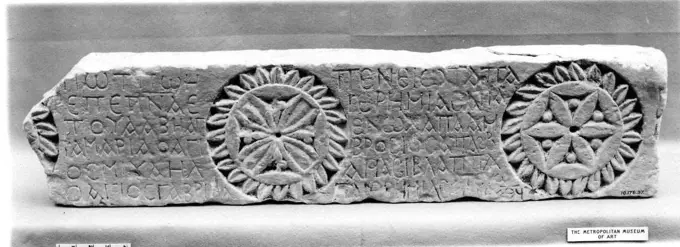
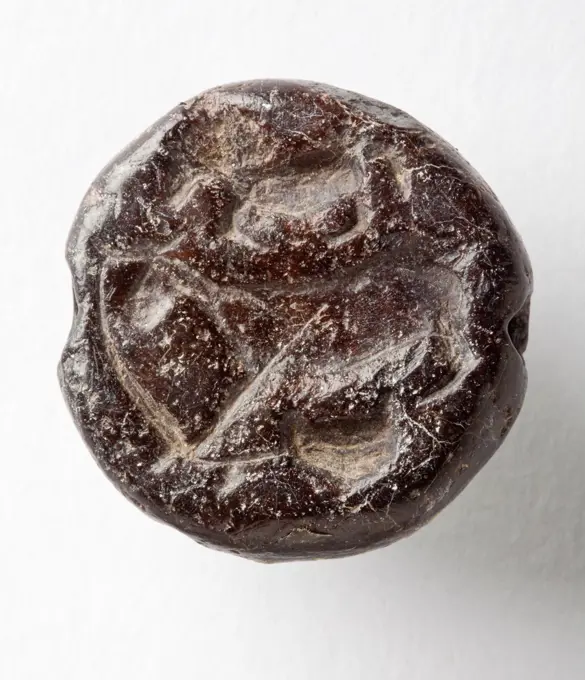
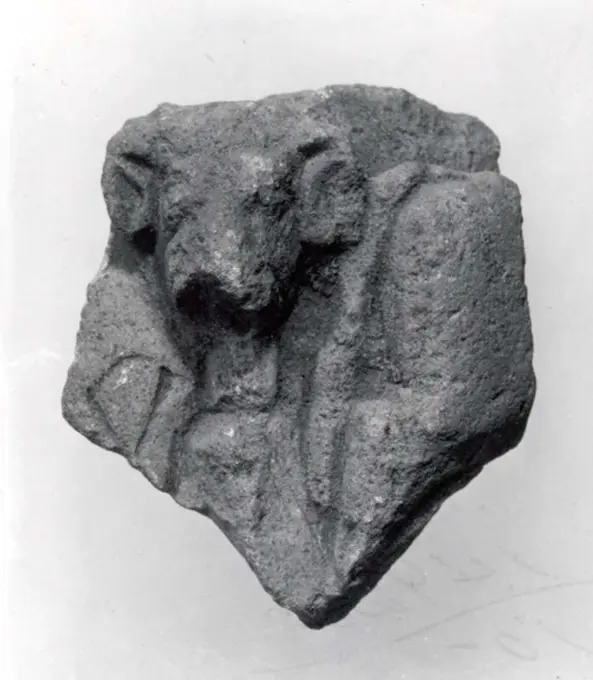
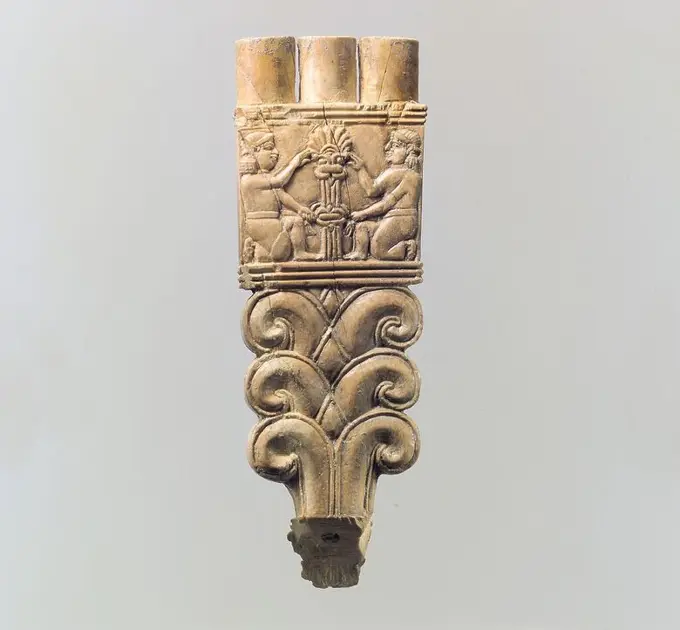
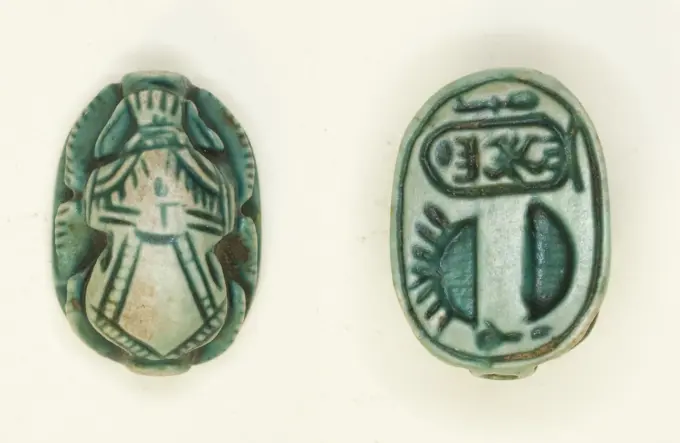
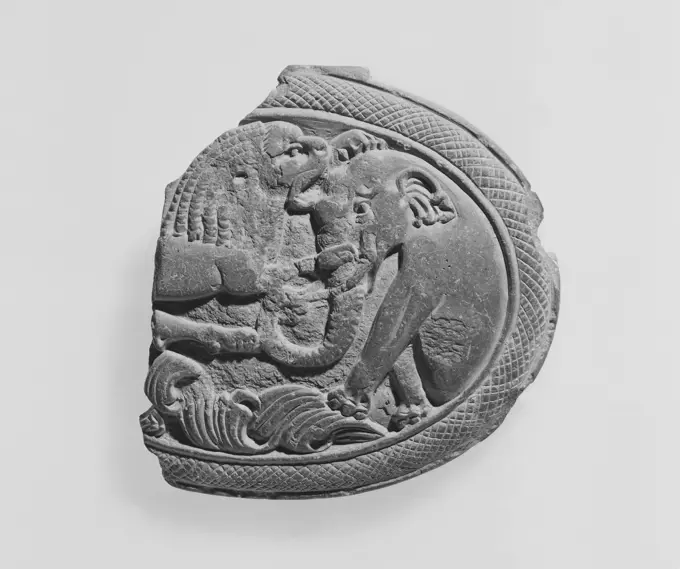
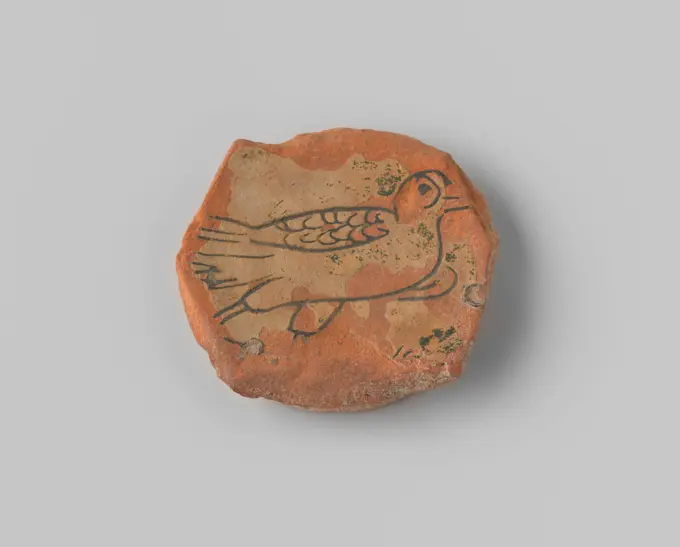
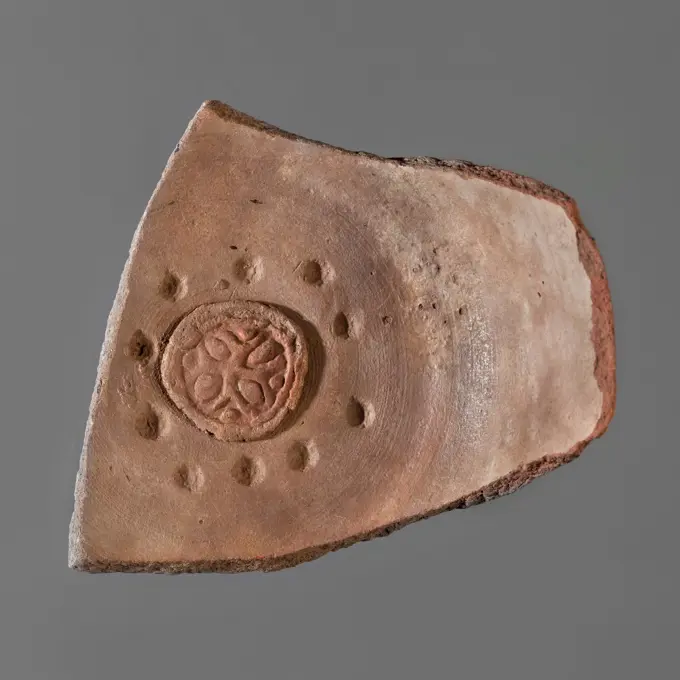
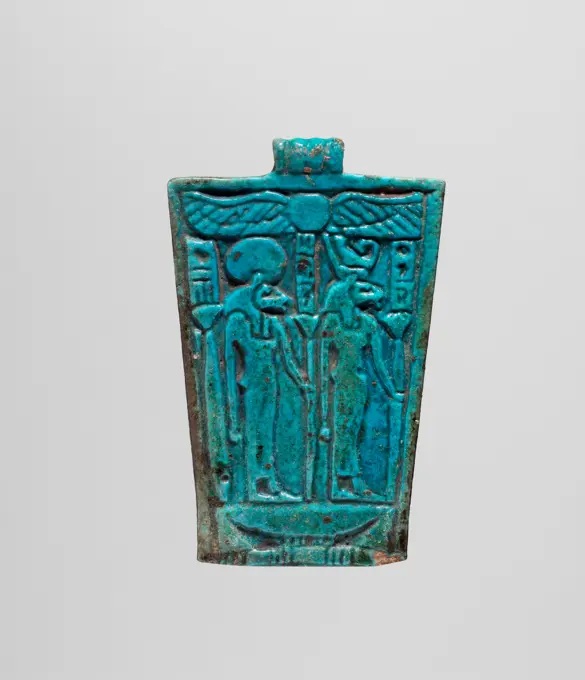
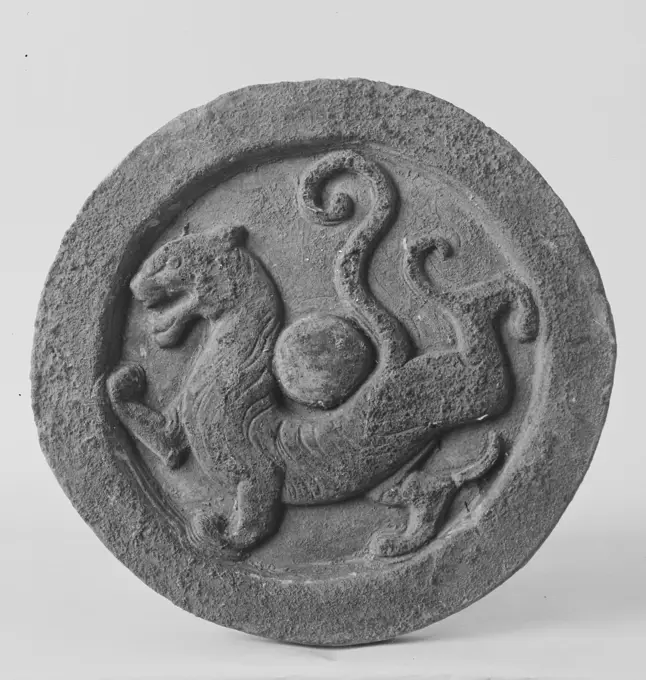
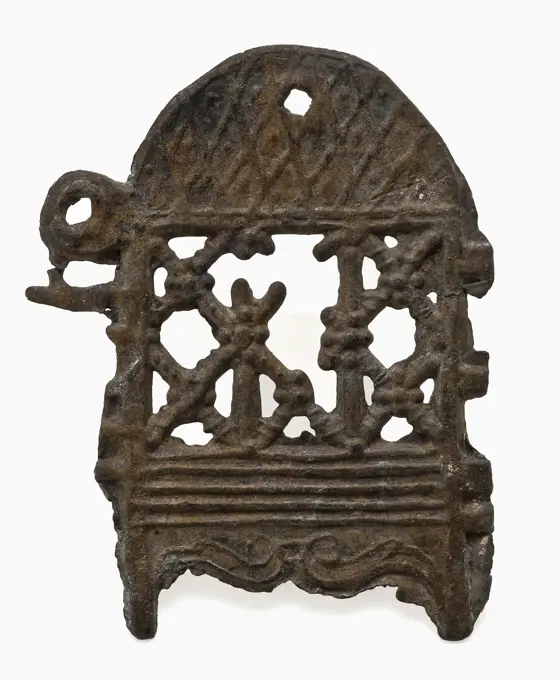
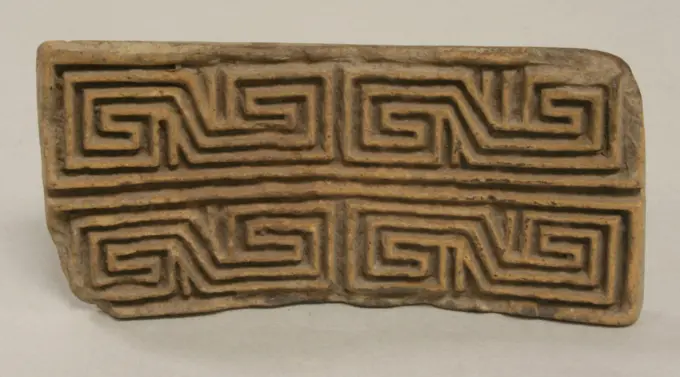
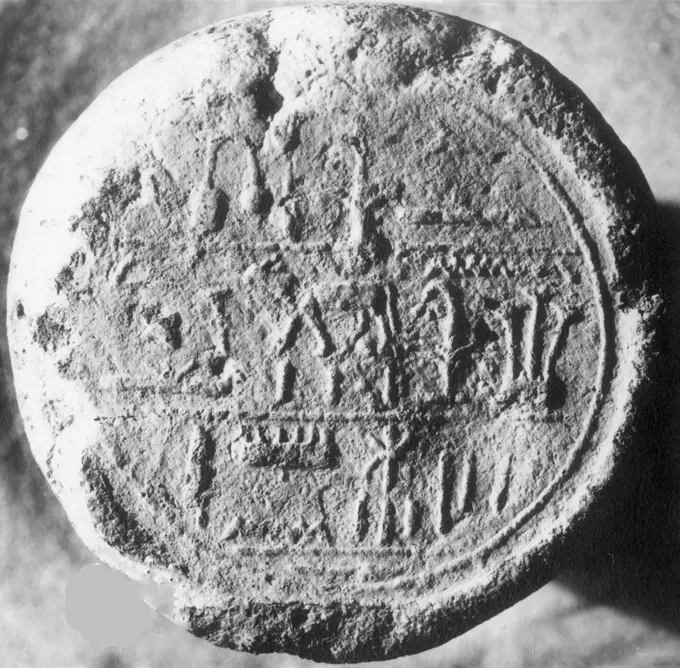
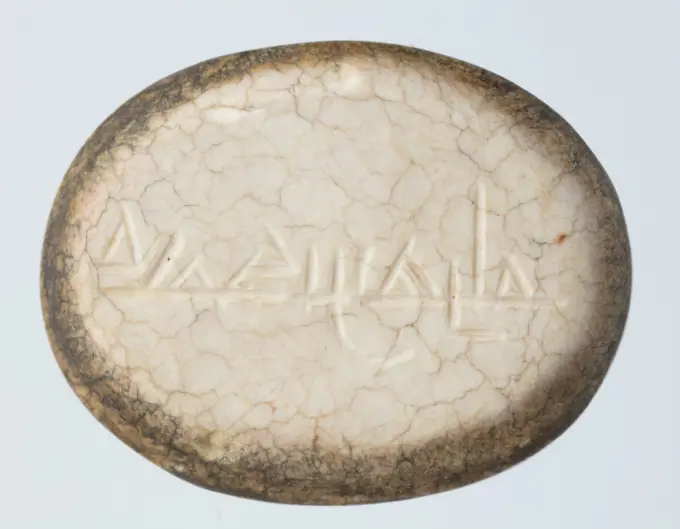
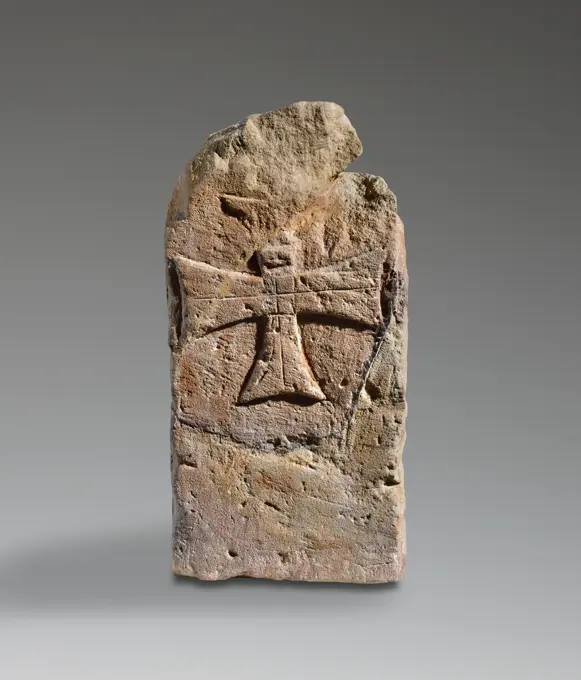
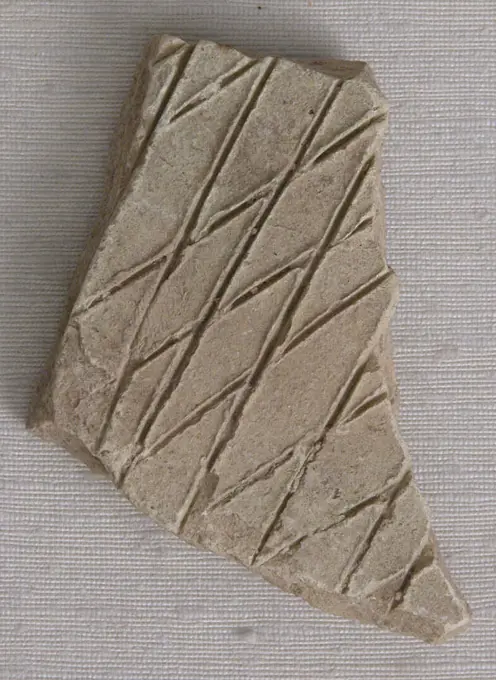
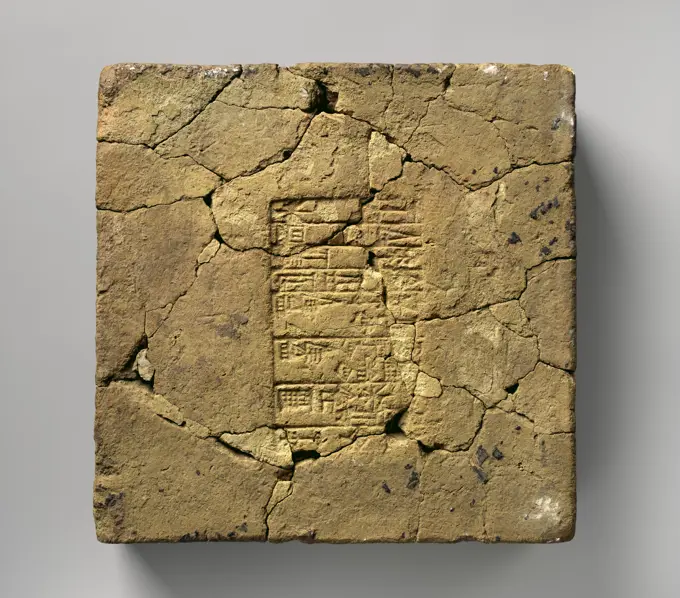
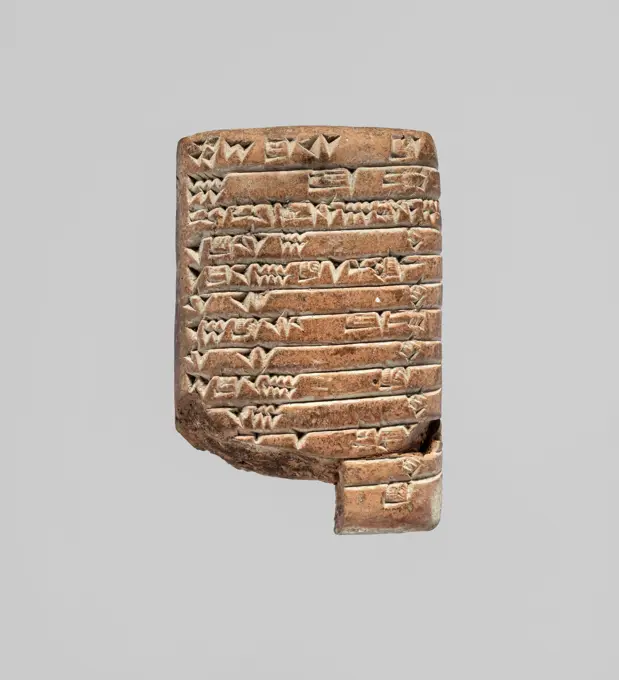
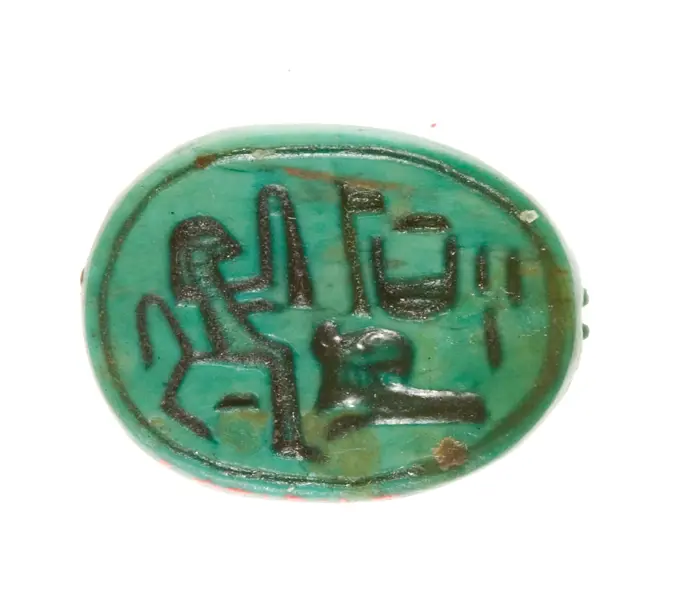
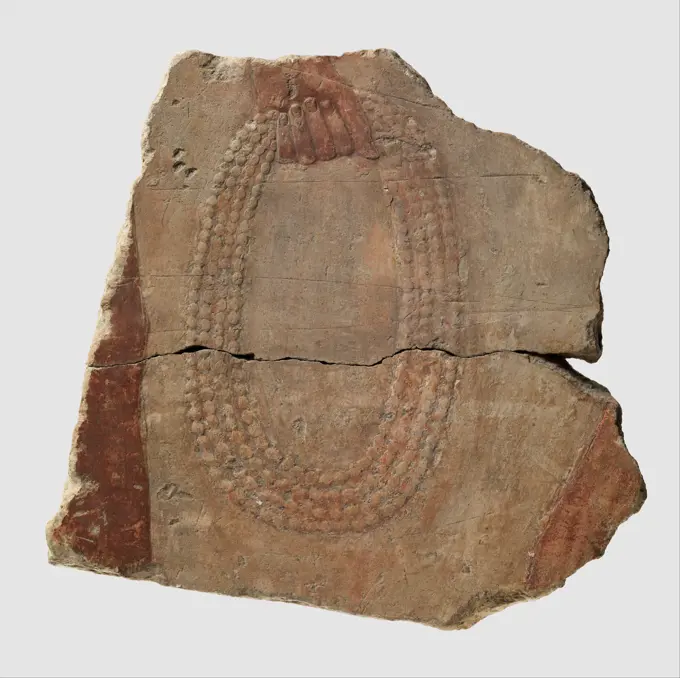
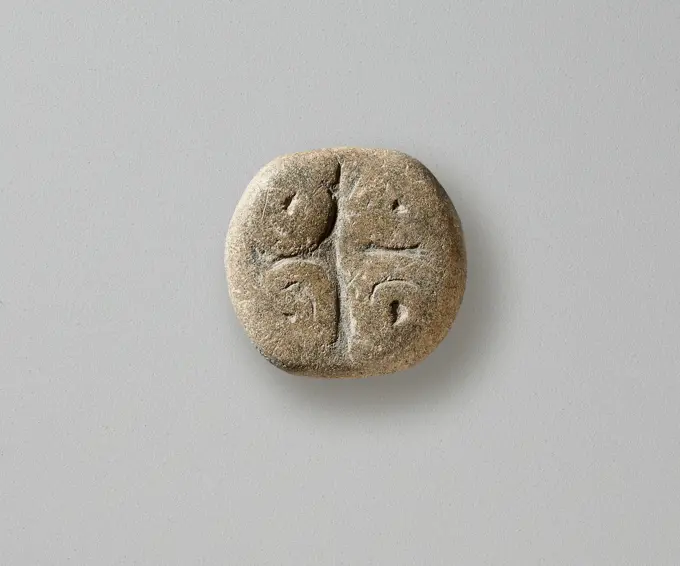
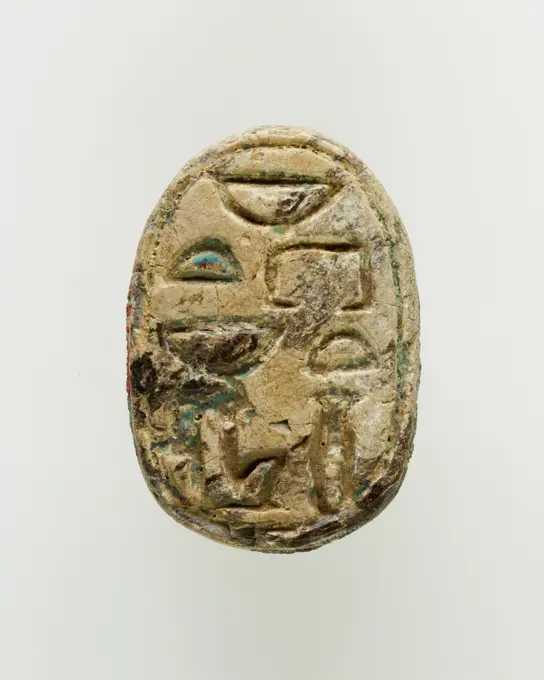
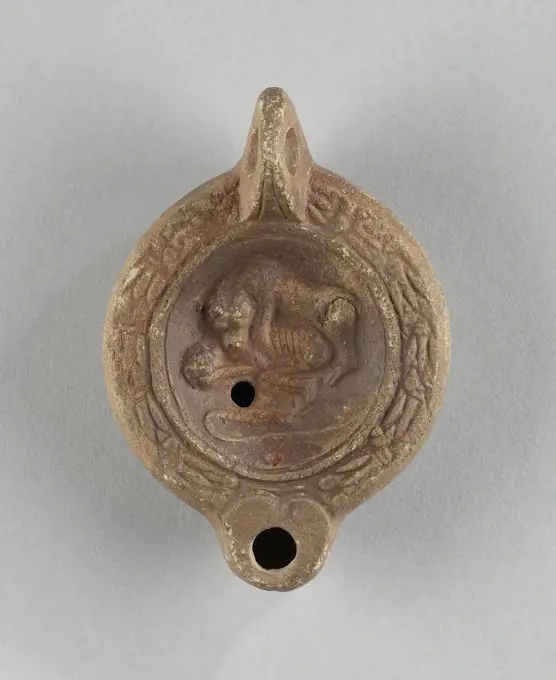
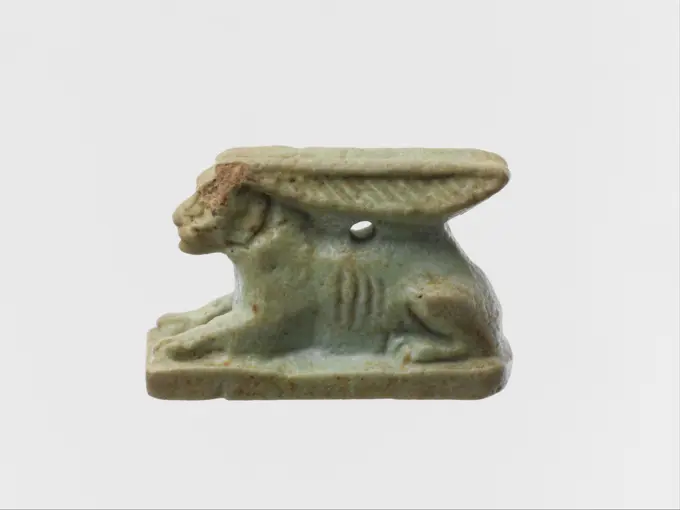
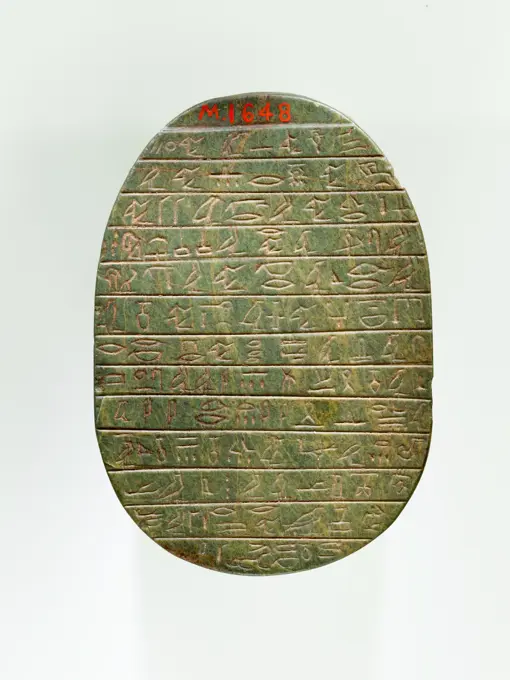
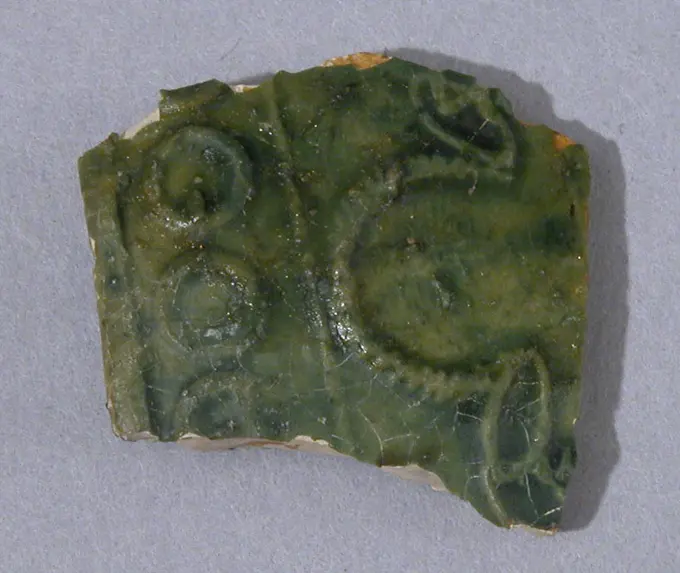
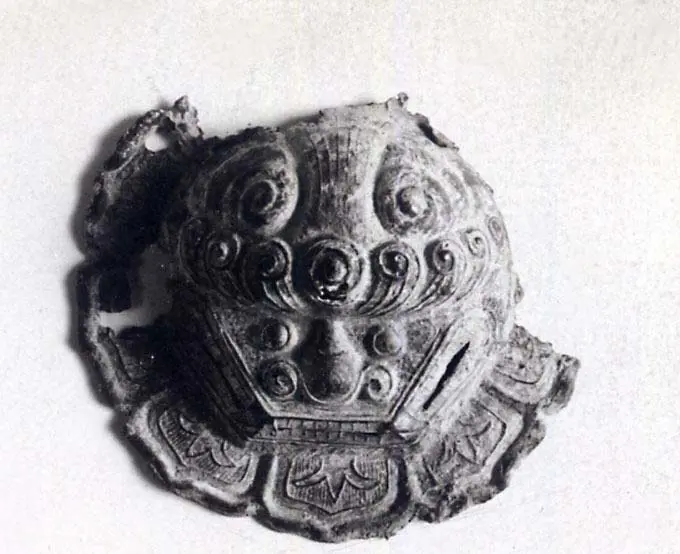
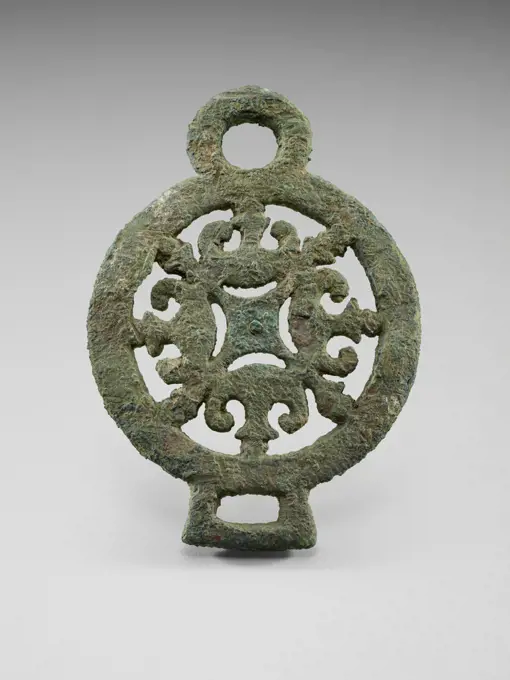
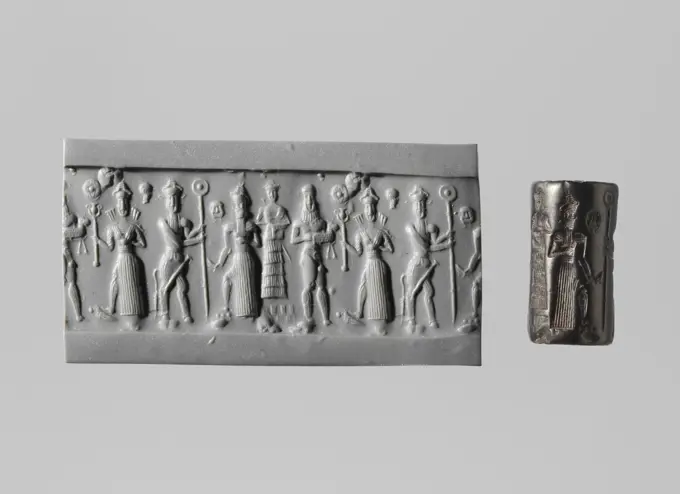
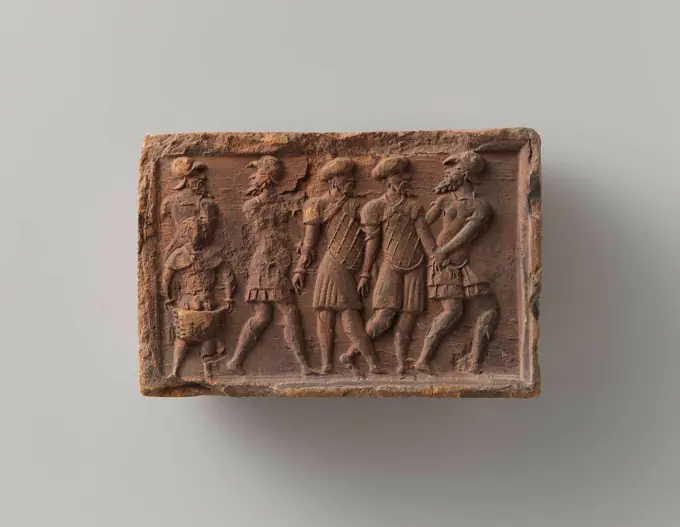
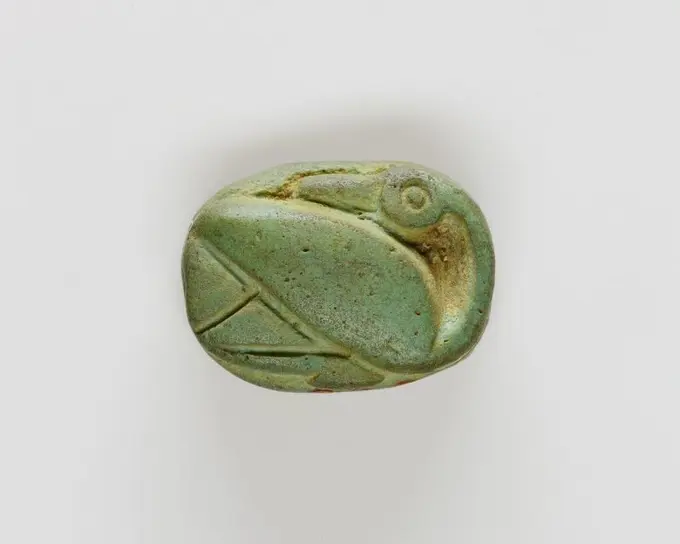
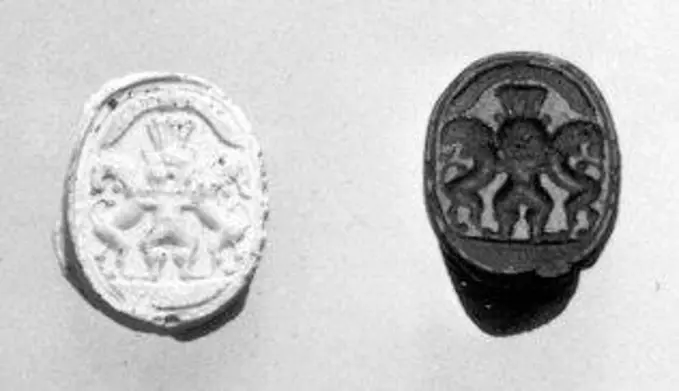
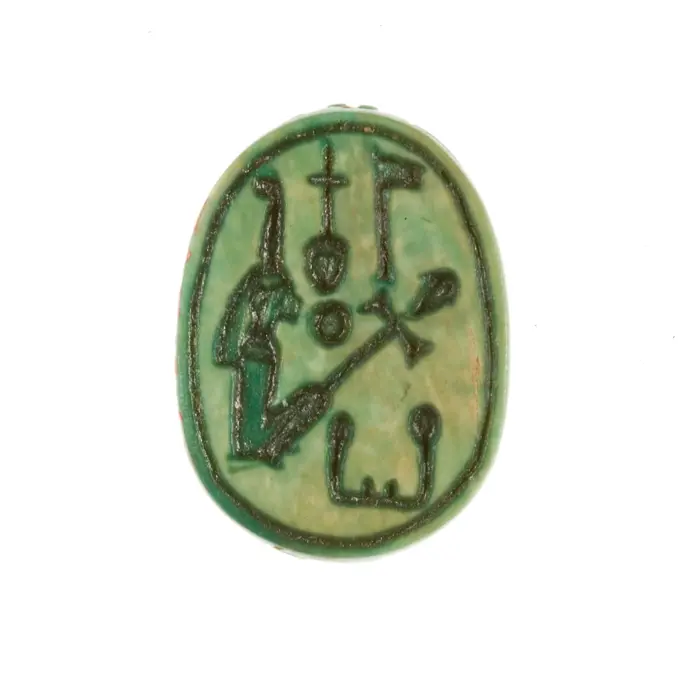
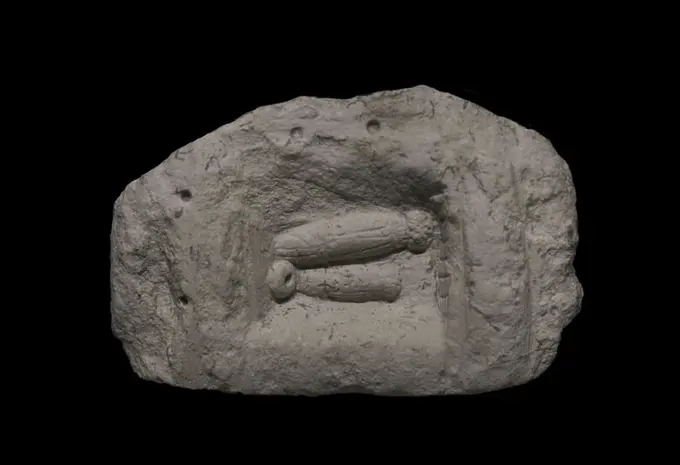
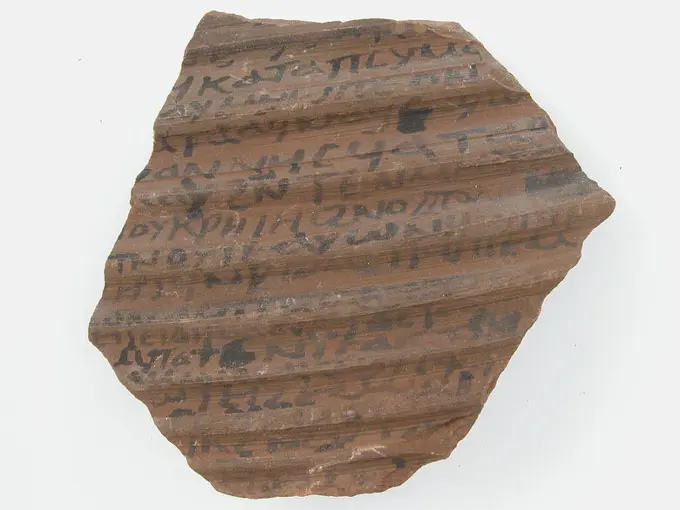
Fragment misy na stopce. warsztat nubijski, workshopEngraved Gem. UnknownFireplace of baked earth with diamond-shaped distribution, with two winged deer in two windows. Two fires of baked earth with diamond-shaped distribution, with two winged deer in two diamonds. One with the year 160 .. the other with the year 1617.Funerary Cone Montuemhat Late Period ca. 712-525 B.C. View more. Funerary Cone Montuemhat. ca. 712-525 B.C.. Pottery. Late Period. From Egypt, Upper Egypt, Thebes. Dynasty 25-26Fragment imadła amfory ze stemplem. Teuthras (ok. 290-280 p.n.e.), potter's workshopDouble-Faced Crossbar from a Railing: Male Worshipper (recto), c. 150 BC. India, Madhya Pradesh, Bharhut, Shunga Period. Plum-colored sandstone; overall: 55.9 x 66 cm (22 x 26 in.).Inscribed Fragment from a Lintel or Frieze with a Cross and Rosette Medallions 6th century In the 500s Apa (Father) Jeremias founded a Coptic monastery at Saqqara, the ancient Egyptian necropolis (cemetery) of the city of Memphis, near the oldest pyramids. He and the earliest monks lived in tombs at the site. As the monastery grew, several grand churches with lavish decoration were built, as well as many chapels, public buildings, and complexes of cells (rooms) for each monk. The monastery continued to grow after the Arab conquest with materials from early Byzantine tomb structures being reused for additional monastic structures. Inscriptions record prayers to numerous holy figures. Sculptural elements from Saqqara are often carved with deeply undercut patterns to intensify the play of light and shadow and to mask the solidity of the architecture. This sculptural style was popular throughout the Byzantine world in the 500s.. Inscribed Fragment from a Lintel or Frieze with a Cross and RCoin late 8th century. Coin. late 8th century. Copper. Excavated in Iran, Nishapur. CoinsStamp Seal, Hemispheroid. Northern Syria or southeast Anatolia, about 6th-4th millennium B.C.. Tools and Equipment; seals. Dark brown serpentineVessel ca. 2900-2700 B.C. Sumerian. Vessel 323767Handle of a flywhisk or fan. Culture: Assyrian. Dimensions: H. 4 x W. 1 3/8 in. (10.2 x 3.5 cm). Date: ca. 8th-7th century BC.Both sides of this handle are decorated with two figures kneeling before a stylized tree, an image perhaps related to similar ritual scenes on reliefs from Assyrian palaces. Such Assyrian style ivories are usually carved using an incised technique, but this is a rare example carved in relief. As the figures are beardless, they may be eunuchs or, more likely, women. They are shown plucking what may be pomegranates, a fruit whose many seeds led it to be associated with fertility. Handles in a similar form are shown on the reliefs of Ashurbanipal, an Assyrian king who ruled during the seventh century B.C., with long feathers inserted in the hollow cylinders at the top, suggesting how this handle may have originally looked. Based on the scene depicted on the handle and the location where it was excavated, within the private residential areas of the palace, it has bScarab Menkheperura (Thutmose IV) 1400 BCE-1390 BCE Egypt. Glazed steatite . Ancient EgyptianBox Lid with a Lion Attacking an Elephant ca. 5th century Pakistan (ancient region of Gandhara) Box lids are rare examples of nonreligious art of the fifth century, little of which has survived. They are closely related in style and imagery. Their dating is based on the decorative scrolls of the Gupta period.. Box Lid with a Lion Attacking an Elephant. Pakistan (ancient region of Gandhara). ca. 5th century. Schist. SculptureExcerpt (foot) with red shard, on the inside in sgraffito technology with black lines a bird on a beige stock, anonymous, 1200 - 1899  Italy earthenware  Italy earthenwareFragment of the bowl; Unknown Nubian workshop; 2. PO. IX-XI century; Classic Christian period (851-00-00-1100-00-00);Nubian ceramics, geometric decorations, stamp decorations, crosses, medallions, bowls, nubian vesselsOpenwork Belt Fitting 7th century () Frankish. Openwork Belt Fitting 465222 Frankish, Openwork Belt Fitting, 7th century (), Copper alloy, tinned surface, Overall: 3 1/2 x 2 13/16 x 5/16 in. (8.9 x 7.2 x 0.8 cm). The Metropolitan Museum of Art, New York. Gift of J. Pierpont Morgan, 1917 (17.192.162)Amulet - Plakietka z dwiema lwiogłowymi boginiami. unknown, authorOpenwork Belt Fitting 7th century () Frankish. Openwork Belt Fitting 465225Roof Tile End China These two roof tiles (with 18.56.31) are decorated with animals that symbolize two of the four cardinal directions: the White Tiger of the West and the Red Bird of the South.. Roof Tile End. China. Earthenware. Western Han dynasty (206 B.C.-A.D. 9). CeramicsShawabty of Ditamenpaankh, 715-656 BC. Egypt, Late Period, Dynasty 25. Terracotta; overall: 5.9 x 1.8 x 1.5 cm (2 5/16 x 11/16 x 9/16 in.).Fragment 14th-15th century. Fragment. 14th-15th century. Earthenware; incised decoration through white slip and coloring under transparent glaze. Made in Egypt. CeramicsOrnament with openwork design of cage or cabinet, toys, toy relaxant soil find tin metal, Cutaway piece with an embossed side and flat reverse side. Entirely in the shape of cage Two holes to confirm archeology Rotterdam railway tunnel child play game child's play Soil discovery: route Rotterdam trajectory.Flat stamp with geometric lines 10th-15th century Mexican. Flat stamp with geometric lines 307741Ring. UnknownFunerary Cone ca. 1550-1295 B.C. New Kingdom. Funerary Cone. ca. 1550-1295 B.C.. Pottery. New Kingdom. From Egypt, Upper Egypt, Thebes. Dynasty 18Fragment of a thin -shaped painting - monogram;  VIII century (801-00-00-900-00-00);Square Plaque 500-700 Frankish. Square Plaque 465519 Frankish, Square Plaque, 500700, Copper alloy, Overall: 7/8 x 11/16 x 1/4 in. (2.2 x 1.8 x 0.6 cm). The Metropolitan Museum of Art, New York. Gift of J. Pierpont Morgan, 1917 (17.193.200)Shawabty of Ditamenpaankh, 715-656 BC. Egypt, Late Period, Dynasty 25. Terracotta; overall: 3.3 x 1.6 x 1 cm (1 5/16 x 5/8 x 3/8 in.).Stucco Fragment probably 8th-12th century. Stucco Fragment 741143Sealing pistonFish. UnknownStamp seal (bifacial disk) with animals and divine symbols late 8th - 7th century B.C. Assyrian. Stamp seal (bifacial disk) with animals and divine symbols. Assyrian. late 8th - 7th century B.C.. Black Serpentinite. Neo-Assyrian. Mesopotamia or SyriaStrap-Crossing in the Shape of a Coiled Wolf 5th century B.C. Eastern Eurasia. Strap-Crossing in the Shape of a Coiled Wolf 59570Scaraboid: Hedgehog. Egyptian. Date: 1550 BC-1186 BC. Dimensions: 0.6 × 1 × 0.6 cm (1/4 × 3/8 × 1/4 in.). Glazed steatite. Origin: Egypt. Museum: The Chicago Art Institute, Chicago, USA. Author: Ancient Egyptian.Upper fragment of the gara; Unknown Nubian workshop; 1. PO. VIII century (701-00-00-750-00-00);Faras (Sudan), relief decorations, architectural elements, crosses, Nubian crafts, Polish excavations in Faras (Sudan), HungaryFireplace of baked earth with diamond-shaped distribution with two medallions of a man and woman. Fireplace of baked earth with diamond-shaped distribution. Two medallions of a man and woman.Fragment 8th-9th century. Fragment 448890Inscribed brick ca. 2094-2047 B.C. Neo-Sumerian. Inscribed brick. Neo-Sumerian. ca. 2094-2047 B.C.. Ceramic, glaze. Ur III. Mesopotamia, NippurPolitical situation of France in 1849 (dummy title) Political situation of France in 1849. Copper White, around 1849.Bowl with an (Arabic) inscription, anonymous, c. 900 - c. 999 Concave come with a flat bottom. Red -baking clay with white sludge and a translucent lead glaze; Decorated with an (Arabic) inscription along the inner wall. Nishapur earthenware. glaze painting / vitrification Concave come with a flat bottom. Red -baking clay with white sludge and a translucent lead glaze; Decorated with an (Arabic) inscription along the inner wall. Nishapur earthenware. glaze painting / vitrificationDenar - Brakteat; approx. 1267/1268-OK. 1277/1278 (1267-00-00-1278-00-00);Cast pendant bead. UnknownKapitel kolumny. warsztat egipski, workshopFragment imadła amfory ze stemplem. Kleainetos II (ca 280-ca 205 a.C.), potter's workshopTabliczka klinowa z miesięcznym spisem wydanych zwierząt ofiarnych. nieznany urzędnik sumeryjski, authorBell Zygmunt (shield with the Pogoń coat of arms)  Zygmuntów Tower, Wawel Cathedral, Krakow Beheem, Hans (FL. 1520)Scarab Inscribed for the God's Wife Hatshepsut ca. 1479-1458 B.C. New Kingdom The inscription on the base of this scarab reads: God's Wife, Hatshepsut. In the late Seventeenth early Eighteenth Dynasties, the title God's Wife was held by the principal queen or the queen mother. Hatshepsut inherited the title while she served as principal queen of her half-brother, Thutmose II. Later, shortly after she took on the titles of king, Hatshepsut passed the title on to her daughter, Neferure (see scarab 27.3.325).Slight variations of the same inscription may be found on two other scarabs (27.3.185, 27.3.186) and a cowroid seal amulet (27.3.191). Although the hieroglyphs are not in exactly the same configuration, they have been carved in a similar fashion. For example, the seated figure leans back and both of her arms are indicated. For different versions of the same inscription, see 27.3.174-27.3.184, 27.3.188-27.3.190.. Scarab Inscribed for the God's Wife Hatshepsut. ca. 1479-1458 B.C.. SteatFragment of a figure holding a multistrand coil of beads, preceded by another individual ca. 1961-1917 B.C. Middle Kingdom This fragment of relief was discovered during excavations by the Museum in the pyramid complex of Senwosret I at Lisht South. The decoration, delicately carved and then painted, preserves part of an offering procession. On the proper right edge of the piece is part of the leg of a servant, whose long-fingered hand grasps a necklace composed of multiple strands of ball beads.. Fragment of a figure holding a multistrand coil of beads, preceded by another individual 591187Coin dated: A.H. 137/ A.D. 754. Coin. dated: A.H. 137/ A.D. 754. Copper. Excavated in Iran, Nishapur. CoinsRectangular Plaque. Western Iran, circa 1000-650 B.C.. Arms and Armor. Bronze, hammeredScarab for Maatkare (Hatshepsut), United with Amun ca. 1479-1458 B.C. New Kingdom. Scarab for Maatkare (Hatshepsut), United with Amun. ca. 1479-1458 B.C.. Steatite (glazed). New Kingdom. From Egypt, Upper Egypt, Thebes, Deir el-Bahri, Temple of Hatshepsut, Foundation Deposit 9 (I), MMA excavations, 1926-27. Dynasty 18, earlyLarge StoneSealFragment of a Relief 8th century Central Asia. Fragment of a Relief 39979Cylinder Seal. Mesopotamia, circa 2750-2350 B.C.. Tools and Equipment; seals. White marbleScarab of the Lady Nebetwadjyt ca. 1760-1670 B.C. Middle Kingdom Administrative changes during Dynasty 12 lead to an increase in bureaucracy and, subsequently, in the production and use of seals. This is reflected in the beginning of the mass production of scarabs, the most popular shape for amulets, in late Dynasty 12 through Dynasty 13 (ca. 1850-1640 B.C.). Thousands of these late Middle Kingdom scarabs bear the names and titles of officials, who would wear them as amulets, but who could also use them to seal documents, containers or doors. However, the scarabs primary function remained that of a protective amulet. Several inscriptions add a funerary epithet to the owners name, indicating that the amulet was manufactured after the owner had passed away. This scarab is inscribed with the title and name of the Lady of the House Nebetwadjyt.. Scarab of the Lady Nebetwadjyt 545693Scarab ca. 1479-1458 B.C. New Kingdom. Scarab. ca. 1479-1458 B.C.. Blue steatite. New Kingdom. From Egypt, Upper Egypt, Thebes, Deir el-Bahri, Hatshepsut Hole, Hathor Shrine, MMA excavations, 1922-23. Dynasty 18Lamp, North Africa; 1st - 4th century; Terracotta; 3 x 8 x 11.2 cm (1 3,16 x 3 1,8 x 4 7,16 in.)Bell Tenerbrat (fragment; angel with Banderola)  lower tower, Mariac Basilica, Krakow Weygel, JohannesScarab Inscribed With the Cartouche of Sebekemsaf ca. 1635-1550 B.C. Second Intermediate Period. Scarab Inscribed With the Cartouche of Sebekemsaf. ca. 1635-1550 B.C.. Jasper, gold. Second Intermediate Period. From Egypt. Dynasty 17Faience amulet in the form of a hare 664-30 B.C. Egyptian Amulets representing animals were attributed to a deity: a hawk for Ra, the Sun God, a lion for Sakhmi, the War Goddess, a ram for Khnum and a cat for Bast.. Faience amulet in the form of a hare 243773Token with an Egyptian Obelisk and a Temple. UnknownHeart Scarab, Owner's Name Erased 664-380 B.C. Late Period. Heart Scarab, Owner's Name Erased. 664-380 B.C.. Green stone. Late Period. From Egypt. Dynasty 26-29Two-Colored Tile late 14th century British. Two-Colored Tile. British. late 14th century. Fired earthenware with slip decoration and lead glaze. Made in Nottingham or Derbyshire, Midlands, England. Ceramics-TilesFragment 9th century. Fragment 451522Scarabs Inscribed for the God's Wife Neferure ca. 1479-1458 B.C. New Kingdom. Scarabs Inscribed for the God's Wife Neferure. ca. 1479-1458 B.C.. Steatite, glazed. New Kingdom. From Egypt, Upper Egypt, Thebes, Deir el-Bahri, Temple of Hatshepsut, Foundation Deposit 7 (G), MMA excavations, 1926-27. Dynasty 18, earlyMask of a Lion China. Mask of a Lion. China. Pewter. Han dynasty (206 B.C.-A.D. 220). MetalworkBelt Buckle. Mongolia or southern Siberia, 2nd-1st century B.C.. Costumes; Accessories. Bronze, castCheek-piece from a horseharness, A.D.165-256, Copper alloy, 6.3 × 0.4 × 8.9 cm (2 1/2 × 3/16 × 3 1/2in.), Yale-French Excavations atDura-Europos, Excavated in Dura-Europos, Syria, Syrian,Dura-Europos, Roman, 2nd-3rd century A.D., Arms andArmorCylinder seal ca. early 2nd millennium B.C. Babylonian. Cylinder seal. Babylonian. ca. early 2nd millennium B.C.. Hematite. Old Babylonian. MesopotamiaPendant. Iran, 1000-1250. Jewelry and Adornments; pendants. Bronze, castHair stone on which a gray-horse trapped. Hair stone on which a gray-horse trapped. Of fine baked earth.Terracotta head. Culture: Greek, Cretan. Dimensions: H. 2 3/16 in. (5.5 cm). Date: 7th century B.C..It is difficult to determine whether the figure is a woman or a youth. The rendering of the hair in layered rows that broaden towards the bottom is characteristic of representations dating to the second half of the seventh century B.C. Museum: Metropolitan Museum of Art, New York, USA.Scarab Inscribed for Sebekhotep VI () ca. 1760-1640 B.C. Middle Kingdom Scarab-shaped seal-amulet inscribed with a cartouche enclosing signs that could be the prenomen of Sebekhotep VI, or, more likely, a formulaic expression associated with the cult of the sun god, Re. This is flanked on either side by stylized papyrus plants.. Scarab Inscribed for Sebekhotep VI (). ca. 1760-1640 B.C.. Steatite. Middle Kingdom. From Egypt, Memphite Region, Lisht North, Cemetery, MMA excavations, 1920-22. mid to late Dynasty 13Plaque Decorated with a Duck. Dimensions: L. 1.2 cm (1/2 in.); W. 0.9 cm (3/8 in.); Th. 0.5 cm (3/16 in.). Dynasty: Dynasty 18, early. Reign: reign of Thutmose II-Early Joint reign. Date: ca. 1492-1473 B.C..This seal-amulet was found with twenty-three scarabs and seal-amulets in the coffin of a young woman who was buried in Hatnefer's tomb (see 36.3.1 and 36.3 26). The back is carved in the shape of a duck carved and the base is inscribed with a decorative floral pattern. Museum: Metropolitan Museum of Art, New York, USA.Fragment of a Star-Shaped Tile 14th century. Fragment of a Star-Shaped Tile 444464Scarab ca. 1635-1458 B.C. Second Intermediate Period-Early New Kingdom. Scarab. ca. 1635-1458 B.C.. Faience. Second Intermediate Period-Early New Kingdom. From Egypt, Upper Egypt, Thebes, Asasif, Courtyard CC 41, Tomb R 9, Burial A 1, On body, MMA excavations, 1915-16. Dynasty 17-Early Dynasty 18Scarab seal with Bes dominating two lions below a winged sun disc ca. 6th-5th century B.C.. Scarab seal with Bes dominating two lions below a winged sun disc. ca. 6th-5th century B.C.. Jasper, green. Iron Age, Phoenicia (). Levant or SyriaScarab Inscribed for the Perfect God Maatkare (Hatshepsut) ca. 1479-1458 B.C. New Kingdom During the 1926-1927 excavation season, the Museum's Egyptian Expedition uncovered three foundation deposits along the eastern enclosure wall of Hatshepsut's funerary temple at Deir el-Bahri in Western Thebes. Among the contents were 299 scarabs and stamp-seals. Sixty-five of these are now in the Egyptian Museum, Cairo, and the rest were acquired by the Museum in the division of finds.Among the inscriptions on the bases of these scarabs and seals are examples of every title Hatshepsut held, from the time she was "king's daughter" during the reign of her father, Thutmose I; through the time she was queen of her half-brother, Thutmose II; and during her regency and co-reign with her nephew/step-son, Thutmose III.After the death of her husband, Hatshepsut became regent for her nephew who was a small child. The length of this regency period is uncertain, with estimates ranging from two to seven years.Hearing stone with two royal busts, Anonymous, 1587 A hairstone of baked earth with two royal busts a man and a woman. Dated. Coming from the demolished country estate Beukenrijk in Maartensdijk. Maartensdijk earthenware A hairstone of baked earth with two royal busts a man and a woman. Dated. Coming from the demolished country estate Beukenrijk in Maartensdijk. Maartensdijk earthenwareSealing pistonLate iron age bronze brooch of a bird. Artist: UnknownNeolithic Period. Temple Period (3600 to 2500 BC). Tarxien Temple Complex. Malta. Model of a megalithic niche, roofed with seven slabs. Inside, a carving depicting two objects, probably with a phallic meaning. National Museum of Archaeology. Valletta. Malta.Ostrakon with a Letter. Culture: Coptic. Dimensions: 4 1/16 x 3 3/4 in. (10.3 x 9.5 cm). Date: 600. Museum: Metropolitan Museum of Art, New York, USA.Abruzzo L'Aquila Sulmona Museo Civico7. Hutzel, Max 1960-1990 Museo Civico Treasures: these objects (Tesoro del Pio Istituto della SS. Annunziata and Tesoro della Cattedrale) are now housed in the security vault of a bank, not in the Museo Civico, as noted in Hutzel's photo campaign notes of August 1984. Views of the treasures include: a silver processional cross (14th century); gold, silver and enamel chalice (13th century), gold and silver crosier with sculpted figures depicting the Annunciation (13th century), a silver and gold reliquary with glass (13th century), a silver diadem (13th century), and a box-like silver and gold reliquary (15th century). German-born photographer and scholar Max Hutzel (1911-1988) photographed in Italy from the early 1960s until his death. The result of this project, referred to by Hutzel as Foto Arte Minore, is thorough documentation of art historical development in Italy up to the 18th century, including objects of the Etruscans and the Romans, as welStamp 5th-6th century Atlantic Watershed. Stamp 313380Mesopotamia. Eye figurines. Uruk Period. 3300-3000 BC. Eye Temple, Tell Brak, Syria. British Museum. London.Sherd ca. 2nd century B.C.-3rd century A.D. Parthian. Sherd 322818Plakietka z przedstawieniem Odyseusza na żółwiu. unknown, authorCylinder seal ca. 15th-12th century B.C. Cypriot. Cylinder seal 321399Engraved Gem. UnknownGoldweight, Brass, 1/8 × 7/8 × 7/8in. (0.3 × 2.2 × 2.2cm), Made in Guinea Coast, Ghana, Akan, 16th-18thcentury, Tools andEquipmentScarab with decorative motif ca. 1550-1458 B.C. New Kingdom. Scarab with decorative motif. ca. 1550-1458 B.C.. Glazed steatite. New Kingdom. From Egypt. Dynasty 18, earlyStamp seal ca. 6th-4th century B.C. Achaemenid. Stamp seal. Achaemenid. ca. 6th-4th century B.C.. Agate. Achaemenid. IranDouble Column Base late 15th century French. Double Column Base 471862Mirror. Culture: China. Dimensions: Diam. 2 15/16 in. (7.5 cm). Museum: Metropolitan Museum of Art, New York, USA.Scarab Incised with Hieroglyphs ca. 1850-1640 B.C. Middle Kingdom The majority of design scarabs of the late Middle Kingdom (late Dynasty 12-Dynasty 13, ca. 1850 -1640 B.C.) are decorated with symmetric compositions of hieroglyphs and/or scrolls. These signs are not meant to form words but are chosen for their positive, protective meaning. The composition on this scarab shows a sign of life (ankh) flanked by Red Crowns and the sign for good and beautiful (nefer). Below are two papyrus stems, crossing each other. This scarab is, however, likely of Canaanite manufacture and inspired by Egyptian Middle Kingdom symmetric designs.. Scarab Incised with Hieroglyphs 545244Belt Plaque with Horse and Wolf. Culture: North China. Dimensions: H. 1 3/4 in. (4.4 cm); W. 3 1/4 in. (8.3 cm). Date: 3rd-2nd century B.C.. Museum: Metropolitan Museum of Art, New York, USA.Lazio Roma Rome SS. Giovanni e Paolo, Museum91. Hutzel, Max 1960-1990 Medieval: Ceramic fragments, sculptural fragments, fresco fragments, inscribed tomb markers. Houses one of the best collections of Malagan medieval ceramics for casting wall monuments, copies of which are housed in campanile. Specific Location: Museum Antiquities: Ceramic fragments, sculptural fragments, architectural fragments Object Notes: Basilica has separate record and is filed separately. German-born photographer and scholar Max Hutzel (1911-1988) photographed in Italy from the early 1960s until his death. The result of this project, referred to by Hutzel as Foto Arte Minore, is thorough documentation of art historical development in Italy up to the 18th century, including objects of the Etruscans and the Romans, as well as early Medieval, Romanesque, Gothic, Renaissance and Baroque monuments. Images are organized by geographic region in Italy, then by province, city, site complex and monument.Bell (fragment; medallion with a nurse in semi strokes)  auxiliary church of the parish church in Muszyna Złock, Szczawnik near MuszynaRing Inscribed Amenhotep Ruler of Thebes ca. 1390-1353 B.C. New Kingdom. Ring Inscribed Amenhotep Ruler of Thebes. ca. 1390-1353 B.C.. Faience. New Kingdom. From Egypt, Upper Egypt, Thebes, Malqata, Palace of Amenhotep III, MMA excavations, 1910-11. Dynasty 18