Vintage Artifacts and Seals

An assortment of ancient artifacts and stamps, featuring intricate carvings and historical significance, highlighting craftsmanship through the ages.

Hearing stone with representation of two climbing lions, c. 1606 Hearing stone with representation of two lions twisted to each other and the year 1606, placed in profiled window. The half windows on the top and bottom are filled with half medallions with star motif. Glaze. Southern Netherlands earthenware vitrification Hearing stone with representation of two lions twisted to each other and the year 1606, placed in profiled window. The half windows on the top and bottom are filled with half medallions with star motif. Glaze. Southern Netherlands earthenware vitrification
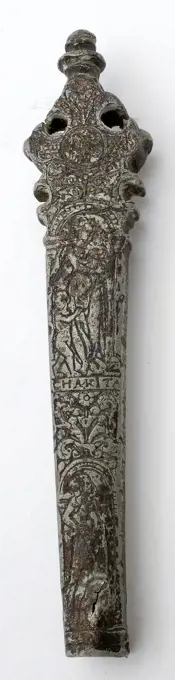
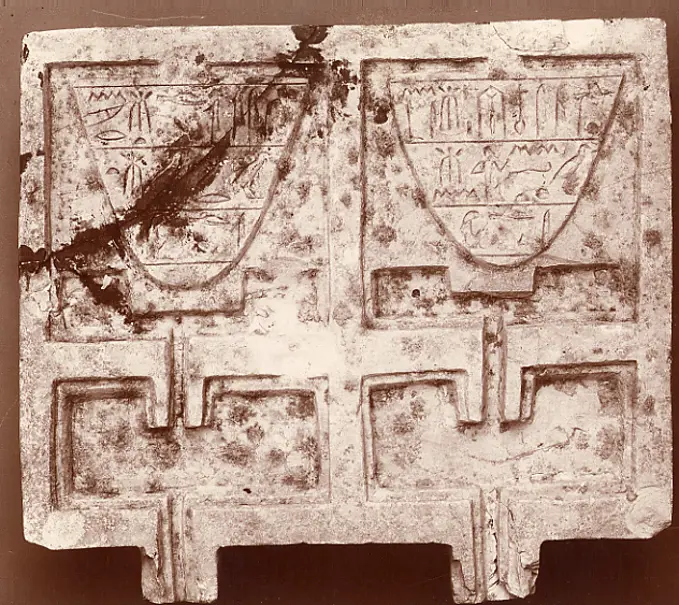
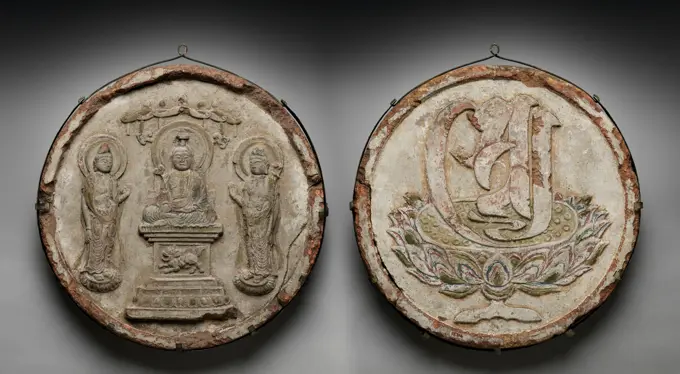
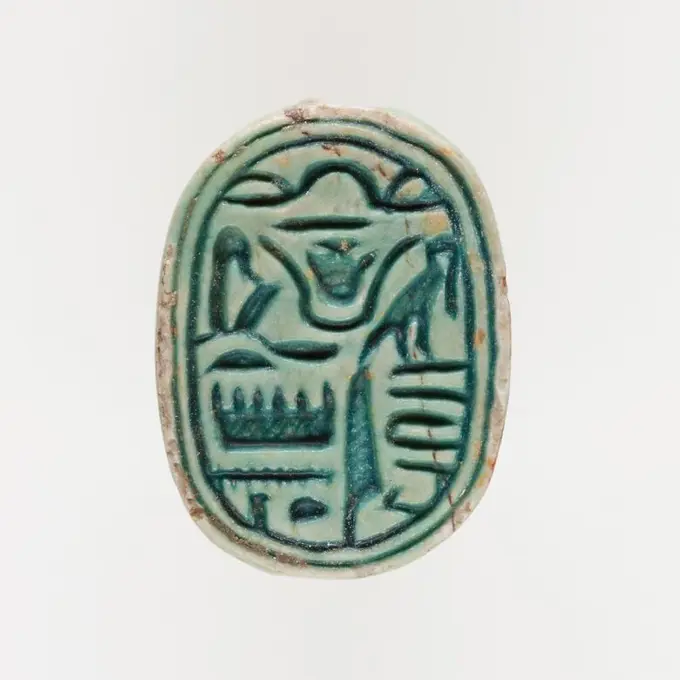
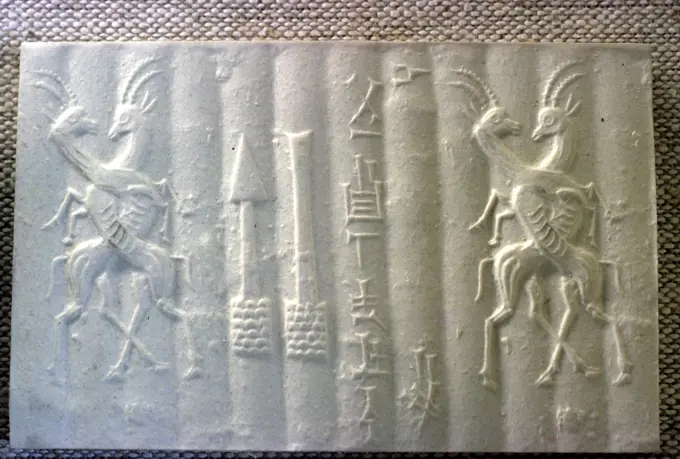
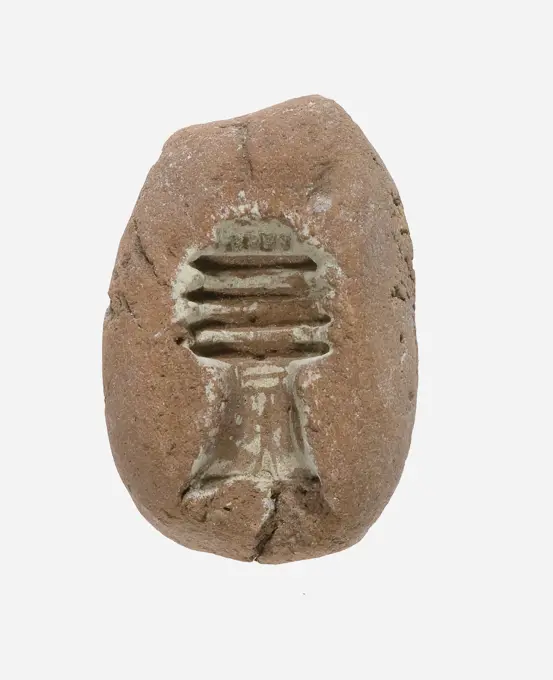
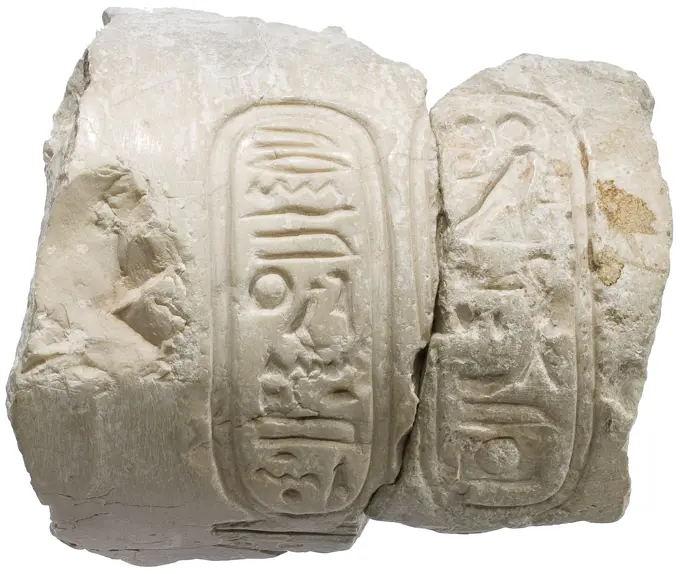
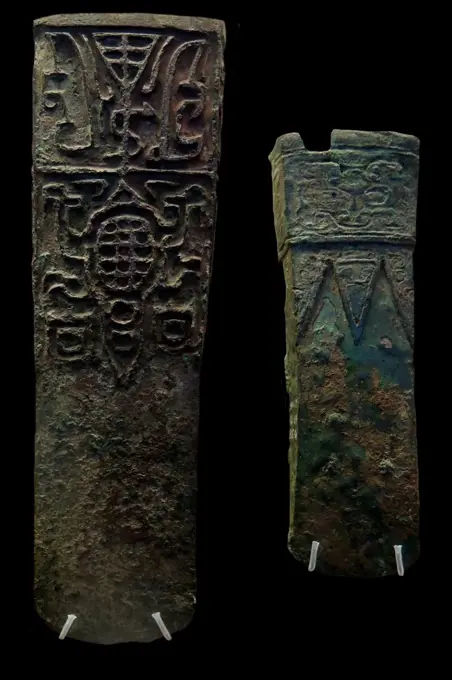
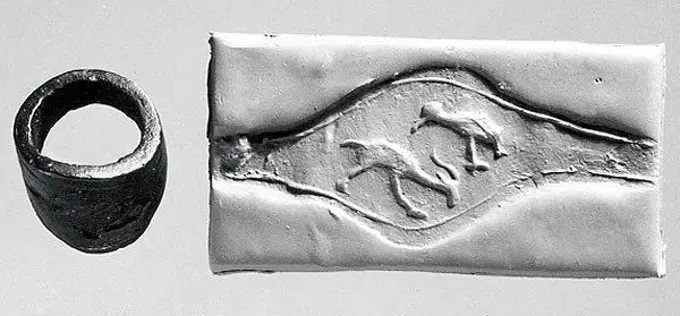
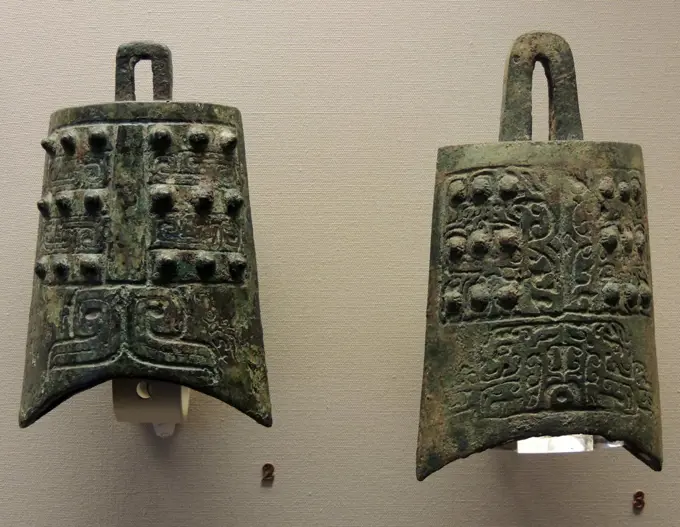
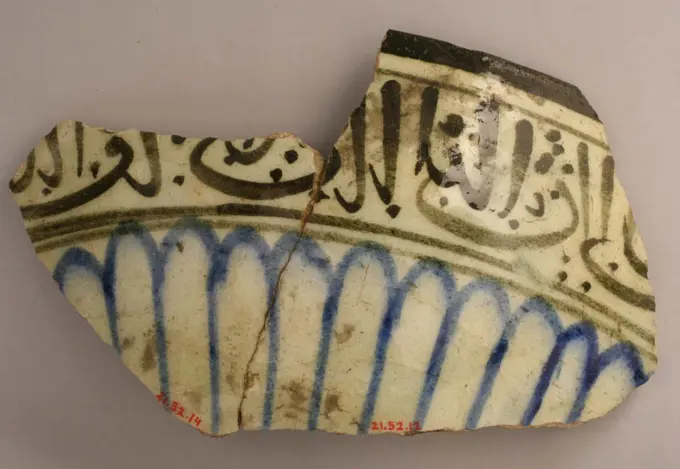
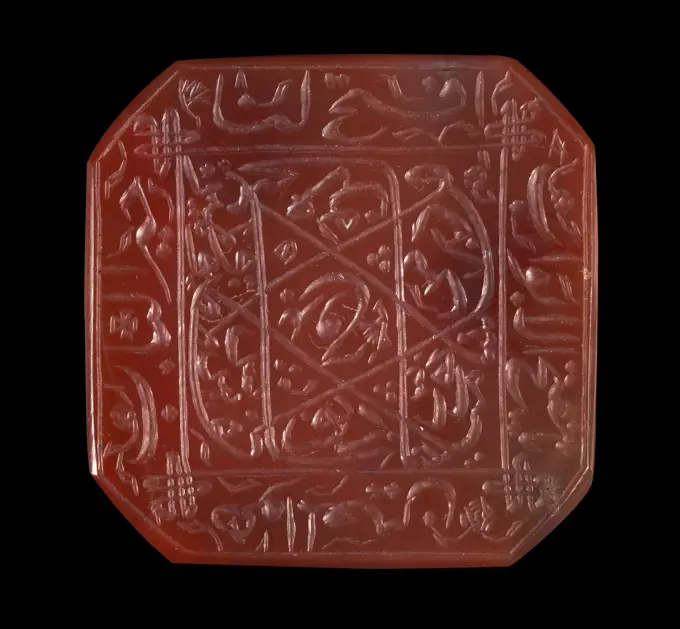
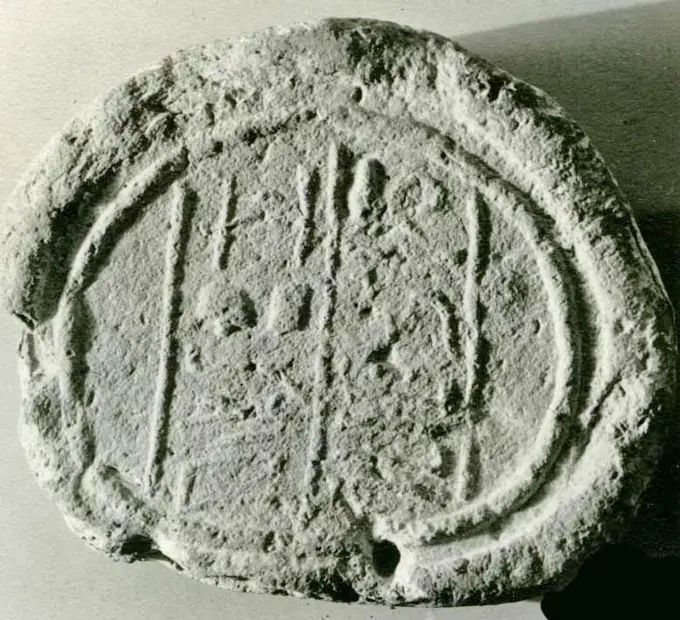
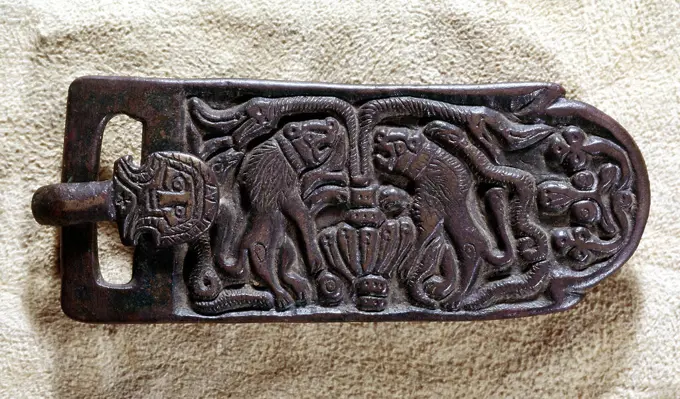
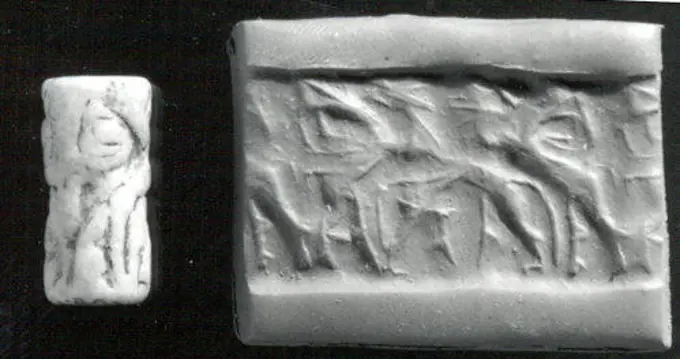
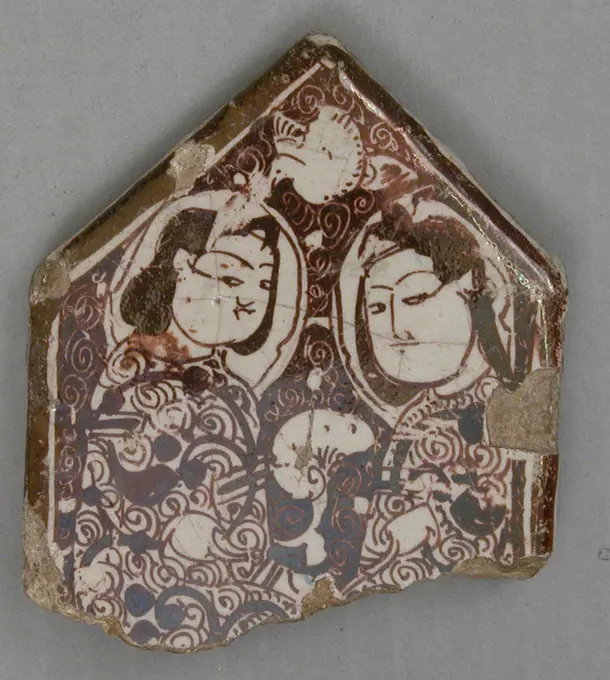
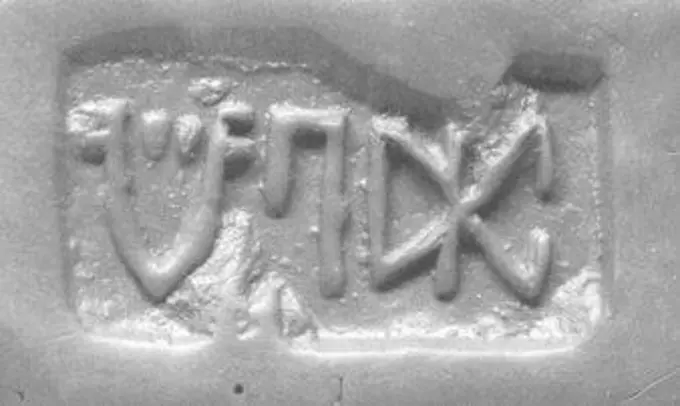
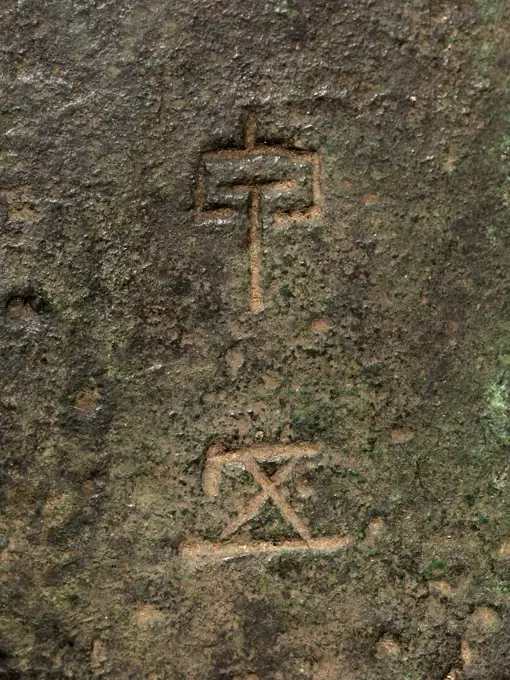
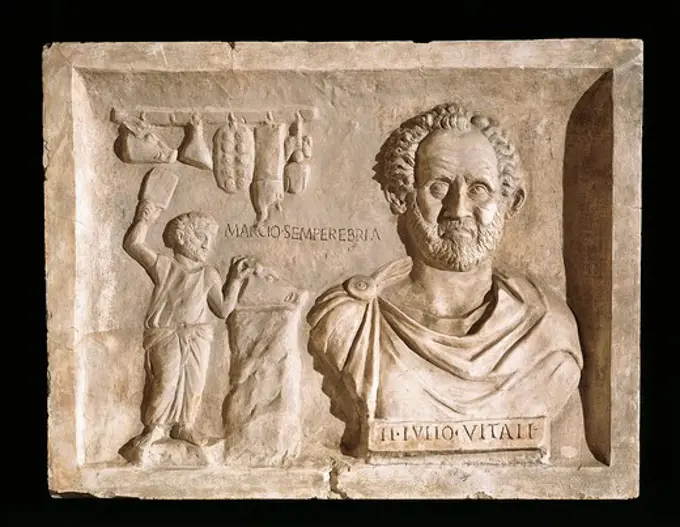
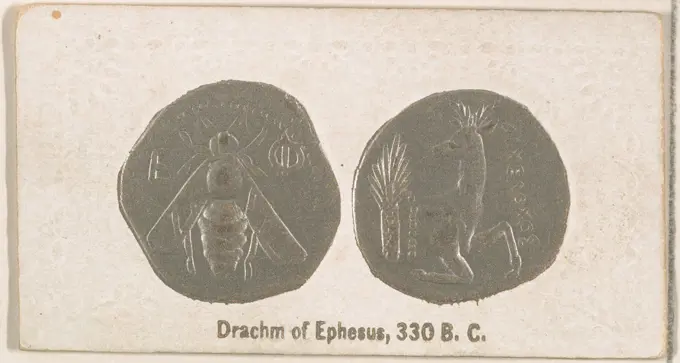
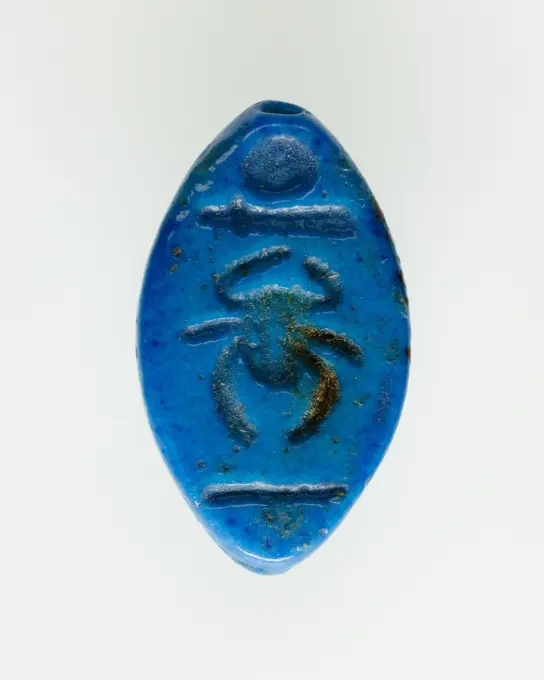
Cowroid Seal-Amulet Inscribed with the Throne Name of Thutmose II ca. 1492-1479 B.C. New Kingdom This cowrie-shaped amulet is inscribed on the base with the name, Aakheperenre. this is the throne name of Hatshepsut's husband, Thutmose II. It was found inside a khol jar which had been placed in the coffin of an unnamed woman that was in the tomb of Hatnefer (see 36.3.1). Five other cowroids were found in the kohl pot including two others with the same inscription. It is likely that the woman died during reign of this king and that the kohl jar and cowroids were part of her original burial equipment. Four of the other amulets are in the Museum's collection (26.3.21, .23, .24), the fifth is in the Egyptian Museum, Cairo. A number of other objects had also been placed in the coffin including two mirrors (36.3.12, .13), three faience bowls (36.3.8-.10) , a circular wood box (36.3.11a, b).. Cowroid Seal-Amulet Inscribed with the Throne Name of Thutmose II. ca. 1492-1479 B.C.. Faience. New KiEngraved knife, Caritas and Prudentia and on the side Maiken van Leemput, handle knife cutlery soil find silver tin metal, cast engraved sawnwork Machined metal knife handle fully engraved Debossed end with open cylindrical cutouts ending in small knob. Presumably silver. On the wide sides two images for persons in niche the largest images Prudentia and Caritas from the smallest are difficult to recognize. Possibly man and woman. On the narrow side the name of the owner and on the other side her initials in an anagram on the flat sides: CHARITA and PRUDENT archeology cutting wedding marry wedding giftDouble offering table ca. 1981-1802 B.C. Middle Kingdom. Double offering table 544350Monju Triad, 1868-1912. Japan, possibly Meiji period (1868-1912). Earthenware; diameter: 38.8 cm (15 1/4 in.).Heart scarab of Singer of Amun Iakaiu ca. 1550-1186 B.C. New Kingdom. Heart scarab of Singer of Amun Iakaiu. ca. 1550-1186 B.C.. Glass. New Kingdom. From Egypt. Dynasty 18-19Border (France); block-printed on paper; 30 x 9 cm (11 13/16 x 3 9/16 in.)Scarab. Dimensions: l. 1.7 cm (11/16 in). Dynasty: Dynasty 18. Date: ca. 1550-1295 B.C.. Museum: Metropolitan Museum of Art, New York, USA.Fragment of cornice of stucco decoration on the front Raised intertwined. Length 17 cm Width 20 cm Height 9 3 cm. - Hispanic-Muslim period belonging of the " Burgo de Santiuste Museum" in Alcalá de Henares. (Madrid). SPAIN.Babylon, Goats with emblems of Marduk (pointed spade) and Nabu (stylus). Inscribed Seal of Kings Messengers. 7-6th cent. BC.Lime Pot with aLidScarab Title (Overseer of the Granary) and Name (Djehuty) 1580 BCE-1525 BCE Egypt. Glazed steatite . Ancient EgyptianHead with Melon Coiffure and Kekryphalos. UnknownMold for a Djed Amulet ca. 1390-1353 B.C. New Kingdom. Mold for a Djed Amulet. ca. 1390-1353 B.C.. Pottery. New Kingdom. From Egypt, Upper Egypt, Thebes, Malqata, E. side of S. Village or Khor west of camp, MMA excavations, probably 1911-12. Dynasty 18Arm with garment, Aten cartouches ca. 1353-1336 B.C. New Kingdom, Amarna Period. Arm with garment, Aten cartouches 549784Amulet 30 B.C.-A.D. 364 Roman Period. Amulet. 30 B.C.-A.D. 364. Faience. Roman Period. From Egypt, Memphite Region, Lisht North, Old Kingdom Cemetery, MMA excavationsStamp seal ca. 3rd-7th century A.D. Sasanian. Stamp seal. Sasanian. ca. 3rd-7th century A.D.. Agate, banded. Sasanian. Iran or MesopotamiaDecorative bronze sheaths. 12th-10th century BC.Fragment of a Bowl 12th-13th century. Fragment of a Bowl 447193JarHead with Melon Coiffure and Wreath. UnknownSeal ring: bird above a horned animal ca. 10th-8th century B.C. Iran This is a bronze ring with an intaglio image carved on it. The image shows a seated bird above a horned creature with its head lowered, perhaps grazing. Possibly the image is meant to represent a bird of prey attacking a goat. The image was probably added after the ring was cast.This ring was excavated at Surkh Dum, a settlement site in Luristan in the Zagros Mountains of western Iran. It was found in a structure interpreted as a sanctuary and was thus probably an offering to a god. In all likelihood the ring was used a seal before being deposited in the sanctuary.. Seal ring: bird above a horned animal 323974Bronze bell, Late Western Zhou period, 8th century BC. Small bells of this shape were descended from early harness bells. Sets of bells of this shape hanging from loops, we re employed with the large bells, hung from loops on their tubular handles.Golden box. Bronze. China. Paris, Cernuschi museum. 76403-3 Chinese art, Dore box, bronze, archating bronze, detail, writing, inscription, decorative motifFragment 14th century. Fragment 447379Mold with Cartouche of King Snefru. Egypt, Late Period, perhaps 25th or 26th Dynasties (735 - 525 BCE). Tools and Equipment; molds. TerracottaStamp seal Sasanian ca. 3rd-7th century CE View more. Stamp seal. Sasanian. ca. 3rd-7th century CE. Chalcedony, brown. Sasanian. Iran or MesopotamiaCoin A.H. 3/ A.D. 9. Coin 457108Mycenaean metal objects , Antiquities. Nicholas Catsimpoolas CollectionOctagonal amulet with inscription in Arabic. unknown, craftsmanCylinder Seal. Mesopotamia, Agade period, about 2334-2154 B.C.. Tools and Equipment; seals. JasperRelief. Pair of lions and a monkey. Rhineland, Germany. 11th century. Limestone. Schnu_tgen Museum. Cologne, Germany.Mosaic floor in a room at Masada; at the Dead Sea; Israel. Masada is an ancient fortification in the Southern District of Israel situated on top of an isolated rock plateau on the edge of the Judean Desert; overlooking the Dead Sea. Herod had built Palaces for himself on the mountain and fortified Masada between 37 and 31 BCE.. Openwork box in the shape of a book. A chain is attached to the end a ring at the top. At the bottom is a sliding plate with a button. The box is not noticed. See also BK-14913-XXVIII.Achaemenid Empire . Ca 550-330 AC. Iran. Persepolis (Taknt-e-Jamshid). Relief of nobles. National Museum of Iran. Tehran.Roman column, 2nd century, from the archeological site of Can Modolell. Museum: MUSEO DE MATARÓ.Ein Zeichen für den Status der Anführer. Ornamentale Muschelplatte aus nordamerikanischen Hügeln. Amerikanische Altertümer. Veröffentlichung der Meyers Enzyklopädie A sign of the status of leaders. Ornamental Shell Plate from North American Mounds. American antiquities. Publication of the Meyers encyclopedia, Vol. 7, Leipzig, Germany, 1910. LicenseRF Copyright: xZoonar.com/SergeyxKohlx 23196779Mill Stones. Dated: 1935/1942. Dimensions: overall: 24.3 x 35.4 cm (9 9/16 x 13 15/16 in.) Original IAD Object: 16" in diameter; 6" high. Medium: watercolor and graphite on paperboard. Museum: National Gallery of Art, Washington DC. Author: Hilda Olson.Vessel fragment ca. 1390-1353 B.C. New Kingdom. Vessel fragment. ca. 1390-1353 B.C.. Pottery, paint. New Kingdom. From Egypt, Upper Egypt, Thebes, Malqata, Palace of Amenhotep III. Dynasty 18Funerary Cone of the First King's Herald Amunedjeh ca. 1479-1400 B.C. New Kingdom This cone has the impression of a stamp seal inscribed for the first king's herald and overseer of the law court, Amunedjeh, who owned Theban tomb 84. For a drawing of this impression see http://www.funerarycones.com/, number 283.. Funerary Cone of the First King's Herald Amunedjeh Funerary Cone of the First King's Herald Amunedjeh ca. 1479-1400 B.C. New Kingdom This cone has the impression of a stamp seal inscribed for the first king's herald and overseer of the law court, Amunedjeh, who owned Theban tomb 84. For a drawing of this impression see http://www.funerarycones.com/, number 283.. Funerary Cone of the First King's Herald Amunedjeh. ca. 1479-1400 B.C.. Pottery. New Kingdom. From Egypt, Upper Egypt, Thebes. Dynasty 18Stamp seal ca. 3rd-7th century A.D. Sasanian. Stamp seal 322339Taweret amulet ca. 2110-2030 B.C. Old Kingdom-First Intermediate Period. Taweret amulet. ca. 2110-2030 B.C.. Ivory. Old Kingdom-First Intermediate Period. From Egypt. Dynasty 8-11Sweden, Blekinge, Blekinge, Karlskrona, Karlskrona, external marina (depicted, town).Sweden, Blekinge, Blekinge, Karlskrona, Karlskrona, External War Gogs (depicted, City)Wine cork with word wine in several languages. Isolated. Vintage filteredFoliate Capital. Culture: French. Dimensions: H: 9 1/8 in. (23.2 cm); Square, 9 3/4 in. (at top) 6 3/4 in. (at bottom). Date: early 12th century. Museum: Metropolitan Museum of Art, New York, USA.Cross. Culture: Byzantine. Dimensions: Overall: 3 7/16 x 2 1/16 x 3/8 in. (8.7 x 5.2 x 0.9 cm). Date: 11th century. Museum: Metropolitan Museum of Art, New York, USA.Ornamental Band 1st-2nd century India. Ornamental Band 38729Drawing of a Silver Penny from the reign of King Coelwulf of Mercia; Black and White Illustration from the "Old England" published by James Sangster in 1860.Bliżej Kultury unknownOak door, Anonymous, 1500 Door of oak (from a cupboard), From three widths. The space for the final plate and the inlet slot has been saved, the remaining outlined midfield is decorated with blind tracing and two donkey back arches on columns with alternately checkered and tormented shaft. The batter consists of flat tires that frame midfield. They are decorated with openwork vendors of Gothic "Drieblad". Drieblad and heraldic lily alternate in the upper edge. Seizure of old base layer. Northern France (possibly) wood (plant material). oak (wood). iron (metal). textile materials Door of oak (from a cupboard), From three widths. The space for the final plate and the inlet slot has been saved, the remaining outlined midfield is decorated with blind tracing and two donkey back arches on columns with alternately checkered and tormented shaft. The batter consists of flat tires that frame midfield. They are decorated with openwork vendors of Gothic "Drieblad". Drieblad and heraldic lily alteVisigothic art. Metal brooch. 6th century. Archaeological Museum of Madrid. Spain.Cylinder seal ca. 2500-2350 B.C. Sumerian. Cylinder seal 324947Cross-Shaped Tile Fragment first half 13th century. Cross-Shaped Tile Fragment 446186Intaglio. Eastern Mediterranean, Roman, 332 B.C.-A.D.395. Tools and Equipment; seals. StoneHorodło town seal. Horodło, signatoryCloister, baptismal font from Alsleben in the middle of the 12th century1/8 Penny of Ceylon, United Oostindische Compagnie, 1680 - 1710 coin Copper mint. Front: in a crown value designation 1/8 sts (t turned over). Reverse: in a crown value designation 1/8 sts (t reversed). Smooth edge. Jaffna copper (metal) striking (metalworking)Churchman's Cigarette card depicting the Esquiline Treasure: Silver Bridal CasketDougga, Beja, Tunisia. An inscribed stone disc at the Roman ruins.Tile- Dog of Nuremberg, before 1921. Moravian Pottery and Tile Works. Glazed ceramic; overall: 11.1 x 11.1 cm (4 3/8 x 4 3/8 in.).Bar-shaped rectangular plaque seal 3rd millennium B.C. Indus. Bar-shaped rectangular plaque seal. Indus. 3rd millennium B.C.. Steatite, light brown. Mature Harappan. Indus ValleyVase fragment Roman, Gaul Dancing satyr.. Vase fragment. Roman, Gaul. Terracotta. VasesMirror located in Pompeii, vintage engraved illustration. Private life of Ancient-Antique family-1881.Italica, bird house, ancient Roman city, 206 BC., Andalusia, Spain.Vase. Bronze. Chine. Par musée musée malée. 76403-23 BRONZE, Detail, INSCRIPTION, VASERoman civilization, sign for Tiberius Julius Vitale's, relief from Villa Albani, RomeDrachm of Ephesus, 330 B.C., from the Ancient Coins series (N180) issued by Wm. S. Kimball & Co. 1888 Issued by William S. Kimball & Company Trade cards from the "Ancient Coins" series (N180), issued in 1888 by W.S. Kimball & Co.. Drachm of Ephesus, 330 B.C., from the Ancient Coins series (N180) issued by Wm. S. Kimball & Co.. 1888. Commercial color lithograph. Issued by William S. Kimball & CompanyGermany, Hesse, Taunus, Saalburg, Roman fort, museum, boundary stones