Vintage Asian Vases and Bottles

A collection of decorative vases and bottles showcasing various styles and glazes from different Asian dynasties, featuring intricate patterns and historic craftsmanship.

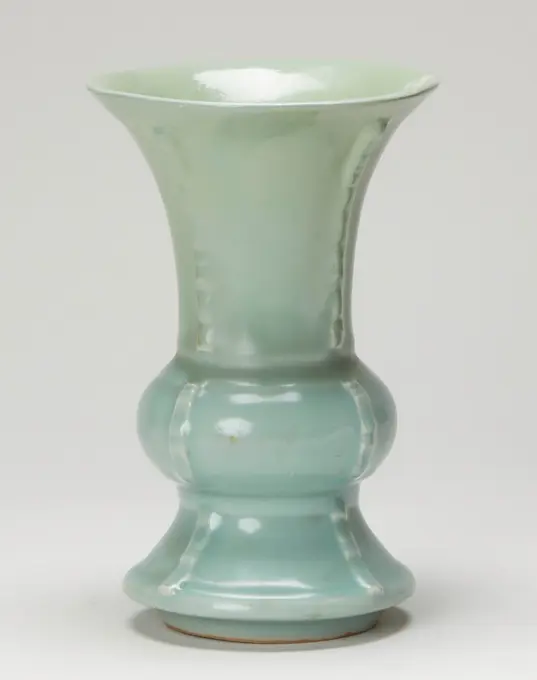
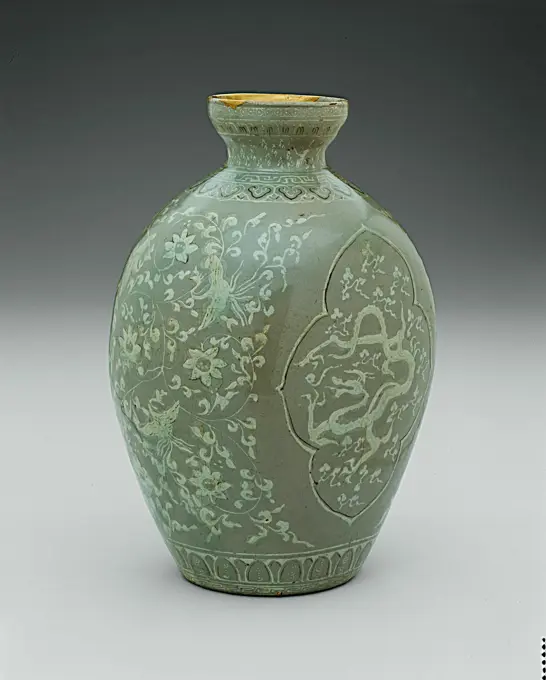
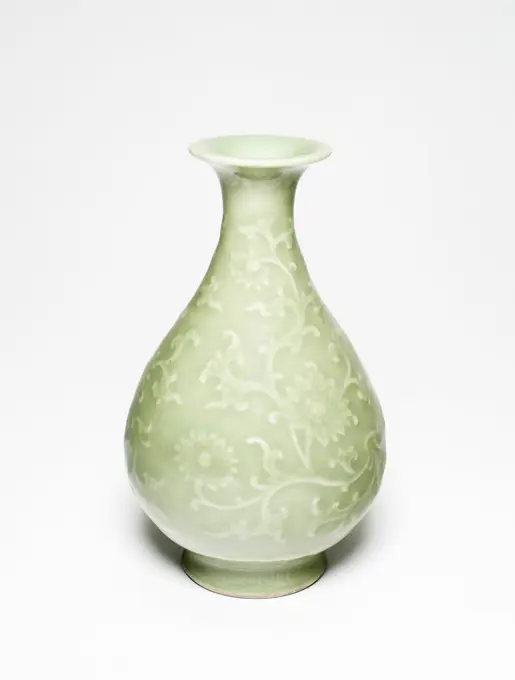
Vase (usual name). Sandstone, celadon, incised decor. Cernuschi Museum, Asia Museum of Asia in the city of Paris.
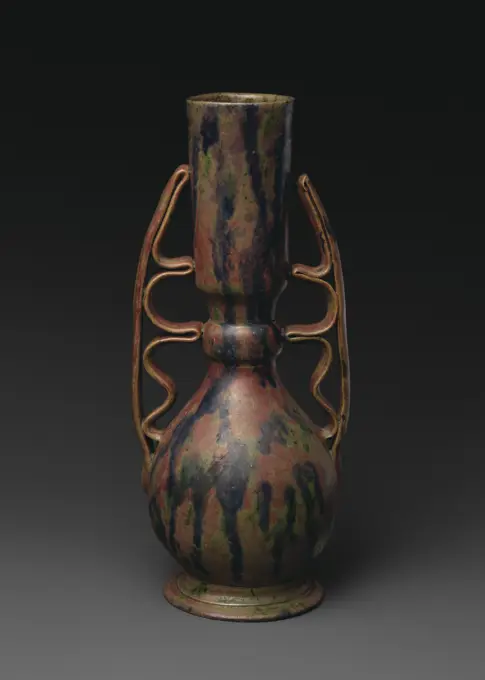
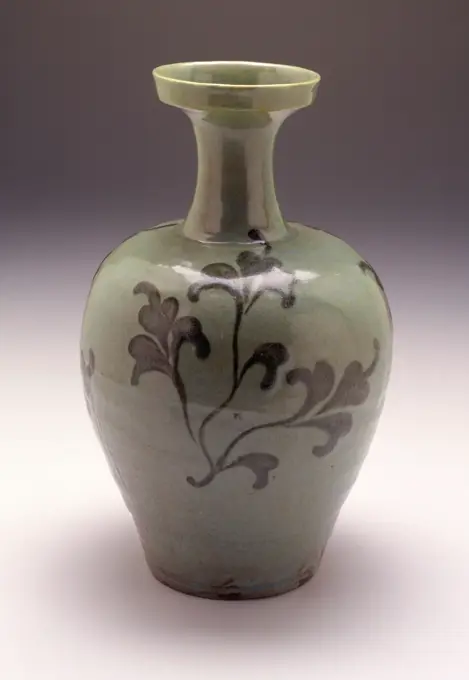
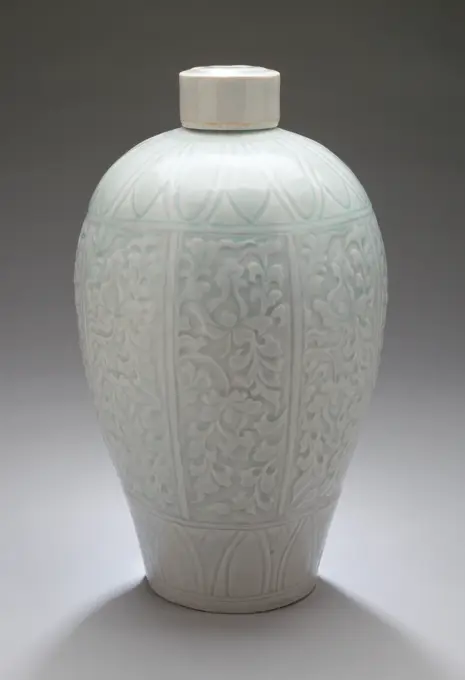
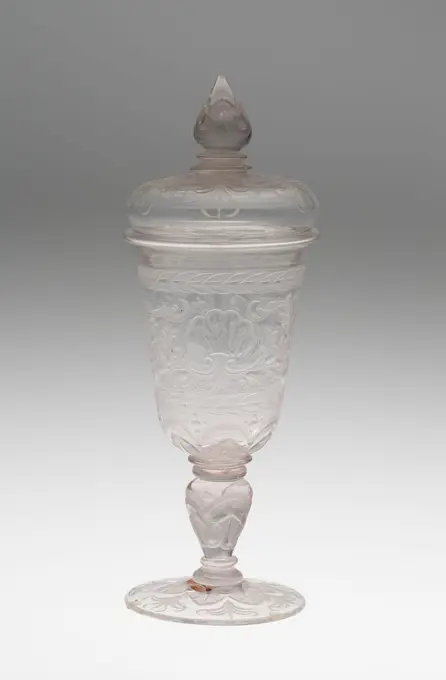
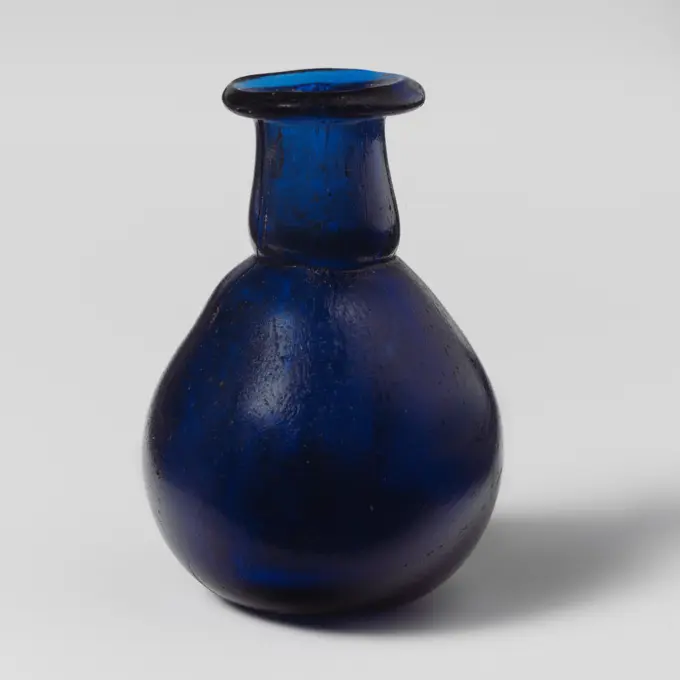
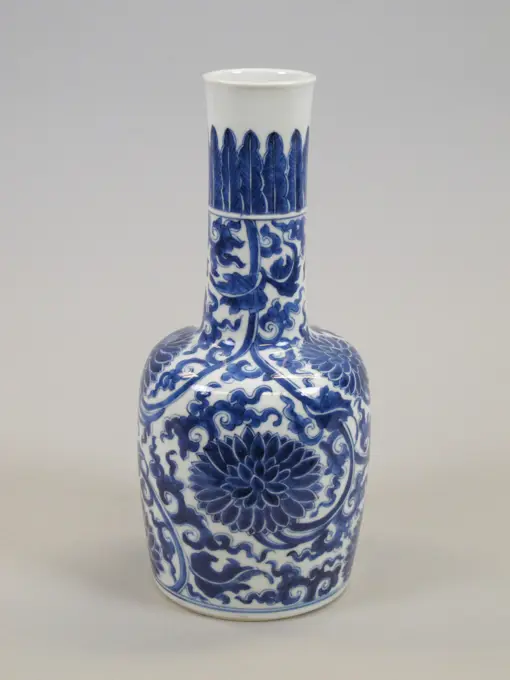
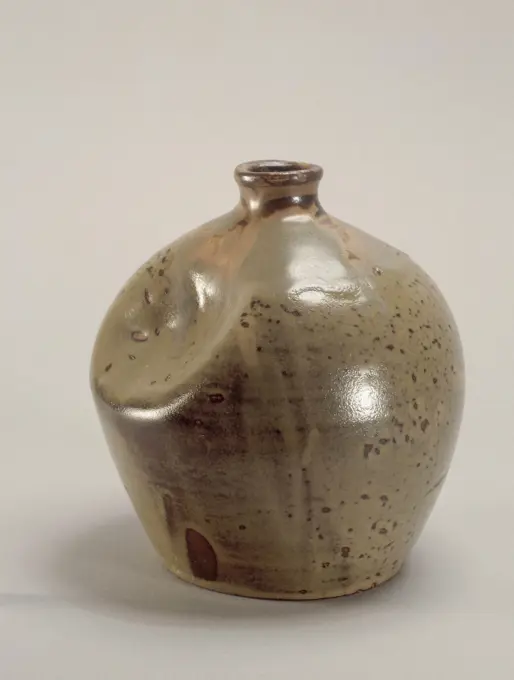
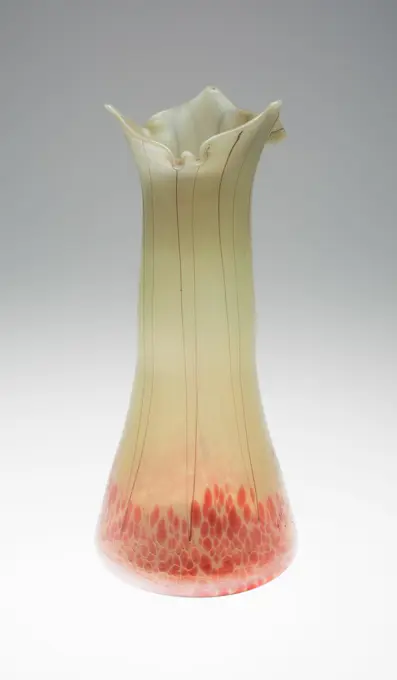
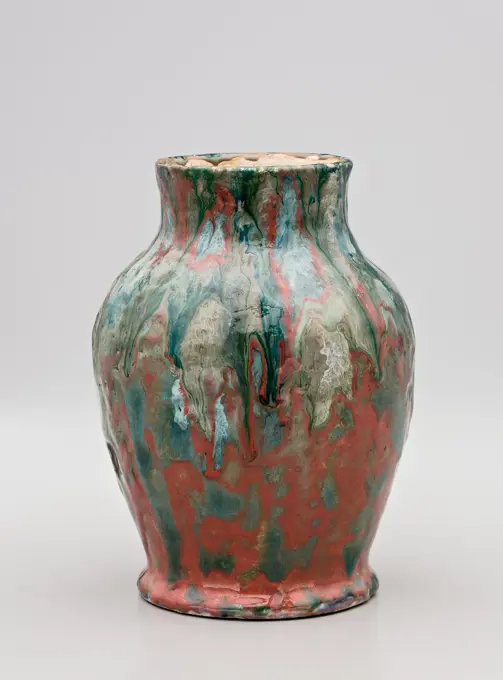
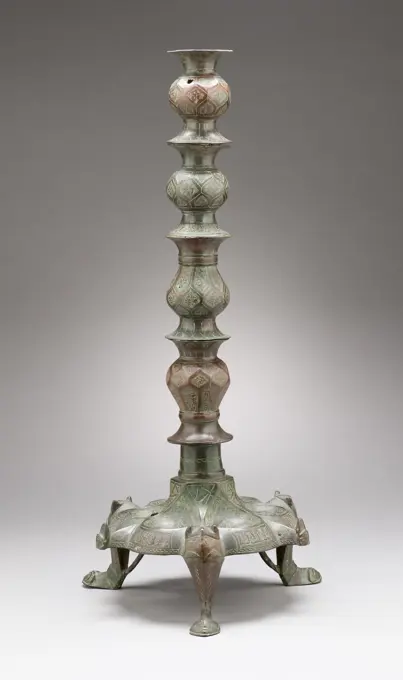
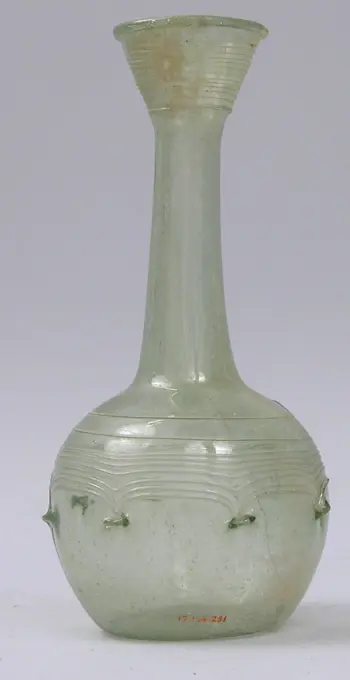
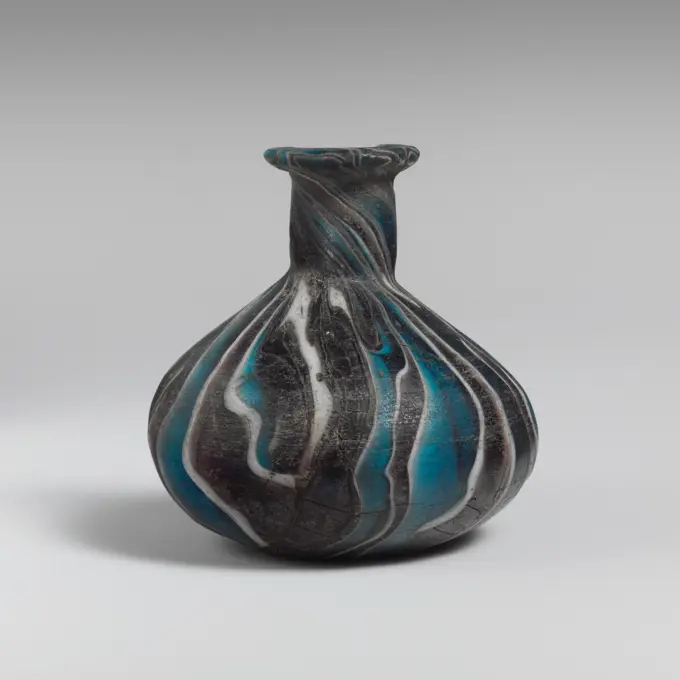
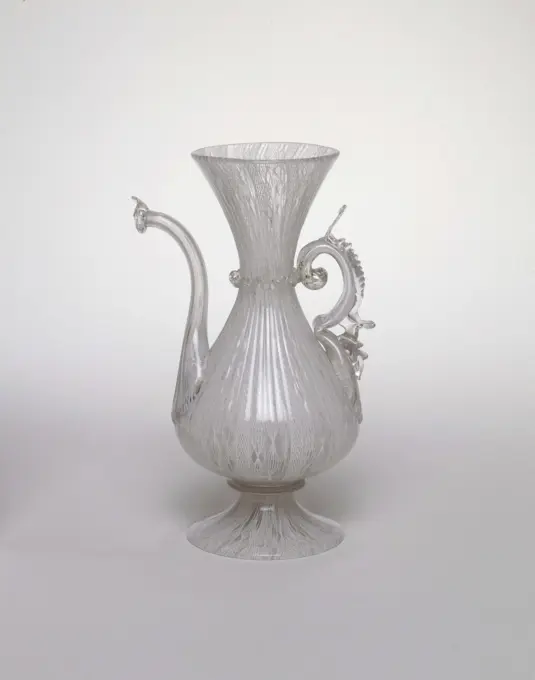
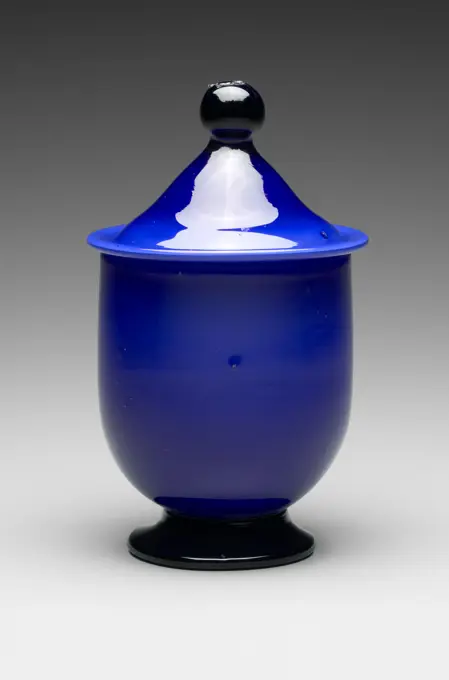
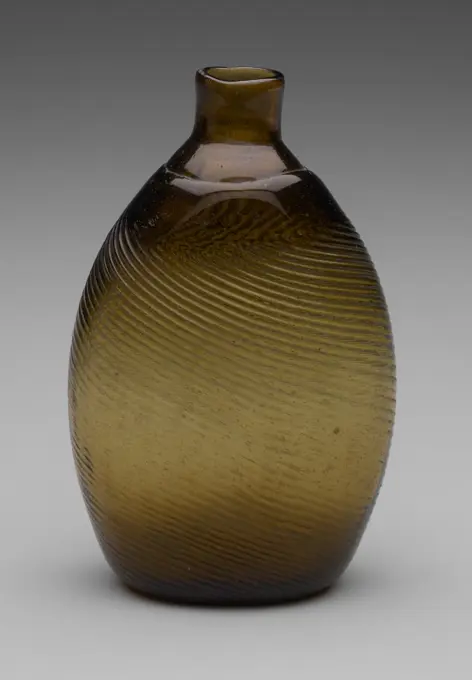
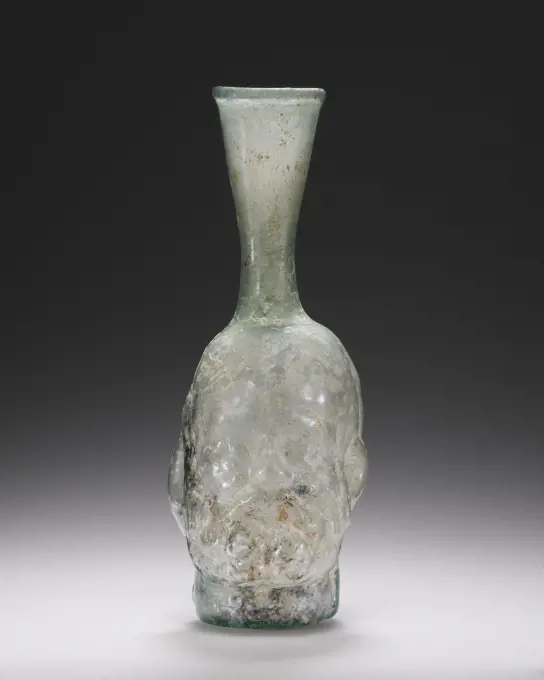
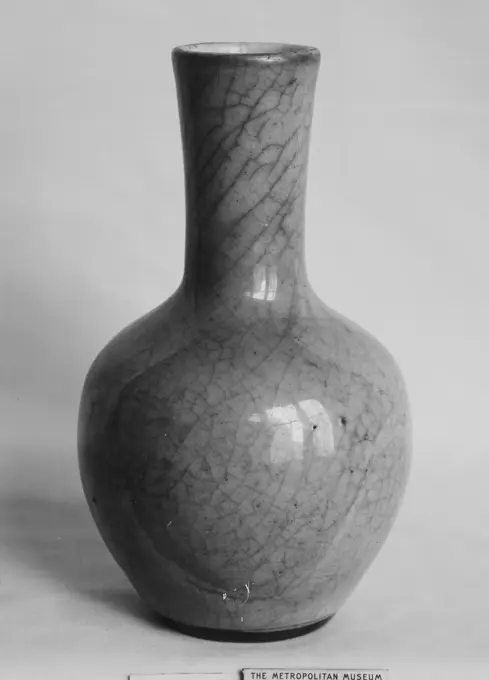
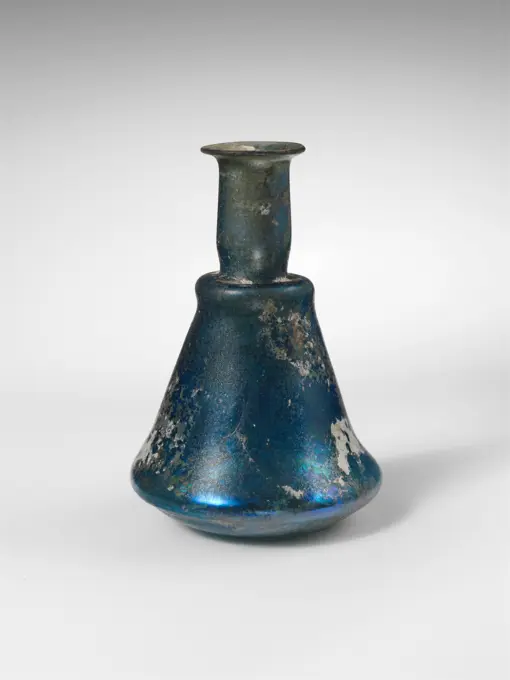
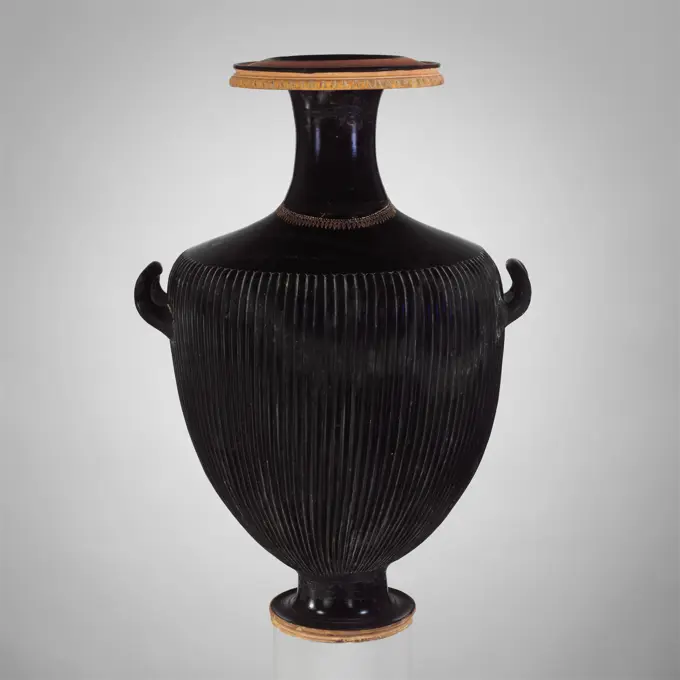
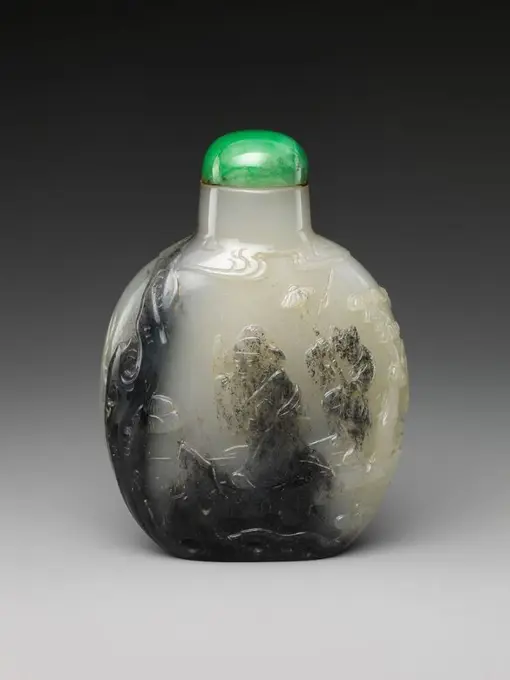
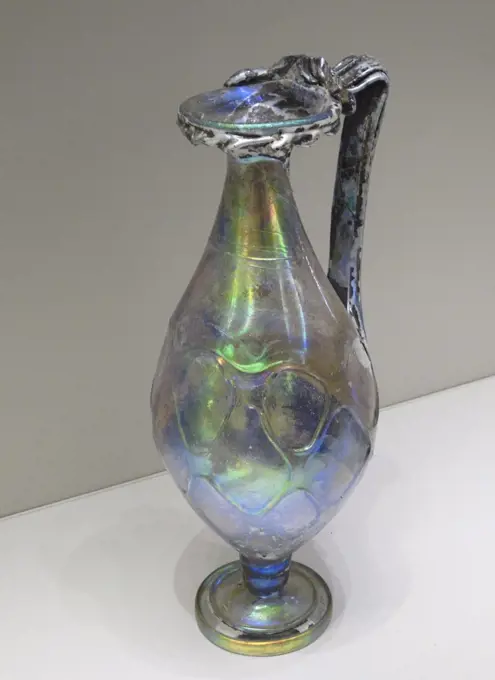
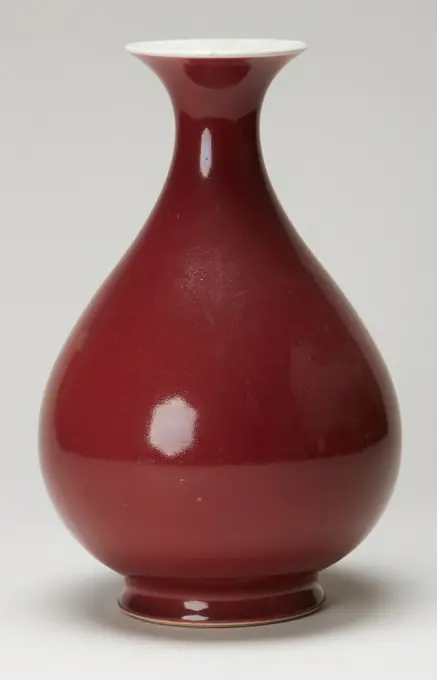
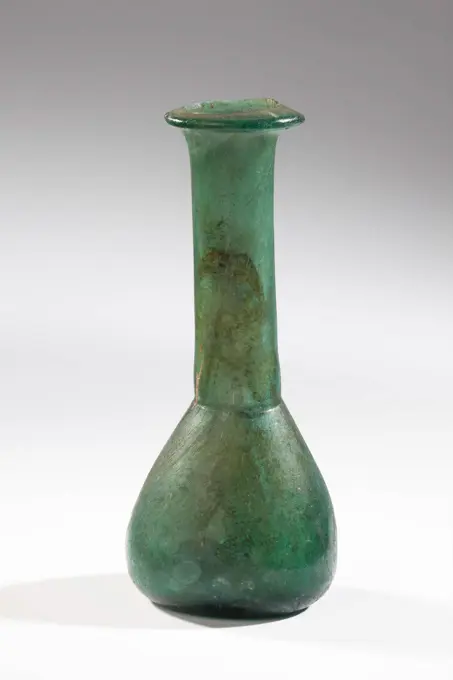
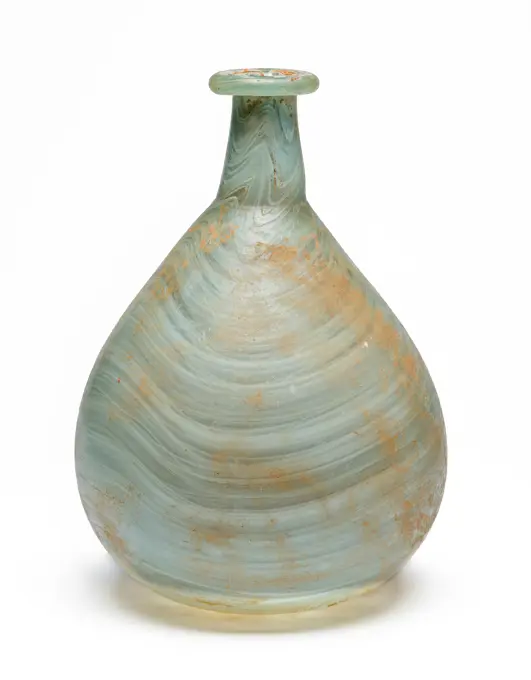
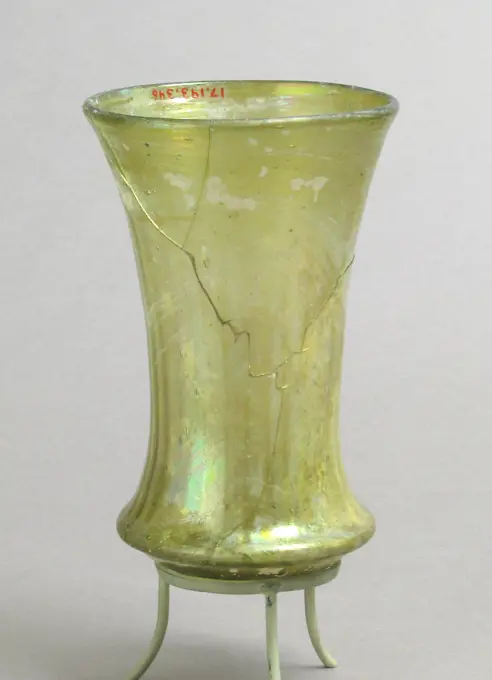
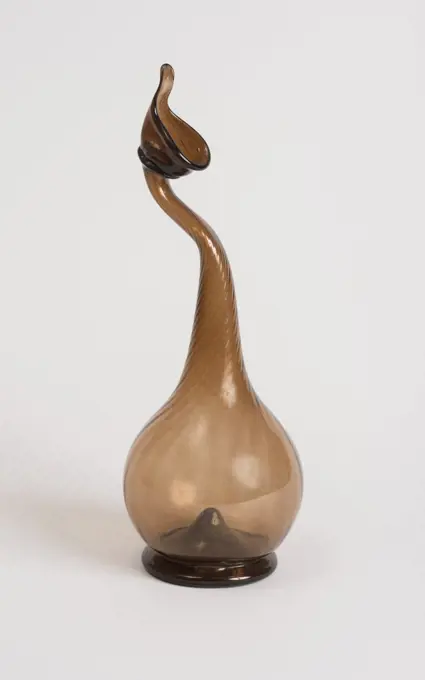
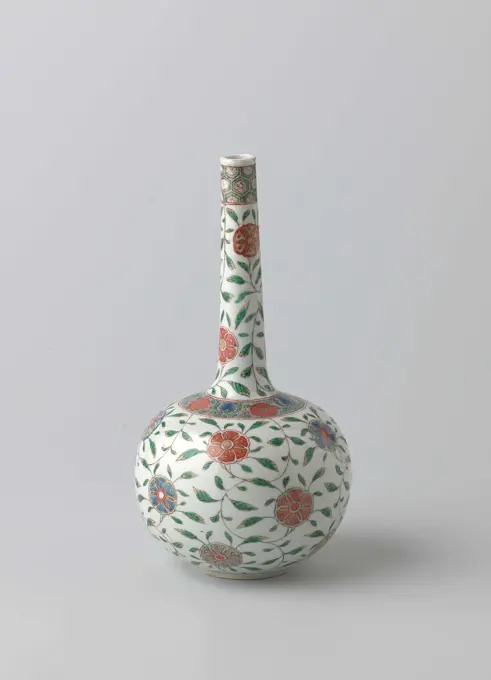
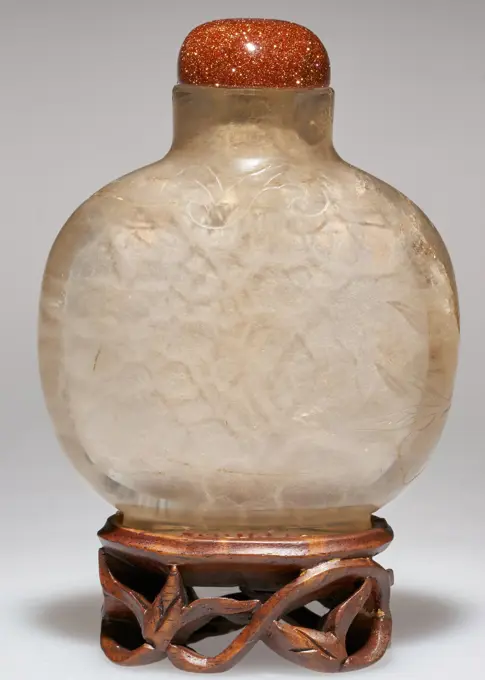
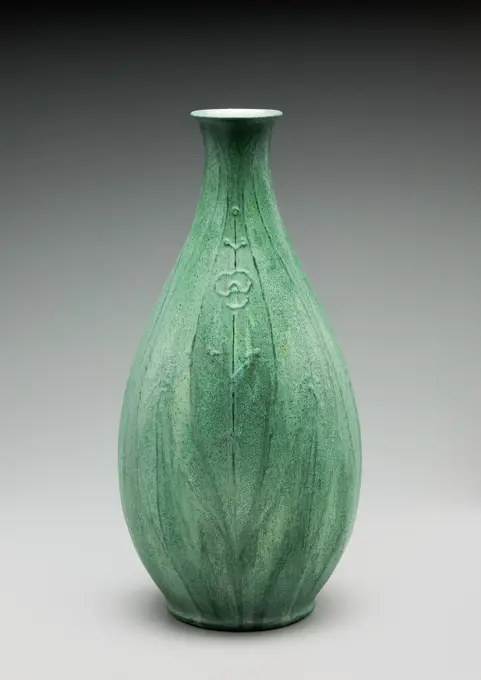
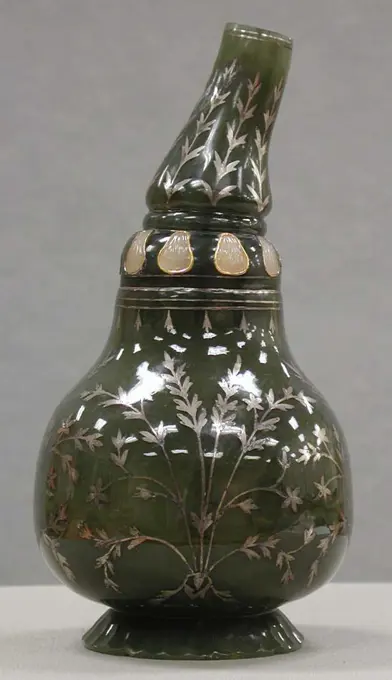
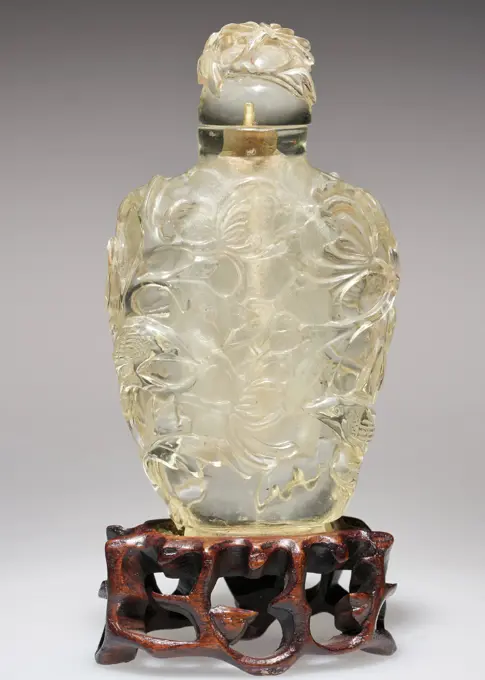
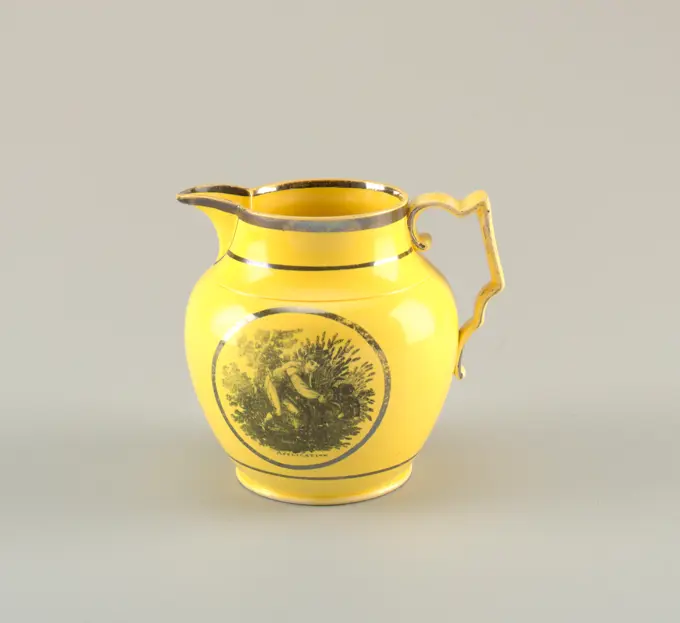
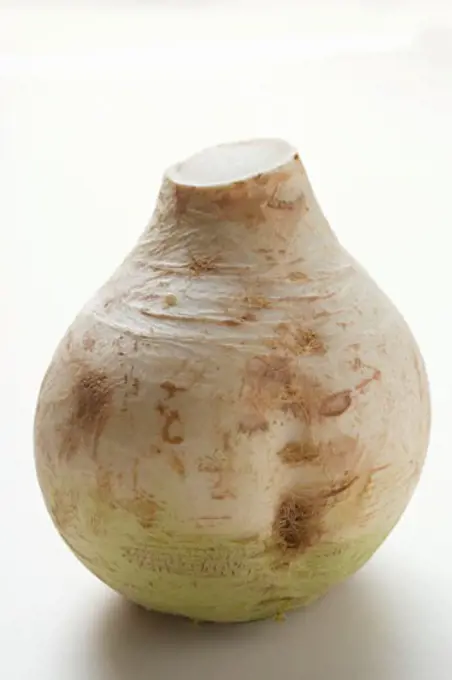
Vase (Ping). China, Jiangxi Province, Jingdezhen, Chinese, Qing dynasty, probably Yongzheng period, 1723-1735. Furnishings; Accessories. Wheel-thrown porcelain with blue glazeBottle probably 18th-19th century. Bottle 453566Vase (usual name). Sandstone, celadon, incised decor. Cernuschi Museum, Asia Museum of Asia in the city of Paris.Wide Mouth Bottle with Foliate Spray Design in Underglaze Iron. Korea, Korean, Goryeo dynasty (918-1392), 12th century. Furnishings; Serviceware. Wheel-thrown stoneware with underglaze brown painted decoration and green glaze (ch'ongja ch'olhoe ware)Lidded Prunus Vase (Meiping) with Lotus Sprays. China, Jiangxi Province, Jingdezhen, Southern Song dynasty, 1127-1279. Furnishings; Accessories. Qingbai ware, wheel-thrown porcelain with carved decoration and pale blue glazeMaker Unknown, Decanter and Stopper, c. 1820-40, colorless lead glass.Bottle 1815-45 American. Bottle. American. 1815-45. Blown, pattern-molded glass. Possibly made in Pennsylvania, United States; Probably made in Ohio, United StatesVase with dragon handles 18th century China. Vase with dragon handles 48534Vase;  XVIII/19th century (1790-00-00-1810-00-00);Minc, Bronisław (1913-2004), Minc, Bronisław and Elżbieta-collection, minc-kawenoki, Elżbieta (1910-2008), Qing (style), ceramics, Chinese (culture), gift (provenance), Chinese artGoblet with Cover 1700-1725 Schleswig. Glass .probably Boston and Sandwich Glass Works, Decanter, c. 1826-40, cobalt blue lead glass.Bottle with Lotus Scroll. Culture: China. Dimensions: H. 11 in. (27.9 cm). Date: late 13th-early 14th century. Museum: Metropolitan Museum of Art, New York, USA.Vase Vase; Designed by Joseph Bailey Sr. (American, d. 1898); Decorated by Charles John Dibowski (American, 1875 - 1923); Manufactured by Rookwood Pottery (United States); USA; earthenwareBottle, anonymous, c. 1675 - c. 1685 Flattened spherical bottle, standing on a smooth, set stand ring. Faintly inserted soul. A drip ring around the neck. In Italian letters, the body is called 'Vin Dentro Senno Fuori'. glassblower: Low CountriesLeiden glass glassblowing Flattened spherical bottle, standing on a smooth, set stand ring. Faintly inserted soul. A drip ring around the neck. In Italian letters, the body is called 'Vin Dentro Senno Fuori'. glassblower: Low CountriesLeiden glass glassblowingGlass perfume bottle 1st century A.D. Roman Translucent cobalt blue.Rim folded out and over, with beveled edges; short, funnel-shaped neck, with deep tooled indent around base; squat, piriform body; small, slightly concave bottom.Intact; pinprick bubbles and blowing striations; only faint weathering and pitting of exterior.Round dark blue blown glass vase with short wide neck.. Glass perfume bottle. Roman. 1st century A.D.. Glass; blown. Early Imperial. GlassBottle. Dimensions: H. 8 5/8 in.. Date: probably 18th-19th century. Museum: Metropolitan Museum of Art, New York, USA.Vase with lotus scrolls late 17th-early 18th century China. Vase with lotus scrolls 48283Vase, 1900. Hermann August Seger (German, 1839-1893), Royal Porcelain Manufactory, Berlin (German). Porcelain; diameter: 8.6 cm (3 3/8 in.); overall: 14 cm (5 1/2 in.).Jean Carriès (1855-1894). "Cabossé pot". Enameled sandstone. Museum of Fine Arts of the City of Paris, Petit Palais. 24205-5 Cabosse, ceramic, gres emaille, potVase 1895-1905 Austria. Glass . Loetz (Manufacturer)Beaker. Culture: German. Dimensions: Overall: 3 9/16 x 3 1/4 in. (9 x 8.3 cm). Date: early 16th century.Ordinary drinking vessels were produced widely throughout German-speaking lands. Because the workshops that made them were located in forests, where raw materials were readily available, they are often called Waldgläser (forest glasses). This example is unusual in the refinement of its design. Museum: Metropolitan Museum of Art, New York, USA.Maker Unknown, Pitkin-type Flask, c. 1800-1825, aquamarine glass.Bottle. Dimensions: H. 9 in. (22.9 cm)Max. Diam 3 1/4 in. (8.3 cm). Date: 17th-18th century.This bottle is typical of the objects that were displayed in open niches in reception rooms of Ottoman-period upper-class Syrian homes. Museum: Metropolitan Museum of Art, New York, USA.Vase, 12th century, 8 1/2 x 5 1/2 x 5 1/2 in. (21.59 x 13.97 x 13.97 cm), Porcelain, glaze, China, 12th centuryFaience bottle with blue fond, anonymous, 1700 - 1735 Faaience bottle. Multicolored painted with Chinese figures and trees on a blue stock. Delft . Faaience bottle. Multicolored painted with Chinese figures and trees on a blue stock. Delft .Vase ca. 1896-1908 Dedham Pottery Steeped in ceramics from birth, Hugh C. Robertson pursued his craft with fierce devotion and a passion for experimentation. From a family of trained English ceramists, he honed his skills in New Jersey before settling in Massachusetts as one of the founders of Chelsea Keramic Art Works and later, Dedham Pottery. Robertsons lifelong explorations in glazes, particularly their color and texture, make him one of the key figures of American art pottery at the turn of the twentieth century.From Chelsea to Dedham, Robertson continued to pursue his passion for innovation, employing the grayish-white stoneware used for Dedhams dinnerware to throw simple forms covered with bold combinations of colored and textured glazes. Dedham Potterys vases are larger, thicker, and heavier than their Chelsea predecessors, and simple, solid forms predominate. On this example, Robertson applied several glazes of different colors. In 1898 a writer for the magazine Arts for AmLamp Stand. Iran or Afghanistan, probably Khurasan, late 12th-early 13th century. Metal. Bronze, engraved decorationBottle 6th-7th century The shape and decoration of this bottle are drawn from the Roman traditions of glass blowing. The festooned pattern was created with an applied trail reworked with a pointed tool or a pincer. This type of decoration was used from about the fourth to the eighth century in the Syrian area.. Bottle 447027Glass mosaic perfume bottle 1st half of 1st century A.D. Roman Translucent turquoise blue, translucent purple, and opaque white.Everted, horizontal rim with rounded outer lip; cylindrical neck, with slight horizontal indent around base; squat globular body; concave bottom.Marbled mosaic pattern formed from large, irregularly shaped sections of a cane in a turquoise blue ground with purple outlined in white.Intact, except for one large chip in rim; dulling, pitting, and faint iridescence.Rotary grinding marks on exterior.Small bottles and lidded pyxides (boxes) in mosaic and luxury gold-band glass were made during the Julio-Claudian period. But as glass-blowing became more widespread during the mid-1st century, they were quickly supplanted by free-blown versions, often in more transparent glass that allowed one to see the contents.. Glass mosaic perfume bottle. Roman. 1st half of 1st century A.D.. Glass; cast and blown. Early Imperial. GlassJar 1700-1735 Korea. Porcelain .Bottle. Culture: China. Dimensions: H. 9 1/4 in. (23.5 cm). Museum: Metropolitan Museum of Art, New York, USA.Burette forming a pair ", glass of Venice. Anonymous, 16th century. Object of art. Museum of Fine Arts of the City of Paris, Petit Palais. 24096-16 Anonymous, burette, train pair, art object, glass VeniceCovered SugarBowlPocketbottleHead Flask; Eastern Mediterranean; about 2nd century; Glass; 14.3 cm (5 5,8 in.)Club-shaped vase 1662-1722 Chinese. Club-shaped vase 460717Vase with the "twins" (twin) pattern, n.v. Plateelbakkerij Ram, c. 1922 Vase of earthenware, polychrome painted with the decor 'twins'. Marked with: Ram, Arnhem, Schildersmerk, Dec. Twins, 14 (in black); And engraved in: 14. Arnhem earthenware Vase of earthenware, polychrome painted with the decor 'twins'. Marked with: Ram, Arnhem, Schildersmerk, Dec. Twins, 14 (in black); And engraved in: 14. Arnhem earthenwarePocket flask 1800-1860 American. Pocket flask 6632Vase ca. 1897-1900 George E. Ohr George Ohr of Biloxi, Mississippi, was arguably the quintessential American art potter: he built his own kiln, dug his clay, threw his vessels with extreme proficiency on the potters wheel to wafer thinness, altered those shapes, and then covered them with his own novel glazes. In form and decoration they are essentially Abstract Expressionist objects—almost 50 years before that movement was founded. These two vases illustrate especially well how Ohrs lithe, flamboyant, ribbon handles transform a traditional vessel form. On one, the addition of the serpentine handles—with five points where the interior of the handle attaches to the body of the vase—give the vessel an entirely new profile. The second vase exhibits not only Ohrs unusual serpentine handles, but also his fascination with altered form, where he squeezed and pinched the upper portion to form a double-necked vessel. The handles almost give the impression of wings attached to the slender waiAmphoriskos. UnknownGrape Flask; Eastern Mediterranean; about 2nd century; Glass; 10.3 cm (4 1,16 in.)Pitkin Flask, 1800s. America, Ohio or Mid-Western, 19th century. Glass; average: 12.9 x 1.6 cm (5 1/16 x 5/8 in.); base: 3.9 x 5.8 cm (1 9/16 x 2 5/16 in.).Bottle vase 18th century China. Bottle vase. China. 18th century. Porcelain with crackled green glaze (Jingdezhen ware). Qing dynasty (1644-1911). CeramicsSprinkler Flask. UnknownVase. Culture: China. Dimensions: H. 6 in. (15.2 cm). Date: 18th century. Museum: Metropolitan Museum of Art, New York, USA.Glass perfume bottle 2nd-3rd century A.D. Roman Translucent blue green.Everted rim, folded over and in, pressed flat on upper surface and forming slight constriction to mouth; tall cylindrical neck with tooling indent around base; conical body, slightly over half of total height; thick, flattened bottom with off-center pontil scar.Neck broken and repaired, with one large hole, but rim and body complete; many bubbles; deep pitting on exterior, soil encrustation, black weathering, and brilliant iridescence on interior.. Glass perfume bottle 249329Decanter, 18th-19th century, 6 x 2 3/4 x 2 3/4in. (15.2 x 7 x 7cm), Glass, United States, 18th-19th centuryGlass jar 2nd-3rd century A.D. Roman Translucent blue green.Outsplayed, rounded rim; short, concave neck; squat, bulbous body; tubular base ring; kick in bottom with pontil scar.On body, six circular indents.Intact; some pinprick bubbles; dulling and iridescent weathering, with a few patches of soil encrustation.. Glass jar 245359Bottle. Culture: China. Dimensions: H. 5 1/2 in. (14 cm). Museum: Metropolitan Museum of Art, New York, USA.Jug -Glass perfume bottle 1st century A.D. Roman Translucent blue.Thin, everted rim; cylindrical neck, with tooled indent around base; narrow, horizontal shoulder, with rounded edge and vertical band below; carinated body, with side to long, upper body tapering downward and lower side curving in sharply; almost flat bottom, with slight, off-center indent.Intact; some bubbles; dulling, pitting, and iridescent whitish weathering, with soil encrustation on interior of neck.. Glass perfume bottle 245417Two small lidded jars, De Witte Ster (attributed to), c. 1760 - c. 1775 FaaMence lid jar, of a small size cupboard set. Blue painted with a Chinese landscape. Delft . FaaMence lid jar, of a small size cupboard set. Blue painted with a Chinese landscape. Delft .Terracotta hydria (water jar) 4th century B.C. Greek, South Italian, Apulian A pendant necklace circles the base of the neck.. Terracotta hydria (water jar) 253082 Greek, South Italian, Apulian, Terracotta hydria (water jar), 4th century B.C., Terracotta, H. 20 3/4 in. (52.7 cm). The Metropolitan Museum of Art, New York. Bequest of Theodore M. Davis, 1915 (30.115.32)Vase;  2. Exercise of the 17th century (1626-00-00-1650-00-00);Snuff bottle with Mi Fu bowing to a rock. Culture: China. Dimensions: H. 2 1/8 in. (5.4 cm). Date: 19th century.A famed poet, painter, and calligrapher, Mi Fu (1051-1107) was also noted for his eccentricities, which included the collecting of stones. He declared one stone to be his older brother, and sometimes bowed to this rock as a mark of respect. Representations of Mi Fu bowing to a rock are often found in Chinese painting, as well as in the decorative arts. Museum: Metropolitan Museum of Art, New York, USA.A fine jug, from the Eastern Mediterranean, 4th century.Vase 18th century China. Vase 56207Vase, 18th century, 13 x 7 9/16 x 7 9/16 in. (33.02 x 19.21 x 19.21 cm), Porcelain, China, 18th centuryVial. unknown, craftsmanFlask; Eastern Mediterranean; 1st century; Glass; 9 cm (3 9,16 in.)Bottle. East Mediterranean, 1st century. Furnishings; Accessories. Thread decorated glassVase - bottle;  VII-VIII century (601-00-00-800-00-00);Snuff Bottle China. Snuff Bottle 41365Beaker, Bell 6th-7th century Frankish. Beaker, Bell 465684 Frankish, Beaker, Bell, 6th7th century, Glass, Overall: 4 3/16 x 2 11/16 in. (10.7 x 6.8 cm). The Metropolitan Museum of Art, New York. Gift of J. Pierpont Morgan, 1917 (17.193.346)Covered Sugar Bowl c 1835-1855 Middle Atlantic. Hand-blown by a skilled glassworker who was familiar with the ornamental potential of fine, colorless glassware, this piece is unusual in its use of unrefined bright green glass, which was typically employed to make liquor bottles, pharmaceutical vials, and other utilitarian wares. The work is both elegantly proportioned and cleverly conceived; the swirled gadrooning on the body echoes that on the cover, and when the cover is inverted, it echoes the shape of the bowl.. Blown glass . Artist unknownEwer, clear amber glass, Clear, amber-colored globular body on low circular foot. Curved neck swirled and flattened, terminating in 'bird's head' mouth with narrow spout., (Rose water sprinkler), Iran, 19th century, glasswares, Decorative Arts, EwerBottle with Bats. Korea, Korean, Joseon (1392-1910), 19th century. Furnishings; Accessories. Wheel-thrown porcelain with blue painted decoration under clear glazeVase. 1896 acquired by the artistFlask. UnknownBottle with Pattern or Stylised Flower Scrolls. Bottle of porcelain with spherical body and a narrow, straight neck, painted in underglaze blue and on the glaze blue, red, green, yellow, eggplant, black and gold. The body and neck are covered with a pattern of stylized flower drinks; around the shoulder a bond with flower drinks against a black speckled eggplant soil; Around the edge a bond with geometric motif. Marked on the bottom with a G. Famille Verte.Suspension Vase, 1723-35. China, Jiangxi province, Jingdezhen kilns, Qing dynasty (1644-1911), Yongzheng mark and reign (1722-35). Porcelain; overall: 35.3 cm (13 7/8 in.).Decanter. American; Eastern United States. Date: 1815-1835. Dimensions: H. 26 cm (incl. stopper) (10 1/4 in.). Mold-blown glass. Origin: United States. Museum: The Chicago Art Institute, Chicago, USA.ViolinFlaskVase (rolwagen) with a company in a landscape, anonymous, c. 1635 - c. 1650 Porcelain cylindrical vase (roller wagon) with a spreading neck, painted in underly glaze blue. On the wall a dignitaries in a landscape with a servant behind him with a parasol. Next to him four servants. A man offers a vase with hella beds on a tray on the dignitaries. There are rocks, willows, pine trees and banana trees in the landscape. On the neck a tire with hanging, pointed leaf motifs. The underside is unglazed. Transitional porcelain in blue and white. China porcelain. glaze. cobalt (mineral) painting / vitrification Porcelain cylindrical vase (roller wagon) with a spreading neck, painted in underly glaze blue. On the wall a dignitaries in a landscape with a servant behind him with a parasol. Next to him four servants. A man offers a vase with hella beds on a tray on the dignitaries. There are rocks, willows, pine trees and banana trees in the landscape. On the neck a tire with hanging, pointed leaf mBeaker 1830-70 American. Beaker 370Bottle, anonymous, c. 1680 - c. 1690 Soul inserted. Spherical body transfer in a slender neck, why a drip ring has been laid. In Italian letters, it is calligraphy in Italian letters' Depele hinders' and at the bottom of the soil 'this crats in all's not right and side Think Heemskerks Oogh is aging with his hand '. glassblower: Low CountriesLeiden glass glassblowing Soul inserted. Spherical body transfer in a slender neck, why a drip ring has been laid. In Italian letters, it is calligraphy in Italian letters' Depele hinders' and at the bottom of the soil 'this crats in all's not right and side Think Heemskerks Oogh is aging with his hand '. glassblower: Low CountriesLeiden glass glassblowingPitcherMaker Unknown, Decanter, c. 1820-40, colorless lead glass.Glass alabastron (perfume bottle). Culture: Eastern Mediterranean or South Italian. Dimensions: H.: 6 in. (15.2 cm). Date: late 4th-early 3rd century B.C..Translucent cobalt blue, with handles in same color; trails in opaque yellow, opaque white, and opaque turquoise blue.Broad horizontal rim-disk, with radiating tooling marks on upper and lower surfaces; cylindrical neck, tapering upward; shallow, uneven shoulder; straight-sided cylindrical body, with slight upward taper and slightly uneven surface; convex, slightly pointed bottom; below shoulder, two irregular trailed knob handles, applied over trail pattern.A fine yellow trail attached at edge of rim-disk; on body, alternating bands of yellow, white, and turquoise blue, tooled from shoulder to undercurve at bottom into a close-set feather pattern in seven vertical patterns with alternating upward and downward strokes.Intact, except for small internal cracks on bottom; some of trails completely weathered, leaving only impressionsVase with Dragon and Phoenix 1251-1349 Korea. Stoneware with celadon glaze and underglaze inlaid decoration .Snuff bottle 19th century China. Snuff bottle 41414Snuff Bottle, 17th-19th century, 2 5/8 x 2 1/8in. (6.7 x 5.4cm), Crystal, China, 17th-19th centuryVase ca. 1900-10 Charles Volkmar. Vase. Charles Volkmar (American, Baltimore, Maryland 1841-1914 Metuchen, New Jersey). American. ca. 1900-10. Earthenware. Possibly made in Bronx, New York, United States; Possibly made in Metuchen, New Jersey, United StatesLekythosGlass jug. Culture: Roman. Dimensions: H.: 5 13/16 in. (14.8 cm). Date: 1st century A.D..Translucent cobalt blue; handle in same color.Rim folded out, down, round, and in, with flattened upper edge; cylindrical neck; conical body with gently curving side; broad, flat, pushed-in bottom; two-ribbed strap handle with two claws extending downwards applied to top of body, drawn up and slightly outwards, turned in and down, and pressed onto neck with upward trail extending back along handle.Intact; some bubbles, elongated in neck, and a few glassy inclusions; faint weathering. Museum: Metropolitan Museum of Art, New York, USA.Beehive-Shaped Water Coupe. China. Date: 1662-1722. Dimensions: H. 8.6 cm (3 3/8 in.); diam. 12.5 cm (4 15/16 in.). Porcelain with copper red peachbloom glaze. Origin: China. Museum: The Chicago Art Institute, Chicago, USA.Vase. Designed by William De Morgan; English, 1839-1917; Merton Abbey, Wandsworth, London. Date: 1880-1890. Dimensions: H. 53.3 cm (21 in.); diam. 28.5 cm (11 1/4 in.). Tin-glazed earthenware, polychrome decorated. Origin: Merton Abbey (house). Museum: The Chicago Art Institute, Chicago, USA.Vase with Lotus Plants, 1662-1722. China, Qing dynasty (1644-1911), Kangxi reign (1661-1722). Porcelain; diameter: 24.2 cm (9 1/2 in.).Vase China. Vase. China. Porcelain. Qing dynasty (1644-1911), Kangxi period (1662-1722). CeramicsBottle in the shape of a gourd 18th-19th century India. Bottle in the shape of a gourd 56236Snuff Bottle, 1880-1925, 3 3/8 x 7/8in. (8.6 x 2.2cm), Beryl, China, Qing dynastyPitcher (England); silver resist painted and black transfer-printed canary yellow-ground molded stonewareScent Bottle 1800-1899 Italy. Marbled glass with metal mounts .Pear-Shaped Vase with Floral Scrolls 1700-1899 China. Celadon-glazed porcelain with underglaze molded decoration .Meiping vase late 17th-early 18th century China. Meiping vase. China. late 17th-early 18th century. Porcelain with copper red glaze (Jingdezhen ware). Qing dynasty (1644-1911), Kangxi period (1662-1722). CeramicsGlass Fragments 4th century Coptic. Glass Fragments 477775Cream Pitcher. Paul Revere Sr. (active United States, 1702-1754)Paul Revere Jr. (United States, 1735-1818). United States, Massachusetts, Boston, circa 1750-1760. Furnishings; Serviceware. SilverLouis Kossuthbottle. Modeler: Philip Doflein, American, 1816-1899Manufacturer probably: Kensington Vial and Bottle Works of Sheets and DuffyRetailer: Samuel Huffsey, American, 1801-1860  Subject: Louis Kossuth, Hungarian, 1802-1894Vase first half of the 19th century China. Vase. China. first half of the 19th century. Porcelain with moulded basket design under crackled glaze. Qing dynasty (1644-1911). CeramicsWhite turnip