Vintage Decorative Hardware

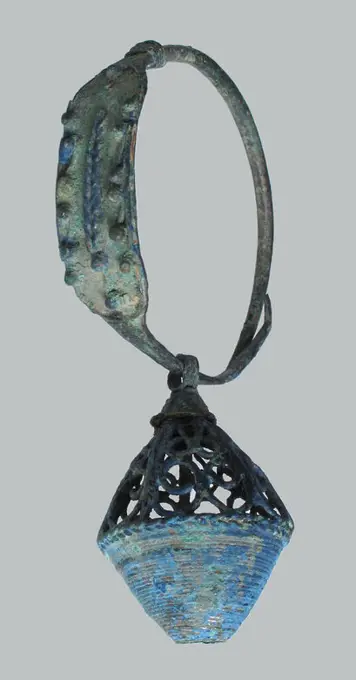
Antique hardware pieces including earrings, skewers, and a curb bit, reflecting craftsmanship from different historical periods.

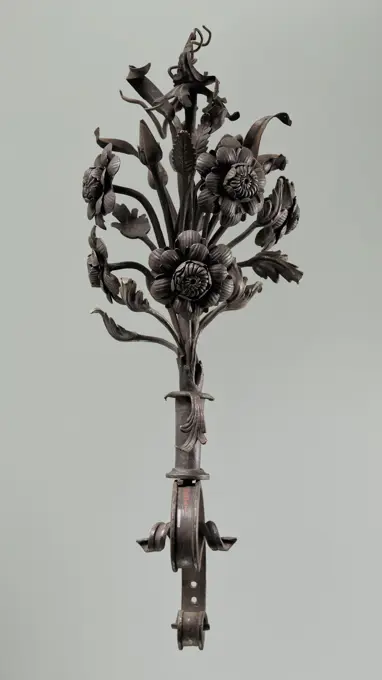
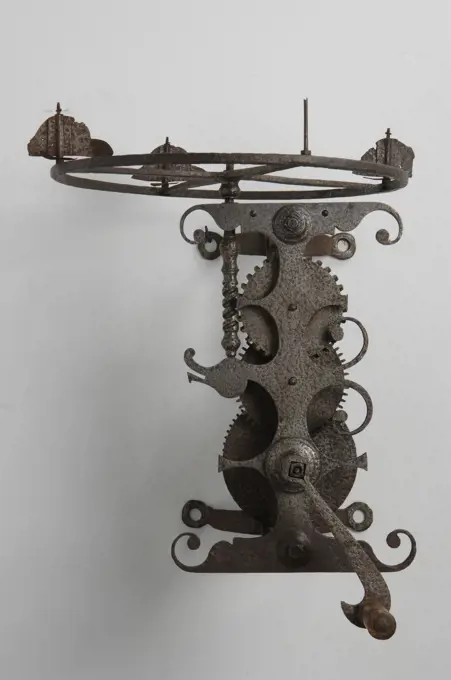
Windwijzer with Vaan (marked and dated 1767), 1767   iron (metal)   iron (metal)
Windwijzer with Vaan (marked and dated 1767), 1767 iron (metal) iron (metal)
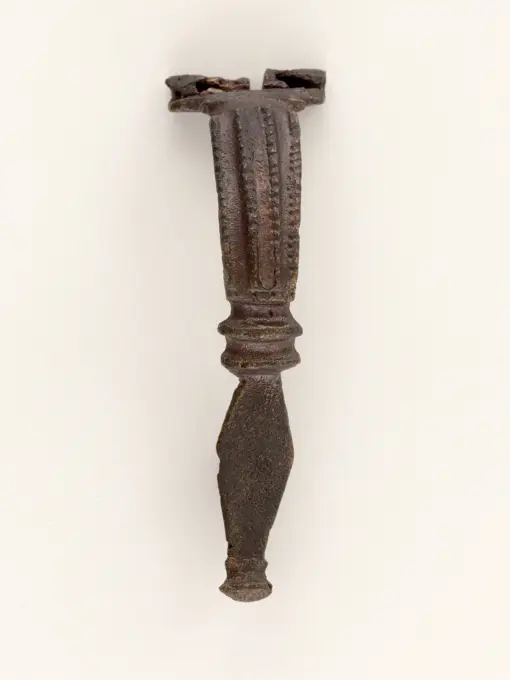
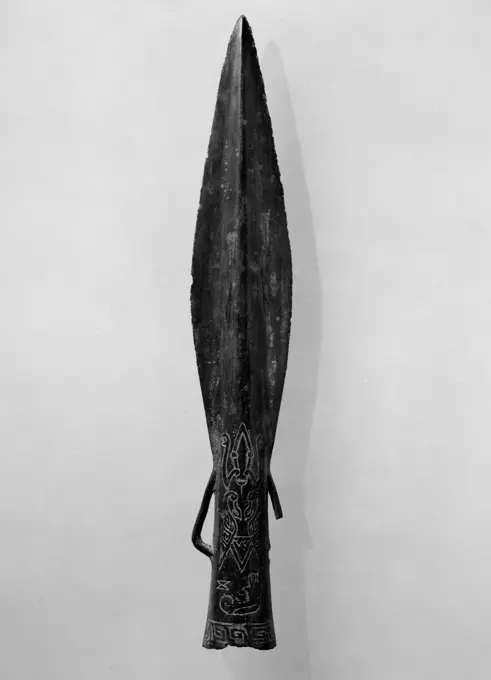
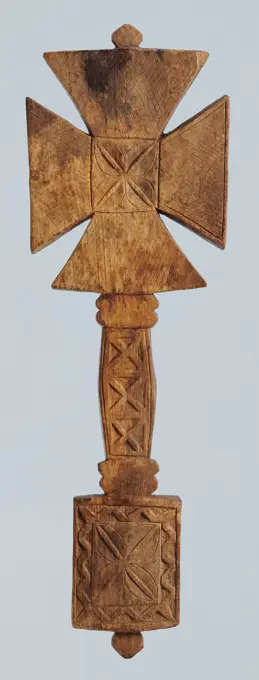
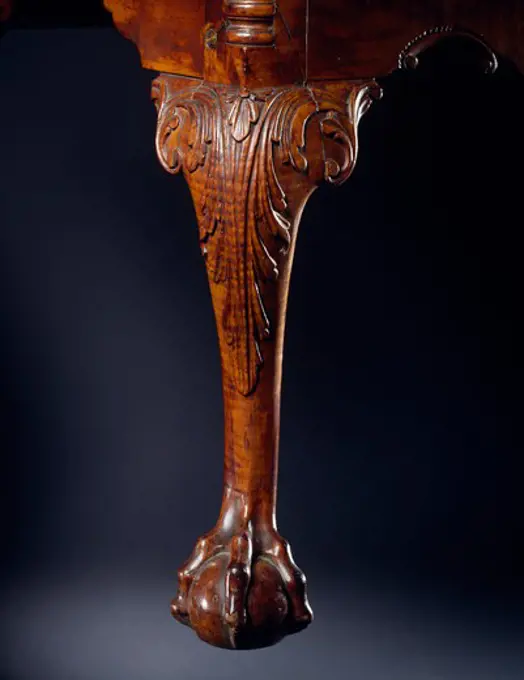
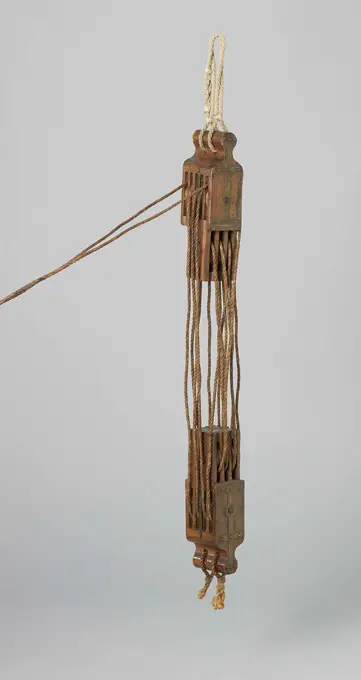
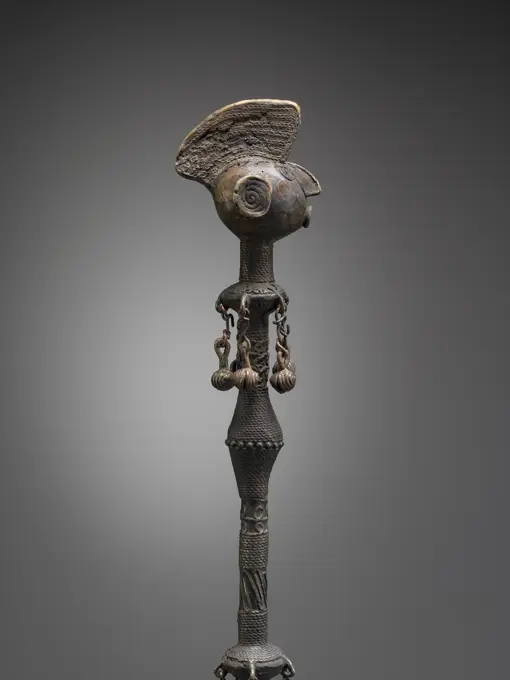
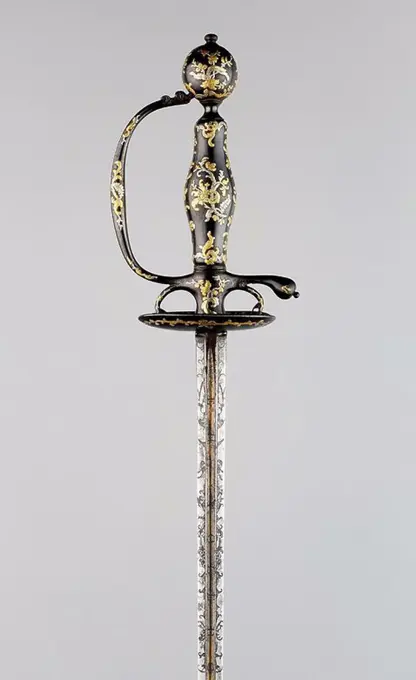
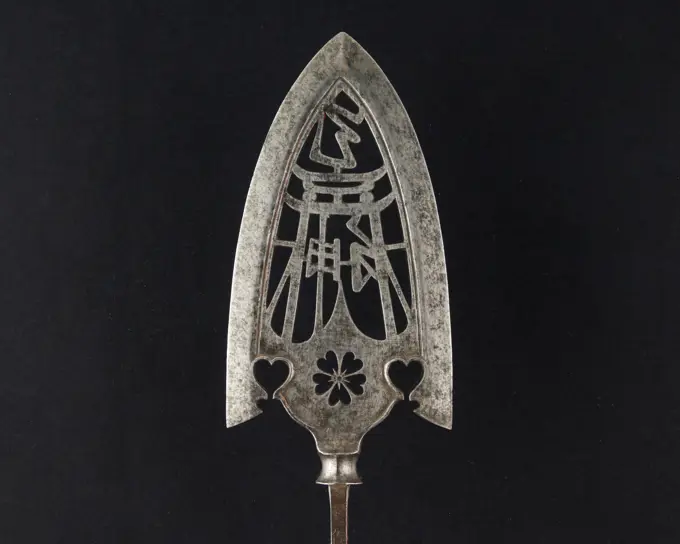
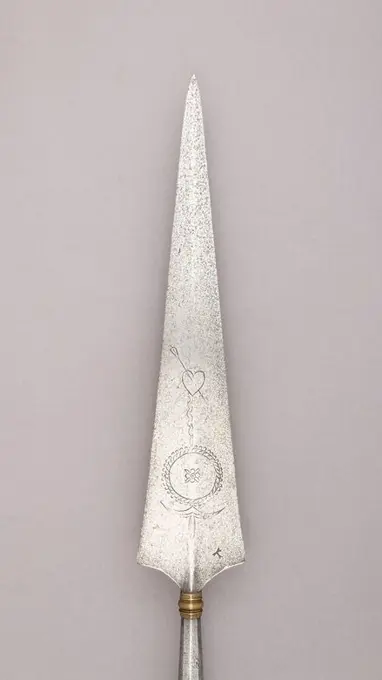
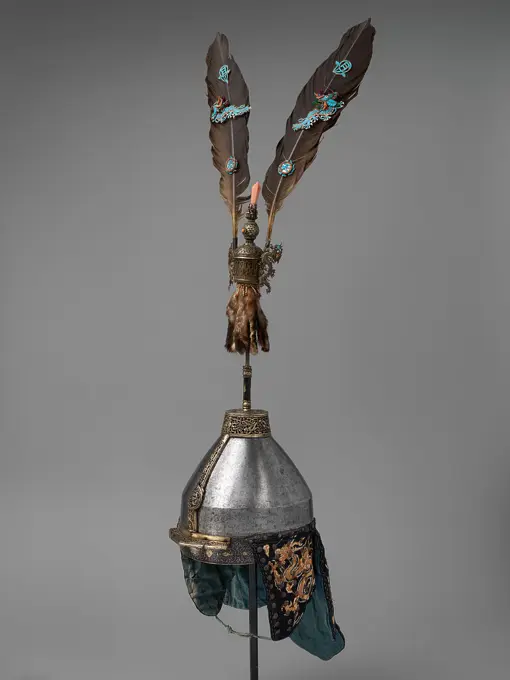
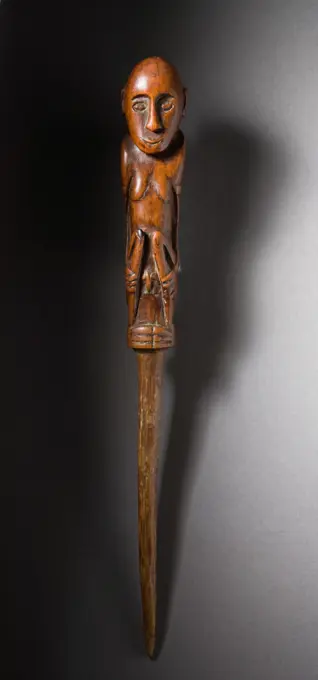
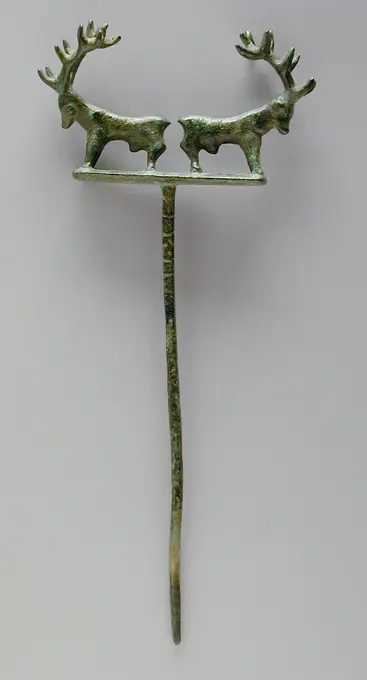
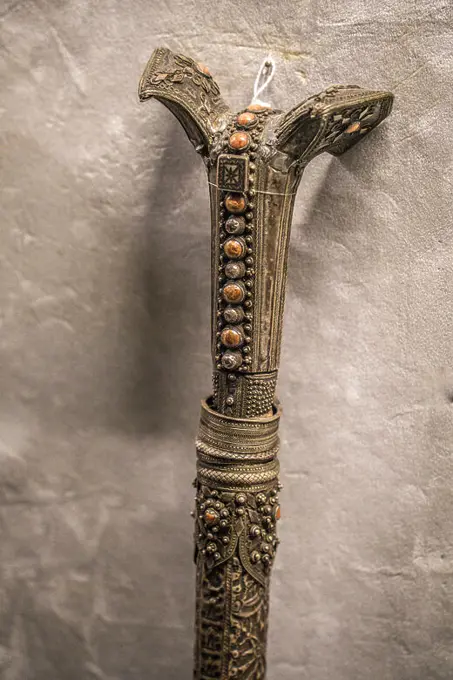
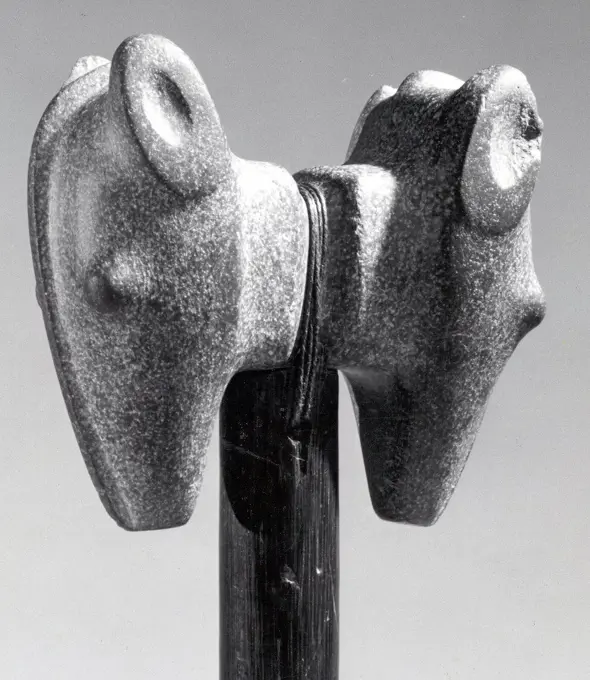
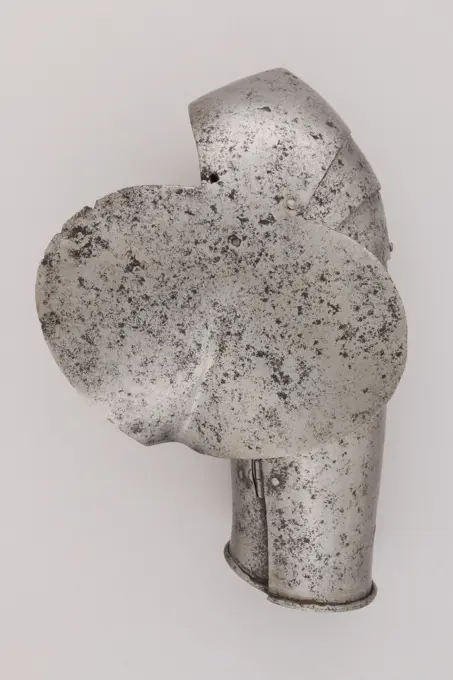
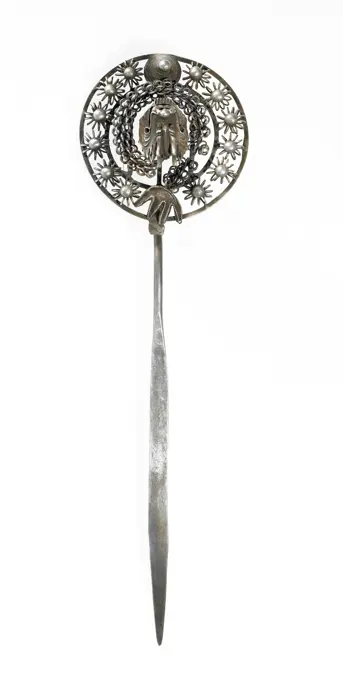
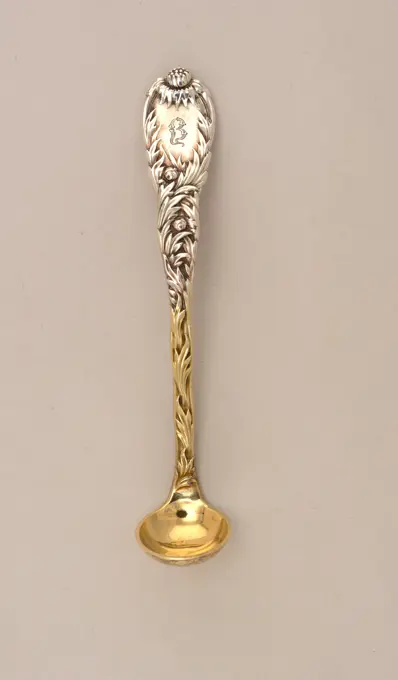
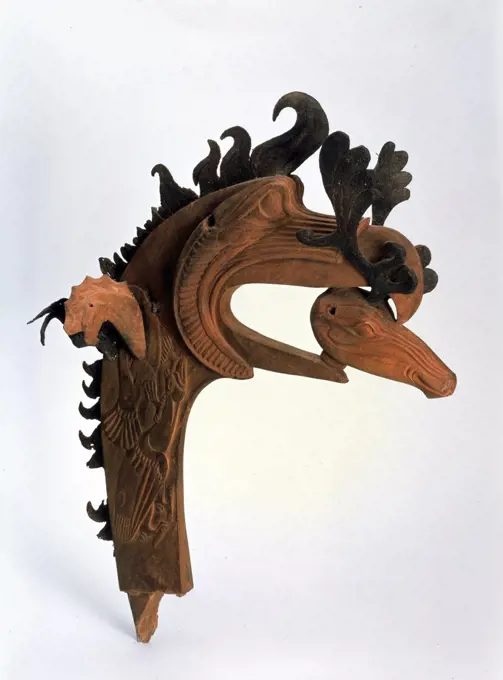
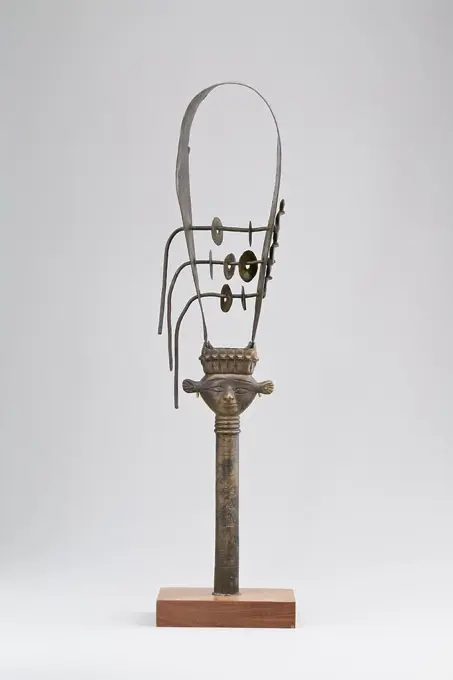
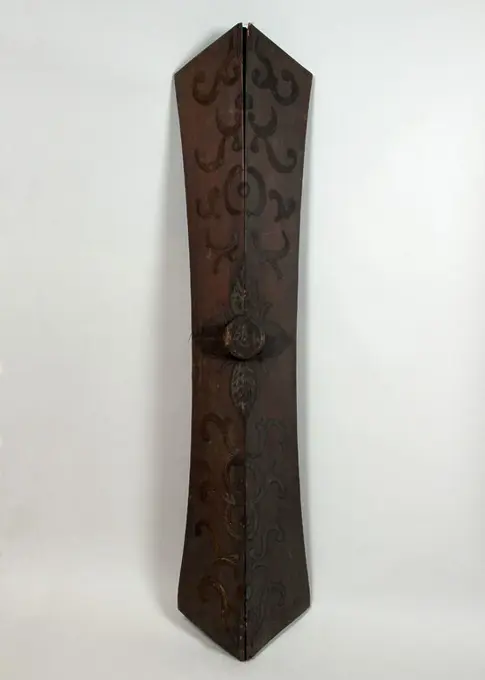
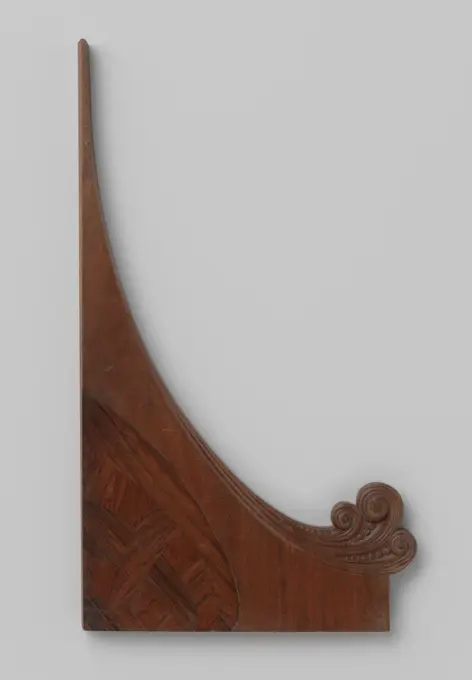
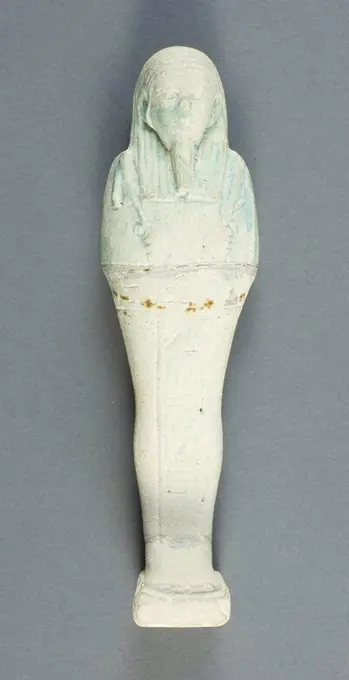
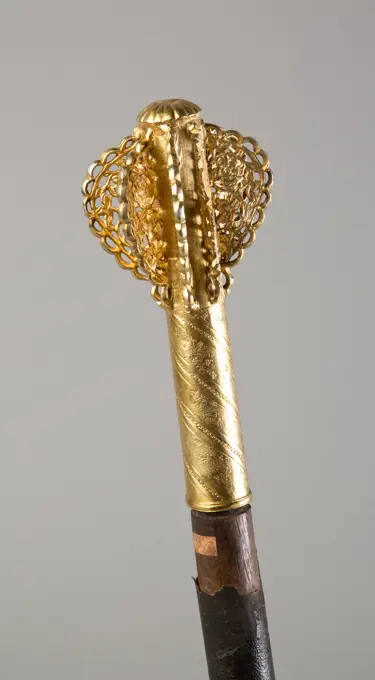
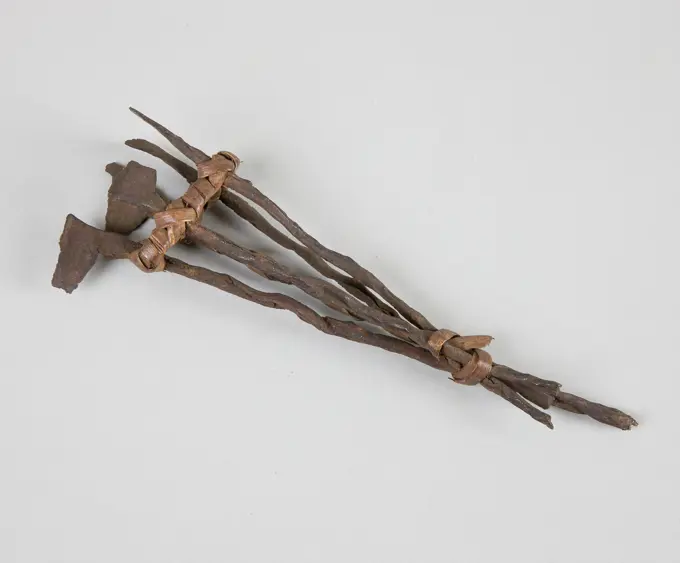
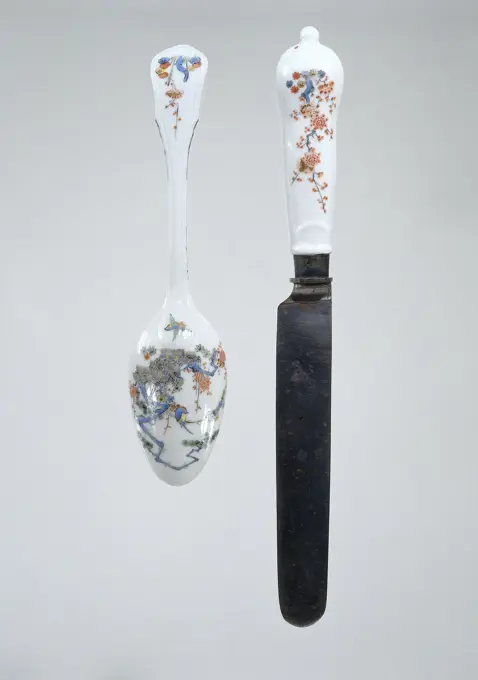
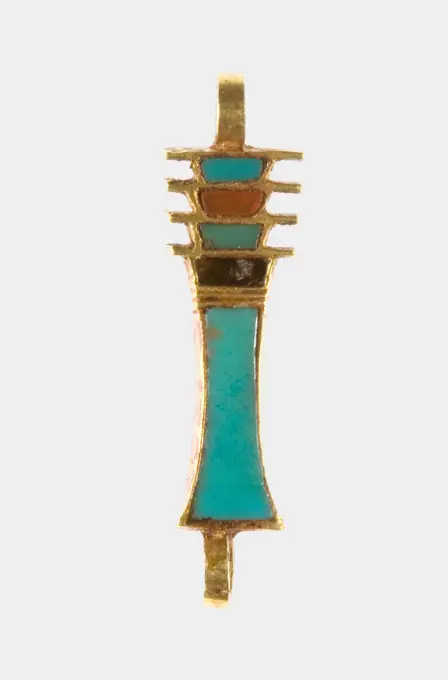
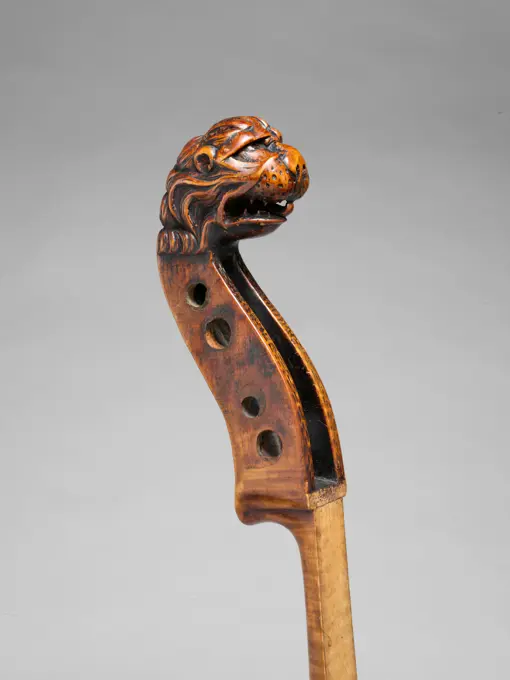
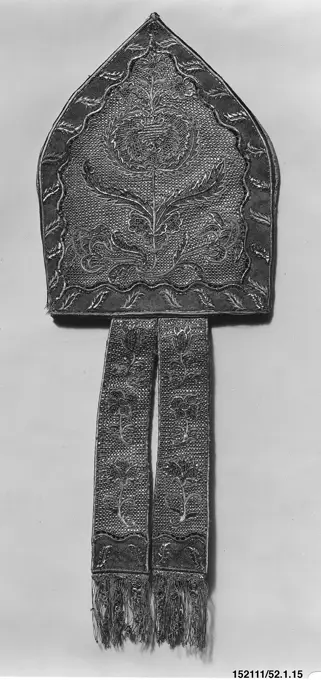
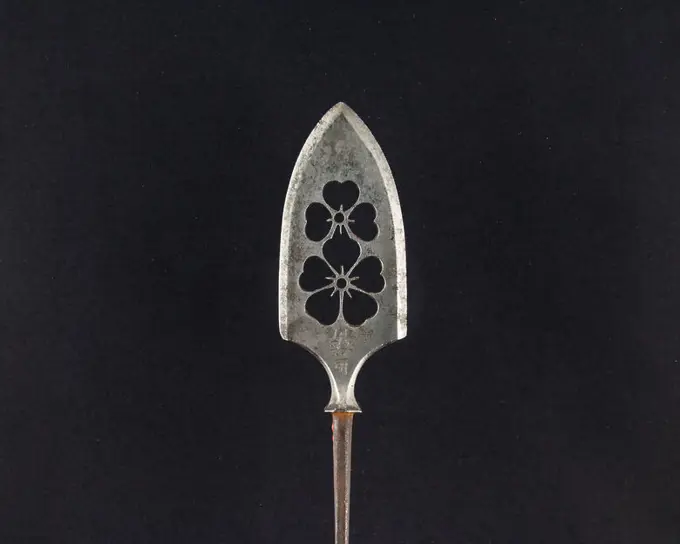
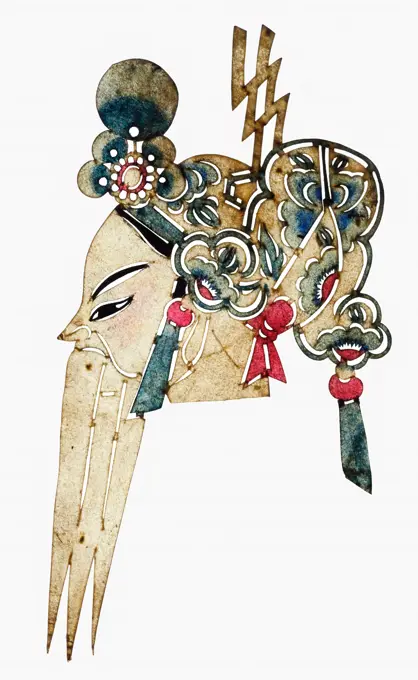
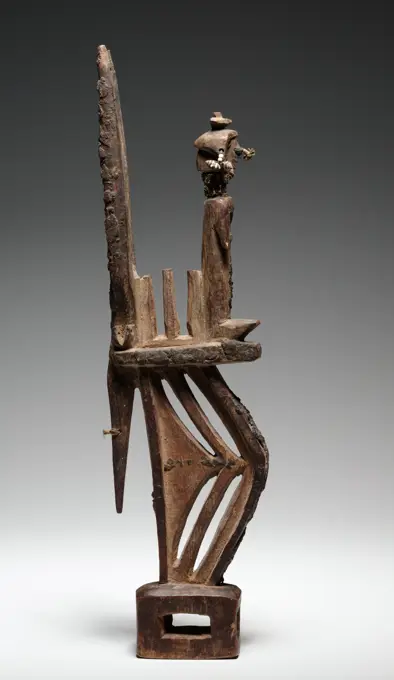
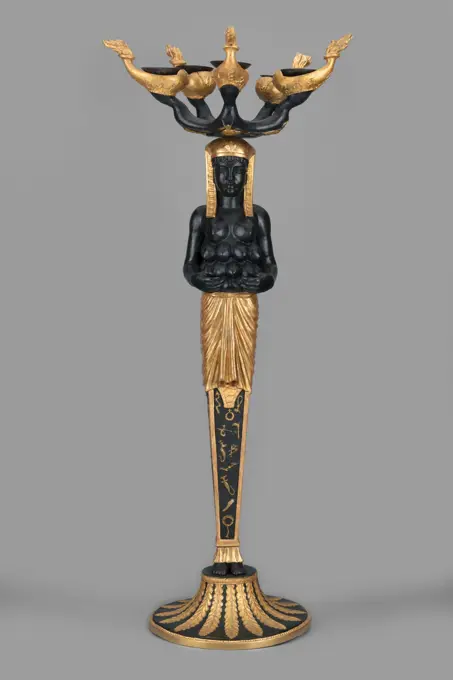
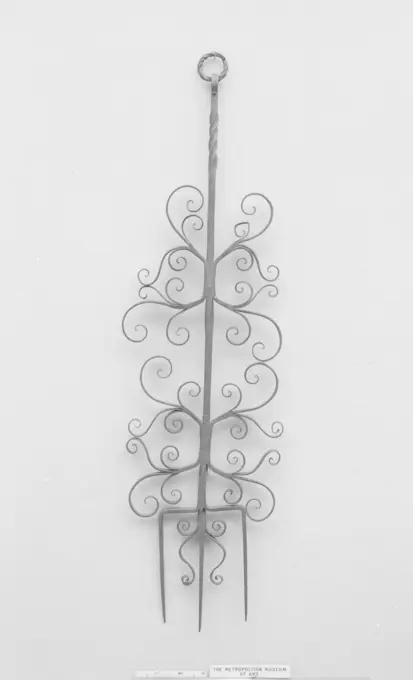
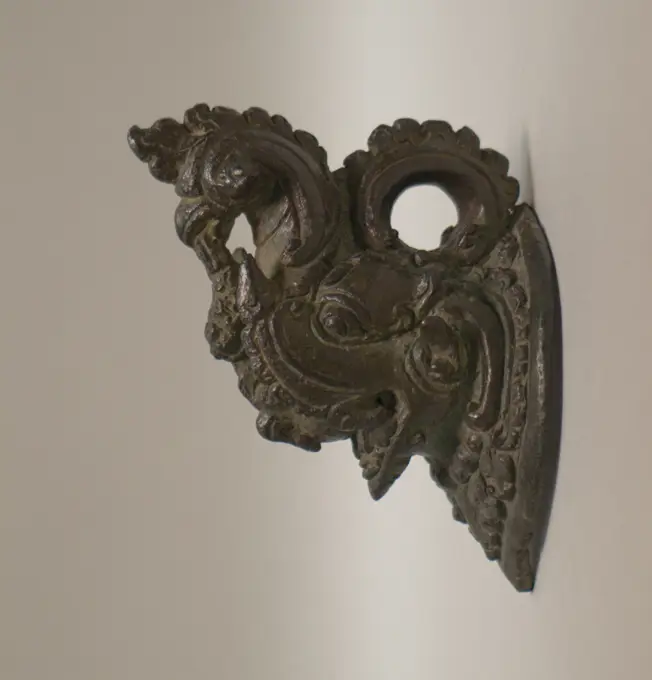
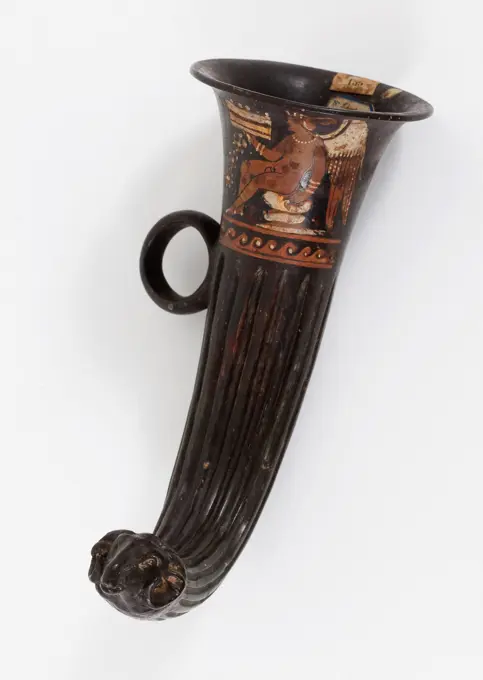
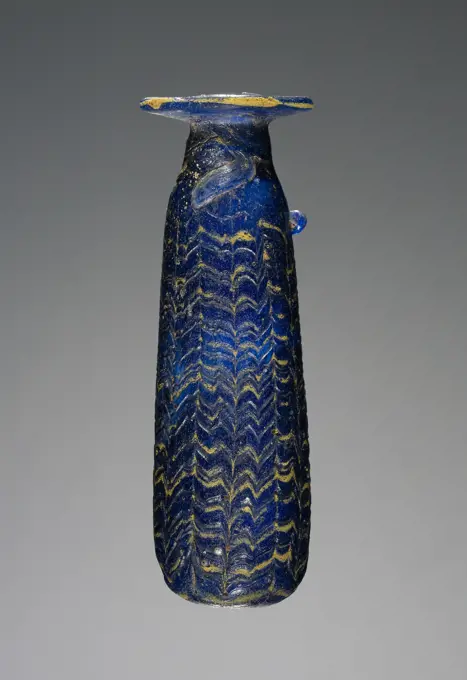
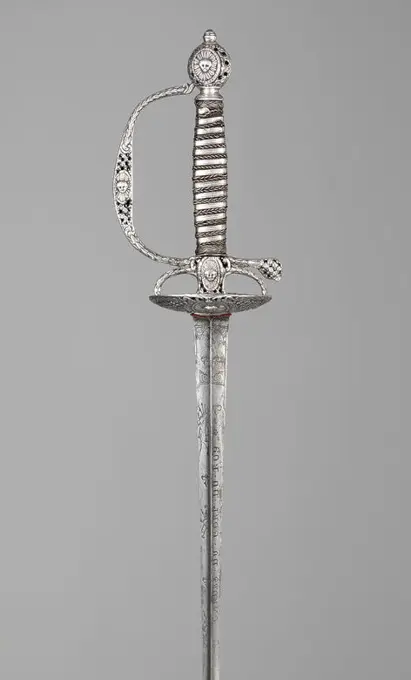
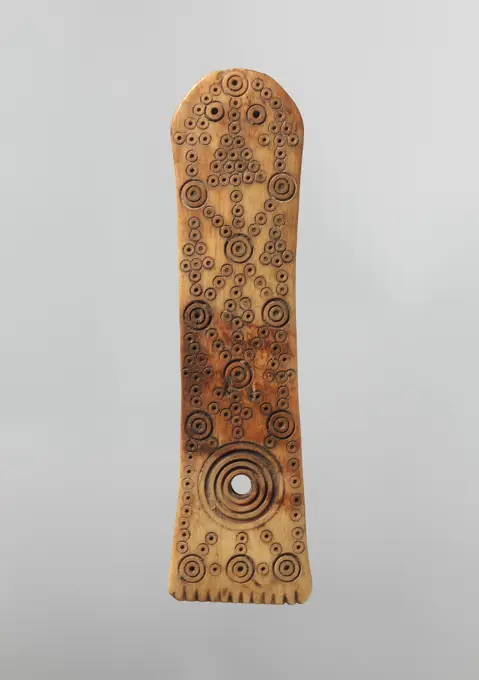
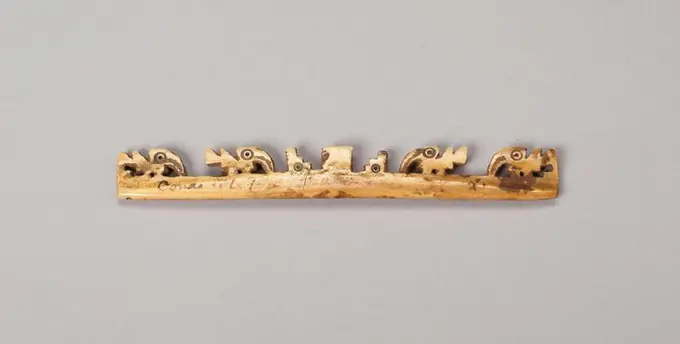
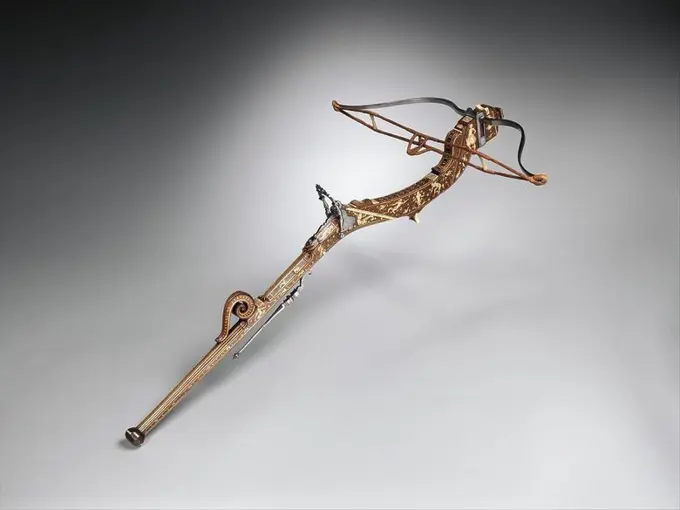
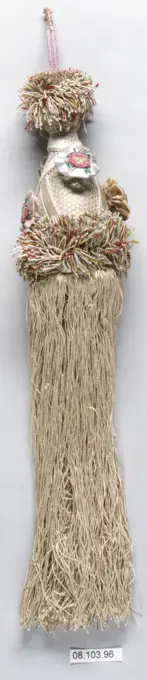
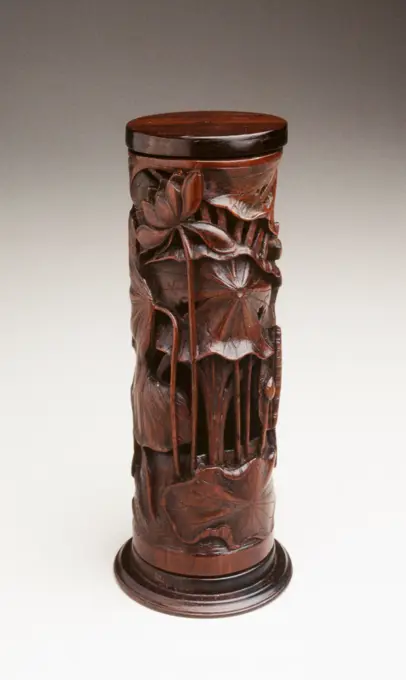
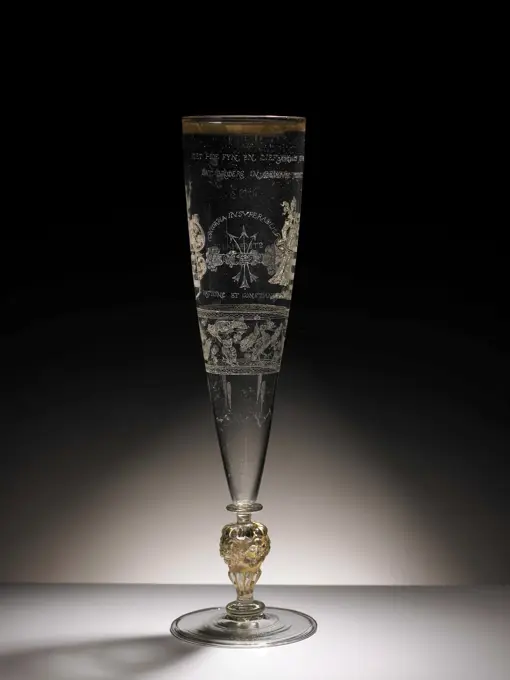
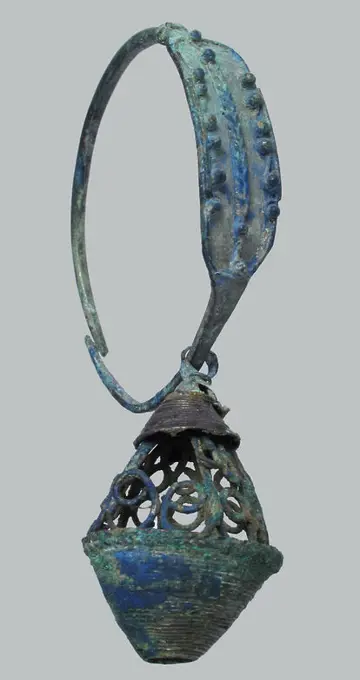
Earring. Culture: Avar. Dimensions: Overall: 4 7/16 x 2 5/16 x 1 3/16 in. (11.3 x 5.8 x 3 cm). Date: 8th-9th century. Museum: Metropolitan Museum of Art, New York, USA.Skewer, silver, Flat, tapering blade or pin with a cast relief horse head terminal., Milan, Italy, 19th century, cutlery, Decorative Arts, SkewerFibula. Copper alloy. Gallo-Roman. Paris, Carnavalet museum. 51463-16 Staple, copper alloy, attachment, Gallo-Roman time, fibula, Gallo-RomanCurb Bit. Culture: German. Dimensions: H. 22 in. (55.9 cm); W. 6 1/8 in. (15.6 cm); Wt. 3 lb. 5.9 oz. (1528 g). Date: 17th century.This bit was used for the training of young horses and starting them with the curb bit. Despite their impressive aspect, the straight elongated shanks were in fact thought to be more gentle on the horse, because of the longer reaction time in their leverage effect and the fact that they were stopped by the horse's chest at some point. Curb bits were also used with a very light hand, the well-trained horses responding by anticipation to the slightest move of the reins. The scatches, (flattened triangular elements composing this mouthpiece), were slightly stronger in their effect and more resistant than the traditional conical canons also used at the time. The banquets, the parts of the cheekpieces to which the mouthpiece is attached, can be opened for switch out the mouthpiece, a feature particularly appreciated on dressage bits in Germany.At theSpear 18th-19th century Philippine, Jolo. Spear 30693Windwijzer with Vaan (marked and dated 1767), 1767   iron (metal)   iron (metal)Halberd ca. 1600 Italian. Halberd. Italian. ca. 1600. Steel, wood, textile. Shafted WeaponsSpearhead Bashu culture 4th-3rd century B.C. China. Spearhead. China. Bashu culture 4th-3rd century B.C.. Bronze. Eastern Zhou dynasty, Warring States period (475-221 B.C.). MetalworkKrzyż ręczny. unknown, authorBaluster with stabbed C and S-Voluten, Anonymous, c. 1740 - c. 1760 S-shaped baluster with stabbed C and S-Voluten with rocaille shells. Northern Netherlands wood (plant material) S-shaped baluster with stabbed C and S-Voluten with rocaille shells. Northern Netherlands wood (plant material)Chippendale Lowboy- Leg Detail Antique Furniture Earring. Culture: Avar. Dimensions: Overall: 3 3/4 x 2 7/16 x 1 3/16 in. (9.6 x 6.2 x 3 cm). Date: 8th-9th century. Museum: Metropolitan Museum of Art, New York, USA.Dagger (Katar) 18th century Indian, Mughal. Dagger (Katar) 31726Bouquet;  approx. 1700 (1696-00-00-1705-00-00);Model of a Jeer.Model of a gypsanded two blocks. Each block has two rows of discs that are in a perpendicular surface; Due to the hoist, the blocks are connected in such a way that outer and inner rows of the gig drives run parallel. The outer row of slices of the upper block has five discs, the inner row three, the inner row of the lower block three and the outer row of four. The hoist runs through the upper row of the upper block to the inner row of the lower block, from there and back between the two inner rows, further to the bottom row of the lower block and finally back and forth between the two outer Rows of the blocks. Double grinding of this type were used with mills.Staff with HumanHeadSmallsword. Probably German. Date: 1755-1765. Dimensions: 104.1 × 10.2 cm (41 × 4 in.). Steel, two gold alloys, and gilding. Origin: Germany. Museum: The Chicago Art Institute, Chicago, USA.Quiver for Crossbow Bolts. German. Date: 1460-1520. Dimensions: L. 40.6 cm (16 in.). Wood, leather, and boar skin. Origin: Europe, ancient. Museum: The Chicago Art Institute, Chicago, USA.Arrowhead (Yanone) 18th century Japanese Although today Japanese warriors are renowned most for their swordsmanship, archery, especially from horseback, has been an essential part of samurai warfare and culture for centuries. Arrows were fitted with heads of varying shape according to their intended use in war, the hunt, or target practice. Arrowheads made for use on the battlefield incorporated different designs intended for specialized purposes such as the piercing of armor or to cause maximum damage to horses and unarmored personnel.Large arrowheads, pierced and elaborately chiseled with landscapes, birds, flowers, dragons, and Buddhist divinities, were created to be admired for the beauty of their metalwork and design rather than for use in archery. Such highly elaborate examples may have been made for presentation or as a votive offerings to a shrine.. Arrowhead (Yanone). Japanese. 18th century. Steel. Archery Equipment-ArrowheadsRapier Made 1630-1640 Europe, western. Steel, iron, and wood .Hoeketagère, Anonymous, 1700 - 1750 Hoekétagère of, white painted, oak. The front of the borders is gilded. The étagère runs pyramidal; The bottom compartment has a double arch and decoration of stabbed Louis XIV ornament. Pendant of BK-16727-A. Northern NetherlandsNetherlands wood (plant material). oak (wood). gilding (material). paint (coating) gilding Hoekétagère of, white painted, oak. The front of the borders is gilded. The étagère runs pyramidal; The bottom compartment has a double arch and decoration of stabbed Louis XIV ornament. Pendant of BK-16727-A. Northern NetherlandsNetherlands wood (plant material). oak (wood). gilding (material). paint (coating) gildingFrank Gray, Walking Stick, c 1937 Walking StickPartisan. Culture: Italian. Dimensions: L. 81 in. (205.9 cm); L. of head 26 1/4 in. (66.7 cm); W. 4 1/2 in. (11.5 cm); Wt. 4 lbs. 4 oz. (1927.8 g). Date: 16th century. Museum: Metropolitan Museum of Art, New York, USA.HolsterToolbox -Dagger (Katar). Culture: South Indian, Vijayanagara. Dimensions: L. 19 3/4 in. (50.2 cm); W. 3 3/16 in. (8.1 cm); D. 4 in. (10.2 cm); Wt. 1 lb. 2.3 oz. (518.8 g). Date: 16th century. Museum: Metropolitan Museum of Art, New York, USA.Helmet with Feather Crest. Culture: Chinese. Dimensions: Helmet (36.25.7a); H. including nape defense 20 3/4 in. (52.7 cm); H. excluding nape defense 11 1/4 in. (28.6 cm); W. 9 in. (22.9 cm); D. 10 1/4 in. (26 cm); Wt. 4 lb. 9 oz. (2069.5 g). Date: 17th-18th century.The quality of the pierced and gilt ironwork of the helmet, the four-claw dragons embroidered on its cheek and neck guards, and the exotic materials of the crest indicate that these items were intended for a military officer of very high rank. Museum: Metropolitan Museum of Art, New York, USA.Lime Spatula. Western New Guinea, West Papua, Lake Sentani, circa 1900. Tools and Equipment; spatulas. WoodPinRitual pencil cup. Ritual pencil cup decorated with taotie and slate.Halberd ca. 1560 Italian. Halberd 26194Partisan ca. 1590 Italian. Partisan 26754Hair Pin, 7 3/8 x 2 3/8 x 3/4 in. (18.73 x 6.03 x 1.91 cm), Silver, ChinaPowder Horn 19th century Caucasian. Powder Horn 32271Turkish yatagan, 19th century, Álava Armory Museum, Vitoria, Basque Country, Spain.Stone Janus Mace Head 11th-16th century Michoacan (). Stone Janus Mace Head 312252Tower cross from Baardwijk., Anonymous, c. 1400 - c. 1950 Forged iron tower cross. Coming from the church in Baardwijk. unknown iron (metal) forging Forged iron tower cross. Coming from the church in Baardwijk. unknown iron (metal) forgingFinial, 475-221 BC. China, Henan province, Jincun, Warring States period (475-221 BC). Bronze inlaid with gold and silver; overall: 13.1 cm (5 3/16 in.).Tassel (Italy); linenSide chair (Sgabello, pair with 1975.1.1990) late 16th century (partly) Italian, Rome or Florence. Side chair (Sgabello, pair with 1975.1.1990) 461481Forearm Defense (Vambrace) ca. 1450-70 Italian This is part of a large find of medieval armor discovered in 1840 in the ruins of the fortress of Chalcis, on the Greek island of Euboea (then a Venetian colony called Negroponte). The fortress had been captured and destroyed by the Turks in 1470. Now divided largely between the Ethnological Museum, Athens, and The Metropolitan Museum of Art, the Chalcis hoard contains many rare and unusual elements of fourteenth- and fifteenth-century armor. Of particular importance are the variety of headpieces and the many fragments of brigandines (armor for the torso constructed of small plates riveted to layers of fabric), some of which retain portions of their original velvet covering. The Chalcis armor provides a unique picture of the armament used in the Aegean, one of the easternmost military outposts of the Venetian empire.. Forearm Defense (Vambrace) 663121Norway. Detail of Viking Ship.Club (skullcracker) 1850-60 Assiniboine. Club (skullcracker) 319028Hinge 1700-1800 American. Hinge. American. 1700-1800. Wrought iron. Made in Pennsylvania, United StatesMetal hat pin with drip-shaped knob of rose glass, cut into facet.Wrought iron roasting spit, roasting spit equipment iron, Rotterdam country house De Heuvel kitchen roasting Originating from the house at De Heuvel Rotterdam.Hair pin, 8 x 2 1/2 x 1 1/2 in. (20.32 x 6.35 x 3.81 cm), Silver, ChinaGoldsmithery, Oxus treasure, gold scabbard for akinakes, dagger with decoration depicting lion huntSwordHiltWedding event. "Two women and a young man in a medallion". Gouache, steel glitter, embroidery, tulle, ivory frame. Paris, Carnavalet museum. 100131-10 Fashion accessory, EventailChrysanthemum Salt Spoon; Manufactured by Tiffany and Co. (United States); Patentee: Charles Grosjean; USA; silver; L x W x D: 10.3 x 2 x 2 cm (4 1/16 x 13/16 x 13/16 in.)Lantern with weapons above the windows ,, 1700 A lantern, for use in processions (). The lantern consists of a six -sided middle part, formed from slightly bent styles, a dome -shaped roof consisting of different sections, a bottom reversed equal to the roof, but without the last section. Weapons have been installed above the windows. The lamp is decorated with rosettes. Coming from the collection of Dr. F. Mannheimer. Venice iron (metal). glass. wood (plant material) gilding A lantern, for use in processions (). The lantern consists of a six -sided middle part, formed from slightly bent styles, a dome -shaped roof consisting of different sections, a bottom reversed equal to the roof, but without the last section. Weapons have been installed above the windows. The lamp is decorated with rosettes. Coming from the collection of Dr. F. Mannheimer. Venice iron (metal). glass. wood (plant material) gildingCult object by unknown artist, wood, leather , 5th century BC, Russia, St Petersburg, State Hermitage, 35Sistrum of the Chantress Tapenu. Dimensions: H. 36.1 × W. 8.4 × D. 5.5 cm (14 3/16 × 3 5/16 × 2 3/16 in.). Date: 1070-600 BC.A sistrum is an ancient Egyptian percussion instrument that was shaken during religious ceremonies and when coming into the presence of a deity. It is thought to have imitated the sound of papyrus stalks being shaken, echoing an ancient rite connected with the myth in which the god Horus was raised in secret in a papyrus marsh. The handle of this sistrum is made in the form of the "Bat emblem" which was associated with the goddess Hathor, who was the patroness of music.The arc of the sistrum is decorated with a vulture whose spread wings hold extended feathers; on the sides of the arc just above where it fits into the handle are depicted images of the goddess Meret. The handle of the sistrum names the Chantress of Sobek of Kheny, Tapenu, justified. Kheny is the ancient town of the area of Gebel Silisila, the great sandstone quarry site, in Upper Egypt. Many maLimeTubeHandle ca. 6th-8th century A.D. Sasanian or Islamic. Handle 322827Shield. Culture: Indonesian, Sulawesi. Dimensions: H. 48 5/8 in. (123.5 cm); W. 11 in. (27.9 cm); D. 4 1/8 in. (10.5 cm); Wt. 5 lb. 7.3 oz. (2474.9 g). Date: 18th-19th century. Museum: Metropolitan Museum of Art, New York, USA.Das of mutsenslip van kloskant met twee vioolvormige medaillons.Das or hats slip from black climbing side: Chantilly side. A narrow rectangle is expanded at the ends. Aside of a mesh feet strewn with meshes and incised leaves, a straight profile list and a sculpture of a flour and leaf branches cord runs. On the ends the list is distorted into a violin medallion with incised leaf, while the edge widens and has a large dependent Petunia ().Corner piece of a paneling, part of a paneling, furniture house Legrand, 1900 - 1905 Corner piece of a paneling, part of a paneling, executed in nuts, plywood, various types of wood. Netherlands walnut (hardwood). plywood Corner piece of a paneling, part of a paneling, executed in nuts, plywood, various types of wood. Netherlands walnut (hardwood). plywoodShabti of Osiris. Egyptian. Date: 664 BC-343 BC. Dimensions: 15.6 × 4.4 × 3.54 cm (6 1/8 × 1 3/4 × 1 3/8 in.). Ceramic. Origin: Egypt. Museum: The Chicago Art Institute, Chicago, USA. Author: Ancient Egyptian.MaceSign, decorated with birds ending in bird heads. Send. Mannheimer., 1760 An iron sign consisting of square bars that are formed into C and broken S-Voluten, on the arm that ends in a bird head, hangs a shield with a gilded sun. The volutes of the arm wear some leaf work and a large blinded slank. In the shield, C-Voluten enclosing the face of the sun, around which rays are applied. Some of these volutes have a scalloped leaf edge. Coming from the collection of Dr. F. Mannheimer. Austria iron (metal) gilding An iron sign consisting of square bars that are formed into C and broken S-Voluten, on the arm that ends in a bird head, hangs a shield with a gilded sun. The volutes of the arm wear some leaf work and a large blinded slank. In the shield, C-Voluten enclosing the face of the sun, around which rays are applied. Some of these volutes have a scalloped leaf edge. Coming from the collection of Dr. F. Mannheimer. Austria iron (metal) gildingShield(Koraibi)IncisedTubeIron rod beam subject money, Fang ethnic group, northwestern Gabon; XIX W.Stun ,, 1700 - 1800 An iron sign, formed from two one above the other, counter-sided C-Voluten that end up in a curl and up in a large flower, facing one silk. The volute is decorated with leaves and three tendrils. Part of the flower is made of wood, completely gilt. Coming from the collection of Dr. F. Mannheimer. Italy iron (metal). wood (plant material) gilding An iron sign, formed from two one above the other, counter-sided C-Voluten that end up in a curl and up in a large flower, facing one silk. The volute is decorated with leaves and three tendrils. Part of the flower is made of wood, completely gilt. Coming from the collection of Dr. F. Mannheimer. Italy iron (metal). wood (plant material) gildingKnife with handle, multi-colored painted with a kakiemon decor, meissener porzellan manufaktur, c. 1730 - c. 1735 Knife with handle of painted porcelain. The meshft is decorated with the 'three friends' with bound hedges on one side and with Prunus and loose bamboo blossoms on the other. It has not been marked. The blade is marked. Float porcelain Knife with handle of painted porcelain. The meshft is decorated with the 'three friends' with bound hedges on one side and with Prunus and loose bamboo blossoms on the other. It has not been marked. The blade is marked. Float porcelainJewelry element in the form of a djed pillar ca. 1878-1805 B.C. Middle Kingdom. Jewelry element in the form of a djed pillar. ca. 1878-1805 B.C.. Gold, carnelian, turquoise, lapis lazuli. Middle Kingdom. Probably from Memphite Region, Dahshur, de Morgan excavations, 1894-95; From Egypt. Dynasty 12, latePot Hook. Culture: Spanish (). Dimensions: Overall: 31 1/2 x 17 5/16 x 2 15/16 in. (80 x 44 x 7.5 cm). Date: 16th century. Museum: Metropolitan Museum of Art, New York, USA.Reflection arm. An iron suspension arm, formed from two above each other, top-folded C-voltages that end up in a curl and at the top of a large, to a side-oriented flower. The volute is decorated with leaves and three tendrils. Part of the flower is made of wood, completely plated. From the collection of Dr. F. Mannheimer.Violoncello Head ca. 1670-80 Attributed to Joachim Tielke German This 'cello scroll is carved in maple and features a protruding head with an open mouth and long, flowing mane. It surmounts a four-hole pegbox decorated on the back with a floral pattern carved in low relief. The pegbox has been repeatedly rebushed and grafted onto a later 'cello neck of flamed maple which shows traces of its former fingerboard and attachment to the body of the instrument.. Violoncello Head. German. ca. 1670-80. Maple. Hamburg, Germany. Chordophone-AccessoriesMitre late 18th-early 19th century Italian or Czech. Mitre 227578Arrowhead (Yanone). Culture: Japanese. Dimensions: L. 10 1/8 in. (25.7 cm); L. of head 3 1/4 in. (8.3 cm); W. 1 1/4 in. (3.2 cm); Wt. 1.3 oz. (36.9 g). Date: 18th century. Museum: Metropolitan Museum of Art, New York, USA.Shadow Puppet Head, 20th century, 5 in. (12.7 cm), China, 20th centuryFragment of an arm for a sign, 1675 - 1700 A large driven iron arm for a signboard. Rich flower decorations, ending in an animal head. A loosely broken fragment.  iron (metal) A large driven iron arm for a signboard. Rich flower decorations, ending in an animal head. A loosely broken fragment.  iron (metal)Section of crocheted side imitation coarse Venetian side, anonymous, c. 1890 - c. 1909 V-shaped support piece of natural-colored Irish crocheted side, imitation coarse Venetian needle side. The long sides of the V are finished with a potented bow edge. The short side is not finished. Ireland cotton (textile) V-shaped support piece of natural-colored Irish crocheted side, imitation coarse Venetian needle side. The long sides of the V are finished with a potented bow edge. The short side is not finished. Ireland cotton (textile)Halberd ca. 1550 German. Halberd 26708Plaque: Two Fluted Gourds. Culture: Edo peoples. Dimensions: H. 13 in. (33 cm). Date: 16th-17th century. Museum: Metropolitan Museum of Art, New York, USA.Pugina (d Anbiji);  19th century (1801-00-00-1900-00-00);Antelope Headdress, early 1900s. Western Sudan, Mali, Bamana, early 20th century. Wood, metal, glass beads, seashells, string, and probably tar; overall: 45.2 x 4.8 x 12.4 cm (17 13/16 x 1 7/8 x 4 7/8 in.).Medieaval swords isolated on the whiteGoldweight Fish, 20th century, 2 x 1/2 in. (5.08 x 1.3 cm), Bronze, Ghana, 20th centuryCandlestick. unknown, creatorBroaching or toasting fork 17th century possibly Spanish. Broaching or toasting fork. possibly Spanish. 17th century. Iron. Metalwork-IronMakara-Shaped Handle 10th-11th century() Indonesia (Java). Makara-Shaped Handle. Indonesia (Java). 10th-11th century(). Bronze. Eastern Javanese period. MetalworkHears with a ram head. Red figures, enhanced. Tour, molded terracotta. Apulie, 4th century BC. AD Museum of Fine Arts of the City of Paris, Petit Palais. Brunetate clay, italotic ceramic, basket, decoration, Roman divinity, flower, apulian keras, beer head, ancient vase, fruitAlabastron; Olbia (perhaps); 6th - 4th century B.C; Glass; 10 cm (3 15,16 in.)ChimakiElongated Monkey. Ozaki Kokusai (Japan, 1835-circa 1892). Japan, mid- to late 19th century. Costumes; Accessories. Stag antler; obihasami typeSmallsword carried by the Gardes du Corps. Culture: French, Versailles. Dimensions: L. 39 5/16 in. (99.8 cm); L. of blade 32 1/8 in. (81.6 cm); W. 4 1/2 in. (11.4 cm); D. 3 1/2 in. (8.9 cm); Wt. 14 oz. (396.9 g). Sword cutler: Guilmin, French, Versailles recorded 1767-1775. Date: 1769. Museum: Metropolitan Museum of Art, New York, USA.Cross from the crowns On the belfry at the church in Lubieszów, the church, according to the drawing of J. Smoli, il. Z: Jan Sas-Zubrzycki, Treasure of architecture in Poland, vol. 3, Kraków 1910-1911, tabl. 252; Smoli Ski, Józef (1865-1927), Sas-Zubrzycki, Jan (1860-1935); 1910-1911 (1910-00-00-1911-00-00);Peg for a Bookbinding 5th-7th century. Peg for a Bookbinding. 5th-7th century. Bone; incised, tinted, and inlaid with paint. Attributed to Egypt. Ivories and BoneRapier Made 1640-1680 Italy. Steel, iron, and wood .Balance-Beam Scale. Possibly Nazca; South coast, Peru. Date: 500 AD-800 AD. Dimensions: 14.1 x2.4 cm (5 9/16 x 15/16 in.). Bone with pigment. Origin: Peru. Museum: The Chicago Art Institute, Chicago, USA.Pellet Crossbow. Culture: probably French. Dimensions: L. 36 3/16 in. (92 cm); W. 22 3/4 in. (57.7 cm); Wt. 3 lb. 3 oz. (1,432 g). Date: late 16th or early 17th century. Museum: Metropolitan Museum of Art, New York, USA.Salad or cucumber tang, company Wed. Elize Henrij de Haas, 1851 The stems are made up of a small and a large S-shaped volute, which are separated from each other by a round, profiled on one side and with a hole provided hinge. The hole fits one of a round head, which connects the two stems. The two stems are crowned by an eye made up of volutes. The egg -shaped spoon trays are connected to the stems by means of only praise. One bin is engraved on the underside with flowers inside a frame of volutes with rocaillem motifs and shaded fields built up from zigzag lines; The other is fully open with an asymmetrical pattern of flower, leaf and rocaille motifs, which are provided with a engraved decoration. The head of the screw is engraved with a flower pattern. The sides of the large volutes of the stems are shaded with a repeat -shaped motif. At the attachment of the bin, the stems are engraved with a field of grille work and a rocaille motif surrounded by volutes. Amsterdam silver (metal) Tassel 18th century French. Tassel. French. 18th century. Silk. Textiles-TrimmingsIron, Anonymous, c. 1500 - c. 1525    iron (metal)   Nijmegen. HoarseIncense Cylinder, early 18th century, 7 1/8 x 2 7/8 in. (18.1 x 7.3 cm), Bamboo, China, 18th century, Carved from bamboo, this perforated cylinder held sticks of aromatic wood and functioned as an incense burner or perfumer. It displays a delicately carved group of literati with attendants in a pine and bamboo grove listening to qin music. Although bamboo and wood had been used in China since antiquity for functional items, their use for finely crafted decorative objects began only in the Ming dynasty (1368-1644). The plant's tremendous strength and ability to bend without breaking was seen as virtuous and likened to the disciplined character and integrity of men and women. With its Confucian overtones and subtle, monochromatic color, bamboo became a favored material for literati accoutrements during the Ming and Qing dynasties.. Flat foot with beaten edge and pontital brand. Hollow, baluster-shaped strain with two disks, blown into the motif of two lion masks between garlands, deposited on the lower and top with an edge butt. High, funnel-shaped chalice. On the chalice, the inscription is engraved 'Siet how fine and love is t' all stood that lodge were found to be in Eendraghtightychees'. Furthermore, a sprig with three orange. Bye and two weapons connected by two in addition to their hands, holding three arrows. Above and under the hands the Latin spell 'Concordia Insuperabilis Ratione et constantia' (in translation: "invincible by unity, reason and steadfastness"). The left men's weapon is shield-shaped and fertilized 1 and 4 a crossbar 2 and 3 a raised horizontal tree stump, accompanied below from a French lily. In the heart shield a cross accompanied by four dry shears with the points facing down. As a helmet sign a significant stuffy naked man, who with the right hand holds a six-lasting star and with t