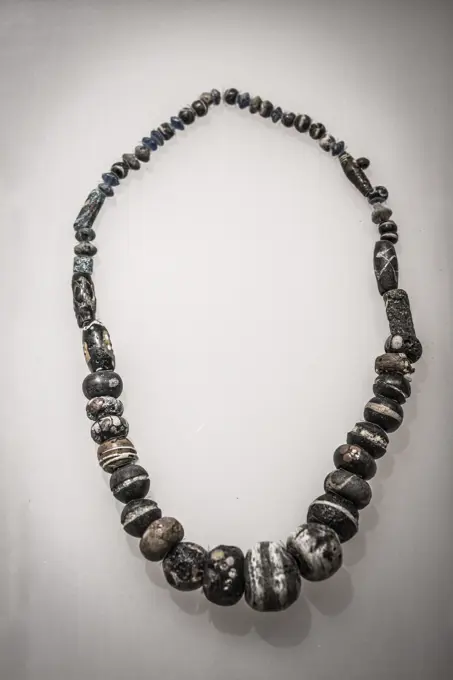
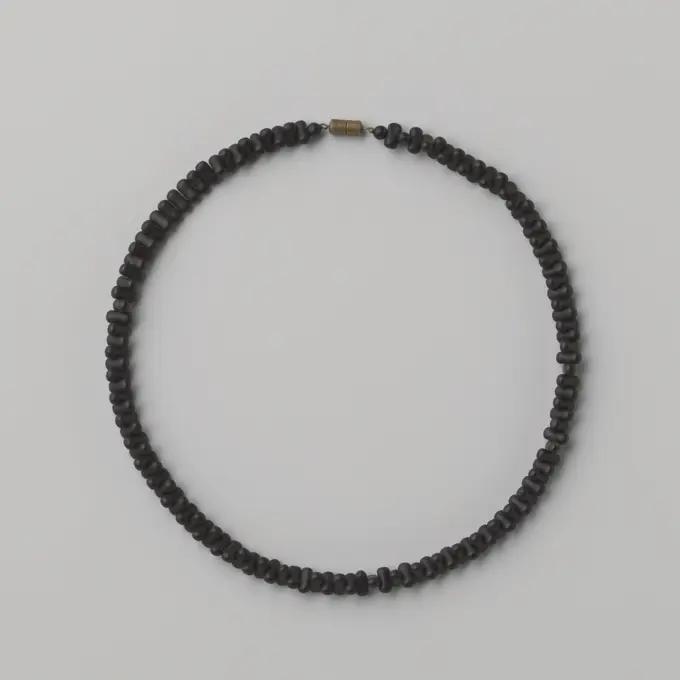
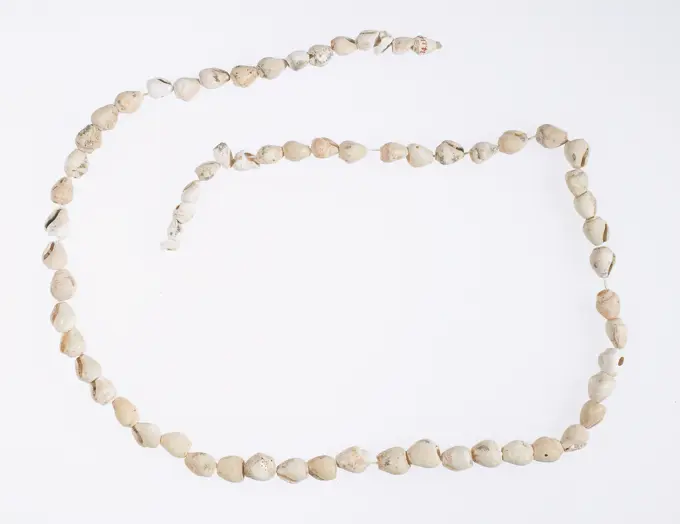
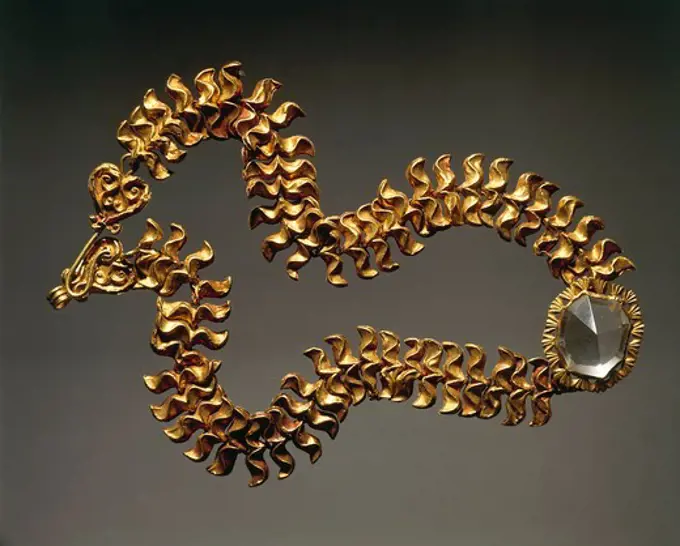
Vintage Decorative Hardware and Jewelry

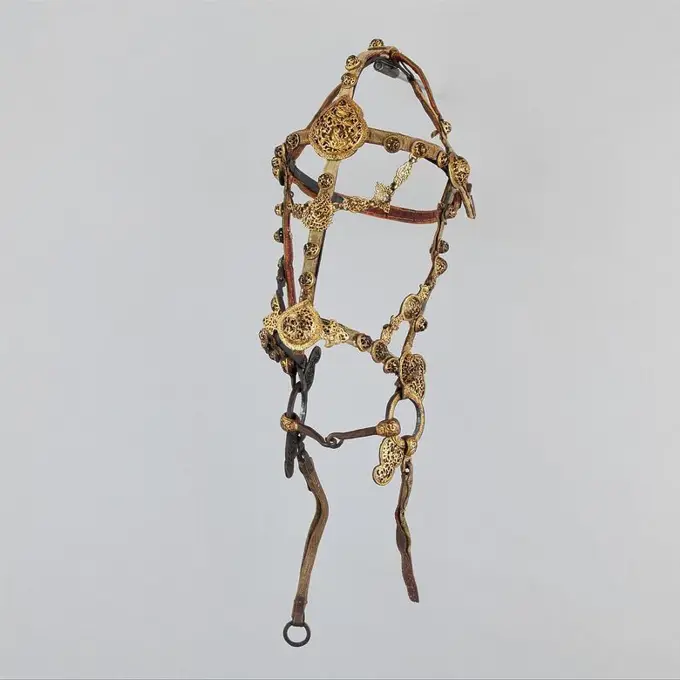
A collection of ornate metallic objects including a decorative pull, a Tibetan bridle, a golden lorgnette, an annular earring, and a rope sample, showcasing intricate craftsmanship and historical sign

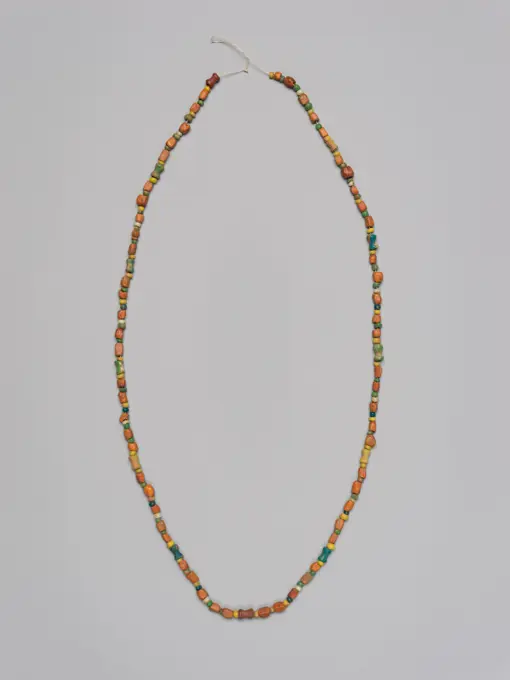
Necklace, 20th century, 15 in. (38.1 cm), Turquoise, trade beads, bone, United States, 20th century
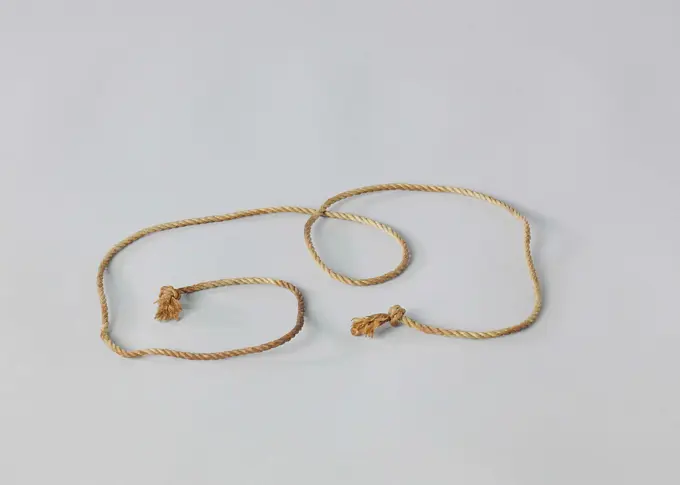
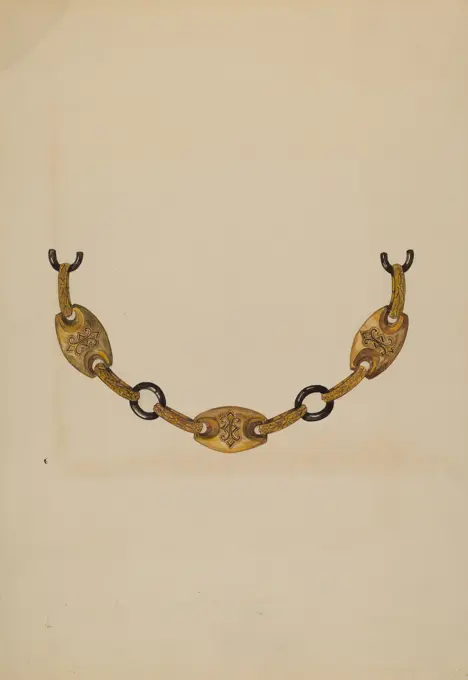
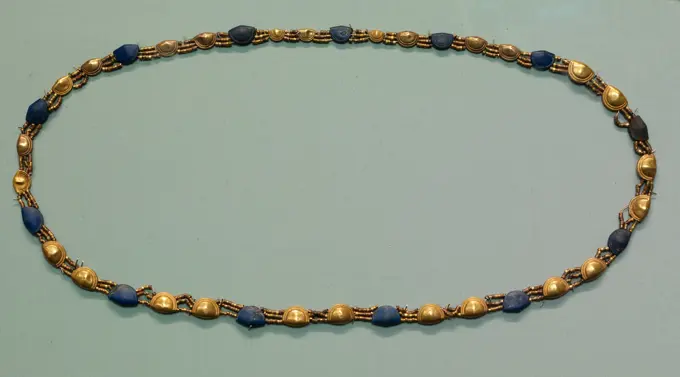
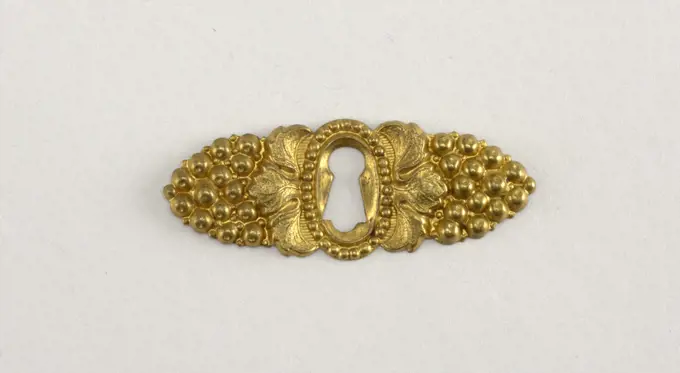
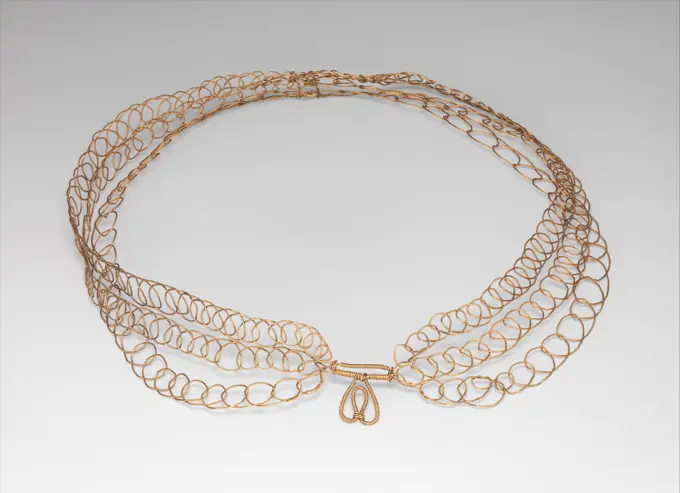
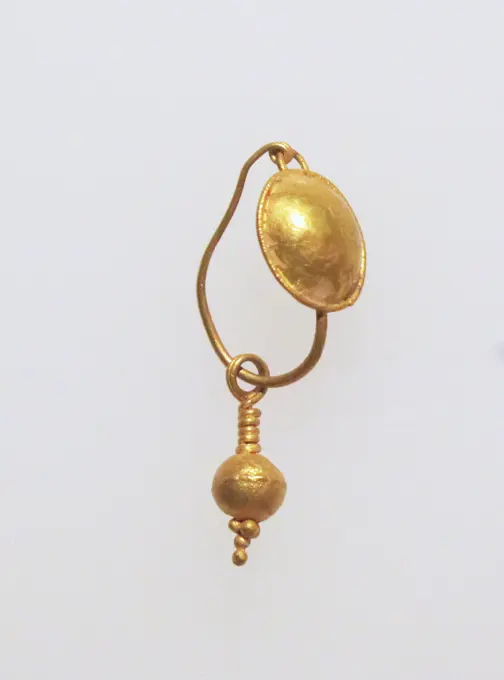
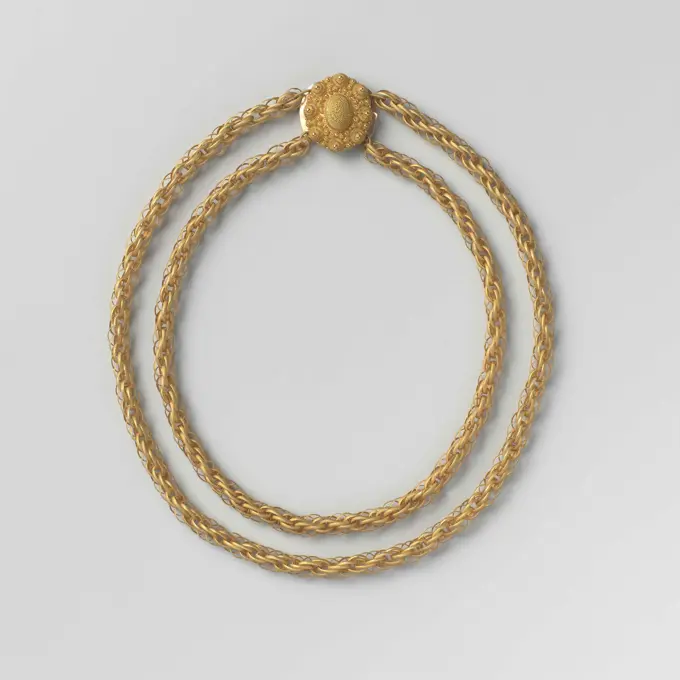
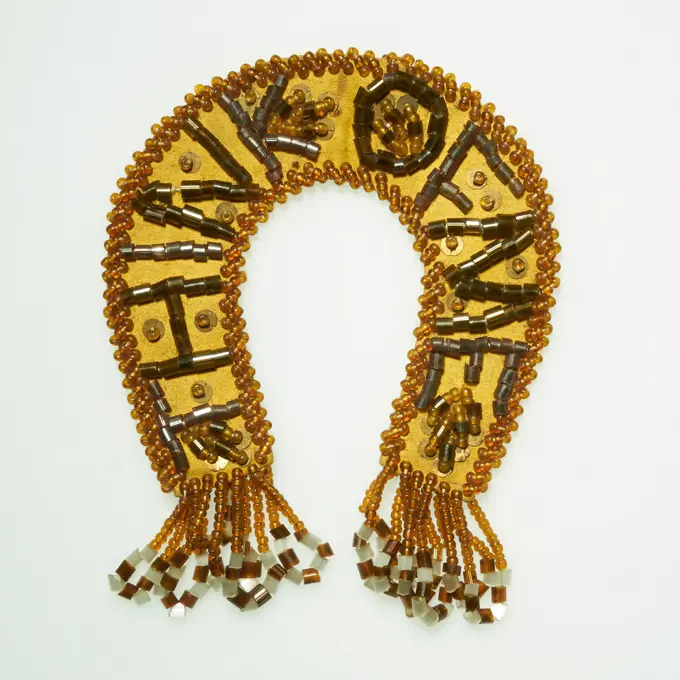
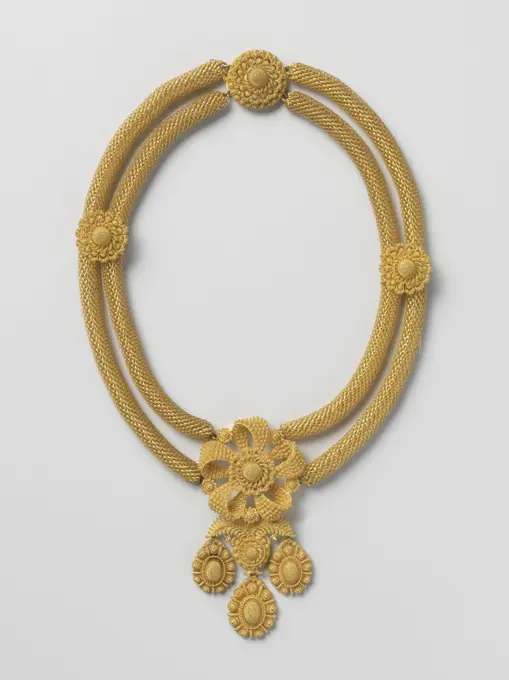
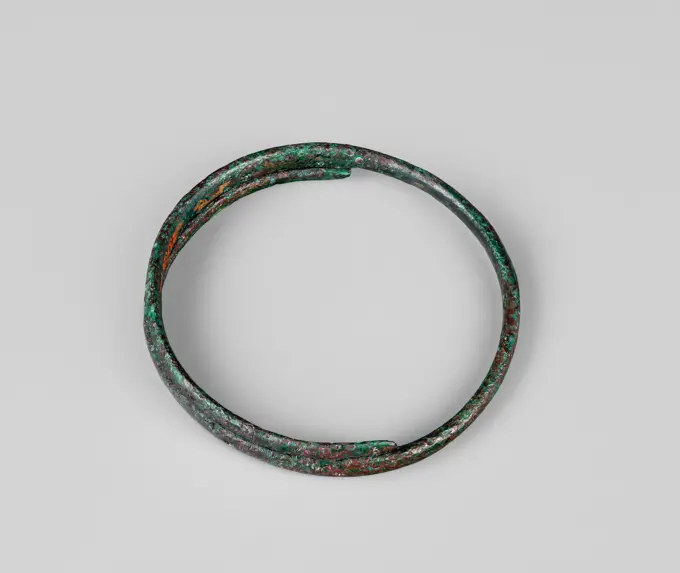
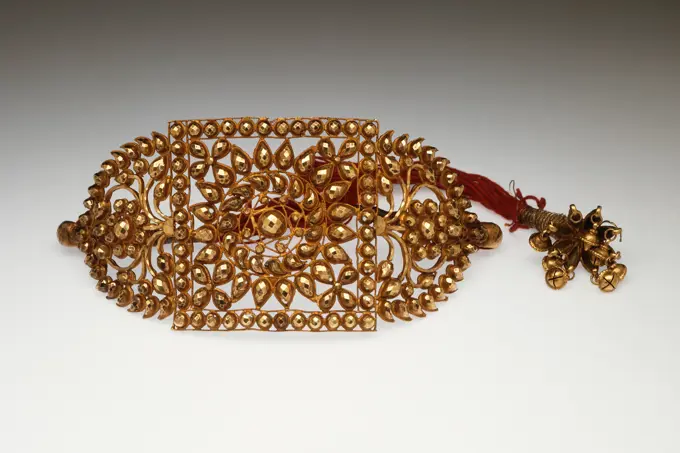
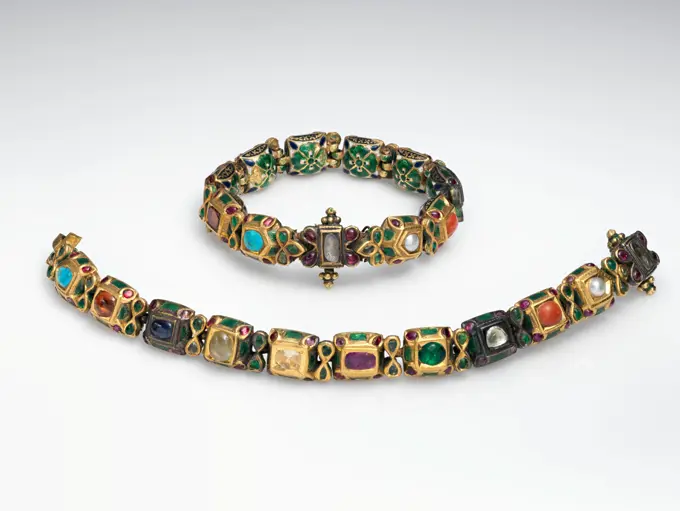
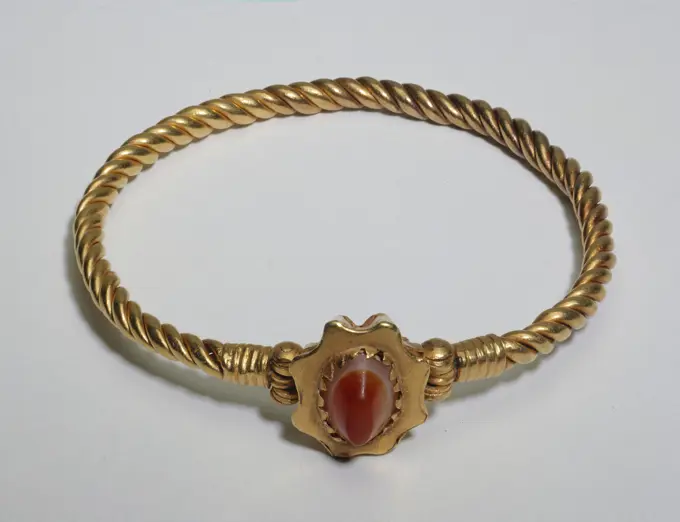
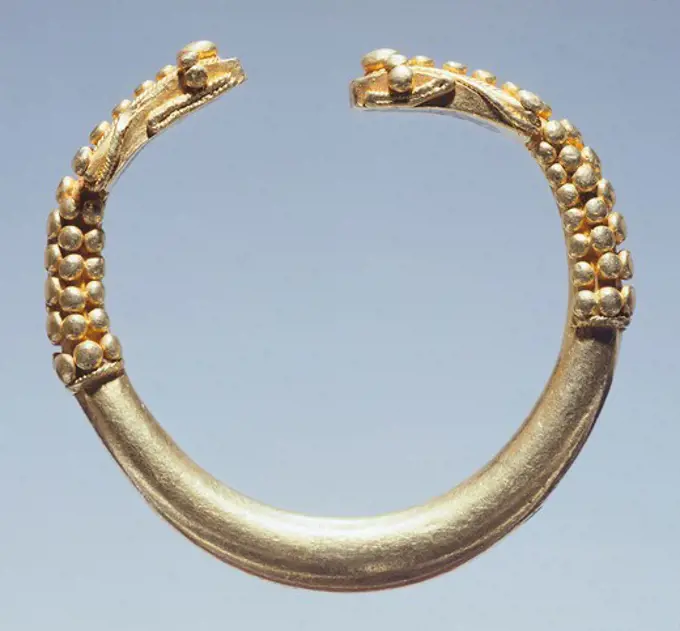
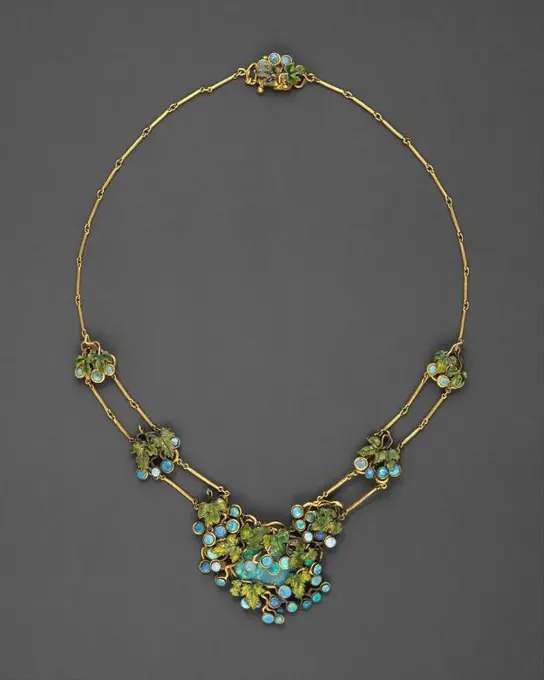
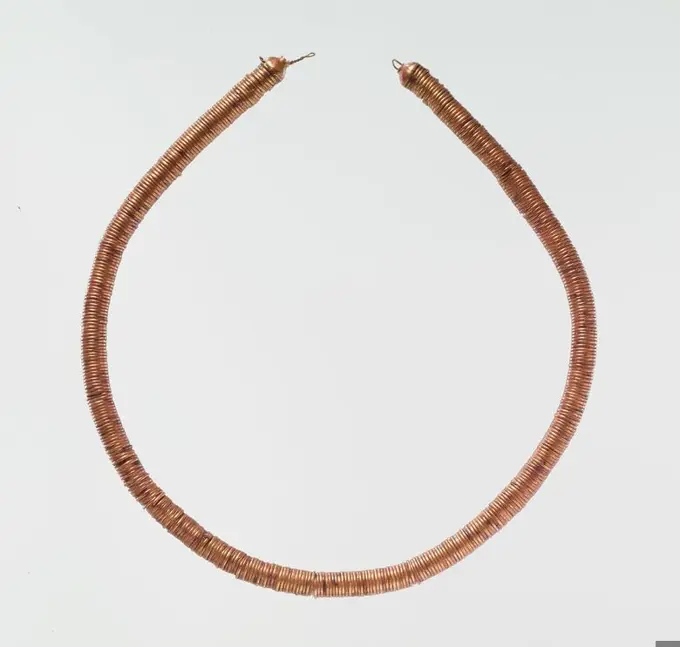
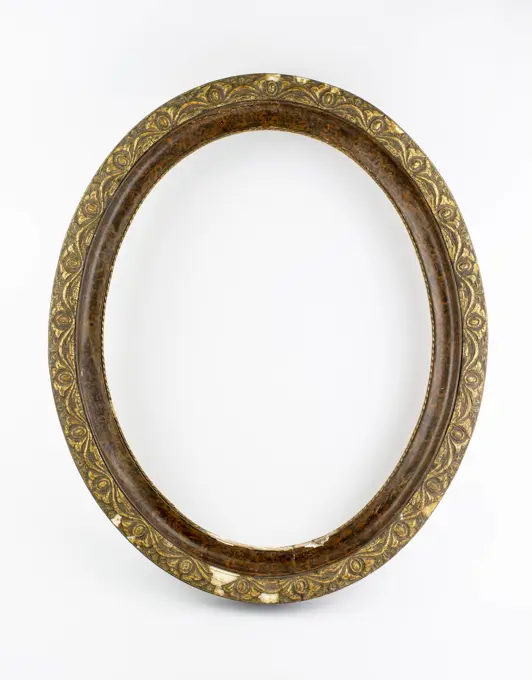
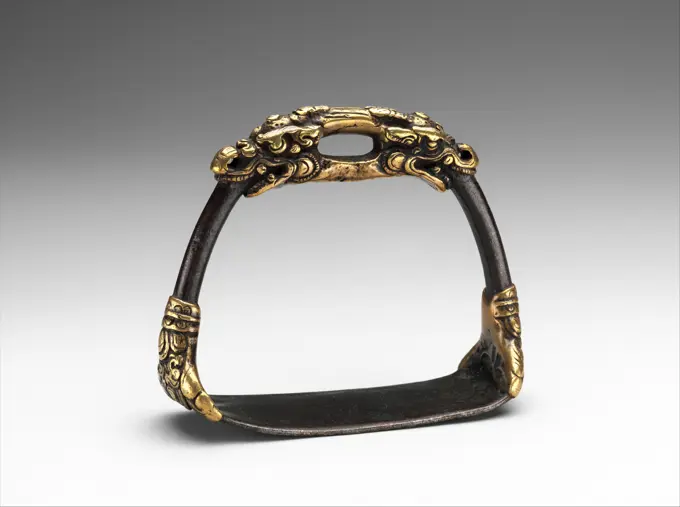
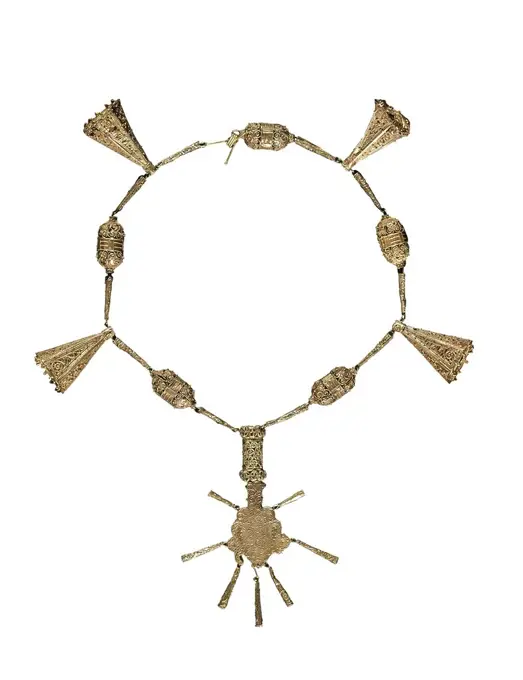
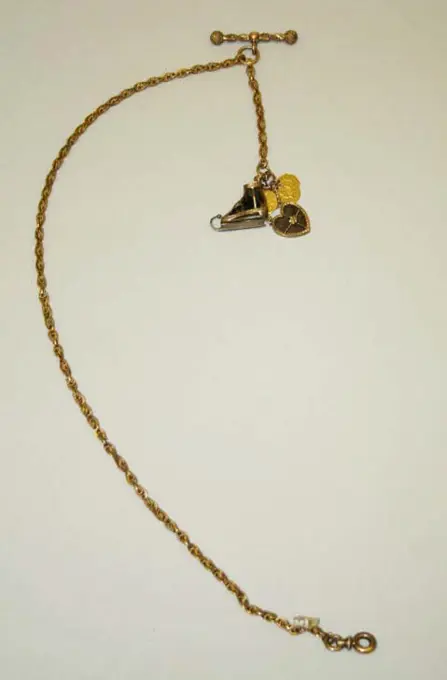
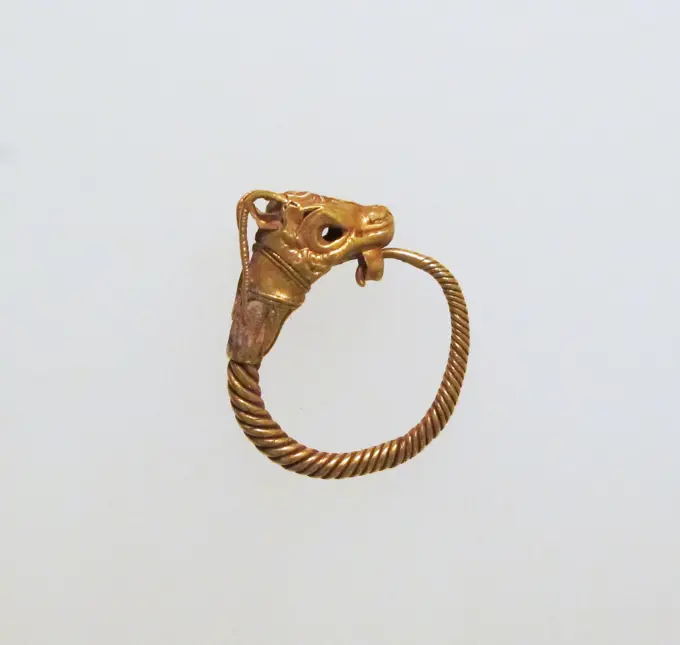
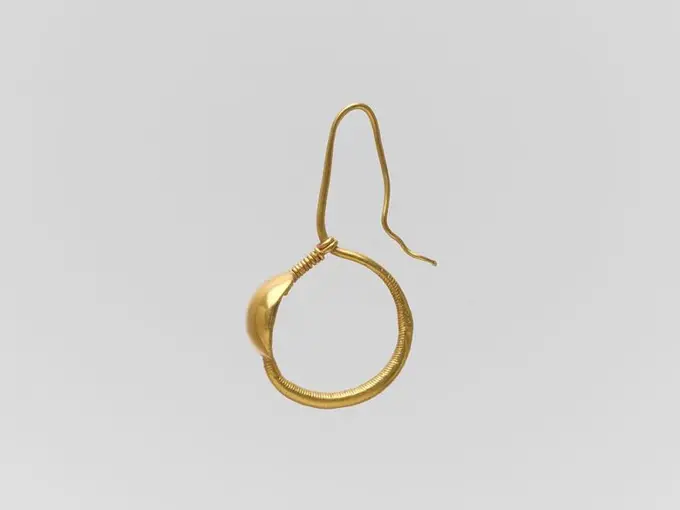
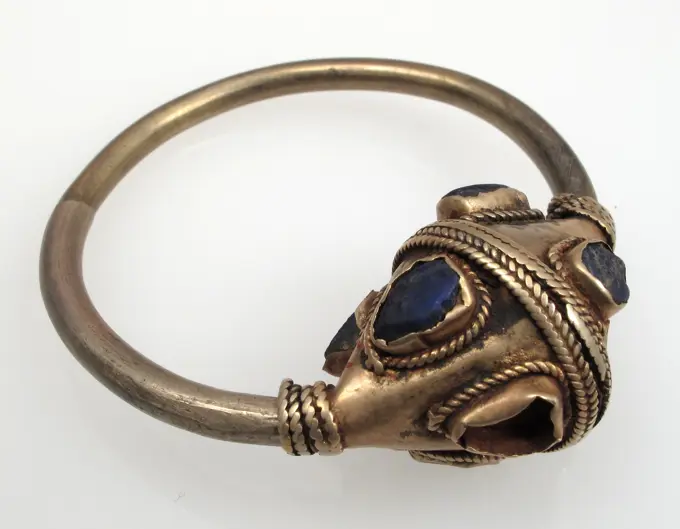
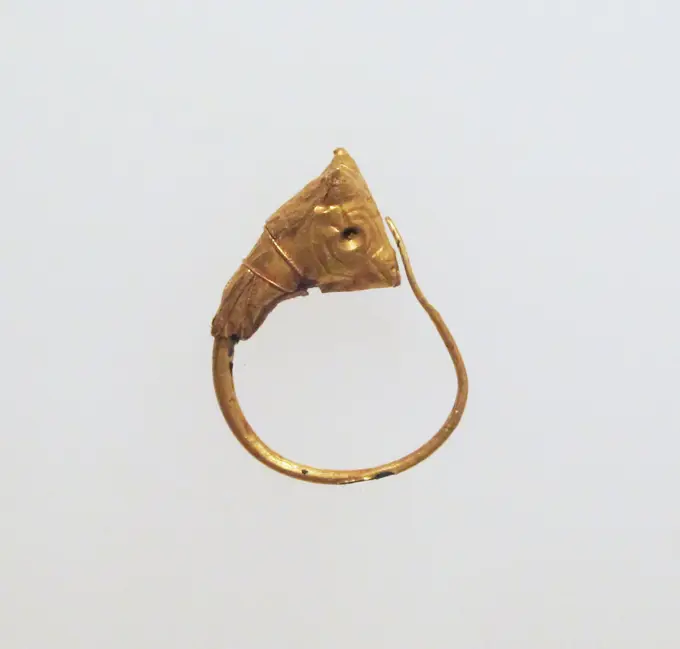
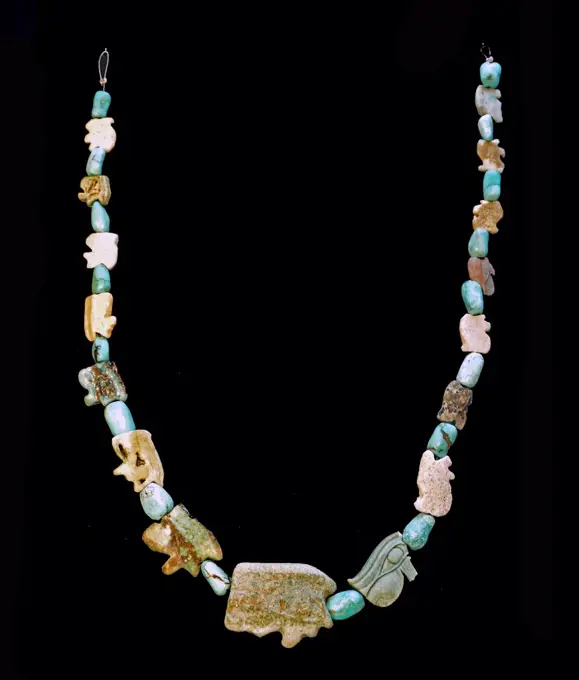
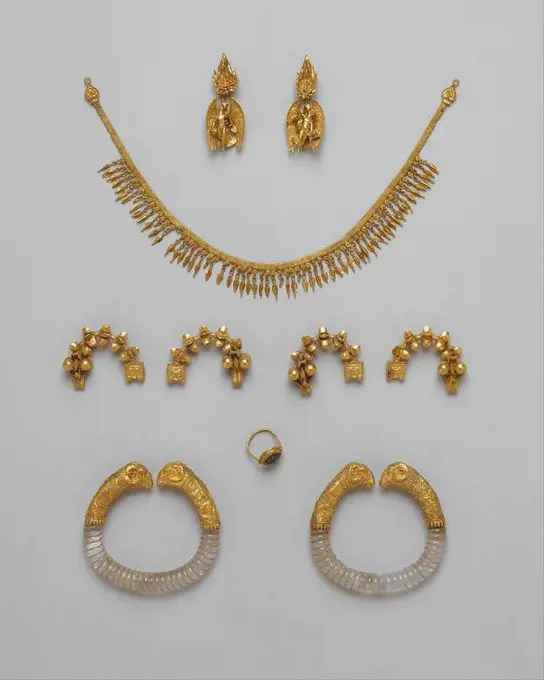
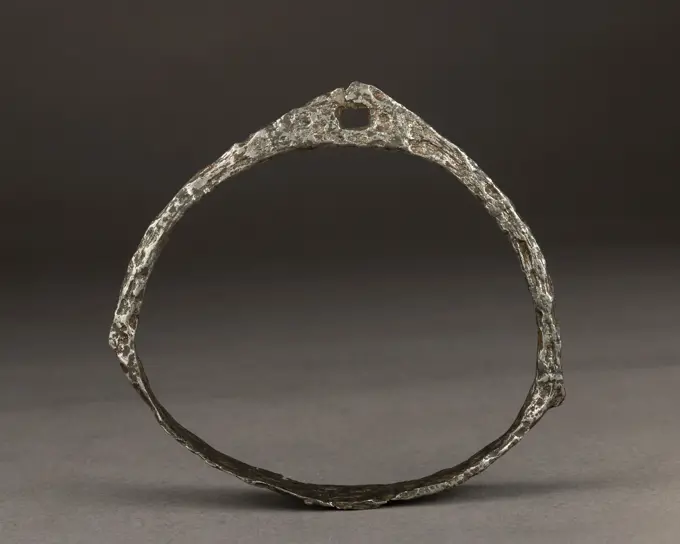
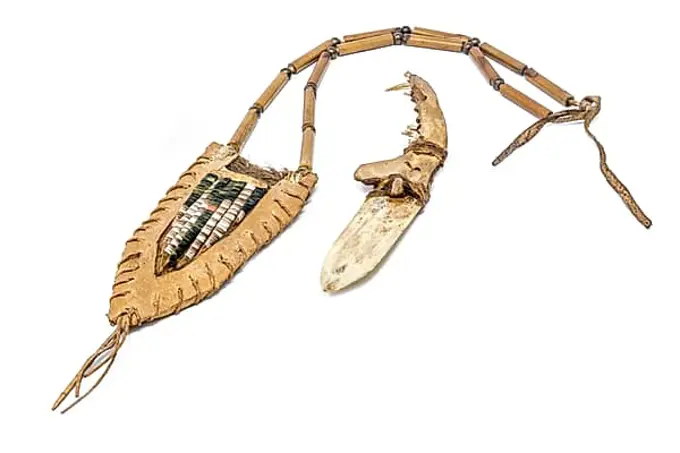
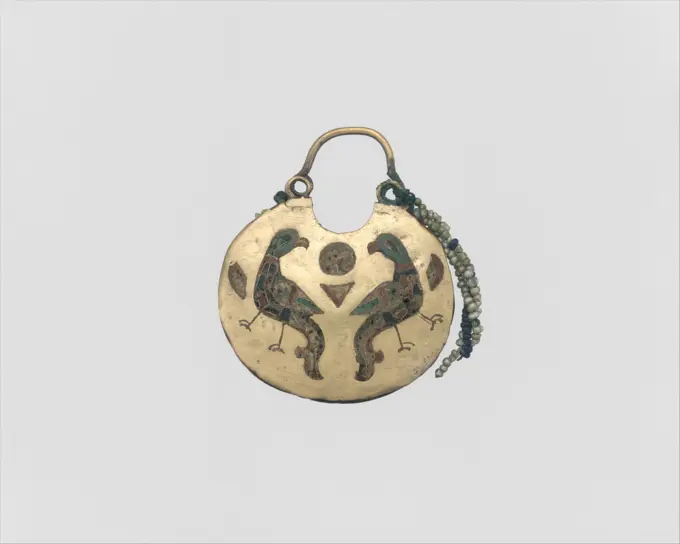
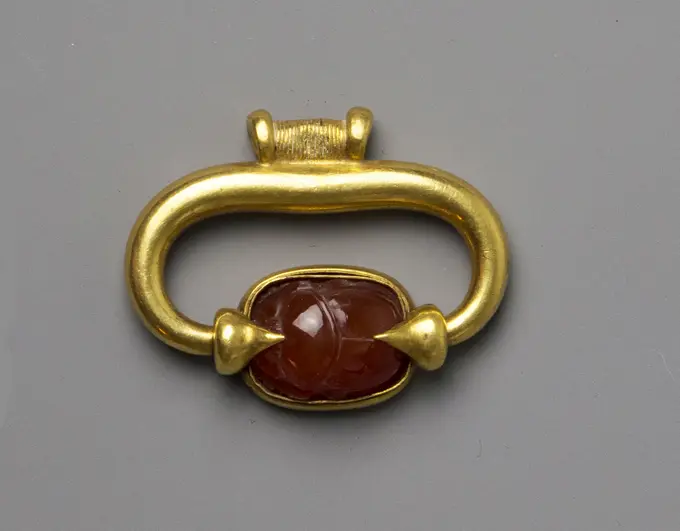
Pull, WreathBridle and Matching Crupper Straps. Culture: Tibetan. Dimensions: Bridle (a); as mounted, H. 22 in. (55.9 cm); W. 10 in. (25.4 cm); D. 8 in. (20.3 cm); crupper (b); L. 37 in. (94 cm). Date: 15th-17th century.The lavish fittings of this bridle rank among the best examples of pierced and damascened Tibetan ironwork. The delicacy and complexity of the pierced work are particularly noteworthy. Ceremonial bridles with iron fittings of this type are extremely rare, the vast majority having fittings made of gilded copper. Museum: Metropolitan Museum of Art, New York, USA.. Golden lorgnet with replenoid handle with engraved trim, to gold chain with sliding pin with pearls.Gold annular earring. Culture: Cypriot. Dimensions: Diameter 1 5/16 in. (3.4 cm). Date: ca. 1600-1050 B.C..Earring of simple form. Museum: Metropolitan Museum of Art, New York, USA.Sample of a Deep-Sea Lead Line. Monster from a deep sea perpendicular. It is a piece of three-stranded cable rope with a knot at every end. The skeins are also laid cable. The weight of this perpendicular was 0.89 Dutch pounds for every 100 m; The breaking force was 140 Dutch pounds.Necklace, 20th century, 15 in. (38.1 cm), Turquoise, trade beads, bone, United States, 20th centuryKatherine Hastings, Necklace, c 1938 NecklaceNecklace, 20th century, 16 in. (40.64 cm), Silver, United States, 20th centuryScarab Finger Ring Inscribed for Hatshepsut ca. 1479-1458 B.C. New Kingdom. Scarab Finger Ring Inscribed for Hatshepsut. ca. 1479-1458 B.C.. Gold, glazed steatite. New Kingdom. From Egypt. Dynasty 18Gold necklace from the Metal Age, from Hinova treasure, Romania. Jewellery. Geto-Dacian Civilization, 12th Century BC.Necklace 18th-19th century. Necklace. 18th-19th century. Gold. Attributed to India. JewelryGirdle with gold and lapis wallet-shaped beads ca. 1479-1425 B.C. New Kingdom This hip belt, or girdle, belonged to one of three foreign wives of Thutmose III. It is generally accepted that the larger "wallet" beads of gold and lapis lazuli are stylized cowrie shells. Such beads were popular in the Middle Kingdom and symbolized fertility.. Girdle with gold and lapis wallet-shaped beads. ca. 1479-1425 B.C.. Gold, lapis lazuli. New Kingdom. From Egypt; Probably from Upper Egypt, Thebes, Wadi Qabbanat el-Qurud, Tomb of the 3 Foreign Wives of Thutmose III (Wadi D, Tomb 1). Dynasty 18EarringsEarring-loop type, plain. Earring-loop type, plain. Gold. Gold and SilverLocket and Beads Probably Owned by HannahPelletreau.  Maker: Elias Pelletreau, 1726-1810Baldric first half 17th century Spanish Much of our knowledge of jewelry fashions is derived from contemporary portraits. Although chains of solid gold were especially prized, an enameled example very much like this one, worn diagonally across the chest, appears in the portrait of a young man dating from the early seventeenth century. The enameling technique is similar to that of the brass veneras also in this case.. Baldric 198731Earring with chain pendants. Earring with chain pendants 243202Escutcheon, Gilt copper, Oval cartouche flanked by bunches of grapes., England, ca. 1825, metalwork, Decorative Arts, EscutcheonNecklace of beads ca. 150 B.C. Parthian. Necklace of beads. Parthian. ca. 150 B.C.. Stone, shell, frit. Parthian. Mesopotamia, NippurDiadem of Senebtisi ca. 1859-1770 B.C. Middle Kingdom This fragile diadem of looped wire was found on the head of Lady Senebtisis mummy. Diadems are a well-known jewelry type, especially among elite members of society, although this style has no known parallel. The unusual pendant decoration for her forehead may have represented two aroused cobras facing away from the center. If this is the intended design, which is known from other jewelry, it is depicted here quite schematically.. Diadem of Senebtisi 544229Gold earring with disc and pendant 2nd century A.D. Roman. Gold earring with disc and pendant. Roman. 2nd century A.D.. Gold. Mid Imperial. Gold and Silver. Gold necklace. Consisting of links.Whimsey in the form of a horseshoe, 5 x 5 1/16 x 1/4 in. (12.7 x 12.86 x 0.64 cm) (without dangles), Beads, cotton, sequins, United StatesNecklace, Guillaume Louis Ploem, c. 1824 - C. 1838 Collier of gold. Made from filigrein and round braid. The necklace is decorated with 4 rosettes, the middle rosette of which is bow -shaped. The loose pendant can be attached to the necklace. Amsterdam gold (metal) filigree Collier of gold. Made from filigrein and round braid. The necklace is decorated with 4 rosettes, the middle rosette of which is bow -shaped. The loose pendant can be attached to the necklace. Amsterdam gold (metal) filigreeBransoleta. unknown, authorNaszyjnik - fragment. unknown, authorEarring, crescent-shaped. Earring, crescent-shaped 243317Rosary or Necklace 17th-19th century Philippines. Rosary or Necklace 40565Cap ornament, Gold, Three broad bands interlocked to form a ball-shaped ornament, at top of a pin; similar, smaller ball attached by ashort chain. Forms a pair with 1916-29-59., France, mid-19th century, jewelry, Decorative Arts, Cap ornamentArmlet. India, West Bengal, Kolkata (Calcutta), circa 1880. Jewelry and Adornments. Gold repoussé with cotton tassels and silver wireGold Earring 400-500 Ostrogothic () Hoop earrings with polyhedral beads, derived from Late Roman jewelry, were adopted by eastern Germanic women in the fifth century. The distinctive beads, which serve as terminals for the hoops, generally have fourteen sides, eight of which are triangular and six diamond-shaped. Versions have been found made of silver and gold; the polyhedral terminals might be composed of simple undecorated planes or inlaid with semiprecious stones or glass. The Museum's pair, with granulated ornament and a hoop made of two twisted wires, represents a sophisticated and delicate example of the goldsmith's art.. Gold Earring 469062State chain Presumably from Jhr. Mr. P.J. Teeding of Berkhout, mayor of Baarn.Hammered Gold Band with Bells 1st-mid-16th century Peru; north coast (). Hammered Gold Band with Bells 308903Necklace -Knotted bracelet. Dimensions: Diam. ca. 3.6 cm (1 7/16 in.). Dynasty: late Dynasty 21. Date: ca. 1000-945 B.C..Five bracelets of linen were found around the right wrist of Henettawy's mummy. This one, made of two 2-ply strands, bears no beads or amulets, but instead is enhanced only by regularly spaced knots. Museum: Metropolitan Museum of Art, New York, USA.Nine-Gem (Navaratna) Talismanic Bracelet, One of a Pair 19th century Talismanic and astrological attributions of gems and stones have a deep history in the Indian subcontinent. In the navaratna (nine gems) series, specific precious gems each relate to one of the nine planets of the astrological system. This bracelet is composed of ten gems in a variation of the traditional grouping, and the back of each setting is enameled with a four-petalled blossom in green.. Nine-Gem (Navaratna) Talismanic Bracelet, One of a Pair. 19th century. Gold, enamel; inset with turquoise, chrysoberyl, sapphire, topaz, hyacinth, ruby, emerald, diamond, coral, pearl. Made in Northern India. JewelryEarring with plain loop and disc. Earring with plain loop and disc 243141Party: gold and agate bracelet, ancient Rome, 2nd or 3rd century ". Museum of Fine Arts in the city of Paris, Petit Palais. 26984-5 Accessory, agate, antiquity, jewelry, bracelet, Roman empire, female fashion, gold, adornment, ancientGold bracelet from the excavations at the Kukova burial mound in Duvanlj, Bulgaria. Goldsmith art. Thracian Civilization, 5th Century BC.Necklace. Culture: American. Dimensions: L. 18 in. (45.7 cm). Maker: Louis Comfort Tiffany (American, New York 1848-1933 New York). Date: ca. 1904.This necklace, composed of grape clusters and leaves, is one of the earliest known examples of jewelry designed by Louis Comfort Tiffany. Tiny black opals represent the clusters of fruit, and finely executed enameling in shades of green on gold forms the delicate leaves. Opals appealed to Tiffany for their fiery glow, reminiscent of his vases in Favrile glass. The asymmetry of the design and its organic shapes are entirely in keeping with his passion for natural forms. This necklace was among the twenty-seven pieces that Tiffany made for the Louisiana Purchase Exposition in Saint Louis in 1904. It has been altered twice since its original conception, first by the addition of grape clusters on either side of the central pendant and later by the addition of a double bar-link chain. These changes were probably overseen by Tiffany himself, who Choker of Gold Rings. Dimensions: L. 33.5 cm (13 3/16 in); rings d. 0.6 cm (1/4 in). Dynasty: Dynasty 17-Early Dynasty 18. Date: ca. 1635-1458 B.C..Chokers like this one are uncommon and seem to come from around Thebes; the earliest example is from a Dynasty 11 (ca. 2040 B.C.) burial. By the beginning of Dynasty 18, they were worn in multiple strings. These short necklaces are often referred to as shebiu, even though they do not resemble the traditional necklaces of lentoid beads called shebiu collars that the king awarded courtiers. Furthermore, several examples come from female burials and there is no evidence that women were ever awarded shebiu collars in early Dynasty 18. Museum: Metropolitan Museum of Art, New York, USA.Old antique oval wooden picture frame isolated on white background. Old antique oval wooden picture frame isolated on white background. Copyright: xZoonar.com/StefanxSutkax 19486785Stirrup ca. 14th-16th century Tibetan or Mongolian This stirrup is exceptional for the quality and lively nature of the dragonheads at the top of its arch, for its overall form and balance, and for the use of brass cladding over iron as a decorative technique, which is otherwise unknown on Tibetan or Mongolian stirrups. Its worn, hand-rubbed finish also shows that this stirrup was well appreciated over many generations for its tactile beauty.. Stirrup 634496Pair of Earrings 8th-12th century Indonesia (Central Java). Pair of Earrings 64232Necklace ca. 1815 European. Necklace 80335COLLAR DE ORO HISPANOMUSULMAN - TESORO DE BENTARIQUE- COLLAR DE FILIGRANA. Location: MUSEO ARQUEOLOGICO NACIONAL-COLECCION. MADRID. SPAIN.Fob 1870 American. Fob 122291Dessert plate - Théodore Haviland & Company, 1892-1941 Théodore Haviland & Company, 1892-1941Necklace, before 1532. Peru. Coral; overall: 75 cm (29 1/2 in.).Gold earring with head of a goat 4th-3rd century B.C. Greek. Gold earring with head of a goat 242843Earring, crescent-shaped, decorated. Earring, crescent-shaped, decorated 243313European Iron Age. Havor Hoard, treasure. The Havor Ring. Havor (copy). 1st century. Gotland Island. Swedish History Museum. Stockholm. Sweden.Pendant in the form of a vase Etruscan With two handles and embossed decoration.. Pendant in the form of a vase. Etruscan. Gold. Gold and SilverRetro bracelet isolated on white background Necklace, from a set of five, 8 x 7 11/16 x 7/16 in. (20.32 x 19.53 x 1.11 cm), Silver, ChinaEarring-loop type, plain. Dimensions: Other: 1 13/16 x 1 3/4 x 1/8 in. (4.6 x 4.4 x 0.3 cm). Museum: Metropolitan Museum of Art, New York, USA.Cord With Tassel (France); silk, metallic thread; H: 167 cm (5 ft. 5 3/4 in.); Bequest of Richard Cranch Greenleaf in memory of his mother, Adeline Emma Greenleaf; 1962-58-10Torque necklace with a bee-shaped pendant. warsztat nadczarnomorski, workshopancient Oriental earrings with precious stones on white background. vintage Oriental earrings closeupglass paste beads with colored threads glass paste beads with colored threads, La Carada necropolis, Espeluy, 7th-2nd century BC. Iberian Museum of Jaén, Andalusia, Spain Copyright: xZoonar.com/BartomeuxBalaguerxRotgerx 21714854Mourning Collier of black beads made of glass, c. 1880 - c. 1900 Mourning collier of black beads made of glass. The beads have the shape of a rod, slightly diluted in the middle, so that the beads arrange alternately to the black wire on which they are strung. The necklace closes by means of two pieces of metal with thread. Europe glass. metal basting Mourning collier of black beads made of glass. The beads have the shape of a rod, slightly diluted in the middle, so that the beads arrange alternately to the black wire on which they are strung. The necklace closes by means of two pieces of metal with thread. Europe glass. metal bastingGold and glass earring with head of a dolphin 2nd-1st century B.C. Greek With three glass paste beads.. Gold and glass earring with head of a dolphin. Greek. 2nd-1st century B.C.. Gold, glass paste. Late Hellenistic. Gold and SilverPendant Necklace. UnknownDish, anonymous, c. 1625 Flat, oval scale of rock crystal in a frame of gold with imposed motifs from email. Acanthus vranks and four house snails in matte sharpening are depicted in the flat. Prague (Possible) frame: Silver (Metal). frame: Gold (Metal). frame: gilding Flat, oval scale of rock crystal in a frame of gold with imposed motifs from email. Acanthus vranks and four house snails in matte sharpening are depicted in the flat. Prague (Possible) frame: Silver (Metal). frame: Gold (Metal). frame: gildingHepy, String of periwinkle shells ca. 1950-1885 B.C. Middle Kingdom. Hepy, String of periwinkle shells. ca. 1950-1885 B.C.. Shell (Marine), Nacre, Pearl. Middle Kingdom. From Egypt, Memphite Region, Lisht South, tomb west of the tomb of Senwosretankh, Pit 3, Burial of Hepy, scattered in front of blocking wall, MMA excavations, 1933-34. Dynasty 12, early-midHoop Earring with Ibex Head Finial. UnknownBulgaria, Nikolaevo, Gold necklace with a quartz crystal locketPair of gold earring with dolphin's heads with emerald, glass and gold beads. Greek. 2nd-1st century B.C. Metropolitan Museum of Art. New York. USA.Gold earring with convex disk. Culture: Roman. Dimensions: Other: 1 × 3/8 × 1 5/8 in. (2.5 × 0.9 × 4.2 cm). Date: 2nd century A.D.. Museum: Metropolitan Museum of Art, New York, USA.Bracelet 7th century East Germanic. Bracelet 468308Feline-Headed Girdle, Anklets, and Bracelets of Princess Sithathoryunet. Dimensions: 16.1.6circumference of girdle: 81 cm (31 7/8 in.)large leopard heads: 4.5 x 1.2 cm (1 3/4 x 1/2 in.)small leopard heads: 1.6 cm (5/8 in.)Diam (amethyst beads): 0.9 cm (3/8 in.). Dynasty: Dynasty 12. Reign: reign of Senwosret II-Amenemhat III. Date: ca. 1887-1813 B.C..These five pieces made from gold and amethyst create a set with powerful magical properties. All of the elements focus on feline imagery, which can be related to protection and guardianship. The princess likely wore them during a religious ritual or state ceremony. The feline heads on the girdle contain small pellets that would have made a gentle tinkling sound when the princess walked or danced. One head forms a cleverly constructed clasp. Museum: Metropolitan Museum of Art, New York, USA.One square. UnknownOne square. UnknownTwo squares and 10 gold circle attachments (attached to .9). UnknownEarring with stone cross. Earring with stone cross 243450Collar, Medium: cotton Technique: machine knitting, Four round white collars., USA, ca. 1860, knotted, knitted and crocheted textiles, CollarSilver, gilt silver and chrysolite necklace, 18th century, Evora Museum, Evora, Alentejo, Portugal, Europe.Gold Silla objects - earrings and jade pendants, 5-7th cent. AD, KOREA.Gold earring with head of a bull 4th-3rd century B.C. Greek. Gold earring with head of a bull. Greek. 4th-3rd century B.C.. Gold. Classical or Hellenistic. Gold and SilverGuarrazar Hoard. Votive crown and cross. Visigothic goldsmithing. Dated between 621 and 672 AD. From Guarrazar (Guadamur, province of Toledo, Spain). National Archaeological Museum. Madrid. Spain.Charm Case, 1800s. Tibet, 19th century. Gold with jewels; overall: 7.2 x 7.8 cm (2 13/16 x 3 1/16 in.); cord: 94 cm (37 in.).Bangle with Rings 300 B.C.-A.D. 400 Thailand. Bangle with Rings. Thailand. 300 B.C.-A.D. 400. Bronze. Late period. JewelryEgyptian Necklace with faience Wadjet-amulets and turquoise beads. Ptolemaic Period (302-30 BC). Lapis lazuli represented the night)sky; the hair of the gods was made of lapis lazuliThree Samples Of Lightning Conductors. Three samples of lightning leaders for ships in the form of copper wire, all cable cut. The two thin consist of five yarns each, one with a copper ring at an end; The thicker thunder chain consists of three strands of five yarns and the parchment label The ASMUS signature has been confirmed.Loop Earrings. Dated: c. 1937. Dimensions: overall: 28.1 x 23 cm (11 1/16 x 9 1/16 in.). Medium: watercolor, colored pencil, pen and ink, and graphite on paper. Museum: National Gallery of Art, Washington DC. Author: Tulita Westfall.Gold earring with head of a goat 2nd-1st century B.C. Greek Circlet of twisted gold wire, which tapers from the goat's head at the front end to a hooked point which passes through a loop below the animal's throat.. Gold earring with head of a goat 242902Gold strap necklace with beechnut pendants. Culture: Greek. Dimensions: H. 13/16 in. (2.1 cm); total length 13 in. (33 cm); length of section with beech nuts 9 1/16 in. (23 cm). Date: ca. 300 B.C..The strap is made up of three, double loop-in-loop chains with double interlinking and a fringe of beechnut pendants. The terminals take the form of an ivy or grape leaf and have a border of beaded wire and a rosette in the center. Strap necklaces have been found in many areas of the Greek world, including southern Italy, Asia Minor, and the North Pontic region (around the Black Sea). Museum: Metropolitan Museum of Art, New York, USA.Nose Ornament with Snakes 2nd century B.C.-A.D. 2nd century Ecuador or Peru. Nose Ornament with Snakes. Ecuador or Peru. 2nd century B.C.-A.D. 2nd century. Gold. Ecuador or Peru. Metal-OrnamentsClasp.  Maker: Joseph Richardson, Sr., American, 1711-1784Sling Shot with Shells. Culture: Chimú or Chancay. Dimensions: Length 56-5/8 in. (144 cm). Date: 14th-15th century. Museum: Metropolitan Museum of Art, New York, USA.Stirrup 10th-12th century West Slavic This simple stirrup of Slavic type is said to have been found on the site of Dolkheim, today in Northern Poland.Horses had great importance in Slavic society, in both its social and religious aspects. Equestrian equipment, like stirrups, spurs and bits, are regularly found in their burials, even after their Christianization, among the goods warriors wanted to bring with them to the afterlife. The elite would sometimes even be accompanied by sacrificed horses, a meaningful practice at that time, considering the high economic value of horses.. Stirrup. West Slavic. 10th-12th century. Iron. Dolkheim, East Prussia. Equestrian Equipment-StirrupsVarious jewellery isolated on the white backgroundIndian bone knife with a fox pine handle in a rawhide quiver decorated with porcupine quillsOne of a Pair of Temple Pendants, with Confronted Birds (front) and Human Heads (back) 11th-12th century Kievan Rus' When Kievan Rus, a powerful new state to the north of the Byzantine Empire, accepted Christianity as its official religion in 988, the aristocracy also adopted the manners and dress of the Byzantine court. Local artists soon produced their own versions of Constatinopolitan fashions. This temple pendant of precious metals worked in cloisonné enamel or niello are local variants of the more intricately detailed works made for the Byzantine court.As in Byzantium, temple pendants may have been worn next to the face by both the men and the women of Rus. The works shown here were perhaps buried by their owners when the Mongol armies under Batu Khan sacked Kiev in 1240.. One of a Pair of Temple Pendants, with Confronted Birds (front) and Human Heads (back) 464575Gold pendant ring with carnelian scaraboid ca. 5th-4th century B.C. Cypriot Pendant ring with sard scaraboid finely modeled, Horus hawk with symbols of Osiris; uraeus-snake in front; Egyptian style.. Gold pendant ring with carnelian scaraboid. Cypriot. ca. 5th-4th century B.C.. Gold, carnelian (chalcedony). ClassicalBelt -Ornament early 19th century Dutch One of the most recognizable and interesting aspects of Dutch costume is the ear-iron. The Frisian style of this headwear is a wide band of metal fitting around the back of the head with ornaments at the temples. The shape and style of the ornaments were indicative of their status, their husband's or son's profession, their locality, or even their religion. The ear-iron was usually worn with a lace cap which partially covered the metal. This type of gold filigree work is said to have originated in East Frisia in the 15th century when gold was first discovered in that area. The high quality and intricate designs of these examples suggest the wearer's wealth and high social status.. Ornament. Dutch. early 19th century. metal, pearlsRudrakshamala Necklace, early 19th century, L.17-1/2 x W.(at widest point in pendant)4-3/8 x D.1-5/8 in., Rudraksha berries, 22k gold, silver, rubies, and semiprecious stones, 19th century, This elaborate gold necklace once adorned the neck of a Brahman priest or wealthy Chettiar (a male member of a mercantile community with roots in Tamil Nadu in southern India). He would have worn it on very special occasions, or donated it to a temple. Its chain, made of Rudraksha beads from a tree believed to be sacred to the Hindu god Shiva, is attached to three golden lozenges decorated with rubies and semiprecious stones. The central amulet depicts the divine couple, Shiva and Parvati, flanked by their two sons, Ganesha and Murugan. Kaumari, a goddess related to Murugan, appears on the clasp astride her vehicle, the peacock. The bottom amulet would have contained a lingam, an abstract representation of Shiva, or sacred ash, allowing it to function as a portable shrine.Commemorative badgeScarab. Unknown