Vintage Decorative Hardware

Antique hardware pieces including earrings, skewers, and a curb bit, reflecting craftsmanship from different historical periods.

Windwijzer with Vaan (marked and dated 1767), 1767   iron (metal)   iron (metal)
Windwijzer with Vaan (marked and dated 1767), 1767 iron (metal) iron (metal)
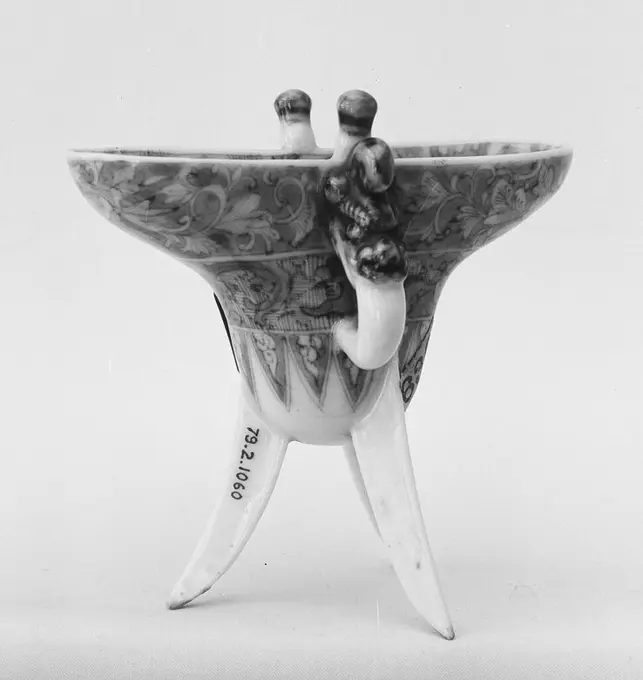
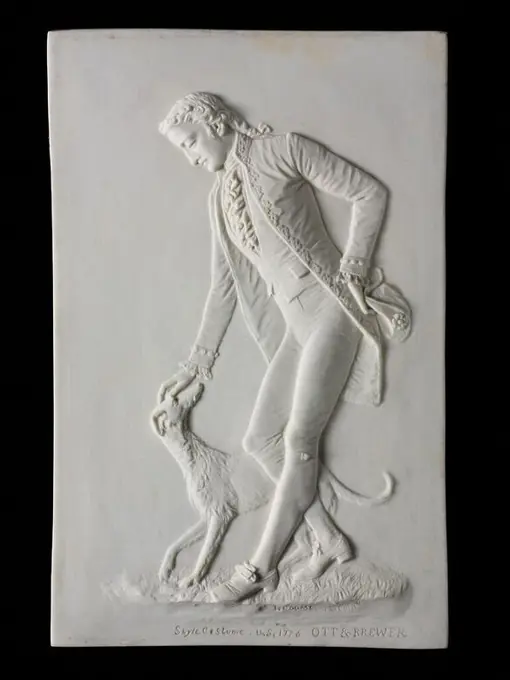
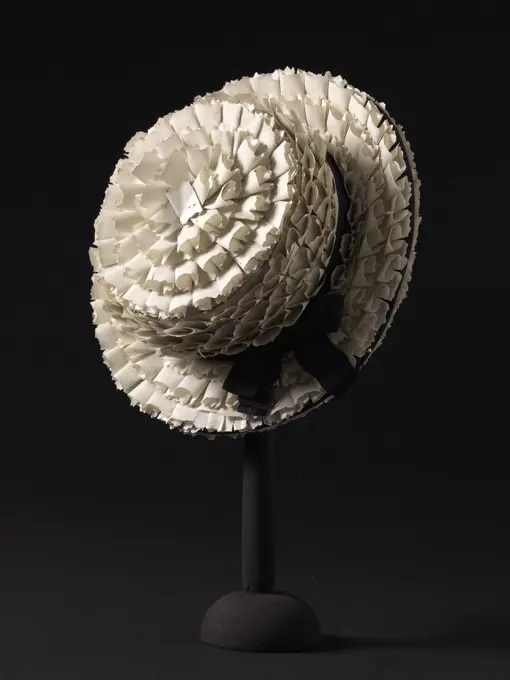
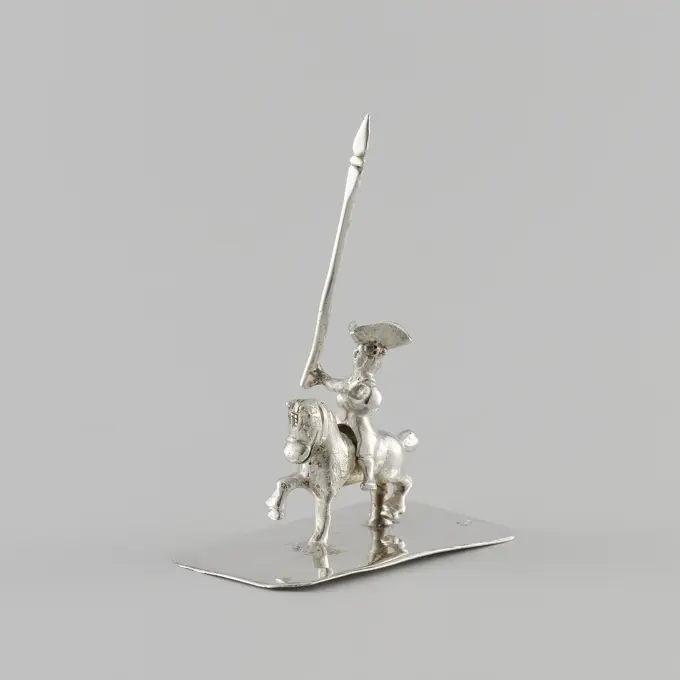
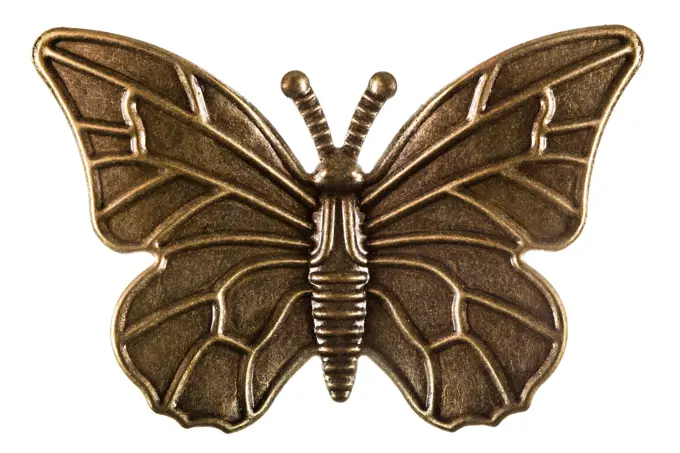
netsuke Figure; wood, carvedLibation Cup. Culture: Japan. Dimensions: H. 2 3/4 in. (7 cm); W. 3 1/4 in. (8.3 cm); D. 1 3/4 in. (4.4 cm). Date: 18th century. Museum: Metropolitan Museum of Art, New York, USA.Gartendekoration Gartendekoration Copyright: xZoonar.com/angetax 5909910InuksukButterfly, decorative element, isolated on white background Butterfly, decorative element, isolated on white background Copyright: xZoonar.com/OleksandrxKostiuchenkox 9749948Pilgrim's Badge 14th-16th century French. Pilgrim's Badge. French. 14th-16th century. Lead. Metalwork-LeadAnonymous. Chenet (belonging to a pair) in the shape of a character in Chinese costume. Chiseled and gilded bronze. Between 1715 and 1774. Paris, Cognacq-Jay museum. 101701-24Neapolitan mandolin, c. 1770 - 1780 Napelse Mandolinemet turtle and mother -of -pearl. Naples wood (plant material) Napelse Mandolinemet turtle and mother -of -pearl. Naples wood (plant material)Shadow player 19th century China. Shadow player 73274Carved elephant tusk gift to Jacob Theodoor Cremer, anonymous, 1919  Processed elephant position on standard upwards with figures and buildings. Front: above the middle breastpiece of J.Th. Cremer used to the right. Dressed in ministers costume with decorations. He wears a stitch with rosette shape on the side and horizontal 6x with rope wrapped. Unkinder list for portrait. Below inscription in framework without decorations. Back in four separate frames: left above Eastern buildings with high columns and dome; Right above sailing ship on waves; Left under Chinese buildings; Right under steam locomotive on rails at Perron. Completely continued with human and animal figures (dragon, (ostrich) bird, horse) with rosettes in between. The human figures sometimes hold attributes in the hand such as a dagger, flute, clapper, brushes and the like belonged to wooden standard. While ivory cutting  Sumatra. Washington D.C.Lamp (France); Designed by Marcel Bouraine; gilt bronze, onyxRattle 18th-19th century Yoruba peoples. Rattle. Yoruba peoples. 18th-19th century. Ivory. Nigeria. Bone/Ivory-Musical InstrumentsPlaque. Artist: Isaac Broome (1835-1922). Culture: American. Dimensions: 14 1/2 x 10 3/4 in. (36.8 x 27.3 cm). Maker: Ott and Brewer (1871-1893). Date: ca. 1876-87. Museum: Metropolitan Museum of Art, New York, USA.Bright gold colour wooden Christmas treeGlass Fragment early 16th century European. Glass Fragment. European. early 16th century. Colorless glass. Glass-StainedGiovanni Battista Metellino (Workshop of) / 'Octagonal rock crystal tray with four engraved dolphins'. 1600 - 1630. Rock crystal / Hyaline quartz, Brass. Museum: Museo del Prado, Madrid, España.Hair comb of turtle and horn with richly cut back, eight teeth, anonymous, c. 1800 - c. 1830 Hair comb of turtle and horn with highly raised richly cut back, leaf and flower vines, awarded with festons. Eight teeth. Netherlands horn (animal material) sawing / filing / polishing Hair comb of turtle and horn with highly raised richly cut back, leaf and flower vines, awarded with festons. Eight teeth. Netherlands horn (animal material) sawing / filing / polishingDenise Squéville. Small canoeing covered with a white celluloid ribbon ribbon on a braided straw background, garnished with navy blue taffeta ribbons, 1941-1942. Galliera, fashion museum of the city of Paris. Canoeing Accessory, boater, celluloid, feminine, haute coutureModel of A Buoy, Rijkswerf Enkhuizen, 1869 demonstration model Model of a buoy with a conical body with sharp ends and round of diameter. Like a barrel, she is composed of stuff and hoops. On top is an eye, as well as at the bottom of a long point in front of the anchor chain. Marked with crossed anchors. Model belongs to series of six buoys of different sizes. Scale 1:10 (archives). Enkhuizen wood (plant material). iron (metal)Gold torc from the Snettisham hoard L, Iron Age, c75 BC. Artist: UnknownBird Bead, c. 900-1550. Colombia, Muisca style, 10th-16th century. Cast gold; Muisca metalwork divides into two categories: ornaments to be worn, such as these, and offering figurines, in the case to the right. The elaborate bird pendant features delicate herringbone moldings, openwork patterns, and wing details-all part of the wax model from which the pendant was cast (see nearby computer animation). The dangles were attached after casting.Birdcage; wood, carved and paintedHunt Beaker (Jagdhumpen). UnknownBone of a Iberian Ham Leg , after it has been eated Isolated on a white backgroundWhite fusinus colus shell on driftwood black background white fusinus colus shell on driftwood black background copyright: xzoonar.com/serhiixzarevx 22580077Fragment; wood, carvedCeremonialSling.  Artist: UnknownShields with Maltese Cross and spears. 17-18th cent. The Grand Master's Palace, Valletta.Pouch for a Sewing Kit. Central or Eastern Tibet, 19th century. Tools and Equipment; pouches. Silver, gilt silver, turquoise, carnelian, coral, and leatherMezuzah (doorpost), c. 1900, 9 1/4 x 3 5/8 x 11/16 in. (23.5 x 9.21 x 1.75 cm), Silver, Poland (probably), 20th century, The mezuzah (מזוזה) is a symbolic object meant to serve as a daily reminder of the presence and protection of God. Mezuzot are inscribed pieces of parchment containing certain passages of the Book of Deuteronomy. The piece of parchment is then rolled and placed into some kind of decorative and protective case.Pair of Earrings China. Pair of Earrings 60826Smart dagger Smart dagger of the medieval soldier. It was used for hunting Copyright: xZoonar.com/VALERY-SIBRIKOVx 20002528No maker's mark, Caddy Spoon, 1799/1800, silver.Kosode Made 1801-1900 Japan. Silk and gold-leaf-over-lacquered-paper-strip-wrapped cotton, warp-float faced 4 1 satin weave with supplementary patterning wefts bound in weft-float faced 1 4 'Z' twill interlacings; lined with silk, plain weave, creped wefts, dyed with safflower .Militaria, Italy, 20th century. Bearskin of the 5th Lancer Regiment of Novara, 1934.Lock early 16th century German The decoration of Gothic iron locks and keys was often elaborate and of the highest standard of workmanship. The motifs were frequently drawn from Gothic architecture, reproducing on a miniature scale complicated tracery patterns and even tiny statuettes. A number of these tiny locks were compound, with some of the mechanisms concealed from view, and required two or even three keys used in sequence to open them. It has been suggested that the greatly expanded use of locks on doors, or coffrets and other types of storage chests was a result of the increasing urbanization of life and the new emphasis on material wealth and private ownership which developed in the late Middle Ages.. Lock 468892Carved wood throne, from Verucchio (Emilia Romagna region, Italy)Treasure of Tutankhamun (dc1340 BC) : Model of boat. Cairo Museum, Egypt,Purse late 15th century Northern European. Purse. Northern European. late 15th century. iron, red velvet brocade. Metalwork-IronRed with red horn with a cord on a nail, anonymous, c. 1600 - c. 1699 Double with a red (post) Horn hanging in an oval with a cord on a nail.  glass. lead (metal). Double with a red (post) Horn hanging in an oval with a cord on a nail.  glass. lead (metal).Mirror with Birds 2nd-7th century Moche. Mirror with Birds 315272African dance maskBird Bead, c. 900-1550. Colombia, Muisca style, 10th-16th century. Cast gold; Muisca metalwork divides into two categories: ornaments to be worn, such as these, and offering figurines, in the case to the right. The elaborate bird pendant features delicate herringbone moldings, openwork patterns, and wing details-all part of the wax model from which the pendant was cast (see nearby computer animation). The dangles were attached after casting.Statuette representing a reindeer, wood and skinModel of a Floating Beacon. Model of an iron driving beacon in the form of a small boat with a mast with a screen and a bell. The hull is sharp V-shaped, equipped with a keel and with a clear distinction between front and stern; The top is closed and equipped with a manhole and a pump that is closed with a hexagonal screw cap. A harp closure for the anchor chain hangs on the keel, which can be placed in three different places. The masts are stamped with four stains, which are performed in staffiled steel, two front and two. The screens consist of two half circles, which are placed in the plane of the mast and the baking stages. The wind farms have a V-shaped cut-out and the bell is fixedly mounted while the clapper starts the bell through the movement of the buoy on the waves. The buoys have a slightly different hull shape.Plenty of Retro styled golden color keysPieces of wood puppetSculpture Fecit by Robert Lipp 2001, bird figure, feathers, plumage, beak, open, large, market place, Eppingen, Kraichgau, Baden-Wuerttemberg, Germany, EuropeRingsteker, anonymous, c. 1704 - c. 1734 On an elongated plate is a rider with a lance in his right hand. The rider is wearing a stitch. The image is marked: stk. = Haarlem, size = foot 75A and crowned V in a shield. Haarlem silver (metal) On an elongated plate is a rider with a lance in his right hand. The rider is wearing a stitch. The image is marked: stk. = Haarlem, size = foot 75A and crowned V in a shield. Haarlem silver (metal)Shadow Puppet (Wayang Kulit) of Rara Ireng, from the set KyaiNugroho.   Maker: Ki Kertiwanda  Maker: Ki Bekel PrawirasucitraButterfly, decorative element, isolated on white background Butterfly, decorative element, isolated on white background Copyright: xZoonar.com/OleksandrxKostiuchenkox 9749943Stibnite. minerals. Asia; Japan; Ehime Prefecture; Saij, Ichinokawa Community Center; Ichinokawa mine