Vintage Fashion Accessories

A variety of elegant fashion items such as purses, stoles, and bonnets, featuring rich fabrics and intricate details, highlighting historical styles from different periods.
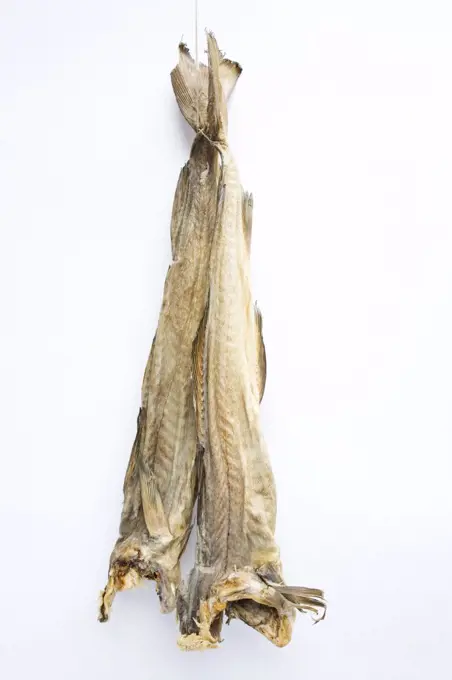
Stockfish
Stockfish
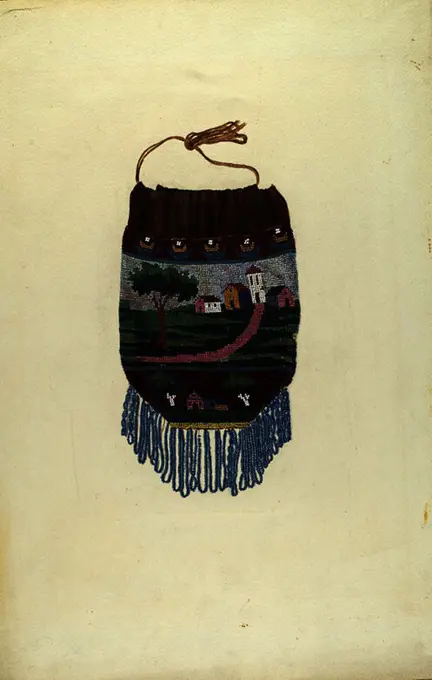
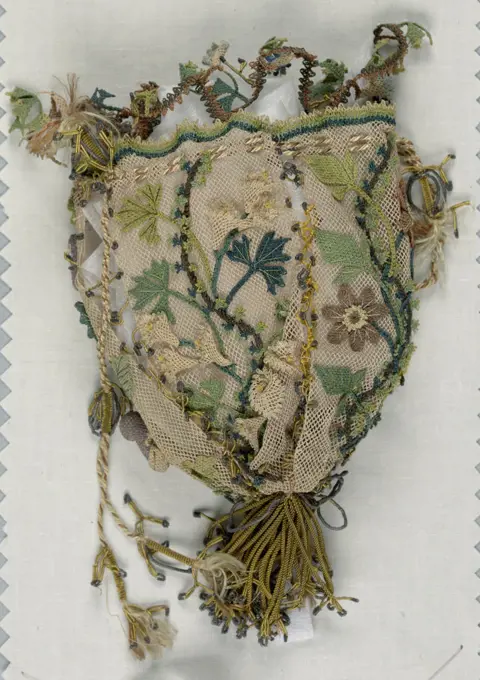
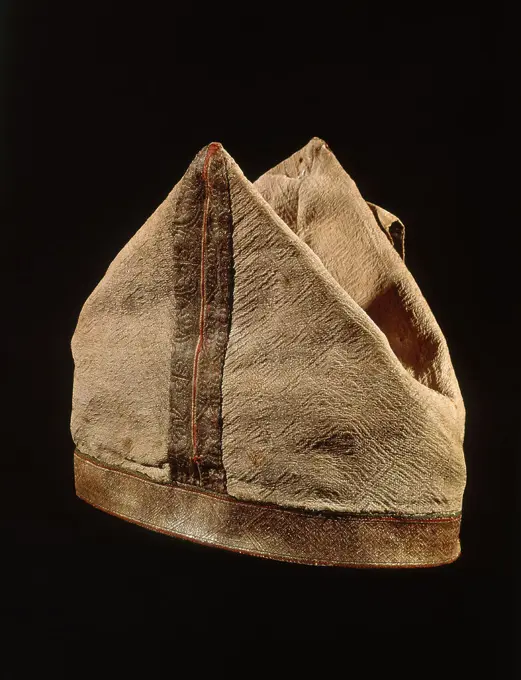
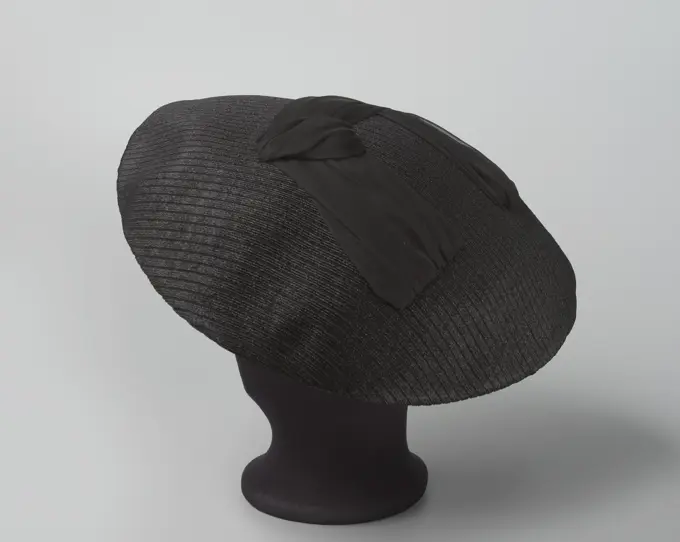
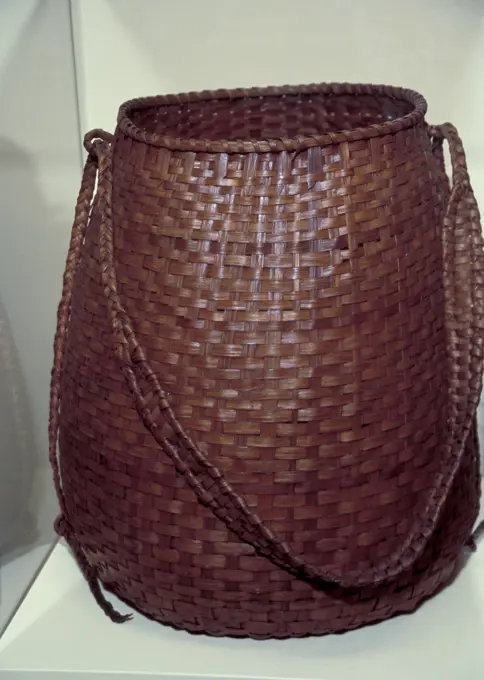
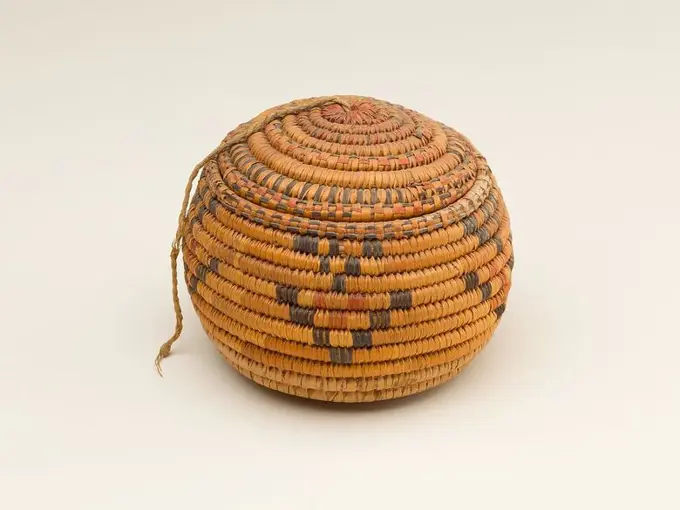
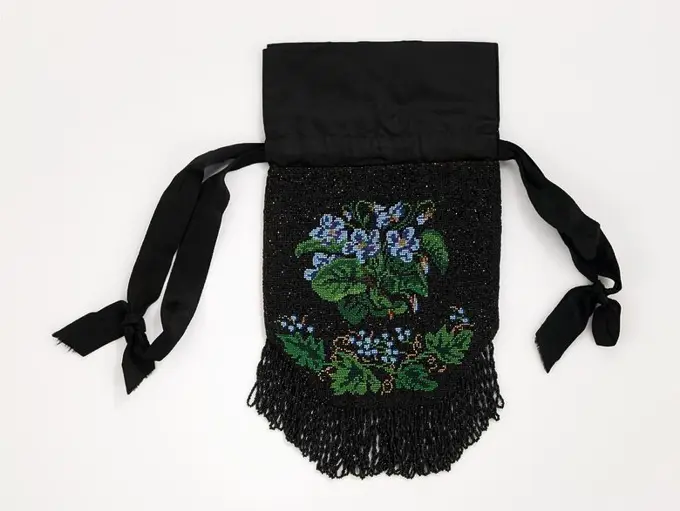
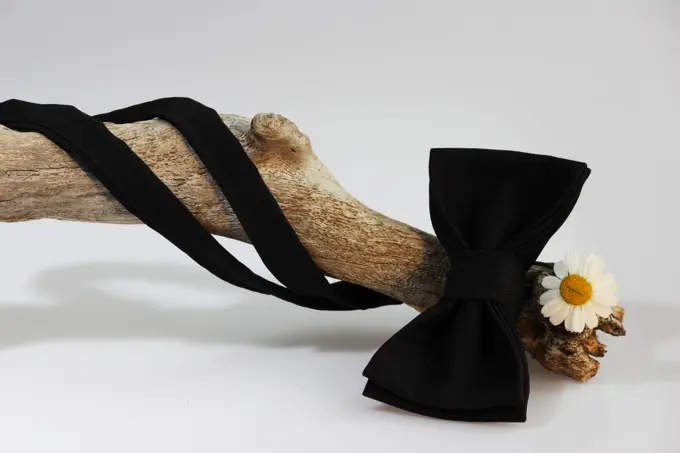
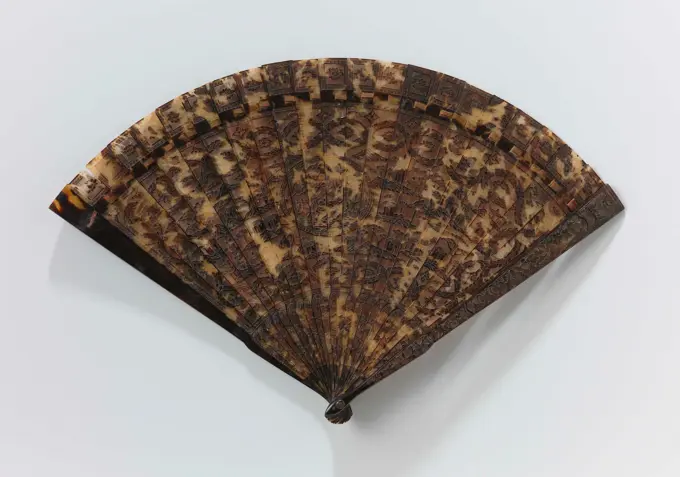
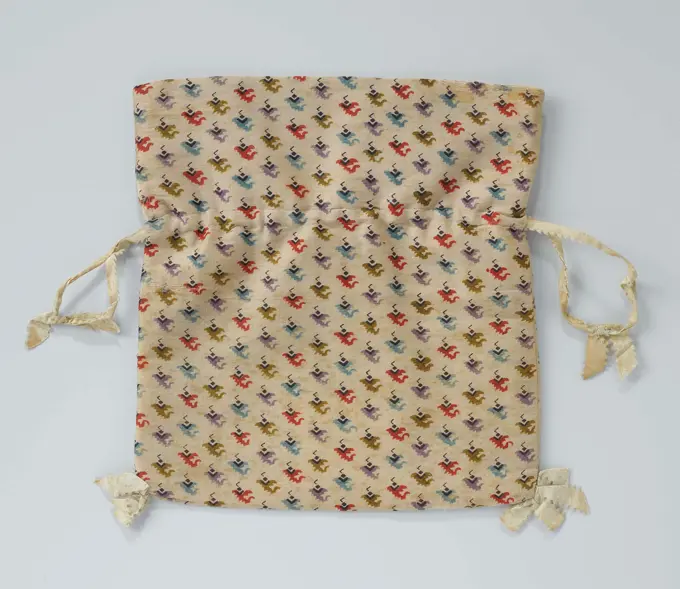
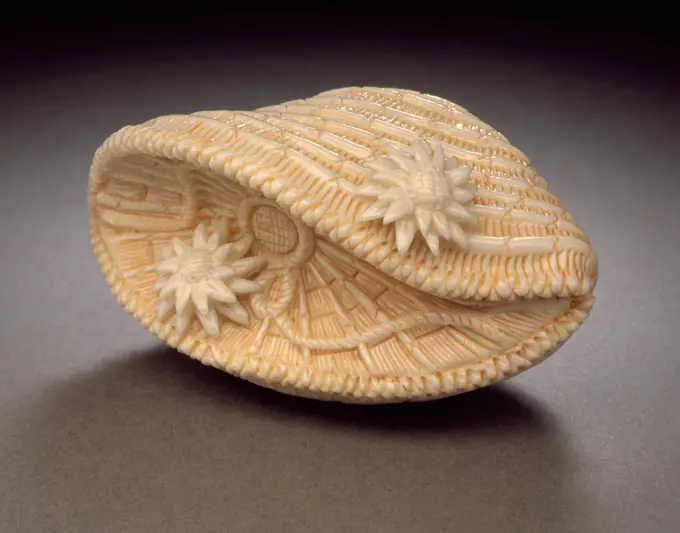
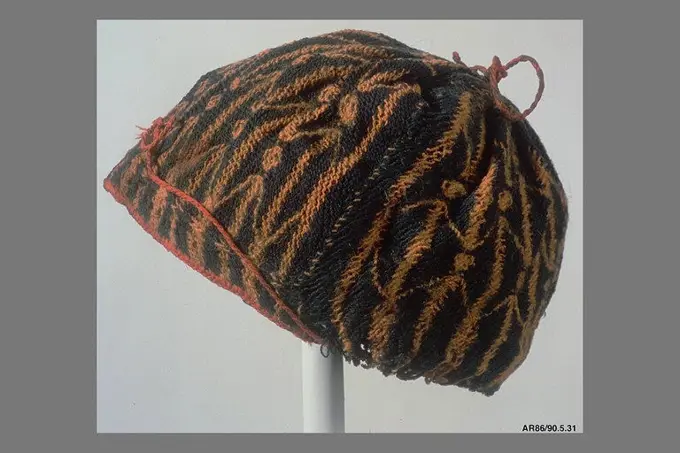
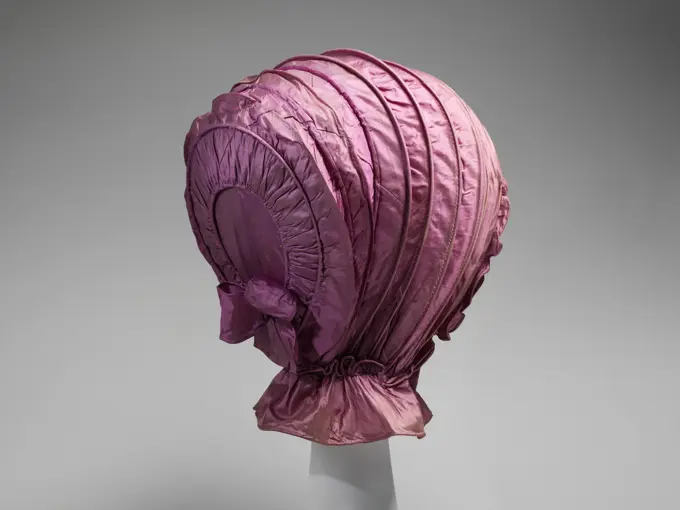
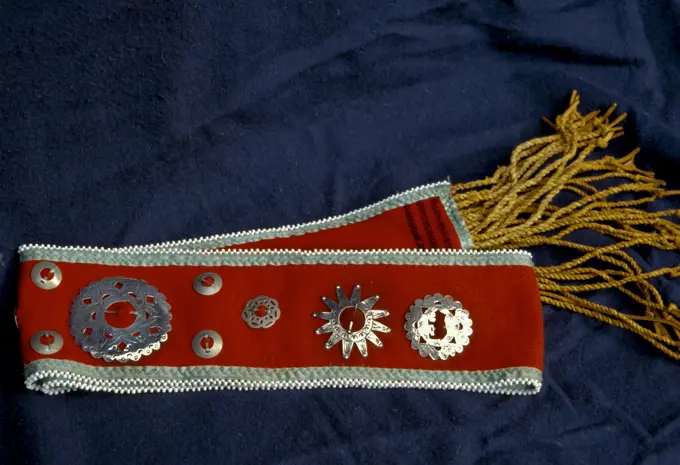
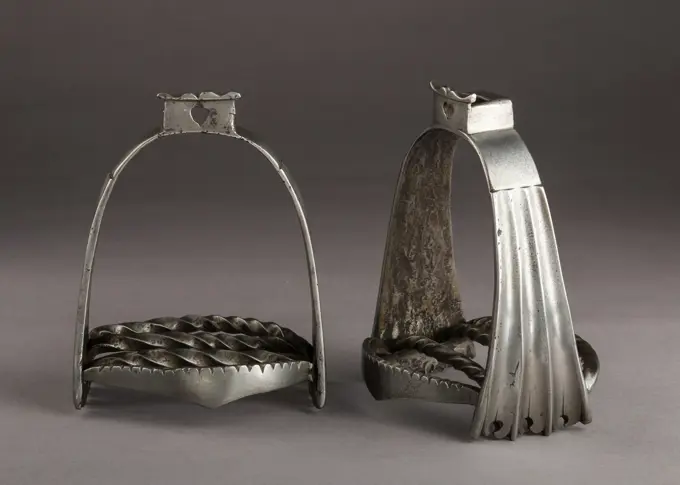
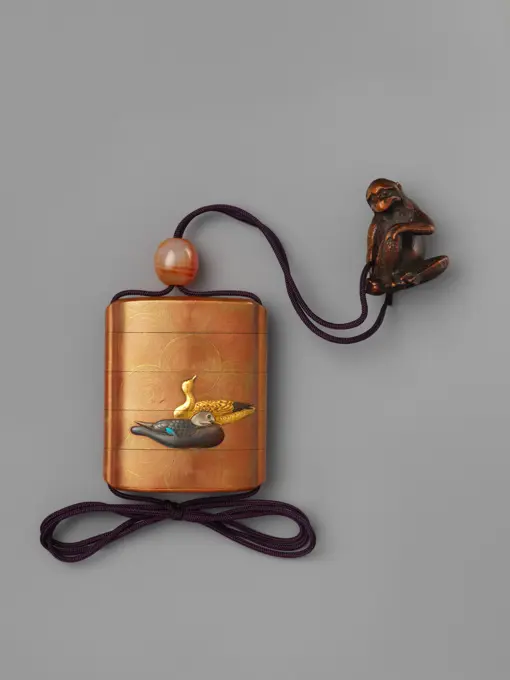
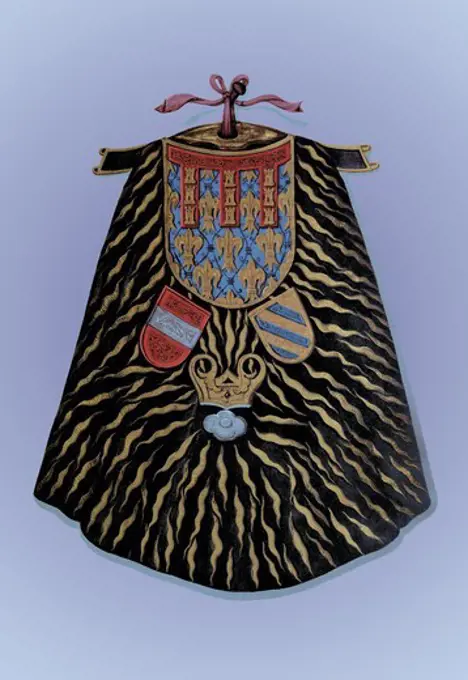
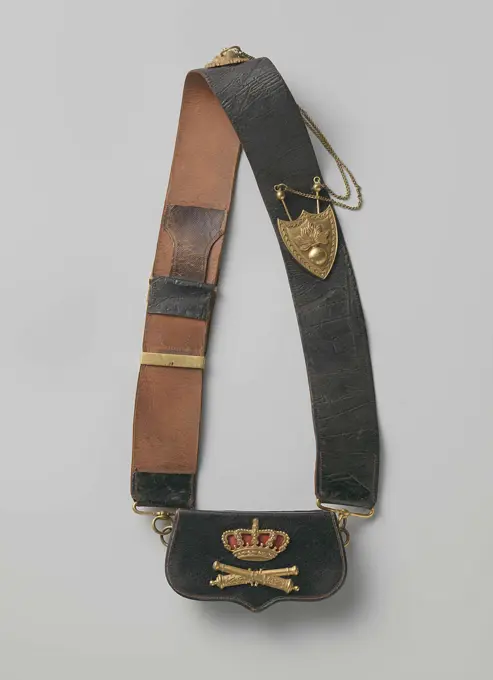
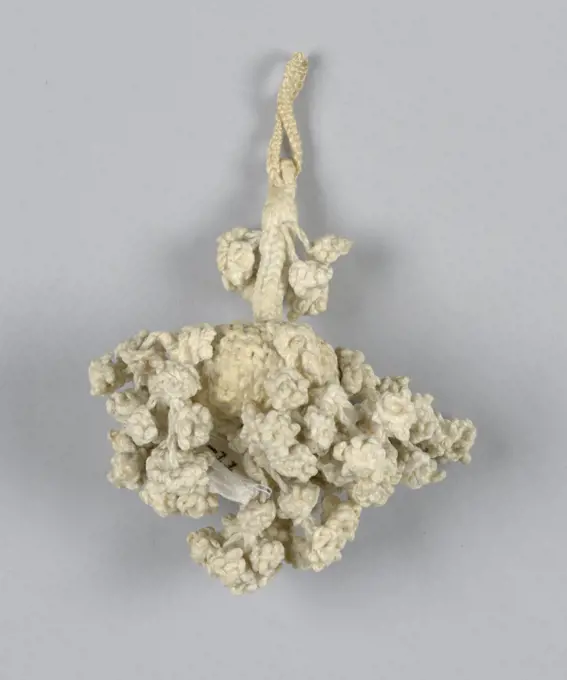
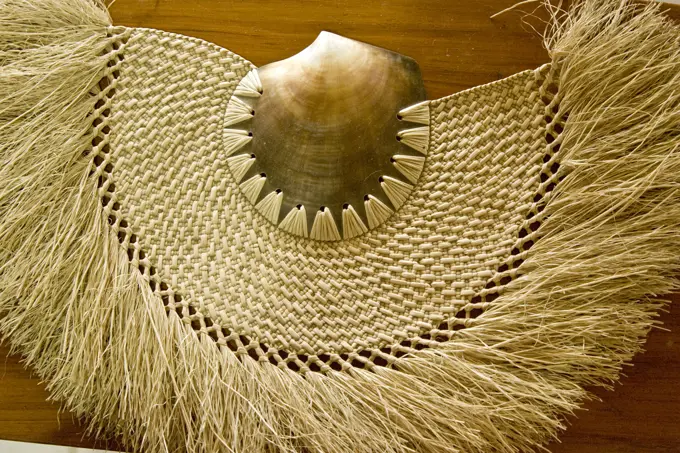
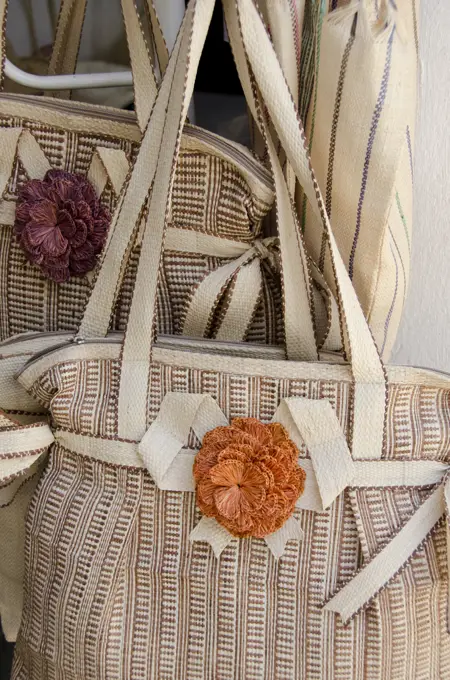
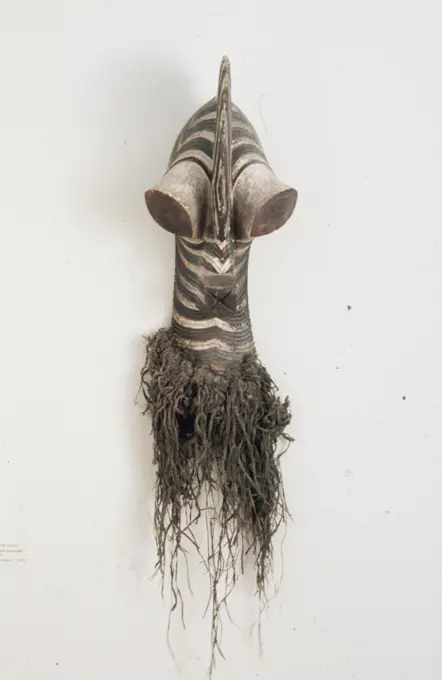
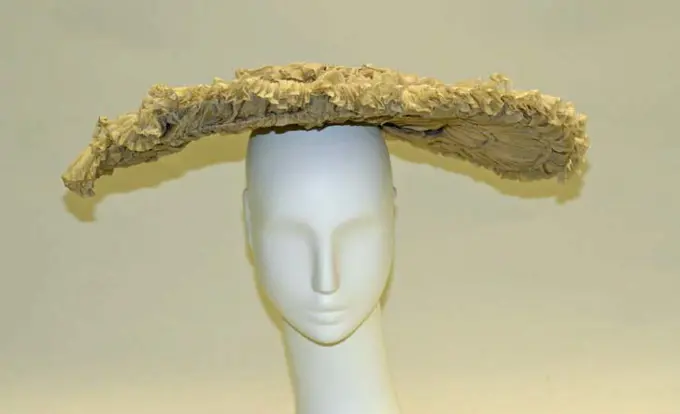
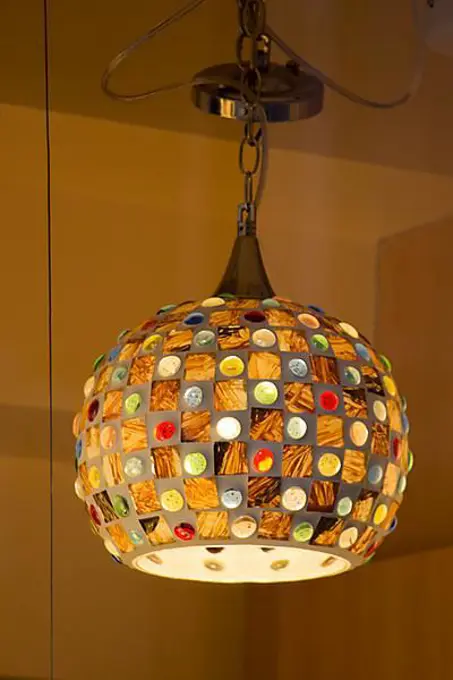
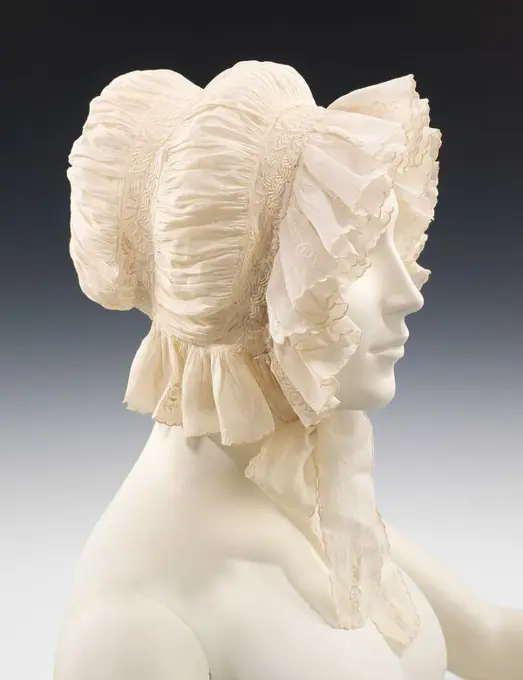
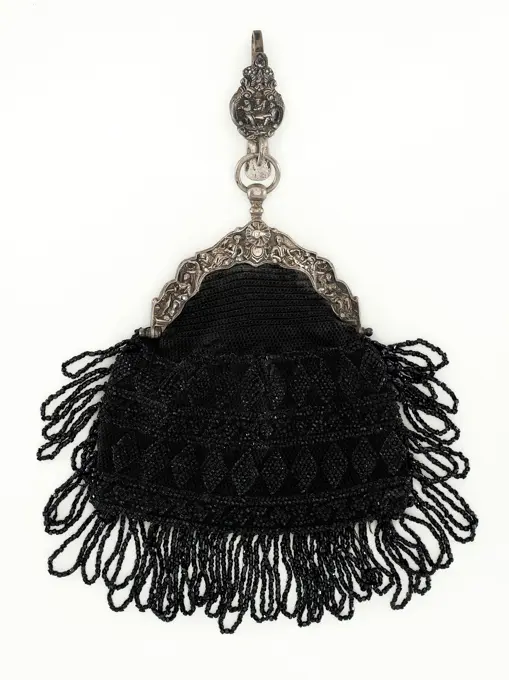
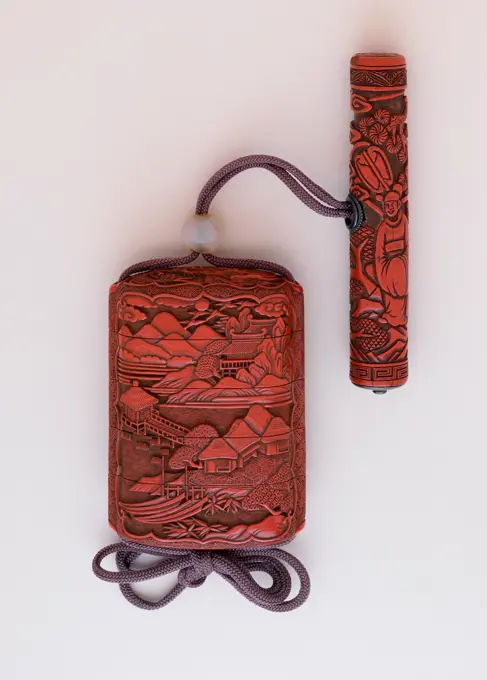
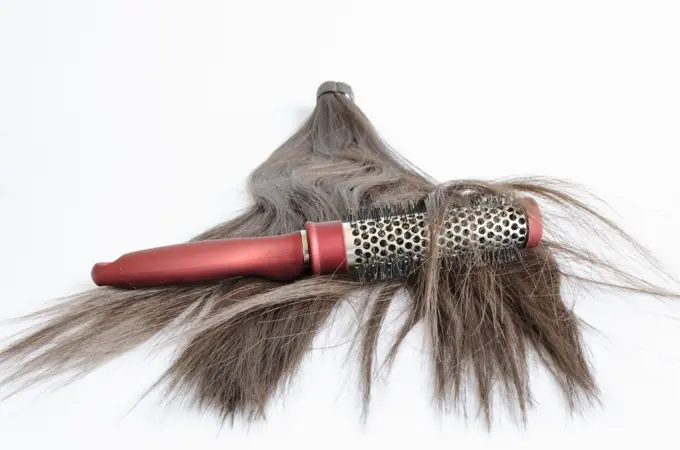
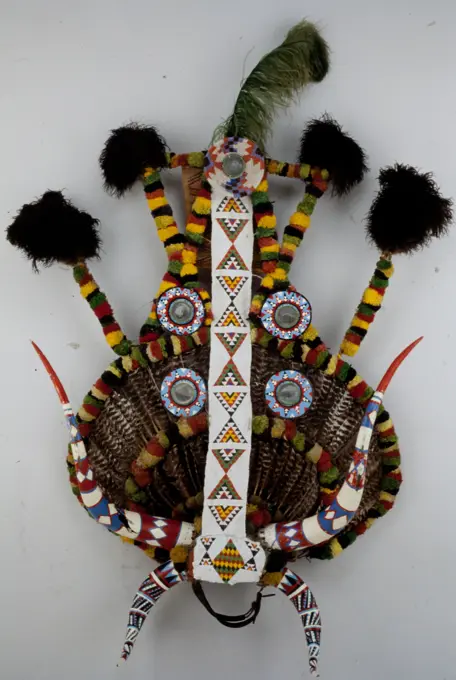
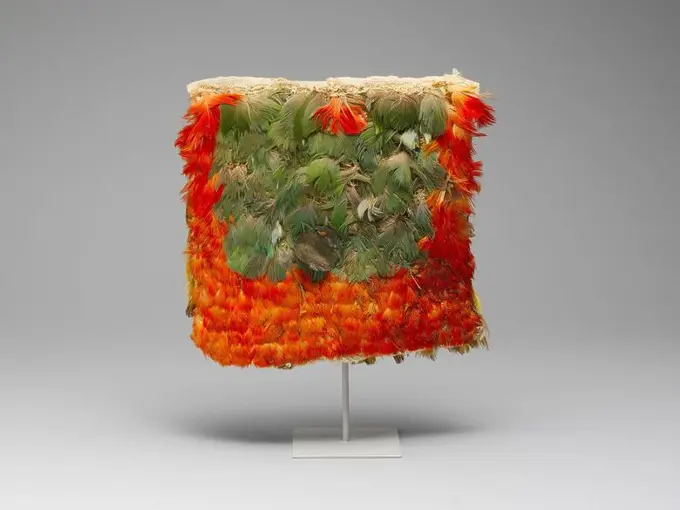
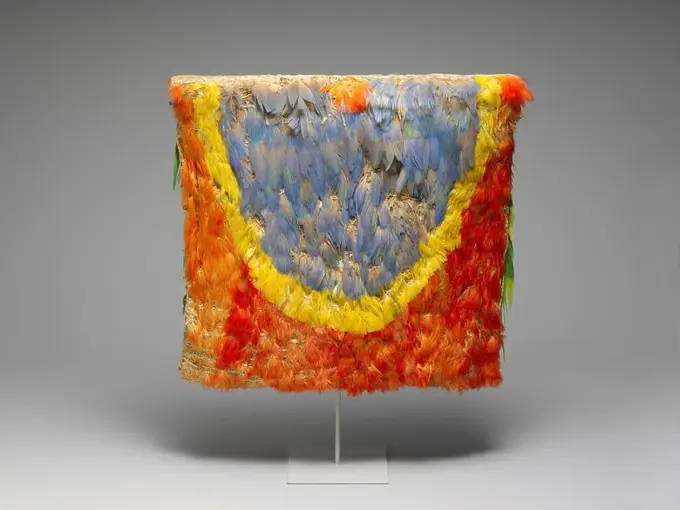
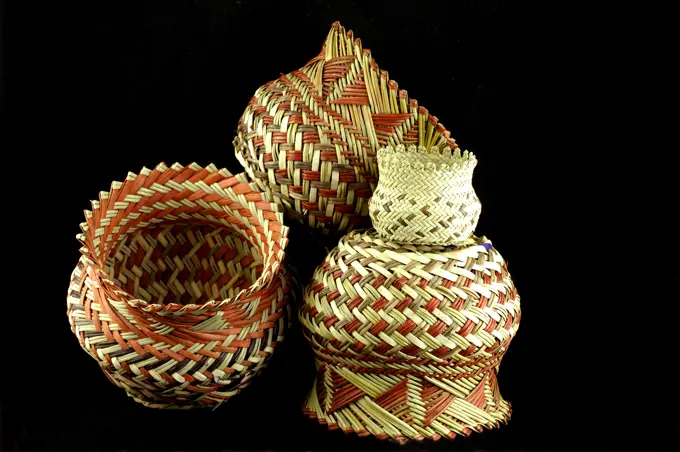
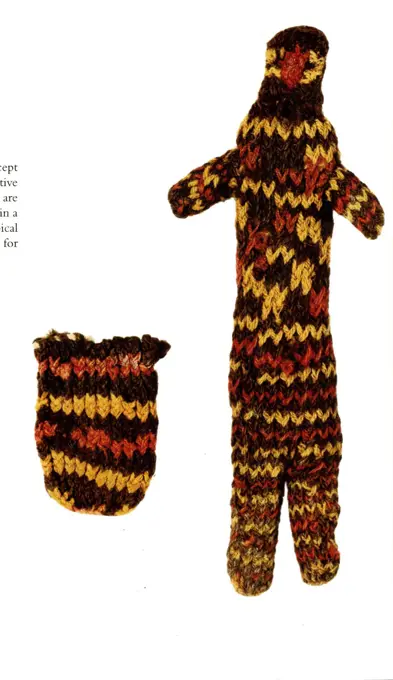
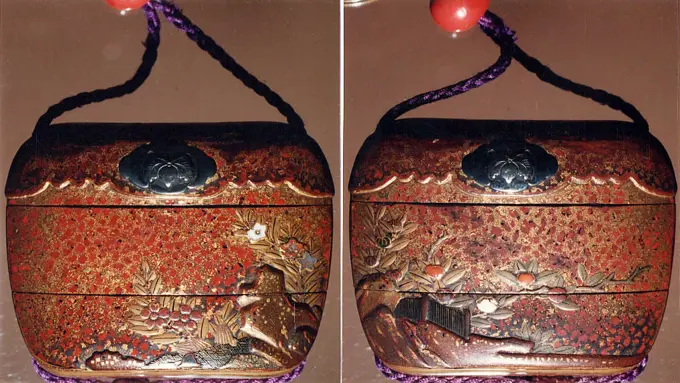
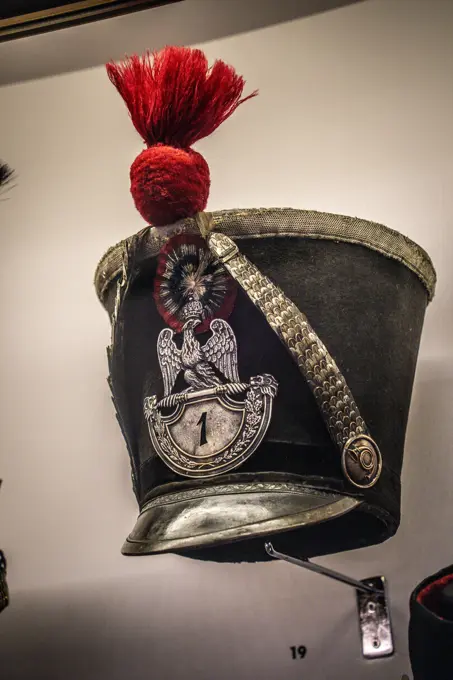
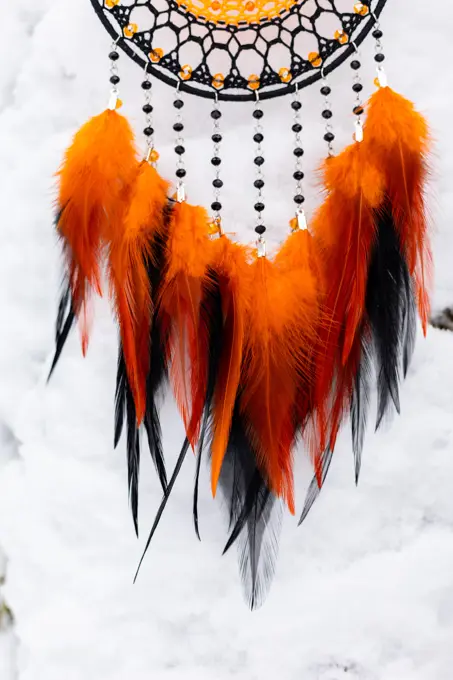
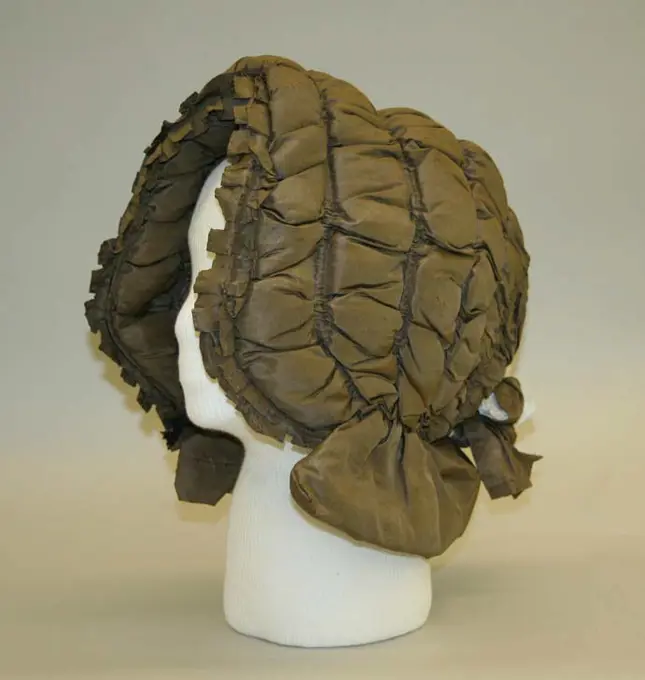
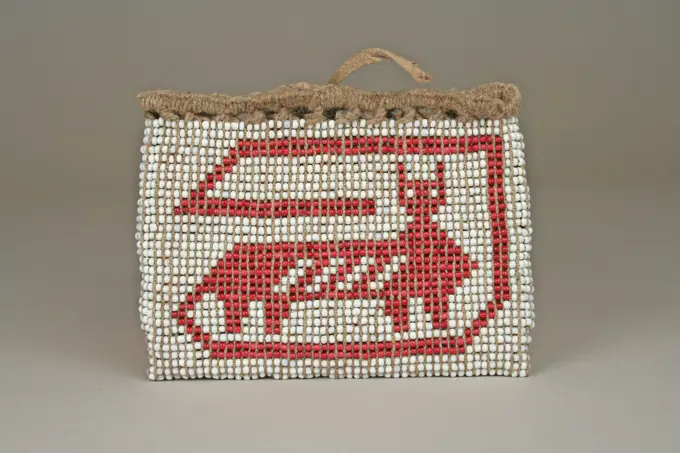
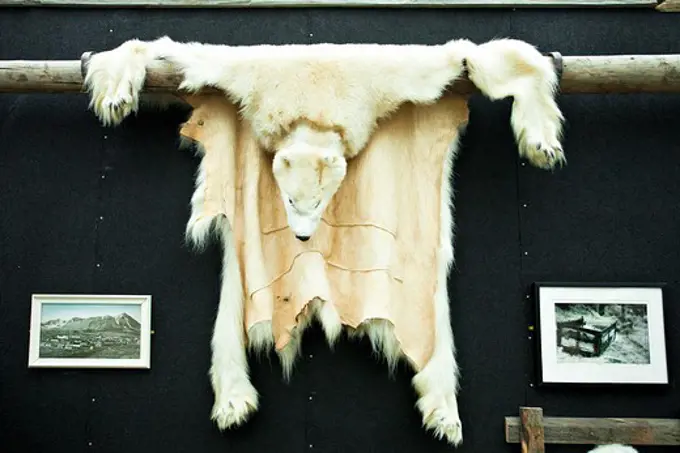
Bliżej Kultury unknownBeaded Bag. Dated: c. 1939. Dimensions: overall: 53.2 x 36.5 cm (20 15/16 x 14 3/8 in.). Medium: watercolor, gouache, and graphite on paper. Museum: National Gallery of Art, Washington DC. Author: Lucille Lacoursiere.James McLellan, Beaded Bag, c 1936 Beaded BagLAMINA. Author: MUTIS CELESTINO. Location: JARDIN BOTANICO-DIBUJOS. MADRID. SPAIN.Coin Purse. United States, late 19th century. Costumes; Accessories. SuedeCERAMICA DE GALICIA (BUNO).Woman's Phoenix Hat, 20th century, 11 x 12 1/2 x 12 1/2 in. (27.94 x 31.75 x 31.75 cm), Silver, China, 20th centuryPurse, Medium: silk, metal Technique: needle knotting (bebilla), Small bag of cream silk net with elaborate applied design of flowers and leaves in lace stitches. Composed of four panels joined by loose stitches in silk and metal. Gold tassel at bottom, cords to close with gold tassels., early 19th century, knotted, knitted and crocheted textiles, PurseMITRA DE SAN ROSENDO S XII. Location: CATEDRAL MUSEO DIOCESANO. Orense. SPANIEN.Hat of black straw with black ribbon, anonymous, c. 1949 - c. 1950 Hat, mourning hat, of black straw, covered tulle. Model: flat, beret -shaped, with sunken inside hood, reinforced with metal wire. Netherlands whole:. topping: Hat, mourning hat, of black straw, covered tulle. Model: flat, beret -shaped, with sunken inside hood, reinforced with metal wire. Netherlands whole:. topping:Pelerine ca. 1890 American This is a nice example of decorative beadwork accessories and garments which were considered high style in the 1880s and 1890s. The pendant points and ball fringe would make a lively, glittering vision in motion, calling attention to the wearer.. Pelerine 157903Large baskets hung over the shoulders were used to collect garden produce and wild food plants by the Wampanoag IndiansBasket 19th century Japan. Basket 62180Small Round Lidded Basket. Dimensions: Overall: H. 10 cm (3 15/16 in.)Basket: H. 7 cm (2 3/4 in.); Diam. 11 cm (4 5/16 in.)Lid: Diam. 8.8 cm (3 7/16 in.). Dynasty: Dynasty 18, early. Reign: reign of Thutmose II-Early Joint reign. Date: ca. 1492-1473 B.C..This small, round basket is made of halfa grass coils with the design created using grass dyed black and red. The linen cord at the top is probably there to help remove the tightly fitting lid. The basket may have held jewelry originally, but contained only one blue faience bead when it was opened. The basket was found inside another basket (36.3.59) from Hatnefer's tomb (36.3.1). Museum: Metropolitan Museum of Art, New York, USA.Containers made from folded birchbark used by the Algonkin Indians of the Northeast and CanadaEvening pouch. Culture: American. Date: 1830-60.Knitted beadwork bags, whether made from a pattern or in a professional workshop, were de rigueur for the fashionable 19th-century woman. The motifs on this evening bag are simple and elegant. The variation of round and beveled beads adds surface texture and sparkle. Violets against a black ground suggest the colors of half-mourning; in Victorian floriography, blue violets represent faithfulness.Margaret S. Bedell (1861-1932) donated, by gift or bequest, over 500 objects to the Brooklyn Museum, including furniture, quilts, samplers, costume and Native American beadwork. Her collection of American and European beaded bags includes examples from Philadelphia and the Catskill Mountain region of New York State, as well as Italy, Austria, Germany, and Holland. Museum: Metropolitan Museum of Art, New York, USA.Composition: Extravagant black official classic bow tie, small chrysanthemum flower similar to chamomile and wooden stick curve on a white background Composition: Extravagant black official classic bow tie, small chrysanthemum flower similar to chamomile and wooden stick curve on a white background. Copyright: xZoonar.com/OvchinnikovaxOlgax 11289694. A fan made from a single material is called a brisé fan. Most of them came from Canton and were adornedwith Chinese landscapes or scenes from daily life. The fans came in special boxes made of thick paperbearing the name or mark of the ivory-carver.Bracelets, 1700s-1800s. Bulgaria, 18th-19th century. Silver; diameter: 6.4 cm (2 1/2 in.).Stitch from Minister Jan van den Temple. Stitch with white struga comb, belonging to Jan van den Temple's official costume behave at the opening of the States General when he was Minister of Social Affairs.Torn paper with hole on a colorful zipper. It is the fabric rather than the shape of this purse that is interesting. The half wool and half silk fabric wasprobably first produced under the name of challis in Norwich (England) around 1820-1825. Challis was ideally suited for being printed with patterns and was used for mens waistcoats, gowns and later also shawls from Paisley (Scotland).Headdress -wedding favors for wedding and first communionIncense Box in the Form of a Fishing Creel. Japan, 19th century. Ceramics. Hirado Mikawachi ware; porcelain with thin caramel-colored glazeHat 3rd-5th century or later This blue and orange hat was made in the "sprang" technique, which creates a network of stitches that allows the hat to expand to fit over the head. The hat can then be drawn tight at the top.. Hat. 3rd-5th century or later. Wool; sprang technique. Attributed to Egypt, Akhmim (former Panopolis). TextilesBasket ca. 1850 Quinnipiac (). Basket 319012Calash 18th century probably American. Calash. probably American. 18th century. silkThe Shawnee traded furs with Europeans for items such as silver conchos and red trade cloth that could be made into leg bands or arm bandsSac. GAL1980.173.2Perforated Tin Lantern. Dated: c. 1940. Dimensions: overall: 51.3 x 37.6 cm (20 3/16 x 14 13/16 in.). Medium: watercolor, graphite, and gouache on paperboard. Museum: National Gallery of Art, Washington DC. Author: Oscar Bluhme.. Round bag of grass green Peau de suede with copper ring and closure. Model: The bag is made up of two identical round, to a point in the middle halves with a hard (plastic) Inside. Both halves are finished with a copper edge, which hinge in the middle and close by means of a plate with a round hole and a spherical button. The handle is half attached to two pins. Lined with black artificial side. Both halves are connected by flaps of black lining fabric deposited with a strip suede. Decoration: a padded, corrugated edge is applied to the top of the handle and along the sides of the tashal pipes.Betel Box(Teluok)Basket, Unknown Japanese, 15 3/4 × 10 1/4 × 10 3/16 in. (40.01 × 26.04 × 25.88 cm), Bamboo, JapanVase, 1368-1644, 9 11/16 x 3 9/16 x 3 9/16in. (24.6 x 9.1 x 9.1cm), Porcelain, China, 14th-17th centuryPair of Stirrups ca. 1600 German or Netherlandish This very common shape of stirrups, evolved from 16th-century German types, also became very popular in several other countries in the first decades of the 17th century, like in the Netherlands, Northern Italy and Spain.. Pair of Stirrups. German or Netherlandish. ca. 1600. Iron alloy. Equestrian Equipment-StirrupsGlass Fragment 12th-14th century French. Glass Fragment. French. 12th-14th century. Pot-metal glass, vitreous paint. Glass-StainedCurio Shop, Long Street, Cape Town, South AfricaGarters ca. 1890 American. Garters. American. ca. 1890. Synthetic, metal, linenCloseup of a colorful zipper on linen canvasMedal of the Society of theCincinnati. Maker, possibly by: John Cook, American, active 1797-1825 Manufacturer: Society of the Cincinnati, American, founded 1783Ostrich, aubergine of color. Nostrich, Color Eggplant.Purse (Italy); metal, glass beadsDoll hairbrush -Case (Inr) with Design of Ducks on Swirls 19th century Signed Ty Japanese. Case (Inr) with Design of Ducks on Swirls. Signed Ty (Japanese, active second half of the 18th century). Japan. 19th century. Gold hiramaki-e, takamaki-e, cut-out gold foil application and mother-of-pearl inlay on red lacquer ground; Inside: Nashiji and fundame. Meiji period (1868-1912). InrChape Bourguignon, Heraldry - Flags & BannersParasol Made 1868-1888 France. Silk, satin weave; embroidered with silk floss in satin (flat) running black, outline, and star stitches; steel frame; knotted wood handle .Militaria, Italy, 19th century. Shakot worn by Piacenza Hussars Cavalry Regiment, 1814.Patrontas worn to carrying strap by Count of Limburg Stirum, Captain of the Veldartillerie; Patrontas with giberniem for officer of field artillery Royal Netherlands power. Patrontas with giberniem. The bag is made of iron, half bent and coated with black leather. On the bag are two gold-plated crossed gunscuts covered by a royal crown with red. Black leather belt, backside natural, with fire-gulbed copper buckle.Parasol 1890 American or European. Parasol 122121Shadow Puppet (Wayang Kulit) of KepalaCakil.   Maker: Ki Enthus Susmono, Indonesian, 1966-2018Militaria, Italy, 20th century. Colbac with aigrette of the Colonel Commander of the Cavalleggeri (light cavalry) Regiment of Alessandria, 1934.Pair of Arm Guards 17th century Indian. Pair of Arm Guards 31932Tassel, Medium: linen Technique: braided and knotted, Tiny linen tassel, braided and knotted. Braided loop and stem attached to center ball to which are attached six units made of small knots (including center)., Italy, Europe, 17th century, trimmings, TasselFiji, Lautoka. Traditional fan made of woven grass and shell.Smoking cap -Close-up of blue and red silk tasselled tie-backsBrazil, Fortaleza. Emcetur Tourist Center, handicraft market housed within a former prison. Typical straw souvenir handbag.Kifwebe Mask, 19th century, Beniki Master, African, Democratic Republic of Congo, Songye, , 23 x 6 x 7 1/2 in. (58.42 x 15.24 x 19.05 cm), Wood and raffia, Democratic Republic of the Congo, 19th centuryMitaine knitted in brown with beads and frills of beads, c. 1850 - c. 1920 Mitaine knitted in brown with beads and frills of beads. West-Europa whole: Wool. whole: Glass knitting Mitaine knitted in brown with beads and frills of beads. West-Europa whole: Wool. whole: Glass knittingJewelry from Indian Arts and Crafts Board displayHat ca. 1900 American or European. Hat 113060Basket with Removable Cover 19th century Japan. Basket with Removable Cover 62183Old style ceiling lamps for interior decorationMorning cap. Culture: American. Date: ca. 1830. Museum: Metropolitan Museum of Art, New York, USA.venice carnival mask on white backgroundEin Haarpflegeöl oder -serum in goldenen Kapseln liegt auf einer blonden Haarsträhne, Produktmarketing-Mockup A hair care oil or serum in golden capsules lying on a blond hair strand, product marketing mockup Copyright: xZoonar.com/IrinaxChetverikovax 22937211Drum. Buyer drum with wooden above and bottom edge, red, white and blue dots. With engraved numbers: A / 143.Autumn or fall composition or concept and word AutumnStab belonging to official costume by H.R. Smokmaker, Voterik and Co., H. Steynert, c. 1933 - c. 1957 bicorne Stab belonging to official costume by H.R. Smokmaker. Surabaya textile materials.   Dutch East Indies, TheFour-Cornered Hat, c. 400-1000. Peru, South Andes or Chile, Northern Andes, Tiwanaku style, 5th-10th Century. Alpaca; overall: 14.6 x 16 x 20 cm (5 3/4 x 6 5/16 x 7 7/8 in.).Doll hat of black straw with beige ribbon and ostrich, oval model, anonymous, c. 1900 Doll hat of black straw with beige ribbon and ostrich, oval model. Netherlands . braiding Doll hat of black straw with beige ribbon and ostrich, oval model. Netherlands . braidingShoes mid-19th century European. Shoes 112773Woman's Chatelaine Bag. Probably Holland, Amsterdam, 1880s. Costumes; Accessories. Silk, beads, silverTassel from aBelt.  Artist: UnknownHat ca. 1860 British. Hat 84609Landscapes (Inrō/Ojime/Netsuke Ensemble). Japan, 18th century. Costumes; Accessories. inrō carved red lacquer; ojime agate; netsuke carved red and black lacquerComb 1870s American. Comb 117772Ribbon bowRed Plastic Hairbrush on white backgroundJudaica Symbols - KippahHeaddress and cape, 20th century, 64 x 36 in. (162.56 x 91.44 cm) (headdress)54 x 32 in. (137.16 x 81.28 cm) (cape), Feathers, beads, fibers and horn, South Africa, 20th centuryMiniature Tunic. Culture: Ica. Dimensions: H. 8 1/2 x W. 8 5/8 in. (21.6 x 19.7 cm). Date: 12th-13th century. Museum: Metropolitan Museum of Art, New York, USA.Miniature Tunic. Culture: Ica. Dimensions: H. 12 3/4 x W. 13 3/4 in. (32 x 34 cm). Date: 12th-13th century. Museum: Metropolitan Museum of Art, New York, USA.Mexico, State of Chihuahua, Copper Canyon. Tarahumara Indian handicrafts, traditional baskets.Three dimensional figurine with aBag.  Artist: UnknownCase (Inrō) with Design of Various Flowers Growing beside Rocks and Fence 17th-18th century Japan. Case (Inrō) with Design of Various Flowers Growing beside Rocks and Fence 58466Bliżej Kultury unknownAnatomical ex-voto and devotional objects 2002. GermanyShako, Álava Armory Museum, Vitoria, Basque Country, SpainHandmade dream catcher with feathers threads and pearl rope hang handmade dream catchers with feathers threads and pearl rope hang copyright: xzoonar.com/fedorovaxdariax 22940446Bonnet early 19th century American. Bonnet 116744Business Bundle Bag 1790-1890 Mesquakie or Potawatomi. Business Bundle Bag 319052Polar Bear Skin  (Ursus Maritimus).  Trophy Decorating Hotel Wall.  Spitsbergen, Arctic