Vintage Furniture Collection

A selection of historical furniture pieces including card tables, wardrobes, and ornate chests showcasing craftsmanship and unique designs from different eras.
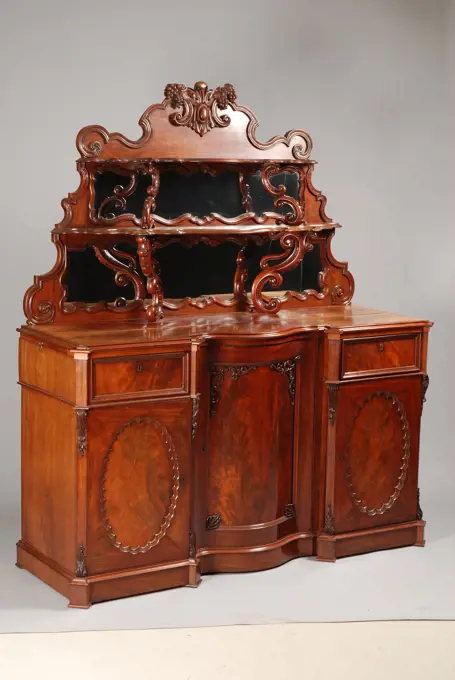
Neo-rococo dining room buffet, sideboard cupboard cabinet furniture furniture interior design wood mahogany oak wood brass glass, Neo-rococo dining room buffet with upright with two shelves supported by volutes back wall with mirrors in the middle of curved door with door on both sides with serrated oval panel neorococo
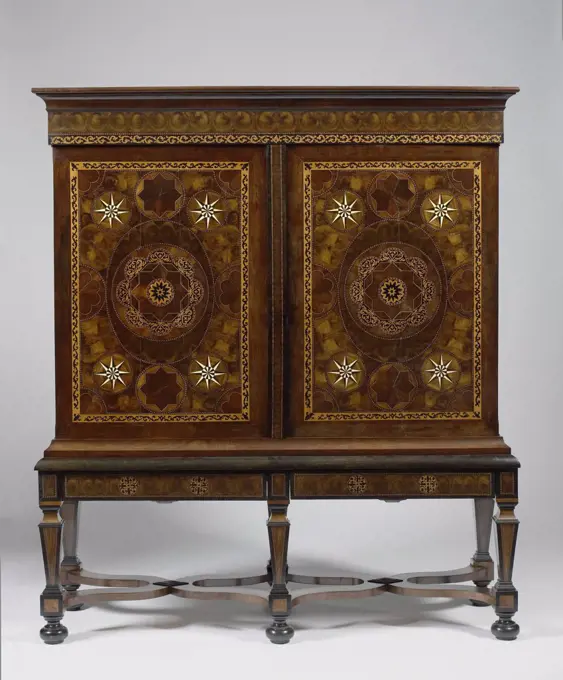
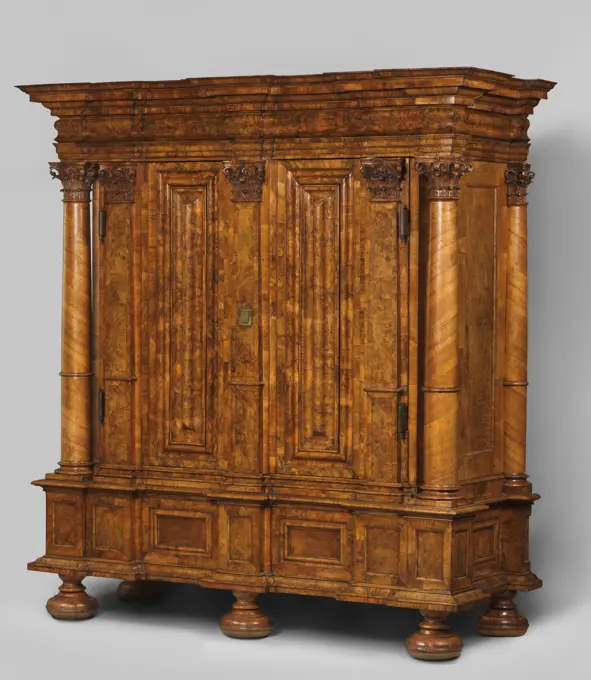
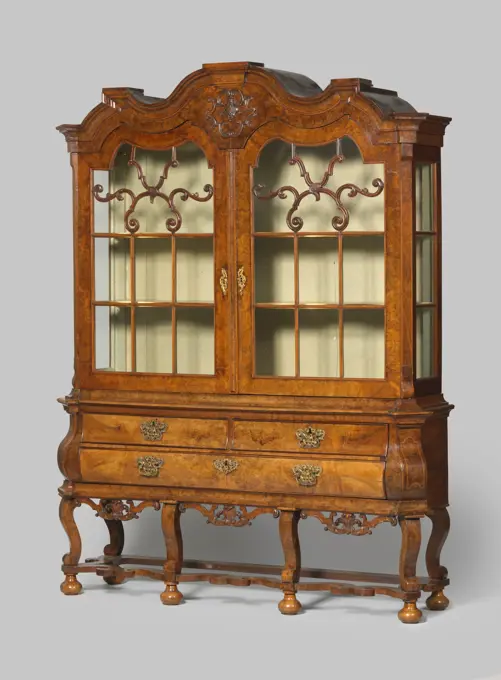
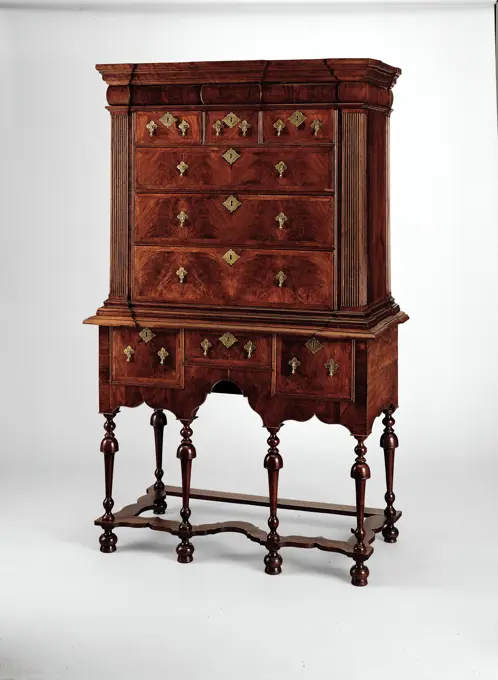
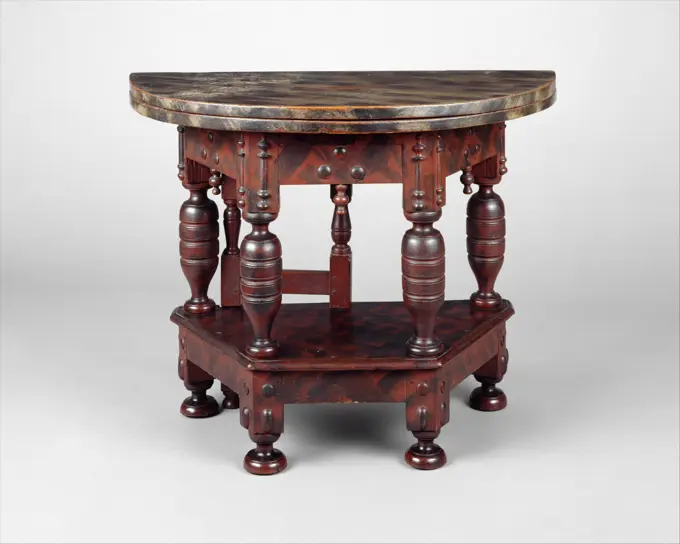
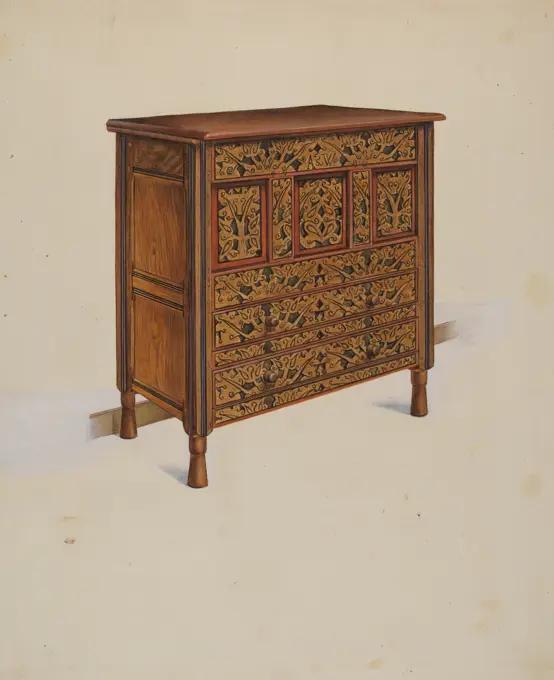
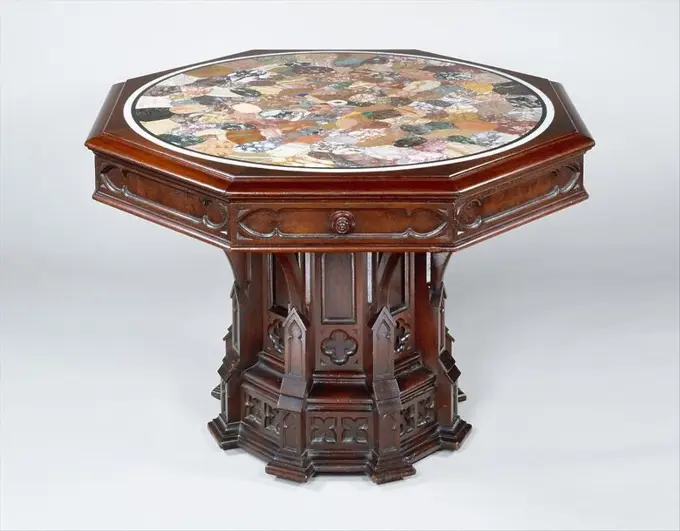
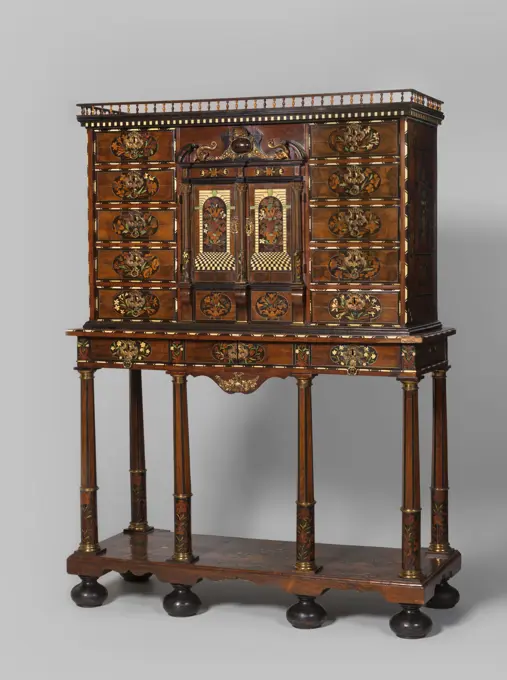
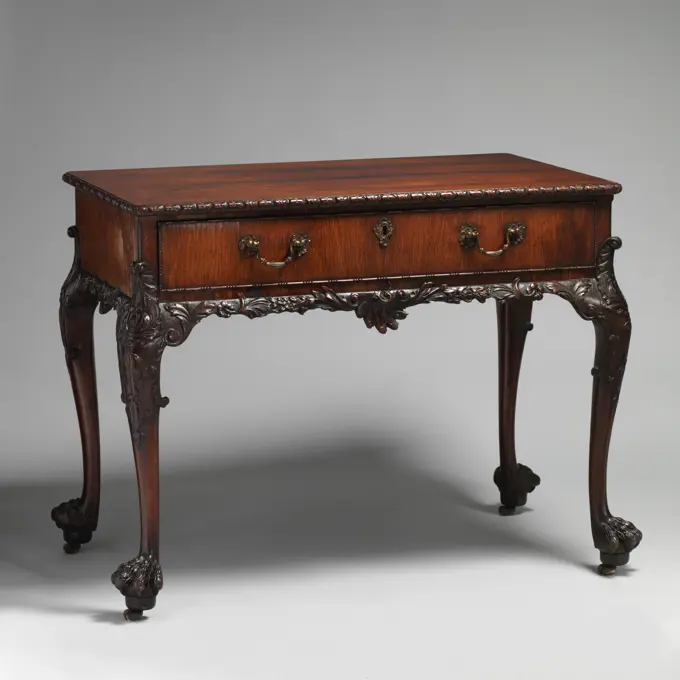
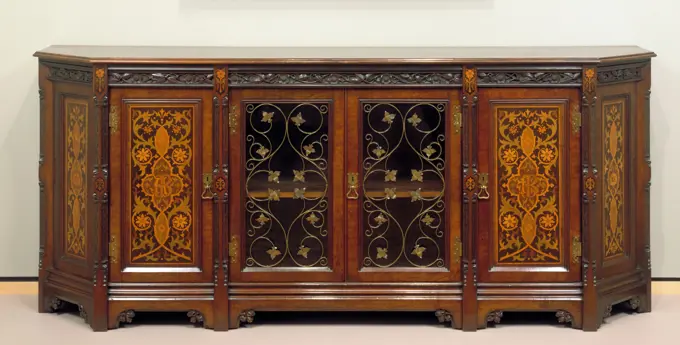
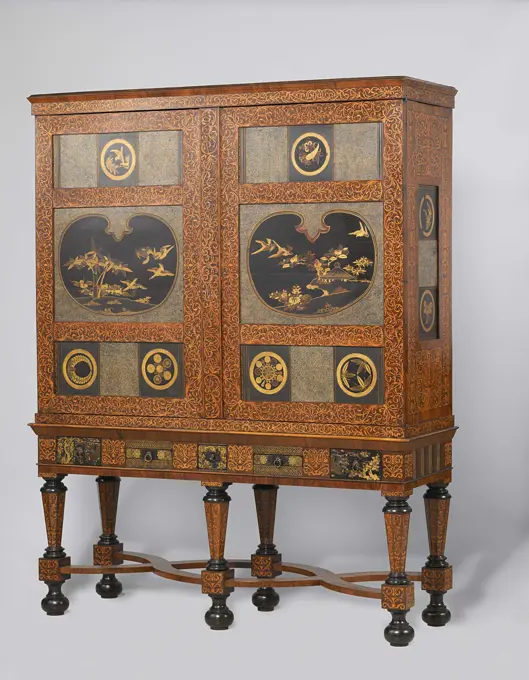
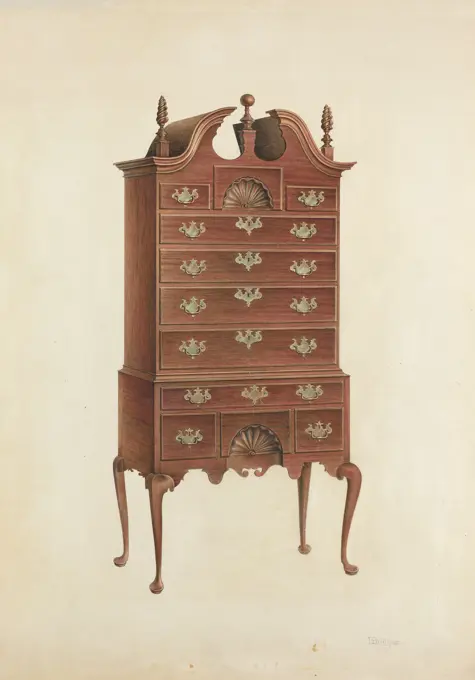
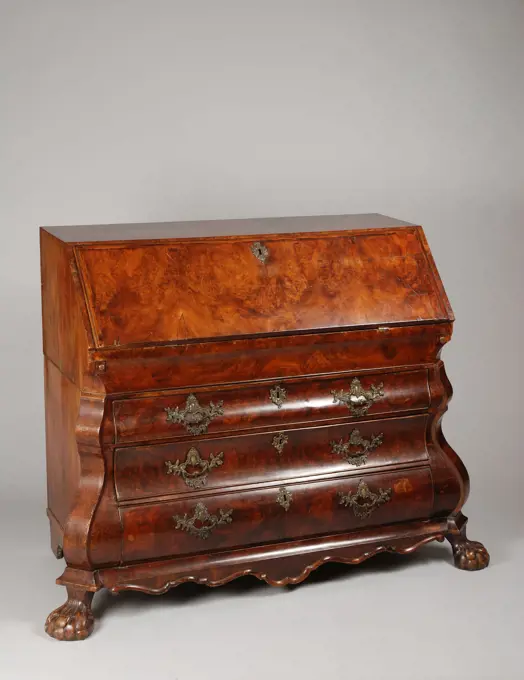
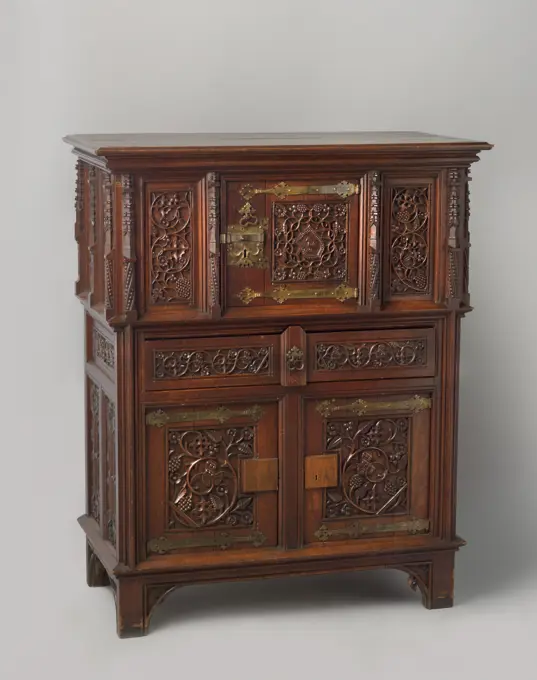
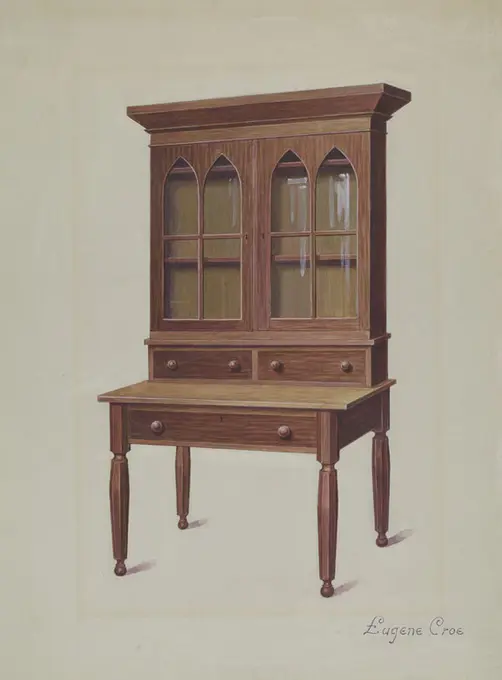
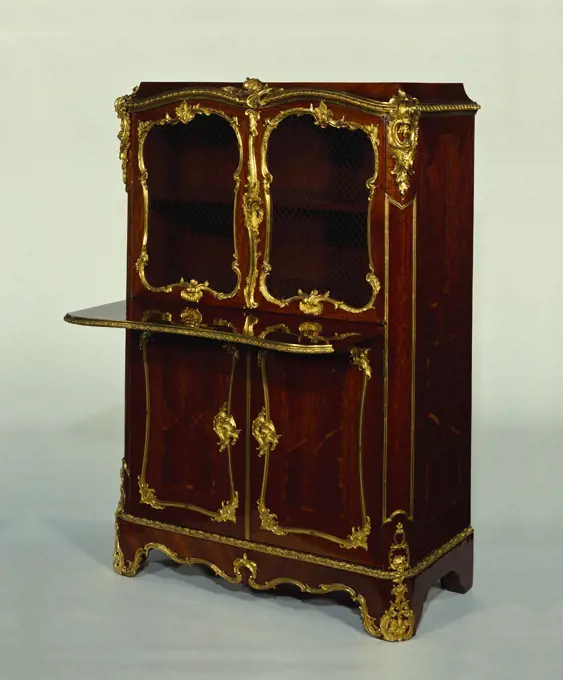
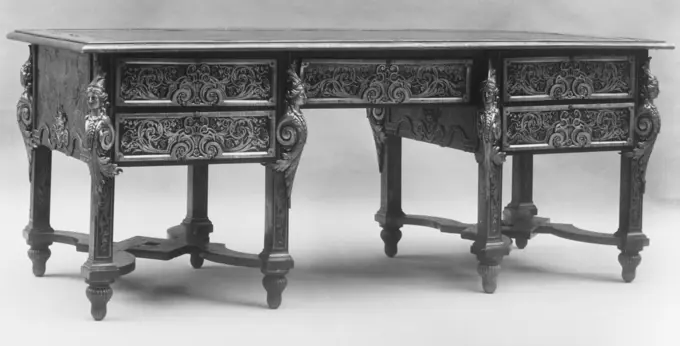
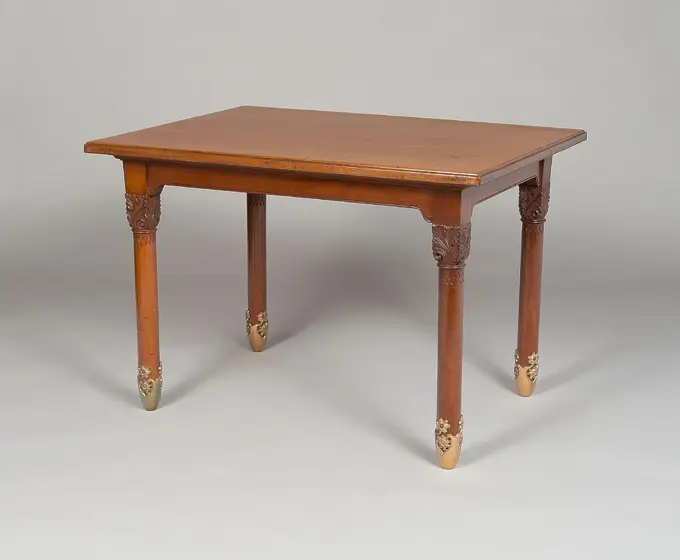
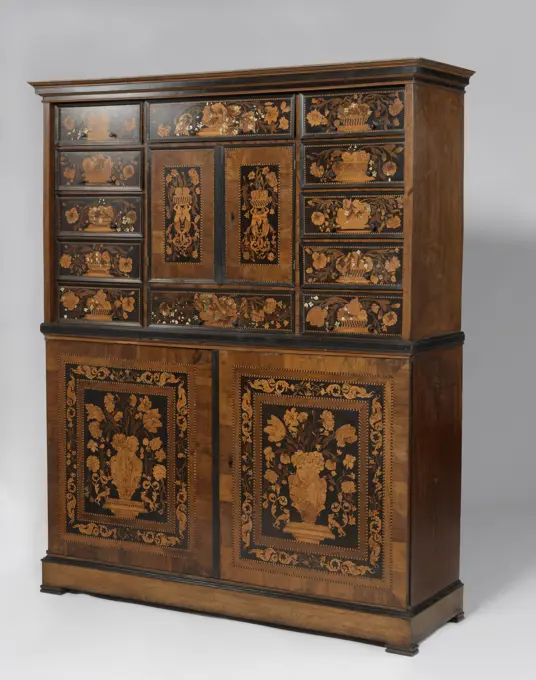
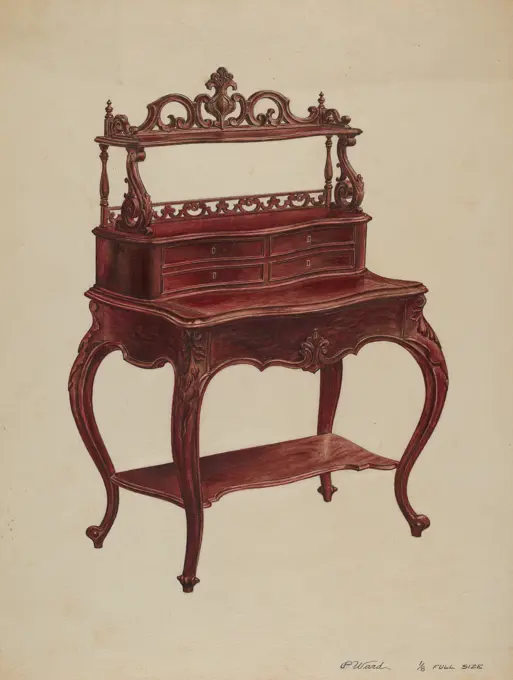
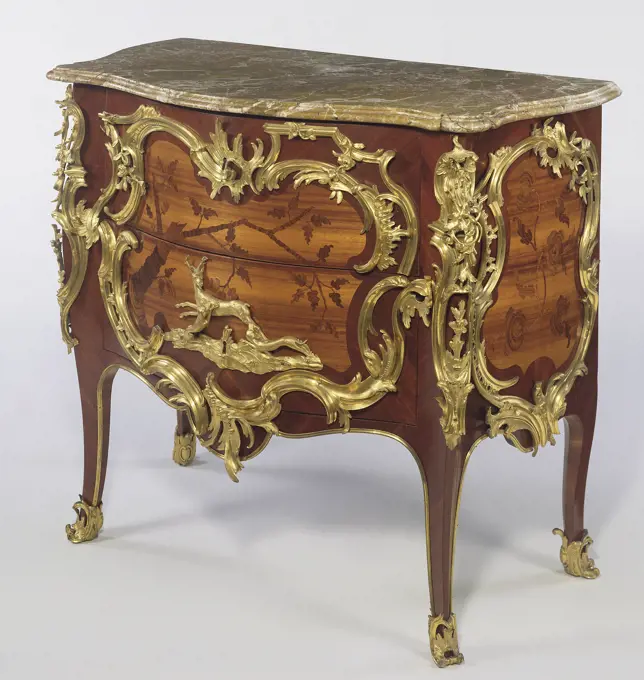
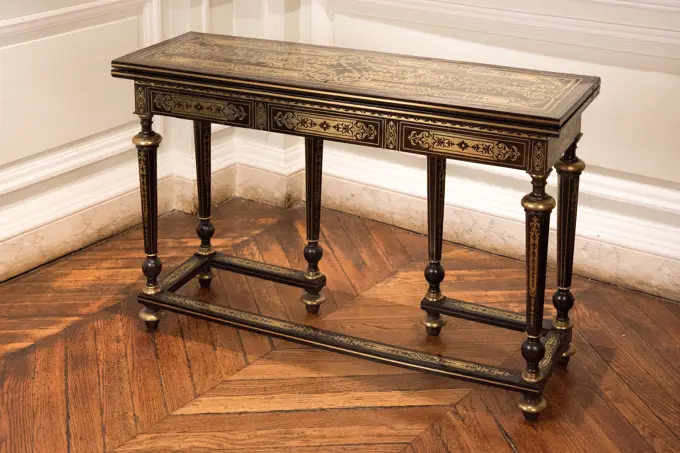
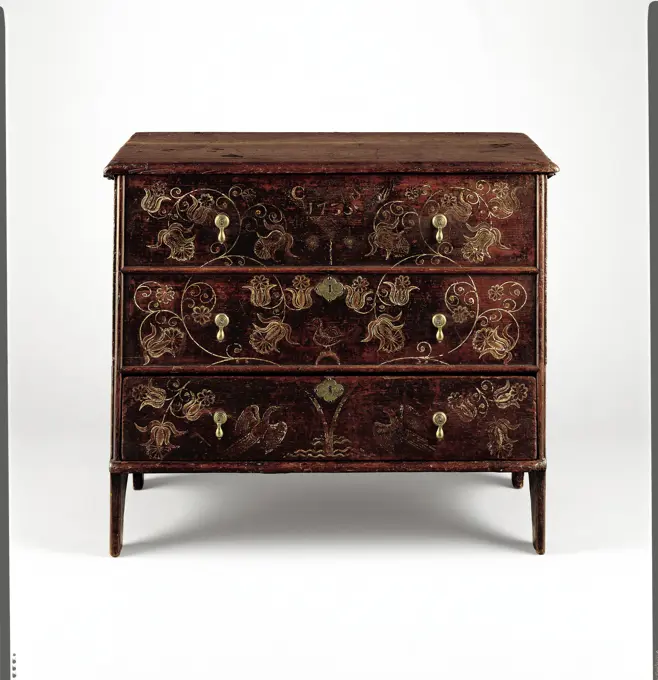
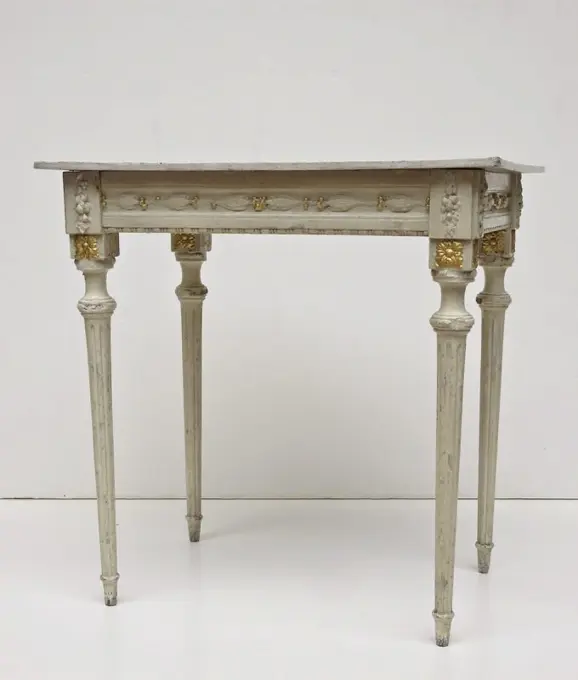
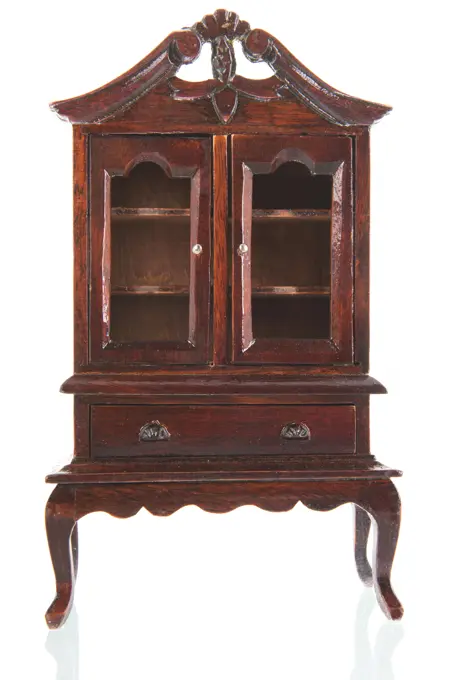
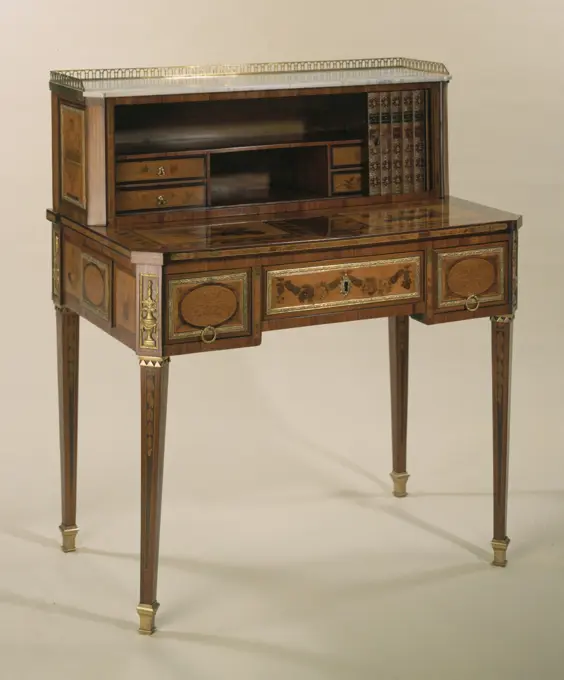
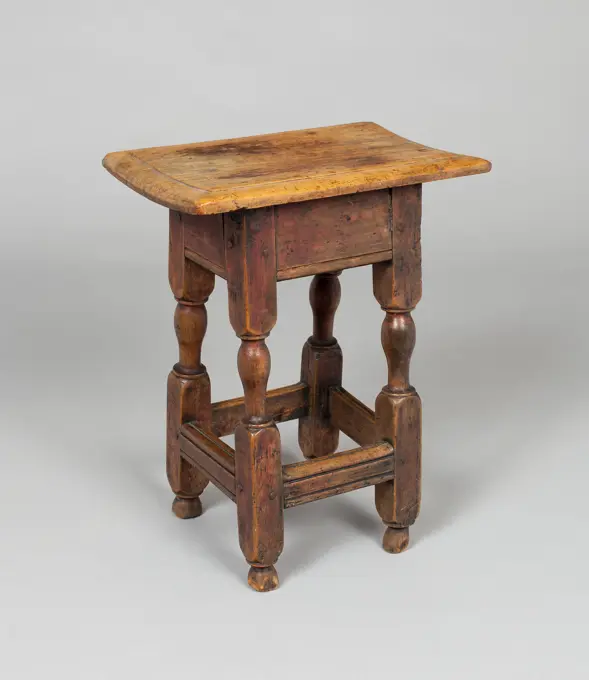
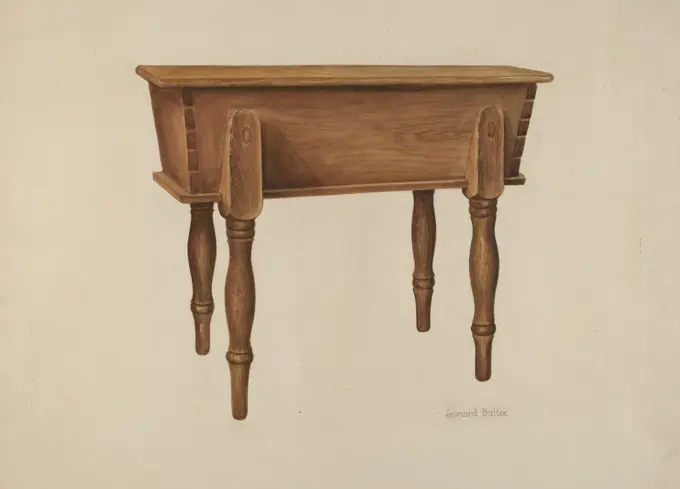
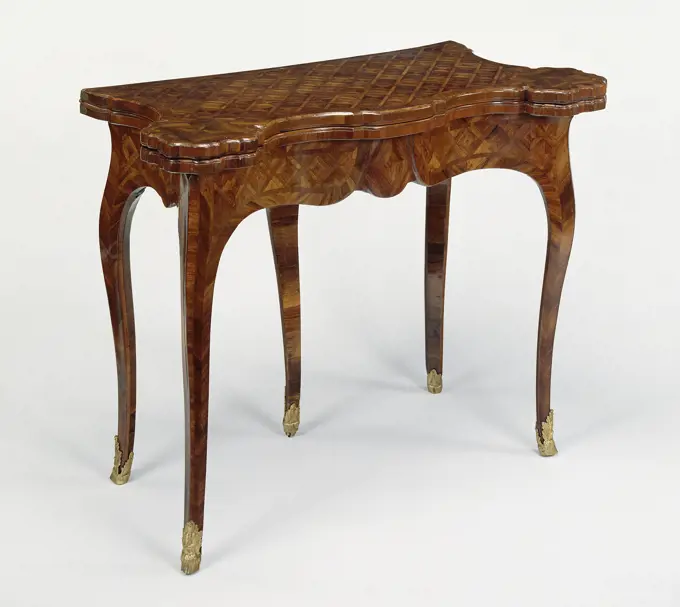
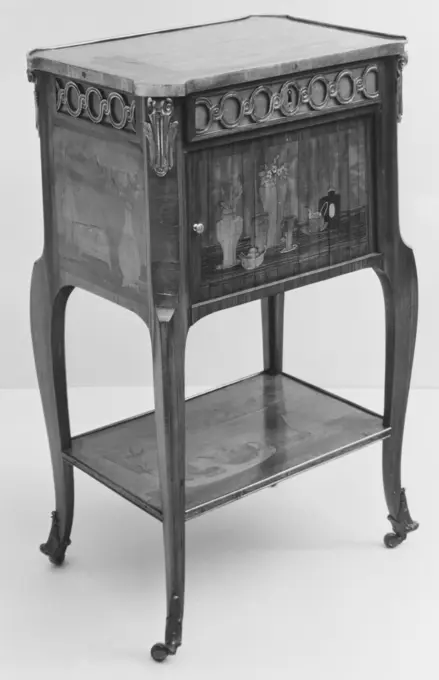
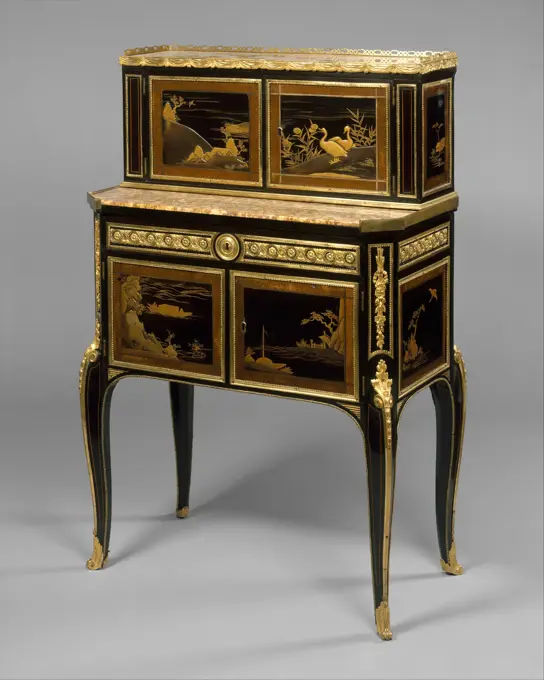
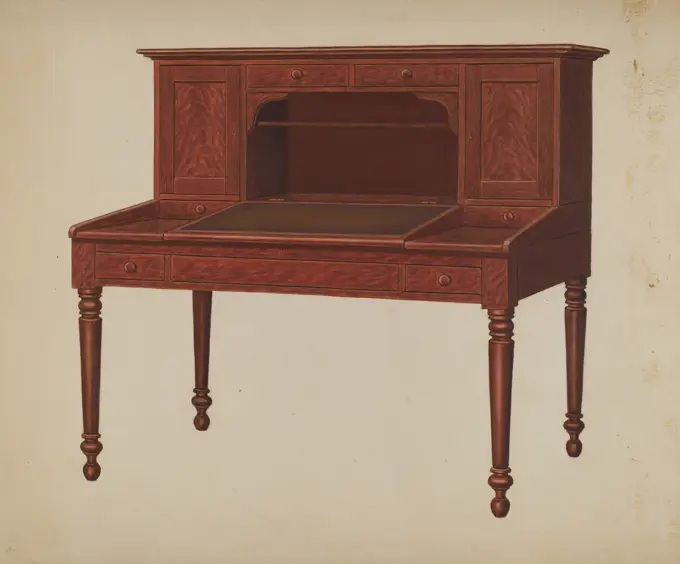
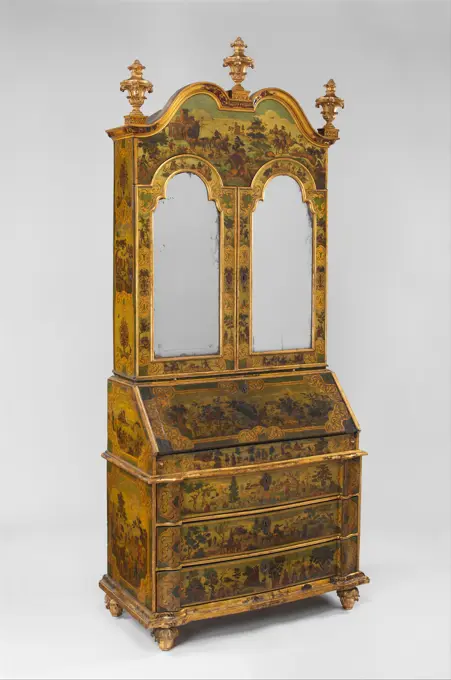
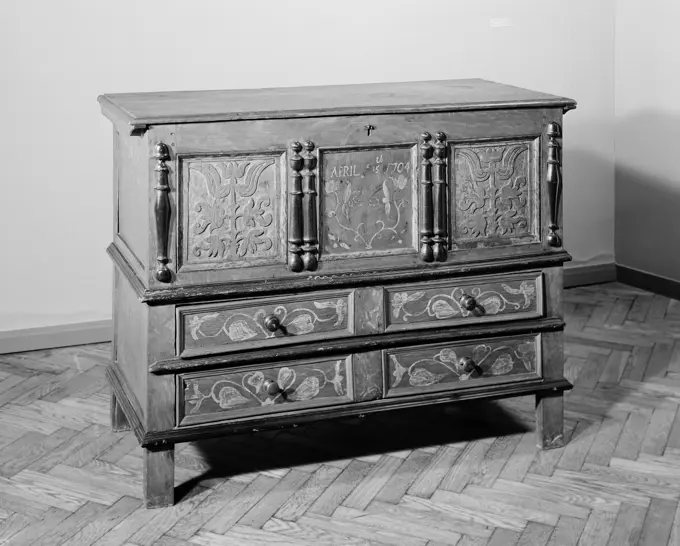
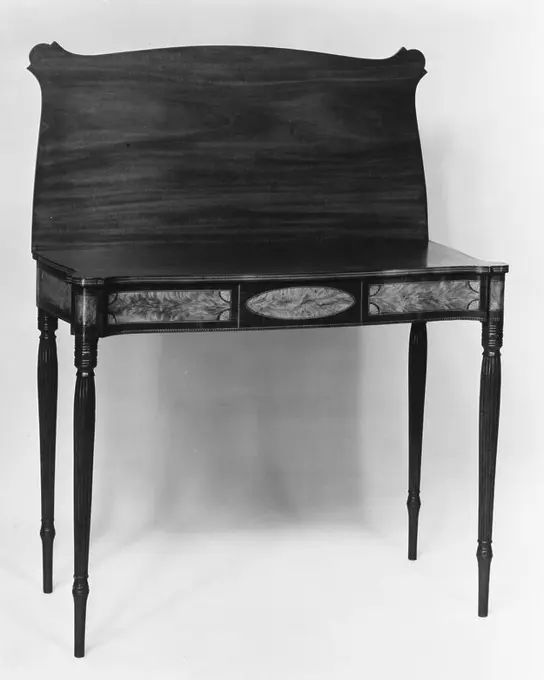
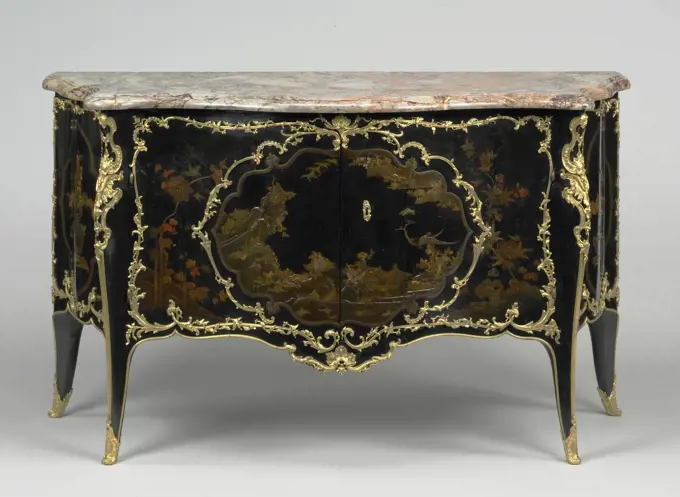
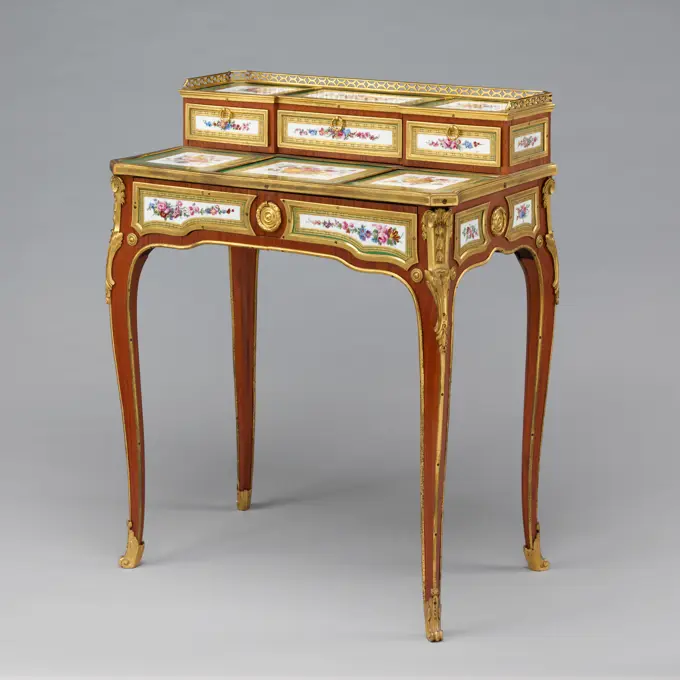
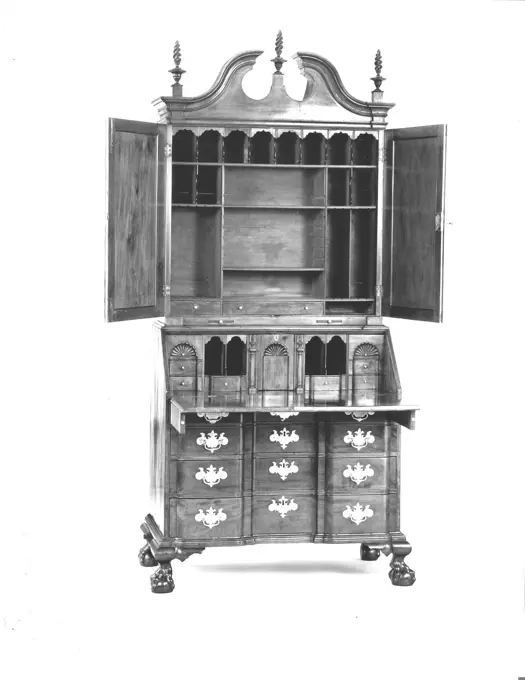
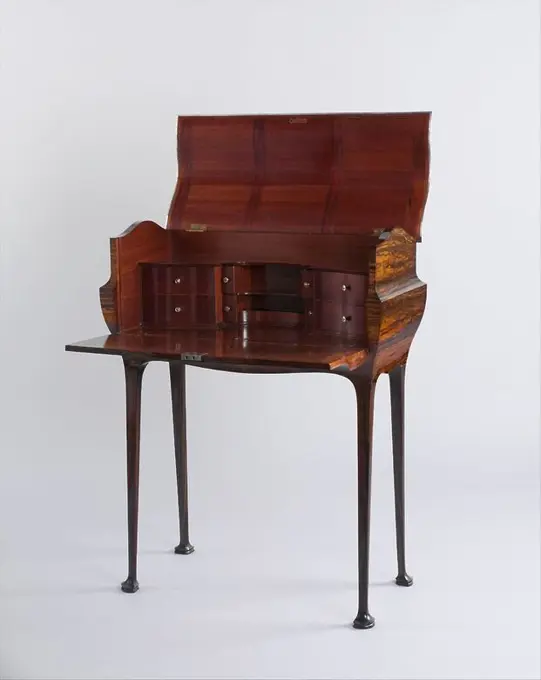
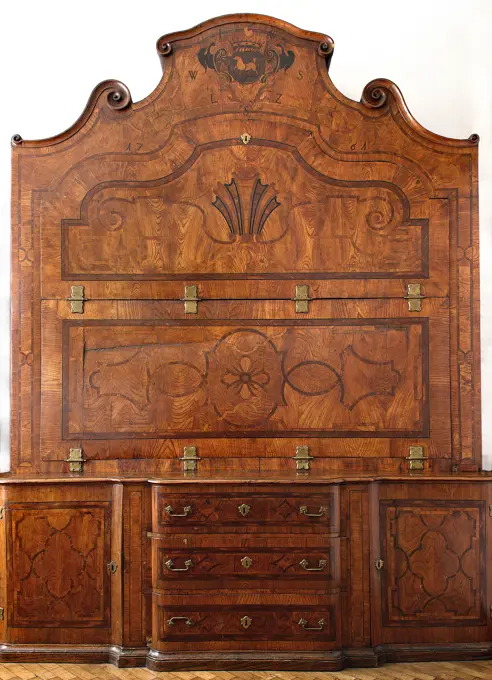
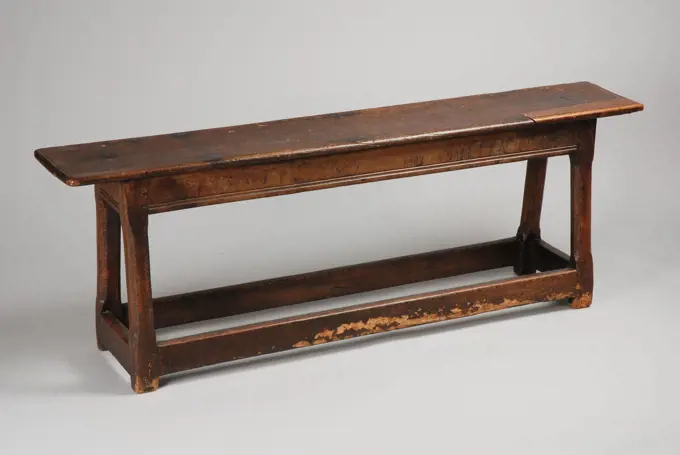
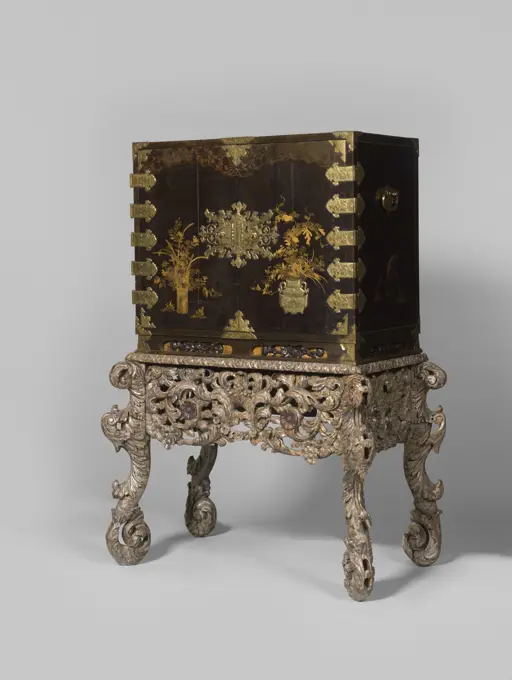
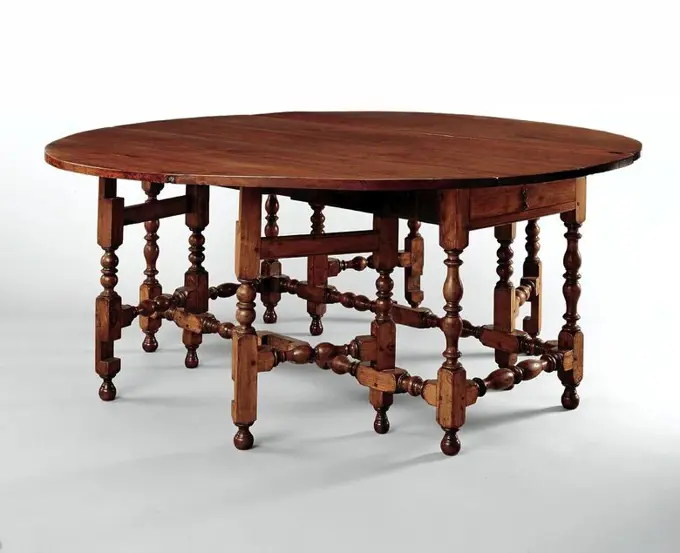
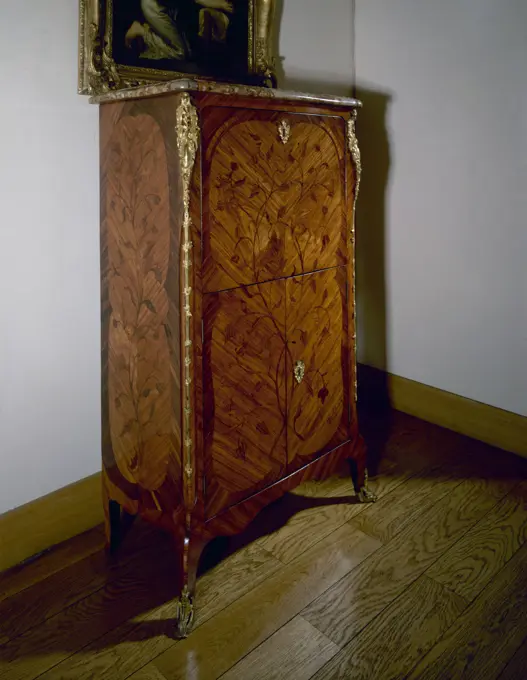
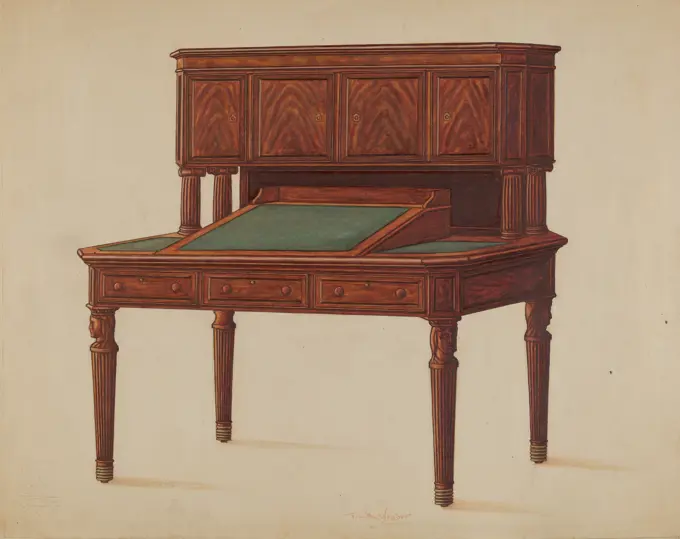
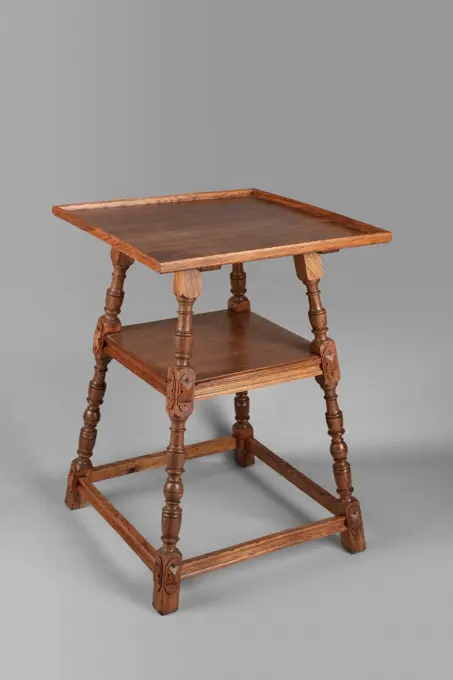
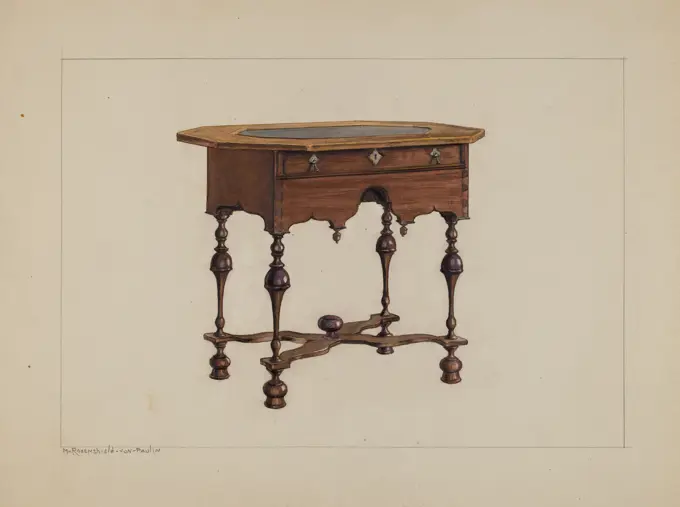
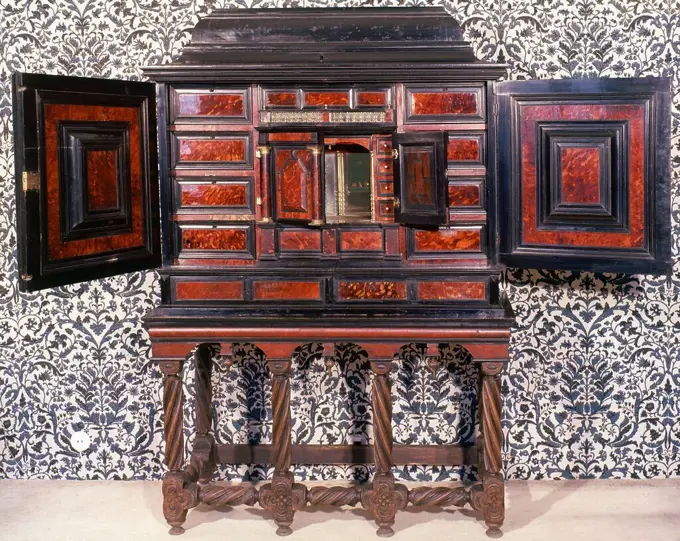
Card table 1790-95 American Card tables are more typically associated with parlors and sitting rooms, but these lightweight and versatile objects lent themselves to a variety of activities, from taking tea to conducting correspondence. This card table and its mate, now in a private collection, were produced en suite with a Pembroke table that would have been used for informal meals not requiring a large dining table.. Card table 1423Wardrobe. unknown, creatorPayment table whose corner styles are shaved above the legs with compensation. Oak payment table, inlaid with rosewood. The balpots rest on flat bobbins and are at the height of the houses, with ebony cannelures, connected by protected rules. Below the slider is a beveled rule, including the coffin portion on plinth. The long sides display two flat cushion panels; The short exhibits one. The corner styles above the legs are scaly with compensation. The blade is meactivated to share a center field of three parts.Chest-on-frame. Culture: American. Dimensions: 35 5/8 x 26 1/2 x 18 1/8 in. (90.5 x 67.3 x 46 cm). Date: 1670-1700.What purpose this small lift-top chest with a drawer on high legs was intended to serve is not entirely clear. It may have been what is designated in period inventories as a "chamber table," used in a bedroom as a washstand or possibly to store chamber pots. Museum: Metropolitan Museum of Art, New York, USA.Star Cabinet, Anonymous, c. 1690 - c. 1710Table on two legs, Anonymous, 1800 - 1900 Table of oak, on two legs. Northern Netherlands (possibly)Netherlands (possibly) wood (plant material). oak (wood). ebony (wood) Table of oak, on two legs. Northern Netherlands (possibly)Netherlands (possibly) wood (plant material). oak (wood). ebony (wood)Cabinet of Wortelnutenhout, Anonymous, c. 1685 - c. 1700 Cabinet glued with carrot nut wood on pine wood, resting on six rotated walnut ball legs. The corner styles in the form of freestanding Corintic columns, with the pilasters next to it and on the middle style, wear the cropped main fries with ojief -shaped Frisian. The two doors that run on copper hinges have high cushions with narrow backs that, like the surroundings, show ojief profiles. There are loading in the cropped basement. Sides with flat panels and quarter columns on the wall side. Frankfurt am Main wood (plant material). pine (wood). copper (metal). walnut (hardwood) Cabinet glued with carrot nut wood on pine wood, resting on six rotated walnut ball legs. The corner styles in the form of freestanding Corintic columns, with the pilasters next to it and on the middle style, wear the cropped main fries with ojief -shaped Frisian. The two doors that run on copper hinges have high cushions with narrow backs that, like the suPorseleinkast, anonymous, c. 1720 Porcelain cupboard made of root nut wood on loose chassis, with six consoles on bobbins, connected by double volute -shaped rules. The chassis contains a wide and two narrow drawers with a fittings; Under the line openwork ornamental pieces. The upper cabinet has two doors with twelve windows in straight, and at the top in broken volute -shaped rods. The top follows the movement of the profiled cornice with five consoles for a cupboard set, including a flat field with a middle ornament. Northern NetherlandsNetherlands wood (plant material). copper (metal). glass. gilding (material) gilding Porcelain cupboard made of root nut wood on loose chassis, with six consoles on bobbins, connected by double volute -shaped rules. The chassis contains a wide and two narrow drawers with a fittings; Under the line openwork ornamental pieces. The upper cabinet has two doors with twelve windows in straight, and at the top in broken volute -shaped rods. The top follows High Chest of Drawers 1715-30 American The high chest of drawers was introduced to the colonies in the 1690s and became the primary form of case furniture in the William and Mary style. This imposing piece, with its bold, fluted pilasters on the front and sides and dramatic projections in the entablature at the top and mid-moldings, was strongly influenced by classical architecture as set forth in the books of Andrea Palladio (1508-1580) and introduced in England by the architect Inigo Jones (1573-1652). It may have belonged to Edward Holyoke (b. 1689), who served as president of Harvard College from 1737 to 1769.. High Chest of Drawers 4292Neo-rococo dining room buffet, sideboard cupboard cabinet furniture furniture interior design wood mahogany oak wood brass glass, Neo-rococo dining room buffet with upright with two shelves supported by volutes back wall with mirrors in the middle of curved door with door on both sides with serrated oval panel neorococoFolding table 1680-85 American The heavy balusters and applied bosses on this table may indicate that it was produced en suite with a matching cupboard, since such bold decorative elements were more commonly found on that form. The polygonal frame has a two-part, hinged circular top that opens and rests on the pivot support, or gate. The present grain-painted surface is not original and may date to the eighteenth century.. Folding table. American. 1680-85. Painted white oak, soft maple. Made in Essex County, Massachusetts, United StatesConveniently, Matthew Hindrix (attributed to), c. 1775 - c. 1780 Oak chest of drawers glued with multiple woods. The quarterly curved sides show a bouquet with a bow. The front contains a drawer with circles with rosettes. The door underneath shows a vase with portrait medallion, acanthus fillets with festin, flower branches and birds; Along the front clock cords on a bow. The angular legs run down tapered; The front corner styles with sham scannelures are placed overhoeks. Gilded bronze lock plates and plinth list; Yellowish fur -spotted marble leaf. The Hague wood (plant material). oak (wood). rosewood (wood). maple (wood). purpleheart (wood). elm (wood). boxwood (hardwood). bronze (metal). marble (rock). gilding (material) gilding Oak chest of drawers glued with multiple woods. The quarterly curved sides show a bouquet with a bow. The front contains a drawer with circles with rosettes. The door underneath shows a vase with portrait medallion, acanthus fillets with festin, flower braVictor F Muollo, Hadley Chest, c 1936 Hadley ChestTable. Culture: American. Dimensions: 30 1/2 x 30 1/2 x 44 in. (77.5 x 77.5 x 111.8 cm). Date: ca. 1860.Although the maker of this table is unknown, it was probably produced in New York after a design by the British architect Augustus Welby Northmore Pugin, published in his book Gothic Furniture (London, 1835). Just as the Gothic Revival library was enlivened by the contrasting colors of various types of wood, this table features an extraordinary specimen marble top composed of brightly colored pieces of marble and other minerals. The tabletop is supported by architecturally inspired flying buttresses extending from the central post, an excellent example of how Gothic Revival furniture employed features reserved for use in buildings during the Gothic period (12th-15th century). Museum: Metropolitan Museum of Art, New York, USA.Art cabinet with flower marqueterie, anonymous, c. 1660 Artist, predominantly decorated with decorative edges, batter and flower marqueterie inside fields on a dark stock. The six columns with flower shafts from the chassis rest on a floor on bol legs. As a rule, two drawers and a scoop with batter. The cabinet has twice five drawers, between which two doors and two drawers between three columns with Corinthian capitals on consoles and a broken pediment with gold -plated copper dolphins, ranks and a shell. On the doors an arc with tiled floor and flower vase. France (possibly) wood (plant material). spruce (wood). ebony (wood). bone (material). copper (metal). walnut (hardwood). ivory. gilding (material) gilding Artist, predominantly decorated with decorative edges, batter and flower marqueterie inside fields on a dark stock. The six columns with flower shafts from the chassis rest on a floor on bol legs. As a rule, two drawers and a scoop with batter. The cabinet has twice five drawerPair of tables ca. 1750 British. Pair of tables. British. ca. 1750. Deal, with mahogany drawer linings, rosewood veneer. Woodwork-FurnitureSide cabinet, c. 1850, Attributed to Augustus Welby Northmore Pugin; Maker: Attributed to J. G. Crace & Sons; Maker: Attributed to J. Hardman & Co (metalwork), English, 1812-1852, 39 1/8 x 90 11/16 x 21 5/16 in. (99.38 x 230.35 x 54.13 cm), Walnut with marquetry veneers,brass, glass, England, 19th century, No English designer or architect did more to promote the Gothic Revival than Augustus Welby Northmore Pugin. He argued against the ill effects of the Industrial Revolution and advocated a return to the 'honest' craftsmanship of the Middle Ages. A convert to Catholicism, Pugin showcased his decoration in churches. Other commissions included some interiors of Windsor Castle in the 1820s (with his father Augustus Charles Pugin), the interiors of the Houses of Parliament in Westminster (executed under his direction during the 1840s), and the Mediaeval Court he created in 1851 for London's Crystal Palace Exhibition.Chest ofdrawers. Cupboard of plywood, birch and poplar wood resting on wide feet going through in three styles. The wide cupboard has two doors with two drawers underneath that it reset. There is a wide round middle style in the middle. The two corner styles contain a whimsical sculpted mapped motif. The wavy frame at the top of the cabinet differs back and contains sculpted elements. The middle style is connected to the list by means of sloping bulkheads that exit on the front in a pointed V-form. Both on the drawers and on the doors are large round black painted buttons. The doors contain key plates in a pointed V-shape and hinges with a sloping slanted side.Cabinet. A Dutch cabinetmaker made this fashionable piece of furniture by reusing lacquer from a Japanese chest that had fallen out of fashion.The incorporation of Japanese lacquerwork into Dutch pieces of furniture was a new phenomenon c. 1700, a practice that was subsequently adopted elsewhere in Europe.Carl Weiss, High Chest of Drawers, c 1936 High Chest of DrawersLawrence Phillips, Chest on Chest, c 1939 Chest-on-ChestLawrence Phillips, Highboy, c 1939 HighboyOrnamental cabinet with biblical motifs, anonymous, c. 1630 - c. 1650 Eikhout cupboard, decorated with ebony, so -called sculpture cabinet. The three styles of the upper cabinet are decorated with Cararians, which depict faith, love and hope. The Frisian is richly decorated with rankwork, between which tritons and two cartouches with on the left St. Joris and Marcus Curtius on the right. The columns of the base cabinet carry Corinthian capitals. The two doors are decorated with performances from the history of Suzanna. Hunting scenes are depicted on the Middelladefries. Netherlands wood (plant material). oak (wood). ebony (wood) Eikhout cupboard, decorated with ebony, so -called sculpture cabinet. The three styles of the upper cabinet are decorated with Cararians, which depict faith, love and hope. The Frisian is richly decorated with rankwork, between which tritons and two cartouches with on the left St. Joris and Marcus Curtius on the right. The columns of the base cabinet carry CoriCarrot walnut veneered rococo flap secretary, secretary furniture furniture interiors wood oakwood burr walnut walnut brass iron wool, Carrot walnut veneered rococo flap secretaire with three drawers and flap behind which writing sheet with drape seven small drawers and four concealed spaces inside oak wood brass handles rococo Rotterdam City Triangle Wijnhaven New Work Zeemansstraat Originating from Edward Knight In address GAR 1925 you can find Knight & Co insuradors Wijnhaven 107a firmant Edw. Knight as well as one Knight E. honorary consul of Belgium Zeemansstraat 13.Cupboard with a weapon on the top door with rooster, anonymous, c. 1400 - c. 1950 Eikhout cabinet that shows two doors, a drawer and a door flanked by panels from bottom to top. The cabinet is decorated with iron batter, tracing work, gothic shells and the upper door shows a weapon with a rooster. Northern Netherlands (possibly) wood (plant material). oak (wood). iron (metal) Eikhout cabinet that shows two doors, a drawer and a door flanked by panels from bottom to top. The cabinet is decorated with iron batter, tracing work, gothic shells and the upper door shows a weapon with a rooster. Northern Netherlands (possibly) wood (plant material). oak (wood). iron (metal)DressingtableSecretary Desk. Dated: c. 1936. Dimensions: overall: 33.4 x 25.8 cm (13 1/8 x 10 3/16 in.). Medium: watercolor, graphite, and gouache on paper. Museum: National Gallery of Art, Washington DC. Author: Eugene Croe.Pair of Cabinets; Bernard II van Risenburgh (French, after 1696 - about 1766, master before 1730); Paris, France; about 1745 - 1750; Oak veneered with bloodwood, kingwood and cherry; wire mesh screens; gilt bronze mounts;Map cabinet;  End of the 19th century (1880-00-00-1900-00-00);baroque (style), tumors (ornament)Table desk late 17th century Probably by André Charles Boulle French. Table desk 198011Chest with Drawers. Dated: c. 1937. Dimensions: overall: 29.2 x 22.5 cm (11 1/2 x 8 7/8 in.) Original IAD Object: 36"high; 36 1/2"wide; 21"deep. Medium: watercolor, colored pencil, pen and ink, some heightening and graphite on paper. Museum: National Gallery of Art, Washington DC. Author: Ulrich Fischer.Table. Herter Brothers; American, 1846-1906. Date: 1885-1895. Dimensions: 70.2 × 101.6 × 75.6 cm (27 5/8 × 40 × 29 3/4 in.). Mahogany with bronze. Origin: New York City. Museum: The Chicago Art Institute, USA.Cupboard with marquetery of flowers, birds, butterflies, mermaids and tritons with sheet ears, Anonymous, 1675 - 1700 Cabinet glued with walnut and decorated with Marketerie of nut, satin, rosewood, ebony and ivory on a pine core. The furniture is divided into a lower and upper cupboard. The upper cabinet shows two doors, on either side of which five drawers, and top and below one. The base cabinet has two front doors. The drawers and doors are marked with flowers, birds, butterflies, mermaids and tritons with rivets. In the upper horn in ivory the letters FVG and on the left in nuthout the word grabant. Southern Netherlands (possibly) wood (plant material). pine (wood). walnut (hardwood). satinwood (wood). rosewood (wood). ebony (wood). ivory Cabinet glued with walnut and decorated with Marketerie of nut, satin, rosewood, ebony and ivory on a pine core. The furniture is divided into a lower and upper cupboard. The upper cabinet shows two doors, on either side of which five drawers, anCLOSE;  1. PO. 16th century (1501-00-00-1550-00-00);Szwarc, Szymon (1884-197.) - collection, meander (ornament), palmets, renaissance (style), rosettes (ornament), plant decoration, purchase (provenance)Paul Ward, Desk, c 1937 DeskPair of Commodes; Bernard II van Risenburgh (French, after 1696 - about 1766, master before 1730); Paris, France; about 1750; Oak veneered with kingwood, tulipwood and amaranth; gilt-bronze mounts; breche violette top and brocatelle jaune top;Tribunal table;  1. W. 18th century (1700-00-00-1725-00-00);Anonymous. Broken top table. Building: oak and walnut; Placing of scales, ebony, brass, copper, leather. 1700. Paris, Carnavalet museum. Furniture, furnitureChest with drawer 1735 Probably Robert Crosman A single composition extends over the entire front of this chest, displaying the decorative style of Robert Crosman of Taunton, Massachusetts. About thirty pieces of similarly decorated furniture have been attributed to Crosmans hand. The overall painted design, distinguished by the sweeping arcs of compass-drawn vines and the use of templates for tulips and birds, is very like the flowers and vines found on crewelwork bed hangings of the period.. Chest with drawer 2038Doll cupboard -Table. unknown, authorQueen ann style furniture Queen ann style furniture display cabinet isolated over white background Copyright: xZoonar.com/IvonnexWierinkx 16733585Child's Desk 1725-60 American. Child's Desk 2050Table, completely glued with floral motifs in different types of wood. S-shaped legs connected by a double Y-shaped cross. Table completely glued with floral motifs, executed in rosewood, satin, olijve, amboina, maple and other woods and leg on an oak core. The furniture rests on four S-shaped legs, which are connected by a double Y-shaped cross with an oval center piece, which is resting on bolpotes. The corner styles carry a profiled basis. A tray at the front. The leaf shows a flower vase on a pedestal, resting on two dolphins. Leaf and flower drinks come from their buildings.Louis Moreau (attributed to). Happiness of the day in oak, body higher than a tutor with sliding curtain, marquetry with fruit and leaves decoration, top of white marble, golden bronzes (closed overall view). Wood, bronze around 1778-1780. Paris, Cognacq-Jay museum. 25924-6 A tigin, bronze, bronze gilded, happiness, oak, superior body, decoration, leaf, day, white marble, marquetry, furniture, sliding curtain, wood, fruitJoint Stool c 1680-1710 United States. Maple and pine . Artist unknownConsole Table. Naples, Italy. Date: 1740-1750. Dimensions: 94 × 132.1 × 61 cm (37 × 52 × 24 in.). Wood, painted and silvered; marble. Origin: Naples. Museum: The Chicago Art Institute, Chicago, USA.Leonard Battee, Dough Tray, c 1938 Dough TraySecreter, J. Cabanyeres, 1866. Museu d'Història de Barcelona.Writing and Card Table; Paris, France; about 1725; Oak and fir veneered with bloodwood, kingwood and wamara; mahogany; drawers of walnut and oak; gilt-bronze mounts; silvered-bronze fittings; iron fittings; modern silk velvet; 74 x 101.3 x 101.6 cm (29 1,8 x 39 7,8 x 40 in.)Cupboard. unknown, authorWriting table third quarter 18th century Roger Vandercruse, called Lacroix French. Writing table 200659Center Table (USA); gilt and painted mahoganyTable, Round Top. Dated: c. 1936. Dimensions: overall: 26.2 x 36.6 cm (10 5/16 x 14 7/16 in.) Original IAD Object: none given. Medium: watercolor, colored pencil, and graphite on paper. Museum: National Gallery of Art, Washington DC. Author: Henry Moore.High chest of drawers. Culture: American. Dimensions: 52 x 39 1/2 x 21 3/4 in. (132.1 x 100.3 x 55.2 cm). Date: 1710-25.The decoration on this chest, with its oriental motifs and palette of red, orange, and what was originally bright yellow on a black ground, was meant to imitate a technique known as japanning. Beginning in the mid-seventeenth century, imported Japanese and Chinese lacquer cabinets and screens became extremely popular in England. This lacquer work was much imitated in London on furniture and wall paneling. The technique eventually spread to Boston by about 1700. Museum: Metropolitan Museum of Art, New York, USA.Desk (bonheur du jour) ca. 1765-75 Claude-Charles Saunier With its cabriole legs and neoclassical mounts, this bonheur du jour or small writing desk is transitional in style and was most likely executed between 1765-75. The doors and sides of both sections of the desk are inset with panels of Japanese black and gold lacquer much reduced in size and thus difficult to date but probably executed between 1660-1690. Depicting geese, waterfowl, boats and buildings in river landscapes with flowering trees, these panels are surrounded by borders of a French imitation of aventurine lacquer called nashiji in Japanese. Some of the lacquer decoration was scraped away to accommodate these borders.The upper and lower sections of this small desk each contain a single compartment enclosed by doors. Separating them is a shallow drawer with a writing slide bordered with king wood and the original gilt-metal pen tray and containers for ink and sand. A leading Parisian ébéniste, Saunier supplied furnitureFrank Wenger, Desk, c 1937 DeskDesk (Secretary) ca. 1730-35 Italian, Venice In shape, this secretary is influenced by the English bureau bookcase. This example consists of three parts: the arched upper section whose interior contains visible drawers as well as hidden compartments, a middle section with a sloping fall front and the lower section with three large drawers. The construction is very basic: all the attention is lavished on the surface decoration which is executed in a decoupage technique known as lacca povera or lacca contrafatta. Conceived as a cheaper substitute for Asian lacquer, decoupage became especially fashionable in Europe during the 1720s and was continuously practiced throughout the eighteenth century. Made by professionals and amateurs alike, the art of decoupage consists of coloring and cutting out copperplate engravings, pasting them on the specially prepared surface and varnishing them afterwards. Special manuals containing step-by-step descriptions of the technique and useful formulas forDesk. Dated: c. 1940. Dimensions: overall: 45.8 x 35.5 cm (18 1/16 x 14 in.) Original IAD Object: 6'6"high; 3'11"wide; 2'6"deep. Medium: watercolor, colored pencil, and graphite on paper. Museum: National Gallery of Art, Washington DC. Author: Peter C. Ustinoff.Chest 1704 Connecticut. Oak and pine . Artist unknownTable;  End of the 18th century (1780-00-00-1800-00-00);Card Table. Culture: American. Dimensions: 28 1/2 x 35 3/4 in. (72.4 x 90.8 cm). Date: 1800-1810. Museum: Metropolitan Museum of Art, New York, USA.Commode; Bernard II van Risenburgh (French, after 1696 - about 1766, master before 1730); Paris, France; about 1737; Oak set with panels of black Japanese lacquer and painted with vernis Martin; veneered with cherry and amaranth on interior of the doors; gilt-bronze mounts; sarrancolin marble top; eighteenth-century silk fabric lining and silver metal galon; 88.3 × 151.9 × 57.8 cm (34 3,4 × 59 13,16 × 22 3,4 in.)Joan Busquets i Jané / Secreter, siglo XX. Colección privada.Gate-leg Table. Dated: c. 1936. Dimensions: overall: 22.9 x 28.1 cm (9 x 11 1/16 in.) Original IAD Object: 30"high; 67 1/2"wide. 50 1/2"deep. Medium: watercolor, colored pencil, pen and ink, and graphite on paperboard. Museum: National Gallery of Art, Washington DC. Author: M. Rosenshield-von-Paulin.Three-door cabinet, anonymous, c. 1835 - c. 1838 furniture Three -door cabinet of oak wood with Pietra Dura. Paris oak (wood). ebony (wood). bronze (metal). gilding (material) gilding flowers in a vaseSettle, anonymous, c. 1500 Oak sofa with movable handrail. The box -shaped frame, with sides acting as cheeks, has flat, largely profiled armrests. The coffin wears three on the long sides, two panels on the short sides and cheeks, which are decorated with letter ornament; Excluded the center panel of the front. The handrail revolves around a pivot in the middle style of the cheeks. The seat is profiled on the front and sides and has a lid attached to two tail stalls. Northern Netherlands wood (plant material). oak (wood) Oak sofa with movable handrail. The box -shaped frame, with sides acting as cheeks, has flat, largely profiled armrests. The coffin wears three on the long sides, two panels on the short sides and cheeks, which are decorated with letter ornament; Excluded the center panel of the front. The handrail revolves around a pivot in the middle style of the cheeks. The seat is profiled on the front and sides and has a lid attached to two tail stalls. Northern Netherlands wood Oak box, casket cabinet furniture furniture interior design wood oak wood paint, Oak box, on two sled legs with carvings in Gothic flamboyant style (with pointed arches and cross flowers) on sides and front. Exterior lock on the outside with decoration on the outside: probably an iron claw lock with single claw. On the back hinges for the lid. On the inside there are crocheted grooves in every corner: did an interior work here before Rectangular wooden lid, is no longer attached to the box: the remains of hinges are missing as well as the lock fitting (probably hook or harpoon which belong to claw locks) save theft prevention hang-and-seal gothicRound table of black colored tropical wood with leaf of white marble and c-volull-shaped legs. Z.G. Spinning table. Round table, Z.G. Spinnekopt table, from black colored tropical wood (Djatihout) With leaf of white marble. At four c-volutely, smaller volutes-decorated legs, in the middle connected by a high, rotated element.George File, Stove (Model), c 1939 Stove (Model)Desk (bonheur du jour) ca. 1769 Attributed to Martin Carlin French This type of elegant ladys writing desk was called a bonheur-du-jour, literally “happiness of the day” which may refer to the joys of letter writing.Eleven of these desks are known of which The Met has four in its collection (see also 58.75.48; 58.75.49; and 1982.60.55). They are all either signed by the ébéniste Martin Carlin or, as in this case, are attributed to him. Carlin specialized in the production of small, precious pieces of furniture, working mainly for the marchand-mercier (dealer in luxury goods) Simon-Philippe Poitier, and for his partner and successor Dominique Daguerre, who provided him with designs, porcelain plaques, lacquer panels, and gilded bronzes for mounting.Supported on slender cabriole legs, the desk has three drawers in the upper section. The single drawer in the lower part, its keyhole is concealed behind the hinged circular wreath and patera pull, contains on the right, a loose container foDesk;  1880-1890 (1880-00-00-1890-00-00);Escabel del panteón de Comillas, 1878-1881. Author: ANTONI GAUDI.Room convenience with lid covered with dust, anonymous, c. 1880 - c. 1899 Room ease of teak resting on four wide feet with rounded sides. The rectangular room ease has four walls, the rounded corners of which consist of one strip of wood. The lid, which is attached with two hinges, is covered with dust woven with black, red and brown threads that is secured with nails with heads in the shape of a flower. The inside is divided into two rooms whose right side is the largest. The space on the left is closed at the height of the center with a panel from which two circles have been sawn. The space on the right side is closed at the top with a panel from which a circle is sawn and within which a lid with handle falls. Indonesia teak (wood) Room ease of teak resting on four wide feet with rounded sides. The rectangular room ease has four walls, the rounded corners of which consist of one strip of wood. The lid, which is attached with two hinges, is covered with dust woven with black, red and Desk andBookcaseFrank Wenger, Lowboy, c 1939 LowboyHigh chest of drawers. Culture: American. Dimensions: 86 1/2 x 40 x 21 1/2 in. (219.7 x 101.6 x 54.6 cm). Date: 1730-60.Japanning, the use of paint and gilded gesso to imitate the glossy finish on Asian lacquerwork, was a popular method of furniture decoration in colonial Boston. This group of japanned furniture (40.37.1,.2,.4) descended in the Pickman family of Salem, Massachusetts, and is an extraordinary survival. The painted decoration on the high chest, dressing table, and looking glass is all by the same hand. Museum: Metropolitan Museum of Art, New York, USA.Desk. Culture: British. Designer: Mervyn Macartney (British, London, 1853-1932). Dimensions: Overall: 38 × 29 1/4 × 14 in. (96.5 × 74.3 × 35.6 cm). Maker: For the firm of Kenton & Co., London. Manufacturer: W. Hall for Kenton and Co. (London, 1890-1892). Date: 1891.When shown in an 1893 Arts and Crafts Exhibition at the New Gallery, London, this desk, or a nearly identical one now in the Minneapolis Institute of Arts, was favorably commented on in The Cabinet Maker and Art Furnisher: "An escritoire by Mr. Mervyn Macartney....is quite a gem. Original in design, dressed up with lovely wood, and perfectly made by Mr. J. Hall, it is one of the few miniature woodwork triumphs of the exhibition. Hitherto the French have had a monopoly in dainty things of this sort. The buyer who has the means need not now go to Paris to satisfy the taste of his lady-love." This comment stressed precisely the objectives of the short-lived firm: to supply furniture of good design and the best workmanship, whiCupboard;  1761 (1761-00-00-1761-00-00);Potocki (family), Starykoń (coat of arms), coats of arms, monograms, palmetta (ornament), rosette (ornament), ribbon (ornament), ribbon and ice (ornament), purchase (provenance)Counterpane. UnknownOak bench, sofa seating furniture interior furnishings oak wood, Sober executed seat is straight shelf four legs connected by lines.Graphics table. unknown, authorDough Tray. Dated: c. 1938. Dimensions: overall: 33 x 45.5 cm (13 x 17 15/16 in.). Medium: watercolor, graphite, and colored pencil on paper. Museum: National Gallery of Art, Washington DC. Author: Leonard Battee.Japanese lacquer, Anonymous, 1600 - 1699 Japanese lacquered cupboard on pine core. The silver -plated walnut frame has carved, under and up in volutes ending legs with stabbed acanthus leaf. The front legs are placed overhoeks; The openwork rules show the front and sides leaf vines with flower festivities. The two cupboard doors show copper handles, fittings on the corners and a wide key plate. A flower vase on the doors; The right -handed baasy is from copper; In the plinth flower ranks within two sawn -out fields. Great Britain wood (plant material). pine (wood). walnut (hardwood). copper (metal) lacquering Japanese lacquered cupboard on pine core. The silver -plated walnut frame has carved, under and up in volutes ending legs with stabbed acanthus leaf. The front legs are placed overhoeks; The openwork rules show the front and sides leaf vines with flower festivities. The two cupboard doors show copper handles, fittings on the corners and a wide key plate. A flower vase on the doorsShaker Sewing Table. Dated: c. 1938. Dimensions: overall: 30.8 x 25 cm (12 1/8 x 9 13/16 in.). Medium: watercolor and graphite on paper. Museum: National Gallery of Art, Washington DC. Author: Alfred H. Smith.Oval table with falling leaves. Culture: American. Dimensions: 29 3/4 x 74 1/2 x 71 in. (75.6 x 189.2 x 180.3 cm). Date: 1690-1720.This spectacular walnut table is as fine as any made in colonial America. Its multiple turned legs and gate-like supports create a virtual forest of baluster turnings. In stark contrast to the rectilinearity of seventeenth-century tables, the gentle elliptical curve of its top invited conviviality and conversation among those seated around it. The narrow width of leather and cane chairs of this period were ideal for use among the multiple legs on tables like these. Museum: Metropolitan Museum of Art, New York, USA.Secretary, commode and table, 1834  Paris oak (wood). rosewood (wood). satinwood (wood). mahogany (wood). purpleheart (wood). brass (alloy). copper (metal). ivory  Paris oak (wood). rosewood (wood). satinwood (wood). mahogany (wood). purpleheart (wood). brass (alloy). copper (metal). ivoryAnonymous. Secretary in an oak and fir tree wardrobe, marquetry with a backdrop to large ramages, on a breach marble, golden bronzes (overview of three quarters closed in the room, without bottom), around 1750. Paris, Cognacq-Jay museum. Bronze dore, oak, decor, top, large ramage, breach marble, marble, furniture, fir, secretary in cabinet, Louis XV style, 18th century, wood, furnitureFrank Gray, Miniature Chest, c 1940 Miniature ChestElaborate slanted-flap secretary with inlays in ivory and marquetry in rosewood, ebony and Indian walnut, hunting scenes and dancing scenes, cabinetmaker Luigi Prinotto, ca 1730, Camera della Madama Reale, Museo Civico di Arte Antica, Palazzo Madama, Turin, Piedmont, Italy, UNESCO World Heritage Site, EuropeSewing Desk. American; Canterbury or Enfield, New Hampshire. Date: 1860-1870. Dimensions: 106.7 × 80 × 68.9 cm (42 × 31 1/2 × 27 1/8 in.). Cherry, birch, ash and maple. Origin: New Hampshire. Museum: The Chicago Art Institute, Chicago, USA. Author: Shaker.Writing cabinet, anonymous, c. 1715 - c. 1740 Writing cabinet Lijmed with root nut wood on an oak core and consisting of an upper and base cabinet. The base cabinet rejuvenates stretched in the upper direction. The front shows three drawers and has decorated decorations on the beveled corners. Above the drawers is the sloping writing sheet, behind which drawers and courses. The upper cabinet has arched doors on the top and volutes standing on either side. Behind this are located on the side. Netherlands wood (plant material). oak (wood). walnut (hardwood). copper (metal) Writing cabinet Lijmed with root nut wood on an oak core and consisting of an upper and base cabinet. The base cabinet rejuvenates stretched in the upper direction. The front shows three drawers and has decorated decorations on the beveled corners. Above the drawers is the sloping writing sheet, behind which drawers and courses. The upper cabinet has arched doors on the top and volutes standing on either side. Behind tPa. German Painted Chest. Dated: c. 1938. Dimensions: overall: 27.8 x 41.2 cm (10 15/16 x 16 1/4 in.) Original IAD Object: 25" high; 50" long; 23 1/4" wide. Medium: watercolor and graphite on paper. Museum: National Gallery of Art, Washington DC. Author: Frances Lichten.Frank Wenger, Desk, 1935 1942 DeskSmall table. unknown, creatorM Rosenshield von Paulin, Slate top Table, c 1940 Slate-top TableARQUIMESA. Location: PRIVATE COLLECTION. MADRID. SPAIN.Hall Stand 1865-1875 Coalbrookdale. The nineteenth century was a period of vast industrial developments, one of which was increased efficiency in cast-iron production. As cast iron proliferated into many aspects of architecture and applied arts, design critics renounced the material as vulgar and deceitful. In an effort to beautify cast-iron products, smelting manufactories hired professional designers, like Christopher Dresser, with visually stimulating results. In this hall stand, which was part of a larger series, Dresser combined medieval foliage motifs with classical depictions of the Greek gods of wind and water, Boreas and Aquarius.. Cast iron and marble . Christopher Dresser (Designer)Cupboard with four doors with cut, religious representations., Anonymous, c. 1630 - c. 1660 Eikhout cupboard with bottom and top, closed by four doors, between scanned pilasters, richly decorated with carving. Religious representations on the door panels. Netherlands oak (wood) Eikhout cupboard with bottom and top, closed by four doors, between scanned pilasters, richly decorated with carving. Religious representations on the door panels. Netherlands oak (wood)