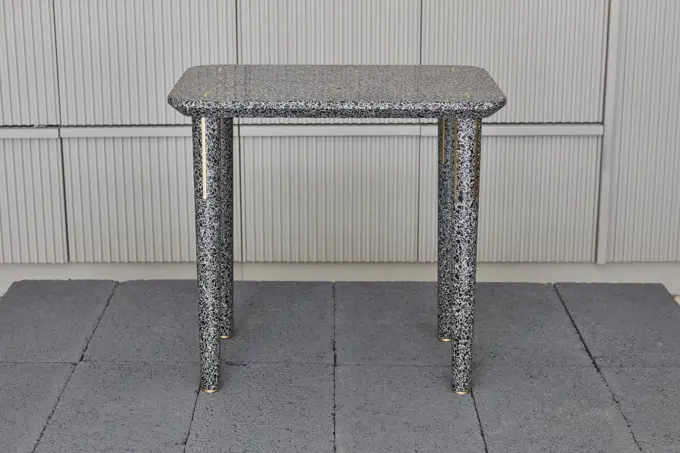
Vintage Furniture Collection

A selection of historical furniture pieces including card tables, wardrobes, and ornate chests showcasing craftsmanship and unique designs from different eras.
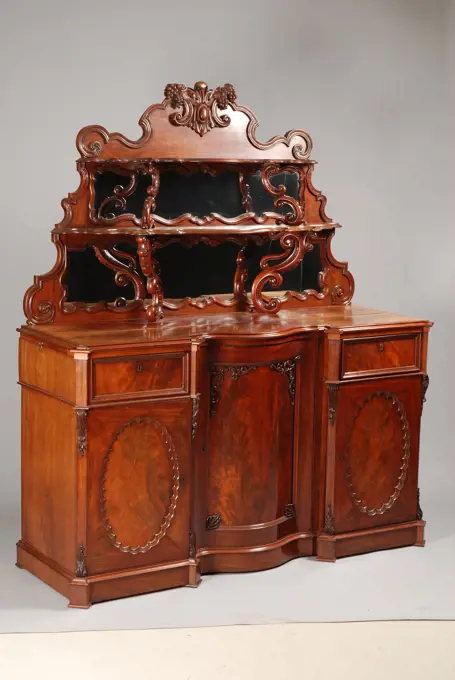
Neo-rococo dining room buffet, sideboard cupboard cabinet furniture furniture interior design wood mahogany oak wood brass glass, Neo-rococo dining room buffet with upright with two shelves supported by volutes back wall with mirrors in the middle of curved door with door on both sides with serrated oval panel neorococo
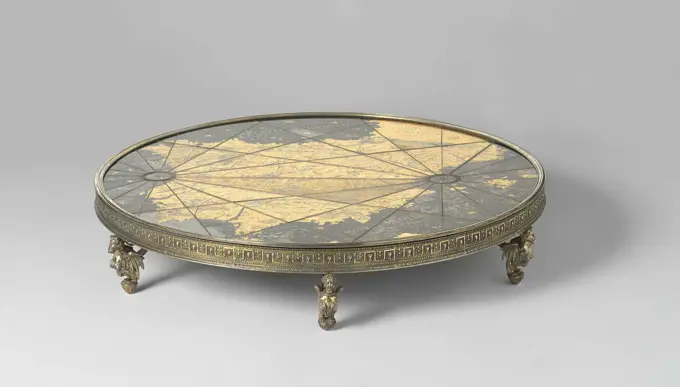
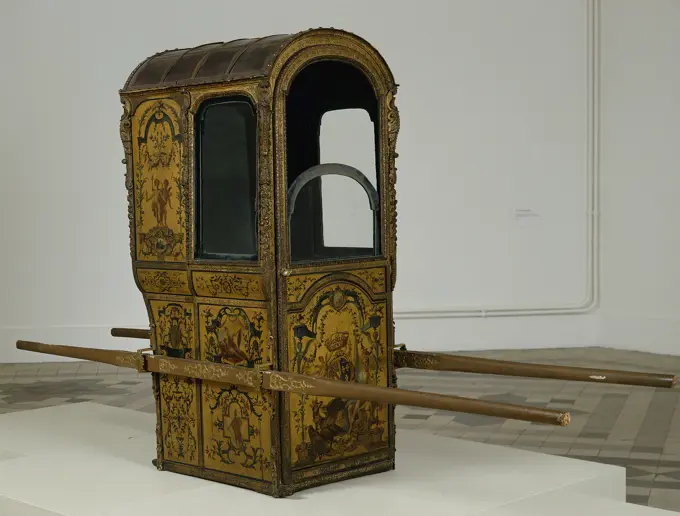
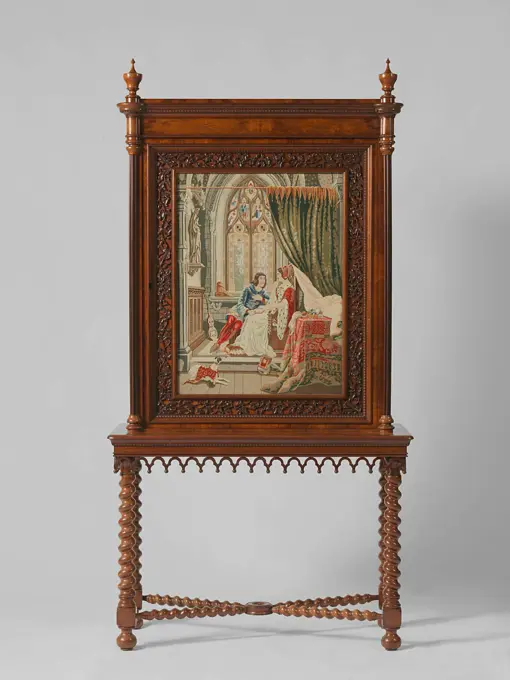
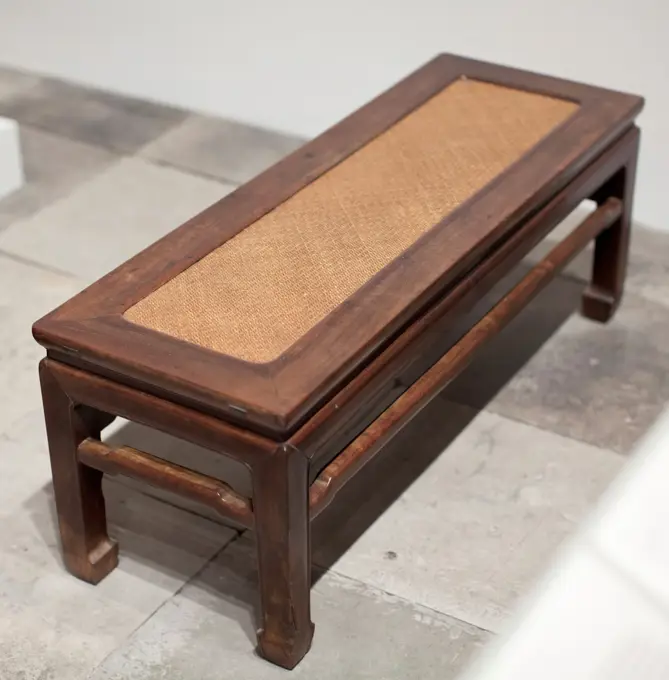
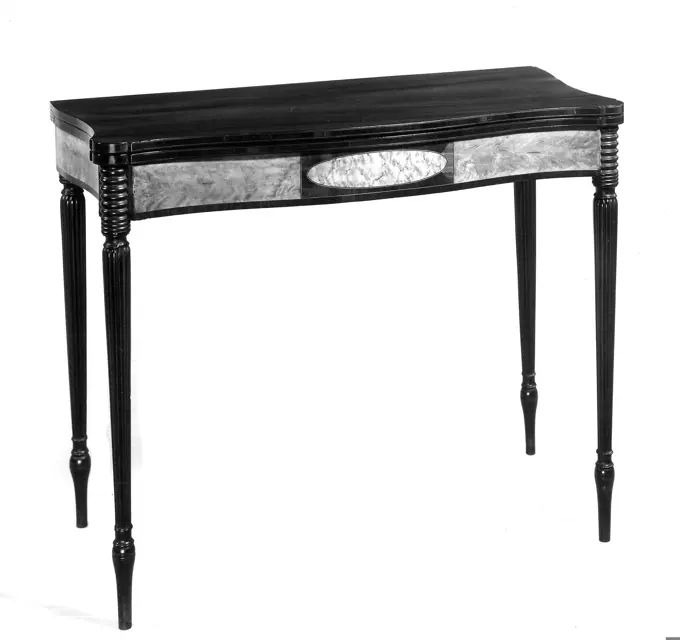
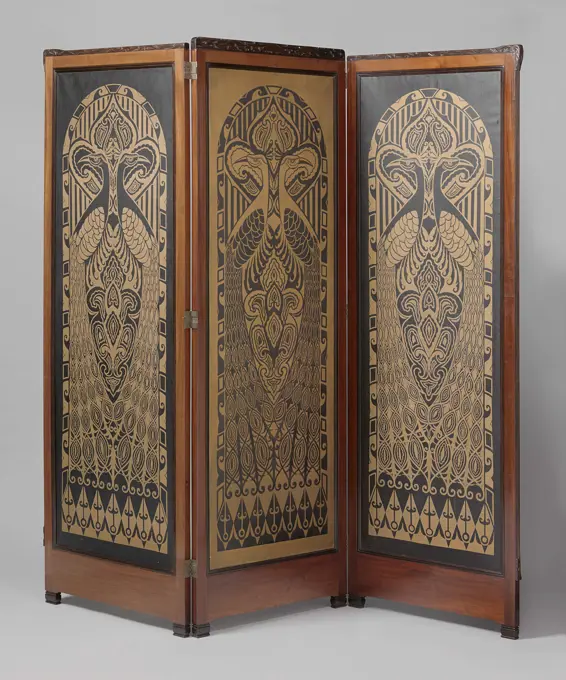
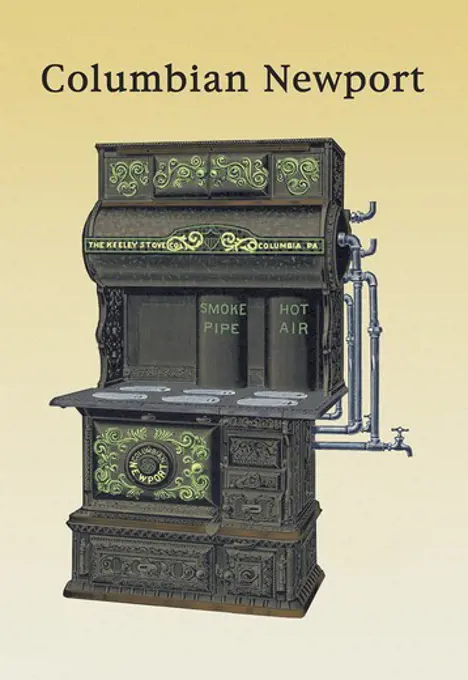
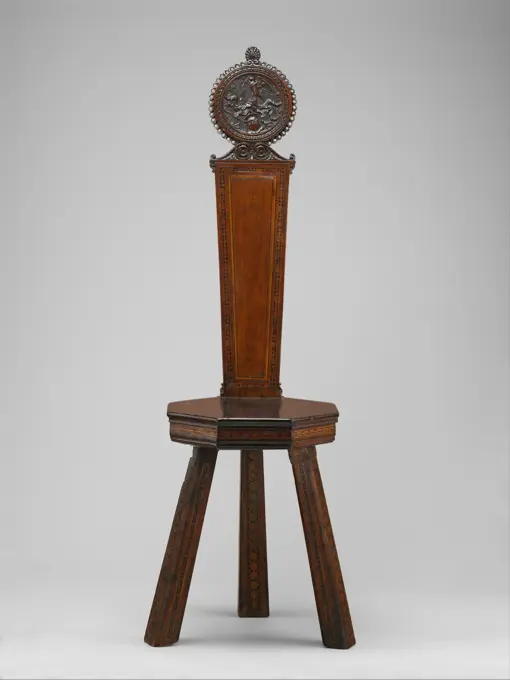
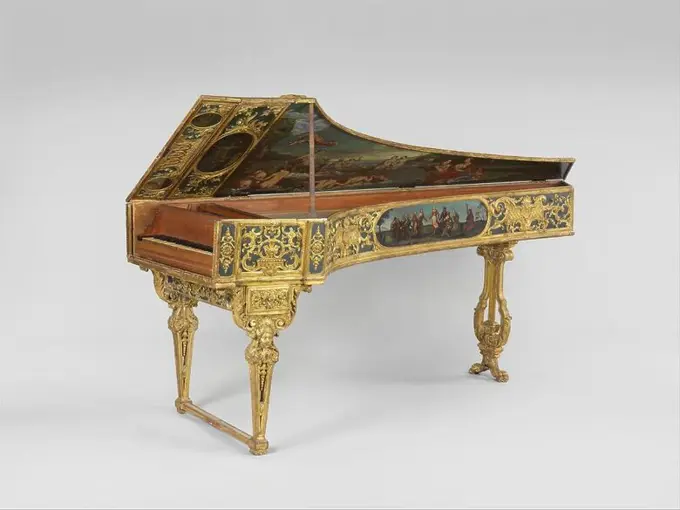
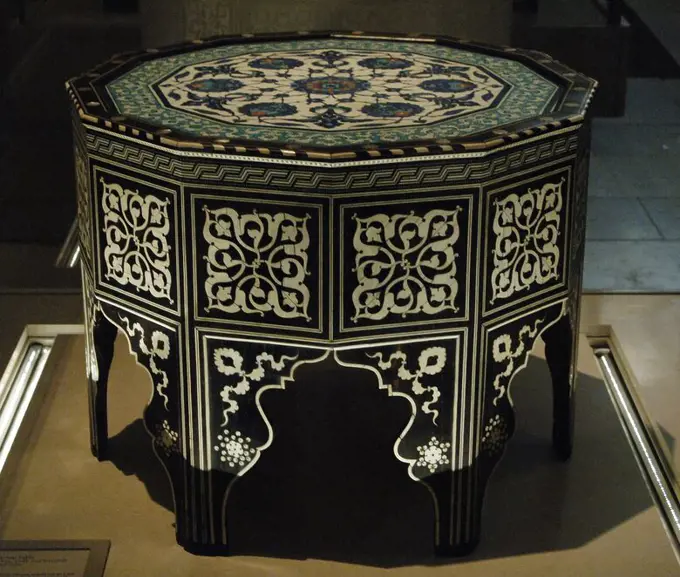
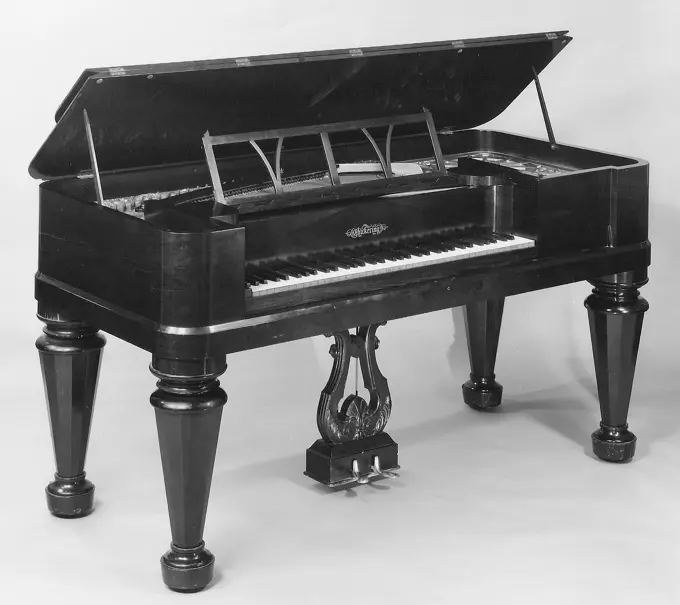
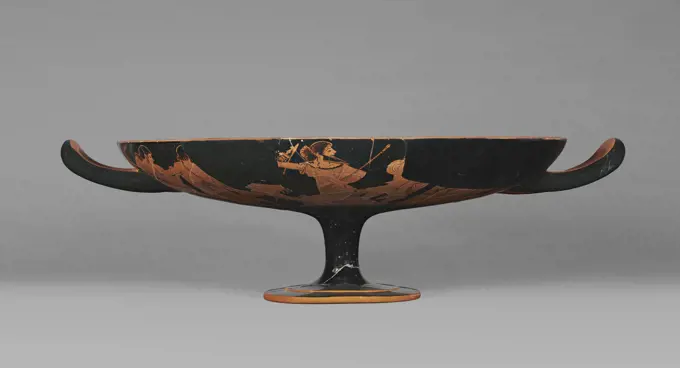
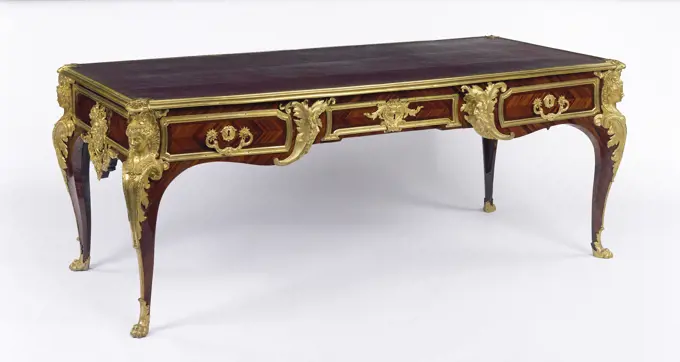
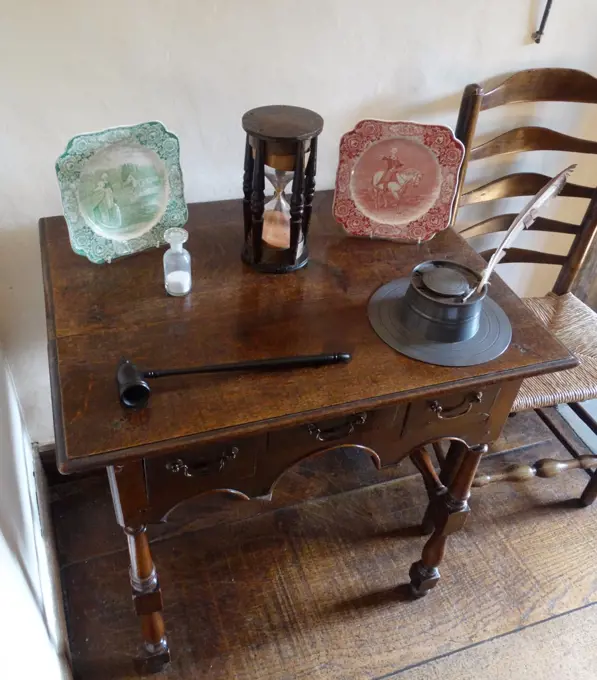
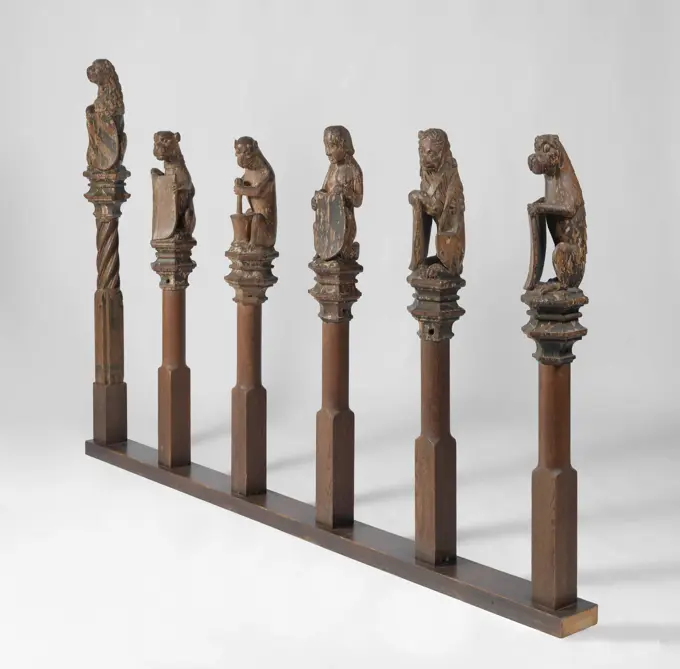
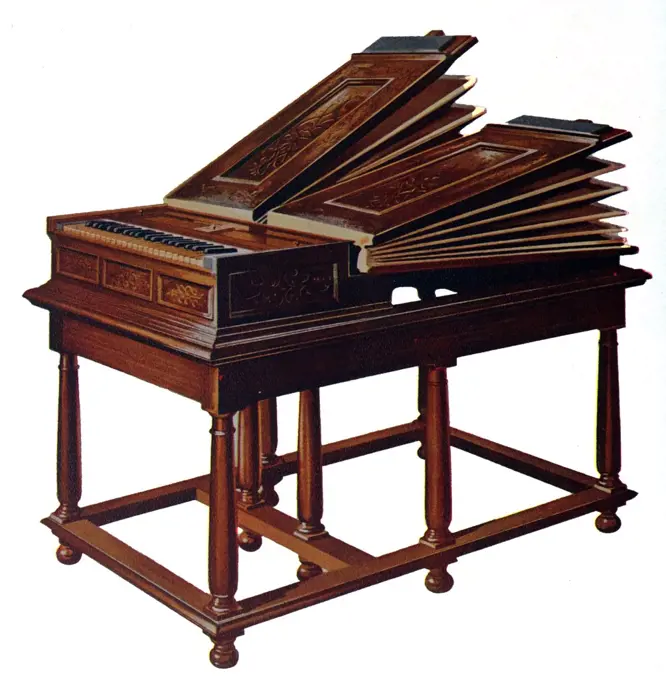
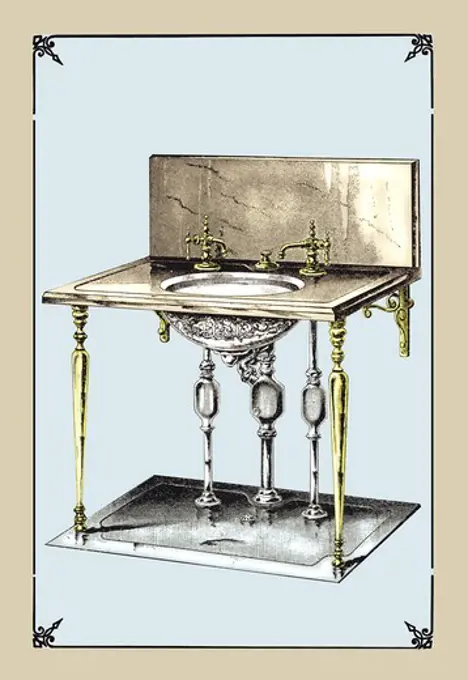
Overmantel Looking Glass 1868-70 Attributed to John Jelliff American This large overmantel mirror originally furnished the sitting room, or rear parlor, of the mansion built for Jedediah Wilcox at 816 Broad Street in Meriden, Connecticut. Completed in 1870, the house was heralded as one of the states grandest residences. The rooms en suite rosewood furnishings, which included upholstered seating furniture (68.133.1-.5) and window cornices (68.134.8-.10), were embellished with mother-of-pearl medallions featuring a ladys head in profile and incised and gilded decoration. The suite has been attributed to John Jelliff and Co. of Newark, New Jersey, based on a nearly identical armchair in the collection of the Newark Museum of Art and its accompanying bill of sale from the Jelliff firm. Although Jelliff and Co. operated a showroom in Newark, they also retailed their furniture across the country through a variety of regional wholesalers. Wilcox, or perhaps the buildings architect and suMap of the Iberian Peninsula. Cartography and art are united here: the map reflects the latest scientific knowledge and the object itself is fashioned from precious materials. Painted on the back of the polished round rock crystal plate is a map of Spain and Portugal. Over the course of time, the original bright blue colour of the expensive lapis lazuli has discoloured almost entirely to a dull grey.Chair to the carrier of Mademoiselle de Chartres, Louis XV era, 18th century (overview) ". Museum of Fine Arts of the city of Paris, Petit Palais. 26308-1 Carrier chair, Louis XV time, furniture, view togetherNeo-gothic bookcase (upper part). Top of a neo-gothic bookcase, inlaid with an embroidered panel.Bench, 18th century, 14 3/4 x 13 7/16 x 38 3/16 in. (37.47 x 34.13 x 97 cm), Red bean wood, plant fibers, China, 18th century, This elegantly proportioned, well-crafted bench, while small, could still probably accommodate two sitters at the same time. It is fashioned in the standard corner-leg or 'waisted' style with legs terminating in horse hoof feet. The frame is constructed of red bean wood, a rare, extremely dense and heavy material that provides exceptional strength. Stools, like Chinese furniture in general, had their own hierarchy based on height, shape, material, and decoration. After large square and rectangular seats came a variety of round stools appropriate to informal occasions and persons of lesser rank. A low bench such as this, because it is designed to seat more than one person, would have ranked near the bottom of the stool hierarchy. Because of its soft seat, however, it would have been more prestigious than a simple plank seat trestle bench, which would have been rStool c 1817-1837 Zoar. Walnut and chestnut . Artist unknownFrame (possibly Italy); wood, carved, painted, gilded; Overall: 30 x 22 x 3.3 cm (11 13/16 x 8 11/16 x 1 5/16 in.)Gueridone in a baluster-shaped strain. Gueridon of teak. The articulated tribe decorated with studs and graces rests on three nozzles places attached to a cylindrical part of the strain, including a closing piece. The legs show leafwork on the swellings and end in a ring with studs and a slim animal claw. The trunk is largely baluster-shaped, completely covered with stabbed leaves up. The round leaf walks diagonally to the strain and is at the bottom covered with graces.Cabinet with DragonsClose-up of a lit up lamp, Milan, Lombardy, ItalyCard table (one of apair)Daybed, late 16th-early 17th century, 20 5/8 x 82 3/4 x 30 1/2 in. (52.4 x 210.2 x 77.5 cm), Huanghuali, cane, China, 16th-17th century, Daybeds of all types are commonly depicted in paintings and other illustrations of scholars studios. During the day such furniture served as a sitting or reclining platform, work area or storage surface while during the night, a bed for sleeping. As a standard form, the daybed retained the antique elegance of the raise dais or platform that a respected nobleman, scholar, or priest might occupy. This waisted bed of corner-leg construction reflects the more massive proportions and simplicity associated with Ming scholars' taste.Sleigh Seat. Culture: American. Dimensions: 20 3/4 x 30 1/2 x 10 3/4 in. (52.7 x 77.5 x 27.3 cm). Date: ca. 1800. Museum: Metropolitan Museum of Art, New York, USA.vintage piano isolated on the white vintage piano isolated on the white background Copyright: xZoonar.com/alexmakx 10009135Square Corner Cabinet with Latticework Upper Doors, c. 1600, 79 1/2 x 40 3/4 x 19 3/4 in. (201.93 x 103.51 x 50.17 cm), Huanghuali hardwood and pai-tung hardware, China, 16th-17th century, This handsome storage cabinet is constructed entirely in huang-hua-li hardwood including its back and top panels. Only the interior shelves are of soft wood. The upper section of the cabinet, with its latticework doors, was most likely used to display precious objects. Called 'confounding the cat cabinets' by some Chinese, it served the dual purpose of protecting display pieces while concealing more mundanestored items from view. Versatile cabinets such as this functioned equally well in scholar's libraries, the women's quarters, and public spaces within upper-class Chinese homes.Blue Ridge Parkway - Both Classic and Whimsical. You'll find both traditional and truly unique pieces when you visit Jake Cress' gallery in his historic house in Fincastle, VA. Location: (36.986° N 80.356° W)Pair of pedestals ca. 1780 British. Pair of pedestals. British. ca. 1780. Boxwood veneer, inlaid with colored wood. Woodwork-FurnitureRoom screen consisting of three blades on which stylized peacocks. Room screen consisting of three sheets. Every leaf rests on two rectangular legs, has a wooden movement and is crowned by an ornamental line. The middle line is decorated with two foxes used to each other with a mushroom in the middle. The two side rules contain a wavy ornament. All parts are inside the wooden movement with linen showing two peacocks shown with gold-colored and black paint. The middle part has opposite colors of the two outer parts. The sheets are interconnected by copper hinges.Ernest A Towers, Jr, Corner Cupboard, c 1939 Corner CupboardColumbian Stove, Interior Design - Plumbing Fixtures & FurnacesChair (Sgabello) ca. 1489-91 Attributed to the Workshop of Giuliano da Maiano (1432-1490) and Benedetto da Maiano (1442-1497) The Strozzi chair is one of the best-known and most often published pieces of seating furniture in the world.1 Shortly after 1900, in a period when Italian Renaissance furniture was as highly prized as old-master paintings, Hans Stegmann called it a "unicum known the world over.. a masterwork of charming beauty, one of the most beautiful Florentine pieces of furniture around."2 Given its celebrity, it is astonishing that the most recent publications on the chair rely on information in the 1930 catalogue of the collection of the Viennese banker Albert Figdor, who acquired it in the 1870s from Prince Strozzi in Florence, and ignore later investigations.3The form of the sgabello derives from a low stool with three legs (a tre gambe) mounted at an angle, a very simple type of seat that had been popular since ancient times.4 By adding an elongated backrest, tChimney gettingt up with a pen drawing of a bird of prey, E.G.C. SCHUBAD, 1910 - 1927  Netherlands rosewood (wood). oak (wood). plywood  Netherlands rosewood (wood). oak (wood). plywoodMantel 1813 United States. Samuel Field McIntire, the son of the Salem architect-craftsman Samuel McIntire, carved this mantel for the 1813 alteration of Oak Hill, Elizabeth Derby Westís country estate in South Danvers, Massachusetts. Continuing work begun by his father, who designed coordinated interiors for Oak Hill in 1800, Field McIntire enhanced the home with further decorations. He followed his fatherís style, carving ornamentóincluding grape vines, cornucopia, and baskets of fruit and flowersóas well as architectural details, such as dentil molding and the Greek key motif, that bespeak reserved Federal design in America.. Wood . Samuel McIntireHarpsichord. Culture: Italian. Date: 1725. Museum: Metropolitan Museum of Art, New York, USA.Jardiniere.old country style cabinet old country style cabinet Copyright: xZoonar.com/Photox xFlavioxMassarix 1884647FurnitureLectern of the Felix Meritis Society. This lectern was made shortly after the Felix Meritis Society was founded in Amsterdam in 1777. It was a kind of secular pulpit for speakers lecturing on the arts and sciences. The carved reliefs refer to the societys five departments: commerce, natural science, music, literature and drawing.Table Screen And Stand; carved and gilt spinach-green jade, carved and inlaid lacquer, carved teakMarble-toptableRobert Stewart, Corner Cupboard, c 1937 Corner CupboardOttoman marquetry and tile-top table. Turkey, Iznik and Istanbul. 1560. Islamic MIddle East. Victoria and Albert Museum. London. England. United Kingdom.Panels, wood, carved. oak paneling, later oak frame., Trophies composed of musical instruments and laurel branches., France, ca. 1770-80, Decorative Arts, panels, panelsHölzerner cabinet in the apartment Hölzerner closet in the apartmentSquare Piano ca. 1850 Jonas Chickering American Jonas Chickering was the founder of the venerable Boston piano manufacutring company J. Chickering. Born in New Hampshire, he first apprenticed with the cabinet maker John Gould, before moving in 1818 to Boston. By 1819, he was working with the piano builder John Osborn and in 1823 started a piano making partnership with James Stewart. The partnership dissolved within a few years and in 1830, Chickering became associated with the merchant John MacKay and their success led to the constructing in 1837 of a five-story factory and concert hall. After MacKay was lost at sea in 1841, Chickering mortgaged the factory and over time was able to purchase all of the company's shares. In 1852, the Chickering factory burned down. During the reconsturction of a new factory, Chickering died. His sons took over the company and named it Chickering and Sons. The manufacturers pianos were highly valued and won multiple awards at international fairs and compWine Cup with the Suicide of Ajax; Attributed to Brygos Painter (Greek (Attic), active about 490 - 470 B.C.); Athens, Greece; 490 - 480 B.C; Terracotta; 11.2 × 39.1 × 31.4 cm (4 7,16 × 15 3,8 × 12 3,8 in.)Writing Table (bureau plat); Attributed to Charles Cressent (French, 1685 - 1768 (master 1719)); Paris, France; about 1720 - 1725; Oak and pine veneered with satiné rouge and amaranth; gilt bronze mounts; modern leather top; 76.5 x 202.2 x 89.5 cm (30 1,8 x 79 5,8 x 35 1,4 in.)Furniture17th century English side table with Quill pen with ink stand, at Sulgrave Manor, England, ancestral home of George Washington. 2016Confessional. Thirteen figures, mostly shield carriers, oak from the counter from the roller room at the Hof van Holland in 's-Gravenhage. Five seated lions, six sitting dogs or related animals, a seated monkey and a kneeling boy. They each keep a shield for himself. The seated monkey has a pestle and mortar. Every figure is placed on a profiled six-sided capiteel. Two associated colonnets, the upper half of which is flushed, the lower square is.Table, Patrick Henry. Dated: 1935/1942. Dimensions: overall: 25.5 x 30.3 cm (10 1/16 x 11 15/16 in.) Original IAD Object: 29x52x47 inches. Medium: watercolor, colored pencil, and graphite on paperboard. Museum: National Gallery of Art, Washington DC. Author: Edna C. Rex.Table. Joyce Wang Showroom, London, United Kingdom. Architect: n/a, 2018.Chest ofDrawersChimneypiece ca. 1775-85 French, Paris. Chimneypiece 205486The Regal. This musical instrument is a prototype of the modern harmonium. The term 'Regal' could be used to mean a portable organ or an instrument with a keyboard that is non-portable depending upon the location.Stool, one of a pair, 17th century, 20 1/4 x 25 1/8 x 25 1/8in. (51.4 x 63.8 x 63.8cm), Huang hua-li, cane, China, 17th centuryOven, grass sod houses in Skaftafell National Park, Iceland, EuropeOranjeboom from the Inrijhek Huize De Voorst, Daniël Marot (I), c. 1675 - c. 1700 Wrought iron orange tree from the entrance fence of Huize De Voorst, partly gilded. Warnsveld iron (metal) forging / gilding  House De Voorst Wrought iron orange tree from the entrance fence of Huize De Voorst, partly gilded. Warnsveld iron (metal) forging / gilding  House De VoorstClassy vintage hanging lights for a grand foyer or dinning room. Golden candle like lighting object for a royal Victorian interior style design. Brass chandelier hanging with many light bulbs.Hand chair to transport sick people from the Madrid Brotherhood of Refuge, founded in 1615 to feeding the needy and caring the sick who were in the streets of the town. Second half of the 18th century. History Museum. Madrid. Spain.Ornate Marble Sink, Interior Design - BathroomsBrühl, Augustusburg CastleParis, France. Antique mechanical doll playing piano 1800's. (Editorial Use Only)Bishop Hill: Hotel Lantern. Dated: c. 1939. Dimensions: overall: 47.1 x 36 cm (18 9/16 x 14 3/16 in.) Original IAD Object: 26" high; 5" wide at bottom; 14" wide at top. Medium: watercolor and graphite on paperboard. Museum: National Gallery of Art, Washington DC. Author: Archie Thompson.