Vintage Glassware Collection

Elegant antique glassware pieces, including chalices and saltcellars, showcasing craftsmanship and design from different historical periods.

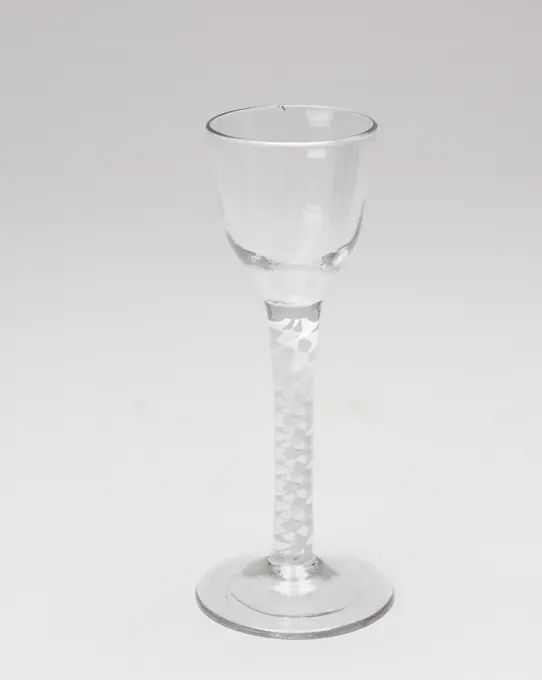
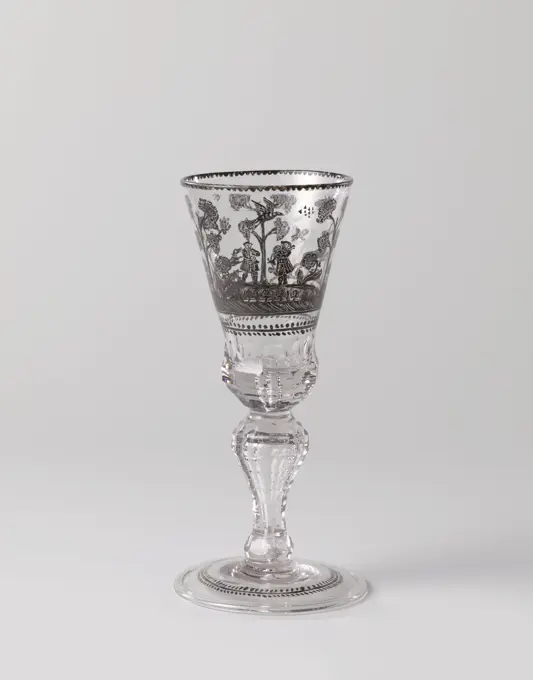
Slinger glass with a wine rank, anonymous, c. 1765 - c. 1775 Chalice glass with conical foot and straight trunk. Multiple air spiral in the trunk. Tribe continuously in trumpet -shaped chalice, which is painted all around with a white wine rank. A gilded piping along the top edge. England glass glassblowing / gilding Chalice glass with conical foot and straight trunk. Multiple air spiral in the trunk. Tribe continuously in trumpet -shaped chalice, which is painted all around with a white wine rank. A gilded piping along the top edge. England glass glassblowing / gilding
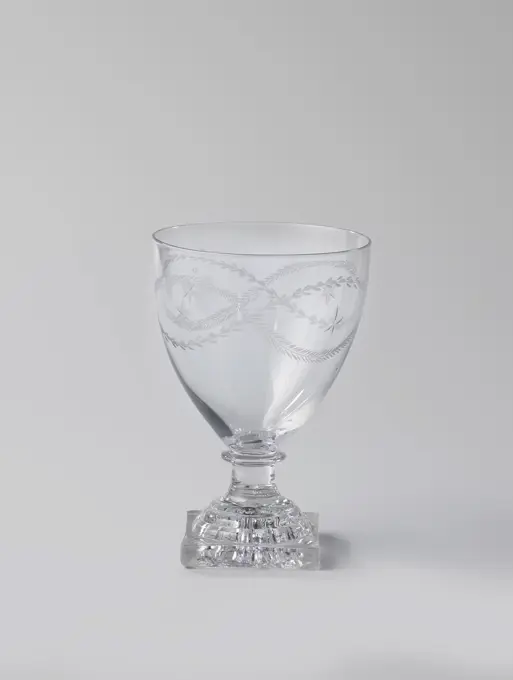
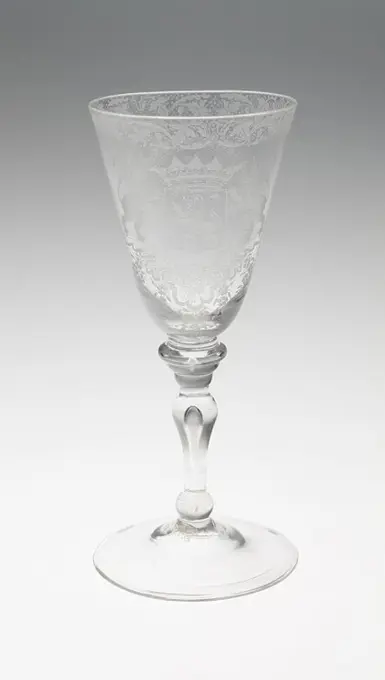
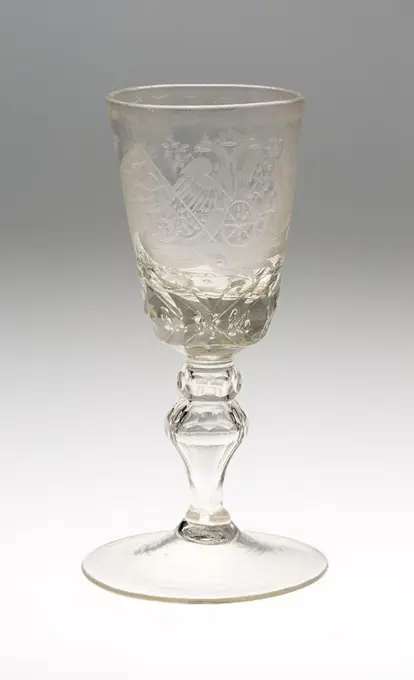
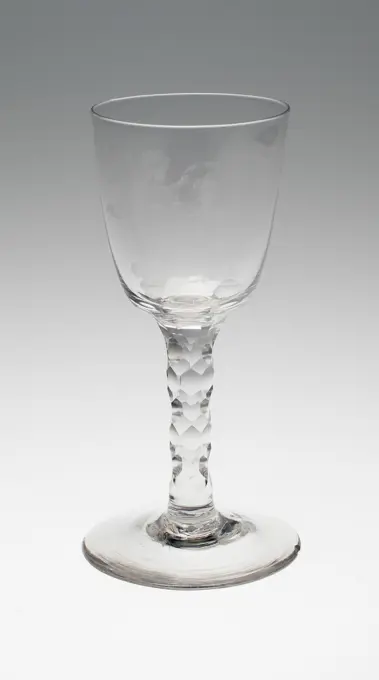
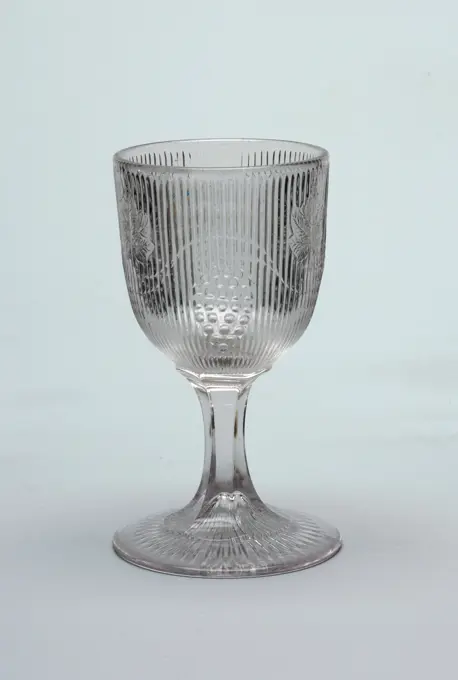
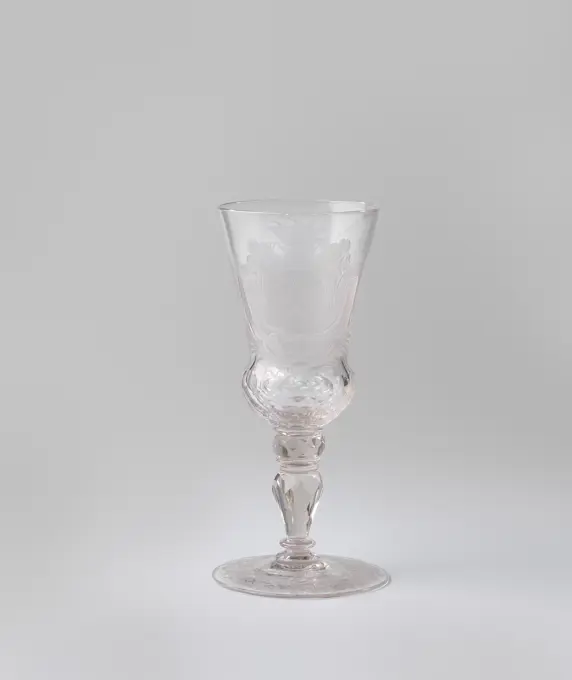
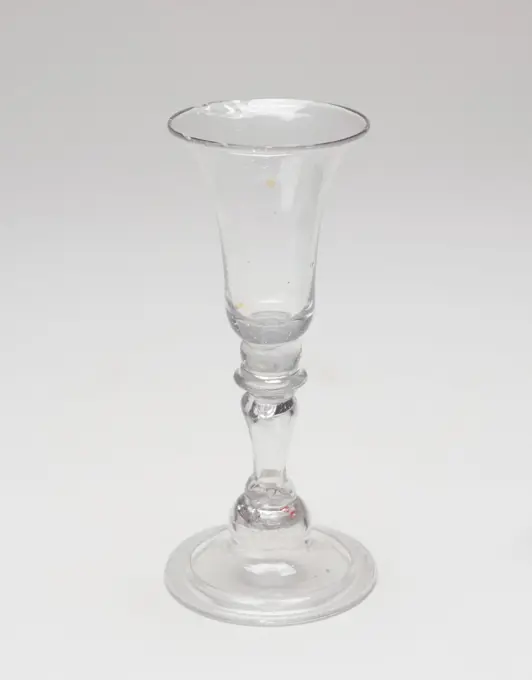
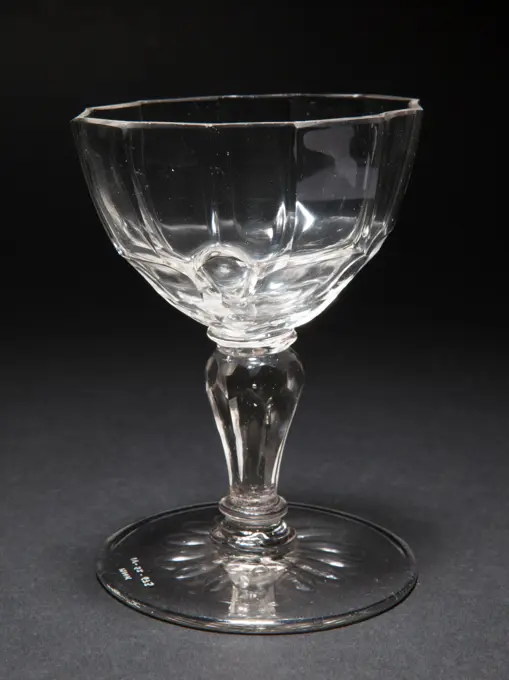
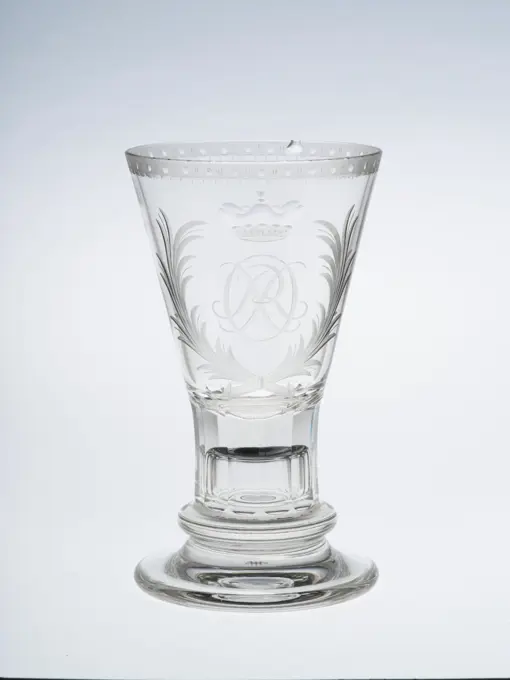
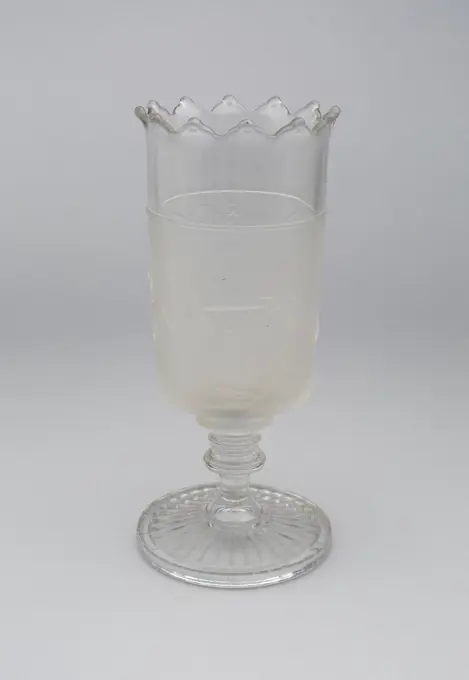
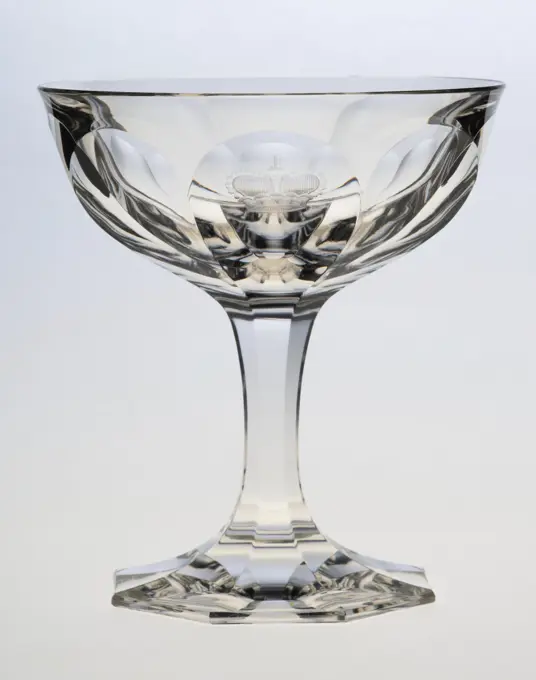
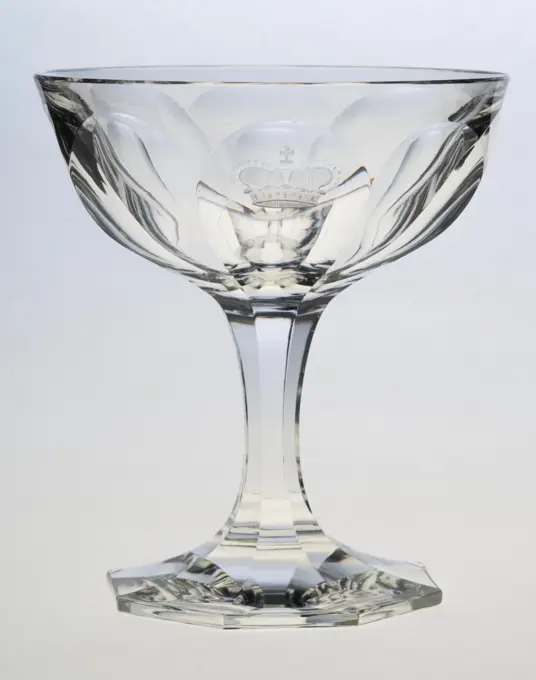
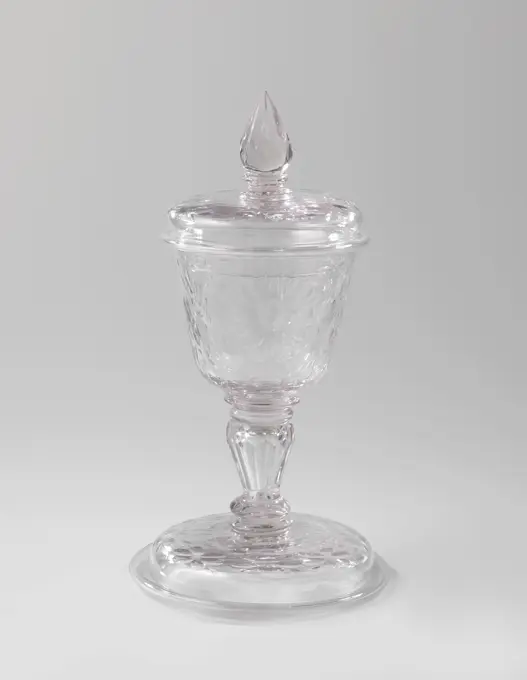
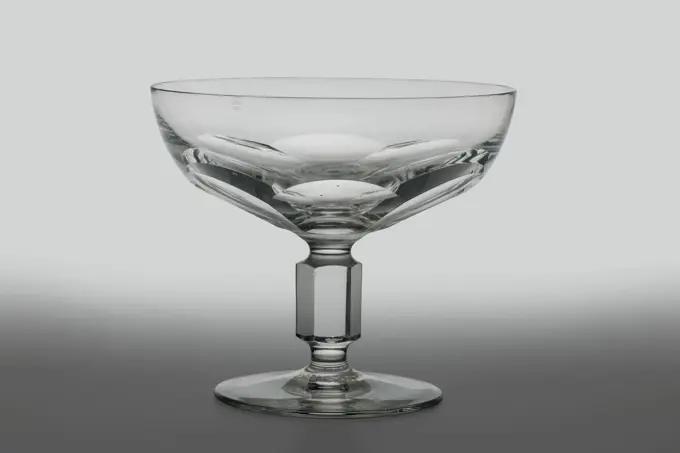
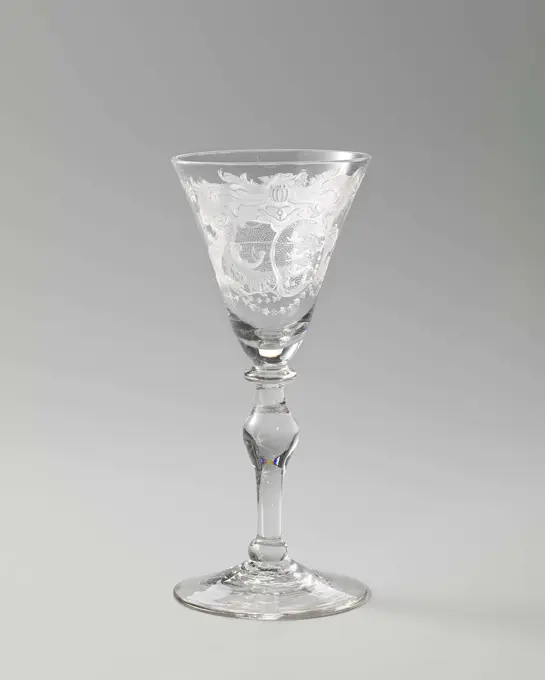
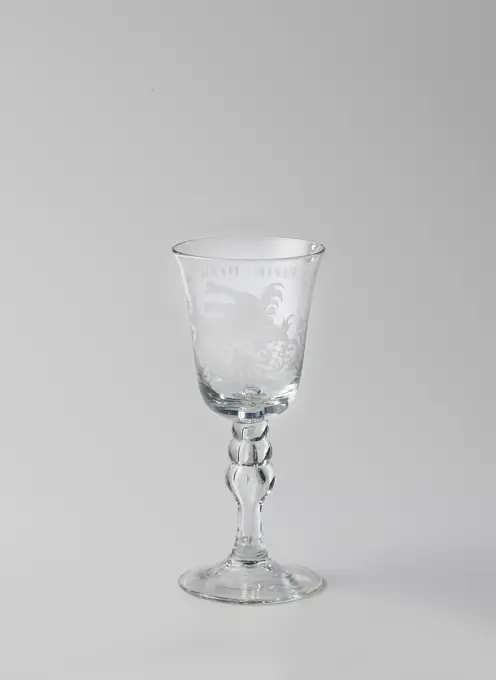
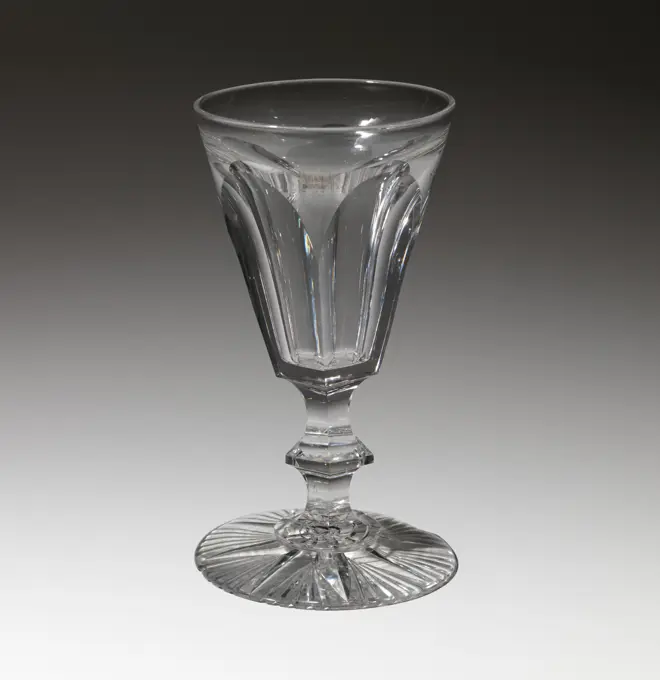
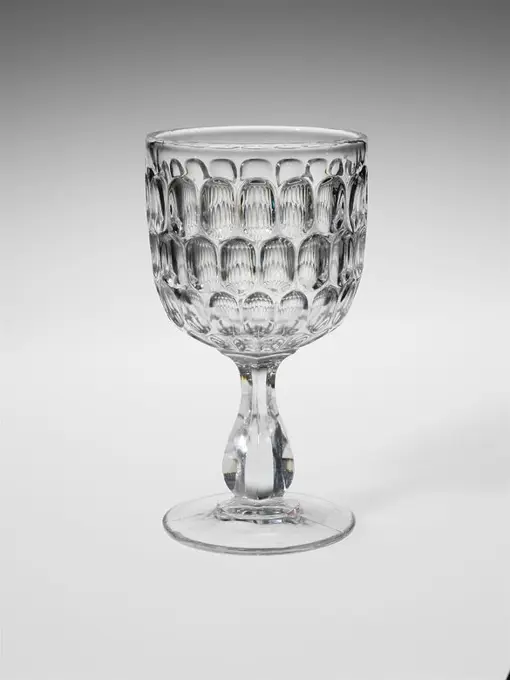
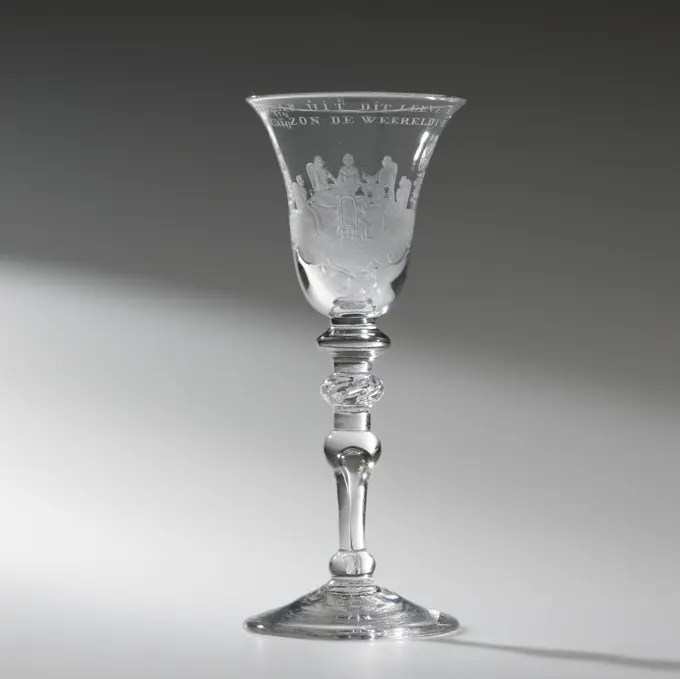
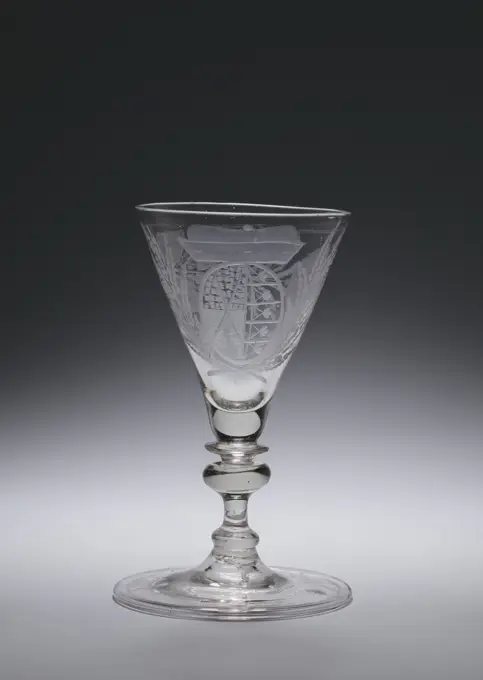
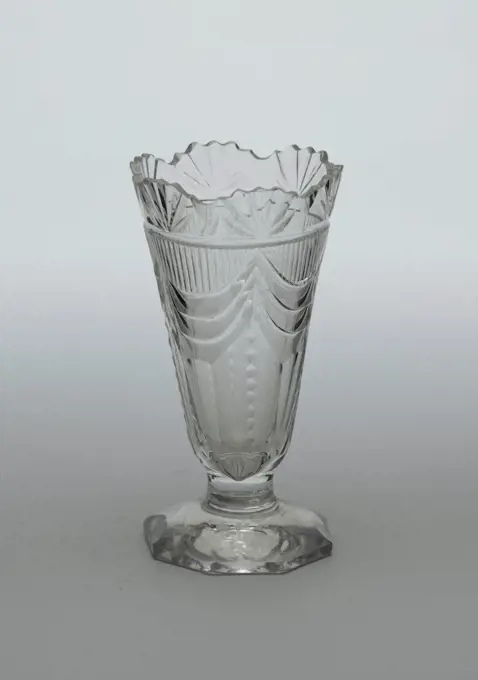
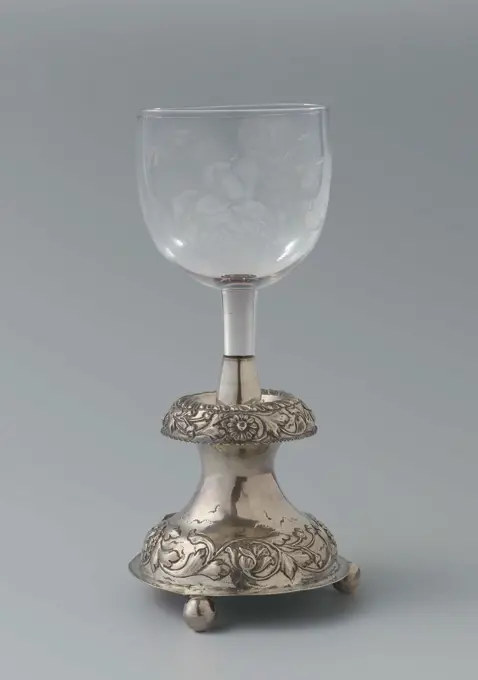
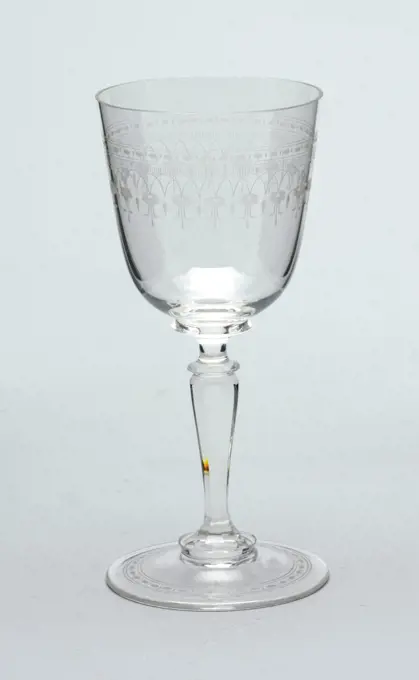
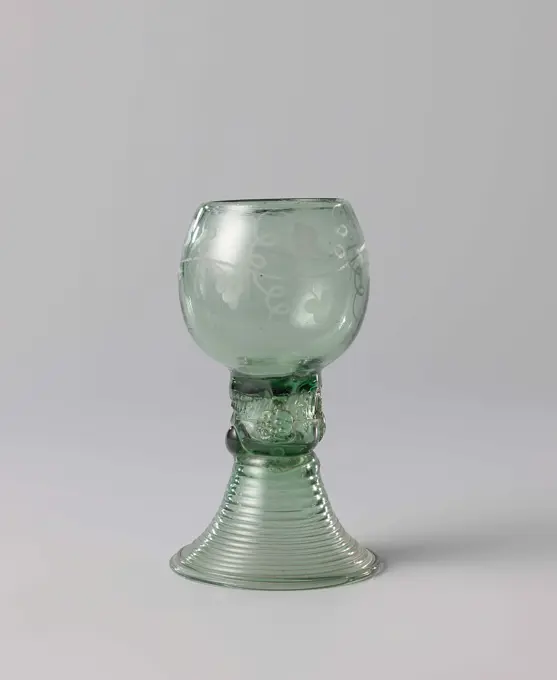
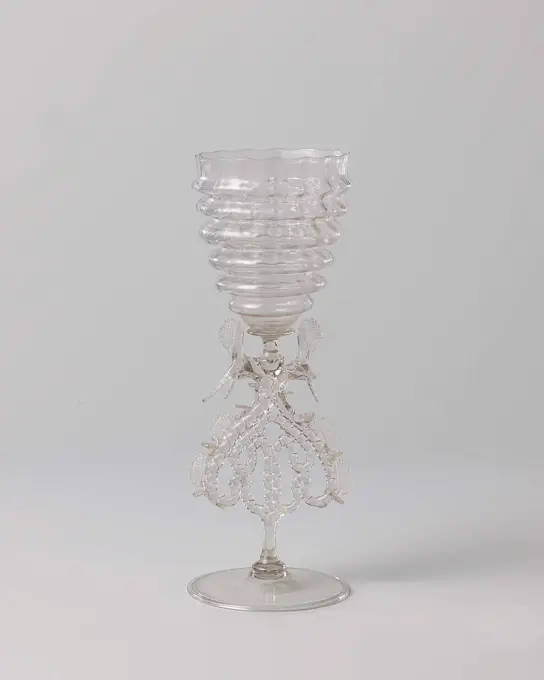
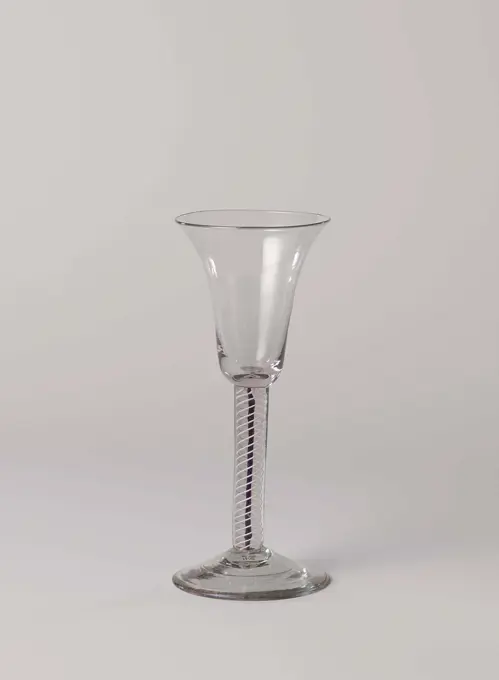
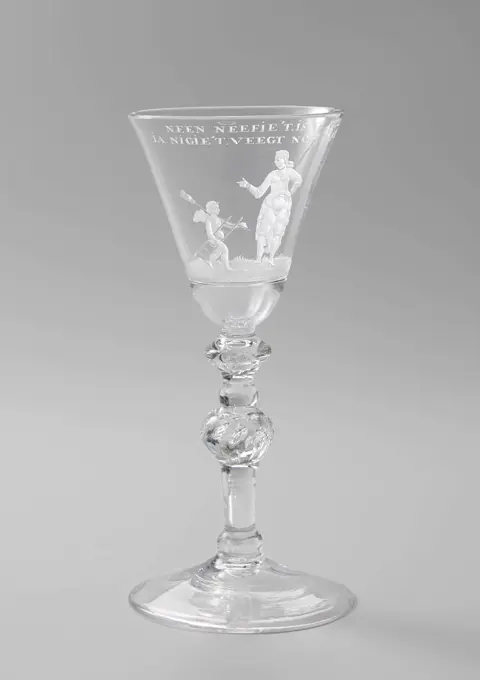
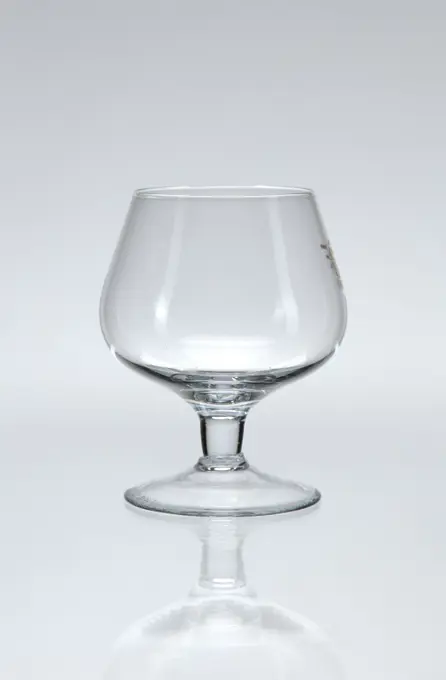
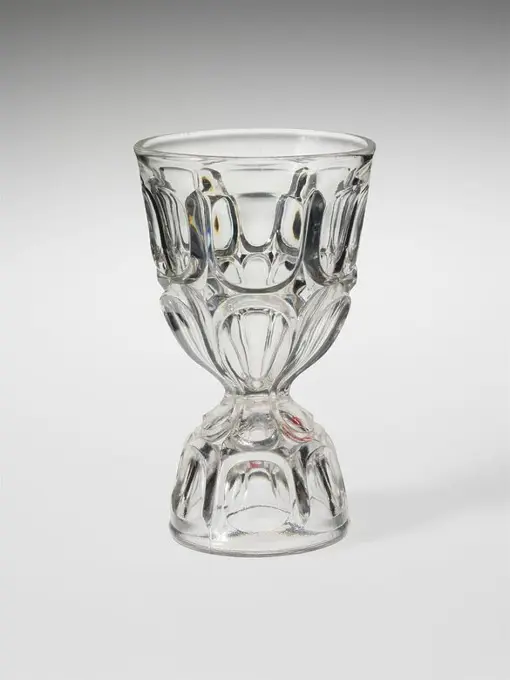
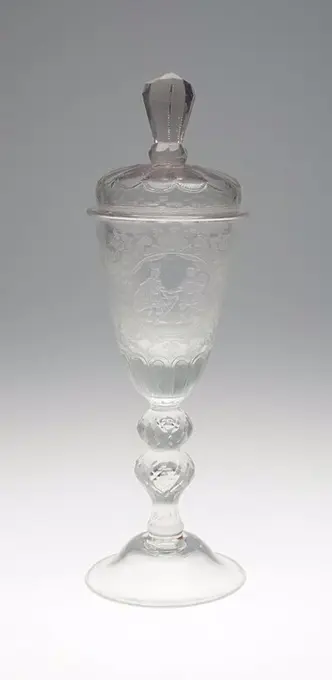
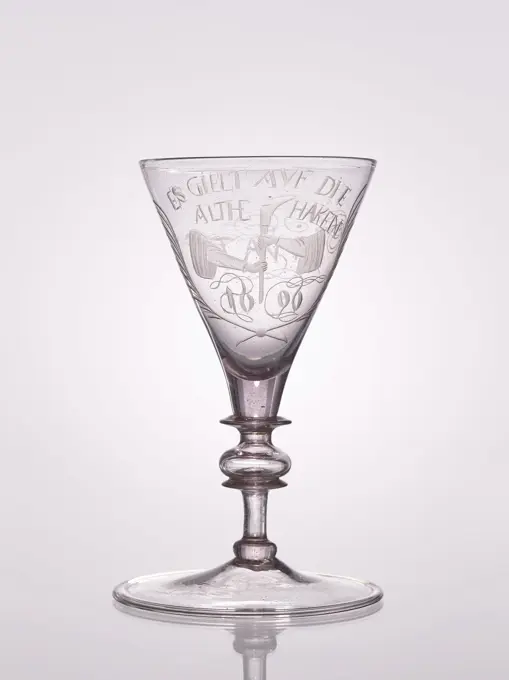
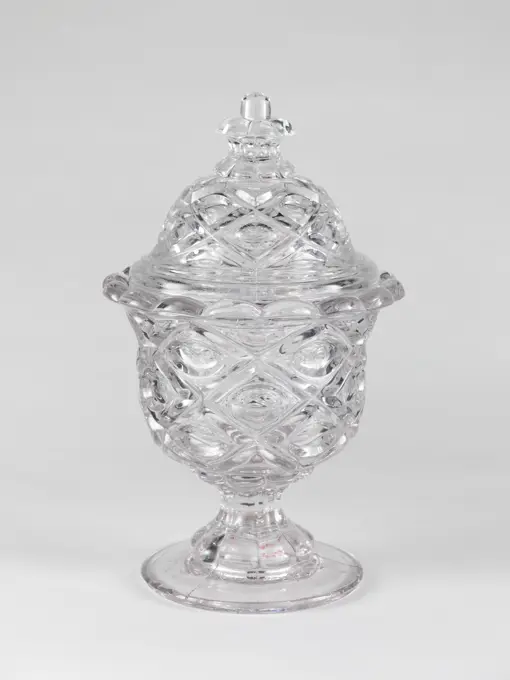
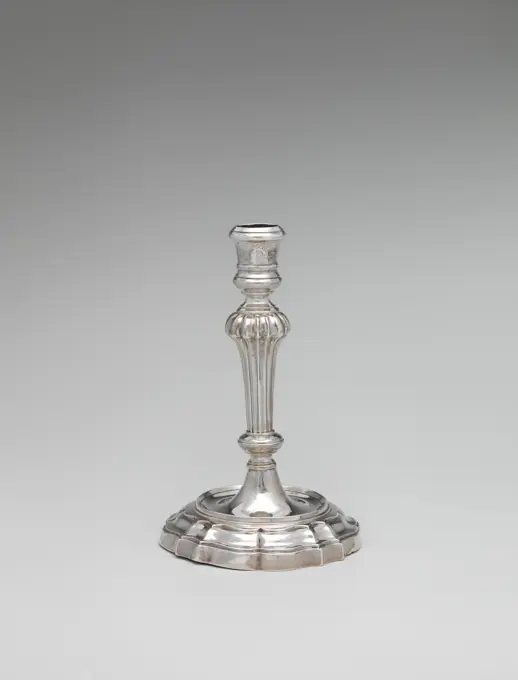
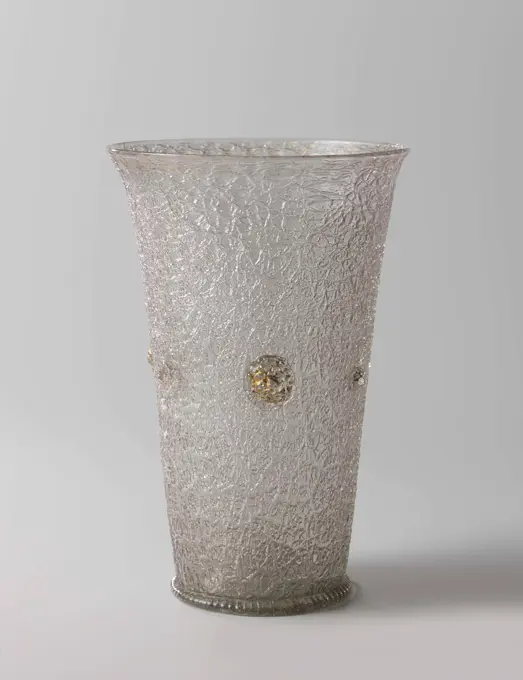
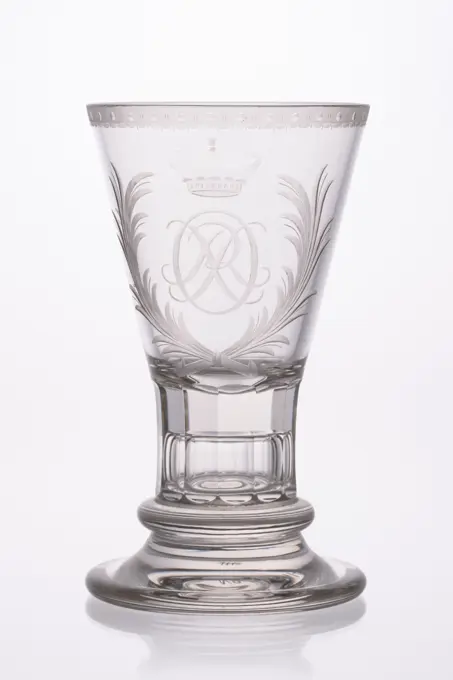
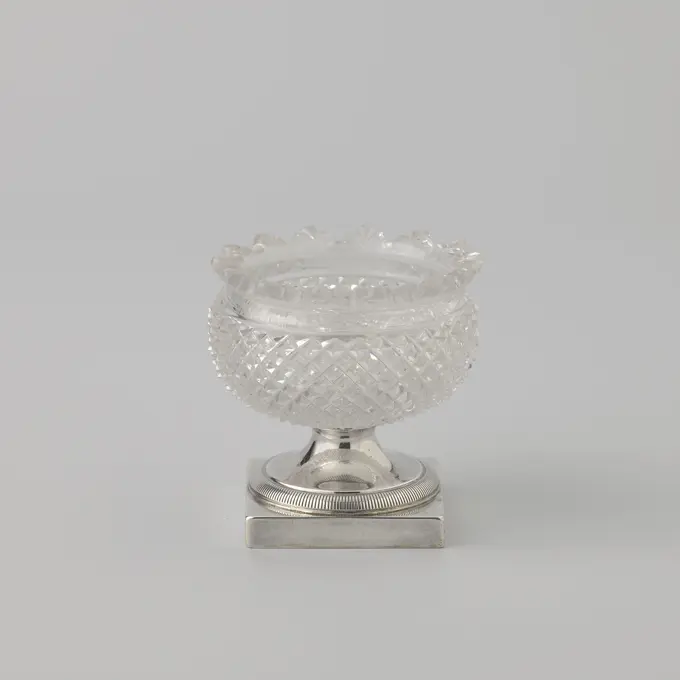
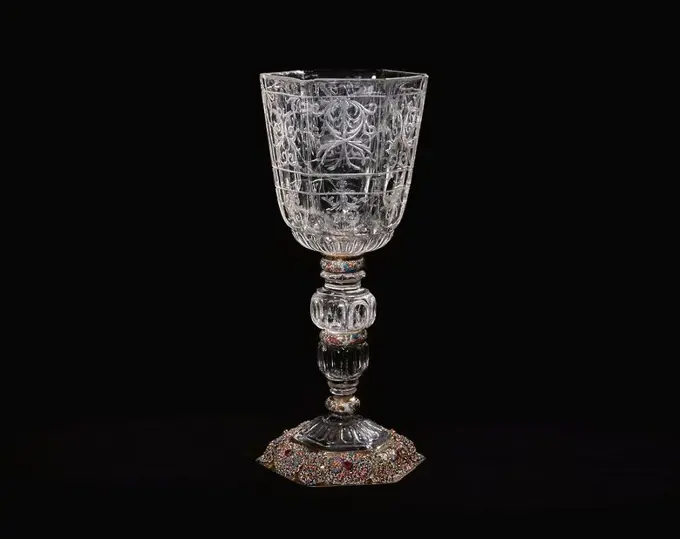
Saltcellar. Culture: American or British. Dimensions: H. 2 3/4 in. (7 cm). Date: 1780-1825. Museum: Metropolitan Museum of Art, New York, USA.Chalice glass on square base intersecting with each other and stars, c. 1800 - c. 1825 Chalice glass on square base and short trunk. Chalice decorated with intersecting leaf hangers and star forms. glassblower: EnglandNorthern Netherlands (possibly) glass grinding / glassblowing Chalice glass on square base and short trunk. Chalice decorated with intersecting leaf hangers and star forms. glassblower: EnglandNorthern Netherlands (possibly) glass grinding / glassblowingCup with lid, with the weapons of the Seven United Provinces. Vaulted foot with beaten edge. Baluster trunk with polished facets and elongated air bubble. Conical chalice with facets and furthermore decorated, with the weapons of the seven unaware regions. The lid decorated with ornament work.Wine Glass 1800-1850 England. Glass .Jar with a funnel -shaped chalice and a trunk with two four -lobe hollow balusters, anonymous, c. 1600 - c. 1700 Vaulted foot with turned around. The trunk made up of two four -lobe, hollow balusters and three discs. Conical chalice rounded on the underside, half blown into the shape with ribs. Low Countries glass glassblowing Vaulted foot with turned around. The trunk made up of two four -lobe, hollow balusters and three discs. Conical chalice rounded on the underside, half blown into the shape with ribs. Low Countries glass glassblowingGoblet with Crest of Holland. Netherlands. Date: 1775-1799. Dimensions: 16.2 x 9.4 cm (6 3/8 x 3 11/16 in.). Glass. Origin: Netherlands. Museum: The Chicago Art Institute, Chicago, USA.Sling glass with bell -shaped calyx, anonymous, c. 1750 - c. 1775 Slingerlas with conical foot and balust raw trunk. In the trunk, white garlands around white network spiral. Bell -shaped chalice. England glass glassblowing Slingerlas with conical foot and balust raw trunk. In the trunk, white garlands around white network spiral. Bell -shaped chalice. England glass glassblowingGoblet. Russia. Date: 1755-1765. Dimensions: H. 21 cm (8 1/4 in.). Glass. Origin: Russia. Museum: The Chicago Art Institute, Chicago, USA.Bokaal with heart -shaped recesses with stars, anonymous, c. 1725 - c. 1750 Conical foot. Holle faceted, baluster -shaped tribe with two knots and a composite disc. Funnel -shaped chalice with faceted, rounded soil. Four heart -shaped recesses with sharpened stars on the chalice. Between the points of the stars ranks with berries. The recesses are crowned with twigs. Bohemia glass glassblowing Conical foot. Holle faceted, baluster -shaped tribe with two knots and a composite disc. Funnel -shaped chalice with faceted, rounded soil. Four heart -shaped recesses with sharpened stars on the chalice. Between the points of the stars ranks with berries. The recesses are crowned with twigs. Bohemia glass glassblowingSlinger glass with a wine rank, anonymous, c. 1765 - c. 1775 Chalice glass with conical foot and straight trunk. Multiple air spiral in the trunk. Tribe continuously in trumpet -shaped chalice, which is painted all around with a white wine rank. A gilded piping along the top edge. England glass glassblowing / gilding Chalice glass with conical foot and straight trunk. Multiple air spiral in the trunk. Tribe continuously in trumpet -shaped chalice, which is painted all around with a white wine rank. A gilded piping along the top edge. England glass glassblowing / gildingWine Glass 1790-1800 England. Glass; cut and stipple engravedKelkglas with a pelican with boy and the inscription: ider.voor.de.zynen. Kelkglas of clear, colorless glass. At the chalice an engraved representation of a pelican that feeds his boy with his own blood. Along the mouth edge the inscription: ider.ver.de.zynen.Ribbed Grape Goblet; USA; pressed glass; Overall: 15.5 x 9.3 cm diameter (6 1/8 x 3 11/16 in.)Bokaal with the weapon of Willem IV, c. 1725 Klok -like curved foot. Baluster tribe with three knots and an elongated bubble. Conical Kuppa with massive, rounded soil. On the chalice the crowned weapon of Stadholder Prince William IV. glassblower: GermanyNorthern Netherlands glass glassblowing Klok -like curved foot. Baluster tribe with three knots and an elongated bubble. Conical Kuppa with massive, rounded soil. On the chalice the crowned weapon of Stadholder Prince William IV. glassblower: GermanyNorthern Netherlands glass glassblowingKelkglas with the coat of arms of the province of Utrecht. Kelkglas of clear, colorless glass, with the coat of arms of the province of Utrecht.Bowl with the coat of arms of the Ploos van Amstel. Ball of bright, colorless glass. On a flat foot. Facet cut, Baluster-shaped strain with button. The bell-shaped chalice is faceted on the bottom. On the chalice the coat of arms of the Ploos van Amstel family. On the other side in a round medallion in a cartouche consisting of band work, stylized leaves and flower branches above two bourse bay branches, the crowned monogram PVA. At the foot a flower branch.Rummer 1800-1850 England. Glass .Bokaal with a country house and the inscription: T Groeyen and Bloeyen van Westermeer, Anonymous, c. 1725 - c. 1750 Vaulted foot. Facetted baluster tribe with five buy and air bubbles. Conical chalice with faceted, rounded soil. On the chalice a country house and as a inscription: T Groeyen and Bloeyen van Westermeer. glassblower: GermanyNorthern Netherlands glass grinding / glassblowing Vaulted foot. Facetted baluster tribe with five buy and air bubbles. Conical chalice with faceted, rounded soil. On the chalice a country house and as a inscription: T Groeyen and Bloeyen van Westermeer. glassblower: GermanyNorthern Netherlands glass grinding / glassblowingWine glass, 18th century, 6 1/4 x 2 7/8 x 2 7/8 in. (15.88 x 7.3 x 7.3 cm), Lead glass, England, 18th centuryCzarka on the footChalice glass with twice the crowned monogram AVA between palm branches, anonymous, c. 1700 - c. 1725 Flat base with turned around. Short baluster tribe. Conical chalice with the same crowned monogram AVA between palm branches twice. A leaf wreath on the foot. glassblower: Low CountriesNorthern Netherlands glass glassblowing Flat base with turned around. Short baluster tribe. Conical chalice with the same crowned monogram AVA between palm branches twice. A leaf wreath on the foot. glassblower: Low CountriesNorthern Netherlands glass glassblowingGlass; Lobmeyr, J. & L. (Vienna; 1823-); 1920-39 (1920-00-00-1939-00-00);Westward Ho!/Pioneer pattern celery vase c 1876 Philadelphia. Glass . Gillinder and Sons (Manufacturer)Cup;  1920-39 (1920-00-00-1939-00-00);Champagne glass. Culture: British. Dimensions: Height: 6 1/4 in. (15.9 cm). Date: ca. 1735-60. Museum: Metropolitan Museum of Art, New York, USA.Cup;  1920-39 (1920-00-00-1939-00-00);Chalip glass with the weapons of the seven provinces and William IV, Anonymous, c. 1752 - c. 1775  Vaulted foot. Balus -shaped trunk with four knots and an elongated bubble. Conical chalice with a rounded bottom. On the front of the chalice the lion of the Republic of the Seven United Provinces, around which the weapons of the seven provinces, held together by ribbons with brushes. On the reverse of the glass the coat of arms of Stadholder Prince William IV (1711-1751) around which the garter with the inscription: Honi soit qui mal y Pense. glassblower: Low CountriesAmsterdam glass glassblowing coat of arms (symbol of sovereignty). coat of arms (as symbol of the state, etc.) (+ province; provincial) Seven ProvinciënGoblet 1655-1685 Germany. Glass .Goblet with the Portrait of Agatha Deken, anonymous, c. 1785 - c. 1795 Conical foot. Broadening, moving in facets, transferring to a curved chalice. On the chalice, in an oval frame of lauwert branches, a portrait of Agatha Deken (1741-1804) at half. glassblower: EnglandNorthern Netherlands glass grinding / glassblowing Conical foot. Broadening, moving in facets, transferring to a curved chalice. On the chalice, in an oval frame of lauwert branches, a portrait of Agatha Deken (1741-1804) at half. glassblower: EnglandNorthern Netherlands glass grinding / glassblowingCup with lid, standing on a base that serves as a lid of a larger cup (top of a double box), Anonymous, 1800 - 1900 Cup with lid of cut glass. Baluster tribe standing on a foot that served as a lid of a larger cup. Bohemen (possibly) glass Cup with lid of cut glass. Baluster tribe standing on a foot that served as a lid of a larger cup. Bohemen (possibly) glassCordial glass, 18th century, 6 3/8 x 2 5/8 x 2 5/8in. (16.2 x 6.7 x 6.7cm), Lead glass, England, 18th centuryWineglass ca. 1720-40 German or Bohemian. Wineglass. German or Bohemian. ca. 1720-40. Glass, clear. GlassChalip glass with the Nieuwe Kerk in Amsterdam, Anonymous, 1760 Vaulted foot. The baluster -shaped trunk has three knots and a bond with air bubbles. The conical chalice has a rounded bottom. On the chalice a continuous front stem from the Nieuwe Kerk in Amsterdam and a meadow with cows and a farmer with a team drawn by a horse. In the background the sea with a three -mast. Along the mouth edge, above the show, the text: T. ' Welfare of land. And church. Signed on the foot: Jacob Sang, inv. ET FEC: Amsterdam, 1760. glassblower: Low CountriesAmsterdam glass glassblowing  new church Vaulted foot. The baluster -shaped trunk has three knots and a bond with air bubbles. The conical chalice has a rounded bottom. On the chalice a continuous front stem from the Nieuwe Kerk in Amsterdam and a meadow with cows and a farmer with a team drawn by a horse. In the background the sea with a three -mast. Along the mouth edge, above the show, the text: T. ' Welfare of land. And church. Signed on the fooSweetmeat glass, Glass, Everted double ogee bowl cut with flat flutes, blazes, a band of diamonds and a scalloped edge. Fluted stem with diamonds cut ring knop. Broad, circular domed foot has deep cut blazes in a swirl pattern. Pontil mark on bottom., Ireland, ca. 1810, glasswares, Decorative Arts, Sweetmeat glassGlass;  20th century (1918-00-00-1950-00-00);Krystall, Bronisław (1887-1983) - collection, gift (provenance)Bowl with a country house and the inscription: t Groeyen and blooms of Westermeer. Vaulted foot. Faceted baluster trunk with five buying and air bubbles. Conical chalice with faceted, rounded soil. A country house on the chalice and inscription: t Groeyen and Bloomen van Westermeer.Goblet. England, circa 1820. Furnishings; Serviceware. Colorless, engraved glass. Vaulted foot. Baluster trunk with buttons and a disc. Conical chalice with solid floor and bubble. On the chalice the weapon of Rijnsaterwoude and the Steenis family.Bowl with a rooster and a chicken and the inscription: Kepik. Hebie. Flat foot. Baluster trunk with three buttons and an elongated air bubble. At the bell-shaped chalice an engraved proportion of a rooster that covers a chicken and inscription: Kepik. Hebie.Ewer French, Normandy late 17th centuryChalip glass with the former R.K. Orphanage in Leiden, Anonymous, 1769 Vaulted foot. Baluster tribe with buttons, air bubbles and a disc. On the conical chalice the former R.K. Orphanage in Leiden, the Wapen van Leiden and the saying: the welfare grows where Eenragt flores. Signed: Jacob Sang Fec. 1769. glassblower: Low CountriesAmsterdam glass glassblowing  Leiden Vaulted foot. Baluster tribe with buttons, air bubbles and a disc. On the conical chalice the former R.K. Orphanage in Leiden, the Wapen van Leiden and the saying: the welfare grows where Eenragt flores. Signed: Jacob Sang Fec. 1769. glassblower: Low CountriesAmsterdam glass glassblowing  LeidenBerkmeier with three rows of flat studs, anonymous, c. 1800 - Before 1875 Flat, spun from a wire. Inserted soil. The light concave chalice blown as a whole with the trunk, which sets with three rows of flat studs. The transition from the chalice to the trunk indicated by a slightly ribbed thread. Germany glass glassblowing Flat, spun from a wire. Inserted soil. The light concave chalice blown as a whole with the trunk, which sets with three rows of flat studs. The transition from the chalice to the trunk indicated by a slightly ribbed thread. Germany glass glassblowingWine glass 1824-35 Jersey Glass Company of George Dummer. Wine glass 21486Sweetmeat Glass 1785-1795 England. Glass .Wine glass. The bowl is engraved with scenes from the life of Bacchus, the god of wine. They are taken from illustrations by Jacob Matham in a book about Bacchus, published in 1616.Kelkglas with two putti on clouds. Vaulted foot. Baluster trunk with tear-shaped bubble, two buttons with a wreath air bubbles. Conical, rugged on the bottom. On the chalice two putti, the left of which takes the glass. Above the show a banderle with the text: Friendship.Goblet. Culture: American. Dimensions: H. 6 5/16 in. (16 cm). Maker: Bakewell, Pears and Company (1836-1882). Date: 1850-70. Museum: Metropolitan Museum of Art, New York, USA.Wine Glass 1725-1735 Germany. Glass .Wine glass with a company at a table, anonymous, 1759 Vaulted foot. Baluster tribe with buttons and air bubbles. On the bell -shaped chalice a company at a table above which: that friendship from this leeve closes // that ties the sun the world. Ectrinated on the foot: J.Sang Fec. Amsterdam 1759. glassblower: Low CountriesAmsterdam glass glassblowing Vaulted foot. Baluster tribe with buttons and air bubbles. On the bell -shaped chalice a company at a table above which: that friendship from this leeve closes // that ties the sun the world. Ectrinated on the foot: J.Sang Fec. Amsterdam 1759. glassblower: Low CountriesAmsterdam glass glassblowingGlass; Non -like Lona Huta; XVII/18th century (1690-00-00-1710-00-00);Sweetmeat glass, Glass, Deep flute-shaped bowl, short tapered stem, slightly domed 8-sided foot; lip scalloped with fan cutting, below that cut draping swags with narrow vertical flutes above and wider flutes below, foot cut with facets at edges, Ireland, ca. 1800-20, glasswares, Decorative Arts, Sweetmeat glassFlute (USA); glass. Straight tribe. Clainable chalice. The strain mounted on a diabolo-shaped salt barrel of silver, standing in three balls and decorated with driven flower reflections. On the chalice a rose with a butterfly and a dragonfly.No. 168, Ludwig Lobmeyr, Austrian, 1829 - 1917, J. & L. Lobmeyr GmbH, Vienna, Austria, founded ca. 1935, Mouth-blown crystal, facet-cut and polished, Mouth-blown crystal, partly facet-cut and polished, with a dainty floral engraved border, 1871, glasswares, Decorative Arts, White wine glass, White wine glass. Vaulted foot. Faceted baluster trunk with knot and bubble. Bell-shaped chalice with faceted, massive soil. On the chalice the engraved representation of a cupid and a woman with a wreath in her right hand. Along the mouth edge The inscription: Ofion aims or shit in my Kransie Komie.Cup;  1920-39 (1920-00-00-1939-00-00);Cup with cartouches with amors. Cup of clear, clerose glass. The freaky chalice shows in turn around the other facet an amor within a cartouche.Goblet. Kotlina Jeleniogórska (ośrodek rytownictwa ; ca 1600- ), glass engraver, Karlsthal (huta szkła ; 1754-post 1874), creator, Weiberberge (huta szkła ; post 1702-ante 1754), creator, Weissbach (huta szkła ; 1617-ante 1754), creatorGlass;  around 1840 (1835-00-00-1845-00-00);Roemer with vines. Roemer with hoped bottom on high, spun base from a wire. The spherical chalice and the trunk that is busy with three bramnops are blown separately. A wine rank is engraved on the chalice with the wheel. The transition from the chalice to strain is indicated by a ribbed wire.Glass;  19th century (1860-00-00-1880-00-00);Wing glass with optically blown, vertically ribbed, six-inched chalice. Wing glass on flat foot with beaten edge. The stem made up of a rod laid in loops, ending in two serpent heads with pinched comb. Two pinched combs. Optically blown, vertical ribbed, six-limed chalice.Slinger glass with bell-shaped chalice. Slinger glass with conical foot and straight trunk. In the trunk double white spiral around a blue rod. Bell-shaped chalice.Goblet 1850-70 Bakewell, Pears and Company. Goblet 4117Beaker 1500-1699 Germany. Glass .Kelkglas with a representation of the trade. Conical foot. Breading, faceted trunk, undervantage in a curved chalice. On the chalice, in a landscape with trees, Mercury, the God of trade, sitting on a square base with its attributes; A winged helmet, the winged sandals, a herald staff, and a sealed letter. In addition to him two barrels. In the background three merchant ships. Above the performance, in irregular letters, the merchant. Under the foot the name: J: G: SMEYSER.Goblet early 19th century British or Irish. Goblet. British or Irish. early 19th century. Glass. GlassChalip glass with the weapons of Rotterdam, Schiedam, Dordrecht and Delft, Anonymous, c. 1725 - c. 1750 Chalice glass made of clear, colorless glass, with conical base with turned around. The baluster -shaped trunk with a button and a tear -shaped bubble. On the conical chalice along the mouth, a bond with leaf and rolling work runs, between which round medallions with the weapons of Rotterdam, Schiedam, Dordrecht and Delft. glassblower: Low CountriesNorthern Netherlands glass glassblowing Chalice glass made of clear, colorless glass, with conical base with turned around. The baluster -shaped trunk with a button and a tear -shaped bubble. On the conical chalice along the mouth, a bond with leaf and rolling work runs, between which round medallions with the weapons of Rotterdam, Schiedam, Dordrecht and Delft. glassblower: Low CountriesNorthern Netherlands glass glassblowingPulque Glass 1700-1799 México. Glass .Slingerglas with the inscription: The prosperity of 't Vaderland, Anonymous, 1753 Conical foot. Double baluster stem with two knots and multiple garlands. Funnel -shaped chalice with rounded bottom. On the chalice: the prosperity of 't Vaderland. Signed on the foot: H. Lokhorst Scrip.t a ° 1753. A band with volutes and rolling work along the mouth edge. glassblower: EnglandThe Hague glass glassblowing Conical foot. Double baluster stem with two knots and multiple garlands. Funnel -shaped chalice with rounded bottom. On the chalice: the prosperity of 't Vaderland. Signed on the foot: H. Lokhorst Scrip.t a ° 1753. A band with volutes and rolling work along the mouth edge. glassblower: EnglandThe Hague glass glassblowing. translation of inscription: I sing in my sadnessRoemer with vines. Roemer with inserted bottom, from a wire spun foot. The spherical chalice and the trunk that is busy with three bramnops are blown separately. A wine rank is engraved on the chalice with the wheel. The transition from the chalice to strain is indicated by a ribbed wire.GlassKelkglas with putto and wife and the text No Neefie 't.is too small. // ia nigie 't.Veegt noutans Rein. Vaulted foot. Baluster trunk with buttons and air bubbles. Conical chalice with a rounded basis. On the chalice the engraved representation of a putto and a woman and the text No Neefie 't.is too small. // ia nigie 't.Veegt noutans Rein.Sweetmeat Glass (Ireland); glassSlinger glass with bell-shaped chalice. Slinger glass with flat foot and straight trunk. In the trunk opask white garlands around winding, white network spiral. Bell-shaped chalice.Salt vessel on oval base with spire glass container, company Bennewitz and Bonebakker, 1807 The salt vessels each consist of a scale -shaped oval base, which rises in the middle to the Spitsovale container. Both parts are higher on the sides. A filet edge has been applied to the top of the foot on the outer edge. The container of colorless glass has a corrugated top edge and is sharpened with an edge of diamond heads above a jet wreath. The container is attached to the foot by means of a silver screw with a golden cup that is visible on the inside of the container. The trays of A, B and D are damaged. Amsterdam Foot: Silver (Metal). Screw head: Gold (Metal). Bake: Glass The salt vessels each consist of a scale -shaped oval base, which rises in the middle to the Spitsovale container. Both parts are higher on the sides. A filet edge has been applied to the top of the foot on the outer edge. The container of colorless glass has a corrugated top edge and is sharpened with an edge of diamonGlassBowl with two dueling riders. Cup with conical foot and hollow Baluster stem with disks. On the chalice an engraved representation of two dueling riders with guns.Egg Cup. Culture: American. Dimensions: 5 x 8 1/4 x 10 in. (12.7 x 21 x 25.4 cm). Maker: Possibly New England Glass Company (American, East Cambridge, Massachusetts, 1818-1888). Date: 1830-70. Museum: Metropolitan Museum of Art, New York, USA.Chalice glass with the weapon of the Van Beuningen family, c. 1700 - c. 1725 Chalice glass made of clear, colorless glass. Flat. The twisted, baluster -shaped trunk has a red spiral, a bubble and three Mereses. The trumpet -shaped chalice has a rounded bottom. On the chalice, in a cartouche consisting of volutes with matted surfaces with dots and circles, surrounded by leaf work, there is an oval medallion with the crowned family crest of Beuningen, flanked by two branches that are bound together at the bottom. Along the mouth edge a band with symmetrical leaf work and flower branches and two pigeons between a cartel edge and a stylized branch with leaves. The foot is trimmed with a tire consisting of matted half ovals. Glassblower: BOHEME DEPTION (POSSIBLY) glass Chalice glass made of clear, colorless glass. Flat. The twisted, baluster -shaped trunk has a red spiral, a bubble and three Mereses. The trumpet -shaped chalice has a rounded bottom. On the chalice, in a cartouche consistingCelery vase, 18th-19th century, 8in. (20.3cm), Glass, United States, 18th-19th centuryBokaal with painting in Schwarzlot, with a deer show, anonymous, c. 1725 - c. 1750 Conical foot with turned around. Hollow, baluster -shaped, facets sharpened tribe. Funnel -shaped chalice with thickened, facets -sharpened underside with inserted bubble. On the chalice, a landscape was painted with musicians, a deer hunted by a dog, birds and insects. A stylized branch on the foot and under the landscape. Along the top edge a cartel edge. Saxony glass glassblowing / grinding Conical foot with turned around. Hollow, baluster -shaped, facets sharpened tribe. Funnel -shaped chalice with thickened, facets -sharpened underside with inserted bubble. On the chalice, a landscape was painted with musicians, a deer hunted by a dog, birds and insects. A stylized branch on the foot and under the landscape. Along the top edge a cartel edge. Saxony glass glassblowing / grindingGoblet with Cover. Germany, Lauenstein. Date: 1725-1735. Dimensions: 36.2 x 10.5 cm (14 1/4 x 4 1/8 in.). Glass. Origin: Lauenstein. Museum: The Chicago Art Institute, Chicago, USA.Glass; Lobmeyr, J. & L. (Vienna; 1823-); 1920-39 (1920-00-00-1939-00-00);Chalice glass with funnel -shaped chalice, anonymous, c. 1600 - c. 1699 Flat. Balus -shaped, squeezed in four places, trunk. Conical chalice on a flat disc. Venice glass glassblowing Flat. Balus -shaped, squeezed in four places, trunk. Conical chalice on a flat disc. Venice glass glassblowingTumbler 1830-70 American With the development of new formulas and techniques, glass-pressing technology had improved markedly by the late 1840s. By this time, pressed tablewares were being produced in large matching sets and innumerable forms. During the mid-1850s, colorless glass and simple geometric patterns dominated. Catering to the demand for moderately-priced dining wares, the glass industry in the United States expanded widely, and numerous factories supplied less expensive pressed glassware to the growing market. At the Exhibition of the Industry of All Nations at New Yorks Crystal Palace in 1853, for example, the New England Glass Company exhibited 130 pieces of one design, "consisting of bowls, tumblers, champagnes, wines, and jelly glasses." This object belongs to one such service. Although the glass manufactory is not known, the glassware is very typical of the large services that were very popular with Americas middle class in the nineteenth century.. Tumbler 9158Goblet. Niemcy Południowe, creator, Niderlandy, creatorCompote. Manufacturer: Tiffany and Company, American, founded 1837Salt vessel spherical on square base, Bennewitz and Zonen, 1830 firm The four spherical vessels of colorless glass, with bent edge, each rest on a round, curved, rejuvenating foot on a square base. A ribbed strap runs on the bottom of the foot and a cable edge at the top. The barrel is sharpened in a motif of diamonds, the scalloped edge in facets. The foot is filled with plaster. Amsterdam silver (metal). glass. gypsum The four spherical vessels of colorless glass, with bent edge, each rest on a round, curved, rejuvenating foot on a square base. A ribbed strap runs on the bottom of the foot and a cable edge at the top. The barrel is sharpened in a motif of diamonds, the scalloped edge in facets. The foot is filled with plaster. Amsterdam silver (metal). glass. gypsumSweetmeat jar 1850-70 American With the development of new formulas and techniques, glass-pressing technology had improved markedly by the late 1840s. By this time, pressed tablewares were being produced in large matching sets and innumerable forms. During the mid-1850s, colorless glass and simple geometric patterns dominated. Catering to the demand for moderately-priced dining wares, the glass industry in the United States expanded widely, and numerous factories supplied less expensive pressed glassware to the growing market. At the Exhibition of the Industry of All Nations at New Yorks Crystal Palace in 1853, for example, the New England Glass Company exhibited 130 pieces of one design, "consisting of bowls, tumblers, champagnes, wines, and jelly glasses." This object belongs to one such service. Although the glass manufactory is not known, the glassware is very typical of the large services that were very popular with Americas middle class in the nineteenth century.. Sweetmeat jarIce glass cup, anonymous, c. 1550 - c. 1650 Ice glass cup, with inserted soil. Ribbed stand ring of clear glass. Cup -shaped body, on which three mascarons and three small studs have been applied at half -height. Remains of gilding on the studs and along the top edge. Low Countries glass glassblowing / gilding Ice glass cup, with inserted soil. Ribbed stand ring of clear glass. Cup -shaped body, on which three mascarons and three small studs have been applied at half -height. Remains of gilding on the studs and along the top edge. Low Countries glass glassblowing / gildingCandlestick ca. 1740-50 Formerly attributed to Jacob Hurd American. Candlestick. American. ca. 1740-50. Silver. Made in Boston, Massachusetts, United StatesGlassCup of ice glass. Cup of ice glass, with inserted bottom. Ribbed stand ring made of clear glass. Cup-shaped body, on which three mascarons and three small studs are arranged at the height. Remnants of gildings on the studs and along the top edge.No. 238 Water Glass (clear); Designed by Josef Hoffmann (Austrian, b. Moravia, 1870-1956); Manufactured by J. & L. Lobmeyr GmbH (Austria); Austria; mouth-blown crystalGlass; Lobmeyr, J. & L. (Vienna; 1823-); 1920-39 (1920-00-00-1939-00-00);Salt vessel spherical on square base, Bennewitz and Zonen, 1830 firm The four spherical vessels of colorless glass, with bent edge, each rest on a round, curved, rejuvenating foot on a square base. A ribbed strap runs on the bottom of the foot and a cable edge at the top. The barrel is sharpened in a motif of diamonds, the scalloped edge in facets. The foot is filled with plaster. Amsterdam silver (metal). glass. gypsum The four spherical vessels of colorless glass, with bent edge, each rest on a round, curved, rejuvenating foot on a square base. A ribbed strap runs on the bottom of the foot and a cable edge at the top. The barrel is sharpened in a motif of diamonds, the scalloped edge in facets. The foot is filled with plaster. Amsterdam silver (metal). glass. gypsumWine glass with the coat of arms of the Van Beuningen family, c. 1700 - c. 1725 Wine glass made of clear, colorless glass. Flat. The twisted, baluster -shaped trunk has a red spiral, a bubble and three Mereses. The funnel -shaped chalice has a rounded bottom. On the chalice, in a cartouche consisting of volutes with matted surfaces with dots and circles, surrounded by leaf work, there is an oval medallion with the crowned family crest of Beuningen, flanked by two branches that are bound together at the bottom. Along the mouth edge a band with symmetrical leaf work and flower branches. Glassblower: BOHEME DEPTION (POSSIBLY) glass Wine glass made of clear, colorless glass. Flat. The twisted, baluster -shaped trunk has a red spiral, a bubble and three Mereses. The funnel -shaped chalice has a rounded bottom. On the chalice, in a cartouche consisting of volutes with matted surfaces with dots and circles, surrounded by leaf work, there is an oval medallion with the crowned family crest of BJohann Daniel Mayer / 'Rock crystal cup of hexagonal form'. 1662 - 1675. Rock crystal / Hyaline quartz, Enamel, Gold, Silver-gilt, Ruby. Museum: Museo del Prado, Madrid, España.