Vintage Glassware Collection

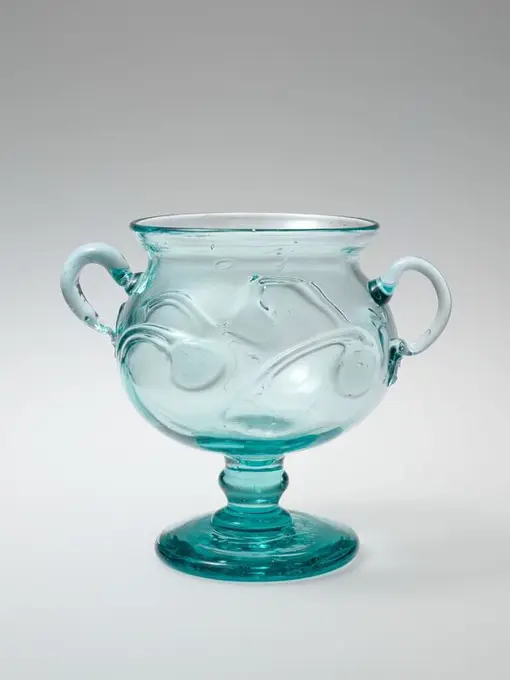
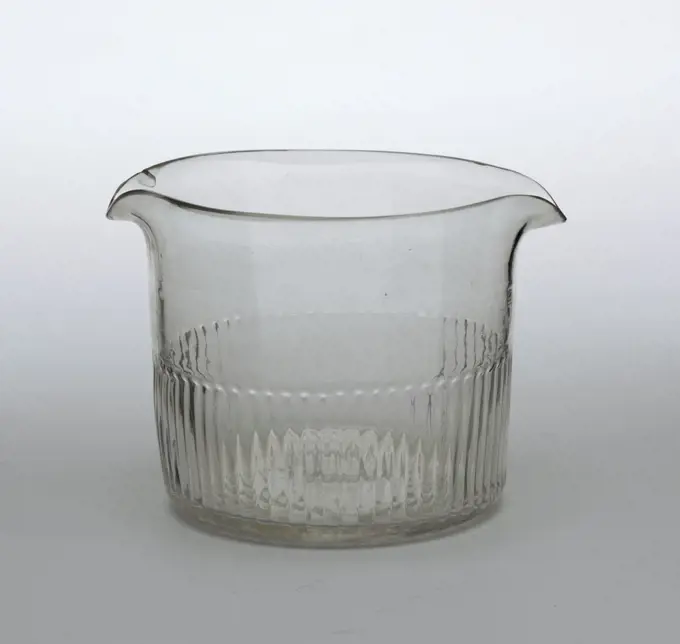
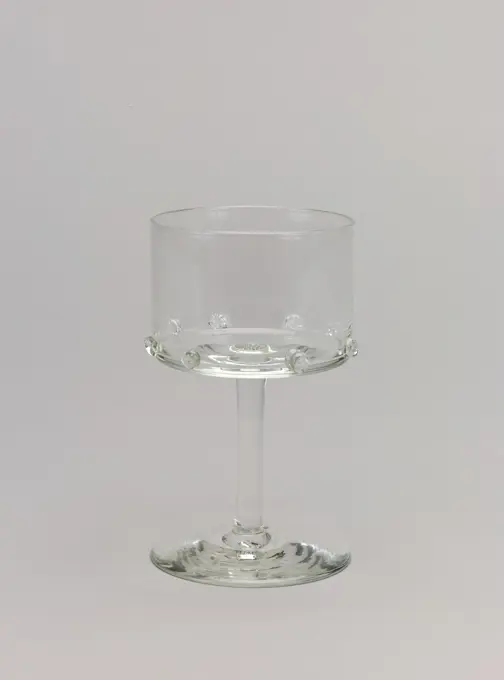
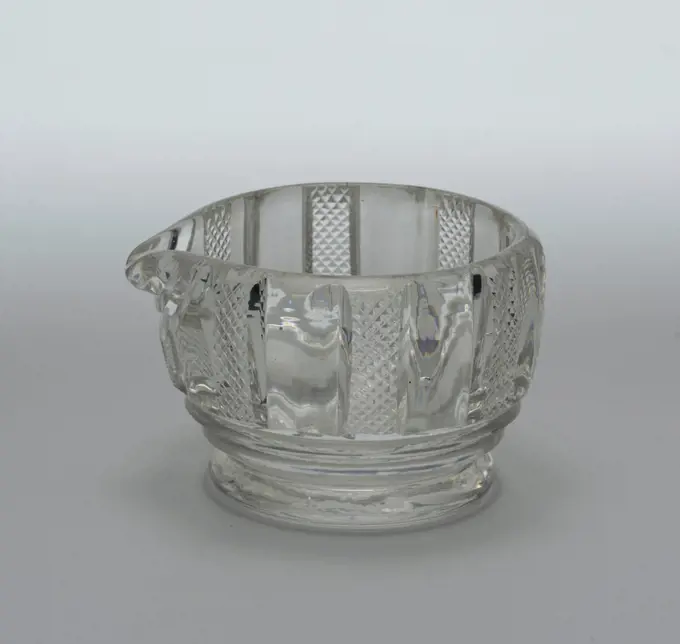
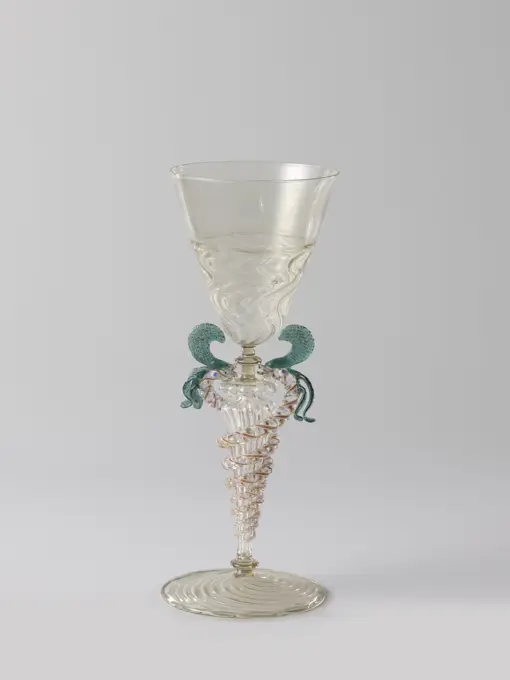
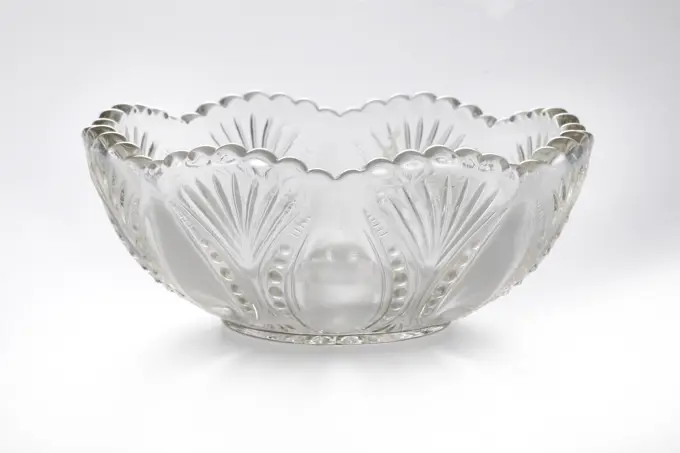
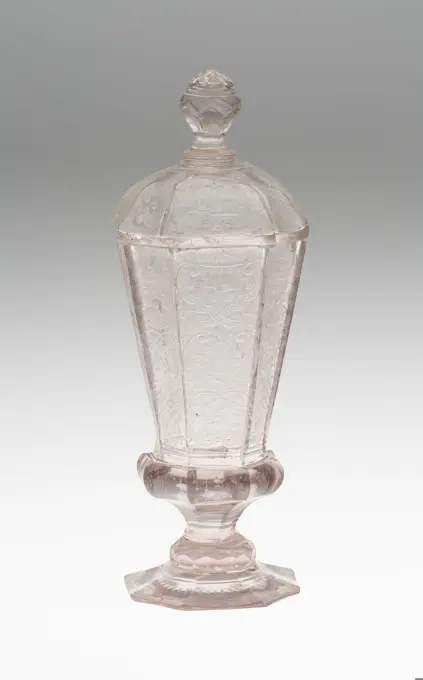
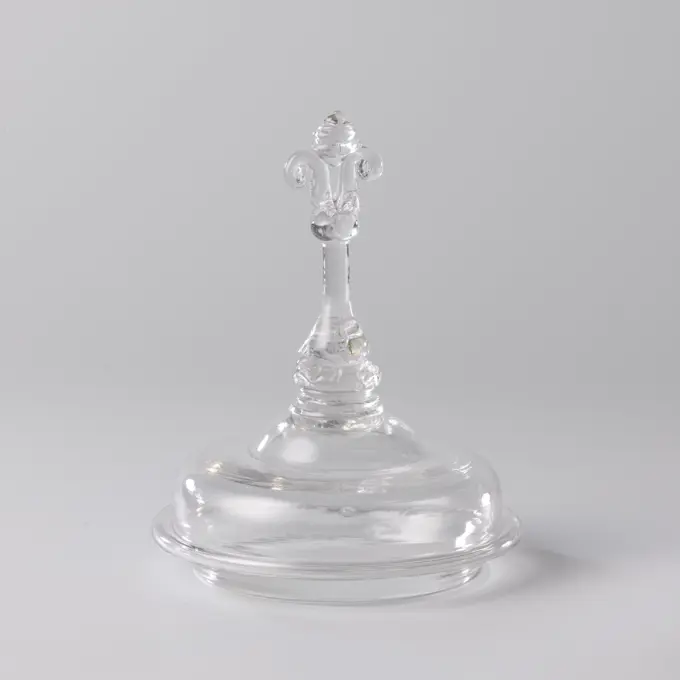
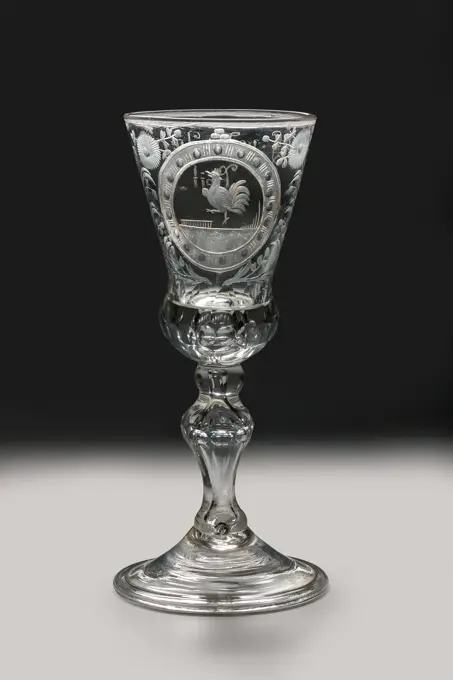
Elegant antique glassware pieces, including chalices and saltcellars, showcasing craftsmanship and design from different historical periods.

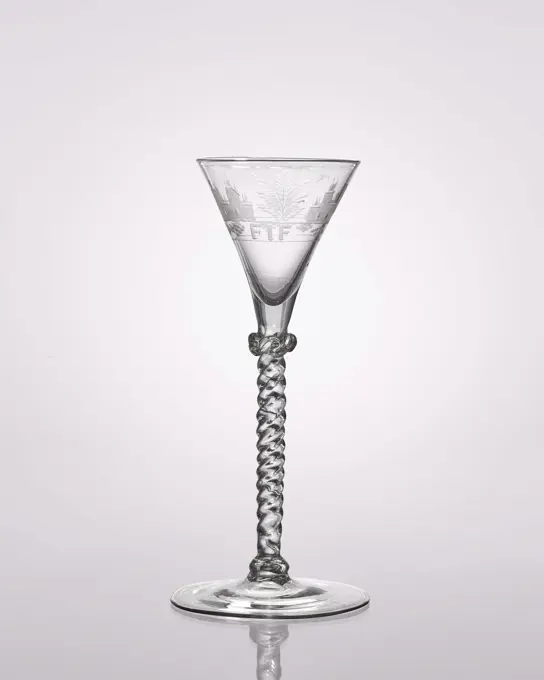
Slinger glass with a wine rank, anonymous, c. 1765 - c. 1775 Chalice glass with conical foot and straight trunk. Multiple air spiral in the trunk. Tribe continuously in trumpet -shaped chalice, which is painted all around with a white wine rank. A gilded piping along the top edge. England glass glassblowing / gilding Chalice glass with conical foot and straight trunk. Multiple air spiral in the trunk. Tribe continuously in trumpet -shaped chalice, which is painted all around with a white wine rank. A gilded piping along the top edge. England glass glassblowing / gilding
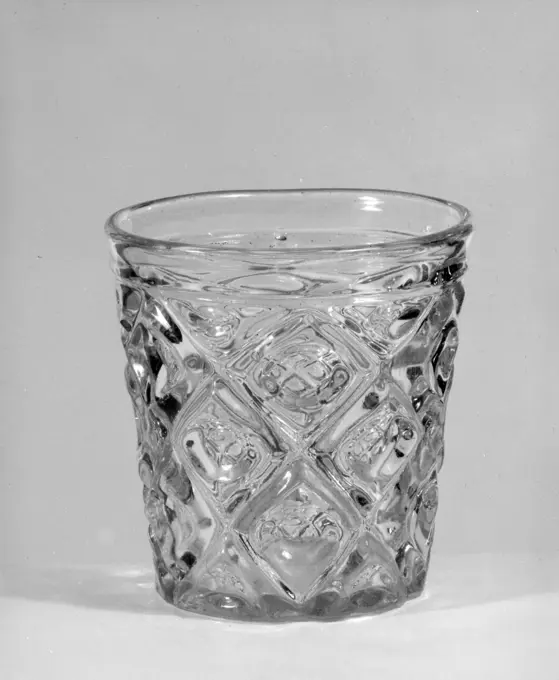
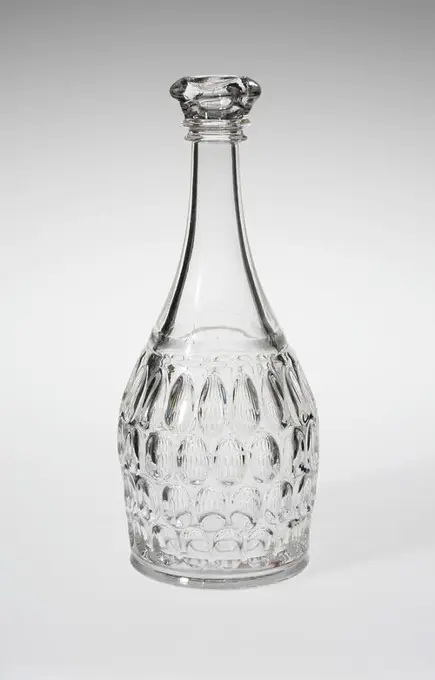
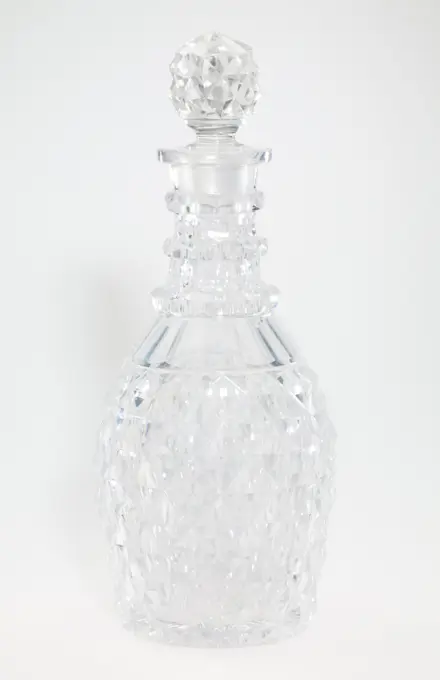
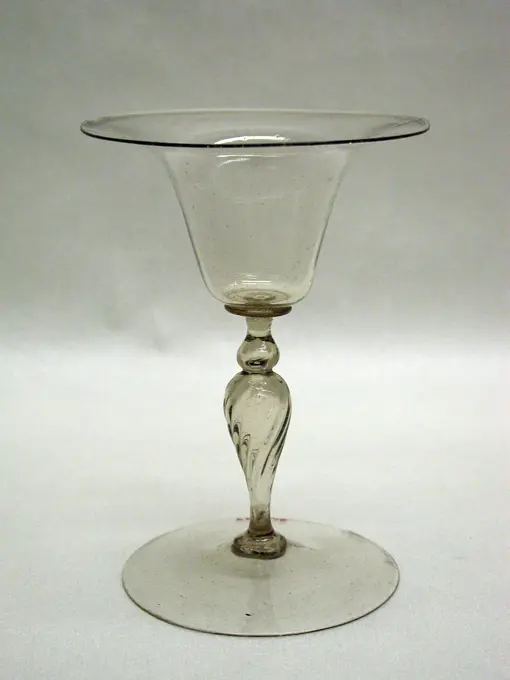
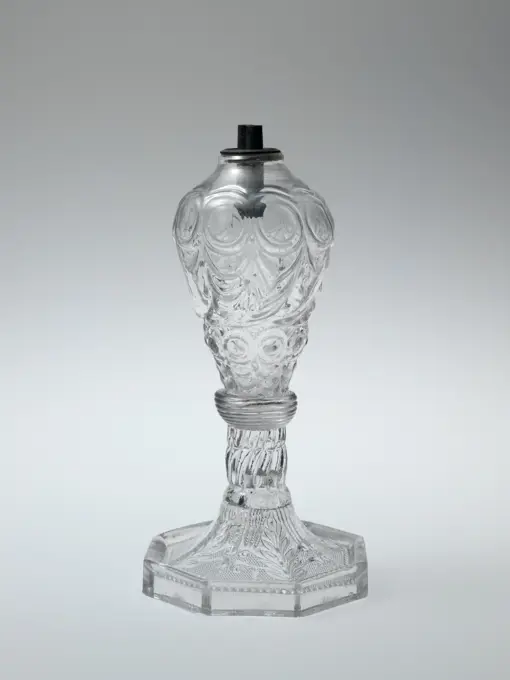
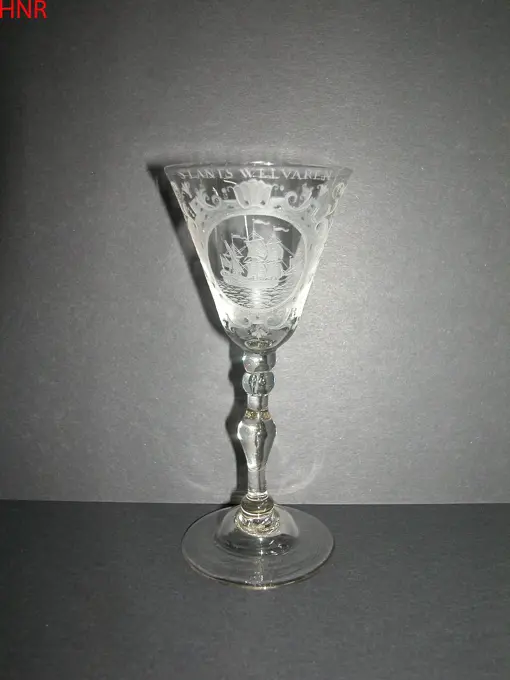
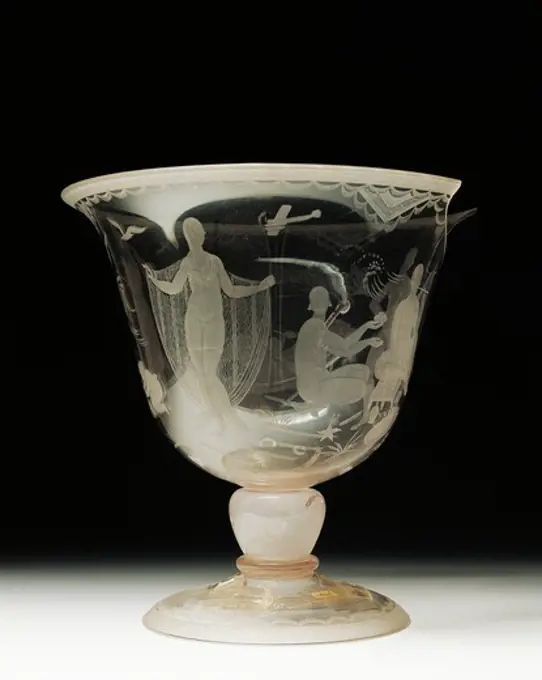
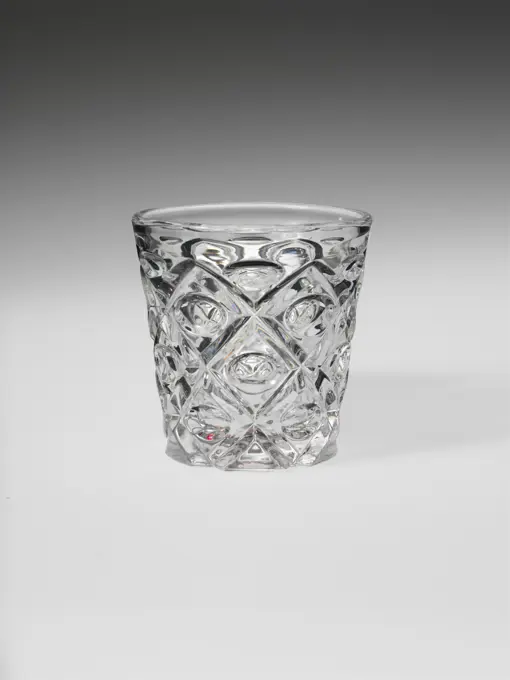
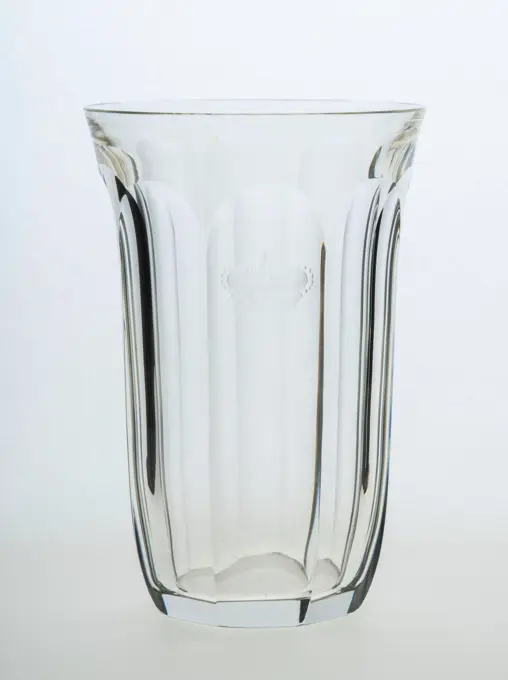
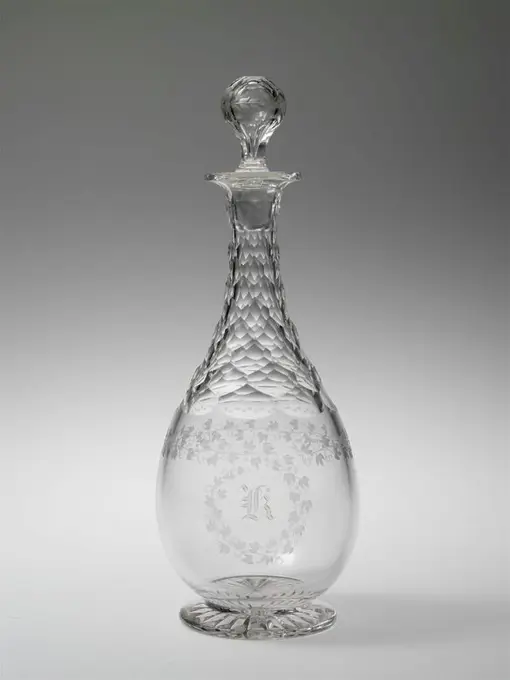
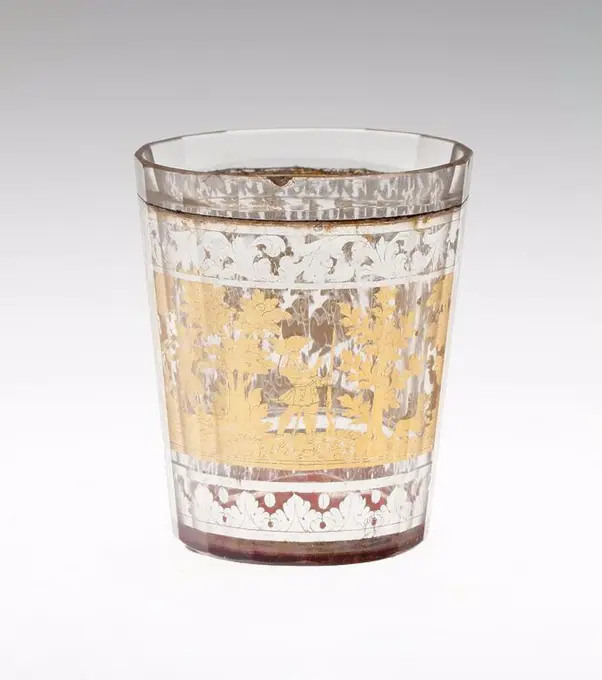
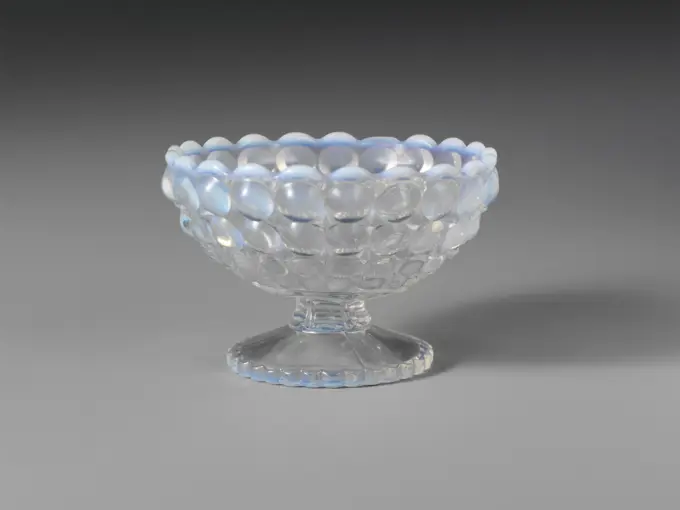
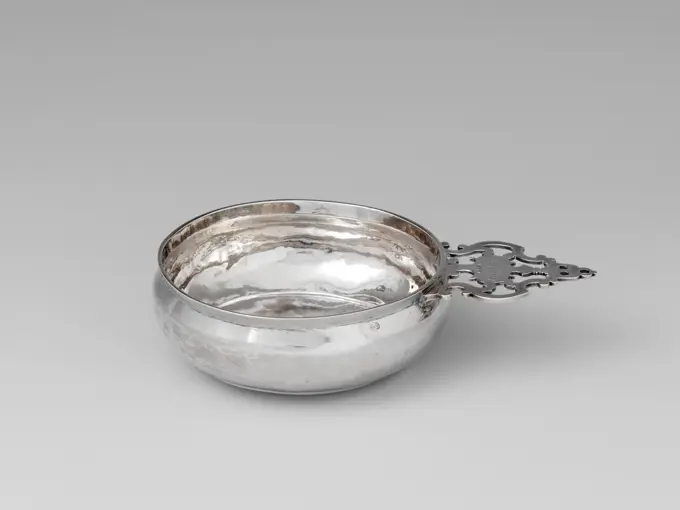
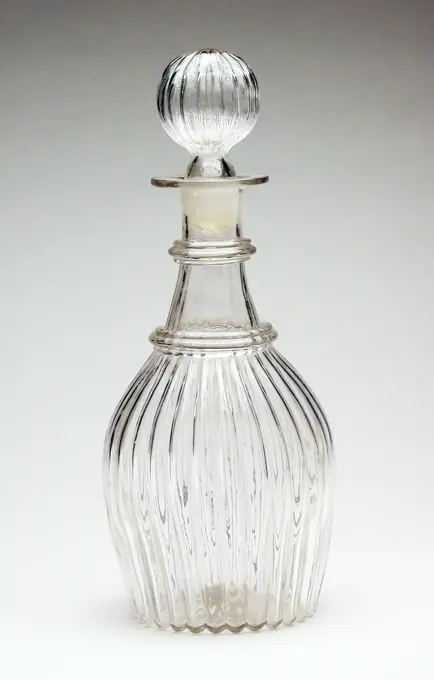
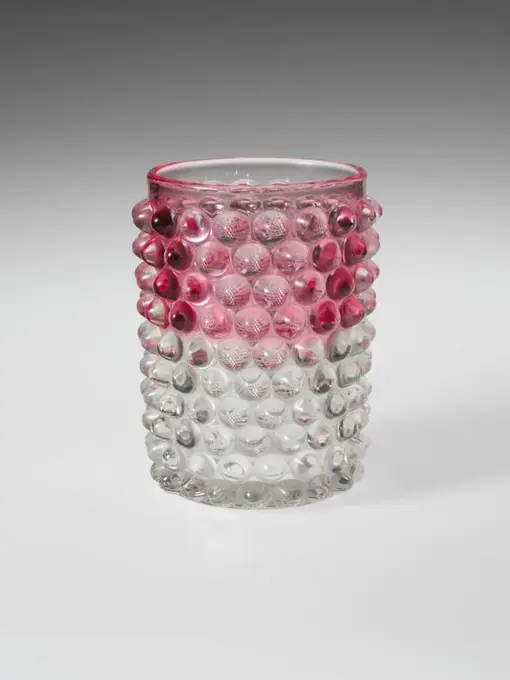
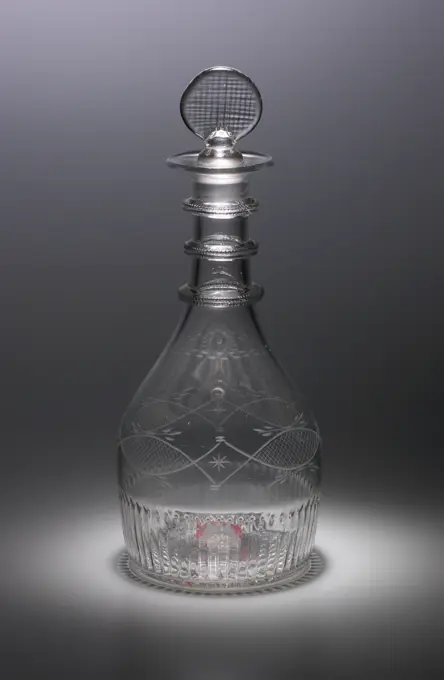
Drinking Glass. Italy, Venice, circa 1550-1600. Furnishings; Serviceware. GlassTumbler 1850-60 American With the development of new formulas and techniques, glass-pressing technology had improved markedly by the late 1840s. By this time, pressed tablewares were being produced in large matching sets and innumerable forms. During the mid-1850s, colorless glass and simple geometric patterns dominated. Catering to the demand for moderately-priced dining wares, the glass industry in the United States expanded widely, and numerous factories supplied less expensive pressed glassware to the growing market. At the Exhibition of the Industry of All Nations at New Yorks Crystal Palace in 1853, for example, the New England Glass Company exhibited 130 pieces of one design, "consisting of bowls, tumblers, champagnes, wines, and jelly glasses." This object belongs to one such service. Although the glass manufactory is not known, the glassware is very typical of the large services that were very popular with Americas middle class in the nineteenth century.. Tumbler. American. Cup;  around 1785 (1780-00-00-1790-00-00);Standing cup ca. 1730 German, possibly Saxony. Standing cup. German, possibly Saxony. ca. 1730. Glass. GlassBrandewijnkom, Epke Hoytes, 1657 Brandy bowl with silver lid. Oval with driven decorations and two horizontal, cast ears in the form of lilies. The background is browned. Bolsward silver (metal) Brandy bowl with silver lid. Oval with driven decorations and two horizontal, cast ears in the form of lilies. The background is browned. Bolsward silver (metal)Thick -walled, faceted cup, anonymous, c. 1800 - Before 1875 Flat, sharpened soil. Light, in facets sharpened body. Bohemia glass glassblowing / grinding Flat, sharpened soil. Light, in facets sharpened body. Bohemia glass glassblowing / grindingBowl with two hollow balusters. Flat foot with beaten edge. The stem constructed from two hollow balusters and three discs. Funnel-shaped, rugged on the bottom.Quart Decanter. Culture: American. Dimensions: H. 10 1/4 in. (26 cm). Maker: Bakewell, Pears and Company (1836-1882). Date: 1850-70. Museum: Metropolitan Museum of Art, New York, USA.Decanter, c. 1800, Vonêche Glassworks, Belgian, Namur, Belgium 1778-c. 1815, 10 1/2 x 4 3/8 in. (26.67 x 11.11 cm), Blown and cut glass, Belgium, 18th-19th century, Vonêche Glassworks is one of the earliest factories in continental Europe to create cut glass in the Anglo-Irish tradition, perhaps developed there by the English blowers and cutters Vonêche employed. In 1816 the factory was moved to France and absorbed into the Baccarat Glass Factory.Old Abe/Frosted Eagle pattern medium covered compote on pedestal c 1880-1890 Ohio. Glass . Crystal Glass Company (Manufacturer)Wineglass 17th century or later Italian, Venice (Murano) During the Renaissance, Venetian glassmakers, working on the island of Murano, were celebrated across Europe for their fine and sparkling work. Called cristallo” emulating the clarity of rock crystal, in the hands of the most skilled glassblowers the medium could be delightfully manipulated, variously stretched paper-thin flat, or playfully twisted, or blown into molds with spectacular patterns.. Wineglass 186098Roemer with an allegory on the blessings of peace and freedom, anonymous, c. 1675 - c. 1700 Spun from a wire, light concave foot. The trunk that is occupied with three -waste rows of large flat burrs is blown as a whole with the curved chalice. The transition from the trunk to the chalice indicated by a ribbed thread. On the chalice an allegory on the blessings of peace and freedom, personalized by the two female figures in the foreground, both leaned against war trophies of standards and weapons, with an overcome at their feet; The peace with an olive branch and a large horn of abundance; The freedom with scepter and hat. On her left side is a man on a desk, on which a large book, on the right is a man with tons. Large ships are located at the sea, about to sail out; Smaller ships are anchor or are pulled on the beach, two sloops take people to and on. Above it in Grisaille, Rood and Silver Vergeel, the weapons of the Republic, the province of Holland and Stadholder Willem III. Under Whale-oil lamp 1830-40 Probably Boston & Sandwich Glass Company. Whale-oil lamp. American. 1830-40. Blown-molded and pressed glass. Made in Sandwich, Massachusetts, United Statesbeaker, glass, Helmut etched on beaker, ca. 1880, glasswares, Decorative Arts, beakerRoemer with the weapon of Prince Maurits and the inscription: Tandem.fit. SVRCulus Arbor, Anonymous, 1606 Large Roemer with stand ring pulled out of drops. Inserted soil. The trunk, occupied with four staggered rows of Doornnoppen, blown as a whole with the wide, slightly curved chalice. The transition from the trunk to the chalice is indicated by a smooth thread. On the chalice, the weapon of Prince Maurits is depicted in engraved gold. Under the weapon 'an 1606'. In addition to the coat of arms, a truncated tree, from which three lots with orange apples sprout, a branch with three roses on the other side of the crown. On the back of the maurits' tandem.fit. SVRCulus Arbor '. Germany glass gilding / engraving / glassblowing Large Roemer with stand ring pulled out of drops. Inserted soil. The trunk, occupied with four staggered rows of Doornnoppen, blown as a whole with the wide, slightly curved chalice. The transition from the trunk to the chalice is indicated by a smooth thread. On tWine glass, anonymous, c. 1725 - c. 1750 Klok -like curved foot. Baluster tribe with two knots and a bubble. Conical chalice with rounded soil. Within a cartouche a sailing Driemaster, above that the inscription: S'Lants Welvaren. glassblower: NetherlandsNorthern Netherlands glass glassblowing Klok -like curved foot. Baluster tribe with two knots and a bubble. Conical chalice with rounded soil. Within a cartouche a sailing Driemaster, above that the inscription: S'Lants Welvaren. glassblower: NetherlandsNorthern Netherlands glass glassblowingNo. 218 Sorbet Cup; Designed by Stefan Rath (Austrian, 1876-1960); Manufactured by J. & L. Lobmeyr GmbH (Austria); Austria; mouth-blown pre-molded crystalGlass of drinking water isolated on a white background. Glass on a white background. Tazza with flat foot, hollow baluster-shaped trunk and wide, low chalice.Thumbprint Goblet; USA; pressed glass; Overall: 16 x 9.4 cm diameter (6 5/16 x 3 11/16 in.)Chalip glass with the weapon of the Lennep family and the monogram WGM, Anonymous, c. 1785 Chalice glass made of clear, colorless glass. On conical foot. The baluster -shaped tribe has two knots, a composite knot and two tires with air bubbles. The conical chalice has a rounded bottom. On the chalice a swan is depicted for a richion with a shield with the monogram wgm (Watergraafsmeer) around the neck. On the other side, the crowned weapon of the Lennep family is shown surrounded by leaf work and garlands consisting of chalices. glassblower: NetherlandsNorthern Netherlands glass glassblowing Chalice glass made of clear, colorless glass. On conical foot. The baluster -shaped tribe has two knots, a composite knot and two tires with air bubbles. The conical chalice has a rounded bottom. On the chalice a swan is depicted for a richion with a shield with the monogram wgm (Watergraafsmeer) around the neck. On the other side, the crowned weapon of the Lennep family is shown surrounded by leafWomen on Beach, bowl by Guido Balsamo Stella (1882-1941)Chalip glass with the weapon of the Republic of the Seven United Provinces, Anonymous, c. 1725 - c. 1750 Chalice glass with baluster tribe with facets (cast). On De Kelk the crowned weapon of the Republic of the Seven United Provinces, two crossed anchors and the letters Ava (= Admiralty of Amsterdam). glassblower: EnglandNorthern Netherlands glass glassblowing  Amsterdam Chalice glass with baluster tribe with facets (cast). On De Kelk the crowned weapon of the Republic of the Seven United Provinces, two crossed anchors and the letters Ava (= Admiralty of Amsterdam). glassblower: EnglandNorthern Netherlands glass glassblowing  AmsterdamTumbler 1850-60 American With the development of new formulas and techniques, glass-pressing technology had improved markedly by the late 1840s. By this time, pressed tablewares were being produced in large matching sets and innumerable forms. During the mid-1850s, colorless glass and simple geometric patterns dominated. Catering to the demand for moderately-priced dining wares, the glass industry in the United States expanded widely, and numerous factories supplied less expensive pressed glassware to the growing market. At the Exhibition of the Industry of All Nations at New Yorks Crystal Palace in 1853, for example, the New England Glass Company exhibited 130 pieces of one design, "consisting of bowls, tumblers, champagnes, wines, and jelly glasses." This object belongs to one such service. Although the glass manufactory is not known, the glassware is very typical of the large services that were very popular with Americas middle class in the nineteenth century.. Tumbler 9124Standing Cup (Sweden); Made by Olof Hellbom (active 1794-1819); silverGlass;  1920-39 (1920-00-00-1939-00-00);Bowl 1825-50 American. Bowl. American. 1825-50. Free-blown glass. Made in United StatesWine Glass 1850-60 American With the development of new formulas and techniques, glass-pressing technology had improved markedly by the late 1840s. By this time, pressed tablewares were being produced in large matching sets and innumerable forms. During the mid-1850s, colorless glass and simple geometric patterns dominated. Catering to the demand for moderately-priced dining wares, the glass industry in the United States expanded widely, and numerous factories supplied less expensive pressed glassware to the growing market. At the Exhibition of the Industry of All Nations at New Yorks Crystal Palace in 1853, for example, the New England Glass Company exhibited 130 pieces of one design, "consisting of bowls, tumblers, champagnes, wines, and jelly glasses." This object belongs to one such service. Although the glass manufactory is not known, the glassware is very typical of the large services that were very popular with Americas middle class in the nineteenth century.. Wine Glass. AmerBottle. The inscription comes from the biblical verse: Show not forth wisdom out of time’.Candy Jar, 1869-1880. Firm of Christian Dorflinger (American, 1828-1915). Glass; diameter: 12.1 cm (4 3/4 in.); overall: 42.6 x 10.8 cm (16 3/4 x 4 1/4 in.); average: 28.6 cm (11 1/4 in.).Pitcher 1850-70 Probably Boston & Sandwich Glass Company. Pitcher. American. 1850-70. Pressed glass. Made in Sandwich, Massachusetts, United StatesBeaker. England, 1856. Furnishings; Serviceware. GlassCandlestick; Non -like Lona Huta; 1763 (1763-00-00-1763-00-00);Goblet. unknown, glass worksGoblet. Urzecze (huta zwierciadlana ; 1737-1846), creator, Naliboki (huta szkła ; 1722-1862), creatorEmpty glass ice cream dish isolated on white backgroundChampagne glass ca. 1830 Austrian, Vienna. Champagne glass 207290Goblet (Pokal) early 18th century German, Nuremberg. Goblet (Pokal). German, Nuremberg. early 18th century. Glass, silver. GlassSherry glass, from a set of four, c. 1830, 4 1/4 x 2 3/8 x 2 3/8 in. (10.8 x 6.03 x 6.03 cm), Cut glass, France (), 19th centuryWater glass, from a set of four, c. 1830, 5 1/4 x 3 1/4 x 3 1/4 in. (13.34 x 8.26 x 8.26 cm), Cut glass, France (), 19th centuryWine glass;  the beginning of the 20th century (1900-00-00-1910-00-00);Two-handled cup. Culture: American. Dimensions: H. 6 in. (15.2 cm). Date: 1830-70. Museum: Metropolitan Museum of Art, New York, USA.rinser, wineglass, glass, Straight-sided, circular vessel with 2 pouring lips molded comb flutes, 4.5 cm. high, around base. Bottom has molded radial flutes and pontil work. Impressed with 'Penrose Waterford' stamp., Ireland, ca. 1783-99, glasswares, Decorative Arts, rinser, wineglassCovered Beaker with Coat of Arms and Hunting Scene 1725-1735 Bohemia. Glass with engraved gold leaf decoration .Wing glass with funnel -shaped chalice with white combed threads, anonymous, c. 1600 - c. 1710 Wing glass on a flat base with overflowed edge. Hollow, ribbed and twisted, baluster -shaped tribe with three nodi. A wing in the shape of a seahouses of opaque yellow and colorless glass on both sides. Funnel -shaped chalice rounded at the bottom with white combed threads. Venice glass glassblowing Wing glass on a flat base with overflowed edge. Hollow, ribbed and twisted, baluster -shaped tribe with three nodi. A wing in the shape of a seahouses of opaque yellow and colorless glass on both sides. Funnel -shaped chalice rounded at the bottom with white combed threads. Venice glass glassblowingChampagne glass;  the beginning of the 20th century (1900-00-00-1910-00-00);Close-up of silver and glass candle-holderGoblet, 1850-1870. Manufacturer: James Powell & Sons,.. Designer: Philip Webbsalt, glass, Round bowl with a pouring lip, cut with vertical pillar flutes, alternatingwith small diamonds, 2 prismatic bands below, a short round foot, ground pontil mark on bottom., Waterford, Ireland, ca. 1810-20, glasswares, Decorative Arts, saltClose-up of clear glass bowlFruit bowl early 19th century probably Irish. Fruit bowl. probably Irish. early 19th century. Glass. GlassEggcup -CarafeTumbler 1850-70 Bakewell, Pears and Company. Tumbler. American. 1850-70. Pressed glass. Made in Pittsburgh, Pennsylvania, United StatesWater pitcher - Late Nugget Pattern Jefferson Glass Company, Limited Jefferson Glass Company, LimitedCovered SugarBowl.  Manufacturer: Boston and Sandwich Glass Works, American, 1826-88Compote ca. 1840 American. Compote. American. ca. 1840. Blown lead glass. Made in United StatesDecanter. Culture: American. Dimensions: H. 12 3/4 in. (32.4 cm); Diam. 3 7/16 in. (8.7 cm). Manufacturer: Boston & Sandwich Glass Company (American, 1825-1888, Sandwich, Massachusetts). Date: ca. 1867.In 1867, after twenty-two years of employment as factory superintendent of the Boston and Sandwich Glass Company, William E. Kern received a retirement gift of more than fifty pieces of glassware including this decanter. (See 67.7.1-.14, .16, .24, .25, .27-.44 for the set of matching glassware.). Museum: Metropolitan Museum of Art, New York, USA.Tumbler (Daumenglas), c. 1600. Germany, late 16th-early 17th century. Green glass; overall: 19.6 cm (7 11/16 in.).Lamp 1830-70 American. Lamp. American. 1830-70. Pressed green glass, metal. Made in New England, United StatesGlassTransparent glasses shadow 2Vaas Met Tincraquelé, Ludwig Moser & Sons, 1929 Thick bottom. Curved body, protruding, slightly profiled edge. Free blown and formed. Colorless, with the decor of 'snowflakes' from Tincraquelé. Marked on the underside with the diamond - Chris - Lebeau - January - 1929 - Böhmen - NO 84 - V-. Adolf glass glassblowing Thick bottom. Curved body, protruding, slightly profiled edge. Free blown and formed. Colorless, with the decor of 'snowflakes' from Tincraquelé. Marked on the underside with the diamond - Chris - Lebeau - January - 1929 - Böhmen - NO 84 - V-. Adolf glass glassblowingWine Glass 1860-70 New England Glass Company. Wine Glass 9939Wineglass 19th century Dr. Antonio Salviati Company. Wineglass. Italian, Venice (Murano). 19th century. Glass. GlassChalice glass with a hollow trunk with baluster and three balls, anonymous, c. 1550 - c. 1650 Chalice glass with a flat base with turned around. The trunk, which is made up of a hollow baluster and three balls, is open in open connection with the funnel -shaped chalice, which is trimmed with a blue wire. Venice glass glassblowing Chalice glass with a flat base with turned around. The trunk, which is made up of a hollow baluster and three balls, is open in open connection with the funnel -shaped chalice, which is trimmed with a blue wire. Venice glass glassblowingVaseBeaker 1800-1899 England. Glass ."Westward Ho!/Pioneer" pattern covered dish. Gillinder and Sons; Philadelphia, Pennsylvania. Date: 1876-1890. Dimensions: . Glass. Origin: United States. Museum: The Chicago Art Institute, Chicago, USA.Beaker. Bohemia, Czech Republic. Date: 1725-1735. Dimensions: 8.9 × 6.4 cm (3 1/2 × 2 1/2 in.). Glass with engraved gold leaf decoration. Origin: Bohemia. Museum: The Chicago Art Institute, Chicago, USA.Drinking Glass. Italy, Venice, circa 1550-1650. Furnishings; Serviceware. GlassWineglass ca. 1730 German, Saxony. Wineglass. German, Saxony. ca. 1730. Glass. GlassWater being poured into a glass and partly gushing from the glassOval Salt. Boston and Sandwich Glass Factory (United States, Massachusetts, Sandwich, 1825-1888). United States, circa 1830s. Furnishings; Serviceware. GlassOwl and Pussycat covered tray c 1870-1900 United States. Glass . Artist unknownFooted Dish ca. 1888 Richards and Hartley Flint Glass Co.. Footed Dish. American. ca. 1888. Pressed colorless and opalescent glass. Made in Tarentum, Pennsylvania, United StatesDecanter andStopperJar with winged tribe, C.H.F. Müller, c. 1880 Flat base with blown in the form, ribbed ribs. Holle, baluster -shaped trunk with vertical ribs, above which a hollow disk with a wreath bulbs. Around the trunk, wrapped twice twisted bars of colorless glass with a white, red and yellow pendulum, ending in blue combs. Funnel -shaped, partly blown into relief shape, smooth chalice. Hamburg glass glassblowing Flat base with blown in the form, ribbed ribs. Holle, baluster -shaped trunk with vertical ribs, above which a hollow disk with a wreath bulbs. Around the trunk, wrapped twice twisted bars of colorless glass with a white, red and yellow pendulum, ending in blue combs. Funnel -shaped, partly blown into relief shape, smooth chalice. Hamburg glass glassblowingGlass; Weissbach (glassworks; 1617-1754), Weiberge (glassworks; post 1702-1754), Jeleniogórska Valley (engraving center; Ca 1600-); 1730-1750 (1730-00-00-1750-00-00);Nappy - Beaded Oval & Fan No.1 pattern Jefferson Glass Company, Limited Jefferson Glass Company, LimitedPorringer 1715-30 William Cowell Sr.. Porringer 6678Goblet with Cover 1720-1730 Schleswig. Glass .Wine Glass, Embassy” Pattern. Designer Walter Dorwin Teague, American, 1883-1960 Designer Edwin W. Fuerst, American, 1903-1988 Manufacturer: Libbey Glass Company, a subsidiary of Owens-Illinois Glass Co., American, 1935-1943Pair of VasesDecanter and Stopper. United States, circa 1840. Furnishings; Serviceware. GlassTumbler. Culture: American. Dimensions: H. 3 13/16 in. (9.7 cm); Diam. 3 in. (7.6 cm). Maker: Probably Hobbs, Brockunier and Company (1863-1891). Date: after 1886. Museum: Metropolitan Museum of Art, New York, USA.Close-up of a crystal vase, FranceDecanter. Manufacturer: Cork Glass Company, Irish, 1783-1818Glass; Lobmeyr, J. & L. (Vienna; 1823-); 1920-39 (1920-00-00-1939-00-00);Wine glass. Niemcy, creator, Czechy, creatorLid of a cup with a button that ends in a ribbed ball and two volutes, anonymous, c. 1750 - c. 1775 Lid of a jar, vaulted, with a high button, ending in a ribbed ball on either side of which two volutes England glass glassblowing Lid of a jar, vaulted, with a high button, ending in a ribbed ball on either side of which two volutes England glass glassblowingGoblet. Glucksburg (huta szkła ; 1700-post 1756), glass worksCart; Non -like Lona Huta; 3. W. 18th century (1750-00-00-1775-00-00);Decanter ca. 1855 Brooklyn Flint Glass Company This decanter is from the same larger luxury glass table service as a compote and three drinking vessels in the collection (69.257, 2015.459.2-.4). The decanter bears an engraved gothic-style H” in a carved shield on one of the alternating clear vertical panels. The service descended in the family of Johns Hopkins (1795-1873), prominent businessman, entrepreneur, abolitionist, and philanthropist of Baltimore, Maryland. Hopkins may have purchased the service for use in his country estate, Clifton, outside of Baltimore, which he extensively renovated into an Italianate mansion in 1858. It is known that he enjoyed entertaining there, welcoming family, friends and dignitaries, including the Prince of Wales (later King Edward VII). The glass is exceptionally well-cut and designed, representing some of the best of independent glass cutting in the New York City area. The quality of the material is equally good, for which the Brooklyn Flint GlassVaseGlass; Lobmeyr, J. & L. (Vienna; 1823-); 1920-39 (1920-00-00-1939-00-00);Close-up of a sweet basket, EnglandStanglas; Non -like Lona Huta; XVII/18th century (1680-00-00-1710-00-00);Oil and vinegar with the Clifford family crest, Fa. Diemont, 1806 On four, rejuvenating, bent, ribbed legs rests the striker ovale, curved, base -decorated base with a bottle holder. This is made up of four flat, widening upwards, ribbed legs on which there is an oval plateau with two large and two small openings, in which two large and two small bottles of colorless glass, decorated in various sharpening, fit. The upper part of each bottle is contained in a silver frame that is decorated with a filet edge, where it ends in a point at the front and back. One handle is provided on the frame, hinged snee -shaped lid. The presumably English bottles have high rising, bent, grooved silver ears that run from just above the bottle base to below the folding lid. The handle rises from the center of the plateau, which consists of four paws that come together at half heights in a ribbed band, to split up above it into a fan -decorated fan shape on which an oval transverse grip is placed. On the ePinang also Gambirbakje, Anonymous, c. 1699 - c. 1799 Pinang and also Gambirbakje made of silver. Used to be used by official visits in Makassar (Ujung Pandang) of local princes and queens. Sulawesi (possibly) silver (metal) Pinang and also Gambirbakje made of silver. Used to be used by official visits in Makassar (Ujung Pandang) of local princes and queens. Sulawesi (possibly) silver (metal)