Vintage Glassware Collection

Elegant antique glassware pieces, including chalices and saltcellars, showcasing craftsmanship and design from different historical periods.

Slinger glass with a wine rank, anonymous, c. 1765 - c. 1775 Chalice glass with conical foot and straight trunk. Multiple air spiral in the trunk. Tribe continuously in trumpet -shaped chalice, which is painted all around with a white wine rank. A gilded piping along the top edge. England glass glassblowing / gilding Chalice glass with conical foot and straight trunk. Multiple air spiral in the trunk. Tribe continuously in trumpet -shaped chalice, which is painted all around with a white wine rank. A gilded piping along the top edge. England glass glassblowing / gilding
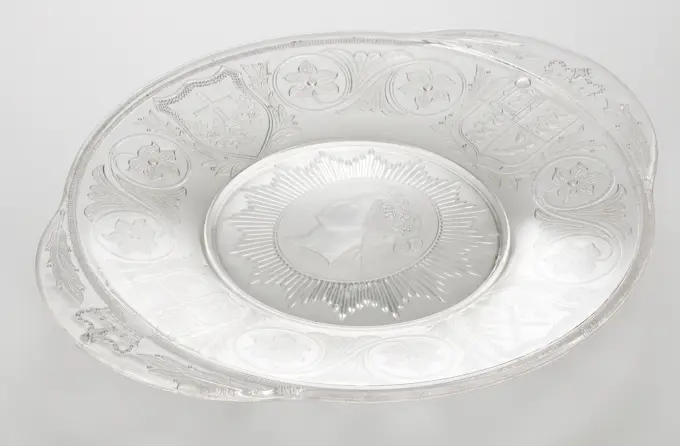
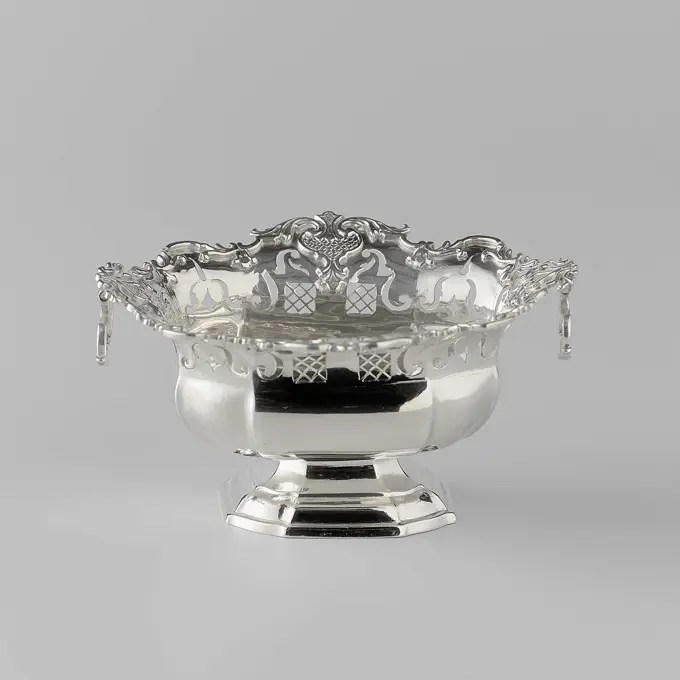
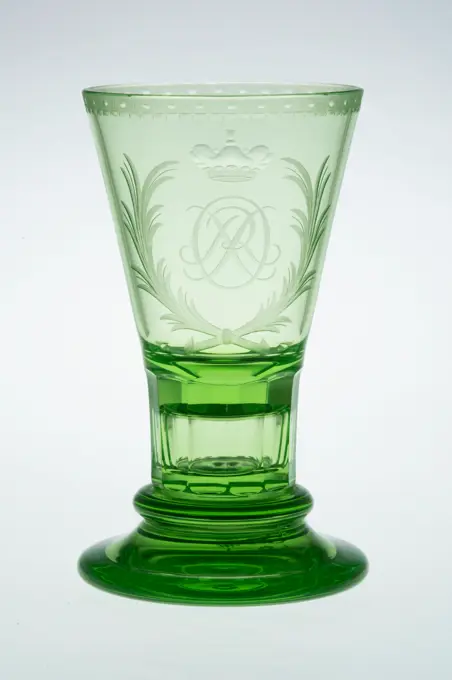
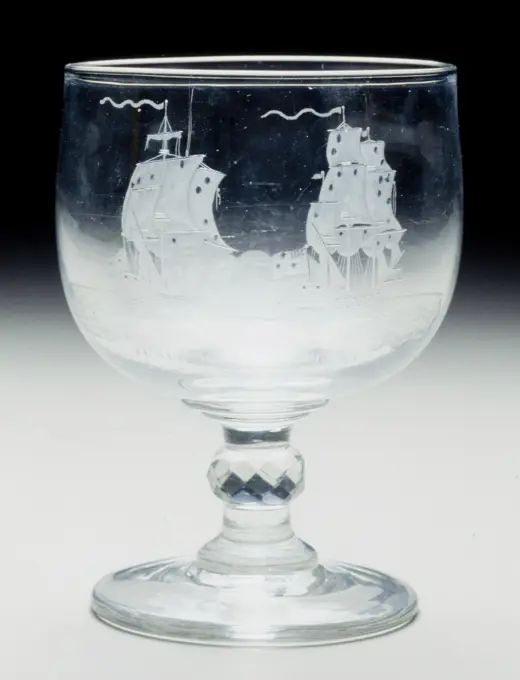
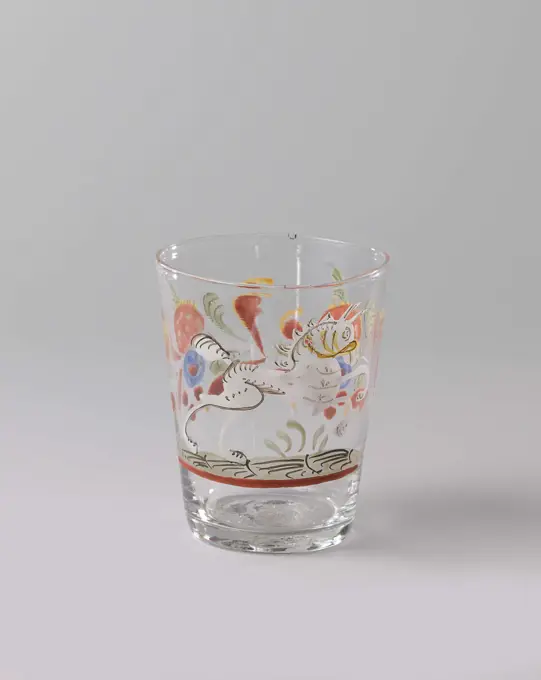
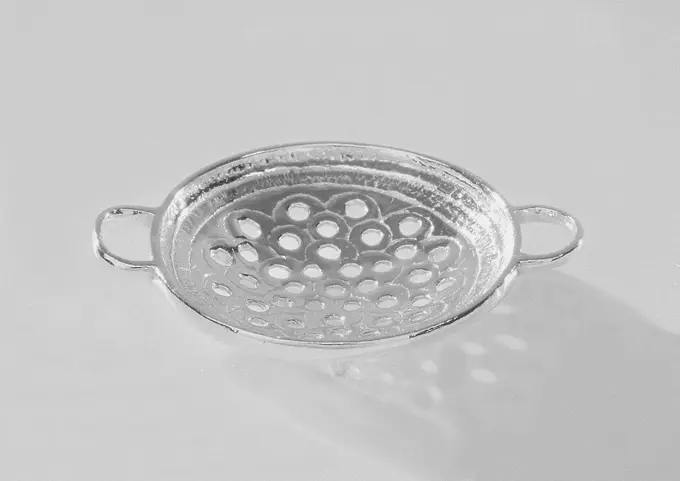
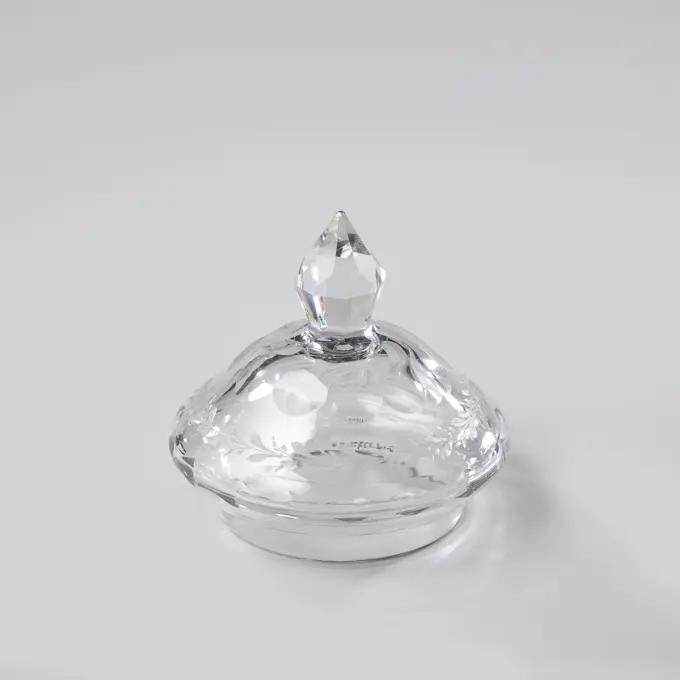
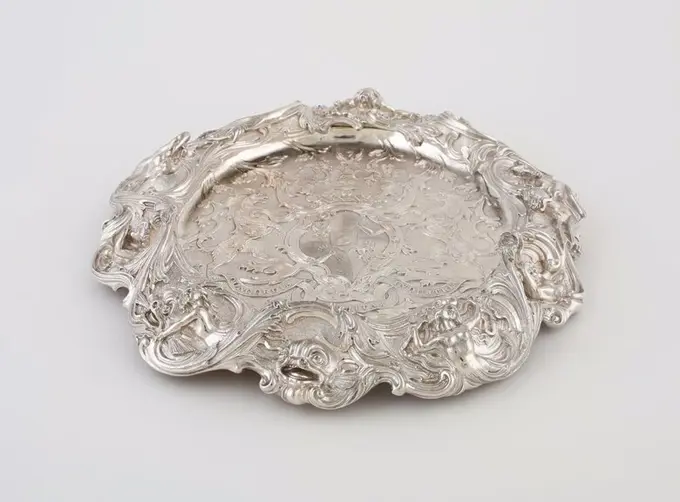
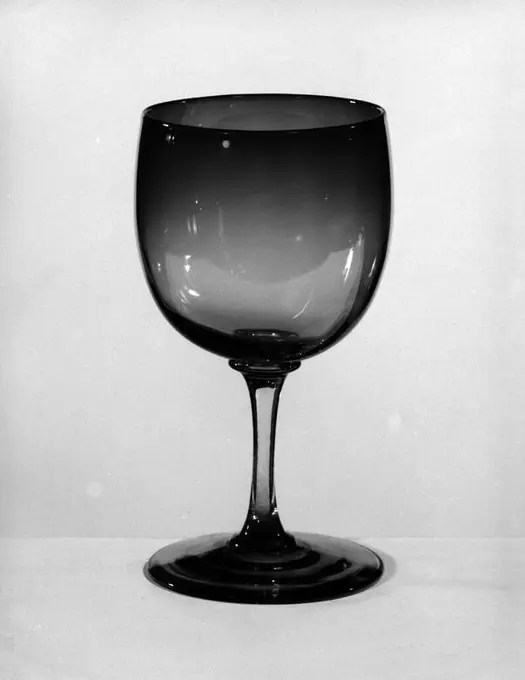
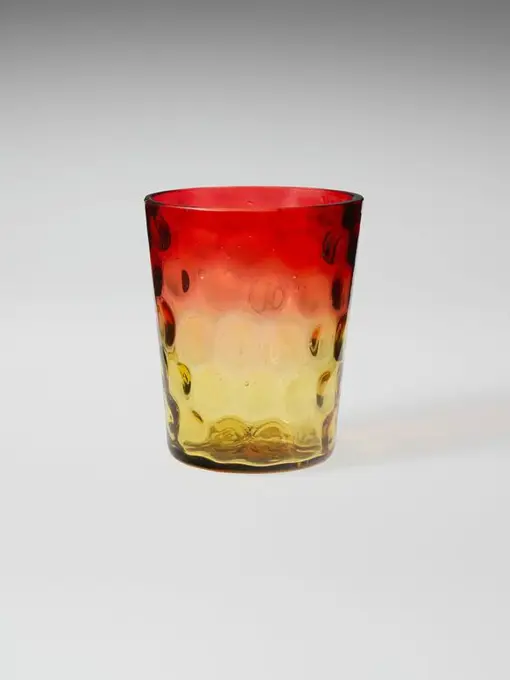
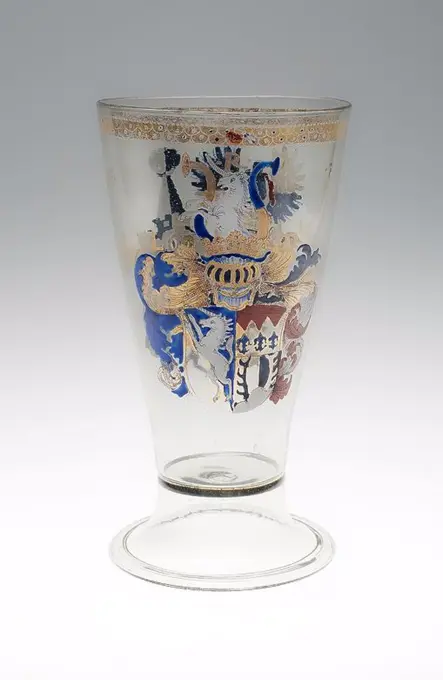
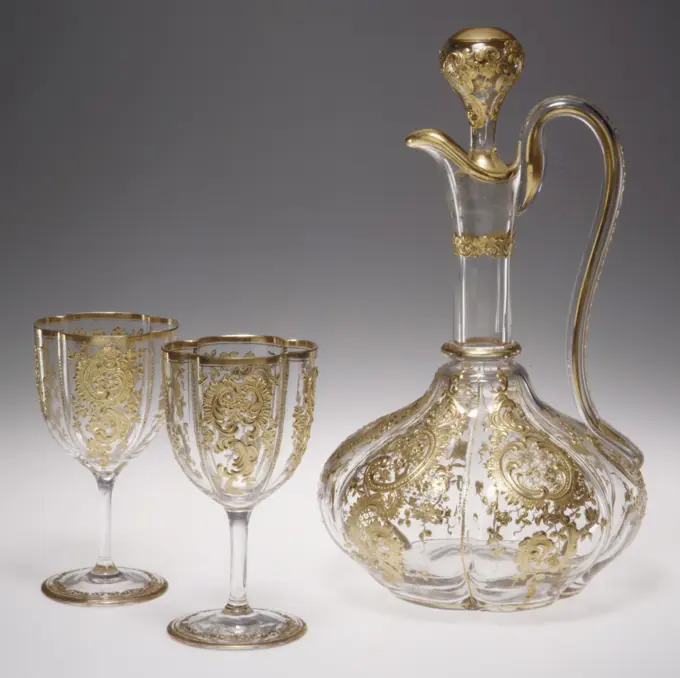
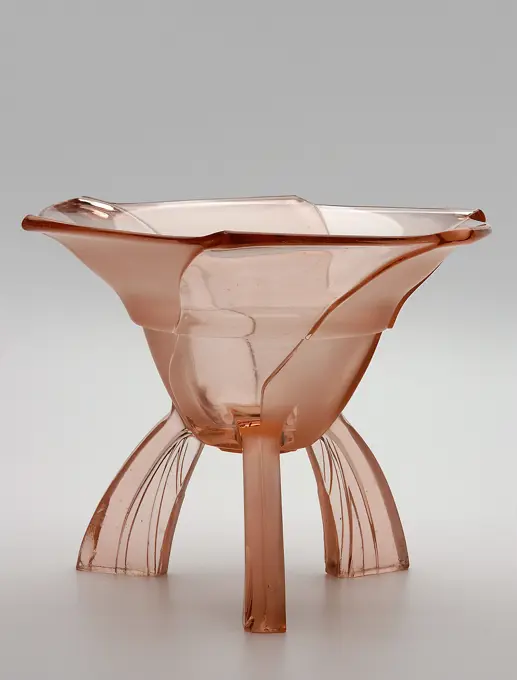
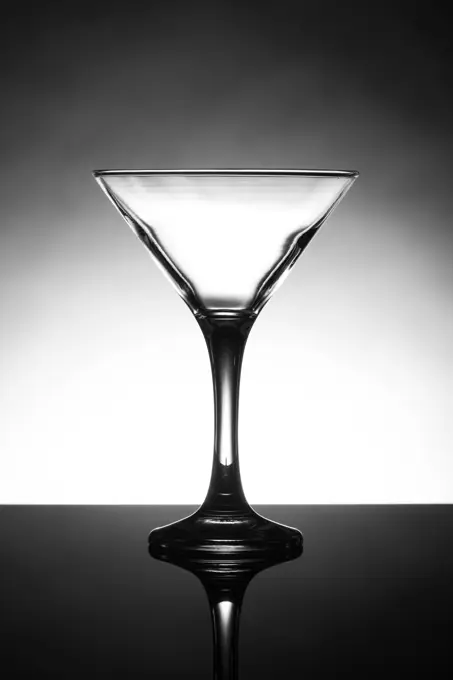
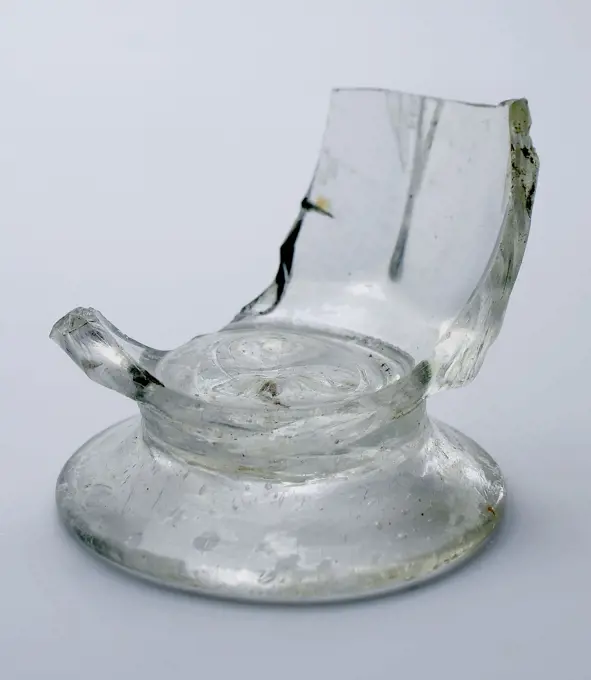
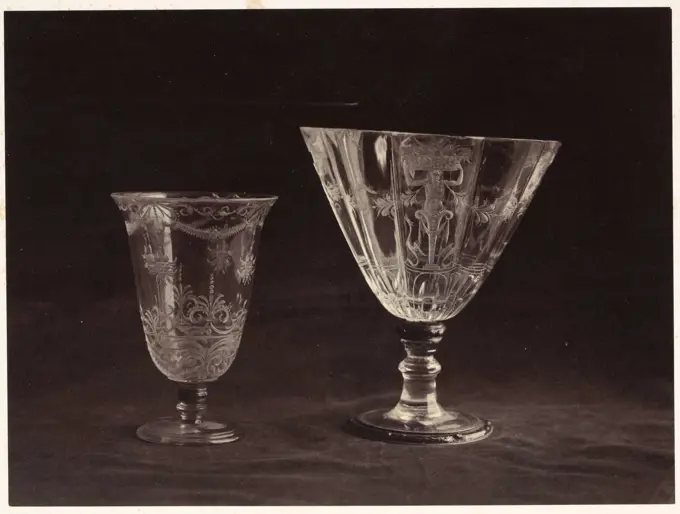
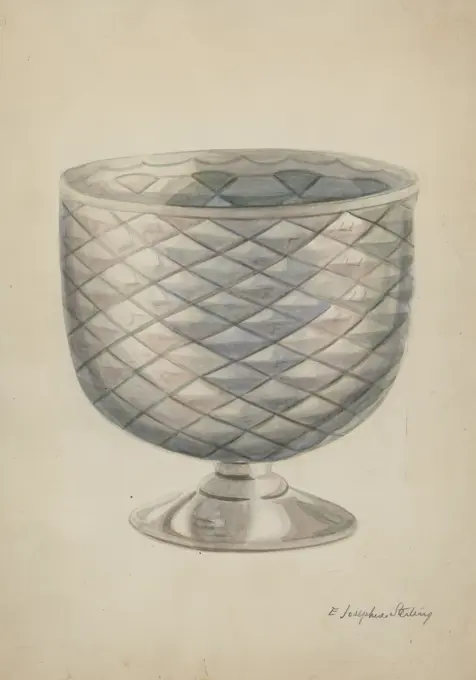
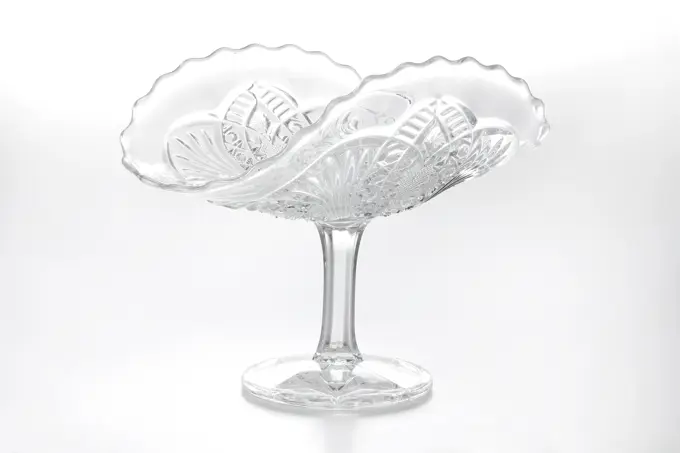
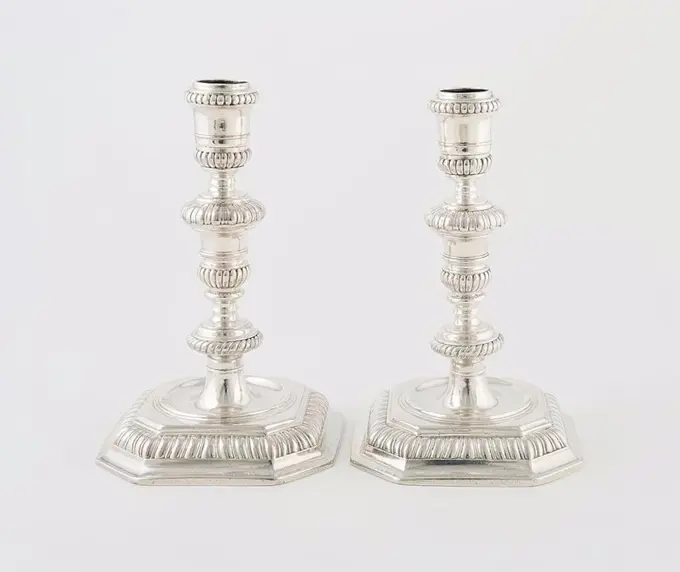
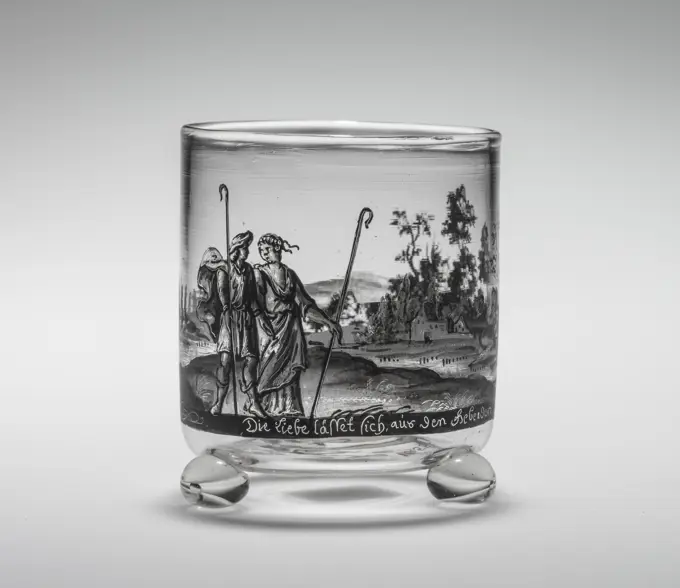
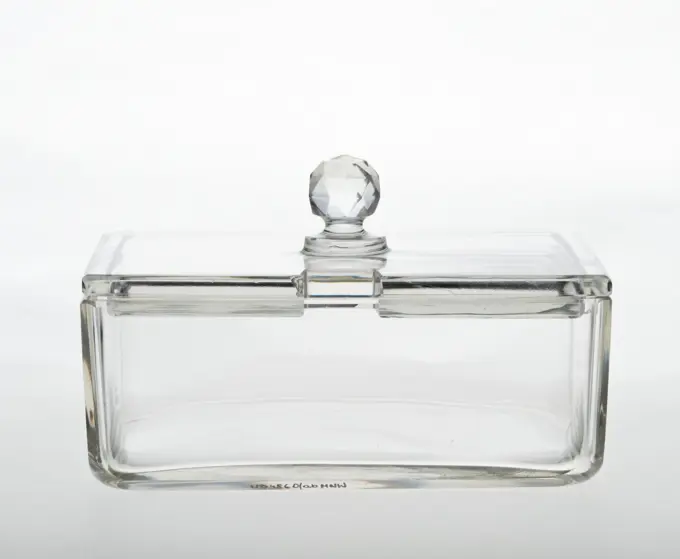
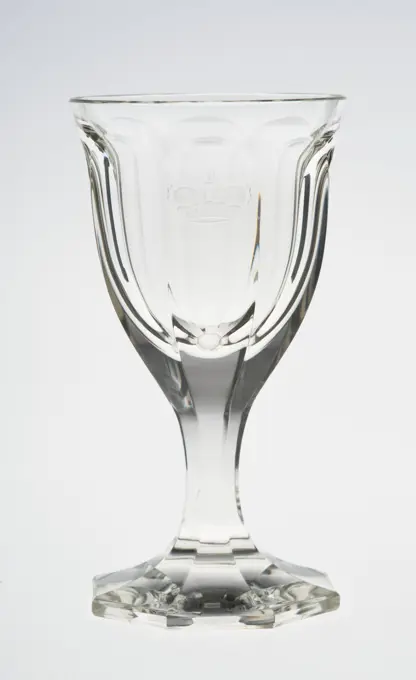
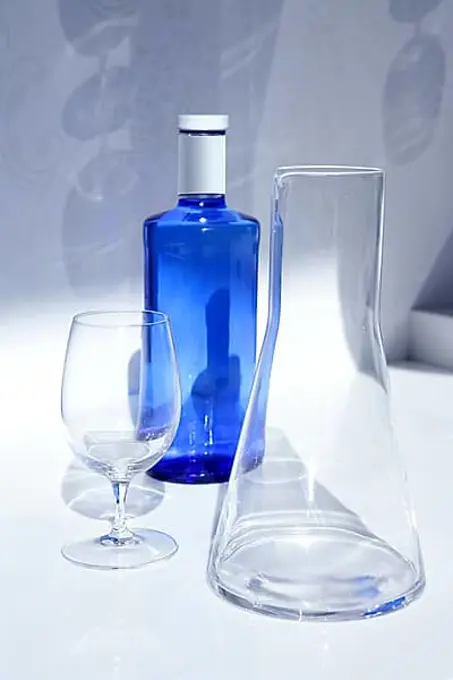
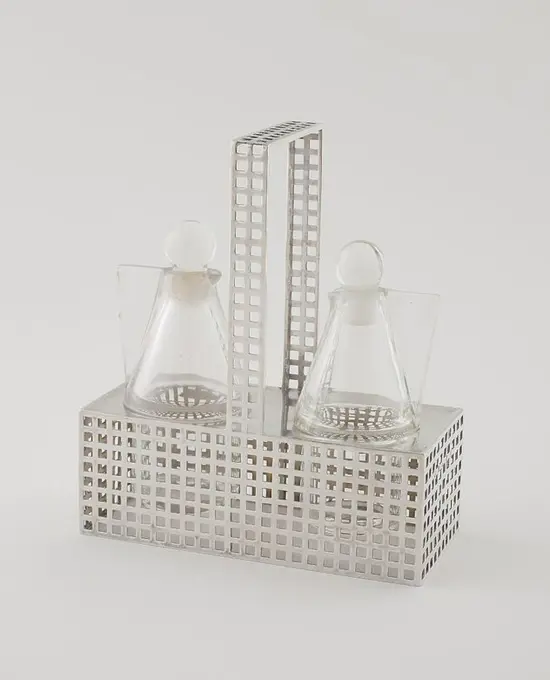
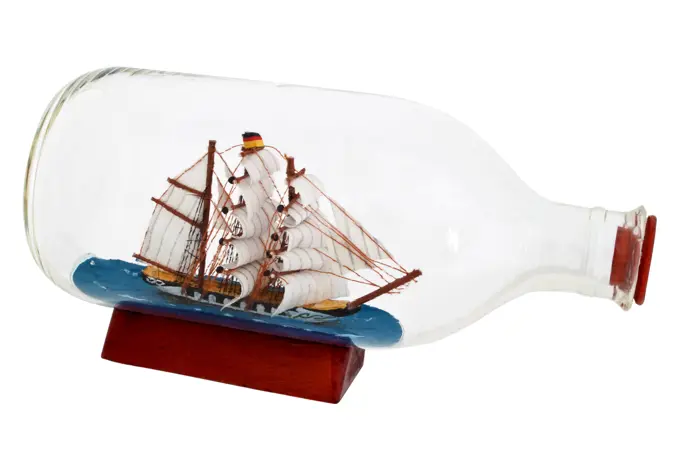
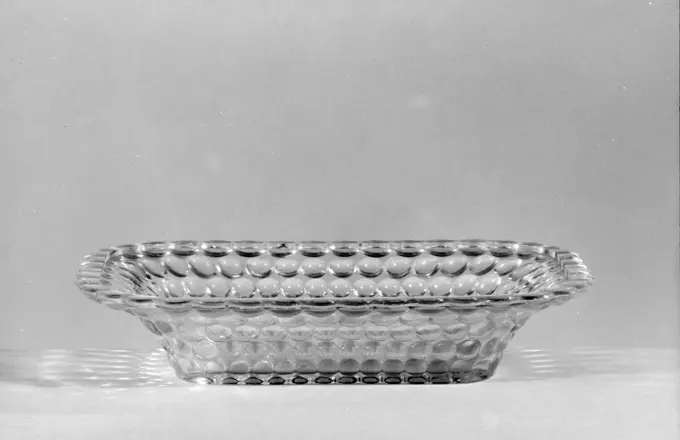
Relish Dish 1870-80 Probably Adams and Company. Relish Dish. American. 1870-80. Pressed yellow glass. Made in Pittsburgh, Pennsylvania, United StatesDecanter -Beaker ca. 1730 Bohemian. Beaker. Bohemian. ca. 1730. Zwischengold glass. GlassCommemorative plate - Nova Scotia Victoria Commemorative Nova Scotia Glass Company Nova Scotia Glass CompanyLid of a jar. Lid of a jar with a single-sea out and vaulted shape. The outer edge is knit-shaped. On top of facets in a plowed shape and a faceted button. Engraved with a browse chance. Or originally do not belong to BK-NM-10754-201-A. Silver candy bin, in the shape of a cooler barrel. Along the edge A Applique from Lodewijk XIV ornaments. Master's sign: a jumping hare in shield. (According to the label a jumping deer).Beaker ca. 1730 Bohemian. Beaker. Bohemian. ca. 1730. Zwischengold glass. GlassGlass; Lobmeyr, J. & L. (Vienna; 1823-); 1920-39 (1920-00-00-1939-00-00);War of 1812 Rummer, or goblet, c. 1820, 7 7/8 x 5 3/4 x 5 3/4 in. (20 x 14.61 x 14.61 cm), Glass, England, 19th centuryGlass;  1920-39 (1920-00-00-1939-00-00);Cup with a galloping horse. Flat ground. Conical body with in red, green, white, blue, yellow and black a galloping horse and a flower branch.. Hole pecot on three legs and with two horizontal handles. Lines are engraved around the holes in the patral. Concentric lines have been engraved along the edge. The hole pecotel is marked with an unreadable brand.Port glass 18th century Dutch or Flemish. Port glass. Dutch or Flemish. 18th century. Glass. GlassFlask c 1860-1875 United States. Glass . Artist unknownMand, anonymous, c. 1750 - c. 1800 Scalloped stand ring. Bottom blown into a honeycomb motif, flared wall made up of smooth threads in a fillet pattern. A smooth thread along the edge. Two smooth, raised ears. South of the Netherlands glass Scalloped stand ring. Bottom blown into a honeycomb motif, flared wall made up of smooth threads in a fillet pattern. A smooth thread along the edge. Two smooth, raised ears. South of the Netherlands glassLid of a cup, c. 1749 - c. 1799 Lid of a cup with a somewhat bent and curved shape. The outer edge is cartel -shaped. On top facets in a fitted shape and a faceted button. Engraved with a canopy. Originally does not belong to BK-NM-10754-201-A  glass Lid of a cup with a somewhat bent and curved shape. The outer edge is cartel -shaped. On top facets in a fitted shape and a faceted button. Engraved with a canopy. Originally does not belong to BK-NM-10754-201-A  glassWine Bottle Cooler Stand. Robert Garrard II; English, 1793-1881; London, England. Date: 1845-1846. Dimensions: Diam. 23.2 cm (9 1/8 in.). Silver on wooden support. Origin: London. Museum: The Chicago Art Institute, Chicago, USA.Spoon Holder. Dated: c. 1937. Dimensions: overall: 27.9 x 22.9 cm (11 x 9 in.). Medium: watercolor, graphite, and gouache on paperboard. Museum: National Gallery of Art, Washington DC. Author: Edward White.Wine Glass. Culture: American. Dimensions: H. 4 11/16 in. (11.9 cm). Maker: Probably New England Glass Company (American, East Cambridge, Massachusetts, 1818-1888). Date: ca. 1883-88. Museum: Metropolitan Museum of Art, New York, USA.Cup with a Russian, Anonymous, c. 1750 - c. 1800 Cup with engraved representation of a Russian. With the inscription Russin. Bohemia glass gilding / glassblowing Cup with engraved representation of a Russian. With the inscription Russin. Bohemia glass gilding / glassblowingEmpty hourglass isolated on white backgroundGlass;  1920-39 (1920-00-00-1939-00-00);Tumbler. Culture: American. Dimensions: H. 2 3/4 in. (7 cm); Diam. 2 1/8 in. (7 x 5.4 cm). Maker: Probably Hobbs, Brockunier and Company (1863-1891). Date: ca. 1885-87. Museum: Metropolitan Museum of Art, New York, USA.Vase (France); Designed by Emile Gallé (French, 1846-1904); Manufactured by Gallé (France); glassCalling Card Tray, 19th century, Redlich Co., 1 x 7 1/8 in. (2.5 x 18.1 cm), Silver, United States, 19th century. The design of these candlesticks, with a cubic knob with rosettes in the middle of the stem, is derived from Parisian models. Similar candlesticks were made in various European centres, but the quality of these Amsterdam examples comes very close to that of the silver produced in Paris.Beaker. German. Date: 1573. Dimensions: 25.1 × 13.7 cm (9 7/8 × 5 3/8 in.); Wt. 558.6 g (18 oz.). Colorless glass and enamel. Origin: Germany. Museum: The Chicago Art Institute, Chicago, USA.Bowl and cover, rock crystal, Circular incense burner with circular domed cover; cover surmounted by open-work carving of coiled dragon and lotus; on cover sides are three loose rings suspended from animal mask handles. Body rests on three animal legs extending from lion-dog masks. Pair of handles made up of loose rings suspended from animal masks; transluscent inclusions, both pieces., China, 18th-19th century, containers, Decorative Arts, Bowl and coverDish. Culture: French, Rennes. Dimensions: Overall: 1 × 6 7/8 × 10 3/8 in. (2.5 × 17.5 × 26.4 cm). Maker: Gabrielle Bidard (widow of Claude Roysard, master 1753, mark disposed 1772). Date: 1756-58. Museum: Metropolitan Museum of Art, New York, USA.Wineglass (part of a service) ca. 1840-70 French Part of a wine service consisting of three ewers (63.23.1a, b-.3a, b) and twelve wine glasses (63.23.4-.15).. Wineglass (part of a service) 210160Vase. Huta Szkła J.Stolle "Niemen" (Brzozówka ; 1894-1939), glass worksCzarka;  1. PO. 20th century (1901-00-00-1950-00-00);Glass Funnel in Glass Bottlemartini glass back lit martini glass on black reflective table Copyright: xZoonar.com/FuroxLxFelixx 7039913Anonymous (n. - d.), Fin glass (main title), 1600. Colorless crystallo glass, red and white opaque glass. Petit Palais, Museum of Fine Arts of the City of Paris.Czarka;  around 1870 (1865-00-00-1875-00-00);Cup, gathered upwards, with inserted soil. Cup of clear colorless glass, gathered upwards, with inserted bottom.Serving plate - Burlington Glass Works Burlington Glass WorksPrzeszo Przyszoci Schneider, Christian Gottfried (1710 1773)Bell-shaped cup with a crucifixion scene, anonymous, c. 1780 Bell -shaped head of porcelain with a straight wall, painted on the glaze in black and gold. On the outside a representation of the crucifixion with the two Maria's; the soil with a twig; A band with a decorative pattern on the inner edge. Part of a tea set. European performance in Encre de Chine. China porcelain. glaze. gold (metal) painting / gilding / vitrification Bell -shaped head of porcelain with a straight wall, painted on the glaze in black and gold. On the outside a representation of the crucifixion with the two Maria's; the soil with a twig; A band with a decorative pattern on the inner edge. Part of a tea set. European performance in Encre de Chine. China porcelain. glaze. gold (metal) painting / gilding / vitrificationFragment of foot, bottom and part wall of foot cup, drinking cup drinking utensil holder soil find glass h 4,3, handblown blown into the mold Fragment of foot bottom and small part of wall of foot cup in clear colorless glass. Thick sturdy glass. Pontil mark under slightly raised soil. Brand (pseudo) facetted with six Molded (pseudo) ribs of which 2 12 remain archeology Rotterdam rail tunnel drink Soil discovery: rail tunnel Rotterdam.Tumbler 1770-1820. Tumbler. 1770-1820. Non-lead glass with engraved decoration. Made in Bohemia, Czech RepublicCaster c 1735 Boston. Silver . Andrew TylerLarge Wine Glass 1845-1875 Bohemia. Glass; blown, cut, stained red and engraved .Chalip glass with the coat of arms of the Van Beuningen family, Anonymous, c. 1700 - c. 1725 Chalice glass made of clear, colorless glass. Flat. The twisted, baluster -shaped trunk has a red spiral, a bubble and three Mereses. The trumpet -shaped chalice has a rounded bottom. On the chalice, in a cartouche consisting of volutes with matted surfaces with dots and circles, surrounded by leaf work, there is an oval medallion with the crowned family crest of Beuningen, flanked by two branches that are bound together at the bottom. Along the mouth edge a band with symmetrical leaf work and flower branches and two pigeons between a cartel edge and a stylized branch with leaves. The foot is trimmed with a tire consisting of matted half ovals. Glassblower: BOHEME DEPTION (POSSIBLY) glass glassblowing Chalice glass made of clear, colorless glass. Flat. The twisted, baluster -shaped trunk has a red spiral, a bubble and three Mereses. The trumpet -shaped chalice has a rounded bottom. On the chaliTwo crystals cut glasses, from the Louvre.Basket;  19th century (1825-00-00-1840-00-00);Scech; Crystal glassworks (Naliboki; 1722-1862); around 1757 (1752-00-00-1762-00-00);Glass; Non -like Lona Huta; 1737 (1737-00-00-1737-00-00);Goblets with Applied Decoration. Date: 11th-early 12th century.These matcing goblets are each formed by a conical cup attached to a small, solid, and splayed stemmed foot by a circular flange applied around the base of the cup. They are made of yellowish colorless glass that contains many small bubbles. Both cups are decorated with an unbroken applied trail in the same yellowish color, which forms a horizontal line about two-thirds of the height and continues below to create a fanciful, abstract pattern of curly designs around the cup. The decoration can be read more clearly when the cup is filled with wine. The flange around the base of the cup, also in the same color, is formed by a single trail wound in a spiral to create a protruding disk.This unique matching pair of goblets probably belonged to a single set, since they share the same construction, profile, and decoration. The elegant and well-proportioned profile, probably derived from conical beakers in cut glass with a protrudDish, molded and cut glass, Elliptical, deeply notched rim; sides paneled with diamond diapering. On low foot with sunburst pattern., Waterford, Ireland, 1810-30, glasswares, Decorative Arts, DishGlass; Lobmeyr, J. & L. (Vienna; 1823-); 1920-39 (1920-00-00-1939-00-00);Beaker ca. 1820-30 Bohemian. Beaker 207893Ella Josephine Sterling, Pressed Glass Bowl, c 1936 Pressed Glass BowlFrance, Paris. 8th district. Petit Palais. Exhibition on Baccarat. Close-up on a Chimera ewer (1878).Candle lamp -Beaker with Charles XII of Sweden. Probably Central Germany, 1742. Furnishings; Serviceware. Glass, enamelBeaker.   Maker: Jonathan Otis, American, 1723-1791Beer glasses isolated on the white backgroundCompote - Beaded Oval & Fan No. 2 pattern Jefferson Glass Company, Limited Jefferson Glass Company, LimitedPair of Candlesticks. England. Date: 1691-1692. Dimensions: 19.7 × 16.8 cm (7 3/4 × 6 5/8 in.). Silver. Origin: England. Museum: The Chicago Art Institute, Chicago, USA. Author: E. S.Liège, Val Saint Lambert, Glass MuseumCandlestick with polished facets. Hexagonal, conical foot, baluster-shaped strain, cylinder-shaped holder with bumped edge. Faceted foot, trunk and holder.Set of transparent glasses goblets, cocktail glasses collection, vector illustration, icons18 Finger Bowls: Silver Mounted Crystal DinnerService.   Maker: Thomas Webb and Sons, British, 1837-1990Beaker ca. 1840 Bohemian. Beaker 196023Tumbler, 1670. Attributed to Johann Schaper (German, 1635-1670). Glass; overall: 7.4 x 6.4 cm (2 15/16 x 2 1/2 in.). Johann Schaper (1621-1670) was a German painter of stained glass, mainly working in Nuremberg and Regensberg, who later turned to decorating glass and ceramics from his home, typical of artisans in the 17th century (hausmaler). His style was mainly a linear one in the manner of engravings, and often he worked in black (schwarzlot) or dark colors. Schaper was so influential that other artisans tried to copy his technique, in which he scratched out details with a needle, with varying degrees of success.A spice dish with lid;  the beginning of the 20th century (1900-00-00-1910-00-00);Garbage bin with paper waste isolated on whiteGlass;  1920-39 (1920-00-00-1939-00-00);SugarBowlGlass sculpture Lausitzer glassworksSugarBowlBlue water bottle with glass, transparent shadow in white kitchenArmorial Beaker with the Bülow Family Crest 1821 Berlin. Glass; colorless, blown, enameled and gilded .Cruet Stand. Designed by Koloman Moser (Austrian, 1868-1918); Made by Alfred Mayer, silversmith for the Wiener Werkstätte (Austrian, 1903-1932); Austria, Vienna. Date: 1904-1905. Dimensions: Stand: Height: 17 cm (6 11/16 in.); Length: 14.7 cm (5 13/16 in.); Diameter: 6.8 cm (2 11/16 in.)Bottles: Height: 9.9 cm (3 15/16 in.); Diameter: 5.6 cm (2 3/16 in.). Silver and glass. Origin: Vienna. Museum: The Chicago Art Institute, Chicago, USA.Mugs and cups decorated with gemstones and pearls, isolated goblets made of gold, glass and metal. Container for beverages or ceremonies in churches. Ancient medieval sign, vector in flat style. Goblet of gold and glass, decorated cups and mugsBottle ship Model in a sailing ship in a bottle - freed