Vintage Keys

An array of antique keys with unique designs from different eras, illustrating craftsmanship and style in metalwork.

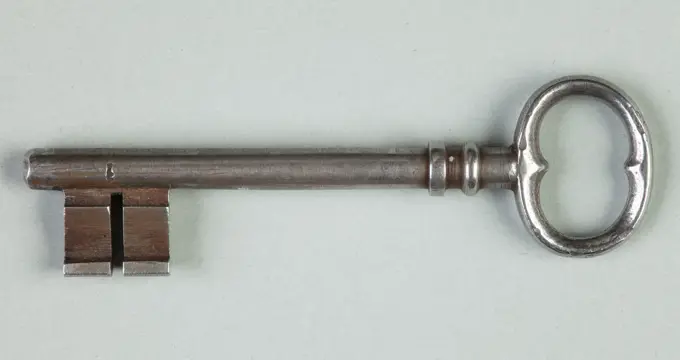
Key, c. 1800 - c. 1900 Key whose shaft is drilled cylindrical.  iron (metal) Key whose shaft is drilled cylindrical.  iron (metal)
Key, c. 1800 - c. 1900 Key whose shaft is drilled cylindrical. iron (metal) Key whose shaft is drilled cylindrical. iron (metal)
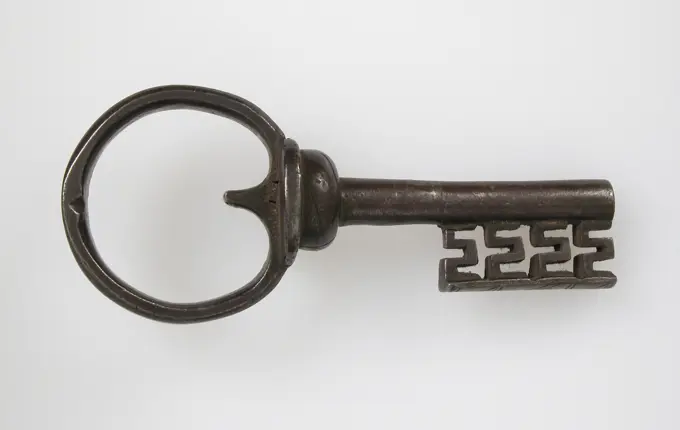
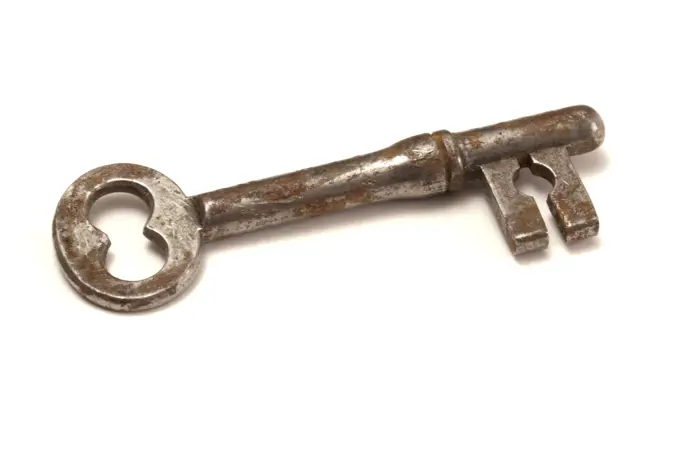
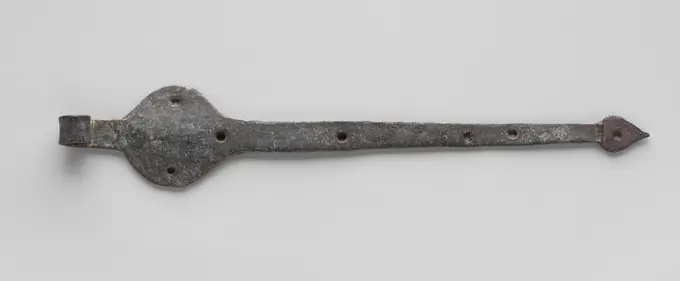
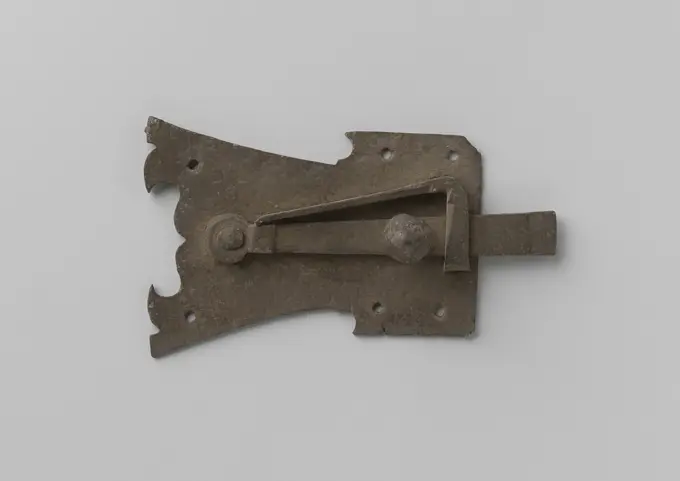
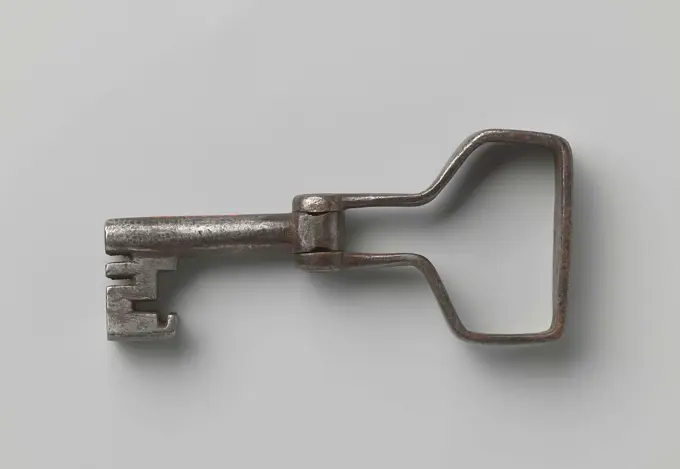
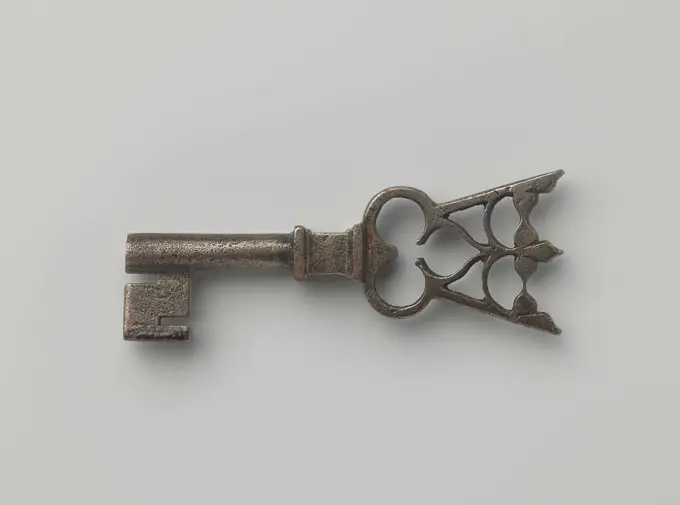
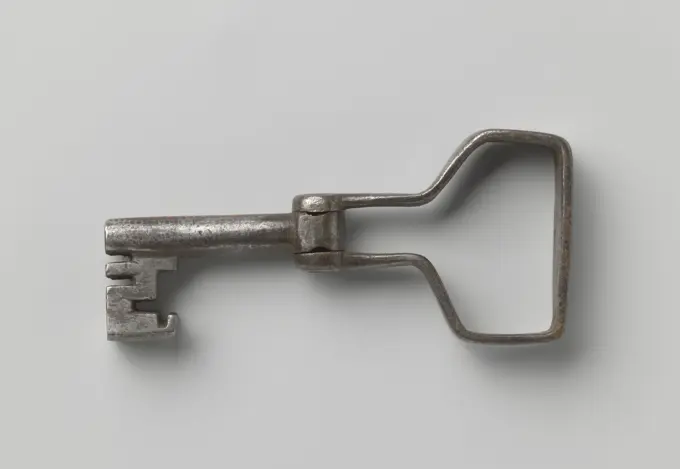
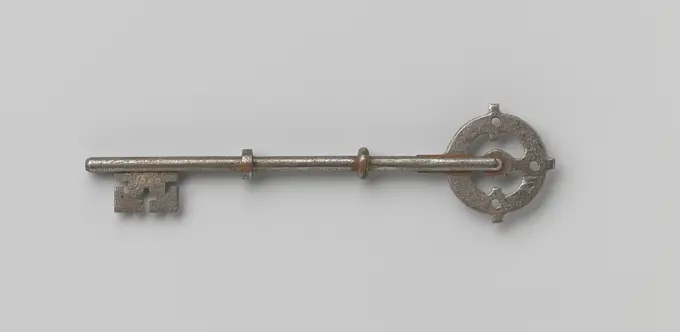
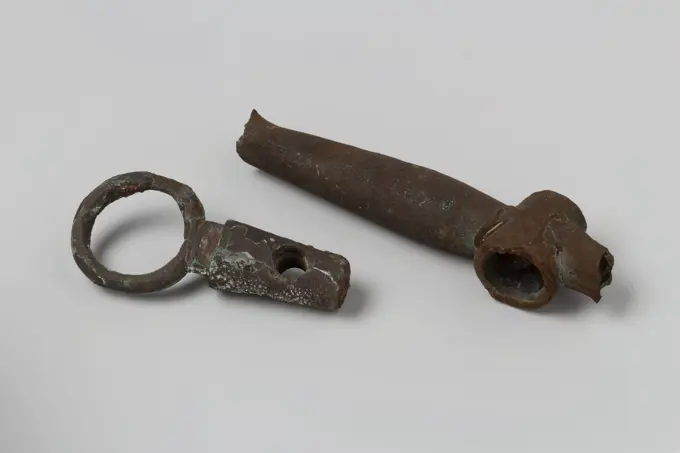
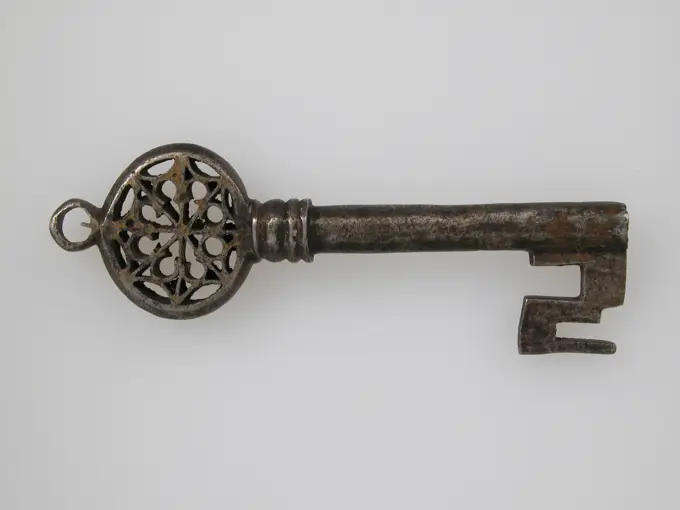
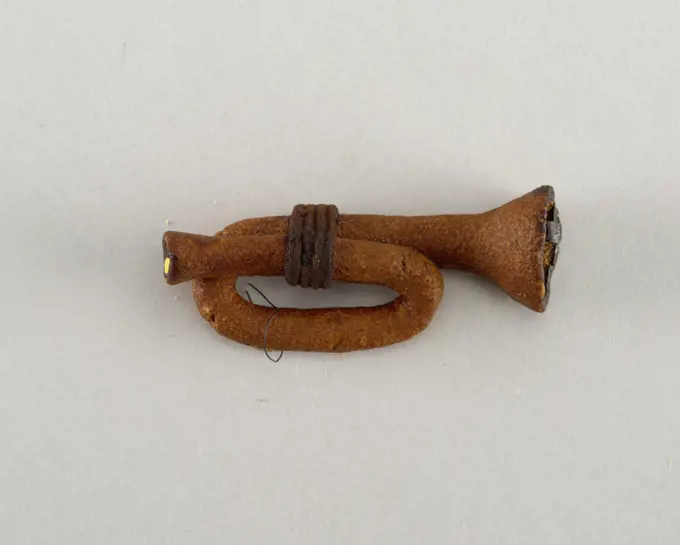
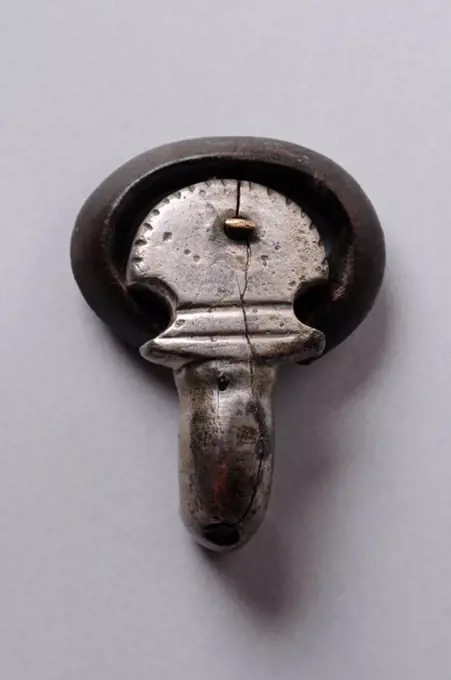
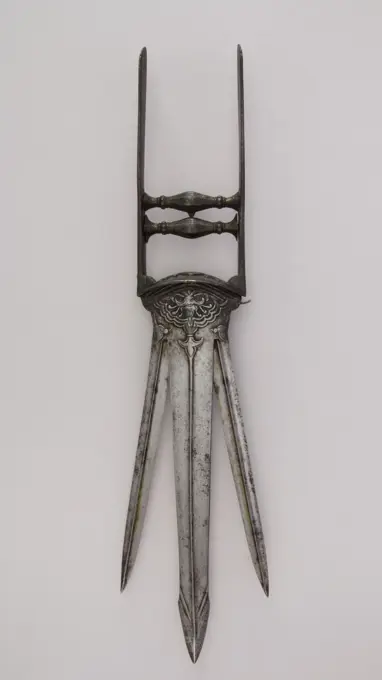
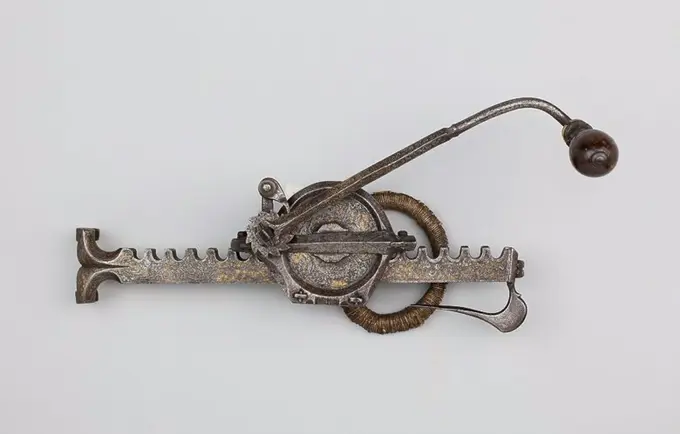
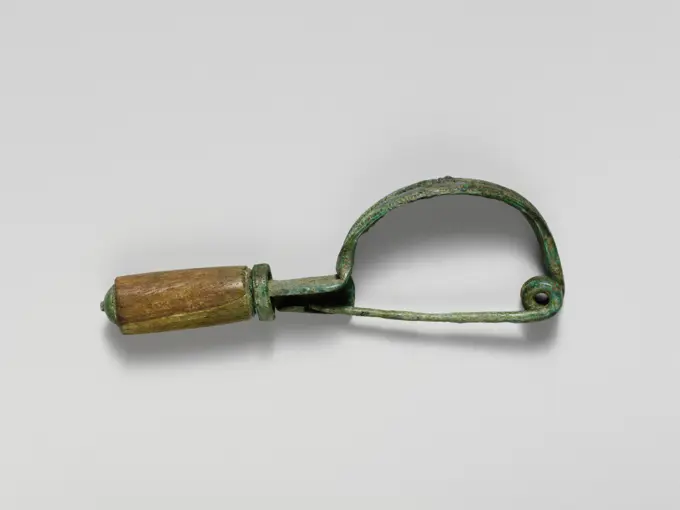
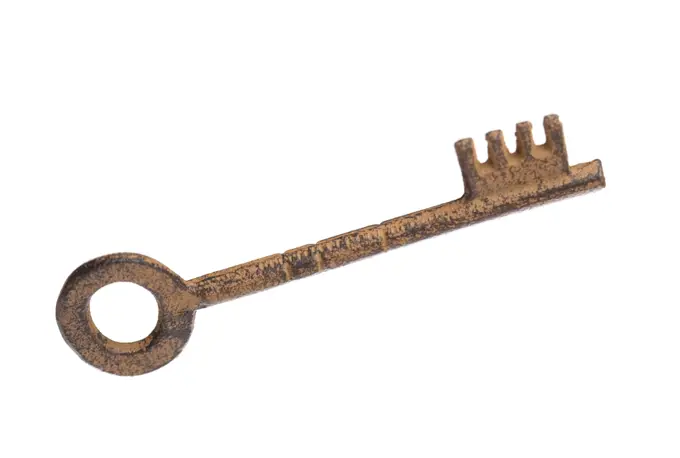
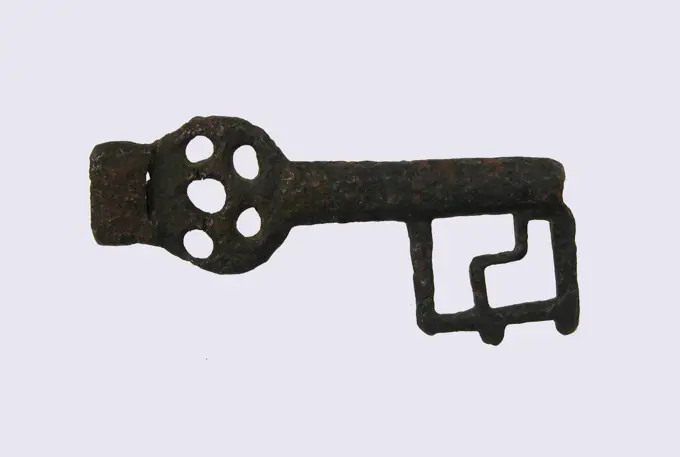
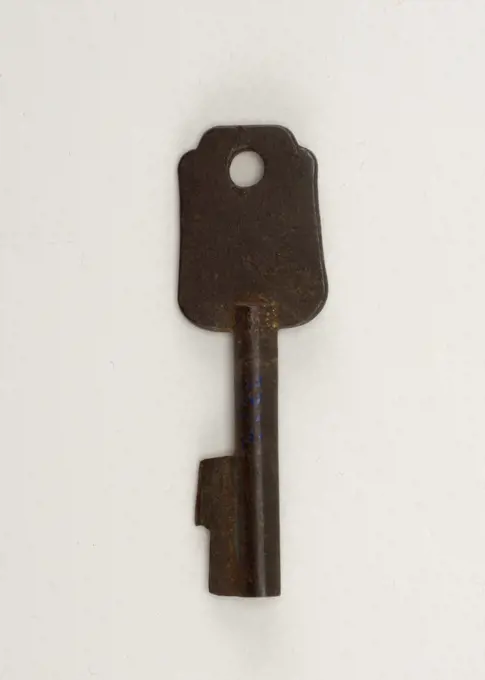
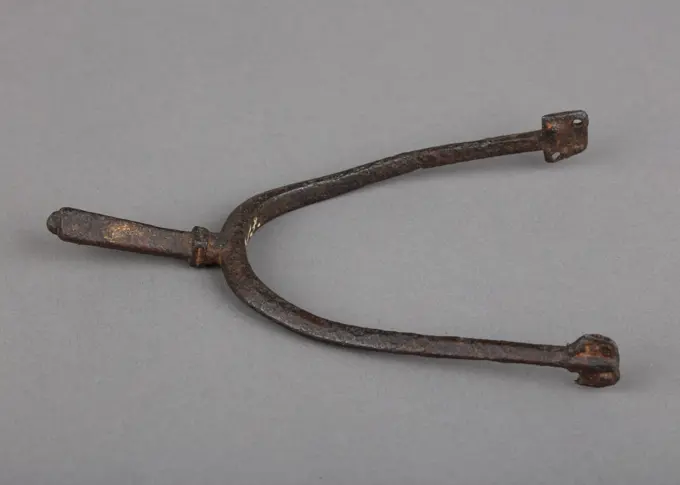
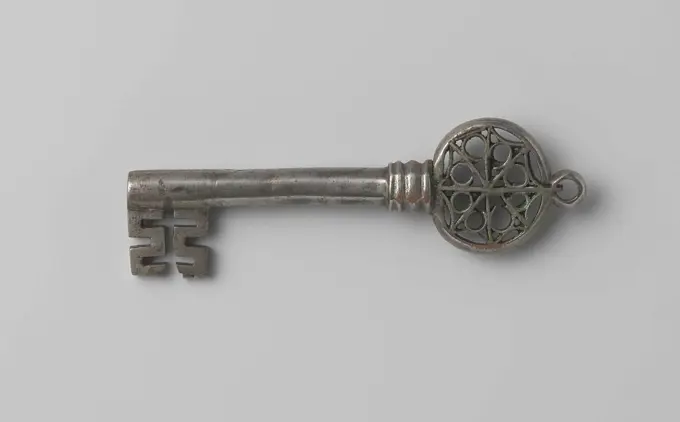
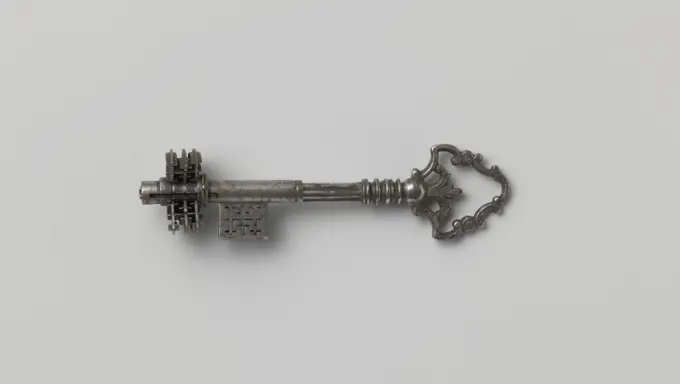
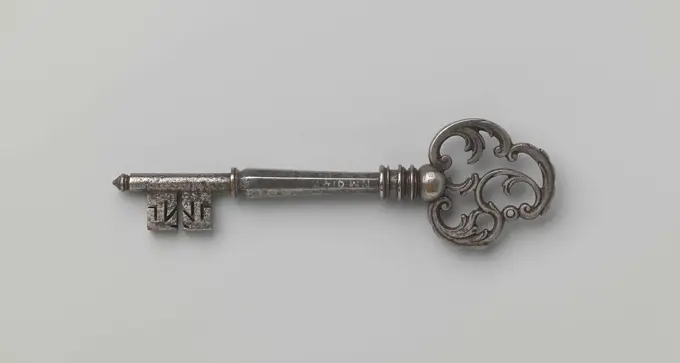
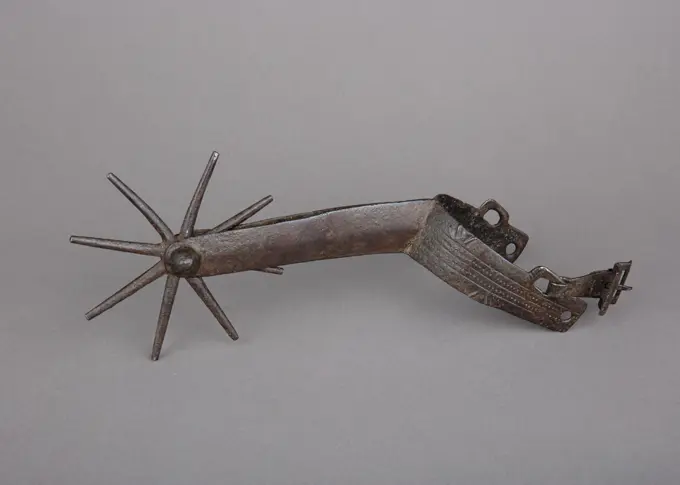
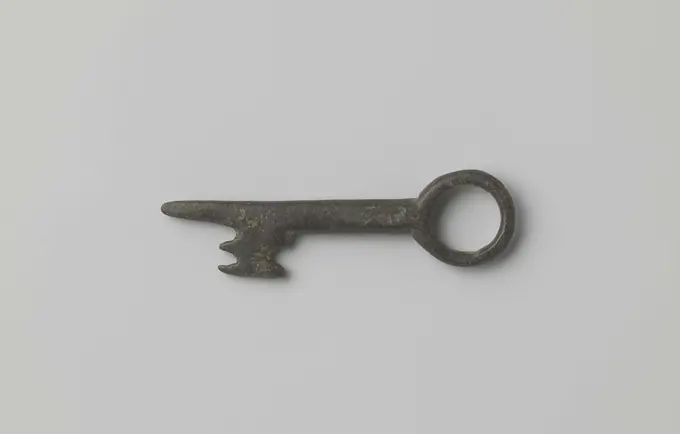
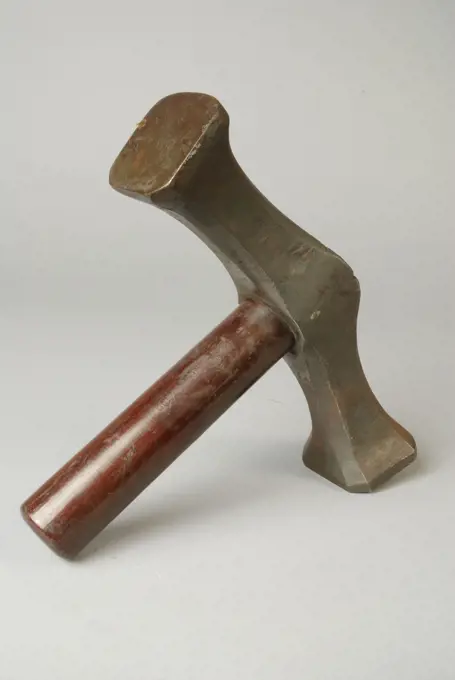
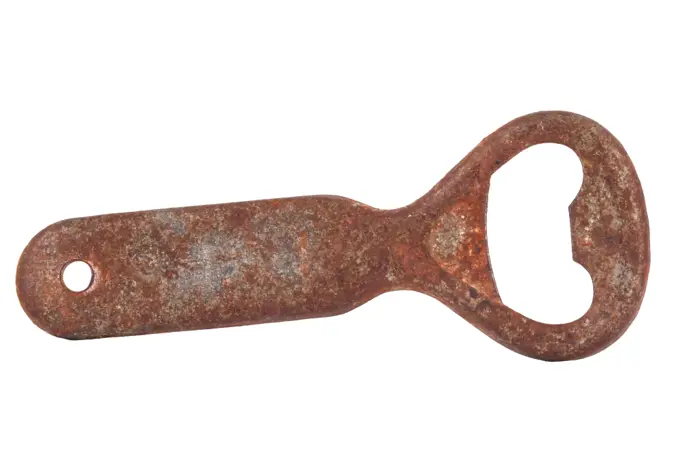
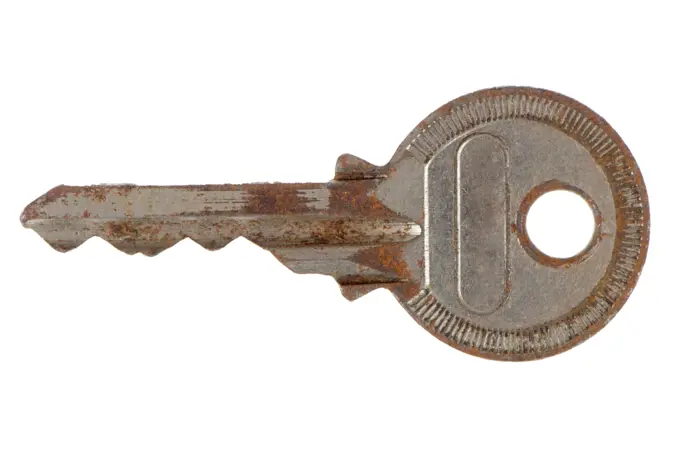
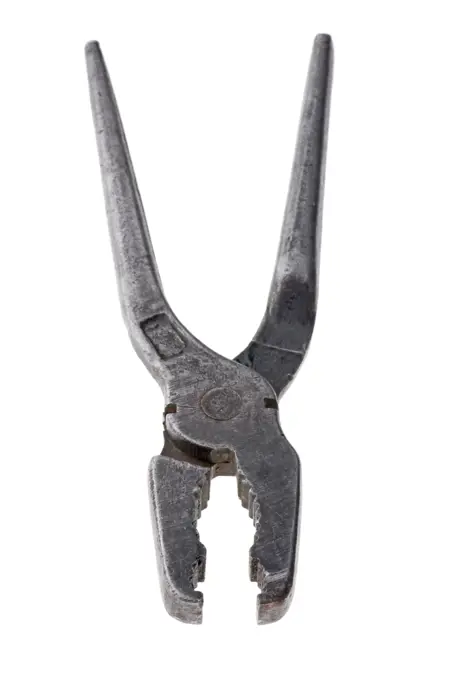
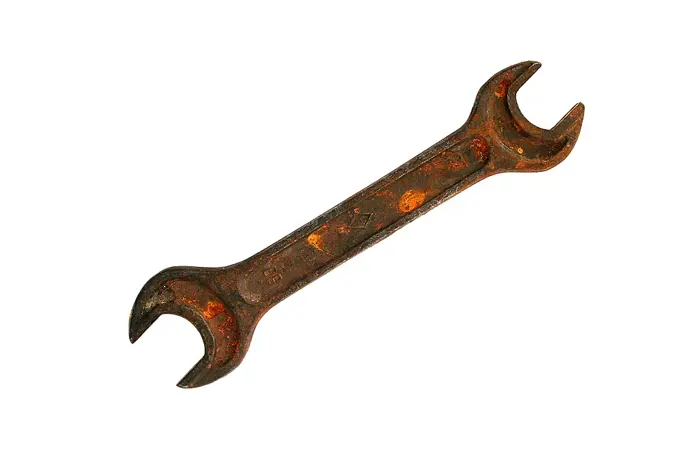
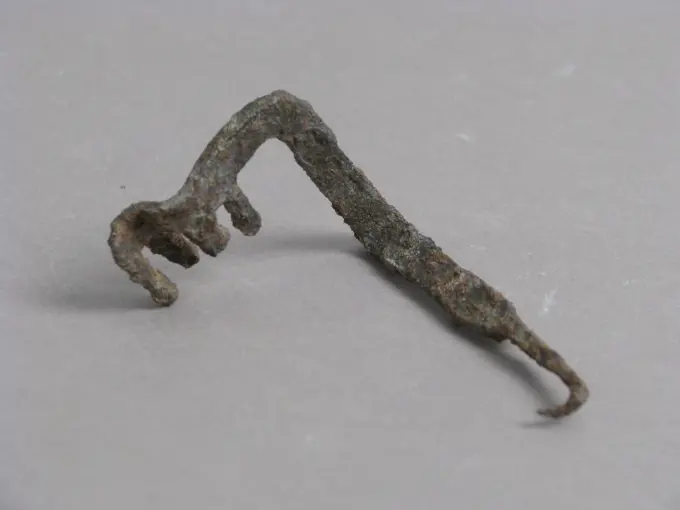
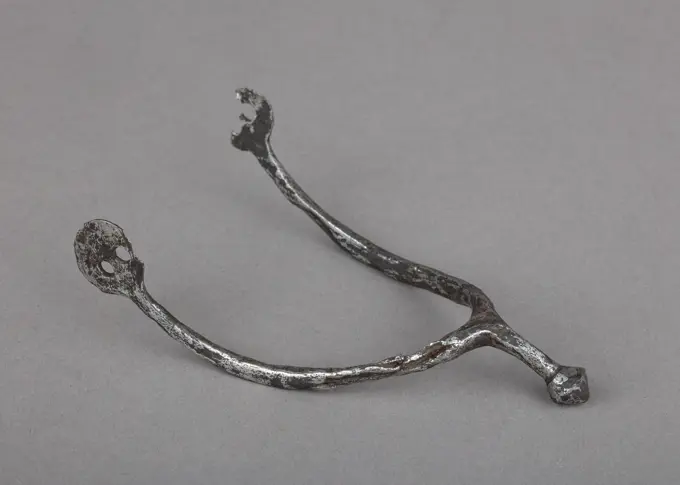
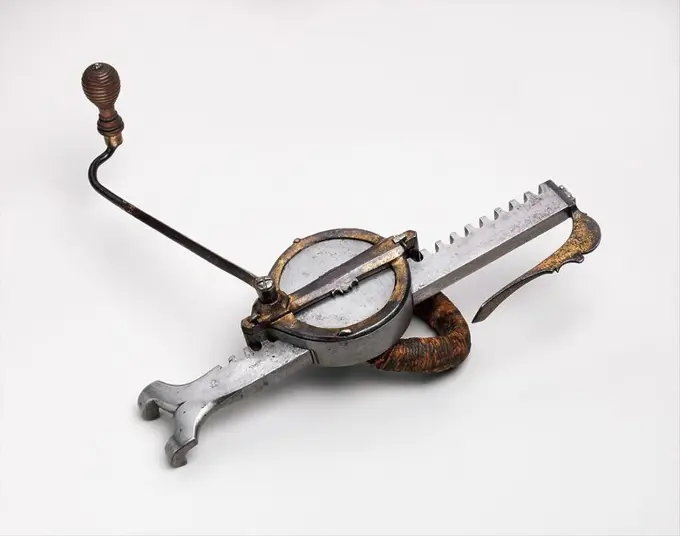
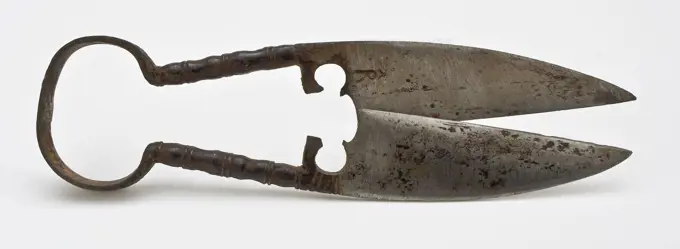
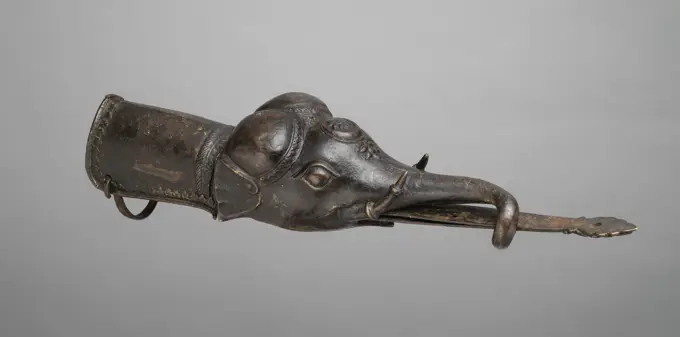
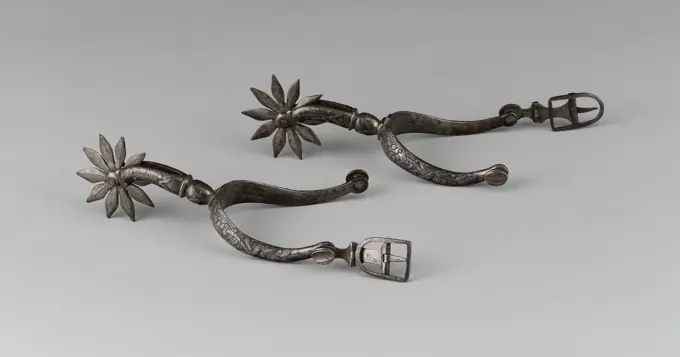
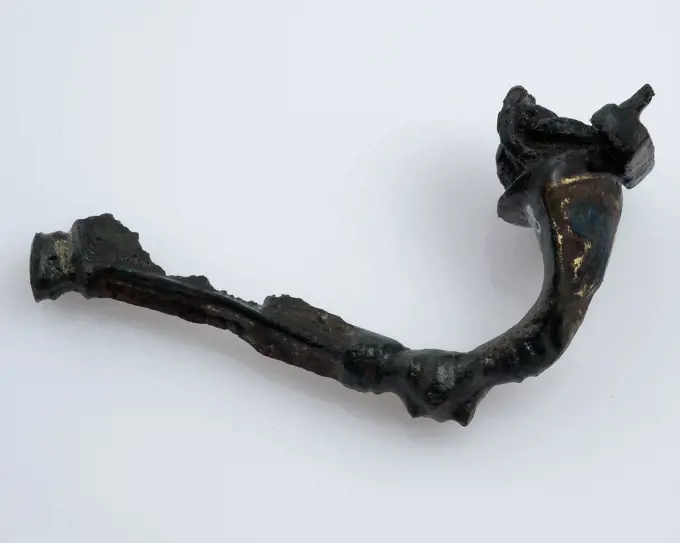
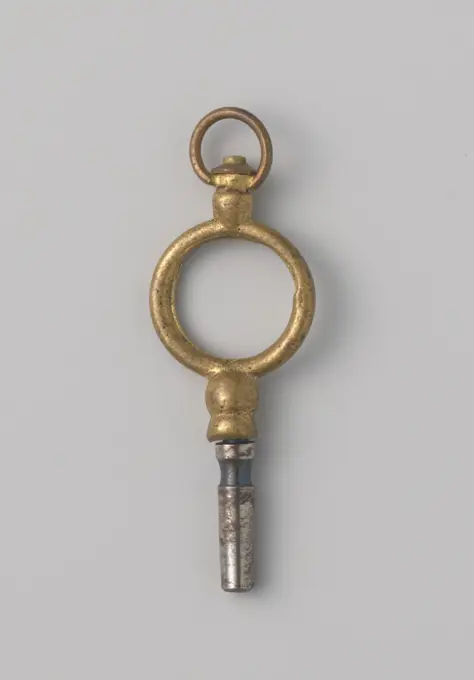
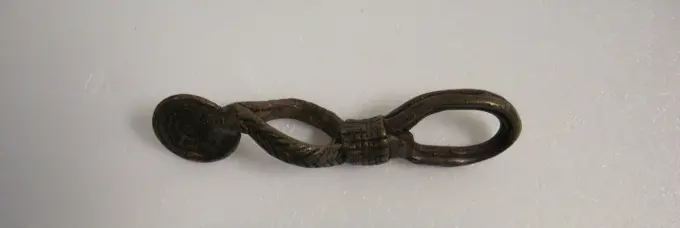
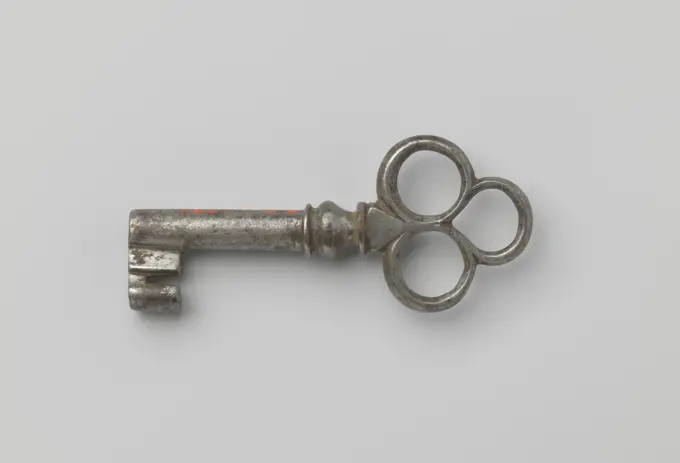
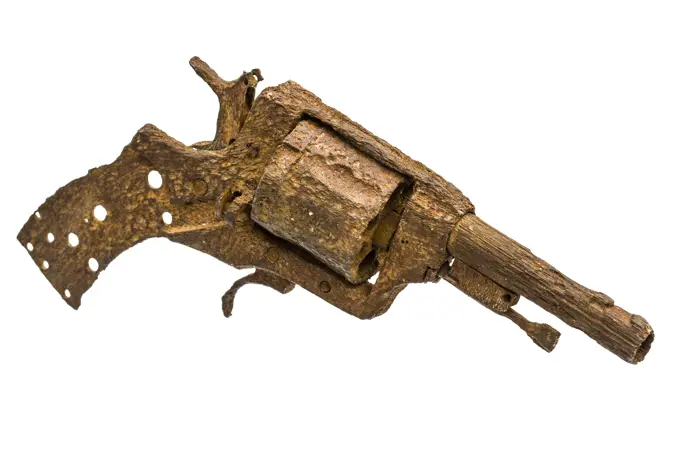
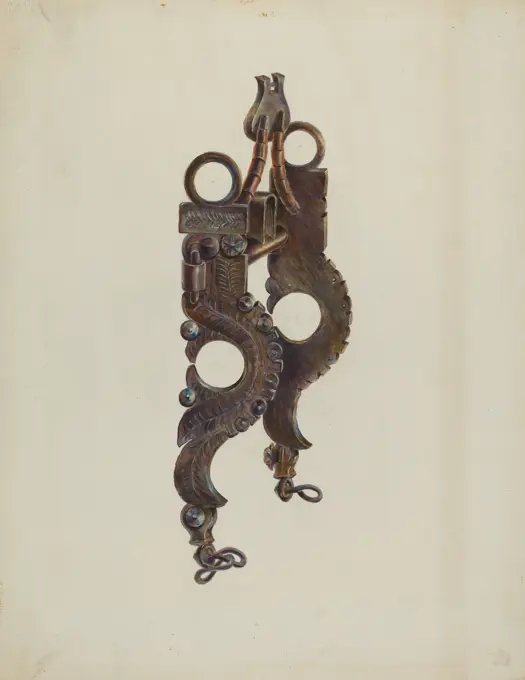
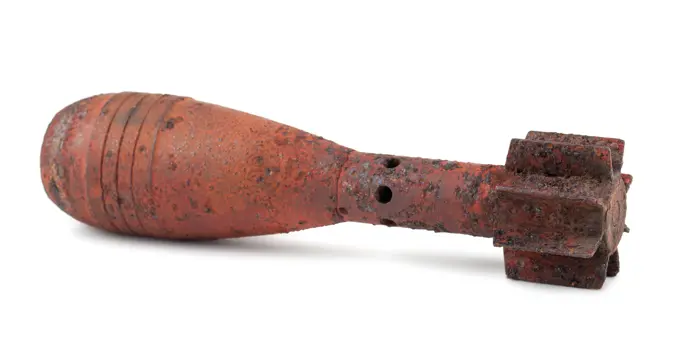
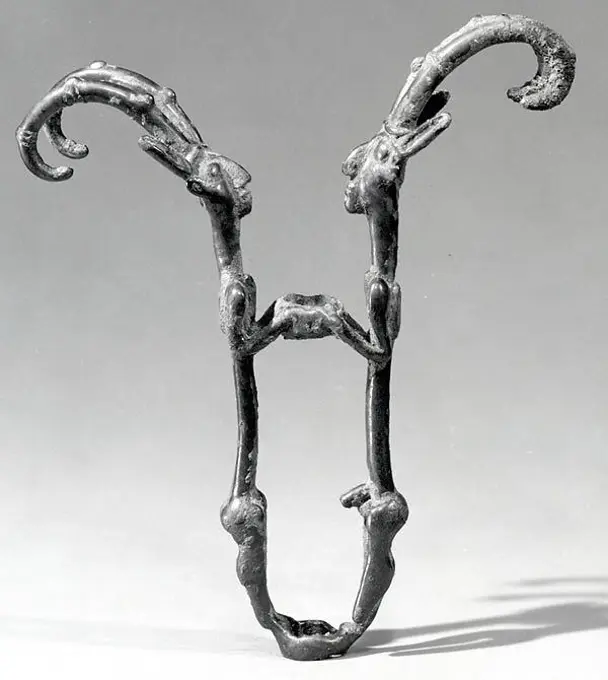
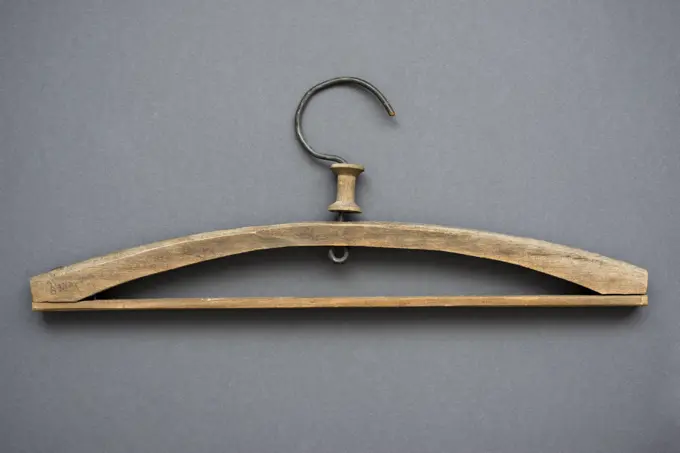
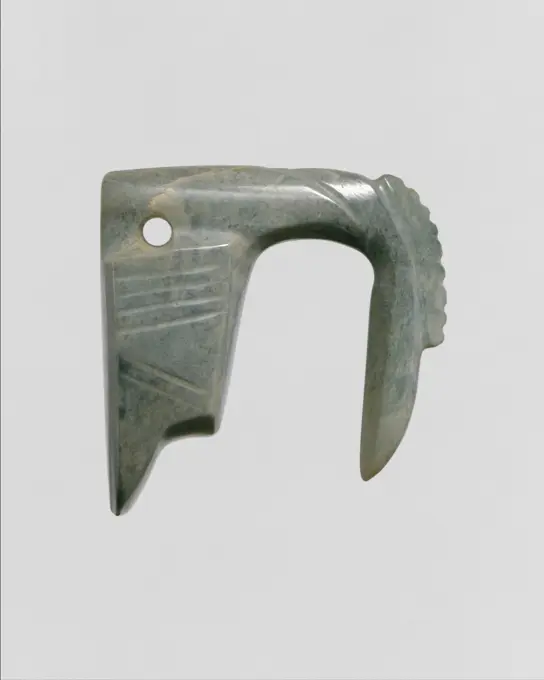
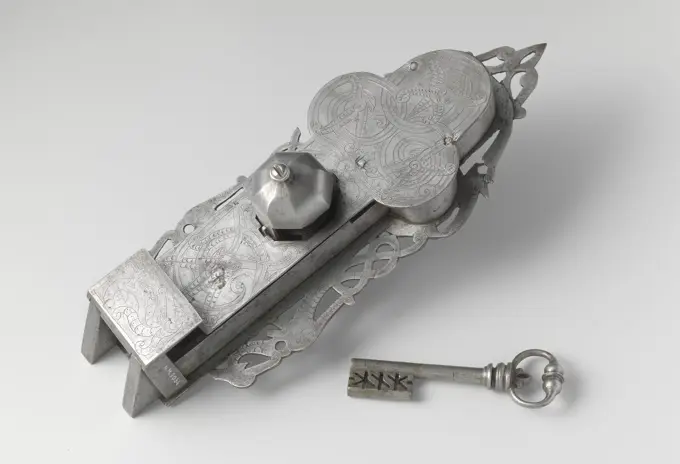
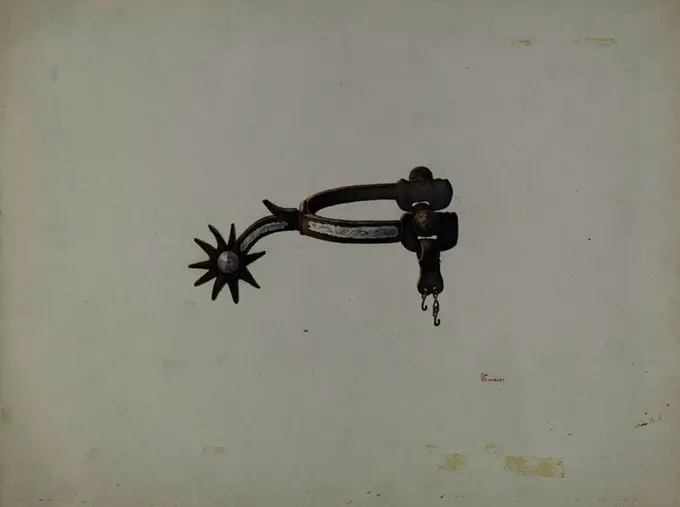
Key. Key with V-shaped grip, half of which is missing. There is a slot filted later in the shaft.Key 15th-16th century German The decoration of Gothic iron locks and keys was often elaborate and of the highest standard of workmanship. The motifs were frequently drawn from Gothic architecture, reproducing on a miniature scale complicated tracery patterns and even tiny statuettes. A number of these tiny locks were compound, with some of the mechanisms concealed from view, and required two or even three keys used in sequence to open them. It has been suggested that the greatly expanded use of locks on doors, or coffrets and other types of storage chests was a result of the increasing urbanization of life and the new emphasis on material wealth and private ownership which developed in the late Middle Ages.. Key 463371Sleutel.Key with diamond-shaped eye. This is grooved by lines; that cut each other on the corners.Key 13th or 14th century () French (). Key 462982Key, c. 1800 - c. 1900 Key whose shaft is drilled cylindrical.  iron (metal) Key whose shaft is drilled cylindrical.  iron (metal)Key 15th century German The decoration of Gothic iron locks and keys was often elaborate and of the highest standard of workmanship. The motifs were frequently drawn from Gothic architecture, reproducing on a miniature scale complicated tracery patterns and even tiny statuettes. A number of these tiny locks were compound, with some of the mechanisms concealed from view, and required two or even three keys used in sequence to open them. It has been suggested that the greatly expanded use of locks on doors, or coffrets and other types of storage chests was a result of the increasing urbanization of life and the new emphasis on material wealth and private ownership which developed in the late Middle Ages.. Key. German. 15th century. Iron. Metalwork-IronOld key isolated on white backgroundHinge 1700-1800 American The wrought iron produced for Dutch dwellings in upstate New York followed a utilitarian aesthetic. These door hinges feature a swelling, or nail pad, at the end closest to the doorjamb. The pads accommodated additional nails and thus strengthened the hinges attachment to the door. This design, based on hardware used throughout the Netherlands in the seventeenth and eighteenth centuries, is characteristic of hinges produced in Dutch communities in the Hudson River valley.. Hinge 4323Cut. An arrested single cut (tinned).Key 15th-16th century German The decoration of Gothic iron locks and keys was often elaborate and of the highest standard of workmanship. The motifs were frequently drawn from Gothic architecture, reproducing on a miniature scale complicated tracery patterns and even tiny statuettes. A number of these tiny locks were compound, with some of the mechanisms concealed from view, and required two or even three keys used in sequence to open them. It has been suggested that the greatly expanded use of locks on doors, or coffrets and other types of storage chests was a result of the increasing urbanization of life and the new emphasis on material wealth and private ownership which developed in the late Middle Ages.. Key 463374Folding key. Fold key whose wide handle over the beard and shaft can be folded.Pipe key. Pipe key whose handle clover-shaped is and excludes in a floured crown. Under the handle is a profiled four-sided capital.Vouwsleutel, c. 1800 - c. 1900 Folding key whose wide handle over the beard and shaft can be folded.  iron (metal) Folding key whose wide handle over the beard and shaft can be folded.  iron (metal)Ceremonies key. Ceremonies key whose round handle for half is clamped into the shaft. The latter is divided into three equal pieces by key breast and nodus.Key 15th century German The decoration of Gothic iron locks and keys was often elaborate and of the highest standard of workmanship. The motifs were frequently drawn from Gothic architecture, reproducing on a miniature scale complicated tracery patterns and even tiny statuettes. A number of these tiny locks were compound, with some of the mechanisms concealed from view, and required two or even three keys used in sequence to open them. It has been suggested that the greatly expanded use of locks on doors, or coffrets and other types of storage chests was a result of the increasing urbanization of life and the new emphasis on material wealth and private ownership which developed in the late Middle Ages.. Key. German. 15th century. Iron. Metalwork-IronEarl Butlin, Metal Door Lock, c 1937 Metal Door LockPipe key. Pipe key whose oval eye consists of two lack of leaf reflects placed on a vase-shaped cap. There is a slot filted later in the shaft.Personal effects.Each crewman had his own sea chest for his personal belongings. These wooden chests have since perished, only the locks and little keys remain. To kill time, the men made music and played sports. A drumstick and a flute were found on Nova Zembla. The ball is made of whalebone and was used to play kolven’, a kind of hockey. The little comb was used to remove headlice.Parts of the crane from the wreck of the East Indies Hollandia, Anonymous, 1700 - in Or Before 1743  Tap: fragm of tap id. NG 1979-521H, spout and end missing; spigot, id. NG 1980-27H903, arrester lug missing, marks partly legible. Netherlands copper (metal)   SecondKey Latch 1st-7th century Roman. Key Latch 462987Key 15th century German The decoration of Gothic iron locks and keys was often elaborate and of the highest standard of workmanship. The motifs were frequently drawn from Gothic architecture, reproducing on a miniature scale complicated tracery patterns and even tiny statuettes. A number of these tiny locks were compound, with some of the mechanisms concealed from view, and required two or even three keys used in sequence to open them. It has been suggested that the greatly expanded use of locks on doors, or coffrets and other types of storage chests was a result of the increasing urbanization of life and the new emphasis on material wealth and private ownership which developed in the late Middle Ages.. Key 468834Pipe key, c. 1500 - c. 1600 Pipe key with flat, openwork, oval handle. This is placed on a bullet that turns into the shaft after a profiling. France iron (metal) Pipe key with flat, openwork, oval handle. This is placed on a bullet that turns into the shaft after a profiling. France iron (metal)Key 15th century German The decoration of Gothic iron locks and keys was often elaborate and of the highest standard of workmanship. The motifs were frequently drawn from Gothic architecture, reproducing on a miniature scale complicated tracery patterns and even tiny statuettes. A number of these tiny locks were compound, with some of the mechanisms concealed from view, and required two or even three keys used in sequence to open them. It has been suggested that the greatly expanded use of locks on doors, or coffrets and other types of storage chests was a result of the increasing urbanization of life and the new emphasis on material wealth and private ownership which developed in the late Middle Ages.. Key 463331Handle with hinge. .Ornament, Christmas tree, Dough, Shape of a French horn, dark brown and red., USA, 1850-99, ornament, Decorative Arts, Ornament, Christmas treeSleutel.Key with a pointed shaft that goes past the deeply incised beard. Eye ring-shaped.Belt buckle , bronze and silver, kidney-shaped needle scutiform base decorated with incisions. Length 3, 8 cm Width 2, 5 cm thickness 1 cm (6 th CE )- Visigoth period, from the "Afflicted Necropolis " -Archaeological site of Complutum in Alcalá de Henares ( Madrid ). SPAIN.Dagger (Katar) 18th-19th century Indian. Dagger (Katar) 31717Cranequin (Winder) for a Sporting Crossbow. German; Mark: Star surmounted by the letters H W. Date: 1550-1600. Dimensions: L. (overall) 33.9 cm (13 3/8 in.) Wt. 5 lb. Steel with gilding, wood, horn, and cord. Origin: Germany. Museum: The Chicago Art Institute, Chicago, USA.Bronze bow-shaped fibula (safety pin) with bone cylinder 8th century B.C. Italic A wide bone cylinder is fixed to the clasp. On the exposed bronze portion of the clasp are incised zigzags and a swastika.. Bronze bow-shaped fibula (safety pin) with bone cylinder. Italic. 8th century B.C.. Bronze, bone. Geometric. BronzesRusty key isolated on white background.A photo of one old key on a over white backgroundKey 1st-7th century Roman. Key. Roman. 1st-7th century. Copper alloy. Metalwork-BronzeLock and key, Iron, Orb form with keyhole., early 19th century, metalwork, Decorative Arts, Lock and keySleutel.Key with bean-shaped eye, profiled shaft ending under the beard in a button. The key chest is located just above the beard.Key, Iron, Spain, 18th century, metalwork, Decorative Arts, KeyPrick Spur 10th-11th century European, possibly Germany The prick spur was the first type of spur to be invented, and it consists of a goad or prick, more or less pointed, connected to side arms or a heel plate. The earliest spurs were probably simple thorns attached at the back of the heel, before they started to be made out of metal in antiquity. Prick spurs were the main type of spurs used in the Middle Ages until the mid-14th century, when they were supplanted by rowel spurs, which appeared in Europe a century before and with which they had cohabitated for a time. As a knights status was closely related to his horse, spurs became one of the symbols of chivalry, and one of the tokens given to him during his knighting.. Prick Spur. European, possibly Germany. 10th-11th century. Iron alloy. Equestrian Equipment-SpursSleutel van ijzer.Iron key with cut-away eye and square beard, completely turned out of hand.Interior of a lock with key, c. 1400 - c. 1950 Interior of a lock with key.  iron (metal) Interior of a lock with key.  iron (metal)Key 15th century German. Key 463335Key, c. 1700 - c. 1800 Key with hold consisting of two leaf voltuten a coat of arms and crown. The beard is Z-shaped.  iron (metal) Key with hold consisting of two leaf voltuten a coat of arms and crown. The beard is Z-shaped.  iron (metal)Sleutel.Key. Steel: octagonal, to the ring narrower. Ring: asymmetrical sheet tubes. Beard: divided into two halves, with straight fronts, in both halves of symmetrical notchesRowel Spur (Right) ca. 1500 Hungarian In the 15th century, rowel spurs with very long necks were of common use in western Europe. At this period, the elevated war saddles and the very specific riding style, with long stirrup leathers and legs extended forward, had the consequence of taking away the riders feet from the horses flank. Thus, these long necks gave them easier access without having to disturb the riders position.. Rowel Spur (Right). Hungarian. ca. 1500. Iron alloy. Equestrian Equipment-SpursSleutel van brons.Bronze key, with round ring, zig-saw shaped beard and long pointed point.Copper or bronze tap (with non-associated stop 15635), stylized spout, tap part soil find copper bronze metal, Spout in the shape of stylized animal head archeology crane barrel beer wineBatter ..Key. Key with annular eye on octagonal capital and short shaft. The two-part beard is perpendicular to the eye.KeyNutcracker with dragon head ,, 1700 - 1800 A forged iron nutcracker, decorated and engraved in different places with copper. The mouth wears a dragon head on either side. France (possibly) iron (metal) forging / engraving A forged iron nutcracker, decorated and engraved in different places with copper. The mouth wears a dragon head on either side. France (possibly) iron (metal) forging / engravingBrass buckle with serrated half-round side, buckle fastener part soil find copper brass metal, cast Copper buckle with serrated half round side. Rectangular model with thickening at the height of the middle post archeology Rotterdam rail tunnel attaching clinging up the footwear Soil discovery: trajectory Rotterdam rail tunnel.Pewter hammer, hammer from casting, hammer tool kit metal iron wood varnish, forged Hammer Short round wooden handle. Elongated and curved head with two striking surfaces constricted on both sides of the handle. The striking surfaces have bevelled corners and are slightly round at the top. Decorated with double grooves over the head. Struck marks struck initials of the owner: TG (badly readable) tin foundry tin pewter craft craft driving hammer polishing hammer metal processing Meeuws Originating from collection Meeuws.Brooch -Batter, c. 1400 - c. 1950   iron (metal)   iron (metal)This is a very rusty bottle opener on the white background. And unhygienic object.Old rusty key isolated on white background.Handle, oval and twisted with two lissen of a box, anonymous, c. 1590 - c. 1596 chest. fragment Handle, oval in shape and twisted with two lissen of a box.  iron (metal) forging  Nova Zembla. Saving HuysPipe key, c. 1800 - c. 1900 Pipe key with a handle consisting of a laurel wreath to which a ribbon is tied and the ends of which are hanging from below against a circular capital. An eagle is attached to one side of the handle. Handle and capital of gilded copper, shaft and beard of iron.  iron (metal). copper (metal) gilding Pipe key with a handle consisting of a laurel wreath to which a ribbon is tied and the ends of which are hanging from below against a circular capital. An eagle is attached to one side of the handle. Handle and capital of gilded copper, shaft and beard of iron.  iron (metal). copper (metal) gildingobject on white - tool combination pliersBronze serpentine-type fibula (safety pin) with two rings 9th century B.C. Villanovan The bow is formed by two loops with cross-pieces. The head consists of a knob. The pin is strung with two rings.. Bronze serpentine-type fibula (safety pin) with two rings 246336Old key nut isolated on whiteNail nippers on white backgroundKey 4th-7th century Coptic. Key 475432Prick Spur 12th-13th century German The prick spur was the first type of spur to be invented, and it consists of a goad or prick, more or less pointed, connected to side arms or a heel plate. The earliest spurs were probably simple thorns attached at the back of the heel, before they started to be made out of metal in antiquity. Prick spurs were the main type of spurs used in the Middle Ages until the mid-14th century, when they were supplanted by rowel spurs, which appeared in Europe a century before and with which they had cohabitated for a time. As a knights status was closely related to his horse, spurs became one of the symbols of chivalry, and one of the tokens given to him during his knighting.. Prick Spur. German. 12th-13th century. Iron alloy. Dolkheim. Equestrian Equipment-SpursKey. .Subject from the wreck of the East Indians Meresteijn, Anonymous, 1693 - 1702  Copper home on a pin with thread. This object is part of a different object, namely: to the Borgpen NG-1975-79A-ME. The pen was beaten by the ring that was attached to a coffin, for example. The curved point of the pen then hooked into the lid and held it in place. Handle Eye. Netherlands copper (metal)   Cape of Good HopeLarge Cranequin. Culture: German, possibly Saxony. Dimensions: L. 18 9/16 in. (47.1 cm); W. 5 3/4 in. (14.7 cm); Wt. 12 lb. 14 oz. (5,838 g). Date: ca. 1575-1650. Museum: Metropolitan Museum of Art, New York, USA.Pinch cutter with two sharp blades, pinch cutter scissor cutting tool soil finds iron metal, Iron scissors. Pinch cutter without fixed middle piece. Sharpened cutting blades with marks on both sides. Knobby decoration over the legs, rectangular stamp mark unreadable archeology tailor craftAl-Zahrawi's Surgical Tools for Bone Surgery.Hilt of a Gauntlet Sword (Pata) 17th-18th century Indian A weapon unique to India, the gauntlet sword, or pata, is characterized by a hilt that fits snugly over the hand, wrist, and lower forearm like a rigid metal gauntlet, typically fitted with a long, straight, double-edged European blade. The majority of such hilts have a smooth outline comprising a bulbous section and a flaring semi-conical cuff. Often they are embellished with chiseled, raised, and pierced ornament, alone or in conjunction with damascening in gold or silver, differing widely in the extent and quality of the decoration. Very few gauntlet swords, however, have hilts that are embossed to represent animals, actual or mythical. Most of these are executed in steel, with the figures rendered in low relief in a very stylized fashion. This hilt is exceptional for its naturalistic rendering, worked almost fully in the round, of the lifelike head of an elephant with its tusks raised and its trunk extended, possibly represenPair of Spurs Made 1600-1633 Europe. Iron and silver .Bronze fibula or mantle pin decorated with enamel, part of the needle remains, fibula fastener soil find bronze metal enamel, cast whipped drawn bronze fibula or mantelpiece. Curved back. At the widest piece inlaid with enamel archeology Spijkenisse Roman time early Middle Ages dress fastening pins Soil discovery Spijkenisse.Key on Ring 395-640 Byzantine. Key on Ring 474442Slot plat, c. 1400 - c. 1950 A lock plate with robbery. Gothic.  iron (metal) A lock plate with robbery. Gothic.  iron (metal)Screw tensioner. Prototype of a screw key with a maximum opening of six centimeters. Beak to both sides. D.M.V. A rotating handle can be opened and closed (closing in the direction of the clock). Scale 1: 1.Key;  XVII century (1601-00-00-1700-00-00);Sleutels, in or before 1885 A 19 keys, probably from the Receiver General, served to open the money boxes of the special recipients. Bound to boards (labels) with the names of Schoonhoven No 1 with two keys, no 2 with three keys; Gouda No 6 with three keys; Dordrecht No 8 with three keys, no 9 with two keys, no 7 with three keys; Gorinchem No 5 with three keys. Furthermore, a key on which a parchment, on which 'key of the coffer with iron tires, standing on the Camer 1691' and five keys, one of 1798. None of them of all of a special shape.  iron (metal)   Gouda. Gorinchem. Dordrecht. Schoonhoven A 19 keys, probably from the Receiver General, served to open the money boxes of the special recipients. Bound to boards (labels) with the names of Schoonhoven No 1 with two keys, no 2 with three keys; Gouda No 6 with three keys; Dordrecht No 8 with three keys, no 9 with two keys, no 7 with three keys; Gorinchem No 5 with three keys. Furthermore, a key on which a parchment, on which 'key of theKey belonging to a rehearsal watch with a music trophy, c. 1785 - c. 1800 Key belonging to a rehearsal watch with a music trophy. France (possibly) gold (metal). silver (metal) Key belonging to a rehearsal watch with a music trophy. France (possibly) gold (metal). silver (metal)Goldweight Linked Knots, 19th-20th century, 2 1/2 x 5/8 x 9/16 in. (6.35 x 1.59 x 1.43 cm), Brass, Ghana, 19th-20th centuryPipe key, c. 1600 - c. 1699 Pipe key with handle composed of three eyes. Capital vase.  iron (metal) Pipe key with handle composed of three eyes. Capital vase.  iron (metal)Door Handle 15th-16th century European. Door Handle. European. 15th-16th century. Iron. Metalwork-IronSmallsword 1665-1685 Europe. Steel, gold, copper, and wood .Old rusty pistol, Isolated on white background Old rusty pistol, Isolated on white background Copyright: xZoonar.com/OleksandrxKostiuchenkox 8903415Old pliers isolated on white background Brooch -Gerald Transpota, Bit, c 1937 BitOld Wooden Carpenter Plane CutoutBird Ornament 2nd-3rd century Moche (). Bird Ornament 313421Hook out the wreck of the East Indiesman Hollandia. Hook. Hook; (1) Double Wire, Looped, With 2 Lateral Circular Fastening-Loops at Upper End.Old hacksaw Old hacksaw isolated on white background Copyright: xZoonar.com/AndreyxEreminx 2925340Rusty mortar shell Rusty mortar shell isolated on white background Copyright: xZoonar.com/AndreyxEreminx 5714630Top for standard ca. 8th-7th century B.C. Iran. Top for standard. Iran. ca. 8th-7th century B.C.. Bronze. Iron Age III. Iran, probably from Luristanvintage hanger vintage wooden hanger isolated on gray Copyright: xZoonar.com/YuryxZapx 13662388Bird Pendant 4th-8th century Guanacaste-Nicoya. Bird Pendant 316783Ranked, anonymous, c. 1780 Ranket. A wooden cylinder in which the tube has been drilled six times with two rows of three at the front, two inches at the rear and two holes with a wooden funnel on either side of the cylinder, below and above a copper band and a copper tube on which the mouth cane is confirmed. musical instrument maker: Netherlandsmusical instrument maker: Nijmegen fruitwood. brass (alloy). cork (bark) Ranket. A wooden cylinder in which the tube has been drilled six times with two rows of three at the front, two inches at the rear and two holes with a wooden funnel on either side of the cylinder, below and above a copper band and a copper tube on which the mouth cane is confirmed. musical instrument maker: Netherlandsmusical instrument maker: Nijmegen fruitwood. brass (alloy). cork (bark)Slot, anonymousSpur. Dated: c. 1940. Dimensions: overall: 26.8 x 35.6 cm (10 9/16 x 14 in.) Original IAD Object: 5 1/4" long; 3 1/2" wide. Medium: watercolor, graphite, and colored pencil on paper. Museum: National Gallery of Art, Washington DC. Author: Hal Blakeley.Sign in the form of a key, 1000 - 2000   iron (metal)   iron (metal)Shoe or muzzle with soles of wood that hinges in the bow of the foot, c. 1800 - c. 1900 Shoe or muzzle with soles of wood hinged in the bow of the foot. President and heel of leather, square nose. Heel band and buckles of copper. Netherlands schoen: leather. zool: wood (plant material). copper (metal) Shoe or muzzle with soles of wood hinged in the bow of the foot. President and heel of leather, square nose. Heel band and buckles of copper. Netherlands schoen: leather. zool: wood (plant material). copper (metal)Ear pendant 500 B.C.-A.D. 300 Vietnam (North, Sa Huynh Culture). Ear pendant. Vietnam (North, Sa Huynh Culture). 500 B.C.-A.D. 300. Stone. Bronze and Iron Age period. JewelryHinge lorgnet with copper frame in turtle steel inlaid with mother -of -pearl and copper, anonymous, c. 1845 - c. 1865 Hinge lorgnet with copper frame in turtle steel inlaid with mother -of -pearl and copper. Turtle inlaid with mother -of -pearl and copper, pattern of flowers, sling, twigs and coat of arms. Rectangular glasses in copper, hinged in the double nose bridge and one of the corners, so that it disappears in a rectangular, open, box of stone, two extended ends: for the eye for a ribbon and as a handle; For the hinge. Netherlands (possibly) Glasses: Glass. frame: copper (metal). Steel:. Mother of Pearl grinding / forging / inlay (process) Hinge lorgnet with copper frame in turtle steel inlaid with mother -of -pearl and copper. Turtle inlaid with mother -of -pearl and copper, pattern of flowers, sling, twigs and coat of arms. Rectangular glasses in copper, hinged in the double nose bridge and one of the corners, so that it disappears in a rectangular, open, box of stone, two ex