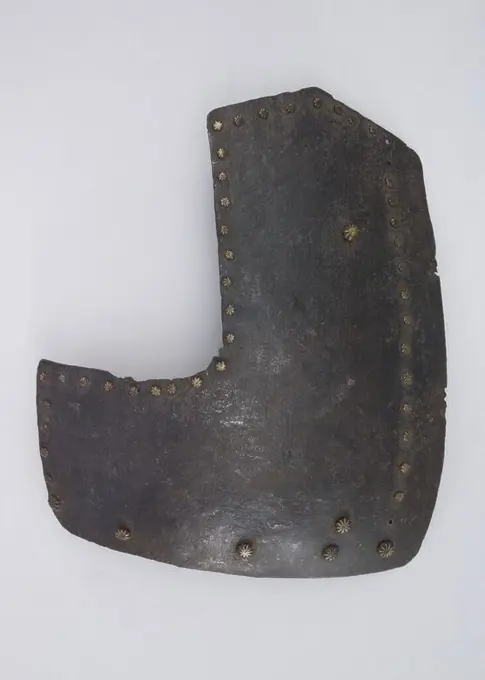
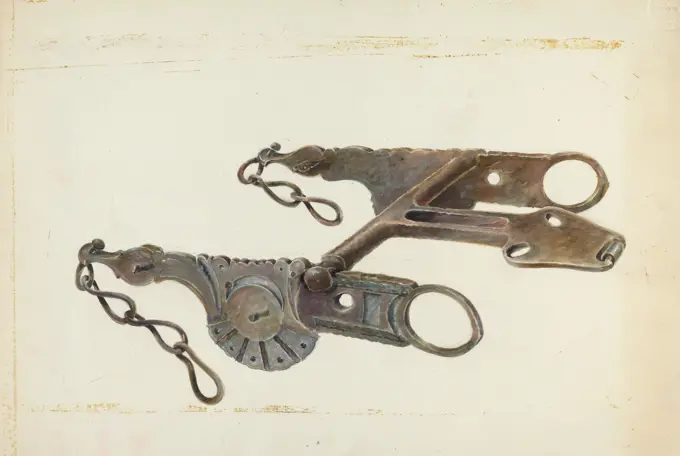
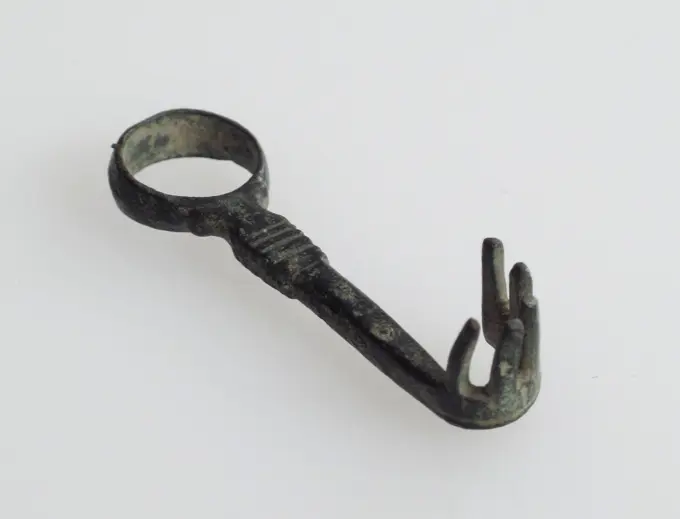
Vintage Keys

An array of antique keys with unique designs from different eras, illustrating craftsmanship and style in metalwork.

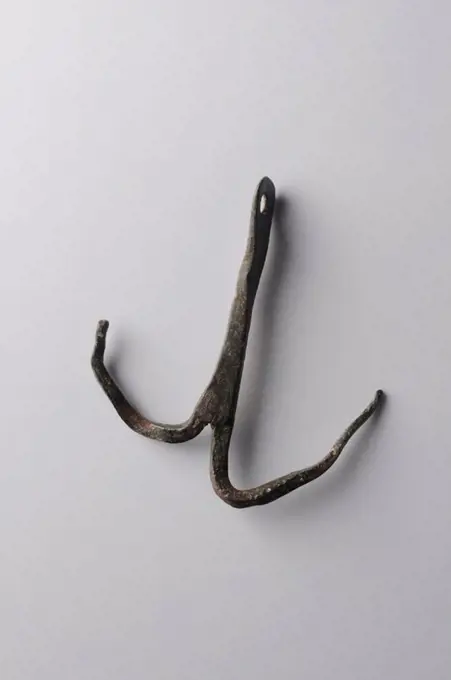
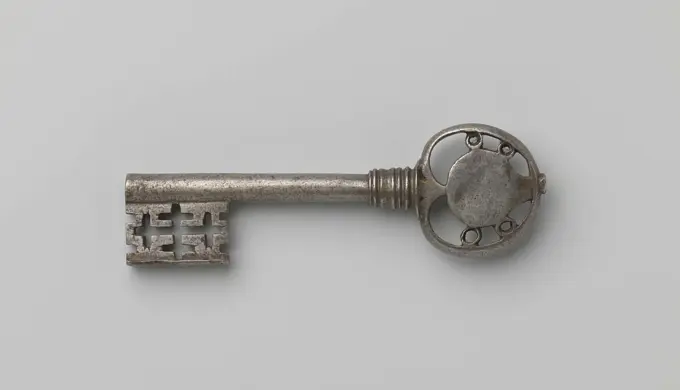
Key, c. 1800 - c. 1900 Key whose shaft is drilled cylindrical.  iron (metal) Key whose shaft is drilled cylindrical.  iron (metal)
Key, c. 1800 - c. 1900 Key whose shaft is drilled cylindrical. iron (metal) Key whose shaft is drilled cylindrical. iron (metal)
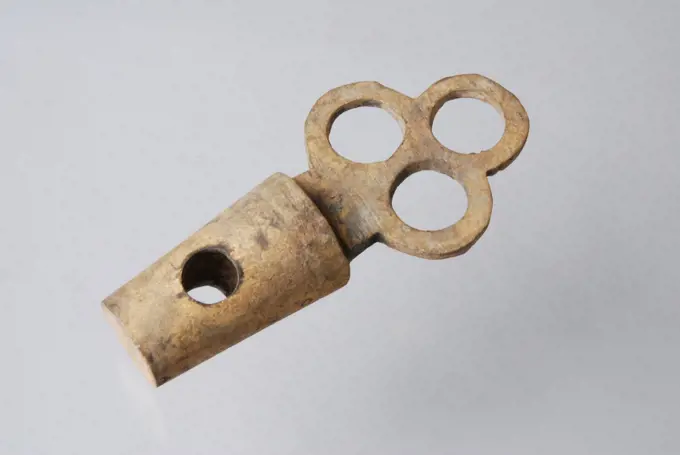
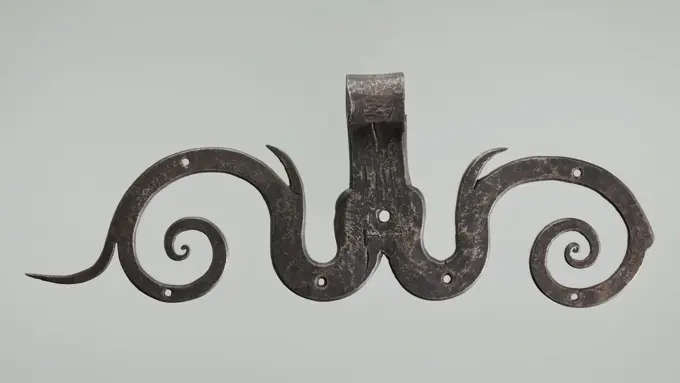
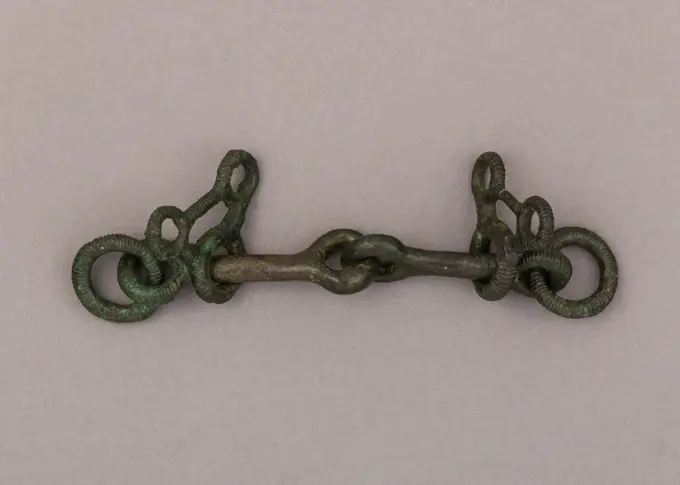
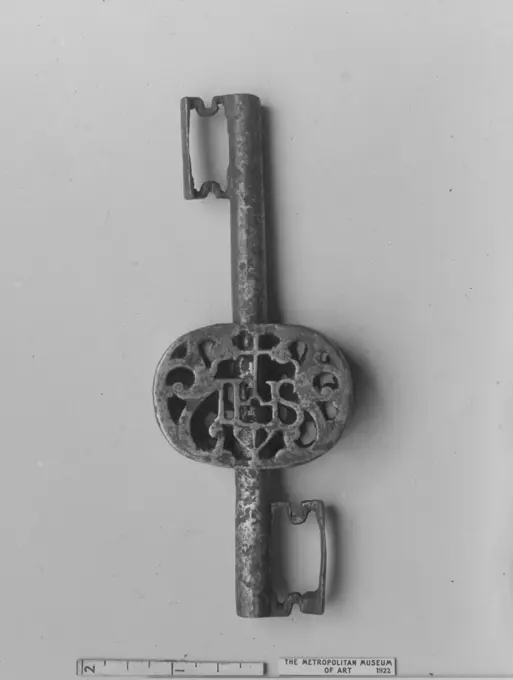
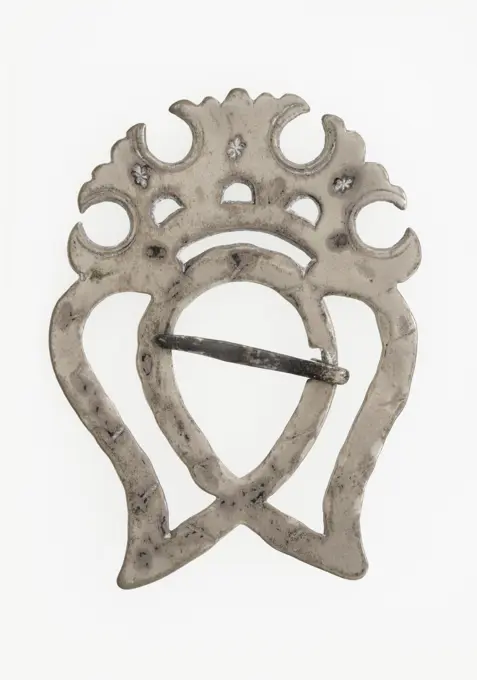
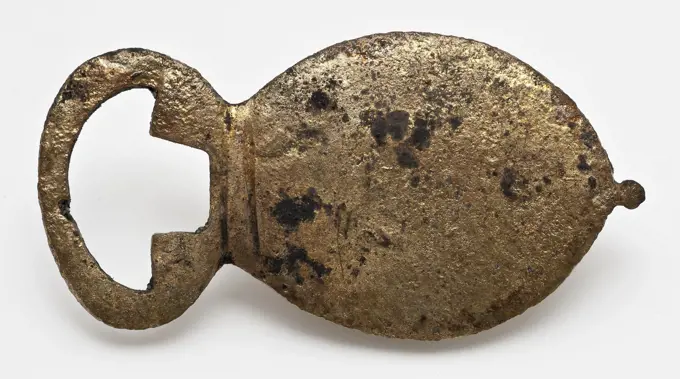
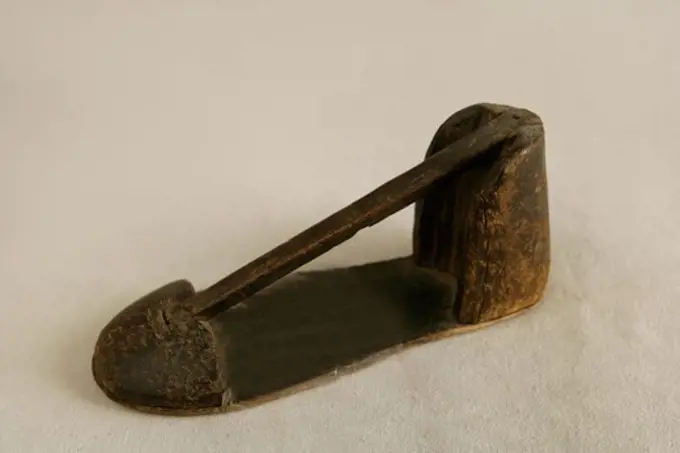
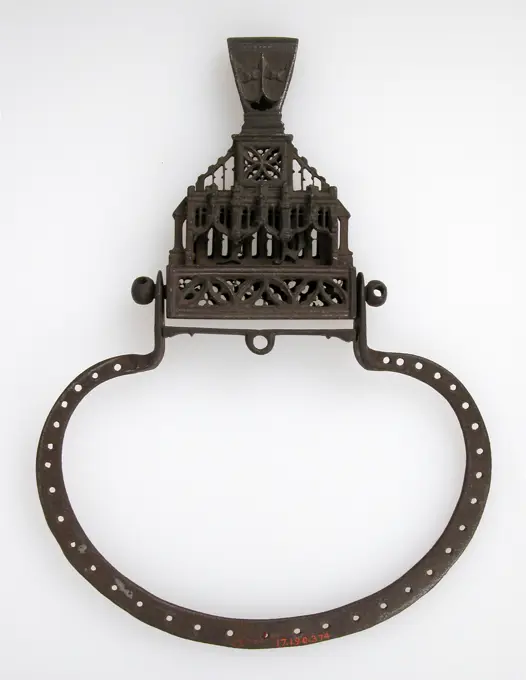
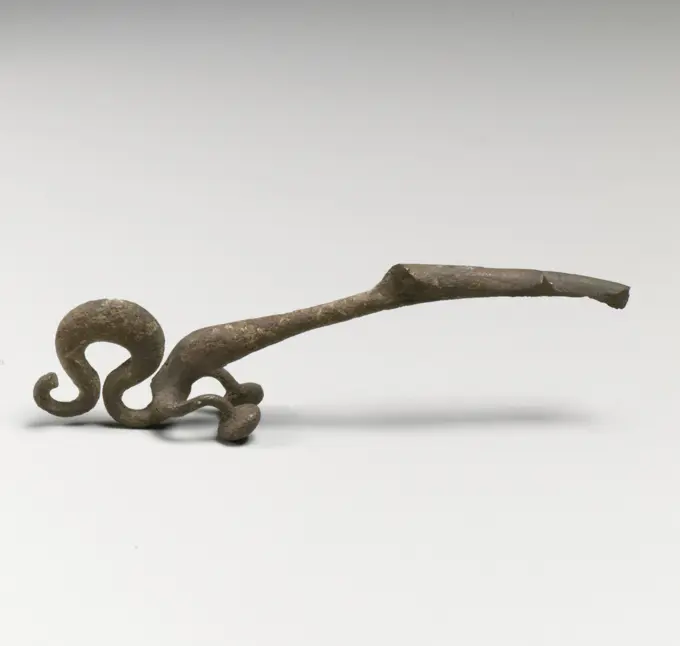
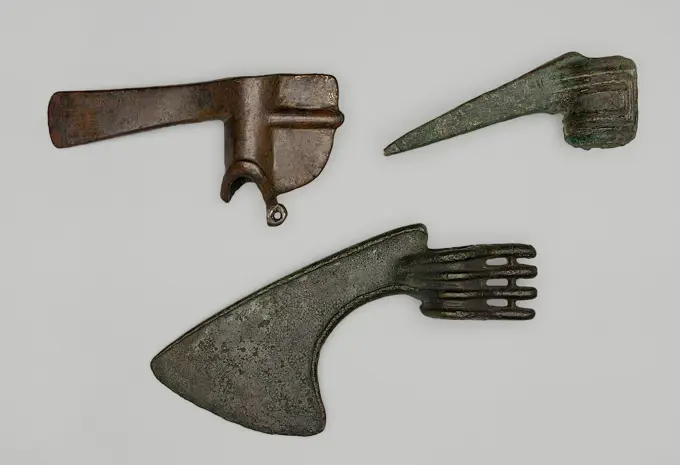
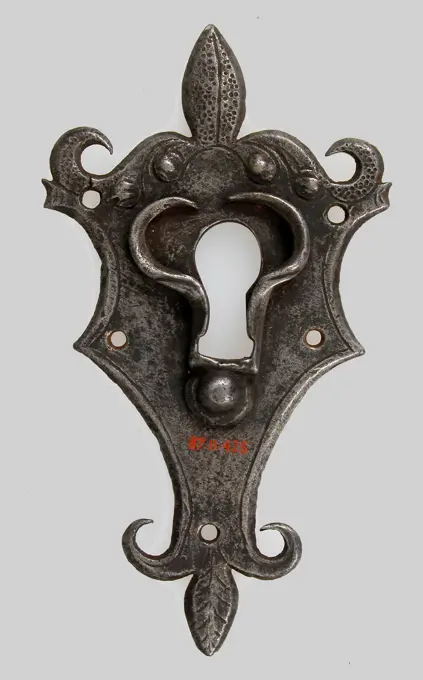
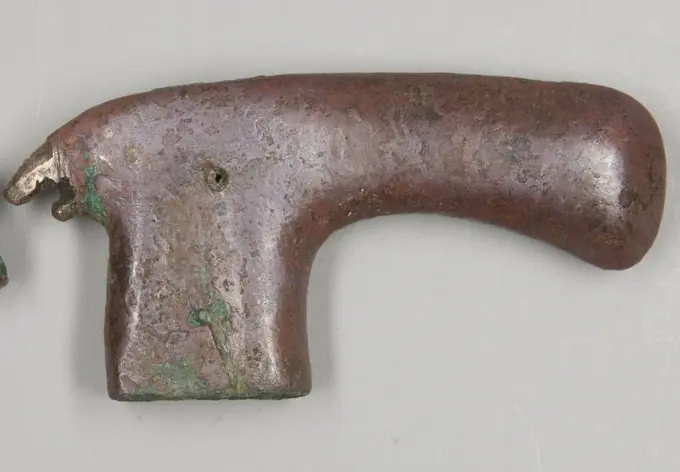
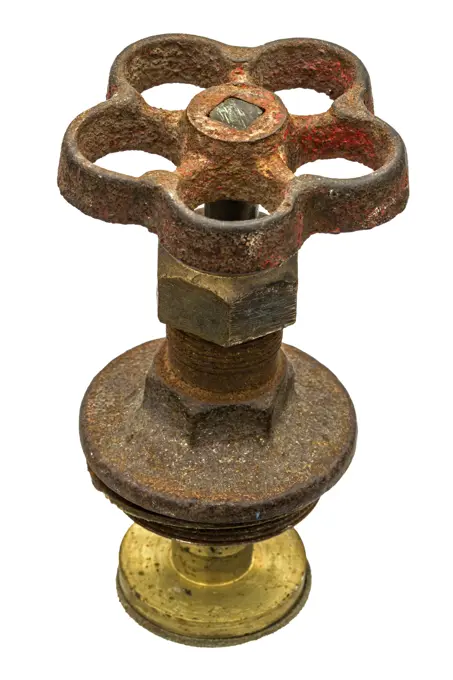
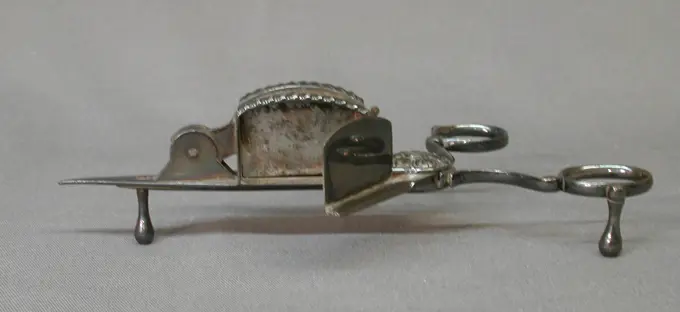
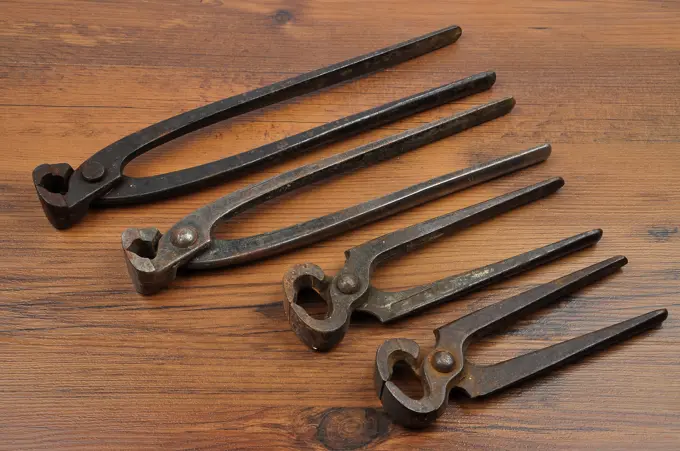
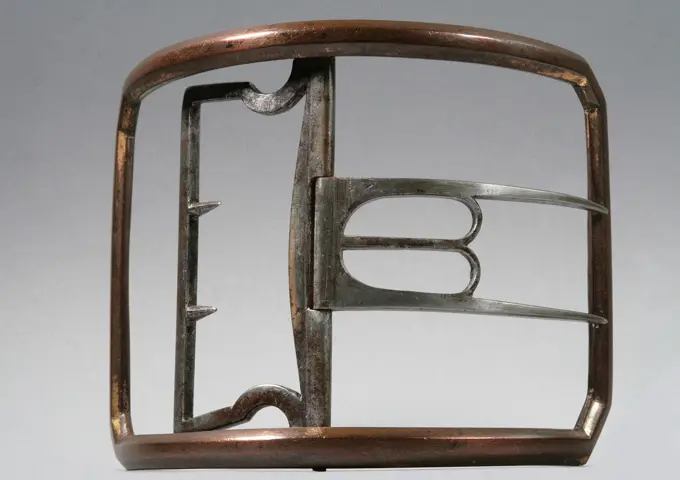
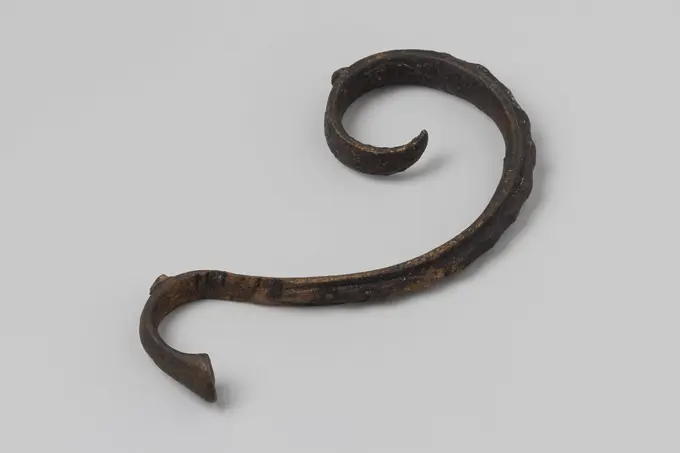
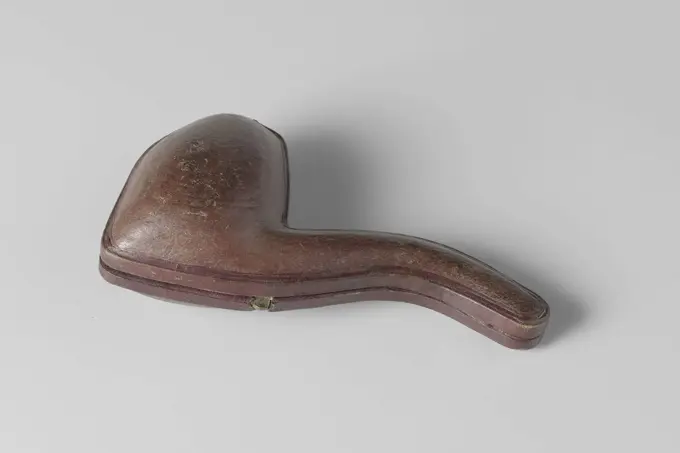
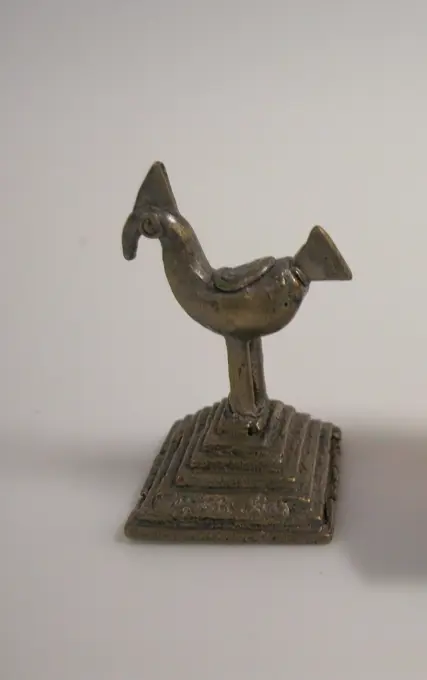
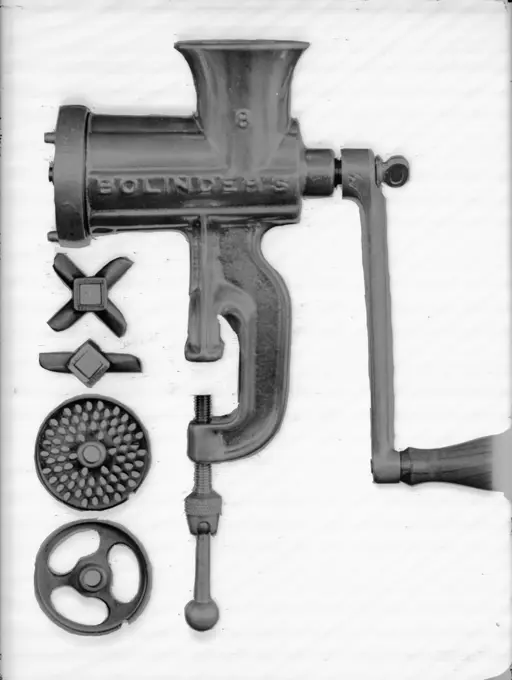
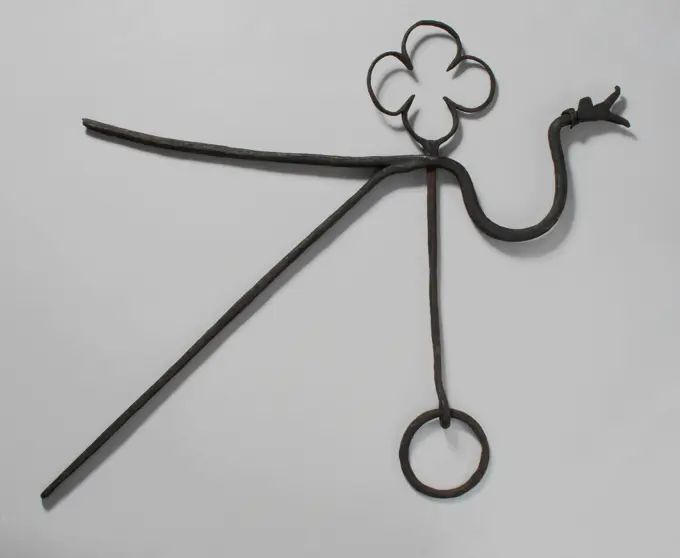
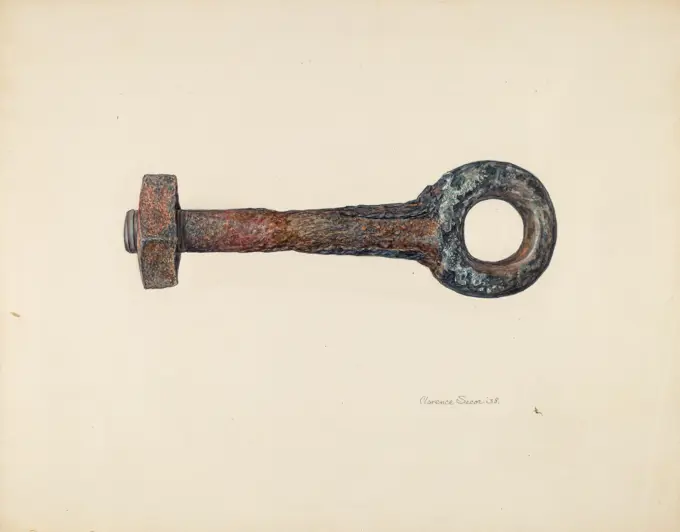
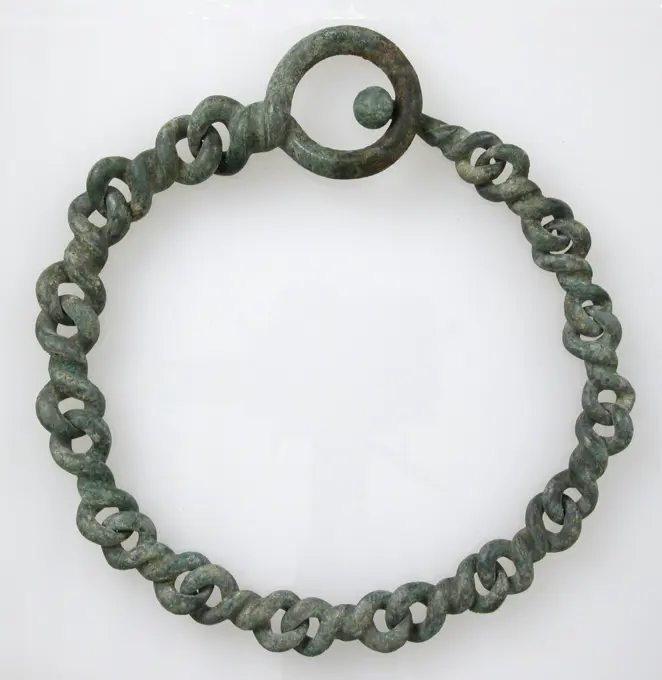
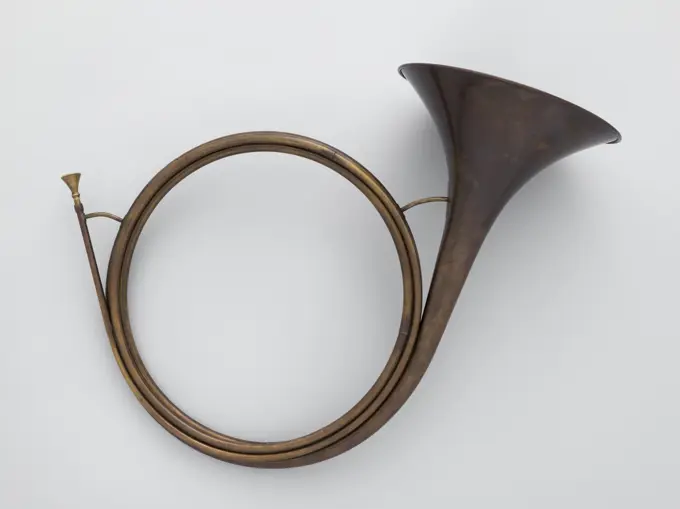
Handen van Vertind iron with leaf motifs, anonymous, 1600 - 1800 Handen of Vertind iron. At the bottom a large round opening of a hinge with a round start. From there, two symmetrical leaf motifs spring, which split towards the end.  iron (metal). tin (metal) Handen of Vertind iron. At the bottom a large round opening of a hinge with a round start. From there, two symmetrical leaf motifs spring, which split towards the end.  iron (metal). tin (metal)Brooch -Sleutel.Key with handle consisting of leaf volutes. The capital looks like a flat sphere and the shaft baluster-shaped, at the bottom ending in a button.Copper stopper with handle in the form of tripod, stop closure component ground find bronze copper metal, cast sawn Yellow metal stopper Conical pin with passhole Handle consisting of three pass No master mark can discover archeology tap faucet holder barrel beer wineKneifzange - Pincers on white Kneifzange - Pincers on white Copyright: xZoonar.com/lantapixx 7291929Key;  18th century (1701-00-00-1800-00-00);Door hinge;  XVII century (1630-00-00-1700-00-00);Spiral-Shaped Object 500 B.C.-A.D. 300 Indonesia (Flores or Sumba). Spiral-Shaped Object. Indonesia (Flores or Sumba). 500 B.C.-A.D. 300. Bronze. Bronze and Iron Age period. MetalworkSnaffle Bit 8th-7th century B.C. Villanovan or Estruscan The snaffle bit is the simplest type of horse bit, and has an effect on the bars (part of the horses jaw without teeth) and the corners of the lips. The mouthpiece of this bit consists of two articulated straight canons passing through one of the eyelets of the cheekpieces. The two other eyelets were originally attached to the bridle, while each extremity of the canons holds a large ring for the reins. When the reins were pulled, the cheekpieces would compress the corners of the lips, forcing the horse to stop. They would also help indicate the direction to the horse and keep the rings from pulling through the mouth.Horses had a great value among Villanovan and Etruscan societies. They were used for military and leisure purposes, and possessing them was an indicator of high social status. Equestrian objects, like bridles or even chariots, were often deposited in the tombs of the wealthy individuals, the deceased hoping to equip Close-up of keyDuplex key late 17th century possibly German. Duplex key. possibly German. late 17th century. Steel. Metalwork-SteelBed pan with Adam and Eva in Paradise, Anonymous, c. 1625  The object consists of six parts: the container, the lid, the lid edge, the hinge, the stem and the eye. The container has rotations on the inside and outside and a changed edge. The convex lid, the center of which has remained visible, and which is caught in a rim adjacent to the bowl, has a representation of Adam and Eva in paradise (Genesis 3, 1-8) in the middle, around it a border with holes And the inscription is Godt with us who can counter us 1625 with a French lily as a punctuation. At the foot, in the middle and at the end, the stem has decorative pieces with, among other things, a flat nodus between two balusters placed against each other and a spherical part decorated with a profiled rib. The lid edge was probably applied later. The stem was broken off at the onset on the container. Low Countries brass (alloy) casting Eve simultaneously offers some of the fruit to Adam and takes some more from the serpent (or the treLuckenbooth brooch -Brass fitting with opening in mushroom shape, clothing accessory clothing fitting soil found brass metal, cast brass fitting Reverse side two twisted nails to attach to leather surface. Possible part of closure. Opening in the form of mushroom. Oval disc to which attach also attach small point archeology attach fastenAlps cowbell on white backgroundStudio shot of old-fashioned itemPurse Frame 15th-16th century French. Purse Frame 464354 French, Purse Frame, 15th16th century, Iron, Overall: 7 9/16 x 5 9/16 x 3/4 in. (19.2 x 14.1 x 1.9 cm). The Metropolitan Museum of Art, New York. Gift of J. Pierpont Morgan, 1917 (17.190.374)Bronze hook two points and drilling. Length 5, 6 cm Thickness 0, 6 cm Width 0, 6 cm Weight 3, 3 grams. ( 1 St - 3 rd CE ) - Roman period, from the " House of Hyppolytus "- Archaeological site of Complutum in Alcalá de Henares ( Madrid ). SPAIN.Double open end wrench isolated on a white background.. Double open end wrench isolated on a white backgroundBuckle dated 1540 German. Buckle. German. dated 1540. Brass. Miscellaneous-Buckles & OrnamentKnife from Board ofRevenue.  Mint: Board of Revenue Artist: UnknownBatter. .Brigandine Plate. Culture: Italian. Dimensions: H. 10 1/4 in. (26 cm); W. 8 9/16 in. (21.7 cm); Wt. 1 lb. 15.2 oz. (884.5 g). Date: 1400-1450. Museum: Metropolitan Museum of Art, New York, USA.Czech Republic, Brno, Etnograficke Muzeum Moravskeho Muzea v Brne, Bone amulet from Dolni VestoniceA few earrings of black iron, Fer de Berlin ,, 1800 - 1900 A few earrings of black iron, Fer de Berlin. At the top a hand with a key on which a threaded ornamental piece hangs. Germany iron (metal) casting A few earrings of black iron, Fer de Berlin. At the top a hand with a key on which a threaded ornamental piece hangs. Germany iron (metal) castingGerald Transpota, Wrought Iron Bit, 1935 1942 Wrought Iron BitKey 1st-7th century Roman. Key 462986Buckle with rectangular bow with rounded corners, both lengthwise, buckle fastener component soil find copper metal, archeologyKnife fromLinzi.  Mint: Linzi Artist: UnknownDragon-type fibula 8th-6th century B.C. Italic The surface is somewhat corroded and parts of the bow, pin and pieces of the foot are missing.. Dragon-type fibula 246316Combat ax, stuffer; Unknown, unknown Middle East workshop, unknown Lurista workshop; 2. PO. 3. thous. BC (-2500-00-00--2001-00-00), 1. PO. 2 thousand BC ; the period of the family (-2000-00-00-00-1501-00-00), 2. PO. 2. thous. BC (-1500-00-00--1001-00-00);Dziewanowski, Władysław (1822-1961), Dziewanowski, Władysław (1882-1961), Donor, Jarnuszkiewicz, Czesław (1888-1988), Jarnuszkiewicz, Czesław (1888-1988)-collection, Polish Army Museum, weapon, weapon, Kolfatta weapons, Brązy Luristanie, PYDziaki, central bronze period (approx. 2000-OK. 1500 BC), geometric ornament, axes, purchase (provenance)Escutcheon plate 16th century German The decoration of Gothic locks and keys was often elaborate and of the highest standard of workmanship. These examples offer a glimpse of the creativity and inventiveness of medieval ironsmiths who forged such objects. Some scholars have suggested that the greatly expanded use of locks was the result of the increasing urbanization of life and the new emphasis on material wealth and private ownership that characterized the later Middle Ages.. Escutcheon plate 468809Cymbal ca. 2300-2000 B.C. Hattian. Cymbal 324443MATERNIDAD - 1930/32 - 80 x 22 x 14 - ESCULTURA EN BRONCE. Author: ALBERTO SANCHEZ (1895-1962). Location: MUSEO REINA SOFIA-ESCULTURA. MADRID. SPAIN.Miniature tongs (part of a set). Culture: British, London. Dimensions: Length: 3 3/4 in. (9.5 cm). Maker: Probably George Manjoy (British, active 1685-ca. 1720). Date: 1690-91. Museum: Metropolitan Museum of Art, New York, USA.Fragmentary axe head () ca. late 3rd-early 2nd millennium B.C. Bactria-Margiana Archaeological Complex. Fragmentary axe head () 332605Fragments of a cart or chariot, parts of rectangular frame ca. 500-480 B.C. Etruscan Large collection of bronze and iron attachments once belonging to a chariot.. Fragments of a cart or chariot, parts of rectangular frame 253012 Etruscan, Chariot fragments, parts of rectangular frame, ca. 500480 B.C., Bronze, 1: 8  5 9/16 in. (20.3  14.1 cm) 2: 6 3/16  3 7/16 in. (15.7  8.7 cm) 3: 3 1/2  5 in. (8.9  12.7 cm). The Metropolitan Museum of Art, New York. Fletcher Fund, 1929 (29.131.3f1f3)Shaft - hole Axehead. Iran, Luristan, circa 2100-1750 B.C.. Arms and Armor; axes. Bronze, castOld rusty pistol, Isolated on white background Old rusty pistol, Isolated on white background Copyright: xZoonar.com/OleksandrxKostiuchenkox 8905768"Basso". Culture: Italian. Dimensions: Diameter (Of bell): 8 in. (20.3 cm)Length (Of tube): 27 3/4 in. (70.5 cm). Maker: Possibly Leopoldo Franciolini (Italian, Florence 1844-1920 Florence). Date: second half of the 19th century. Museum: Metropolitan Museum of Art, New York, USA.T-Axe from a woodworking iron toolkit from Anglo-Saxon England. Dated 10th CenturyBrooch ca. 600 B.C. Celtic. Brooch. Celtic. ca. 600 B.C.. Copper alloy. Metalwork-Copper alloyBelt Fitting. Turkey, 12th-13th century. Metal. Bronze, castSilver bracelet. Culture: Cypriot. Dimensions: Diam.: 3 3/4 in. (9.5 cm). Date: 5th century B.C..Pair with 74.51.3573. The flattened ends are incised with lines representing stylized snakes' heads. Museum: Metropolitan Museum of Art, New York, USA.FIBULA DE JINETE. CELTIBERICO. (DEPOSITO: MUSEO ARQUEOLOGICO NACIONAL).Old water valve, isolated on white background Old water valve, isolated on white background Copyright: xZoonar.com/OleksandrxKostiuchenkox 8897918EspagnoletteSlot. .Pair of snuffers early 19th century British. Pair of snuffers. British. early 19th century. Sheffield plate. Metalwork-SilverplatePendant ca. 8th-7th century B.C. Iran. Pendant 322878Kneifzangen - Pincers on wood Kneifzangen - Pincers on wood Copyright: xZoonar.com/lantapixx 7185268Pijpsleutel.Pipe wrench with pear-shaped "box" between four eyes in the round handle; Heavily profiled capital and cross-shaped occupancy of the beard.wooden rocking horse isolated on white backgroundPalanquin Hook and Ring 13th century Cambodia or Thailand. Palanquin Hook and Ring 37745Two-piece bronze mold for handles of 1 cl and 2 cl measuring jugs, mold casting tool tools kit base metal bronze, cast Two-piece bronze mold for casting the handle of 1cl. and 2 cl. maatkannetje Rotterdam tingieterij tin stainer tin Meeuws Druy craft Shapes are from the originally 18th century Rotterdam tinnegieter J Druy. The large molds that were not signed or dated were the property of the tinker guild and were rented to the small tin caster.Box-top plate of rim lock 1580-1620 German. Box-top plate of rim lock 187113Wrought iron slave collar with a large locking device, The collar consists of two pieces of iron connected by a hinged chain link on the back, Historic, digitally restored reproduction from a 19th century originalLoop.Crowbar isolated on white backgroundNecklace of six links with flat sphere with hook. Necklace of six links with a flat sphere with a hook on both ends.Temple. Culture: Mezcala. Dimensions: Height 4-13/16 in.. Date: 1st-8th century. Museum: Metropolitan Museum of Art, New York, USA.Grave-find from Asak, Skedsmo k., Akershus, 10th century. Crampon, 2 buckles, horse-bit. Norway. Historical Museum. Oslo. Norway.Model or a blake stopper. Brass model of an iron opening compressible with a handle and short ends of a chain rope ring and anchor chain. Scale 1: 2 (estimation).Clipping key, studio shotRetro cartoon with texture. Isolated on White.Peat crown with eight hooks, c. 1400 - c. 1950 A round of meat with eight hooks. Decorated with forged flowers.  iron (metal) A round of meat with eight hooks. Decorated with forged flowers.  iron (metal)Pincers (Tenailles). Culture: French. Dimensions: Wt. 6 lbs. (2721 g); 12 1/4 x 5 1/4 in. (30.4 x 13.3 cm). Date: 17th century. Museum: Metropolitan Museum of Art, New York, USA.BROCHE DE CINTURON DAMASQUINADO-CELTICO CON 3 GARFIOS-BRONCE-S IV AC-PROC NECROPOLIS HIJES(GUADALAJA. Location: MUSEO ARQUEOLOGICO NACIONAL-COLECCION. MADRID. SPAIN.Nose Ornament 13th-16th century Colombian. Nose Ornament. Colombian. 13th-16th century. Gold. Colombia. Metal-OrnamentsBronze handles of a volute-krater (bowl for mixing wine and water). Culture: Greek. Dimensions: Overall: 10 1/4 x 6 15/16in. (26.1 x 17.6cm). Date: 4th century B.C..Although these handles are much later than the other objects in this gallery, they represent a shape that was introduced in the late sixth century B.C. and was favored by significant artists who worked in terracotta and in bronze. A characteristic of volute-krater handles is the fine articulation of the volute itself and of the lower terminals where they rested on the shoulder of the vase. Here, as in most metal examples, they assume the form of swans' heads. Museum: Metropolitan Museum of Art, New York, USA.Retro cartoon with texture. Isolated on White.Quadrant. Two almost identical clinometers to measure the maximum slope of a swinging ship. Both are made of brass, mounted on a wooden back plate with the center of the bow at the top. The bowl on the bow runs from 0 ° to 45 ° to each side. The outer edge of the arc has been struck, every side in the opposite direction. The two hands have polls against the back, which in the teeth seize: so they can only move outside along the arc. Hand, the pits can be released to return the hands to 0 °. Due to a small break from the Palrand, the hands cannot end up in each other's eighth of the arc. The teeth from one quadrant (A) divide the bow in a quarter degrees, which on the second (b) in half degrees. The hands on the first quadrant (a) walk with small rolls over the degree arch. When the ship swapped, every wiser turned out to the side where the ship told and gave up the maximum slope. Combined descriptionblack leather keyfob on white as a backgroundGauge for Priming Tubes, anonymous, 1847 mould Mold with an octagonal gathering body with pins at the ends; The ends of the octagonal body are numbered 8 and 9. Netherlands (possibly) iron (metal)Handle from the wreck of the East India Flying Heart. Handle in the form of a seahorse 'and Profile' from Zwartgergen copper. There are ribs on the back of the handle. The handle sat at two points attached to the original piece of dishes.. The case in the shape of the pipe is made of wood, covered with red leather, the inside on one side coated with green silk, on the other side with faded coarse green sheet.Albania, Glasinac-Mati fibula (buckle) adorned with pendantsGoldweight Bird, 19th-20th century, 1 1/2 x 1 1/16 x 1 1/8 in. (3.81 x 2.7 x 2.86 cm), Brass, Ghana, 19th-20th centuryMedicinal plant Magnolia, Magnolia tree bark, Magnolia cortex, Hou Po, Magnolia officinalis, Magnolia Bark, officinalis. Used for digestive disorders, as an anti-inflammatory, stimulant and to promote sweating (recording date not known exactly)BROCHE DE CINTURON: DECORADO CON MOTIVOS GEOMETRICOS Y FLORALES CON LA TECNICA DE CLOISONNE. VISIGODO.(DEPOSITO: MUSEO ARQUEOLOGICO NACIONAL).The meat grinder.Wall Bracket 14th century Italian. Wall Bracket. Italian. 14th century. Iron. Metalwork-IronBeige Hoorn button, bent, ending in a sharp point, gelria, c. 1900 - c. 1930 Beige Hoorn button, bent, ending in a sharp point, three oval -shaped bulges at the beginning. Netherlands knop: horn (animal material) cutting Beige Hoorn button, bent, ending in a sharp point, three oval -shaped bulges at the beginning. Netherlands knop: horn (animal material) cuttingClarence Secor, Eye Bolt, 1938 Eye BoltRectangular buckle with middle post and sting, small size, buckle fastener component ground find copper iron metal, Rectangular copper bracket with middle post and iron angel archeology Rotterdam rail tunnel confirm Soil discovery: trajectory rail tunnel Rotterdam.Goldweight Dagger with Snake, 19th-20th century, 2 1/2 x 3/4 in. (6.35 x 1.91 cm), Brass, Ghana, 19th-20th centuryAttic Black-Figure Eye Cup Rim and Handle Fragment. UnknownSword Chain 4th century B.C. Celtic. Sword Chain 464961 Celtic, Sword Chain, 4th century B.C., Copper alloy, Overall: 18 1/4 x 1 5/8 x 1/2 in. (46.3 x 4.1 x 1.3 cm). The Metropolitan Museum of Art, New York. Gift of J. Pierpont Morgan, 1917 (17.191.256)Tiny figurine of man miniature and retro keyBliżej Kultury unknownLock, Double-Face Mortise. Culture: German. Dimensions: Overall: 5 1/2 x 6 5/8 x 2 3/8 in. (13.9 x 16.8 x 6 cm). Date: second half 15th century. Museum: Metropolitan Museum of Art, New York, USA.Key. Culture: German. Dimensions: Overall: 2 13/16 x 1 3/8 x 5/16 in. (7.1 x 3.5 x 0.8 cm). Date: 15th century.The decoration of Gothic iron locks and keys was often elaborate and of the highest standard of workmanship. The motifs were frequently drawn from Gothic architecture, reproducing on a miniature scale complicated tracery patterns and even tiny statuettes. A number of these tiny locks were compound, with some of the mechanisms concealed from view, and required two or even three keys used in sequence to open them. It has been suggested that the greatly expanded use of locks on doors, or coffrets and other types of storage chests was a result of the increasing urbanization of life and the new emphasis on material wealth and private ownership which developed in the late Middle Ages. Museum: Metropolitan Museum of Art, New York, USA.Hunting Horn in D ca. 1865-80 French. Hunting Horn in D. French. ca. 1865-80. Brass. Paris, France. Aerophone-Lip Vibrated-hornGoldweight Knot, 19th-20th century, 1 7/8 x 1 1/8 x 1/8 in. (4.76 x 2.86 x 0.32 cm), Brass, Ghana, 19th-20th centuryFragment of a Kruithoorn from the wreck of the East India Hollandia. Powderhorn, nozzle; ID. NG 1979-52 / 53H636 With 1 Copper Wire Screw Eye With Complete Shaft.old rusty horseshoe on a wood backgroundLoop.Ancient sabre Ancient sabre. A smart variant of the fighting weapon Copyright: xZoonar.com/ValeryxxSibrikovx 2424013Old Iron Old metal iron on isolated studio white background Copyright: xZoonar.com/AndreyxSkatx 14291557Model of an Anchor. Model of a chain anchor, consisting of a shaft, arms with hands and a wooden anchor stick; The anchor ring has been replaced by a harp. Scale 1:10 (estimation).