Vintage Keys and Tools

A selection of antique keys and tools, each reflecting unique designs and historical significance, perfect for collectors and history enthusiasts.
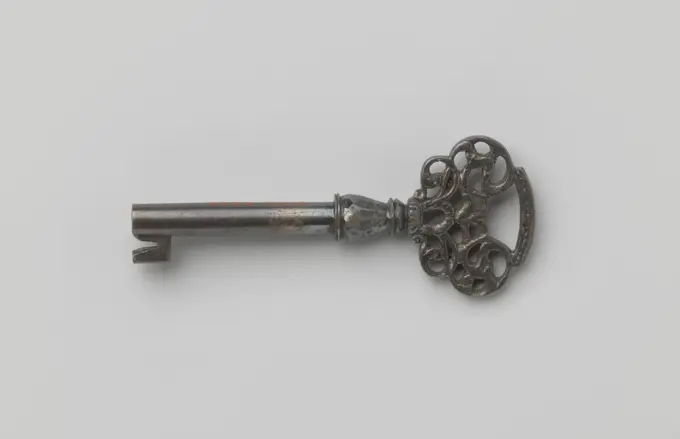
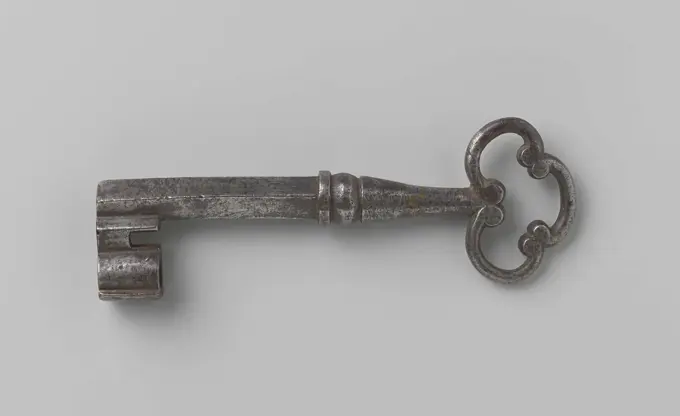
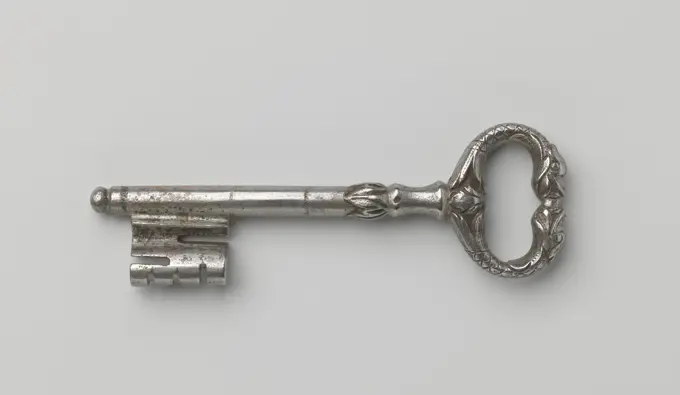
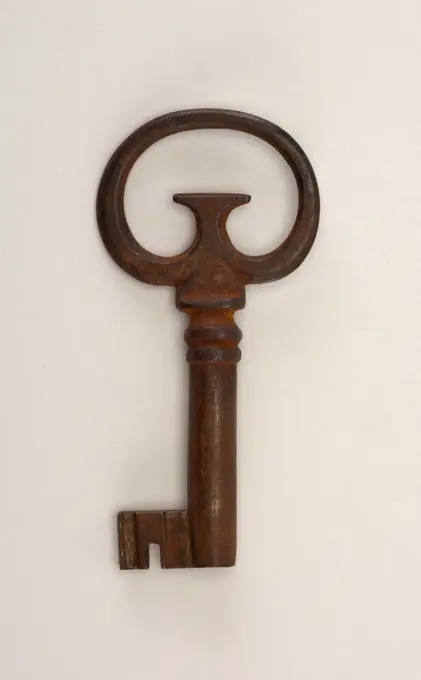
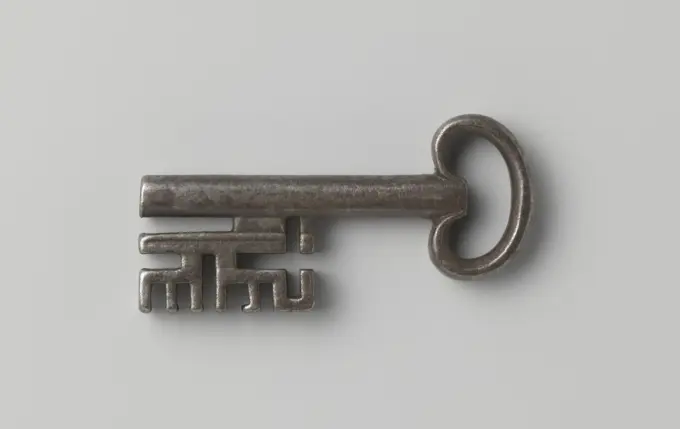
Pipe key, c. 1700 - c. 1800 Pipe key with oval handle consisting of leaf voltuten, covered above by a curved bar. The key breast is facet -shaped.  iron (metal) Pipe key with oval handle consisting of leaf voltuten, covered above by a curved bar. The key breast is facet -shaped.  iron (metal)
Pipe key, c. 1700 - c. 1800 Pipe key with oval handle consisting of leaf voltuten, covered above by a curved bar. The key breast is facet -shaped. iron (metal) Pipe key with oval handle consisting of leaf voltuten, covered above by a curved bar. The key breast is facet -shaped. iron (metal)
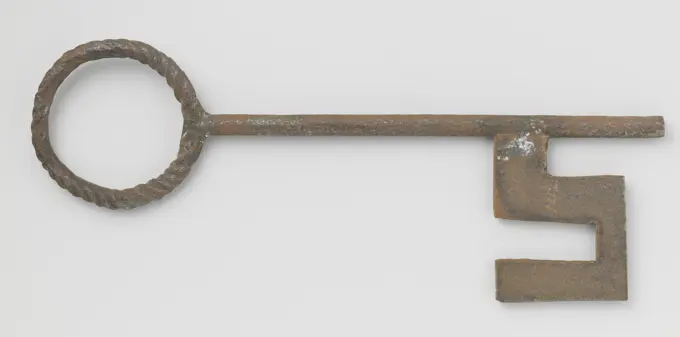
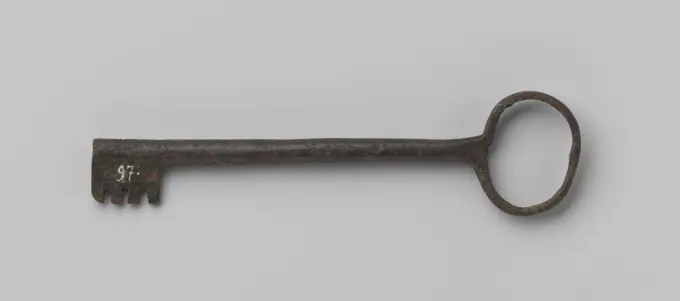
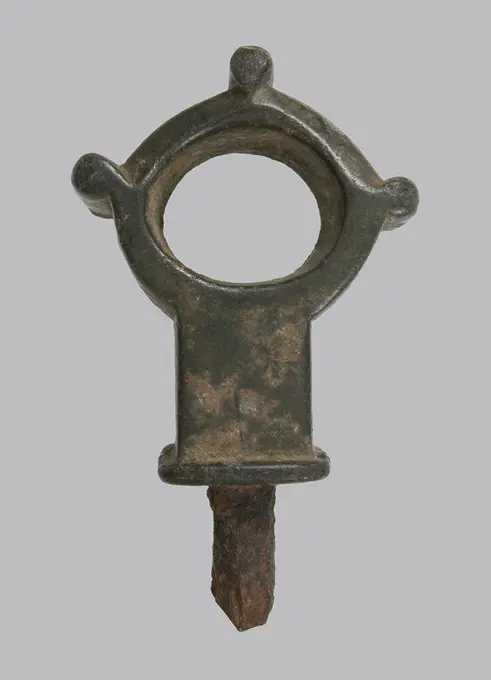
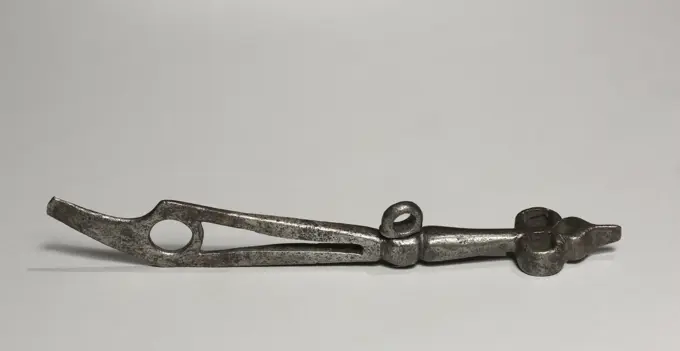
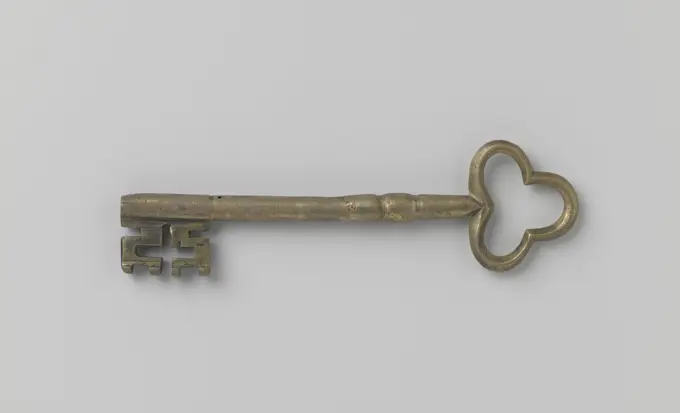
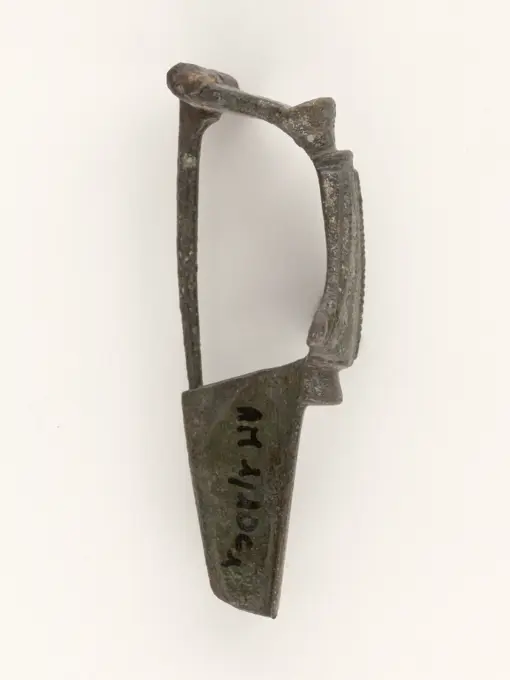
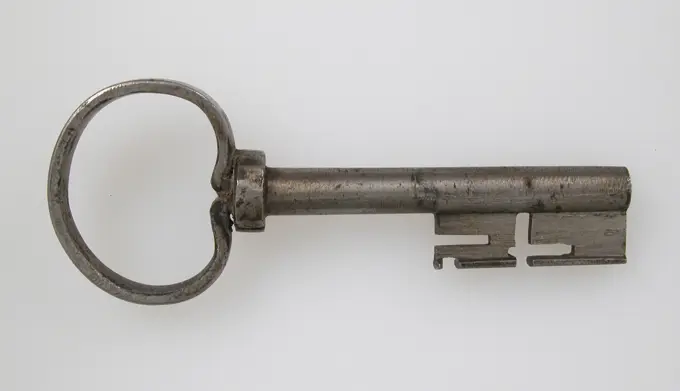
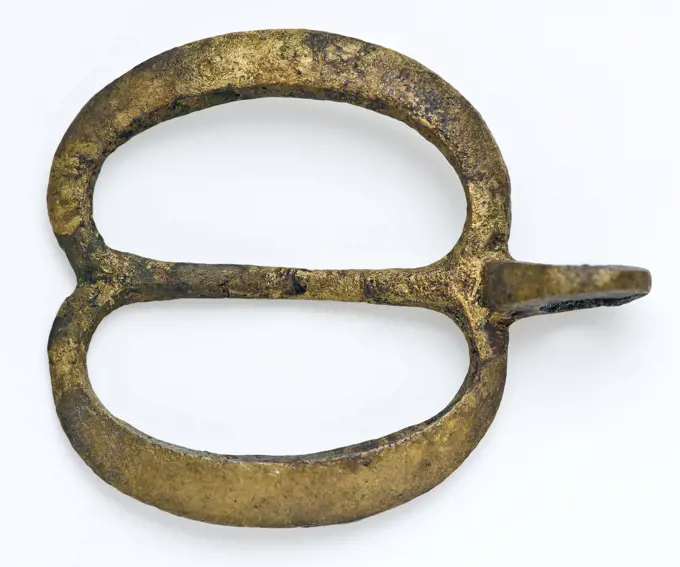
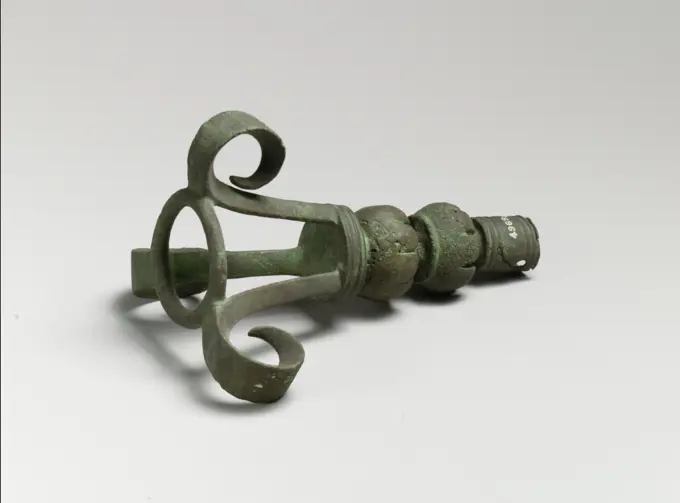
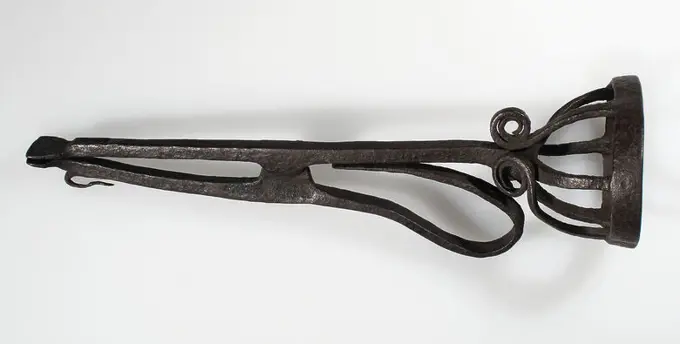
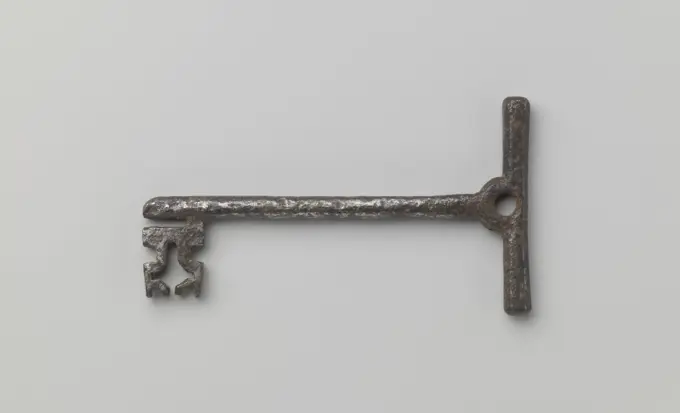
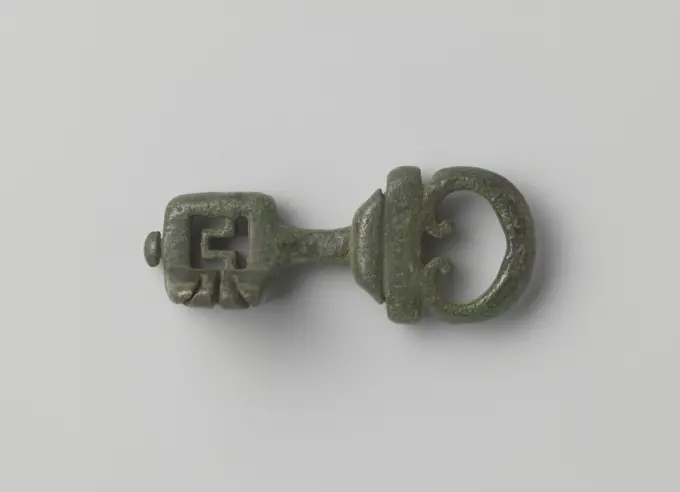
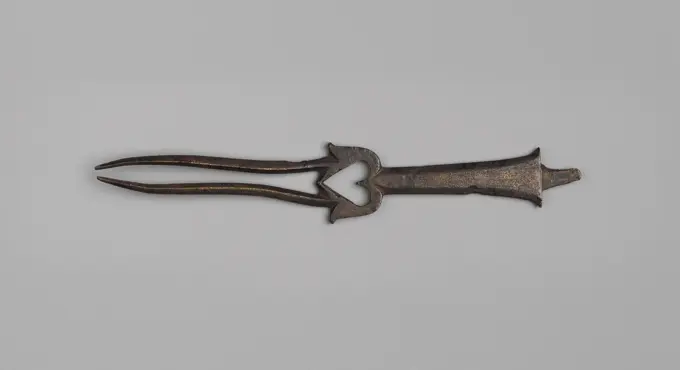
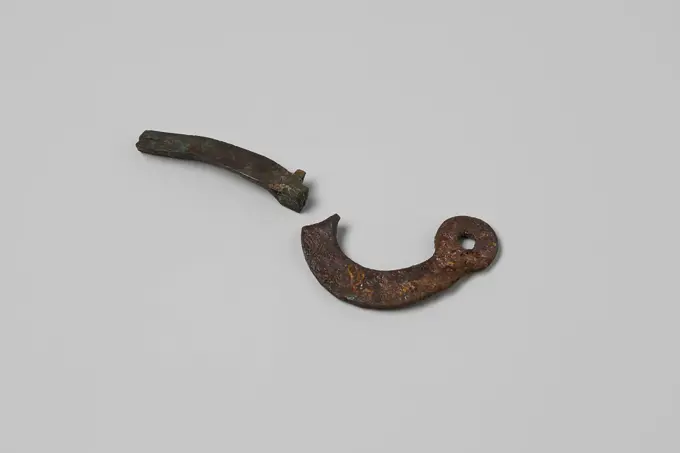
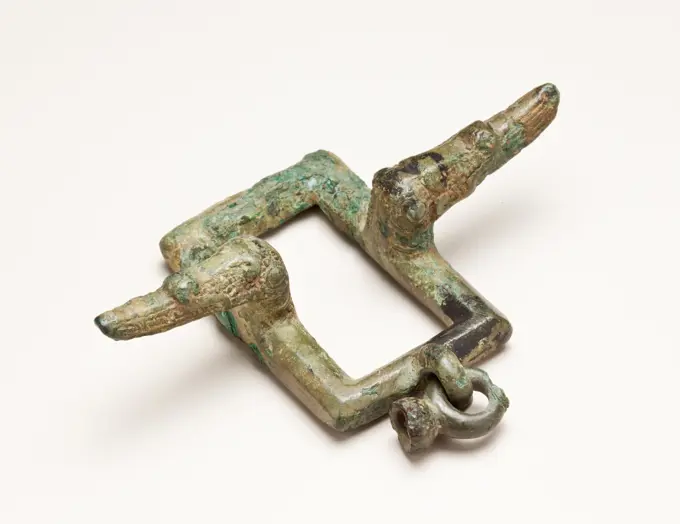
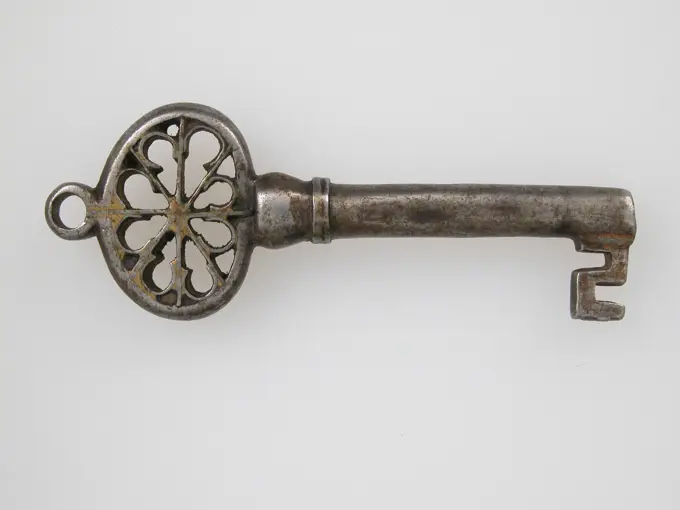
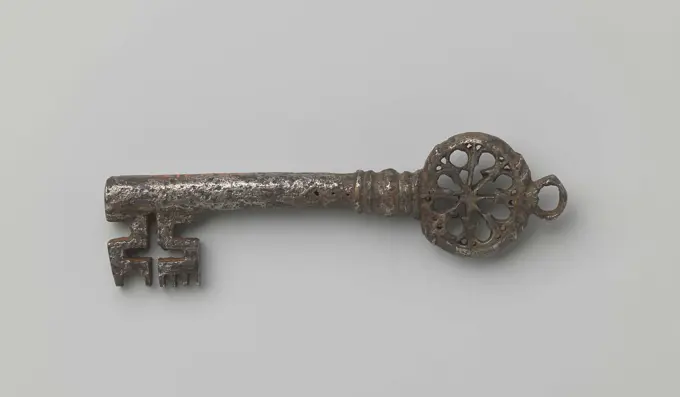
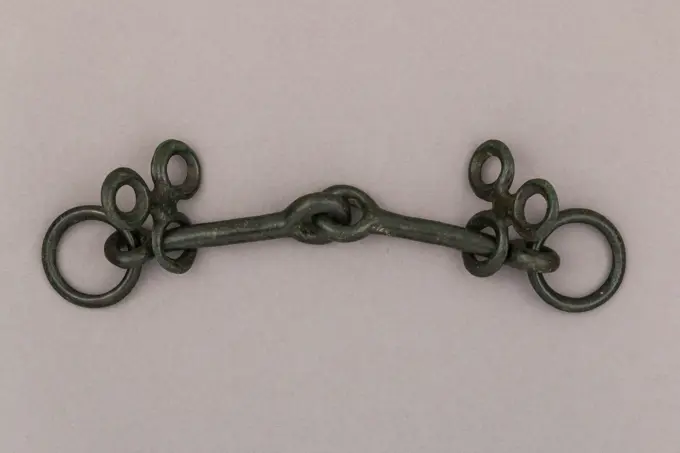
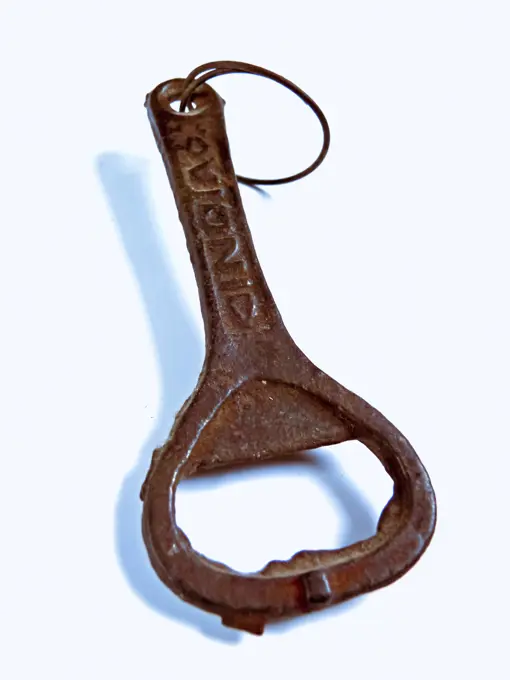
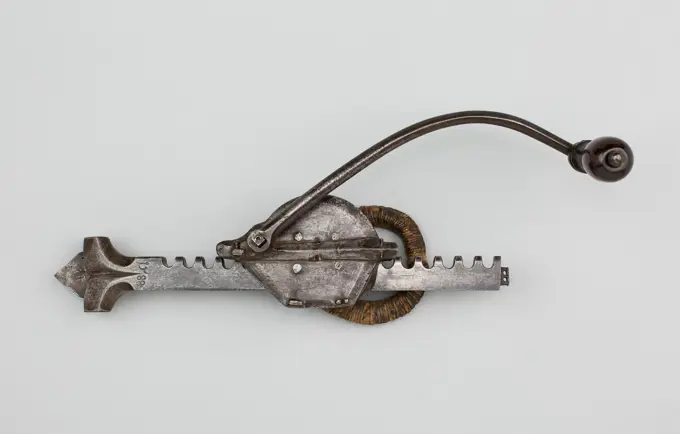
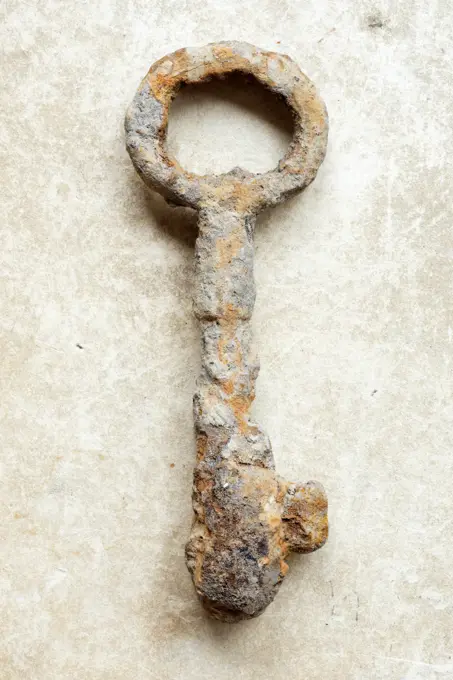
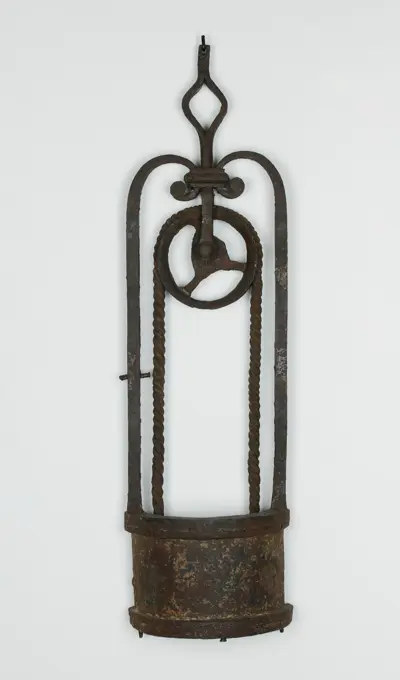
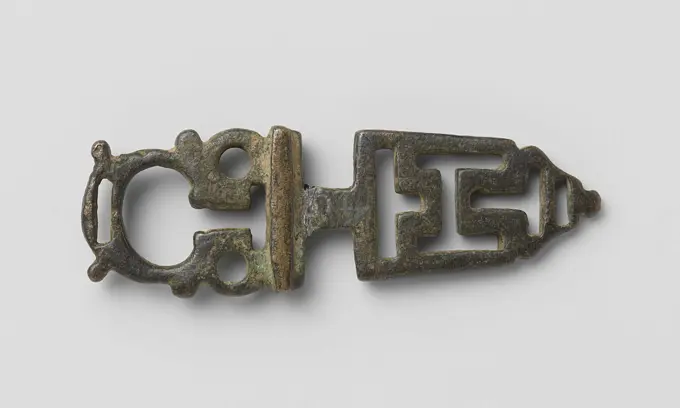
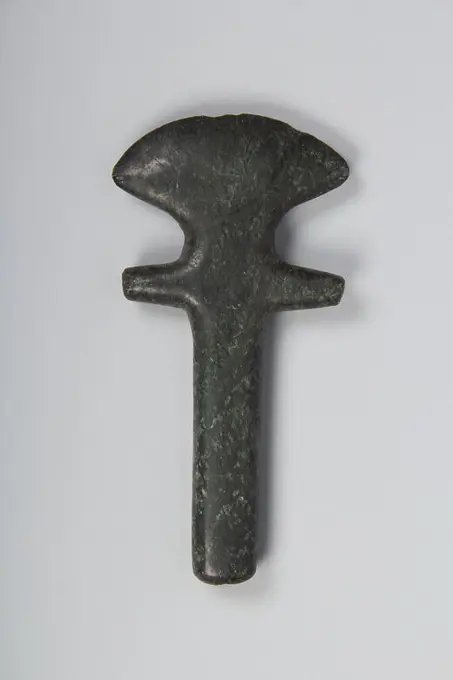
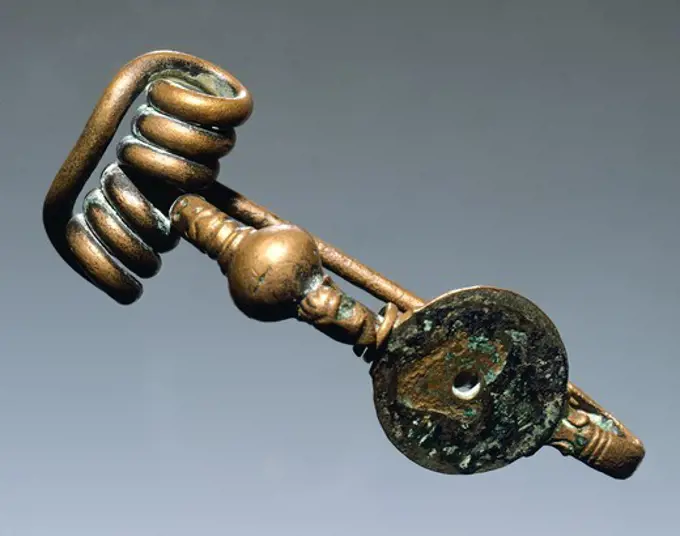
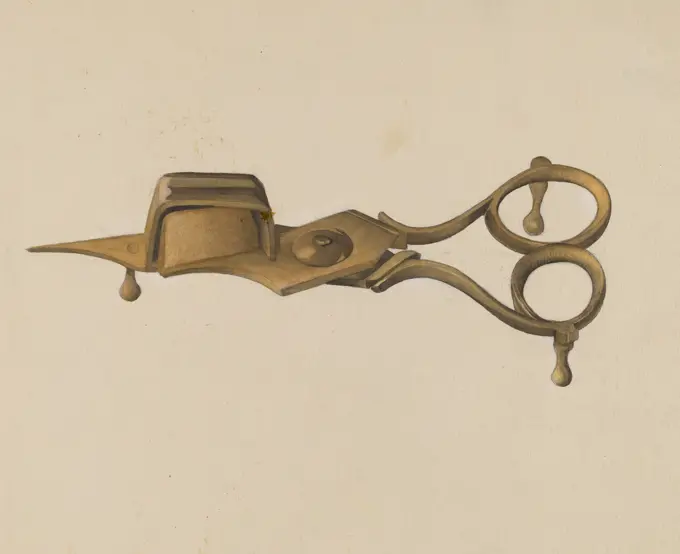
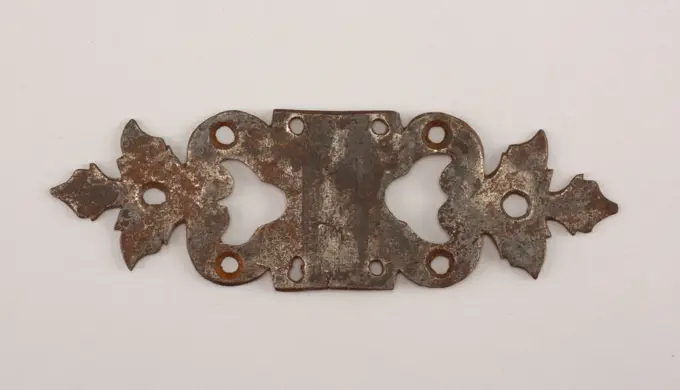
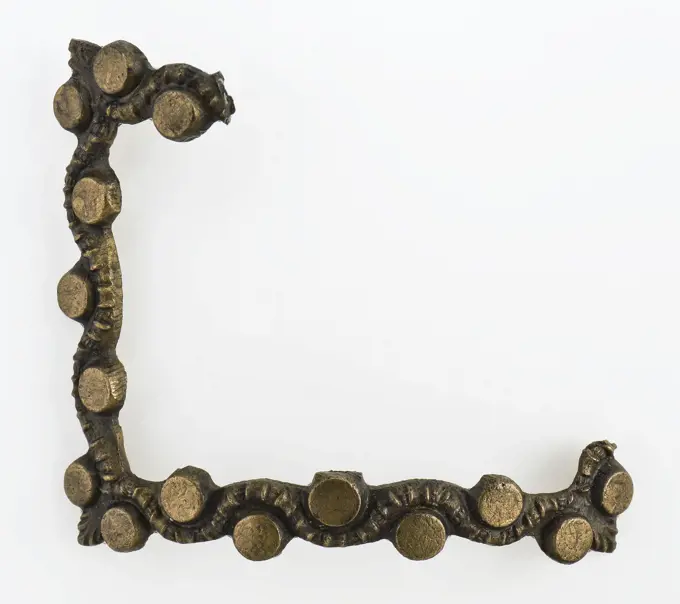
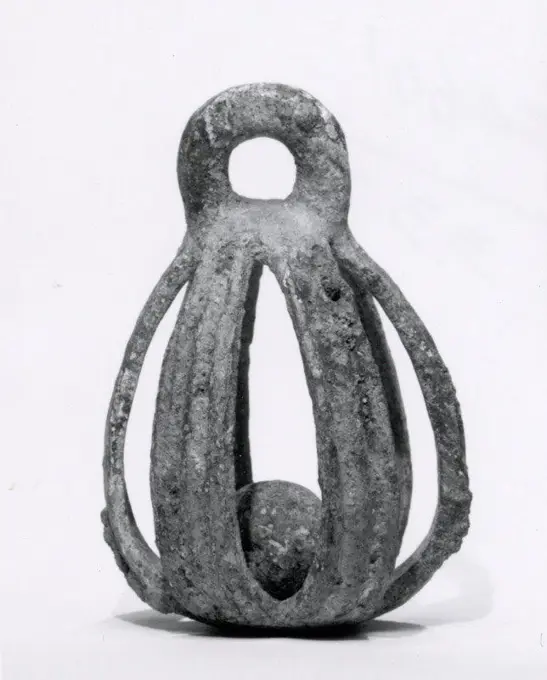
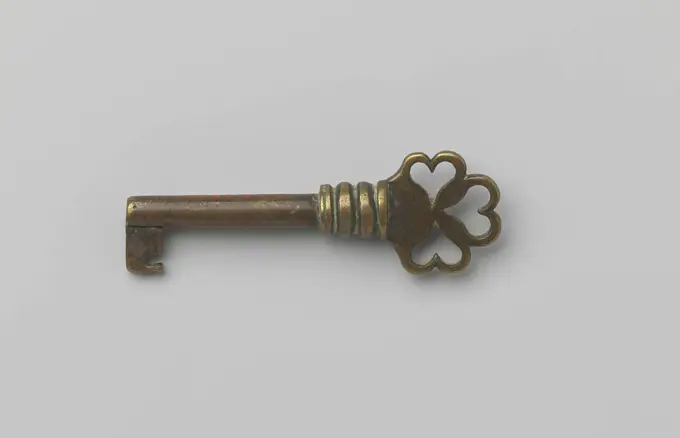
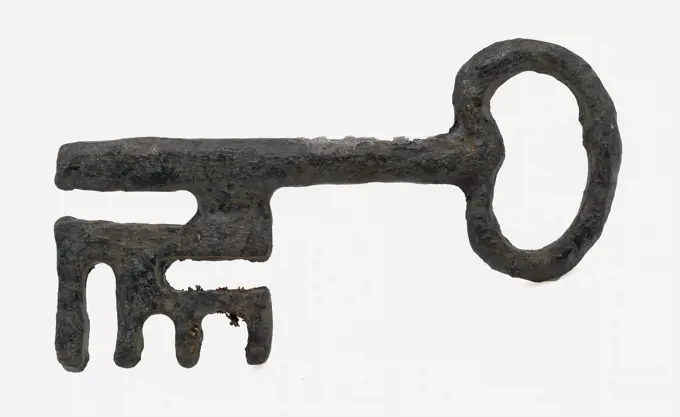
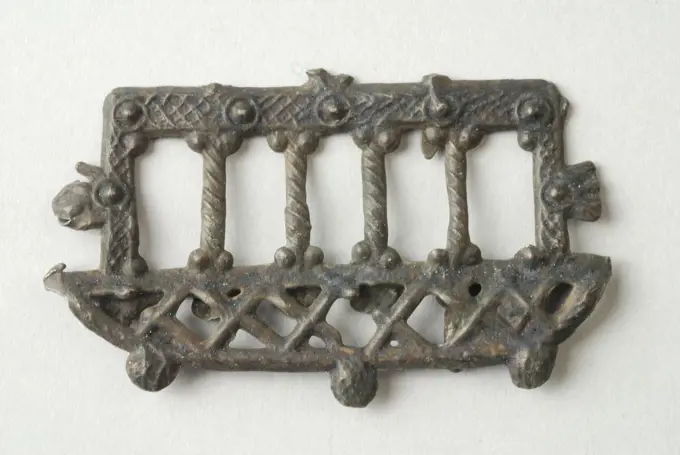
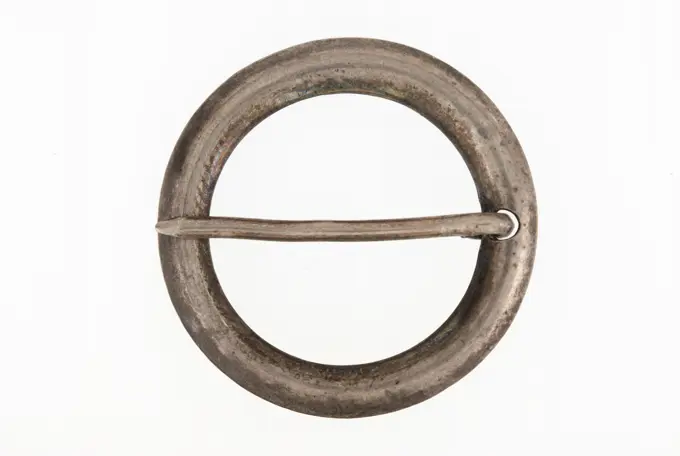
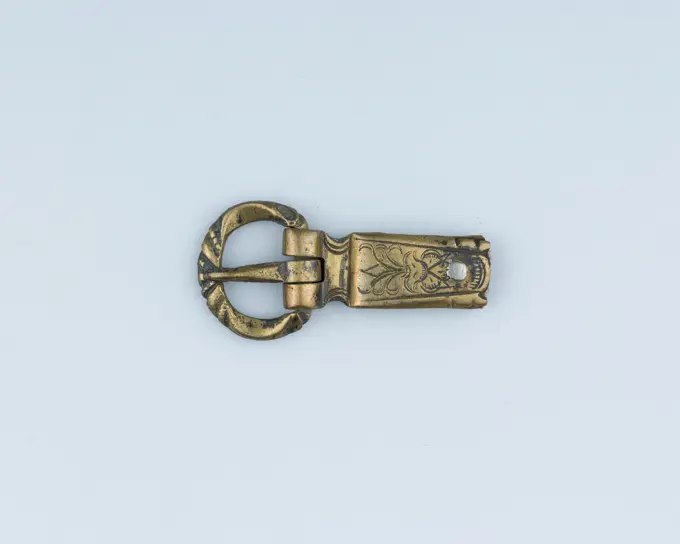
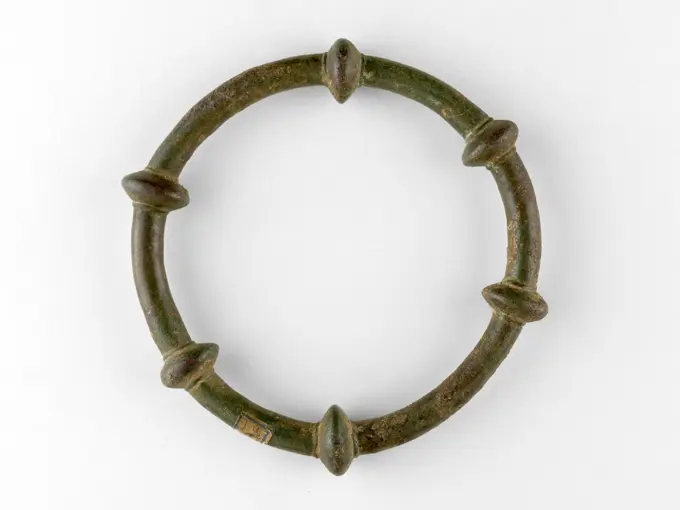
Key 14th century German. Key 468920Pipe key, c. 1700 - c. 1800 Pipe key with oval handle consisting of leaf voltuten, covered above by a curved bar. The key breast is facet -shaped.  iron (metal) Pipe key with oval handle consisting of leaf voltuten, covered above by a curved bar. The key breast is facet -shaped.  iron (metal)Pug. A small pinch of iron, which can also serve as a ax and hammer. From collection E. Vita Israel.Kistsleutel.Coffin wrench with an eye consisting of three c-volutes dawned each other. The eye is resting on an elongated key chest that is bottomed at the bottom and in a square stem. The beard has a circular opening at the end.Crossbow fibula ca. 3rd-4th century A.D. Roman. Crossbow fibula 325947Key, c. 1400 - c. 1950 Key with tossed around eye. Beard hook -shaped incised.  iron (metal) Key with tossed around eye. Beard hook -shaped incised.  iron (metal)Key, c. 1600 - c. 1699 Key with bean -shaped eye, somewhat raised at the top.  iron (metal) Key with bean -shaped eye, somewhat raised at the top.  iron (metal)Pipe key, c. 1400 - c. 1500 Pipe key with long shaft and oval eye. The small beard runs out in three teeth.  iron (metal) Pipe key with long shaft and oval eye. The small beard runs out in three teeth.  iron (metal)Key-Handle. Culture: Roman. Dimensions: Overall: 3 3/16 x 1 7/8 x 1 1/16 in. (8.1 x 4.8 x 2.7 cm). Date: 1st-7th century. Museum: Metropolitan Museum of Art, New York, USA.Sleutel.Cisellated key whose oval eye is covered with acanthus sheet and awarded by a flat elliptical button. The shaft has a nodus decorated with acanthus leaf in the middle.Key RomanSpanner for a Wheel Lock Gun, 1600s. Germany, 17th century. Steel; overall: 16.5 x 2.5 cm (6 1/2 x 1 in.).39 keys from the collection of Emmanuel Vita Israël. The Amsterdam apothecary and art collector Emmanuel Vita Israël. He donated his collection, comprising keys dating from Roman antiquity to the 19th century, to the Koninklijk Oudheidkundig Genootschap (Royal Antiquarian Society) in 1937. Vita Israël claimed that his key collection had grown more or less by accident: being one of the few collectors of keys, dealers automatically made their way to him.Pipe key, c. 1400 - c. 1600 Pipe key with three -step eye and symmetrically incised beard. The shaft shows two following thickening in the middle.  copper (metal) Pipe key with three -step eye and symmetrically incised beard. The shaft shows two following thickening in the middle.  copper (metal)Key belonging to a casket lock. Key belonging to the casket lock (BK-NM-12538-A).Fibula. Copper alloy. Gallo-Roman. Paris, Carnavalet museum. 51463-1 Staple, copper alloy, attachment, Gallo-Roman time, fibula, Gallo-RomanKey 15th century German. Key 468853Batter ..Belt accessory in the form of kinked buckle without sting, including hanging loop, buckle fastener component soil find copper metal, Double-oval ring with middle post Underneath the middle post one eye archeology Rotterdam rail tunnel attachment Soil discovery: rail tunnel Rotterdam.Bronze lampstand ca. 750-480 B.C. Cypriot Bronze lampstands were luxury objects that were made in various sizes and in more Near Eastern or more Egyptian styles.. Bronze lampstand. Cypriot. ca. 750-480 B.C.. Bronze. Cypro-Archaic. BronzesPendant ca. 50 B.C.-ca. 500 A.D. Gallo-Roman. Pendant. Gallo-Roman. ca. 50 B.C.-ca. 500 A.D.. Bronze, patina. Miscellaneous-Buckles & OrnamentFire Lighter or Coal Tong. Culture: European. Dimensions: Overall: 12 1/2 x 3 1/2 in. (31.8 x 8.9 cm). Date: 15th-16th century. Museum: Metropolitan Museum of Art, New York, USA.Old heart key isolated on white backgroundKey, 1600 - 1699 Key whose shaft and grab a t form with an eye in the intersection.  iron (metal) Key whose shaft and grab a t form with an eye in the intersection.  iron (metal)Key of copper, c. 300 - c. 500 Copper key with a reasonable beard. Underindeind open work and ending in a button, the ring with two volutes raised. France copper (metal) Copper key with a reasonable beard. Underindeind open work and ending in a button, the ring with two volutes raised. France copper (metal)Key 15th century German The decoration of Gothic iron locks and keys was often elaborate and of the highest standard of workmanship. The motifs were frequently drawn from Gothic architecture, reproducing on a miniature scale complicated tracery patterns and even tiny statuettes. A number of these tiny locks were compound, with some of the mechanisms concealed from view, and required two or even three keys used in sequence to open them. It has been suggested that the greatly expanded use of locks on doors, or coffrets and other types of storage chests was a result of the increasing urbanization of life and the new emphasis on material wealth and private ownership which developed in the late Middle Ages.. Key 468840Pijpsleutel.Pipe key whose narrow handle is formed by volutes decorated with leaf ornaments and awarded by a palm with. The whole rests on a pillow cap site. Beard massif. Handle and capital of copper, shaft and beard of iron.Forks ca. 6th-7th century A.D. Sasanian This bronze tool, or fork, has two long prongs and is attached to its handle with a heart shaped decorative element.The small town and fortress of Qasr-i Abu Nasr is located near Shiraz in southern Iran at a strategic point at the intersection of defensive mountains, available water sources, and along roads entering the Shiraz plain. The site was excavated by archaeologists from The Metropolitan Museum of Art for three seasons from 1932-1935. The town was occupied, at least intermittently, from the Parthian period (3rd century B.C.-3rd century A.D.) to the Muzaffarid period (13th-14th century A.D.). The major occupation, including the extensive fortress, dates to the Late Sasanian period (6th-7th century A.D.).The eastern part of Qasr-i Abu Nasr is a raised plateau of a roughly triangular shape. During the Sasanian period the plateau was fortified by a wall and densely occupied. Archaeological finds from the fortress show a wide range of defensivFragments Sampler from the wreck of the East Indieschief Hollandia. Divider; Fragments: Semicircular ring ID. NG 1980-27H1669: Lay ID. NG 1980-27H1171.Key, c. 1600 - c. 1699 Key whose selection of leaf and edge motifs are composed. The shaft is drilled four -pass -shaped and passes into sections during the handle.  iron (metal) Key whose selection of leaf and edge motifs are composed. The shaft is drilled four -pass -shaped and passes into sections during the handle.  iron (metal)Hasp. Hasp 244226Window Cornice. Dated: 1935/1942. Dimensions: overall: 35 x 52.2 cm (13 3/4 x 20 9/16 in.). Medium: watercolor, graphite, and pen and ink on paper. Museum: National Gallery of Art, Washington DC. Author: Henry Murphy.Belt Accessory. China, Warring States period, 481-221 B.C.. Jewelry and Adornments; worn ornaments. Bronze, castPipe key, c. 1600 - c. 1699 Pipe key where the handle consists of a cross that is decorated with eyes on the ends of the upper and side arms. C-Voluten have been placed in the corners of Get Kruis. The cross is engraved with dots and lines. The capital on which the handle rests consists of two flower skins triggered to each other a lotus.  iron (metal) Pipe key where the handle consists of a cross that is decorated with eyes on the ends of the upper and side arms. C-Voluten have been placed in the corners of Get Kruis. The cross is engraved with dots and lines. The capital on which the handle rests consists of two flower skins triggered to each other a lotus.  iron (metal)Key 15th-16th century Catalan The decoration of Gothic iron locks and keys was often elaborate and of the highest standard of workmanship. The motifs were frequently drawn from Gothic architecture, reproducing on a miniature scale complicated tracery patterns and even tiny statuettes. A number of these tiny locks were compound, with some of the mechanisms concealed from view, and required two or even three keys used in sequence to open them. It has been suggested that the greatly expanded use of locks on doors, or coffrets and other types of storage chests was a result of the increasing urbanization of life and the new emphasis on material wealth and private ownership which developed in the late Middle Ages.. Key 468830Key. Key with deeply incised square beard, four-sided shaft and oval eye.Key. Key whose handle from leaf and edge motifs are compiled. The shaft is currently drilled and goes over in sections to the grip.Knife (Bank). Culture: Indian, Mahrata. Dimensions: H. 7 3/8 in. (18.7 cm); W. 1 1/8 in. (2.9 cm); Wt. 5.6 oz. (158.8 g). Date: 19th century. Museum: Metropolitan Museum of Art, New York, USA.Buckle 5th-6th century Byzantine. Buckle 466299Regular meadow of the Swiss army unknown labelKey, c. 1600 Key with oval eye consisting of two animal heads with scaly body that runs into tail fins that enclose a ball. At the bottom of the heads and on the shaft leaf decorations. The beard is S-shaped. France iron (metal) Key with oval eye consisting of two animal heads with scaly body that runs into tail fins that enclose a ball. At the bottom of the heads and on the shaft leaf decorations. The beard is S-shaped. France iron (metal)Musketvork. Musketvork.Pin from the wreck of the East Indiesman Hollandia. Tools and Instruments, Sewing and Sailmaking, PIN; Fragm or Shaft With Bow, ID. NG 1980-27H844.Venetiaanse sleutel of pijpsleutel.Venetian key "with rose in the round handle, crowned by an oval eye. Heavily rusted; shaft violated.Snaffle Bit 8th-7th century B.C. Villanovan or Etruscan The snaffle bit is the simplest type of horse bit, and has an effect on the bars (part of the horses jaw without teeth) and the corners of the lips. The mouthpiece of this bit consists of two articulated straight canons passing through one of the eyelets of the cheekpieces. The two other eyelets were originally attached to the bridle, while each extremity of the canons holds a large ring for the reins. When the reins were pulled, the cheekpieces would compress the corners of the lips, forcing the horse to stop. They would also help indicate the direction to the horse and keep the rings from pulling through the mouth.Horses had a great value among Villanovan and Etruscan societies. They were used for military and leisure purposes, and possessing them was an indicator of high social status. Equestrian objects, like bridles or even chariots, were often deposited in the tombs of the wealthy individuals, the deceased hoping to equip t39 keys from the collection of Emmanuel Vita Israël, anonymous Key whose handle consists of a palm with three openings, crowned by a profiled button. The profiled capital consists of two floors. Palmet and capital of bronze, short shaft and beard of iron.  bronze (metal). iron (metal) Key whose handle consists of a palm with three openings, crowned by a profiled button. The profiled capital consists of two floors. Palmet and capital of bronze, short shaft and beard of iron.  bronze (metal). iron (metal)Key; 1909-2-250Conclusion with claw-shaped cover sheet. .Cold drinks and beer bottle cap opener Cold drinks and beer bottle cap opener Copyright: xZoonar.com/YogeshxMorex 5507683Key to the city of Bremen, Anonymous, c. 1875 - c. 1925 Symbolic key to the city of Bremen. The key head or grip of Tin is formed by a down-desired C-Volut with two lions standing on their hind legs and in their midst the crowned city coat of arms with the key to Bremen. The hollow shaft is made of copper, to which the openwork, tin beard is applied. This is square in shape, with four angular volutes from the central axle. The key is stored in the corresponding feud (BK-KOG-2349-2).  tin (metal). copper (metal) casting Symbolic key to the city of Bremen. The key head or grip of Tin is formed by a down-desired C-Volut with two lions standing on their hind legs and in their midst the crowned city coat of arms with the key to Bremen. The hollow shaft is made of copper, to which the openwork, tin beard is applied. This is square in shape, with four angular volutes from the central axle. The key is stored in the corresponding feud (BK-KOG-2349-2).  tin (metal). copper (metal) castingCranequin (Winder) for a Crossbow 1588 Germany. Steel and wood .Keys. Two together soldered keys and a third key hinged, of different sizes.Furket or musket fork, 16th century Amsterdams, Anonymous, c. 1590 - c. 1596  Furket or musket fork, 16th century Amsterdams. A stick with iron shoe was attached to this wrought iron fork to support the heavy musket during firing. The stick is missing.  iron (metal) forging  Nova Zembla. Saving HuysRectangular buckle with rounded corners, middle post, sting and bouncing, buckle fastener component ground find copper metal, archeology underground pit Rotterdam City center Stadsdriehoek Oostplein Soil discovery: underground pit Oostplein.rusty key ancient rusty key on the vintage cardboard Copyright: xZoonar.com/YuryxZapx 11580931Key;  End of the 18th century (17701-00-00-1800-00-00);Hairpin in the form of a bird, 13th-12th century BCE, Carved animal bone, China, 13th-12th century BCE, The two tiger amulets, bird hairpin and finial decorated with a composite serpent human motif although exceptionally rare, are products of a major Shang dynasty industry: bone carving. The stylized animals and conventional motifs found on bronze vessels are also encountered in carved bone suggesting similar emblematic purposes. All of these items were likely personal adornments rather than ceremonial objects.Bail handle 17th century German. Bail handle. German. 17th century. Iron, tinned. Metalwork-IronAnonymous, at the right well. Wine merchant brand. Angle of rue de Michel Lecomte, number 36 and Beaubourg number 54 (Maison Expropriée), 3 th arrondissement, Paris (dummy title), 1700. Wrought and painted iron. Carnavalet museum, history of Paris. A well surmounted by a two -amount reinforcement where a wheel and a cable (not mobile) hang. Was embedded in the grid of a wine merchant.Buckle Loop and Tongue 7th century Byzantine. Buckle Loop and Tongue 464893 Byzantine, Buckle Loop and Tongue, 7th century, Silver, Overall: 1 1/16 x 13/16 x 5/16 in. (2.7 x 2 x 0.8 cm). The Metropolitan Museum of Art, New York. Gift of J. Pierpont Morgan, 1917 (17.191.195)Messenheft met email, anonymous, 1575 - 1625 Messenheft of copper decorated with leaf and floral motifs from email. The end is open. Netherlands copper (metal). Messenheft of copper decorated with leaf and floral motifs from email. The end is open. Netherlands copper (metal).Buckle loop 6th century Ostrogothic. Buckle loop 468992The Amsterdam apothecary and art collector Emmanuel Vita Israël. He donated his collection, comprising keys dating from Roman antiquity to the 19th century, to the Koninklijk Oudheidkundig Genootschap (Royal Antiquarian Society) in 1937. Vita Israël claimed that his key collection had grown more or less by accident: being one of the few collectors of keys, dealers automatically made their way to him.Key. Key whose handle consists of a double crucifix, placed on a globe.Stone Axe with Hornlike Protrusions (Yukaku sekifu). Culture: Japan. Dimensions: H. 10 in. (25.4 cm); W. 4 3/4 in. (12.1 cm); D. 1 in. (2.6 cm).This exceedingly rare archaeological artifact--coincidentally resembling the Egyptian hieroglyph anhk, symbolizing "life"--appears to have had a ritual rather than practical function. Only a handful of other similar examples have been published, dated mostly to the mid-Yayoi period based on proximity to datable material in excavation sites in Chiba, Kanagawa, and the Tohoku region. Museum: Metropolitan Museum of Art, New York, USA.Handle 15th-16th century European. Handle 471447Bronze fibula, Italy. Paleoveneti Civilization.Samuel O Klein, Wick Trimmer, c 1936 Wick TrimmerEscutcheon; 1904-21-51Nose Ornament 5th-10th century Colombia. Nose Ornament 312712Sleutel.Key whose handle shaped from tenders has three openings and is crowned by a hook-shaped protrusion.Excavated spurKey; 1909-2-256Fragment buckle, copper winding band with alternating flat copper circle, buckle fastener component soil find copper brass metal, molded archeology shoeKey, c. 1600 - c. 1699 Key whose bean -shaped eye consists of two stuffed against each other that are attached to a split pyramid on the profiled capital. The shaft ends in a button.  iron (metal) Key whose bean -shaped eye consists of two stuffed against each other that are attached to a split pyramid on the profiled capital. The shaft ends in a button.  iron (metal)Fragment, Bras De Lumiere (Italy); woodOpenwork rattle bell ca. 9th-8th century B.C. Iran. Openwork rattle bell. Iran. ca. 9th-8th century B.C.. Bronze. Iron Age II-III. Western IranBark shredder -Milton Grubstein, Andiron (one of pair), c 1941 Andiron (one of pair)Fragment steekpasser uit het wrak van de Oost-Indiëvaarder Hollandia. Divider; fragment, leg: tapering, three-faceted, with one of bifid rings (id. NG 1980-27H1223), twisted 45 degrees, semicircular, flat in section, tapering toward pierced circular end (acting as pivot).MountBatter, c. 1400 - c. 1950   iron (metal)   iron (metal)Badge or Harness Pendant ca. 1400 Spanish Heraldry, or coat-of-arms, were vitally important in Europe throughout the Middle Ages and the Renaissance. Heraldic emblems were used to identify noble families, cities, regions, and even countries. In addition to being displayed on shields and flags, heraldry was incorporated into architectural decoration on the interior and the exterior of buildings, on furniture, works of art, clothing, and horse equipment. Harness pendants, like this example, would have been attached to a headstall, bridle, or other straps making up the tack of a horse ridden by a nobleman or noblewoman, or a member of their household. Many harness pendants also have decoration that is simply ornamental, or have symbols that are not specifically heraldic in nature.. Badge or Harness Pendant. Spanish. ca. 1400. Copper, gold, enamel. Miscellaneous-BadgesKey; 1909-2-238Key. Key whose clover-blade hold has three heart-shaped openings and that is placed on a heavily grooved capital.Pipe key, metal, ring bean -shaped bent, anonymous, c. 1400 - c. 1500 Steel pipe key with detailed and open beard, ring bean -shaped. France bronze (metal). metal Steel pipe key with detailed and open beard, ring bean -shaped. France bronze (metal). metalKey with oval handle and big beard, key iron commodity founding iron metal, forged sawn archeology Rotterdam City Triangle Meent Market Binnenrotte closing coffin coffin property theft prevention Soil discovery pit corner Meent Markt (Binnenrotte).Side wall of pewter shrine or reliquary, pilgrim's badge, pilgrims' badge insignia devotionalia soil finding tin lead metal, cast Pewter pilgrim's badge in the shape of reliquary or shrine Consisting of miniature colonnade on twisted columns with sloping roof. Excellent lips at the back to assemble the whole archeology exotic product pilgrim pilgrimage Middle Ages devotion pilgrimageLoop.Bow Brooch 3rd century Roman. Bow Brooch 465193 Roman, Bow Brooch, 3rd century, Champlev enamel, bronze, Overall: 1 3/4 x 13/16 x 5/8 in. (4.5 x 2.1 x 1.6 cm). The Metropolitan Museum of Art, New York. Gift of J. Pierpont Morgan, 1917 (17.192.136)Nails 15th-16th century European. Nails. European. 15th-16th century. Iron. Metalwork-IronBrooch -Fibula, serpentine type 7th century B.C. Etruscan. Fibula, serpentine type 252505 Etruscan, Fibula, serpentine type, 7th century B.C., Bronze, H.: 1 3/8 x 4 1/8 x 9/16 in. (3.5 x 10.5 x 1.4 cm). The Metropolitan Museum of Art, New York. Fletcher Fund, 1926 (26.60.38). A padlock with vaulted locking case and four-way handle. The bracket, which is completely removable, remains connected to the closing case through a shifting rod and has a spring at the ends. The key has a heart-shaped eye. IJzer, soldered with copper.Buckle dated 1490 French. Buckle. French. dated 1490. Brass. Miscellaneous-Buckles & OrnamentBuckle, Loop and Tongue 7th century Frankish. Buckle, Loop and Tongue 465626 Frankish, Buckle, Loop and Tongue, 7th century, Copper alloy, Overall: 9/16 x 1/2 x 3/16 in. (1.5 x 1.2 x 0.5 cm). The Metropolitan Museum of Art, New York. Gift of J. Pierpont Morgan, 1917 (17.193.296)Iron horseshoe with pointed star at the heel piece, horseshoe soil found iron metal, forged Ruiterspoor with multi-pointed star as stimulus archeology Oostvoorne horse riding horse rider spur on Oostoost found on the site of the former castle.Spur. UnknownProtuberance ring. Hallstatt. Copper alloy, cast iron. Coming from: avenue des Gobelins (12bis), 1898. Paris, Carnavalet Museum. Accessory, accessory, copper alloy, ring, bump, cast iron, copper alloy, first iron age, cast iron, halllstatt period, periode halllstatt, first age of iron, protohistory, protohistoric, protohistory, protuberance, ringBliżej Kultury Bukowski, Jan (1873 1943), Henryka Waldyna Cyzlerski Studio