Vintage Keys

An array of antique keys with unique designs from different eras, illustrating craftsmanship and style in metalwork.

Key, c. 1800 - c. 1900 Key whose shaft is drilled cylindrical.  iron (metal) Key whose shaft is drilled cylindrical.  iron (metal)
Key, c. 1800 - c. 1900 Key whose shaft is drilled cylindrical. iron (metal) Key whose shaft is drilled cylindrical. iron (metal)
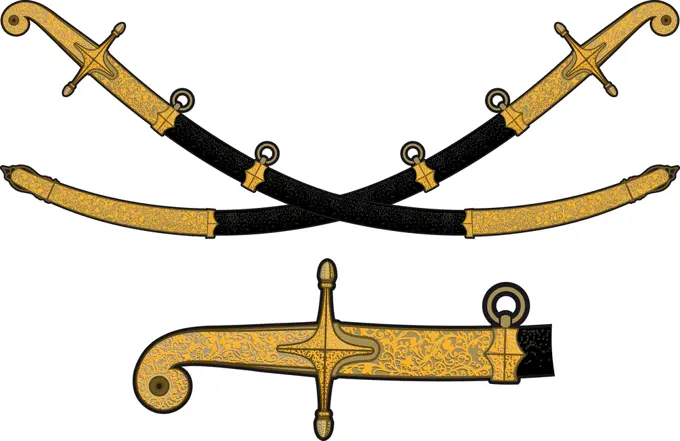
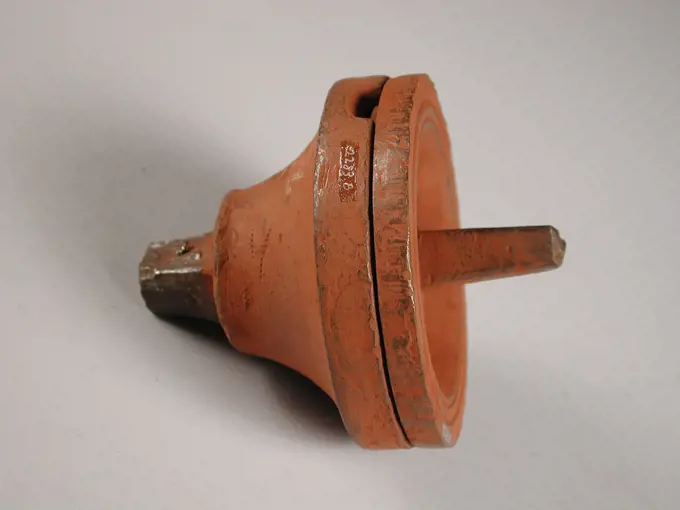
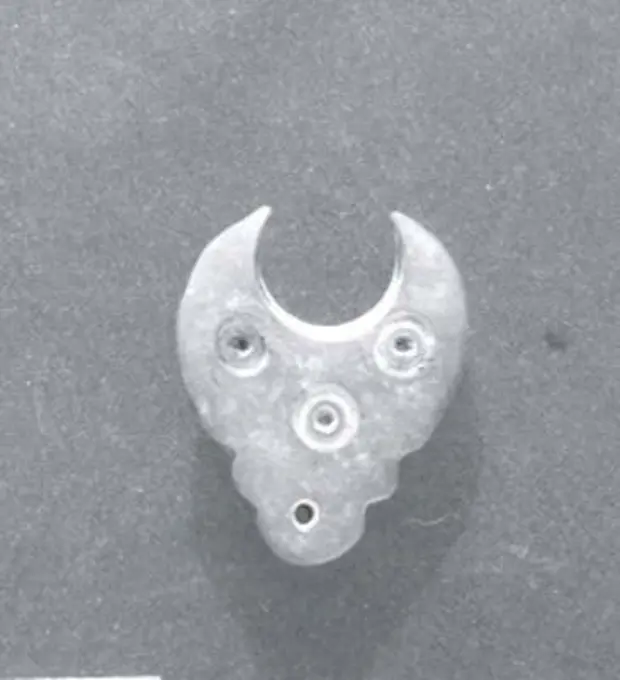
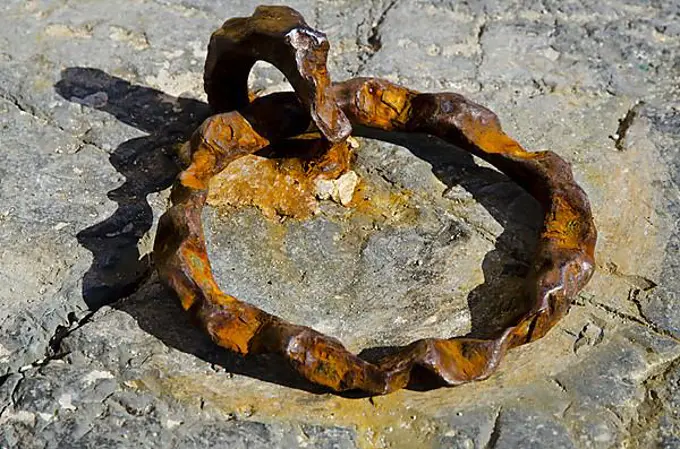
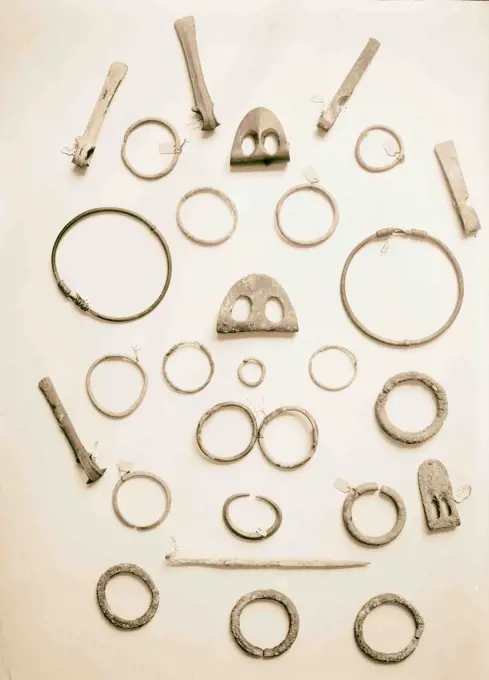
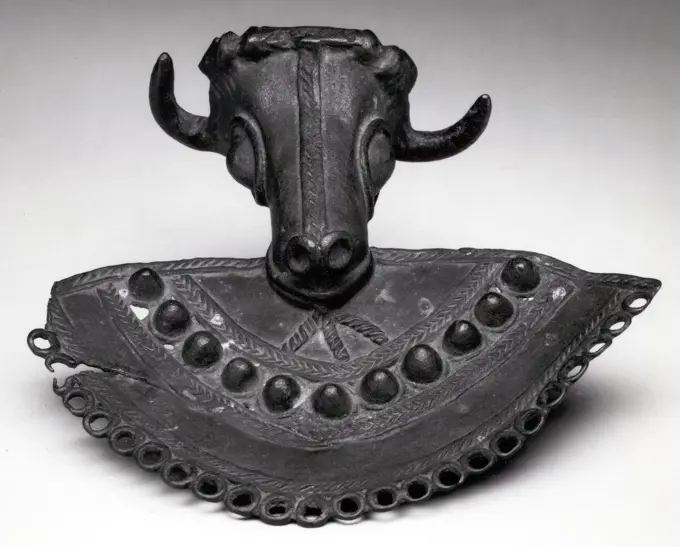
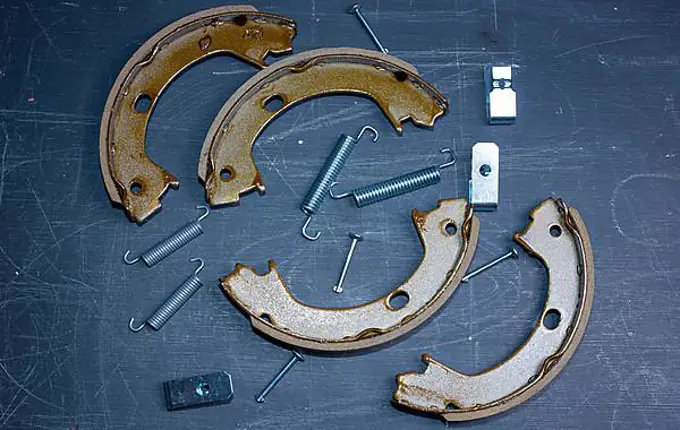
crossed eastern european or asian ornate curve saber in sheath isolated on white backgroundTwo-piece bronze mold for foot of candlestick, cast molding tool tools base metal bronze, cast Two-piece bronze mold for casting foot of candlestick Rotterdam tin foundry tin stainer tin Meeuws Druy craft Shapes come from the originally 18th century Rotterdam tin tanner J Druy. The large molds that were not signed or dated were the property of the tinker guild and were rented to the small tin caster.Pendant ca. 6th-8th century A.D. Sasanian or Islamic. Pendant. Sasanian or Islamic. ca. 6th-8th century A.D.. Shell (Mother-of-pearl). late Sasanian-early Islamic. Iran, Qasr-i Abu NasrRusty Metal Ring with ShadowAbruzzo Alba Fucens General views. Hutzel, Max 1960-1990 Roman republican veteran colony, castrum plan, 1st century BC forum, amphitheatre, various civic and religious buildings, architectural fragments, community fountain; German-born photographer and scholar Max Hutzel (1911-1988) photographed in Italy from the early 1960s until his death. The result of this project, referred to by Hutzel as Foto Arte Minore, is thorough documentation of art historical development in Italy up to the 18th century, including objects of the Etruscans and the Romans, as well as early Medieval, Romanesque, Gothic, Renaissance and Baroque monuments. Images are organized by geographic region in Italy, then by province, city, site complex and monument.Silver fibula (safety pin) 4th century BC Greek, South Italian, probably Apulian With a double arc for the bow and a long catch plate ending in a hemisphere. The catch plate is engraved with lotus flowers. The bow is solid.. Silver fibula (safety pin) 258070Vintage gas burner on a gas stove. Burner without flame. No gas.. The gas burner on the stoveLazio Viterbo Viterbo Museo Civico19. Hutzel, Max 1960-1990 Views of paintings (Middle Ages through 18th c.), frescoes, a tabernacle, coffin, sculpture reliefs, portal fragments, busts, sculpture, tapestry found in the Pinacoteca, Second floor gallery and Second floor cloister sequences. Antiquities: Many views of Etruscan and Roman fragments, sculpture, sarcophagi, pottery, masks, jewelry and other objects found in the Storeroom sequence (inventory numbers on back of prints), and the Cloister, Second floor Cloister, Valle Giulia, Sala Romana and Sala Etrusca sequences. General Notes: There are eight separate numerical sequences for this location. The cloister as an architectural structure, rather than museum site, is documented in the record and file for S. Maria della Verita, Cloister, all views of which are stored in Medieval core collection. Five views from the Museo Civico Second floor cloister sequence are stored in Medieval. German-born photographer and scholar Max Hutzel (1911-Close-up of woodworking planeOld metal key on gray paper background, close-upMUJER RECOSTADA. Author: JACQUES LIPGHITZ (1891-1973). Location: TATE GALLERY. LONDON. ENGLAND.Gold alloy torc (neck ring) found in Staffordshire. Dated 8th Century BCGoldern earrings 1898, Middle EastTweezer 1st-7th century Calima (Yotoco). Tweezer 316706Tulita Westfall, Cross and Chain, c 1937 Cross and ChainPendant: Ram Head 17th-19th century Edo peoples At its origins, the centralized city-state of Benin was founded by Edo-speaking peoples. The accounts by official court historians and descriptions provided by visitors evoke a vibrant cultural center continually redefined by its leadership through shifting internal and external power dynamics. According to oral tradition, circa 1300, Edo chiefs are reputed to have reached out to the leader of neighboring Ife, Oranmiyan, to establish a new divinely sanctioned royal dynasty. Since then, the investiture of Benins rulers to the title of obas has conferred upon them at once a role of chief priest officiating in important religious ceremonies and presiding over an elaborate structure of palace officials. During the fifteenth century reign of Oba Ewuare, Benins armies were formed and the fortification of its capital with a massive wall undertaken. In parallel, delegations of Portuguese traders assiduously sought to secure exclusive commercialSnuff Bottle (stopper), 1644-1911. China, Qing dynasty (1644-1911). Glass; overall: 8 cm (3 1/8 in.).gear wheels on steel gear wheels on steel background Copyright: xZoonar.com/OxanaxRishnyakx 4539224Loop. 2 rows of separate stones, connected at the top and bottom by 2 patterns composed of 5 stones and 2 golden sheets; On both sides, 2 small flowers with 6 stones.Hand parking brake pad replacement concept, old rusty auto parts are newDetail of an old rusty jerry canSilversmith's art, Germany, 16th century. Silver set of tools for game preparation.Clock ornament French 18th century View more. Clock ornament. French. 18th century. Gilt bronze. Metalwork-Gilt BronzePanel ornament French 18th century View more. Panel ornament. French. 18th century. Gilt bronze. Metalwork-Gilt BronzeClose up of a human hand holding a vintage silver toy air plane.