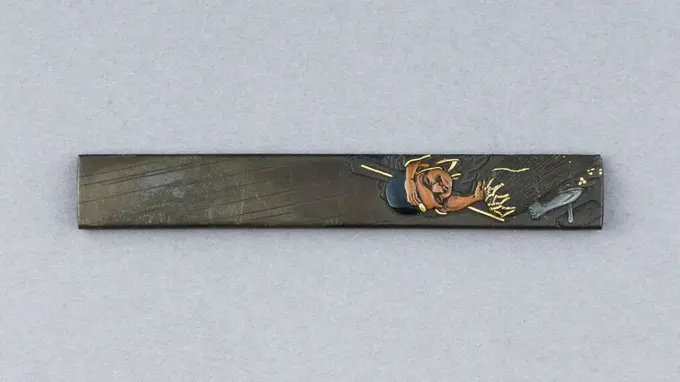
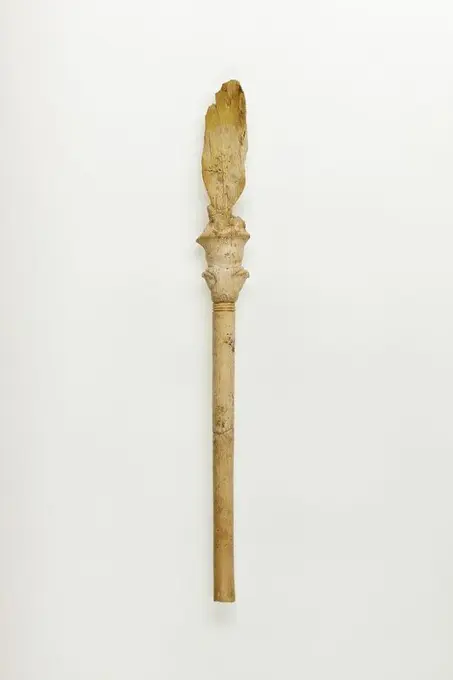
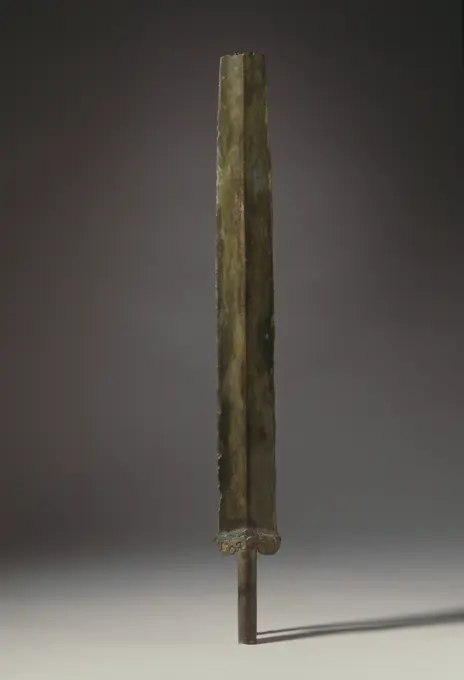
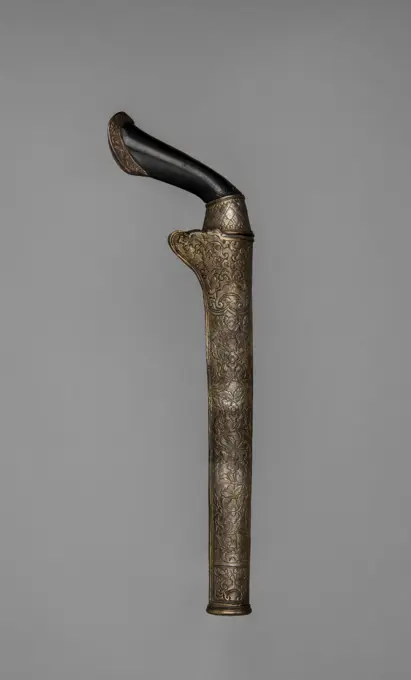
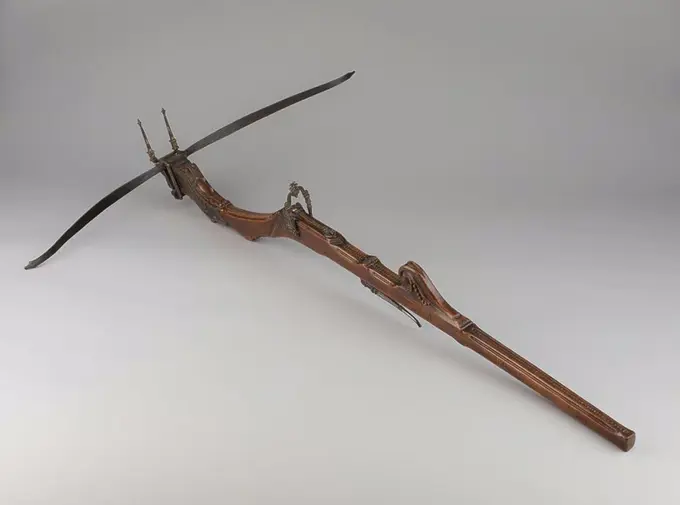
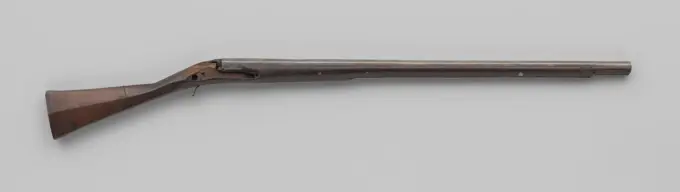
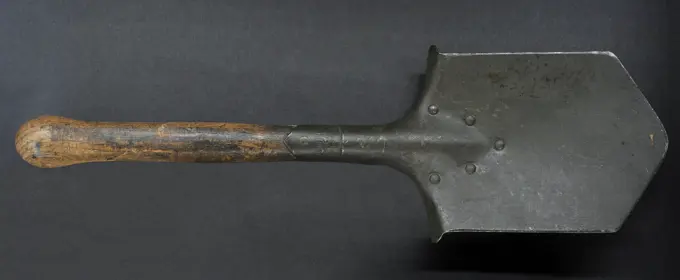
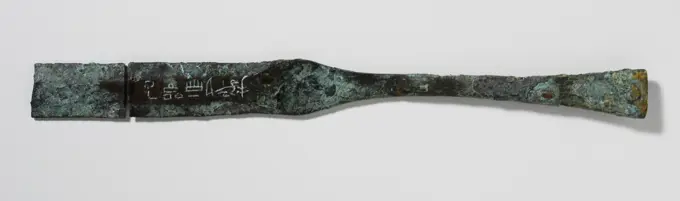
Vintage Knives and Tools

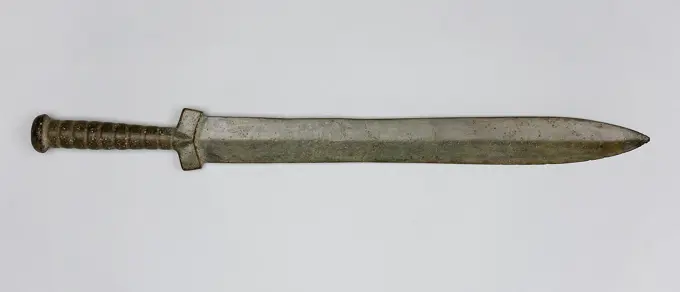
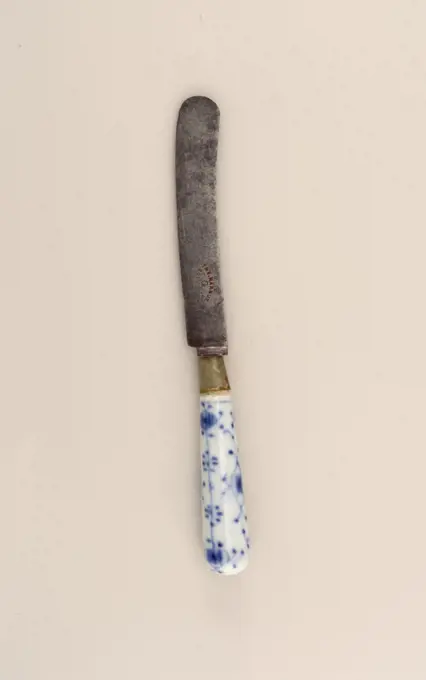
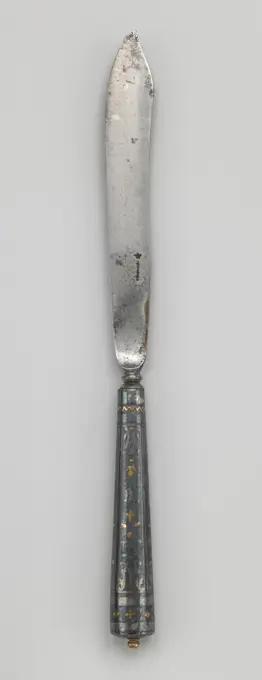
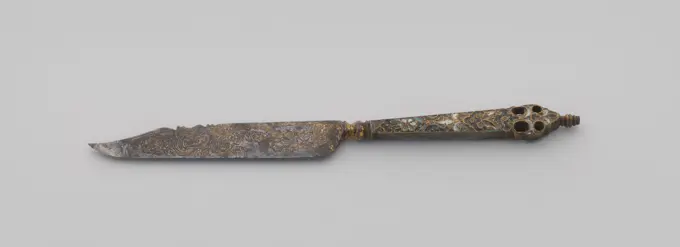
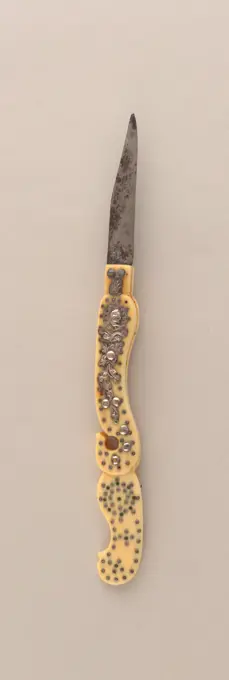
A range of vintage knives and tools, showcasing different materials and designs used across centuries.

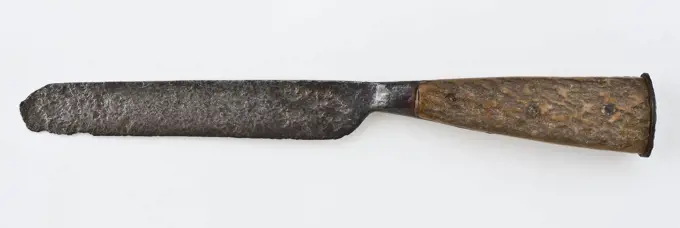
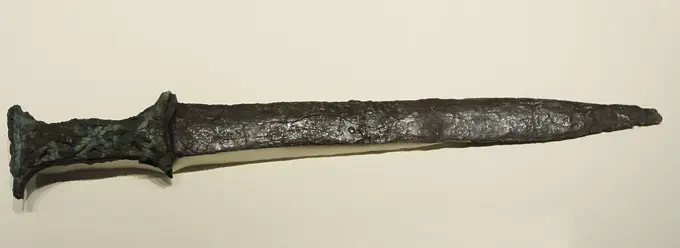
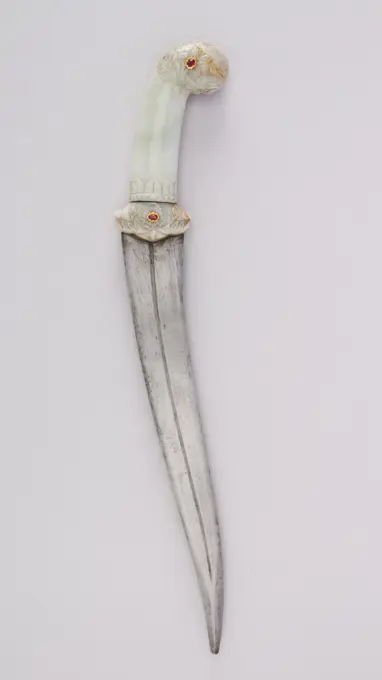
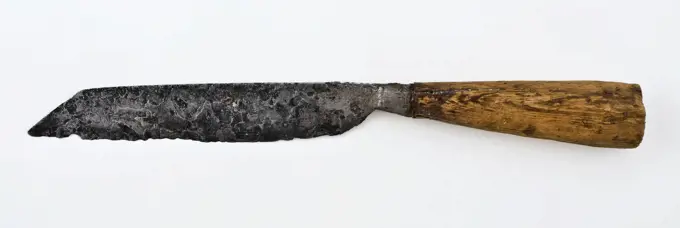
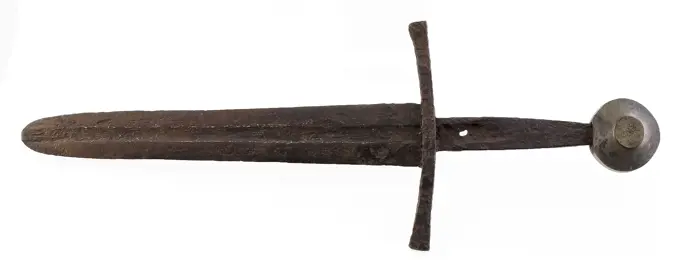
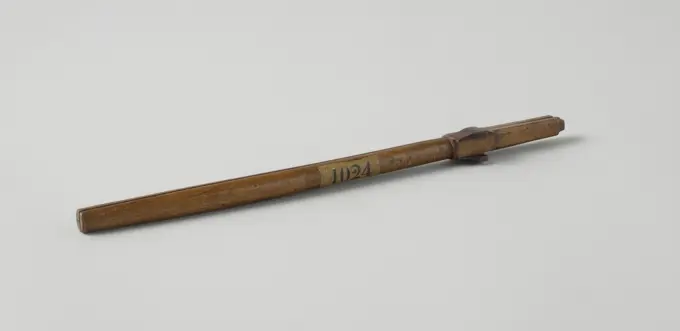
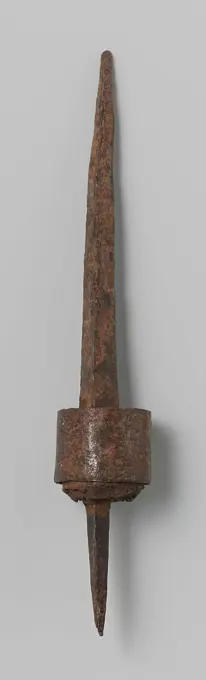
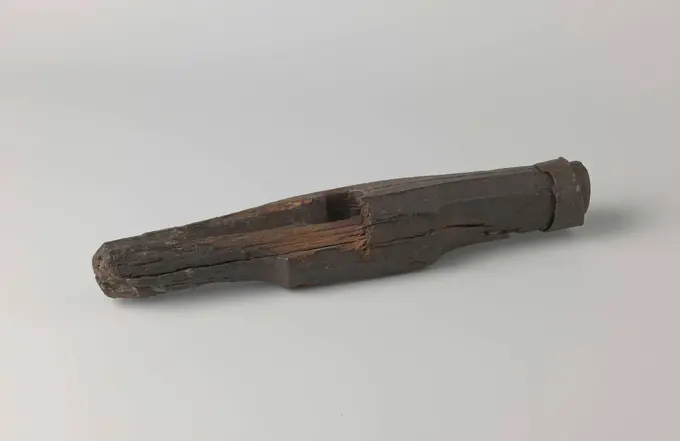
Knife with fairly wide blade and tapered handle with two legs, knife cutlery soil find leg iron metal, archeology
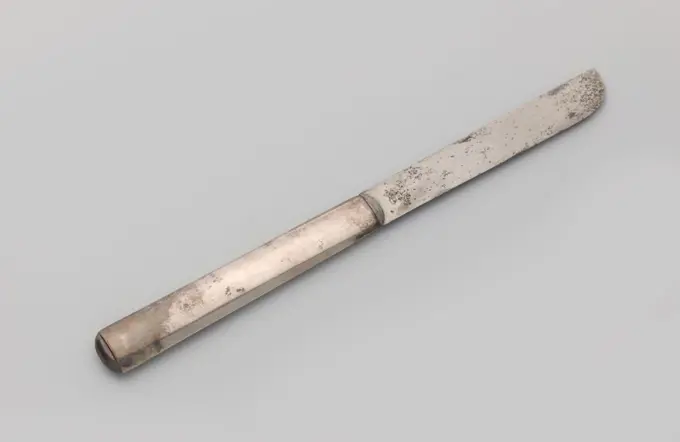
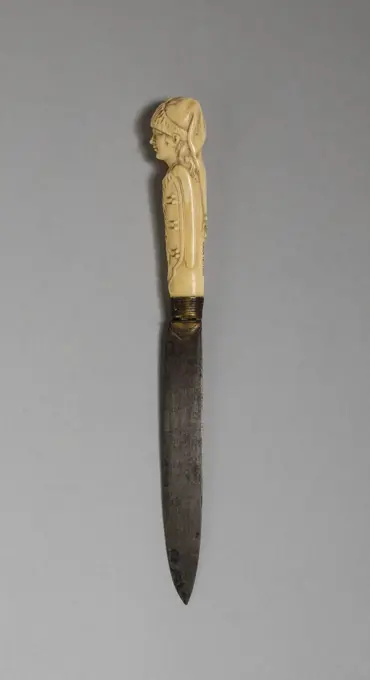
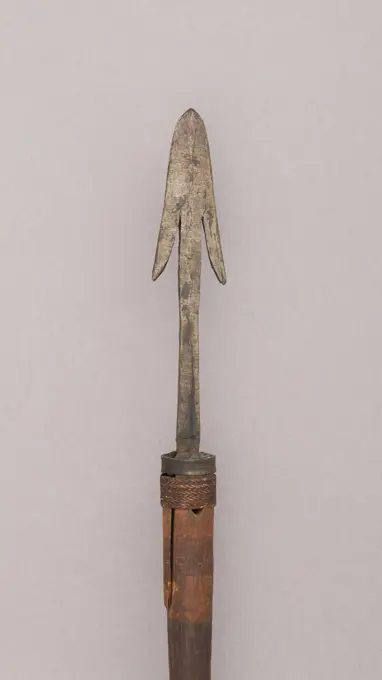
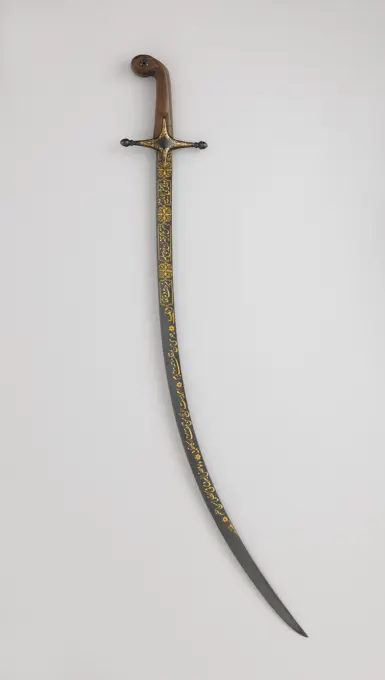
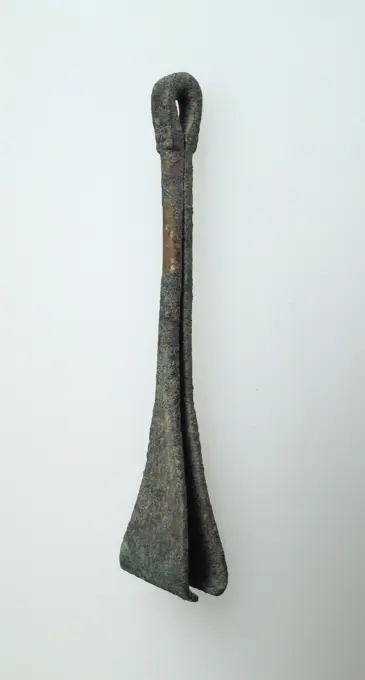
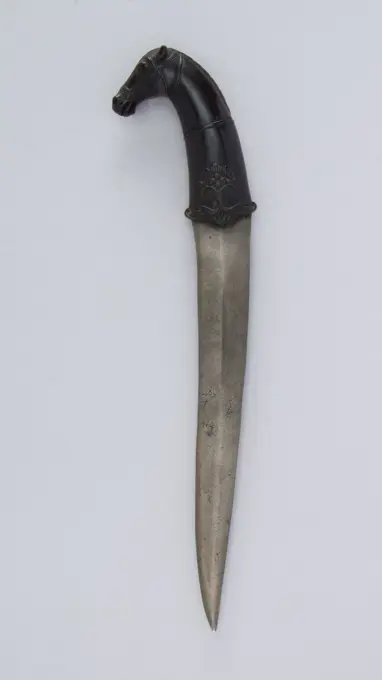
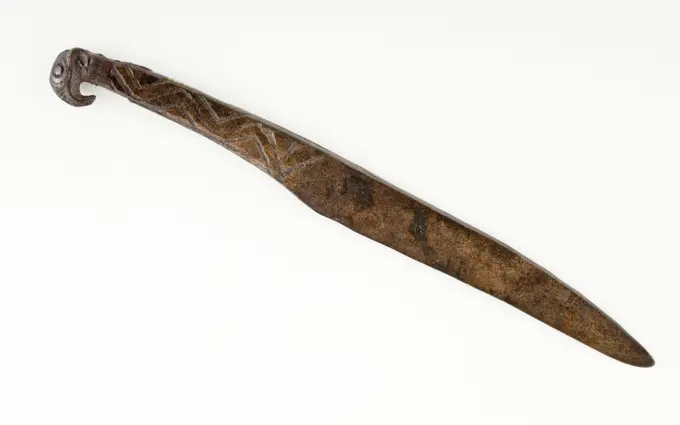
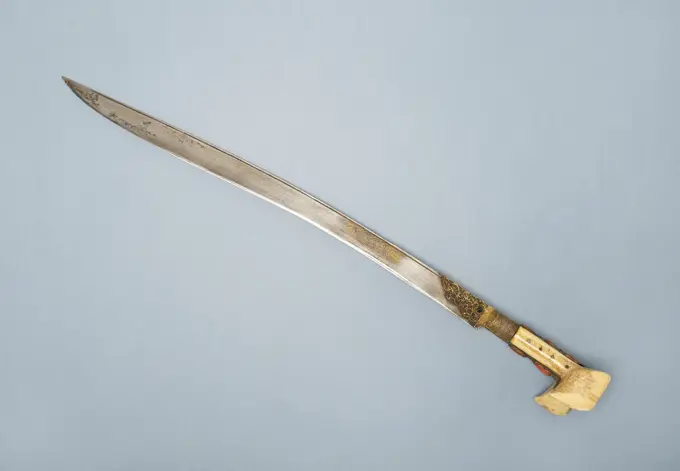
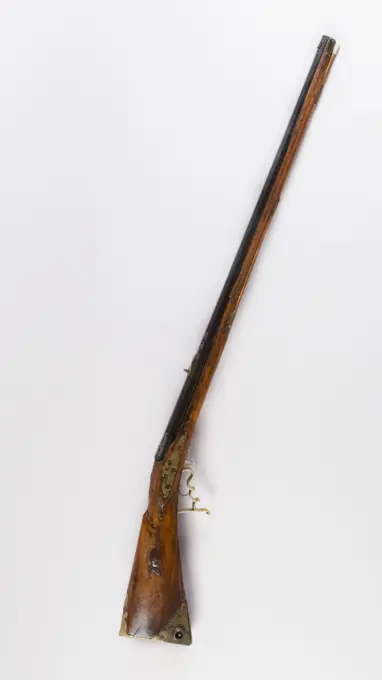
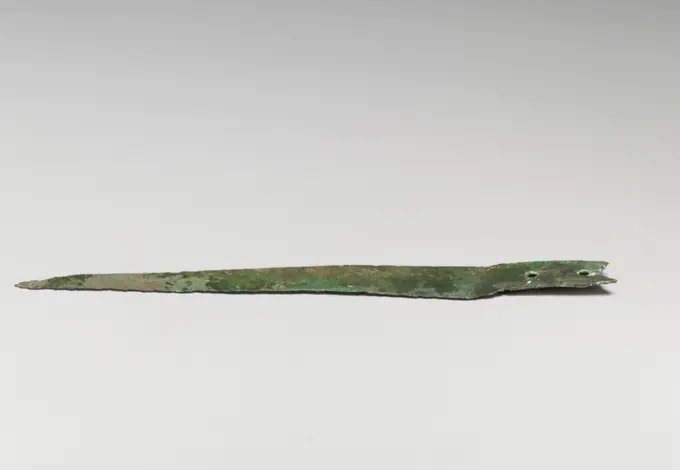
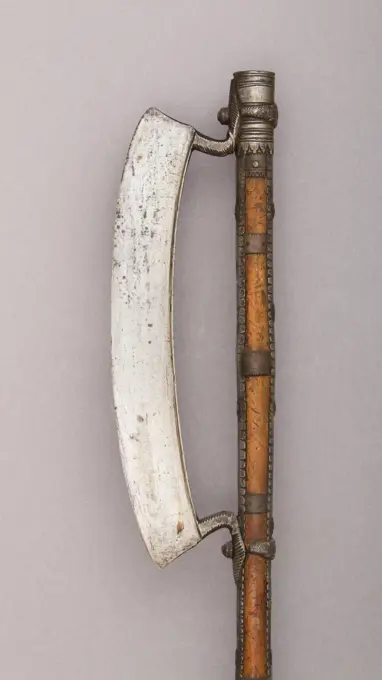
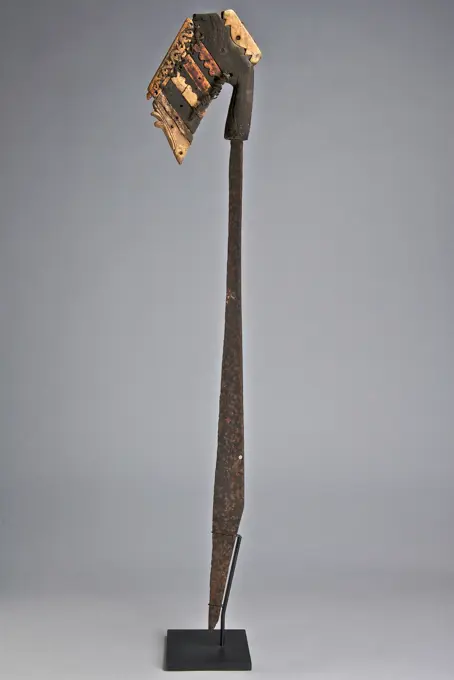
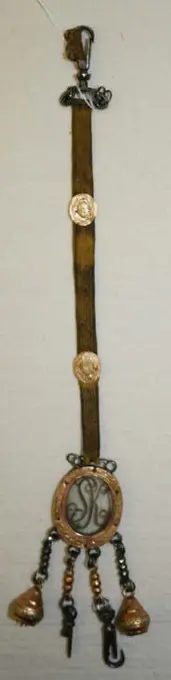
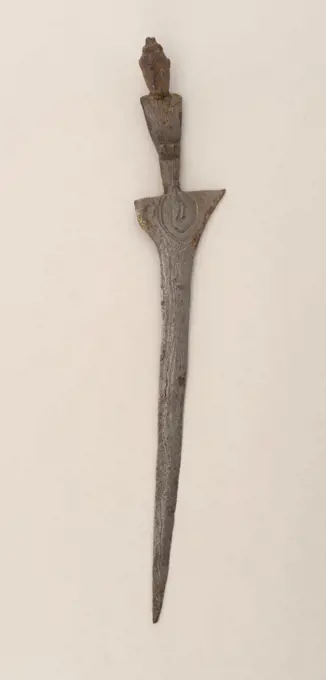
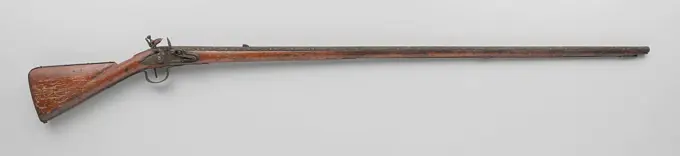
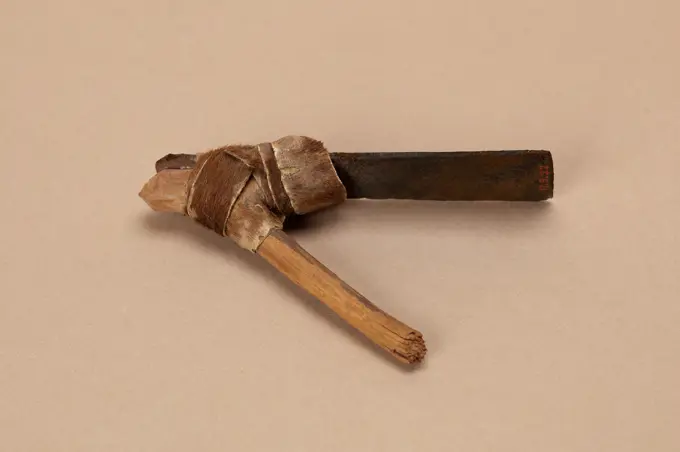
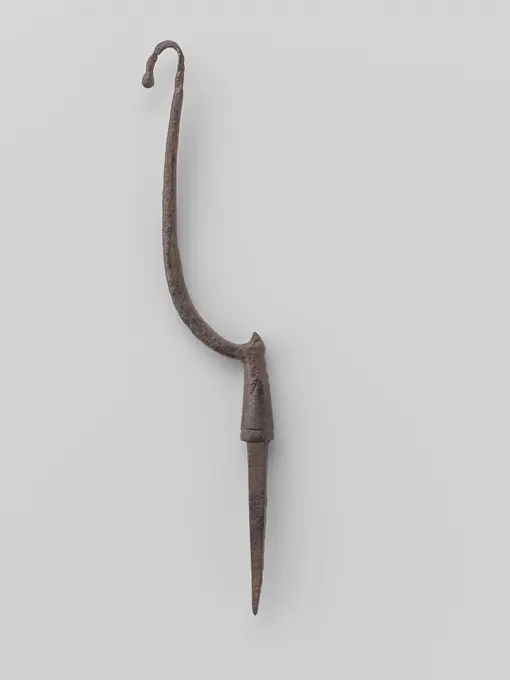
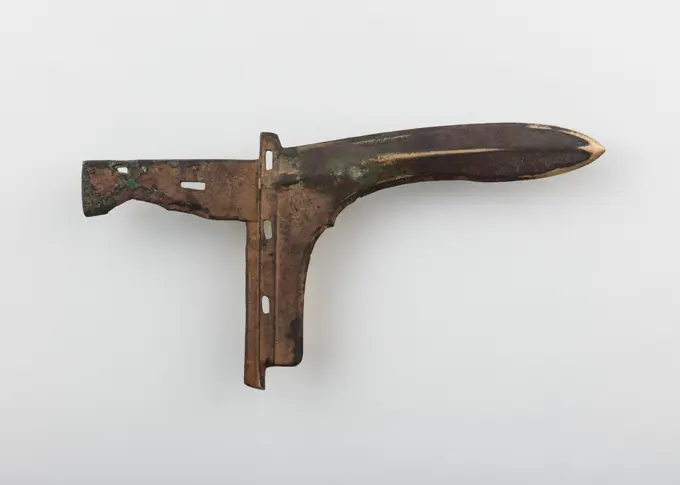
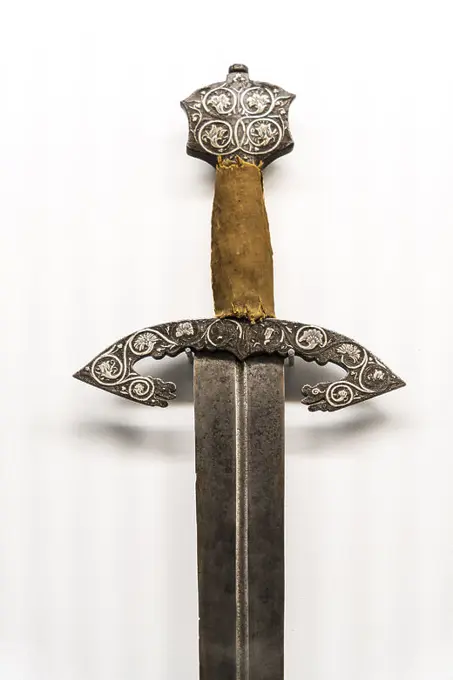
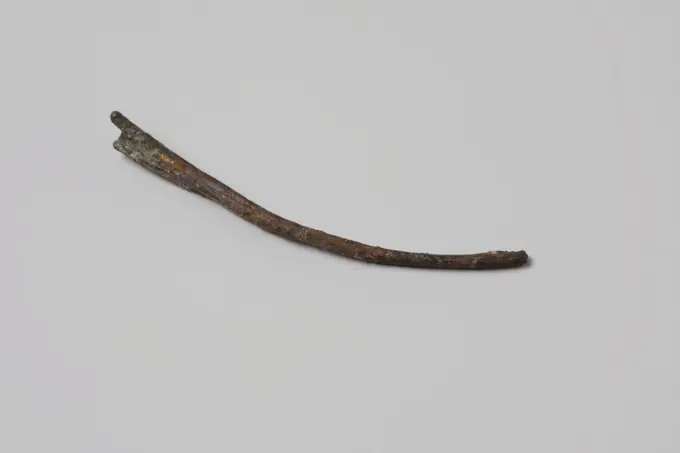
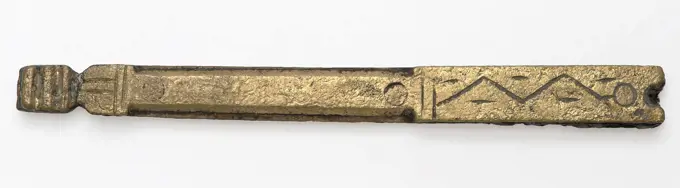
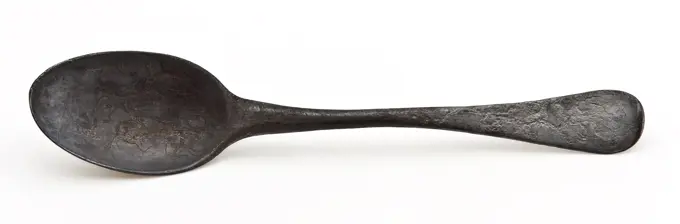
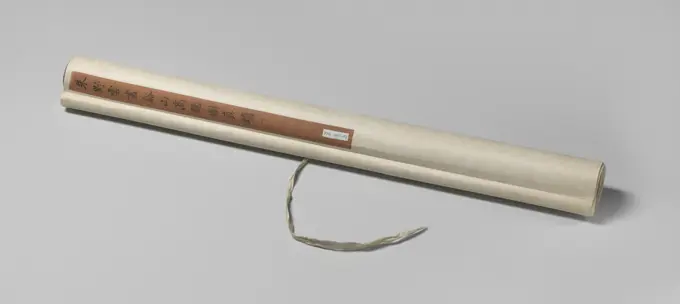
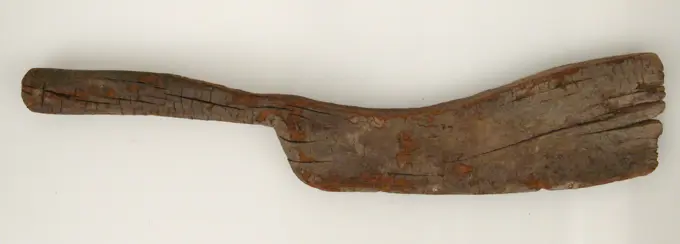
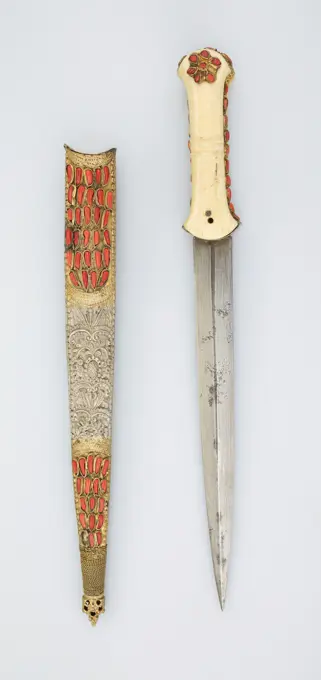
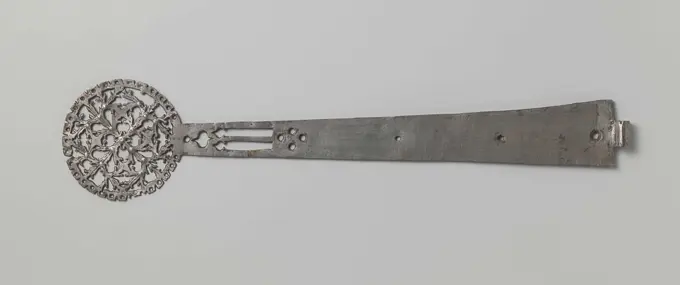
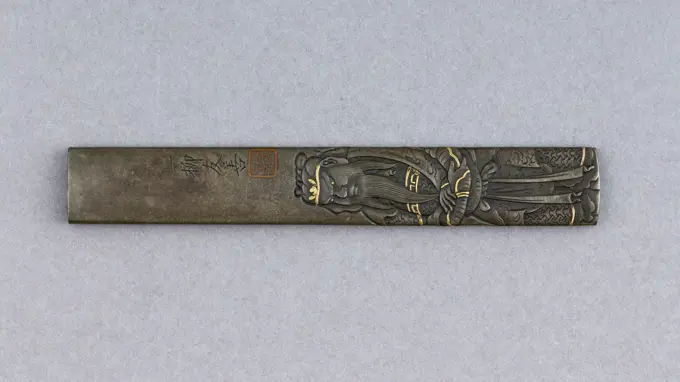
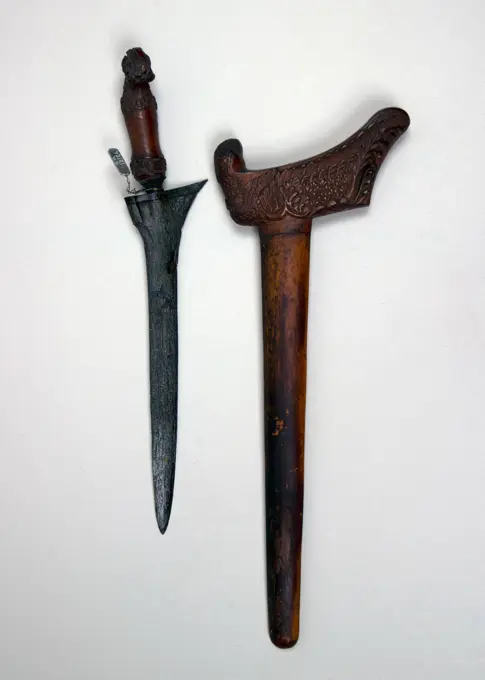
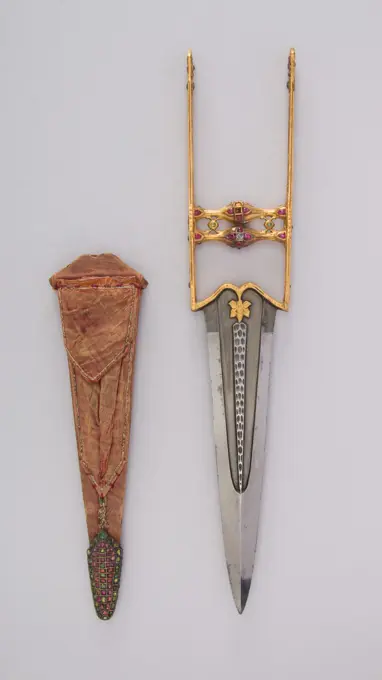
Knife with it to the widening handle, Wiener Werkstätte, 1907 Knife with steel blade. It is flat and broadens towards the end. Vienna German silver. steel (alloy) Knife with steel blade. It is flat and broadens towards the end. Vienna German silver. steel (alloy)Semi -round double -sided file, anonymous, c. 1590 - 1596  File, half round without a handle, with parallel notches (caps). The file is grater with sharp dots, local notches are visible on the two sides. Stamped blacksmith. Netherlands iron (metal) forging  Nova Zembla. Saving HuysPart of a tool, decorated, anonymous, 1600 - 1699 Part of a tool of telling iron, presumably from a fetch. The wide part is open with geometric surfaces and two circles, which are open on one side to hang something. This wide part runs narrower to the end to a slender, flat pin, which curls at the end. Low Countries iron (metal). tin (metal) forging / engraving Part of a tool of telling iron, presumably from a fetch. The wide part is open with geometric surfaces and two circles, which are open on one side to hang something. This wide part runs narrower to the end to a slender, flat pin, which curls at the end. Low Countries iron (metal). tin (metal) forging / engravingTable knife 17th century possibly Flemish. Table knife. possibly Flemish. 17th century. Steel. Metalwork-SteelKnife, 1700s. Italy, 18th century. Metal blade, ivory handle; overall: 19.7 cm (7 3/4 in.); blade: 10.9 cm (4 5/16 in.).Spear (Falfeg) 18th-19th century Philippine, Igorot. Spear (Falfeg) 30660Saber hilt, 19th century; blade, 18th-19th century hilt, Turkish; blade, Iranian with Turkish decoration The fine blade of crucible ("watered") steel is typically Iranian but was decorated at a later date by a Turkish craftsman. The decoration includes verses from the "Burda," a mystical poem by the thirteenth-century author al-Bu Siri.. Saber 30932Tweezers 7th century Frankish. Tweezers 465509 Frankish, Tweezers, 7th century, Copper alloy, Overall: 2 13/16 x 9/16 x 3/16 in. (7.2 x 1.5 x 0.5 cm). The Metropolitan Museum of Art, New York. Gift of J. Pierpont Morgan, 1917 (17.193.192)Early Sword 6th century Merovingian. Early Sword. Merovingian. 6th century. Iron. SwordsKnife with fairly wide blade and tapered handle with two legs, knife cutlery soil find leg iron metal, archeologyDagger (Khanjar) 19th century Indian, Mughal. Dagger (Khanjar) 31689Knife. Western Inner Mongolia or northern China, 6th-5th century B.C.. Arms and Armor; knives. Bronze, castYataganHunting shotgun for compressed air Kuchenreuter, Johann Andreas, II (1758 1808)Double -edged sword; Bospor's workshop; VI century BC (-600-00-00--501-00-00);Purchase (provenance)Knife with Porcelain Handle, Meissen Porcelain Manufactory, German, active from 1710 to the present, F. & E. Marcus, German, 18th century onwards, hard paste porcelain, vitreous enamel, steel, Slightly curved steel blade and tapering tubular blue and white porcelain handle, nickel socket., Germany, 18th century, ceramics, Decorative Arts, knife, knifeTable knife 17th century Italian. Table knife. Italian. 17th century. Steel, niello-work with gold inlay. Metalwork-SteelMess with email decorated and engravings on blade, anonymous, 1575 - 1625 Knife with iron blade, which is decorated with engraving. On one side a jumping dog, the other side shows a soldier with hellaard and sword in the sheath, rank motifs curled above and a bird on top (fenix). The handle is decorated with flowers of multiple colors enamel. The end of the handle is open. Blade and lifting are partly gilded. Southern Netherlands Handle: Copper (Metal). Haken:. blade: Iron (metal). Handle and blade: Gilding (Material) engraving / gilding Knife with iron blade, which is decorated with engraving. On one side a jumping dog, the other side shows a soldier with hellaard and sword in the sheath, rank motifs curled above and a bird on top (fenix). The handle is decorated with flowers of multiple colors enamel. The end of the handle is open. Blade and lifting are partly gilded. Southern Netherlands Handle: Copper (Metal). Haken:. blade: Iron (metal). Handle and blade: Gilding (Material) engravTable knife with decorated lifetime of horn. Profiled horns raises. Narrowed Angel with profiled eagle clenched in the lifting. Long pointed blade with broad back. It has cracks, the shape of the blade is intact.Spear (Sangu) 18th-19th century Indian, Maratha. Spear (Sangu). Indian, Maratha. 18th-19th century. Steel. Shafted WeaponsFolding Pocket Knife; ivory, silver, steel, brass, enamel; L: 14 cm (5 1/2 in.); The Robert L. Metzenberg Collection, gift of Eleanor L. Metzenberg; 1985-103-169Degen met ijzeren korf en kruisstang.Degen with (distorted) Relocation, Parals. Iron button with vertical copper tires. Cling incomplete.This officers poniard - a short sabre - originally belonged to the naval lieutenant Justus Klinkhamer. His death during the first Dutch naval encounter with the Belgians in October 1830 made him famous. Klinkhamers family presented the weapon to Jan van Speijk, who died a heros death himself several months later.Sword with iron blade and bronze knob. Iron Age I. Late Urnfields Culture. 6th century BC. Tossal de los Regallos (Candasnos, province of Huesca, Aragon), Spain. National Archaeological Museum. Madrid. Spain.PinDagger (Khanjar) 19th century Indian, Mughal. Dagger (Khanjar) 31844Cinquedea 1800-1900 Italy. Bone, bronze, and brass .Bronze knife 2nd millennium B.C. Minoan Knife blade.. Bronze knife 252392 Minoan, Bronze knife, 2nd millennium B.C., Bronze, L. 6 1/4 in. (15.7 cm). The Metropolitan Museum of Art, New York. Bequest of Richard B. Seager, 1926 (26.31.470)Mace Made 1525-1555 Italy. Steel, iron, and gilding .Axe 19th century Indian, Chota Nagpur. Axe 30816SwordNail 15th-16th century European. Nail. European. 15th-16th century. Iron. Metalwork-IronWalshellers on IJcteners Spil.walshellers on One IJcife Games.FoodHookCopper book fittings, decorated, decorative fittings fittings closure soil found brass metal, cast punched riveted engraved Copper strip part of book fittings Beveled sides protruding end. Decorated with deep naves and engraved rays archeology Rotterdam rail tunnel book protect close close transport Soil discovery: trajectory rail tunnel Rotterdam.Spear. Culture: Indian, Vizianagram, Madras. Dimensions: L. 63 in. (160 cm); L. of head 26 5/16 in. (66.8 cm); W. 3 in. (7.6 cm); Wt. 4 lbs. 3.4 oz. (1910.8 g). Date: possibly 17th century. Museum: Metropolitan Museum of Art, New York, USA.Handle with gear ..Przeszo Przyszoci ArmeniansSpear possibly 17th century Indian, Vizianagram, Madras. Spear 30764Copper alloy spearhead ca. 2500-2000 B.C. Cypriot Leaf-shaped blade with a hooked tang.. Copper alloy spearhead. Cypriot. ca. 2500-2000 B.C.. Bronze. Early Bronze Age. BronzesKnife with broad, pointed blade and wooden handle, knife cutlery soil find tin wood metal, archeology underground pit Rotterdam City center Stadsdriehoek Oostplein Soil discovery: underground pit Oostplein.Carnavalet museum, Sceaux collectionFolding fork 18th century French. Folding fork. French. 18th century. Steel, damaescened in gold. Metalwork-Steelsword vest weapon soil find iron copper metal, forged cast Short iron sword possible left hand Wide double-edged blade wide groove over the entire length in the middle. Round point Parent. Conical flat angel Large copper or bronze knob at the end of the hilt flattened sides archeology Rotterdam war fighting militaria soldier stitches Probably dredging from Rotterdam.Weapons, anonymous, c. 1590 - c. 1596 Halberd Hellebaard, fragment consisting of the blade with a point bent, a remnant of the square stick and a fragment of the Hellaard. The ax and the hook have been partially demolished and the striker has been bent. The remainder of the stick is partially hidden in the square haft of the blade. Of the two feathers that were held on the stem, there are only remains.  iron (metal). wood (plant material) forging / cutting  Nova Zembla. Saving HuysPeg 580-640 Coptic. Peg 474938Hunting cordlas with vagina unknown labelAwl 5th-3rd millennium B.C. Iran This copper awl was excavated in 1937 at a prehistoric site in the vicinity of Nishapur in northeastern Iran. While Nishapur itself was founded by the Sasanian king Shapur I (reigned ca. A.D. 241-272), this awl shows that human habitation there goes back to the prehistoric period. Furthermore, the prehistoric pottery from Nishapur has close affinities with ceramic materials from Central Asia rather than with contemporary sites in Iran, meaning that in this period its inhabitants were likely culturally linked to their neighbors to the east. At the same time, Nishapurs location on what later became known as the Great Khorasan Road suggests that it was part of the trade network that facilitated the import of precious stones such as lapis lazuli, carnelian and turquoise from Central Asia to Mesopotamia.. Awl 323705Cleaver 1600-1633 Germany. Steel, wood, and brass .Dagger with Sheath 16th-19th century Sumatran. Dagger with Sheath 31778Knife Coin. Culture: China. Dimensions: L. 7 1/4 in. (18.4 cm). Museum: Metropolitan Museum of Art, New York, USA.Wire ca. 1550-1458 B.C. New Kingdom. Wire. ca. 1550-1458 B.C.. Bronze or copper alloy. New Kingdom. From Egypt, Upper Egypt, Thebes, Asasif, Courtyard CC 41, Pit 2, Burials B x, MMA excavations, 1915-16. Dynasty 18, earlyStaff: Seated Male Figure 16th-17th century Dogon or Bozo peoples A large male figure in full regalia, seated on a spool-shaped stool, forms the finials of this bronze and iron staff. Details of dress and body ornamentation-including the elaborate headdress and stylized beard, complex patterns on the skin, heavy pendant, armlets, bracelets, and anklets, and the decorated wrappers around the chest and waist-reveal an individual of high status. The figure holds a spear in his right hand and bears a dagger in a decorated sheath on his left arm, conveying the impression of success in the hunt as well as in battle.Cast as one piece, the finial's decorative features reveal the high degree of skill that the craftsman devoted to producing this flawless object. The scalloped edges of the beard, the textured surfaces of the chest band and waist cloth, and the zigzag patterns on the jewelry and knife sheath imbue the work with a visual richness that attracts and dazzles the eye.The origins of thipsilocybe semilanceata macro close upFob late 18th century British. Fob 102451Knife, steel, Integral. Flat tapered pointed blade, swelling toward sharp shoulder. Handle in form of stylized figure. Grain pattern in steel overall., possibly Indonesia, possibly 800-1000, cutlery, Decorative Arts, KnifeVuursteenjachtgeweer in de Hollandse stijl van de jaren 1670.Flight yacht rifle in the Dutch style of the 1970s; Walk on Java. The lock is embossed with flower cartridges that are partially infused in gold. The loop is heavily finished from the inside; The decoration is the same as those at the lock; Silver visor grain. The flask is painted brown-orange. The iron batter is decorated in the same way as the lock and the course and consists of three incertainty loading bokekers and a gold-plated screw plate; The narrow wooden loading stick is equipped with a copper hood and an iron crasser; The drawer cap fog.Model adze ca. 1981-1802 B.C. Middle Kingdom. Model adze. ca. 1981-1802 B.C.. Copper, wood, animal hide. Middle Kingdom. From Egypt, Middle Egypt, Asyut (Lykopolis), Tomb of Ankhef (Tomb 9), Khashaba excavations. Dynasty 12Knife Handle (Kozuka). Culture: Japanese. Dimensions: L. 3 13/16 in. (9.7 cm); W. 9/16 in. (1.4 cm); thickness 3/16 in. (0.5 cm); Wt. 1 oz. (28.3 g). Date: ca. 1615-1868. Museum: Metropolitan Museum of Art, New York, USA.Cosmetic spoon. Dynasty: Dynasty 18. Date: ca. 1550-1295 B.C.. Museum: Metropolitan Museum of Art, New York, USA.Sword. China, Qin dynasty, 221-206 B.C.. Arms and Armor; swords. Cast bronzeDagger (Dha) with Sheath 18th century Burmese. Dagger (Dha) with Sheath 30920Knife, 1500s - 1800s. Sumatra. overall: 28.7 cm (11 5/16 in.); blade: 20.5 cm (8 1/16 in.).Model of a Made Mast, anonymous, 1780 - 1840 demonstration model Part of a round mast with square top, nommer with ears and driving bed. The mast itself consists of three parts, a part in the front and two behind, connected to each other with welding inside. The nommer is square and the driving bed is between the fairly short ears. Netherlands wood (plant material)Knife (possibly England); steel; L x W: 32.3 x 1.8 cm (12 11/16 x 11/16 in.); The Robert L. Metzenberg Collection, gift of Eleanor L. Metzenberg; 1985-103-25Musket fork, an arm is missing. Musket fork, an arm is missing.Partisan ca. 1725 Austrian. Partisan 27021PinDagger (Jambiya) 18th-19th century Indian. Dagger (Jambiya) 31692Case for a pipe, anonymous, c. 1700 - c. 1725  Long, rectangular wooden pipe fow to which a block -shaped box with a lid that is attached with a hinge. The whole is covered with ivory plates that are attached to the fedal with pins and are decorated with cutting work in the form of winding vens with grenade flowers. On the lid a standing piping man (Dutch), headed head -on with large hat on the long hair and left hand in the side. Sri Lanka ivory. wood (plant material). copper (metal). metal cutting / gilding / striking (metalworking) foliage, tendrils, branches ~ ornament Sri LankaDagger (Jambiya) 18th century Arabian. Dagger (Jambiya) 31745Knife (kard) with Wild Goat's Head Hilt. India, Mughal empire, circa 1700. Arms and Armor; knives. Ivory hilt with steel handle; iron blade inlaid with goldSpatula in the Form of a Hand 3rd-7th century Moche. Spatula in the Form of a Hand 308583Tweezers ca. 1550-1458 B.C. New Kingdom This set of tweezers is a set of toiletry equipment (26.7.837a-d) that included a razor, a mirror and a whetstone, and a kohl tube (26.7.1447), all found in a rush basket.. Tweezers 547607Model of a Rudder with a Double Head, anonymous, c. 1775 - c. 1825 demonstration model Easy model of rudder with square roson king cut from one piece of wood. Two places are marked on the head for the stir pins for the holes. Sake -ups on the back and bottom. Netherlands (possibly) wood (plant material). brass (alloy)Dagger-Ax (Ge) 3rd century B.C. Chinese, Yan kingdom This dagger-ax is cast with series of slits to be tied to a shaft, and it is distinctive for the curved profile of its short beak. On one side it bears an inscription naming the Yan Kingdom, one of the last states to fall to the Qin Empire during the Warring States period.. Dagger-Ax (Ge). Chinese, Yan kingdom. 3rd century B.C.. Bronze. Shafted Weaponsdecorated hilt of ceremonial sword, 15th century, Álava Armory Museum, Vitoria, Basque Country, Spain.Matchlock Petronel Made 1560-1590 France. Petronels were shot from the chest (their name comes from the French word for chest, poitrine). These crook-butted long guns were a popular stock design for a few decades at the end of the 16th century. They were soon supplanted by more practical shoulder stocks as the recoil resulted in chronic chest injuries.. Steel, iron, fruitwood, staghorn, and horn .Point of sailing stick, with band and leftover wood.Ship Part, Point of Sailing Stick, With Tire and Leftover or Wood.Excerpt from musketmaat, anonymous, c. 1590 - c. 1596  Musketmaat, fragment consisting of brass and leather shell with leather ears. The bottom is missing and the leather is strongly dried out and no longer fits over brass. Standard description musket size: brass lined with leather. Equipped with two eyes on the side to put a cord through which held the lid and the buddy was hung on the bandelier. A musketti band had twelve powder buddies and a bag of bullets. The powder buddies contain a carefully adjusted amount of gunpowder for one shot.  leather. brass (alloy) striking (metalworking)  Nova Zembla. Saving HuysNeedle from the wreck of the East Indies Hollandia, Anonymous, 1700 - in Or Before 1743  Tools and instruments, sewing and sailmaking, sailmaker's needle; fragm, bent, eroded, thin rod with fragm of 4 splayed strips on one end. Netherlands copper (metal)   SecondFragment of book fittings, ornamental fitting book fitting soil found brass metal, cast engraved riveted Yellow copper metal rod with leather remains between top and bottom plate in three places riveted top plate decorated with stripe and zig-zag engraving archeology Valckensteyn Poortugaal Albrandswaard close book adornment Soil discovery: castle Valckensteyn in Poortugaal now Albrandswaard.Spoon with oval bowl and flat, flared handle, teaspoon table spoon equipment soil find silver metal, Spitsovale tray rounded end of the handle. Marked on the handle Reverse side of stalked owner initials: I.I.S. and two unclear approvals: MVS and 13 archeology Rotterdam rail tunnel food Soil discovery: trajectory Rotterdam rail tunnel.Passe-partout of the hermit in the mountains.Passe-partout for the hanging roller with a hermit in the mountains.Winnowing Scoop 580-640 Coptic. Winnowing Scoop 475031Small knife with a scabbardPipe with Hummingbird. Mexico, Western Oaxaca or Puebla, Mixtec-Puebla, 1100-1400. Ceramics. Ceramic with postfire application of Maya blue pigmentPellet Crossbow. Italian or French. Date: 1570-1600. Dimensions: 17.2 × 105.4 × 69.9 cm (6 3/4 × 41 1/2 × 27 1/2 in.). Steel, iron, gold, cherrywood, and hemp. Origin: France. Museum: The Chicago Art Institute, Chicago, USA.Rifle of the V.O.C. with red copper tires, anonymous, 1599 - 1799 flintlock gun Rifle with flint lock of the V.O.C., without weapon. The loading stick is made of iron. The gun is decorated with red copper tires. Netherlands (possibly) Walk, loading stick: Iron (Metal). flint:. Tires: Copper (Metal)First World War (1914-1918). Austro-Hungarian army sapper shovel. Latvian War Museum. Riga. Latvia. Ancient Knife with Modern Inscription. Egypt, probably New Kingdom (1569 - 1081 BCE) or later. Arms and Armor; knives. BronzeHengsel.Handle with circular ornament. Coming from a northern Italian or South German coffin.Knife Handle (Kozuka) ca. 1615-1868 Japanese A kozuka is a handle of a by-knife that is part of a sword mounting. It is kept in a slot on the reverse of a katana scabbard, often with a matching kōgai (hairdressing tool).. Knife Handle (Kozuka) 34513Kris with Sheath 16th-19th century Madurese. Kris with Sheath 31237Dagger (Katar) with Sheath 18th-19th century Indian, Mughal. Dagger (Katar) with Sheath 31862Sword, Before 1916. Indonesia, Sulawesi (Celebes). overall: 66.4 cm (26 1/8 in.); blade: 52.1 cm (20 1/2 in.).Yatagan with ebbenhouten hilt, anonymous, 1500 - 1699 yatagan Yatagan with ebbenhouten, engraved silver ornaments and leather sheath. Turkey Ornaments: Silver (Metal). Schede: Leather. Handle: Ebony (Wood). Kling, bus, carrying rings: Iron (Metal) inlay (process)Matchlock Musket with flint lock of later period, Anonymous, Richard Bower, c. 1650Table Knife, c. 1500. Flanders, 16th century. Gilt bronze and steel; overall: 18.5 cm (7 5/16 in.).Kalfate hammer with one iron ring and hole in the middle. Kalfate hammer with one iron ring and hole in the middle. The wood is split and the handle is or NM-7773-2, or lacking.