Vintage Knives and Tools

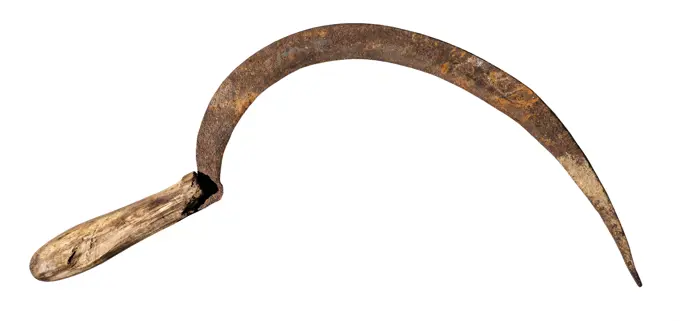
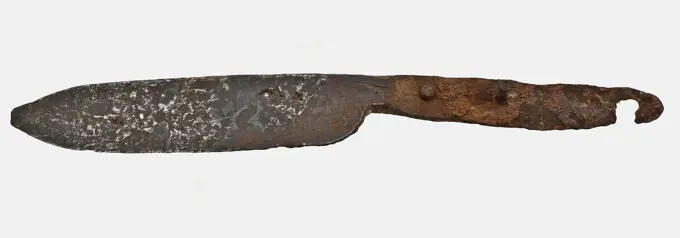
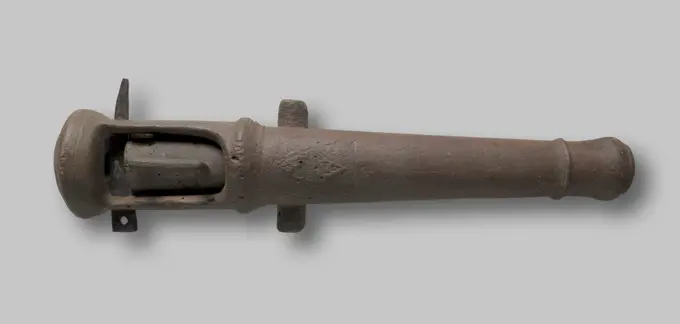
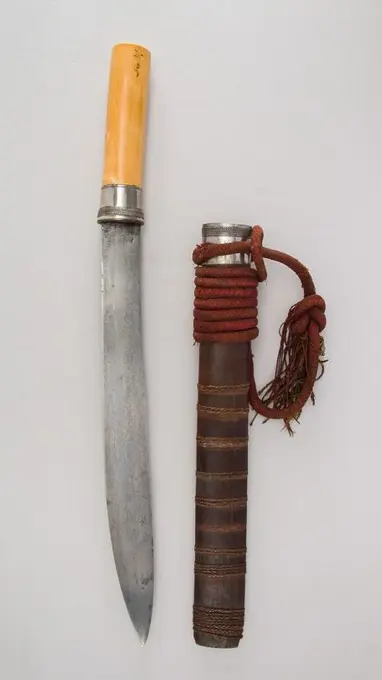
A range of vintage knives and tools, showcasing different materials and designs used across centuries.

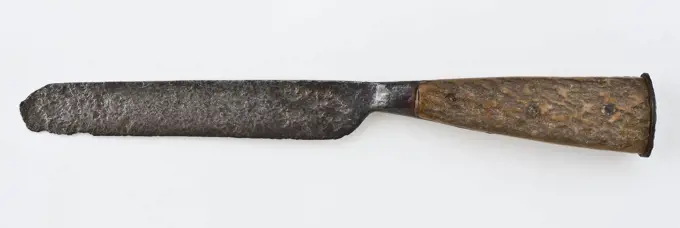
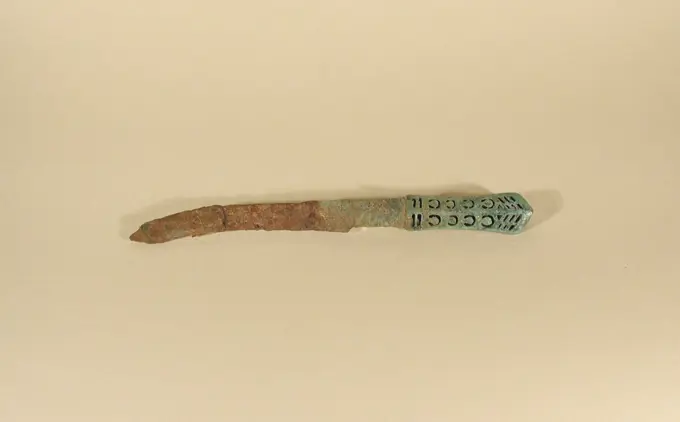
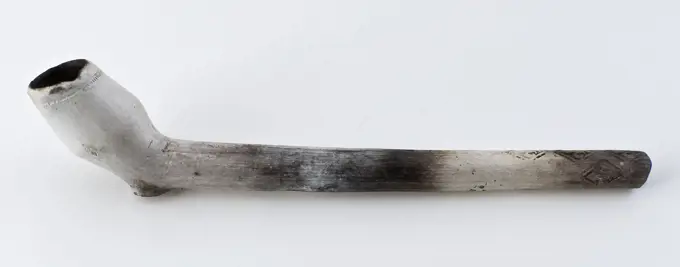
Knife with fairly wide blade and tapered handle with two legs, knife cutlery soil find leg iron metal, archeology
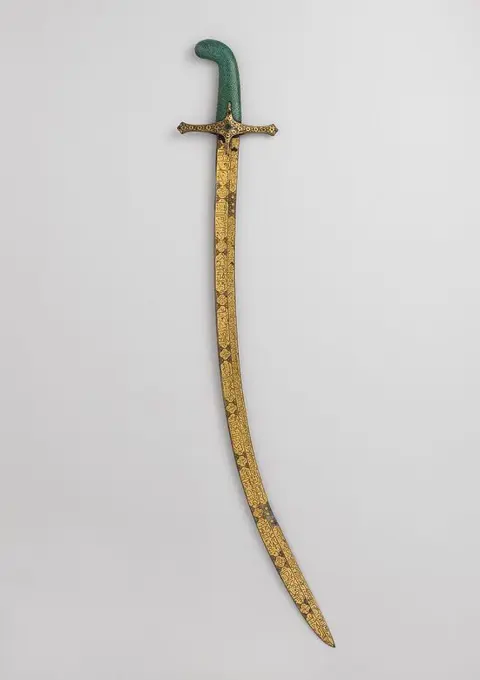
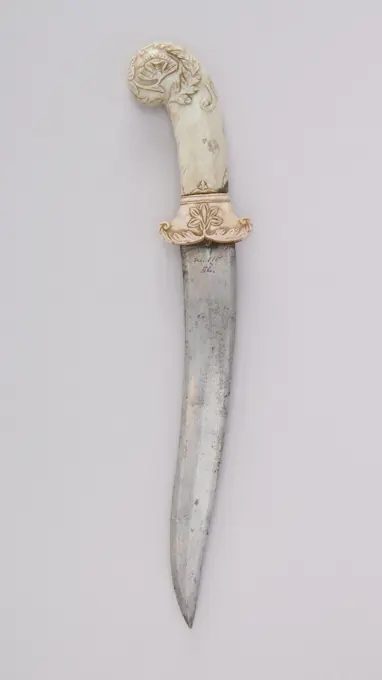
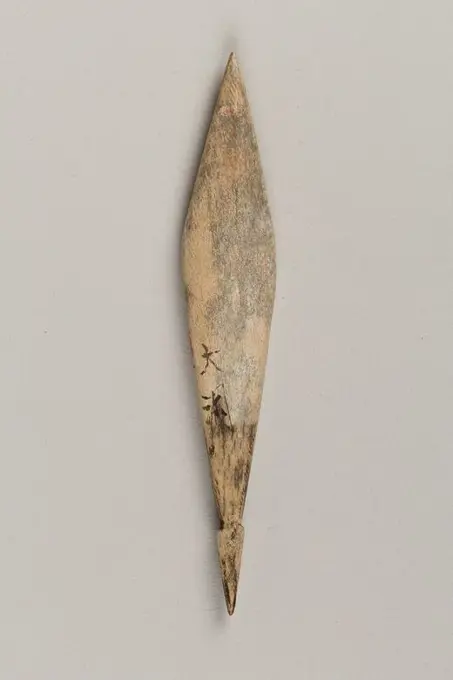
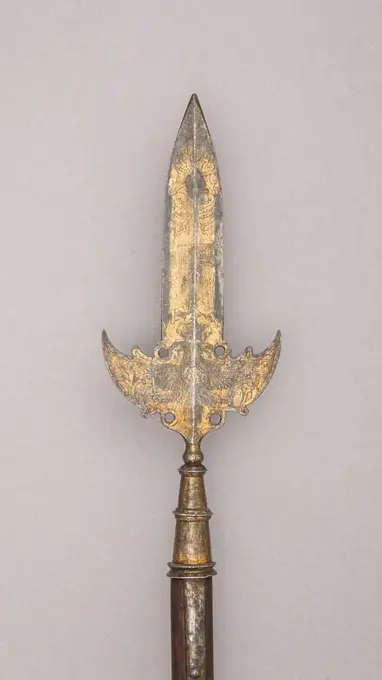
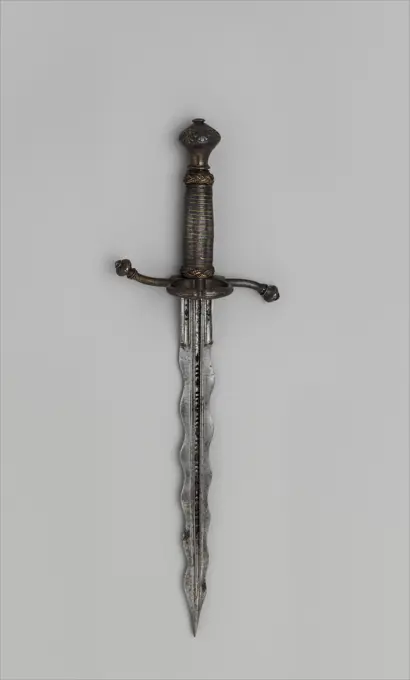
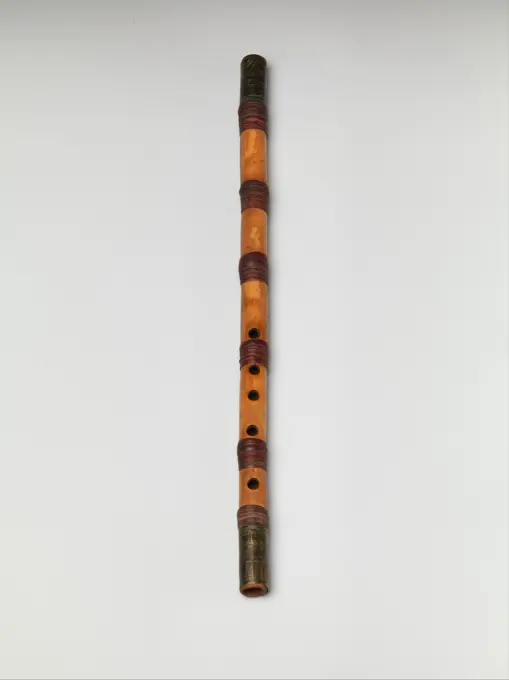
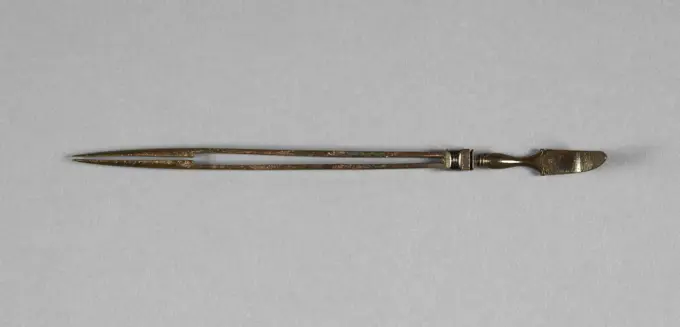
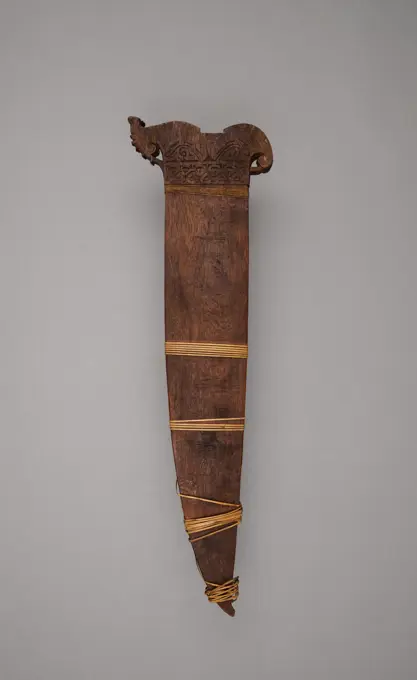
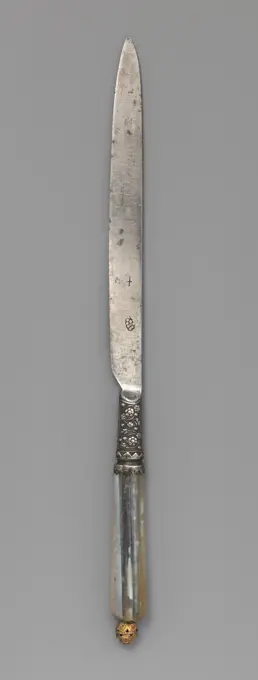
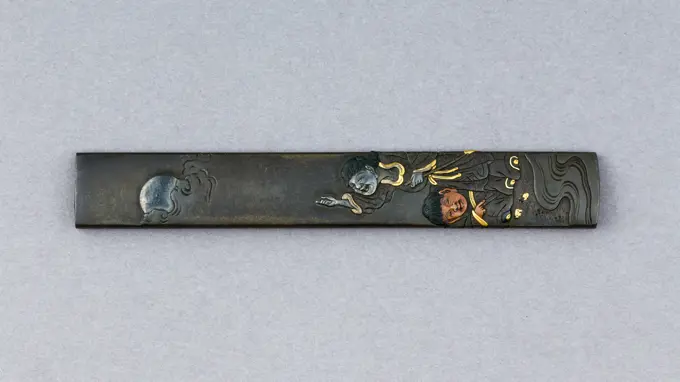
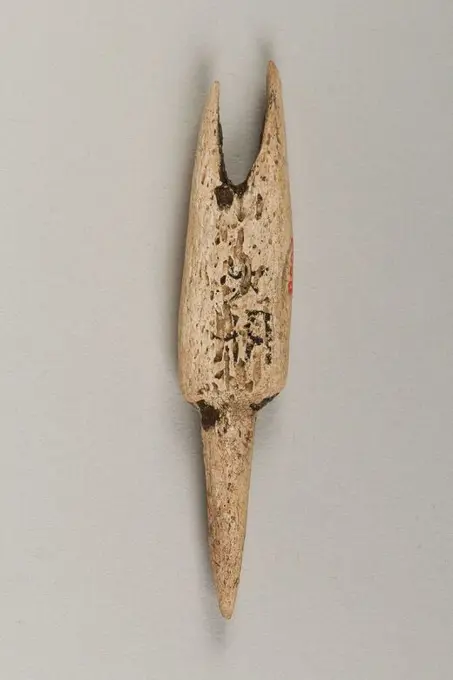
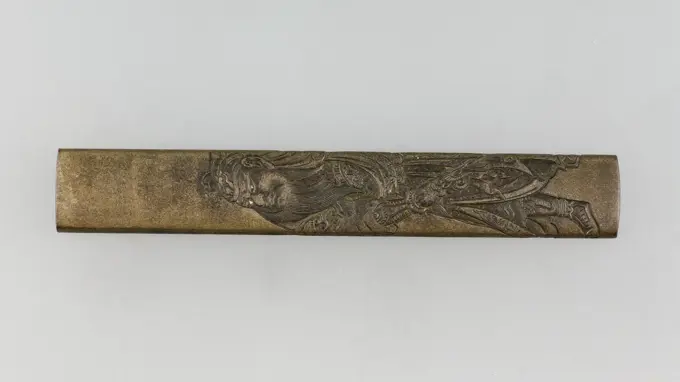
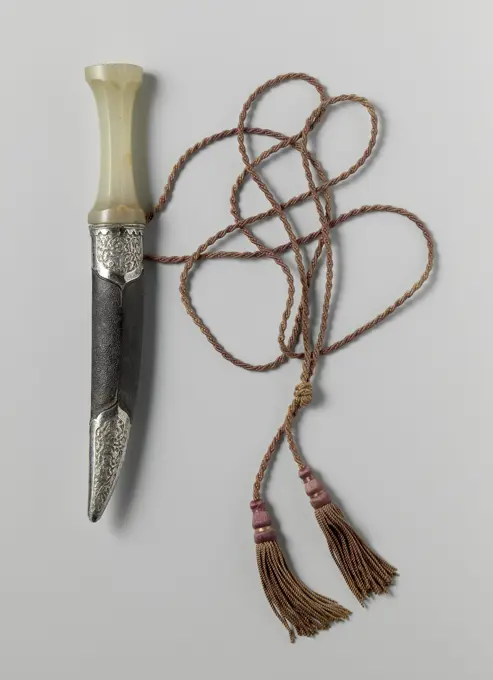
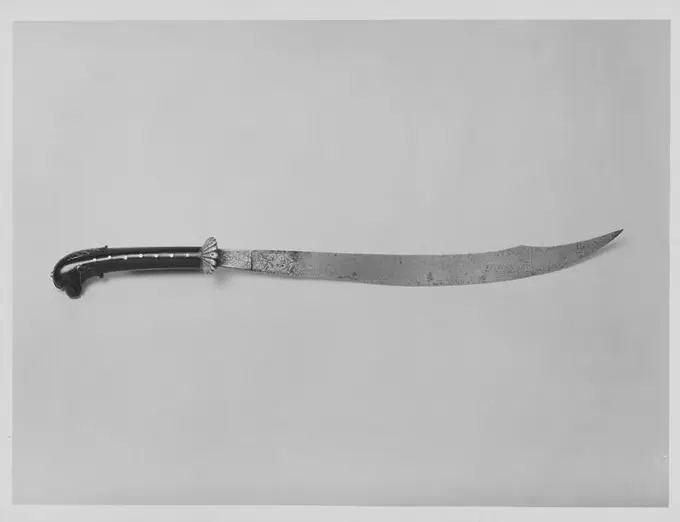
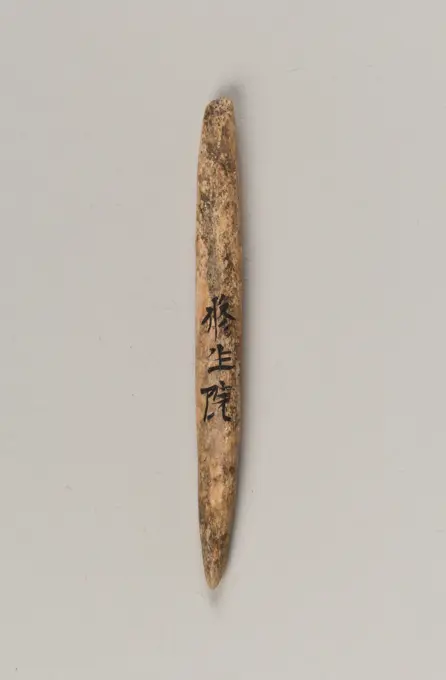
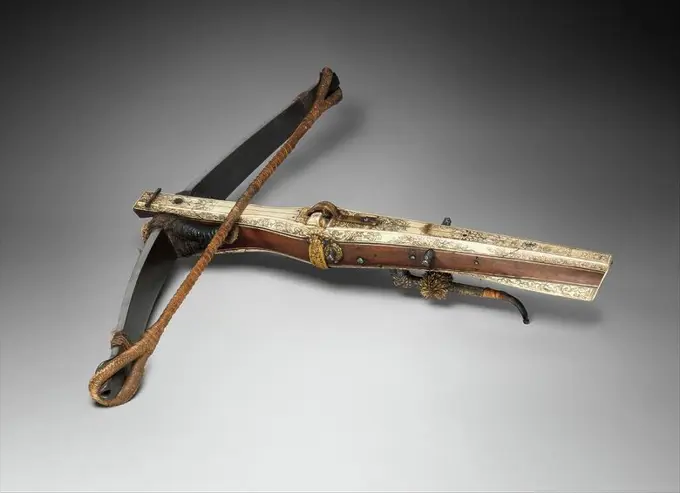
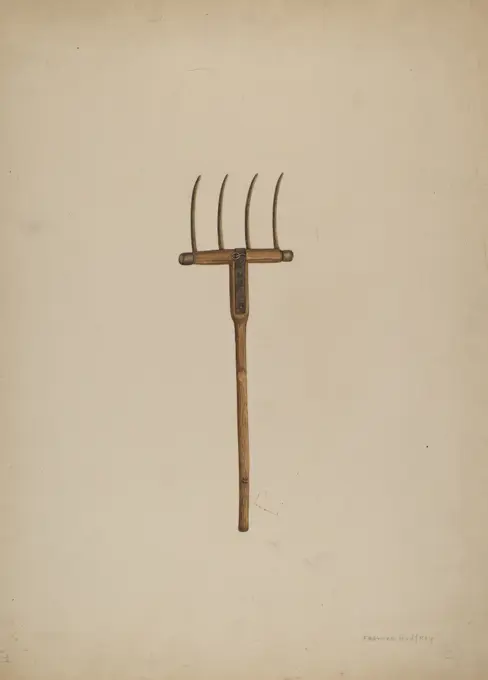
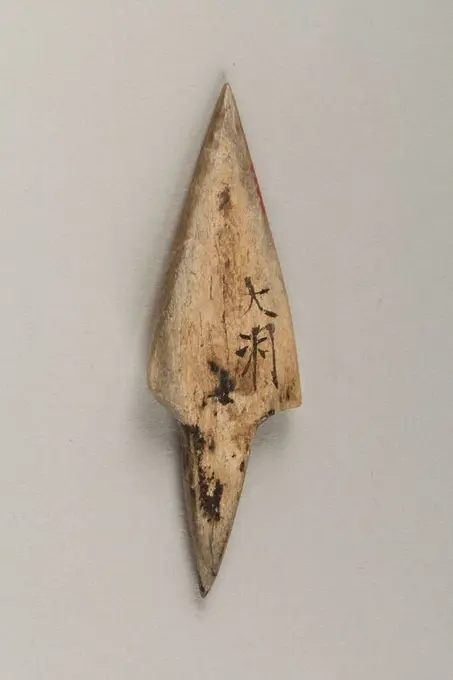
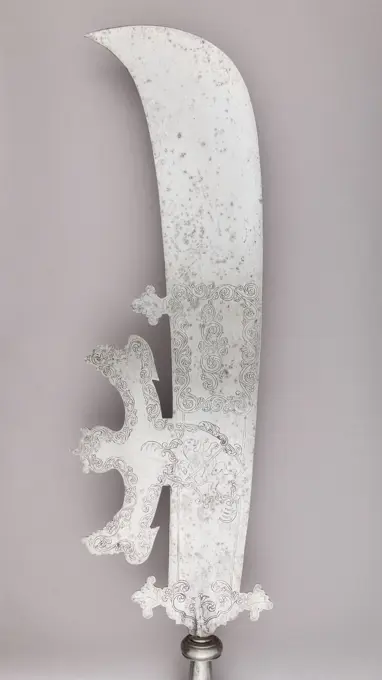
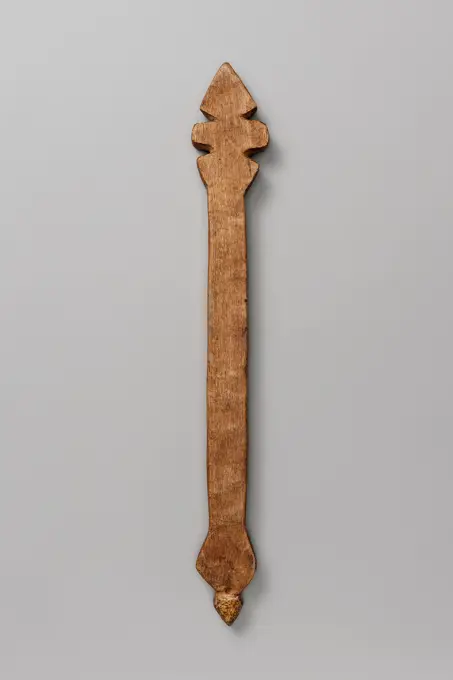
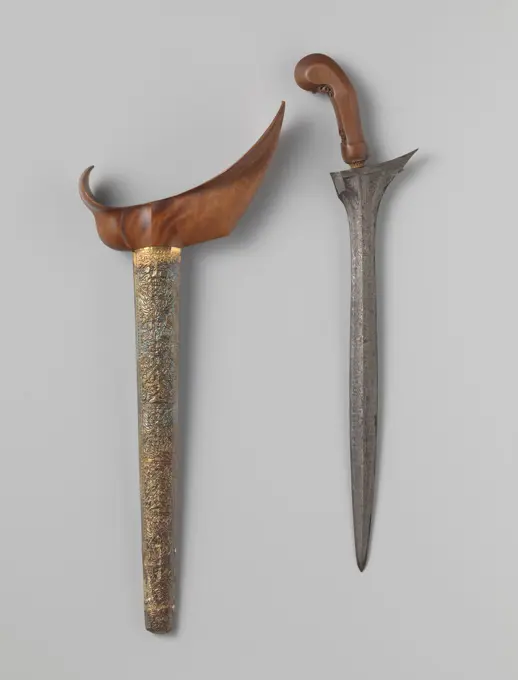
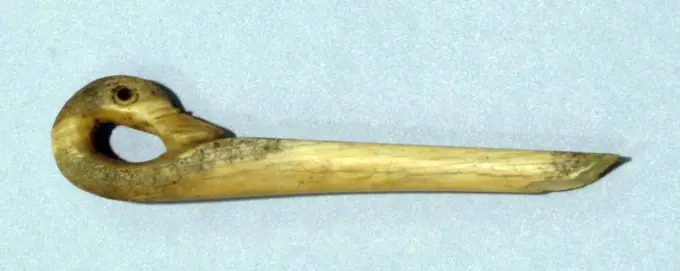
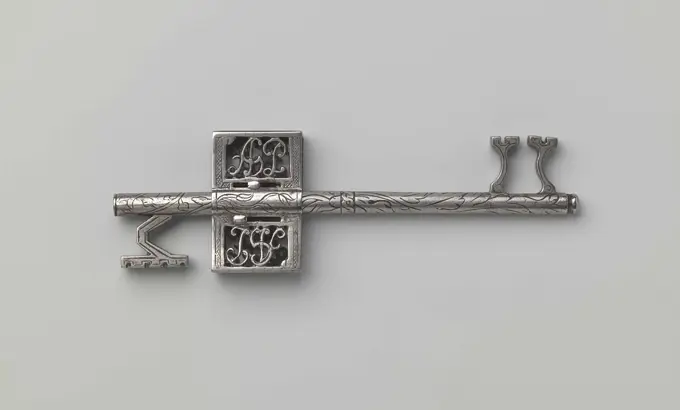
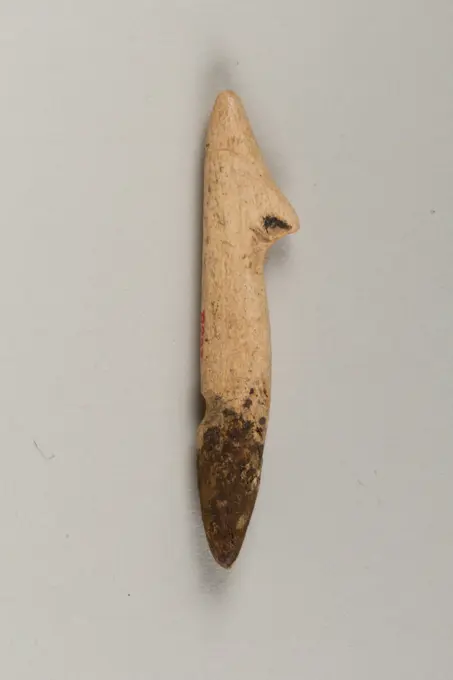
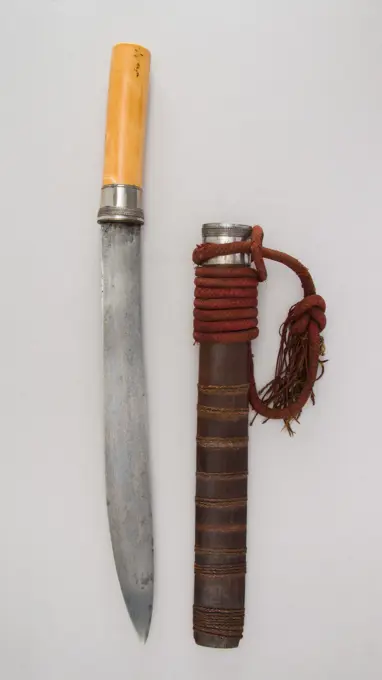
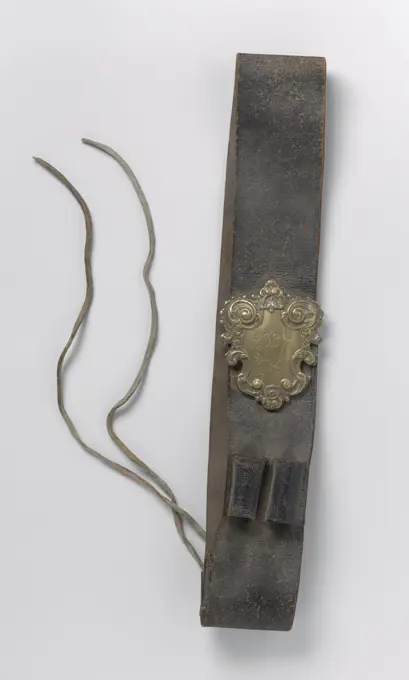
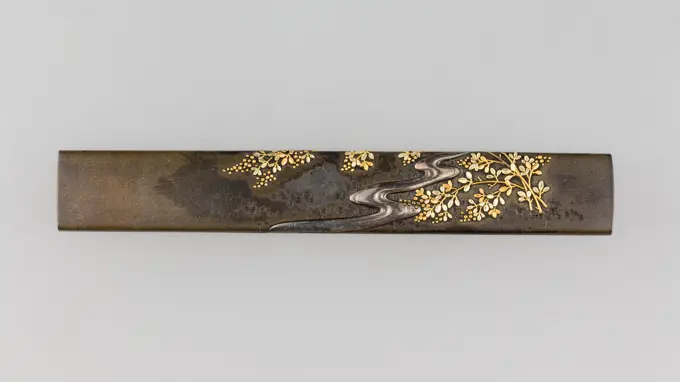
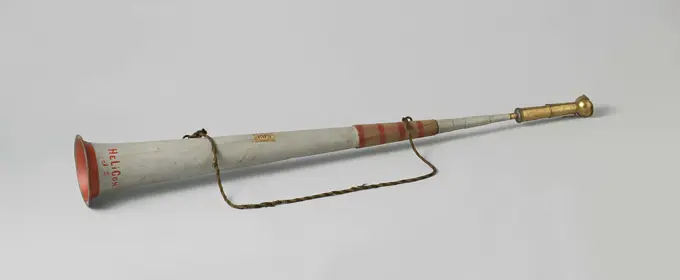
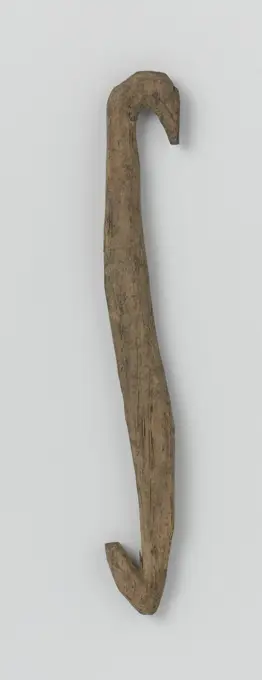
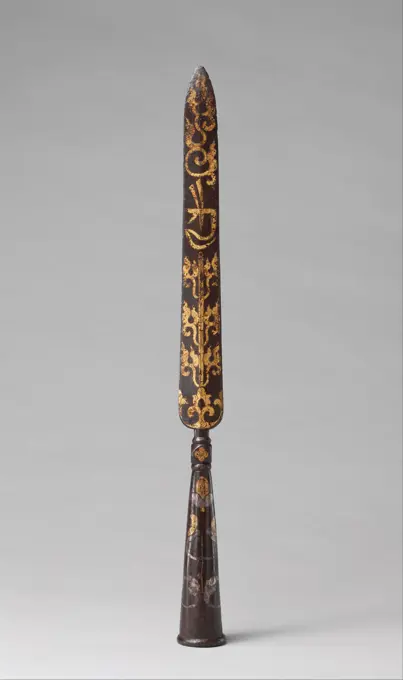
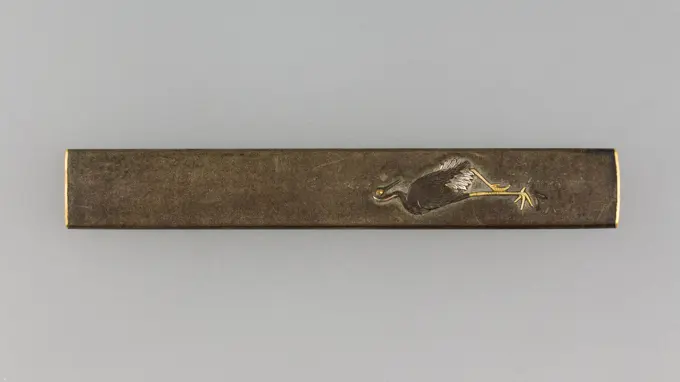
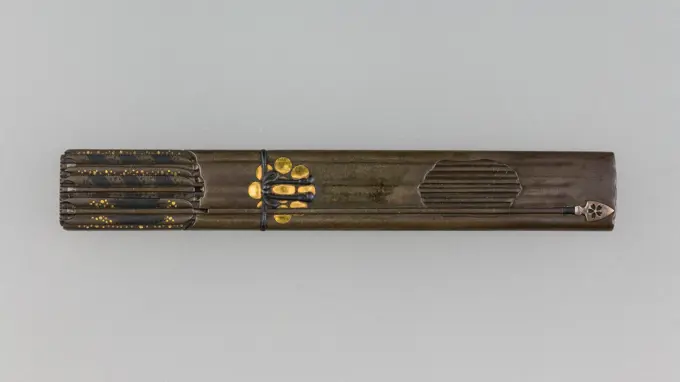
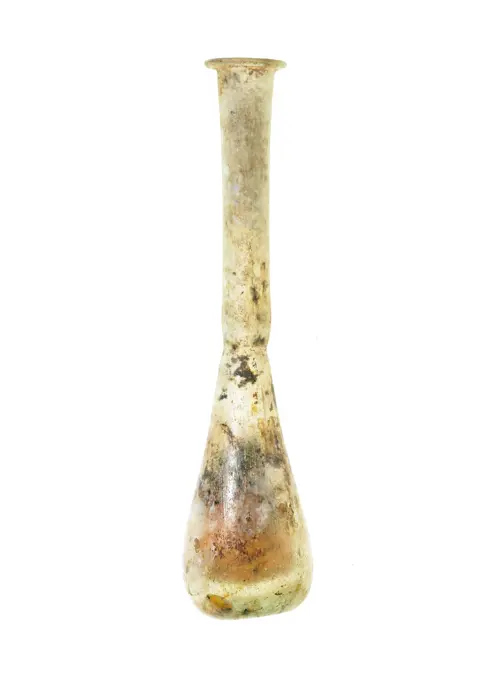
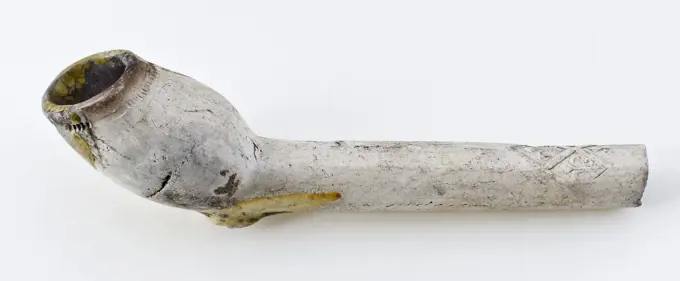
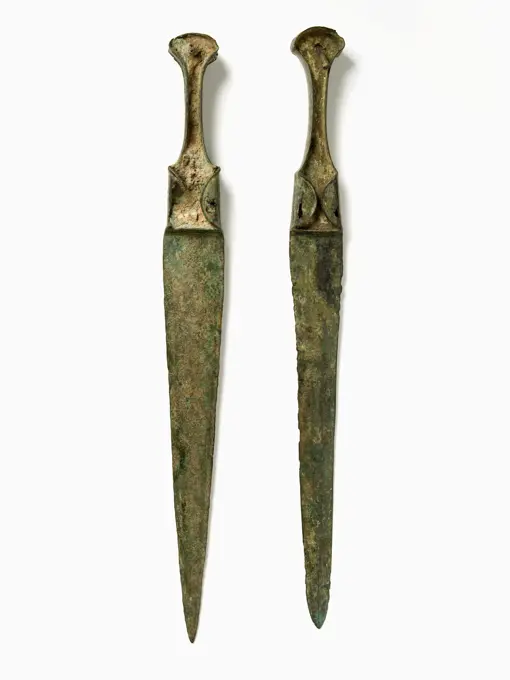
Saber. Culture: Turkish, probably Istanbul. Dimensions: L. 37 7/8 in. (96.2 cm); L. of blade 30 3/4 in. (78.1 cm); W. 6 1/8 in. (15.5 cm); Wt. 2 lb. 5 oz. (1049 g). Date: 1522-66.This saber is fitted with one of the finest and best-preserved Islamic blades of the sixteenth century. Its gold-inlaid decoration consists of Qur'anic inscriptions that stress the sovereignty of God and the wisdom and power of his servant Solomon. These appear to beclever allusions to the Ottoman sultan Süleyman the Magnificent. The equally opulent cross guard is chiseled in relief and damascened in gold, and was formerly inlaid with gems. The grip is a later replacement. Museum: Metropolitan Museum of Art, New York, USA.Dagger (Khanjar) 19th century Indian, Mughal. Dagger (Khanjar) 31850Arrowheads, needles, hooks and harpoons. Culture: Japan. Dimensions: W. 1/2 in. (1.3 cm); L. 3 3/8 in. (8.6 cm). Museum: Metropolitan Museum of Art, New York, USA.Partisan. Culture: Austrian. Dimensions: L. 85 1/2 in. (217.2 cm); L. of head 12 1/8 in. (30.8 cm); W. 4 1/2 in. (11.4 cm); Wt. 2 lbs. 9.1 oz. (1165.2 g). Date: ca. 1725. Museum: Metropolitan Museum of Art, New York, USA.Parrying Dagger Italian ca. 1550-75 Designed to be used together with a rapier, this dagger is fitted with a side ring, recurved quillons, and a depression at the base of one side of the blade to accommodate the thumb and facilitate a firmer grip. The waves in the blade may be intended to act like "speed bumps" in breaking the impact of a blow from an opponent's blade. The piercing of the fullers (grooves) is a decorative motif. View more. Parrying Dagger. Italian. ca. 1550-75. Steel, gold, brass, wood. DaggersNey Iranian (Persian) late 19th Century The ney is one of the oldest continuously used flutes in folk and classical traditions in West Asia and Eastern Europe. Blown at the end, it is sometimes fitted with a mouthpiece in the form of a ring that serves to protect the blowing edge and facilitate playing. View more. Ney. Iranian (Persian). late 19th Century. reed, metal, hide. Iran. Aerophone-Blow Hole-end-blown flute (vertical)Tool (usual name), -276. Hammered copper alloy. Carnavalet museum, history of Paris.Palmette, HalfBALAINS PAULY BUY. BALAINS PAULY BUY. Horse with three cyst sticks (BK-NM-11430-125-A T / M BK-NM-11430-125-D).Knife with Iron Blade and Hollow Handle 1st millennium B.C. China. Knife with Iron Blade and Hollow Handle 58538Dagger-axe blade (ge) ca. 3rd century B.C. China. Dagger-axe blade (ge). China. ca. 3rd century B.C.. Bronze inlaid with gold. Eastern Zhou dynasty, Warring States period (475-221 B.C.). MetalworkClaw hammer blade knife cutlery soil find iron metal, archeology underground pit Rotterdam Kralingen Muted Slaak Soil discovery underground pit Muted Slaak January 1978.Knife (France); steel, tortoise-shell, silver, wood; L x W: 23.6 x 1.8 cm (9 5/16 x 11/16 in.); The Robert L. Metzenberg Collection, gift of Eleanor L. Metzenberg; 1985-103-106Chisel or awl . Chisel or awl  244264Women's non -circle;  19th/20th century (1890-00-00-1950-00-00);gift (provenance), collarPens and pencil holder of gold, anonymous, c. 1875 Decorated with engraved and ciseled leaves and flowers. The button is decorated with a round blood jacket. Paris gold (metal). jasper Decorated with engraved and ciseled leaves and flowers. The button is decorated with a round blood jacket. Paris gold (metal). jasperOfficers' label of the Cavalerie No. 1 with Schede, Aug. & Alb. Schnitzler, c. 1876 - c. 1880 sabre Officers model Cavalerry label No. 1 (M 1876). On the Kling Inscription: J.R.F. van Musschenbroek, vamified. With Dragon. The blade is richly etched and the name of the wearer is gilded. De Schede has one band and a loose ring. Solingen Handle: Sealskin. Kling, hilt: Iron (metal). Schede: Steel (Alloy) gilding  NetherlandsGeorge File, Maple Sugar Mold, c 1940 Maple Sugar MoldScabbard, 19th century. Philippines. overall: 46.7 cm (18 3/8 in.).Table knife probably first quarter 17th century British, London. Table knife. British, London. probably first quarter 17th century. Steel, agate. Metalwork-SteelKnife Handle (Kozuka) ca. 1615-1868 Japanese A kozuka is a handle of a by-knife that is part of a sword mounting. It is kept in a slot on the reverse of a katana scabbard, often with a matching kōgai (hairdressing tool).. Knife Handle (Kozuka) 34575Club -Margaret Stottlemeyer, Wooden Fife, c 1937 Wooden FifeHand rake on whiteHendrick Jansz., White clay pipe, marked with stalk decorated with fleur de lis stamps, clay pipe smoking equipment smoke floor pottery ceramics pottery, hand molded baked White clay pipe marked with fleur de lis stamps decorated handle Heel mark: HI archeology smoking tobacco Hendrick Jansz."Morgenstern". German. Date: 1500-1600. Dimensions: H. 168.9 cm (66 1/2 in.)Wt. 3 lb. 6 oz. Iron and wood. Origin: Germany. Museum: The Chicago Art Institute, Chicago, USA.Knife with copper lifts decorated with candelabar pattern, anonymous, 1500 - 1550 Knife with iron blade. The copper handle is decorated on both sides with a quoted candle -wire pattern. Southern Netherlands heft: copper (metal). lemmet: iron (metal) forging Knife with iron blade. The copper handle is decorated on both sides with a quoted candle -wire pattern. Southern Netherlands heft: copper (metal). lemmet: iron (metal) forgingAx with the performance of the mining. Silver ax decorated with engraved representation of mining with substitution: 'Solang der Bergmann Sich Mit Seinem Schägel Nährt, IST AUCH DEM Hüttenmann Dabei Sein Brot is released'. Different ores on the handle. Around the handle a pendulum from Lauwerbladen and a procession of miners. Given by the Maker A. Muhlhausen to King Willem I.Spoon with oval bin and straight stem with a diamond-shaped diameter. Spoon with oval container and a straight stem with a diamond-shaped diameter. Steel placement a point.Arrowheads, needles, hooks and harpoons. Culture: Japan. Dimensions: W. 1/2 in. (1.3 cm); L. 2 in. (5.1 cm). Museum: Metropolitan Museum of Art, New York, USA.Knife Handle (Kozuka) 18th century Japanese A kozuka is a handle of a by-knife that is part of a sword mounting. It is kept in a slot on the reverse of a katana scabbard, often with a matching kgai (hairdressing tool).. Knife Handle (Kozuka). Japanese. 18th century. Copper-silver alloy (shibuichi), gold. Sword Furniture-KozukaDagger, anonymous, c. 1700 - c. 1750 dagger Dolk (Khanjar) with a grip of Onyx in Schede van Leer with silver battle. Istanbul dolk: metal. dolk: onyx (mineral). schede: silver (metal). schede: leather forging / cuttingModel Adze Blade ca. 2030-1640 B.C. Middle Kingdom. Model Adze Blade 561805Hunting Knife. Culture: French. Dimensions: L. 16 7/16 in. (41.7 cm); L. of blade 11 3/4 in. (29.8 cm); W. 1 5/16 in. (3.4 cm); W. of blade 7/8 in. (2.2 cm); thickness of blade 1/4 in. (0.7 cm); Wt. 7 oz. (198.5 g). Date: ca. 1600. Museum: Metropolitan Museum of Art, New York, USA.Harpoon head Japan The Jōmon period is the earliest period in Japanese history, lasting from roughly 14,000 to 300 BCE. The Jōmon people were primarily hunter-gatherers, hunting land animals and gathering vegetables and nuts on the land as well as hunting and fishing at sea. Harpoon heads such as this one testify to the importance of seafood in the diets of some Jōmon communities, especially those close to the sea. Fish bones found at Jōmon archaeological sites indicate that the Jōmon hunted fish not only close to the shore but also farther out in the open sea, where larger fish could be caught. There is even evidence that the Jōmon ate pufferfish, a poisonous fish considered a delicacy in modern Japan.. Harpoon head 62291Large Crossbow (Ganze Rüstung) of Johann Georg, Baron von Rechenberg. Culture: German, probably Dresden. Dimensions: L. 32 3/4 in. (83.2 cm); W. 32 7/8 in. (83.5 cm); Wt. 25 lb. 11 oz. (11.66 kg). Date: dated 1663. Museum: Metropolitan Museum of Art, New York, USA.Winged Pendant 10th-16th century Tairona. Winged Pendant 317443Frances Godfrey, Horse Drawn Hay Fork, c 1941 Horse Drawn Hay ForkFish Slice, c. 1824. Samuel Kirk (American, 1793-1872). Silver; overall: 30.4 x 6.9 cm (11 15/16 x 2 11/16 in.).Flint hunt rifle, Jan van Walsen, c. 1690 flintlock gun The lock plate is signed. The loop is stamped on the bottom with PI within a crowned shield and has a yellow -held visor grain. The flask is simply cut. The iron fittings consists of three loading stokkers, a battery-shaped screw plate, a thumb plate with chiseled praise on the top and top and a flask stamped N45 and with the inscriptions Sun (20) and N7; The loading canister has a hood of cow horn. Maastricht iron (metal). brass (alloy). horn (animal material) engraving / cutting / striking (metalworking)Erwin Stenzel, Spreader for Schooner Rigging, 1939 Spreader for Schooner RiggingKnife Handle (Kozuka). Culture: Japanese. Dimensions: L. 3 13/16 in. (9.7 cm); W. 9/16 in. (1.4 cm); thickness 1/4 in. (0.6 cm); Wt. 1.1 oz. (31.2 g). Date: ca. 1615-1868. Museum: Metropolitan Museum of Art, New York, USA.Spoon with oval bowl and flat handle, spoon cutlery soil find tin metal, cast Oval tray straight handle praise and rat tail archeology Rotterdam rail tunnel food Soil discovery: trajectory rail tunnel Rotterdam.Knife (Piha Kaetta) with Stylus, Pricker, and Sheath 18th-19th century Sri Lankan. Knife (Piha Kaetta) with Stylus, Pricker, and Sheath 31558Arrowheads, needles, hooks and harpoons. Culture: Japan. Dimensions: W. 5/8 in. (1.6 cm); L. 1 3/4 in. (4.4 cm). Museum: Metropolitan Museum of Art, New York, USA.Fauchard ca. 1735 Italian. Fauchard 25122Cross thorough; Unknown Ethiopian workshop (1400-1970); 20th century (1900-00-00-1960-00-00);deposit of Wacław Korabiewicz, crosses, Ethiopian crosses, hand crossesFragment paneling of a box from the wreck of the East Indians Hollandia, Anonymous, 1700 - in Or Before 1743 chest Box, paneling; =fragm, broken, eroded; oblong, rectangular, flat, 1 vertical groove, along one long side discoloured imprint of metal band. Netherlands wood (plant material)   SecondScissors. Dimensions: H. 10 9/16 in. (26.8 cm)W. 1 11/16 in. (4.3 cm)D. 5/16 in. (0.8 cm)Wt. 3.6 oz. (102.1 g). Date: 18th-19th century.Objects like this bottle were typically stored in open niches in reception rooms of upper-class Syrian residences during the Ottoman period. Museum: Metropolitan Museum of Art, New York, USA.Javanese Kris, Anonymous, 1500 - 1900 Kris, of which the blade decorated in pamor technology. Java iron (metal). nickel (metal) Kris, of which the blade decorated in pamor technology. Java iron (metal). nickel (metal)Hand Spear (Nage-yari) or Javelin (Te-yari) with Sheath 17th century Japanese. Hand Spear (Nage-yari) or Javelin (Te-yari) with Sheath. Japanese. 17th century. Steel, wood, cane. Nagano Prefecture. Shafted WeaponsEnglish arch tensioner, 1500 - 1600  Arch tensioner consisting of two iron, partly twisted, swivel arms with wooden handles and two iron pulleys. Such tensioners were relatively easy to disconnect from the crossbow. The tensioner was taken for the shot of the column (the wooden central part).  iron (metal). wood (plant material). rope forgingLancer point (title awarded). Bronze. Carnavalet museum, history of Paris.Cosmetic handle, duck head ca. 1550-1295 B.C. New Kingdom. Cosmetic handle, duck head. ca. 1550-1295 B.C.. Bone. New Kingdom. From Egypt. Dynasty 18Key, so-called double key, engraved, with two beards and a square butt in which the outerated initials AGP.KEY, SO-CALLED DOUBLE WRENCH, Engraved, With Two Beards and a Square Butt in Which The Medium Initials AGP.Bronze veno loading gun, left part. Left part of longitudinal section of a front loader. Ring-shaped grape with cam on it. There is a dent in the ridge (i.p. gat). Dense zund hole with rectangular recess. Foundry brand between Kulas brand and first break; Collar; In part in a matter of mouth. Equipped with taps and dolphins in the shape of a handle. Directant: NOK for tap and dolphin, on top of the loop. Left part of crowned weapon made up of leaves with centrally part of the letter W.Harpoon head Japan The Jmon period is the earliest period in Japanese history, lasting from roughly 14,000 to 300 BCE. The Jmon people were primarily hunter-gatherers, hunting land animals and gathering vegetables and nuts on the land as well as hunting and fishing at sea. Harpoon heads such as this one testify to the importance of seafood in the diets of some Jmon communities, especially those close to the sea. Fish bones found at Jmon archaeological sites indicate that the Jmon hunted fish not only close to the shore but also farther out in the open sea, where larger fish could be caught. There is even evidence that the Jmon ate pufferfish, a poisonous fish considered a delicacy in modern Japan.. Harpoon head. Japan. Bone. Final Jmon period (ca. 1000-300 B.C.). BoneComponent Wind instrument from the wreck of the East Indieschief Hollandia. Wind instrument; Fragment of Trumpet Mouthpiece; Tube With Concentric Circle Molding, One End Broken.Sword (Dha) with Scabbard and Baldric 19th century Burmese. Sword (Dha) with Scabbard and Baldric 31074Mountancient rusty forged iron sickle with wood handle ancient rusty forged iron sickle with wooden handle isolated on white background Copyright: xZoonar.com/ValeryxVoennyyx 20246397Knife Handle (Kozuka) ca. 1615-1868 Japanese A kozuka is a handle of a by-knife that is part of a sword mounting. It is kept in a slot on the reverse of a katana scabbard, often with a matching kōgai (hairdressing tool).. Knife Handle (Kozuka) 34691Buckle. Culture: China. Dimensions: L. 5 1/8 in. (13 cm). Museum: Metropolitan Museum of Art, New York, USA.Halberd ca. 1560 Italian. Halberd 26692Long dagger with triangular leaves, wooden hilt with brass decoration, marked, dagger weapon foundations iron brass metal wood, forged cast carved Long iron dagger with triangular blade Wooden hilt in which brass rosettes decorate Marked on the blade mark on the blade debossed: crowned cloverleaf archeology Rotterdam weapon war armor stitches archaeological find in the soil Rotterdam.Military Trident. Italian. Date: 1520-1540. Dimensions: L. 243.8 cm (96 in.)Blade L. 68.5 cm (27 in.)Wt. 5 lb. 5 oz. Steel and wood (oak). Origin: Italy. Museum: The Chicago Art Institute, Chicago, USA.Ancient Knife with Modern Inscription. Egypt, probably New Kingdom (1569 - 1081 BCE) or later. Arms and Armor; knives. Bronze'Assyrian Head' pattern, Meriden Brittania Company, Meriden, Connecticut, USA, 1808 - 1898, Rogers Brothers Silver, Hartford and Meriden, Connecticut, 1847 - 1862, Silver-plated metal, Meriden, Connecticut, USA, 1885-86, cutlery, Decorative Arts, Cheese scoop, Cheese scoopShort iron knife, marked, knife cutlery tools equipment soil find wrought iron metal, forged iron blade Some pointed end. One cutting edge. Curved blade. Flat stinger in which two riveted nails remain Marked on the blade. The blade is much broader than the main master mark: small star and an unknown figure archeology Rotterdam Stadscentrum Stadsdriehoek Oudehaven cutting craft Soil discovery: Oude Haven Rotterdam.Etui knife, Ivory, mother-of-pearl, pewter, steel, Leaf-shaped knife with straight sides. Flat rectangular handle with pewter sides. Front and back green painted ivory, inlaid with diamond-shaped mother-of-pearl and pewter on the centre of the handle., probably Germany, ca. 1790, cutlery, Decorative Arts, Etui knifeKidney dagger blade with one-cutting blade, kidney dagger dagger knife stab weapon weapon fragment soil find iron metal, forged blade The blade is single-edged with straight back and faintly curved cutting plane suitable for general carving archeology cave dagger dagger dagger knife dagger ball dagger decoration status symbol personal equipment defense clothing accessory militariaLoading room of a rotary bass from the wreck of the East Indians Hollandia, Anonymous, 1700 - in Or Before 1743 cannon Breech loading gun, breechblock; (1) tapering cylinder with rectangular handle (23.5-24.5l, bore 3.6d), pear-shaped vent, 3 incised marks, eroded AVOC, number3 () and coat of arms of Amsterdam. Netherlands copper (metal)   SecondThe final piece of a rear loader from the wreck of the East Indies Hollandia, Anonymous, 1700 - in Or Before 1743 cannon Breech loading gun, breechblock; (1) id. NG 1975-24H (23.6-25.4l, bore 3.5d). Netherlands copper (metal)   SecondHunting knife in the vagina, so called FINKA unknownSword (Dha) with Scabbard and Baldric. Culture: Burmese. Dimensions: H. with sheath 23 7/8 in. (60.6 cm); H. without sheath 23 3/4 in. (60.3 cm); W. 1 9/16 in. (4 cm); Wt. 1 lb. 11.1 oz. (768.3 g); Wt. of sheath 7.9 oz. (224 g). Date: 19th century. Museum: Metropolitan Museum of Art, New York, USA.Woodcarving knife -Drumstick holder belt, c. 1750 - c. 1800 musical instrument. elements (of musical instruments). percussion instrument. drumstick holder belt. beater Staff band with stick plate and sticks for Tamboer Schutterij van Schoterland, Friesland, ca. 1750-1800 Netherlands (possibly) leather. metal   FrieslandWalking stick of a gnarled branch, straight model with convex button.walking stick of a gnarled branch. Straight, with mattress about The Full Length and One Knobs in The Rotation.Degen, Anonymous, c. 1540 - c. 1560 sword The. The narrow blade with six areas, of which only one third is left, carries in copper, the inscription: 'Espaedro del Rei' and is marked with a circle on which a cross. Hilt with twisted handle, formerly with steel wire -rotated, straight pare bar with double short pare bracket and bent bang bracket (damaged). End 16th or early 17th century. Length of the broken blade: 0.41 m. Utgled at Leiden. Spain (possibly) iron (metal)   LeidenKnife Handle (Kozuka) 18th century Japanese A kozuka is a handle of a by-knife that is part of a sword mounting. It is kept in a slot on the reverse of a katana scabbard, often with a matching kgai (hairdressing tool).. Knife Handle (Kozuka). Japanese. 18th century. Copper-silver alloy (shibuichi), silver, gold, copper-gold alloy (shakud). Sword Furniture-KozukaCane British 18th century View more. Cane. British. 18th century. Glass. GlassStole and manipulator, embroidered, white  two flower branches unknownFoghorn.simpele bazuin-shaped fog horn, gray and red painted, with a nozzle and a carpet; Halfway it is lined with sheet. The nozzle has a cane inside and a bracket outside.Knife with Sheath 18th-19th century Sumatran. Knife with Sheath. Sumatran. 18th-19th century. Wood, steel. Sumatra. KnivesTwo daggers, anonymous, c. 1475 - c. 1524 dagger Dagk van Messing (attached) with copper hilt and wrought iron blade. The dagger has a cotted band and cross ornaments. On the bump plate on one side a scalloped ring, on the other side a bent palmet; On the button a small four -leaf flower. Very perished. Early 16th century. Low Countries brass (alloy). wrought iron (iron alloy). copper (metal)Eventail: "The assembly of Brabant States before May 1, 1787". Paper, gouache engraving, tinted common wood. Paris, Carnavalet museum. 99159-12Hook made of wood, anonymous, c. 1590 - c. 1596 hook Hook made of wood.  wood (plant material) cutting  Nova Zembla. Saving HuysHealth Service BadgeModel Saw ca. 1479-1458 B.C. New Kingdom. Model Saw. ca. 1479-1458 B.C.. Bronze or copper alloy, wood. New Kingdom. From Egypt, Upper Egypt, Thebes, Valley of the Kings, Tomb of Hatshepsut (KV 20), Foundation deposit, Davis/Carter excavations, 1903-04. Dynasty 18Spearhead (Mdung Rtse) 17th-18th century Tibetan This spearhead was probably made for use by an oracle, or in another ceremony or ritual involving the propitiation of a deity, as indicated by its form and decoration, and particularly by the prominently placed word kyai, written in a Tibetan script. This symbol, known as a seed syllable, was sometimes used to invoke a deity in ritual contexts.. Spearhead (Mdung Rtse) 26567Knife Handle (Kozuka) 19th century Japanese A kozuka is a handle of a by-knife that is part of a sword mounting. It is kept in a slot on the reverse of a katana scabbard, often with a matching kōgai (hairdressing tool).. Knife Handle (Kozuka) 29790HOZ DE CALATAÑAZOR. EDAD DEL HIERRO CULTURA CELTICA. (DEPOSITO: MUSEO ARQUEOLOGICO NACIONAL).Knife Handle (Kozuka). Culture: Japanese. Dimensions: L. 3 13/16 in. (9.7 cm); W. 9/16 in. (1.4 cm); thickness 3/16 in. (0.5 cm); Wt. 1.2 oz. (34 g). Date: ca. 1615-1868. Museum: Metropolitan Museum of Art, New York, USA.Knife Handle (Kozuka) 18th century Japanese A kozuka is a handle of a by-knife that is part of a sword mounting. It is kept in a slot on the reverse of a katana scabbard, often with a matching kōgai (hairdressing tool).. Knife Handle (Kozuka) 29908Knife with Sheath 18th-19th century Malayan. Knife with Sheath 31657Vessel, 1st-5th century, 5 1/2 x 11 1/4 x 1 1/4in. (14 x 28.6 x 3.2cm), Glass, Egypt, 1st-5th centuryCleaver of the Janissaries of Augustus II with a scabbardWhite clay pipe, unnoticed, with decorated stem and glaze over the kettle, clay pipe smoking equipment smoke floor earthenware ceramics pottery, hand molded baked White clay pipe unnoticed with decorated handle. Light green glaze stripe over the kettle Probably this pipe is baked in an oven full of pottery and molten glaze on the pipe leaked archeology smoking tobaccoDaggers. Bronze, Luristan. 1150-900 BC, Paris Muse. ARM, Arme, BRONZE, DAGGER, LURISTAN, poignard, shot, sword, weapon