Vintage Knives and Tools

A range of vintage knives and tools, showcasing different materials and designs used across centuries.

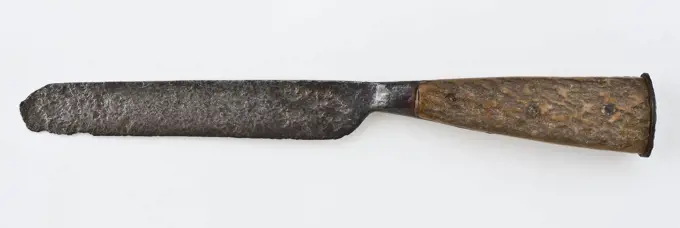
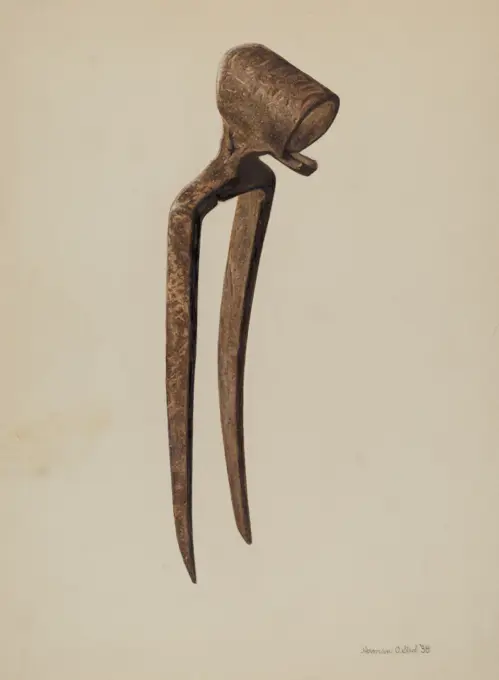
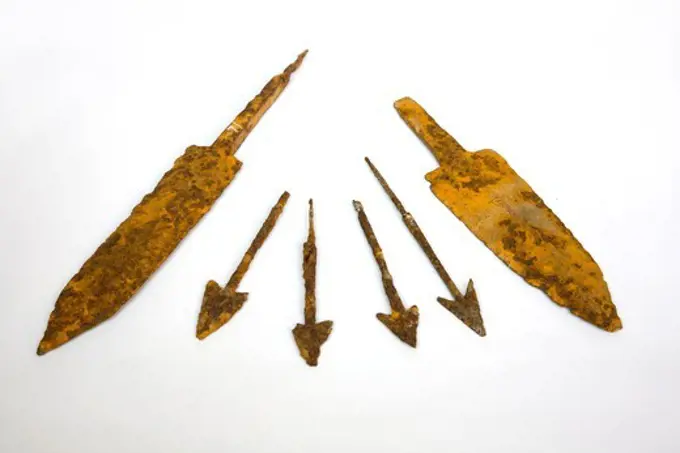
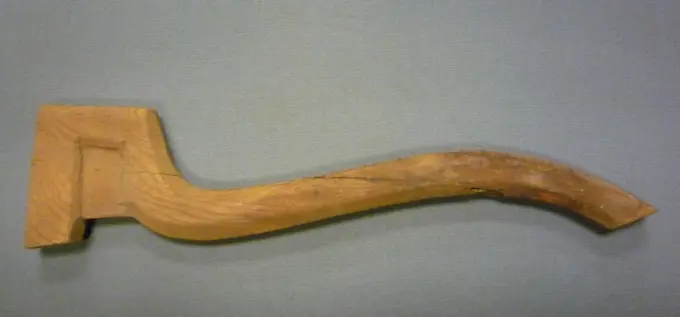
Knife with fairly wide blade and tapered handle with two legs, knife cutlery soil find leg iron metal, archeology
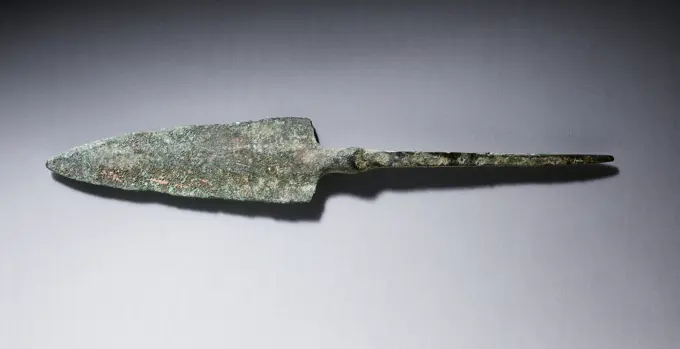
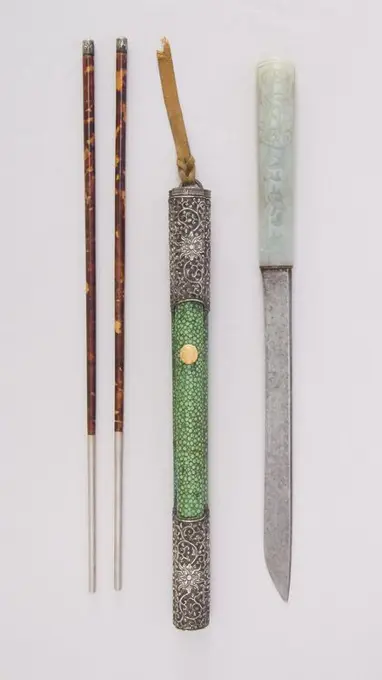
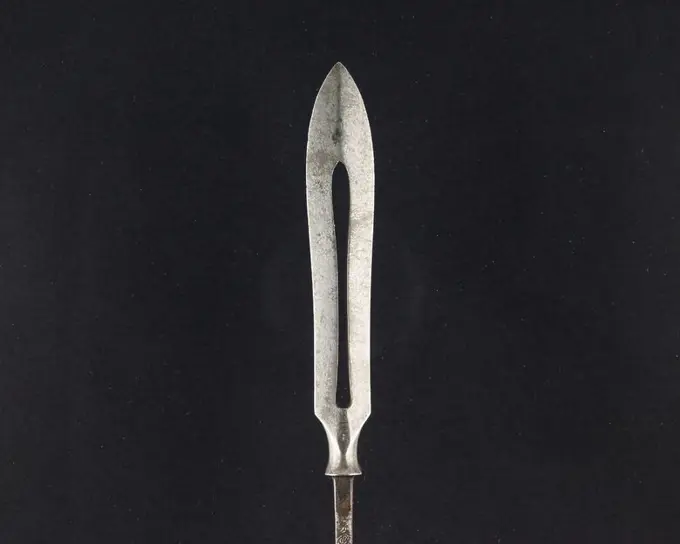
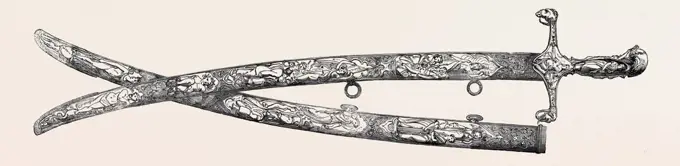
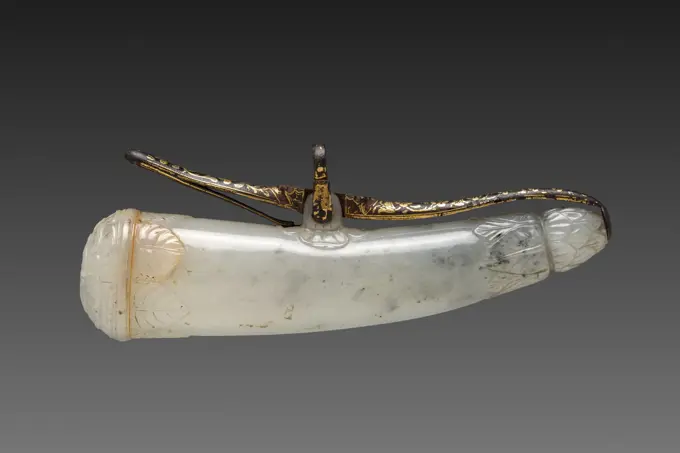
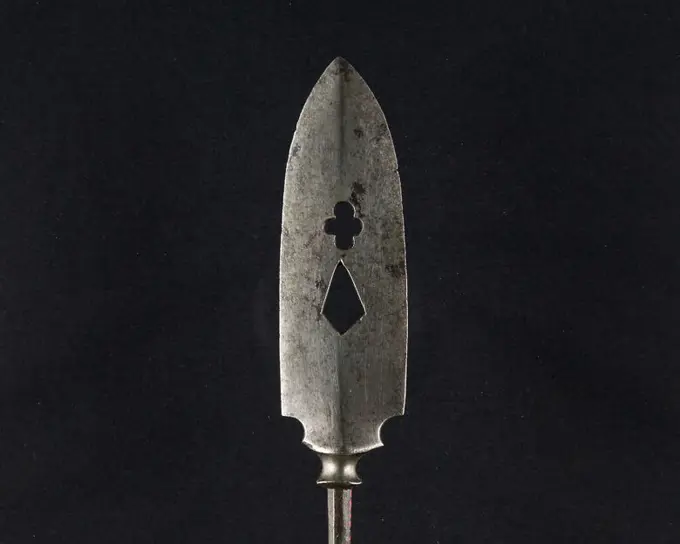
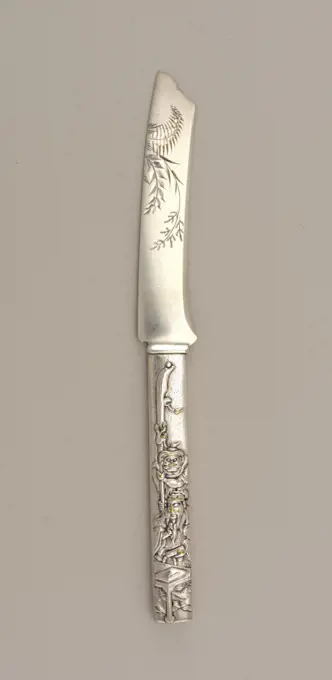
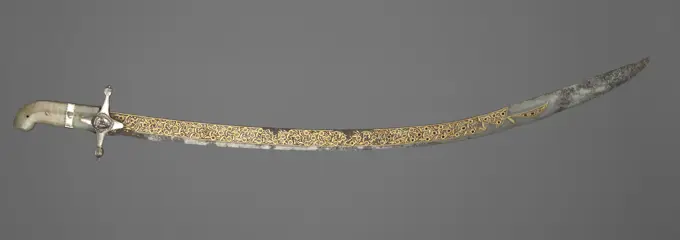
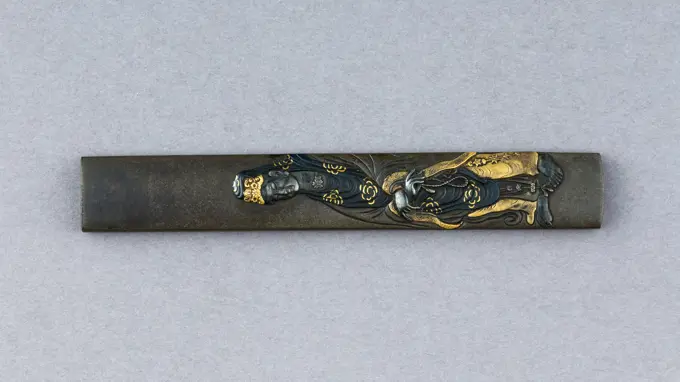
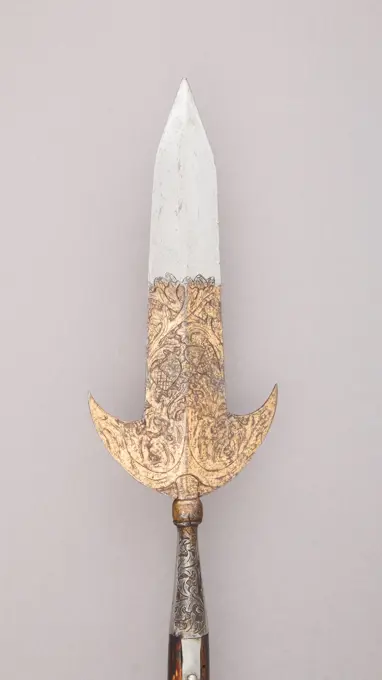
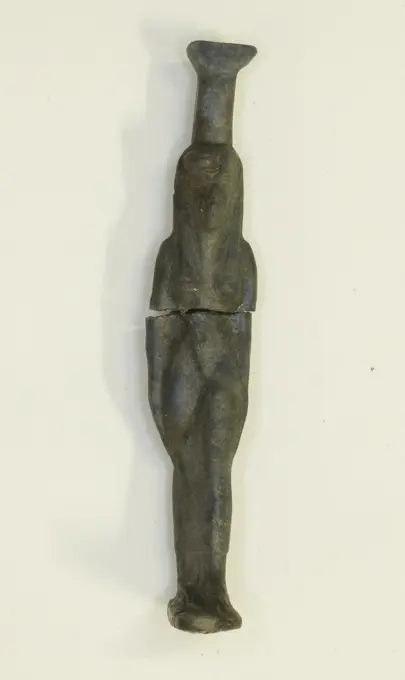
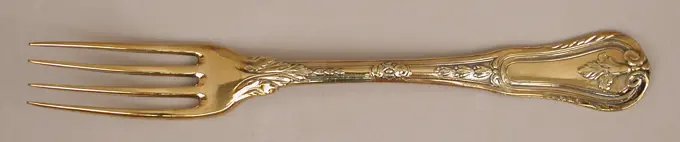
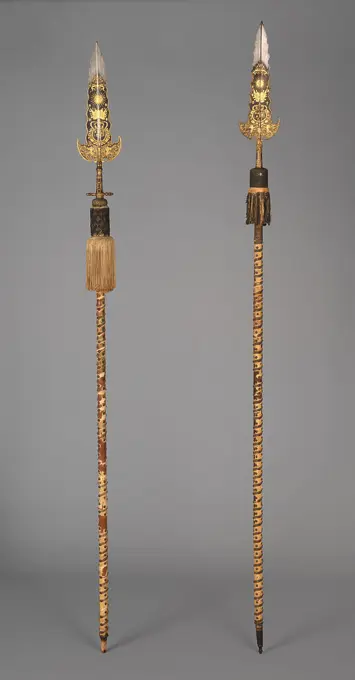
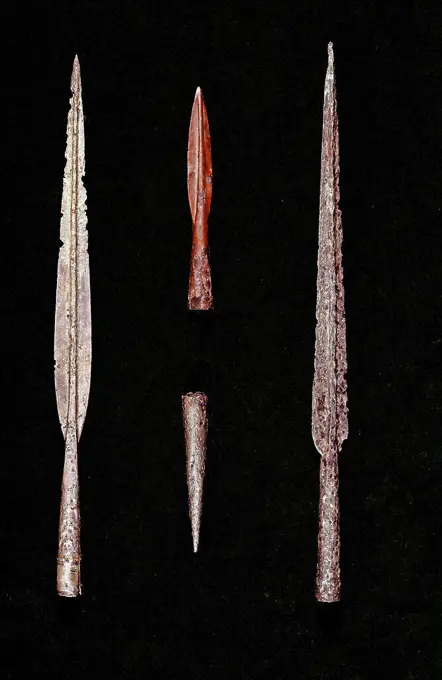
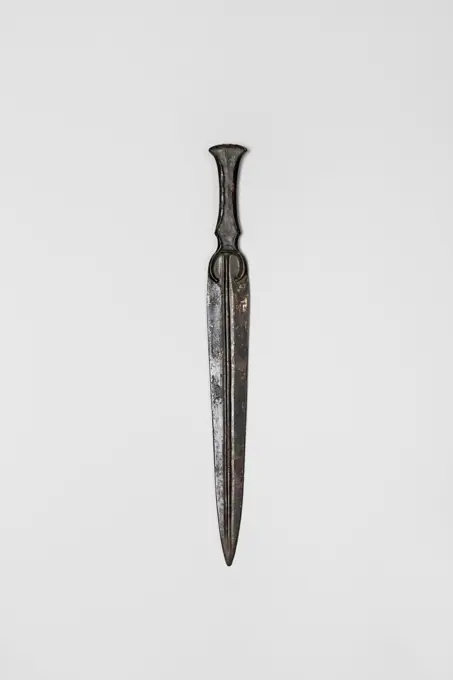
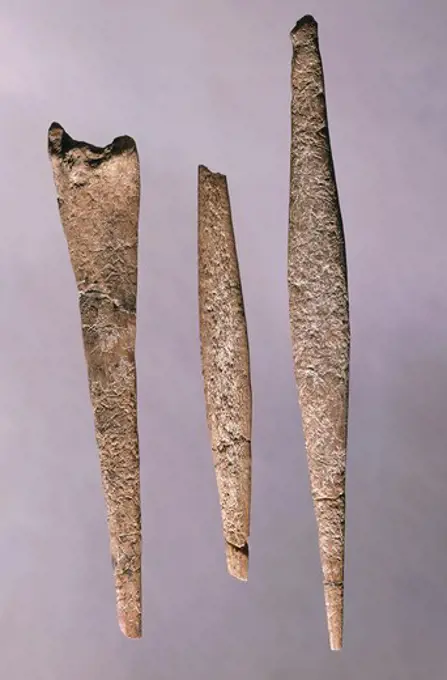
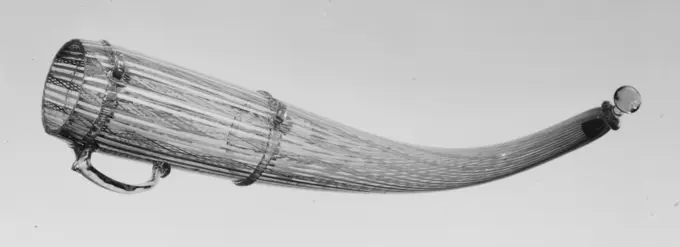
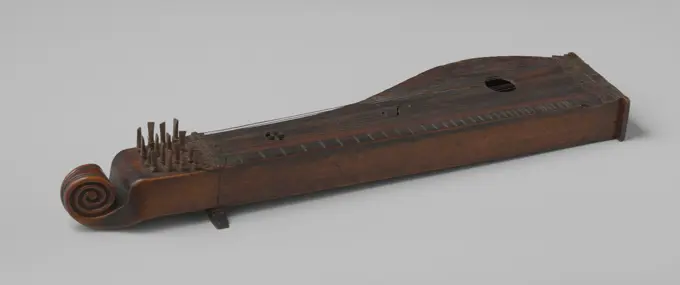
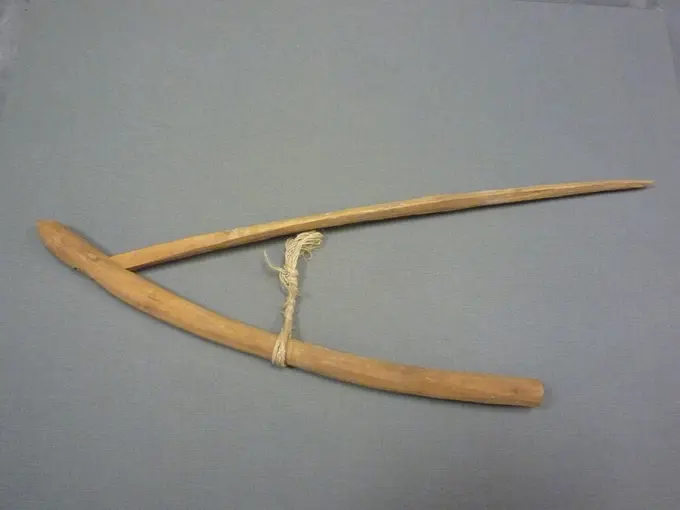
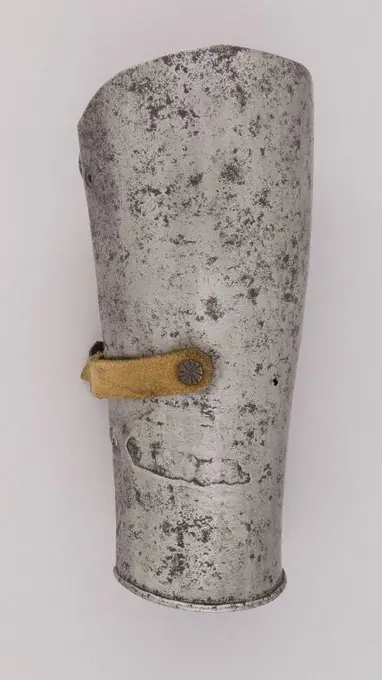
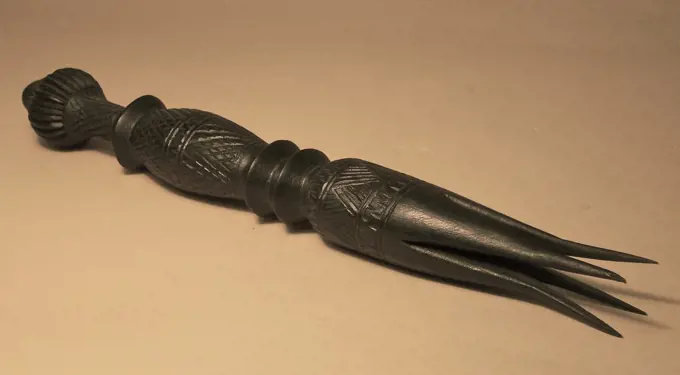
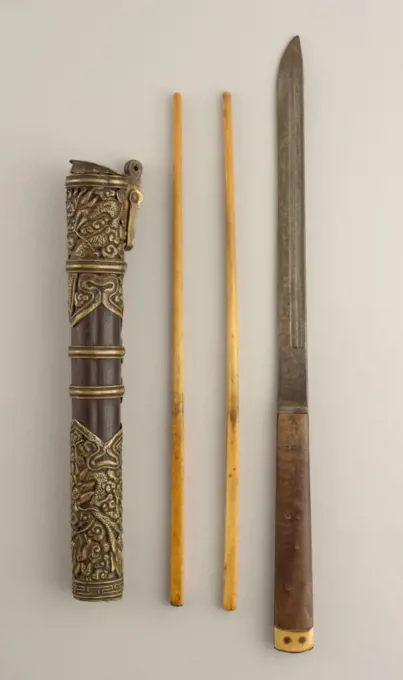
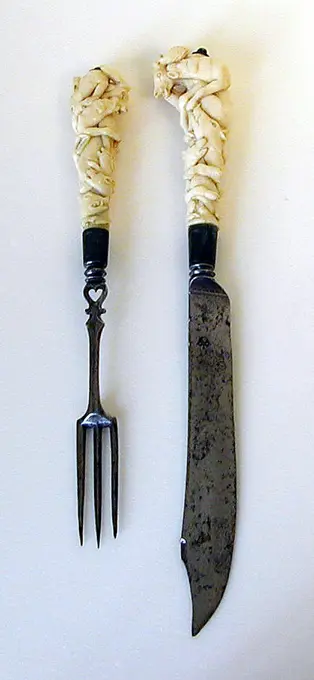
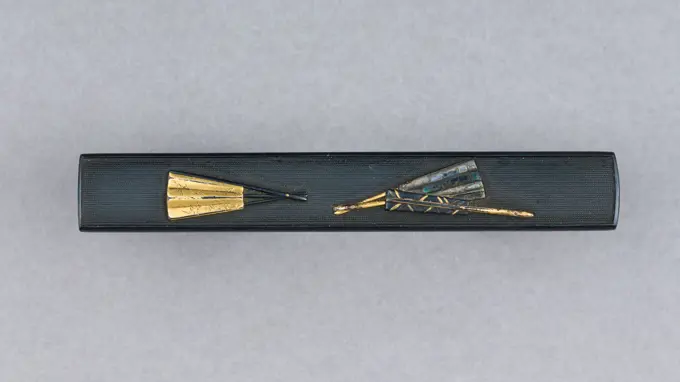
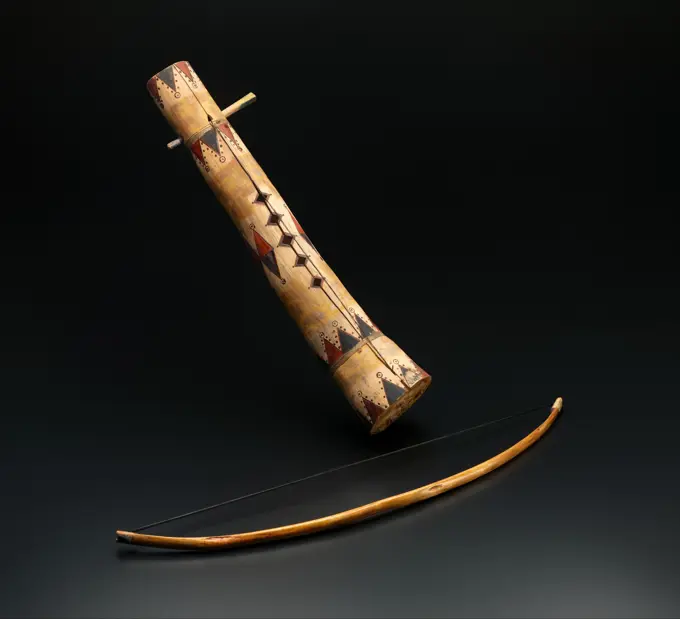
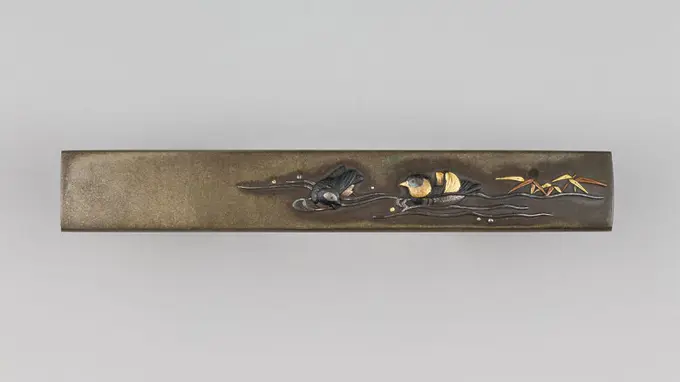
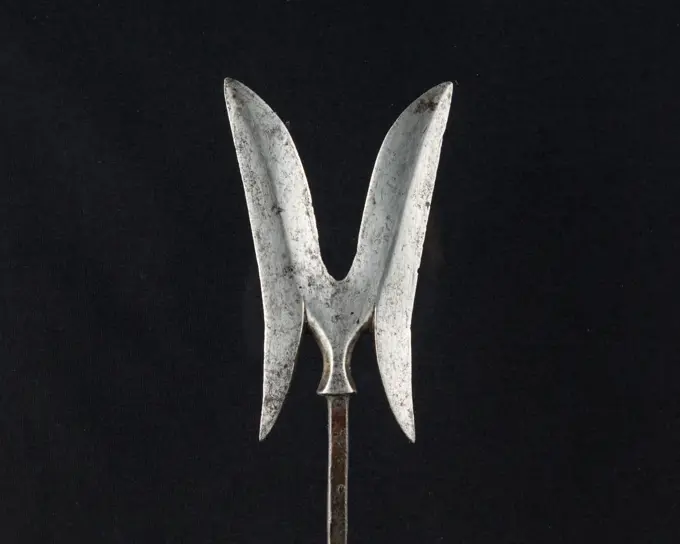
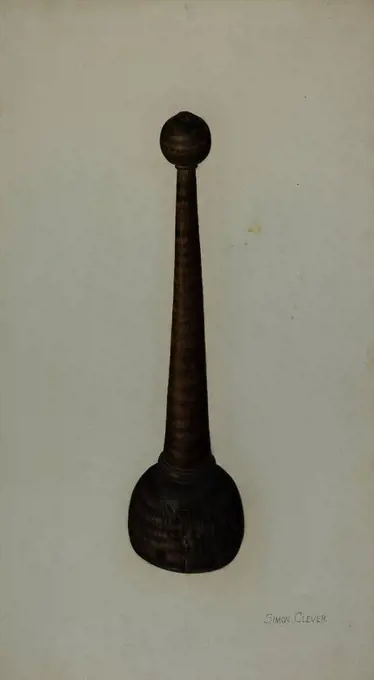
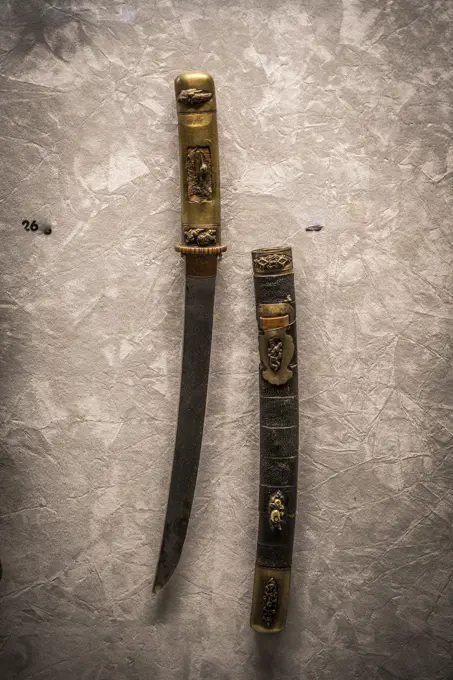
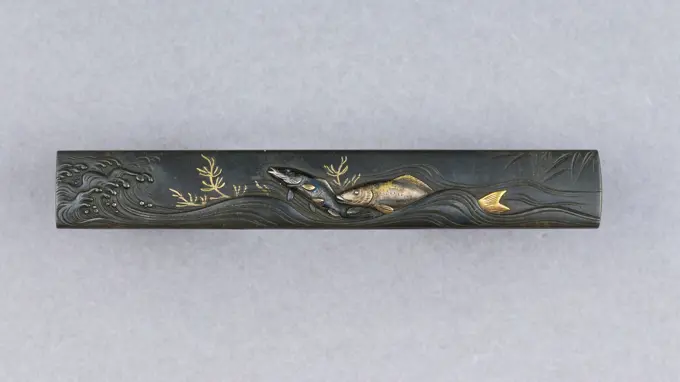
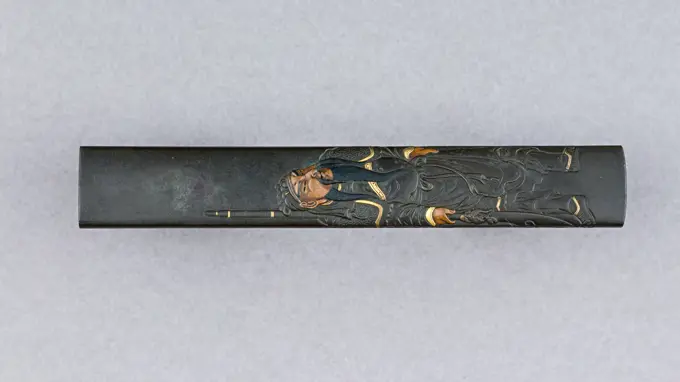
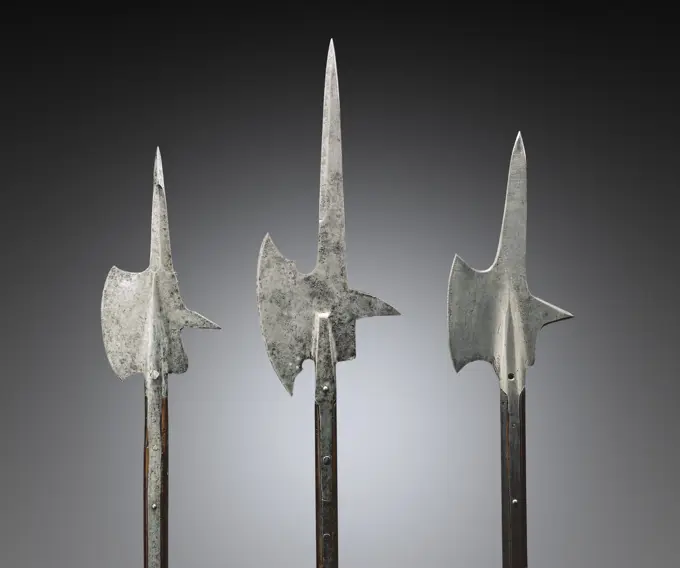
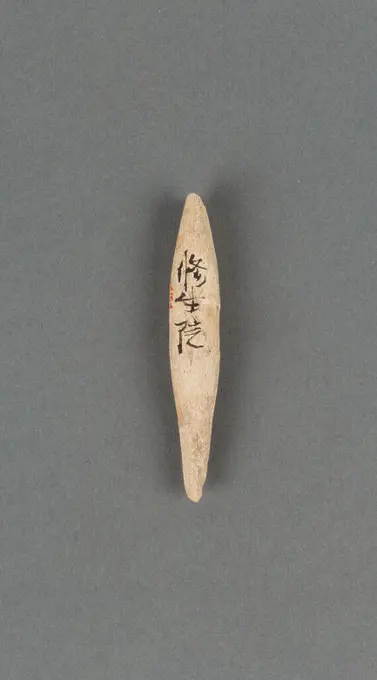
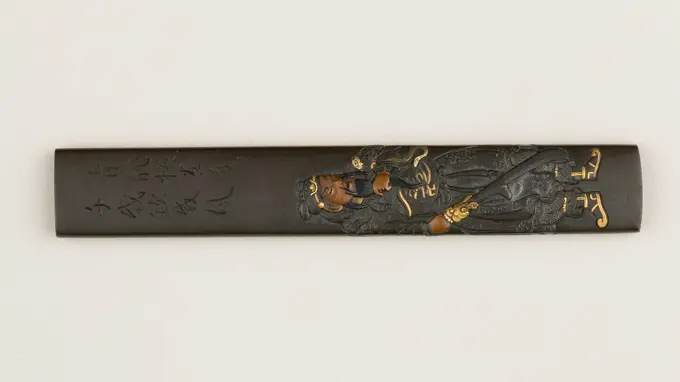
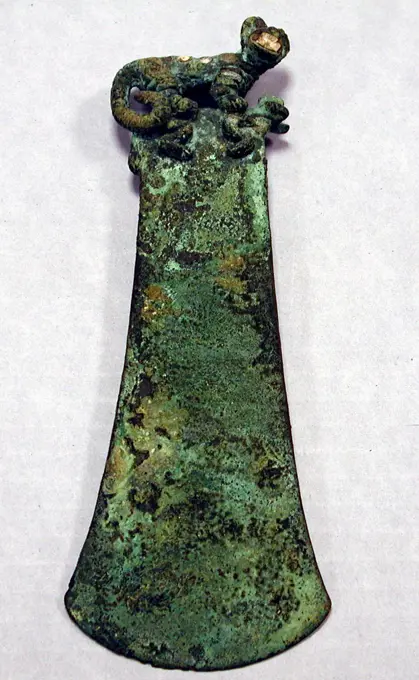
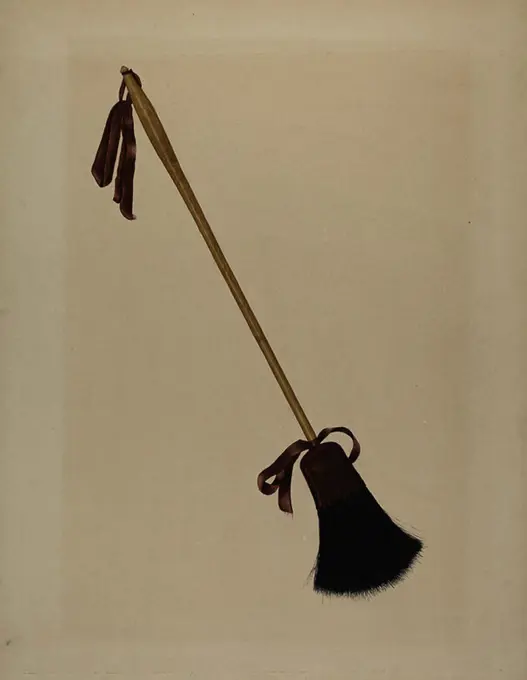
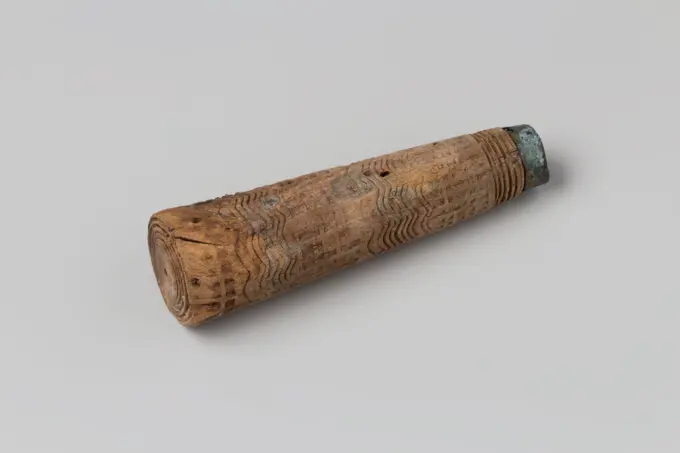
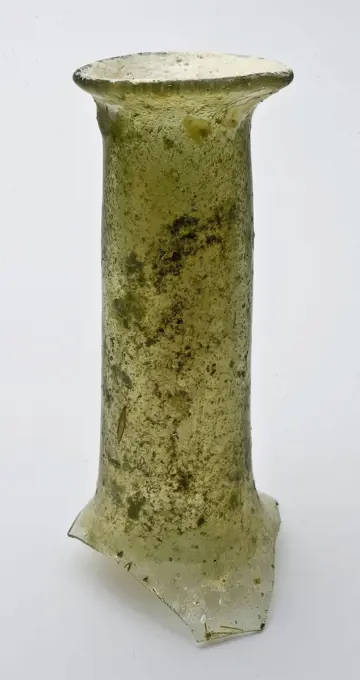
Arrow Head. China, Late Shang dynasty, Anyang phase, about 1300-1050 B.C.. Arms and Armor; arrowheads. Cast bronzeNecklace or Torque 9th-8th century B.C. Italic, Villanovan. Necklace or Torque 256044Saber with Scabbard. Culture: Javanese. Dimensions: H. with scabbard 35 1/4 in. (89.5 cm); H. without scabbard 33 5/8 in. (85.4 cm); H. of blade 28 3/8 in. (72 cm); W. 5 1/2 in. (14 cm); Wt. 1 lb. 13.6 oz. (839.1 g); Wt. of scabbard 9.9 oz. (280.7 g). Date: 16th-19th century. Museum: Metropolitan Museum of Art, New York, USA.Radslotpistool, anonymous, 1645 - 1650  Part of a couple. The outer wheel has a hook on the underside; The pandel is opened with a pressure pen. The barrel is completely stamped around and on top with an unable brand. The flask of gust of walnut wood has a flask of ivory, engraved with stylized praise and with a gilded metal button in the middle; The flower -shaped screw plates for the three lock bolts are made of cow horn. Apart from the loop -shaped tractor bracket of gilded yellow buyer, the batter from previously gilded silver and engraved with praise; consisting of the chap, a loading stick and a tire around the flask button; The cheat of gushed walnut wood is equipped with an ivory roof. Maastricht walnut (hardwood). ivory. gilding (material). metal. horn (animal material). silver (metal). brass (alloy) gilding / engravingKnife with Sheath, Chopsticks, Picks, and Earspoon. Culture: Chinese. Dimensions: Knife (a); H. with sheath 14 11/16 in. (37.3 cm); H. without sheath 13 1/4 in. (33.7 cm); W. 1 in. (2.5 cm); Wt. 5.9 oz. (167.3 g); sheath (b); Wt. 2.9 oz. (82.2 g); chopsticks (c, d); L. 13 9/16 in. (34.4 cm); W. 5/16 in. (0.8 cm); Wt. 0.5 oz. (14.2 g); pick (e); L. 6 1/2 in. (16.5 cm); small pick (f); L. 4 7/16 in. (11.3 cm); earspoon (g); L. 4 9/16 in. (11.6 cm). Date: 18th-19th century. Museum: Metropolitan Museum of Art, New York, USA.Arrowhead (Yanone). Culture: Japanese. Dimensions: L. 12 3/4 in. (32.4 cm); L. of head 4 1/4 in. (10.8 cm); W. 3/4 in. (1.9 cm); Wt. 1.5 oz. (42.5 g). Date: 18th century. Museum: Metropolitan Museum of Art, New York, USA.Balic Kris. Kris, flamed and flamed sheath, with wooden handle. Pamor technology.SWORD PRESENTED TO SIR CHARLES J. NAPIER, BY THE BELOOCH SIRDARS OF SCINDE, 1852George Roehl, Combination Saw Knife, 1938 Combination Saw/KnifeKnife with Sheath 19th century West Bornean, possibly Kalimantan Barat. Knife with Sheath 31564Winged Pendant before 16th century Tairona. Winged Pendant 317454Knife -Two -flowing scholarships. Restoration. Gal1952.5.108Powder horn, 1600s-1700s. India, Mughal, 17th-18th century. Jadeite, iron inlaid with brass; overall: 12 cm (4 3/4 in.). Like the firearms themselves, powder horns were made as courtly accessories to be worn as objects of beauty. Most Mughal nobles also served as military commanders, and accouterments of war would be worn as part of their formal attire. For this reason, artisans used precious materials such as white jade, which in this example has been carved with leaf and petal patterns, its natural black inclusions treated as ornament. Pressing down on the simple mechanism opens the hollow inner chamber from which small amounts of gunpowder were administered into the pan of a matchlock musket.Arrowhead (Yanone). Culture: Japanese. Dimensions: L. 9 1/2 in. (24.1 cm); L. of head 4 1/4 in. (10.8 cm); W. 1 1/4 in. (3.2 cm); Wt. 2.8 oz. (79.4 g). Date: 18th century. Museum: Metropolitan Museum of Art, New York, USA.Knife, Silver, Knife in the form of a Japanese sword; handle with mottled surface, one side decorated with scene of a scholar () and guardian figure holding a large sword; other side depicts ducks. Flat, curved blade engraved with stylized foliate decoration., ca. 1880, cutlery, Decorative Arts, KnifeSugar Tongs, George Sangster (Aberdeenshire, Scotland, born 1831) 1864 - 1865Pocket knife Factory productPrzeszo Przyszoci unknownKnife Handle (Kozuka) ca. 1615-1868 Japanese A kozuka is a handle of a by-knife that is part of a sword mounting. It is kept in a slot on the reverse of a katana scabbard, often with a matching kōgai (hairdressing tool).. Knife Handle (Kozuka) 34615Knife Handle (Kozuka). Culture: Japanese. Dimensions: L. 3 13/16 in. (9.7 cm); W. 9/16 in. (1.4 cm); thickness 1/4 in. (0.6 cm); Wt. 1 oz. (28.3 g). Date: ca. 1615-1868. Museum: Metropolitan Museum of Art, New York, USA.Carving knife 19th century Southern German. Carving knife. Southern German. 19th century. Steel, buckshorn. Metalwork-SteelPartisan 17th century French. Partisan 26695Cavalry Sword with Calendar Blade. German. Date: 1625-1675. Dimensions: Overall L. 97 cm (38 1/8 in.)Blade L. 81.5 cm (32 1/8 in.)Wt. 2 lb. 5 oz. Steel, wood, and brass. Origin: Germany. Museum: The Chicago Art Institute, Chicago, USA.Knife, Steel, silver, agate, Sabre-shaped blade, plain bolster. Silver ferrule, engraved. Flaring, faceted agate handle, metal pin on top of handle., Sheffield, England, ca. 1700-25, cutlery, Decorative Arts, KnifeHarpoon Head 11th-12th century Punuk. Harpoon Head. Punuk. 11th-12th century. Ivory (walrus). United States, Alaska. Bone/Ivory-ImplementsRod (one of a pair) China. Rod (one of a pair) 72604Partisan ca. 1575 British. Partisan 26776Amulet of the Goddess Nephthys 1070 BCE-656 BCE Egypt. Stone . Ancient EgyptianBorder (From Lappet) Made 1720-1729 Valenciennes. Linen, bobbin straight lace of a type known as Valenciennes with a five hole mesh ground .Brush and cover. Culture: China. Dimensions: L.11 in. (27.9 cm). Date: 1573-1620. Museum: Metropolitan Museum of Art, New York, USA.Fork 1783-89 French, Paris. Fork. French, Paris. 1783-89. Silver gilt. Metalwork-SilverArrowhead (Yanone) Japanese 18th century Although today Japanese warriors are renowned most for their swordsmanship, archery, especially from horseback, has been an essential part of samurai warfare and culture for centuries. Arrows were fitted with heads of varying shape according to their intended use in war, the hunt, or target practice. Arrowheads made for use on the battlefield incorporated different designs intended for specialized purposes such as the piercing of armor or to cause maximum damage to horses and unarmored personnel.Large arrowheads, pierced and elaborately chiseled with landscapes, birds, flowers, dragons, and Buddhist divinities, were created to be admired for the beauty of their metalwork and design rather than for use in archery. Such highly elaborate examples may have been made for presentation or as a votive offerings to a shrine. View more. Arrowhead (Yanone). Japanese. 18th century. Steel. Archery Equipment-ArrowheadsThree Partisans Carried by the Bodyguard of Louis XIV (1638-1715, reigned from 1643). Culture: French, Paris. Designer: 14.25.454 designed by Jean Berain (French, Saint-Mihiel 1640-1711 Paris). Dimensions: 04.3.64: Head, 20 3/4 x 5 7/8 in. (52.7 x 15 cm); Overall, 94 3/8 in. (239.7 cm); 04.3.65: Head, 22 9/16 x 6 1/2 in. (57.3 x 16.5 cm); Overall, 94 1/8 in. (239 cm); Head, 20 9/16 x 6 1/16 in. (52.2 x 15.4 cm); Overall, 86 11/16 in. (220.2 cm). Sword cutler: Inscription on 04.3.65 probably refers to Bonaventure Ravoisie (French, Paris, recorded 1678-1709). Date: ca. 1658-1715.These partisans are thought to have been carried by the Gardes de la Manche (literally, "guards of the sleeve," indicating their close proximity to the king), an elite unit of the bodyguard of Louis XIV. The center example is from a small group designed by Jean Bérain the Elder (1637-1711) for the marriage of Louis's niece Marie-Louise d'Orléans to Carlos II of Spain in 1679. The decoration features a sunburst sLANZA CELTIBERICA PROCEDENTE DE LA MESETA SUPERIOR. Location: MUSEO ARQUEOLOGICO NACIONAL-COLECCION. MADRID. SPANIEN.Hair pin ca. 1981-1640 B.C. Middle Kingdom. Hair pin. ca. 1981-1640 B.C.. Ivory. Middle Kingdom. From Egypt, Memphite Region, Lisht North, Cemetery, MMA excavations, 1906-07. Dynasty 12-13Sztylet. nieznany warsztat luristański, workshopRapier Spanish 19th century The rapier was the principal civilian sidearm throughout the sixteenth and seventeenth centuries. Designed for cut-and-thrust fencing of progressively complex techniques, the rapier is characterized by a double-edged blade with an acute point and an elaborate guard for the hand. The guards, usually of iron or steel, were subject to a variety of embellishment. They were engraved, chiseled, gilded, damascened, and encrusted in gold and silver in keeping with fashionable styles. Unless otherwise noted, the materials, attributions, and dating given here refer to the hilts. Rapier blades, invariably of steel, bear a variety of makers marks denoting their origin in the two principal centers of blademaking, Toledo in Spain and Solingen in Germany. View more. Rapier. Spanish. 19th century. Steel. SwordsHerman O Stroh, Grum Hoe, 1938 Grum HoePrehistory, Austria, Paleolithic. Bone points. From Willendorf excavations.Drinking horn late 16th century Venetian or façon de Venise. Drinking horn 460739Knife 6th century or later. Knife 456075Italy, Friuli-Venezia Giulia region, Aquileia, Spear point and axeToolbox -Spear 16th-19th century Javanese. Spear 30692BRONZE SPATULA (INV-TG-7051). FROM THE CASTLE OF TORREGROSSA, JIJONA (XIII-XIII). (EXHIBITION THE SCIENTIFIC LEGACY OF AL-ANDALUS) (LOCATION: ARCHAEOLOGICAL MUSEUM OF ALICANTE).Model chisel ca. 2650 B.C. Early Dynastic Period. Model chisel 547430Musketmaat, anonymous, c. 1590 - c. 1596  Musket size of brass, with leather sleeve and a leather lid. Bottom loose and broken string.  brass (alloy). leather. rope soldering / striking (metalworking)  Nova Zembla. Saving HuysSignalling Horn with Bellows. Simple Breinball with Horn to the mouth screwed.Nordic beam of wood, on two bobbins with sixteen strings of metal, of which ten are missing.Noed bar of wood, on two bobbins with sixteen strings of metal, of which ten are missing.Model Pick. Dimensions: L. 30.5 cm (12 in). Dynasty: Dynasty 18. Reign: Joint reign of Hatshepsut and Thutmose III. Date: ca. 1479-1458 B.C.. Museum: Metropolitan Museum of Art, New York, USA.Left and Right Forearm Defenses (Vambraces). Culture: Italian. Dimensions: Left vambrace (.1); H. 8 1/4 in. (21 cm); W. 4 1/2 in. (11.4 cm); D. 3 1/2 in. (8.9 cm); Wt. 12 oz. (351 g); right vambrace (.2); H. 8 1/16 in. (20.5 cm); W. 3 1/4 in. (8.3 cm); D. 3 3/4 in. (9.5 cm); Wt. 9 oz. (273 g). Date: mid-15th century. Museum: Metropolitan Museum of Art, New York, USA.Knife with a Handle Representing a Monk, anonymous, c. 1650 - c. 1700 The monk keeps the right hand in front of the chest. Northern Netherlands boxwood (hardwood) The monk keeps the right hand in front of the chest. Northern Netherlands boxwood (hardwood)Knife Handle, 1725-1750. France, 18th century. Soft paste porcelain, steel blade; overall: 21.6 cm (8 1/2 in.).Rusty, old, kitchen knife, rust, rust, rusted, knife ** rusty, old, knife, rusted, Older, Knifes 647-FG5Weapon in ancient timesHammered Silver Rattle Beaker 8th-mid-16th century Peru; north coast (). Hammered Silver Rattle Beaker 309017Cannibal fork from Fiji, called an Iculanibokola.Dividers, 1600s. Scandanavia , 17th century. overall: 56.5 x 26.7 cm (22 1/4 x 10 1/2 in.).Chopsticks, knife and case, Wood, bamboo, brass, ivory, Japan, mid-19th century, cutlery, Decorative Arts, Chopsticks, knife and casePair vanilla seed pods in macro photo Macro image of two vanilla seed pods isolated against white background Copyright: xZoonar.com/StevexHeapx 5852709Fork And Knife (Southern Germany)Knife Handle (Kozuka) 17th century Japanese A kozuka is a handle of a by-knife that is part of a sword mounting. It is kept in a slot on the reverse of a katana scabbard, often with a matching kōgai (hairdressing tool).. Knife Handle (Kozuka) 35050Arrow ShaftFragmentsWindlass pictured on crossbow 1450-1600 France. Iron and wood .Necklace of Stone Beads 1st-mid-16th century Peru; north coast (). Necklace of Stone Beads 309247Bronze mirror late 4th-early 3rd century B.C. Praenestine Inscribed, in Latin: Iuno (Juno), Iovei (Jupiter), Hercele (Hercules). Bronze mirror 246546Tsii'Edo'a'tl (fiddle) 19th century Athabascan Family The Apache name for this two-stringed bowed zither means "wood that sings." Held against the chest or stomach and bowed like European fiddles, it is used for personal enjoyment or to entertain at home with songs and dances. The hollowed agave stalk body is decorated with traditional designs, and the strings attached to the ends of the tube are of horsehair. As it is the only Native-American bowed instrument, it remains unclear as to whether it is indigenous or of European derivation.. Tsii'Edo'a'tl (fiddle) 502761Fiddle, 20th century. America, North American Indian. Wood; diameter: 19.1 cm (7 1/2 in.); overall: 50.8 cm (20 in.).Model of a Rudder to fit in a socket. Model of a stir with square rotation. The long head jumps a little forward, rounded at the front and is divided into three pieces: the lower piece has a hole for the stir pin, the middle piece is round to fit into a waterproof closure and the upper has a square back and a hole in the width. Three stirring hooks, a care tape and a hook and eye to the click. The stirring blade is thickened in three places.Spear with Sheath 16th-19th century Balinese. Spear with Sheath 30644Miniature Mirror 11th-mid-16th century Peru; north or central coast (). Miniature Mirror 309200wooden sword made by the Kuba tribe, Democratic Republic of the Congo 1900Knife Handle (Kozuka). Culture: Japanese. Dimensions: L. 3 3/4 in. (9.5 cm); W. 9/16 in. (1.4 cm); thickness 1/4 in. (0.6 cm); Wt. 1.1 oz. (31.2 g). Maker: Marukawa Hiroyoshi (Japanese, died 1841 or 1842). Date: early 19th century. Museum: Metropolitan Museum of Art, New York, USA.Arrowhead (Yanone) 18th century Japanese Although today Japanese warriors are renowned most for their swordsmanship, archery, especially from horseback, has been an essential part of samurai warfare and culture for centuries. Arrows were fitted with heads of varying shape according to their intended use in war, the hunt, or target practice. Arrowheads made for use on the battlefield incorporated different designs intended for specialized purposes such as the piercing of armor or to cause maximum damage to horses and unarmored personnel.Large arrowheads, pierced and elaborately chiseled with landscapes, birds, flowers, dragons, and Buddhist divinities, were created to be admired for the beauty of their metalwork and design rather than for use in archery. Such highly elaborate examples may have been made for presentation or as a votive offerings to a shrine.. Arrowhead (Yanone). Japanese. 18th century. Steel. Archery Equipment-ArrowheadsESPADA DEL INFANTE DON FERNANDO DE LA CERDA. Location: MONASTERIO DE LAS HUELGAS-INTERIOR. BURGOS. SPANIEN.Model Flail from the Foundation Deposit for Hatshepsut's Tomb ca. 1479-1458 B.C. New Kingdom This gold-covered flail, a royal emblem, was among the objects discovered in a foundation deposit in front of the tomb of Hatshepsut (KV 20) in the Valley of the Kings. Foundation deposits often contained magical implements and amulets intended to protect building or tomb that they marked. For more information on this deposit, see 30.8.6.. Model Flail from the Foundation Deposit for Hatshepsut's Tomb. ca. 1479-1458 B.C.. Wood, gold foil. New Kingdom. From Egypt, Upper Egypt, Thebes, Valley of the Kings, Tomb of Hatshepsut (KV 20), Foundation deposit, Davis/Carter excavations, 1903-04. Dynasty 18Masher. Dated: c. 1941. Dimensions: overall: 45.5 x 25.4 cm (17 15/16 x 10 in.) Original IAD Object: 3 5/16" in diameter; 13 11/16" long. Medium: watercolor, graphite, and colored pencil on paperboard. Museum: National Gallery of Art, Washington DC. Author: Simon Clever.Tanto, Japan, 19th century, Álava Armory Museum, Vitoria, Basque Country, SpainPowderHorn.  Maker: Richard WilliamsMesekhtyu Instrument from a Foundation Deposit for Hatshepsut's Temple ca. 1479-1458 B.C. New Kingdom. Mesekhtyu Instrument from a Foundation Deposit for Hatshepsut's Temple. ca. 1479-1458 B.C.. Wood. New Kingdom. From Egypt, Upper Egypt, Thebes, Deir el-Bahri, Temple of Hatshepsut, Foundation Deposit 1 (A), Egypt Exploration Fund, 1894-95Knife Handle (Kozuka) 18th century Japanese A kozuka is a handle of a by-knife that is part of a sword mounting. It is kept in a slot on the reverse of a katana scabbard, often with a matching kōgai (hairdressing tool).. Knife Handle (Kozuka) 35053Collection of the Dutch Heidematschappij. Agricultural machinery and equipment, Plants. undatedKnife Handle (Kozuka) ca. 1615-1868 Japanese A kozuka is a handle of a by-knife that is part of a sword mounting. It is kept in a slot on the reverse of a katana scabbard, often with a matching kōgai (hairdressing tool).. Knife Handle (Kozuka) 25787Figure Lime Spoon 15th-16th century Inca. Figure Lime Spoon 315637Halberd, 1600s. Switzerland, 17th century. Steel; new rectangular wood haft with planed corners; overall: 159.7 cm (62 7/8 in.); blade: 18.5 cm (7 5/16 in.). The halberd was a staff weapon favored by European infantries (foot soldiers) of the 1400s and 1500s for its versatility and deadly effect. The word halberd comes from the German words Halm (staff) and Barte (axe). The halberd is, in fact, an axe that served multiple functions: the axe blade was used for hacking, the spike for thrusting, and the beak for piercing plate armor or for pulling a knight from his saddle. The halberd was used by shock troops (those who lead an attack) and by Swiss and German mercenaries. After about 1550, the halberd gradually became less functional. Its large blade provided space for coats of arms and insignia. By the late 1500s, the parade halberd had become a ceremonial weapon for palace guards.Arrowheads, needles, hooks and harpoons. Culture: Japan. Dimensions: W. 3/8 in. (1 cm); L. 2 1/4 in. (5.7 cm). Museum: Metropolitan Museum of Art, New York, USA.Knife Handle (Kozuka) ca. 1615-1868 Japanese A kozuka is a handle of a by-knife that is part of a sword mounting. It is kept in a slot on the reverse of a katana scabbard, often with a matching kōgai (hairdressing tool).. Knife Handle (Kozuka) 25795Tumi with Feline 2nd-7th century Moche. Tumi with Feline 315431Throw stick ca. 1635-1458 B.C. Second Intermediate Period-Early New Kingdom. Throw stick 546903Long Handled Bristle Brush. Dated: c. 1938. Dimensions: overall: 47.9 x 36.6 cm (18 7/8 x 14 7/16 in.). Medium: watercolor, pen and ink, and gouache on paperboard. Museum: National Gallery of Art, Washington DC. Author: Richard Barnett.Ceremonial Partisan of the Swiss Guard of the Prince Electors of Saxony. Culture: German, Saxony. Dimensions: L. 84 3/8 in. (214.3 cm); L. of head 14 in. (35.6 cm); W. 7 1/2 in. (19.1 cm); Wt. 5 lbs. 15.9 oz. (2718.7 g). Date: 1725-1814. Museum: Metropolitan Museum of Art, New York, USA.Shoes 1840s French. Shoes 112716Messenheft from the wreck of the East Indians Hollandia, Anonymous, 1700 - in Or Before 1743  Knife, handle, cylindrical: tapering; id. NG 1979-403H, ferrules id. NG 1980-27H426. Netherlands wood (plant material)   SecondCUERNO PARA LLEVAR EL ACEITE AL CAMPO. Location: PRIVATE COLLECTION. MADRID. SPANIEN.Bone skates, Mikulcice, Great Moravia, 9th-10th cent. Czech Republic.Messenheft from the wreck of the East Indians Hollandia, Anonymous, 1700 - in Or Before 1743  Knife, handle, cylindrical: tapering; id. NG 1979-403H, ferrule, id. NG 1980-27H426. Netherlands wood (plant material). copper (metal)   SecondWheellock Rifle ca. 1650-60 Johannes Hartel Polish, Cieszyn (Silesian) The lavish decoration includes personifications of the four continents: America (an Indian in a chariot pulled by unicorns), Africa (a woman in a chariot pulled by lions), Asia (a costumed figure in a chariot pulled by camels), and Europe (a queen in a chariot pulled by horses).. Wheellock Rifle 21965Fork; Hafner, Michael (Fl. 1665-1700); around 1675 (1670-00-00-1680-00-00);Fragment of part of shoulder, neck and lip of bottle, bottle holder soil find glass, cm - 2.0 cm) with flattened widened lip (dm 3.6 cm) on one side wider overhanging archeology Rotterdam railroad tunnel medicine drug Soil discovery: railway tunnel Rotterdam.