Vintage Metal Artifacts

A collection of vintage metal objects including brooches, keys, and a decorative door beater, showcasing intricate designs and historical craftsmanship.

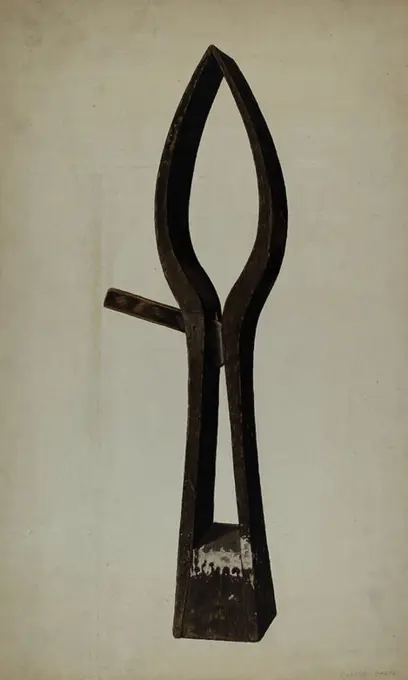
Door beater with dragon ornament and two mascarons., 1500 - 1600 A forged iron door beater in the shape of a ring; Dragon ornament and two mascarons.  iron (metal) A forged iron door beater in the shape of a ring; Dragon ornament and two mascarons.  iron (metal)
Door beater with dragon ornament and two mascarons., 1500 - 1600 A forged iron door beater in the shape of a ring; Dragon ornament and two mascarons. iron (metal) A forged iron door beater in the shape of a ring; Dragon ornament and two mascarons. iron (metal)
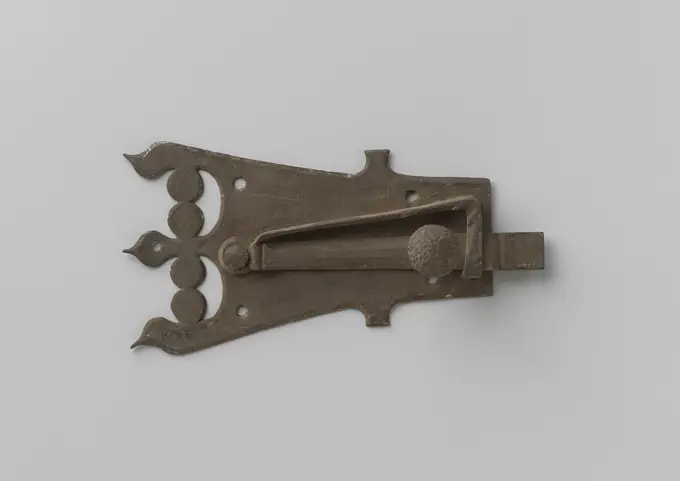
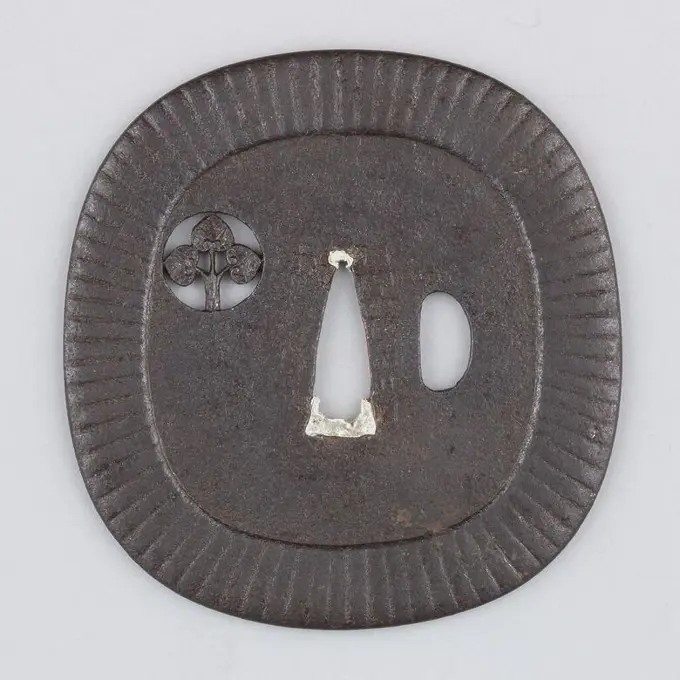
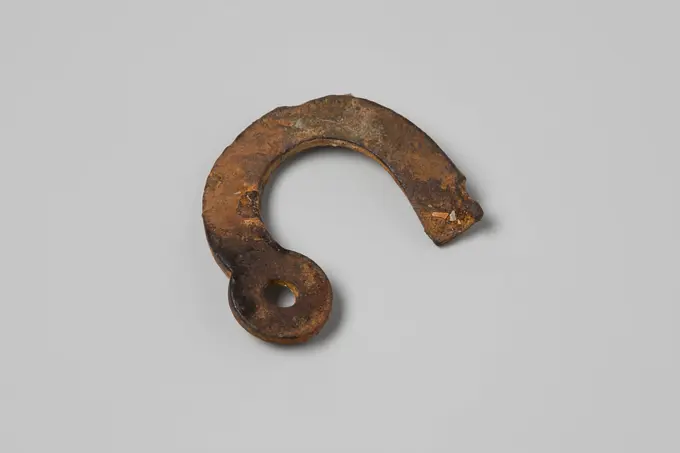
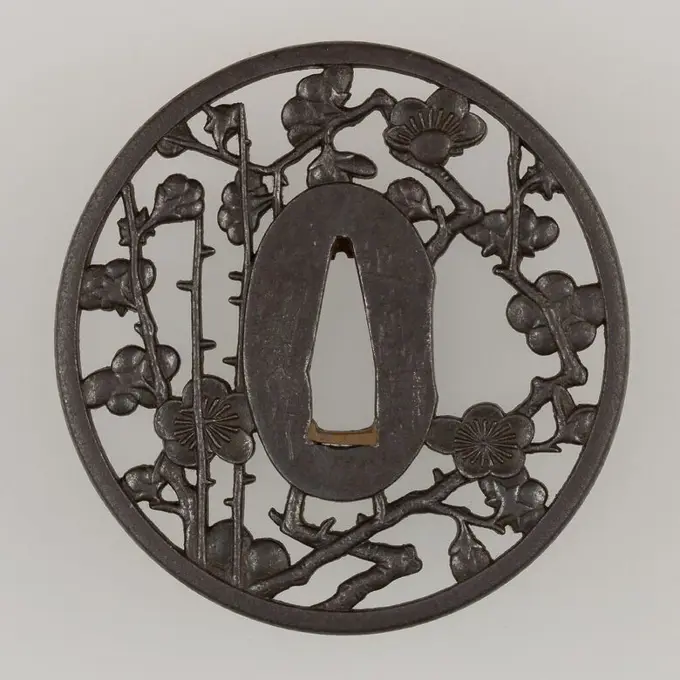
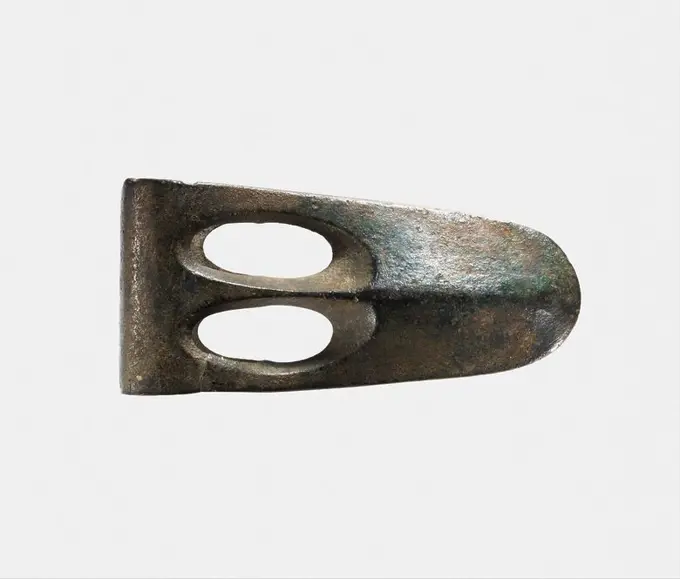
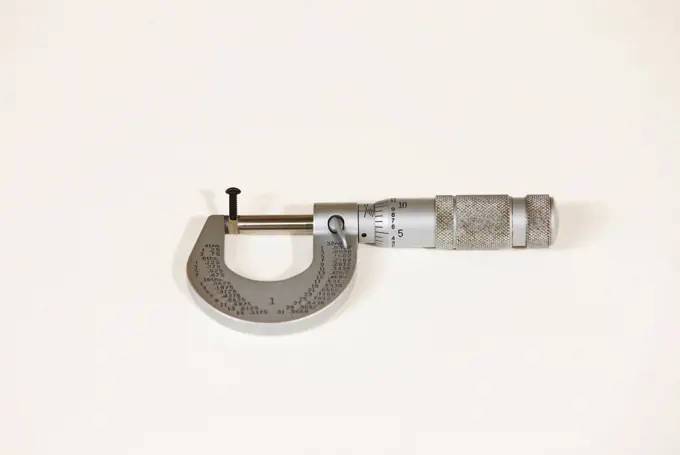
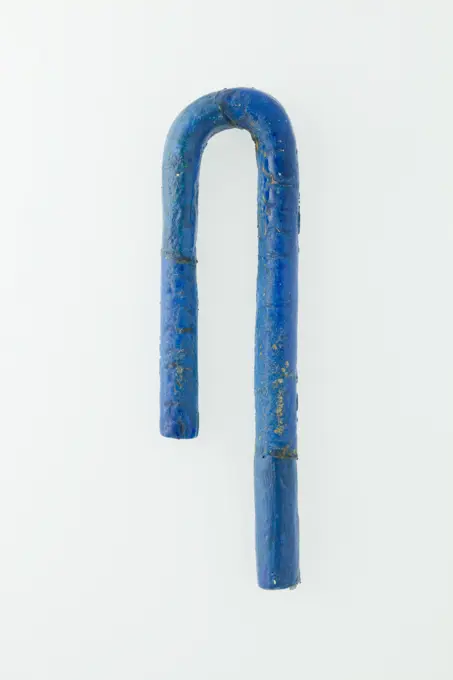
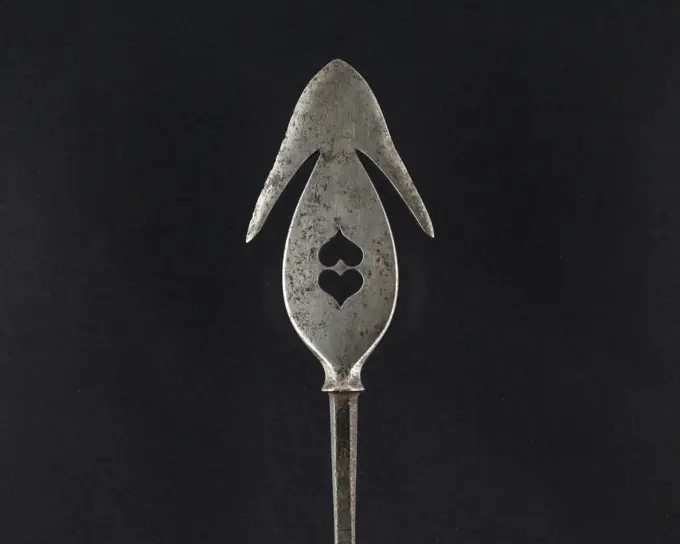
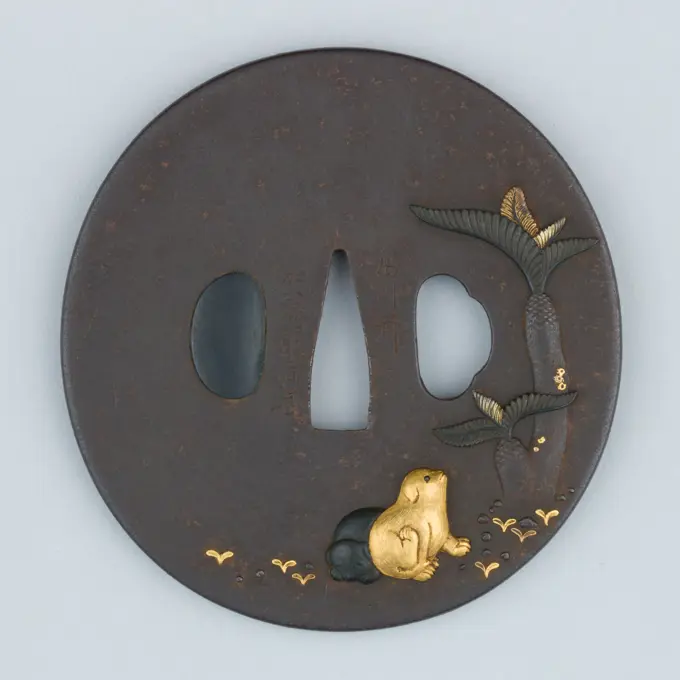
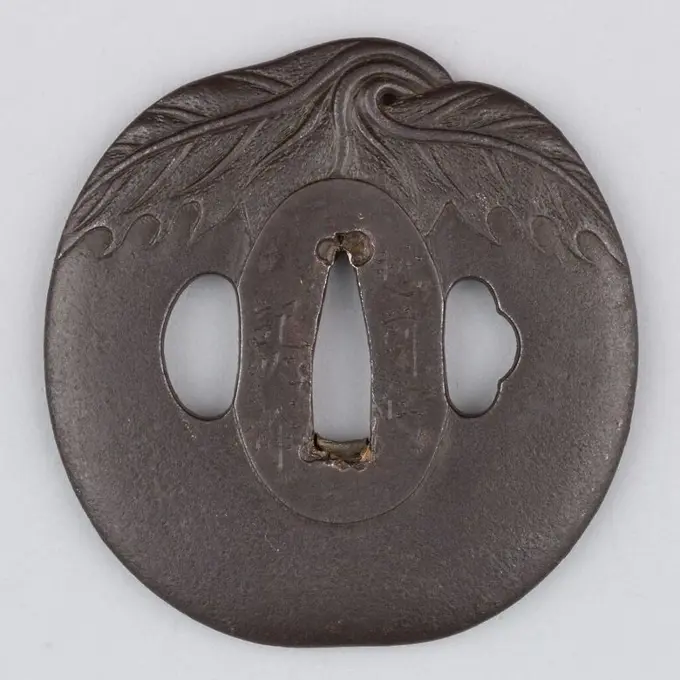
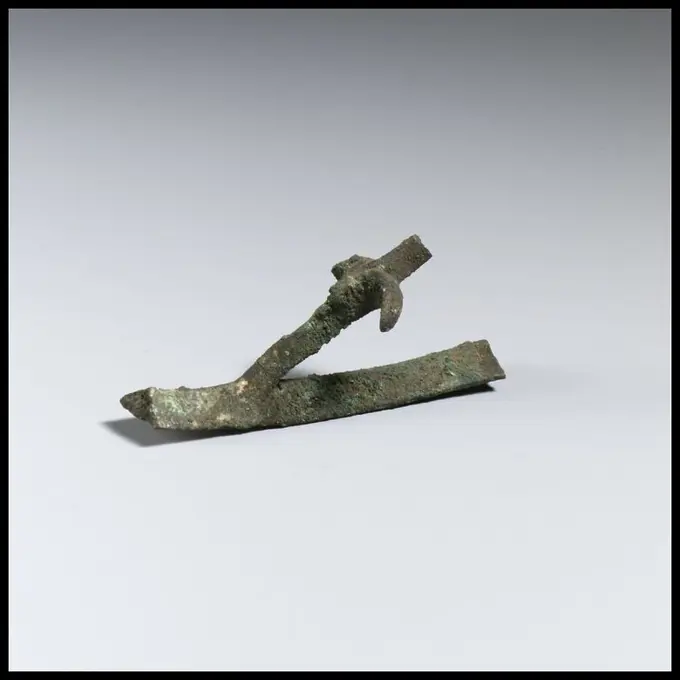
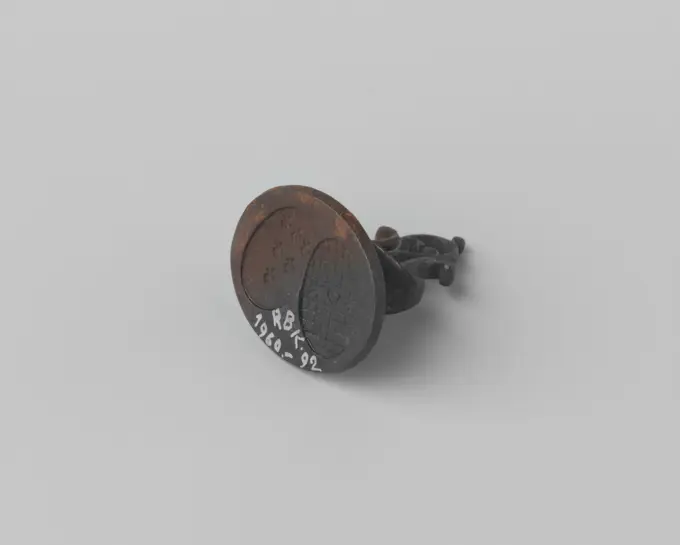
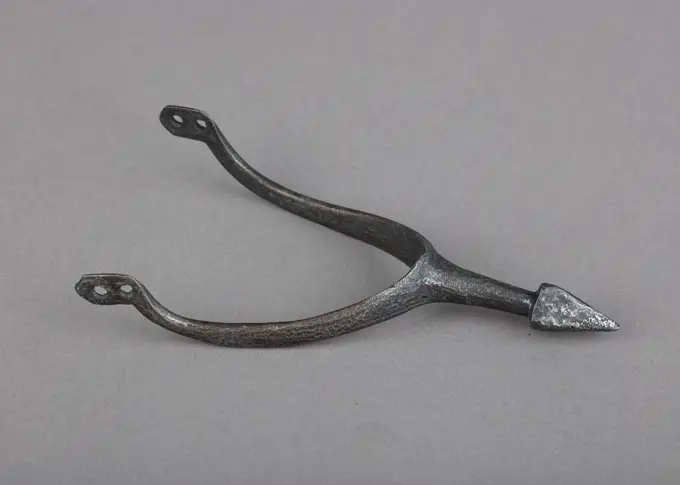
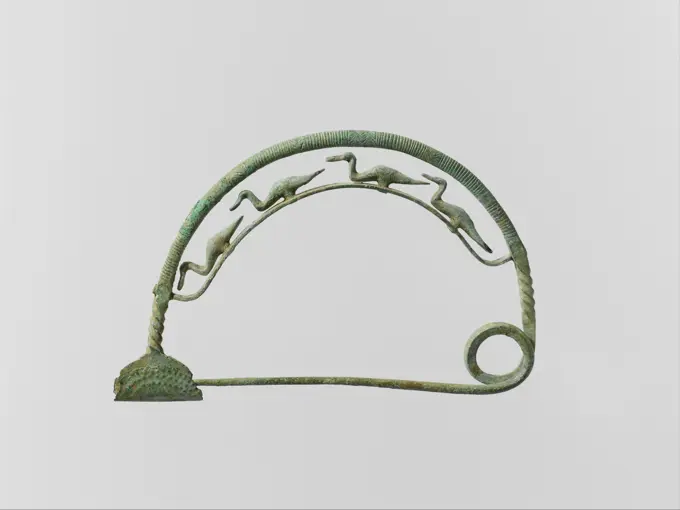
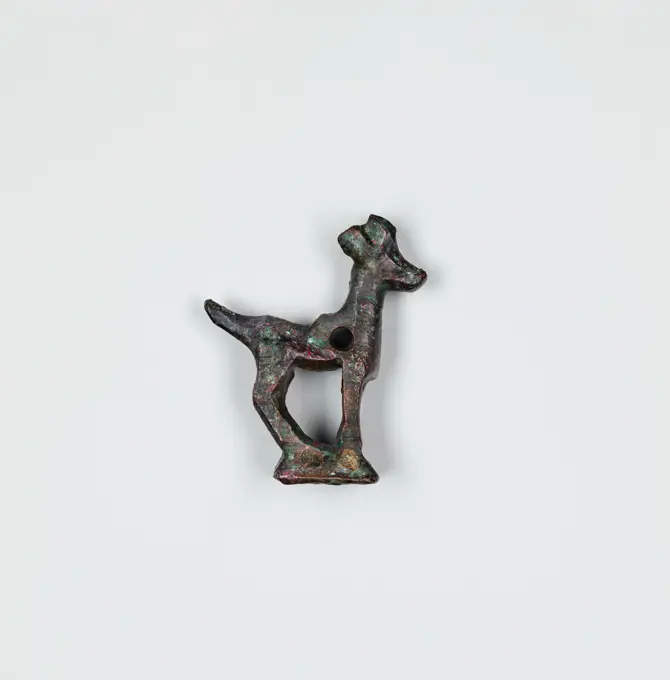
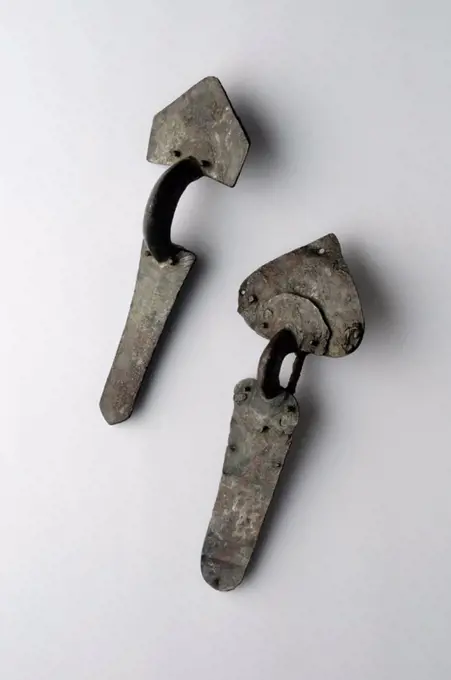
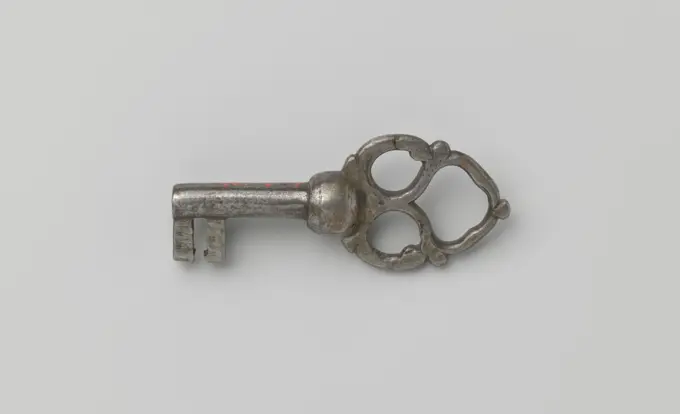
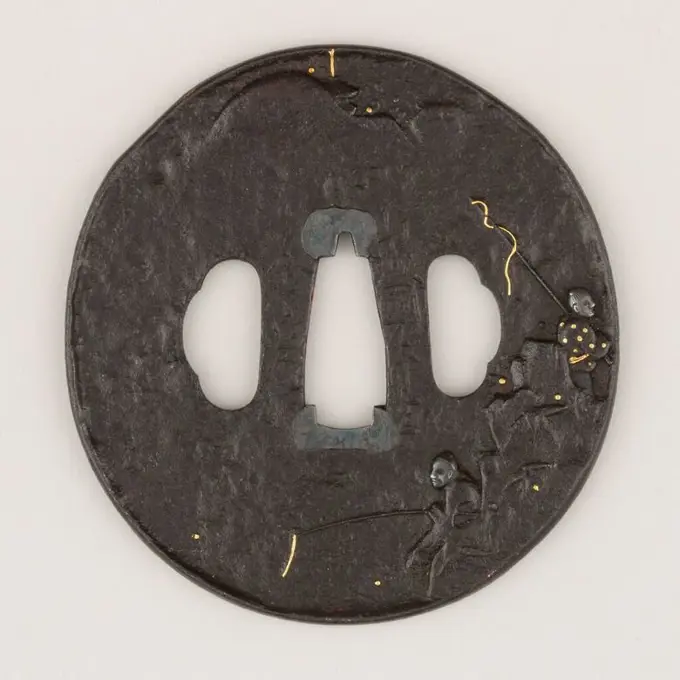
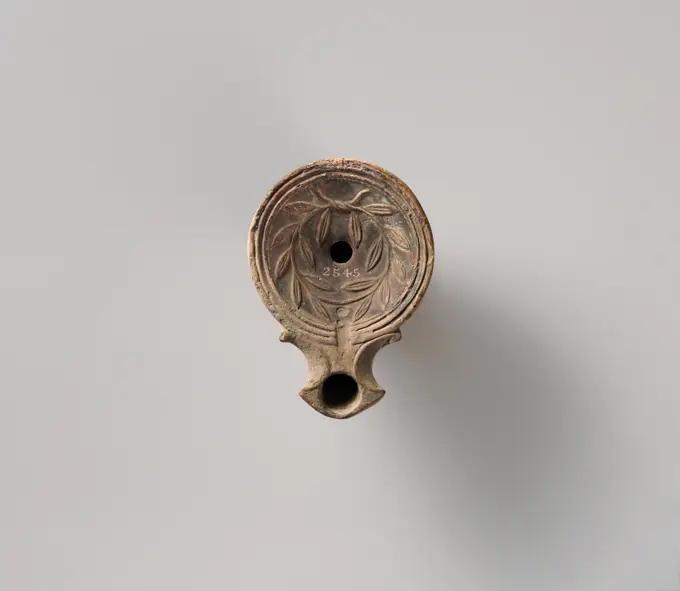
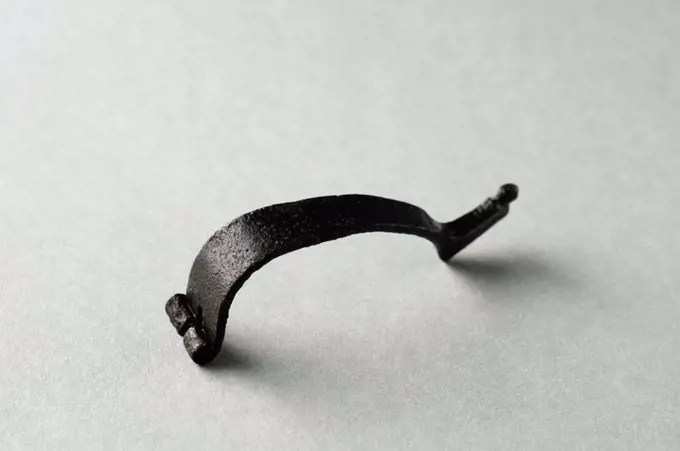
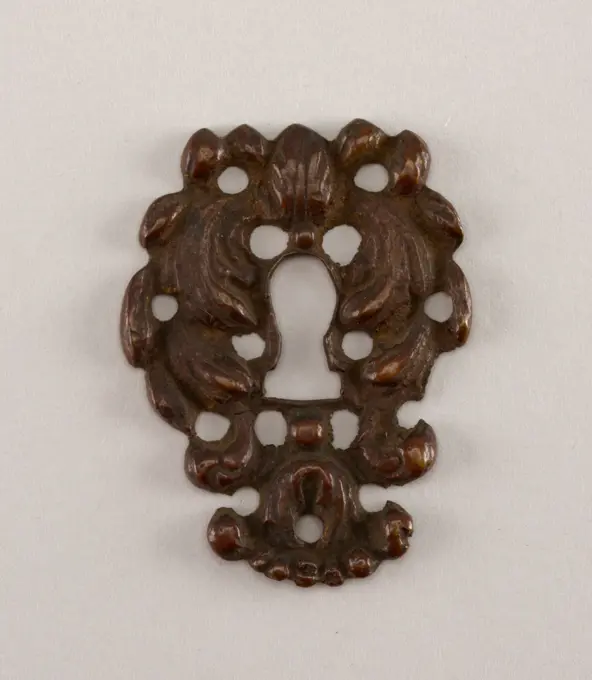
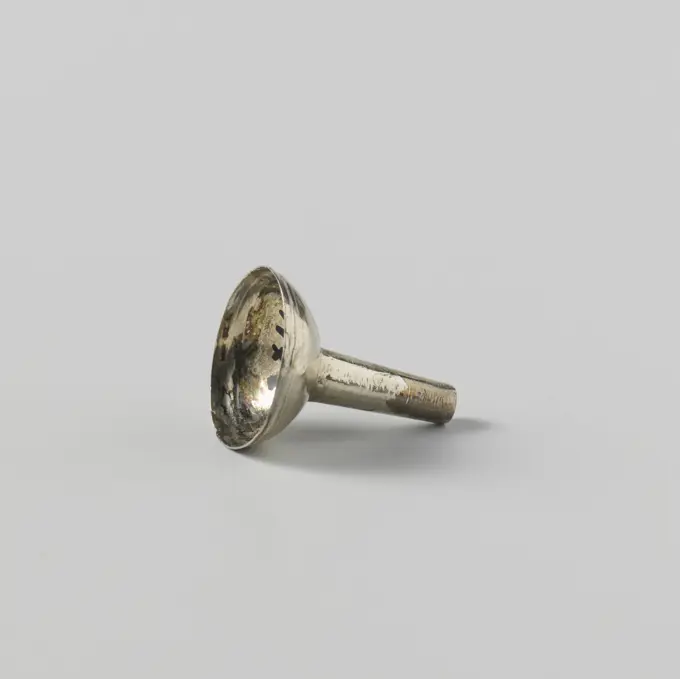
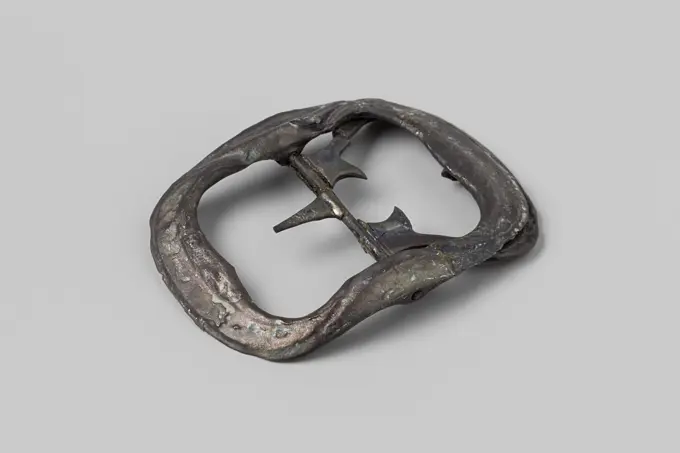
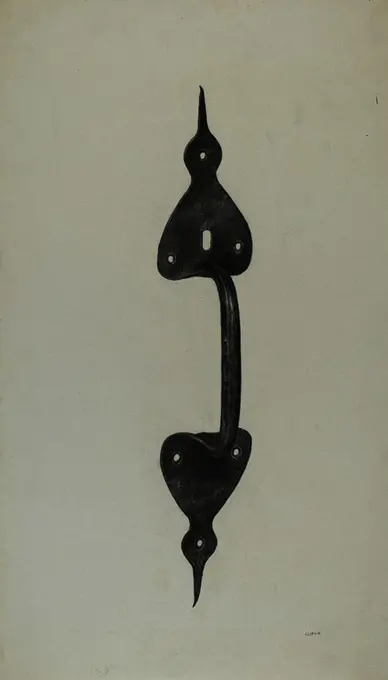
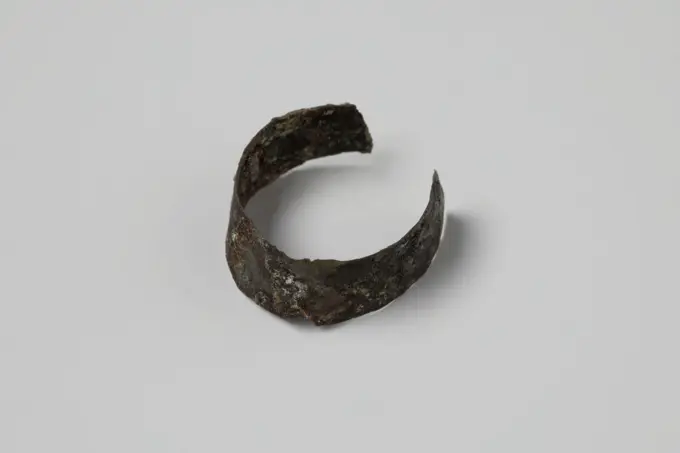
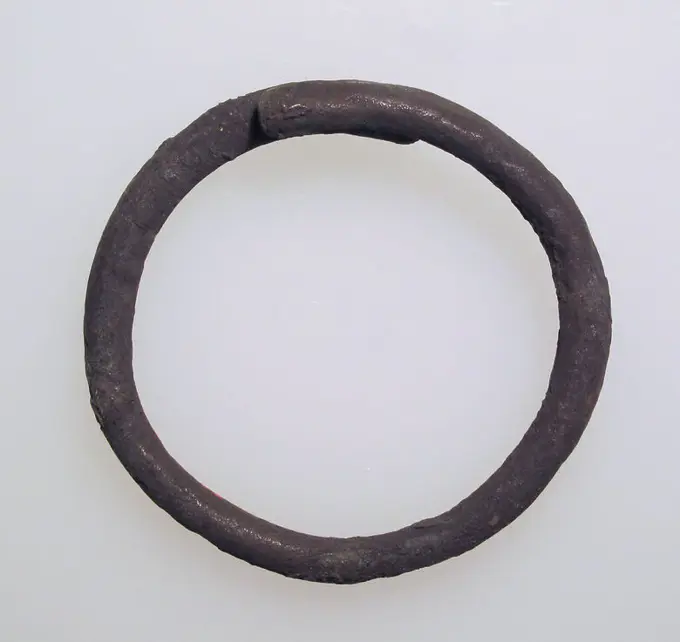
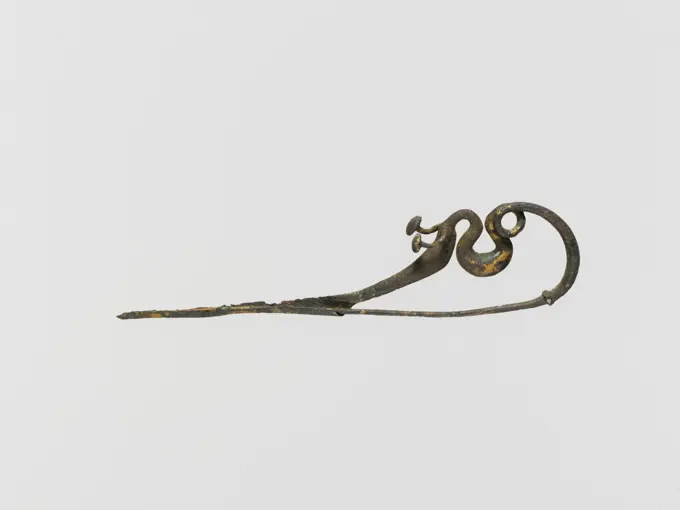
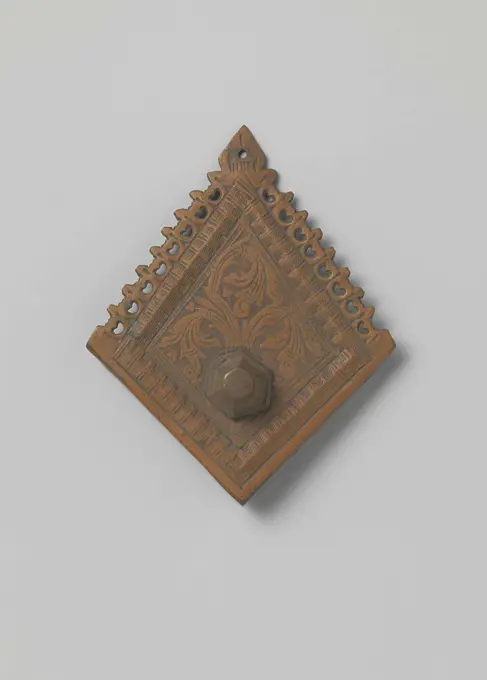
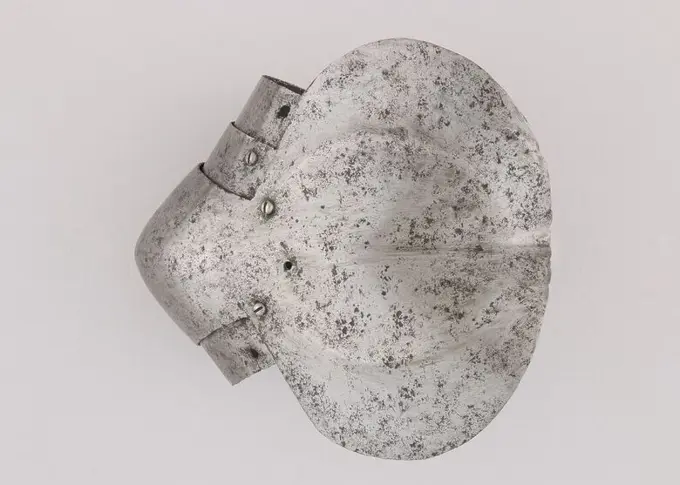
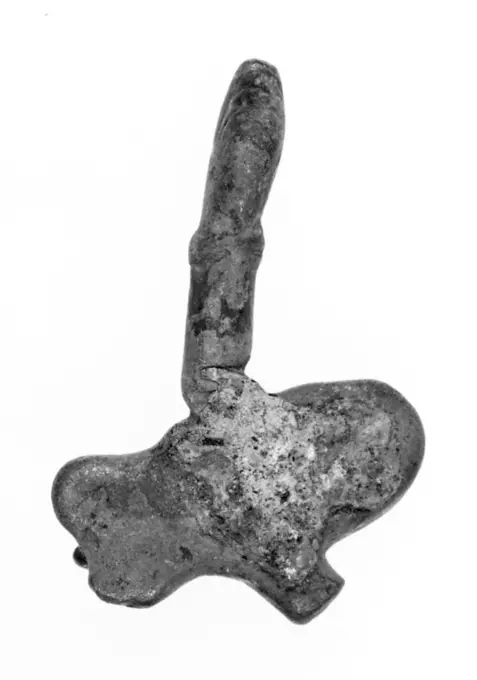
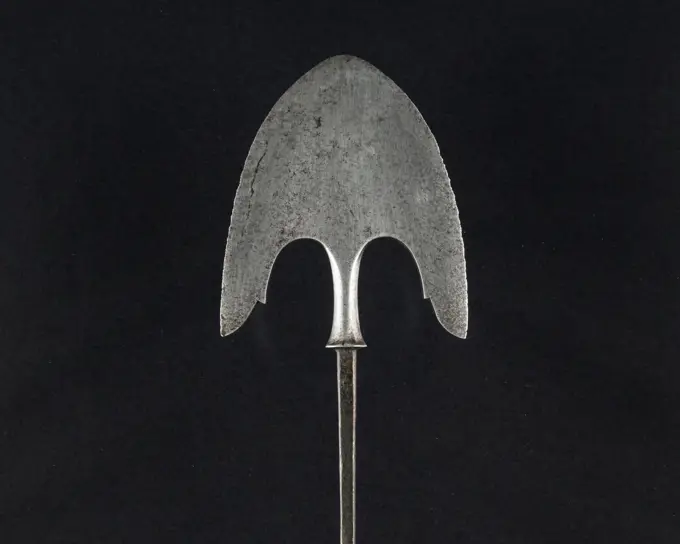
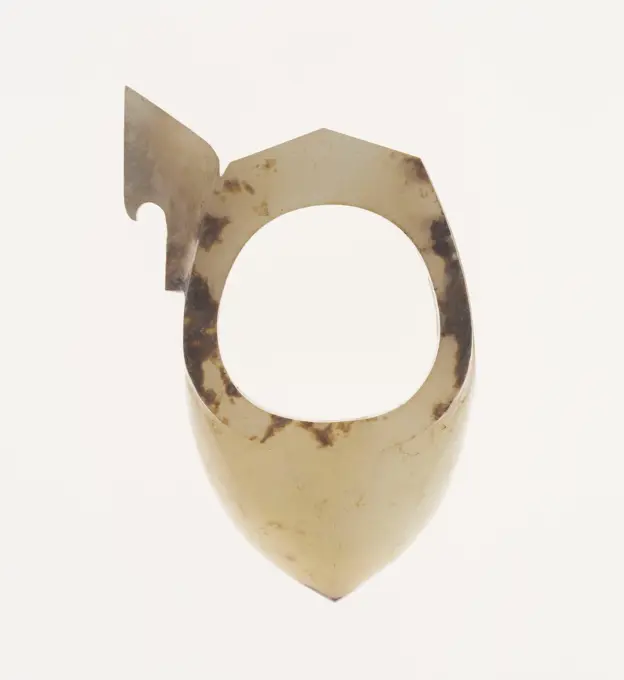
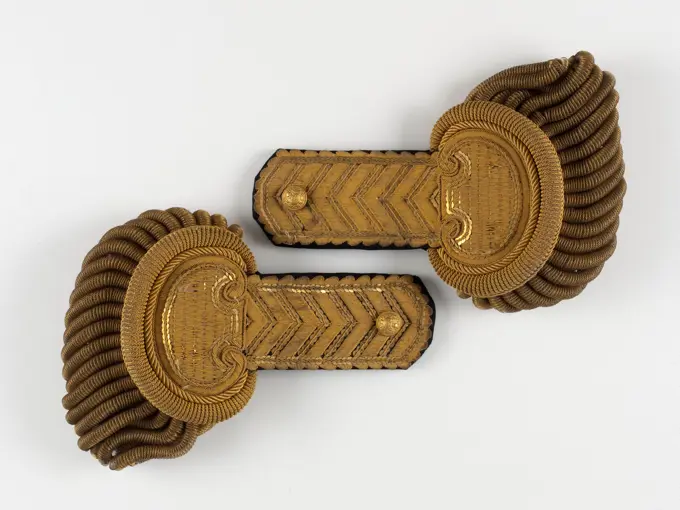
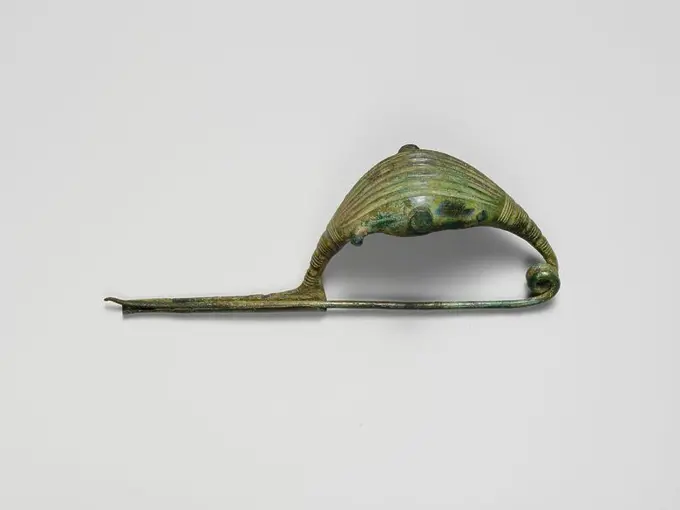
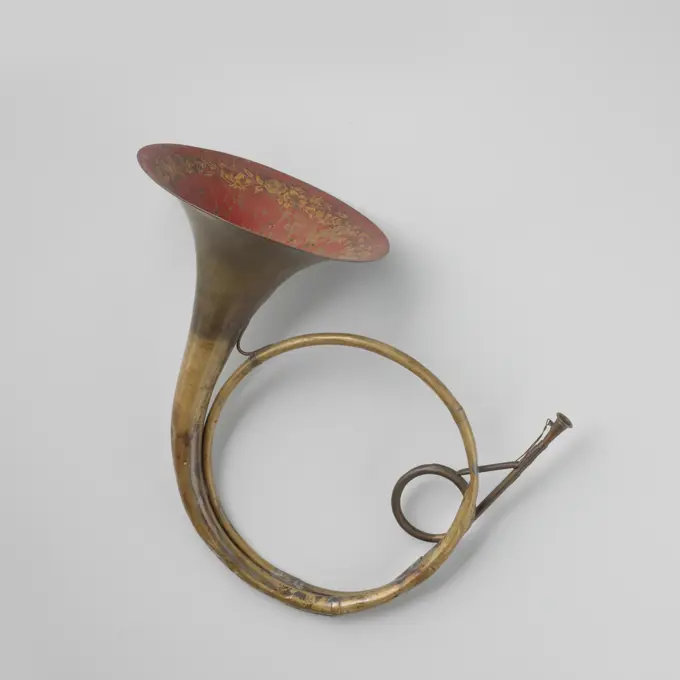
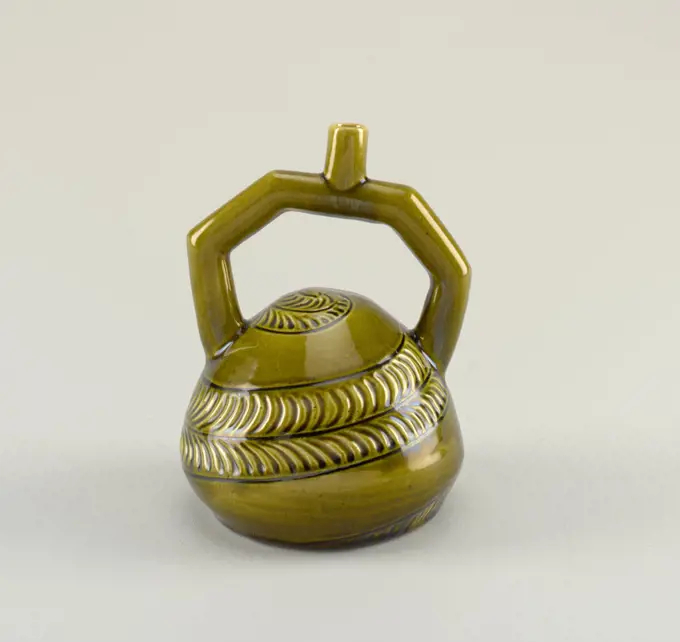
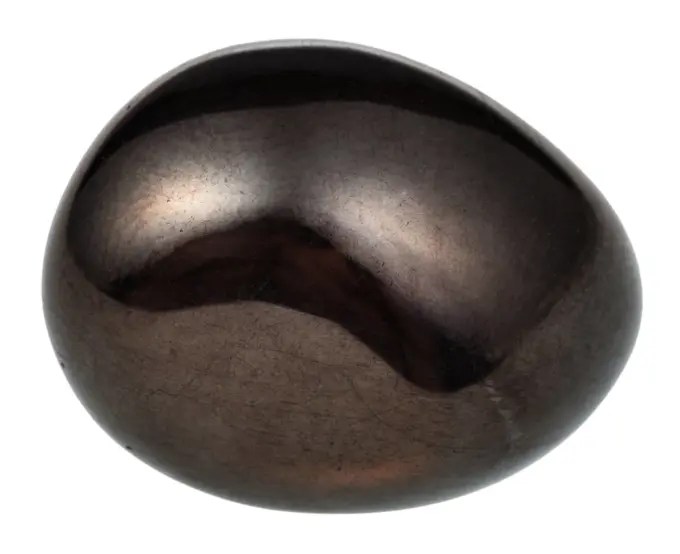
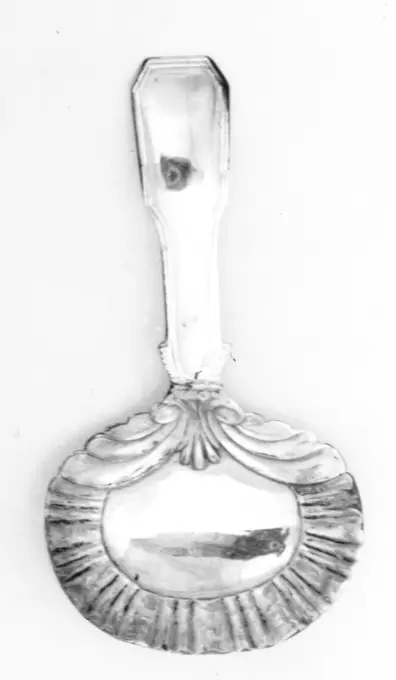
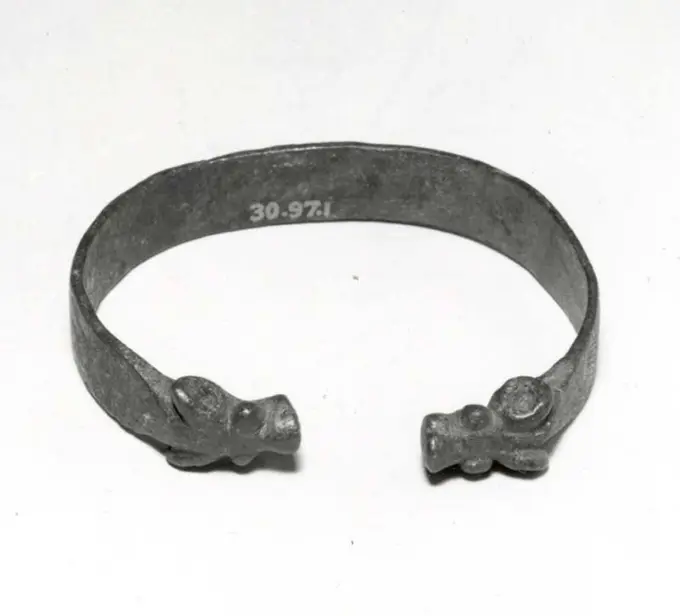
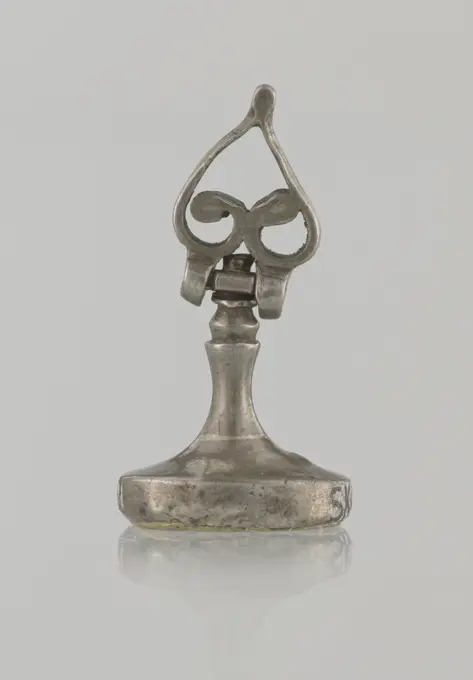
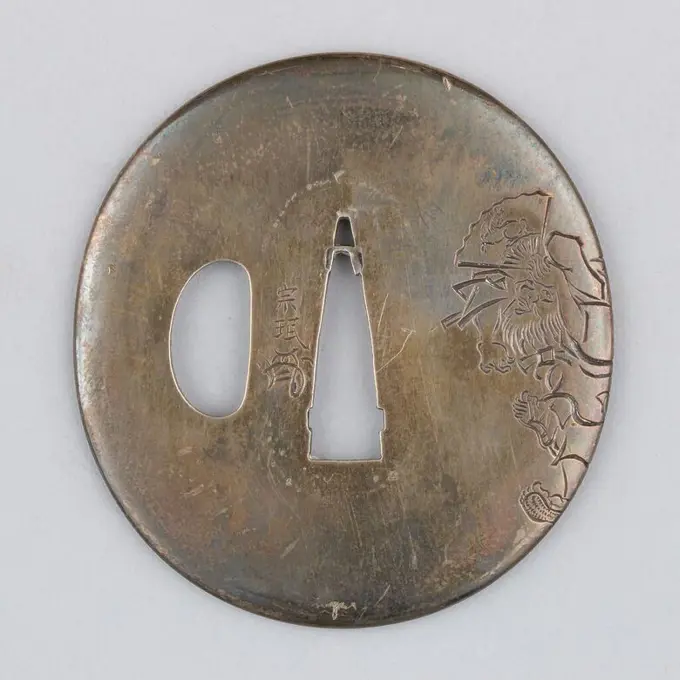
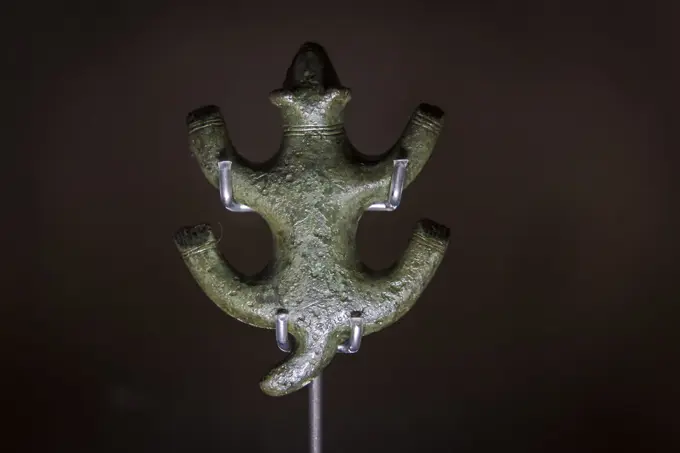
Brooch -Pijpsleutel.Pipe key with eye above the diamond-shaped handle. The last closes open square between four diagonals.Key. KEY with large acetic eye, short handle and a beard formed by a quadrangular surface with two upright sides.Door beater with dragon ornament and two mascarons., 1500 - 1600 A forged iron door beater in the shape of a ring; Dragon ornament and two mascarons.  iron (metal) A forged iron door beater in the shape of a ring; Dragon ornament and two mascarons.  iron (metal)Cut. An arrested single cut (tinned).Buckle dated 1550 German. Buckle. German. dated 1550. Brass. Miscellaneous-Buckles & OrnamentBuckle dated 1725 French. Buckle. French. dated 1725. Bronze. Miscellaneous-Buckles & OrnamentSword Guard (Tsuba). Culture: Japanese. Dimensions: H. 3 5/8 in. (9.2 cm); W. 3 1/2 in. (8.9 cm); thickness 1/8 in. (0.3 cm); Wt. 5.3 oz. (150.3 g). Date: 17th century. Museum: Metropolitan Museum of Art, New York, USA.Fibula 8th-6th century B.C. Italic Boat shaped type.. Fibula 246317Brooch -Fragment Sampler from the wreck of the East Indieschief Hollandia. Divider; Fragment, Semicircular Ring: Flat in Section, Pierced Circular End (Acting as Pivot), Leg Broken Off.Sword Guard (Tsuba). Culture: Japanese. Dimensions: Diam. 2 7/8 in. (7.3 cm); thickness 3/16 in. (0.5 cm); Wt. 3.6 oz. (102.1 g). Date: 18th century. Museum: Metropolitan Museum of Art, New York, USA.Brooch -Key, c. 1900 Key for a Porte-Brisee whose handle is connected to the capital with a hinge. The handle consists of C-Voluten and palmets. The shaft runs beyond the 3-shaped beard. Handle of bronze, shaft and beard of iron.  iron (metal). bronze (metal) Key for a Porte-Brisee whose handle is connected to the capital with a hinge. The handle consists of C-Voluten and palmets. The shaft runs beyond the 3-shaped beard. Handle of bronze, shaft and beard of iron.  iron (metal). bronze (metal)LoopKey. Key with wind-shaped eye. Heavily rusted.Luckenbooth brooch -Top for standard ca. 9th-8th century B.C. Iran. Top for standard 322858Ax head. Dimensions: H. 5.1 cm (2 in.); W. 10.9 cm (4 5/16 in.); D. 2 cm (13/16 in.). Dynasty: Dynasty 12-18. Date: ca. 1981-1550 B.C.."Duckbill-shaped" axes like this one were produced primarily in Syria-Palestine during the Middle Bronze Age IIA phase, which is roughly contemporaneous with the Twelfth Dynasty in Egypt. They are attested throughout the eastern Mediterranean world from Anatolia in the north to the Nile Delta in the south. An ax head very similar to this one, for example, was found in a tomb in the late Twelfth Dynasty stratum at Tell el-Daba (ancient Avaris) in the delta, where many Asiatic people settled during the Middle Kingdom and later established the capital city of the Hyksos Dynasty. Instead of having a series of small binding-holes like a typical Egyptian ax, this Asiatic type has a large socket to receive the haft. Its cutting edge is much smaller than that of its Egyptian counterpart due to its narrow shape, but the force generated by swinging this hefty axBlack hex cap screw and caliper micrometerInlay, hieroglyph 664-610 B.C. Late Period, Saite A quantity of faience hieroglyphs and border elements was found in the tomb or courtyard of Nespekashuty. These are displayed in galleries 127 and 130. They are of similar size and manufacture, so seem to have belonged to a single object, likely of wood. Some of the signs belong to the standard offering formula, others mention Osiris and Anubis, so they certainly suggest an item of funerary furniture - a box, a screen, or a coffin although coffins are not usually inlaid in faience and remnants of Nespekashuty's were painted.Unfortunately, there are no signs indisputably pointing to Nespekashuty's names or titles. Although it seems likely that the fairly elaborate piece of equipment to which they testify belonged to the main burial of this tomb, and not to the Third Intermediate Period burials found in the courtyard or to the material apparently cleared from the Hathor Shrine at Deir el Bahri or to the other sets of late shabtis found inNavigation, anonymous, c. 1590 - c. 1596 fragment A sliding arm, part of an Astrolabium Catholicum. The sliding arm consists of a wooden base and a copper three -part arm. The wooden part slid over a diameteric bar mounted on the astrolabium and could be clamped with a screw (see the rectangular recess for a copper plate with a screw hole in the middle). The three copper members of the Wijzer could hinges.  Wood (plant material). Wiser: Copper (Metal) cutting / striking (metalworking)  Nova Zembla. Saving HuysArrowhead (Yanone) 18th century Japanese Although today Japanese warriors are renowned most for their swordsmanship, archery, especially from horseback, has been an essential part of samurai warfare and culture for centuries. Arrows were fitted with heads of varying shape according to their intended use in war, the hunt, or target practice. Arrowheads made for use on the battlefield incorporated different designs intended for specialized purposes such as the piercing of armor or to cause maximum damage to horses and unarmored personnel.Large arrowheads, pierced and elaborately chiseled with landscapes, birds, flowers, dragons, and Buddhist divinities, were created to be admired for the beauty of their metalwork and design rather than for use in archery. Such highly elaborate examples may have been made for presentation or as a votive offerings to a shrine.. Arrowhead (Yanone). Japanese. 18th century. Steel. Archery Equipment-ArrowheadsSword Guard (Tsuba) ca. 1615-1868 Japanese A tsuba is a sword guard and part of a sword mounting. It is mounted between the swords blade and grip to protect the users hands.. Sword Guard (Tsuba) 34455Sword Guard (Tsuba). Culture: Japanese. Dimensions: H. 3 3/16 in. (8.1 cm); W. 3 in. (7.6 cm); thickness 3/16 in. (0.5 cm); Wt. 4.4 oz. (124.7 g). Date: ca. 1615-1868. Museum: Metropolitan Museum of Art, New York, USA.Sword Guard (Tsuba). Culture: Japanese. Dimensions: H. 2 15/16 in. (7.5 cm); W. 2 7/8 in. (7.3 cm); thickness 1/4 in. (0.6 cm); Wt. 5.2 oz. (147.4 g). Date: 18th century. Museum: Metropolitan Museum of Art, New York, USA.Sword Guard (Tsuba). Culture: Japanese. Dimensions: H. 3 5/16 in. (8.4 cm); W. 3 in. (7.6 cm); thickness 3/16 in. (0.5 cm); Wt. 6.5 oz. (184.3 g). Date: ca. 1615-1868. Museum: Metropolitan Museum of Art, New York, USA.Luckenbooth brooch -Ornament (). Dimensions: 2 5/8in. (6.7cm). Museum: Metropolitan Museum of Art, New York, USA.Excerpt of an ear, anonymous, -206 - 220 U-shaped fragment; ear of a bronze barrel () China bronze (metal). gold leaf U-shaped fragment; ear of a bronze barrel () China bronze (metal). gold leafCandy entrance with lion heads. The object has been cast from two parts. At the point, where they are riveted to each other with an iron bolt, they are decorated with a lion's head. Every end is equipped with an iron dot.Brooch -Cachet with coats of arms Clifford and Van Weede, Anonymous, c. 1805 - c. 1807 Iron cachet with two oval coats of arms: Clifford and Van Weede. Netherlands iron (metal) Iron cachet with two oval coats of arms: Clifford and Van Weede. Netherlands iron (metal)LoopFragmentary Fibula. UnknownBoor, 1600 - 1625 A richly decorated iron drill with profiled wooden button.  iron (metal). wood (plant material) A richly decorated iron drill with profiled wooden button.  iron (metal). wood (plant material)Prick Spur 13th or 19th century German The general aspect and shape of this spur are unusual. It may be a 19th-century forgery.The prick spur was the first type of spur to be invented, and it consists of a goad or prick, more or less pointed, connected to side arms or a heel plate. The earliest spurs were probably simple thorns attached at the back of the heel, before they began to be made out of metal in antiquity. Prick spurs were the main type of spurs used in the Middle Ages until the mid-14th century, when they were supplanted by rowel spurs, which appeared in Europe a century before and with which they had cohabitated for a time. As a knights status was closely related to his horse, spurs became one of the symbols of chivalry, and one of the tokens given to him during his knighting.. Prick Spur. German. 13th or 19th century. Iron alloy. Equestrian Equipment-SpursSword Guard (Tsuba) 18th century Japanese A tsuba is a sword guard and part of a sword mounting. It is mounted between the swords blade and grip to protect the users hands.. Sword Guard (Tsuba). Japanese. 18th century. Copper alloy (sentoku), silver, gold, copper. Sword Furniture-TsubaBronze bow fibula (safety pin) with four ducks ca. 900 B.C. Villanovan The incorporation of four swimming ducks makes this fibula unusual. Delicate patterns on the bow, bold spirals above the spring and catchplate, and concentric rows of tiny dots on the clasp add to the richness of this elegant pin.. Bronze bow fibula (safety pin) with four ducks 252551 Villanovan, Bronze bow fibula (safety pin) with four ducks, ca. 900 B.C., Bronze, Overall: 3 7/16 x 3/8 in. (8.8 x 1 cm) Other: 5 3/8in. (13.7cm). The Metropolitan Museum of Art, New York. Fletcher Fund, 1926 (26.60.87)Figurine of a goat. nieznany warsztat bliskowschodni, workshopUsed horseshoe on a white backgroundGold spiral ca. 1600-1100 B.C. Cypriot Of plain wire with two turns.. Gold spiral. Cypriot. ca. 1600-1100 B.C.. Gold. Late Bronze Age. Gold and SilverPIECE Left ; Bronze Fibula arc trilaminar, consists of three pieces hammered together by nails .Size 10, 2 cm x 3, 1 cm Height 2 cm ( 5 th CE ) - Visigoth period, from the "Afflicted Necropolis "- Archaeological site of Complutum in Alcalá de Henares ( Madrid ). SPAIN.Buckle 15th-17th century European. Buckle. European. 15th-17th century. Steel gilt. Miscellaneous-Buckles & OrnamentHand guard, anonymous, 1800 - 1900 Mokko-shaped tsuba with an elevated edge; On both sides of rain birds in Iroe HiraZogan above waves in raised relief. Iroe HiraZogan is flat inlaying in different colors. Japan copper (metal). gold (metal). silver (metal) Mokko-shaped tsuba with an elevated edge; On both sides of rain birds in Iroe HiraZogan above waves in raised relief. Iroe HiraZogan is flat inlaying in different colors. Japan copper (metal). gold (metal). silver (metal)Pipe key, c. 1700 - c. 1800 Pipe key with grip through leaf vines divided into three openings. The capital is bullet -shaped. Beard two -fold.  iron (metal) Pipe key with grip through leaf vines divided into three openings. The capital is bullet -shaped. Beard two -fold.  iron (metal)Sword Guard (Tsuba). Culture: Japanese. Dimensions: H. 3 3/16 in. (8.1 cm); W. 3 in. (7.6 cm); thickness 1/8 in. (0.3 cm); Wt. 3 oz. (85 g). Date: late 16th-early 17th century. Museum: Metropolitan Museum of Art, New York, USA.Sword Guard (Tsuba). Culture: Japanese. Dimensions: H. 3 1/4 in. (8.3 cm); W. 3 1/16 in. (7.8 cm); thickness 3/16 in. (0.5 cm); Wt. 4.2 oz. (119.1 g). Date: ca. 1615-1868. Museum: Metropolitan Museum of Art, New York, USA.Pilgrim's Badge. Culture: French. Dimensions: Overall: 2 1/8 in. (5.4 cm). Date: 14th-16th century. Museum: Metropolitan Museum of Art, New York, USA.Luckenbooth brooch -Terracotta oil lamp 1st century B.C.-1st century A.D. Roman Loeschcke Type 1A. Mold-made. Discus: myrtle () wreath of fine leaves; a single filling hole at center; band of lines and groove around edge, interrupted at front by a channel with indented circle behind at bottom of discus. Volutes flanking angular nozzle, with large wick hole. Raised base ring, and slightly concave base.Intact, but some surface chipping on right side of body.. Terracotta oil lamp. Roman. 1st century B.C.-1st century A.D.. Terracotta. Early Imperial. TerracottasRoman fibula made of bronze from the Archaeological site of Complutum in Alcalá de Henares ( Madrid ). SPAIN.Cut knife from iron. A complete iron cutting knife. The item is missing. (Used by smokers).Clamp Jack. Dated: c. 1937. Dimensions: overall: 57.4 x 36.2 cm (22 5/8 x 14 1/4 in.). Medium: watercolor, pen and ink, and graphite on paperboard. Museum: National Gallery of Art, Washington DC. Author: Eugene Bartz.Mount; 1904-21-44Funnel, anonymous, c. 1814 - c. 1898 Smooth, round funnel. Two lines are engraved along the top edge. The funnel is marked: Miner pack to the left. Amsterdam silver (metal) Smooth, round funnel. Two lines are engraved along the top edge. The funnel is marked: Miner pack to the left. Amsterdam silver (metal)ShoeSP from the wreck of the East India Hollandia.schoen SP. Buckle, Chape Buckle, Shoe Buckle; (3) Fragment (1): (1) Ring (5.8x4.8, 0.3T), molded, (1) Spindle with Tongue, (1) Single-pronged loop, Marks Legible GV, I, Coat or Arms or AmsterdamSword Guard (Tsuba). Culture: Japanese. Dimensions: H. 3 3/8 in. (8.6 cm); W. 3 1/8 in. (7.9 cm). Date: 18th century. Museum: Metropolitan Museum of Art, New York, USA.Engraved slot with key from tinned iron. Slot with key of tinned iron, so-called inside lock with two shots and the associated key. A clover-shaped lock case. The lock plate is engraved with braided tubs, the tendrils ending in flowers with faces in it. The key has a heart-shaped eye, resting on a round disk, smooth shaft and beard.Candle Snuffer Stand; pewterDoor Handle. Dated: c. 1941. Dimensions: overall: 44.8 x 25.6 cm (17 5/8 x 10 1/16 in.). Medium: graphite on paper. Museum: National Gallery of Art, Washington DC. Author: Jacob Lipkin.Messenlift ring from the wreck of the East Indians Hollandia, Anonymous, 1700 - in Or Before 1743  Knife-handle, ferrule; sim. NG 1980-27H563. Netherlands copper (metal)   SecondBracelet. Dimensions: Diameter: 2 13/16 × 5/16 × 5/8 in. (7.2 × 0.7 × 1.6 cm). Museum: Metropolitan Museum of Art, New York, USA.Emilia-Romagna Ferrara Ferrara Museo Civico di Schifanoia64. Hutzel, Max 1960-1990 General Notes: INCOMPLETE RECORD--NEGATIVES PROCESSED, PRINTS FILED German-born photographer and scholar Max Hutzel (1911-1988) photographed in Italy from the early 1960s until his death. The result of this project, referred to by Hutzel as Foto Arte Minore, is thorough documentation of art historical development in Italy up to the 18th century, including objects of the Etruscans and the Romans, as well as early Medieval, Romanesque, Gothic, Renaissance and Baroque monuments. Images are organized by geographic region in Italy, then by province, city, site complex and monument.Bronze dragon-type fibula (safety pin) 700-650 B.C. Etruscan The bow has two loops, a spiral of one turn, and one pair of horns. The head consists of a knob.. Bronze dragon-type fibula (safety pin) 246345Hand guard, anonymous, c. 1700 - c. 1900 Almost round tsuba in the form of a pumpkin with leaves; On one side of the Tsuba, the veins are inlaid with gold (Nunome-Zogan). Japan iron (metal) Almost round tsuba in the form of a pumpkin with leaves; On one side of the Tsuba, the veins are inlaid with gold (Nunome-Zogan). Japan iron (metal)Batter of a mission tire. Ten fitting parts of a mission tape, from brass. The ten parts are cut from copper plate, driven, engraved and sponately edited. A copper button with seven facets is riveted on each of them. They are equipped with holes on the corners or along the edge to be able to turn nails, with which they were constituted on the book band. Four corner pieces have a rear edged on two sides. The remaining four have that only at the top or bottom (these were placed against the back of the book). Two sides have been deposited with an open edge of cross flowers from each corner piece. The field in the middle is taken by three-dialed tendrils. The ornament on the middle parts exists on the corners from a plant with three leaves and two flowers in a pot. The four parts in between are taken by fantasy decreases.Glass stirring rod ca. 1st-2nd century A.D. Roman Colorless with pale yellow green tinge.Cylindrical rod, tightly twisted to produce spiral fluting; one end tooled into a flat disk, the other is formed into a loop or ring handle by bending the rod round a full 360 degrees and attaching it to the top of the straight shaft of the rod.Intact, except for loss on one side of the disk finial; iridescence, weathering, and limy encrustation.Pinkish twisted dipping-rod with handle and knob.. Glass stirring rod 239736Boekband, anonymous, c. 1800 - c. 1900 Hoek of a book binding of silver.  silver (metal) Hoek of a book binding of silver.  silver (metal)Elbow Defense (Couter). Culture: Italian. Dimensions: H. 6 1/4 in. (15.9 cm); W. 4 1/2 in. (11.4 cm); D. 6 7/8 in. (17.5 cm); Wt. 13.1 oz. (371.4 g). Date: ca. 1430-40. Museum: Metropolitan Museum of Art, New York, USA.Phallus Pendant. UnknownBrooch -Arrowhead (Yanone) dated 1647 Japanese Although today Japanese warriors are renowned most for their swordsmanship, archery, especially from horseback, has been an essential part of samurai warfare and culture for centuries. Arrows were fitted with heads of varying shape according to their intended use in war, the hunt, or target practice. Arrowheads made for use on the battlefield incorporated different designs intended for specialized purposes such as the piercing of armor or to cause maximum damage to horses and unarmored personnel.Large arrowheads, pierced and elaborately chiseled with landscapes, birds, flowers, dragons, and Buddhist divinities, were created to be admired for the beauty of their metalwork and design rather than for use in archery. Such highly elaborate examples may have been made for presentation or as a votive offerings to a shrine.. Arrowhead (Yanone). Japanese. dated 1647. Steel. Kyoto. Archery Equipment-ArrowheadsArcher's thumb ring 500 BCE-300 BCE China. Jade .Model of a Dreg, Anonymous, c. 1400 - c. 1950 scale model Model of a Drreg. Netherlands (possibly) iron (metal)Shoulder. Pair of shoulder of large brigadier general holding that belonged to General Rouvillois. Cannetille, golden twists, cloth, metal. 1945-1954. General Leclerc Museum of Hauteclocque and the Liberation of Paris, Jean Moulin Museum. 78984-7 French army, military equipment, braid, military officer, military uniformSilver loop between 1758 and 1771.Buckle 1490-1510 possibly German. Buckle. possibly German. 1490-1510. Steel. Miscellaneous-Buckles & OrnamentBronze navicella-type fibula (safety pin). Culture: Early Etruscan. Dimensions: length 6 1/8in. (15.6cm). Date: 8th-7th century B.C..The people of ancient Italy used fibulae to fasten their garments and also to display wealth. Navicella (little boat) fibulae have arched bows and were used almost exclusively by females from the end of the ninth century B.C. Museum: Metropolitan Museum of Art, New York, USA.Fibula Greek, Cypriot. Fibula 244419Ring. China. Date: 600 BC-400 BC. Dimensions: Diam. 1 3/4 in.; 7/16 × 1/4 in. Jade. Origin: China. Museum: The Chicago Art Institute, Chicago, USA.Jousting Lance with Vamplate 1400-1500 Germany. Steel and wood (linden) .Waldhorn, dropped by red with gold-plated and shaded flower wreath. Waldhorn, dropped by red with gold-plated and shaded flower wreath. Signature in writing letters: G. van Engelen Aine a Lierre. Wash with green cord.Horse bit cheekpieces in form of a horse's head ca. 8th-7th century B.C. Iran. Horse bit cheekpieces in form of a horse's head 325077Ring from a faucet from the wreck of the East India Hollandia. Tap, spigot, removable; Fragm, Handle, SIM. NG 1980-27H903.Vessel, Christopher Dresser, Scottish, 1834 - 1904, Linthorpe Pottery, Yorkshire, 1879-1889, Glazed earthenware, Stirrup-spout bottle with spiraling abstract decoration and green glaze., England, 1879-82, ceramics, Decorative Arts, VesselPlate and Nail European 15th-16th century View more. Plate and Nail. European. 15th-16th century. Iron. Metalwork-Ironpolished Jet lignite stone isolated macro shooting of geological collection mineral - polished Jet lignite stone isolated on white background Copyright: xZoonar.com/ValeryxVoennyyx 10387411George Wintle, Caddy Spoon, 1791/92, silver.Bracelet with animal heads ca. 8th-7th century B.C.. Bracelet with animal heads 322564Backplate. Culture: German. Dimensions: H. 16 7/8 in. (42.9 cm); W. 14 3/4 in. (37.5 cm); D. 8 1/2 in. (21.6 cm); Wt. 3 lb. 13 oz. (1729.3 g). Date: ca. 1475. Museum: Metropolitan Museum of Art, New York, USA.Bake  with rite inscription;  20th century (1901-00-00-1990-00-00);Arrowhead (Yanone). Culture: Japanese. Dimensions: L. 10 1/8 in. (25.7 cm); L. of head 3 3/4 in. (9.5 cm); W. 2 3/8 in. (6 cm); Wt. 2.6 oz. (73.7 g). Date: 18th century. Museum: Metropolitan Museum of Art, New York, USA.Sword Guard (Tsuba). Culture: Japanese. Dimensions: H. 3 3/16 in. (8.1 cm); W. 2 15/16 in. (7.5 cm); thickness 1/4 in. (0.6 cm); Wt. 4.3 oz. (121.9 g). Date: ca. 1615-1868. Museum: Metropolitan Museum of Art, New York, USA.Silver buckle around 1821. Local representing King George IV used from 1820; Punch of the city of London for 1821; Master Punch I.L (). Very close -up to little angle.Bracelet 6th-5th century B.C. Cypriot. Bracelet 244357Spindle whorl decorated with evil eyeSword Guard (Tsuba). Culture: Japanese. Dimensions: H. 2 9/16 in. (6.5 cm); W. 2 7/16 in. (6.2 cm); thickness 1/8 in. (0.3 cm); Wt. 3.4 oz. (96.4 g). Date: early 18th century. Museum: Metropolitan Museum of Art, New York, USA.hospitality tessera in the shape of a bear, Castro de Las Rabas, Cervatos, Museum of prehistory and archeology (MUPAC), Santander, Cantabria, Spain.Lead wreath. Culture: Greek, Laconian. Dimensions: Height: 1 in. (2.6 cm). Date: 6th-5th century B.C..Small flat votive figurines of cast lead have been found in great quantities at the ancient sanctuaries of Laconia; over one hundred thousand, dating from the seventh century B.C. to the Classical period, were dedicated to the goddess Artemis Orthia in Sparta. Museum: Metropolitan Museum of Art, New York, USA.